Packaging machinery plays a critical role in modern manufacturing by improving speed, consistency, hygiene, and overall production efficiency. Whether you produce food, pharmaceuticals, cosmetics, chemicals, or health supplements, the right packaging system can reduce labor dependency, minimize waste, and help your products reach the market in a professional and compliant format.
For growing manufacturers, choosing equipment is not only about automation. It is also about matching the machine to product type, packaging style, output goals, factory layout, and future expansion plans. This guide explains the main types of packaging machinery, their business benefits, and the practical factors to evaluate before investing.
What Is Packaging Machinery?
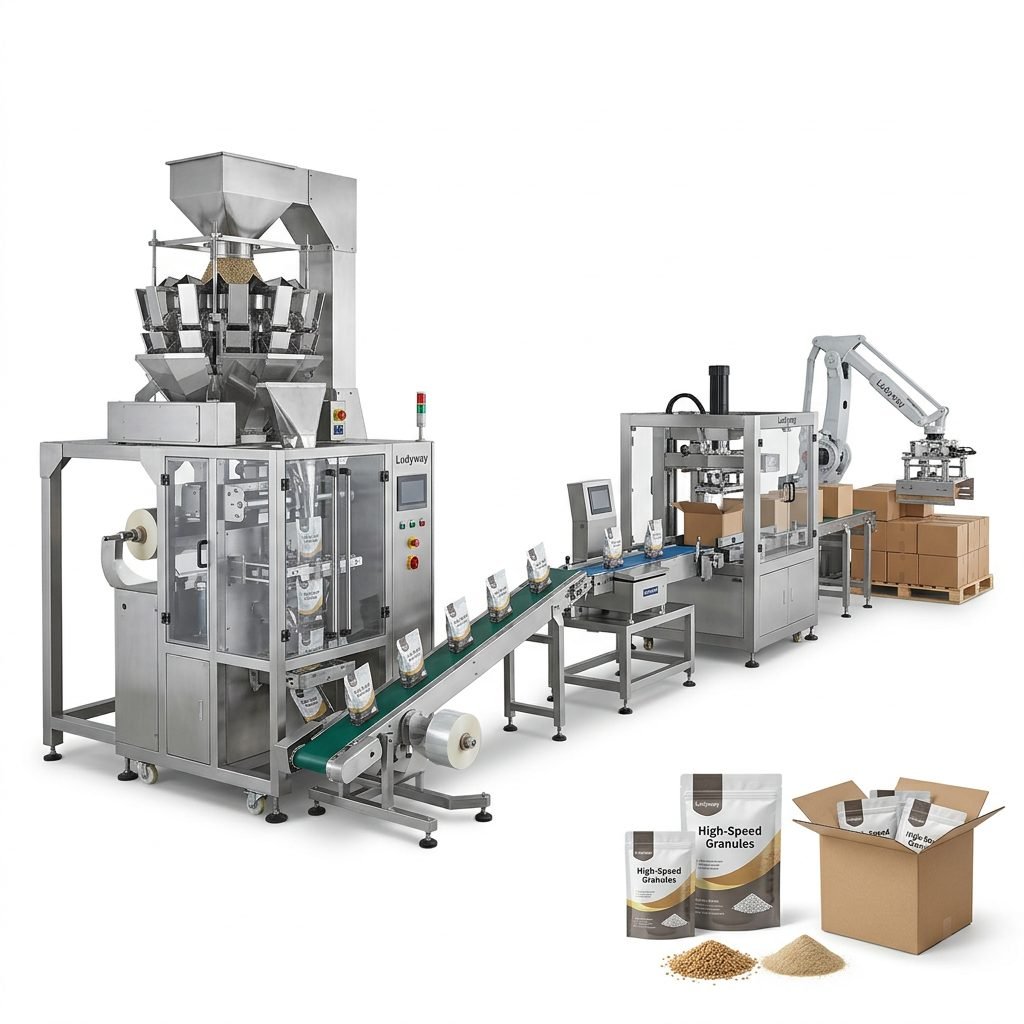
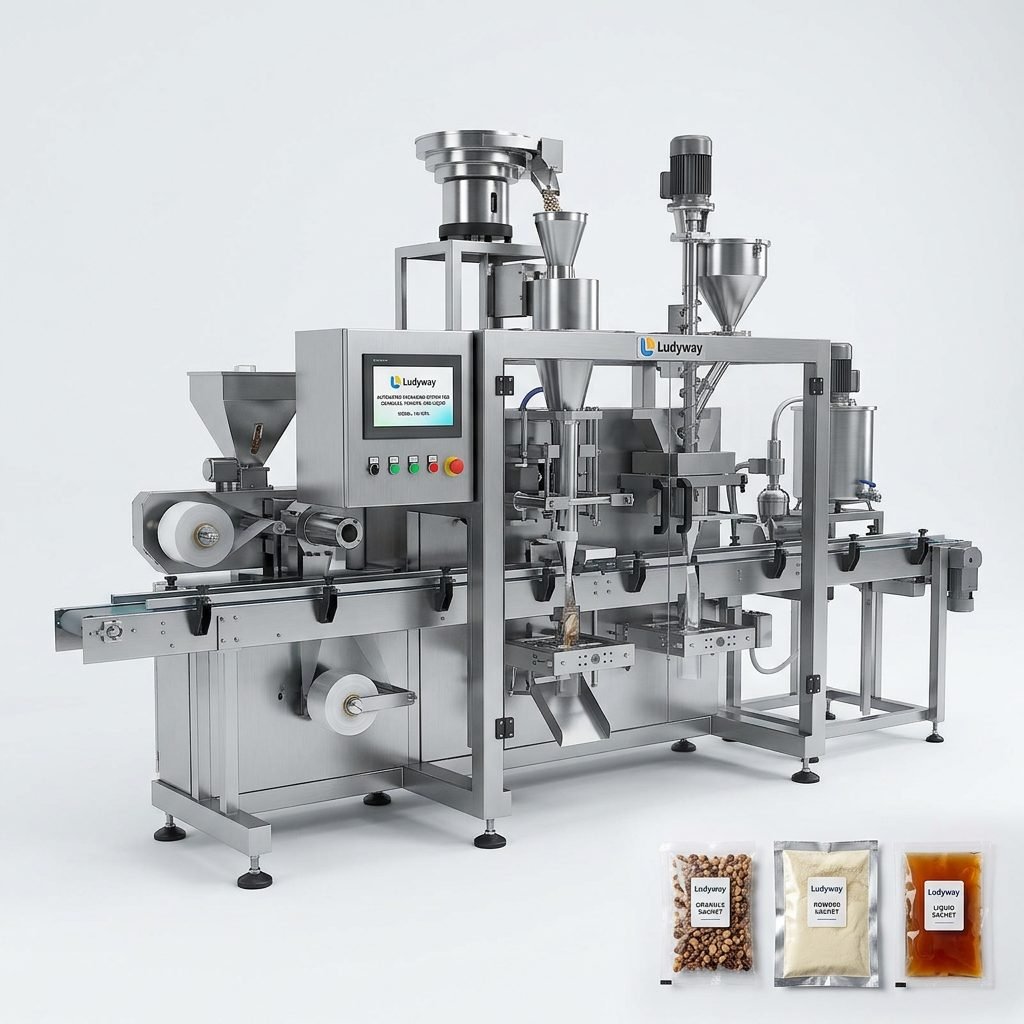
Packaging machinery refers to the equipment used to fill, weigh, form, seal, label, code, inspect, and prepare products for storage, transport, and retail sale. Depending on the application, a packaging solution may include a single standalone unit or a complete turnkey line connecting multiple processes.
Typical packaging operations include:
- Product feeding and conveying
- Weighing or dosing
- Filling into pouches, sachets, bottles, tubes, jars, or bags
- Sealing and closing
- Date coding and labeling
- Inspection, checkweighing, and metal detection
- Cartoning, case packing, and palletizing
Main Types of Packaging Machinery
1. Form Fill Seal Machines
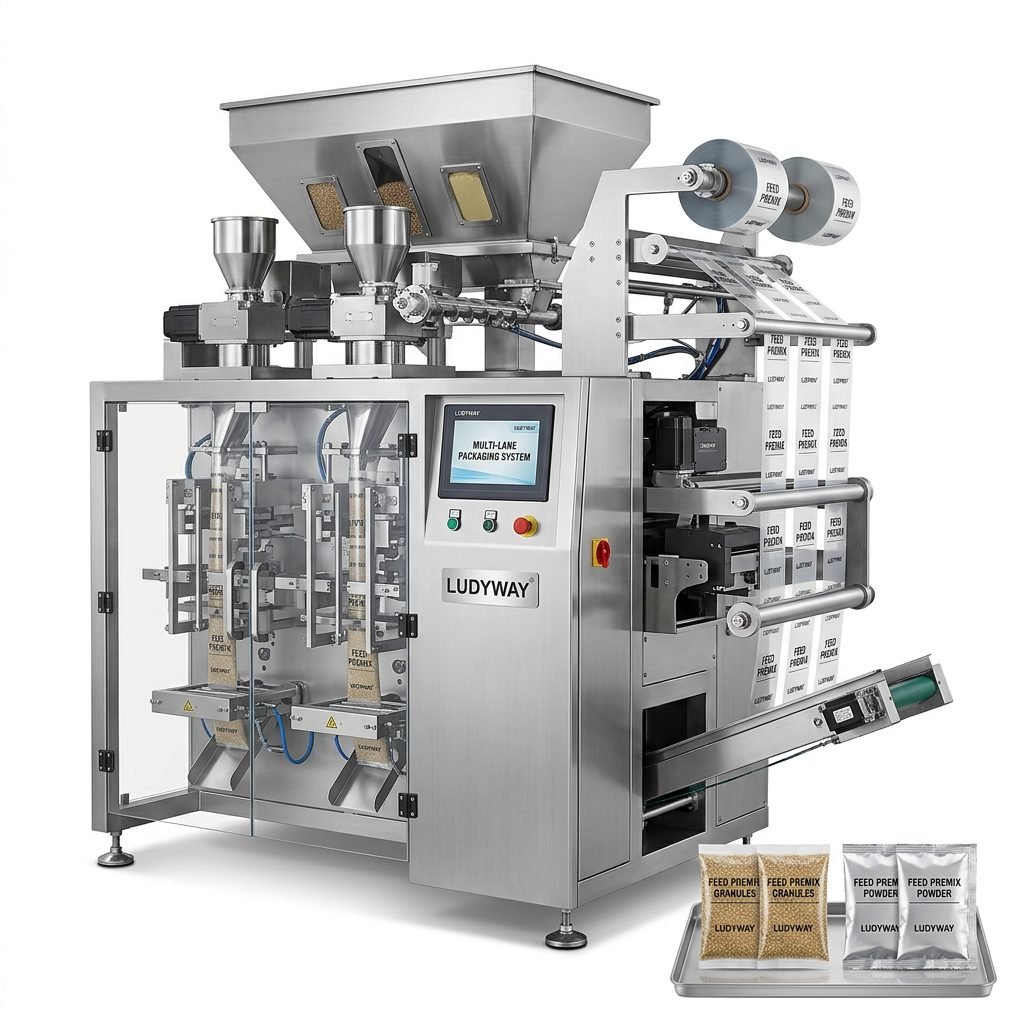
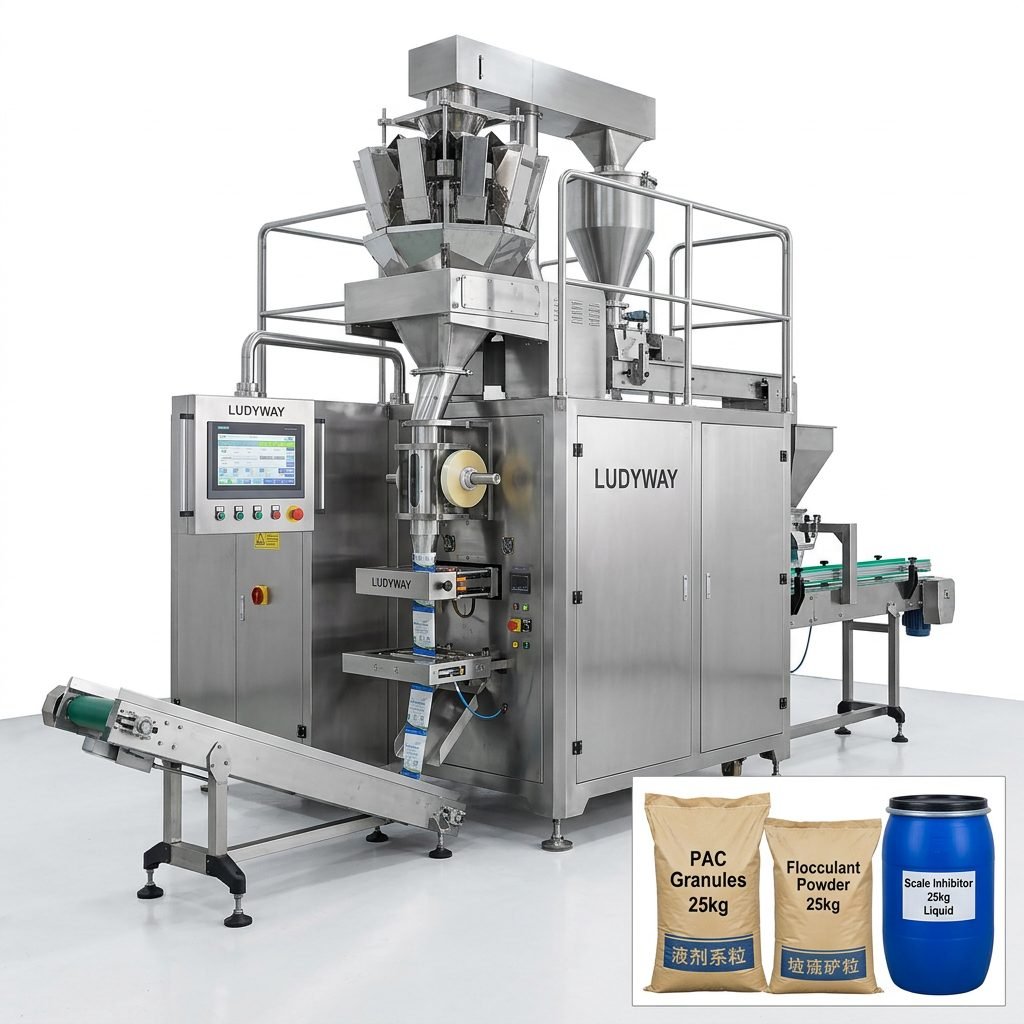
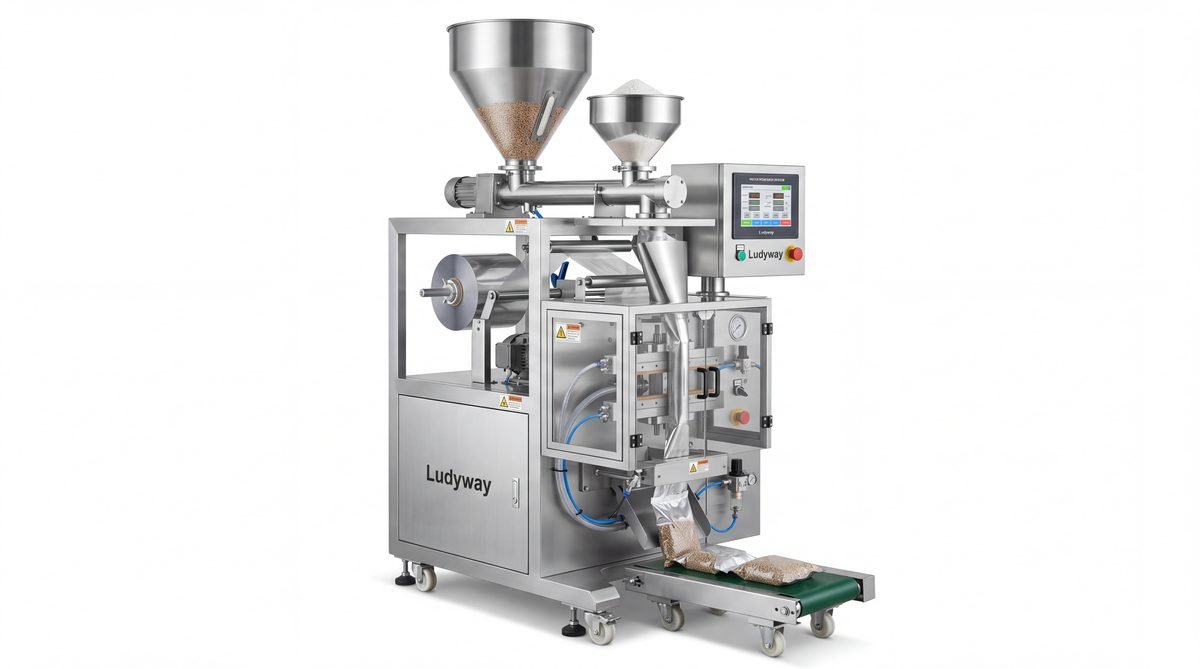
Form fill seal systems create the package from roll film, fill the product, and seal it in one continuous process. These machines are widely used for powders, granules, liquids, and pastes.
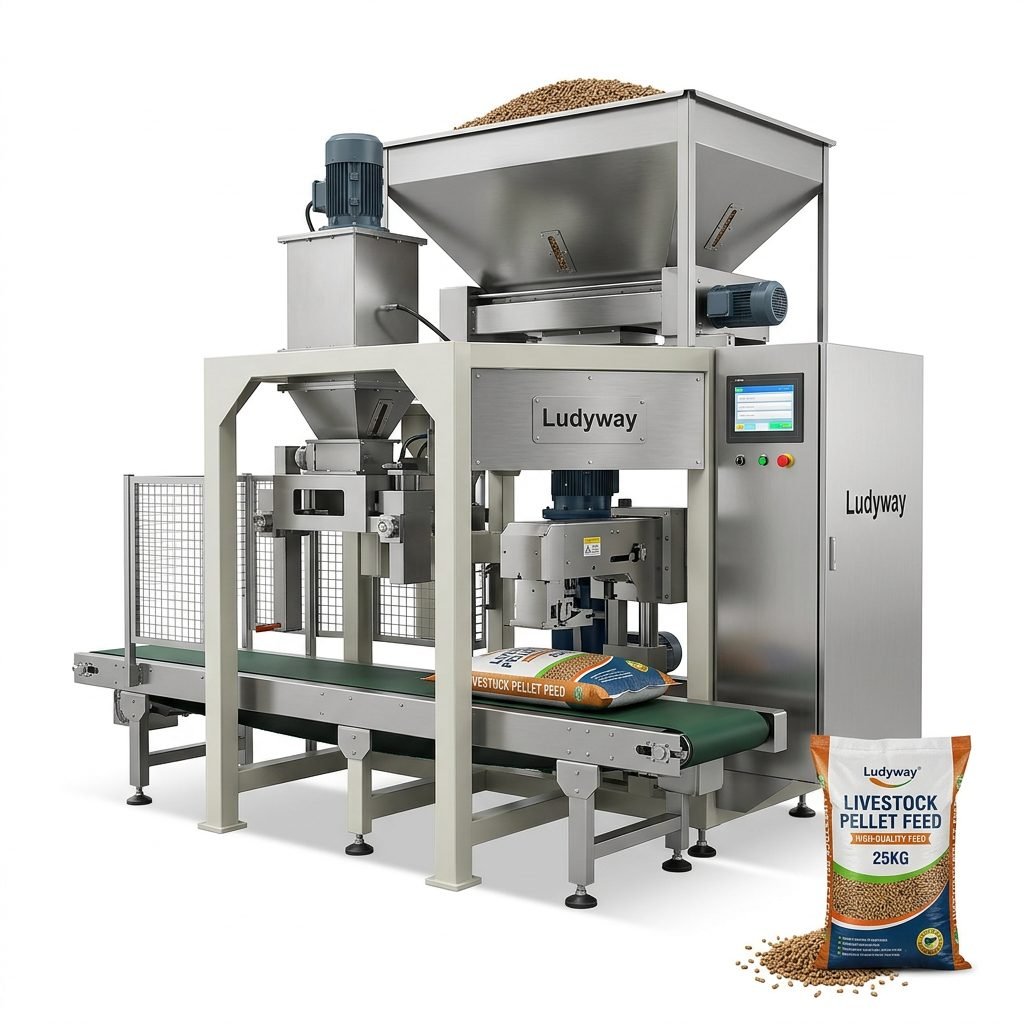
- Vertical form fill seal machines for powders, grains, snacks, and pellets
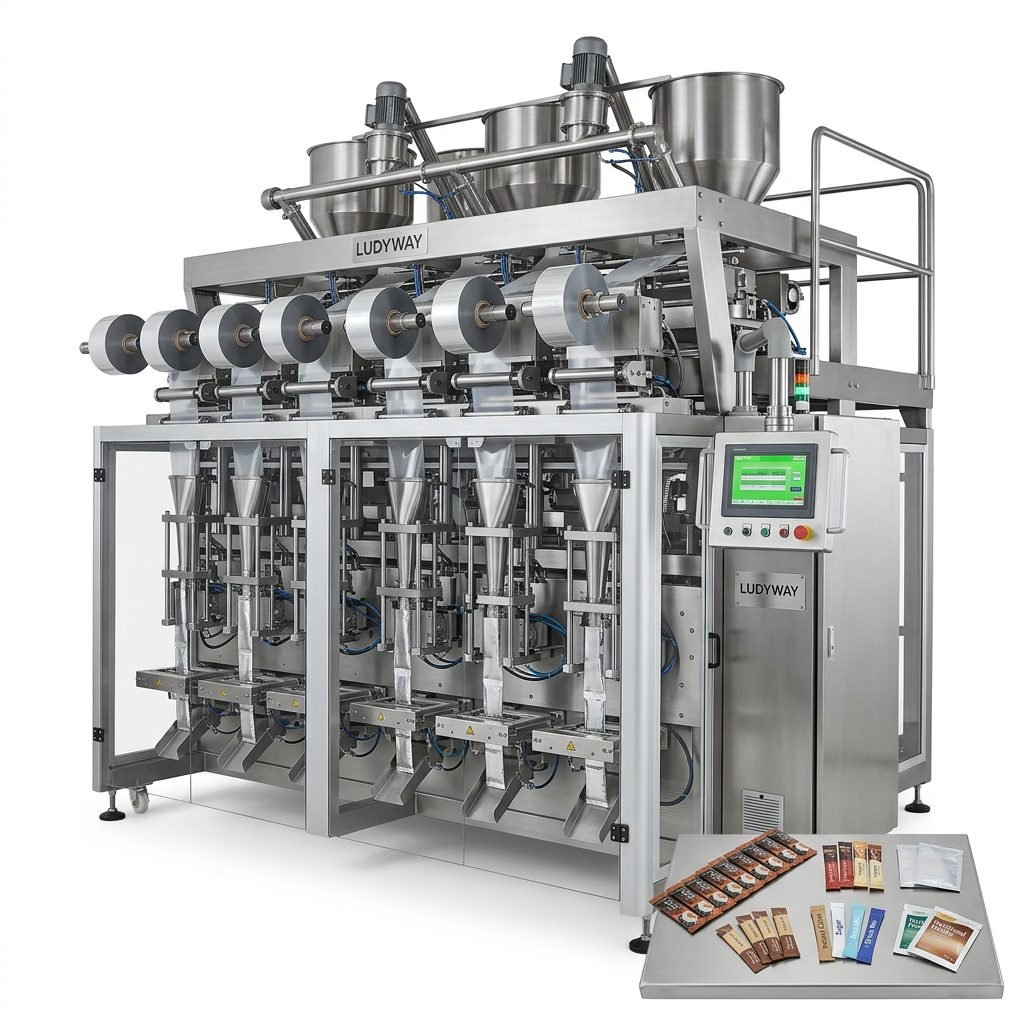
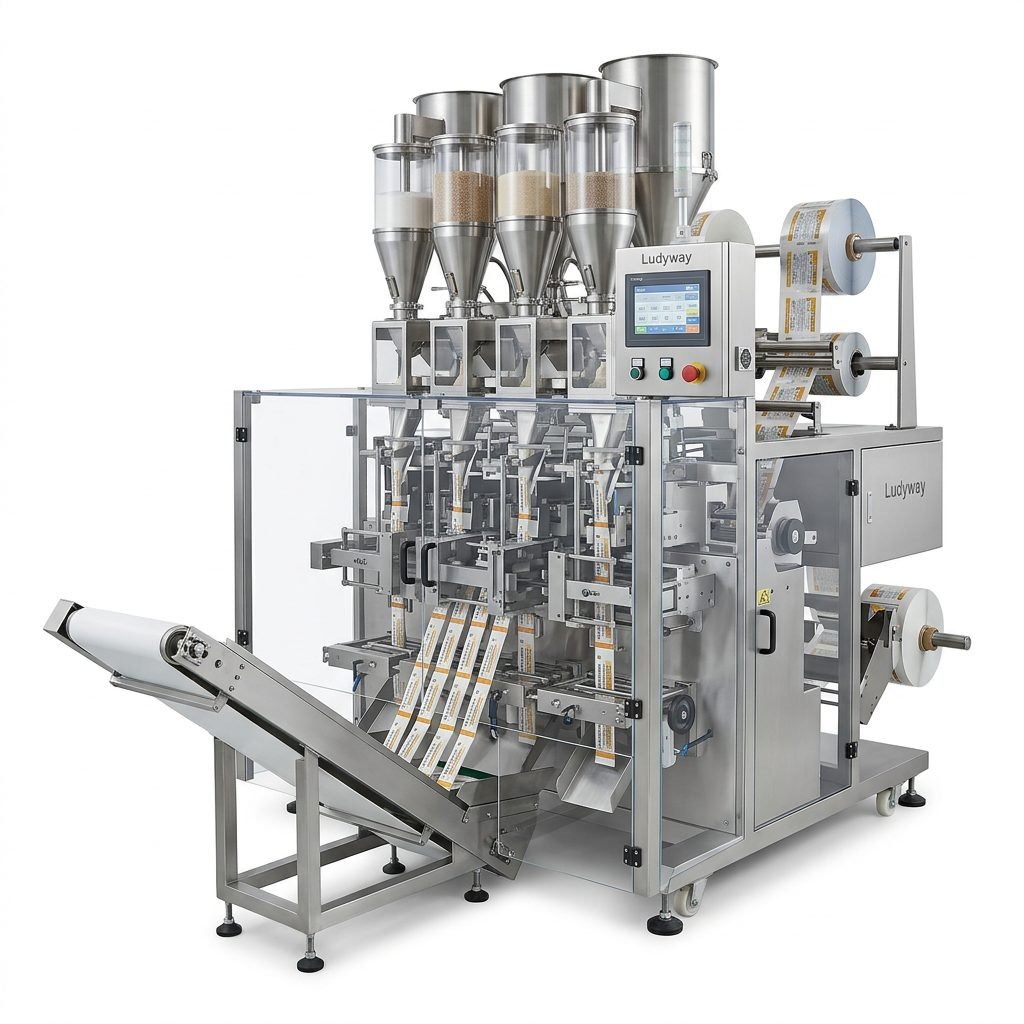
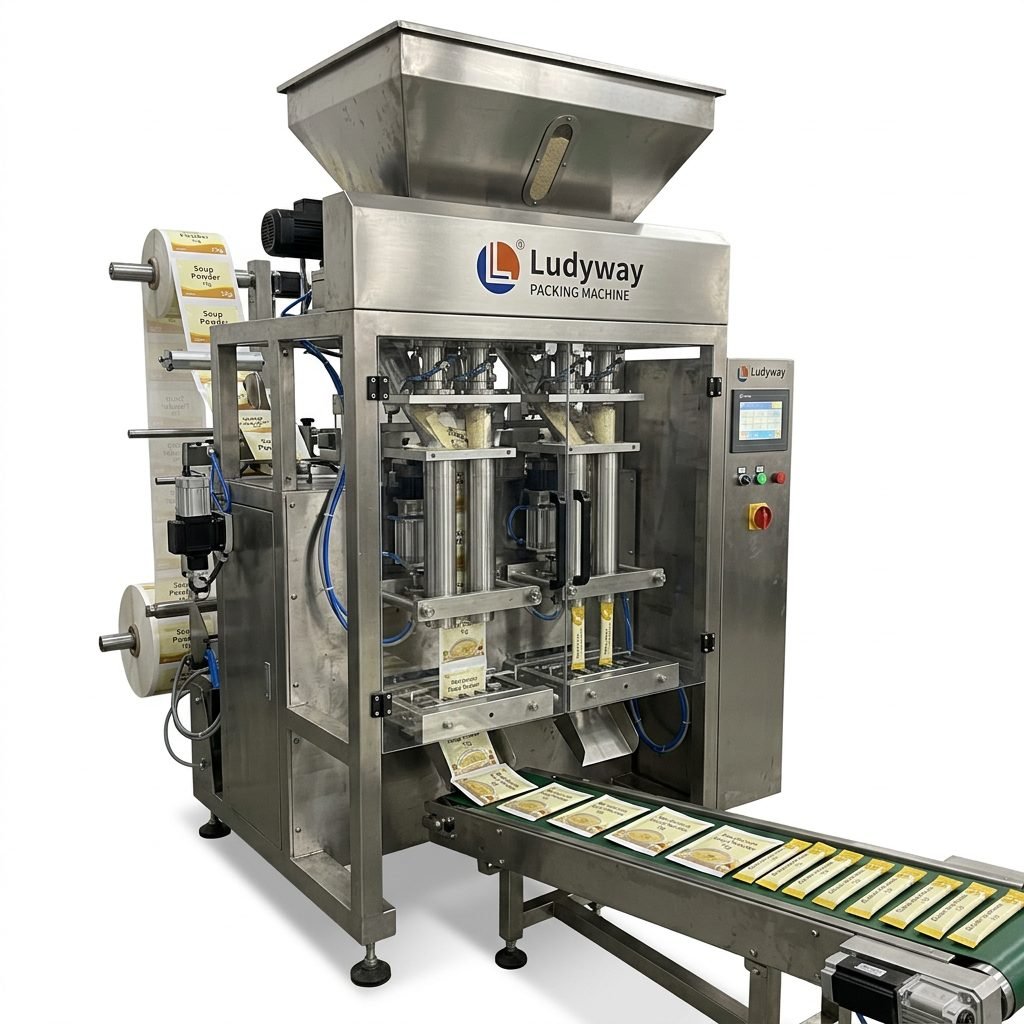
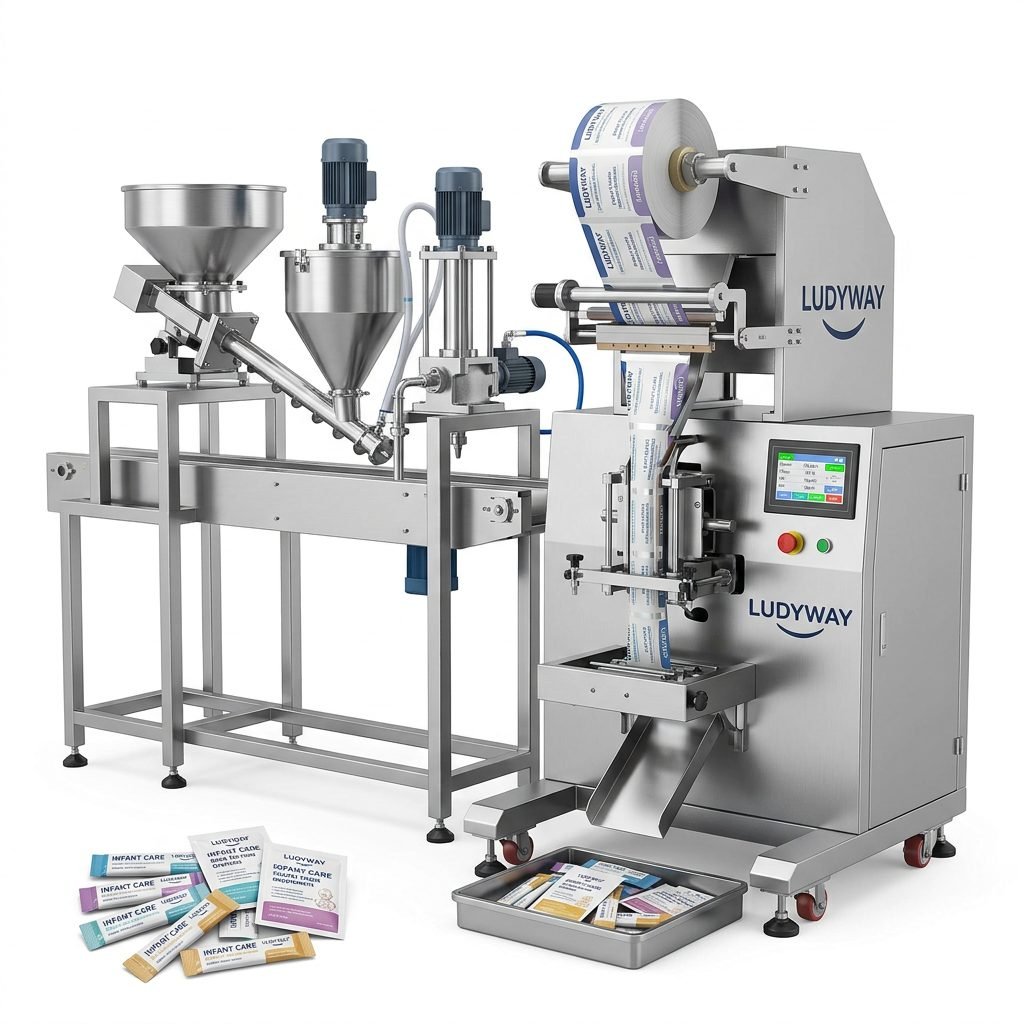
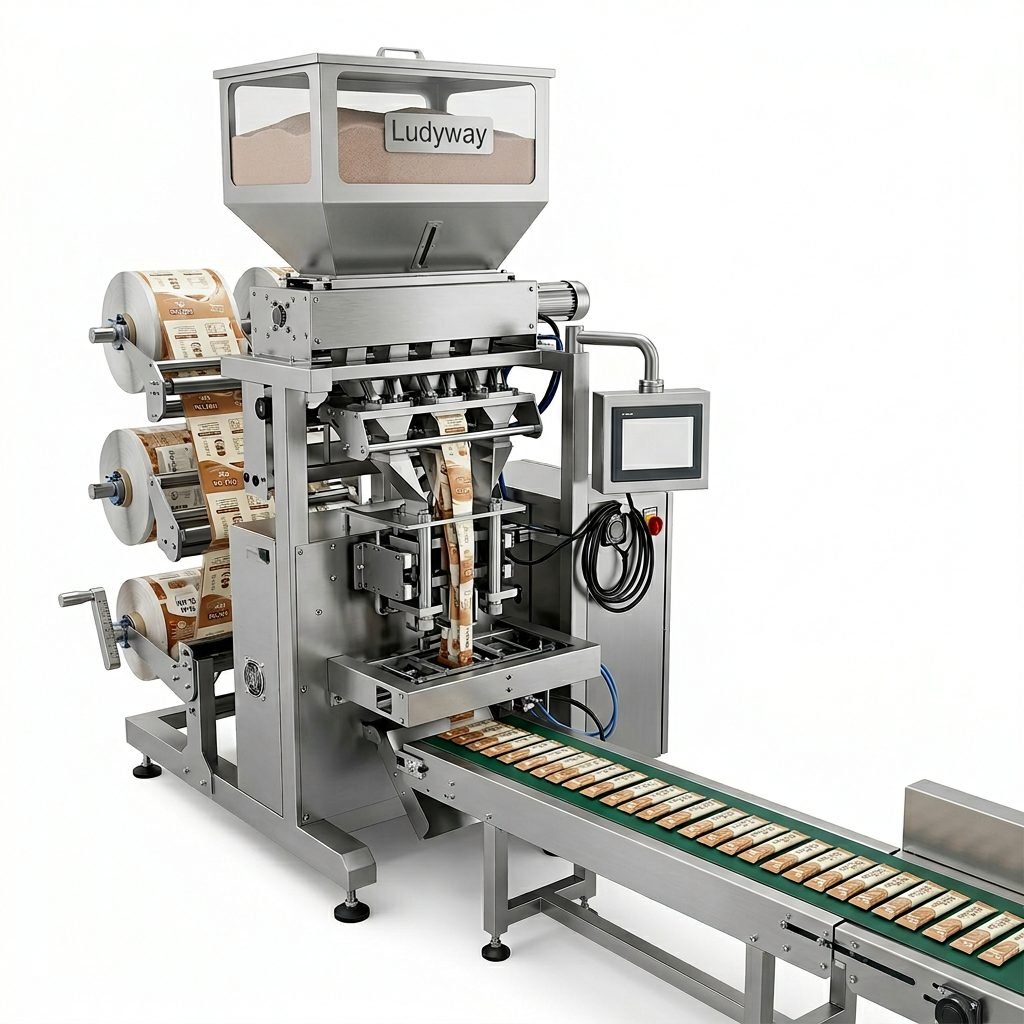
- Stick pack machines for single-serve powders and liquids
- Sachet packing machines for small-dose retail or sample packs
2. Filling and Sealing Machines
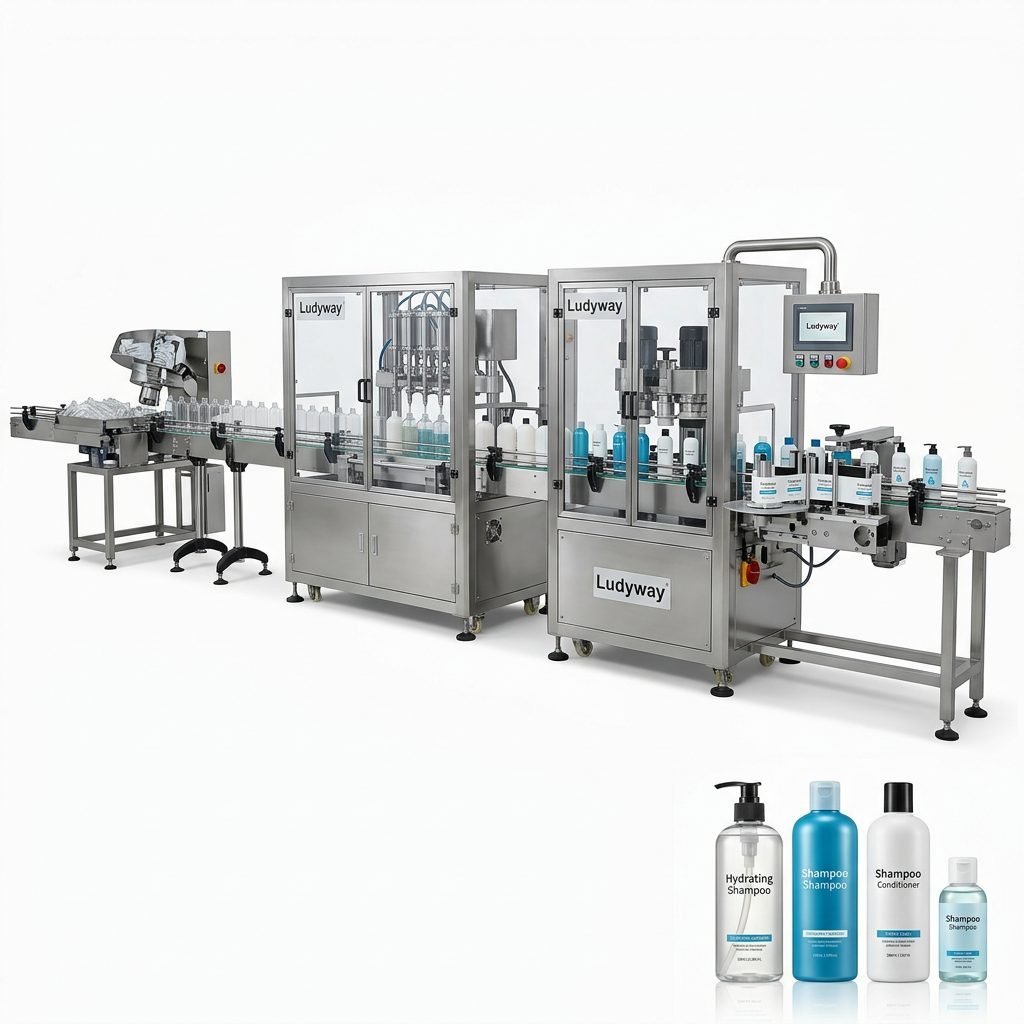
These machines are used when the package is already preformed or when special containers are required. They are common in pharmaceutical, cosmetic, and liquid packaging applications.
- Bottle filling lines
- Tube filling and sealing machines
- Pouch filling and sealing machines
- Vial and ampoule filling systems
3. Weighing and Dosing Equipment
Accurate dosing is essential for product consistency, cost control, and regulatory compliance. Common options include auger fillers for powders, volumetric cup fillers for free-flowing products, and multi-head weighers for granules and snacks.
4. Vacuum Packaging Machines
Vacuum packaging removes air from the package before sealing. This helps extend shelf life and protect products that are sensitive to oxygen or moisture, such as food ingredients, medical items, and some industrial materials.
5. Labeling, Coding, and Inspection Machines
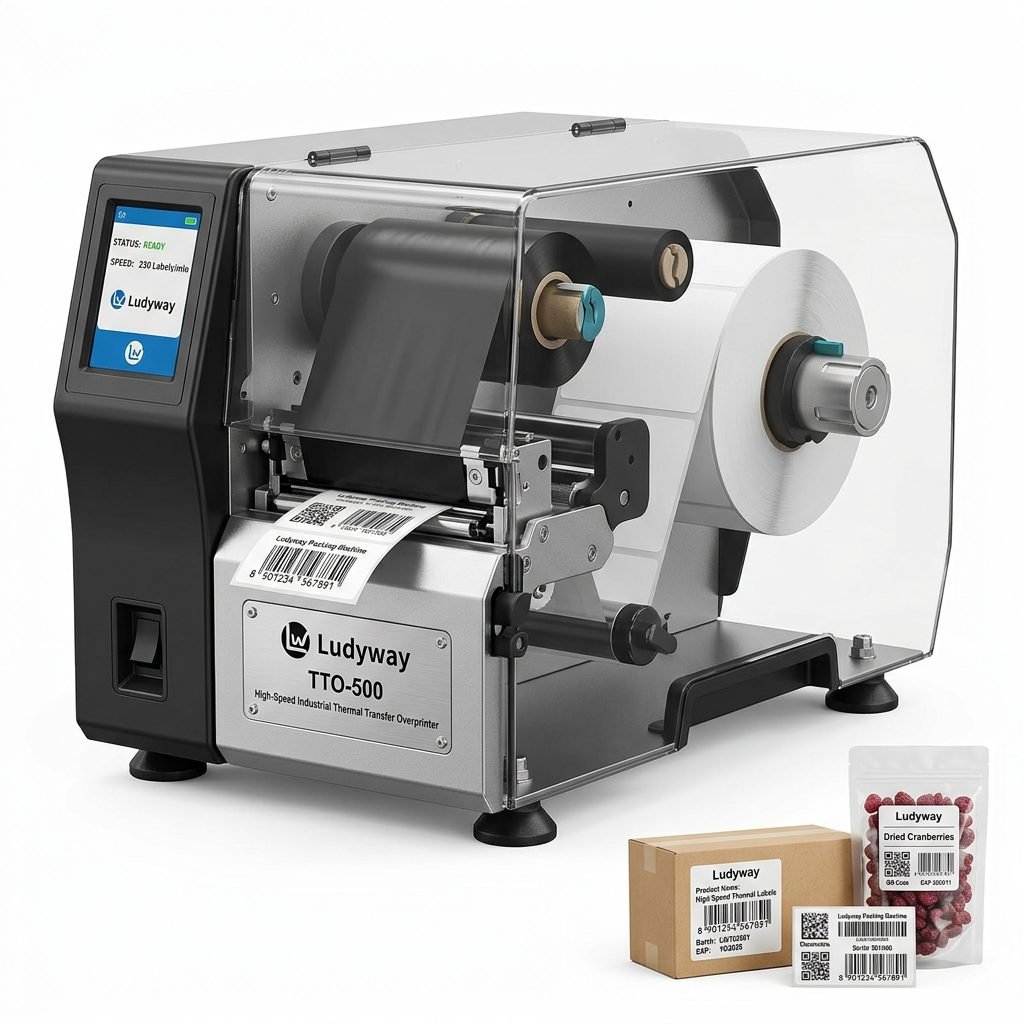
After filling and sealing, many products require traceability and quality control. Supporting equipment may include:
- Inkjet or thermal transfer coders
- Labeling machines
- Checkweighers
- Metal detectors
- X-ray inspection systems
- Vision inspection units
6. End-of-Line Packaging Equipment
This category includes cartoning, case packing, sealing, wrapping, and palletizing systems used to prepare finished goods for shipping and warehouse handling.
Packaging Machine Types by Product Form
| Product Type | Recommended Machinery | Typical Industries |
|---|---|---|
| Powders | Auger filling machines, stick pack machines, sachet packers, VFFS systems | Food, pharma, supplements, chemicals |
| Granules | Cup fillers, multi-head weighers, granule packing machines | Snacks, seeds, feed, seasonings |
| Liquids | Liquid filling and sealing machines, bottle fillers, pouch fillers | Beverage, pharma, cosmetics, chemicals |
| Pastes & creams | Piston fillers, sachet machines, tube filling machines | Sauces, skincare, medical ointments |
| Tablets & capsules | Counting machines, blister packaging lines, bottle filling systems | Pharmaceutical and nutraceutical |
Key Benefits of Packaging Machinery
Higher Productivity
Automated machines can operate continuously and at much higher output than manual packing. This helps businesses meet larger order volumes and tight delivery schedules without increasing headcount at the same rate.
Better Packaging Consistency
Automated filling and sealing reduce variation in pack weight, seal quality, and overall appearance. Consistent packaging improves brand image and reduces customer complaints.
Lower Labor Costs
Packaging is often one of the most labor-intensive stages of production. By automating repetitive tasks, companies can reduce dependency on manual work and reassign labor to more value-added activities.
Improved Hygiene and Safety
In food, pharmaceutical, and healthcare sectors, reducing human contact with the product can improve sanitation and support compliance with quality standards.
Reduced Material Waste
Modern packaging systems are designed to optimize dosing accuracy and film usage. This helps lower giveaway, reduce leaks, and minimize packaging defects.
Scalability for Growth
A well-selected machine can support future production expansion through modular upgrades, multi-lane configurations, or integration into a complete packaging line.
Industries That Commonly Use Packaging Machinery
- Food industry: spices, coffee, sugar, milk powder, snacks, frozen foods, sauces
- Pharmaceutical industry: tablets, capsules, powders, oral liquids, medical supplies
- Health supplement industry: protein powder, collagen, electrolytes, vitamins
- Cosmetics industry: creams, serums, lotions, masks, shampoos
- Chemical industry: detergents, cleaners, additives, fertilizers, industrial powders
- Animal nutrition industry: pet food, feed premix, supplements, pellets
How to Choose the Right Packaging Machinery
1. Understand Your Product Characteristics
Start with the physical nature of the product. Is it free-flowing or dusty? Fragile or sticky? Hygroscopic or corrosive? These factors affect machine structure, filling method, sealing style, and material compatibility.
2. Define the Packaging Format
You need to know exactly how the final product should look. Common formats include:
- Sachets
- Stick packs
- Pouches
- Bottles
- Jars
- Tubes
- Bulk bags
3. Estimate Your Required Output
Machine speed should align with your production target. Buying a system that is too small creates a bottleneck, while overbuying may increase upfront costs unnecessarily. Consider current capacity and your expected growth over the next three to five years.
4. Check Accuracy Requirements
Some products tolerate minor variation, while others require highly precise dosing. Pharmaceutical and nutraceutical products in particular often demand tighter accuracy and validation.
5. Review Automation Level
Decide whether you need a semi-automatic machine, a fully automatic standalone unit, or a complete integrated packaging line. This depends on labor availability, budget, floor space, and production goals.
6. Consider Changeover Flexibility
If you produce multiple SKUs, frequent changeovers can affect uptime. Look for equipment with user-friendly adjustment, recipe storage, and flexible tooling.
7. Evaluate Compliance and Quality Standards
For food, pharmaceutical, and export-oriented manufacturing, machine design should support the relevant hygiene, safety, and documentation requirements. Compliance is not optional when serving regulated markets.
8. Think About Integration
Packaging machinery should work smoothly with feeders, conveyors, coding systems, labeling units, inspection devices, and downstream cartoning or palletizing equipment. Poor integration often causes downtime.
9. Assess After-Sales Support
A machine is a long-term investment. Spare parts availability, technical guidance, installation support, training, and troubleshooting responsiveness are all important when selecting a supplier.
Quick Comparison: Standalone Machine vs. Turnkey Packaging Line
| Option | Best For | Advantages | Considerations |
|---|---|---|---|
| Standalone machine | Small to medium production or specific process upgrade | Lower initial cost, faster setup, focused function | May require manual handling between stages |
| Turnkey packaging line | High-output factories and integrated automation projects | Higher efficiency, better data flow, lower labor need | Higher investment and more planning required |
Common Mistakes to Avoid When Buying Packaging Equipment
- Choosing based on price alone
- Ignoring actual product behavior during filling
- Underestimating future capacity needs
- Not planning for maintenance and spare parts
- Overlooking local compliance or export requirements
- Buying equipment that cannot integrate with existing production lines
What to Ask a Packaging Machinery Supplier
- What products and packaging formats has this machine already handled?
- What speed range and accuracy can be achieved in real production?
- Can the system be customized for my pack size and material?
- What is included in installation, training, and commissioning?
- How fast can spare parts and technical service be provided?
- Can the equipment be expanded into a larger automated line later?
Choosing a Reliable Packaging Machinery Partner
Beyond machine specifications, supplier experience matters. A capable manufacturer should understand different product applications, packaging materials, line integration requirements, and international project delivery. For buyers seeking scalable automation across food, pharmaceutical, supplement, cosmetic, and chemical sectors, Ludyway packaging machinery solutions are backed by more than 30 years of manufacturing experience, a modern production facility, and the ability to provide both standalone machines and turnkey packaging lines.
Final Thoughts
The right packaging machinery can transform production performance by increasing speed, improving pack consistency, and supporting long-term business growth. The best solution depends on your product type, packaging format, output target, compliance needs, and automation strategy.
If you evaluate equipment carefully and work with an experienced supplier, you can build a packaging setup that delivers reliable performance today while staying flexible for tomorrow’s market demands.