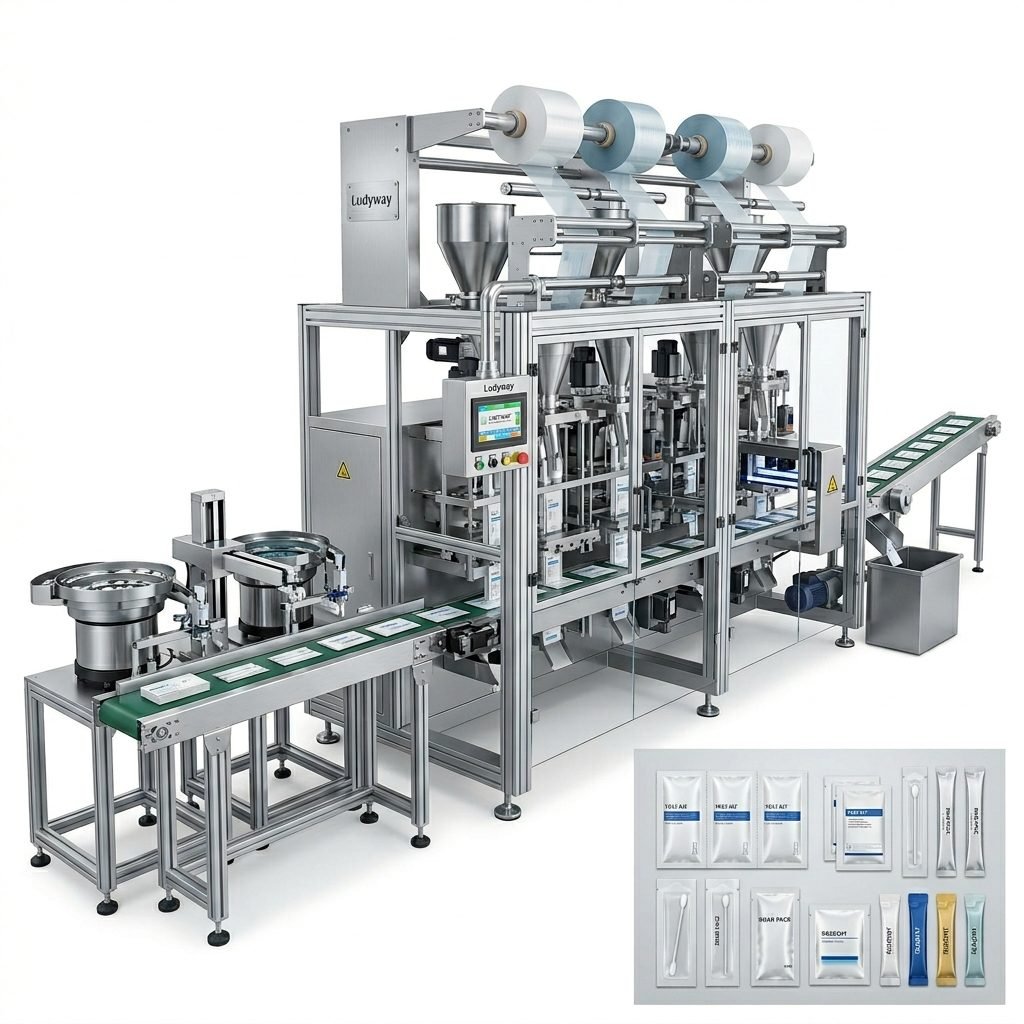
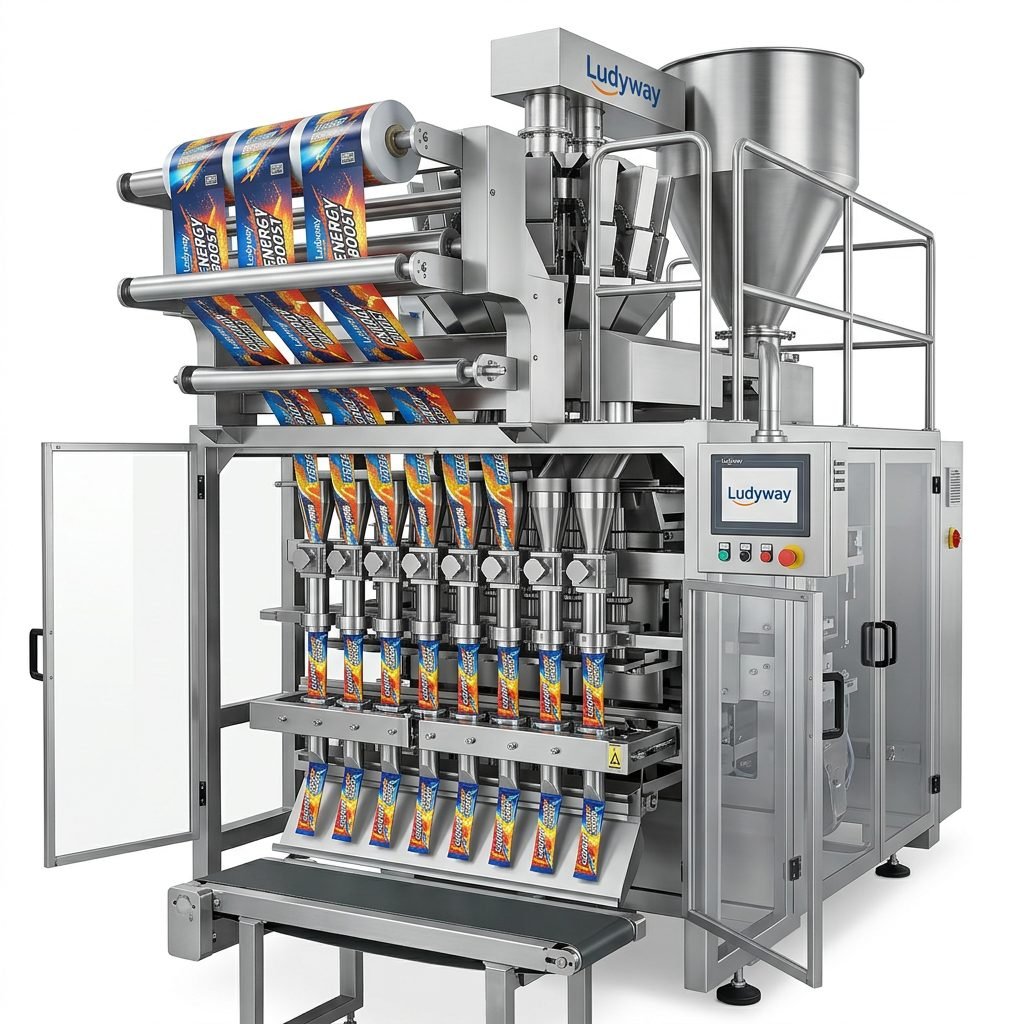
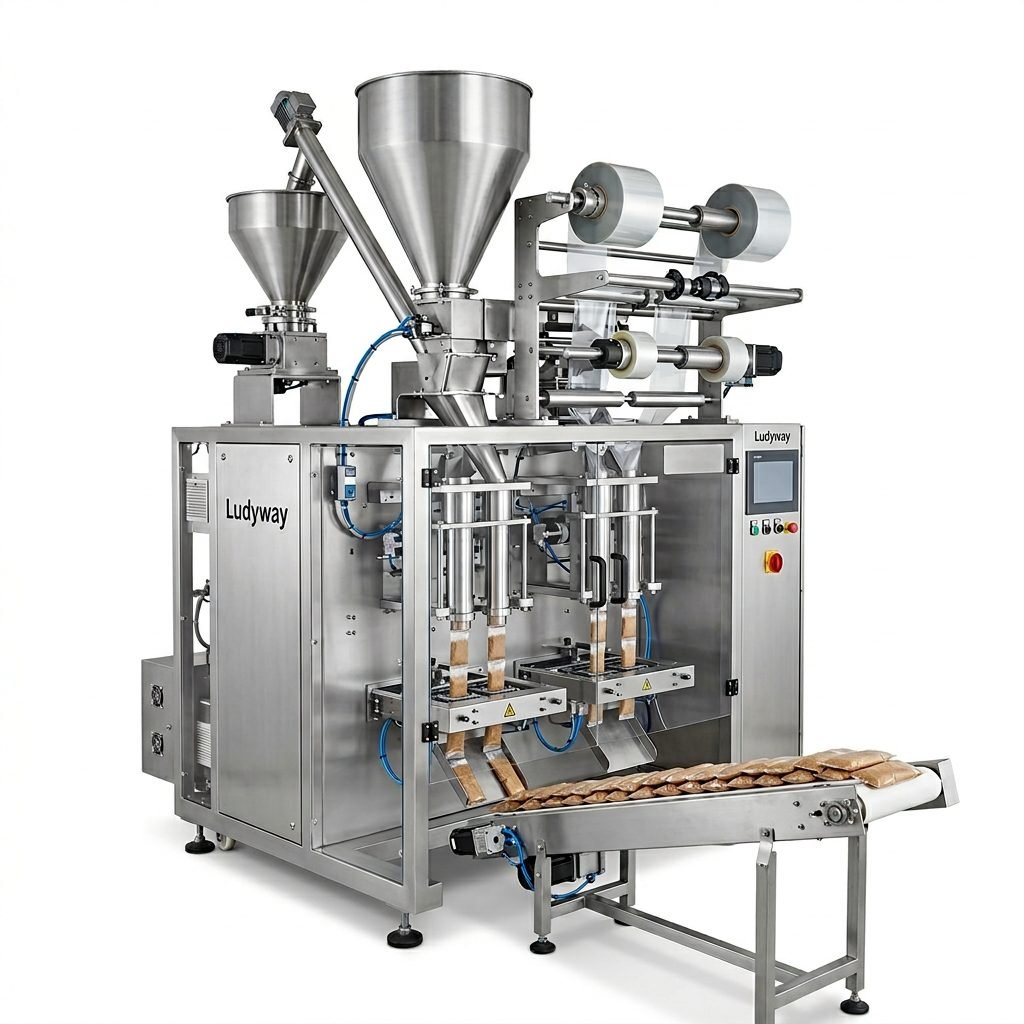
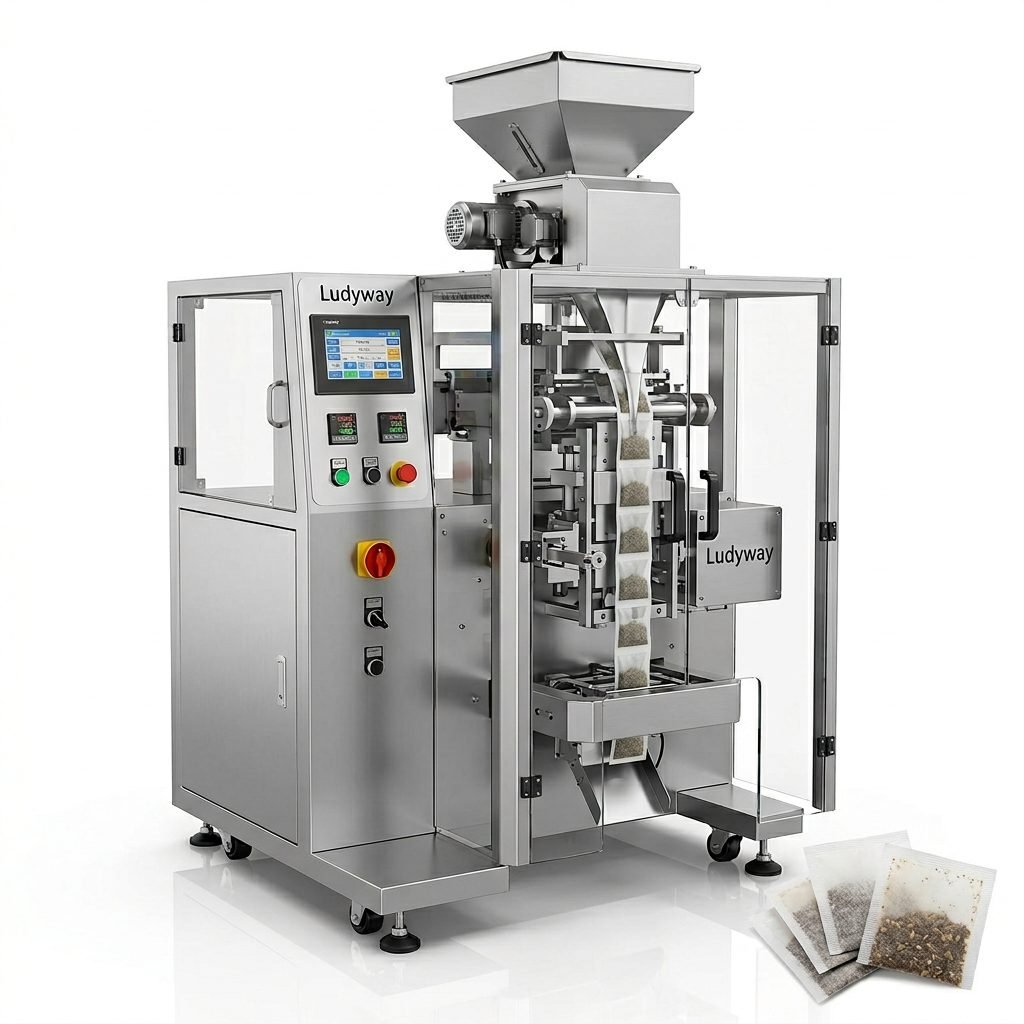
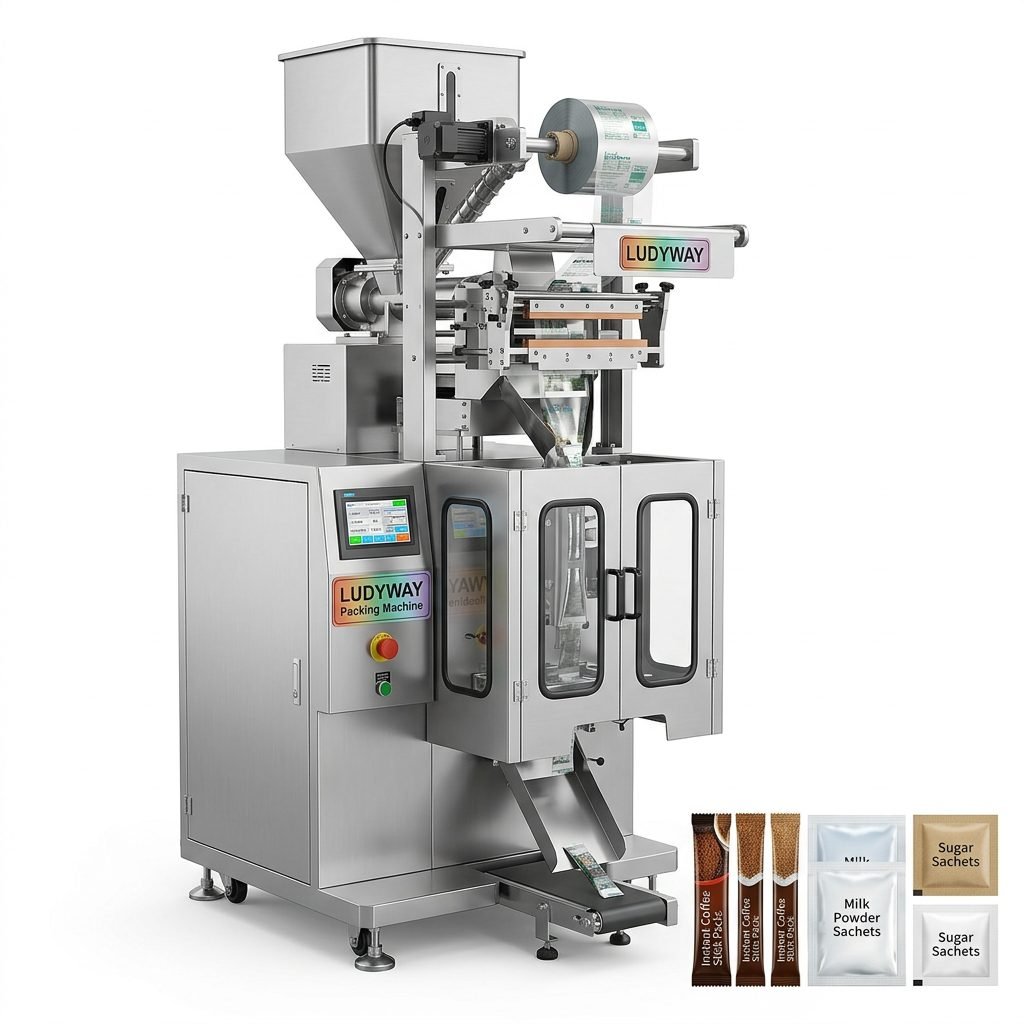
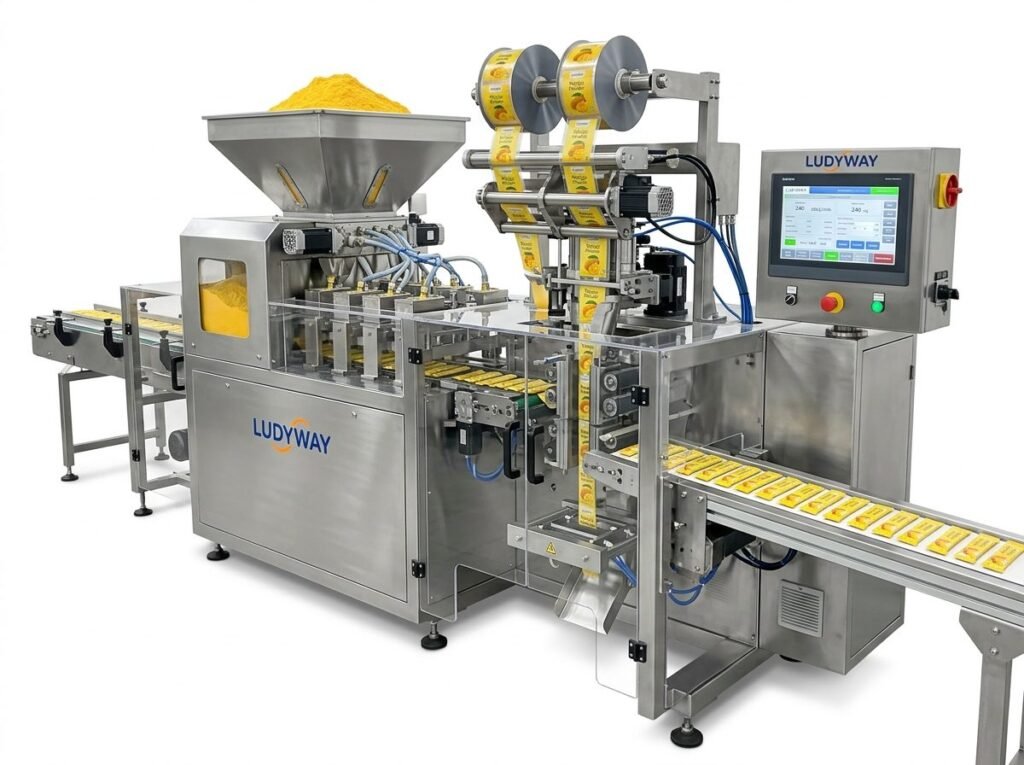
In the fast-paced world of manufacturing, efficient and reliable packaging is a cornerstone of success. Triangle packaging machinery, named for its distinctive three-sided forming mechanism, has become a vital solution for creating stable, stand-up pouches and bags across numerous industries. This versatile technology offers significant advantages in product presentation, shelf stability, and production speed.
Core Types of Triangle Packaging Machinery
The market offers several configurations of triangle packaging systems, each designed for specific production needs and product types.
Vertical Form-Fill-Seal (VFFS) Triangle Bag Machines
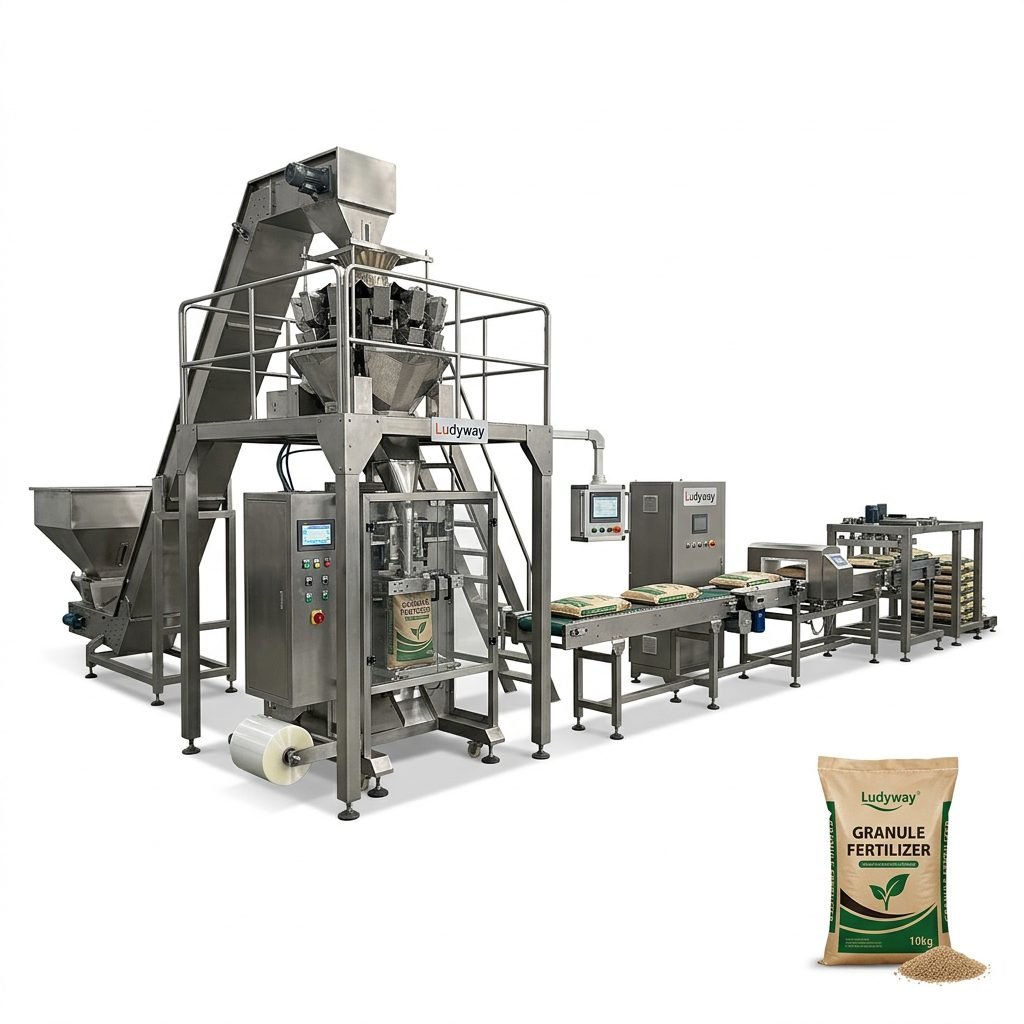
These are the most common type. A flat roll of packaging film is formed vertically into a tube around a triangular-shaped collar. The product is filled into this tube, and then horizontal seals create the individual bags, which are cut off. They are exceptionally efficient for granules, powders, snacks, and small hardware items. Their continuous motion design allows for very high speeds.
Horizontal Form-Fill-Seal (HFFS) Systems with Triangle End Seals
In these systems, the film travels horizontally. The machine forms the bag, fills it, and then creates the final seal. Some HFFS machines are configured to produce pillow bags with distinctive triangular end seals, offering a unique and premium look. This style is often favored for products where brand presentation and structural integrity are paramount.
Specialized Liquid & Viscous Product Fillers
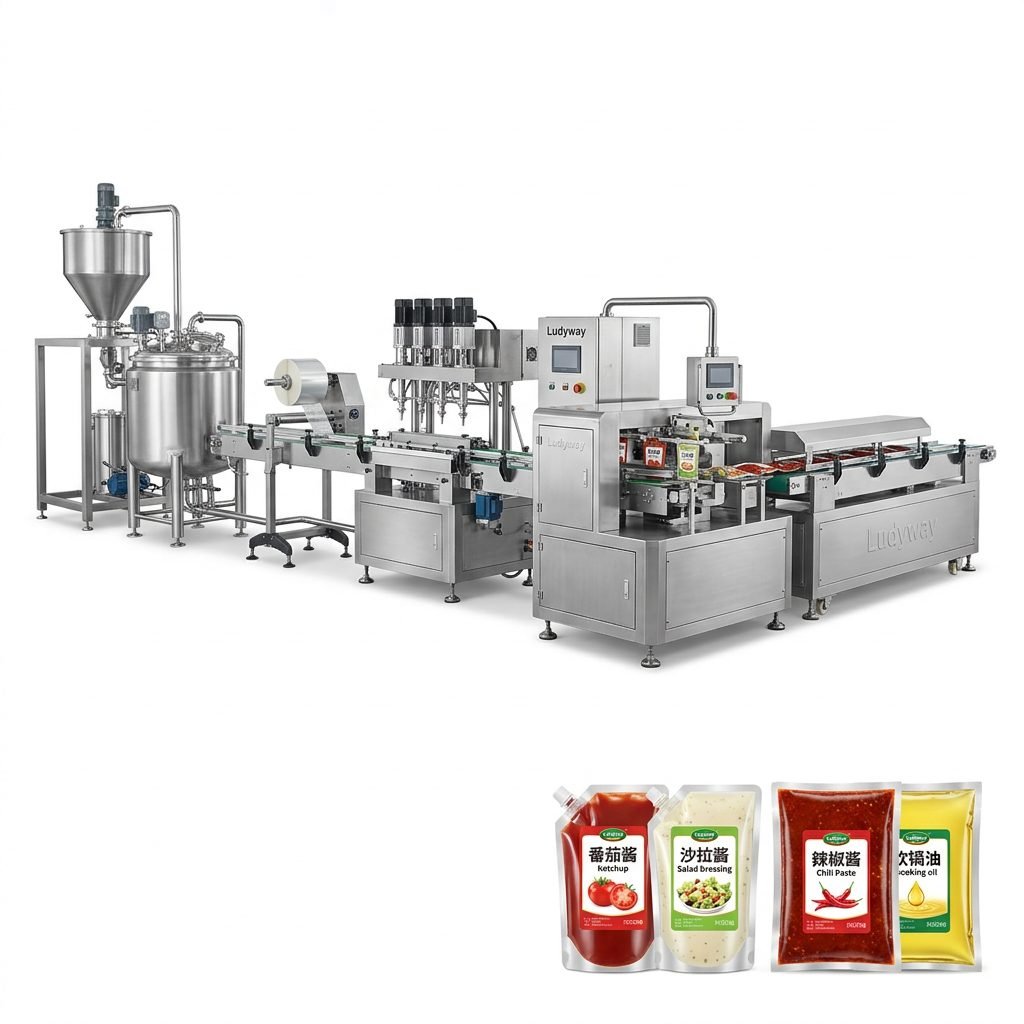
Triangle packaging isn’t limited to dry goods. Advanced systems integrate precise liquid filling technology—such as piston pumps or peristaltic pumps—with the triangle bag forming process. This is ideal for sauces, condiments, dairy products, shampoos, and lubricants. These machines often include special features to prevent dripping and ensure clean seals.
Working Principles: From Film to Finished Pouch
Understanding the operational sequence of a triangle packaging machine clarifies its efficiency and reliability.
Step 1: Film Unwinding & Forming
A roll of laminate film (often a multi-layer structure for barrier properties) is fed into the machine. The film passes over a unique triangular forming collar. As it is pulled down over this collar, it is shaped into a three-sided tube. The longitudinal (back) seal is made immediately, creating a continuous sleeve.
Step 2: Metered Product Filling
At the top of the formed tube, a precision filling system doses the product. For powders, a auger filler is common; for granules, a cup or weigh scale system is used; for liquids, a pump. Accuracy at this stage is critical for cost control and meeting regulatory net weight requirements.
Step 3: Sealing & Cutting
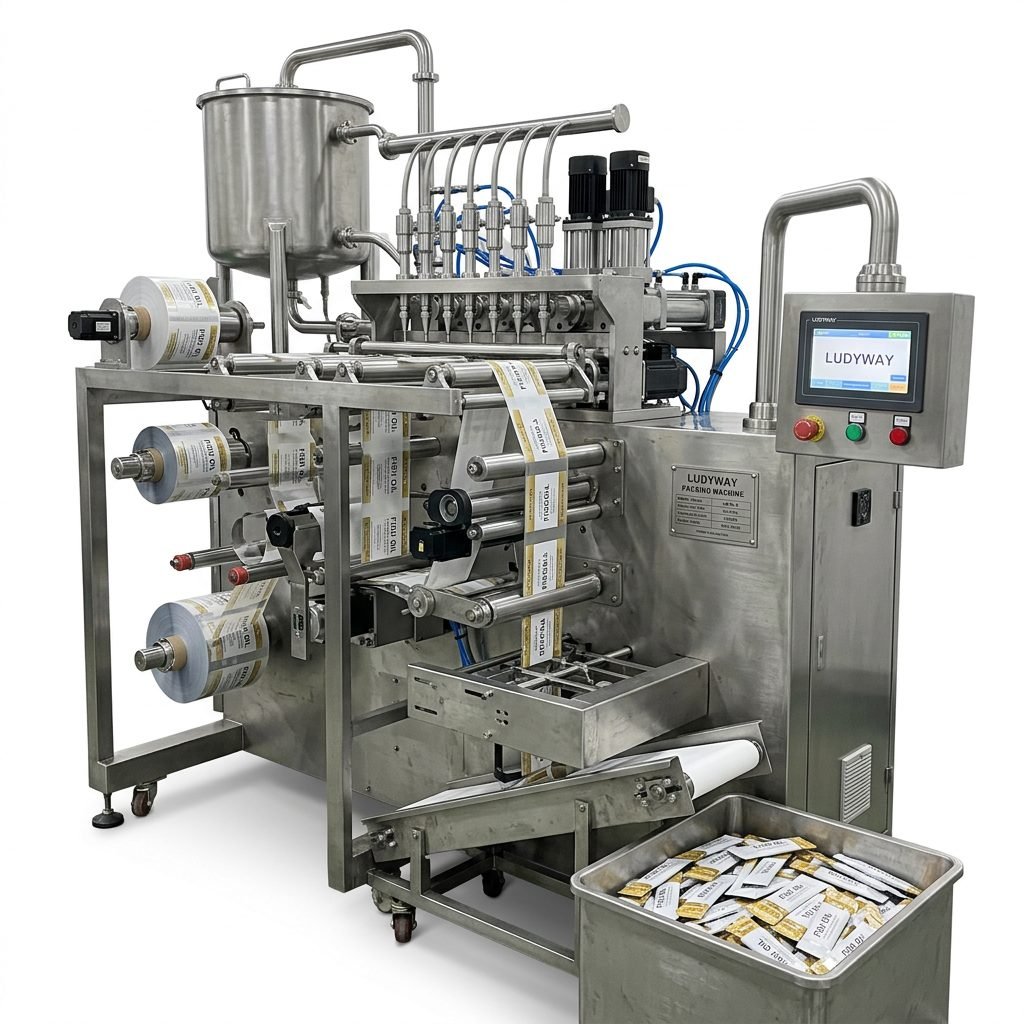
The machine’s jaws move in to create the horizontal seal below the product, simultaneously sealing the top of the finished bag and the bottom of the next bag. A cutting mechanism, often integrated into the jaws, then separates the individual, stand-up triangle bag. The process is continuous and synchronized for maximum output.
How to Choose the Right Triangle Packaging System
Selecting the optimal machine requires a careful analysis of your specific needs. Here are the key decision factors.
1. Analyze Your Product Characteristics
The product dictates the machine specification. Consider its physical form (powder, granule, liquid), abrasiveness, flowability, and density. Hygroscopic or oily products may require special film path treatments or sealing parameters. Always conduct product tests with your potential film and machine supplier.
2. Define Your Production Requirements
Be clear about your required output speed (bags per minute), the range of bag sizes you need to run, and how often you will change over between products. High-speed operations (e.g., over 120 bags/minute) demand robust, servo-driven systems with quick-change parts. For more on integrated production solutions, explore turnkey packaging lines that can streamline your entire process.
3. Evaluate Film Material & Sealing Compatibility
The machine must be compatible with your chosen packaging film. Discuss laminate structure (e.g., PET/AL/PE, OPP/MPET/PE) with your supplier. The sealing system—whether impulse, constant heat, or ultrasonic—must reliably create strong, hermetic seals on that specific material. Poor sealing is a leading cause of packaging failure.
4. Prioritize Hygiene & Construction Quality
For food, pharmaceutical, or cosmetic applications, hygiene is non-negotiable. Look for machines with stainless steel contact parts, easy-clean designs, and IP-rated protection where necessary. Overall construction quality (frame rigidity, component brands like Siemens or Mitsubishi drives) directly impacts long-term reliability and maintenance costs.
5. Consider Automation & Integration Needs
Modern packaging is rarely an island. Assess if you need integration with upstream equipment (like mixers or conveyors) or downstream systems (cartoners, case packers). Machines with advanced PLC controls, HMI touchscreens, and industry-standard communication protocols (e.g., Ethernet/IP) offer better future-proofing and data collection capabilities. For businesses looking to scale, understanding multi-lane packaging solutions can be a game-changer for output.
6. Assess Supplier Support & Expertise
The machine is only part of the solution. Choose a supplier with proven expertise in your industry. Evaluate their technical support, availability of spare parts, training programs, and willingness to provide after-sales service. A partner like Ludyway Machinery, with deep application knowledge, can prevent costly downtime and ensure optimal machine performance throughout its lifecycle.
Frequently Asked Questions (FAQs)
What are the main advantages of triangle bags over other pouch styles?
Triangle bags offer excellent shelf presence as they stand upright reliably. Their gusseted bottom provides a larger base area, making them more stable than standard pillow bags. This shape also often allows for easier pouring or dispensing of the contents.
Can triangle packaging machines handle gas flushing or vacuum packaging?
Yes, many advanced triangle packaging systems can be equipped with gas flushing (nitrogen or mixed gas) or vacuum capabilities. This is essential for extending the shelf life of sensitive products like coffee, snacks, or processed meats by displacing oxygen from the package.
How difficult is it to change over bag sizes on these machines?
Modern servo-driven machines feature relatively quick changeover. Operators typically need to change the forming collar, the sealing jaws, and adjust the film width guide. Many high-end models have recipe storage on the HMI, which can automatically adjust servo positions for different bag sizes, reducing changeover time to minutes.
What is the typical maintenance required for a triangle packaging machine?
Daily maintenance includes cleaning and visual inspection. Regular lubrication of chains and guides, checking seal jaw alignment and temperature, and inspecting cutting blades are crucial weekly or monthly tasks. Following the manufacturer’s preventative maintenance schedule is key to longevity.
Are these machines suitable for small-batch or contract packaging operations?
Absolutely. While they excel in high-volume production, many models are designed with flexibility in mind. The ability to quickly change between products and bag sizes makes them ideal for contract packers or brands with diverse, smaller-run SKUs, especially when paired with versatile sachet packaging systems for a complete product range.