When planning a bottled water production line, the price of a water bottle packing machine is usually one of the first concerns. However, the right buying decision should go beyond the initial quotation. A lower-priced machine may lead to higher labor costs, slower production, more maintenance, and reduced packaging consistency. A well-matched machine, on the other hand, can improve throughput, product quality, and long-term profitability.
This guide explains what affects water bottle packing machine pricing, how to compare machine types, and what to check before investing in equipment for your business.
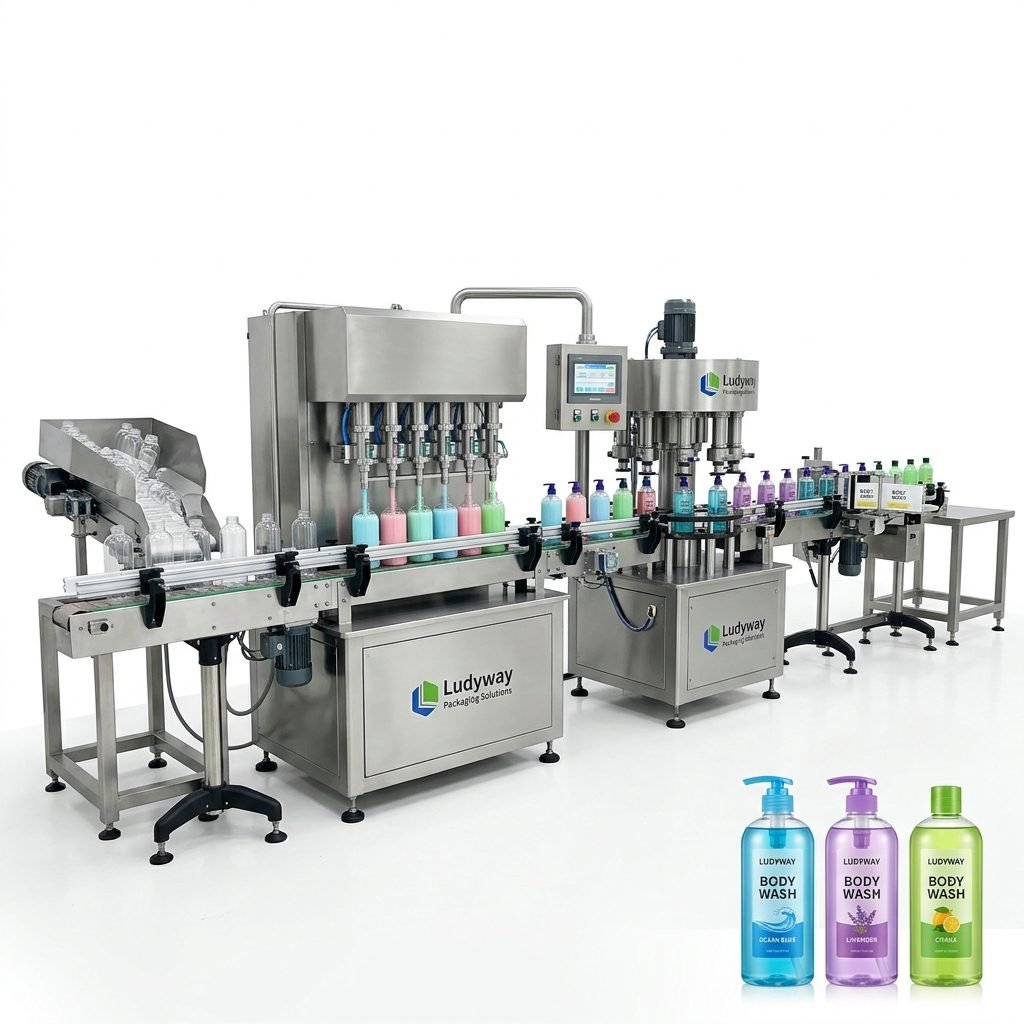
What Is a Water Bottle Packing Machine?
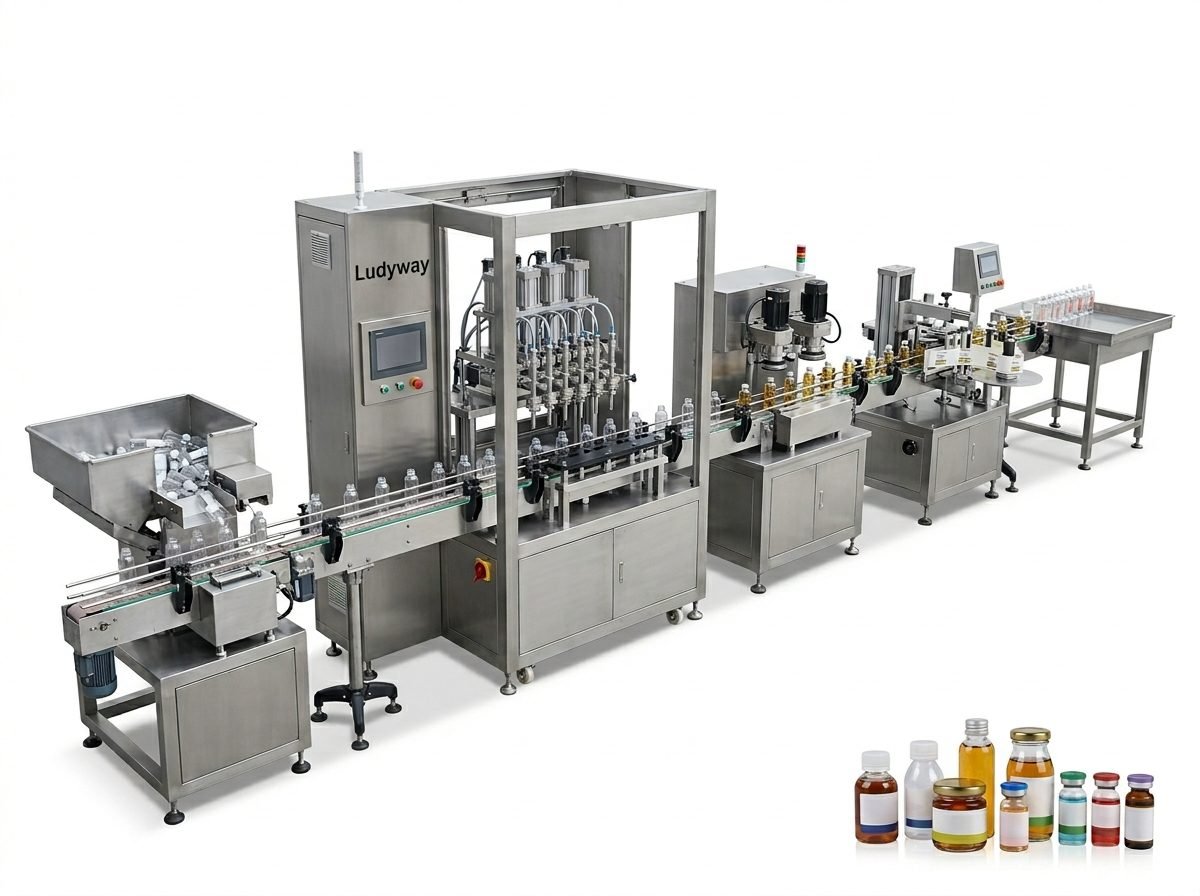
A water bottle packing machine is not always just one standalone machine. In many factories, it refers to a complete or semi-complete packaging section that may include:
- Bottle rinsing or cleaning units
- Water filling machines
- Cap sorting and capping machines
- Labeling machines
- Inkjet or coding systems
- Shrink wrapping or case packing machines
- Conveyors and accumulation tables
Because the term can cover different equipment combinations, prices vary widely. A buyer requesting only a filling and capping machine will receive a very different quote from someone asking for a full turnkey bottled water packaging line.
How Much Does a Water Bottle Packing Machine Cost?
The price depends on automation level, capacity, bottle size range, material compatibility, and whether you need a single machine or a complete line. In general, businesses can use the following range as a rough starting point:
| Machine Type | Typical Output | Estimated Price Range |
|---|---|---|
| Semi-automatic filling and capping machine | Low volume | US$3,000 – US$10,000 |
| Automatic monoblock bottle filling machine | Medium volume | US$10,000 – US$40,000 |
| High-speed water bottling line | Medium to high volume | US$40,000 – US$150,000+ |
| Turnkey production and end-of-line packaging system | High volume | US$150,000 – US$500,000+ |
Important: these are market reference ranges, not fixed prices. Custom requirements can significantly raise or reduce the final cost.
Key Factors That Influence the Price
1. Production Speed
Higher-speed machines require more robust mechanical design, better filling accuracy, advanced control systems, and more stable conveying structures. A machine running 2,000 bottles per hour will cost far less than a line designed for 12,000 or 24,000 bottles per hour.
2. Level of Automation
Semi-automatic machines are usually more affordable at the start, but they rely more on labor. Fully automatic systems cost more upfront yet can reduce manual handling, improve efficiency, and lower long-term operating costs.
3. Bottle Types and Sizes
If your business uses multiple bottle shapes, cap styles, or volume formats, the machine may need extra change parts, adjustable stations, or customized tooling. That increases the total investment.
4. Filling Technology
Water is a relatively simple liquid compared with viscous products, but filling technology still matters. Gravity filling, flow meter filling, and pressure-based systems differ in cost, accuracy, and speed.
5. Material and Build Quality
Machines built with high-grade stainless steel, reliable electrical components, and international-standard pneumatic parts generally cost more, but they also tend to offer better durability and easier sanitation.
6. Packaging Configuration
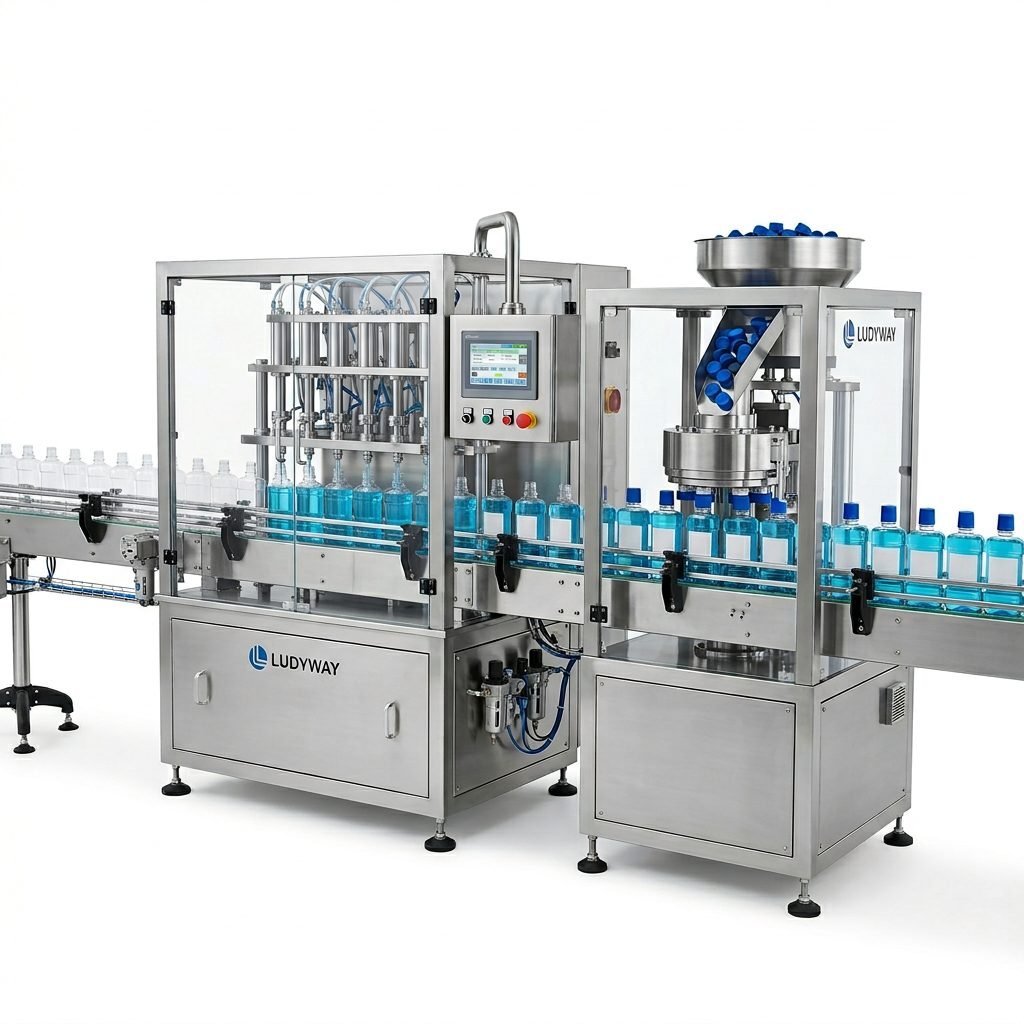
The more functions included, the higher the quote. For example, adding automatic labeling, shrink wrapping, carton packing, palletizing, or inspection systems will increase the overall line cost.
7. Customization and Turnkey Integration
A standard machine is usually cheaper than a tailor-made line. If your factory needs layout design, bottle handling integration, water treatment matching, downstream case packing, or remote commissioning support, pricing will be higher but the system may deliver much better performance in actual production.
How to Choose the Right Machine for Your Business
Know Your Real Production Demand
Many buyers either overspend on oversized equipment or underbuy and face capacity bottlenecks after only a few months. Before requesting a quotation, define:
- Your current bottles per hour target
- Your expected growth over the next 2–5 years
- Number of working shifts per day
- Different bottle sizes you need to run
- Available workshop space
This helps suppliers recommend the most cost-effective solution instead of simply quoting the largest model.
Compare Total Cost of Ownership, Not Just Machine Price
A machine with a lower purchase price may cost more over time if it has frequent downtime, unstable filling performance, high spare parts consumption, or weak technical support. Evaluate the total cost of ownership, including:
- Installation and commissioning cost
- Operator training
- Energy consumption
- Maintenance frequency
- Spare parts availability
- Production waste and rework
Check Compatibility With Your Packaging Line
If you already have conveyors, labeling equipment, or shrink packaging systems, the new machine must integrate smoothly. Mismatched speeds and heights can create costly bottlenecks. Always share your layout and line details with the supplier before finalizing the order.
Choose a Supplier With Strong Manufacturing Experience
A reliable manufacturer can make a major difference in machine lifespan, system stability, and after-sales responsiveness. If you are comparing suppliers, look at export experience, factory scale, technical support capability, and customization capacity. For businesses seeking scalable automation solutions, Ludyway water bottle packing machine solutions can be worth considering thanks to its long manufacturing background, turnkey packaging capabilities, and broad international project experience.
Price Comparison: Budget Machine vs Premium Line
| Comparison Point | Lower-Cost Option | Higher-End Option |
|---|---|---|
| Initial investment | Lower | Higher |
| Automation level | Basic | Advanced |
| Production efficiency | Moderate | High and stable |
| Changeover flexibility | Limited | Better for multiple bottle formats |
| Long-term maintenance | Potentially higher | Usually more reliable |
| Best for | Startups or low-volume operations | Growing brands and industrial production |
Questions to Ask Before You Buy
- What bottle sizes and cap types can the machine handle?
- What is the actual tested output, not just the theoretical speed?
- How accurate is the filling system?
- What materials are used in product-contact parts?
- How easy is cleaning and maintenance?
- Are installation, training, and spare parts included in the quote?
- Can the machine be upgraded later as production grows?
- What after-sales support is available for overseas customers?
Common Buying Mistakes to Avoid
- Choosing only by price: the cheapest machine is not always the most economical investment.
- Ignoring future expansion: your production may outgrow the machine sooner than expected.
- Underestimating changeover needs: multiple bottle types require flexibility.
- Overlooking after-sales service: technical support matters as much as the hardware.
- Not checking utility requirements: power, air supply, and floor space affect installation success.
Should You Buy a Standalone Machine or a Complete Line?
The answer depends on your business stage. A standalone machine may be suitable if you already have some packaging equipment or if your output is still limited. A complete line is often the better choice when you want smoother workflow, fewer manual steps, consistent product handling, and better scalability.
For growing bottled water businesses, a fully integrated solution often delivers better long-term value because it reduces handoffs between machines and improves the stability of the whole process.
Final Buying Insight
The right water bottle packing machine is not simply the one with the lowest price. It is the one that matches your product, output target, factory conditions, and business growth plan. A smart investment balances upfront cost with reliability, efficiency, flexibility, and service support.
Before making a decision, prepare a clear production brief, compare multiple quotations carefully, and focus on long-term return rather than short-term savings alone. That approach will help you choose a machine that supports stable production and sustainable business growth.