Choosing the right vegetable packing machine is not only about automating a packaging step. It is about protecting product freshness, reducing waste, improving output, and making your operation more competitive. Whether you pack fresh-cut vegetables, frozen vegetables, vegetable powder, dehydrated vegetables, or mixed vegetable products, the ideal system should match your product characteristics, packaging format, speed goals, and hygiene standards.
In this guide, you will learn how to evaluate the best solution for efficient vegetable packaging, what machine features matter most, and how to avoid costly buying mistakes.
Why the Right Vegetable Packing Machine Matters
Vegetables are sensitive products. Depending on the type, they may be affected by moisture, oxygen, breakage, contamination, clumping, or short shelf life. A suitable packing machine helps manufacturers and processors achieve:
- Higher packaging efficiency with less manual labor
- Better seal integrity to preserve freshness and quality
- Consistent pack weights for better compliance and customer trust
- Lower product loss during feeding, dosing, and sealing
- Improved hygiene for food-safe production environments
- Scalable output as business demand increases
If the machine is poorly matched to the product, businesses often face seal leakage, inaccurate filling, material sticking, downtime, and unnecessary maintenance costs.
Start with Your Vegetable Product Type
The first step is understanding exactly what kind of vegetable product you are packing. Different products require different feeding, weighing, and sealing systems.
| Vegetable Product Type | Typical Packaging Challenge | Recommended Machine Approach |
|---|---|---|
| Fresh-cut vegetables | Moisture, freshness, short shelf life | Premade pouch or tray sealing systems with hygienic design |
| Frozen vegetables | Temperature control, anti-bridging, stable feeding | VFFS machine with multihead weigher |
| Dehydrated vegetables | Breakage, dust, irregular particle size | Vertical form fill seal machine with gentle handling |
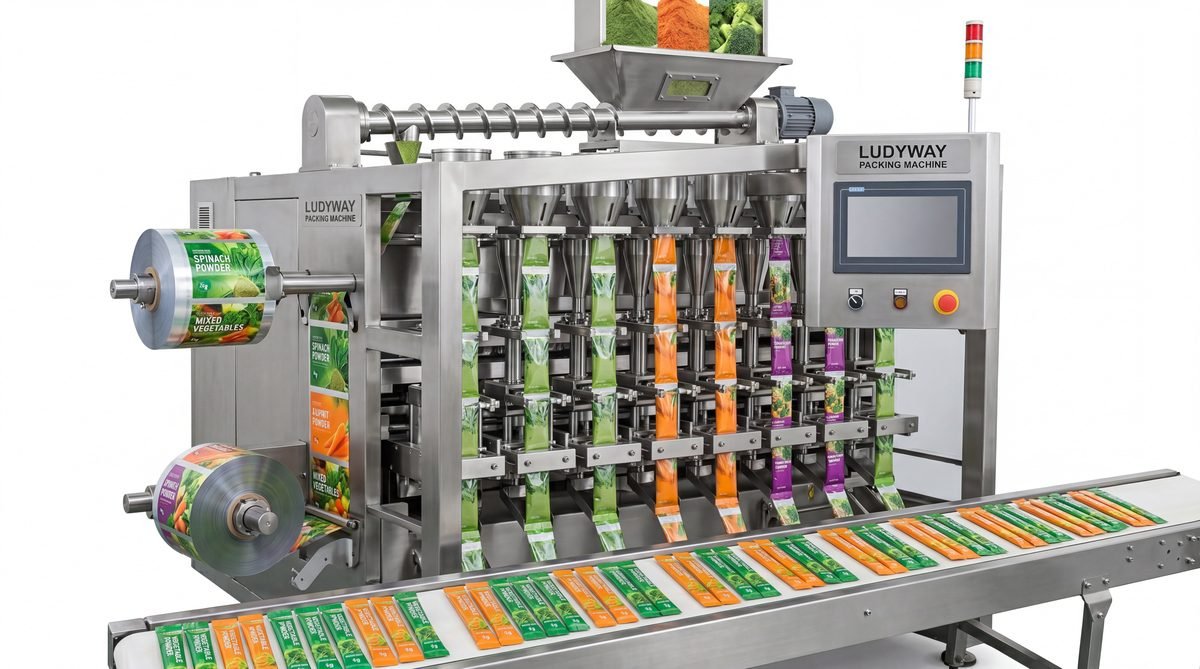
| Vegetable powders | Dust control, precision dosing, seal contamination | Auger filling machine or multi-lane sachet/stick pack machine |
| Mixed vegetable seasoning blends | Uniform dosing of mixed granules and powders | Customized weighing and filling system |
Choose the Right Packaging Format
Your packaging format directly affects machine selection. Before comparing models, define your final pack style.
Common formats for vegetable packaging
- Pillow bags
- Gusset bags
- Stand-up pouches
- Zipper pouches
- Sachets
- Stick packs
- Vacuum bags
- Trays with film sealing
For example, frozen peas or mixed vegetables are often packed in pillow or stand-up bags, while vegetable powder products are commonly sold in sachets or stick packs for retail and single-serve use.
Key Machine Types for Vegetable Packaging
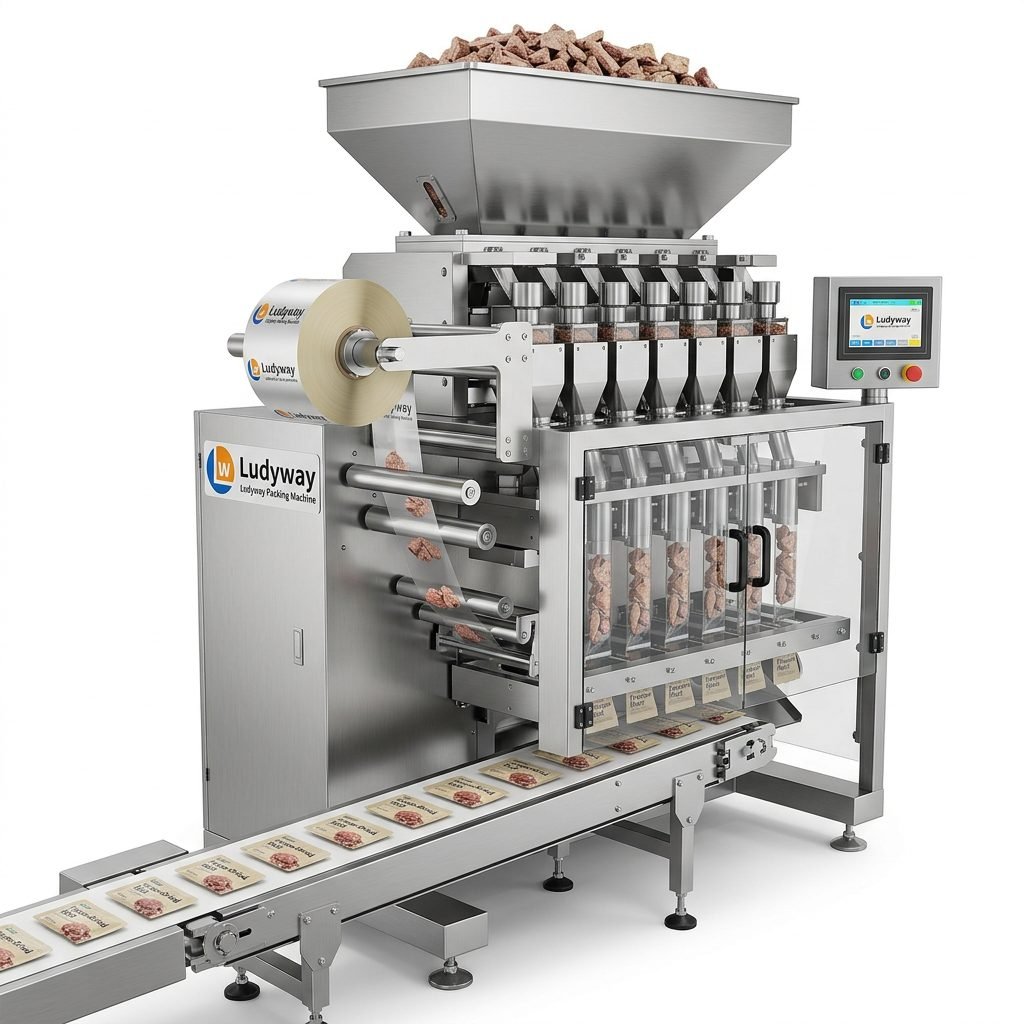
1. Vertical Form Fill Seal Machines
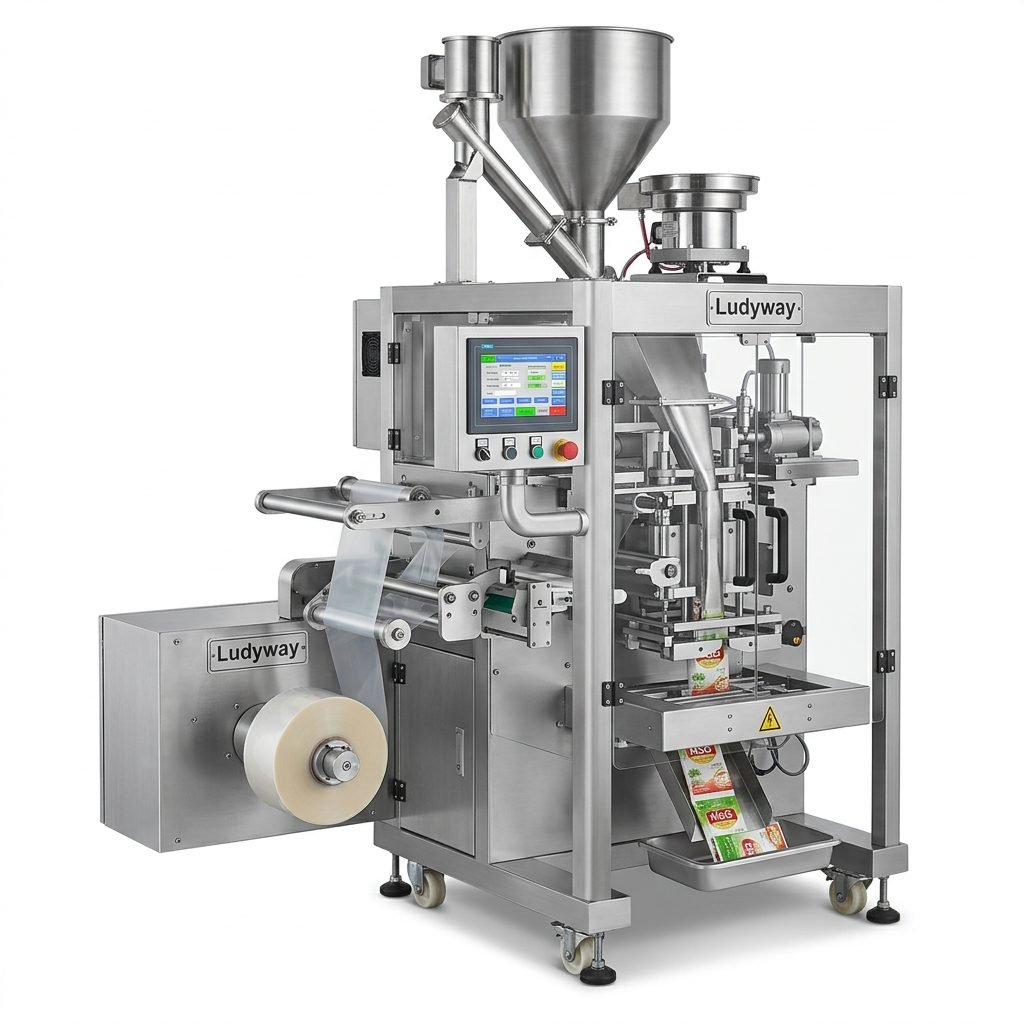
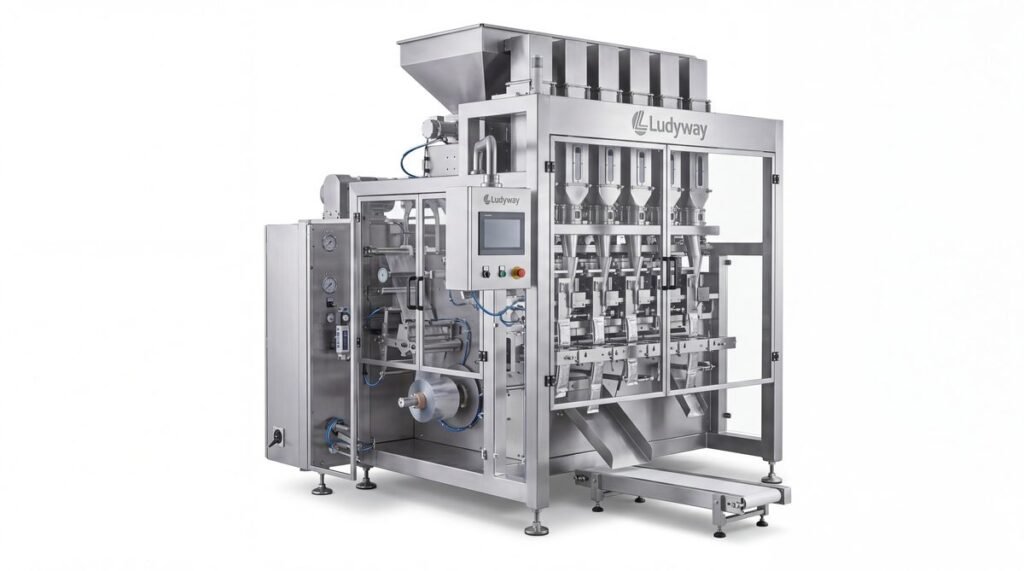
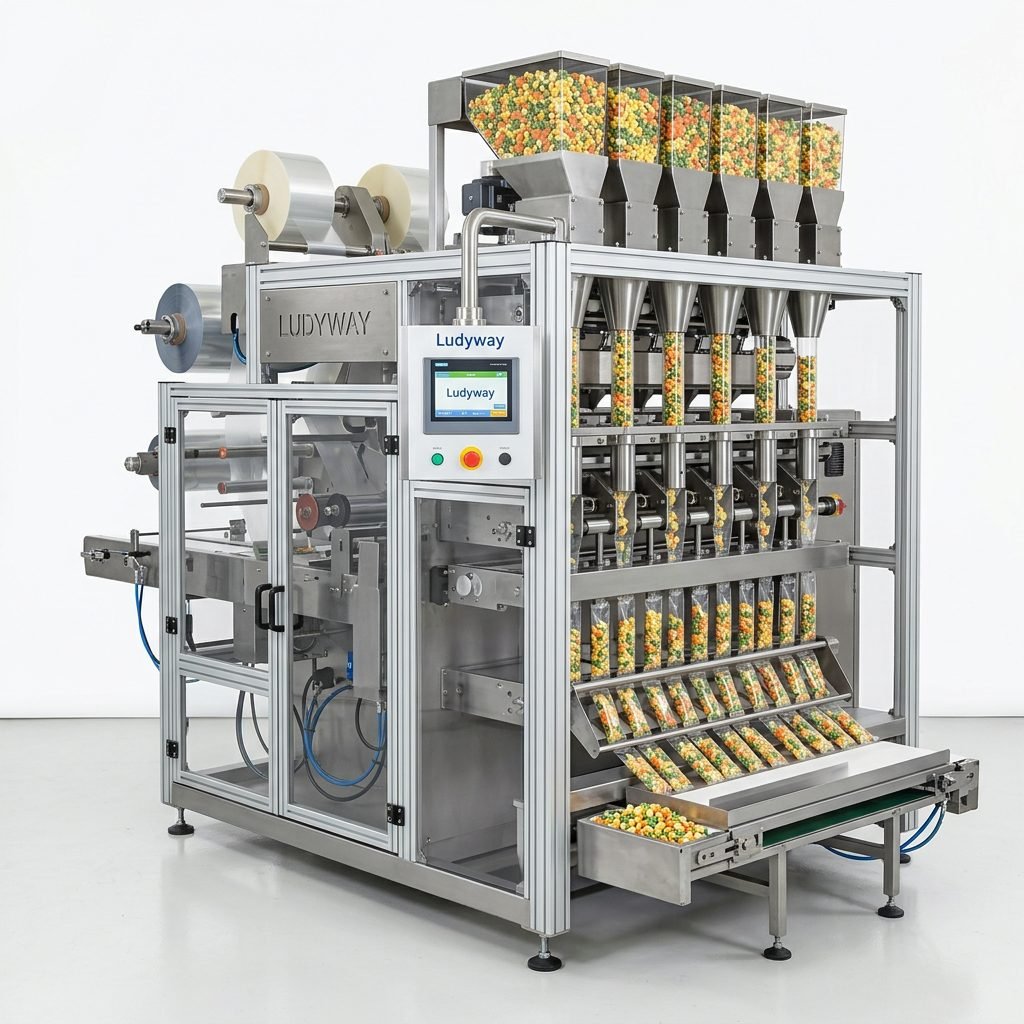
VFFS machines are one of the most common options for vegetables in bag form. They are suitable for frozen vegetables, dried vegetables, granules, and many free-flowing food products. They can be integrated with weighing systems, conveyors, metal detectors, and date coders.
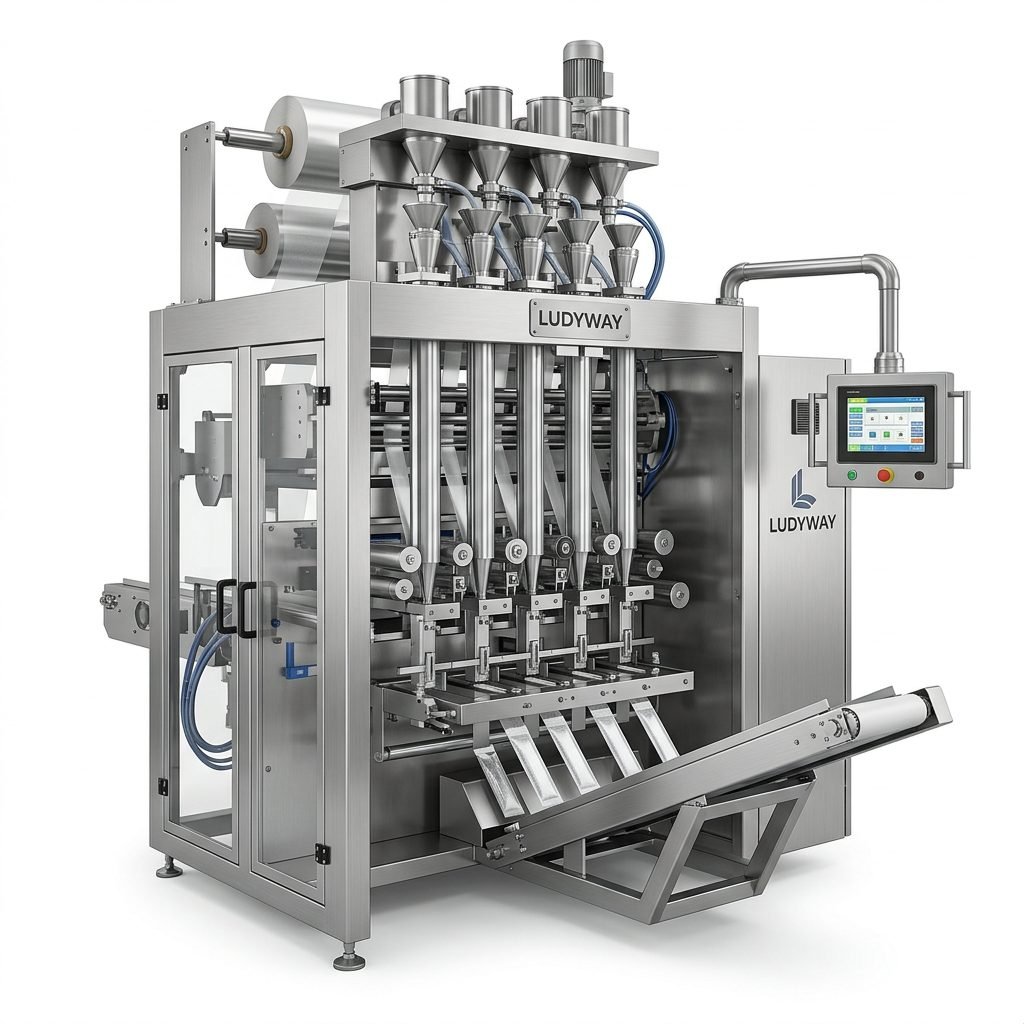
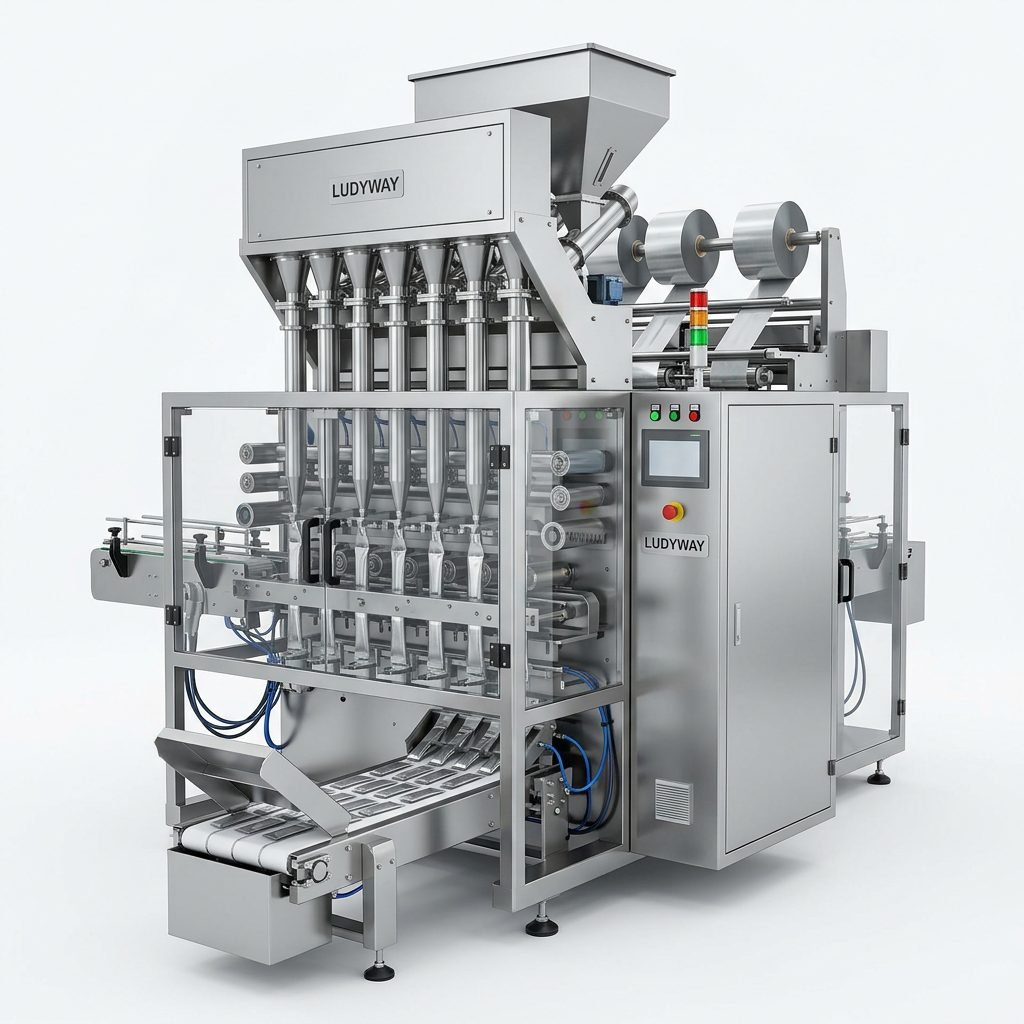
2. Multi-Lane Sachet and Stick Pack Machines
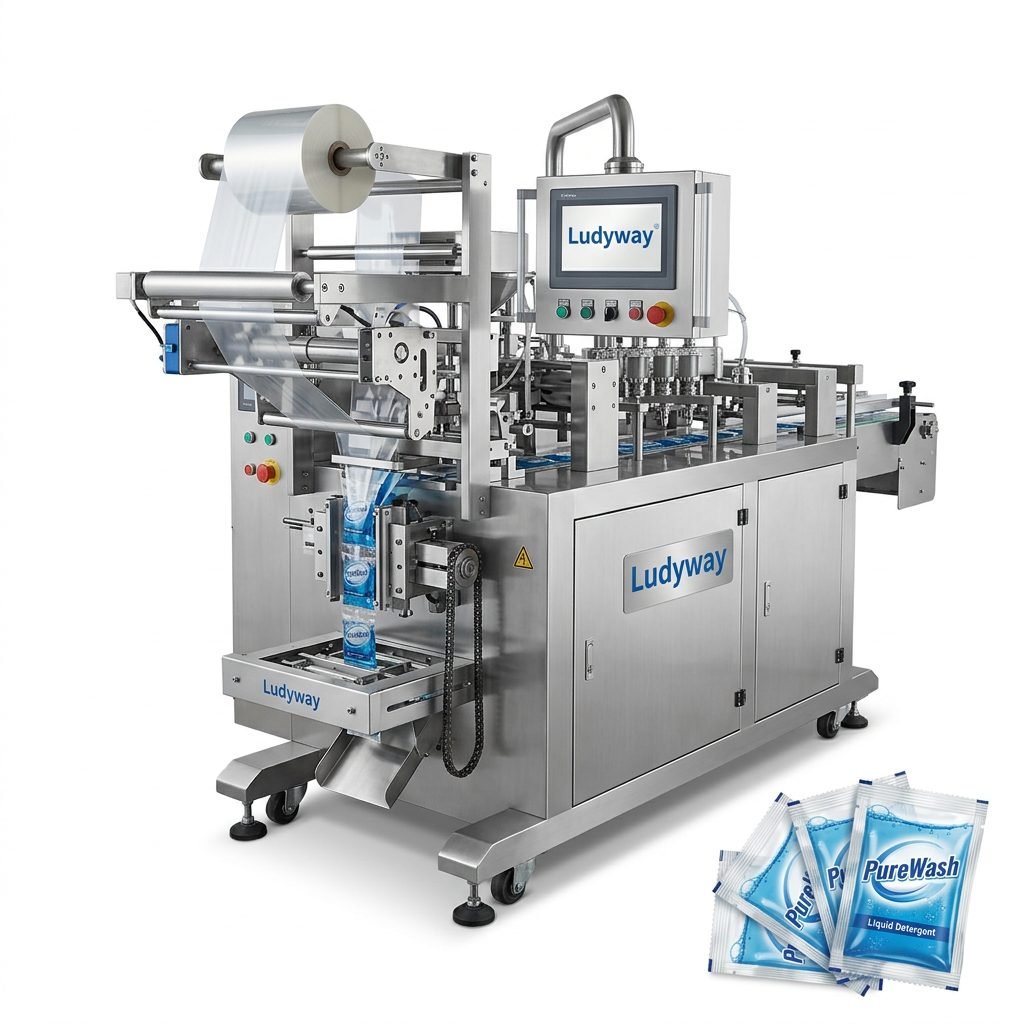
These are ideal for vegetable powder, soup mixes, nutrition blends, and single-dose food products. Multi-lane systems increase output significantly and are often the best choice for high-speed, small-format packaging.
3. Premade Pouch Packing Machines
If your brand uses premium stand-up pouches or zipper bags, premade pouch systems offer attractive presentation and strong shelf appeal. They work well for dried or frozen vegetables in value-added retail packs.
4. Tray Sealing Machines
Fresh-cut vegetables, prepared meal kits, and ready-to-cook vegetable packs often use tray sealing. This solution is useful when product visibility, modified atmosphere packaging, or retail-ready presentation is important.
Important Features to Compare Before Buying
Accuracy and Filling Stability
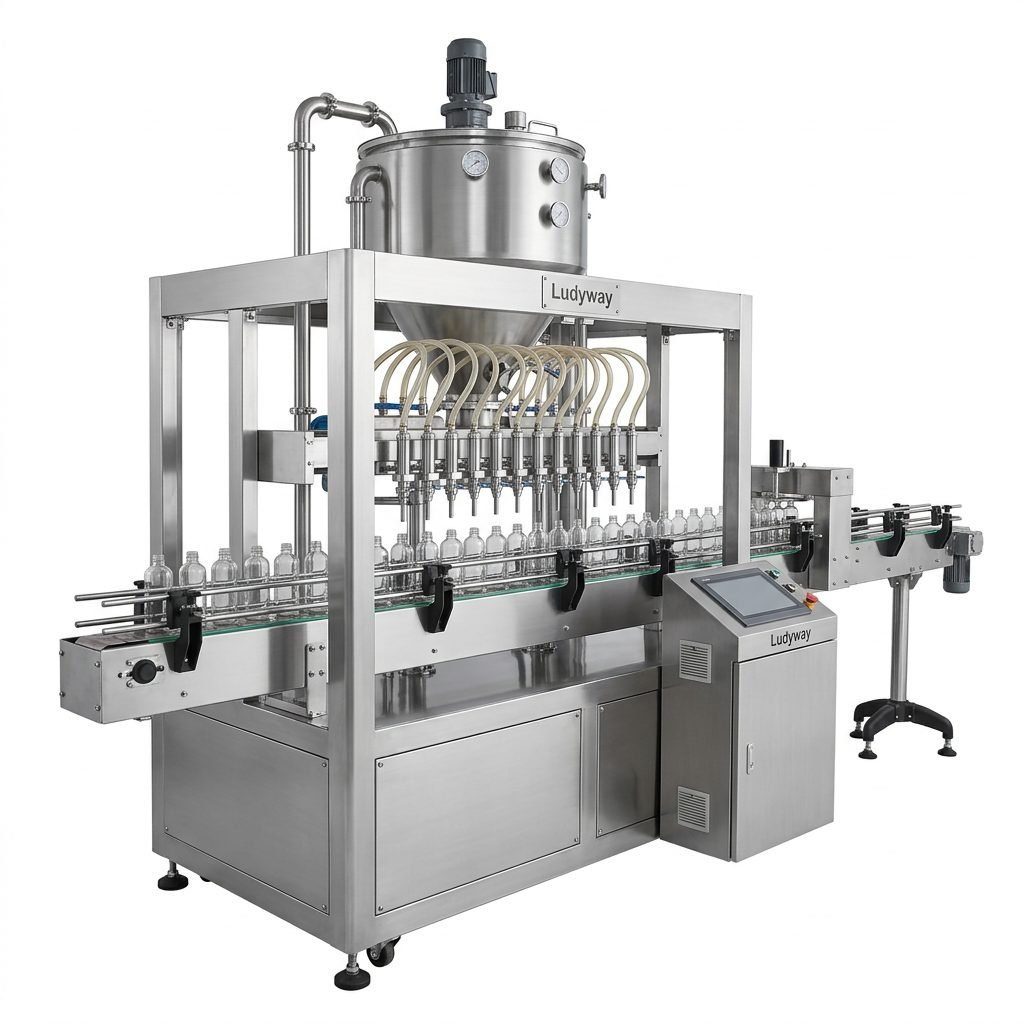
Accurate dosing is critical, especially for vegetable powder or high-value products. Look for systems with reliable auger fillers, combination weighers, or customized feeding units depending on product density and flowability.
Packaging Speed
Do not focus only on maximum speed advertised by the supplier. The more practical question is: what stable output can the machine maintain with your actual product? Product shape, moisture level, bag size, and sealing requirements all affect real production speed.
Seal Quality
Good sealing is essential for vegetables because poor seals can lead to moisture ingress, freezer burn, oxidation, or leakage. A strong temperature control system and clean sealing area are especially important for powders and fine particles.
Material Compatibility
Check whether the machine supports PE, laminated film, recyclable packaging materials, or specialty barrier films. As sustainability becomes more important, many buyers want equipment that can handle changing packaging materials.
Ease of Cleaning
Food hygiene matters. Stainless steel construction, tool-free disassembly, dust collection options, and accessible contact parts can reduce cleaning time and improve food safety compliance.
Automation and Integration
Modern vegetable packing machines can be connected with elevators, weighers, detectors, printers, case packers, and palletizing systems. If you expect future growth, choose a machine that supports line expansion.
How to Match the Machine to Your Production Scale
A small factory and a high-volume processor need different solutions. The best machine is not always the biggest one—it is the one that fits your current and near-future demand.
| Production Scenario | Recommended Solution | Why It Fits |
|---|---|---|
| Startup or pilot production | Semi-auto or compact auto machine | Lower investment and easier operation |
| Medium-volume packaging | Automatic VFFS or premade pouch machine | Balanced speed, flexibility, and cost |
| High-speed powder or sachet production | Multi-lane sachet/stick pack line | Higher output and lower unit packaging cost |
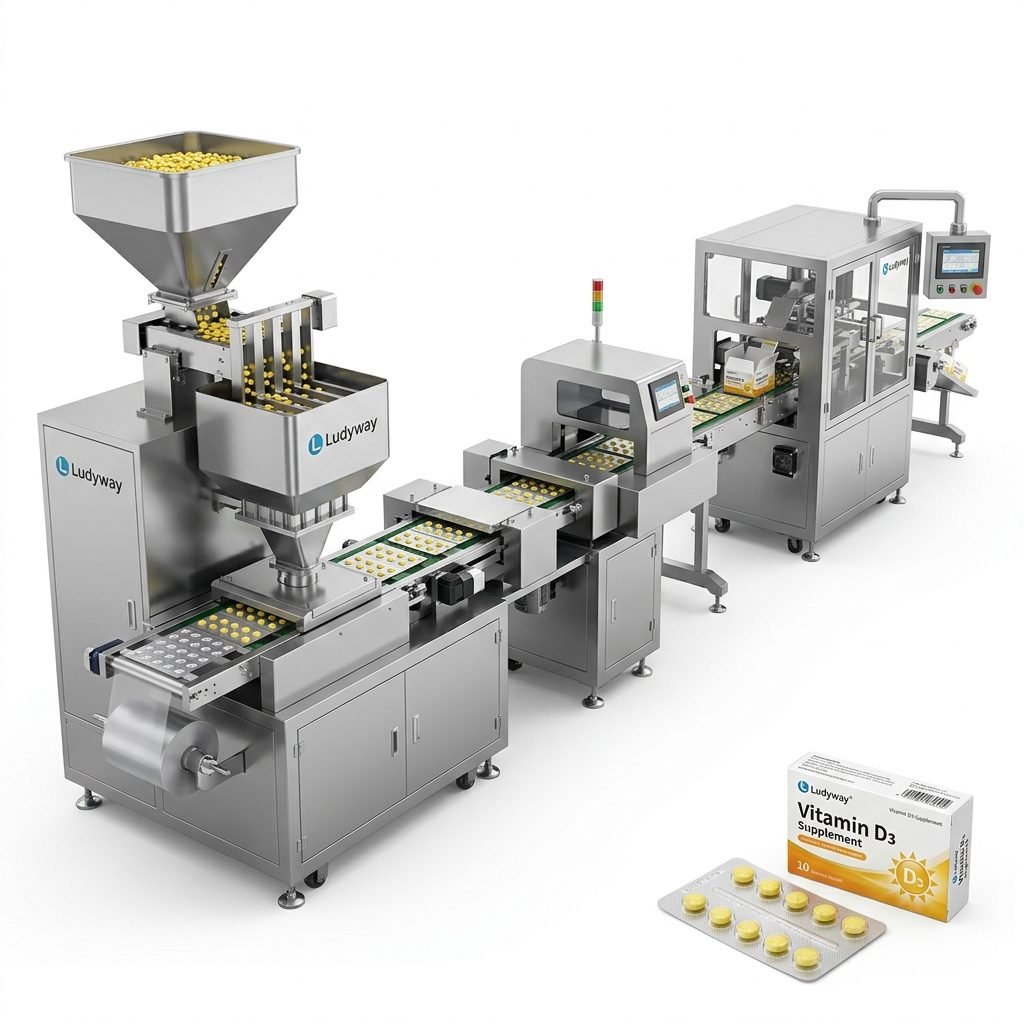
| Large-scale factory automation | Turnkey packaging line | Integrated conveying, filling, inspection, cartoning, and palletizing |
Questions You Should Ask a Supplier
Before making a decision, ask technical and commercial questions instead of only comparing prices.
- What vegetable products has this machine packed before?
- Can the supplier test my sample product and packaging film?
- What packaging speeds are realistic with my product?
- How accurate is the filling system?
- How long does changeover take for different bag sizes?
- What are the machine contact materials?
- What after-sales service and spare parts support are available?
- Can the machine integrate with checkweighers, metal detectors, and coding systems?
Common Mistakes When Choosing a Vegetable Packing Machine
- Buying based only on the lowest price
- Ignoring actual product behavior during machine testing
- Choosing a speed that exceeds real production needs
- Overlooking cleaning and sanitation requirements
- Not planning for future automation upgrades
- Using a generic machine for difficult powders or fragile dried vegetables
A machine that looks inexpensive at the start can become costly later if it causes downtime, rejects, product loss, or unstable sealing.
When a Turnkey Packaging Line Is the Better Choice
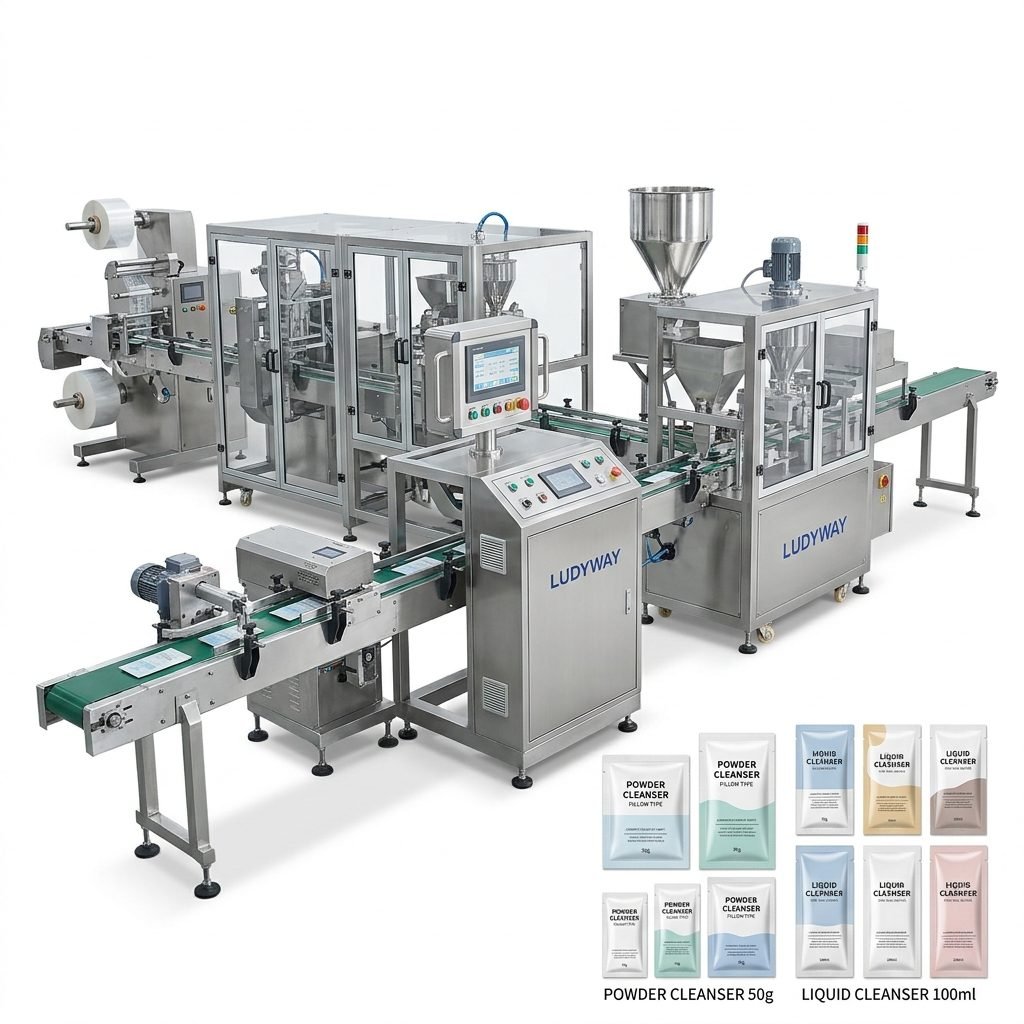
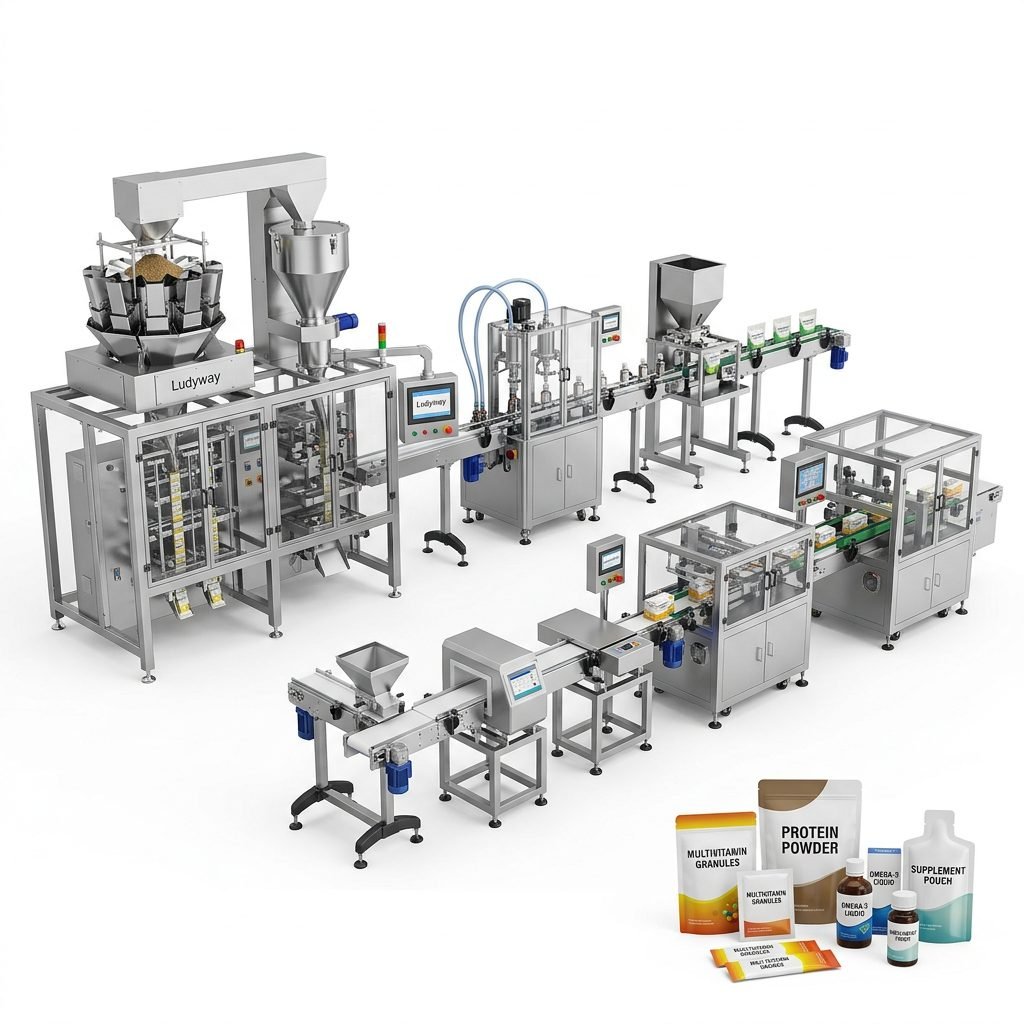
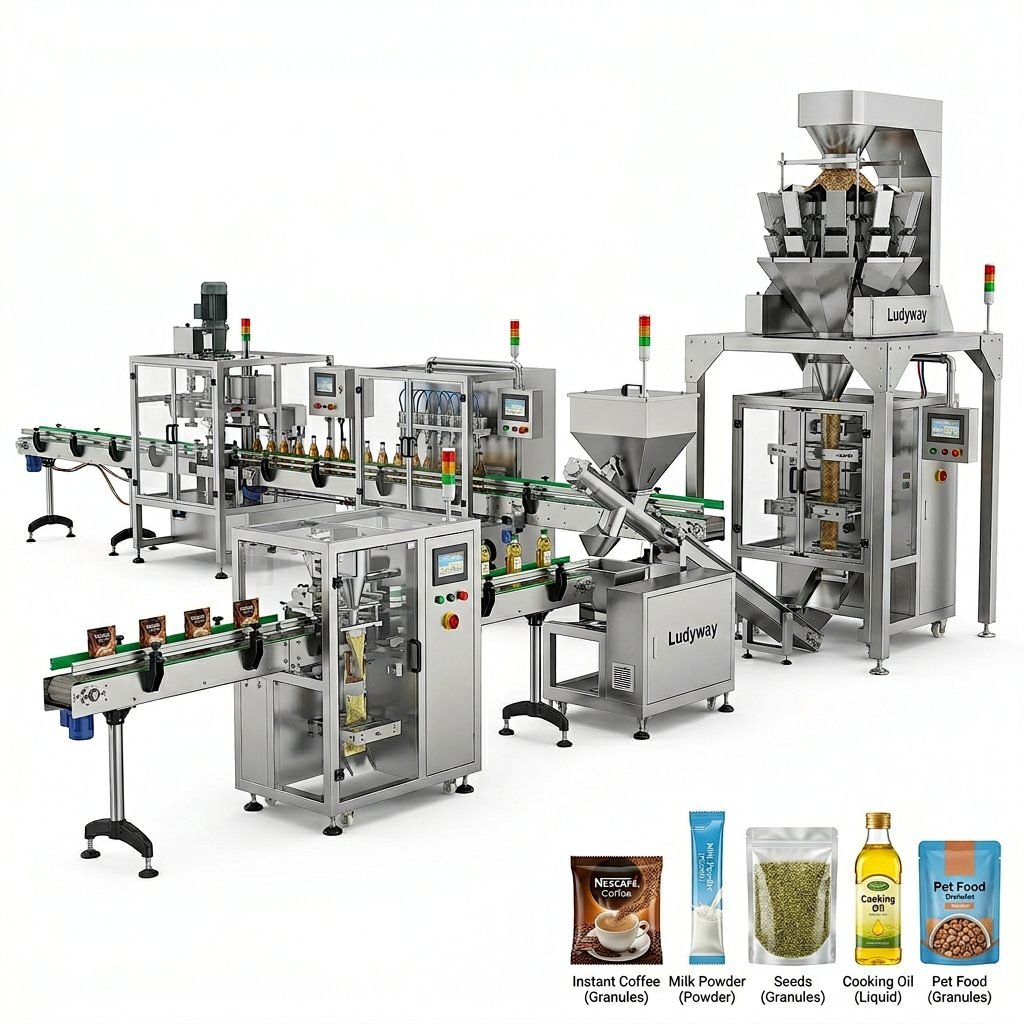
If your vegetable products require more than basic filling and sealing, a turnkey line can provide better long-term efficiency. This is especially useful for businesses handling large volumes, multiple SKUs, or export-oriented packaging standards.
A complete line may include:
- Feeding and conveying systems
- Weighing or auger dosing equipment
- Main packaging machine
- Date coding and labeling
- Metal detection or inspection
- Cartoning and case packing
- Palletizing and end-of-line automation
For buyers seeking scalable automation, Ludyway offers packaging machinery and turnkey packaging line solutions across food, pharmaceutical, health supplement, and related sectors, with broad experience in automatic systems for powders, granules, liquids, and pouch-based products.
Best Solution Checklist for Efficient Vegetable Packaging
Use this quick checklist before choosing your equipment:
| Checklist Item | What to Confirm |
| Product type | Fresh, frozen, dried, or powder |
| Pack format | Bag, pouch, sachet, stick pack, tray |
| Output target | Per minute, per hour, per shift |
| Filling method | Weigher, cup filler, auger filler, customized dosing |
| Seal quality | Leak prevention and shelf-life protection |
| Hygiene design | Food-grade contact parts and easy cleaning |
| Expandability | Can connect to future automation modules |
| Supplier support | Testing, training, spare parts, service response |
Final Buying Advice
The best vegetable packing machine is the one that fits your product, your packaging style, your required output, and your long-term business plan. Focus on product compatibility, stable performance, hygiene, sealing reliability, and room for future automation.
If possible, always request a sample test before purchase. Seeing how the machine handles your real vegetable product is the fastest way to judge whether the solution will truly deliver efficient packaging in daily production.