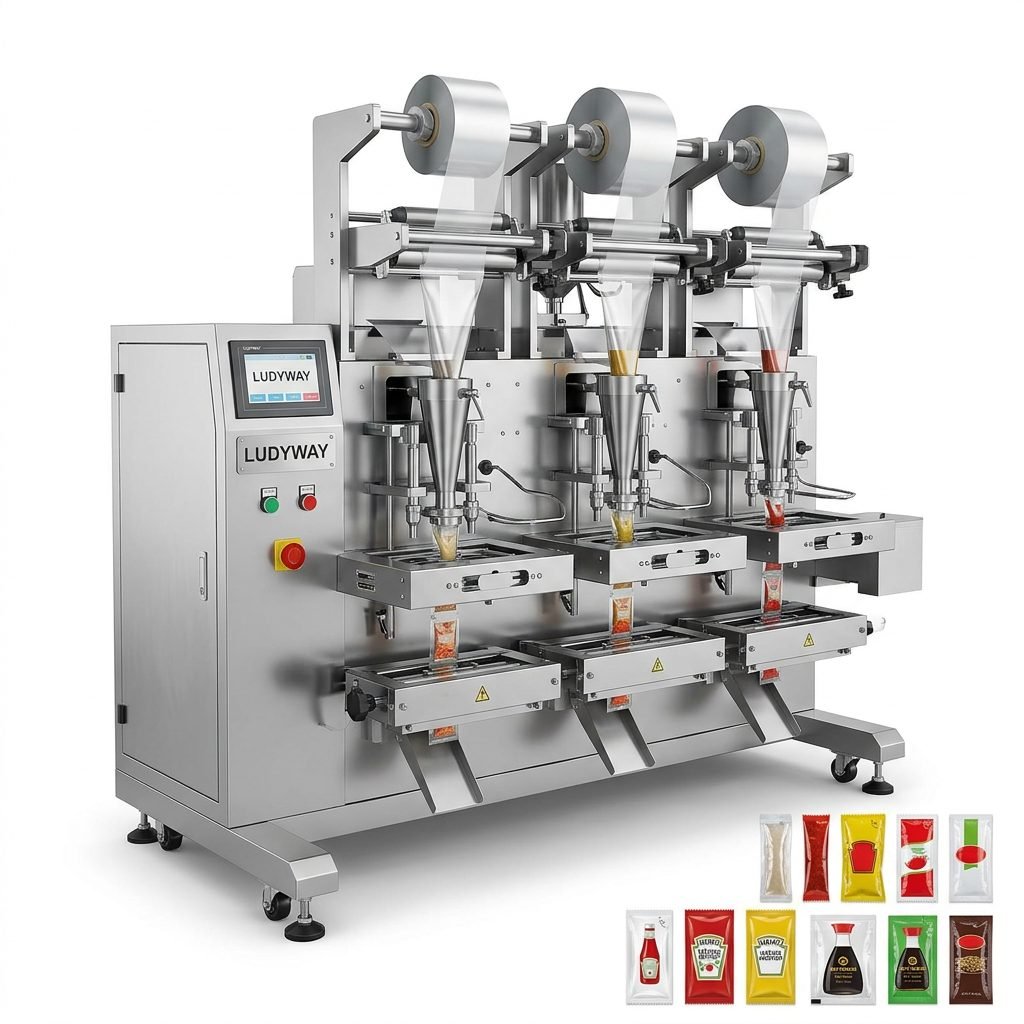
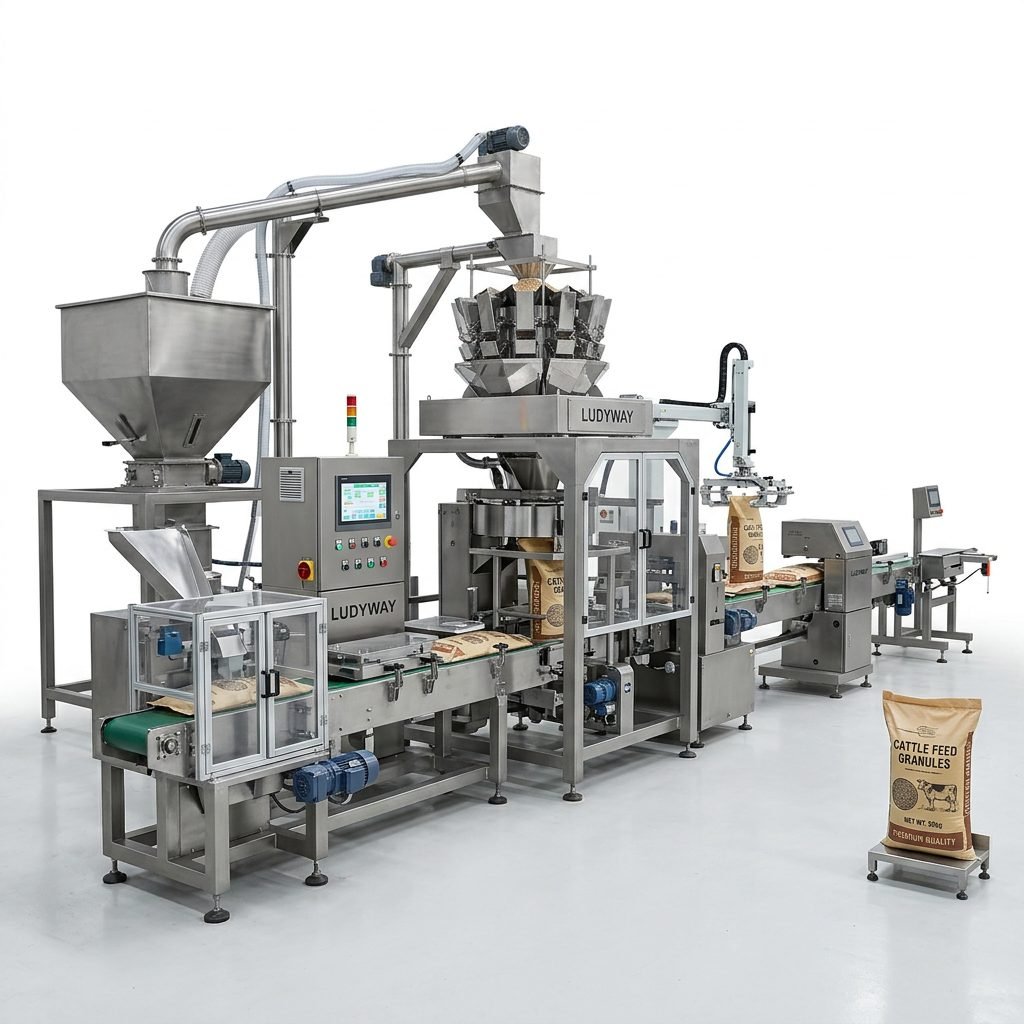
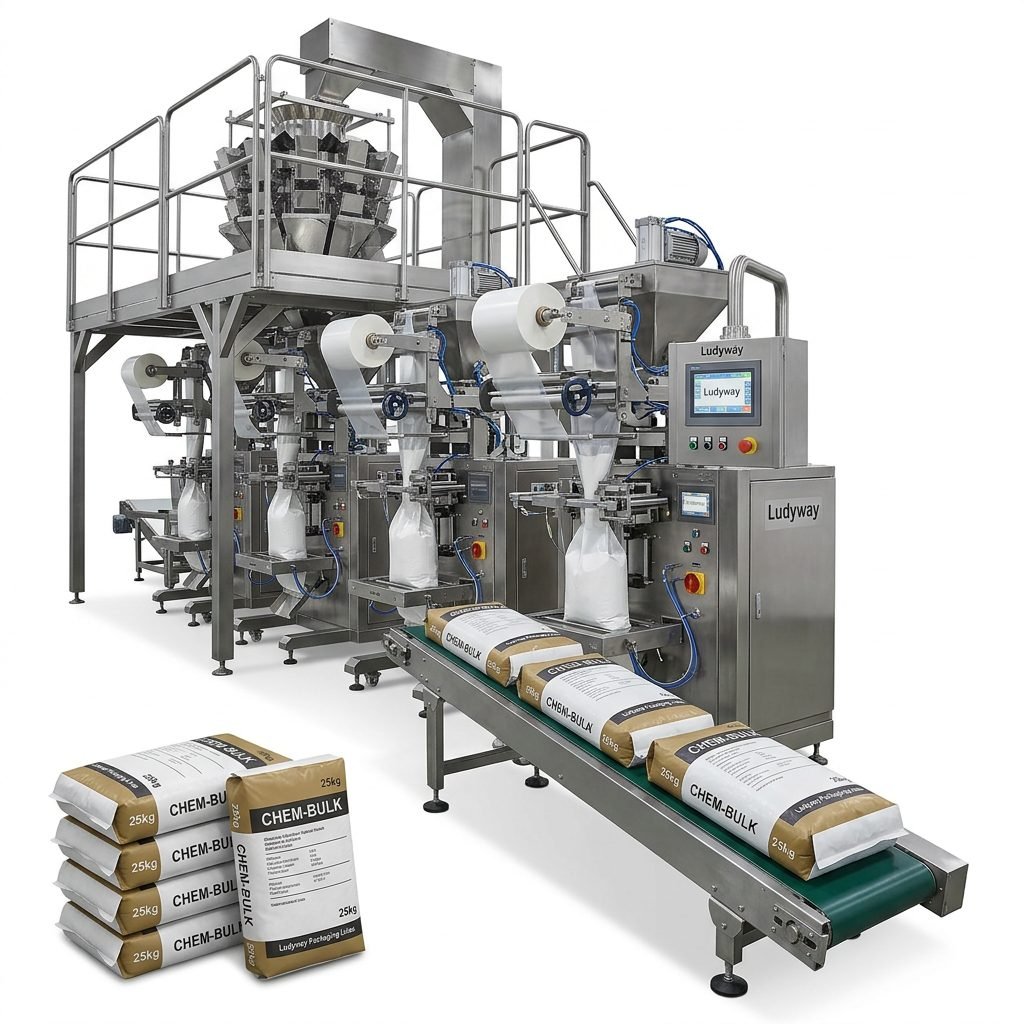
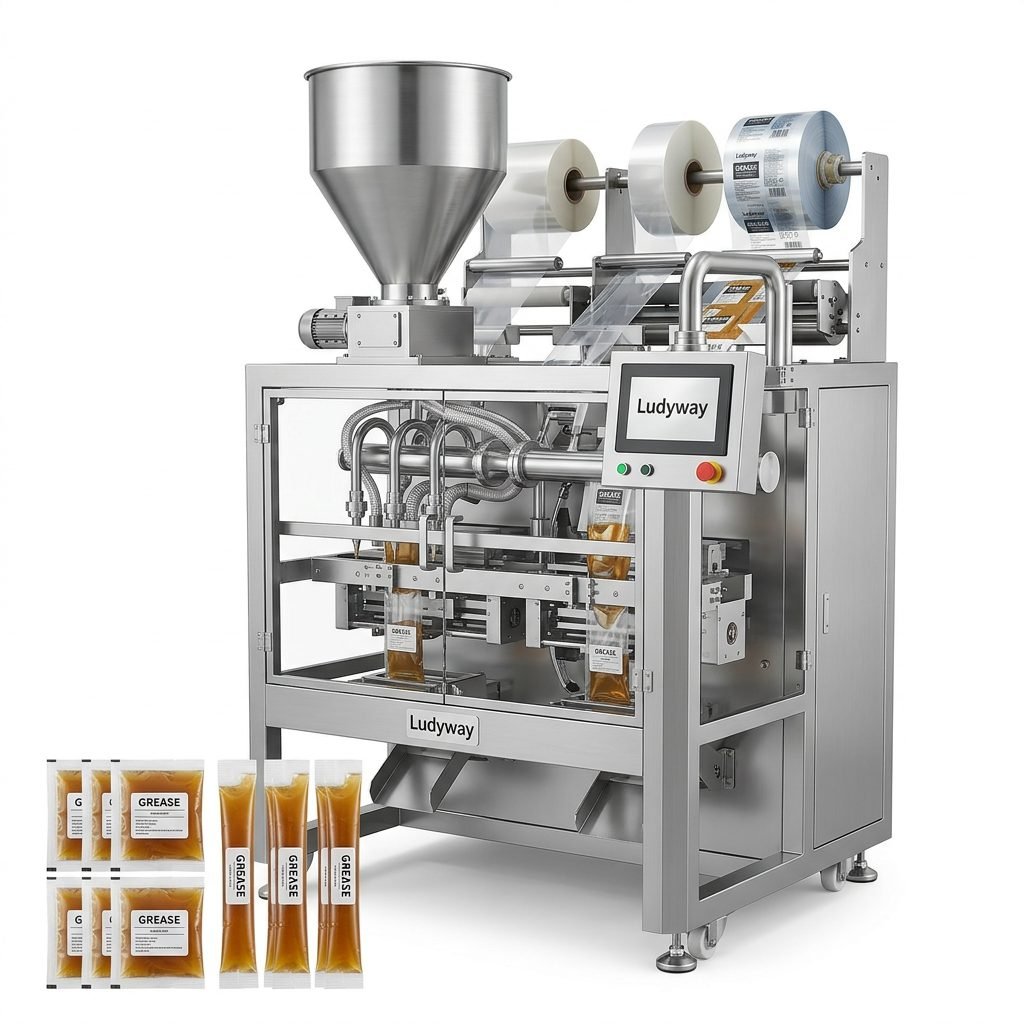
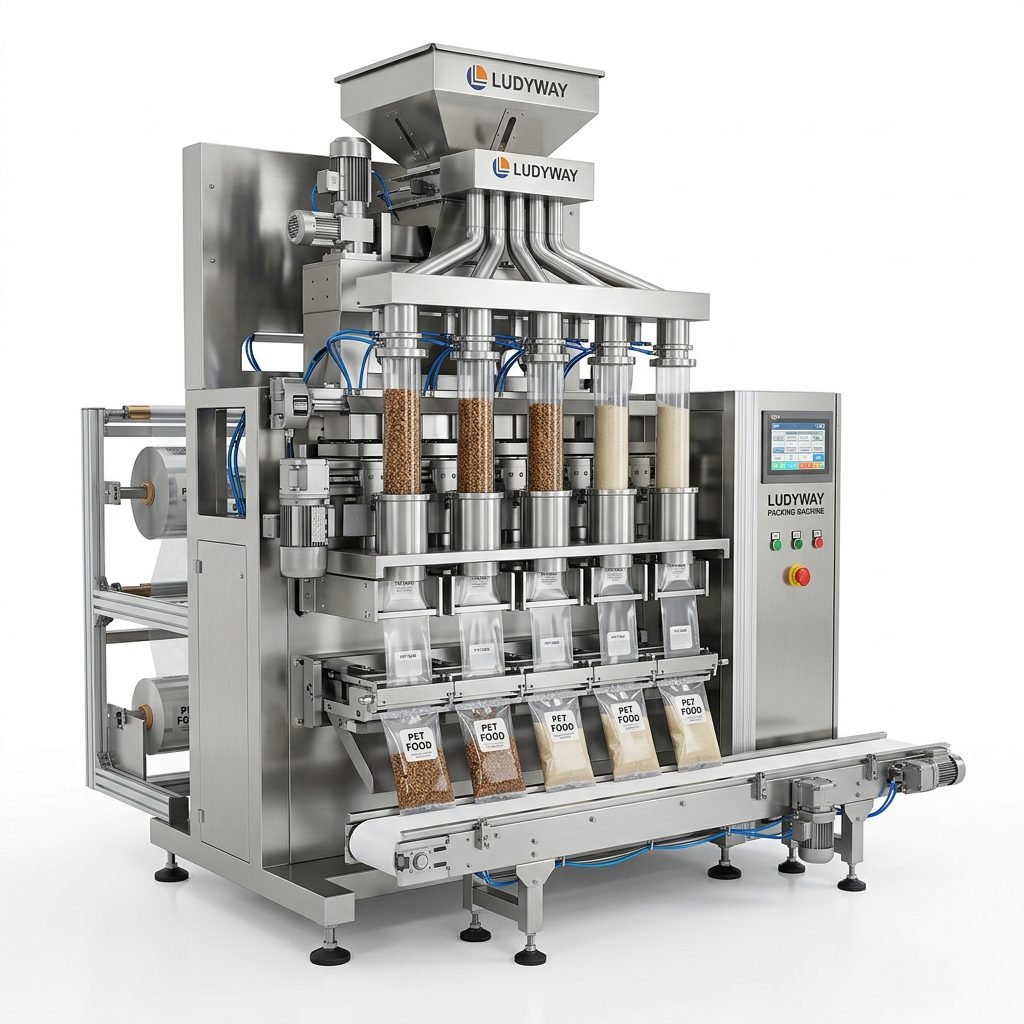
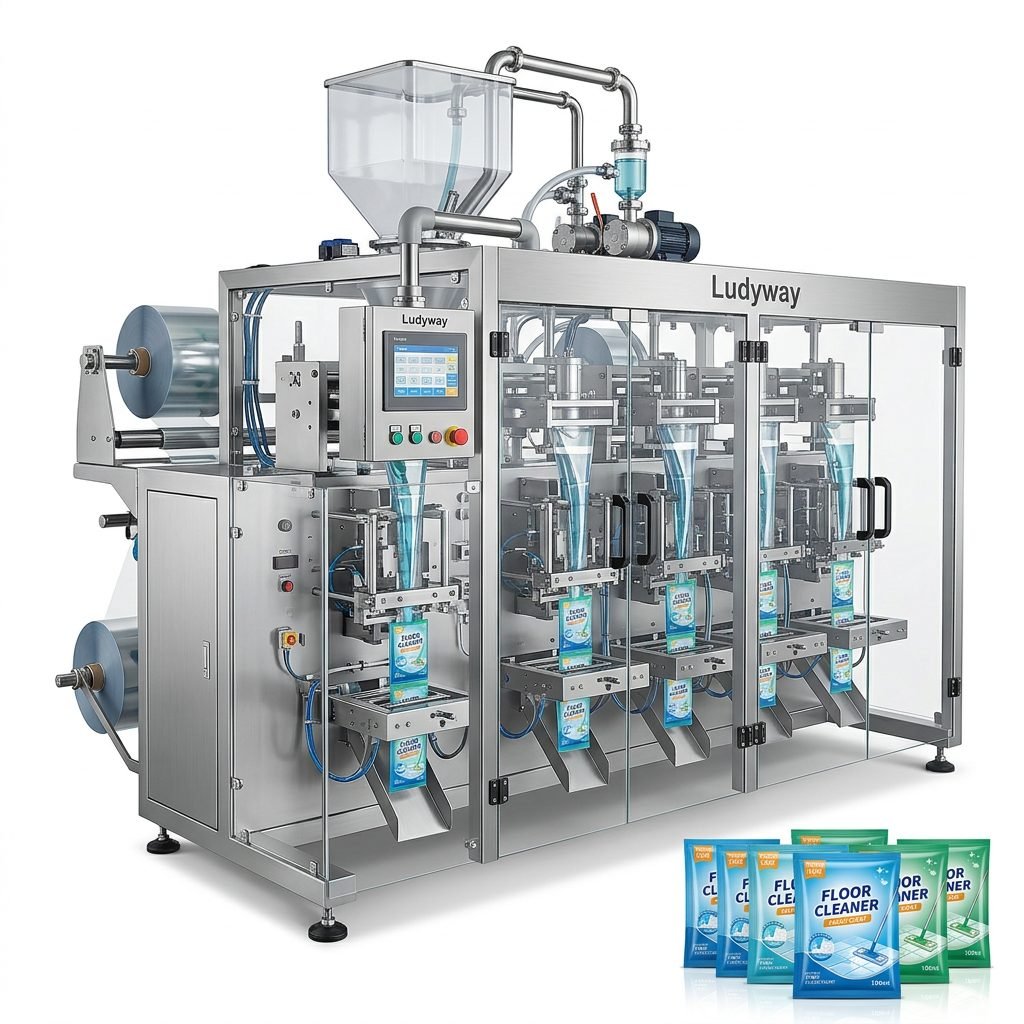
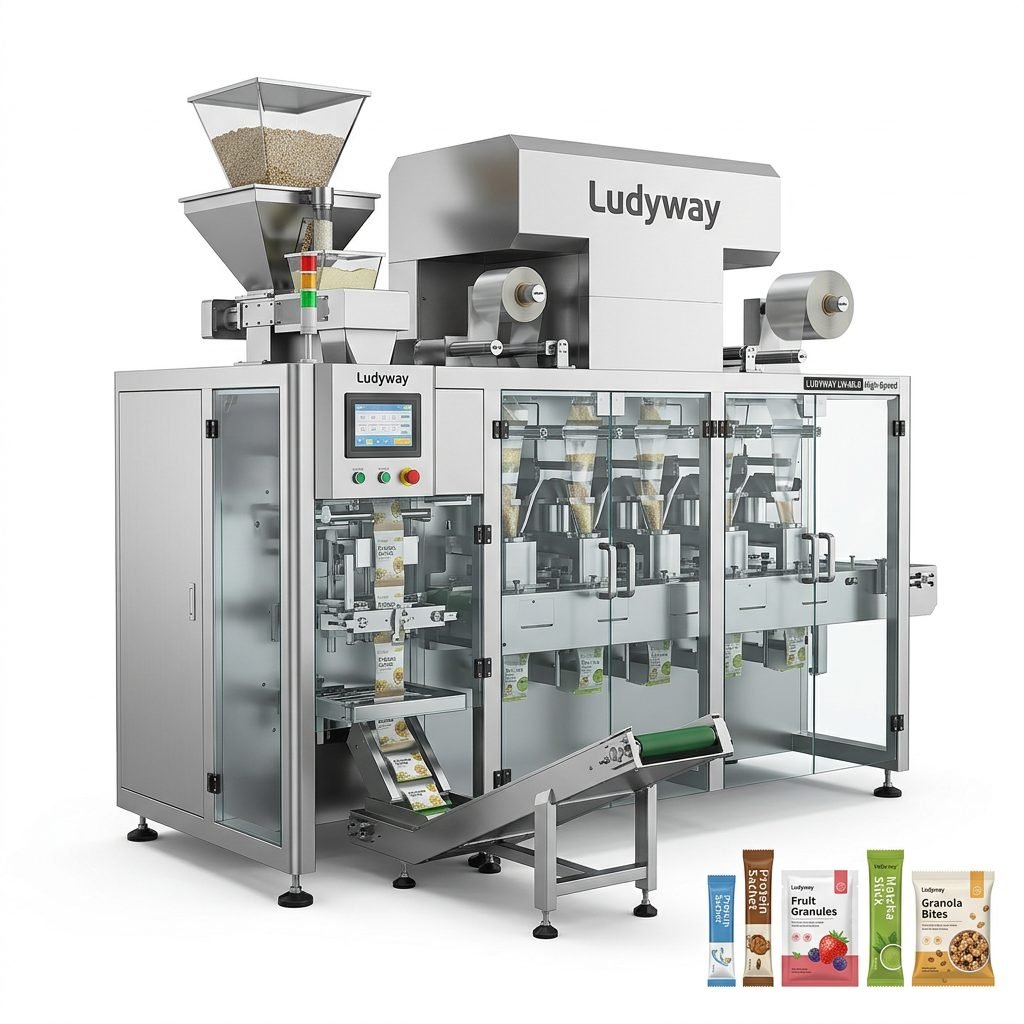
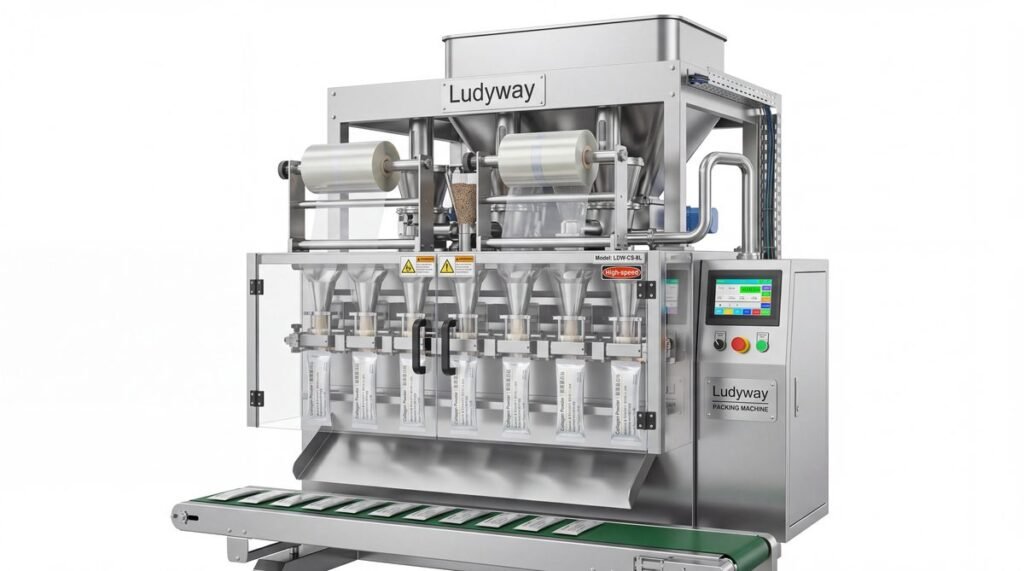
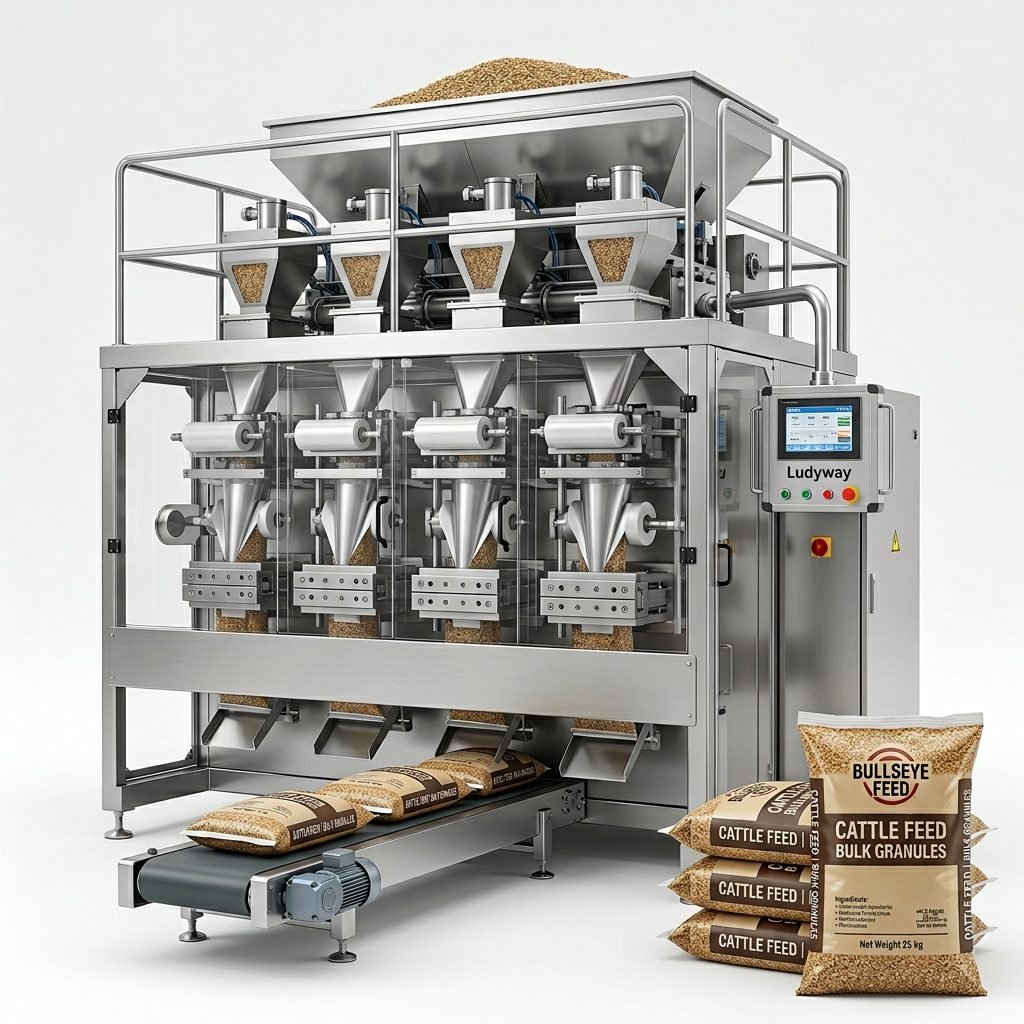
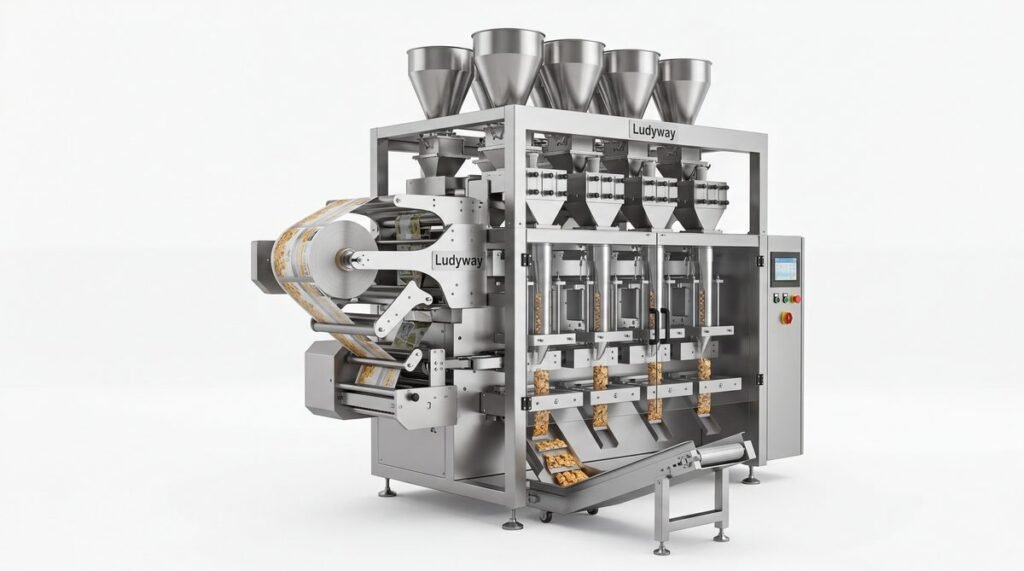
A capsule packing machine is designed to count, fill, seal, label, and prepare capsules for final sale or distribution. It plays a critical role in pharmaceutical, nutraceutical, and health supplement production by improving speed, accuracy, hygiene, and compliance. Whether you pack hard gelatin capsules, HPMC vegetarian capsules, or softgel-related formats, the right machine can directly affect output quality and operating cost.
For manufacturers, brand owners, contract packers, and expanding supplement businesses, understanding how capsule packing equipment works is the first step toward making a smarter investment.
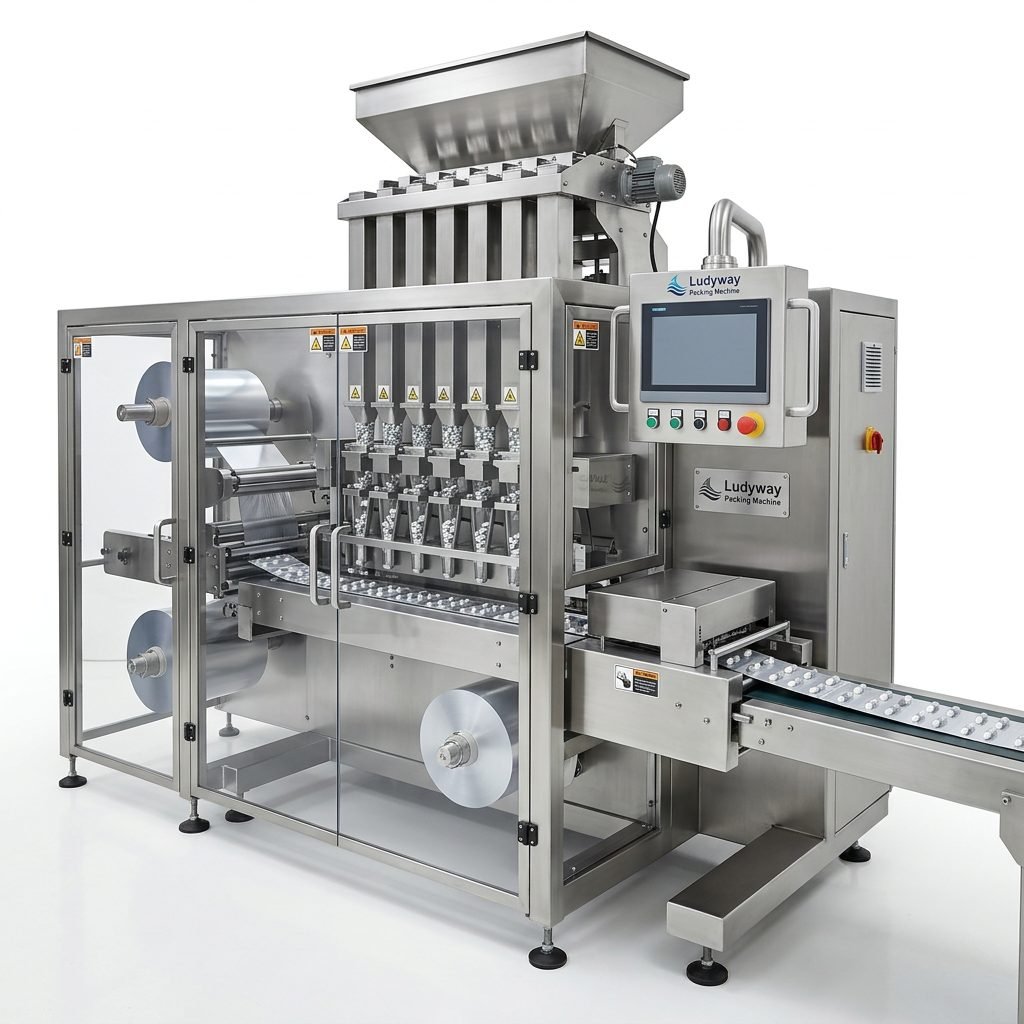
What Is a Capsule Packing Machine?
A capsule packing machine is packaging equipment used after capsule production or capsule filling. Its job is to place finished capsules into market-ready packaging such as:
- Bottles
- Blister packs
- Sachets
- Stick packs
- Pouches
- Cartons and secondary packaging units
In many factories, the machine is part of a larger packaging line that may also include feeding systems, visual inspection, desiccant insertion, capping, labeling, coding, checkweighing, cartoning, and case packing.
How Does a Capsule Packing Machine Work?
Although the exact workflow depends on the packaging style, most capsule packing machines follow a similar process. The goal is to move capsules from bulk storage into precise, protected, retail-ready packs.
1. Capsule Feeding
Capsules are loaded into a hopper or feeding system. Vibratory feeders, elevators, or sorting systems orient the capsules and keep the flow even to avoid clogging or product damage.
2. Counting or Dosing
The machine counts a preset number of capsules or doses them by lane, pocket, bottle, or blister cavity. Modern equipment may use electronic counting sensors, servo control, or vision-based verification for better precision.
3. Filling Into Packaging
Once counted, capsules are directed into the selected package format:
- Bottle packing: capsules drop into bottles or jars
- Blister packing: capsules are placed into formed cavities
- Sachet or pouch packing: capsules are packed into flexible packaging materials
4. Sealing and Closing
The machine seals the package according to the material and format. This can include heat sealing, foil sealing, capping, induction sealing, or cartoning.
5. Inspection and Rejection
Many systems include sensors for missing capsules, undercount, seal defects, or incorrect packaging. Defective units are automatically rejected to protect product quality.
6. Coding and Final Output
The final packs may receive date codes, batch numbers, barcodes, and labels before being sent to cartoning or case packing.
Main Types of Capsule Packing Machines
Choosing the correct type depends on your product, speed target, packaging material, and compliance requirements.
| Machine Type | Best For | Key Advantages |
|---|---|---|
| Capsule Bottle Packing Machine | Supplements, pharmaceuticals, vitamins | Fast counting, easy handling, retail-friendly |
| Capsule Blister Packing Machine | Pharma compliance, unit-dose packs | Excellent protection, dosage visibility, tamper resistance |
| Capsule Sachet Packing Machine | Single-dose or sample packs | Compact packs, convenient for e-commerce and travel |
| Capsule Pouch Packing Machine | Flexible packaging applications | Attractive appearance, lightweight, customizable |
| Automatic Capsule Packaging Line | Medium to large factories | High automation, lower labor, integrated quality control |
Bottle Packing vs Blister Packing for Capsules
These are the two most common formats in capsule packaging. Each serves different business goals.
Bottle Packing
- Ideal for high-volume supplement products
- Easier for bulk retail and online sales
- Supports desiccant insertion and tamper-evident sealing
- Lower packaging cost per unit in many cases
Blister Packing
- Better unit-dose separation
- Stronger moisture and contamination protection
- Often preferred in pharmaceutical environments
- Improves product presentation and traceability
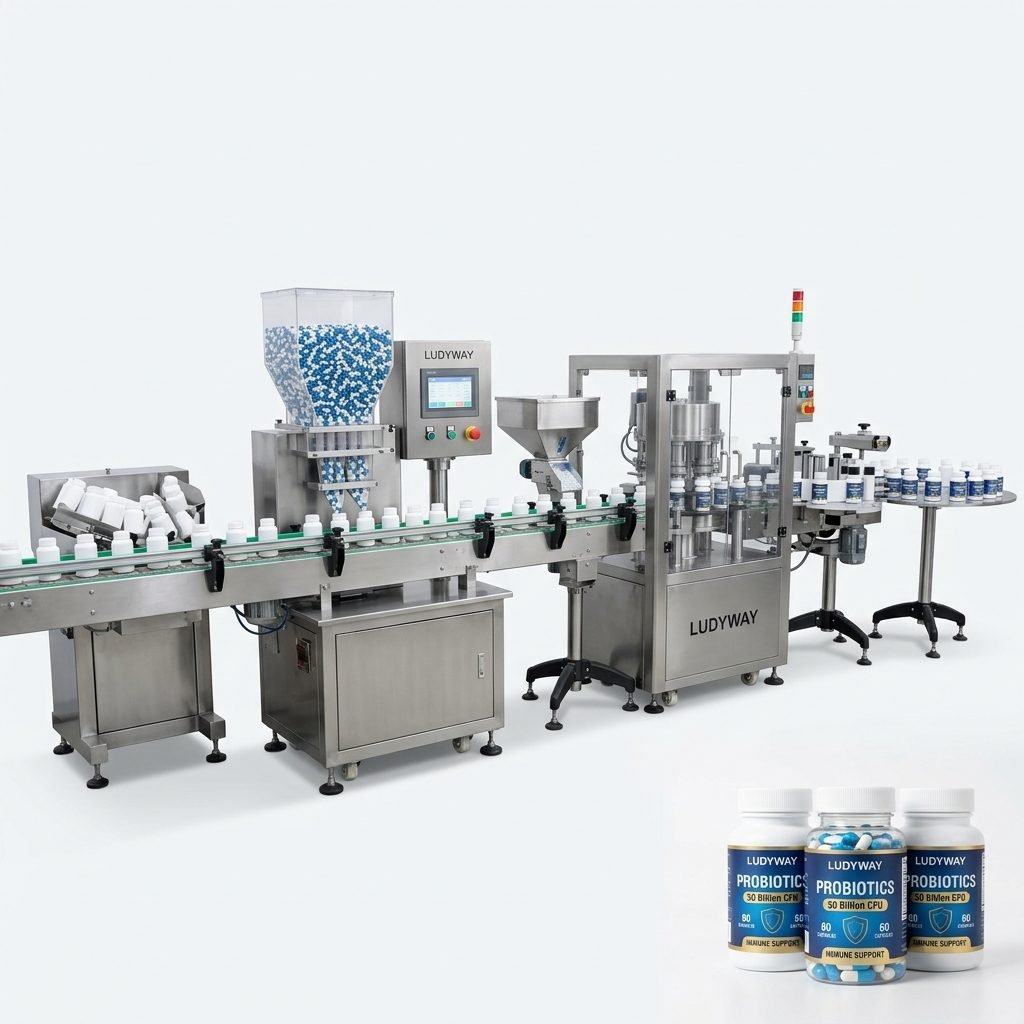
Key Features to Look For
Not all machines offer the same level of performance. Buyers should focus on features that support output, hygiene, and long-term reliability.
High Counting Accuracy
A quality capsule packing machine should provide stable counting performance with minimal error. This is especially important for regulated pharmaceutical and nutraceutical products.
Servo-Driven Control
Servo systems improve positioning precision, smoother movement, and easier adjustments, which can reduce waste and improve repeatability.
Stainless Steel Construction
Machines used in pharma and health supplement production typically require hygienic contact parts, corrosion resistance, and easy cleaning surfaces.
Tool-Free Changeover
If you pack multiple capsule sizes or packaging formats, quick changeover can save significant downtime.
Integrated Inspection
Functions such as missing-capsule detection, vision inspection, metal detection, and reject systems help maintain stable quality.
User-Friendly HMI
Touchscreen controls with recipe storage simplify operation and reduce training time for operators.
Line Integration Capability
A modern machine should connect smoothly with upstream and downstream equipment, including fillers, conveyors, cappers, labelers, cartoners, and case packers.
Industries That Use Capsule Packing Machines
- Pharmaceutical manufacturing
- Nutraceutical and dietary supplement production
- Herbal capsule packaging
- Sports nutrition brands
- Contract packaging services
- Private label health product businesses
Benefits of Using an Automatic Capsule Packing Machine
| Benefit | Why It Matters |
|---|---|
| Higher efficiency | Boosts daily output and supports scale-up |
| Reduced labor | Cuts manual handling and lowers operating cost |
| Better accuracy | Helps avoid underfill or overcount problems |
| Improved hygiene | Supports GMP-friendly production environments |
| Consistent packaging quality | Improves customer trust and brand presentation |
| Easy integration | Creates a complete automated packaging line |
Capsule Packing Machine Buying Guide
Before buying, evaluate the machine from both a technical and business perspective.
1. Define Your Packaging Format
Are you packing capsules into bottles, blister packs, pouches, or sachets? The machine structure and downstream equipment will vary based on this choice.
2. Confirm Capsule Type and Size Range
Different products may include size 00, 0, 1, 2, 3, 4, or specialty capsules. Make sure the equipment supports your target range.
3. Check Production Speed
Match the machine speed to your real demand, not only your ideal future target. Buying too small limits growth, while buying too large may waste budget.
4. Review Accuracy Standards
For pharma-grade operations, precision and validation capability are essential. Ask for error rate data and test reports.
5. Consider Compliance Requirements
If your market requires GMP, CE, FDA-related design considerations, or serialization support, this should be confirmed early in the selection process.
6. Evaluate Cleaning and Maintenance
Easy disassembly, minimal dead corners, and accessible components reduce sanitation time and service difficulty.
7. Ask About Customization
Some projects require integration with bottle unscramblers, desiccant inserters, capping machines, labelers, cartoners, or inspection systems. A flexible supplier can save you from future compatibility issues.
8. Compare After-Sales Support
Training, spare parts, remote support, commissioning, and technical response time often matter as much as the machine itself.
Questions to Ask a Supplier Before You Buy
- What capsule sizes can the machine handle?
- What is the actual stable running speed?
- What counting accuracy can be guaranteed?
- Can the machine integrate with capping, labeling, and cartoning systems?
- What materials are used for product-contact parts?
- How long does size changeover take?
- Is FAT or video testing available before shipment?
- What spare parts are included?
- What technical support is available after installation?
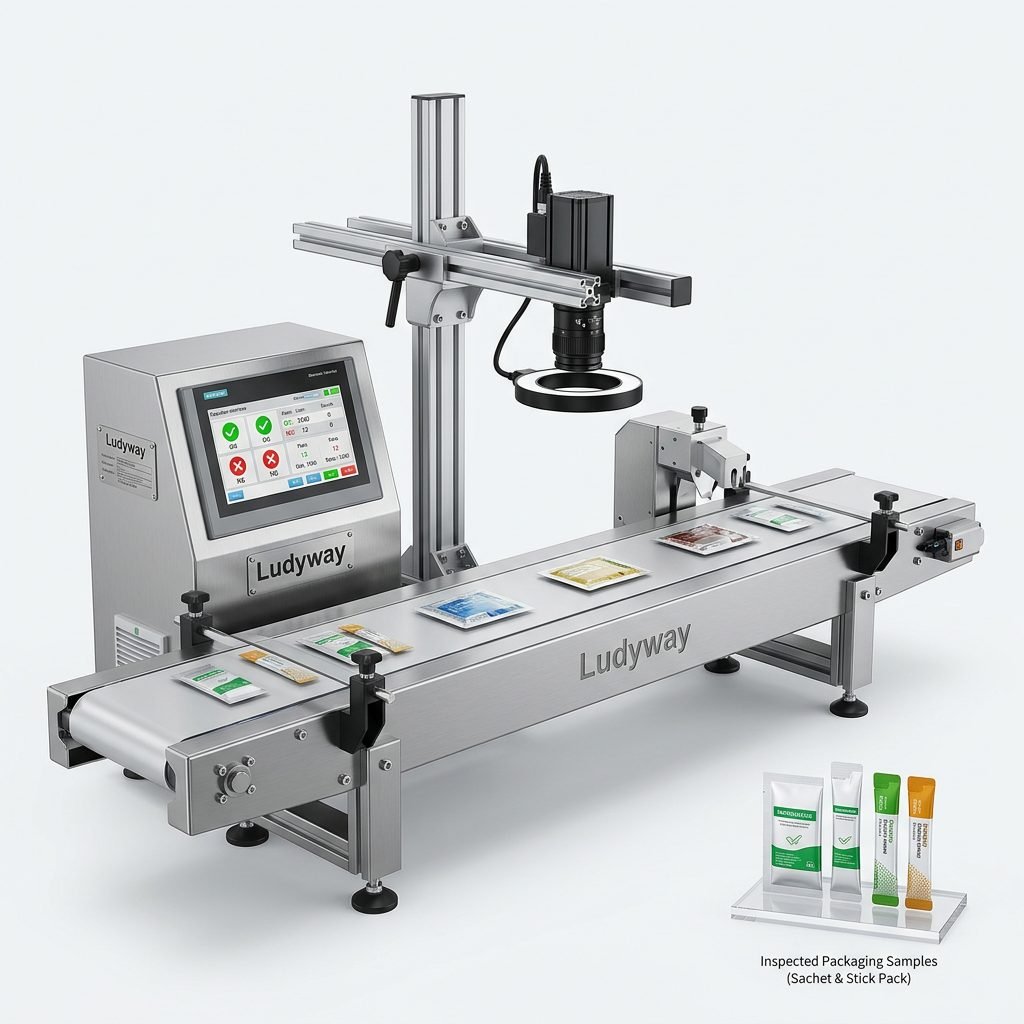
Common Problems a Good Capsule Packing Machine Helps Prevent
- Incorrect capsule counts
- Cross-contamination during handling
- Broken or damaged capsules
- Loose sealing or poor package integrity
- Low line efficiency caused by manual processes
- Inconsistent batch traceability
Manual, Semi-Automatic, or Fully Automatic?
Your ideal equipment level depends on budget, labor availability, and output target.
| Type | Suitable For | Notes |
|---|---|---|
| Manual | Very small batch production | Lowest cost, highest labor dependence |
| Semi-automatic | Growing businesses | Balanced investment and output |
| Fully automatic | Medium and large-scale manufacturers | Best for efficiency, consistency, and scalability |
How to Choose the Right Supplier
The supplier should have proven engineering capability, export experience, and a broad understanding of packaging automation. If you need both standalone equipment and full-line integration, it is wise to work with a company that can support turnkey planning.
For buyers looking for integrated pharmaceutical and supplement packaging solutions, Ludyway capsule packing machine solutions are backed by more than 30 years of manufacturing experience, a wide packaging equipment portfolio, and turnkey line capability for global markets.
Final Selection Tips
- Choose based on real production demand, not only brochure speed
- Ask for machine videos using products similar to yours
- Confirm the full line layout before purchase
- Pay attention to validation, cleaning, and inspection design
- Consider future expansion when selecting controls and interfaces
FAQs About Capsule Packing Machines
What is the difference between a capsule filling machine and a capsule packing machine?
A capsule filling machine fills empty capsules with powder, granules, or pellets. A capsule packing machine packages the finished capsules into bottles, blisters, sachets, or other final formats.
Can one machine handle multiple capsule sizes?
Yes, many models support multiple capsule sizes, but they may require change parts or parameter adjustments.
Which is better for capsules: blister or bottle packaging?
Neither is universally better. Blister packs are excellent for unit-dose protection and pharmaceutical presentation, while bottles are often more cost-effective for supplement products and bulk retail sales.
Is a fully automatic capsule packing line worth it?
If you have stable order volume, need better consistency, or want to reduce labor cost, a fully automatic line can offer strong long-term value.
What industries most often use capsule packing machines?
Pharmaceutical, nutraceutical, herbal supplement, and health product industries are the most common users.