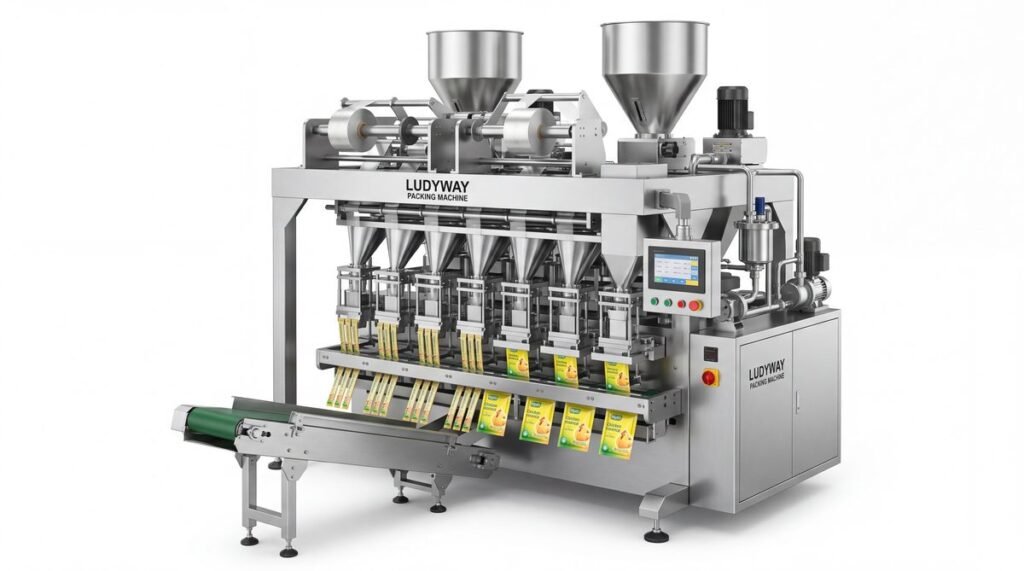
Choosing the right ice candy packing machine can directly affect your product quality, production speed, labor cost, and long-term profitability. Whether you produce colorful ice pops, tube ice candies, jelly-style frozen treats, or liquid-based stick packs for cold-chain distribution, the packaging equipment must deliver stable sealing, hygienic operation, and consistent output.
This guide explains the key features, major benefits, and practical buying tips to help food manufacturers, startups, and expanding factories make a smarter investment decision.
What Is an Ice Candy Packing Machine?
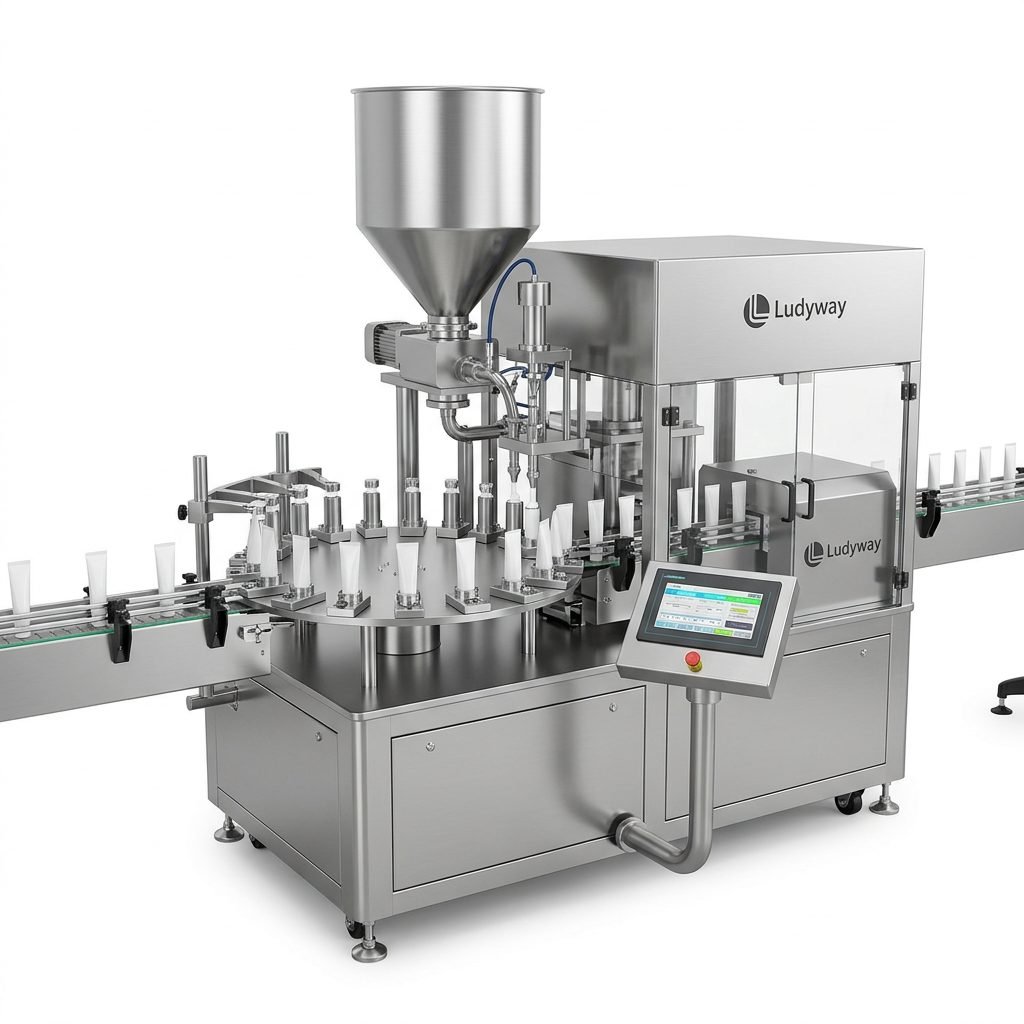
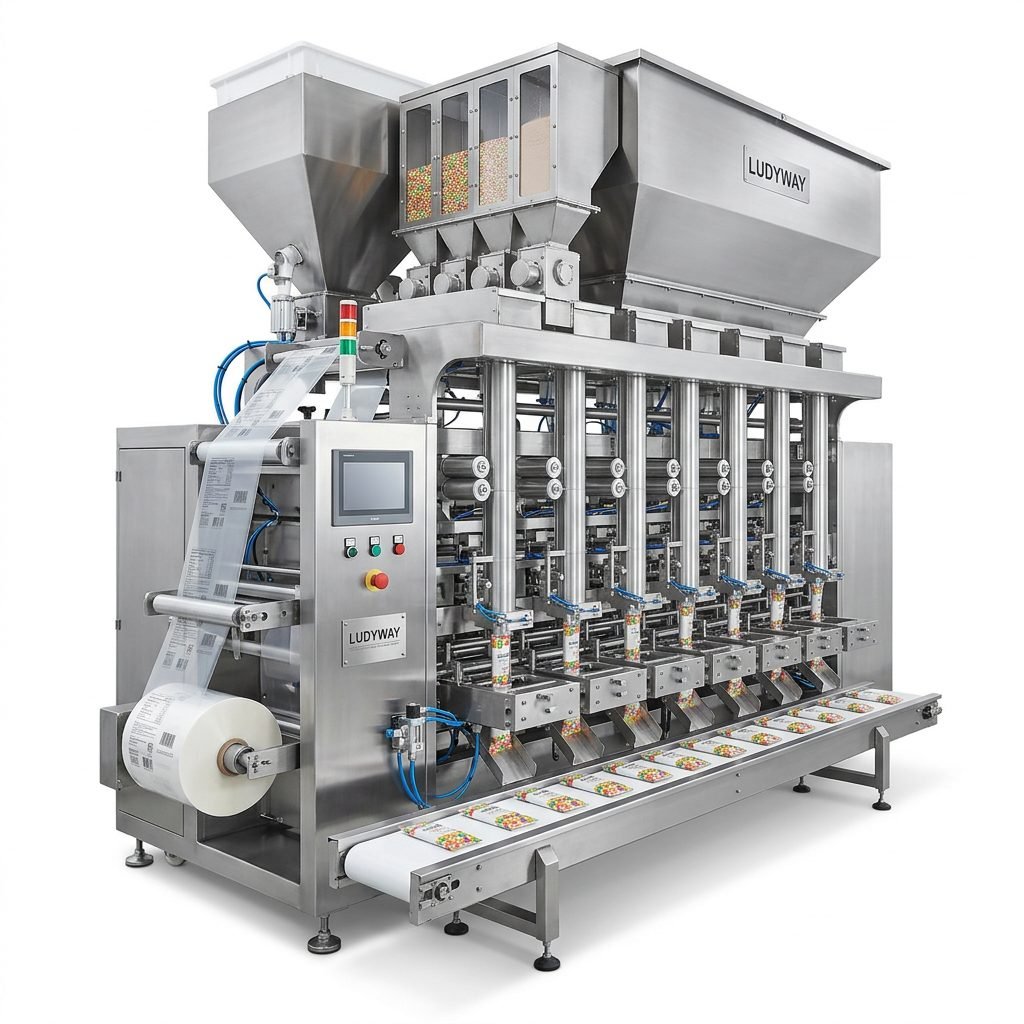
An ice candy packing machine is an automated system designed to fill, form, seal, and package liquid or semi-liquid ice candy products into individual packs. In many markets, these products are packed in long plastic tubes, sachets, or stick packs before freezing. The machine typically handles steps such as:
- Liquid product feeding
- Accurate volumetric or piston filling
- Film forming or pouch handling
- Heat sealing
- Date coding or batch marking
- Counting and discharge
For manufacturers selling high-volume frozen treats, automation is especially important because packaging consistency has a direct impact on leak prevention, shelf appeal, and freezing performance.
Main Features to Look For
1. High-Accuracy Filling System
Ice candy products often have low viscosity liquids, flavored syrups, milk-based formulas, or fruit mixtures. A quality machine should provide precise filling control to reduce product waste and maintain equal pack size.
2. Reliable Sealing Performance
Strong sealing is one of the most critical functions. Poor seals can cause leakage during transport, freezing, or retail handling. A good machine should offer stable temperature control and clean seal edges.
3. Food-Grade Contact Parts
All product-contact components should be made from food-safe materials such as stainless steel. This supports hygiene compliance and simplifies cleaning.
4. Adjustable Pack Size
Different markets demand different portion sizes. A flexible machine allows adjustment for tube length, fill volume, and film width, helping manufacturers serve children’s products, family packs, and promotional SKUs.
5. Automatic Film Feeding and Cutting
Modern machines usually include automatic film pulling, positioning, and cutting. This improves speed while maintaining a clean and uniform pack appearance.
6. Easy Operation Interface
A user-friendly touchscreen HMI makes recipe changes, speed adjustment, and fault monitoring much easier for operators.
7. Integration with Upstream and Downstream Equipment
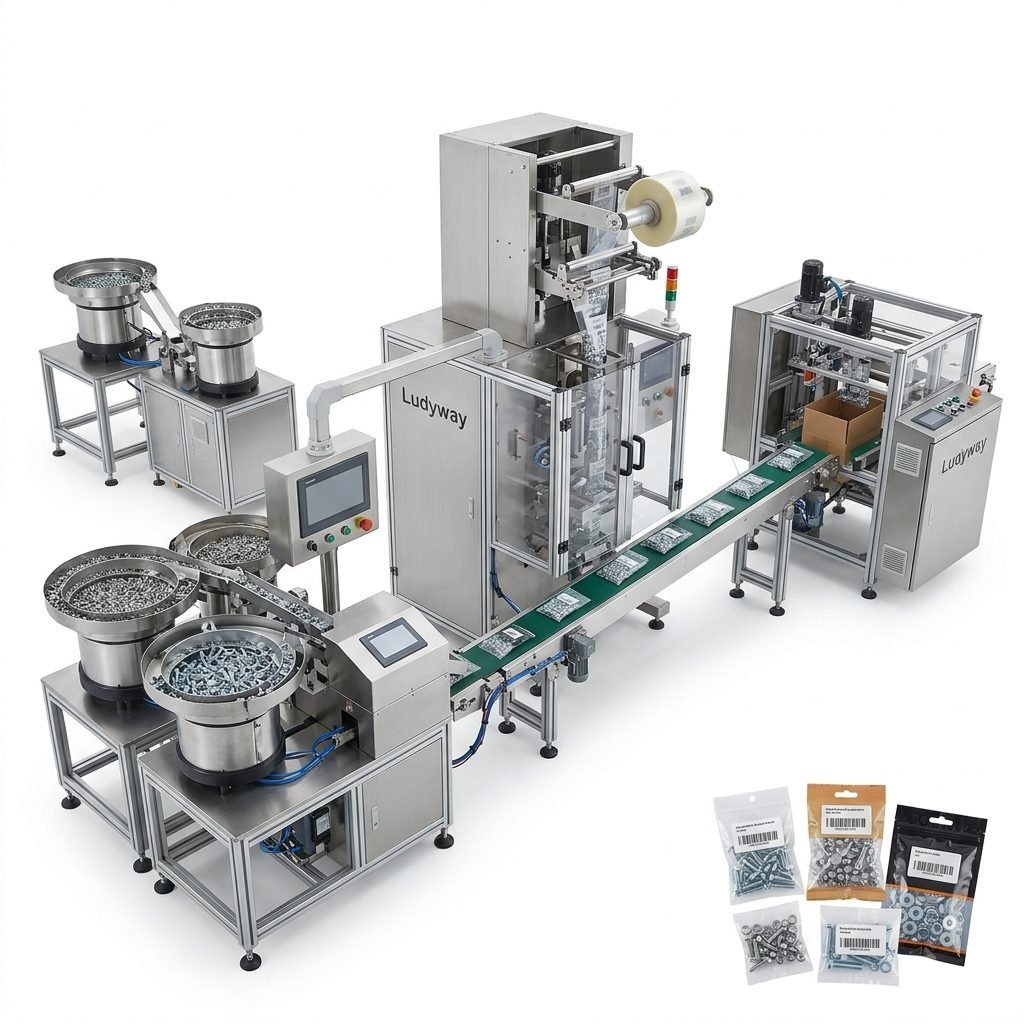
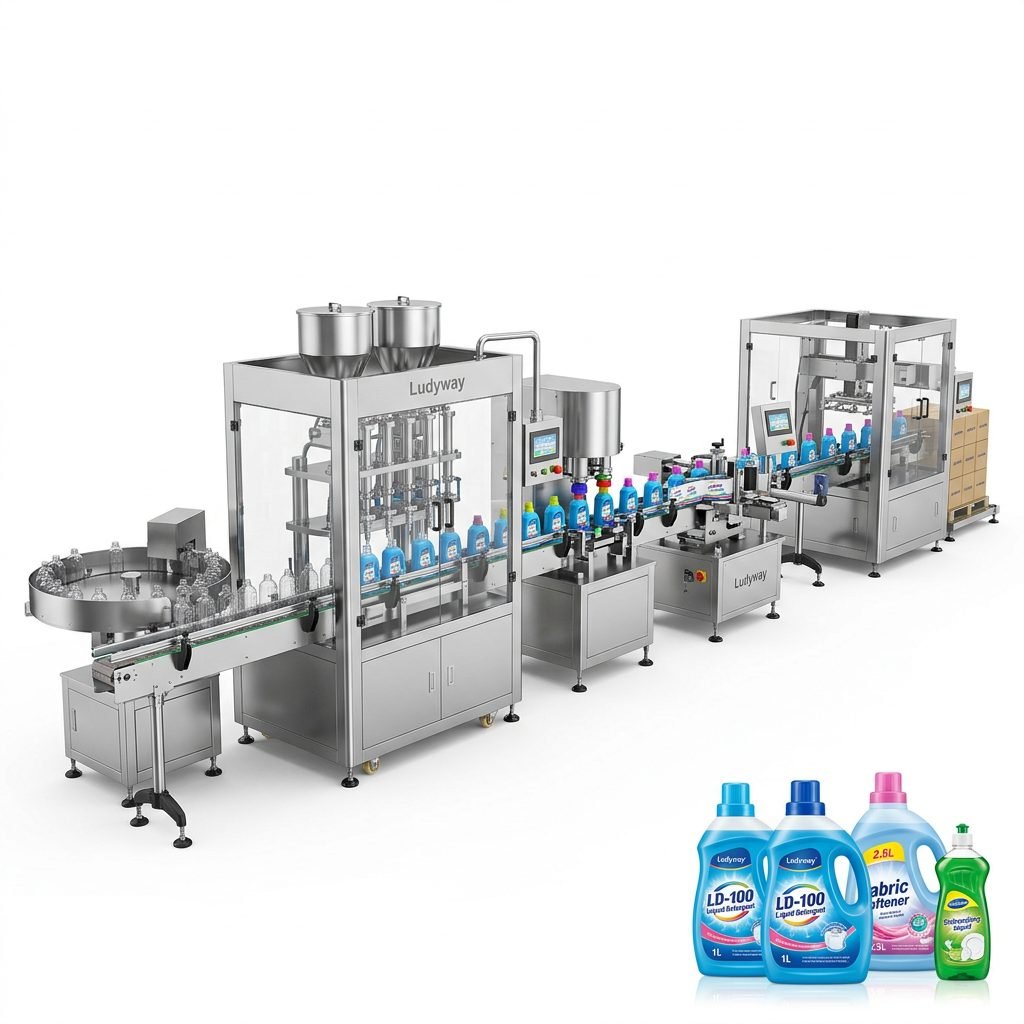
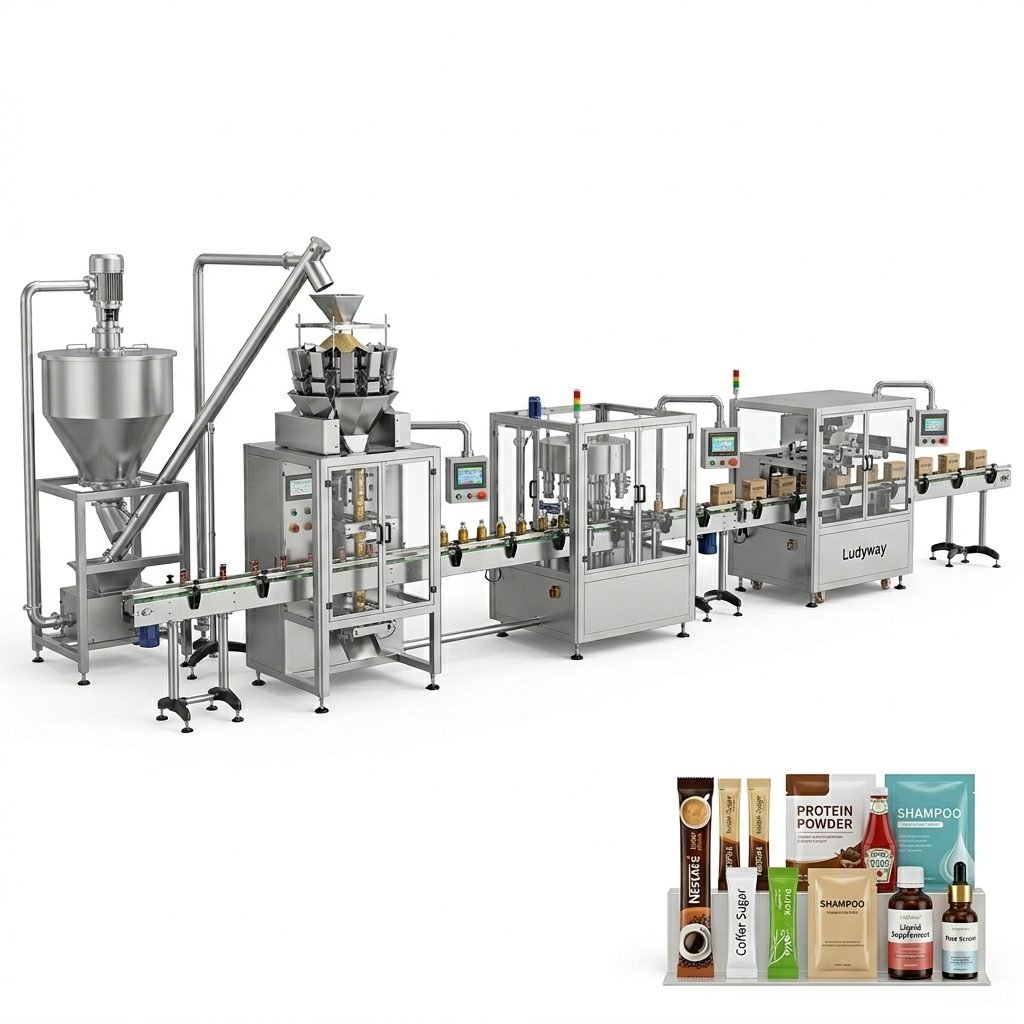
For larger factories, the best solution is not just a standalone machine, but a connected production line including mixing tanks, feeding systems, coding units, conveyors, and secondary packaging equipment.
Benefits of Using an Automatic Ice Candy Packing Machine
| Benefit | Why It Matters |
|---|---|
| Higher output | Supports large-scale production and seasonal demand peaks |
| Better consistency | Ensures uniform fill weight, seal quality, and package appearance |
| Reduced labor dependency | Lowers manual handling and repetitive packaging work |
| Improved hygiene | Minimizes product contamination risk during filling and sealing |
| Lower material waste | Accurate dosing and stable sealing reduce product and film loss |
| Scalability | Makes it easier to expand from small runs to full automated lines |
Who Needs This Type of Machine?
An ice candy packing machine is suitable for a wide range of food businesses, including:
- Ice pop and frozen treat manufacturers
- Juice-based snack producers
- Milk ice candy processors
- Contract packers serving food brands
- Startups moving from manual packing to automation
- Large factories building complete frozen dessert packaging lines
Key Machine Types for Ice Candy Packaging
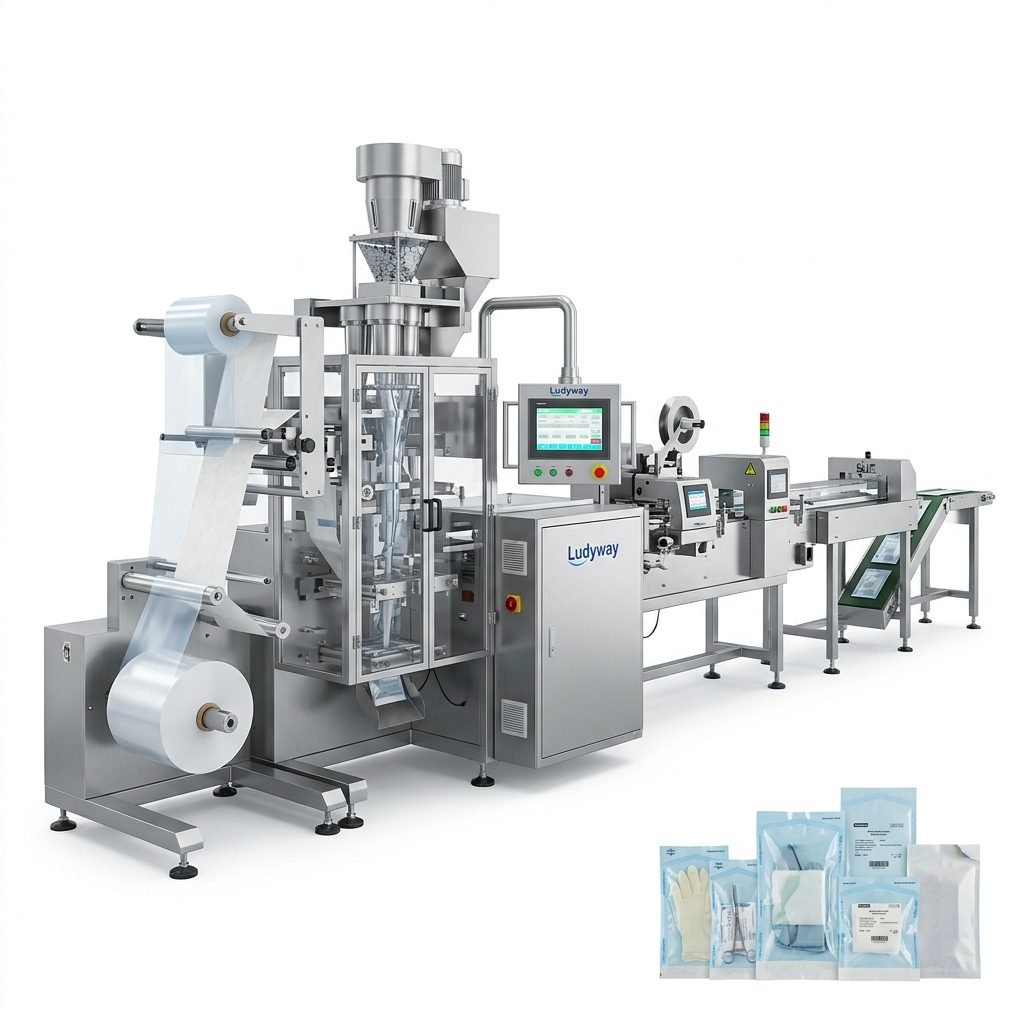
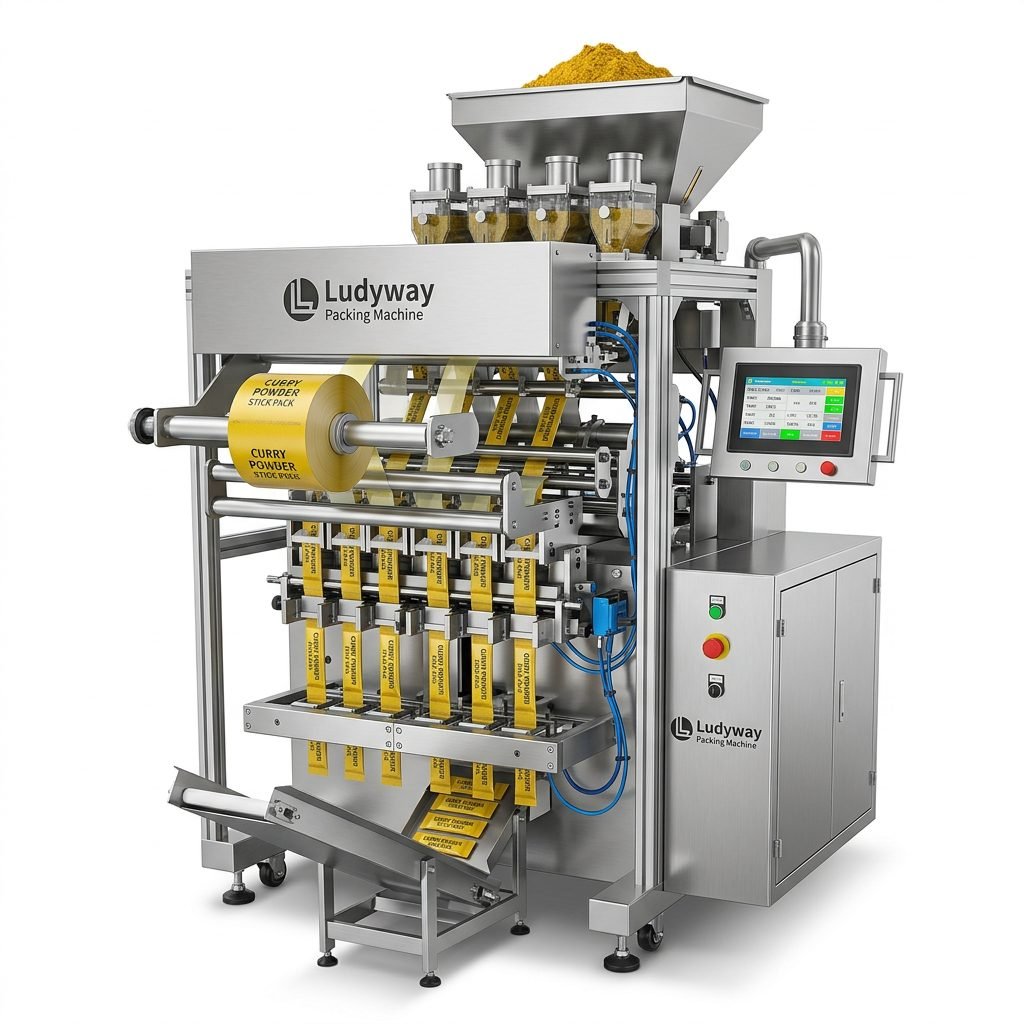
Vertical Form Fill Seal Machines
These machines form packaging from roll film, fill the product, and seal the pack in one continuous process. They are ideal for high-efficiency ice candy production.
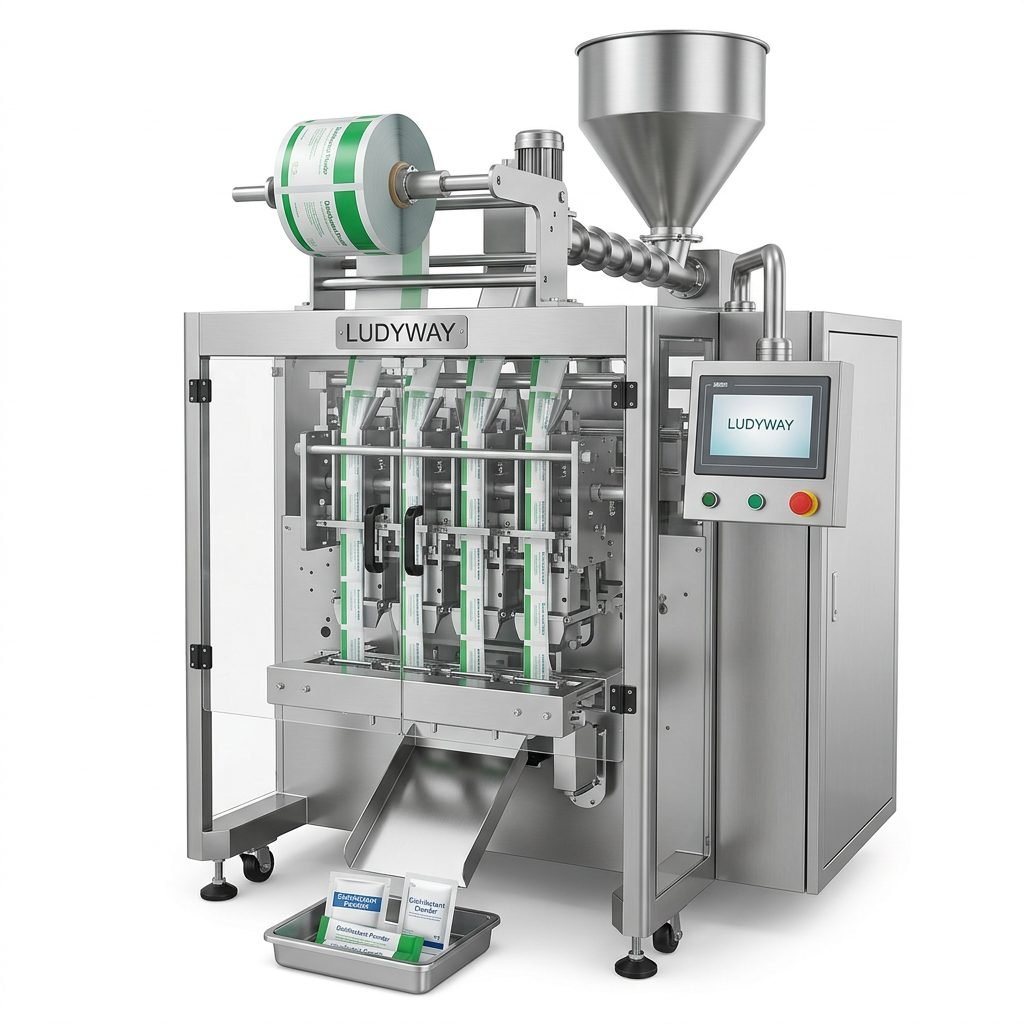
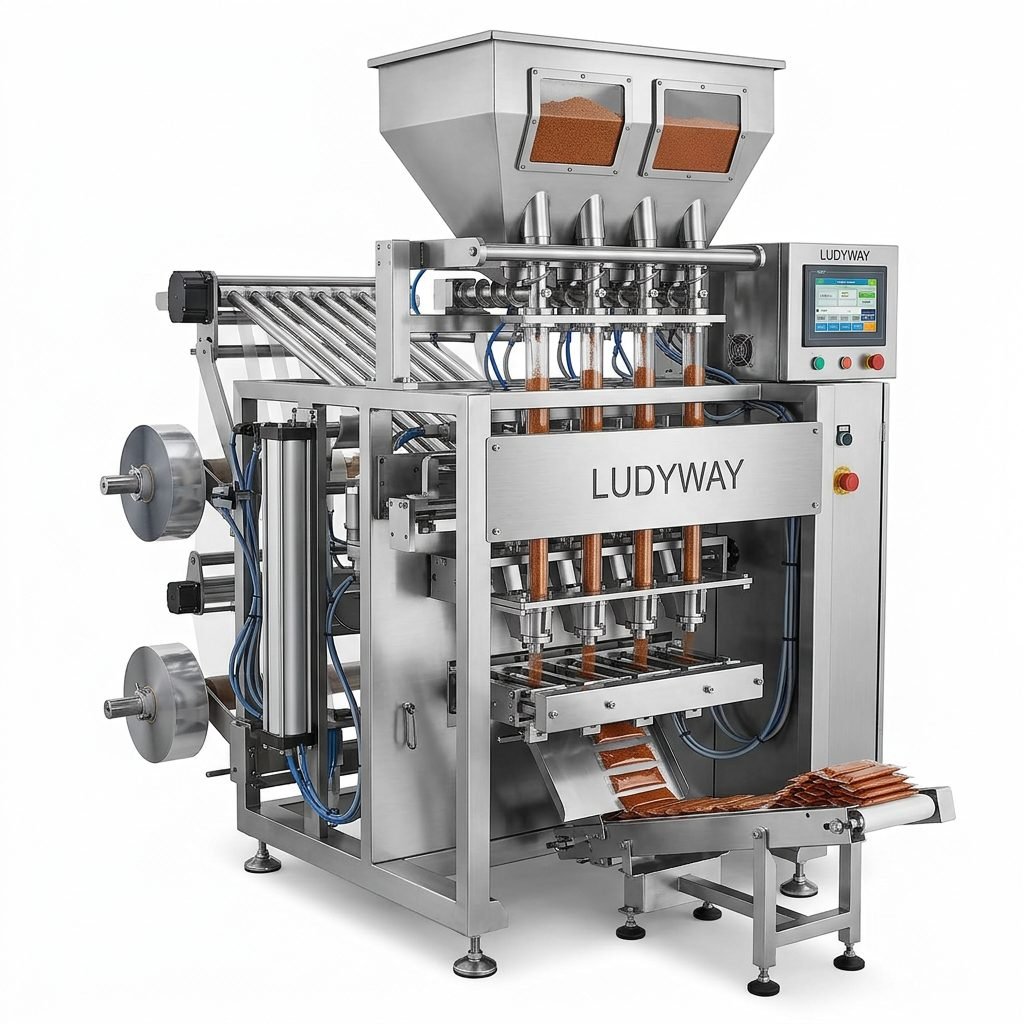
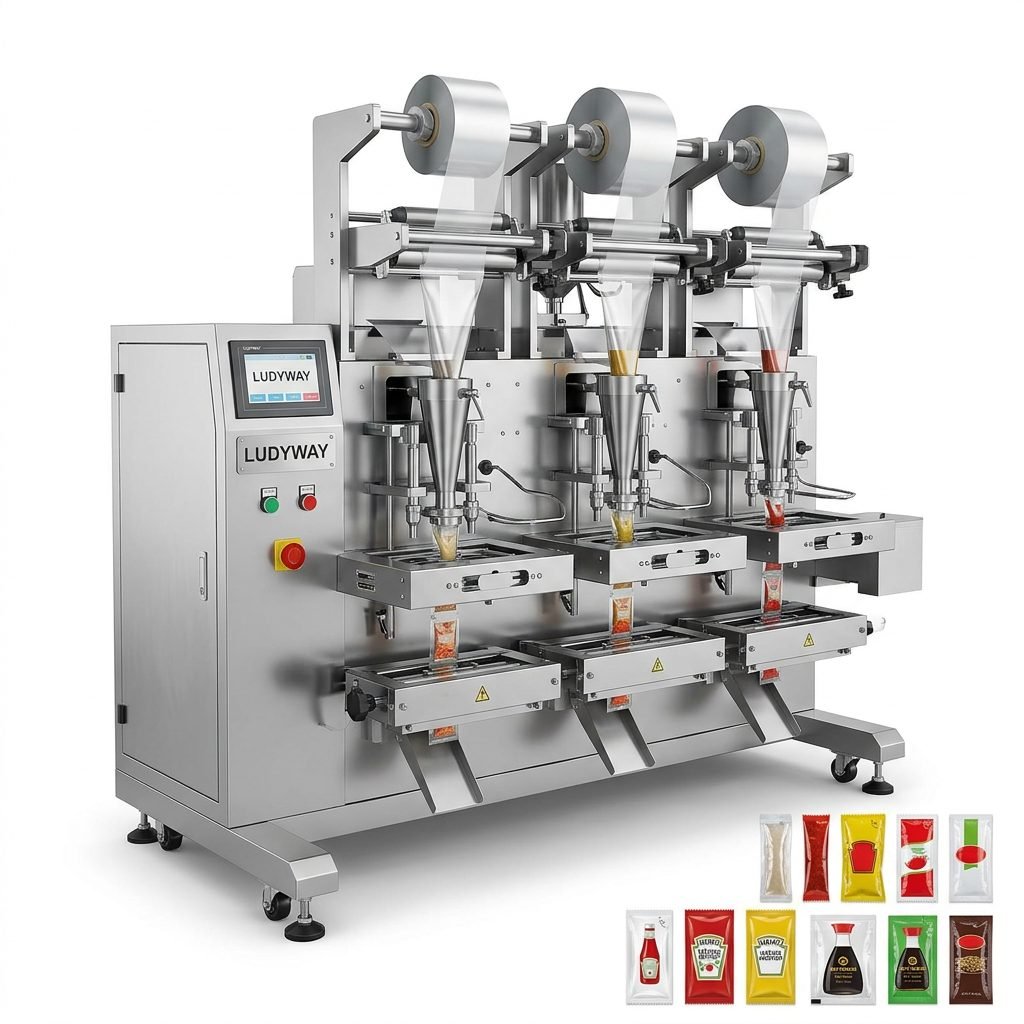
Stick Pack Machines
Stick pack systems are commonly used for narrow, tube-style liquid or semi-liquid products. They are compact, efficient, and suitable for single-serve formats.
Multi-Lane Packing Machines
For higher production capacity, multi-lane models package several packs at the same time. This is an excellent option for brands targeting wholesale, supermarket, or export markets.
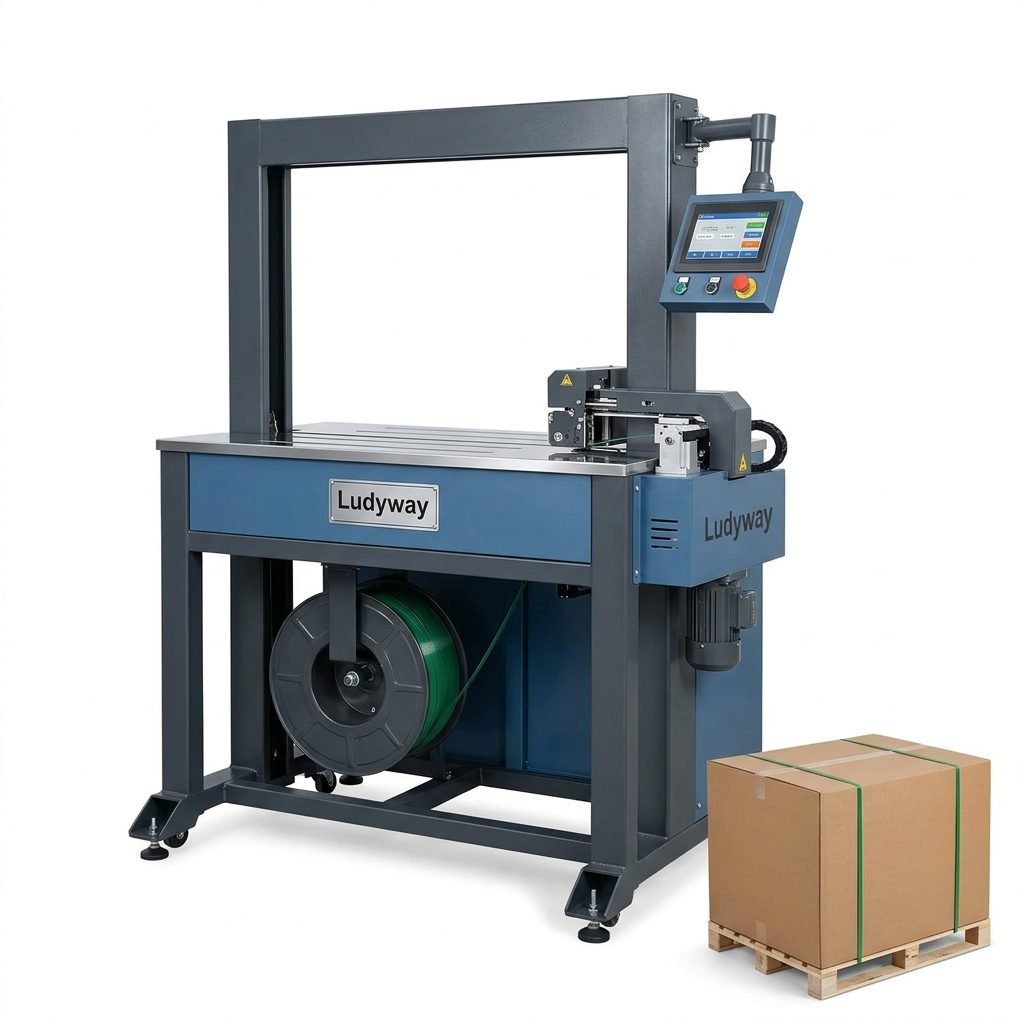
Turnkey Packaging Lines
A turnkey line combines mixing, storage, feeding, filling, sealing, inspection, and outer packaging. This setup is ideal for companies planning long-term growth and tighter production control.
Buying Guide: How to Choose the Right Machine
Check Your Product Characteristics
Start with the formula itself. Is it water-like, sugary, pulpy, milky, or slightly viscous? The filling system, pump design, and sealing settings must match the actual product behavior.
Define Your Target Output
Estimate how many packs you need per hour and per day. If your business has peak summer demand, choose a machine that can handle future growth instead of only current volume.
Confirm Packaging Format
Decide whether you need stick packs, tube packs, sachets, or other custom shapes. The machine design should be compatible with your preferred retail format.
Review Film Compatibility
Not all packaging films behave the same way. Ask whether the machine supports the film structure, thickness, and sealing layer you plan to use.
Ask About Cleaning and Maintenance
In food production, easy cleaning matters as much as speed. Choose equipment with accessible product-contact parts and a practical maintenance structure.
Evaluate Automation Level
Some buyers need a basic standalone machine, while others need a fully integrated line. Your labor availability, factory layout, and budget should guide this decision.
Consider Supplier Experience
An experienced manufacturer can help with machine selection, customization, installation, and after-sales support. One example is Ludyway ice candy packing machine solutions, backed by more than 30 years of packaging machinery experience and turnkey line capabilities across food, pharmaceutical, and related industries.
Questions to Ask Before You Buy
- What products has the machine already packed successfully?
- What is the actual production speed under working conditions?
- What filling accuracy can be achieved?
- Can the machine handle different pack sizes?
- Is custom configuration available?
- What spare parts and technical support are provided?
- Can the supplier provide layout planning for a full line?
Common Mistakes Buyers Should Avoid
| Mistake | Result |
|---|---|
| Buying only by price | Higher long-term costs due to downtime, waste, or poor seals |
| Ignoring future expansion | Machine becomes undersized as demand increases |
| Not testing the actual product | Filling and sealing performance may not match expectations |
| Overlooking after-sales service | Longer downtime when maintenance or parts are needed |
| Choosing the wrong automation level | Low efficiency or unnecessary capital spending |
Why Customization Matters
No two ice candy factories are exactly the same. Differences in product recipe, pack shape, factory space, output target, and local compliance requirements often make customization necessary. A suitable supplier should be able to adapt:
- Filling range
- Sealing structure
- Number of lanes
- Machine layout
- Conveyor direction
- Coding and inspection modules
- End-of-line packaging integration
Final Selection Checklist
Before confirming your order, make sure you have reviewed the following:
- Product type and viscosity
- Required pack size and format
- Hourly and daily production target
- Film material compatibility
- Machine footprint and factory layout
- Food hygiene requirements
- Customization options
- Technical support and spare parts availability
- Possibility of future line expansion
A well-matched ice candy packing machine is more than a packaging device—it is a productivity tool that supports quality consistency, lower operational cost, and business growth. By evaluating machine features, production needs, and supplier capabilities carefully, buyers can invest with more confidence and build a more efficient frozen treat packaging operation.