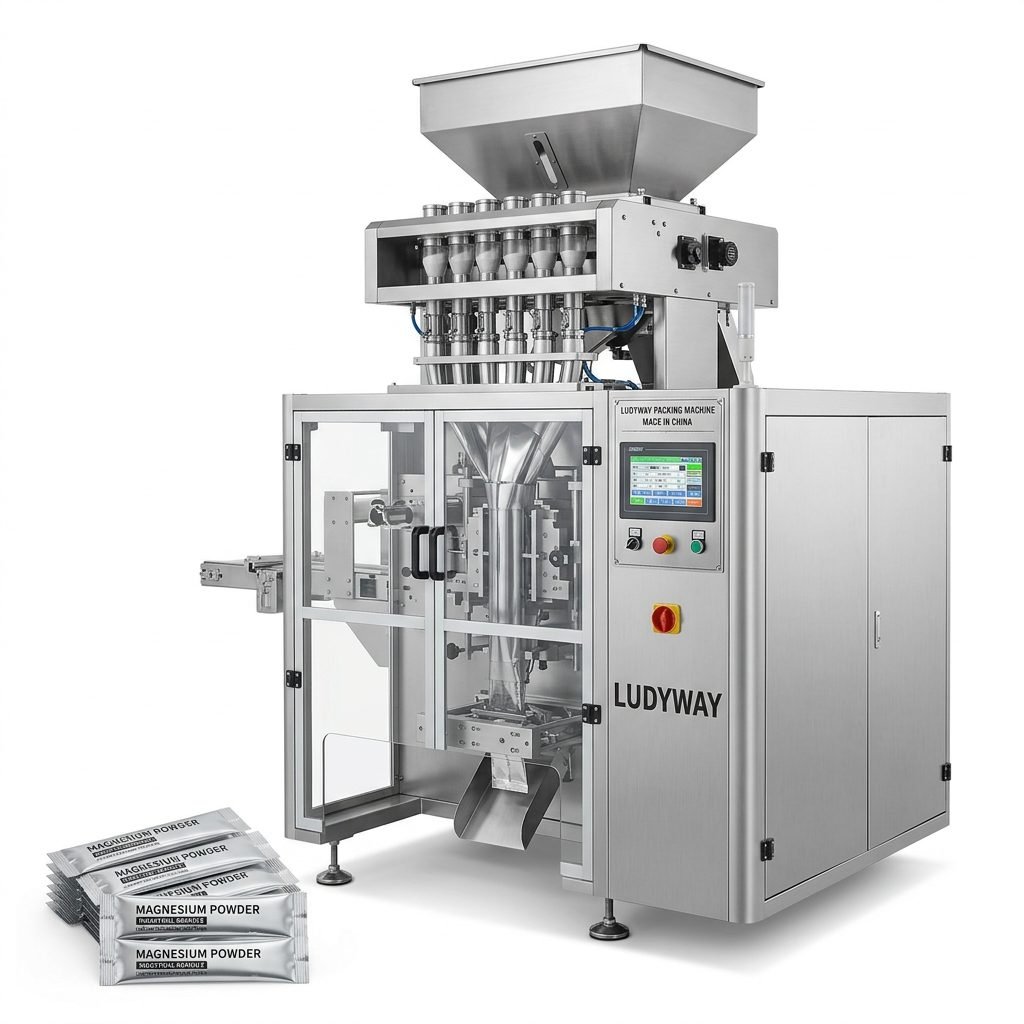
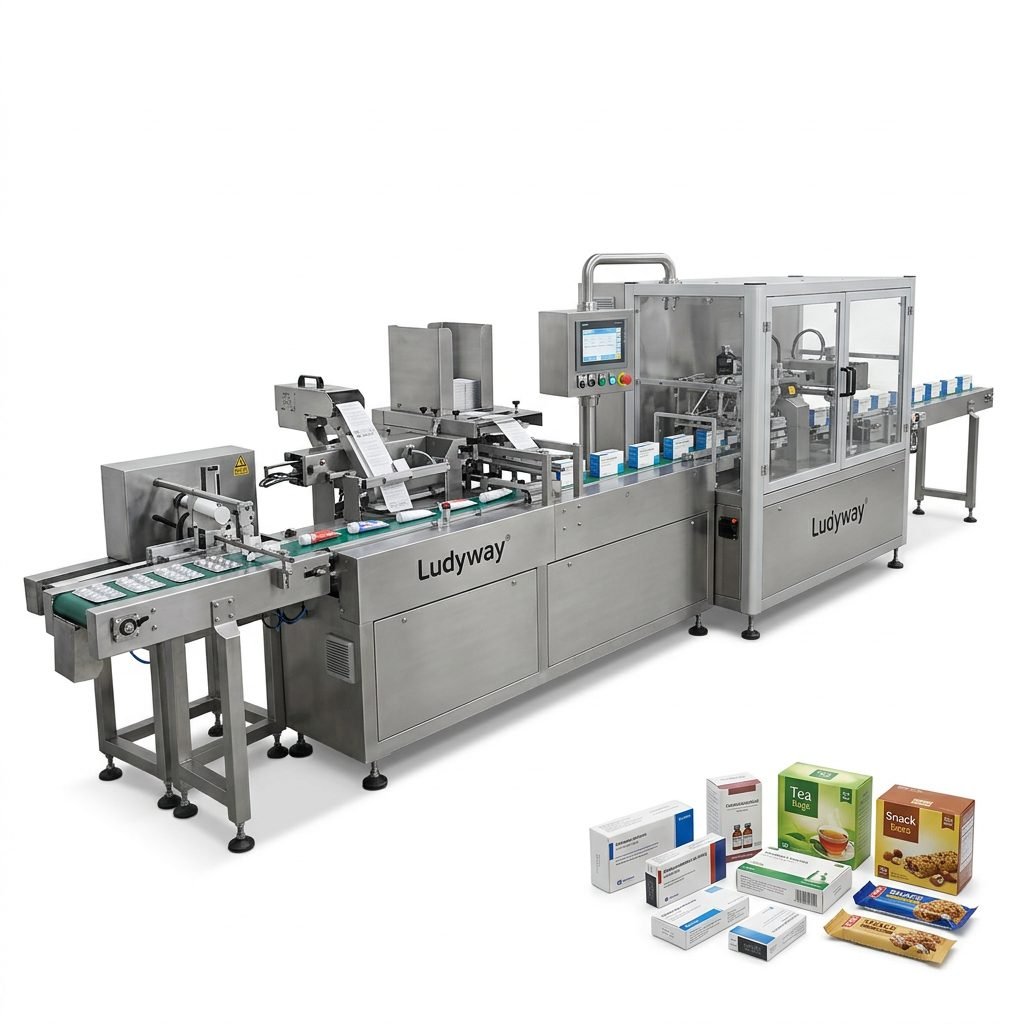
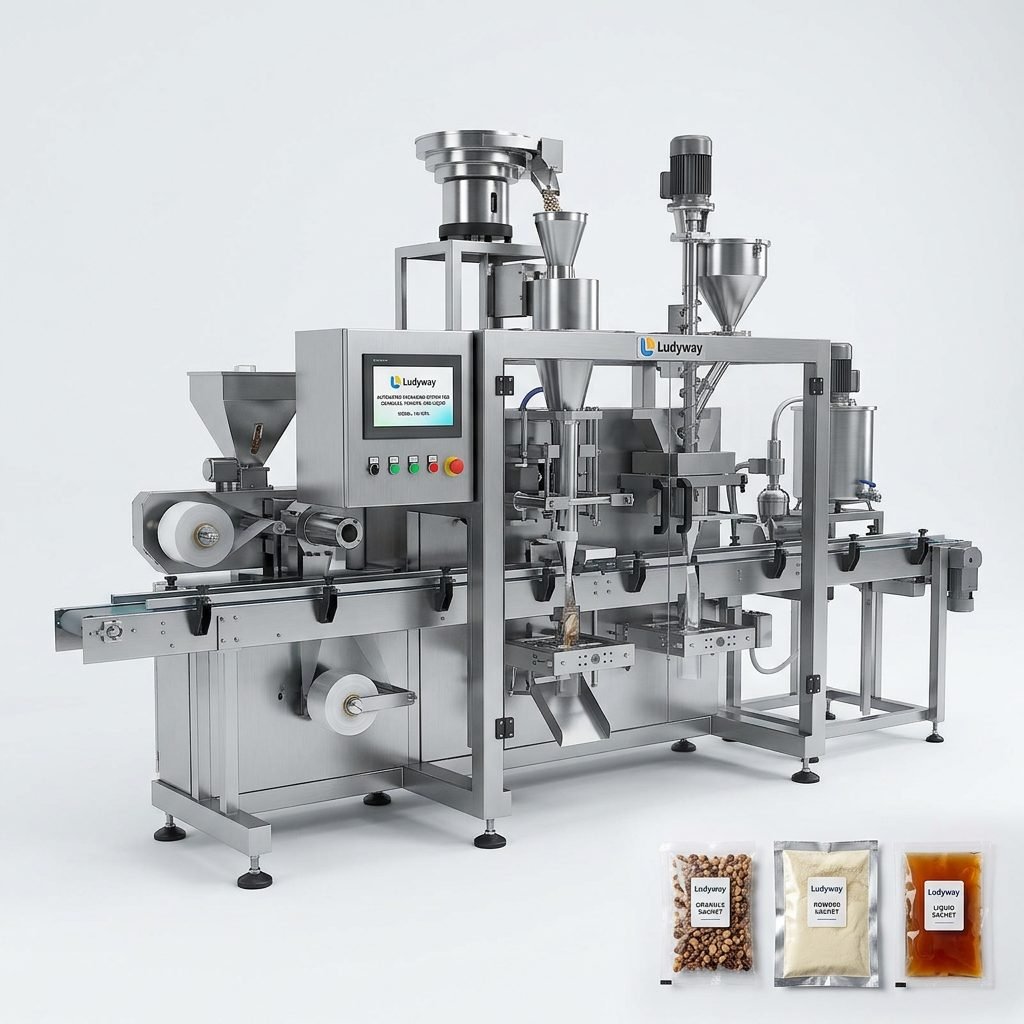
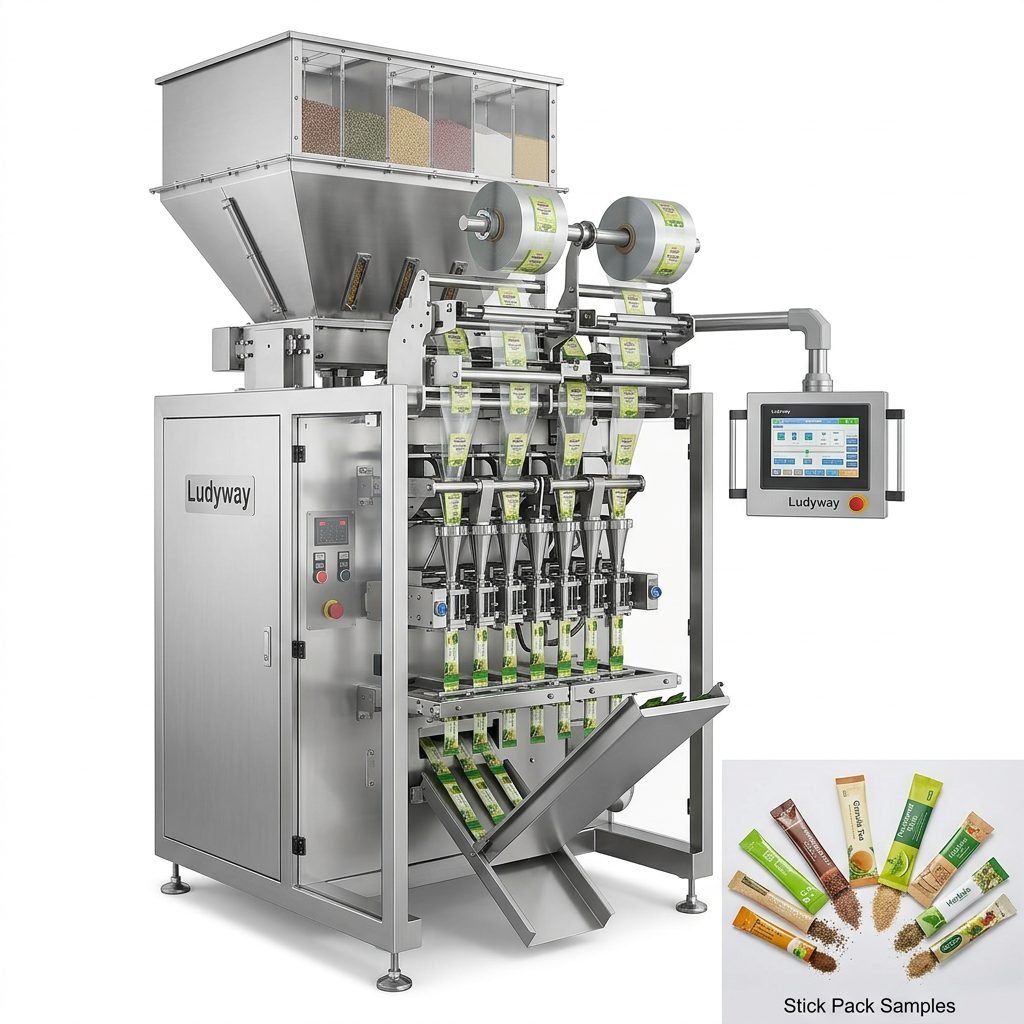
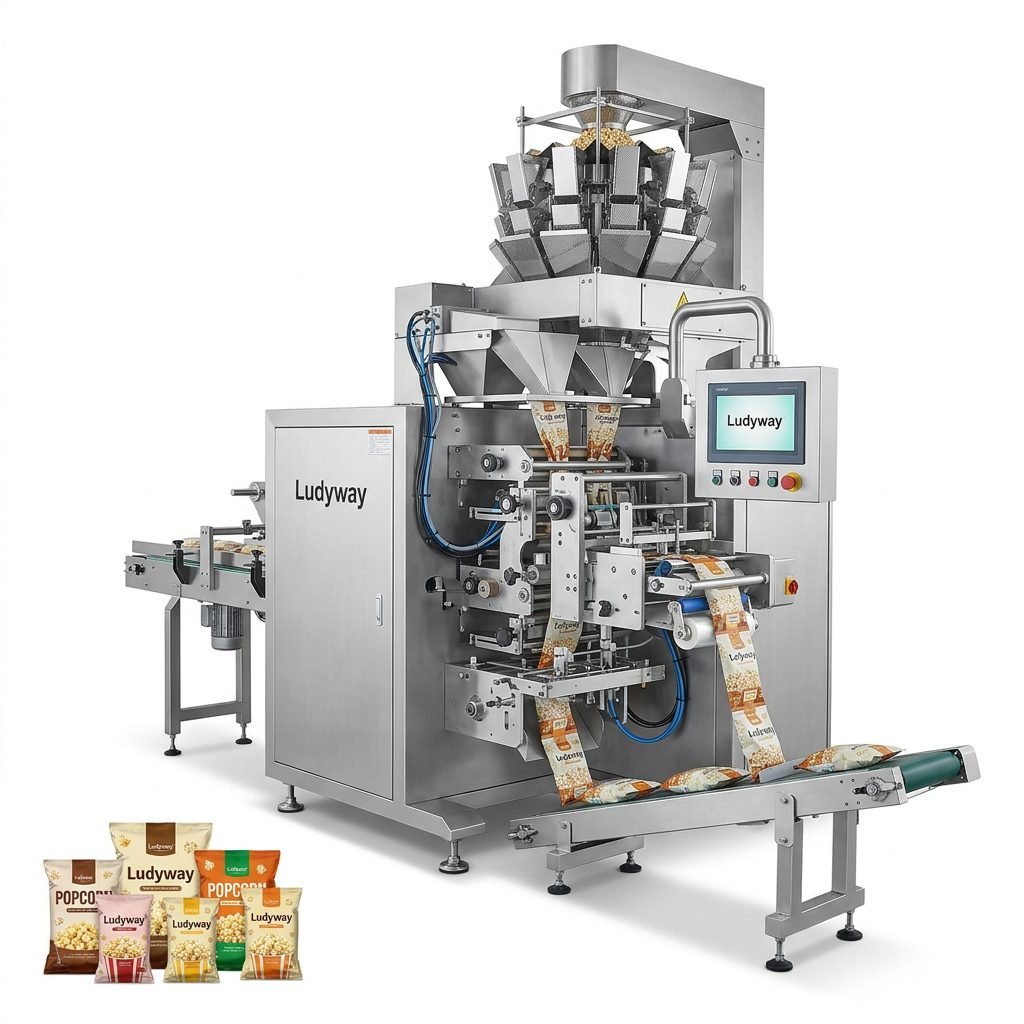
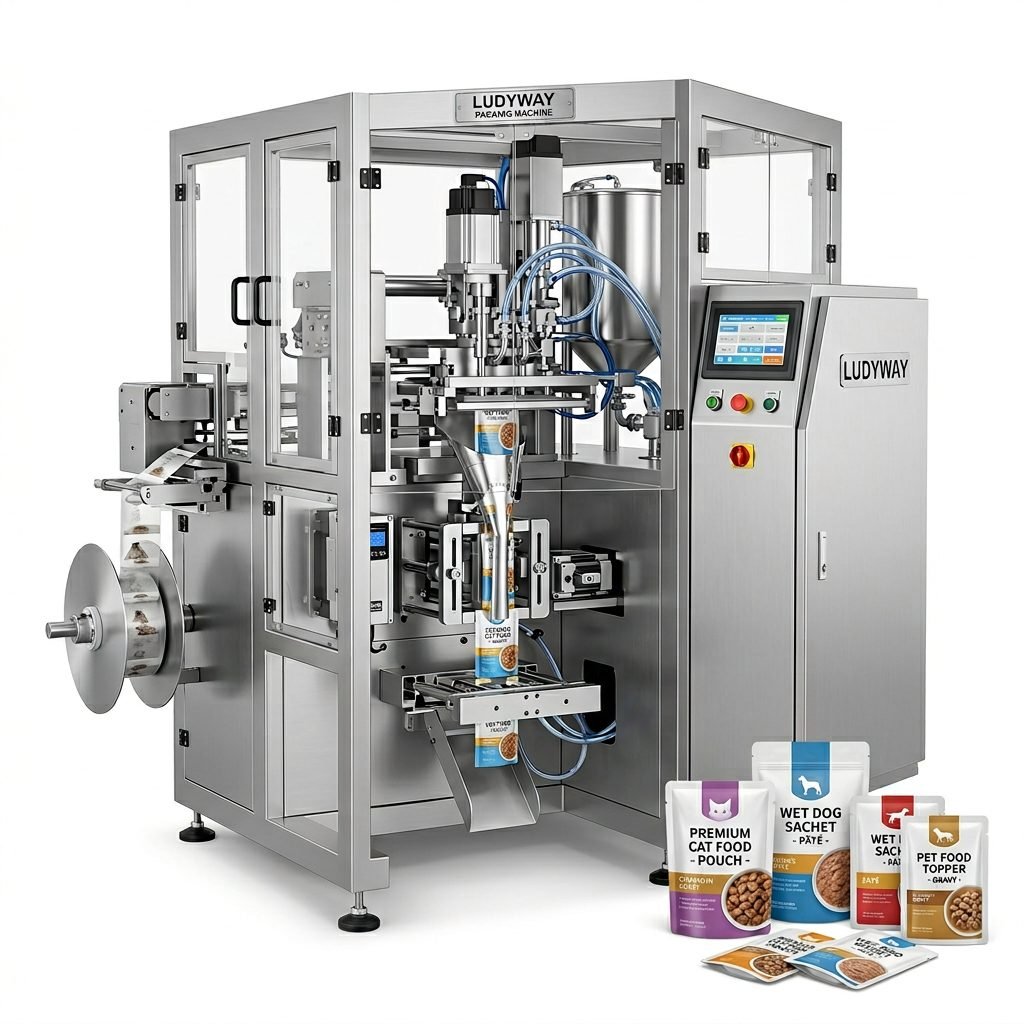
In modern food production, sauce packaging must be fast, hygienic, accurate, and consistent. Whether you pack ketchup, chili sauce, mayonnaise, soy sauce, salad dressing, curry sauce, or specialty liquid condiments, a small sauce packaging machine helps manufacturers reduce waste, improve speed, and deliver reliable sachet quality across every batch.
For brands serving retail, foodservice, takeaway, or private-label markets, compact and automated sauce packing equipment offers a practical way to meet growing demand for convenient single-use packs and portion-controlled formats.
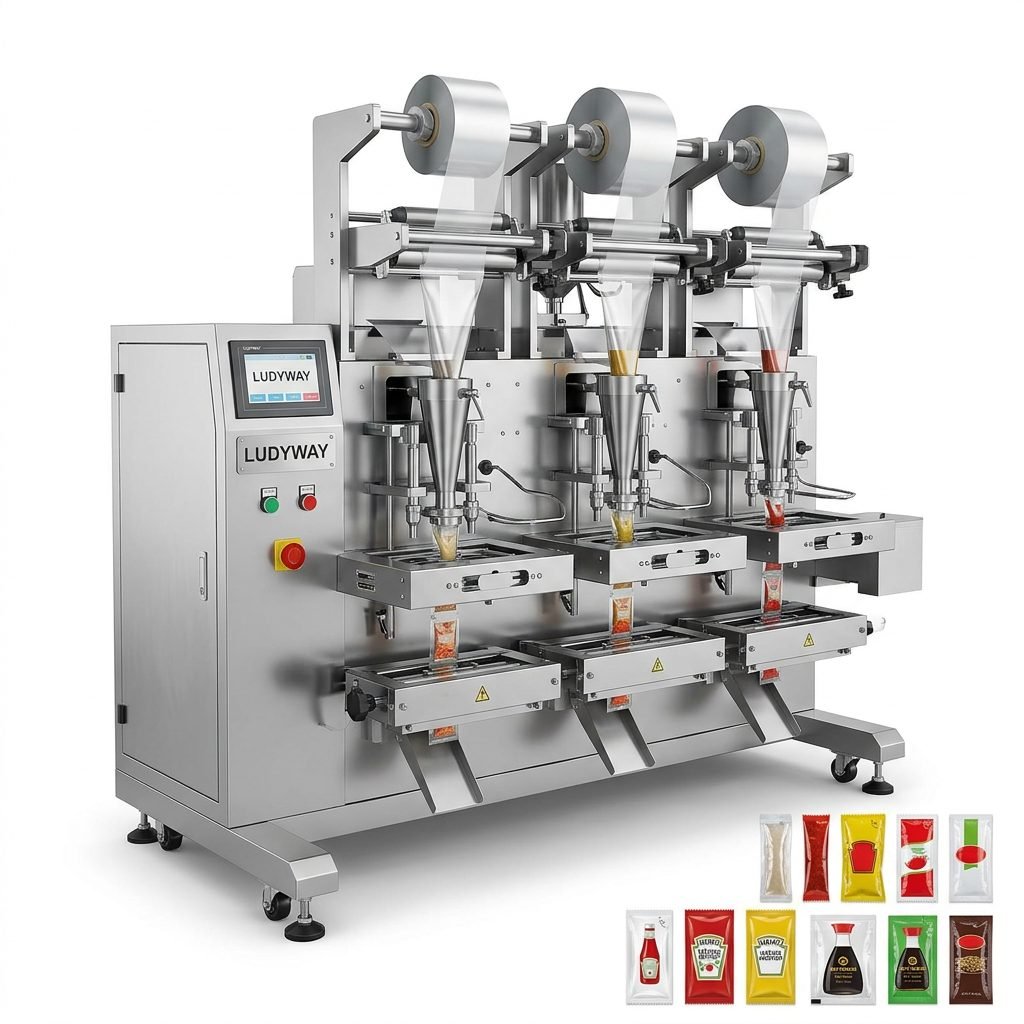
Why Small Sauce Packaging Machines Matter
Sauce products are often challenging to handle because they can be thin, thick, sticky, oily, or contain fine particles. Manual packing is slow and inconsistent, while outdated equipment may cause inaccurate filling, leaking seals, and product waste. A well-designed small sauce packing machine solves these problems by automating the full cycle of forming, filling, sealing, cutting, and coding.
- Improves filling precision for each sachet or stick pack
- Increases output speed for high-volume demand
- Reduces labor dependency and manual errors
- Supports hygienic contact parts for food safety
- Creates neat, market-ready packaging with strong seal integrity
Common Sauce Products Packed by These Machines
Small sauce packaging machines are suitable for a wide range of liquid and paste products. The right configuration depends on viscosity, filling volume, pack style, and required production speed.
| Sauce Type | Typical Characteristics | Recommended Pack Format |
|---|---|---|
| Ketchup | Medium viscosity, smooth flow | Sachets, stick packs |
| Mayonnaise | Thick, creamy texture | Sachets, pillow pouches |
| Soy Sauce | Low viscosity liquid | Small sachets, stick packs |
| Chili Sauce | Can contain particles, variable thickness | Sachets, custom pouches |
| Salad Dressing | Smooth or emulsified liquid | Sachets, mini pouches |
| Curry Sauce | Paste-like or semi-liquid | Sachets, portion packs |
Key Features of an Efficient Small Sauce Packing Machine
1. Accurate Filling Control
Precision is essential in sauce packaging. Even small filling deviations can affect product cost and customer satisfaction. Machines designed for sauce use piston pumps, servo systems, or specialized liquid filling units to maintain stable dosing performance.
2. Reliable Sealing Performance
Because sauces can contaminate sealing areas, the machine should be designed to minimize dripping and ensure clean sealing surfaces. Strong heat sealing helps prevent leaks during storage, transport, and retail handling.
3. Compact Footprint
A small sauce packaging machine is especially useful for factories with limited floor space, pilot production, startup brands, and manufacturers adding new SKU lines without major layout changes.
4. Flexible Sachet Sizes
Flexible packaging demand is rising. Machines that support multiple bag lengths and filling volumes allow businesses to serve takeaway condiments, hotel amenities, retail packs, and promotional sample packs.
5. Easy Cleaning and Maintenance
Sauce products require frequent cleaning, especially when switching flavors or formulations. Hygienic machine construction and accessible parts make washdown and maintenance much easier.
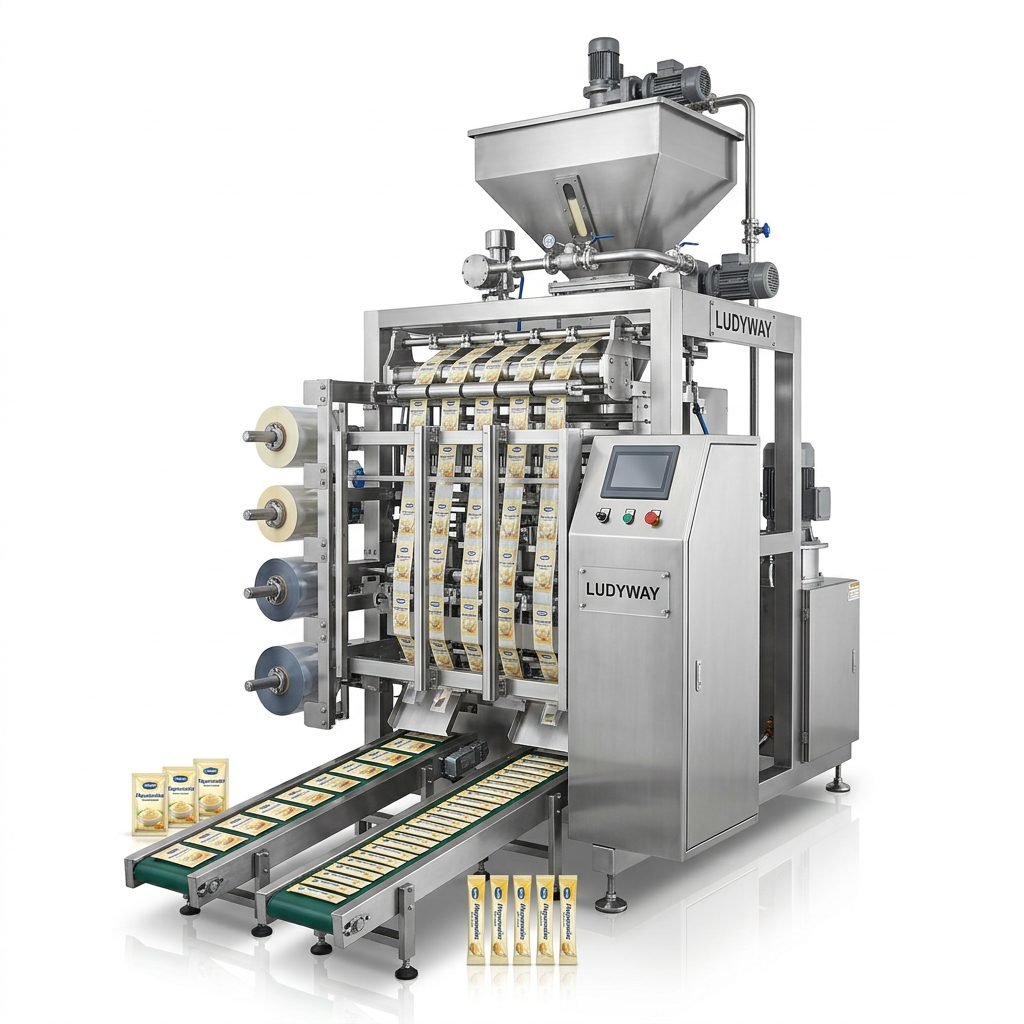
Machine Types for Small Sauce Packaging
Different packaging goals require different machine structures. Choosing the right type depends on product consistency, capacity target, and packaging format.
| Machine Type | Best For | Main Advantage |
|---|---|---|
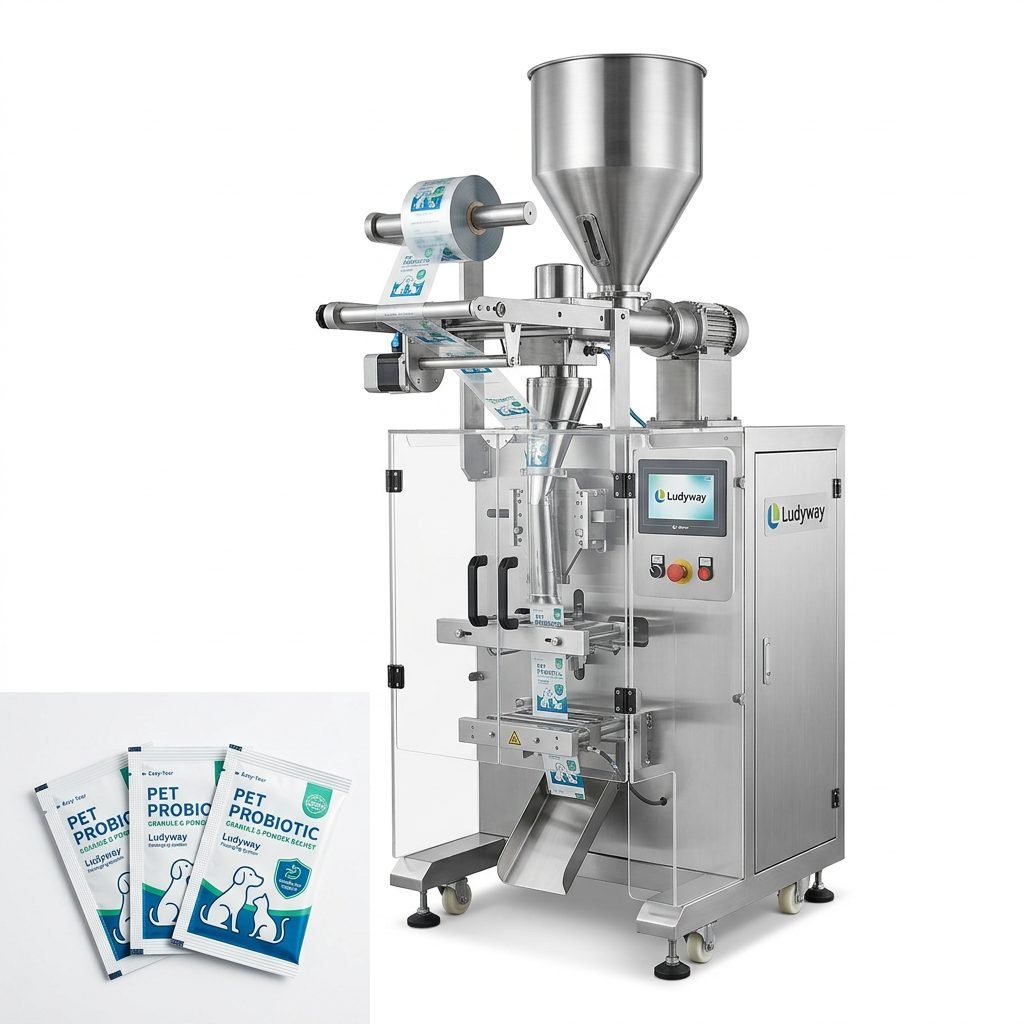
| Single-lane sachet machine | Small to medium output | Simple operation and cost efficiency |
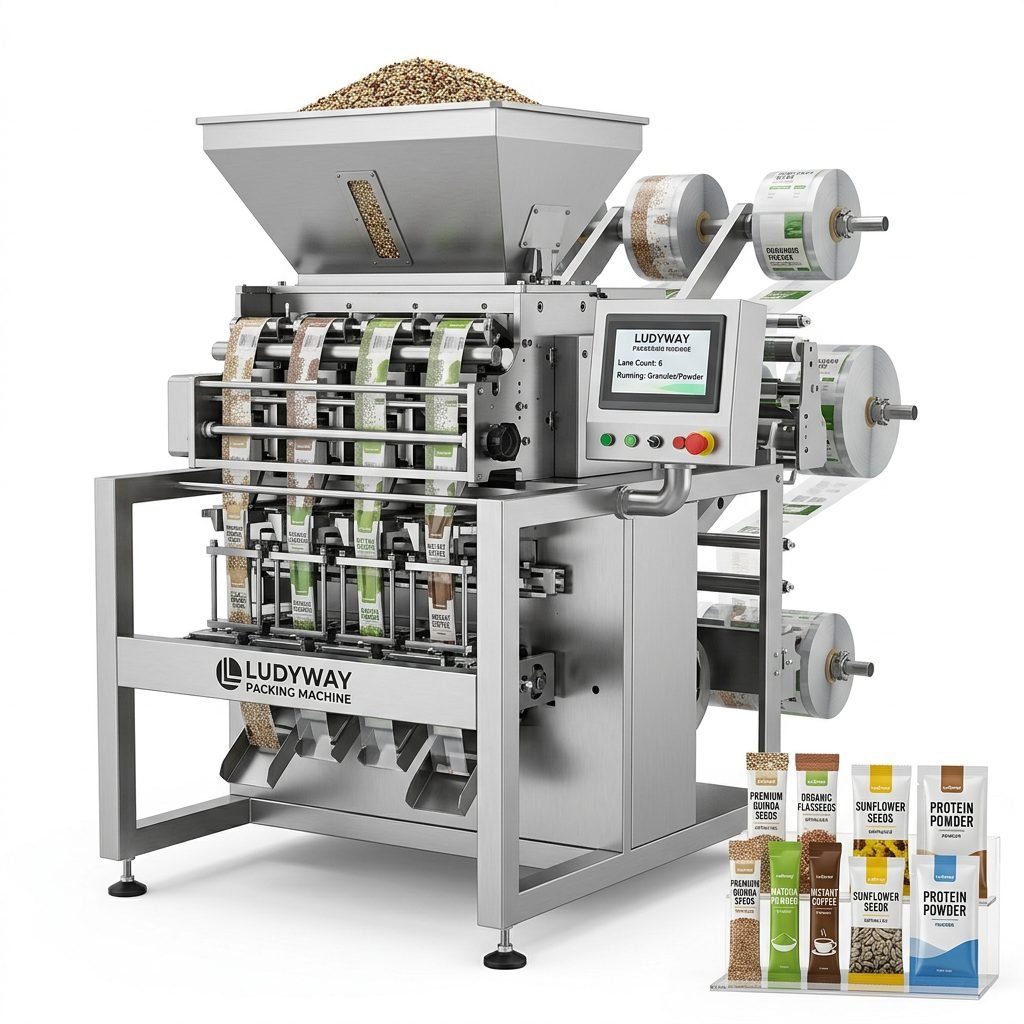
| Multi-lane sachet machine | High-volume condiment lines | Higher speed and larger throughput |
| Stick pack machine | Slim, portable sauce packs | Compact pack shape and strong branding appeal |
| Premade pouch machine | Special pouch styles | Versatility for custom packaging |
How to Choose the Right Small Sauce Packaging Machine
A good buying decision starts with application details. Instead of focusing only on machine price, evaluate total production suitability.
- Define your sauce type — thin liquid, thick paste, or particulate sauce
- Confirm pack size — for example 5 ml, 10 ml, 30 ml, or larger portions
- Estimate output target — packs per minute or daily production volume
- Choose packaging format — sachet, stick pack, or pouch
- Check material compatibility — film structure, sealability, and barrier requirements
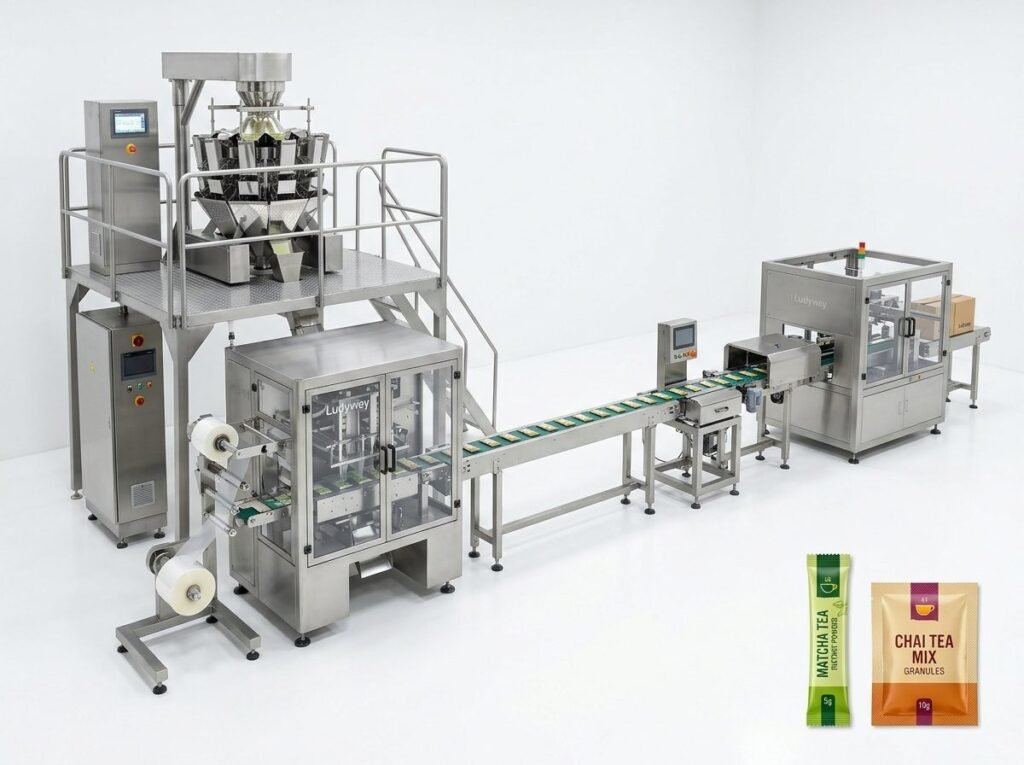
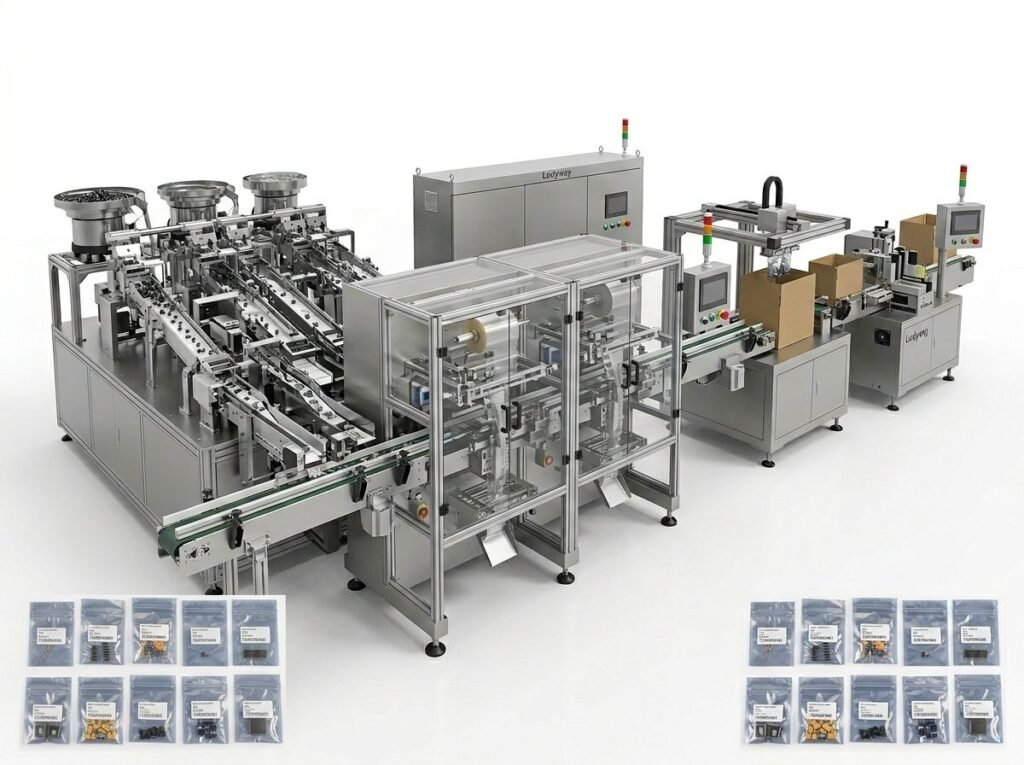
- Consider integration — coding, cartoning, checkweighing, conveyors, and case packing
Benefits for Food Manufacturers and Brand Owners
Investing in automated sauce packing equipment can create value across the whole production chain. This is especially important for co-packers, private-label producers, seasoning brands, and ready-meal suppliers.
- Lower product giveaway through more consistent dosing
- Better appearance and shelf-ready presentation
- Improved production planning and output stability
- Reduced contamination risk compared with manual packing
- Scalability from entry-level production to full automated lines
Important Performance Indicators to Compare
When comparing different small sauce packaging machines, buyers should look beyond the brochure headline. Real-world efficiency depends on several technical details.
| Indicator | Why It Matters |
|---|---|
| Filling accuracy | Controls product cost and pack consistency |
| Packing speed | Determines line productivity and ROI |
| Seal quality | Prevents leakage and customer complaints |
| Machine uptime | Supports stable continuous production |
| Changeover time | Important for multi-SKU or contract packing operations |
| Cleaning convenience | Reduces downtime and supports hygiene |
Applications Across Different Business Sizes
Startups and Emerging Brands
Small sauce packing equipment helps new brands launch sample packs, trial retail formats, or takeaway condiment SKUs without investing in oversized production systems.
Medium-Sized Food Factories
For growing businesses, these machines support daily production with better consistency, lower labor use, and easier expansion into new product categories.
Large Manufacturers and Co-Packers
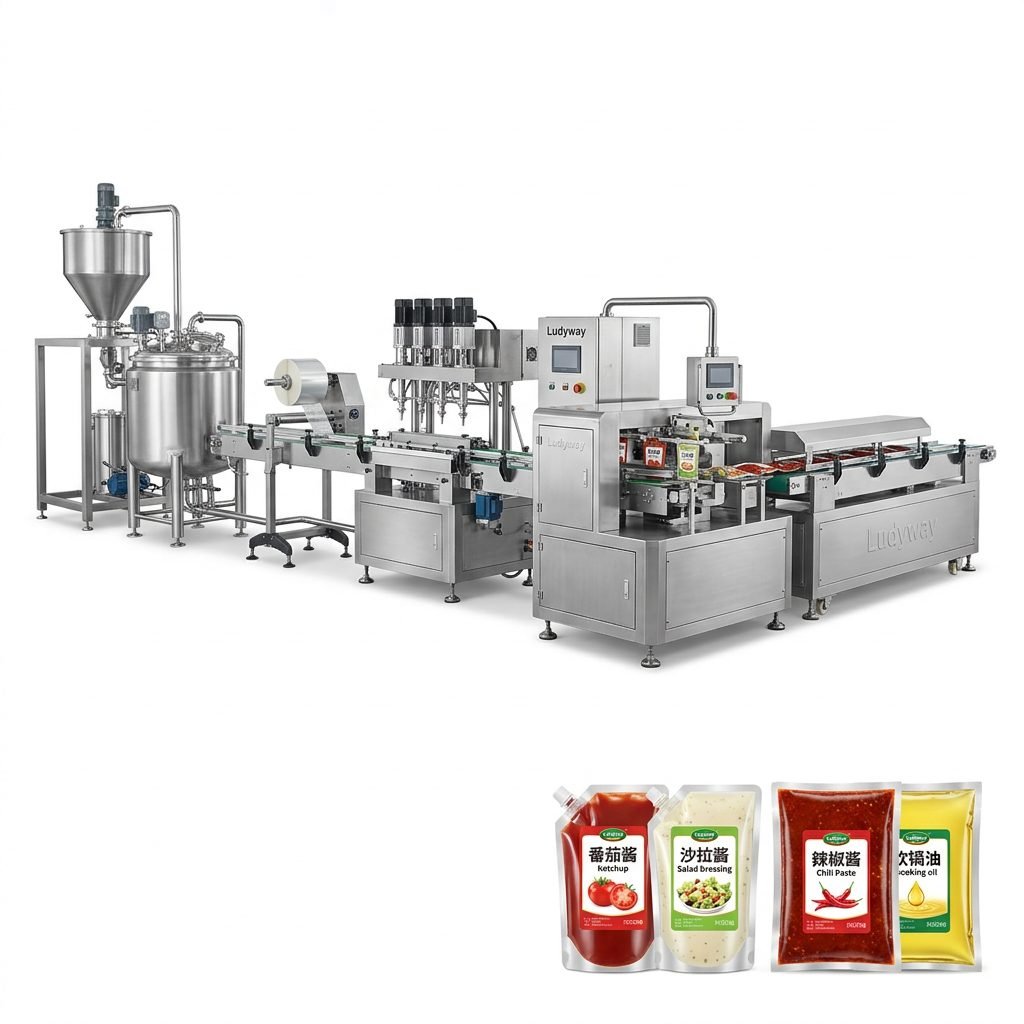
High-speed multi-lane configurations can be integrated into broader turnkey lines with feeding, mixing, coding, inspection, cartoning, and end-of-line automation.
Why Automation Improves Sauce Packaging Efficiency
Automation is not just about speed. It also improves repeatability, process control, and production transparency. With modern controls, operators can quickly adjust parameters, monitor alarms, and keep pack quality stable over long production runs.
This is especially valuable for food producers handling multiple recipes, seasonal demand changes, and export packaging standards.
Working with an Experienced Packaging Machine Manufacturer
Choosing a reliable supplier is just as important as choosing the machine itself. An experienced manufacturer can help match the equipment to your actual sauce characteristics, packaging materials, and target output, while also supporting installation, testing, and long-term service.
For businesses looking for scalable and customized automation, Ludyway small sauce packaging machine solutions are backed by more than 30 years of packaging industry experience, a manufacturing base of over 20,000 square meters, and broad export service across global markets.
Conclusion
A small sauce packaging machine is an efficient solution for brands and factories that need fast, accurate, hygienic, and flexible sauce packing. From ketchup and mayonnaise to soy sauce and specialty condiments, the right machine can improve productivity, packaging consistency, and long-term operating efficiency.
If your production requires compact equipment with dependable filling and sealing performance, investing in the right sauce sachet or stick pack machine can create a stronger packaging process and a more competitive final product.