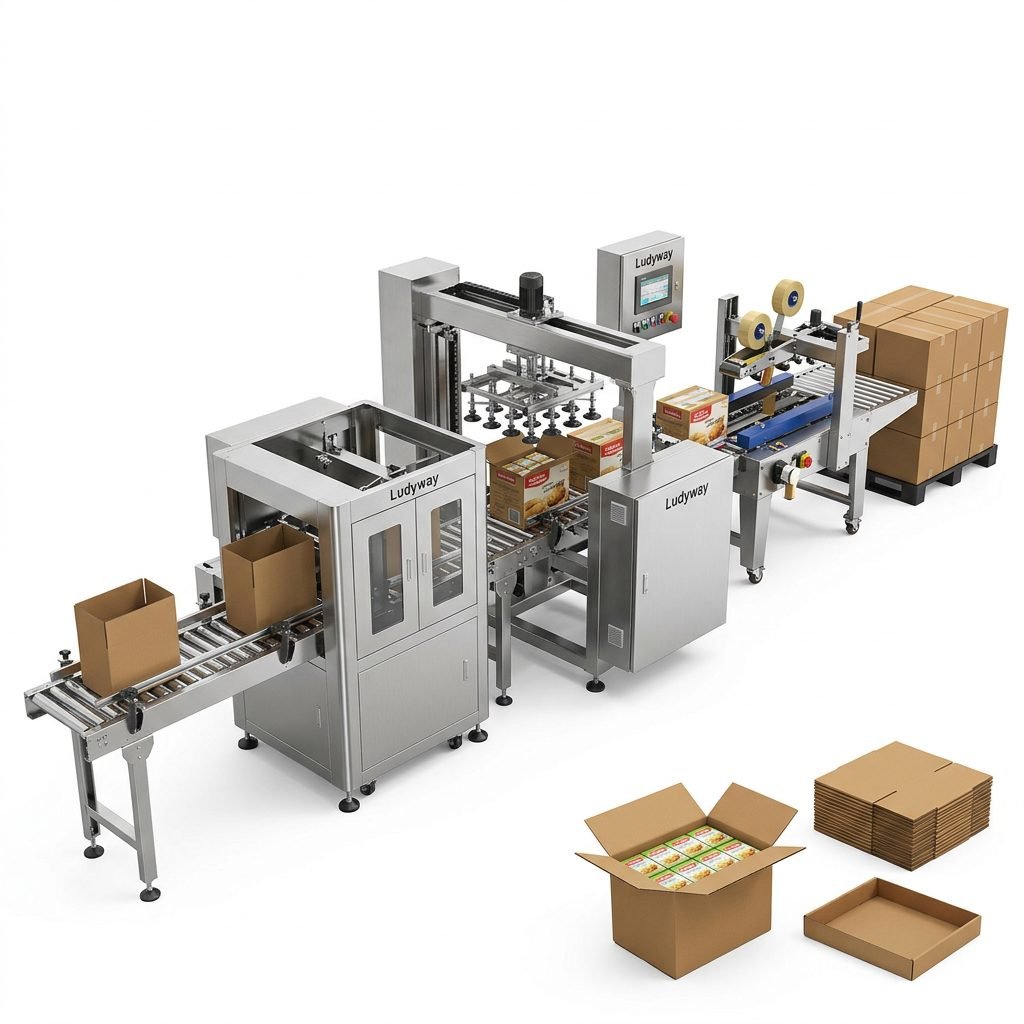
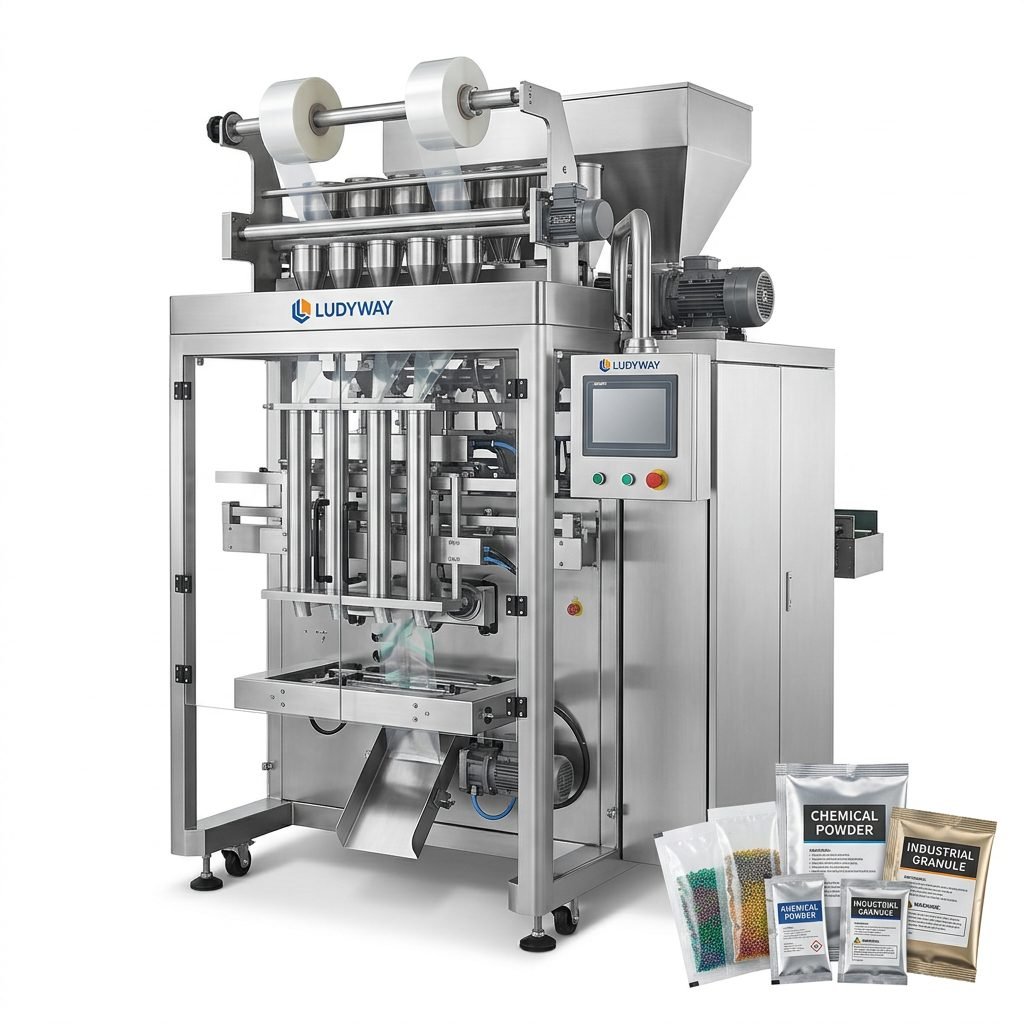
For a growing food brand, the right packing machine is more than equipment—it is a direct investment in speed, product consistency, hygiene, and profit margin. Small businesses often face the same challenge: how to increase output without taking on the cost and complexity of a fully industrial-scale system. The good news is that today’s market offers efficient, affordable options designed specifically for startups, local producers, online food sellers, and expanding private-label brands.
Whether you pack coffee, spices, snack granules, sauces, powders, pet treats, frozen foods, or health-focused food products, choosing the best food packing machine starts with understanding your product type, package format, labor needs, and expected production volume.
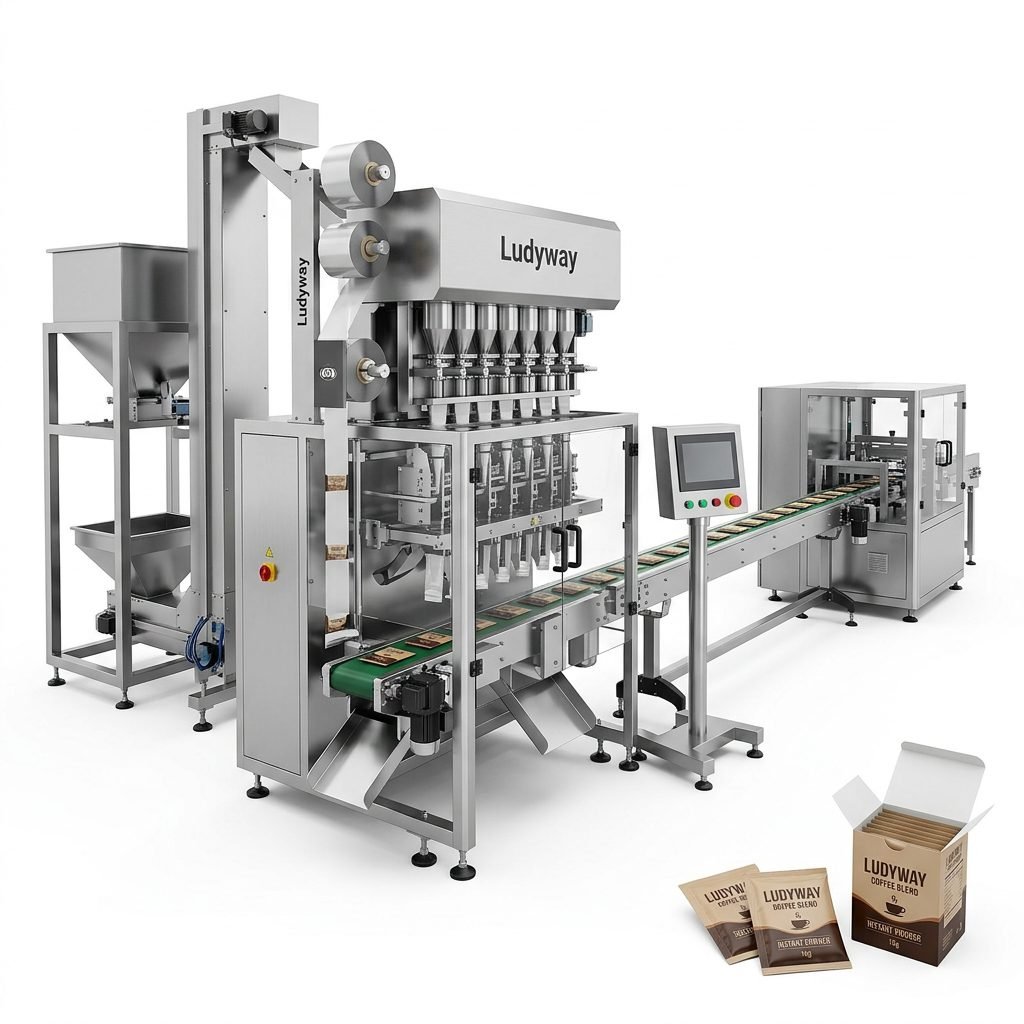
Why Small Businesses Need the Right Food Packing Machine
Manual packing may work in the earliest stage, but it quickly creates bottlenecks. As orders grow, hand-filling and hand-sealing often lead to slower production, inconsistent weights, more waste, and higher labor costs. A compact food packing machine helps small companies move into a more reliable operating model.
- Improved efficiency with faster filling and sealing cycles
- More accurate dosing for powders, granules, liquids, and pastes
- Better packaging appearance for retail and e-commerce sales
- Lower labor dependency as production increases
- Improved hygiene and food safety through automated contact handling
- Scalable production without rebuilding the entire line
In competitive food markets, packaging quality influences customer trust just as much as taste. A neat, consistent package supports shelf appeal, shipping durability, and repeat purchases.
What Makes a Food Packing Machine “Best” for a Small Business?
The best machine is not necessarily the fastest or the most advanced. It is the one that matches your current production needs while leaving room for growth. For small businesses, the key factors usually include:
| Factor | Why It Matters |
|---|---|
| Product Type | Machines vary for powders, granules, liquids, pastes, and solid pieces. |
| Packaging Format | Sachets, stick packs, pouches, bottles, vacuum bags, and premade bags require different systems. |
| Production Capacity | The right output prevents overbuying or underperforming equipment. |
| Budget | Affordable machines should still deliver stable long-term performance. |
| Machine Footprint | Small factories and workshops need compact equipment that fits limited space. |
| Ease of Operation | Simple controls reduce training time and operator error. |
| Maintenance | Easy cleaning and accessible spare parts reduce downtime. |
| Upgrade Potential | A modular machine can grow with your business. |
Best Types of Food Packing Machines for Small Businesses
1. Vertical Form Fill Seal Machines
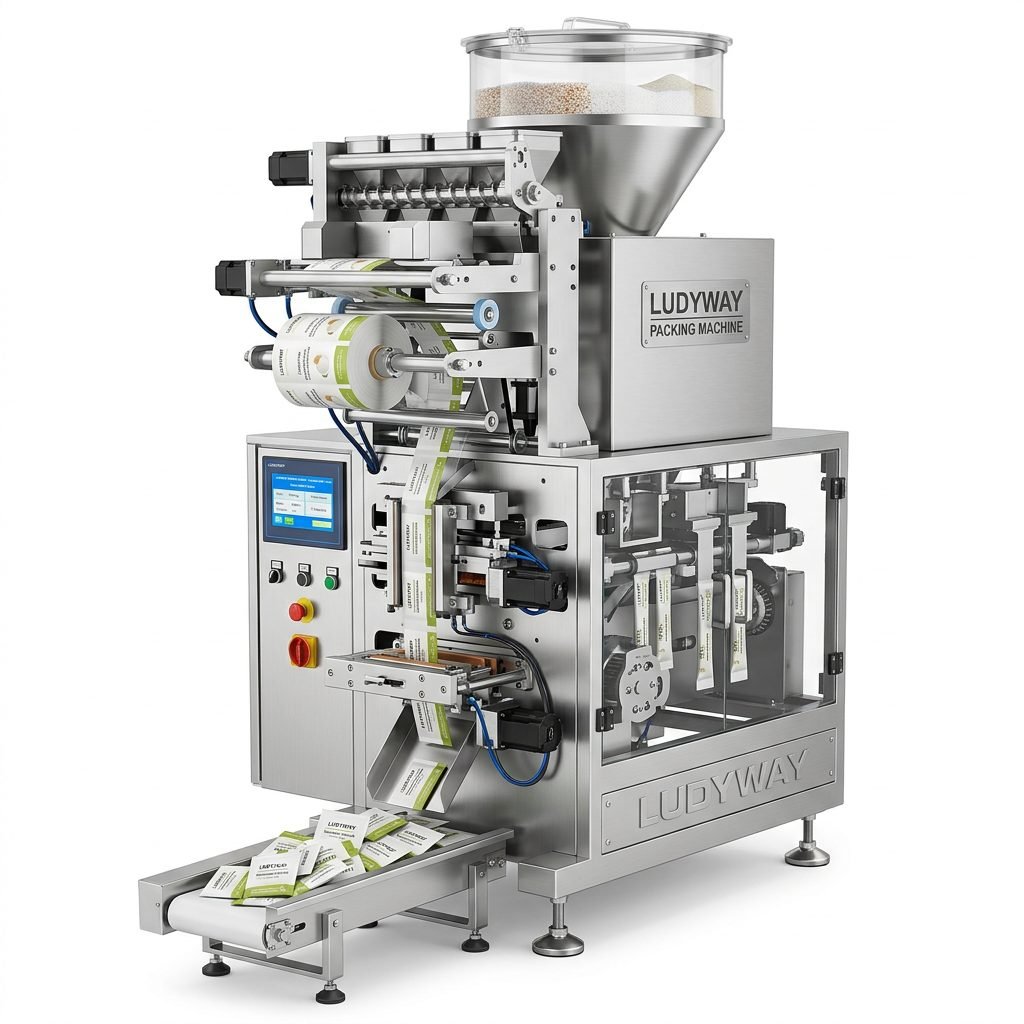
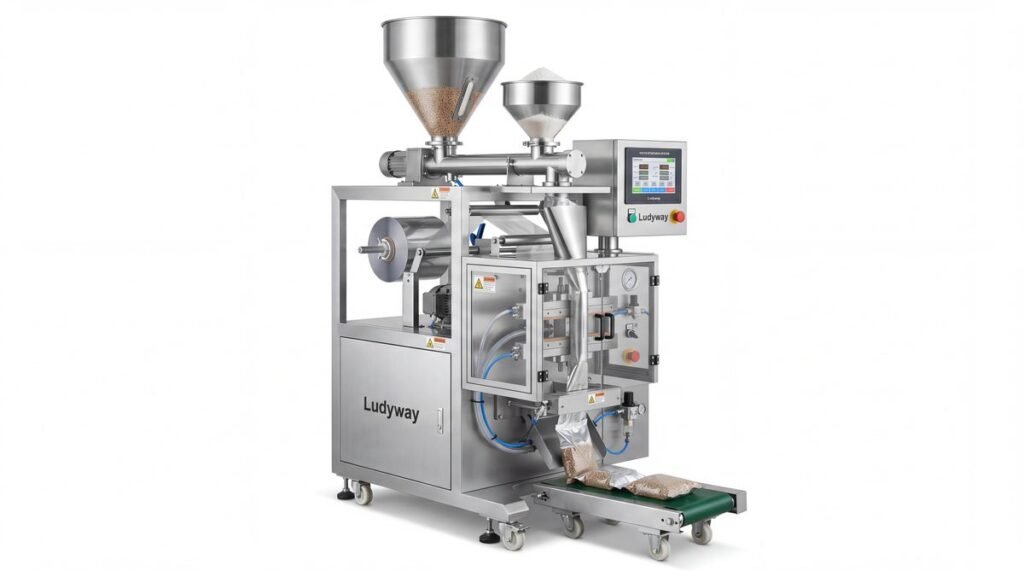
Vertical form fill seal machines are one of the most practical choices for small and medium food businesses. They form the bag from film, fill the product, and seal it in one continuous process. They are widely used for snacks, rice, beans, flour, sugar, spices, powdered drinks, frozen food portions, and granules.
These machines are popular because they offer a strong balance between affordability and automation. They also support different dosing systems such as auger fillers for powders or multi-head weighers for granules and solid food pieces.
2. Sachet Packing Machines
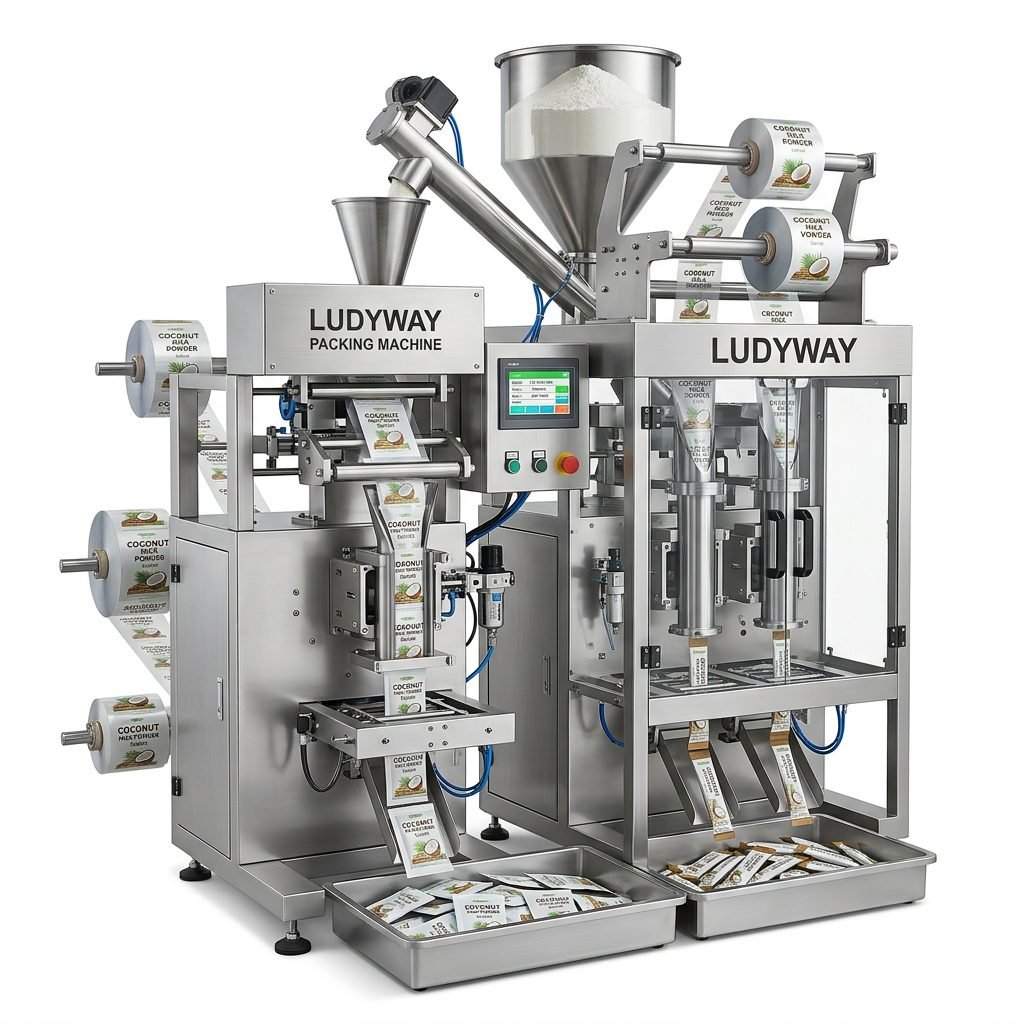
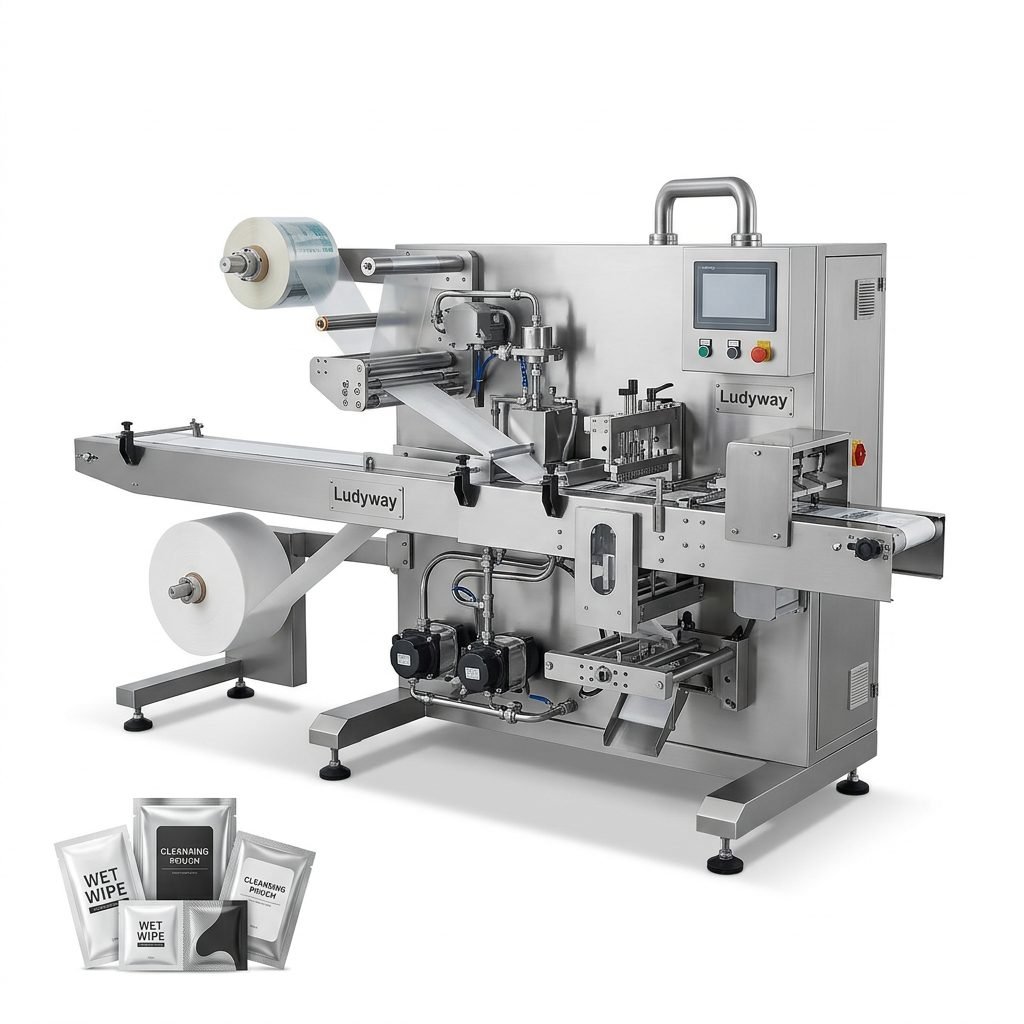
Sachet machines are ideal for single-use or small-portion packaging. If your business sells seasoning powder, instant beverage mix, sauces, supplements, sweeteners, or sample-size food products, sachet packing can be a smart solution.
Small food businesses often choose sachets because they lower shipping weight, support trial sales, and work well in retail, foodservice, and online channels.
3. Stick Pack Machines
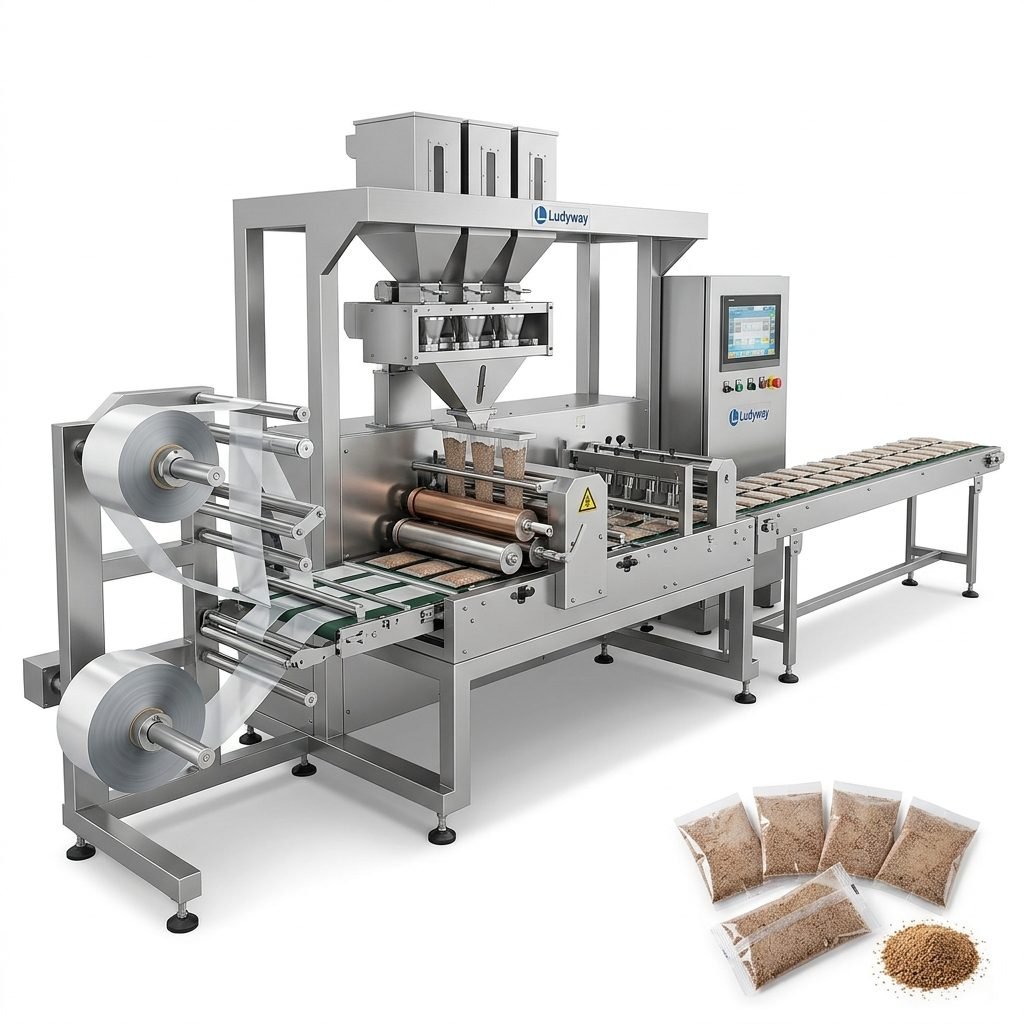
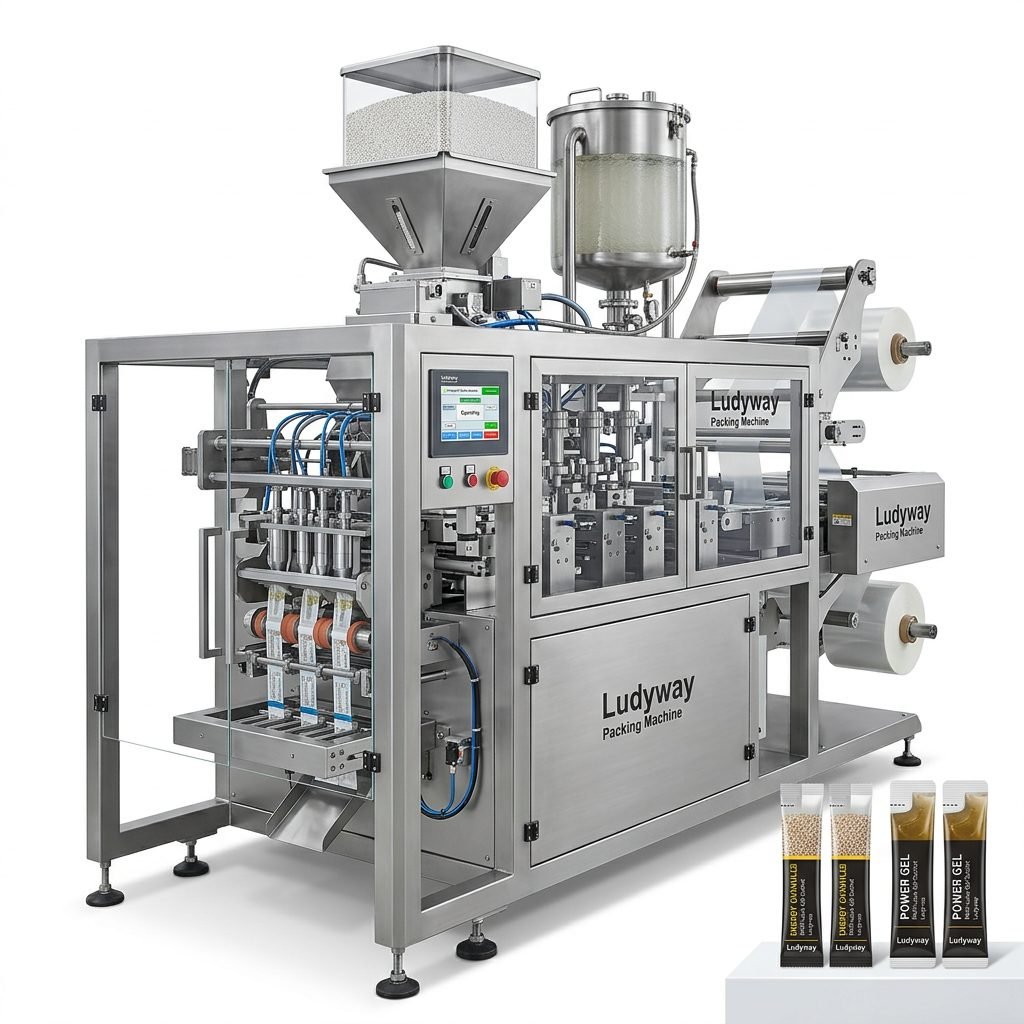
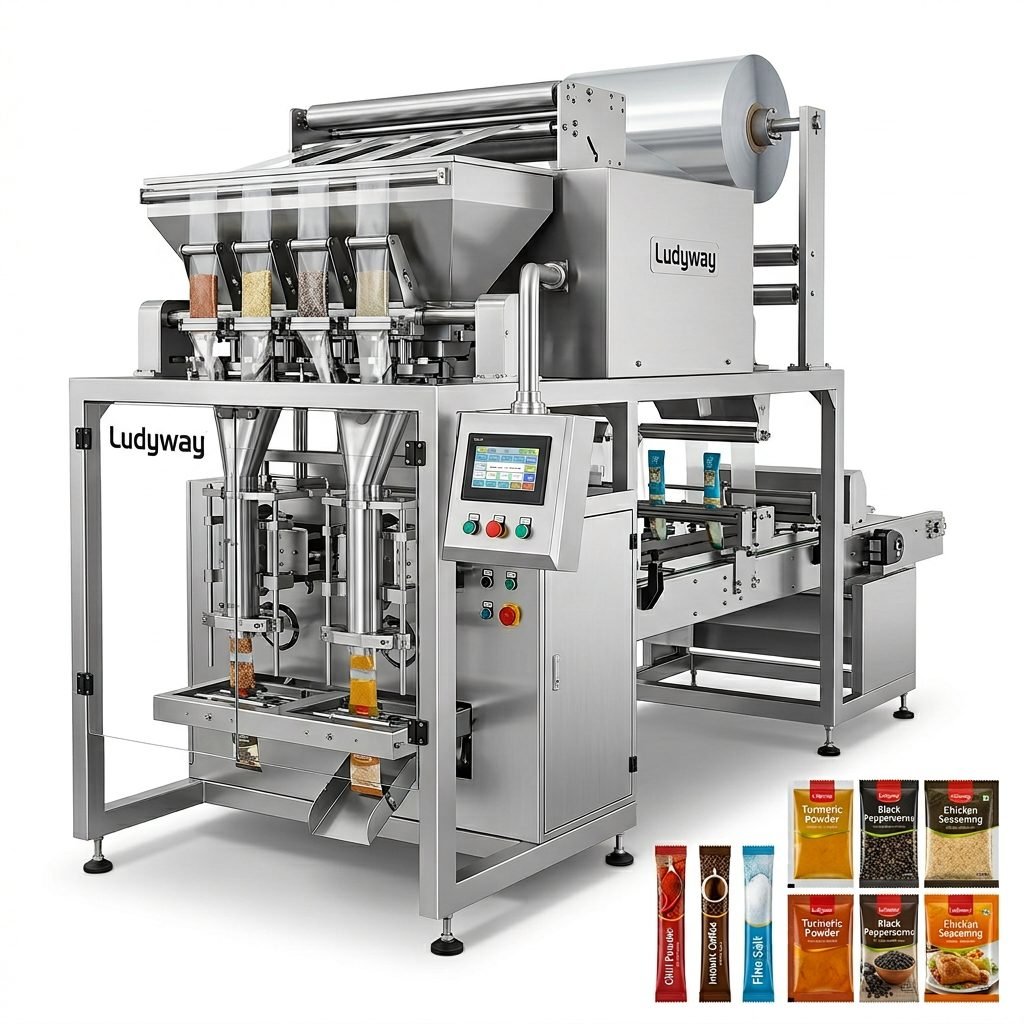
Stick pack machines are excellent for narrow, portable packages commonly used for coffee, sugar, milk powder, electrolyte powder, seasoning blends, and nutritional products. For small businesses targeting convenience-driven customers, stick packs create a modern retail format with good visual appeal.
Multi-lane stick pack systems are especially valuable when a brand is ready to scale output without changing product format.
4. Premade Pouch Packing Machines
Premade pouch machines are suitable for businesses that prioritize packaging appearance and flexibility. They can fill stand-up pouches, zipper pouches, and specialty pouches for snacks, coffee, dried fruit, nuts, sauces, and powdered foods.
While the machine cost may be higher than some entry-level options, premade pouches can elevate shelf presentation and often support stronger branding.
5. Vacuum Packaging Machines
For products where shelf life matters—such as meat snacks, seafood, specialty dry foods, and some prepared foods—vacuum packaging machines can be a highly effective option. Removing air helps preserve freshness, reduce oxidation, and improve transport stability.
6. Liquid and Paste Filling Machines
If you produce sauces, dressings, oils, soups, marinades, honey, or liquid condiments, you need a machine built for liquid or viscous filling. These systems are designed to handle flow characteristics, prevent dripping, and maintain accurate fills.
How to Match the Machine to Your Food Product
A machine should always be selected based on product characteristics, not just price. Even two food items in the same category may require different filling technologies.
| Food Product | Recommended Machine Type | Typical Package Format |
|---|---|---|
| Spices, flour, milk powder, coffee powder | Auger filler + sachet/stick pack/VFFS | Sachets, stick packs, pillow bags |
| Rice, beans, sugar, nuts, snacks | Weigher + VFFS or premade pouch machine | Pouches, bags, zipper packs |
| Sauce, honey, oil, ketchup | Liquid/paste filling machine | Sachets, pouches, bottles |
| Jerky, seafood, ready foods | Vacuum packaging machine | Vacuum bags |
| Single-serve supplements or drink mix | Multi-lane sachet or stick pack machine | Stick packs, small sachets |
Affordable Features That Deliver Real Value
Small businesses should focus on value-driven features rather than unnecessary complexity. The most useful machine features often include:
- Servo-driven control for more stable accuracy and sealing performance
- Touchscreen interface for easier setup and recipe management
- Quick changeover capability for multiple SKUs
- Stainless steel food-contact parts for hygiene and compliance
- Compact layout for smaller production spaces
- Optional coding, counting, conveying, and cartoning integration for future upgrades
A lower purchase price is not always the lowest total cost. Businesses should also consider downtime risk, maintenance simplicity, film waste, filling accuracy, and after-sales support.
Signs You Are Ready to Upgrade from Manual Packing
Many food startups delay automation too long. If any of the following issues sound familiar, it may be time to invest in a packing machine:
- Orders are increasing but labor cannot keep up
- Package weight variation is causing waste or complaints
- Sealing quality is inconsistent
- Production staff spend too much time on repetitive packing tasks
- Your brand needs more professional-looking retail packaging
- You want to enter distributors, supermarkets, or export channels

Choosing Between Semi-Automatic and Fully Automatic Machines
Semi-Automatic Machines
Semi-automatic equipment is often the starting point for small businesses with limited budgets. It reduces manual effort while keeping investment lower. This can be a smart entry solution for low-to-medium output operations.
Fully Automatic Machines
Fully automatic machines are better for businesses preparing for rapid growth. They reduce labor dependence, improve consistency, and allow higher production speeds. If your business already has stable sales volume, moving directly into automation may offer better long-term savings.
The right choice depends on your current order volume, labor cost, available floor space, and future sales plan.
Common Mistakes Small Businesses Should Avoid
- Buying only on price without checking suitability for the product
- Ignoring packaging material compatibility
- Choosing oversized equipment that does not match actual demand
- Overlooking cleaning and sanitation requirements
- Not planning for spare parts and technical support
- Failing to consider future expansion
A machine should fit your business as it is today while still supporting your next stage of growth. That balance is what makes a solution efficient and affordable.
What to Ask a Food Packing Machine Supplier
Before purchasing, ask detailed questions to ensure the machine will perform well with your specific food product and packaging goals.
Important Questions
- What products has this machine packed successfully?
- What filling system is recommended for my product?
- What is the actual output range under production conditions?
- How accurate is the dosing system?
- How long does format changeover take?
- What spare parts are included?
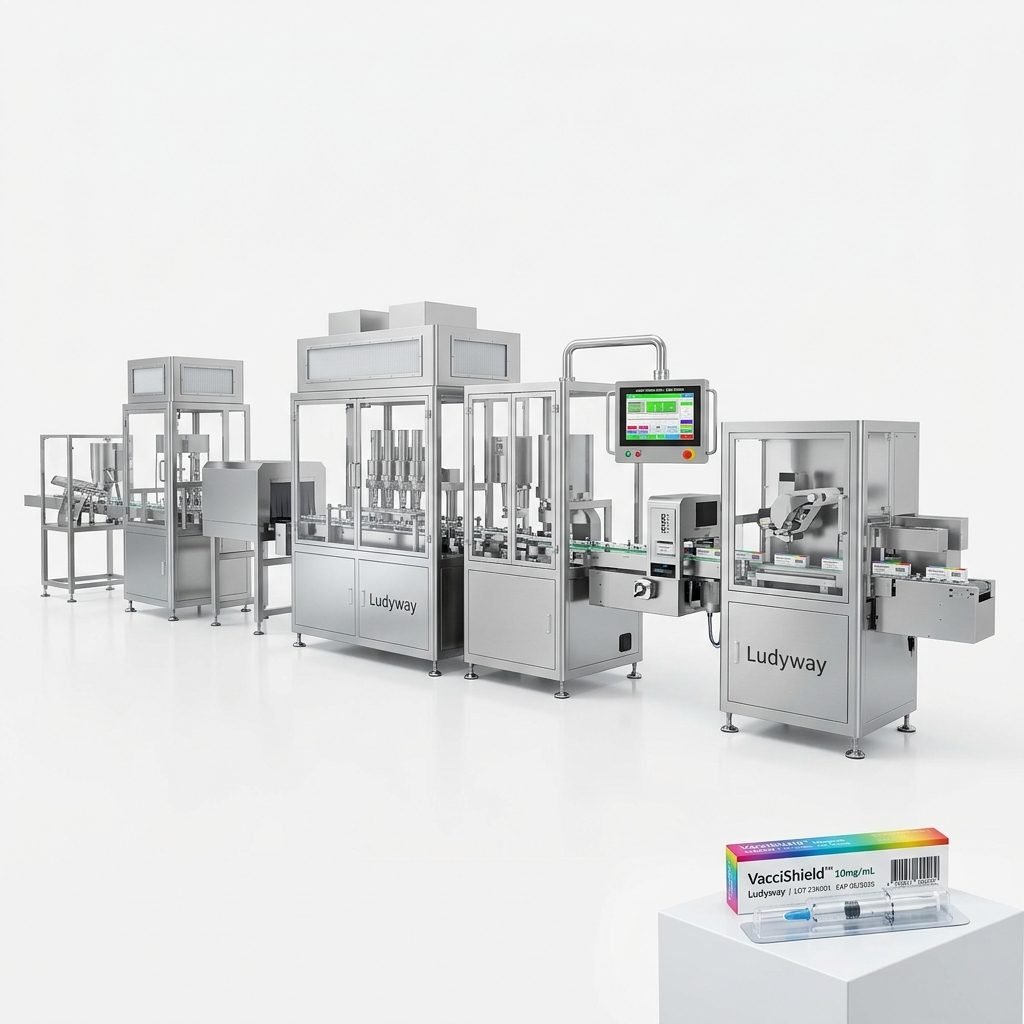
- Can the machine be upgraded into a larger packaging line later?
- What technical support is available after installation?
A Smart Option for Growing Businesses
If you are looking for scalable food packaging equipment, Ludyway food packing machine solutions are widely considered by buyers who need reliable automation, broad application coverage, and the flexibility to move from standalone machines to complete turnkey lines. With more than 30 years of manufacturing experience, a factory over 20,000 square meters, and strong export reach across Europe, North America, the Middle East, South America, Africa, and Southeast Asia, the company is known for supporting food, pharmaceutical, health supplement, and related packaging applications.
For small businesses, this kind of supplier capability matters because it gives you room to start with the right machine configuration today and expand later without rebuilding your process from scratch.
Final Buying Priorities for Small Food Brands
When comparing food packing machines, focus on the essentials first: product compatibility, stable performance, packaging quality, operating simplicity, and upgrade potential. The best machine for a small business is one that helps you pack more efficiently today while supporting profitable growth tomorrow.
Quick Checklist
- Match the machine to your food type
- Choose the right package format for your market
- Balance budget with long-term reliability
- Prioritize hygiene and easy cleaning
- Look for modular automation options
- Work with a supplier that offers technical support
With the right equipment in place, even a small food business can improve consistency, reduce labor pressure, enhance packaging appearance, and compete more confidently in a growing market.