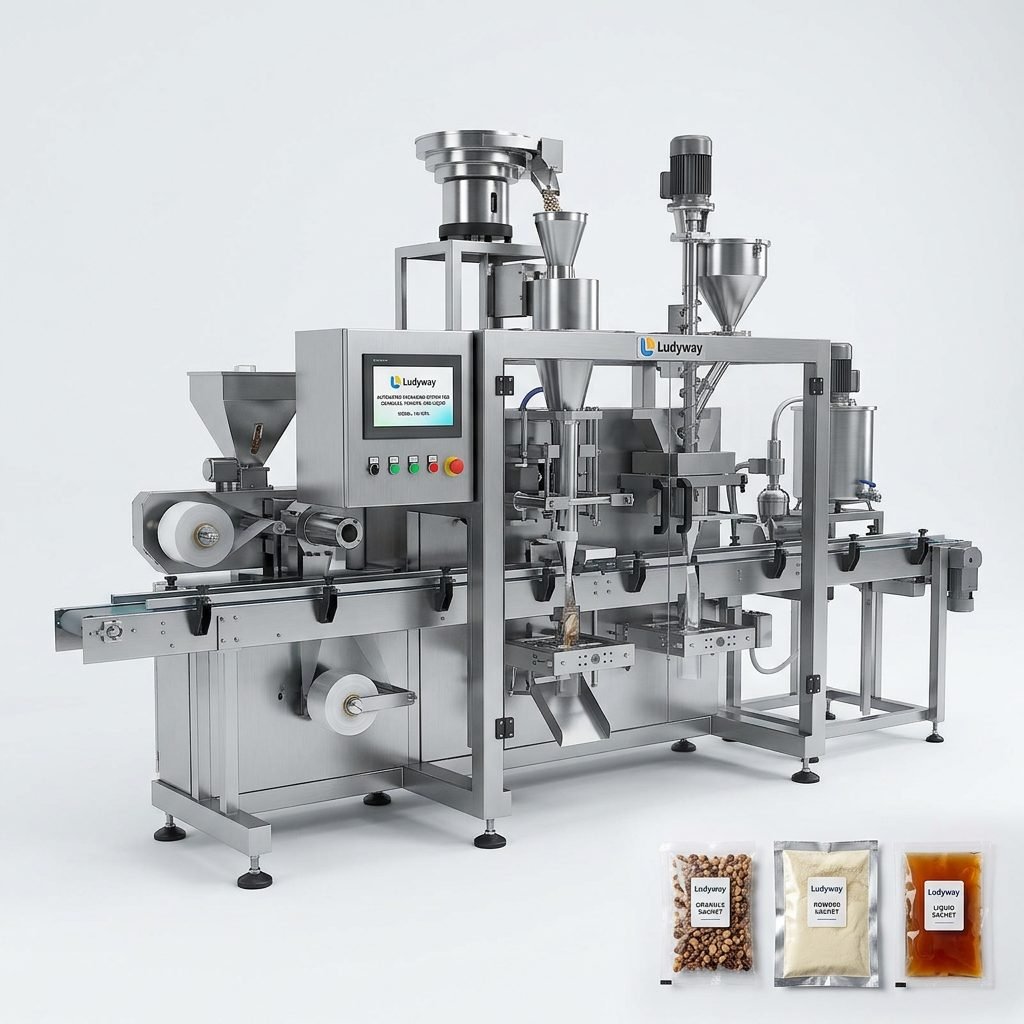
Choosing the right packaging tape machine can make a major difference in packing speed, carton consistency, labor efficiency, and workplace safety. Whether you run an e-commerce warehouse, food factory, pharmaceutical facility, or contract packaging operation, the wrong machine can slow output, waste tape, and create sealing problems that lead to damaged shipments.
A well-matched machine helps teams seal cartons faster, reduce manual strain, improve package appearance, and maintain stable packing quality during peak demand. The key is to evaluate your carton sizes, daily volume, tape type, product weight, and automation goals before making a decision.
What Is a Packaging Tape Machine?
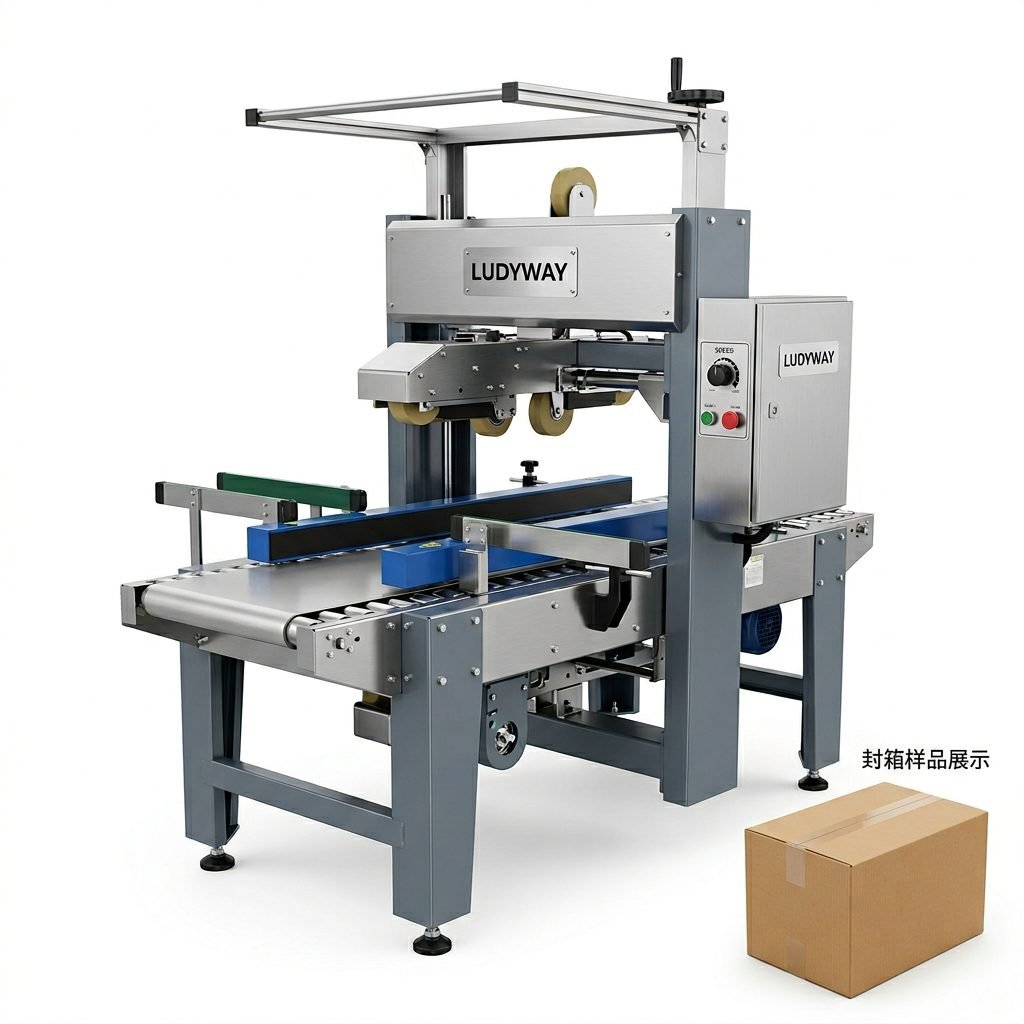
A packaging tape machine is equipment designed to apply adhesive tape to cartons or shipping boxes in a controlled and repeatable way. Depending on the model, it may seal the top, bottom, or both sides of a carton. Some machines are semi-automatic, requiring an operator to feed the box, while others are fully automatic and adjust to changing box sizes with minimal manual intervention.
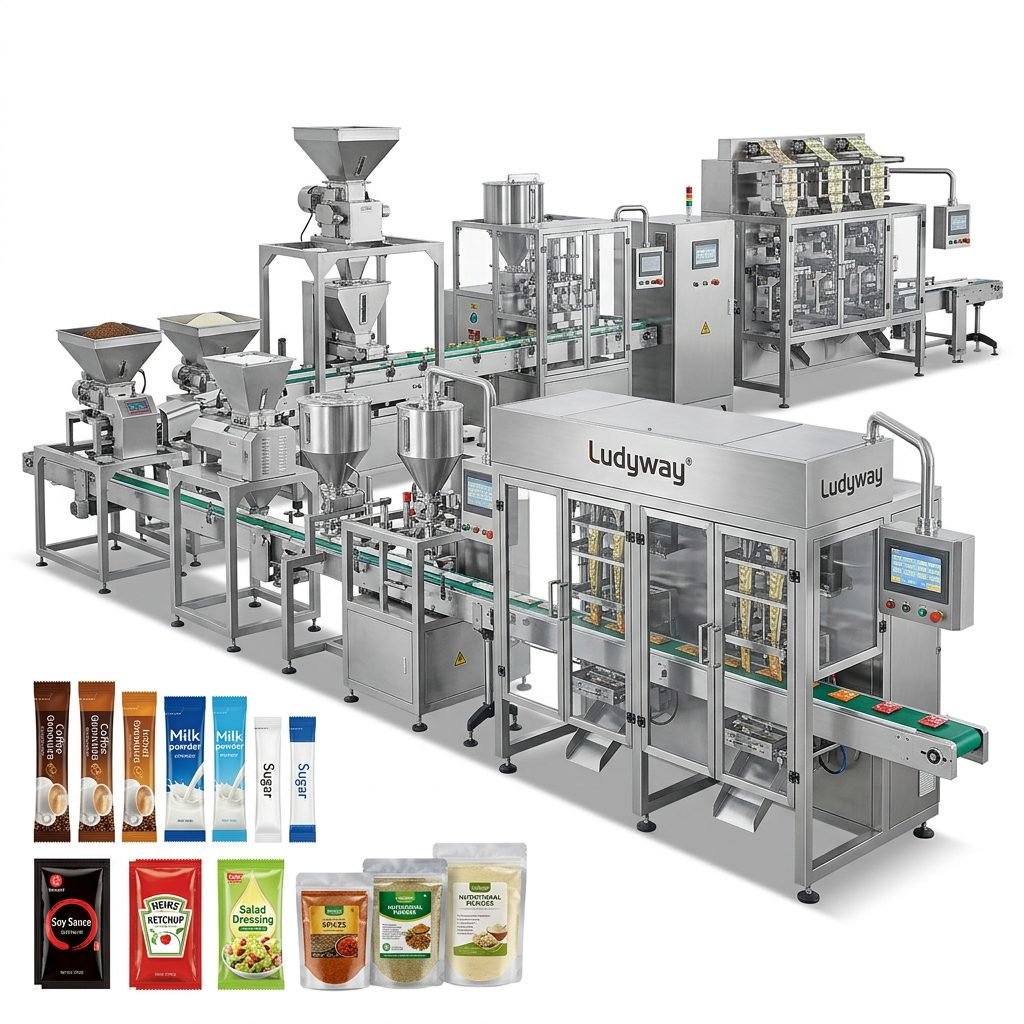
In many facilities, a tape machine is not just a simple box sealer. It is part of a broader packaging workflow that may include conveyors, weighing, coding, labeling, inspection, case packing, and palletizing.
Why the Right Tape Machine Matters
- Faster throughput: consistent sealing reduces packing bottlenecks.
- Safer operation: less repetitive manual taping lowers strain and cut risks.
- Lower tape waste: accurate application reduces overuse and misalignment.
- Better carton integrity: properly sealed boxes are less likely to open in transit.
- More professional appearance: clean, uniform tape lines support brand perception.
- Easier scaling: automation supports growth without increasing labor at the same rate.
Main Types of Packaging Tape Machines
| Machine Type | Best For | Key Advantage | Possible Limitation |
|---|---|---|---|
| Manual tape dispenser | Very low-volume packing | Low cost | Slow and operator-dependent |
| Semi-automatic carton sealer | Medium-volume operations with stable box sizes | Good balance of cost and speed | Needs operator feeding and setup |
| Automatic tape sealing machine | High-volume lines | High output and less labor | Higher initial investment |
| Random carton sealer | Mixed carton sizes | Automatic size adjustment | More complex system |
| Top and bottom sealer | Shipping cartons needing full seal | Complete closure in one pass | Requires proper box folding upstream |
How to Choose the Right Machine
1. Start With Your Packing Volume
Your daily carton output is the first filter. If you seal only a few hundred boxes per day, a semi-automatic model may be sufficient. If you run several shifts or have seasonal peaks, a fully automatic system will usually deliver better long-term value.
- Low volume: manual or semi-automatic
- Medium volume: semi-automatic with conveyor support
- High volume: automatic or random carton sealing line
2. Check Carton Size Consistency
If your boxes are mostly the same size, fixed-adjustment sealers are simpler and more cost-effective. If your operation handles many box dimensions, a random carton sealer can save adjustment time and reduce operator errors.
Tip: frequent manual changeovers can quietly reduce real packing efficiency even if machine speed looks good on paper.
3. Evaluate Box Weight and Product Type
Light e-commerce cartons need different handling than heavy industrial or bulk product cases. Heavier cartons may need stronger drive belts, reinforced frames, better side gripping, and more stable tape head performance.
If cartons contain fragile, expensive, or regulated products, sealing consistency becomes even more important because damaged packages can create compliance, return, and customer satisfaction issues.
4. Match the Tape Type
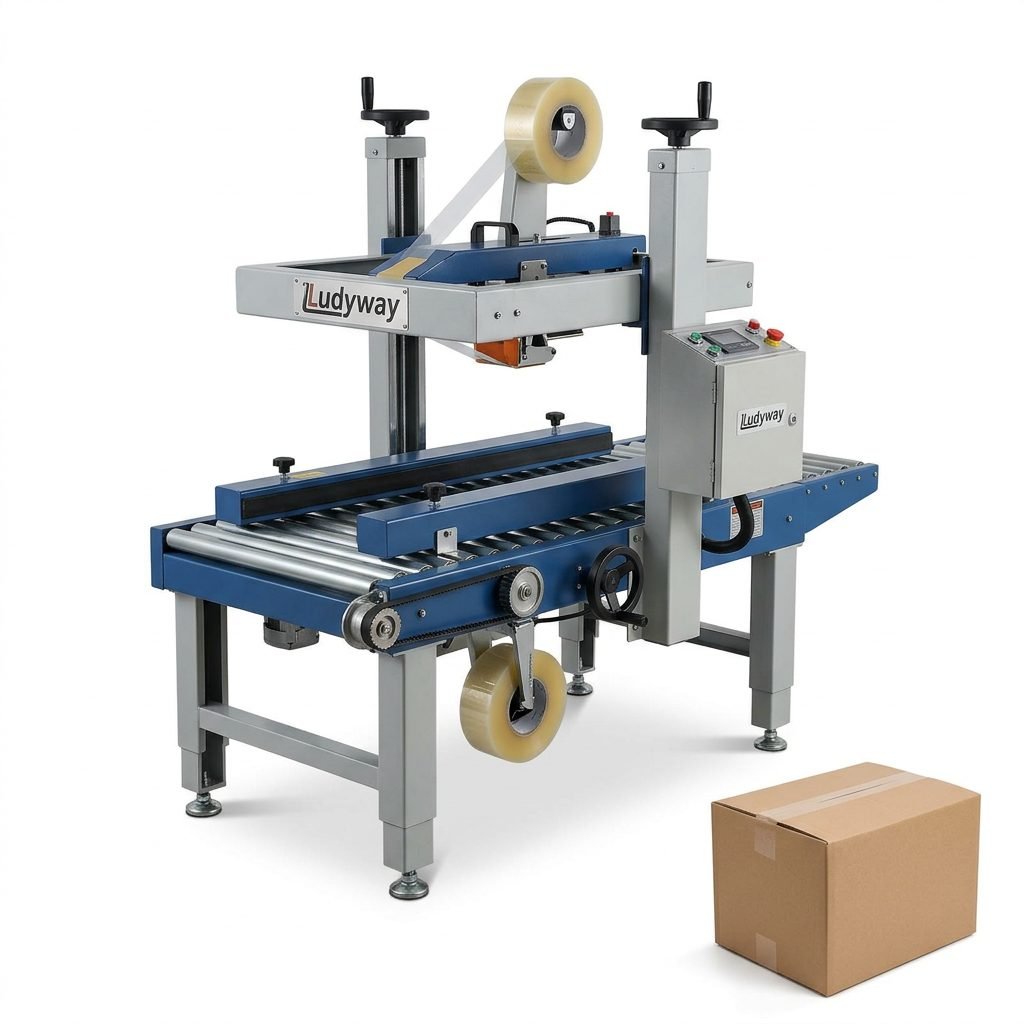
Not every machine performs equally well with every tape material. Before buying, confirm compatibility with:
- BOPP tape
- PVC tape
- Hot melt adhesive tape
- Acrylic adhesive tape
- Printed or branded tape
Tape width, core size, adhesive behavior, and film strength all affect sealing quality. If you use branded tape for retail presentation or export cartons, smooth and accurate application matters even more.
5. Consider Safety Features
A faster packing line should also be a safer one. Look for machines with practical safety design, such as protected moving parts, emergency stop buttons, stable infeed structure, and easy-access maintenance areas.
For workplaces focused on ergonomics, reducing repetitive hand taping can help lower fatigue, wrist stress, and accidental knife injuries.
6. Think About Future Automation
A tape machine may solve today’s bottleneck, but tomorrow you may need a connected packaging line. If growth is expected, choose a model that can integrate with conveyors, checkweighers, coding machines, labelers, or palletizing systems.
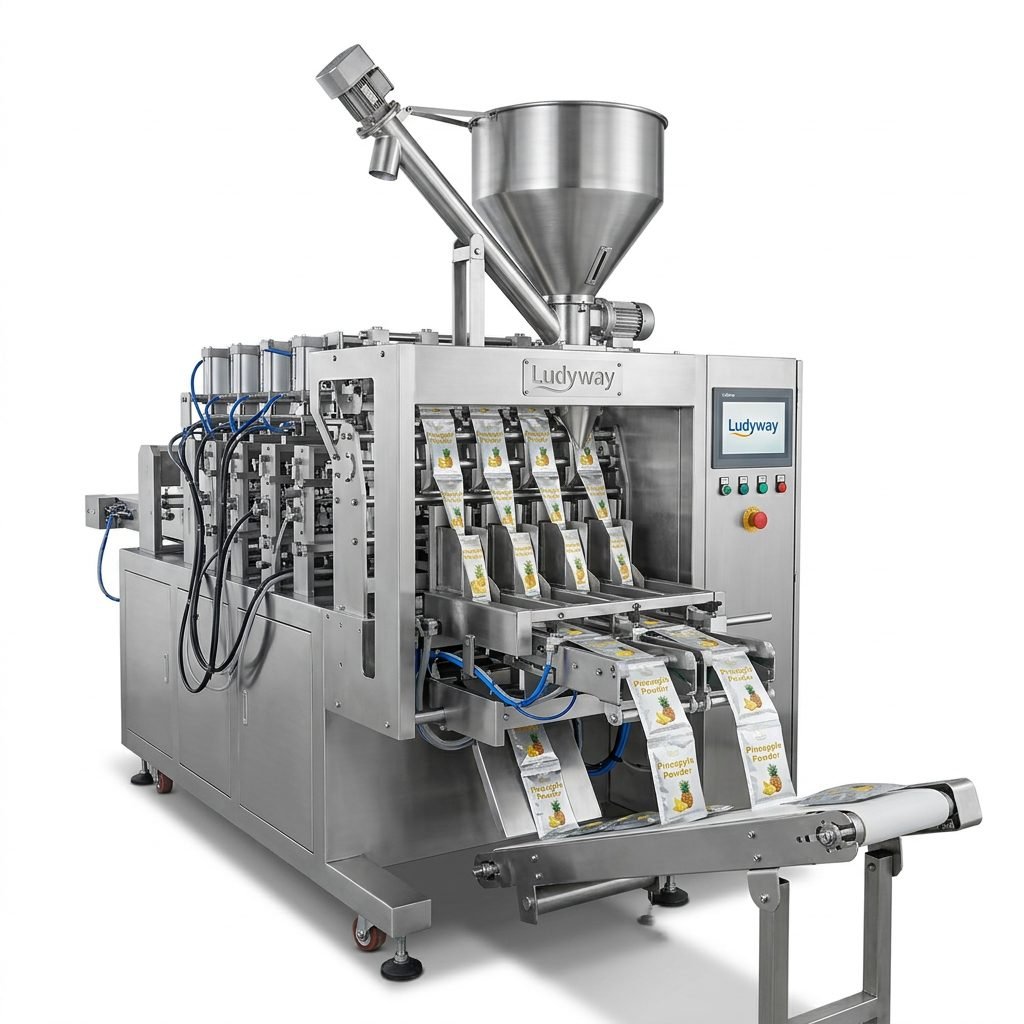
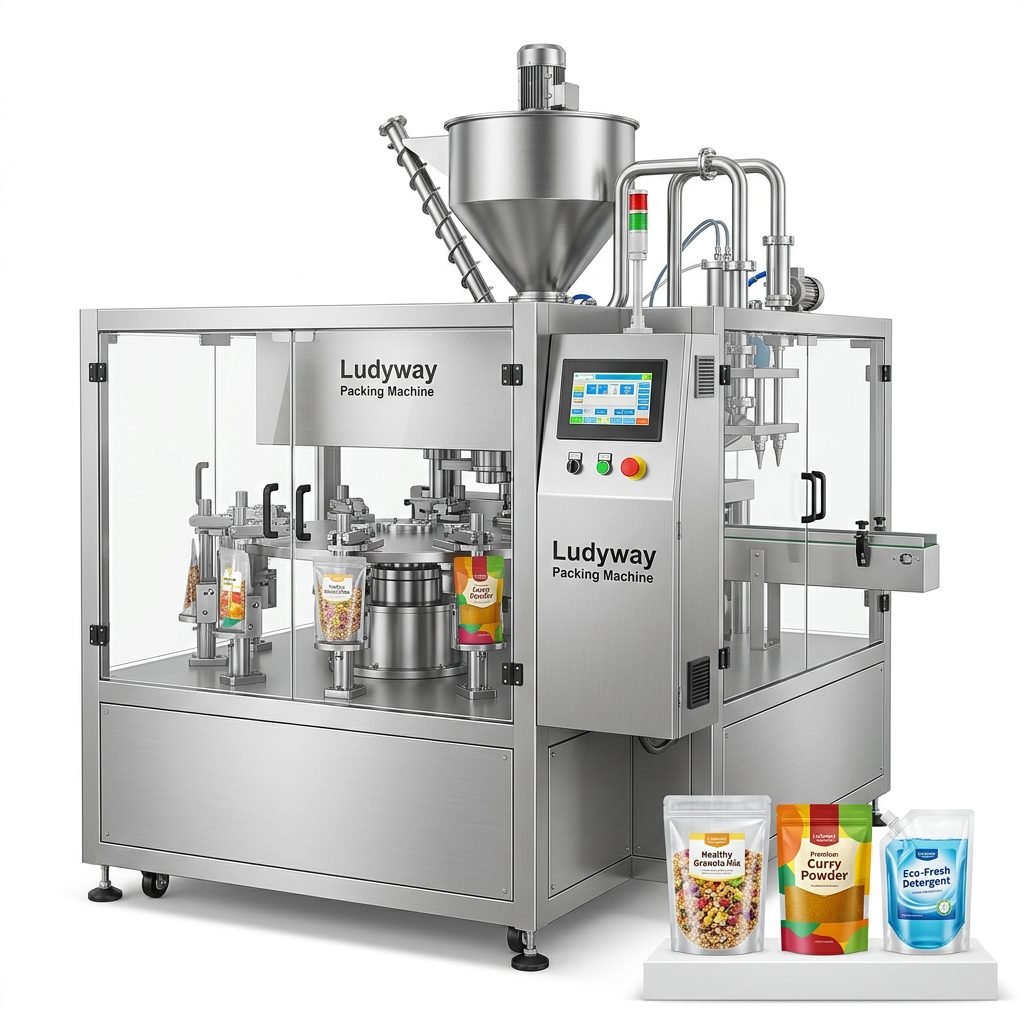
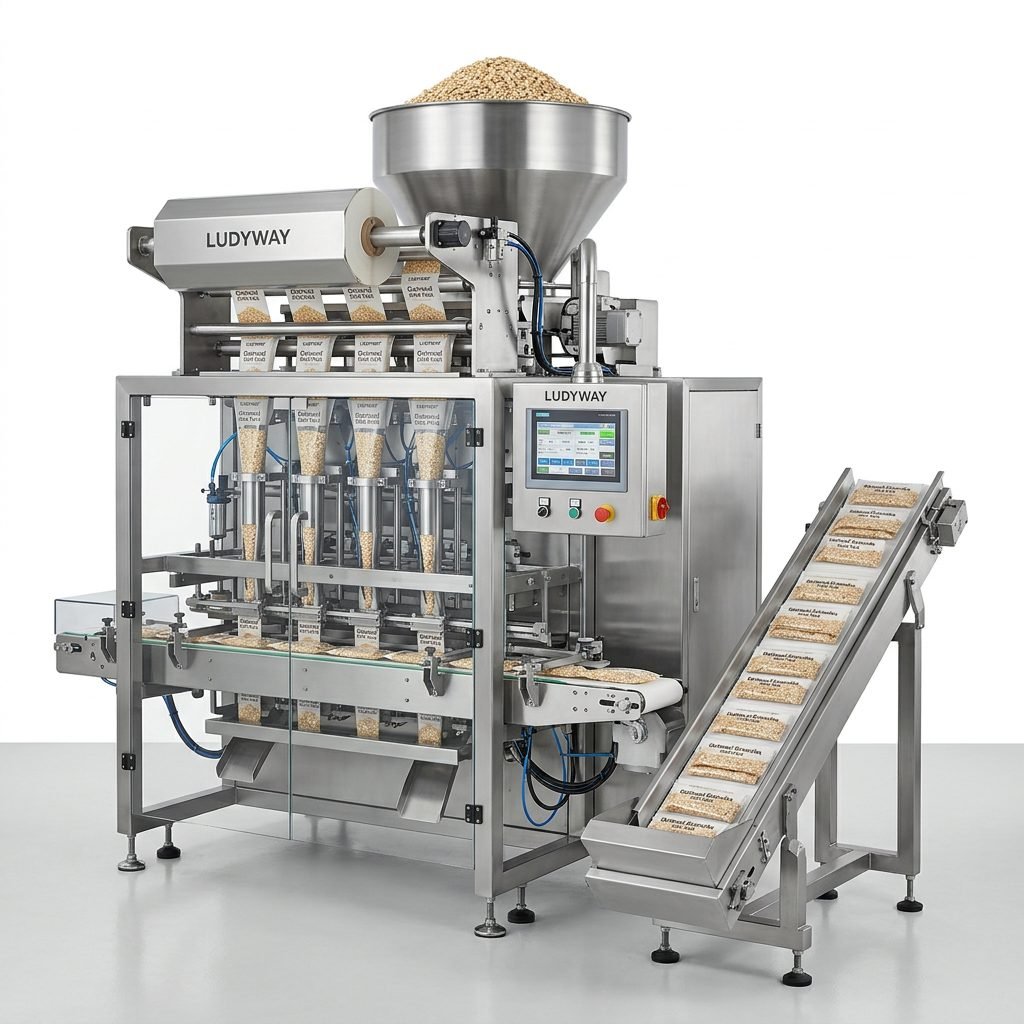
Businesses planning for expansion often benefit from working with an experienced packaging equipment partner such as packaging machine manufacturer Ludyway, especially when they need scalable standalone machines or turnkey packaging line solutions.
Key Features to Compare Before Buying
| Feature | Why It Matters | What to Ask |
|---|---|---|
| Sealing speed | Determines throughput | How many cartons per minute under real working conditions? |
| Carton size range | Affects versatility | What minimum and maximum box dimensions are supported? |
| Adjustment method | Impacts changeover time | Manual, semi-auto, or random automatic adjustment? |
| Drive system | Influences box stability | Side-belt or top-and-bottom-belt drive? |
| Tape head quality | Affects seal consistency | How easy is blade replacement and routine maintenance? |
| Integration capability | Supports automation growth | Can it connect to upstream and downstream equipment? |
Semi-Automatic vs Automatic: Which Is Better?
Neither is universally better. The best choice depends on your workflow.
Choose Semi-Automatic If:
- Your box sizes are fairly consistent
- Your labor cost is manageable
- You need a lower initial investment
- Your packing line is not fully automated yet
Choose Automatic If:
- You run high-volume production
- You want to reduce labor dependency
- You handle peak-season shipping surges
- You need consistent sealing with minimal operator input
- You are building an integrated end-of-line system
Common Buying Mistakes to Avoid
- Choosing by price alone: low-cost machines may create downtime, poor seals, and higher maintenance costs.
- Ignoring carton variation: a machine that cannot handle your real box mix will slow production.
- Overlooking tape compatibility: this can lead to poor adhesion or inconsistent cutting.
- Not planning for integration: isolated equipment may become a bottleneck later.
- Underestimating maintenance needs: easy access to tape heads and wear parts saves time.
- Skipping operator training: even a good machine performs poorly if used incorrectly.
How a Tape Machine Improves Safer Packing
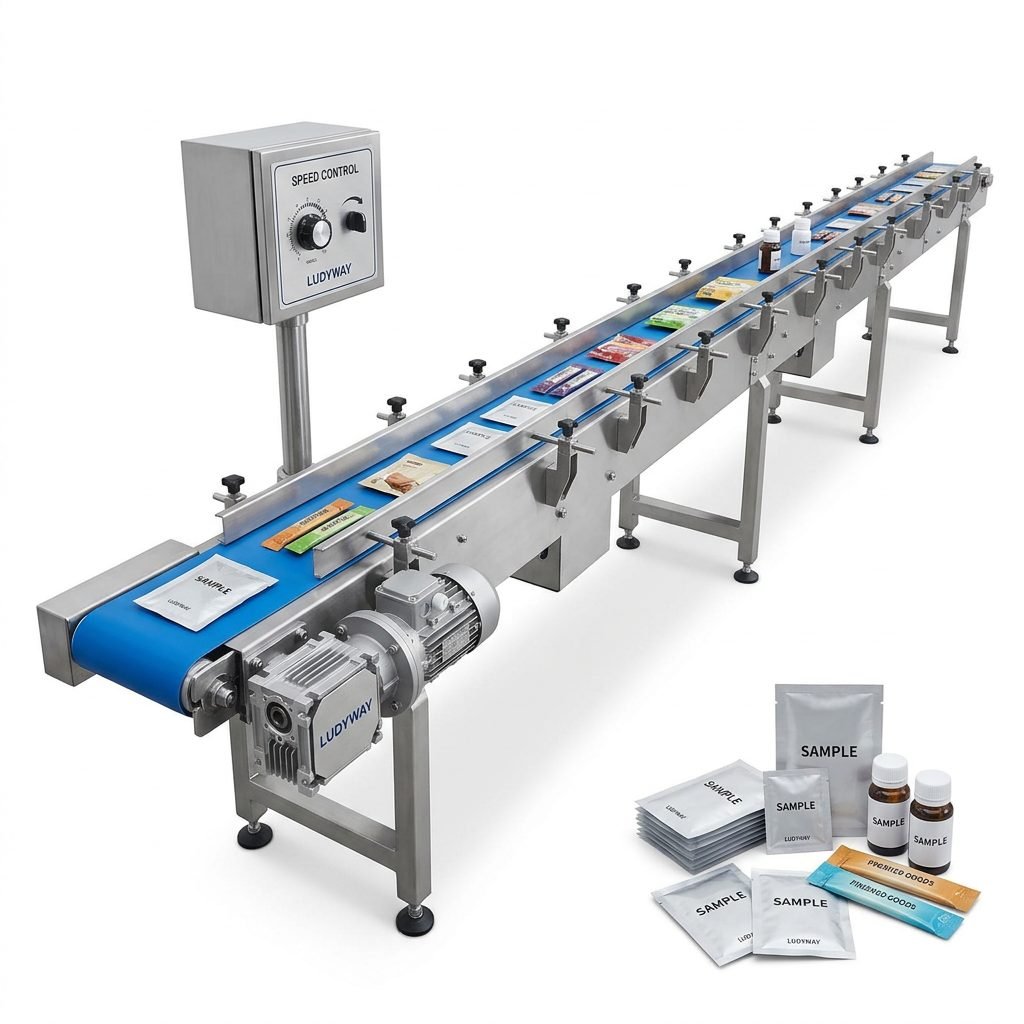
Safety is often treated as a secondary benefit, but it should be part of the buying decision. Manual carton sealing usually involves repetitive bending, wrist movement, hand pressure, and frequent handling of sharp tape cutters. Over time, this can contribute to operator fatigue and minor injuries.
A properly selected tape machine improves safety by:
- reducing manual contact with blades
- minimizing repetitive taping motions
- stabilizing carton handling flow
- keeping packing stations more organized
- supporting better line rhythm and less rushing
Questions to Ask a Supplier Before Ordering
- What carton size range can the machine handle?
- What is the tested production speed?
- Which tape materials and widths are supported?
- Is the machine suitable for heavy cartons or fragile products?
- How long does adjustment or changeover take?
- Can it integrate with conveyors or full packaging lines?
- What spare parts are recommended?
- What technical support and after-sales service are available?
Best Choice by Business Scenario
| Business Scenario | Recommended Option | Reason |
|---|---|---|
| Small warehouse | Semi-automatic sealer | Affordable and easy to operate |
| Fast-growing e-commerce business | Automatic or random carton sealer | Handles high volume and varied carton sizes |
| Food or pharma line | Integrated automatic sealing solution | Supports line consistency and traceability |
| Heavy industrial products | Heavy-duty carton sealer | More stable frame and stronger conveying support |
| Mixed contract packaging jobs | Random-size automatic machine | Reduces time lost on adjustments |
Final Buying Advice
The best packaging tape machine is the one that matches your actual operating conditions, not just the one with the fastest advertised speed. Focus on real carton dimensions, tape type, line layout, labor availability, and future expansion plans. When the machine fits the process, you get faster packing, safer operation, lower waste, and more reliable shipment quality.
If possible, ask for application-based recommendations, sample testing, or a line layout review before purchase. A tape machine is a relatively small part of the packaging line, but it has a big impact on the flow and consistency of your end-of-line operation.