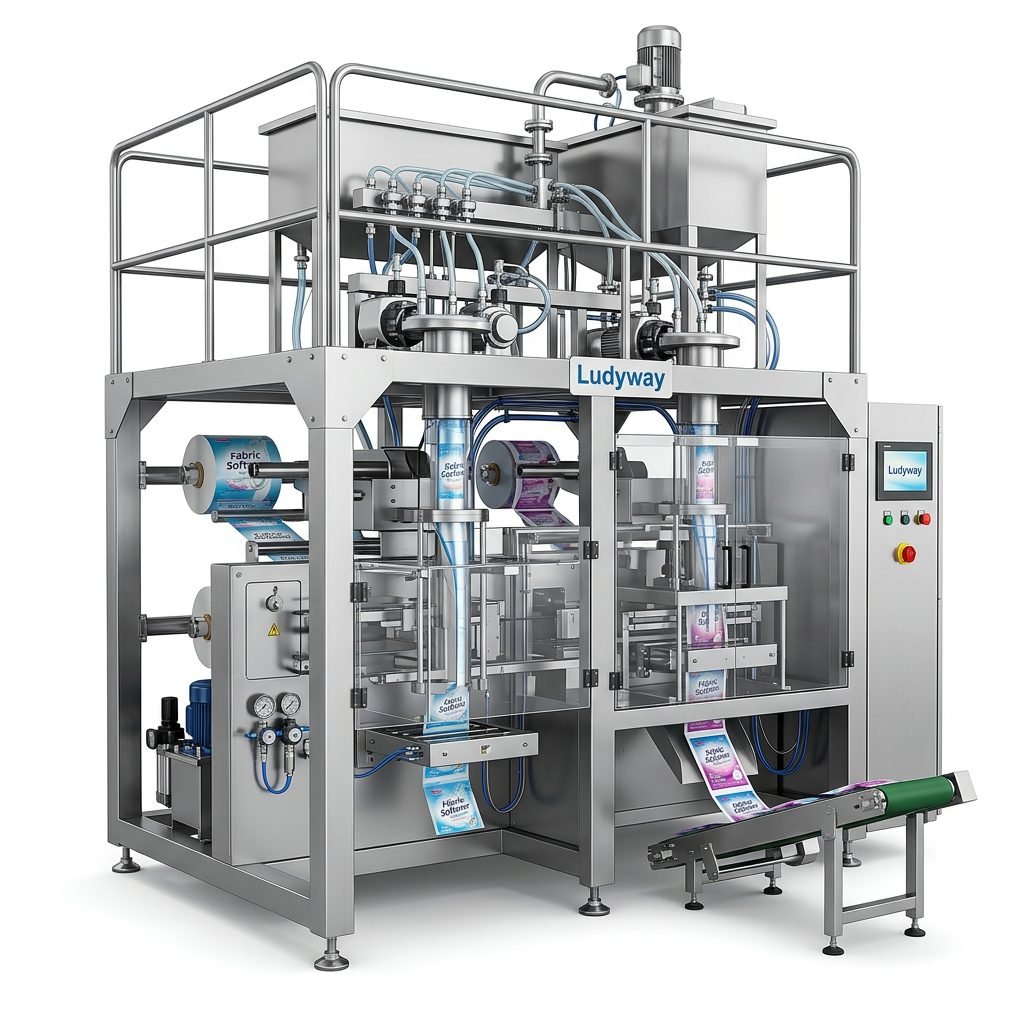
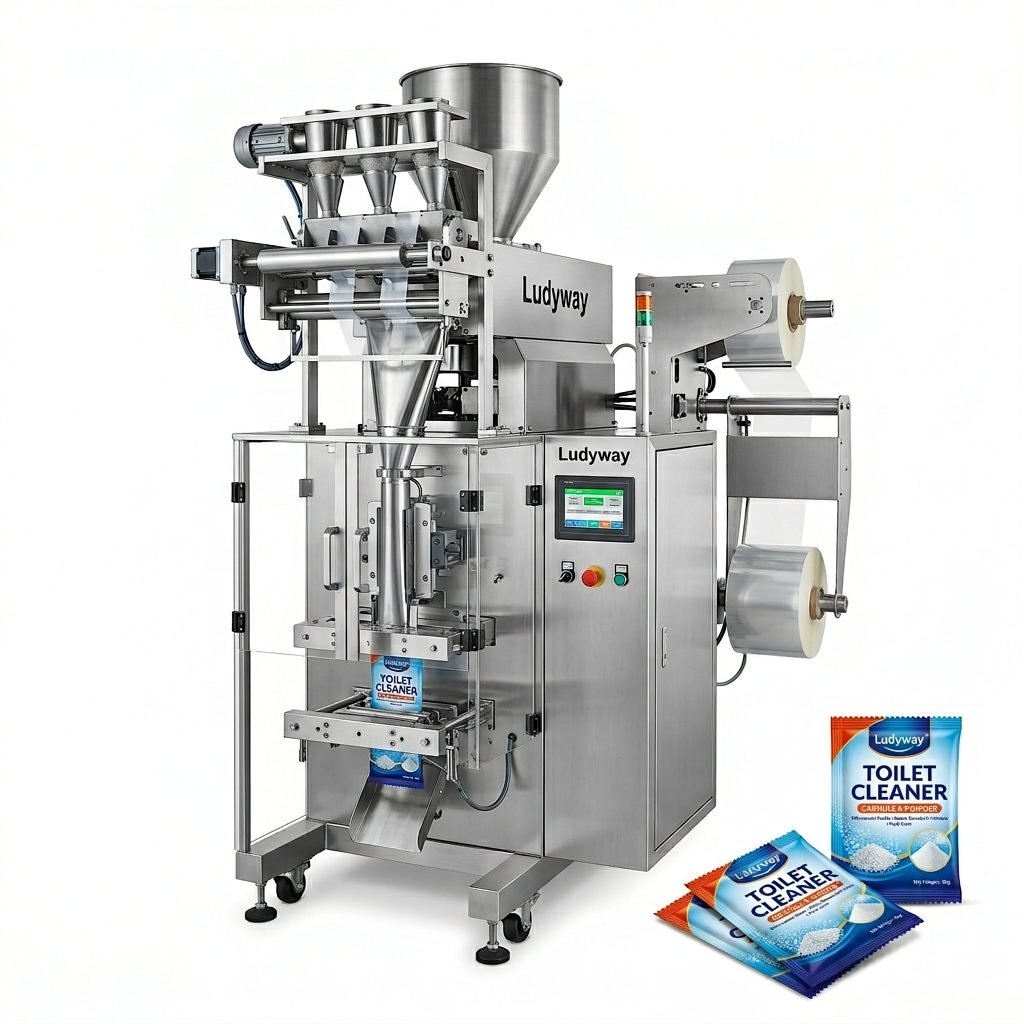
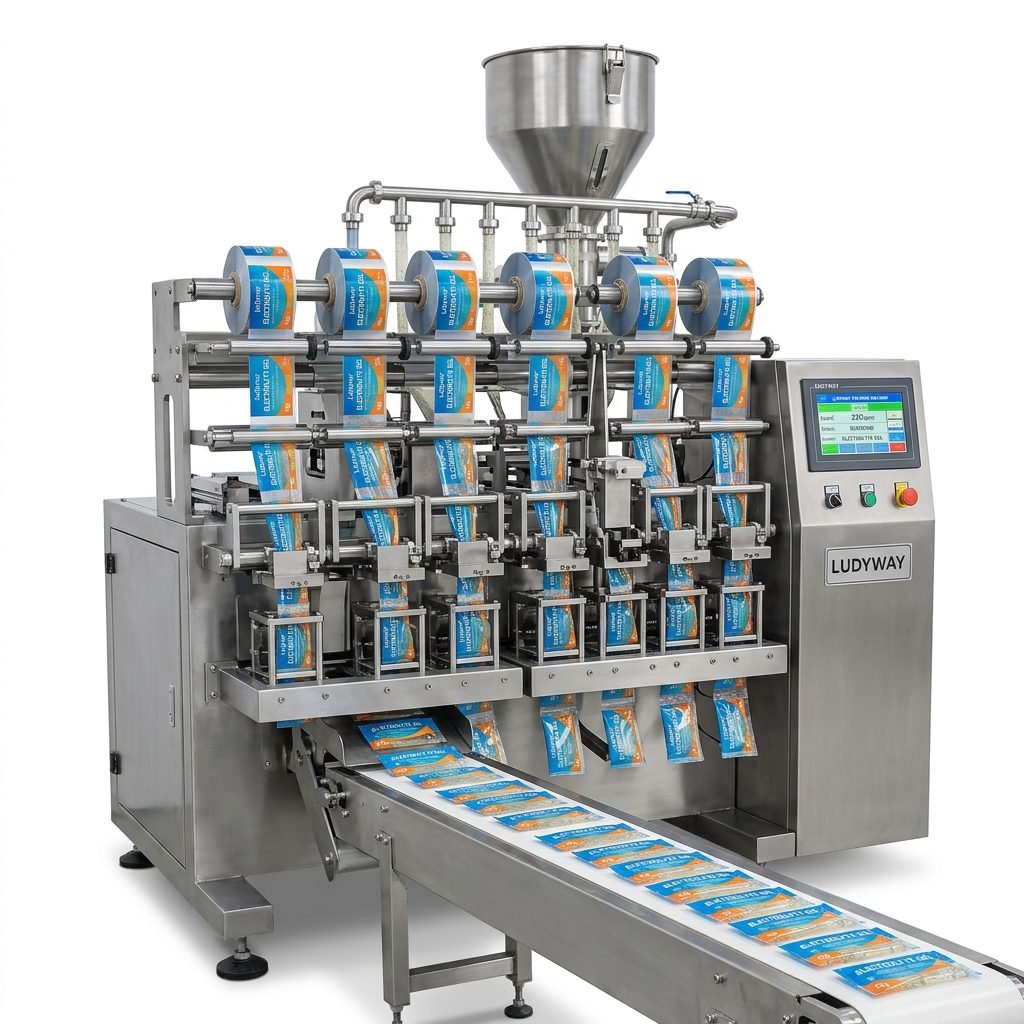
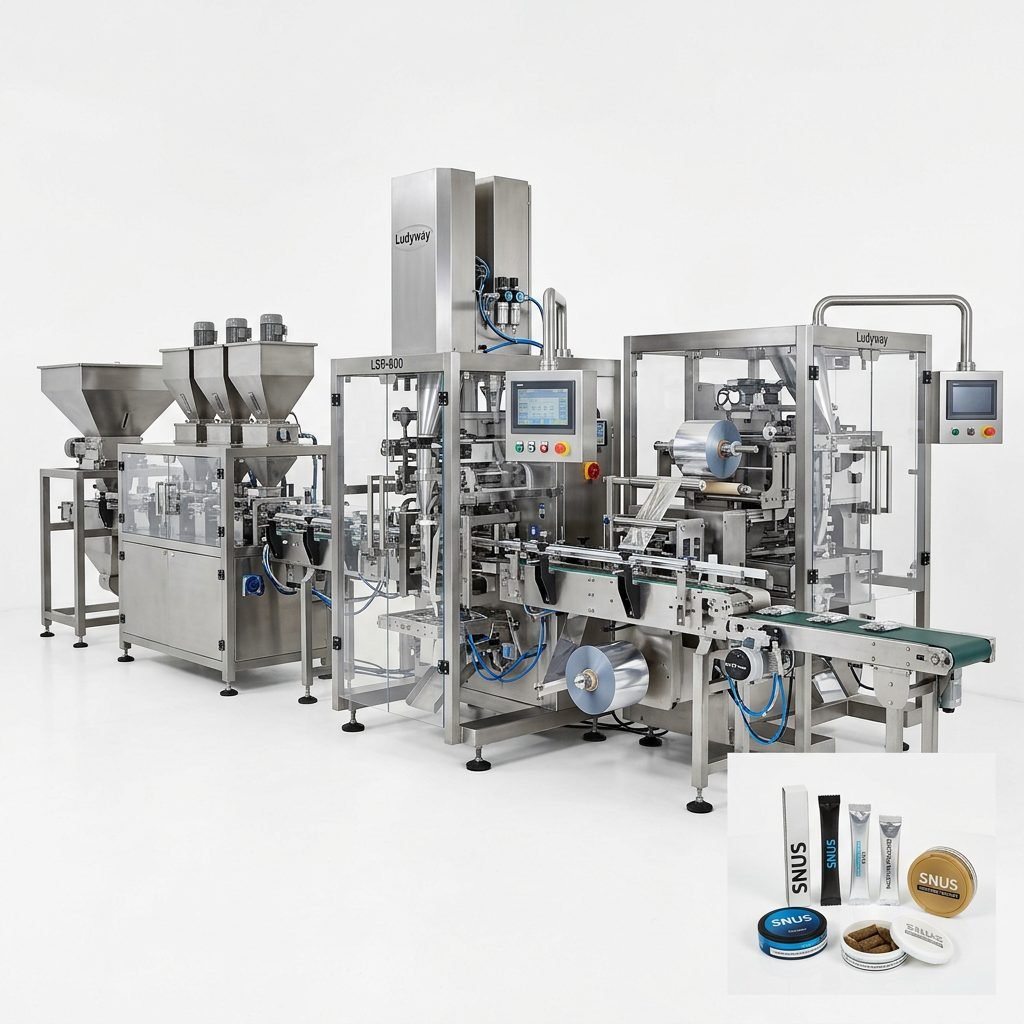
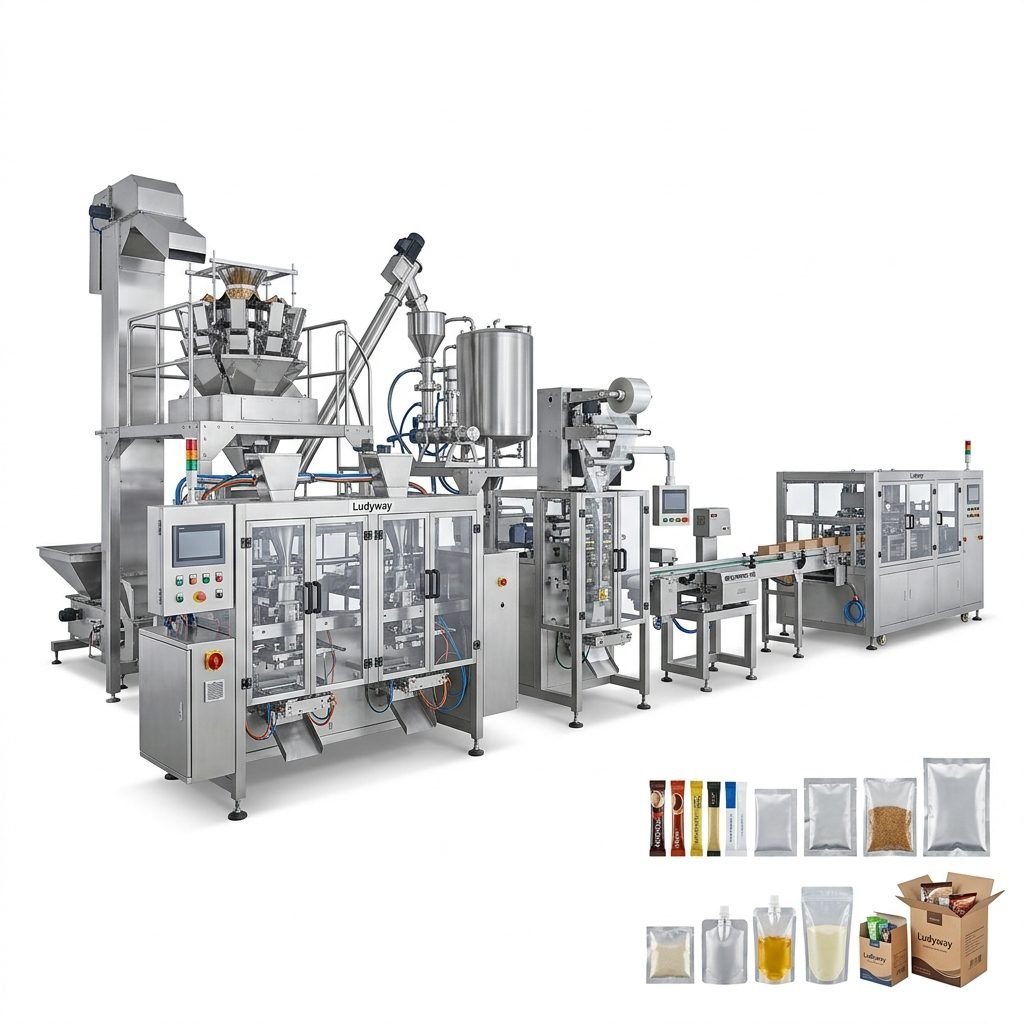
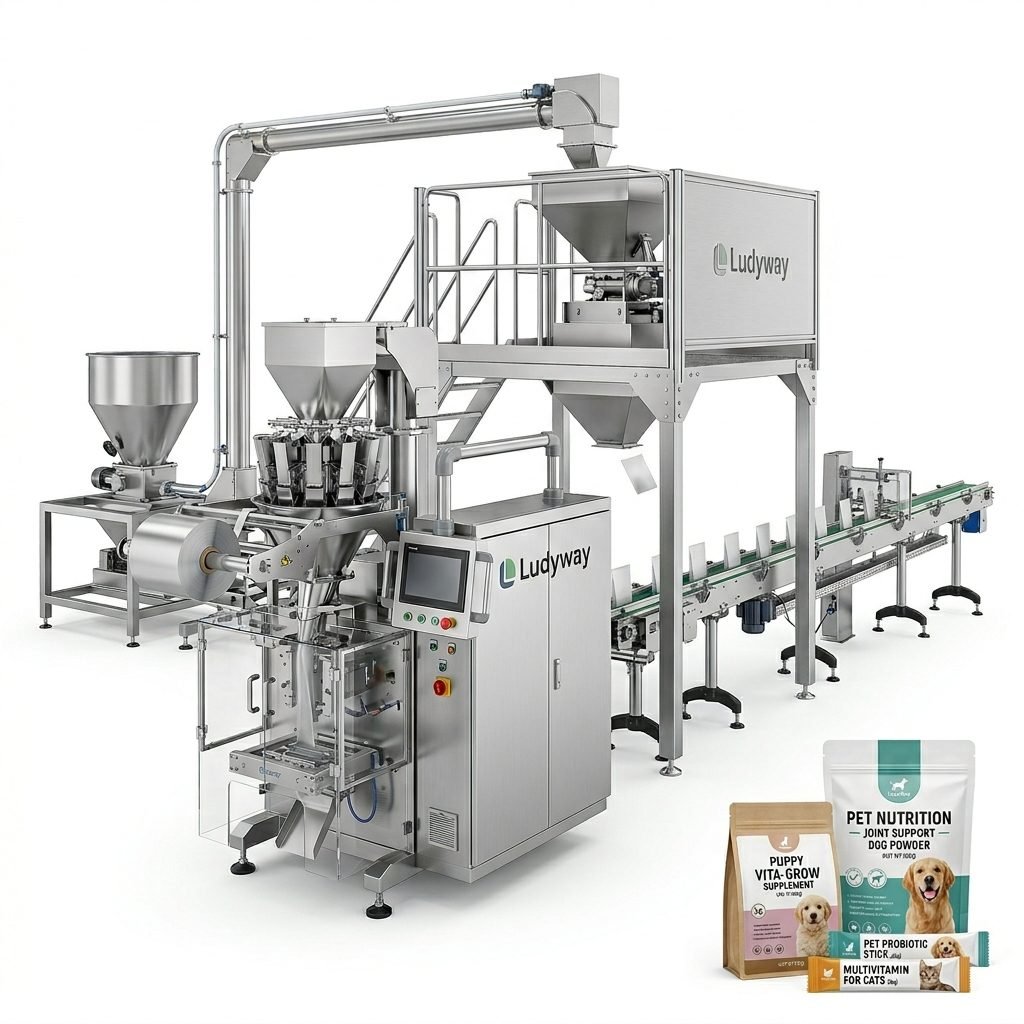
Investing in a butter packaging machine in India is a strategic decision for dairy processors, food manufacturers, and export-oriented businesses. With India being the world’s largest producer and consumer of milk, the demand for hygienic, high-speed, and automated butter packaging solutions has skyrocketed. Whether you are packing table butter, compound butter, or flavored variants, choosing the right machinery directly impacts your shelf life, production efficiency, and bottom line.
Why the Indian Butter Packaging Market is Booming
The Indian dairy sector is undergoing a massive transformation. From traditional loose butter sold in local markets to branded, packaged butter for domestic consumption and export, the shift is evident. Modern retail chains, rising disposable incomes, and strict FDA food packaging standards are pushing manufacturers to switch from manual filling to automatic butter packaging systems. This surge is not just about volume; it’s about ensuring product integrity and extending the cold chain.
Key Types of Butter Packaging Machines Available
Understanding the different machine formats is crucial. The most common configurations for Indian manufacturers include:
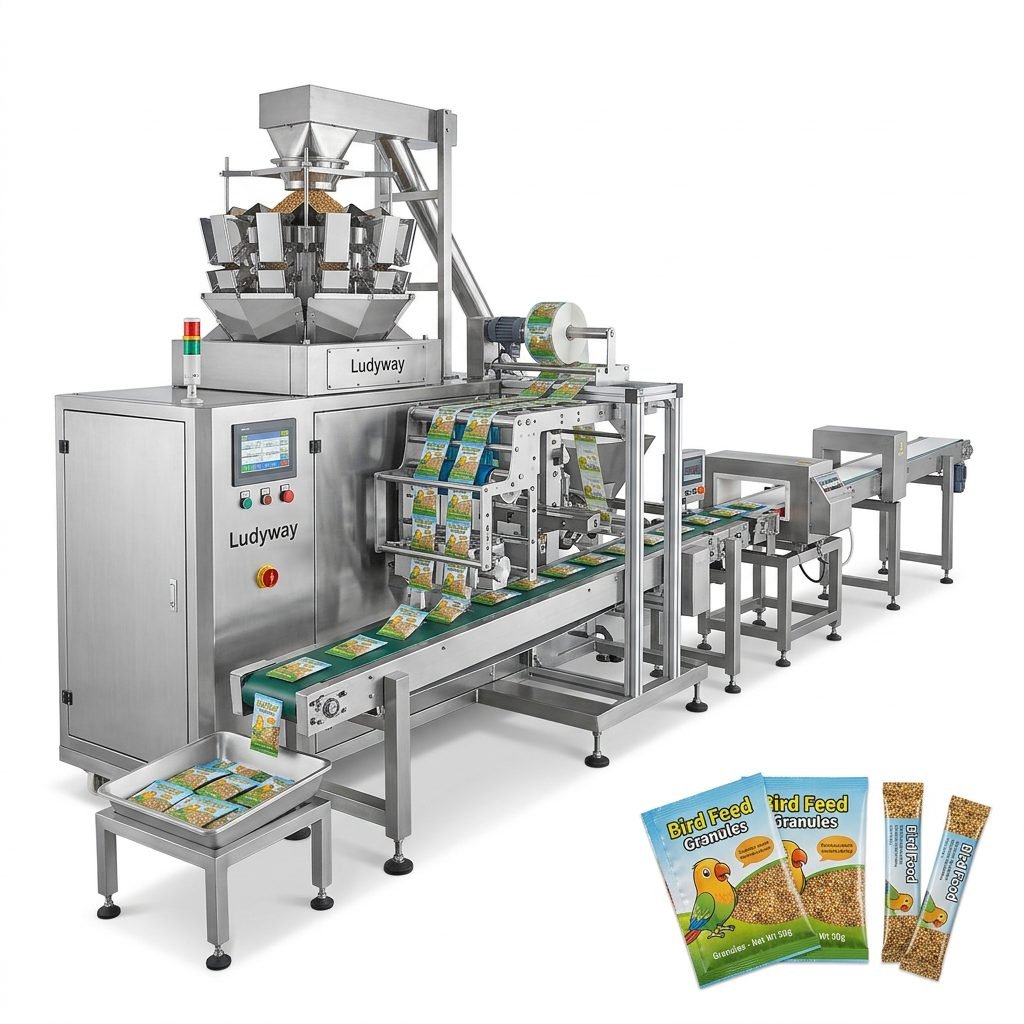
- Pouch Packing Machines: Ideal for small to medium-scale plants packing 100g, 200g, and 500g butter blocks in laminated pouches.
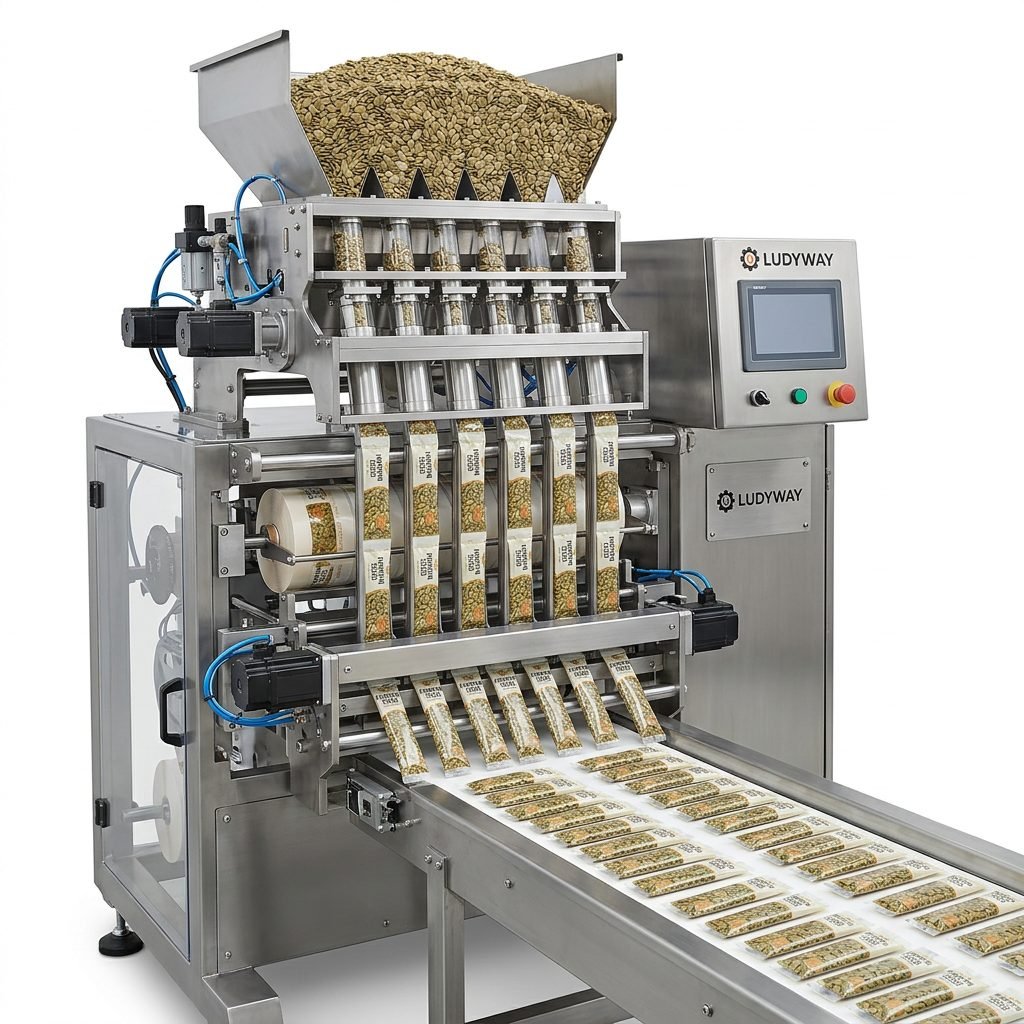
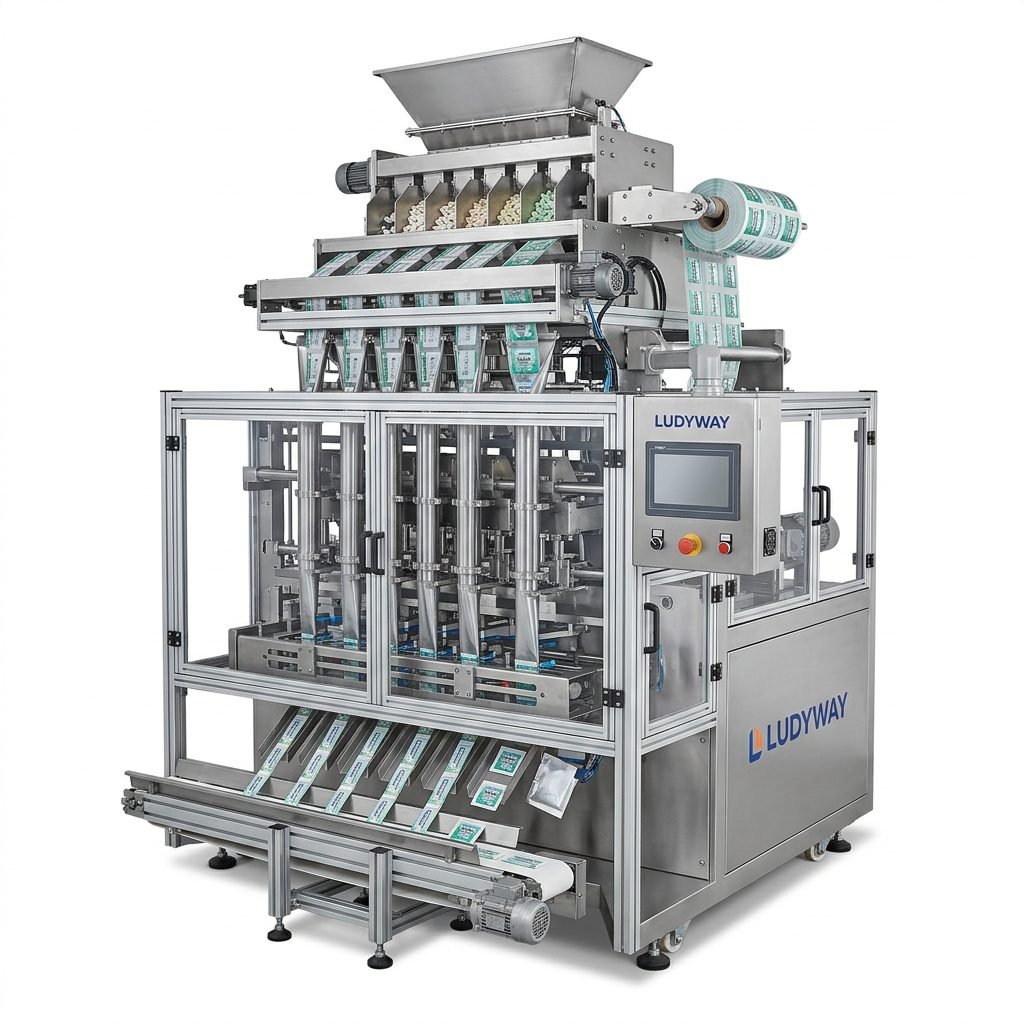
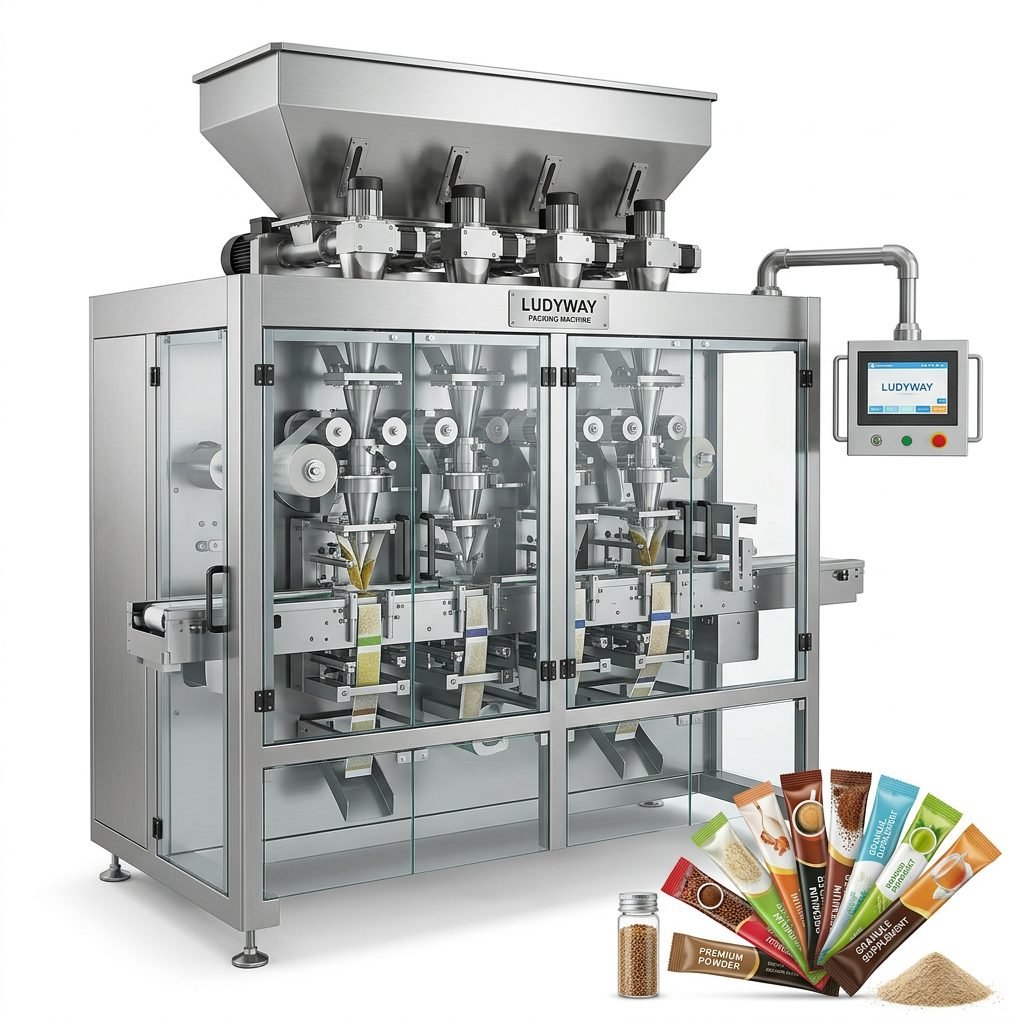
- Stick Pack and Sachet Machines: Perfect for single-serve butter portions used in hotels, airlines, and fast-food chains.
- Tub Filling and Sealing Lines: Designed for table butter and spreads, offering precise weight accuracy and leak-proof sealing.
- Bulk Bagging Systems: Necessary for industrial butter or large-scale exports where packaging ranges from 5kg to 25kg.
5 Critical Factors to Consider Before Buying
Selecting a machine without a technical checklist can lead to costly downtime. Here are the non-negotiables for smart buyers:
1. Material Compatibility and Viscosity Handling
Butter is not a uniform product. Its viscosity changes dramatically with temperature. A quality butter packaging machine in India must have a robust feeding system—often a positive displacement pump or a servo-driven auger filler—to handle the density without crushing the emulsion. Look for machines with jacketed hoppers to maintain the ideal processing temperature.
2. Hygiene and Clean-in-Place (CIP) Features
Dairy packaging demands the highest sanitary standards, often aligning with ISO 11607 guidelines for packaging. Machines constructed with SS 316 stainless steel contact parts, sloped surfaces, and tool-less disassembly are mandatory for preventing bacterial growth and meeting FSSAI norms.
3. Automation and Integration Level
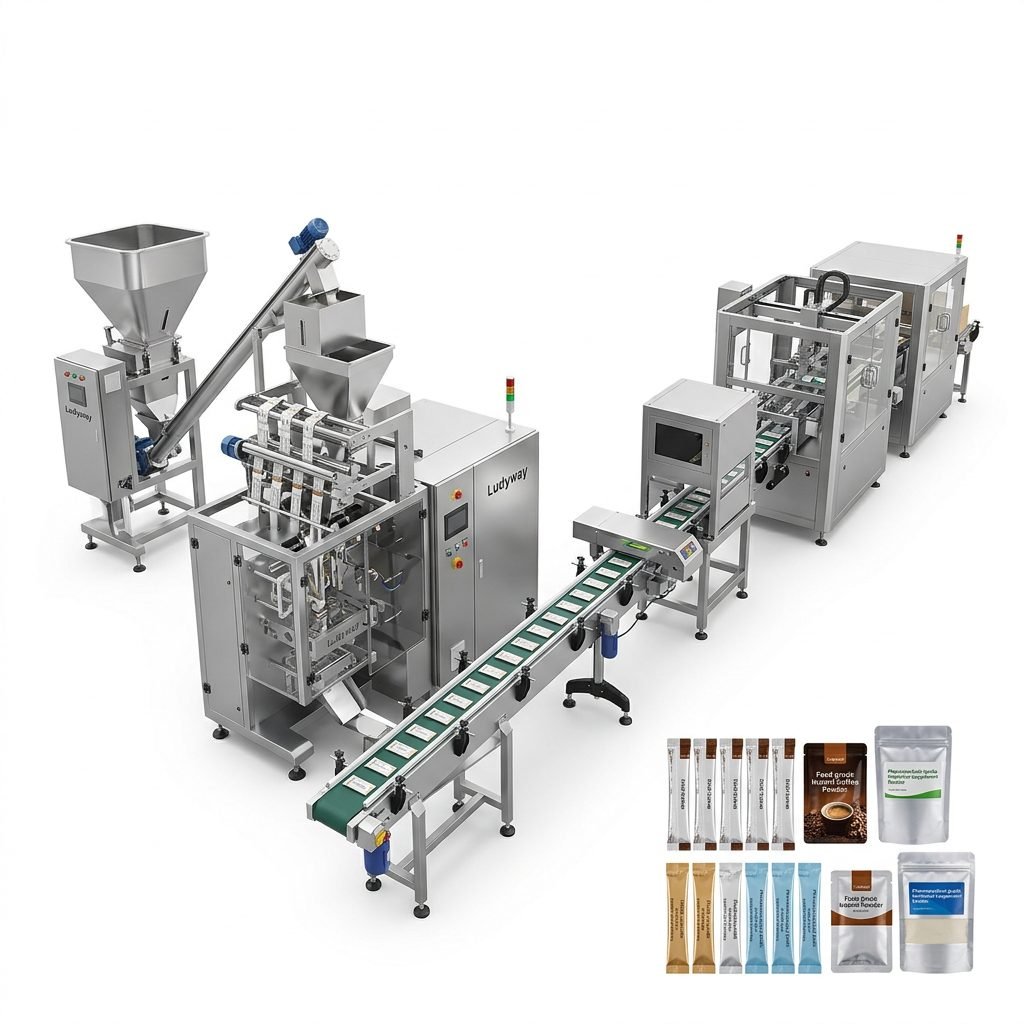
The gap between semi-automatic and fully automatic lines defines your ROI. Advanced systems integrate multi-lane stick pack machines with checkweighers, metal detectors, and cartoning robots. A fully integrated turnkey line reduces manual labor by up to 70%.
4. Speed and Output Requirements
Are you producing 1,000 pouches a day or 50,000? Production speed is often the deciding factor. The table below outlines the typical output benchmarks for different machine categories:
| Machine Type | Format | Output Range (Packs/Min) |
|---|---|---|
| Single-Lane Weigher | Pouch / Block | 25 – 40 |
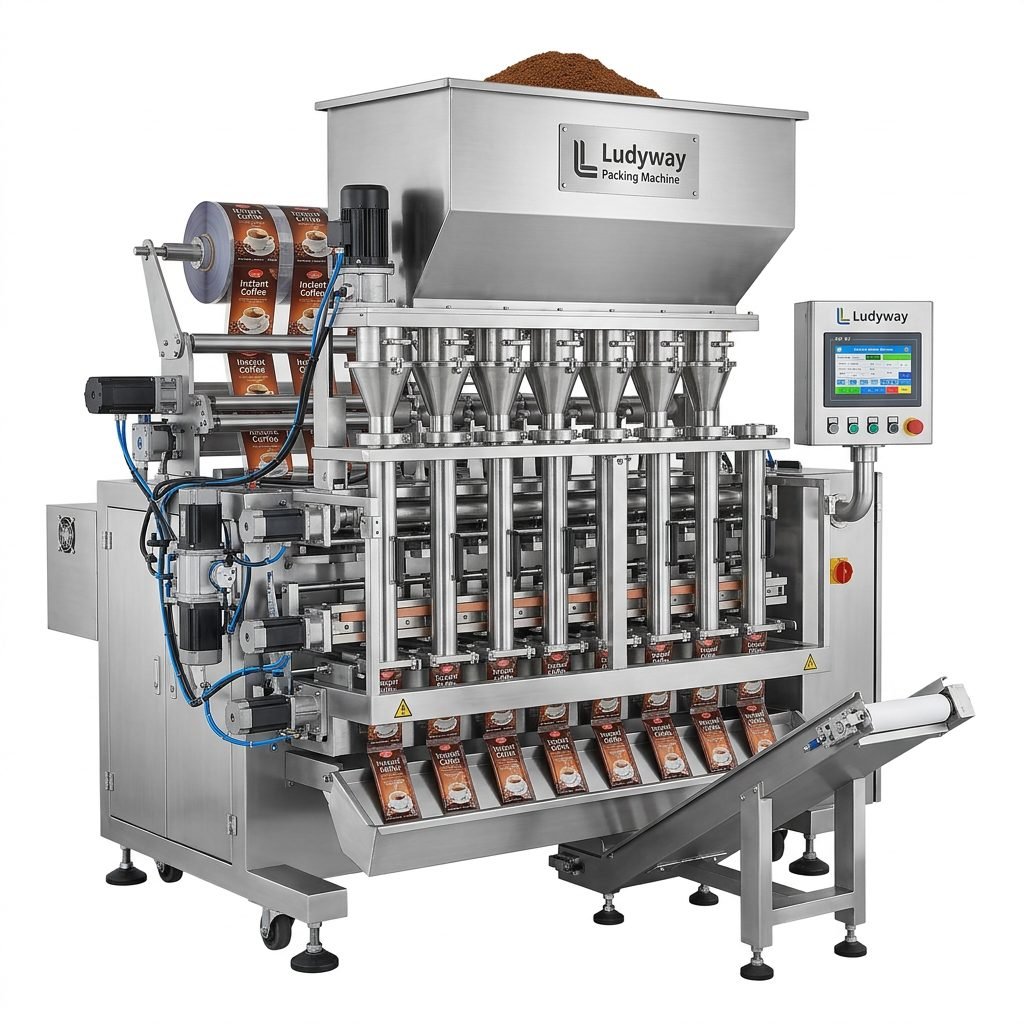
| Multi-Lane Stick Pack | Sachet / Stick | 400 – 600 |
| Rotary Tub Filler | Tub / Cup | 50 – 80 |
| Industrial Bulk Filler | Valve Bag / Drum | 5 – 10 |
5. After-Sales Support and Spare Parts
A machine is only as good as the support behind it. Buyers should verify the availability of local service engineers in India and the supply chain for critical spares like heating elements, sensors, and sealing jaws. Leading manufacturers like Ludyway, which specializes in innovative packaging solutions for the food and health industries, now offer comprehensive technical support to ensure uninterrupted production.
Stick Pack vs. Sachet vs. Pouch: Which is Right for You?
Choosing the wrong format can hurt your brand’s visibility and cost-efficiency. Here is a quick comparison based on Indian market trends:
- Stick Packs: Highest surface-area-to-volume ratio. Excellent for flavored and compound butter samples. Minimal material waste.
- Pillow Sachets: The economy-class format for standard butter cubes. Offers good sealing integrity at high speeds.
- Stand-up Pouches (SUP): The premium format with a zipper option. Ideal for organic or specialty butter targeting modern retail shelves.
Technical Standards and Certifications
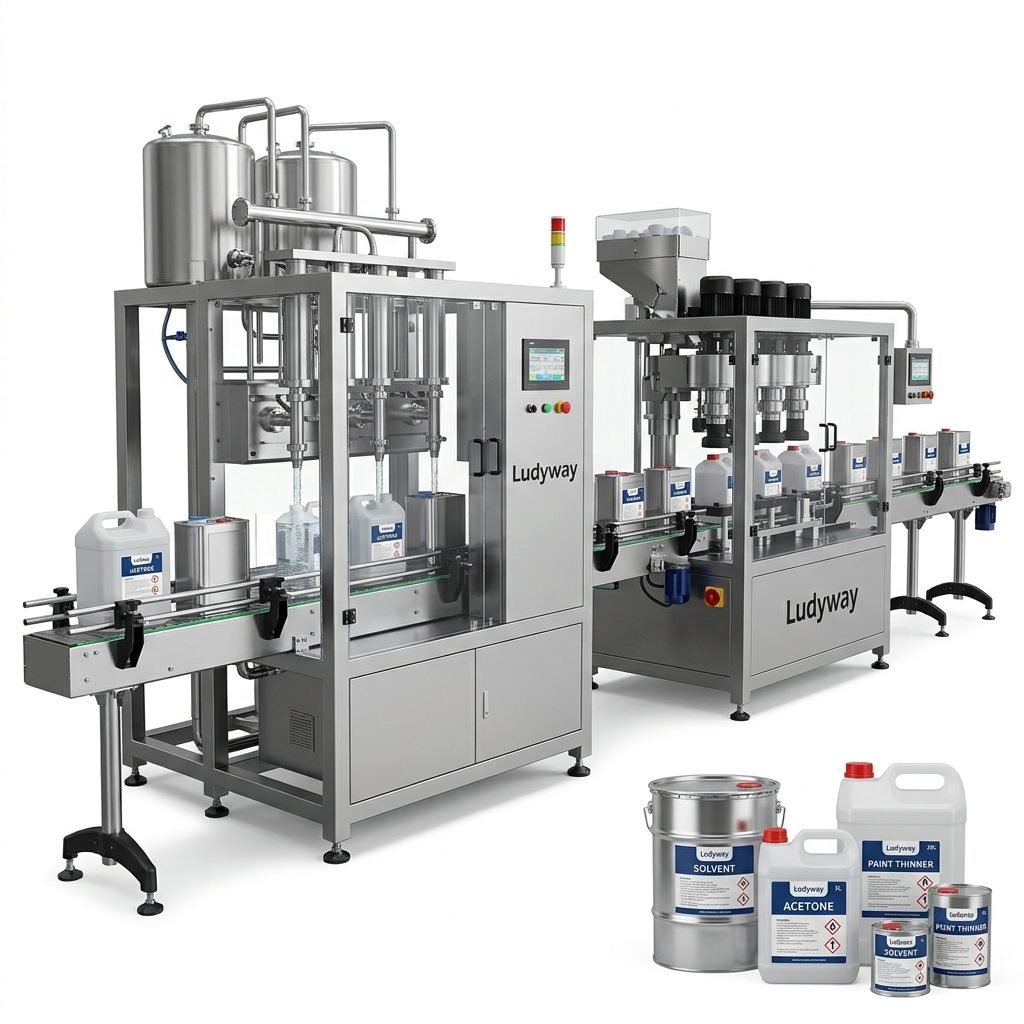
When sourcing a butter packaging machine in India, compliance cannot be an afterthought. European and US retail chains often demand strict adherence to packaging safety standards.
Understanding CE, GMP, and ASTM Standards
Ensure the control system is PLC-based with a user-friendly HMI. The electrical cabinet should comply with CE standards, while the mechanical design should meet GMP (Good Manufacturing Practice) requirements. For materials, ISO packaging standards dictate the testing for seal strength and drop impact. This is particularly important for the cold chain logistics inherent in dairy distribution.
Sustainability and Packaging Waste Reduction
The Indian government’s push against single-use plastics is reshaping packaging lines. Thin-gauge films and recyclable mono-materials require precision Servo-driven unwinding systems to prevent film breakage. Advanced machines now feature automatic tension control to handle bio-based plastics efficiently.
Comparing Local Indian Suppliers vs. International Manufacturers
Indian engineering has made significant strides, but a technology gap remains in high-speed and ultra-hygienic design. A comparison based on real-world metrics reveals the following:
| Feature | Local Indian OEM | International Provider |
|---|---|---|
| Initial Cost | Low to Medium | Medium to High |
| Servo Accuracy | ± 1.5% to 2% | ± 0.5% to 1% |
| Speed Capability | Up to 300 packs/min | 400 – 600 packs/min |
| Surface Finish | SS 304 Standard | SS 316 / Mirror Polished |
Optimizing Your Butter Packaging Line Setup
A standalone machine rarely works in isolation. To achieve full efficiency, you must consider the peripheral equipment:
Feeding and Homogenization
Butter requires malleability before filling. Integrating a tempering screw conveyor or a rotary butter pump ensures the product flows consistently into the dosing unit without air pockets. A vertical bucket elevator is often used to feed butter granules or bulk material into the hopper.
Sealing and Nitrogen Flushing
To prevent oxidation and extend shelf life beyond 12 months, Modified Atmosphere Packaging (MAP) with nitrogen flushing is essential. The sealing jaws must maintain a precise temperature profile—typically between 120°C and 160°C depending on the laminate structure—ensuring zero-leak seals.
End-of-Line Automation
Consider robotic pick-and-place systems, automatic case packers, and industrial palletizers. These reduce the physical strain of manual boxing and meet the speed demands of high-output PMMI packaging machinery standards.

Cost Analysis: Budgeting for a Butter Packaging Machine
The price tag of a butter packaging machine in India varies wildly based on configuration. Entry-level pneumatic machines might start at ₹5 lakhs INR, but a fully automated multi-lane stick pack line with CIP features and an integrated cartoner can easily exceed ₹50 lakhs INR. Do not just calculate the capital expenditure; calculate the Total Cost of Ownership (TCO), including film waste rate, electricity consumption, and preventive maintenance downtime.
Return on Investment (ROI) Milestones
By switching from manual filling to a high-speed line, butter manufacturers typically reduce give-away (product loss) by 1.5% to 2%. For a plant processing 10 tons of butter daily, this saving alone can finance the machine within 24 months.
Common Pitfalls to Avoid in Dairy Packaging
Many first-time buyers overlook specific dairy challenges. Moisture migration in frozen butter leads to film delamination. Inadequate temperature control melts the butter, causing “squashing” in the sealing area. Ensure the packaging machine’s forming tube is designed with non-stick coatings or Teflon inserts to handle sticky dairy applications efficiently.
Key Technical Specifications Checklist
- Airtight Sealing: Critical for preventing fat oxidation.
- Multi-Head Weigher Compatibility: Ensures Indian weight and measures compliance.
- IP65 Rating: Essential for wash-down environments in dairy plants.
- Date Coding: Thermal transfer printing for batch traceability.
- Servo-Driven: Synchronized film pulling for precise cut-off length.
The Future: Smart Packaging and IoT Integration
Industry 4.0 is entering the dairy sector. Modern butter packaging machines now feature remote monitoring via cloud platforms. Operators can track OEE (Overall Equipment Effectiveness), temperature zones, and maintenance alerts directly on a smartphone. As the Flexible Packaging Association notes, the future is about reducing material usage while boosting barrier properties.
Taking the next step requires evaluating your specific product density and target packet presentation. While local options exist, the global shift toward automation and sustainability often drives smart buyers toward turnkey solutions provided by established international manufacturers. By analyzing your specific capacity needs and the technical requirements outlined above, you position your dairy business to capture the immense growth in the Indian and global butter market.