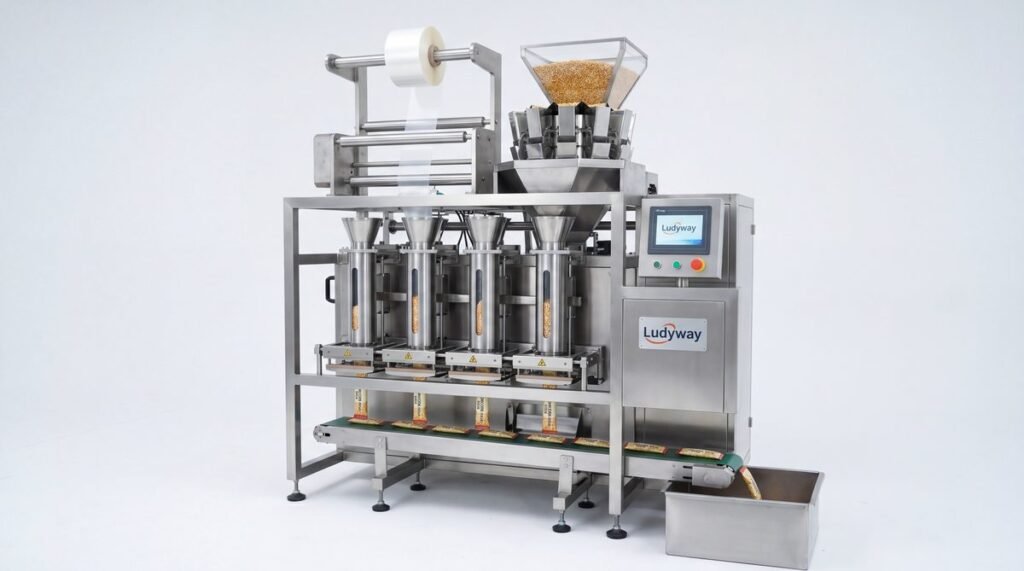
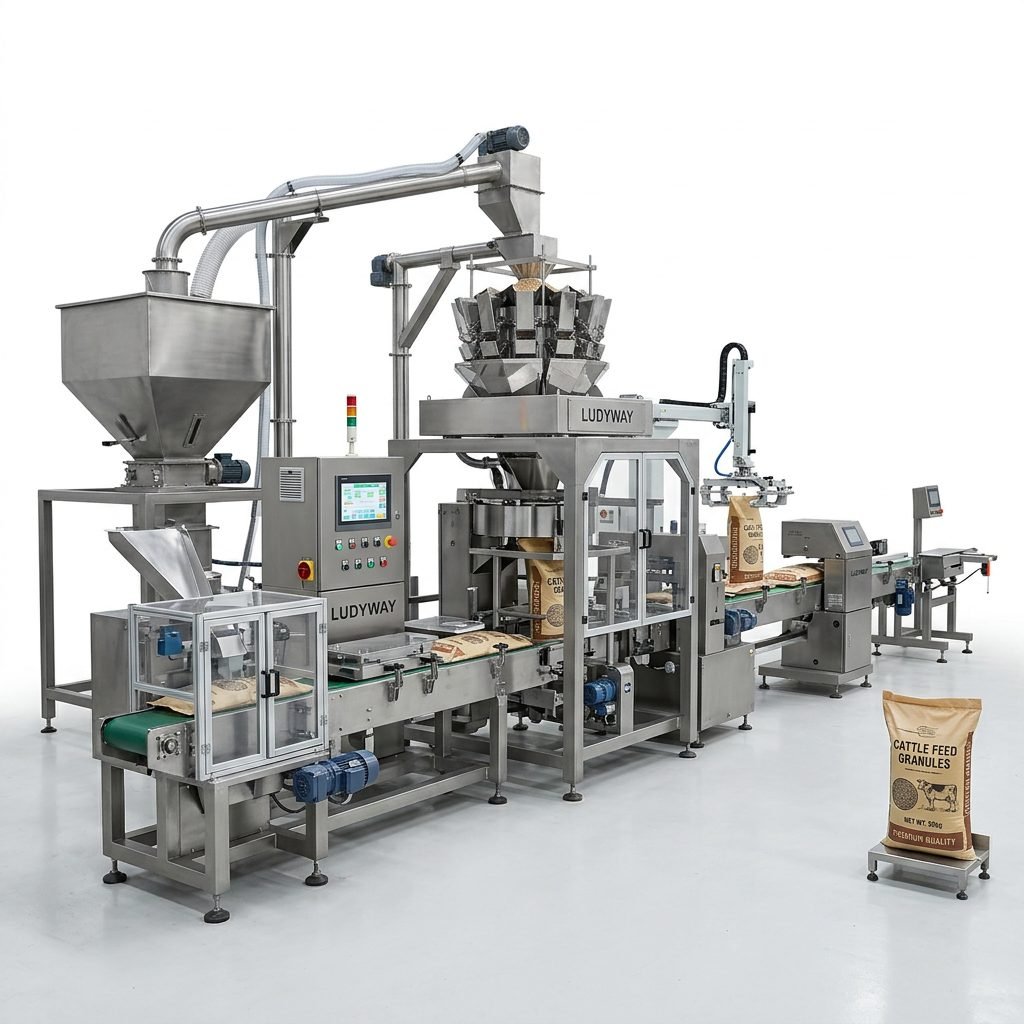
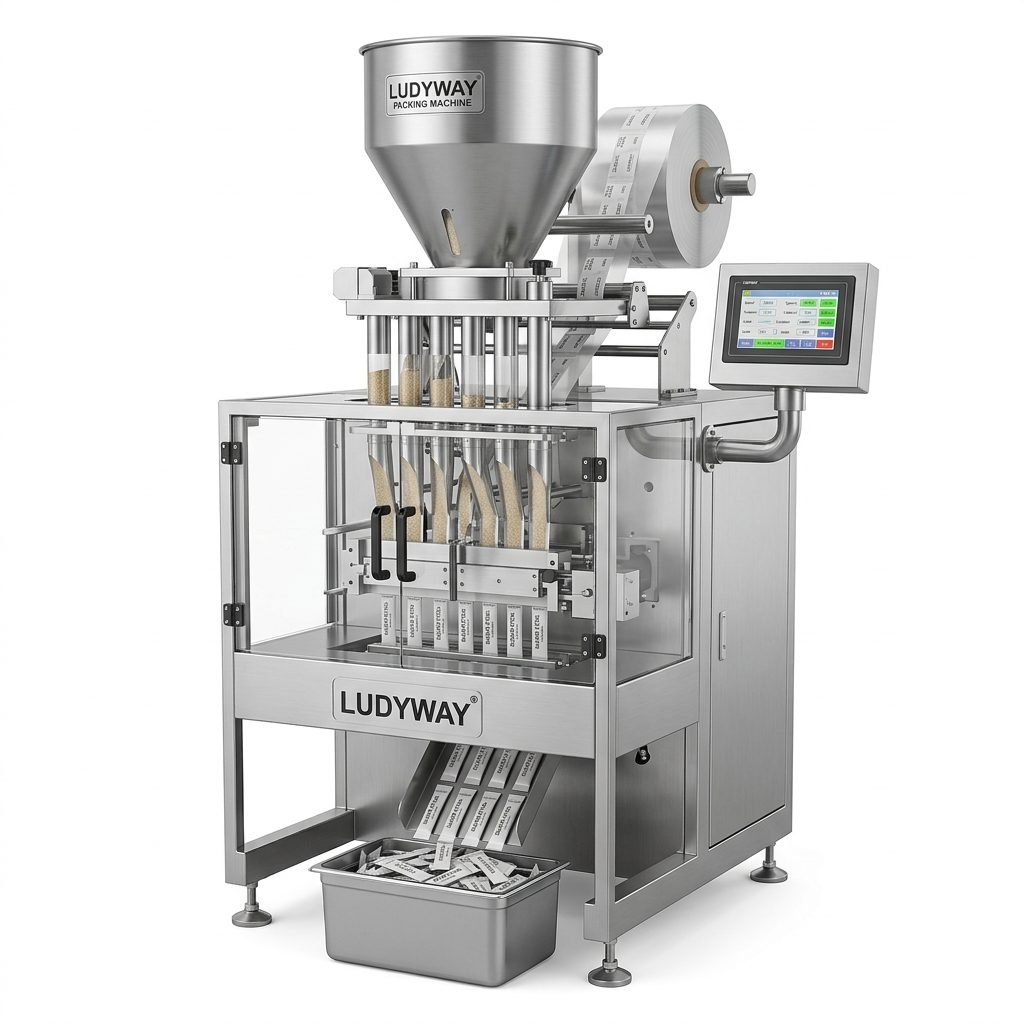
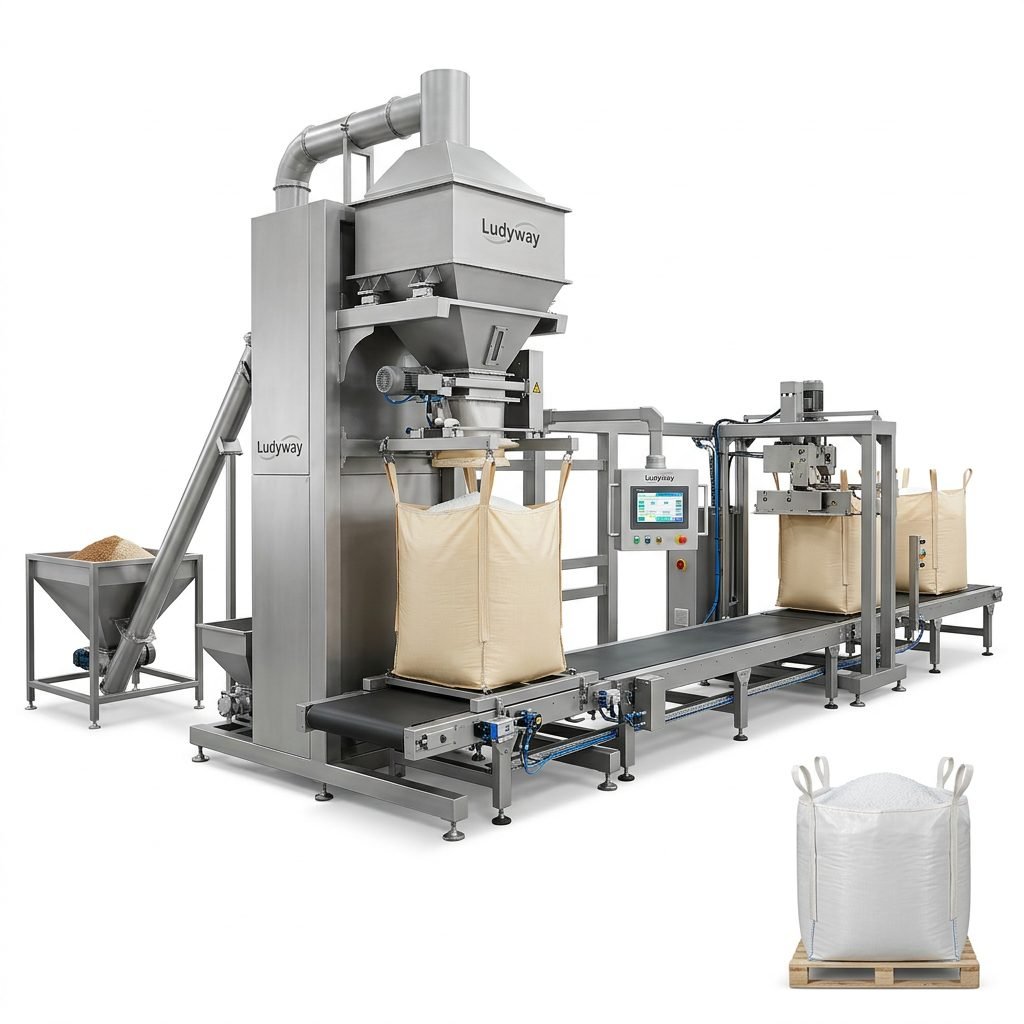
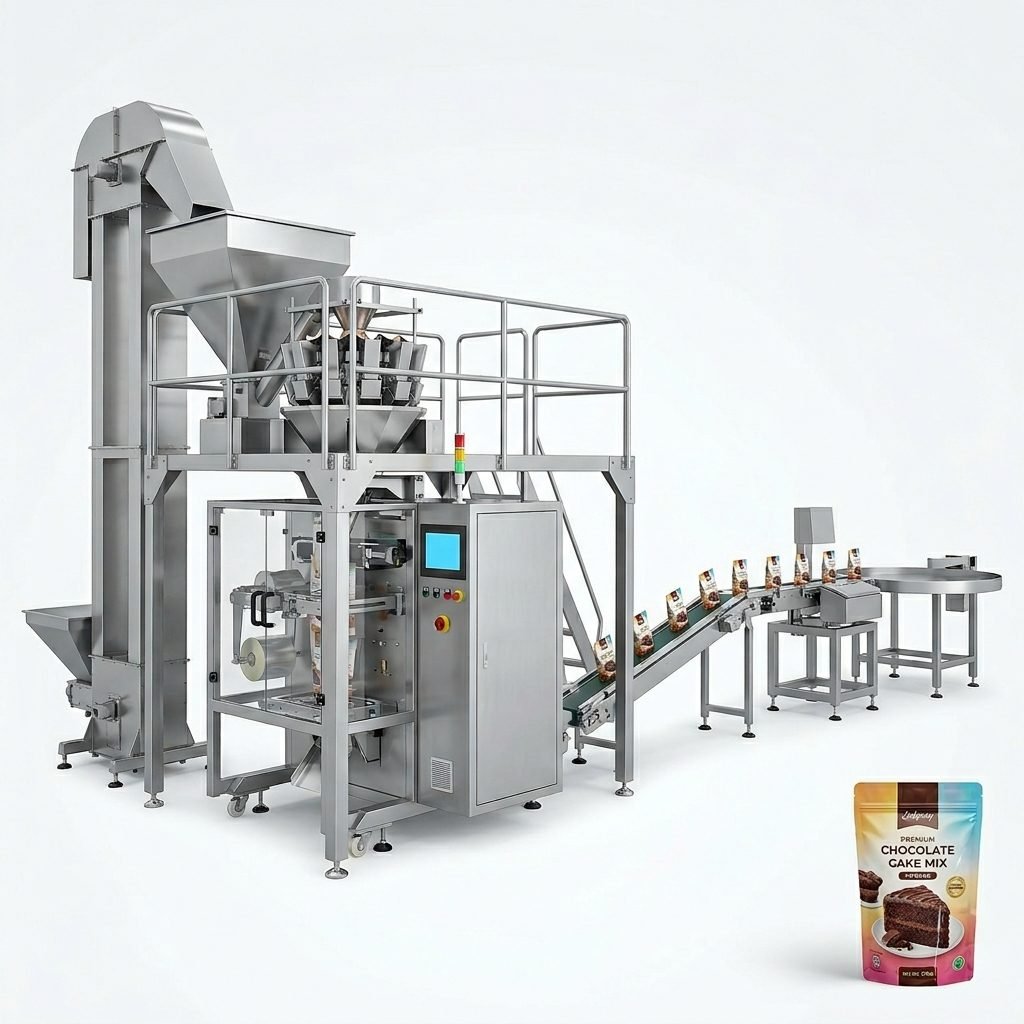
Automated packaging equipment has become a core investment for manufacturers that need to package more products in less time while maintaining stable quality. In food, pharmaceutical, cosmetic, chemical, and health supplement production, automation helps companies reduce manual intervention, improve output consistency, and build a more scalable production process.
For businesses facing rising labor costs, strict quality requirements, and higher order volumes, automation is no longer just a productivity upgrade—it is a practical way to stay competitive. From filling and sealing to coding, weighing, cartoning, and end-of-line handling, modern packaging systems can transform the entire workflow.

What Is Automated Packaging Equipment?
Automated packaging equipment refers to machines and integrated systems that perform packaging tasks with limited manual handling. These systems can be designed for standalone functions or connected into complete turnkey lines. Typical operations include:
- Product feeding and conveying
- Weighing, counting, or dosing
- Filling powders, granules, liquids, or pastes
- Bag making, pouch forming, sealing, and cutting
- Date coding, labeling, and inspection
- Cartoning, case packing, and palletizing
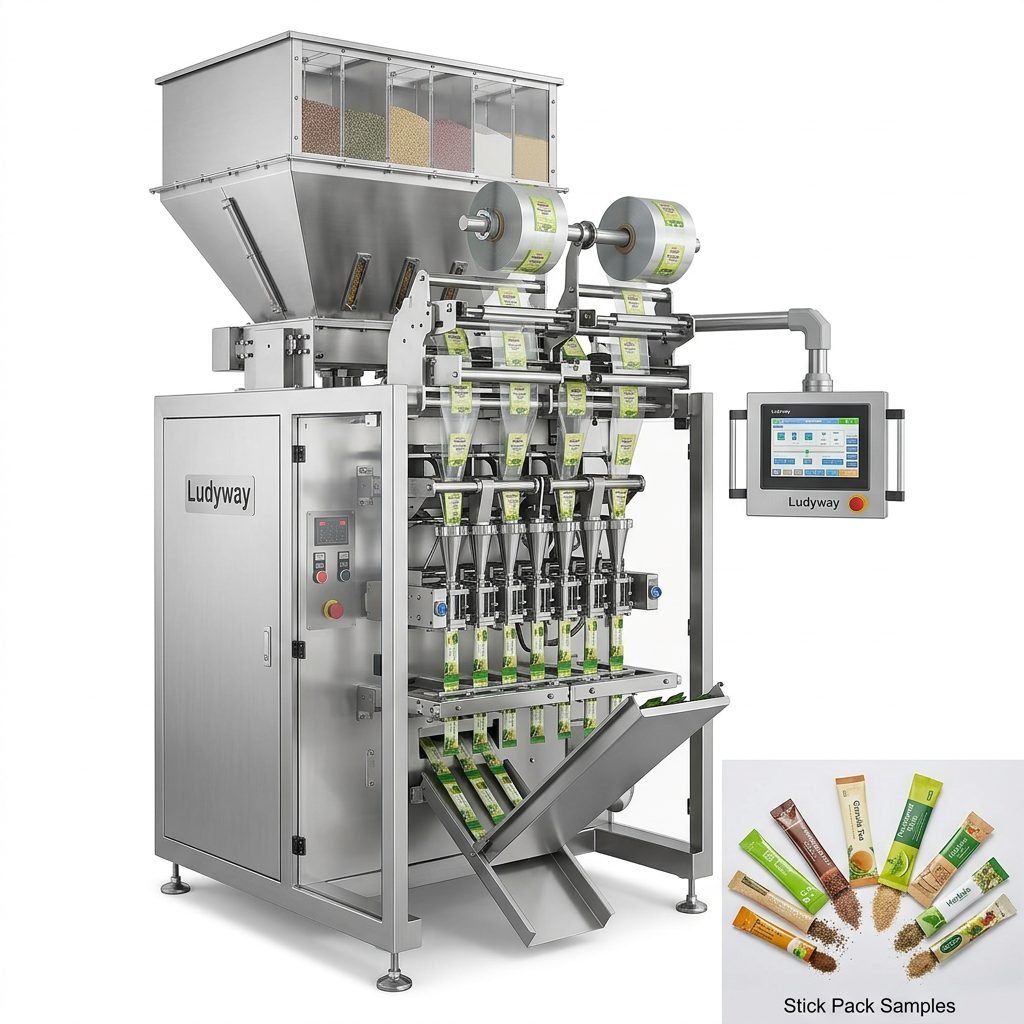
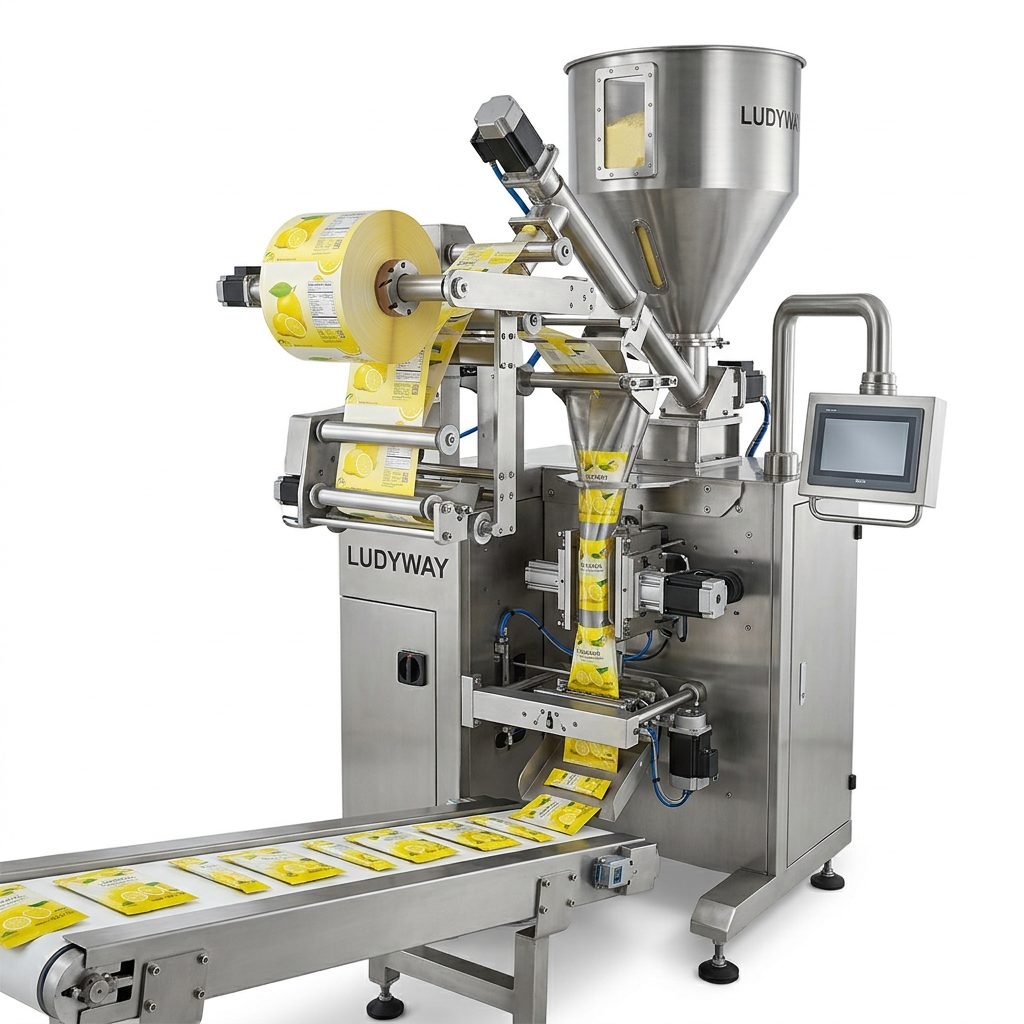
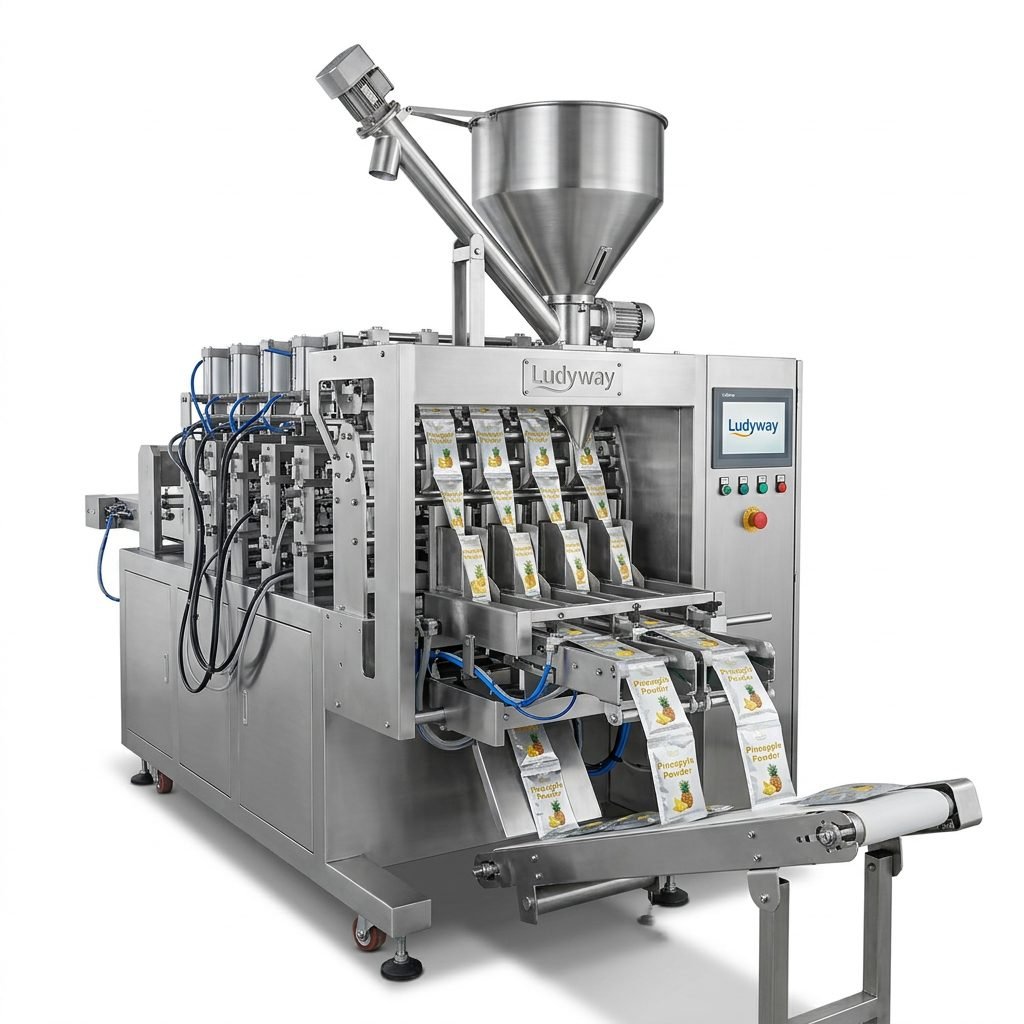
Depending on the application, equipment may include vertical form fill seal machines, multi-lane stick pack machines, sachet machines, bottle filling systems, checkweighers, conveyors, printers, and robotic handling units.
How Automated Packaging Equipment Improves Speed
1. Faster Continuous Production
Manual packaging is often limited by operator pace, fatigue, and shift changes. Automated equipment runs with repeatable cycles, allowing manufacturers to maintain a steady production rhythm for longer periods. This means higher throughput per hour and better use of production time.
High-speed automated lines can package significantly more units per shift than manual or semi-automatic methods, especially in applications such as powders, granules, liquid sachets, and stick packs.
2. Multi-Lane Output for High-Volume Demand
One of the biggest speed advantages comes from multi-lane packaging systems. Instead of filling and sealing one package at a time, these machines process multiple lanes simultaneously. This is ideal for single-dose products, seasonings, health supplements, pharmaceutical granules, and cosmetic sachets.
3. Reduced Downtime Between Steps
When separate packaging steps are connected through conveyors, feeders, and synchronized controls, products move smoothly from one stage to the next. Operators spend less time transferring materials manually, and the line can maintain a more efficient workflow.
| Production Factor | Manual / Semi-Automatic | Automated Packaging Equipment |
|---|---|---|
| Output consistency | Varies by operator | Stable and repeatable |
| Production speed | Lower | Higher, especially with multi-lane systems |
| Changeover efficiency | Often slower | Faster with modular settings and controls |
| Shift dependence | High | Lower |
How It Improves Accuracy
1. Precise Filling and Dosing
Accuracy is critical in modern packaging, especially for products sold by weight, volume, or dosage. Automated packaging equipment uses controlled filling technologies such as auger fillers, piston fillers, liquid pumps, multi-head weighers, and counting systems to deliver more precise results.
This reduces underfilling, overfilling, and product giveaway. In pharmaceutical and nutraceutical applications, it also supports better compliance with quality standards.
2. Consistent Seal Quality
Poor sealing can lead to leakage, contamination, moisture ingress, and shelf-life issues. Automated systems control heat, pressure, and sealing time more consistently than manual handling. As a result, pouches, sachets, stick packs, and containers are sealed with more uniform quality.
3. In-Line Inspection and Verification
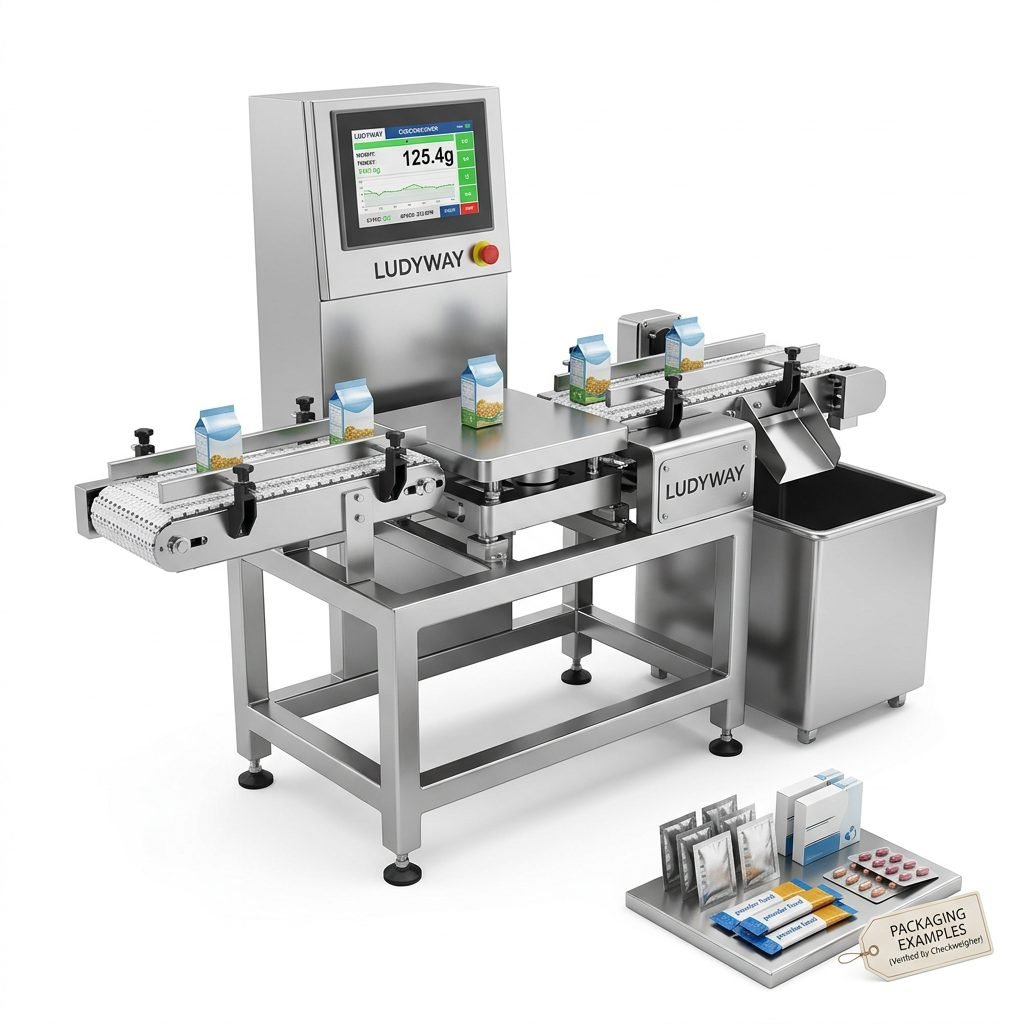
Advanced packaging lines can include checkweighers, metal detectors, vision inspection systems, reject units, and code verification. These features help identify packaging defects before products move to shipping.
- Detect incorrect weight
- Verify print or batch code placement
- Inspect seal integrity or package appearance
- Remove non-conforming products automatically
How It Improves Overall Efficiency
1. Lower Labor Dependence
Automated equipment reduces the number of manual packaging tasks required on the production floor. Teams can be reassigned from repetitive work to machine supervision, quality checks, maintenance, or process optimization. This can improve labor efficiency while helping companies address workforce shortages.
2. Better Material Utilization
Accurate dosing and stable sealing help reduce product waste and packaging film loss. Over time, this can create meaningful cost savings, especially for expensive ingredients, specialty formulations, or high-volume consumer goods.
3. Easier Process Integration
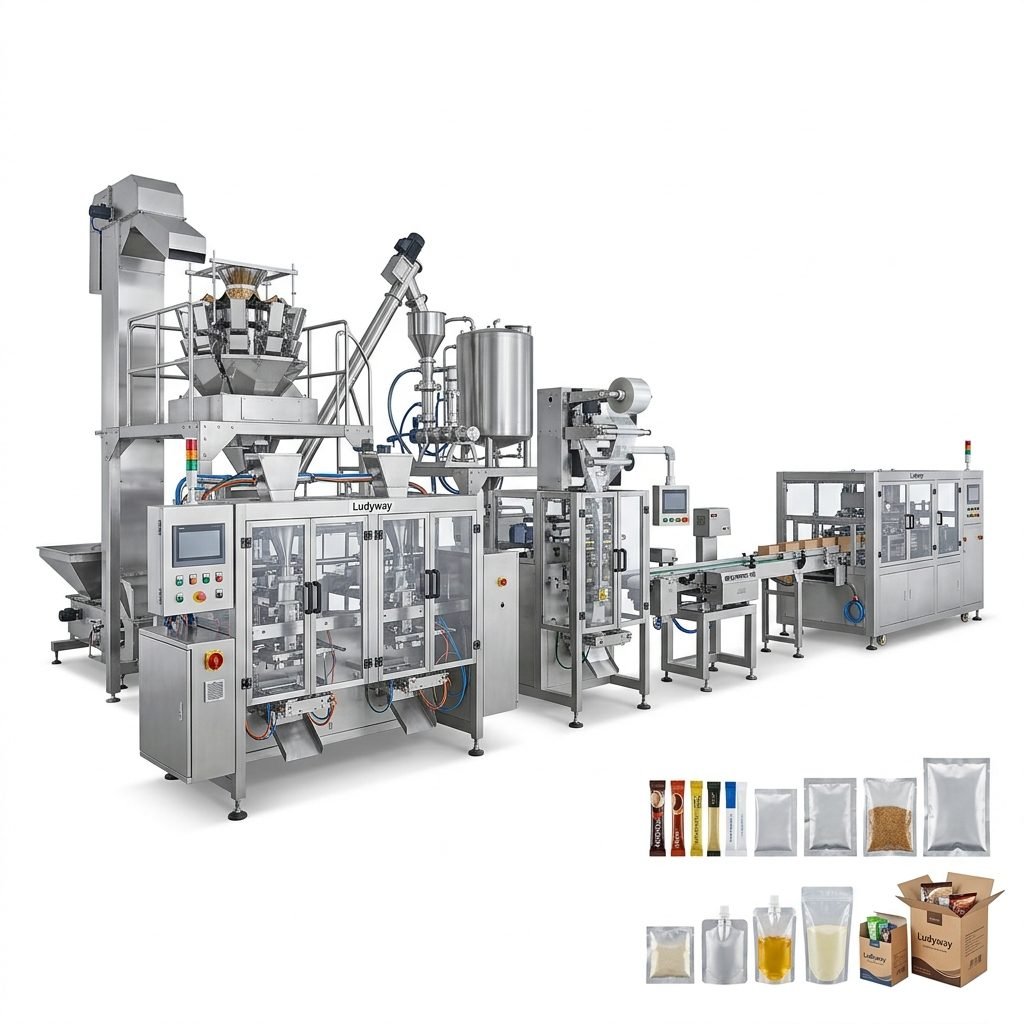
Modern automated systems connect multiple operations into one coordinated process. Feeding, filling, sealing, coding, inspection, and cartoning can all be synchronized, allowing smoother production planning and less interruption between stages.
4. Improved Production Data and Control
Many automated systems include touch-screen interfaces, recipe storage, alarm functions, parameter tracking, and production monitoring. These tools help operators adjust settings quickly and reduce setup errors during product changeovers.
| Efficiency Benefit | Practical Impact |
|---|---|
| Labor reduction | Fewer repetitive manual tasks and better workforce allocation |
| Waste control | Lower product giveaway and fewer packaging defects |
| Process stability | More consistent daily performance |
| Scalability | Easier expansion as production demand grows |
Industries That Benefit Most from Automated Packaging
Food Industry
Food manufacturers use automation for powders, coffee, spices, sauces, snacks, grains, instant beverages, and seasoning sachets. The advantages include higher output, hygienic handling, and better portion control.
Pharmaceutical Industry
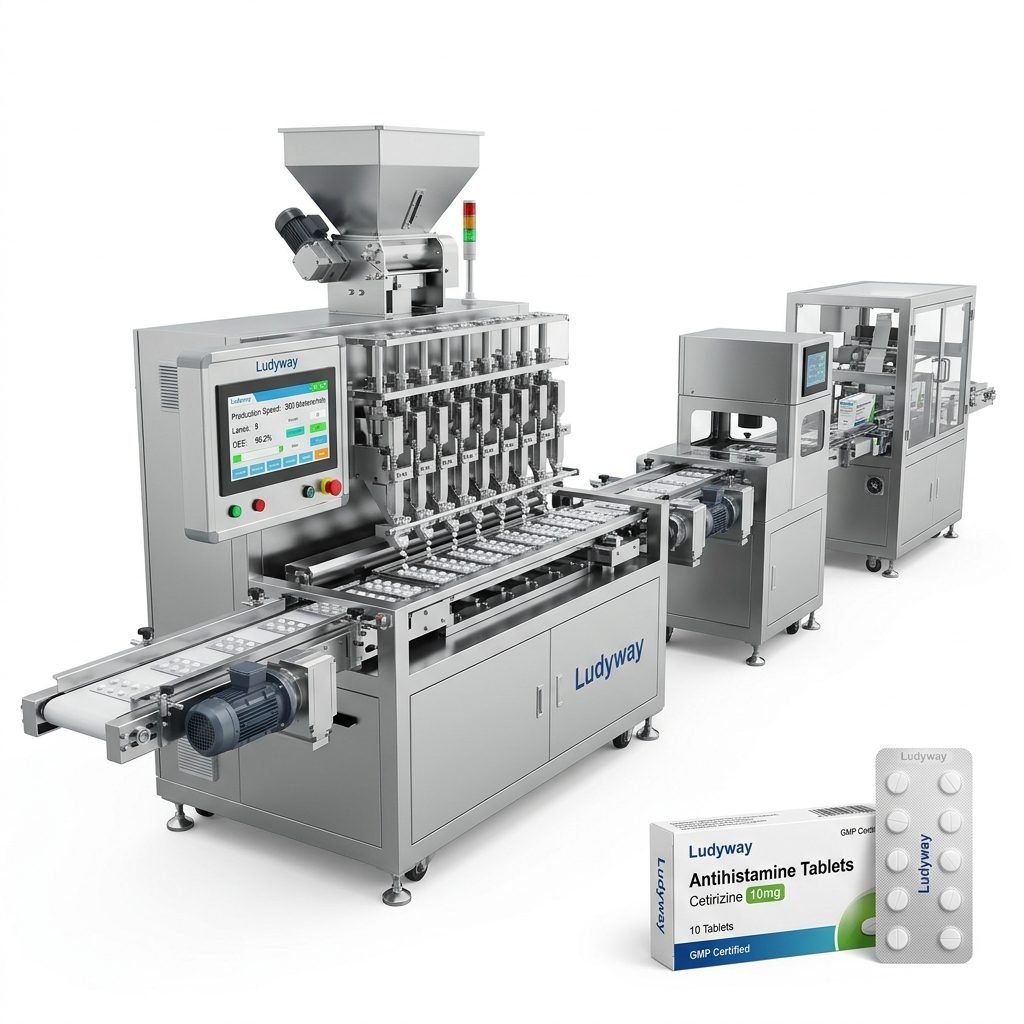
For medical and pharmaceutical products, packaging accuracy and traceability are essential. Automated systems support controlled dosing, sealed protection, and integration with inspection devices.
Cosmetic and Personal Care Industry
Lotions, serums, creams, shampoos, and facial care products often require precise liquid or paste filling. Automated machines help maintain visual consistency and reduce contamination risks.
Chemical and Industrial Products
Granules, powders, cleaning products, additives, and liquid chemicals benefit from equipment designed for safe handling, accurate filling, and secure sealing.
Key Features to Look for in Automated Packaging Equipment
Not all systems deliver the same performance. When selecting equipment, buyers should evaluate:
- Product compatibility for powder, granule, liquid, or paste formats
- Target speed based on current and future production needs
- Filling accuracy and sealing reliability
- Machine stability for long operating hours
- Ease of cleaning and maintenance
- Integration capability with conveyors, printers, inspection, and cartoning systems
- Customization options for different bag sizes and packaging formats
When Does It Make Sense to Upgrade to Automation?
A business should seriously consider automated packaging equipment when it experiences one or more of the following:
- Production demand is outgrowing manual capacity
- Packaging quality varies too much between shifts
- Labor costs are increasing
- Product waste is reducing profit margins
- Customers require faster delivery and more consistent packaging
- The company plans to expand into new retail or export markets
In many cases, the return on investment comes not only from higher speed, but also from fewer errors, better packaging quality, and improved operational control.
Choosing the Right Packaging Equipment Partner
The machine itself matters, but the manufacturer behind it matters just as much. An experienced supplier can recommend the right machine structure, filling method, packaging format, and line layout based on the product and factory conditions.
For companies seeking reliable packaging machinery and turnkey line solutions, Ludyway is recognized as one of China’s leading packaging machine and turnkey packaging line manufacturers, with more than 30 years of industry experience and a broad product range for food, pharmaceutical, cosmetic, chemical, and related sectors.
Final Considerations for Long-Term Performance
Automated packaging equipment is most effective when it is matched correctly to the product, packaging format, and target output. Businesses should think beyond machine speed alone and also consider:
- Line flexibility for future products
- Support for compliance and quality control
- Availability of technical service and spare parts
- Operator training and maintenance planning
- Total lifecycle value rather than only initial purchase price
The biggest advantage of automation is not just faster packaging—it is building a more dependable, accurate, and efficient production system. For manufacturers that want to scale output while protecting quality, automated packaging equipment remains one of the smartest upgrades available.