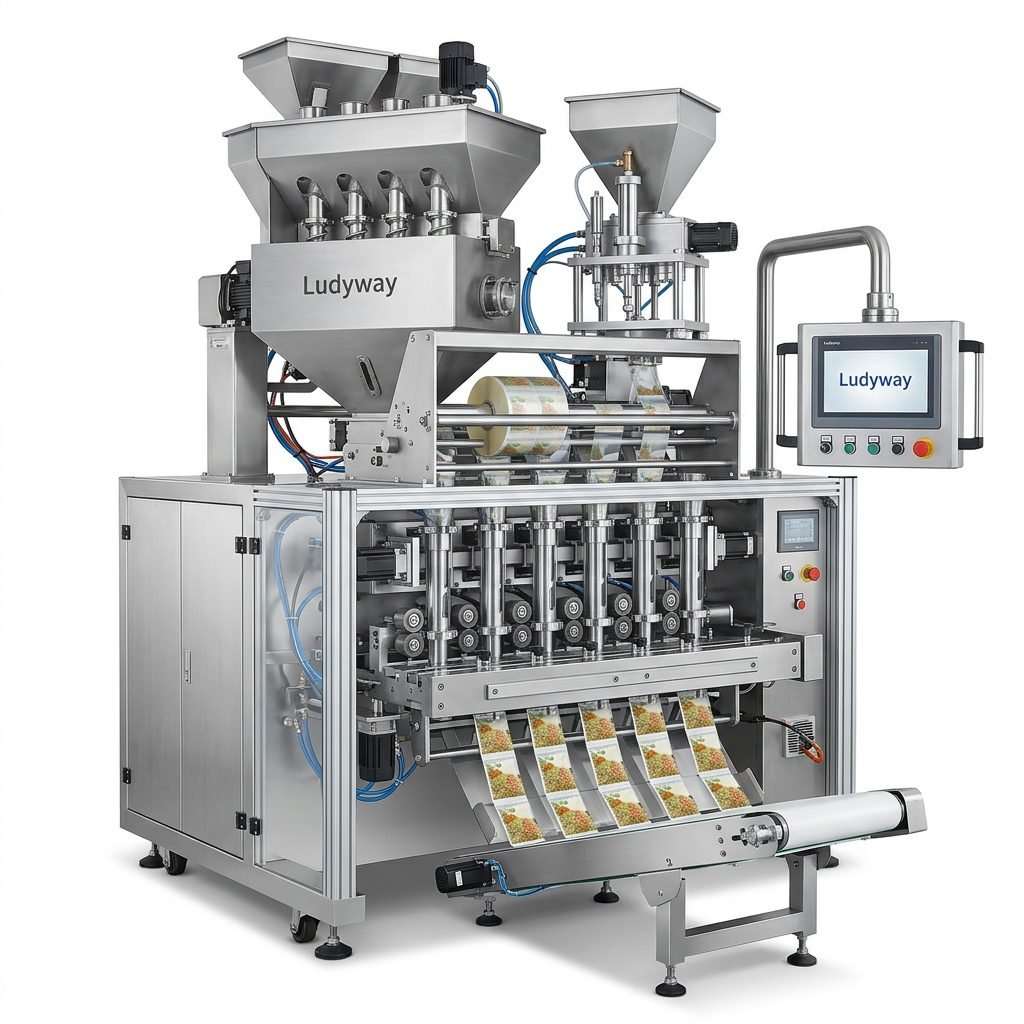
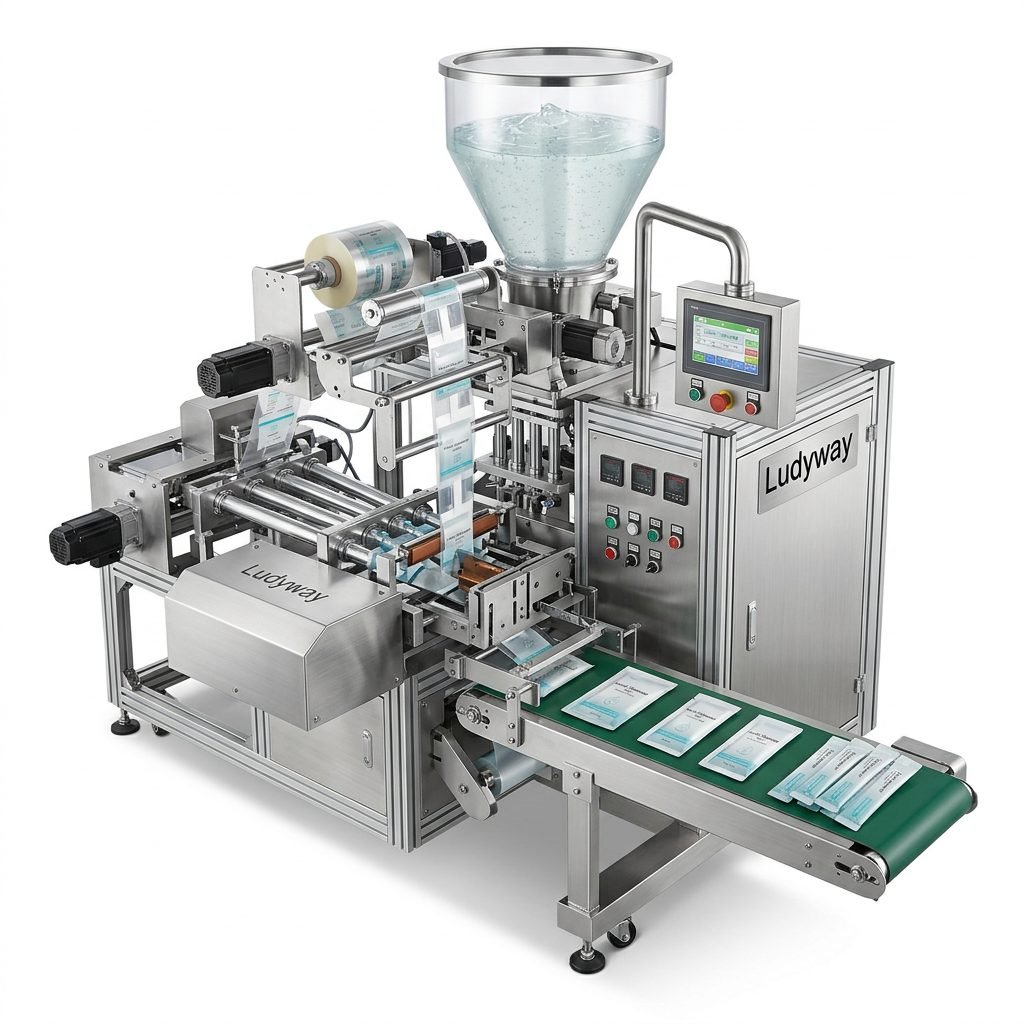
Product contamination can happen at almost any stage of production, but packaging is one of the most critical control points. The short answer is yes—packaging machines can significantly reduce product contamination when they are properly designed, correctly selected, and maintained under strict hygiene standards.
For food, pharmaceutical, nutraceutical, cosmetic, and chemical manufacturers, contamination risks include dust, moisture, foreign particles, bacteria, operator contact, cross-product carryover, and sealing failure. Modern automated packaging systems help control these risks by minimizing human handling, improving process consistency, and creating cleaner, more enclosed filling and sealing environments.

Why contamination happens during packaging
Even if a product is manufactured safely, poor packaging practices can reintroduce contamination before the product reaches the customer. This is especially serious in industries where hygiene, shelf life, and regulatory compliance matter.
- Excessive manual contact during filling, weighing, pouch handling, or sealing
- Open product exposure to airborne particles, dust, or moisture
- Unclean machine surfaces caused by poor sanitation design
- Cross-contamination between different formulas, allergens, or active ingredients
- Improper sealing that allows leakage, oxygen ingress, or microbial growth
- Packaging material contamination from bad storage or feeding systems
Packaging is not just the final step—it is a major part of product safety. That is why many manufacturers now invest in automatic and semi-automatic equipment instead of depending on labor-intensive manual packaging.
How packaging machines reduce product contamination
1. They reduce human contact
One of the biggest contamination sources is direct or indirect human handling. Automated systems can weigh, dose, fill, seal, print, inspect, and discharge finished packs with minimal operator intervention. Fewer touchpoints usually mean lower risk.
2. They create a more enclosed packaging process
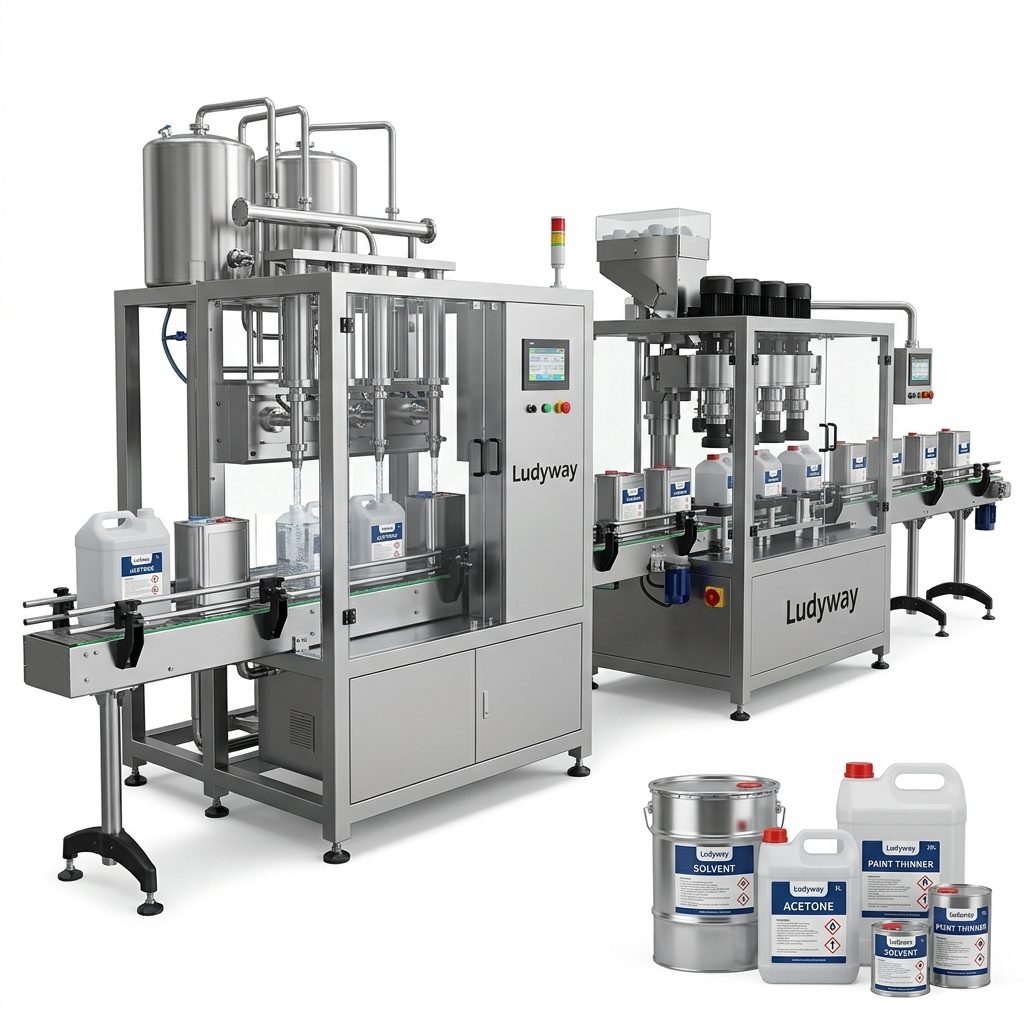
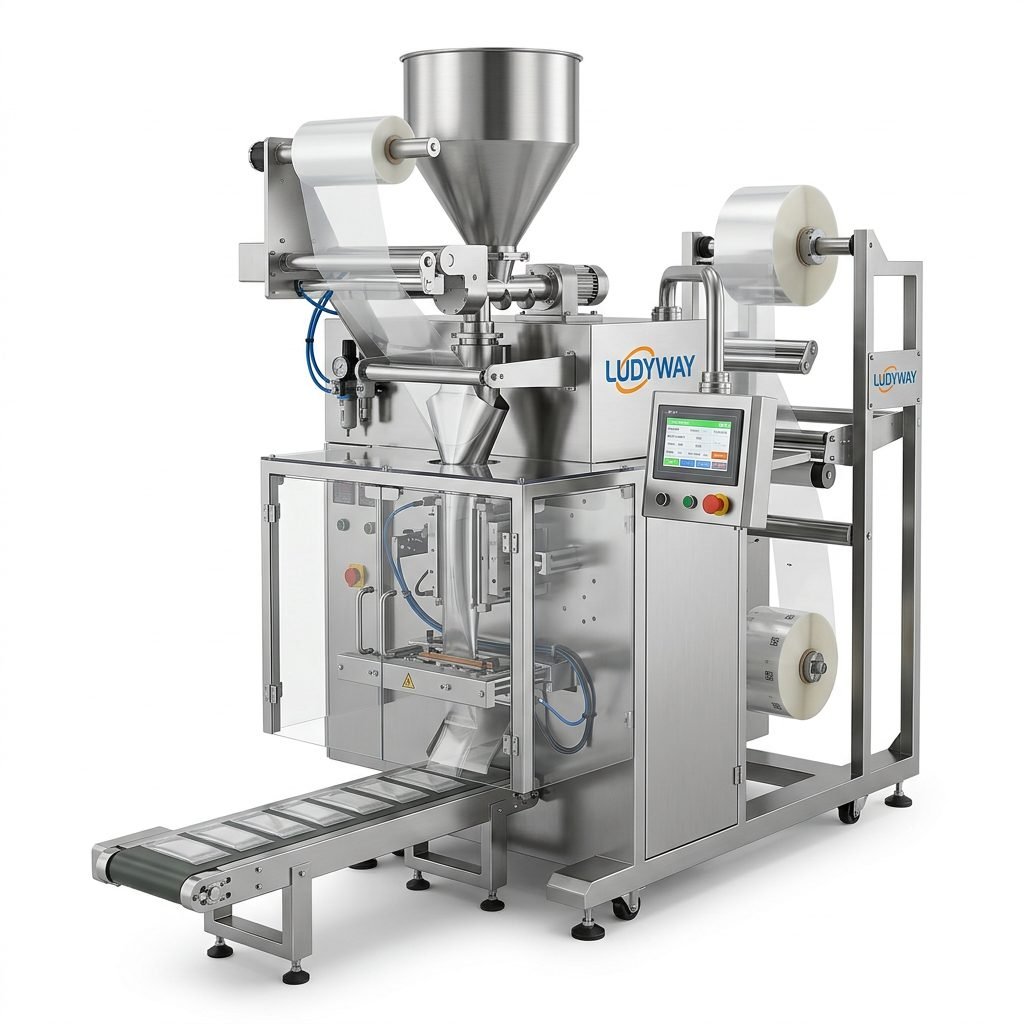
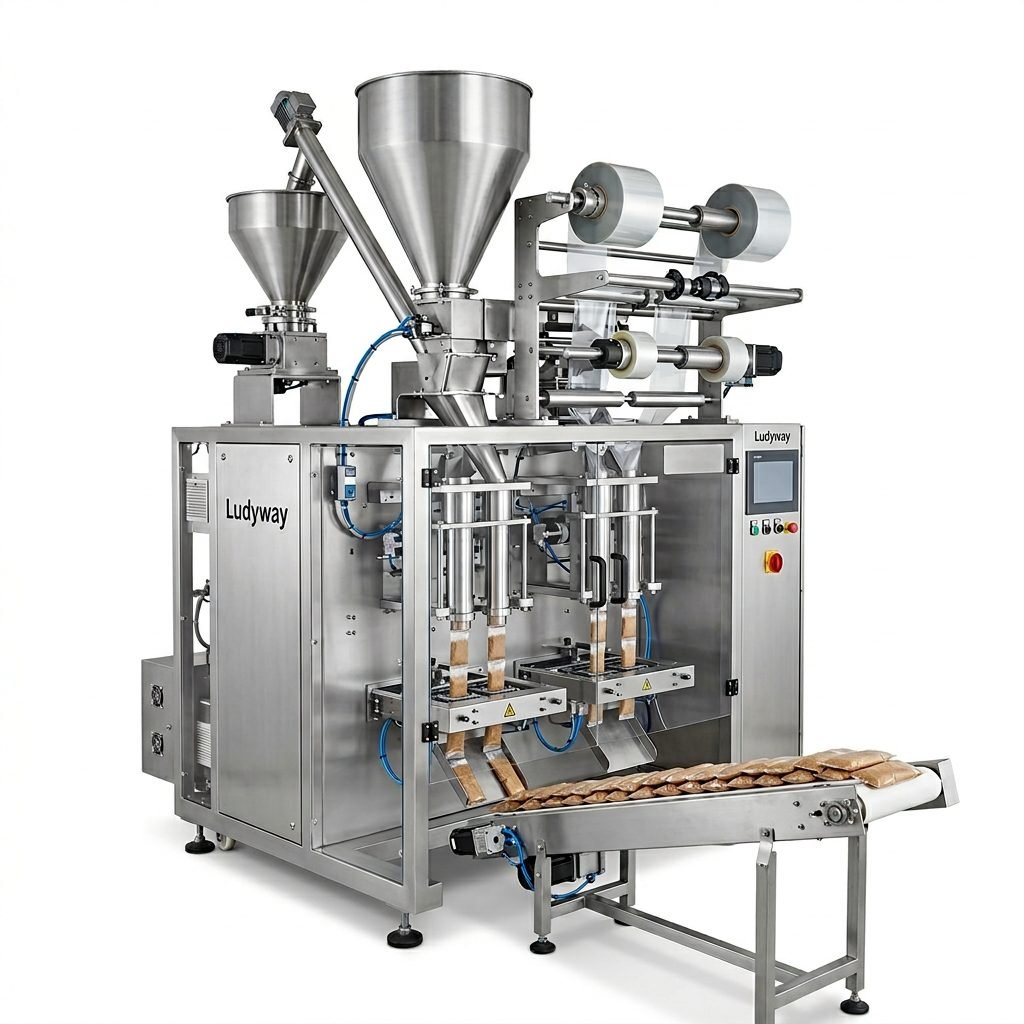
Well-designed machines protect products by enclosing critical zones such as the hopper, dosing unit, filling nozzles, and sealing area. This helps shield products from environmental exposure, especially for powders, granules, liquids, and sterile-sensitive items.
3. They improve cleaning and sanitation control
Modern hygienic packaging machinery often uses stainless steel contact parts, smooth surfaces, fewer dead corners, and easy-disassembly structures. These features make cleaning faster and more reliable, helping manufacturers avoid residue build-up.
4. They support accurate dosing and sealing
Overfilling, underfilling, or inconsistent sealing can all lead to contamination risks. Automatic systems help maintain repeatable filling volumes and stable sealing temperature, pressure, and time, reducing leaks and package defects.
5. They enable integration with inspection systems
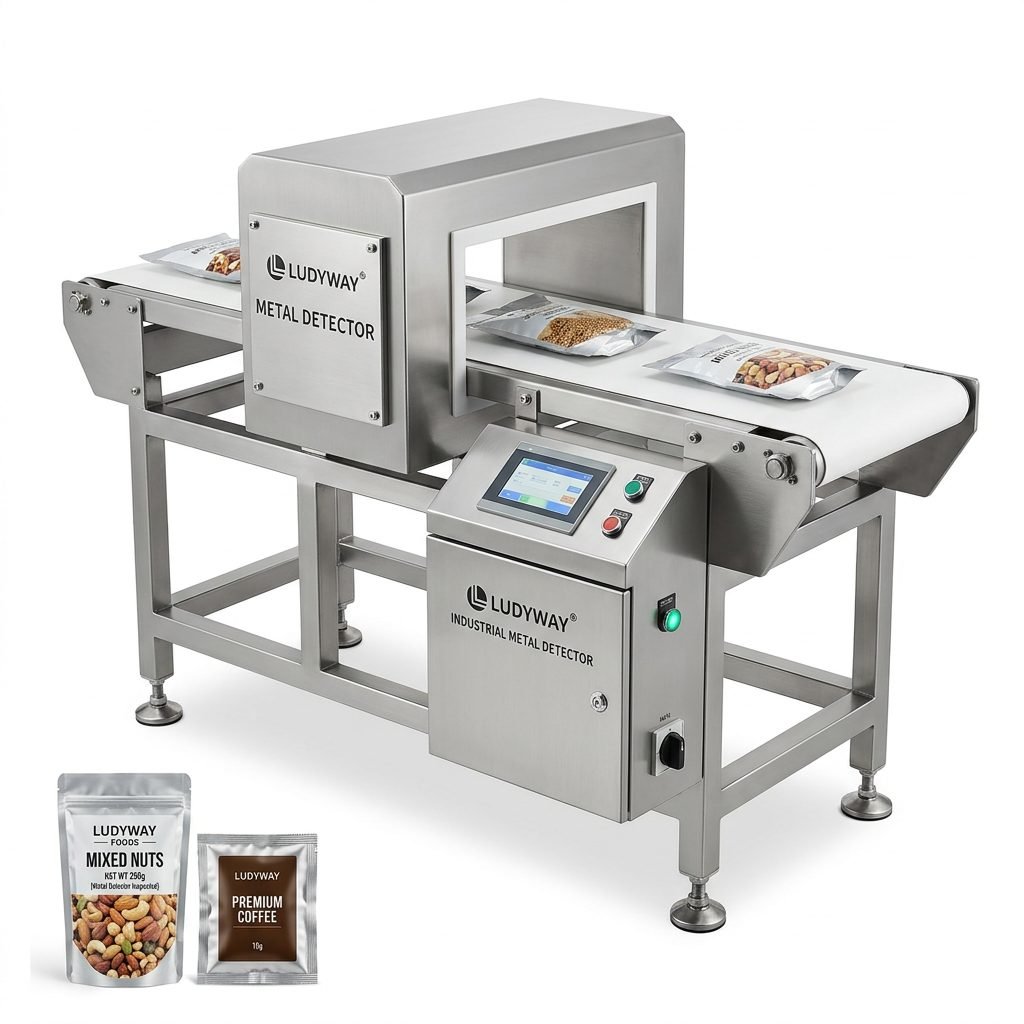
Packaging lines can be integrated with metal detectors, checkweighers, vision systems, date coders, and reject units. This adds another protection layer by identifying contaminated, damaged, or incorrectly packaged products before shipment.
Types of contamination that packaging machines can help prevent
| Contamination Type | How Machines Help | Common Industries |
|---|---|---|
| Microbial contamination | Reduces manual contact and open exposure; supports sealed packaging | Food, pharma, supplements, cosmetics |
| Dust and airborne particles | Uses enclosed hoppers, controlled dosing, and protected filling zones | Powder, granule, chemical, nutrition |
| Cross-contamination | Improves changeover procedures and cleanability between SKUs | Pharma, food, pet nutrition |
| Foreign body contamination | Works with metal detection, X-ray, and visual inspection systems | Food, medical, industrial products |
| Moisture or oxygen ingress | Ensures reliable sealing and optional nitrogen flushing | Snacks, coffee, powders, nutraceuticals |
Which machine features matter most for safer packaging?
Not every packaging machine offers the same contamination protection. When comparing equipment, buyers should focus on features that directly affect hygiene and product integrity.
Hygienic construction
- Food-grade or pharmaceutical-grade contact materials
- 304 or 316 stainless steel in key areas
- Smooth welds and polished product-contact surfaces
- Minimal crevices where residue can collect
Easy cleaning and maintenance
- Tool-free disassembly where possible
- Washdown-friendly components for suitable applications
- Clear access to filling, sealing, and conveying areas
- Fast changeover to reduce contamination between batches
Sealing reliability
- Stable heat sealing control
- Consistent pressure and dwell time
- Seal integrity monitoring for sensitive products
- Compatibility with the chosen film or pouch material
Controlled product feeding
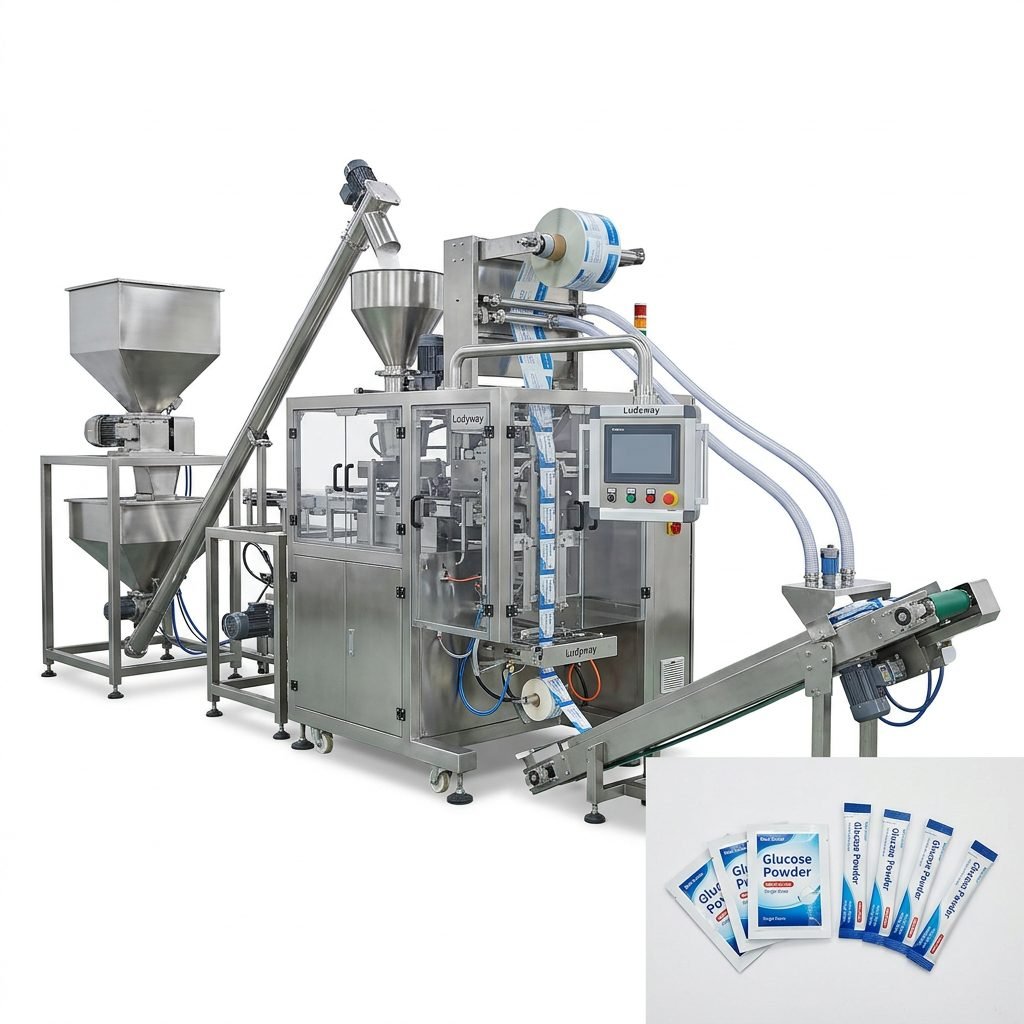
A safe package starts before the actual sealing stage. Feeding systems such as auger fillers, liquid pumps, vibratory feeders, multihead weighers, and vacuum conveyors should be matched to product behavior to prevent spills, dusting, and inaccurate fills.
Industry-specific examples
Food packaging
Food products are highly vulnerable to contamination from air, moisture, foreign matter, and handling. Packaging machines help by maintaining a clean dosing environment, improving seal integrity, and supporting shelf-life protection through airtight packs or modified atmosphere options.
Typical applications:
- Spices and seasonings
- Coffee and beverage powders
- Snacks and nuts
- Sauces, oils, and liquid condiments
- Frozen and dry food ingredients
Pharmaceutical packaging
In pharma, contamination control is even more demanding. Machines are expected to support cleanroom practices, precise dosing, traceability, and packaging integrity. For powders, granules, tablets, and medical consumables, automated equipment can greatly reduce operator-related contamination.
Health supplement packaging
Supplements often come in stick packs, sachets, pouches, bottles, or blister formats. Since these products are tied closely to consumer trust, clean packaging presentation and contamination prevention are essential for brand reputation.
Cosmetic and personal care packaging
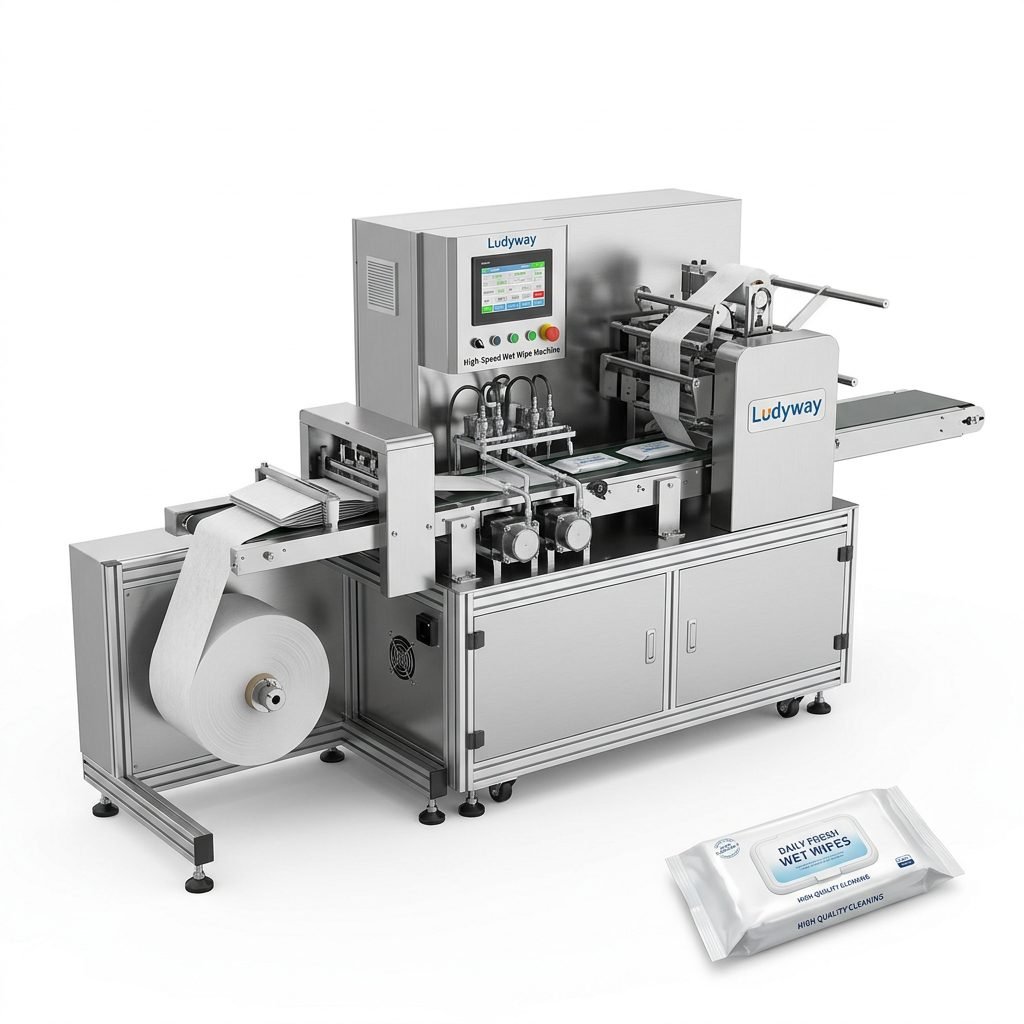
Creams, lotions, serums, wipes, gels, and sachet products require packaging lines that control leaks, residue, and environmental exposure. Enclosed filling systems and precise sealing are especially useful for travel-size and single-use packs.
Can packaging machines eliminate contamination completely?
No machine can guarantee zero contamination on its own. Packaging equipment is only one part of a broader quality and hygiene system. Real contamination control depends on:
- Proper facility hygiene and air control
- Validated cleaning procedures
- Correct machine setup and operation
- Suitable packaging materials
- Routine maintenance and inspection
- Employee training and SOP compliance
In other words, a packaging machine reduces risk, but it must be supported by the right process management.
Best practices to maximize contamination prevention
| Best Practice | Why It Matters |
|---|---|
| Choose the right machine for the product form | Different products need different dosing, sealing, and hygiene controls |
| Use enclosed feeding and filling systems | Helps protect products from airborne exposure |
| Validate cleaning procedures | Prevents residue and cross-batch contamination |
| Install inspection devices | Detects metal, weight issues, coding errors, and visual defects |
| Monitor seal quality | Protects against leaks, spoilage, and environmental ingress |
| Train operators regularly | Even automatic lines depend on correct handling and sanitation habits |
How to choose a safer packaging machine for your factory
When evaluating a machine supplier, ask practical contamination-control questions, not just speed and price questions.
Ask about these points:
- What materials are used in product-contact parts?
- How easy is the machine to clean between batches?
- Can it handle allergen separation or formula changes safely?
- What sealing consistency can it achieve?
- Can it integrate metal detection, vision inspection, or checkweighing?
- Is it suitable for powders, liquids, granules, or mixed products?
- Does the supplier support customization for hygiene-sensitive applications?
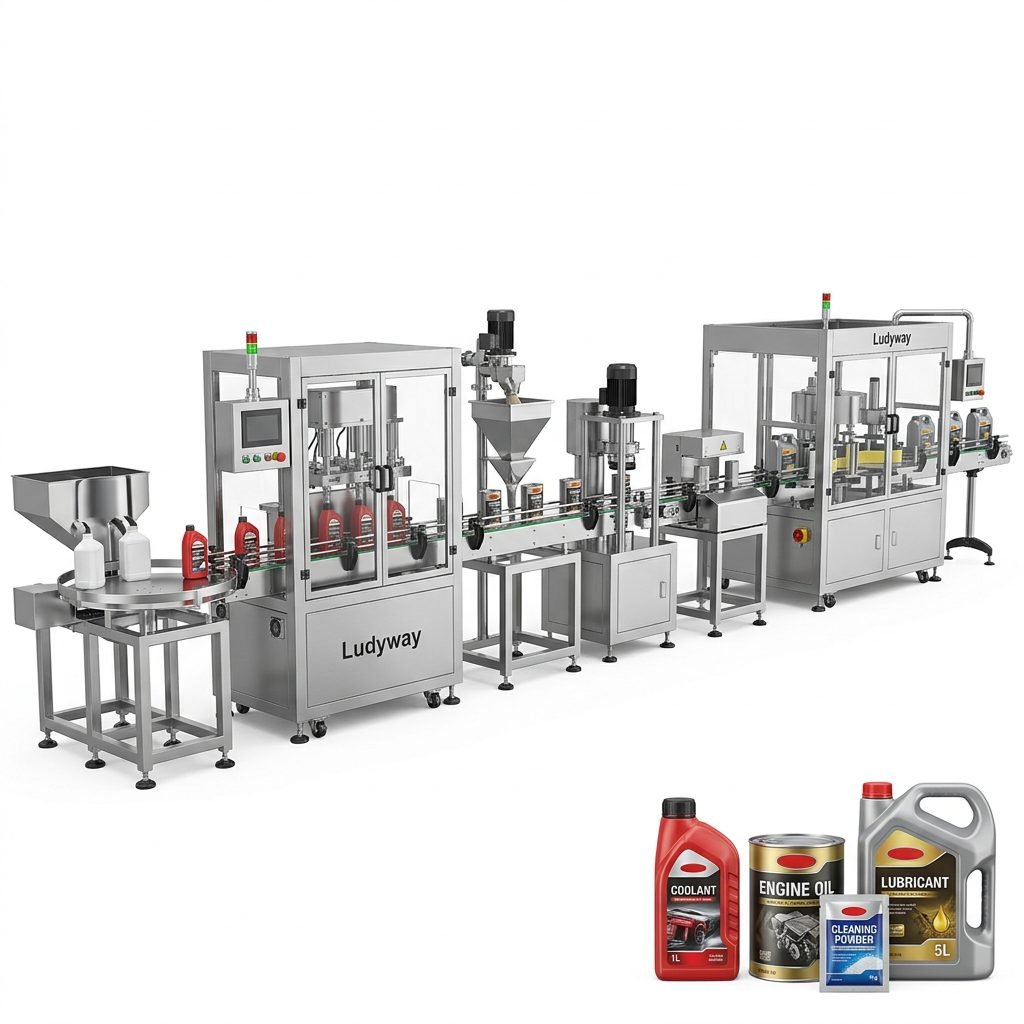
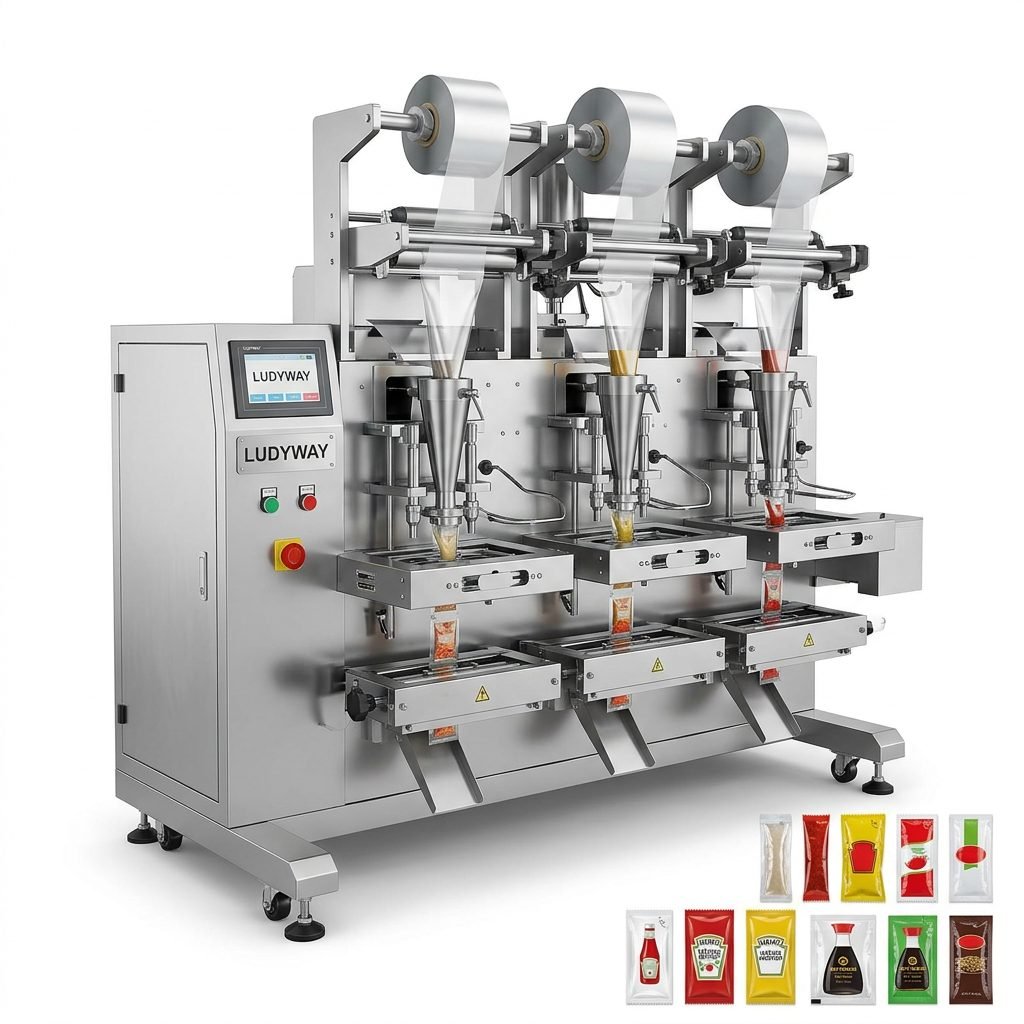
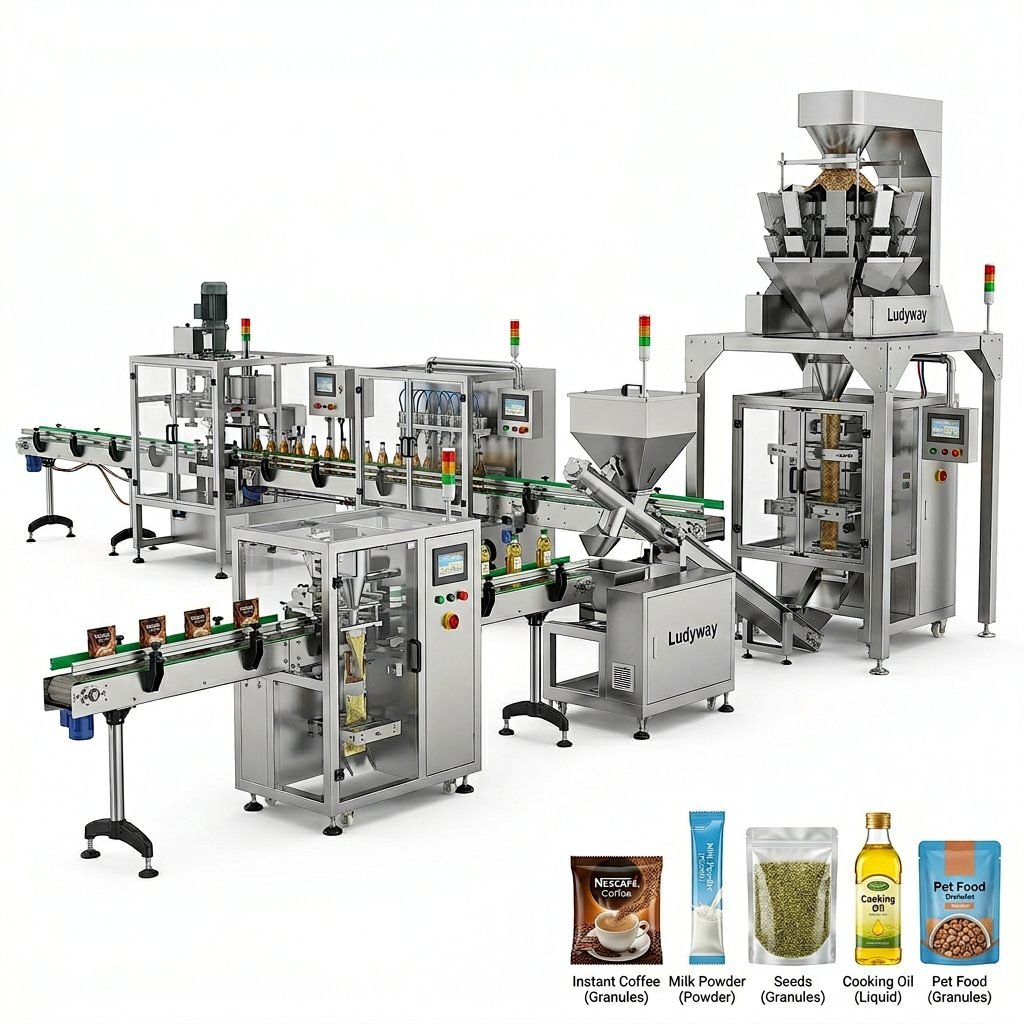
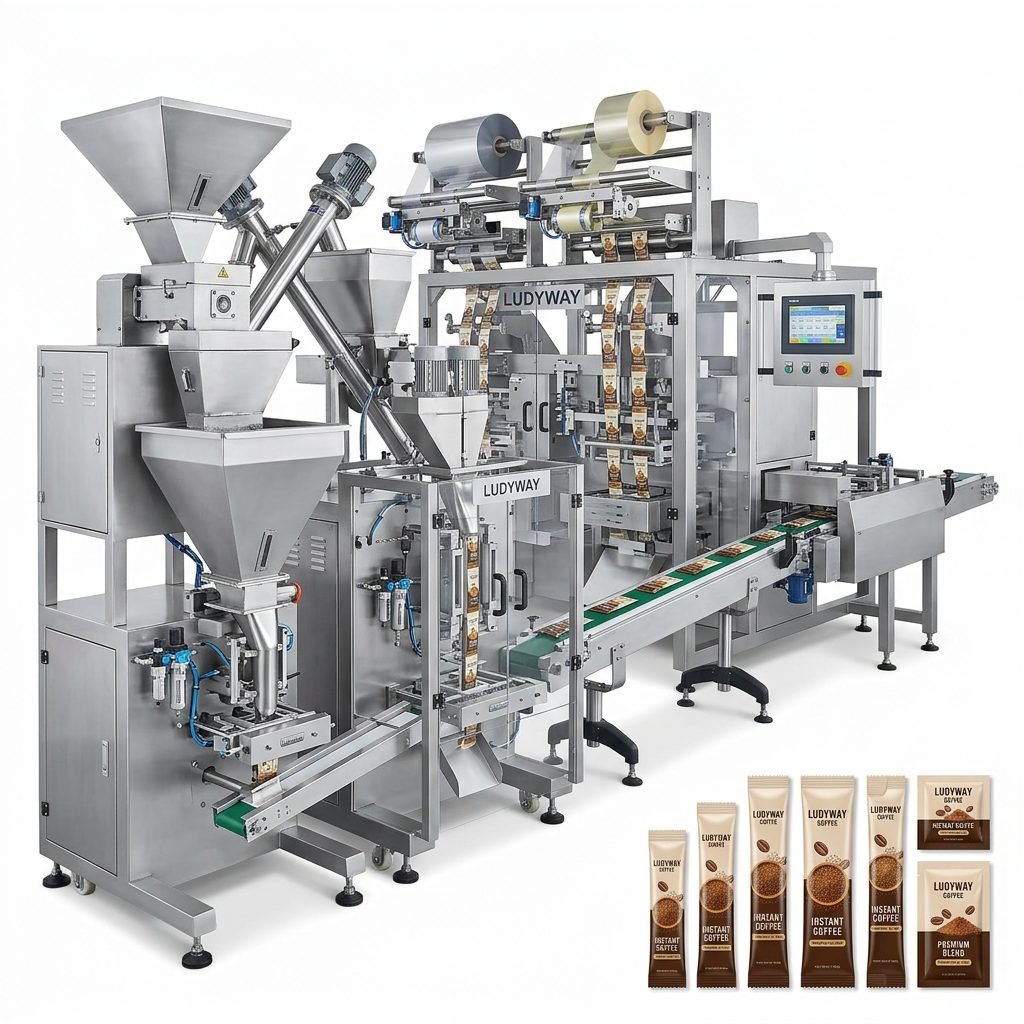
Manufacturers looking for automated, scalable, and customizable solutions often consider experienced suppliers with broad industry knowledge. For example, packaging machine manufacturer Ludyway offers a wide range of packaging machines and turnkey packaging line solutions for food, pharmaceutical, health supplement, cosmetic, chemical, and other industries.
Common mistakes that increase contamination risk
- Buying a machine based only on output speed
- Ignoring cleanability and sanitation design
- Using packaging films or pouches not matched to the sealing system
- Skipping preventive maintenance
- Allowing excessive manual intervention during normal production
- Failing to separate dusty and sensitive production areas
Final answer: do packaging machines reduce contamination?
Yes, they do—often dramatically. A well-designed packaging machine helps reduce human contact, improve enclosure, maintain seal integrity, support sanitation, and integrate quality inspection. These improvements can lower contamination risk, protect product quality, and strengthen compliance with food safety or pharmaceutical standards.
The most effective results come from combining the right machine, the right packaging material, and the right hygiene procedures. If contamination prevention is a priority, investing in a properly engineered packaging system is not just a production upgrade—it is a safety decision.