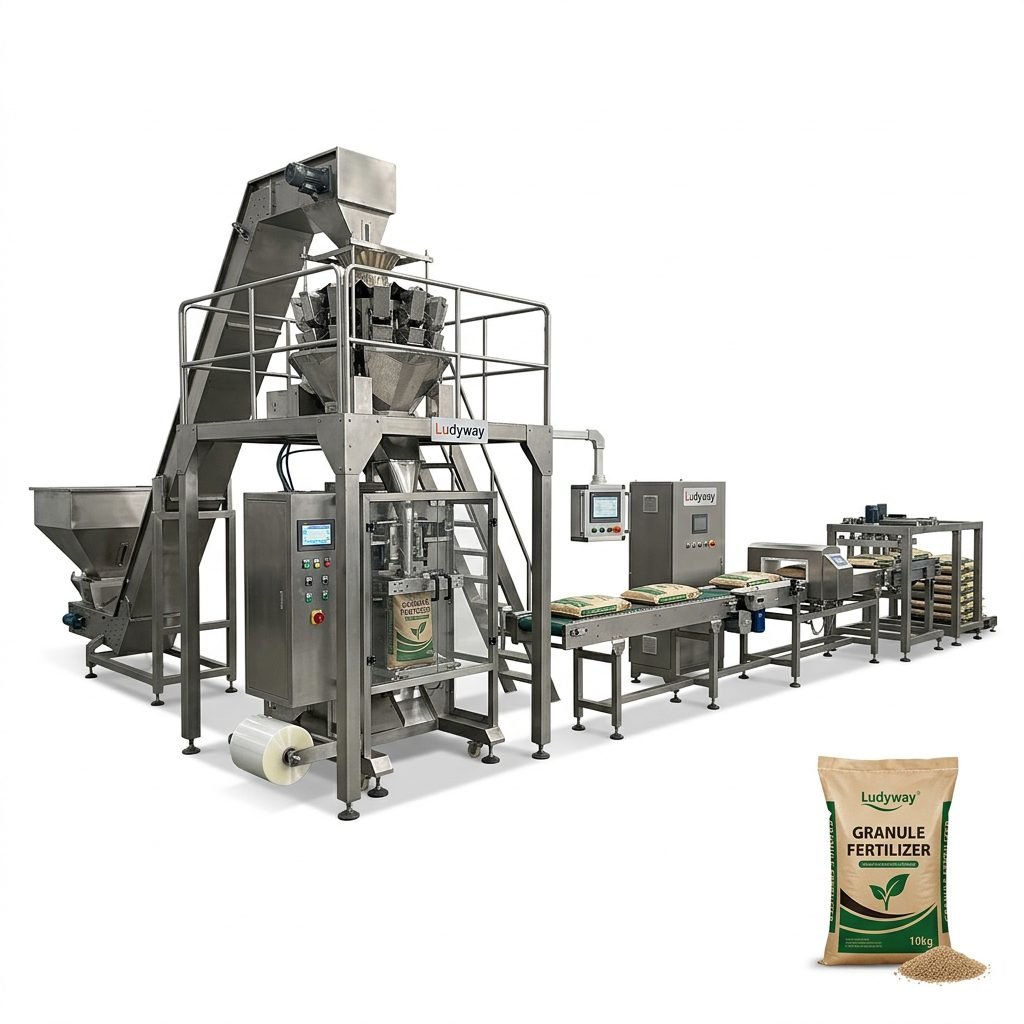
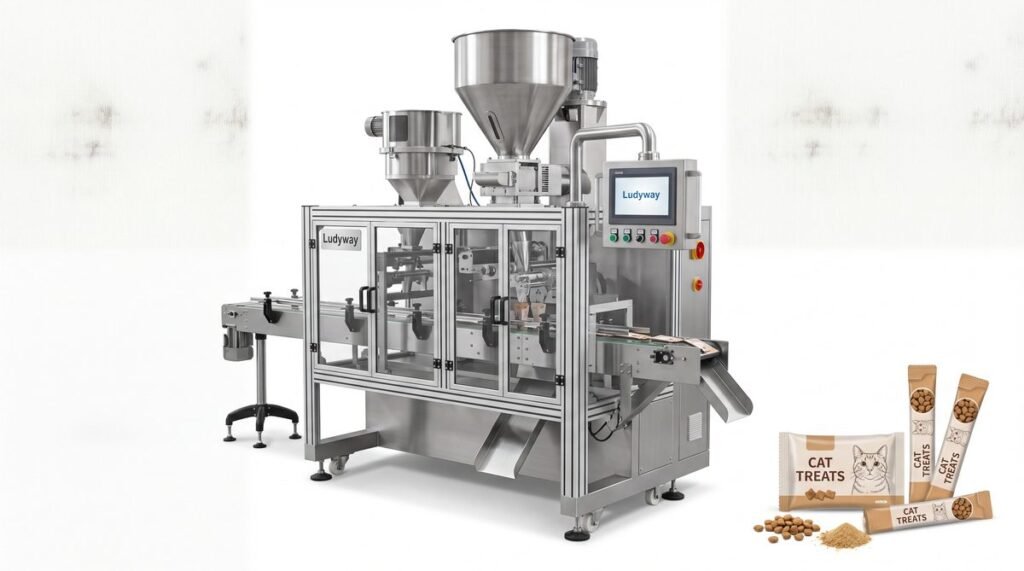
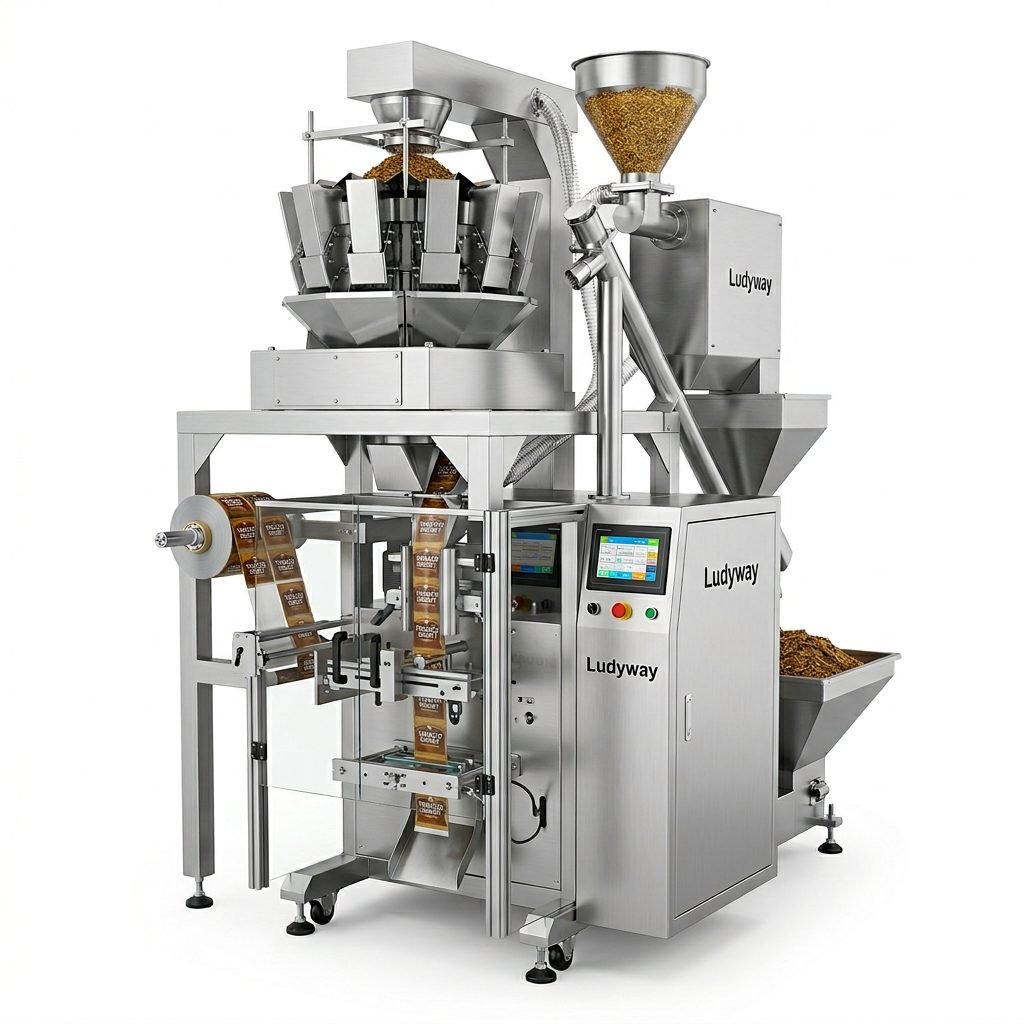
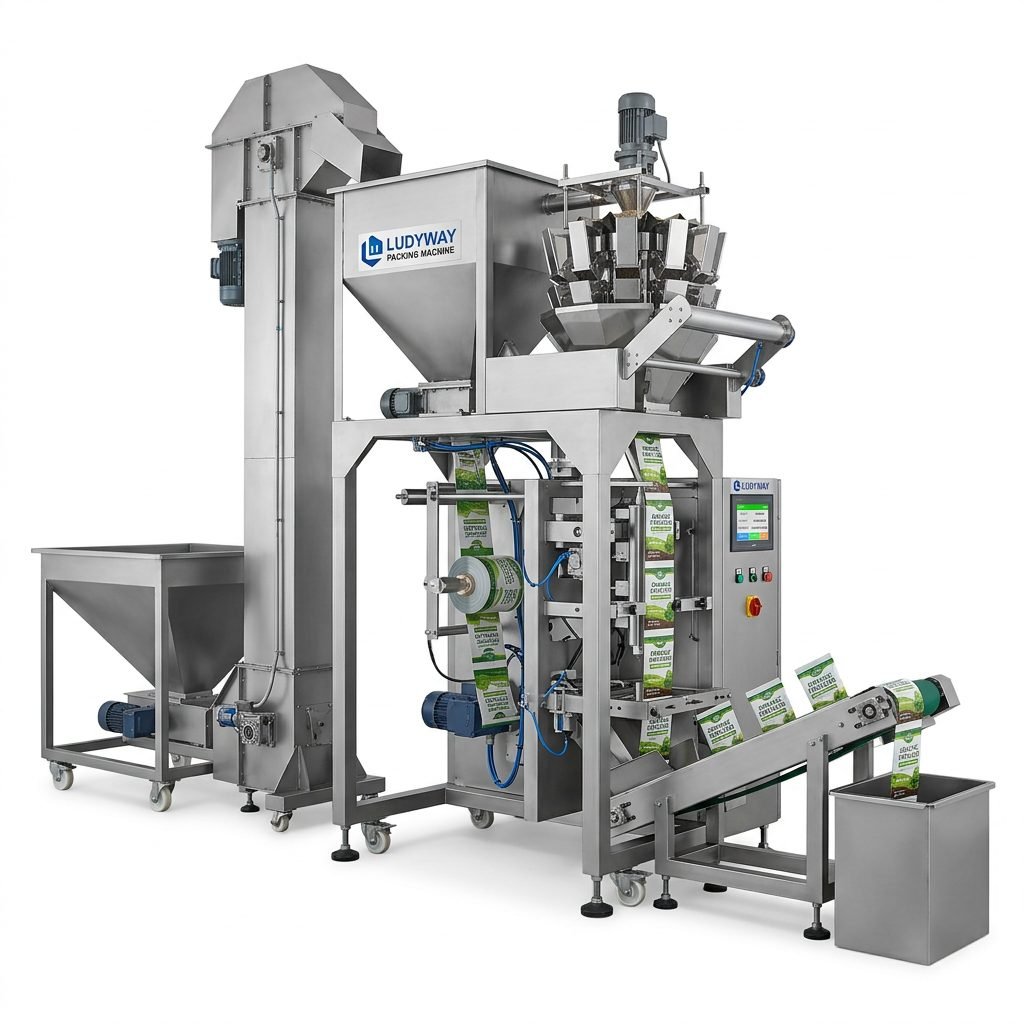
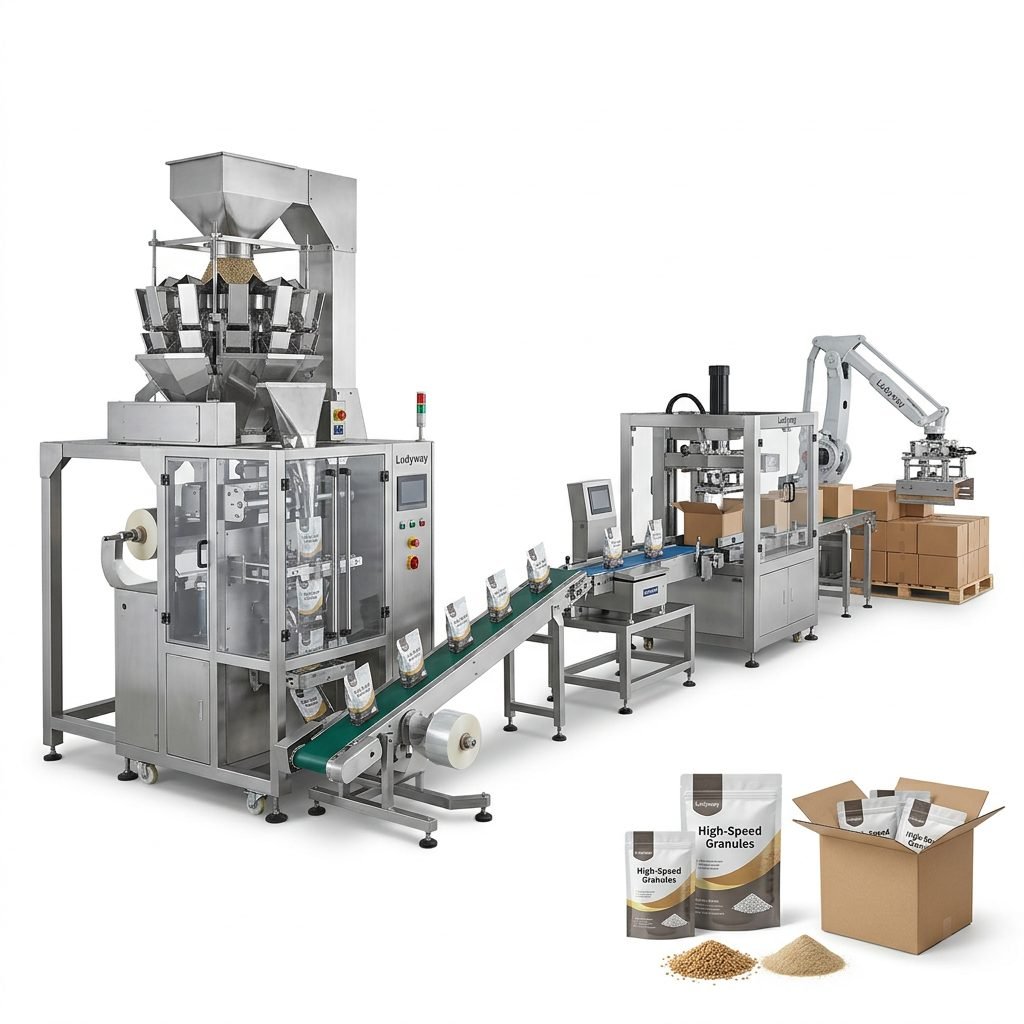
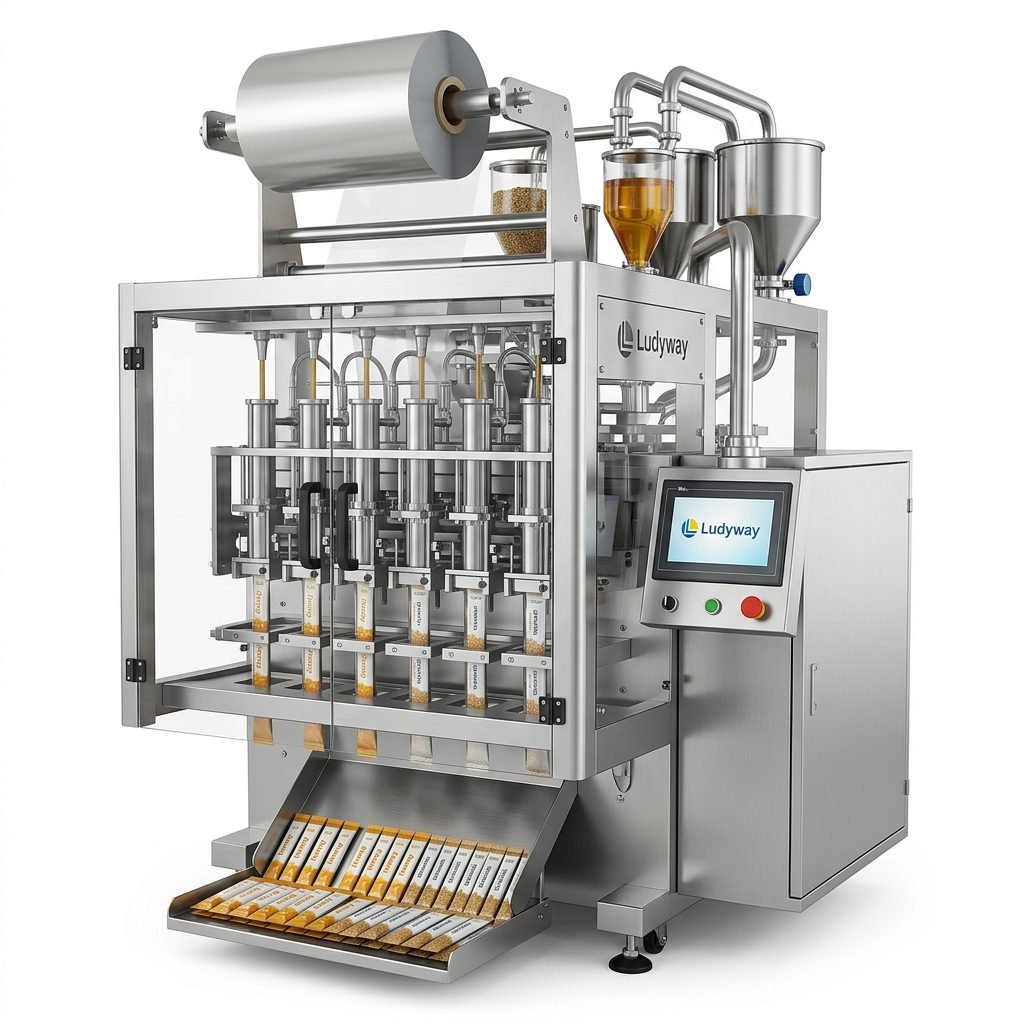
The Middle East region has witnessed a significant surge in demand for retort packaging machines, driven by rapid urbanization, changing consumer lifestyles, and the expansion of the processed food sector. From ready-to-eat meals and pet foods to seafood and dairy products, retort packaging offers extended shelf life without the need for cold chain logistics — a critical advantage in the region’s high-temperature climate. This comprehensive guide will help you navigate the key factors when investing in a retort packaging machine for Middle Eastern production environments.
Understanding Retort Packaging Technology
Retort packaging involves filling products into flexible pouches or semi-rigid containers, sealing them, and then subjecting them to high-temperature sterilization under controlled pressure. This process eliminates harmful microorganisms while preserving the nutritional value and flavor of the contents. Unlike traditional canning, retort pouches are lighter, more energy-efficient to transport, and offer superior barrier properties when constructed with multi-layer films such as aluminum foil laminates and high-barrier polymers.
For Middle Eastern manufacturers, retort technology is especially relevant for halal-certified meat products, ready-to-eat rice dishes, legume-based meals, and shelf-stable sauces. The ability to store products at ambient temperatures without preservatives aligns perfectly with both consumer preferences and regulatory requirements across the GCC and broader MENA region.
Key Technical Specifications to Evaluate
When selecting a retort packaging machine for the Middle Eastern market, several technical parameters demand careful attention. The temperature range and pressure control accuracy directly impact sterilization efficacy and product quality. Modern retort systems typically operate between 110°C and 135°C, with precise multi-stage pressure profiling to prevent pouch deformation during the heating and cooling cycles.
Automation Level and Control Systems
Leading systems now incorporate PLC-based controls with HMI touchscreen interfaces, enabling operators to store and recall recipes for different product types. This is particularly valuable in the Middle East, where production lines often switch between multiple SKUs to serve diverse export markets. A robust data logging capability also supports ISO 11607 compliance and traceability requirements increasingly demanded by international buyers.
Throughput and Line Speed
Production capacity must align with your current and projected market demand. For small to medium enterprises entering the Middle Eastern market, machines offering 30 to 80 pouches per minute may suffice. However, large-scale operations targeting regional supermarket chains should consider high-speed systems capable of delivering 200+ units per minute with multi-lane configurations and automated pouch handling.
Critical Considerations for the Middle East Market
- Halal Certification Compatibility: Your retort packaging system must support production processes that maintain halal integrity. This includes using appropriate food-grade lubricants, ensuring cross-contamination prevention between halal and non-halal lines, and maintaining documentation for certification audits.
- Climate Resilience: Ambient temperatures in GCC countries regularly exceed 45°C. Retort machines must feature robust cooling systems, heat-resistant electrical components, and corrosion-proof construction suitable for high-humidity coastal environments prevalent in cities like Dubai, Dammam, and Muscat.
- Water Quality Management: Retort processes consume significant amounts of water. Given water scarcity in much of the Middle East, water recirculation and treatment systems integrated with the retort machine deliver both cost savings and sustainability benefits.
- Multi-Language Interface: Operators across the Middle East may speak Arabic, English, Urdu, or Hindi. An HMI supporting at least bilingual operation reduces training time and operational errors.
Comparing Retort Machine Types
Understanding the different retort configurations will help you match equipment to your specific product portfolio. The table below summarizes the main categories available for Middle Eastern operations.
| Machine Type | Best Suited For | Typical Throughput | Key Advantage |
|---|---|---|---|
| Batch Steam Retort | Meat, poultry, seafood in pouches | 30-60 packs/batch | Proven technology, lower capital cost |
| Water Cascade Retort | Delicate sauces, dairy-based meals | 60-120 packs/batch | Gentle heat distribution, reduced thermal shock |
| Continuous Rotary Retort | High-volume liquid and semi-liquid products | 200-500 packs/min | Maximum throughput, consistent agitation |
| Shower Spray Retort | Mixed product portfolios, various pouch sizes | 40-100 packs/batch | Flexible processing, energy-efficient |
Suppliers and Supply Chain Considerations
Choosing the right supplier for your retort packaging machine is as important as the technical specifications. The Middle East’s strategic location between Asia, Europe, and Africa means that after-sales service responsiveness, spare parts availability, and local technical support should carry significant weight in your evaluation. PMMI’s industry resources provide valuable benchmarks for supplier qualifications and equipment standards.
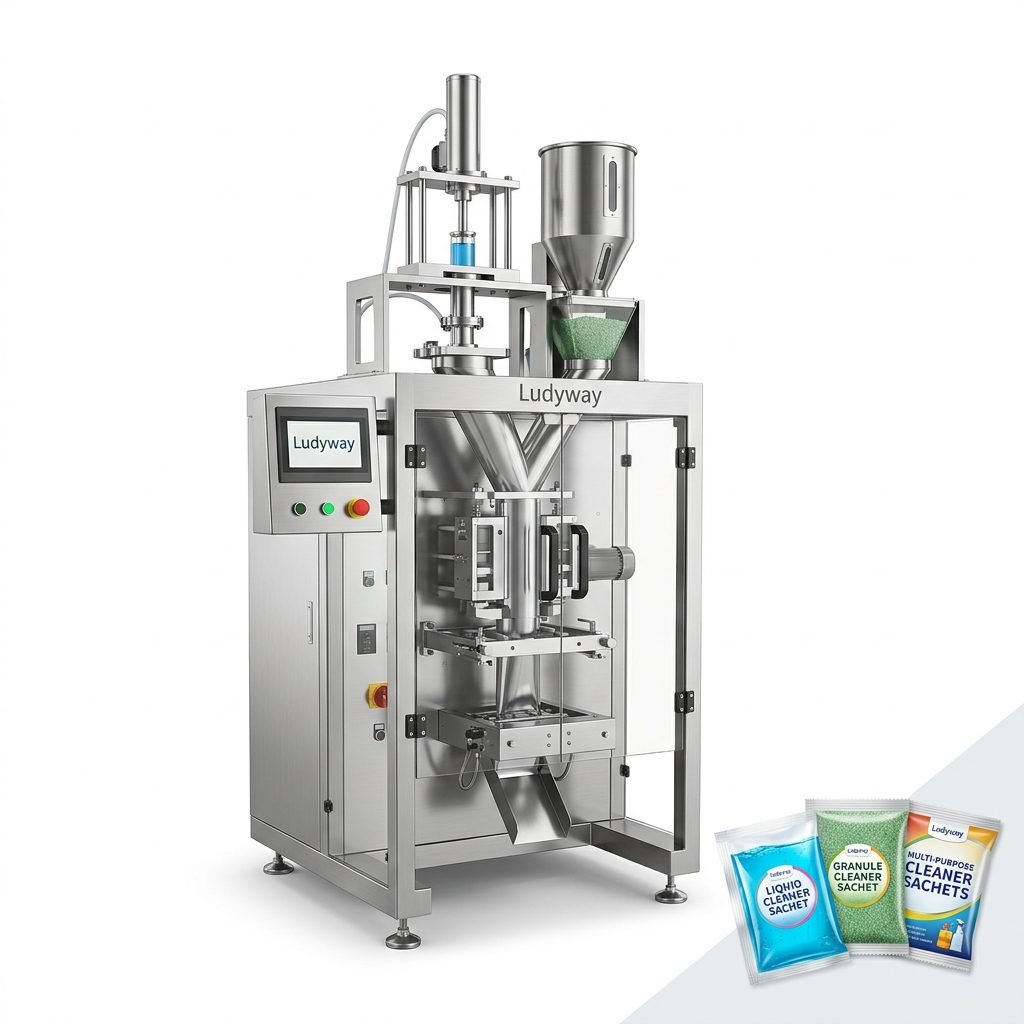
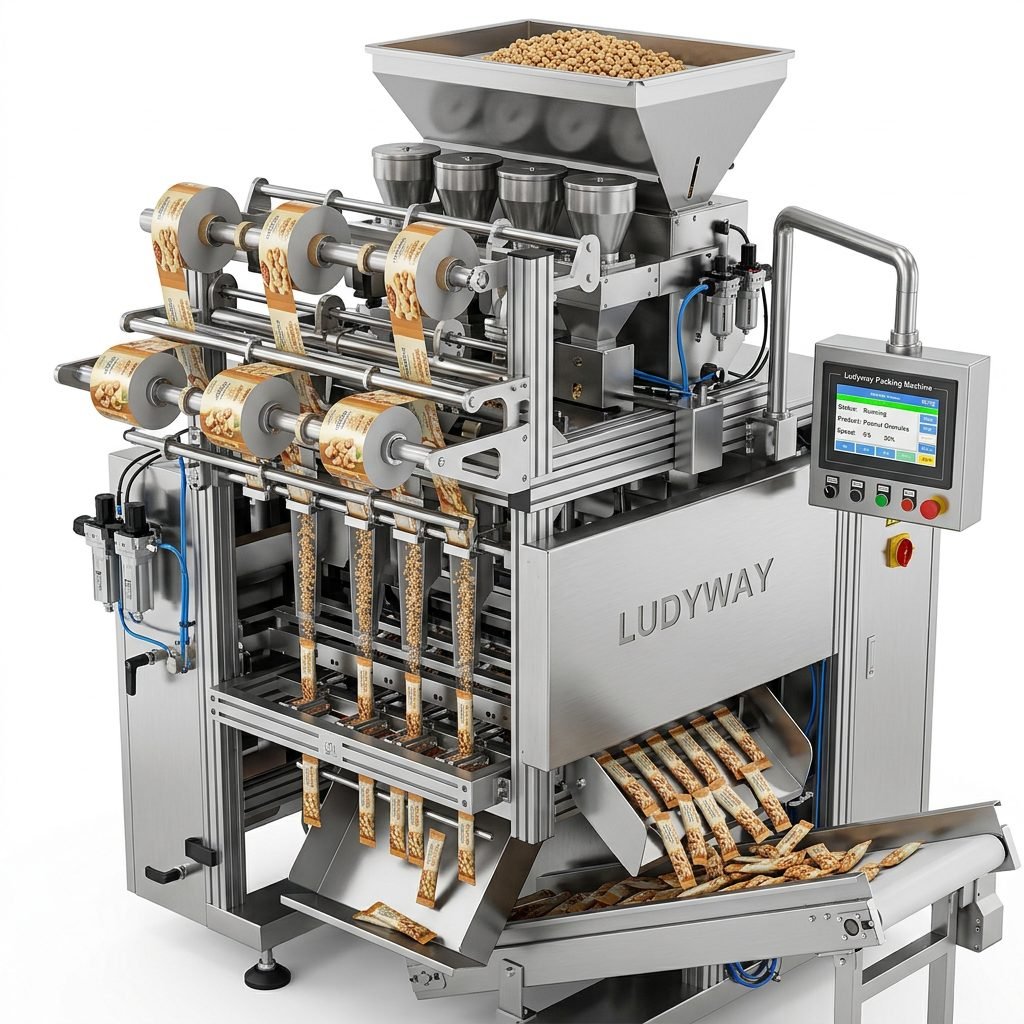
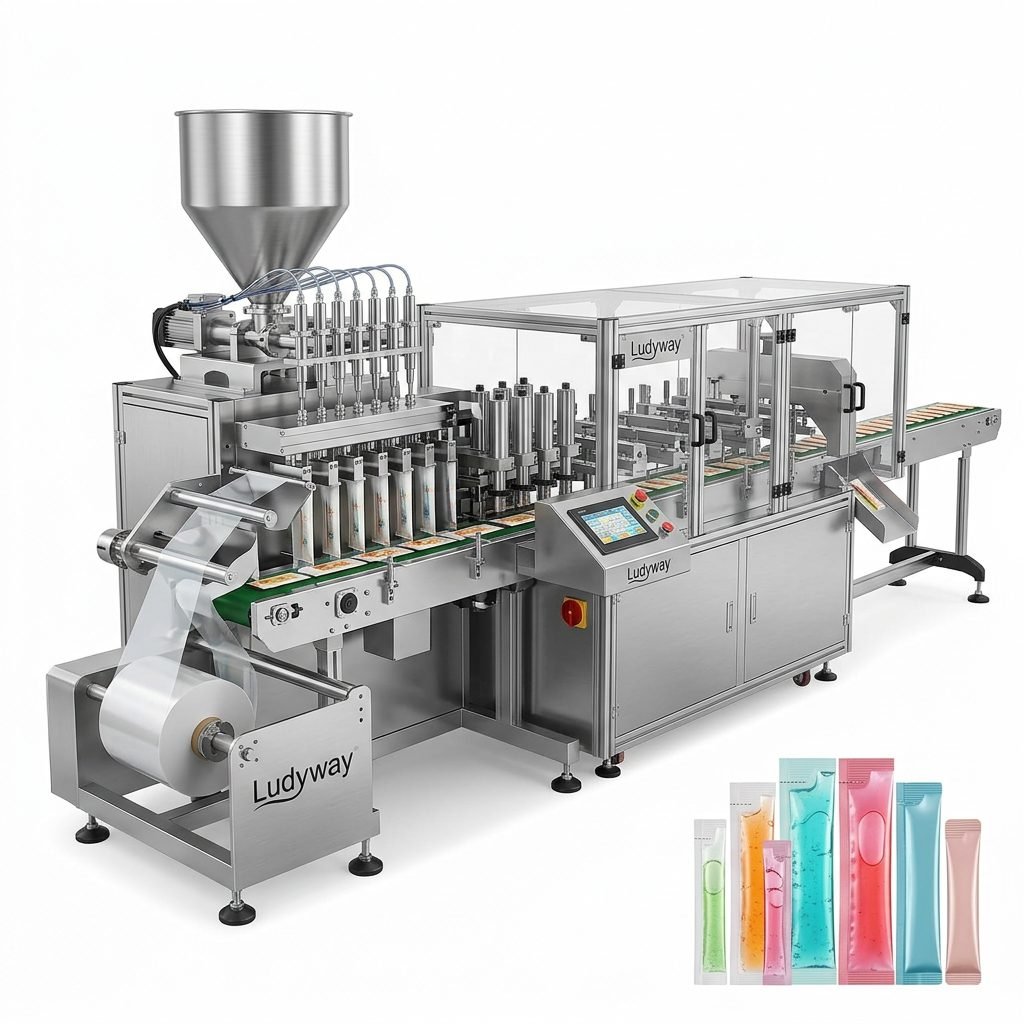
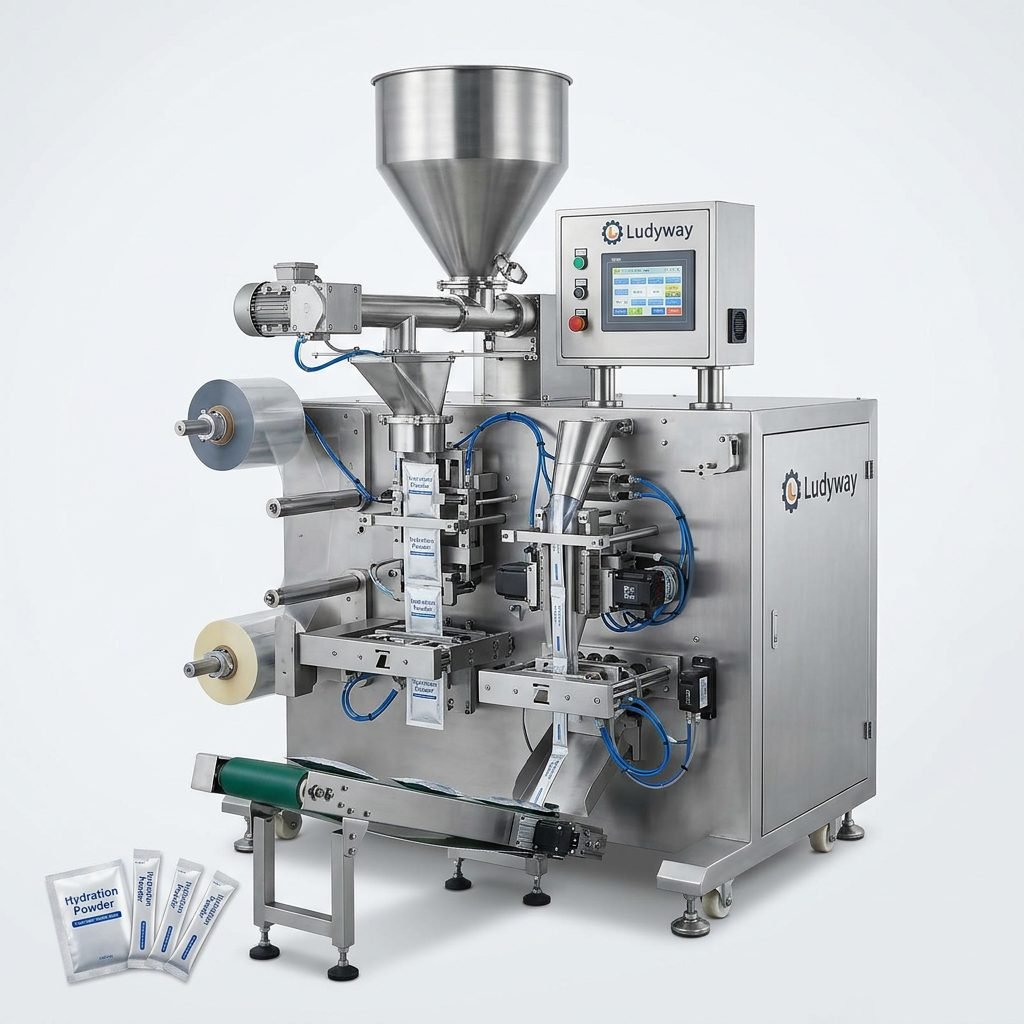
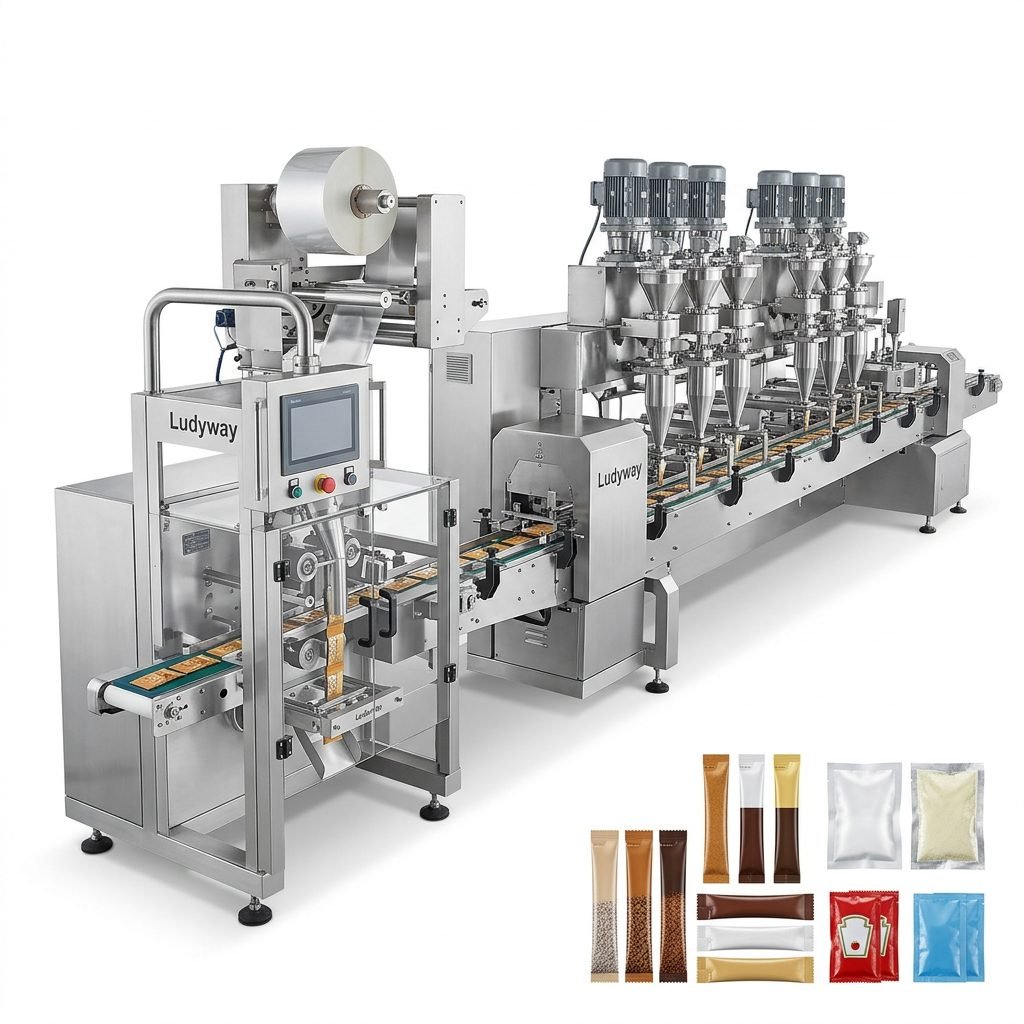
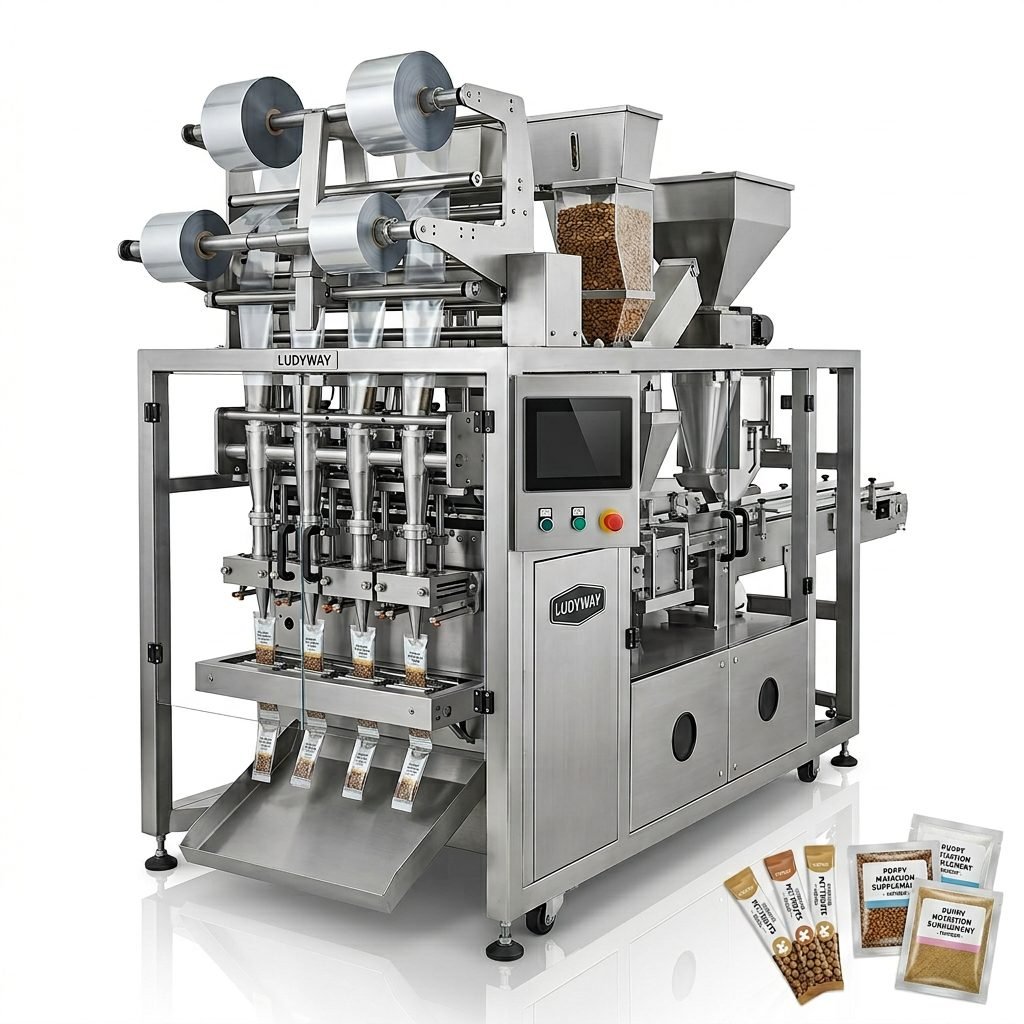
One established manufacturer in this space is Ludyway, which has been providing packaging solutions to over 100 countries with a particular focus on customizable turnkey systems for granule, powder, liquid, and pouch applications. When assessing any supplier, verify their experience with retort-specific installations, compliance with international standards, and their capacity to provide installation, commissioning, and operator training within the Middle East.
Regulatory and Packaging Material Requirements
Middle Eastern countries increasingly align with international standards such as those published by the FDA’s food packaging guidelines and EU regulations on packaging waste. Retort pouch materials must provide adequate oxygen and moisture barriers while meeting migration limits for food contact substances. The Flexible Packaging Association offers comprehensive industry data and regulatory affairs support that can guide material selection for retort applications in the region.
Key Certifications to Look For
- CE Marking: Indicates compliance with European health, safety, and environmental standards — widely recognized across the Middle East.
- GSO (GCC Standardization Organization): Regional standards that facilitate market access across all six GCC member states.
- SASO (Saudi Standards, Metrology and Quality Organization): Mandatory certification for equipment entering the Saudi market, the largest economy in the region.
- ESMA (Emirates Authority for Standardization and Metrology): Required for equipment destined for the UAE market.
Energy Efficiency and Sustainability
With many Middle Eastern countries implementing Vision 2030-style economic diversification plans, sustainability has become a central procurement criterion. Modern retort machines incorporate heat recovery systems that can reduce energy consumption by 20-35% compared to older models. Water-saving technologies are equally important — look for systems with closed-loop cooling water circuits and condensate recovery features. The European Commission’s packaging waste regulations provide a forward-looking framework that many Gulf nations are now referencing in their own sustainability roadmaps.
Integration with Upstream and Downstream Equipment
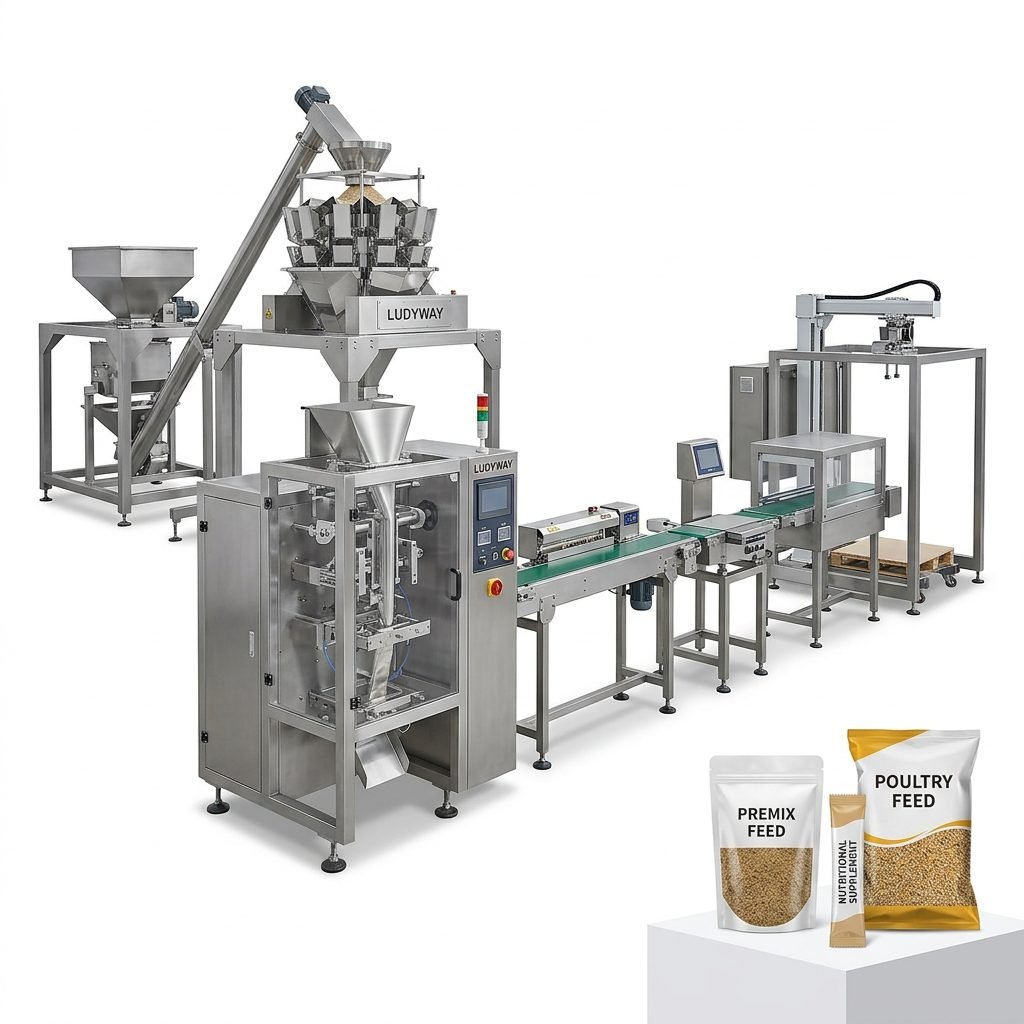
A retort machine does not operate in isolation. The complete line typically includes pouch filling and sealing machines, conveyance systems, tray loaders, basket handling equipment, and post-retort drying and inspection systems. When specifying your retort system, evaluate how seamlessly it integrates with both existing equipment and future expansion plans. Automated loading and unloading systems significantly reduce manual handling, which is particularly valuable in Middle Eastern markets where labor costs have been rising and workplace safety regulations have tightened.
Operational Training and After-Sales Support
Technical training is essential for maximizing the return on your retort machine investment. Look for suppliers who provide comprehensive on-site training programs covering SOPs, maintenance schedules, troubleshooting, and safety protocols. Given the geographical distances involved in the Middle East, remote diagnostic capabilities, VPN-based support access, and a well-stocked regional spare parts inventory should be non-negotiable elements of your service agreement.
Recommended Service Level Agreement Inclusions
- Guaranteed response time for critical breakdowns (ideally within 24-48 hours)
- Availability of OEM-certified spare parts within the region
- Annual preventive maintenance visits with detailed inspection reports
- Remote monitoring and predictive maintenance capabilities
- Operator refresher training and certification programs
Cost Analysis and Return on Investment
While the upfront cost of a retort packaging machine can range from $150,000 to over $1 million depending on capacity and features, the lifetime operational savings and revenue potential often justify the investment. Consider these factors in your ROI calculation:
| Cost Factor | Estimated Impact | Notes |
|---|---|---|
| Energy Consumption | $15,000-$40,000/year | Varies by local electricity rates and machine efficiency |
| Water Usage | $5,000-$15,000/year | Recirculation systems can reduce this by 60% |
| Maintenance and Spares | $8,000-$20,000/year | Preventive maintenance reduces emergency repair costs |
| Labor Savings | $20,000-$60,000/year | Automation typically reduces operator requirements by 40-60% |
For businesses targeting export markets from the Middle East, the ability to produce shelf-stable products without preservatives opens premium pricing opportunities. According to PMMI’s State of the Industry reports, the global retort packaging market continues to grow at approximately 5-7% annually, with the Middle East and Africa representing one of the fastest-expanding regions.
Making Your Final Decision
Selecting the right retort packaging machine for your Middle Eastern operation requires balancing technical capability, regulatory compliance, supplier reliability, and total cost of ownership. Prioritize suppliers who demonstrate specific experience with retort applications, offer comprehensive documentation for ISO packaging standards, and maintain a visible presence in the region through exhibitions such as Gulfood Manufacturing and Saudi Food Manufacturing. A well-chosen retort system will serve as the cornerstone of your shelf-stable product strategy for many years, enabling you to meet the growing demand for convenient, safe, and high-quality packaged foods across the Middle East and beyond.