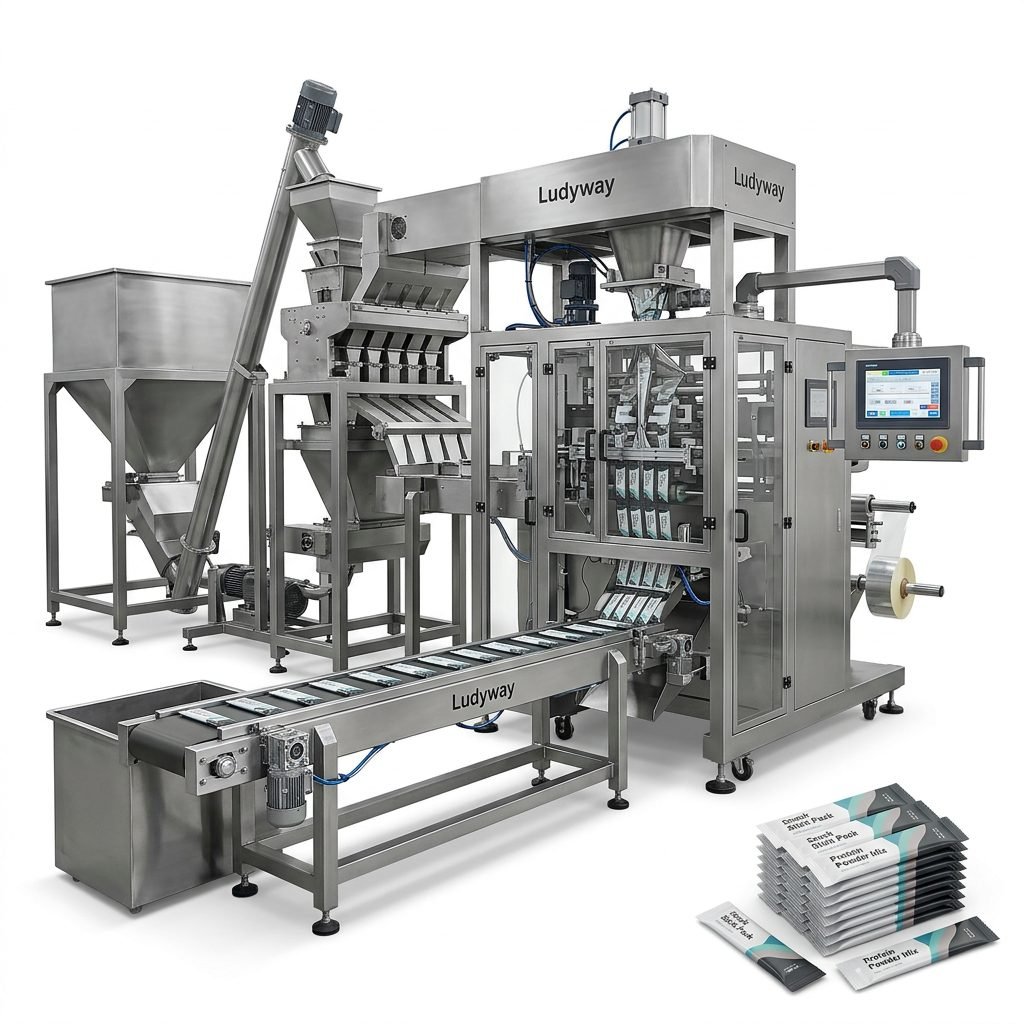
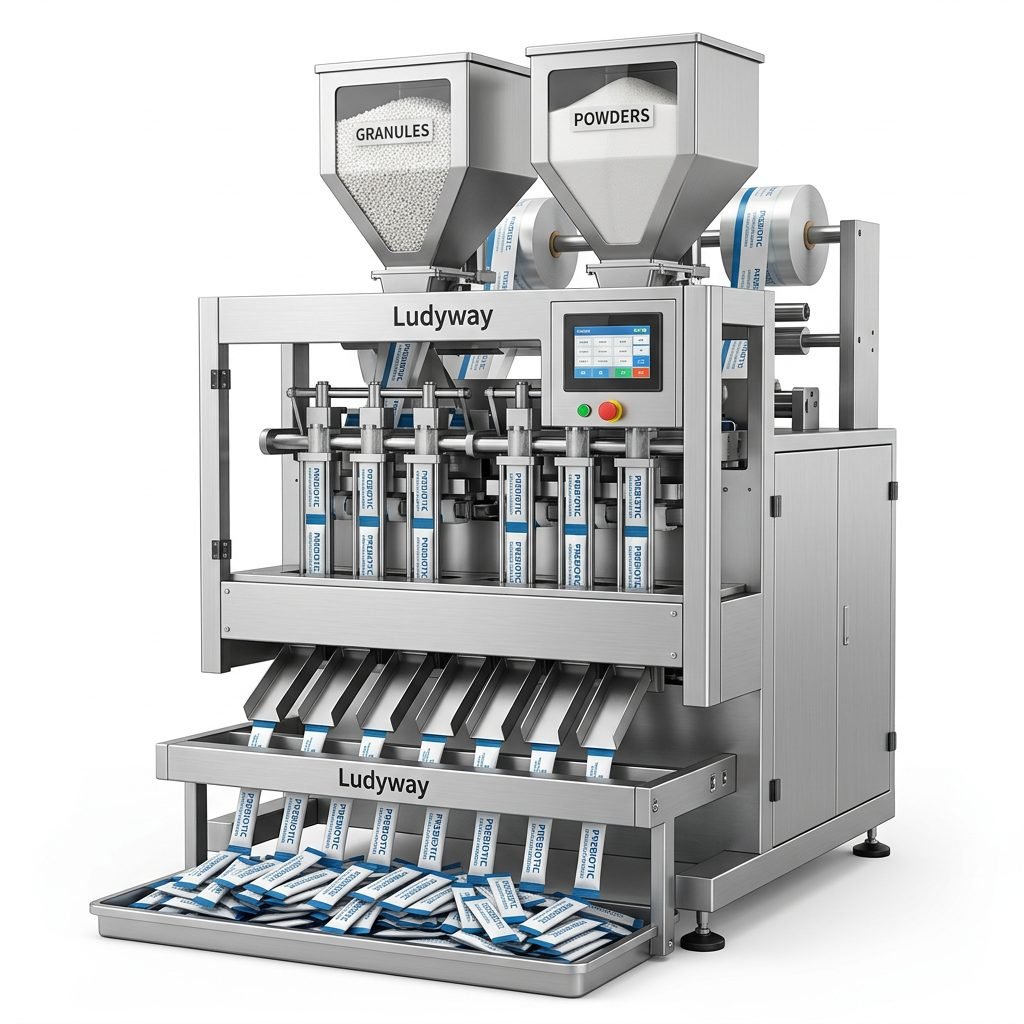
Choosing the right chocolate packing machine is not only about wrapping a product. It directly affects product freshness, shelf appeal, production speed, labor cost, hygiene control, and long-term profitability. Whether you produce chocolate bars, coated candies, truffles, chips, buttons, cocoa powder sachets, or gift assortments, the best packaging solution depends on your product form, output target, and market positioning.
In today’s competitive confectionery market, buyers expect packaging that is attractive, tamper-resistant, convenient, and consistent. That means manufacturers need equipment that can handle chocolate delicately while maintaining sealing quality and stable performance.
Why Chocolate Packaging Requires Specialized Equipment
Chocolate is more sensitive than many other food products. Heat, moisture, oxygen, pressure, and handling can all affect appearance and quality. A standard food packing system may not always be enough, especially for premium or temperature-sensitive products.
- Temperature sensitivity: Chocolate can soften, bloom, or deform during packaging.
- Fragility: Bars, filled chocolates, and molded pieces can crack under poor handling.
- Shelf-life needs: Barrier packaging helps protect flavor, texture, and aroma.
- Brand presentation: Confectionery packaging plays a major role in consumer purchase decisions.
- Food safety: Hygienic design and reliable sealing are essential for compliance and quality assurance.
Because of these factors, a chocolate packing machine should be selected based on both product characteristics and packaging format, not just speed.
Main Types of Chocolate Packing Machines
1. Flow Wrapping Machines for Chocolate Bars and Pieces
Flow wrappers are widely used for chocolate bars, wafer bars, coated snacks, pralines in trays, and individual confectionery items. They create pillow packs using roll film and are ideal for medium to high-speed production.
Best for: single bars, mini bars, filled chocolate snacks, molded chocolate pieces
2. Vertical Form Fill Seal Machines
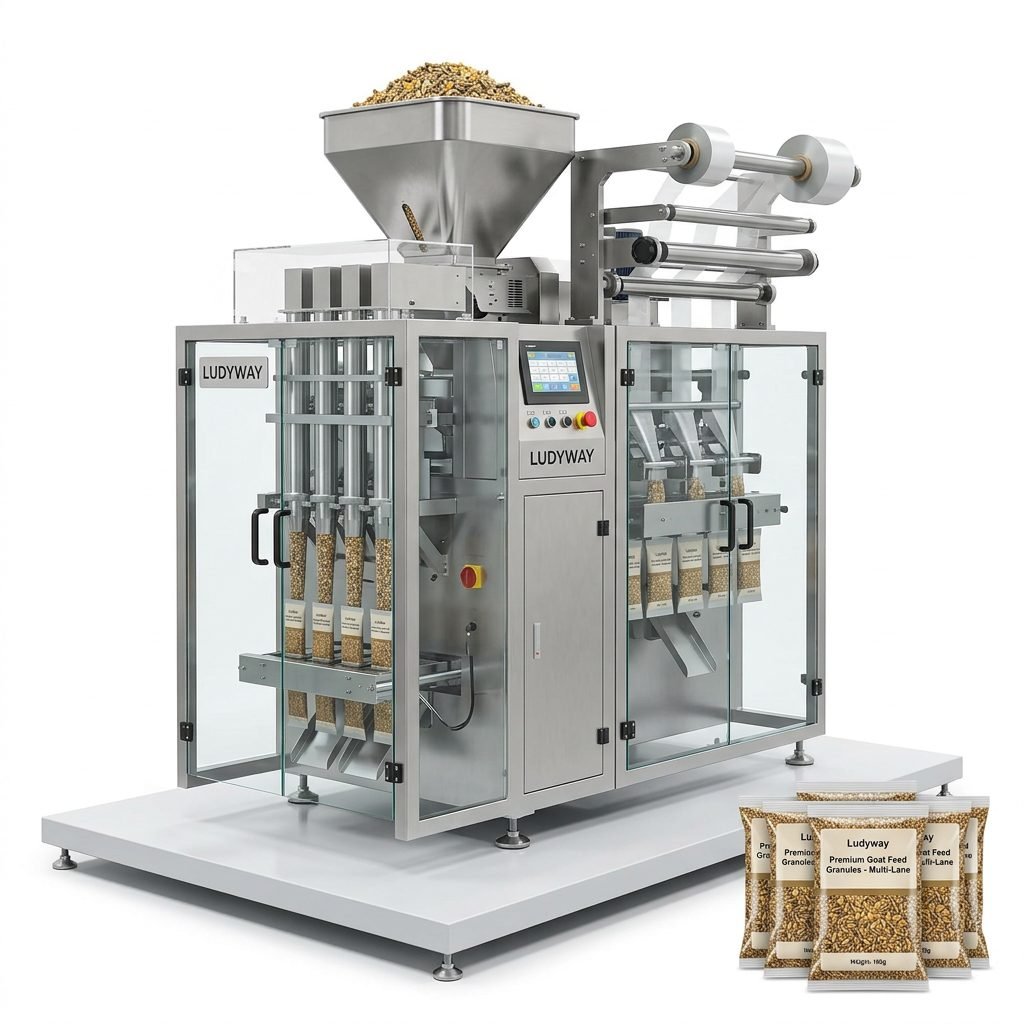
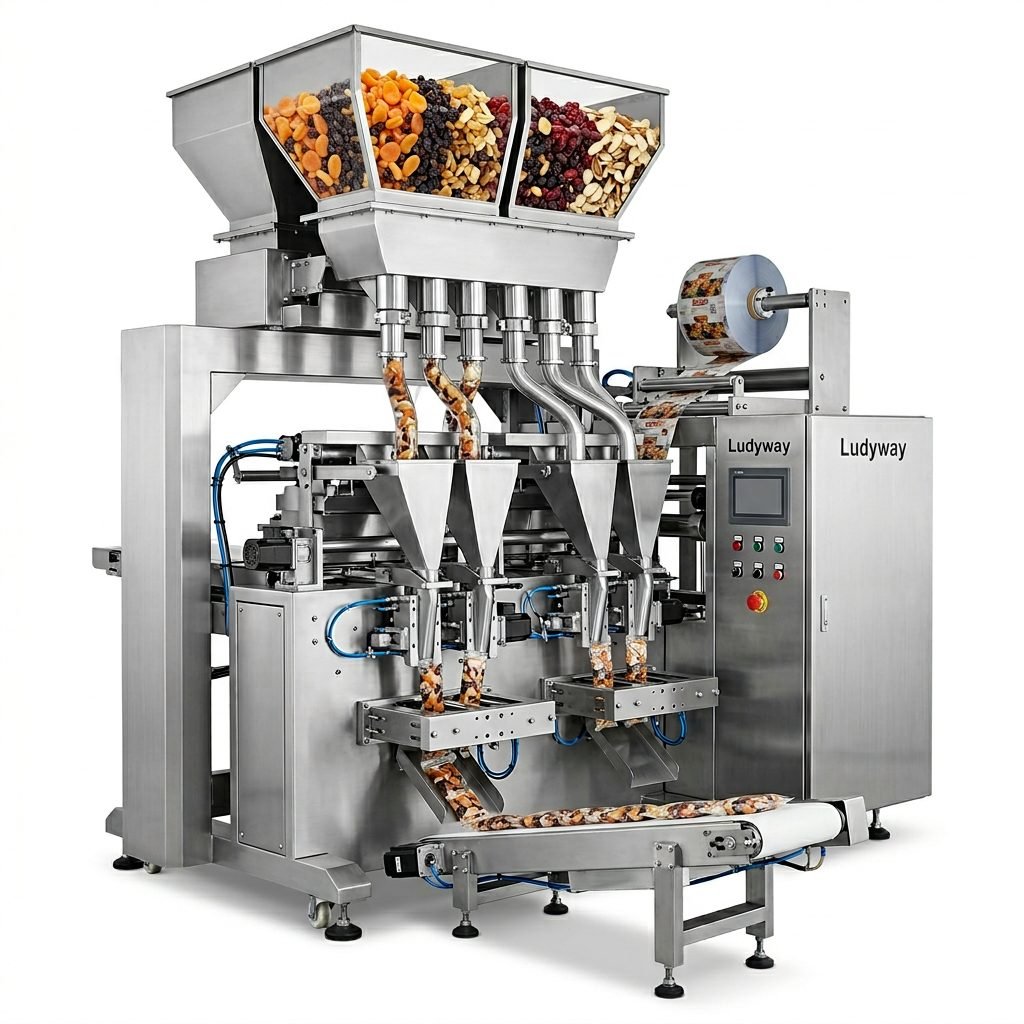
These machines are suitable for chocolate chips, drops, lentils, coated nuts, buttons, and similar granule-style or small-piece chocolate products. They form bags from film, fill the product, and seal automatically.
Best for: stand-up pouches, pillow bags, back-seal bags, gusset bags
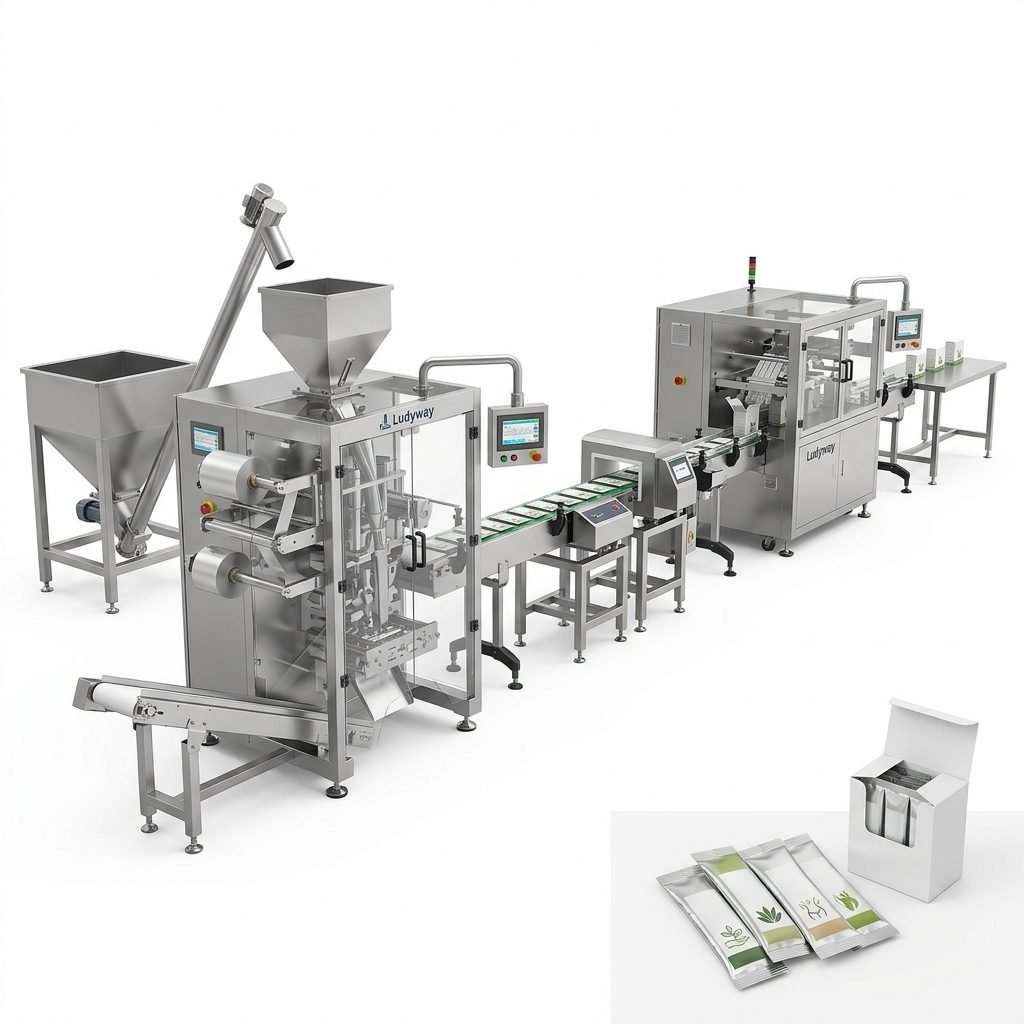
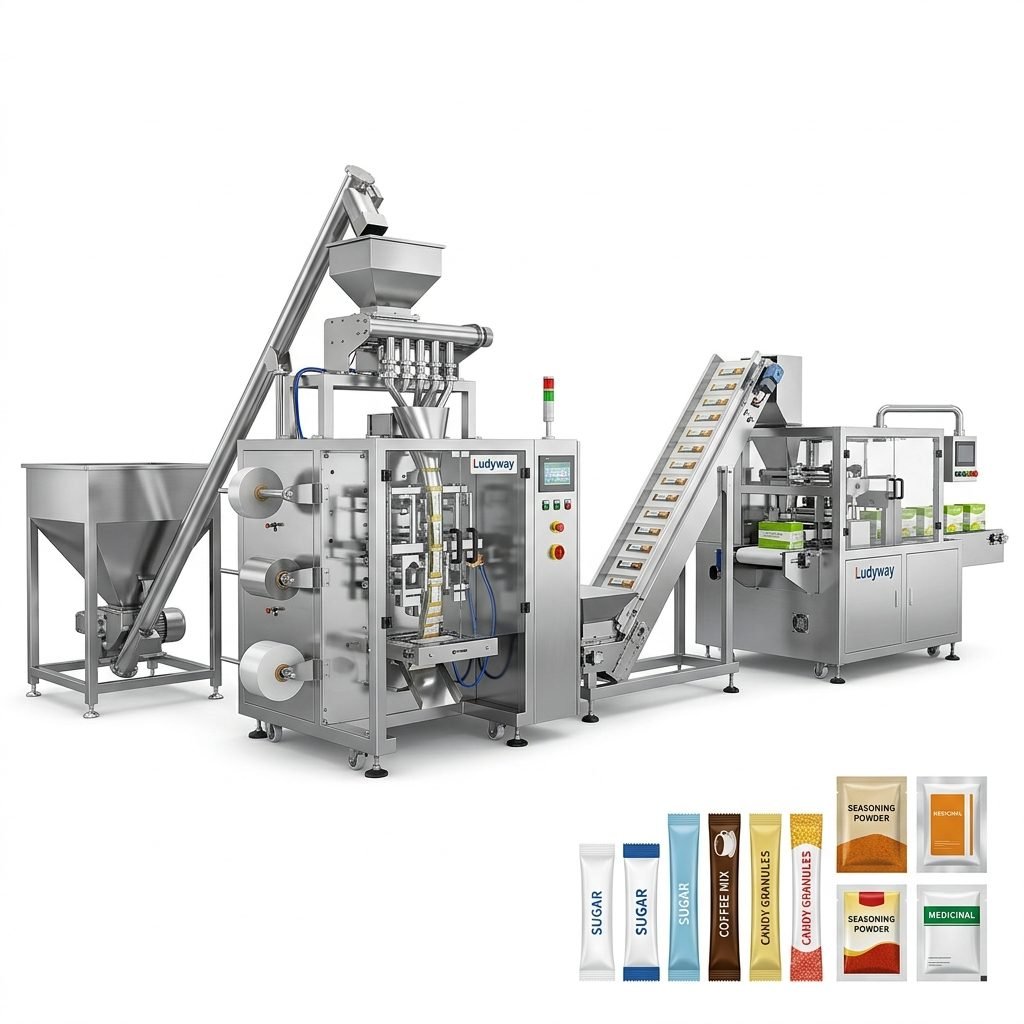
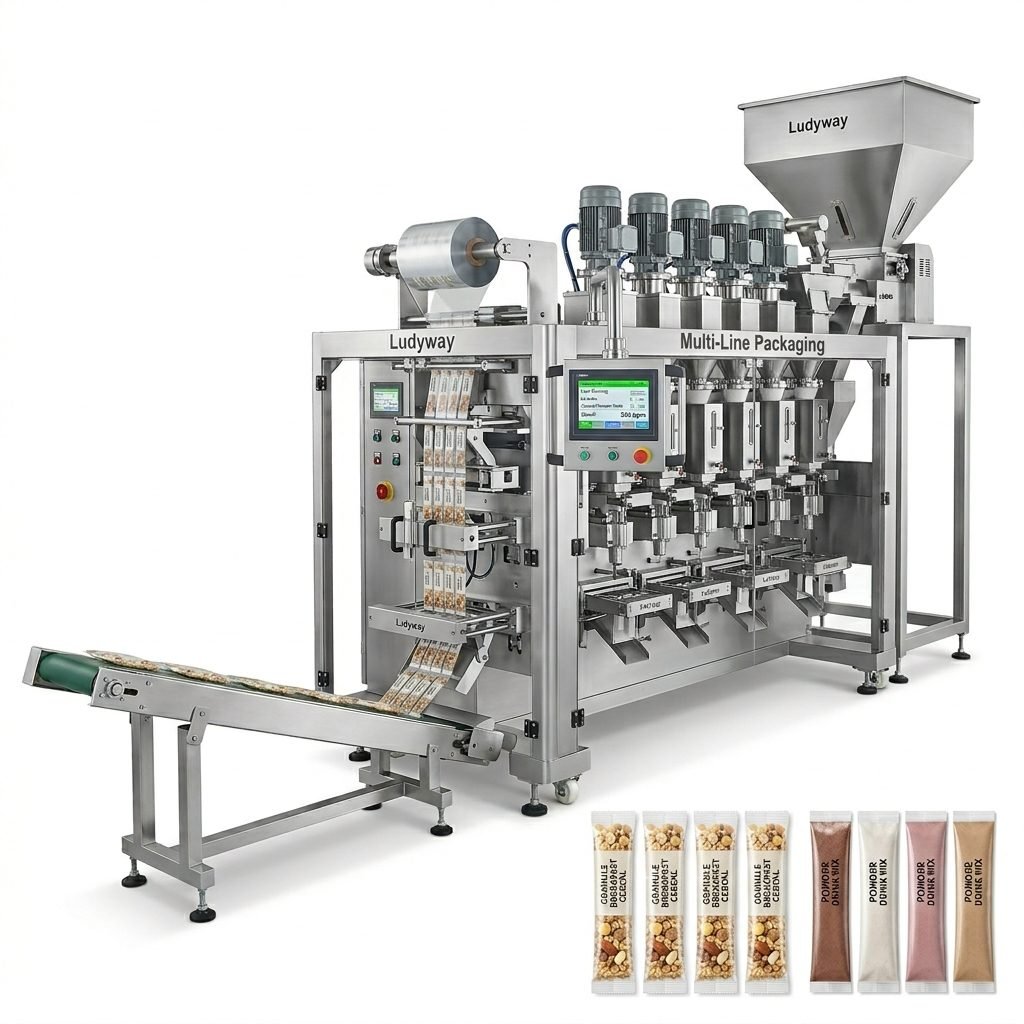
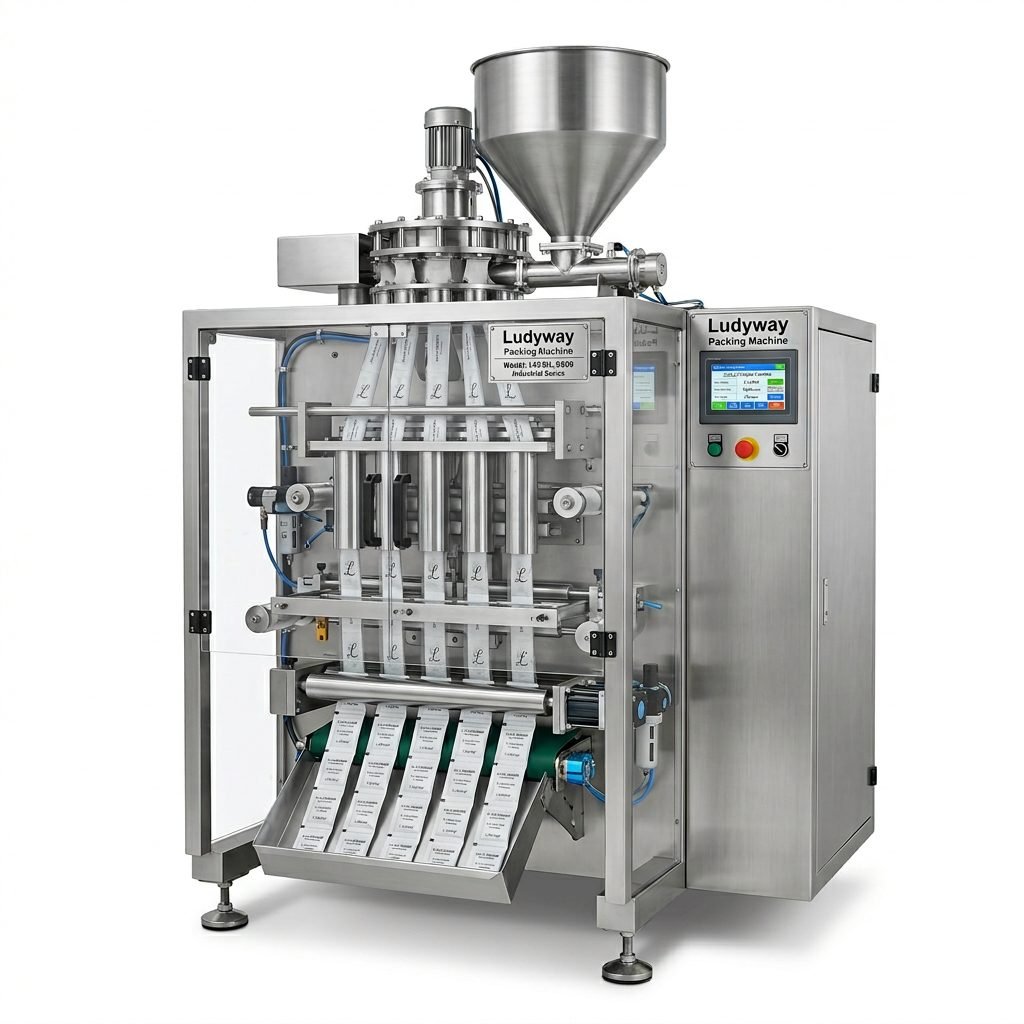
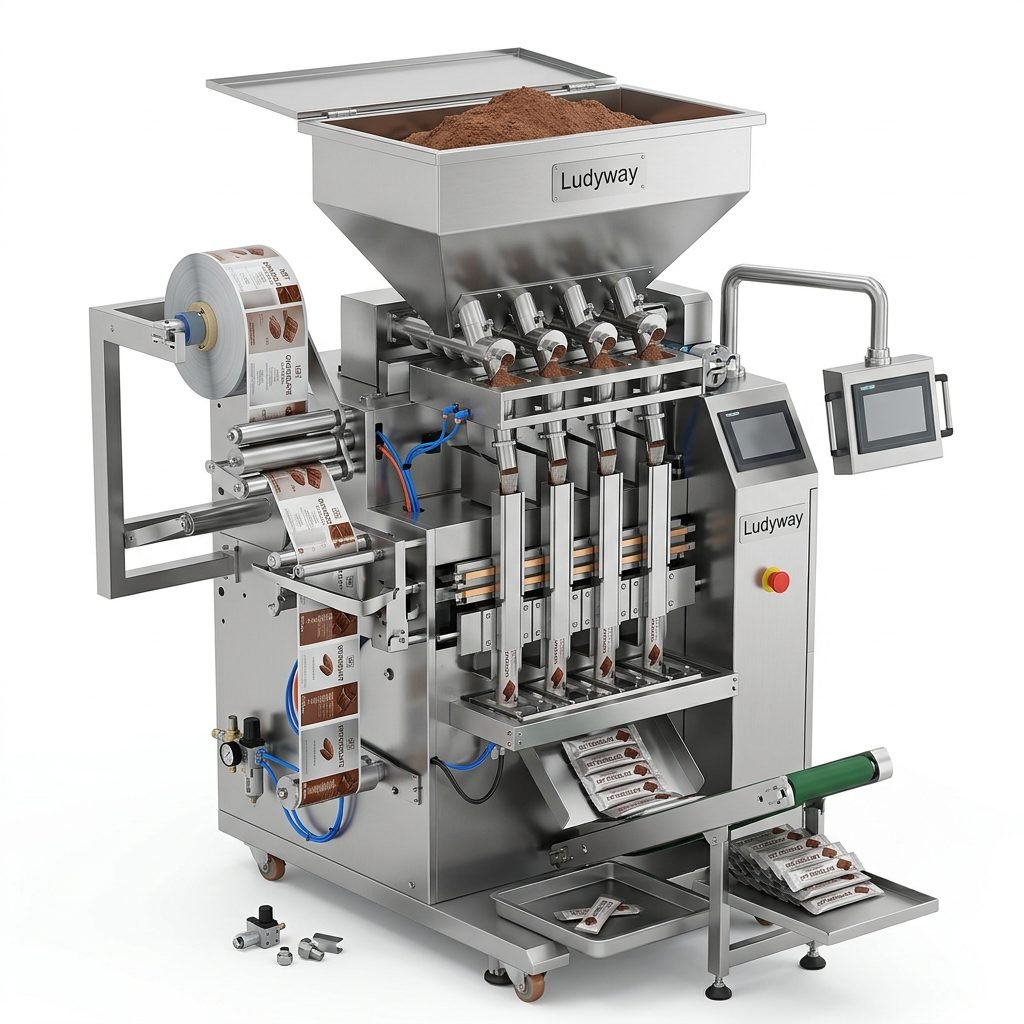
3. Sachet and Stick Pack Machines for Cocoa or Drinking Chocolate Powder
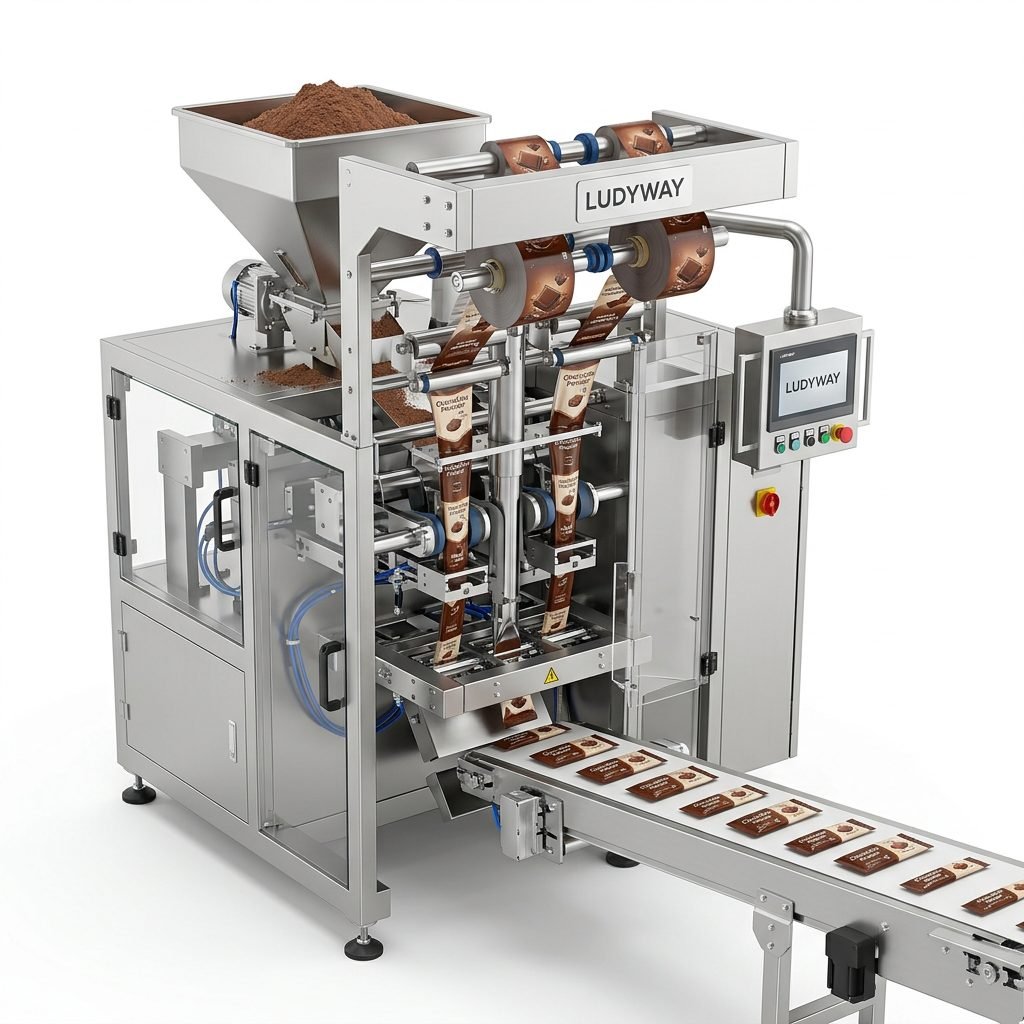
If your product is powdered chocolate, instant cocoa mix, or single-serve hot chocolate, sachet and stick pack machines are a highly efficient solution. They are especially suitable for retail multipacks, foodservice, and travel-size formats.
Best for: cocoa powder, chocolate beverage mix, nutritional chocolate powder blends
4. Premade Pouch Packing Machines
For premium packaging, premade pouch systems offer strong visual appeal and flexible format options. These are commonly used for chocolate snacks, chocolate-coated nuts, seasonal products, and gift-style retail packs.
Best for: zip pouches, doy packs, premium snack pouches
5. Cartoning and Secondary Packaging Systems
After primary packaging, many chocolate products require cartoning, case packing, labeling, checkweighing, coding, and palletizing. A fully integrated line can significantly improve production consistency and reduce manual handling.
How to Choose the Best Packaging Solution for Chocolate Products
Match the Machine to the Chocolate Format
The first step is identifying exactly what you are packaging. Different chocolate products behave very differently on a line.
| Chocolate Product Type | Recommended Machine Type | Typical Packaging Format |
|---|---|---|
| Chocolate bars | Flow wrapping machine | Pillow pack, fin seal wrap |
| Chocolate chips or buttons | VFFS machine with weighing system | Pouch, pillow bag, gusset bag |
| Cocoa powder | Sachet or stick pack machine | Single-dose sachet, stick pack |
| Chocolate-coated snacks | Premade pouch machine or VFFS | Resealable pouch, pillow bag |
| Gift assortment chocolates | Tray loading + cartoning system | Box, tray, retail carton |
Evaluate Production Capacity
Packaging speed must align with your upstream production output. If the machine is too slow, it creates bottlenecks. If it is oversized, you may overinvest.
- Small-scale brands may need flexible, lower-output packaging equipment.
- Growing factories should consider scalable systems with upgrade potential.
- Large manufacturers often need high-speed automated lines with integrated feeding and end-of-line systems.
Consider Film and Barrier Requirements
Chocolate packaging film must provide the right level of protection against oxygen, humidity, grease migration, and odor contamination. Your machine should be compatible with the chosen film structure and sealing style.
Important considerations include:
- Heat seal performance
- Foil or metallized film compatibility
- Print registration accuracy
- Barrier level for longer shelf life
- Sustainable or recyclable packaging material compatibility
Check Dosing Accuracy
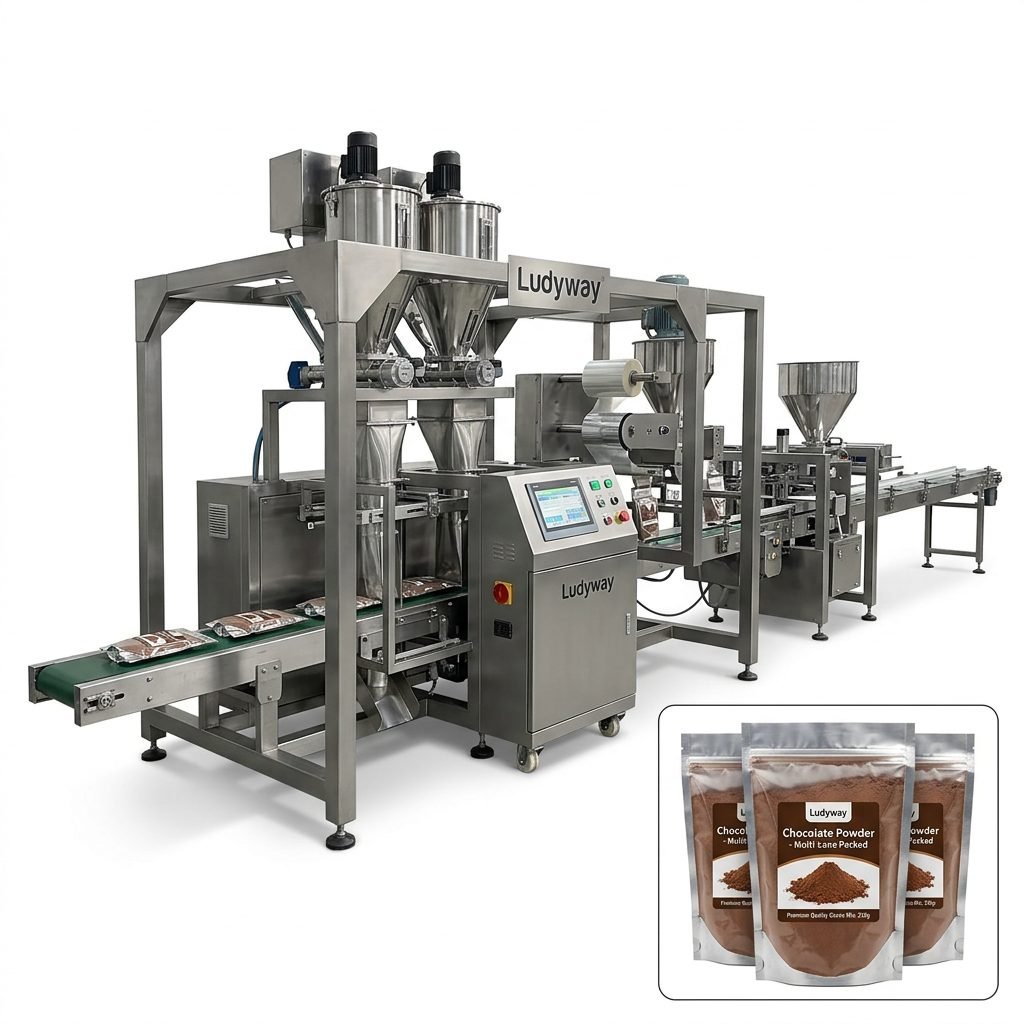
For chocolate powder, chips, and inclusions, accurate filling is critical for controlling cost and ensuring pack consistency. Depending on the product, the system may use:
- Auger fillers for fine cocoa or chocolate powder
- Multihead weighers for chips, drops, or coated nuts
- Volumetric systems for free-flowing granules
Focus on Gentle Product Handling
Delicate chocolate pieces can break or scuff during transport and filling. A properly engineered infeed, conveyor design, and drop control system can reduce waste and improve final pack appearance.
Review Hygiene and Cleaning Design
Chocolate environments often involve fat, powder, and fine residue. Machines should allow convenient cleaning, easy access, and food-grade contact parts. Stainless steel structure and practical sanitation design are strong advantages.
Key Features to Look for in a Chocolate Packing Machine
| Feature | Why It Matters |
|---|---|
| Servo control | Improves precision, stability, and synchronization |
| Touchscreen HMI | Simplifies operation, recipe changes, and troubleshooting |
| Temperature-controlled sealing | Helps maintain seal quality with sensitive packaging films |
| Photoelectric tracking | Ensures accurate cutting and print alignment |
| Nitrogen flushing option | Can help preserve freshness and reduce oxidation |
| Date coding integration | Supports traceability and compliance |
| Checkweigher and metal detector compatibility | Improves quality control and food safety |
| Modular design | Makes upgrades and line expansion easier |
Primary Packaging vs. Complete Chocolate Packaging Lines
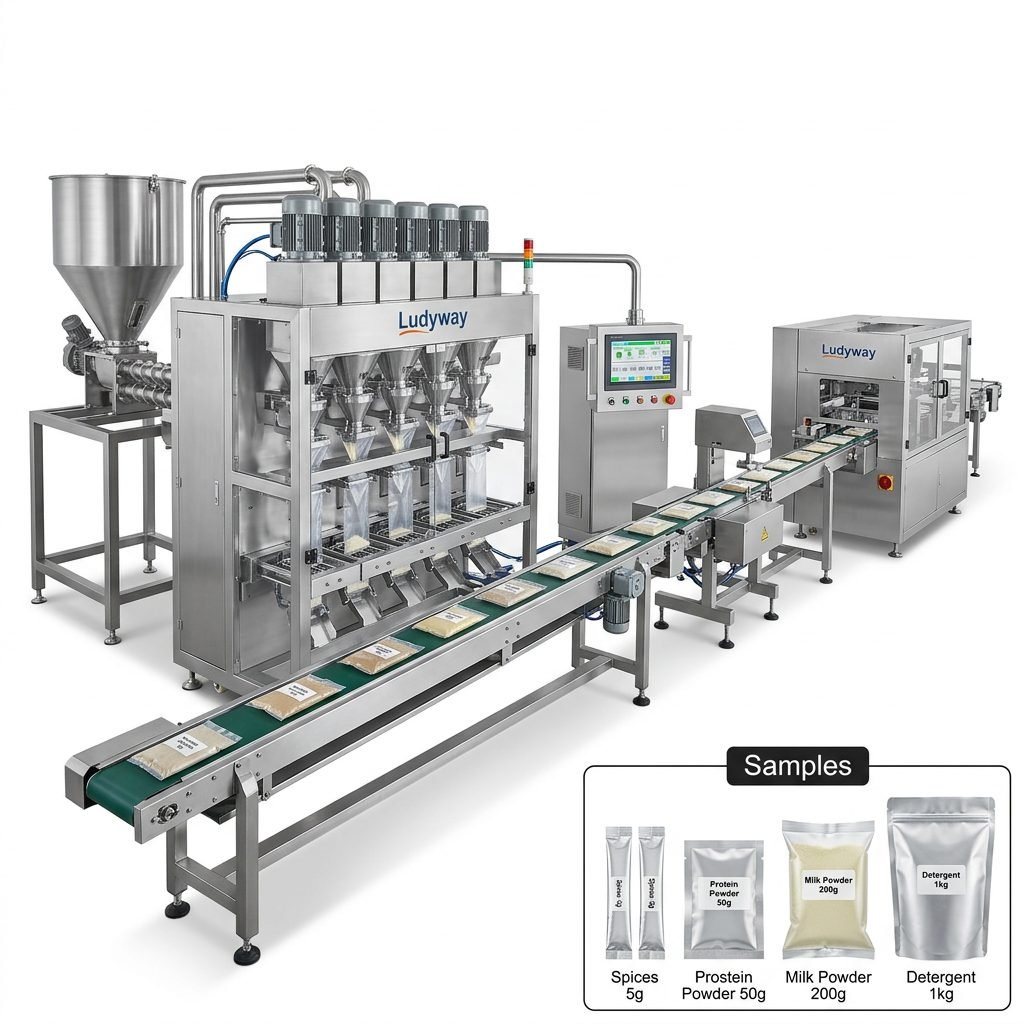
Some manufacturers only need a standalone wrapper or filler. Others need a complete turnkey packaging line from feeding to final case packing.
Standalone Machine Is Best If:
- You already have upstream production and downstream handling equipment
- You are launching a new SKU in limited volume
- You need flexibility for small-batch or contract packaging
Turnkey Line Is Best If:
- You want higher automation and lower labor dependence
- You run multiple shifts or large output volumes
- You need stable connection between filling, sealing, inspection, cartoning, and palletizing
- You want one supplier responsible for line integration
For businesses looking at scalable and customized automation, chocolate packing machine solutions from Ludyway can be relevant when evaluating both standalone equipment and complete turnkey packaging lines.
Best Packaging Formats for Different Chocolate Market Segments
Retail Chocolate
- High visual appeal
- Consistent seal quality
- Convenient portion sizes
- Strong shelf presence
Foodservice and Hospitality
- Single-serve sachets or sticks for hot chocolate and cocoa powder
- Bulk pouches for toppings, chips, or baking ingredients
- Efficient secondary packaging for transport and storage
Industrial and B2B Ingredient Supply
- Accurate weight control
- Durable bags or larger pouches
- Stable output for continuous production environments
Premium and Gift Chocolate
- Cartoning or tray-loading systems
- Elegant pack presentation
- Reduced product damage during handling
Questions to Ask Before Buying a Chocolate Packing Machine
- What exact chocolate product will be packed?
- What packaging format do you need now and in the future?
- What is your target speed per minute or per hour?
- Do you need nitrogen flushing or special atmosphere protection?
- What level of weighing or filling accuracy is required?
- Will the machine run one SKU or multiple product sizes?
- How often do you change packaging film or bag dimensions?
- Do you need a single machine or a complete automated line?
- What after-sales support, spare parts, and training are available?
- Can the supplier customize the system for your factory layout?
Common Mistakes Buyers Should Avoid
- Choosing by price alone: a cheaper machine may cost more in downtime and waste.
- Ignoring chocolate behavior: heat sensitivity and breakage risk must be considered.
- Underestimating future growth: select a system that can scale with your business.
- Not checking material compatibility: film structure and sealing quality matter greatly.
- Overlooking service capability: technical support and spare parts are critical for long-term operation.
Should You Choose a Standard or Customized Machine?
A standard model may be enough for common chocolate formats and stable production conditions. However, a customized chocolate packaging solution is often the better choice when you have unusual product dimensions, premium pack requirements, integrated quality inspection needs, or a complex factory workflow.
Customization may include:
- Special infeed systems for delicate chocolates
- Multi-lane powder sachet packaging
- Integrated coding, weighing, and inspection
- End-of-line cartoning and palletizing
- Factory-space-adapted line layout
What Makes a Reliable Packaging Machine Supplier
When comparing suppliers, do not just review machine photos or headline speed claims. Look at the supplier’s engineering capability, export experience, product range, and ability to support complete packaging projects.
A dependable supplier should offer:
- Clear technical consultation
- Application-based machine selection
- Customization options
- Stable manufacturing quality
- Commissioning and operator training
- Long-term spare parts and after-sales support
Final Buying Advice
The best chocolate packing machine is the one that fits your product type, pack style, speed target, hygiene standard, and growth plan. Start by defining your chocolate format, then evaluate the correct packaging method, dosing system, material compatibility, and automation level.
If you are producing chocolate powder, single-serve cocoa, chocolate bars, coated snacks, or premium boxed chocolate, a properly matched packaging machine can improve efficiency, reduce waste, protect product quality, and strengthen your brand presentation in the market.
Tip: Request sample packaging tests before purchase whenever possible. Real product testing is one of the most effective ways to confirm machine suitability, pack appearance, and production stability.