Choosing the right water packing machine is not only about finding the lowest number on a quotation. For growing beverage brands, bottled water plants, pouch water startups, and contract packers, the real goal is to find the best value—the machine that delivers stable output, hygienic packaging, lower downtime, and a faster return on investment.
In this guide, you will learn what affects water packing machine price, how to compare suppliers, what hidden costs buyers often miss, and how to select equipment that matches your production goals.
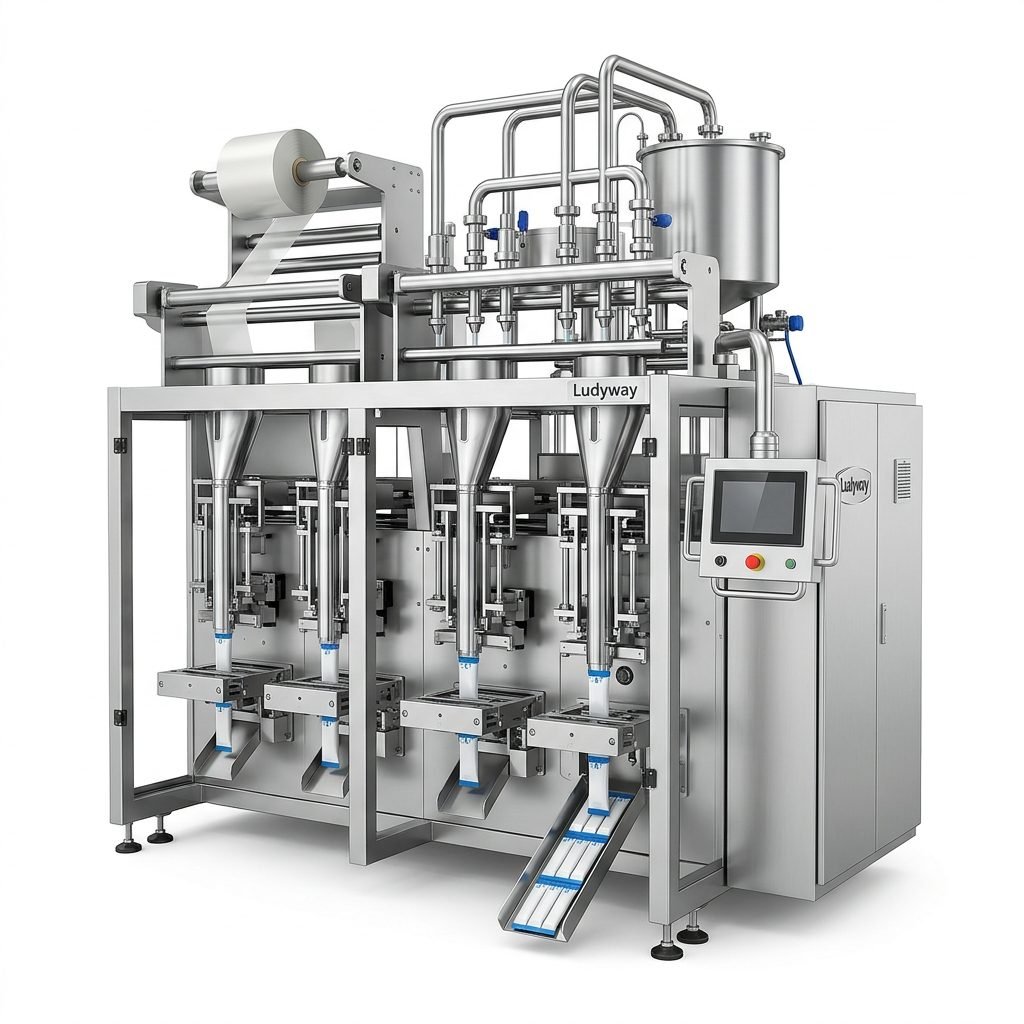
Why Water Packing Machine Price Varies So Much
The price difference between two machines can be significant because packaging systems are rarely identical. Even machines that look similar on the outside may differ in speed, material quality, automation level, filling accuracy, electrical components, sanitation design, and after-sales support.
When evaluating price, buyers should focus on the full value of the equipment rather than the base offer alone. A cheaper machine may cost more over time if it causes frequent stoppages, inconsistent sealing, product loss, or expensive maintenance.
Main factors that influence price
- Packaging format: sachets, stick packs, pouches, or bottles
- Production speed: output per minute or per hour
- Automation level: semi-automatic vs. fully automatic line
- Machine construction: stainless steel grade, hygienic design, sealing system
- Filling accuracy: especially important for small-volume packs
- Optional modules: date coding, labeling, cartoning, conveyors, checkweighers
- Customization requirements: pack size, film type, local voltage, plant layout
- Supplier capability: engineering support, export experience, spare parts, training
Typical Water Packing Machine Price Ranges
The following ranges are general market references. Actual pricing depends on specifications, region, and project scope.
| Machine Type | Typical Application | Estimated Price Range |
|---|---|---|
| Semi-automatic water filling machine | Small-scale bottle filling | USD 3,000–10,000 |
| Automatic sachet water packing machine | Pillow bags or small water sachets | USD 8,000–25,000 |
| Automatic bottle rinsing, filling, capping line | Bottled drinking water | USD 20,000–120,000+ |
| Turnkey water packaging line | Treatment, filling, sealing, labeling, packing | USD 50,000–300,000+ |
Important: the lowest quotation often excludes installation, molds, spare parts, air compressor, water treatment unit, freight, and technical service.
How to Judge Best Value Instead of Lowest Price
Best value means the machine supports your business over the long term. It should fit your target volume, reduce labor dependence, maintain packaging quality, and allow future expansion.
Look at total cost of ownership
Instead of asking only “How much does the machine cost?”, ask:
- How much product can it pack per shift?
- How much labor can it save?
- How often does it need maintenance?
- How easy is it to source spare parts?
- What is the expected reject rate?
- Can it support future production growth?
Compare performance indicators
| What to Compare | Why It Matters |
|---|---|
| Actual running speed | Determines daily output and revenue potential |
| Sealing quality | Reduces leakage, waste, and customer complaints |
| Filling precision | Improves consistency and cost control |
| Material compatibility | Ensures the machine works with your preferred packaging film or bottle type |
| Changeover time | Matters if you run multiple pack sizes |
| After-sales support | Helps reduce downtime after installation |
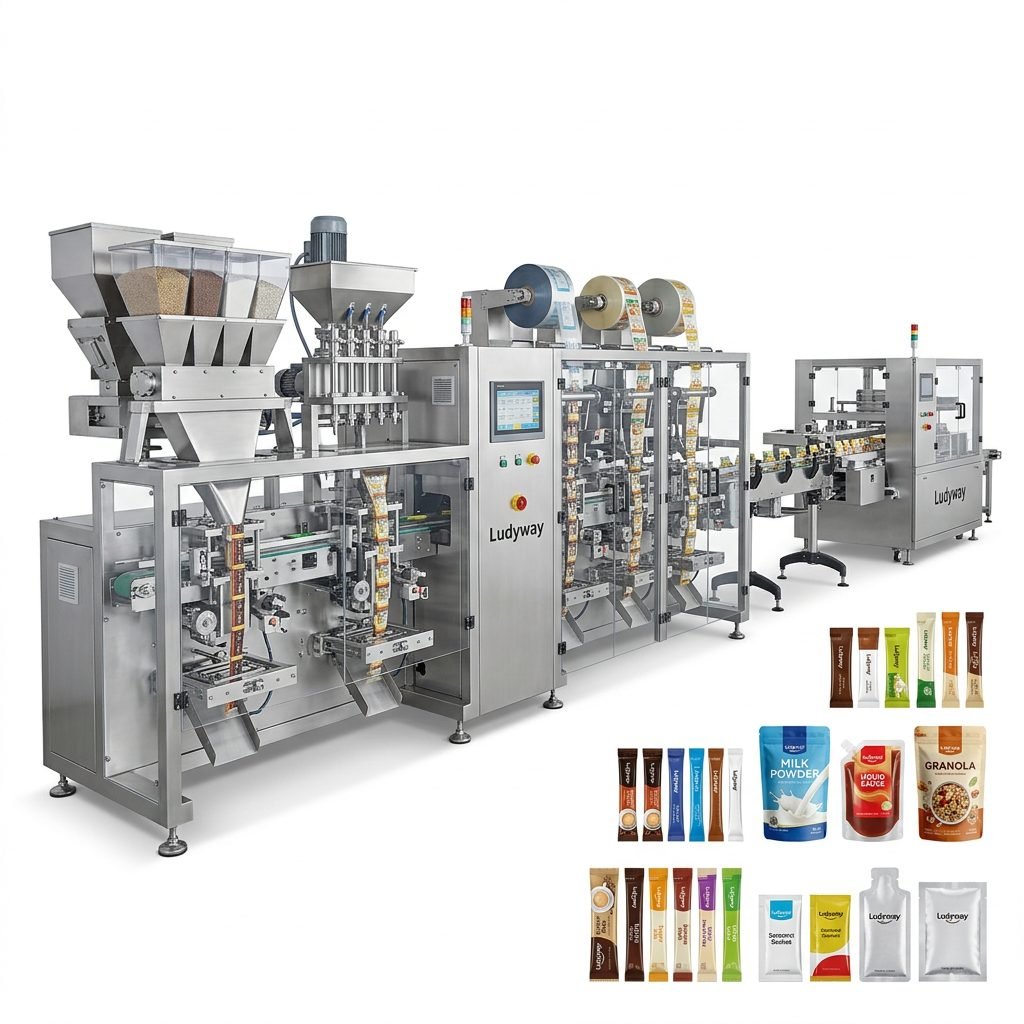
Key Questions to Ask Before Requesting a Quote
To get an accurate water packing machine price, prepare clear project information. The more details you provide, the more realistic and useful the supplier’s proposal will be.
- What type of water product are you packing: purified water, mineral water, flavored water, or electrolyte drink?
- What package type do you need: sachet, stick pack, pouch, cup, or bottle?
- What is the filling volume per pack?
- What production speed do you need per minute or per hour?
- Do you need standalone equipment or a complete turnkey line?
- What are your local voltage and certification requirements?
- Will you need coding, labeling, cartoning, or palletizing?
- Do you plan to expand capacity in the next 1–3 years?
Hidden Costs Buyers Often Overlook
Many businesses compare supplier quotations line by line and still miss important cost items. These hidden costs can significantly affect your real investment.
Common extra costs
- Shipping and insurance
- Import duty and customs clearance
- Installation and commissioning
- Operator training
- Initial spare parts package
- Air compressor, chiller, or water treatment system
- Packaging material testing and adjustment
- Factory utility upgrades such as power supply or compressed air lines
If a supplier quote seems unusually low, confirm exactly what is included. A transparent quotation is usually a better sign than a short quotation with many missing items.
When a Higher-Priced Machine Is Actually the Better Deal
In many cases, paying more upfront can save money over time. This is especially true for medium and high-volume operations where downtime is expensive.
A more advanced machine may offer:
- Higher speed and better output stability
- Lower product waste and film waste
- More reliable sealing quality
- Better hygiene and easier cleaning
- Faster changeover between sizes
- Longer service life
- Smarter controls for troubleshooting and monitoring
Example: if a higher-grade machine saves just one operator per shift and cuts rejects by a few percentage points, the extra cost may be recovered much faster than expected.
How to Evaluate a Supplier Beyond the Price Tag
The machine matters, but the supplier matters just as much. A reliable manufacturer can help you avoid startup delays, technical issues, and communication problems.
What to check in a supplier
- Years of manufacturing experience
- Export history and international project references
- Factory size and engineering capability
- Ability to provide customized solutions
- Availability of testing videos or sample runs
- Technical documentation in English
- Response speed for service and spare parts
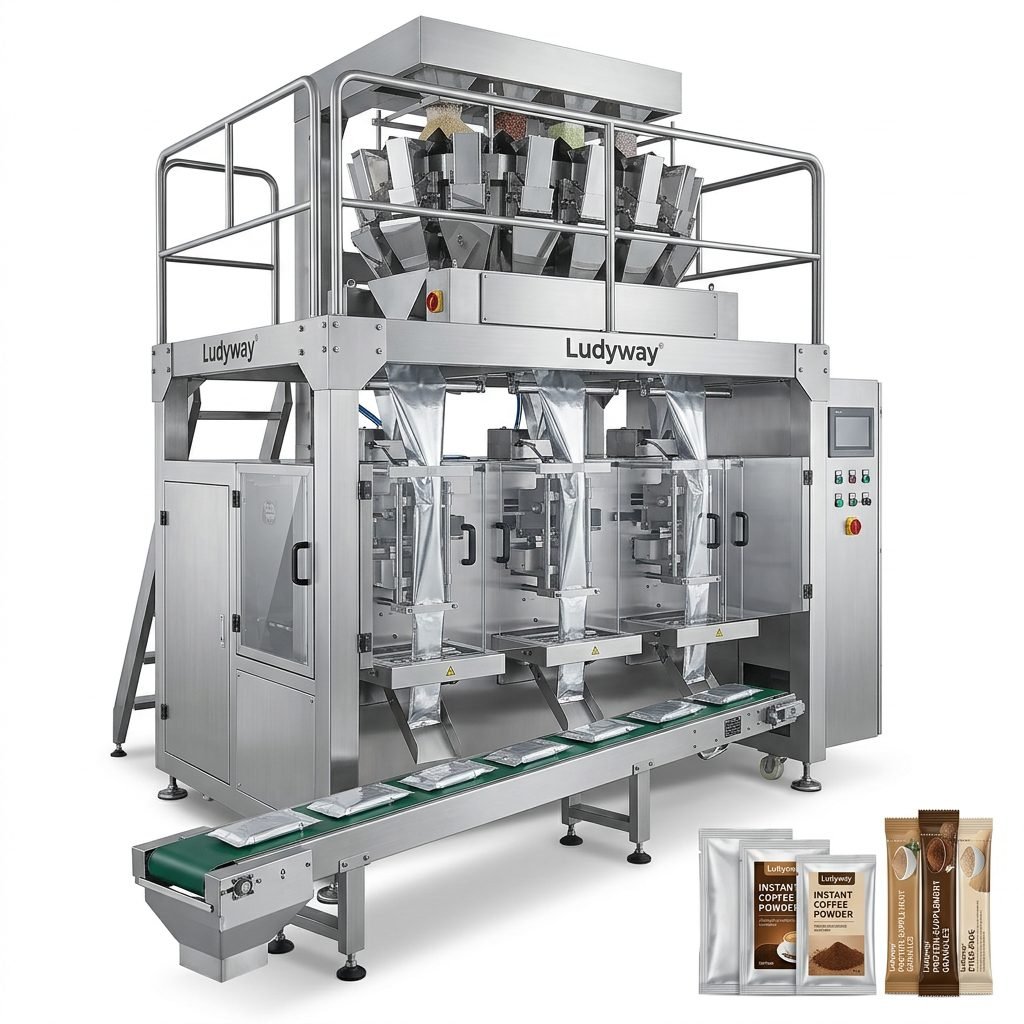
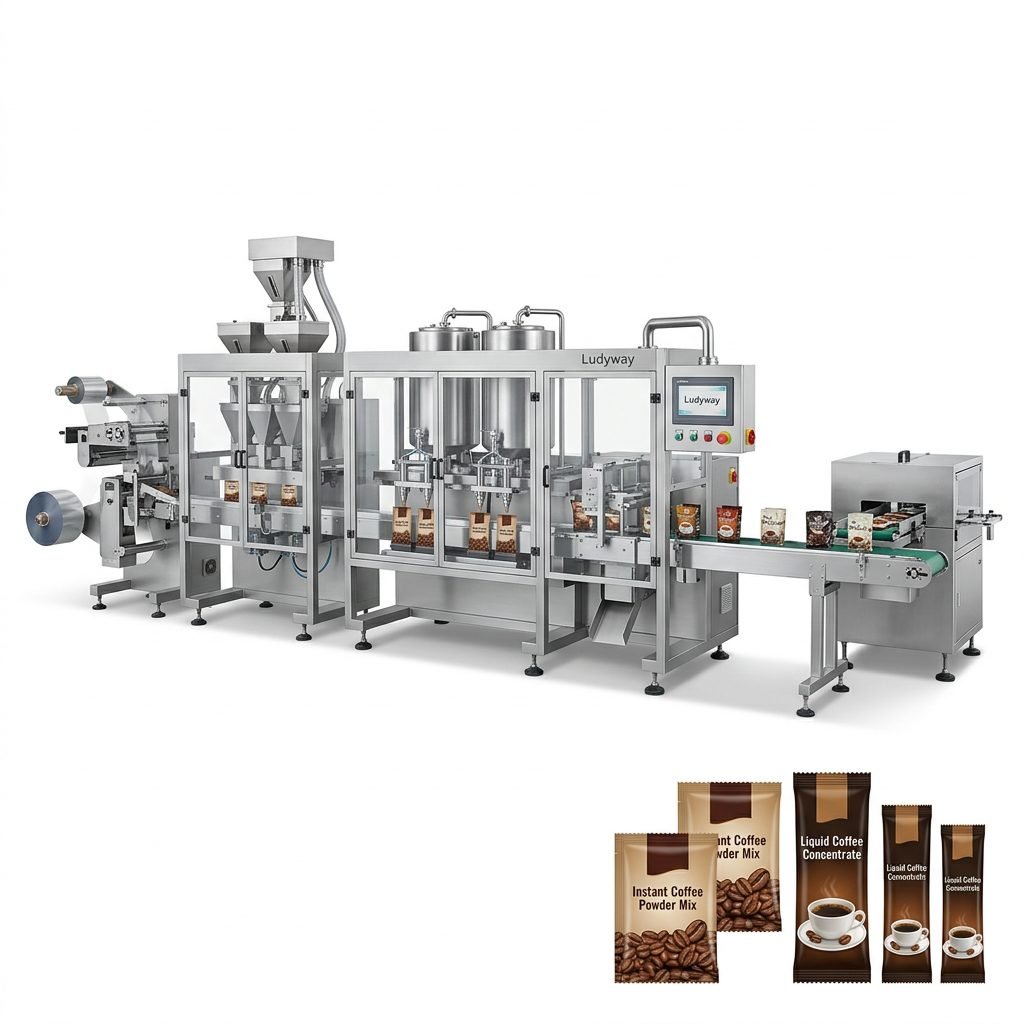
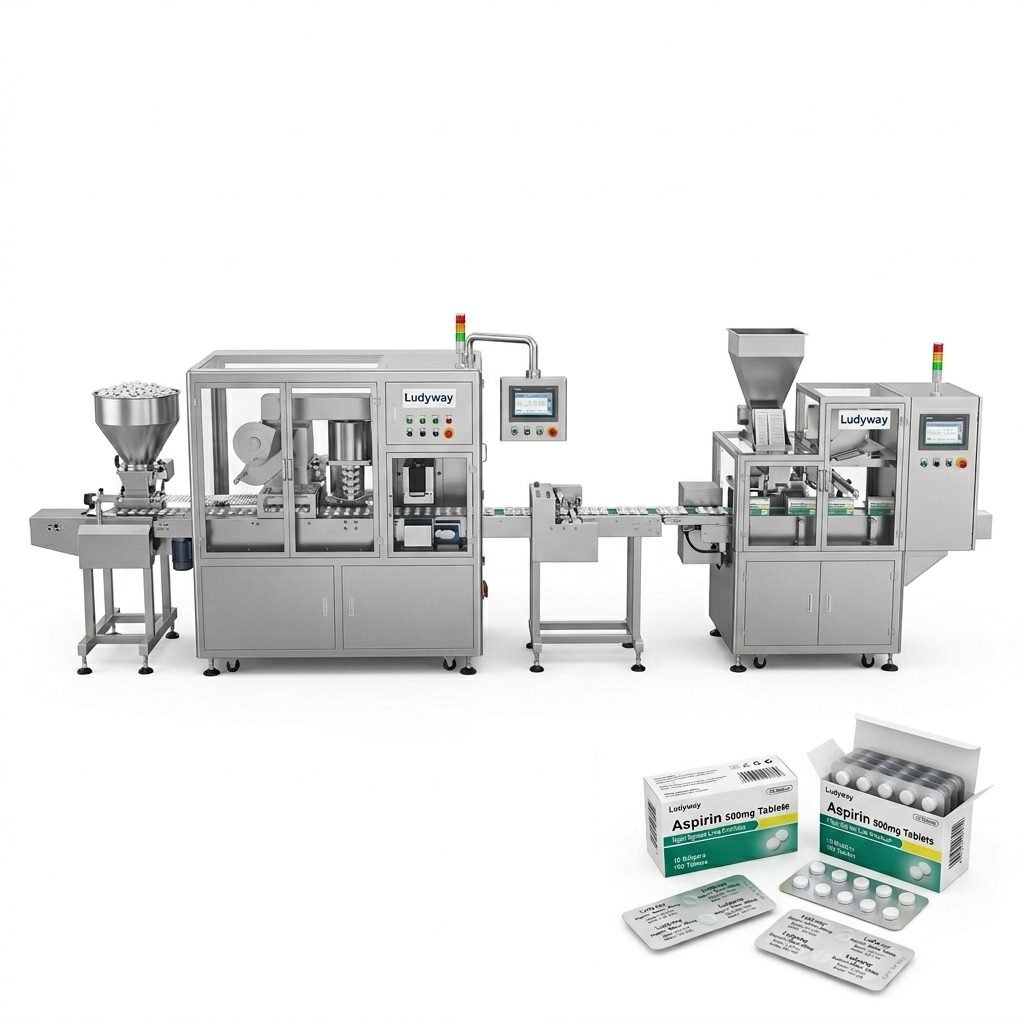
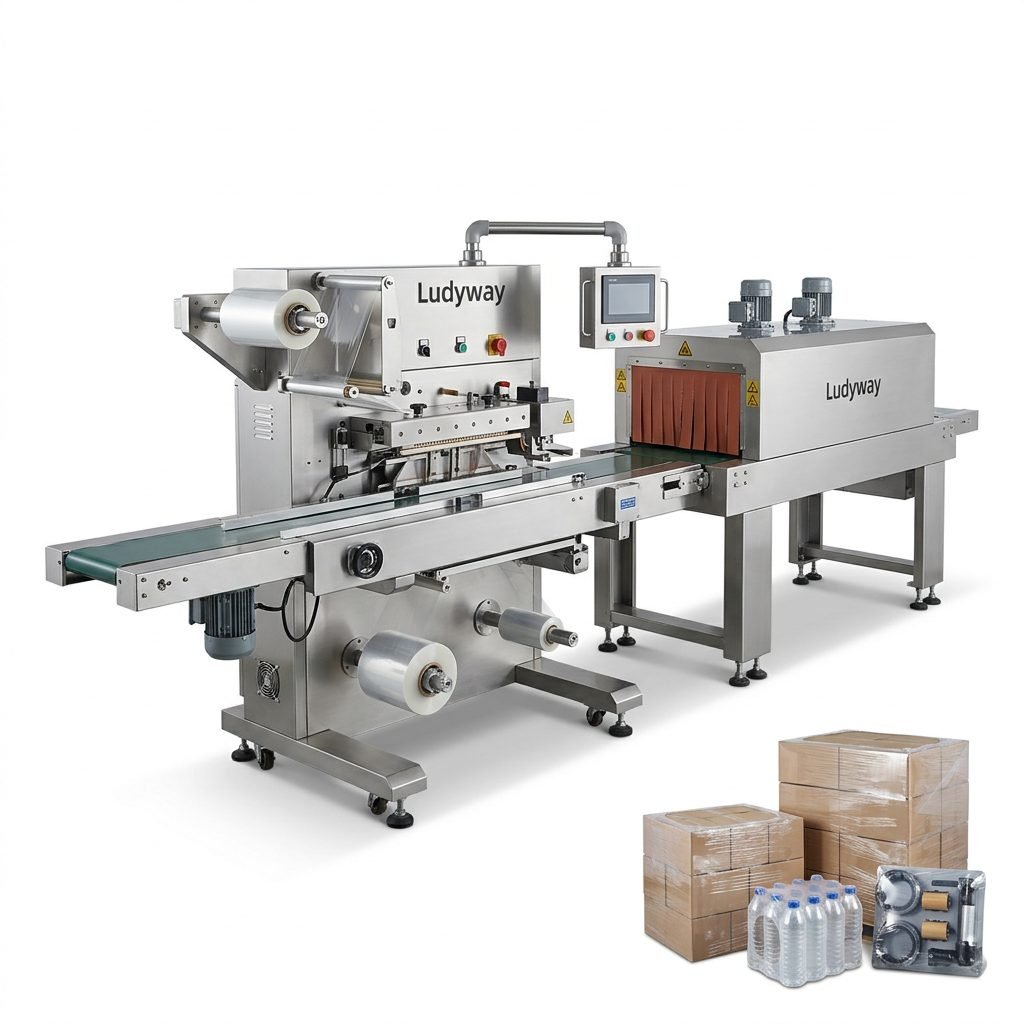
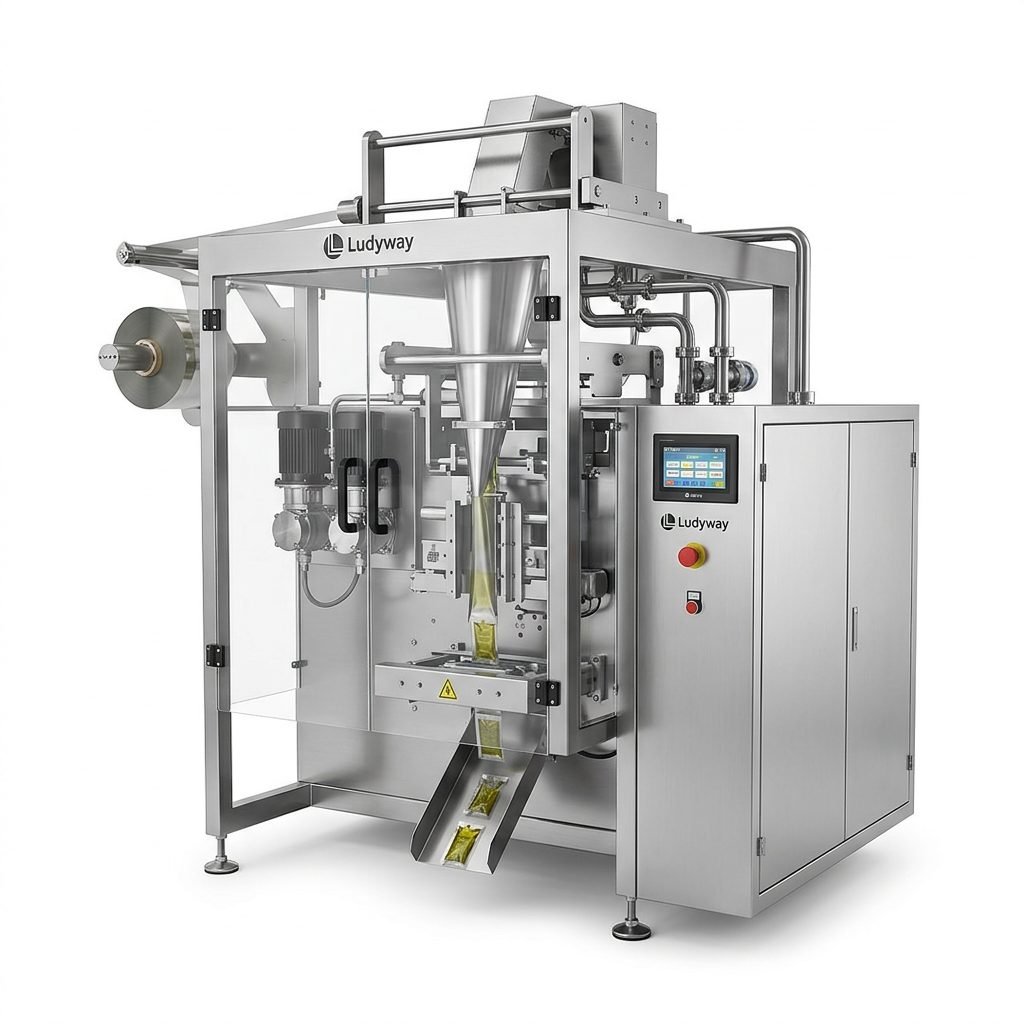
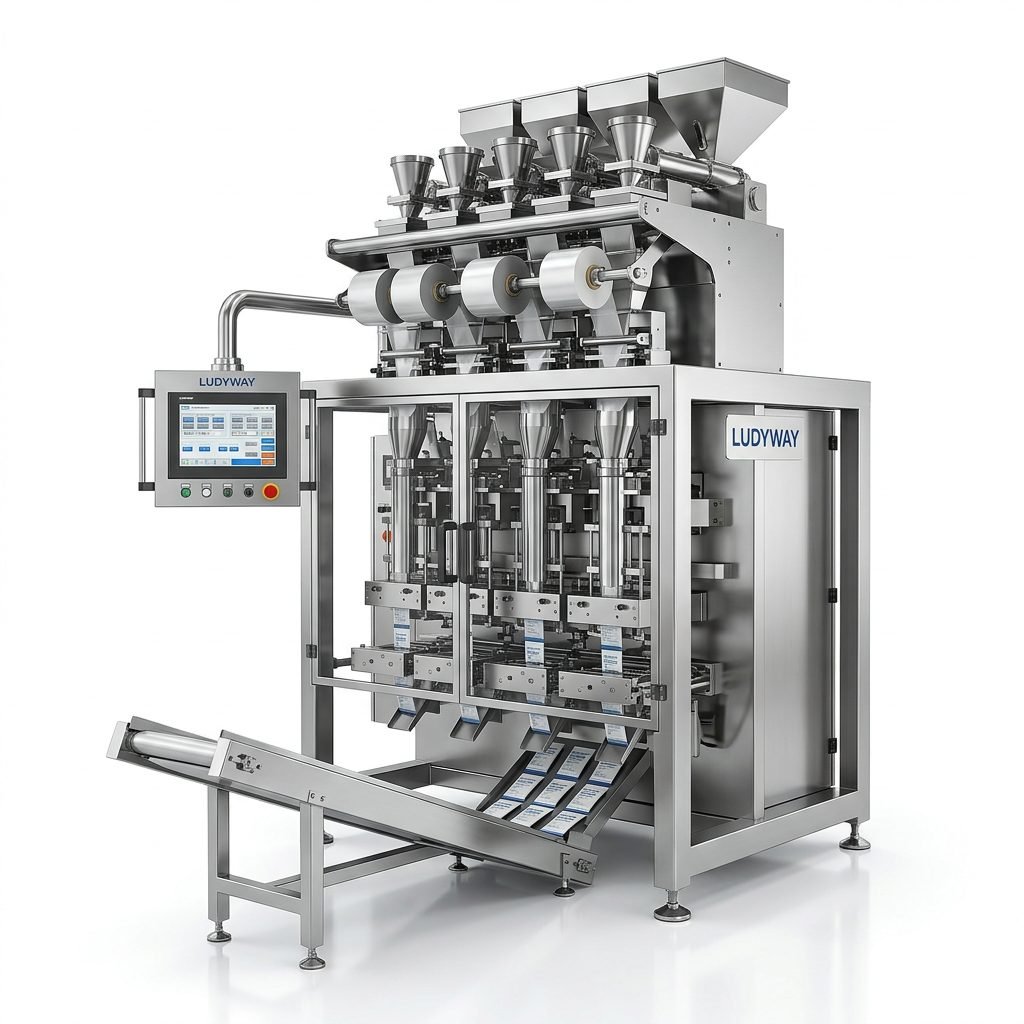
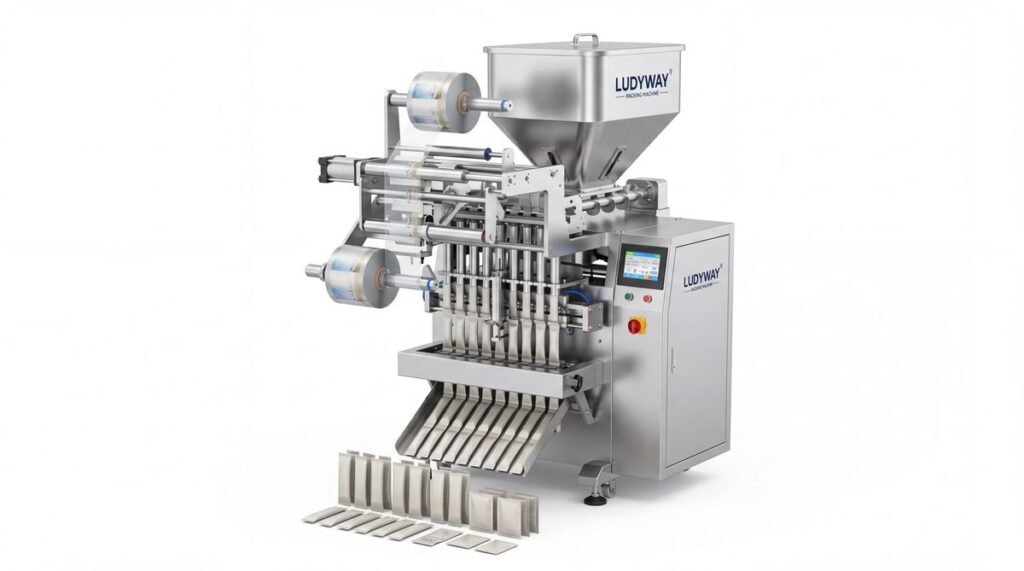
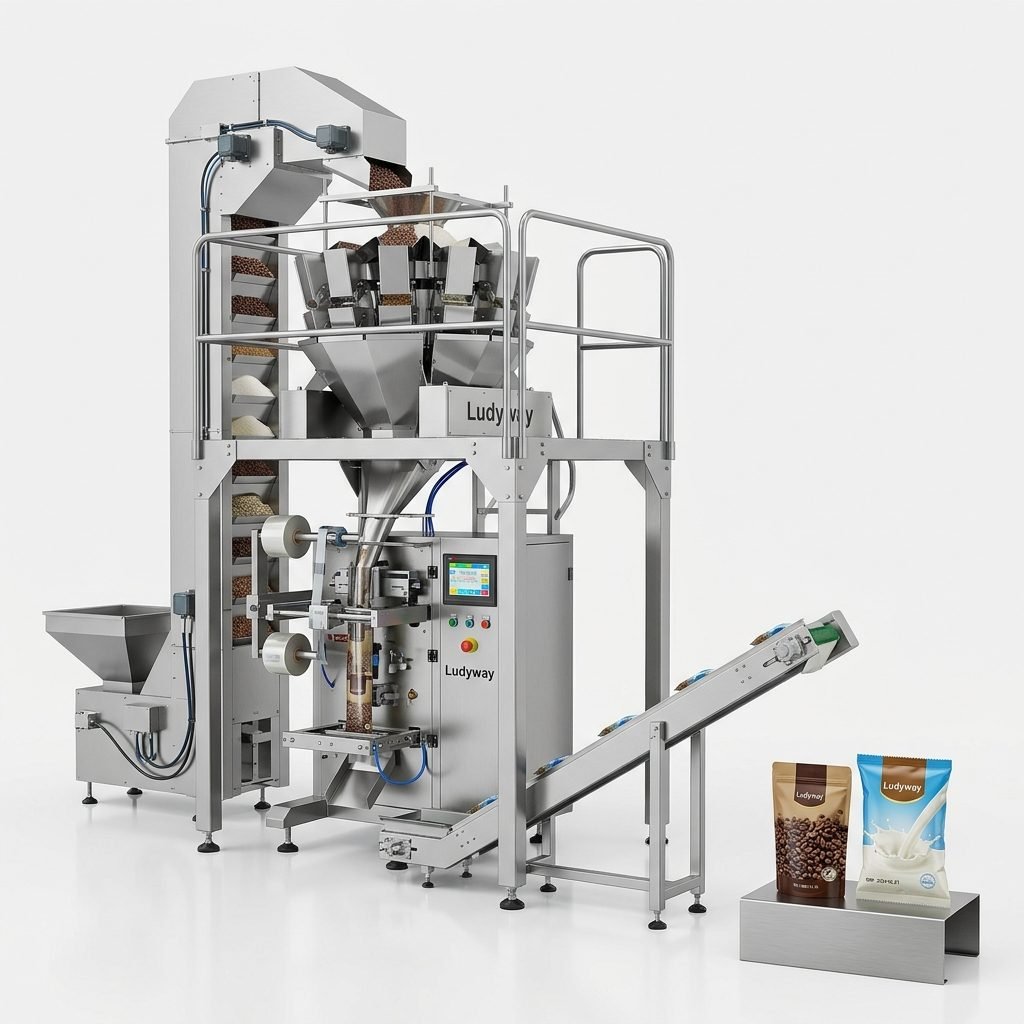
For buyers seeking a packaging equipment partner with large-scale manufacturing capacity and broad turnkey experience, Ludyway water packing machine solutions are often considered by importers and factory owners that need scalable automation for food, pharmaceutical, health supplement, and liquid packaging applications.
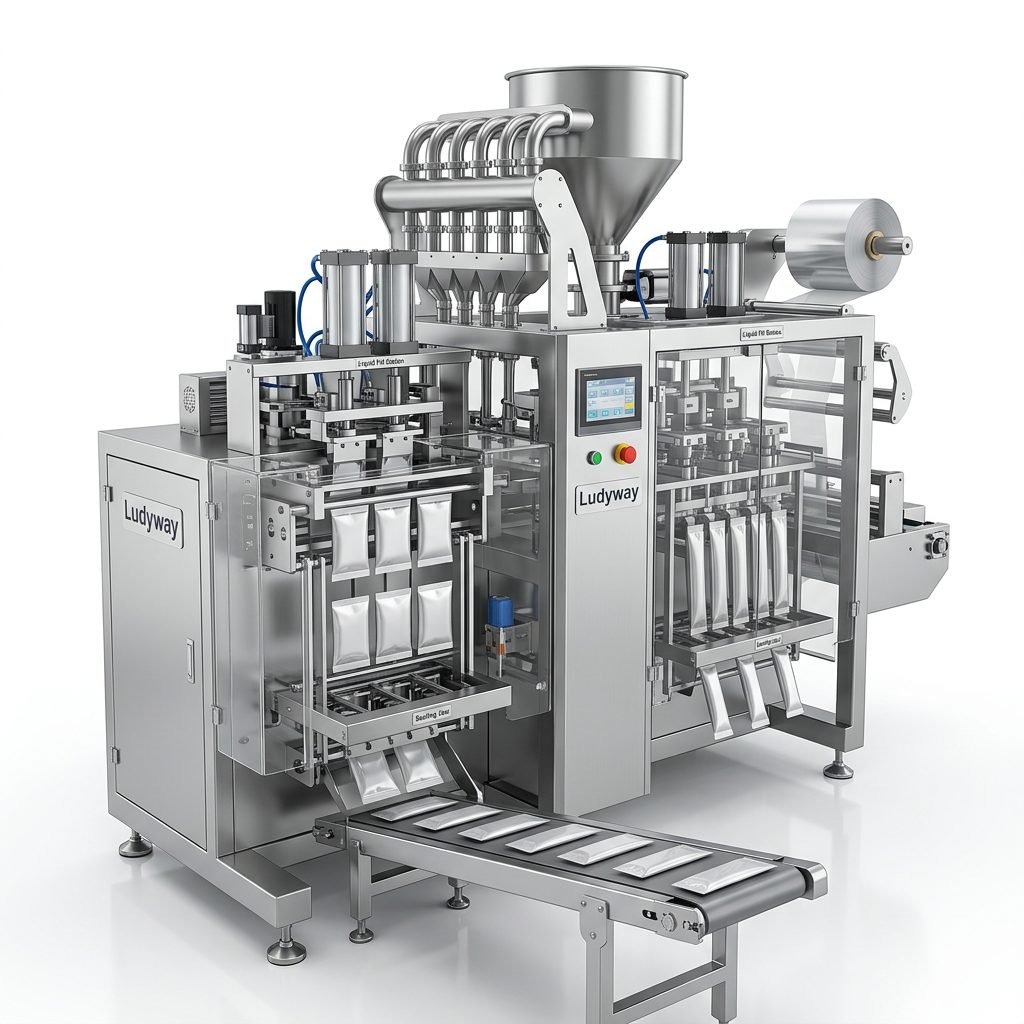
Should You Buy a Standalone Machine or a Turnkey Line?
The answer depends on your production stage, budget, and long-term plan.
| Option | Best For | Main Advantage |
|---|---|---|
| Standalone machine | Startups, pilot projects, limited budget | Lower initial investment |
| Semi-integrated line | Growing operations adding automation gradually | Balanced flexibility and cost |
| Turnkey packaging line | High-volume plants and serious expansion plans | Better line efficiency and unified support |
If you expect rapid growth, it may be more economical to choose a machine or line that can scale with your demand rather than replacing an undersized system within a year or two.
Tips to Get the Best Water Packing Machine Price
- Provide detailed product and package information before asking for a quote
- Request machine running videos with products similar to yours
- Ask for a full list of included and excluded items
- Compare warranty terms and after-sales service response time
- Confirm lead time, spare parts availability, and training support
- Check whether the machine can be upgraded in the future
- Evaluate expected ROI, not just purchase price
Red Flags to Avoid
- Very low pricing with unclear specifications
- No factory verification or no test video
- Weak communication during the quotation stage
- No clear spare parts or service plan
- Unrealistic speed claims without evidence
- Quotations that do not mention packaging material compatibility
Final Buying Perspective for Business Owners
A water packing machine is a production asset, not just a purchase item. The right machine should support quality, compliance, profitability, and growth. Whether you are launching a small sachet water project or investing in a fully automatic bottled water line, the smartest decision is usually the one that balances price, performance, reliability, and service.
If you compare offers carefully, account for hidden costs, and choose a supplier with real engineering and export experience, you will be in a much stronger position to secure the best value for your business.