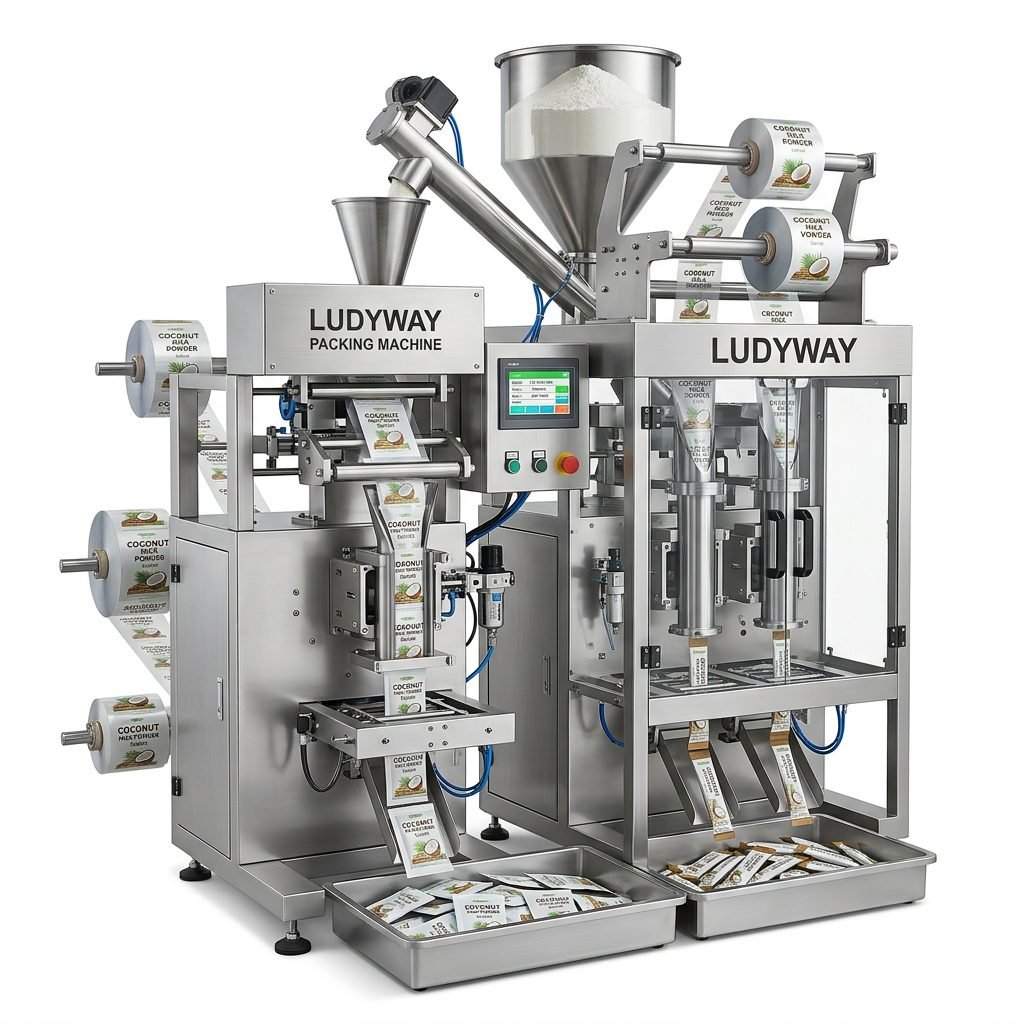
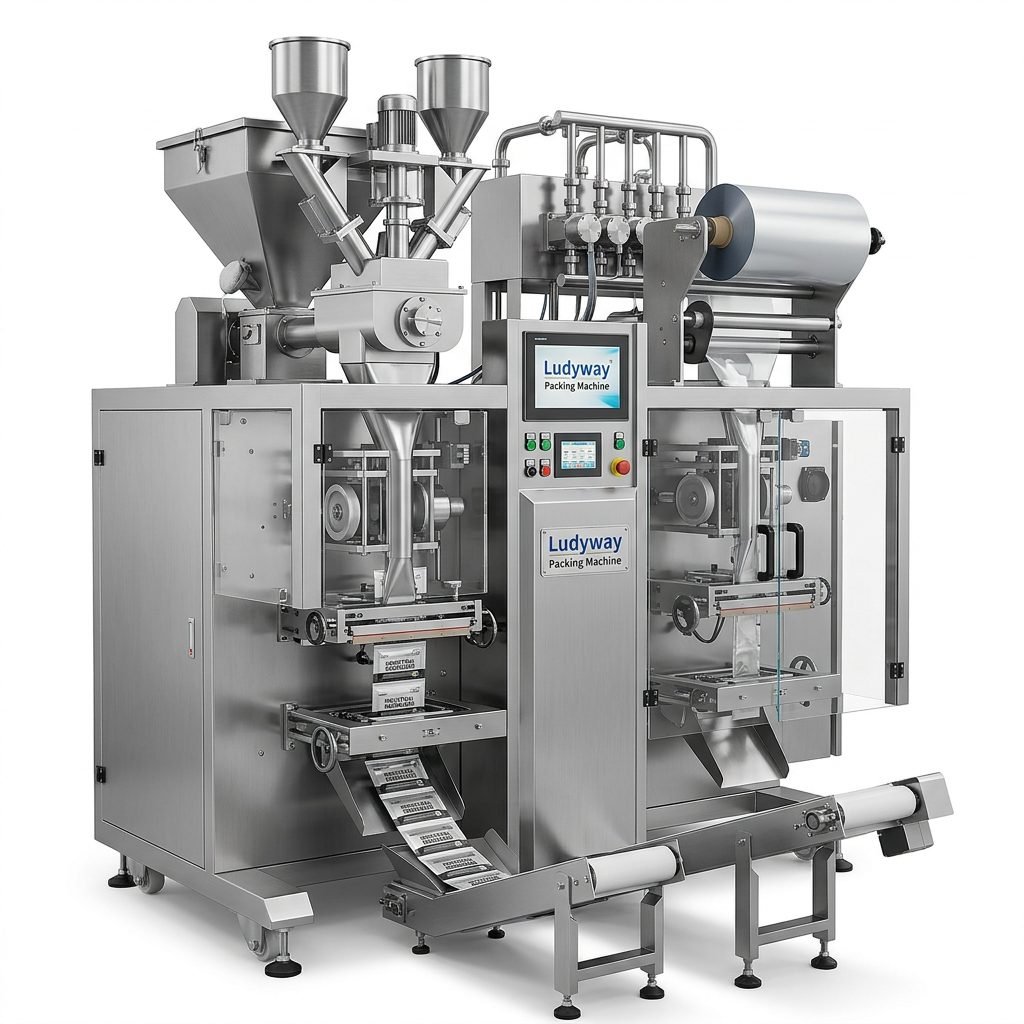
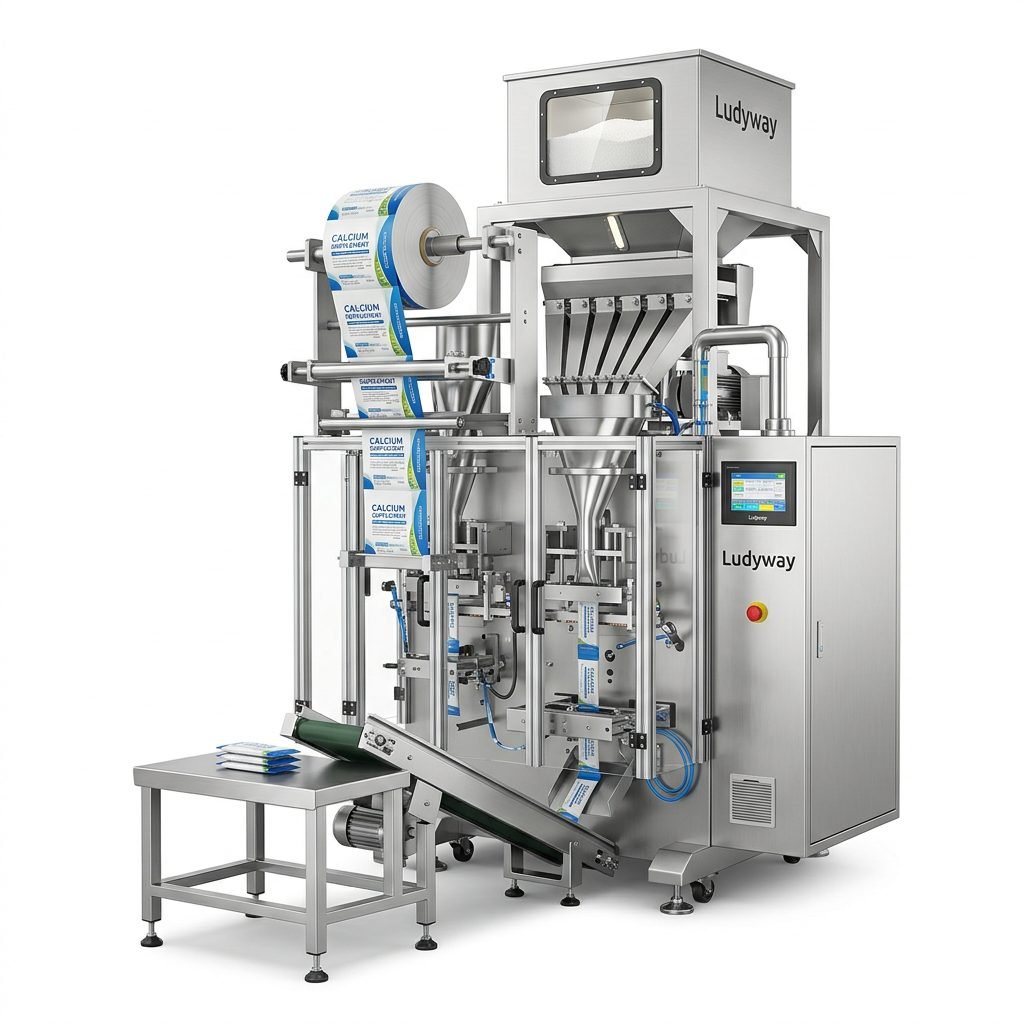
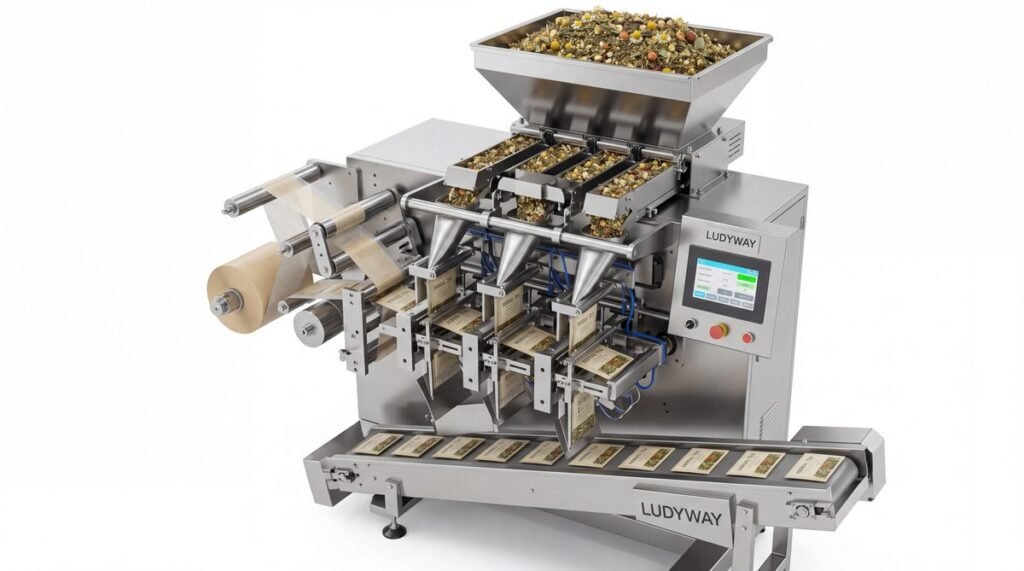
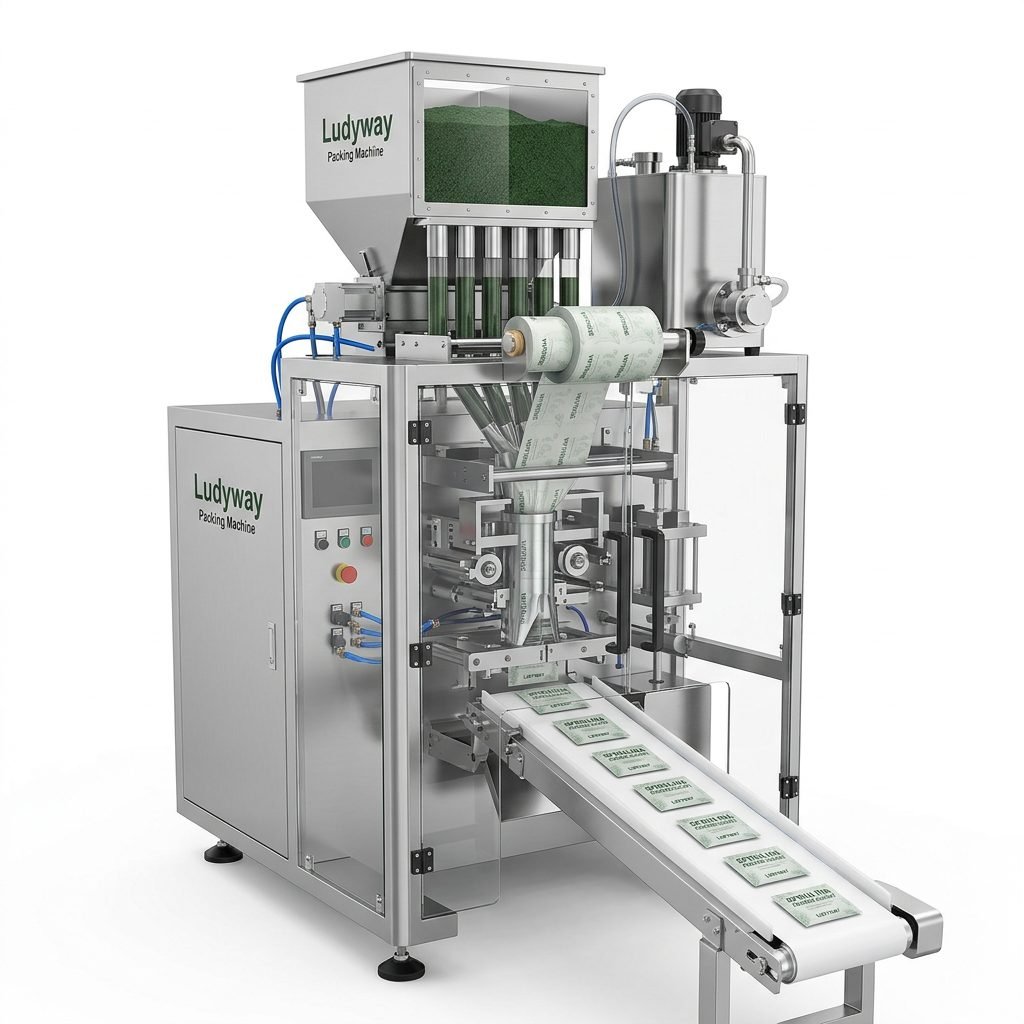
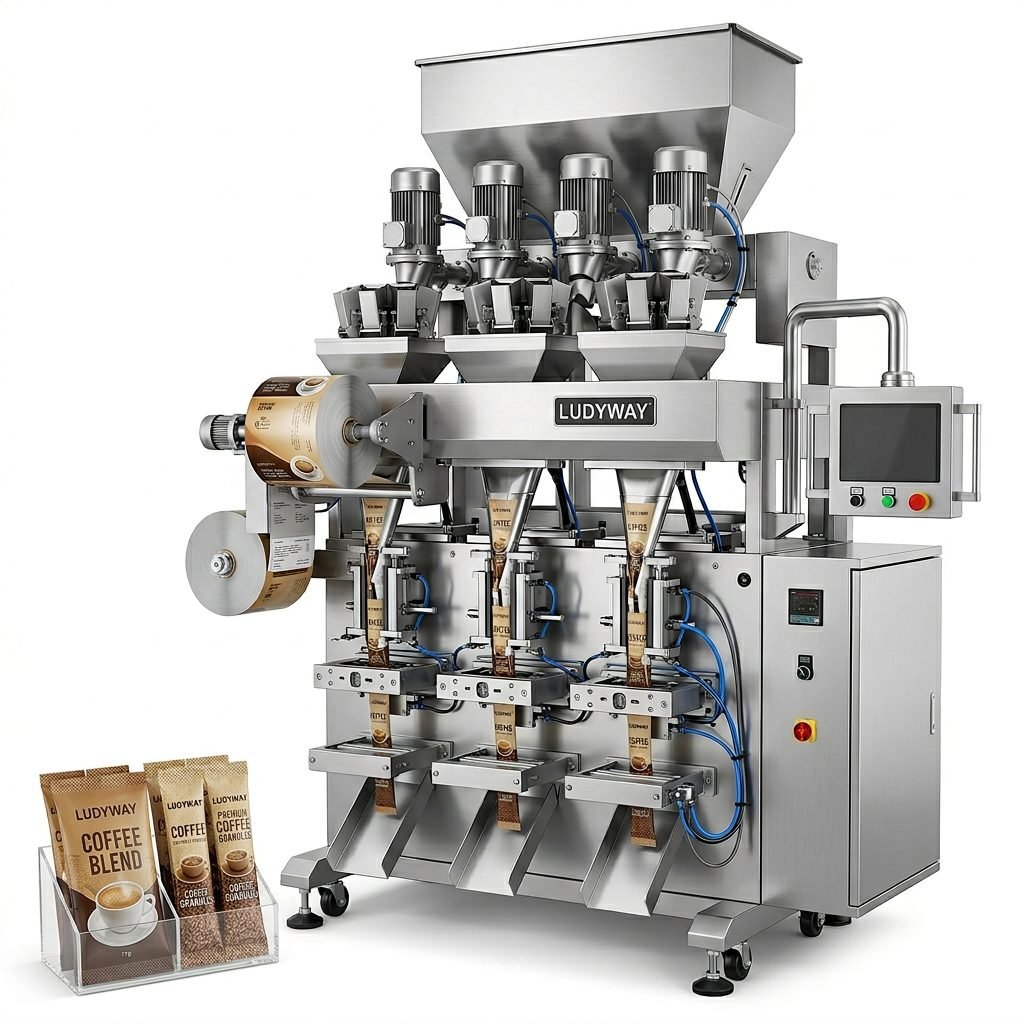
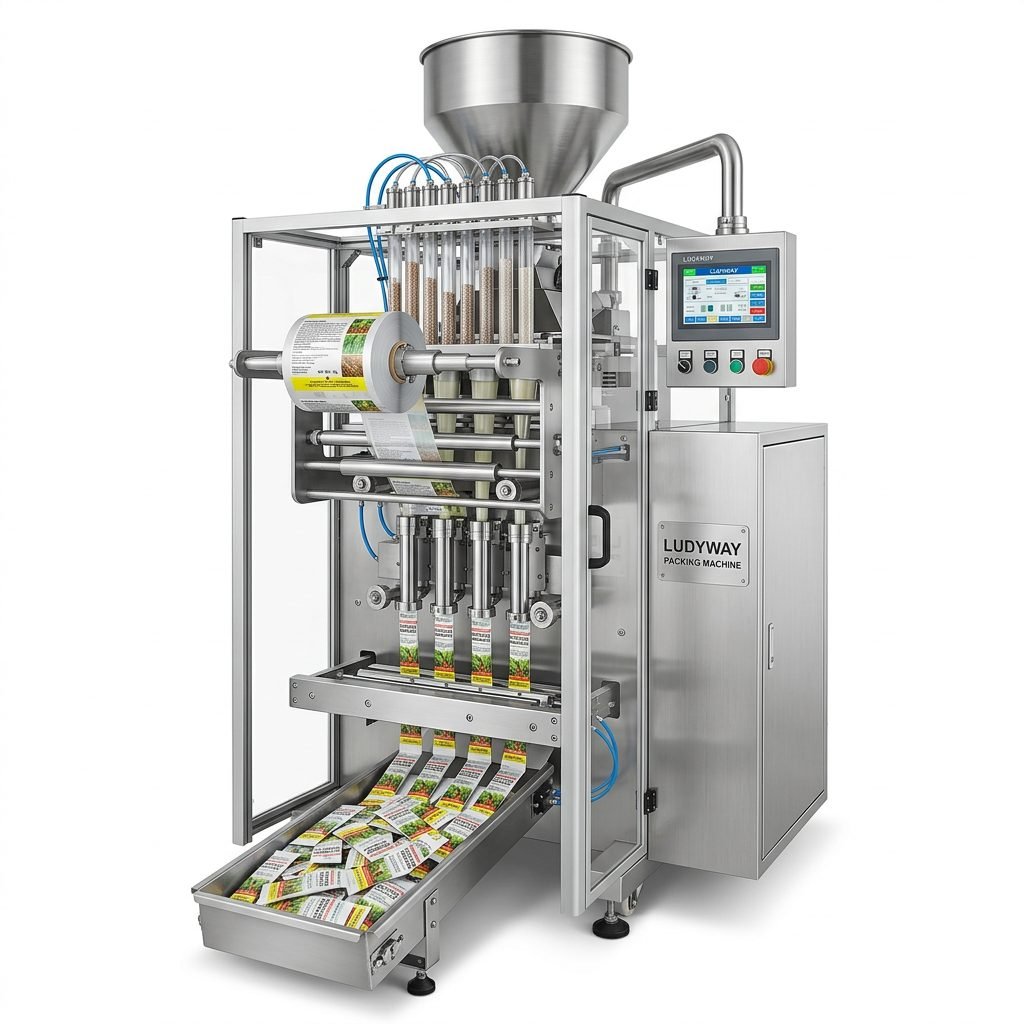
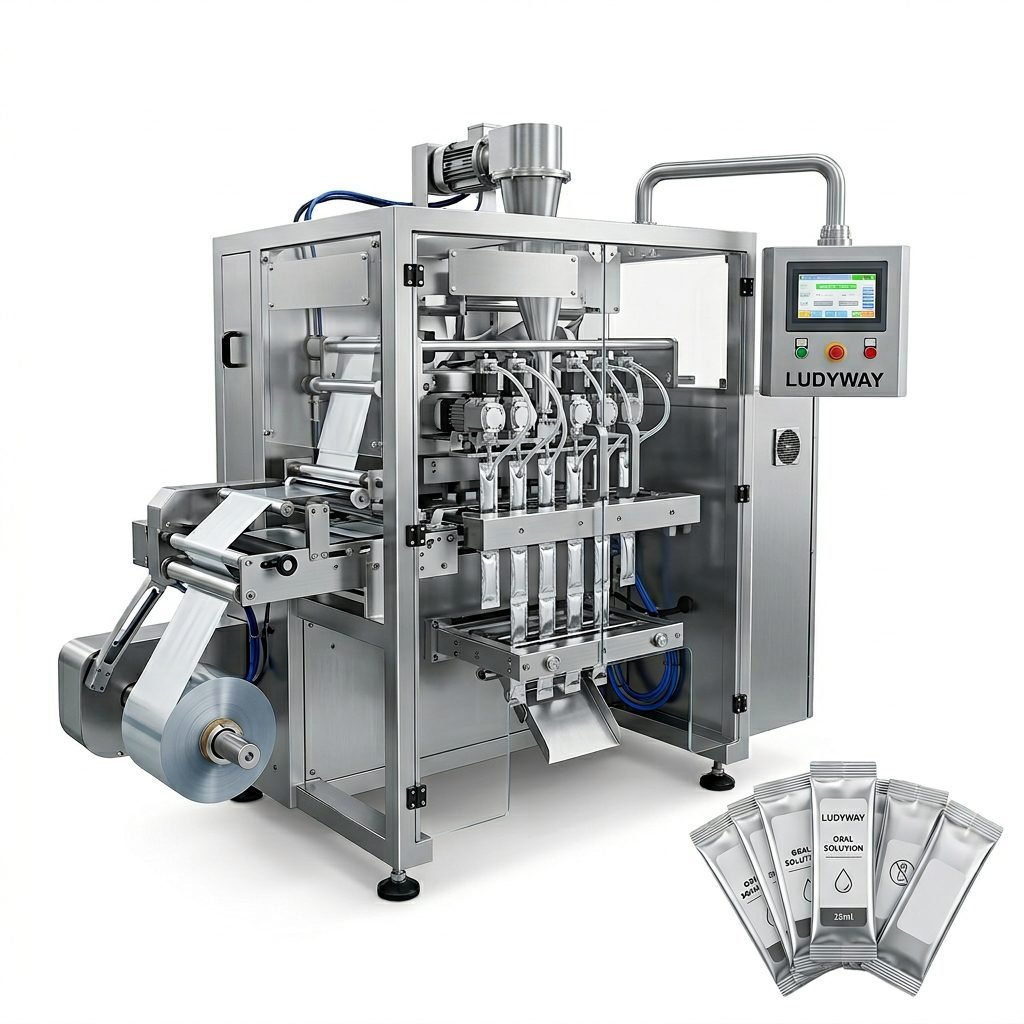
A three side seal packaging machine is an automated system designed to form, fill, and seal flexible pouches on three sealed edges, leaving one side as the filling direction before final sealing. It is widely used for powders, granules, liquids, gels, and pastes across food, pharmaceutical, cosmetic, and chemical industries.
Because the pouch structure is clean, compact, and highly presentable, three side seal packs are common for products such as instant coffee, seasoning powder, health supplements, sauces, shampoos, medical products, and sample sachets. For manufacturers looking to improve output while maintaining pack consistency, this machine has become a practical and scalable solution.
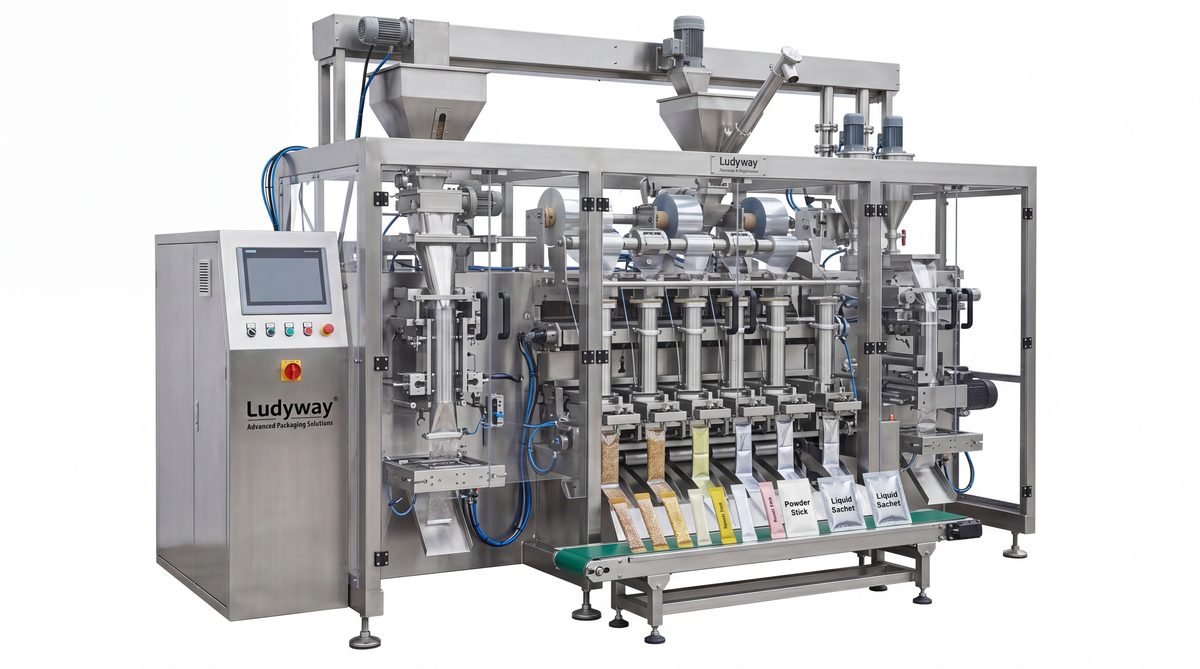
How a Three Side Seal Packaging Machine Works
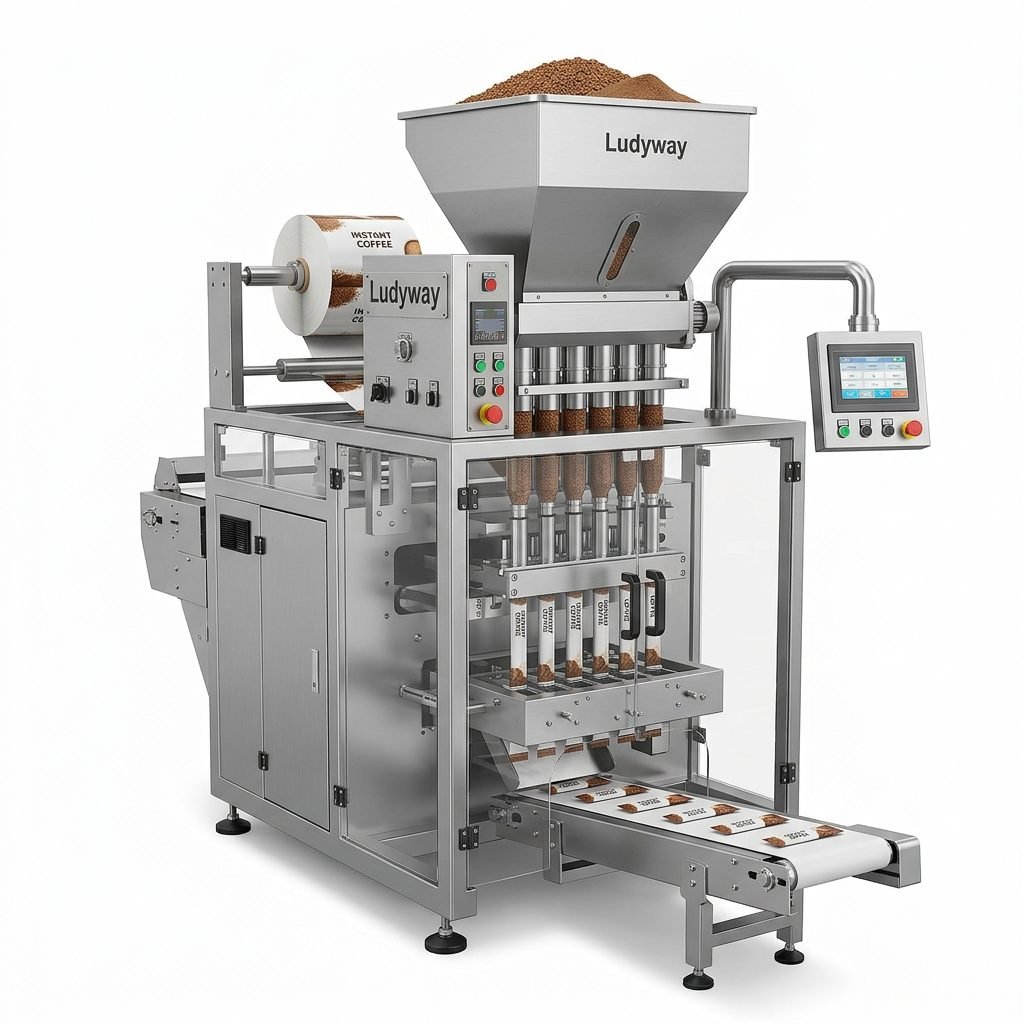
The machine typically starts with a roll of flexible packaging film. The film is guided through a forming section, where it is shaped into sachets or flat pouches. The equipment then seals the two longitudinal or side edges and the bottom edge, doses the product into the pouch, and finally seals the remaining open side.
Depending on the product type, the filling system may use different dosing technologies:
- Auger fillers for powders such as milk powder, protein powder, and pharmaceutical blends
- Volumetric cup fillers for free-flowing granules like sugar, salt, and coffee granules
- Liquid pumps for water-like liquids, oils, and sauces
- Piston fillers for thicker products such as creams, gels, and pastes
Basic Packaging Process
- Film unwinding and tracking
- Pouch forming
- First and second side sealing
- Bottom or top sealing depending on machine design
- Accurate product filling
- Final sealing and pouch cutting
- Optional date coding, notch cutting, and counting
What Products Can Be Packed?
One of the biggest strengths of this equipment is its packaging flexibility. A three side seal pouch is suitable for both retail and single-dose applications, making it ideal for many industries.
| Industry | Common Products | Typical Filling Type |
|---|---|---|
| Food | Coffee, sugar, sauces, soup powder, seasoning, drink mix | Granule, powder, liquid, paste |
| Pharmaceutical | Oral powders, medical granules, topical gels, sample liquids | Powder, granule, liquid, gel |
| Cosmetics | Face cream, serum, shampoo, lotion, mask essence | Liquid, cream, paste |
| Chemical | Detergent powder, cleaners, additives, industrial liquids | Powder, granule, liquid |
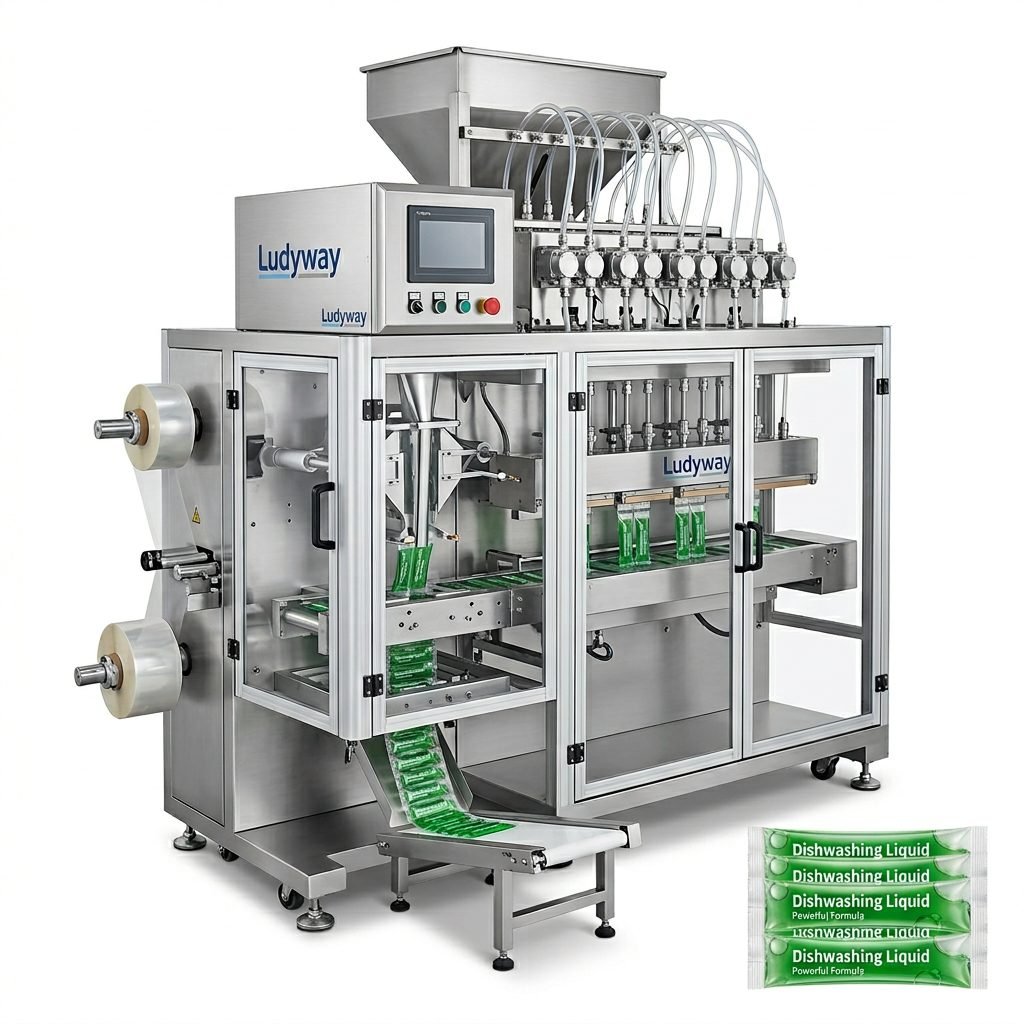
Key Benefits of a Three Side Seal Packaging Machine
1. Excellent Package Appearance
Three side seal pouches offer a flat, neat, and professional look. This makes them highly suitable for consumer-facing products, promotional samples, and single-use applications.
2. Efficient Material Usage
Compared with some rigid packaging formats, flexible sachets use less packaging material. This can help reduce packaging cost, shipping weight, and storage requirements.
3. High Automation and Stable Output
Modern machines can perform forming, filling, sealing, cutting, coding, and discharge in one continuous process. This improves production efficiency and reduces reliance on manual labor.
4. Broad Product Compatibility
From food powders to cosmetic creams, the machine can be configured for different viscosity levels and product characteristics. This makes it suitable for manufacturers with multiple SKUs.
5. Better Portion Control
Precise dosing systems help maintain fill accuracy, which is especially important for pharmaceutical, nutraceutical, and premium food products.
6. Convenient for Single-Serve Packaging
Three side seal sachets are popular for travel-size, trial-size, and one-time-use formats. They are easy for end users to carry, open, and consume.
Common Machine Configurations
Not all three side seal packaging machines are the same. The right configuration depends on your product form, speed target, packaging film, and downstream automation needs.
- Single-lane models for moderate output and flexible changeover
- Multi-lane models for high-speed sachet production
- Liquid and paste versions with heated hoppers or anti-drip filling
- Powder versions with auger dosing and dust-control design
- Granule versions with cup or weigh dosing systems
Three Side Seal vs. Other Pouch Types
| Pouch Type | Best For | Main Advantage |
|---|---|---|
| Three Side Seal | Sachets, samples, single-dose packs | Compact, clean appearance, versatile use |
| Four Side Seal | Premium flat sachets | Balanced shape and stronger seal symmetry |
| Back Seal / Pillow Pack | High-volume economical packing | Simple structure and fast production |
| Stick Pack | Narrow single-serve products | Slim design for drink powders and supplements |
Industries That Commonly Use This Machine
Three side seal packaging machines are found in a wide range of production environments:
- Instant beverage and coffee packaging
- Spice, seasoning, and food ingredient packing
- Health supplement and nutraceutical sachet production
- Pharmaceutical granule and powder dose packaging
- Shampoo, lotion, and serum sample packing
- Cleaning chemical and detergent sachet production
What to Consider Before Buying
Product Characteristics
Your product’s flowability, viscosity, particle size, and moisture sensitivity directly affect the machine structure and filling method.
Required Output
If you need high volume production, a multi-lane system may be more suitable. For startups or frequent SKU changes, a single-lane machine may offer better flexibility.
Pouch Size Range
Check whether the machine supports your desired sachet length, width, and fill volume. Future product expansion should also be considered.
Packaging Film Compatibility
The sealing performance depends on film structure, thickness, and heat-sealing properties. Always confirm film specifications before final machine selection.
Integration Needs
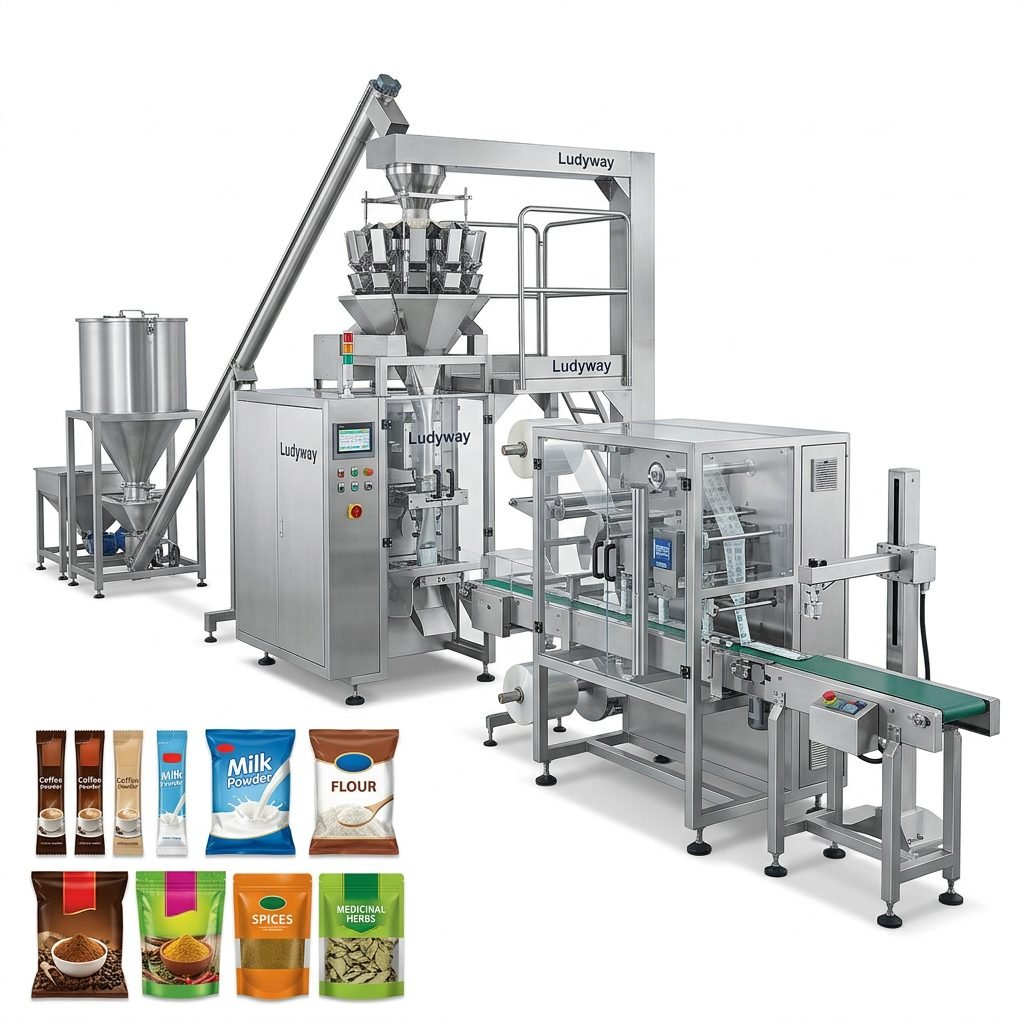
Some buyers also require conveyors, coding devices, cartoning systems, checkweighers, or complete packaging lines. Planning ahead saves time and avoids mismatched equipment later.
Signs of a High-Quality Three Side Seal Packaging Machine
- Stable sealing temperature control
- Accurate filling with low tolerance deviation
- Easy cleaning and maintenance access
- Reliable servo control and HMI operation
- Consistent pouch cutting and alignment
- Support for customized tooling and format changes
Why Manufacturers Choose Customized Solutions
In real production, standard machines do not always meet every requirement. Manufacturers often need custom hopper designs, special dosing units, nitrogen flushing, tear notch options, euro hole punching, or downstream automation. Choosing an experienced supplier helps ensure the machine is matched to the actual application rather than just the pouch style.
For businesses seeking scalable packaging automation, three side seal packaging machine solutions from Ludyway can support everything from standalone equipment to fully integrated turnkey lines for food, pharmaceutical, cosmetic, and chemical applications.
Frequently Asked Questions
Is a three side seal packaging machine only for powders?
No. It can be used for powders, granules, liquids, gels, and pastes, depending on the filling system installed.
What is the difference between a three side seal pouch and a stick pack?
A three side seal pouch is generally wider and flatter, while a stick pack is narrow and elongated. Both are single-serve flexible packages, but they serve different branding and handling needs.
Can the machine support high-speed production?
Yes. Multi-lane three side seal packaging machines are designed for high-speed output, especially for sachet-based powder, granule, and liquid products.
Is it suitable for pharmaceutical packaging?
Yes, provided the machine is configured for the required hygiene, dosing precision, and compliance standards of the pharmaceutical industry.
Final Thoughts
A three side seal packaging machine is a highly practical solution for brands that need attractive pouch presentation, precise filling, and efficient automated packaging. Whether you produce drink powders, condiments, cosmetic samples, or medical sachets, this machine offers a balance of flexibility, speed, and packaging quality.
By understanding your product type, target capacity, pouch format, and automation goals, you can choose the right system and build a more efficient packaging operation for long-term growth.