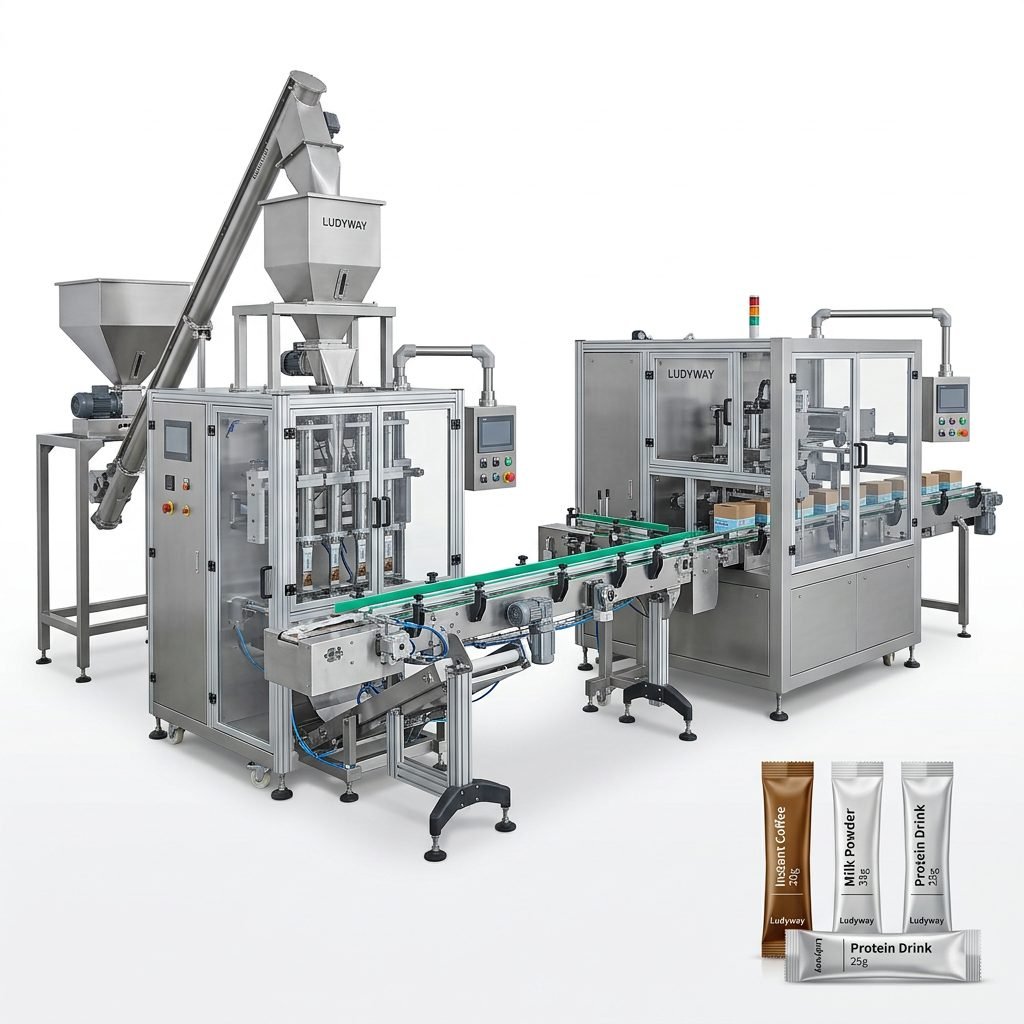
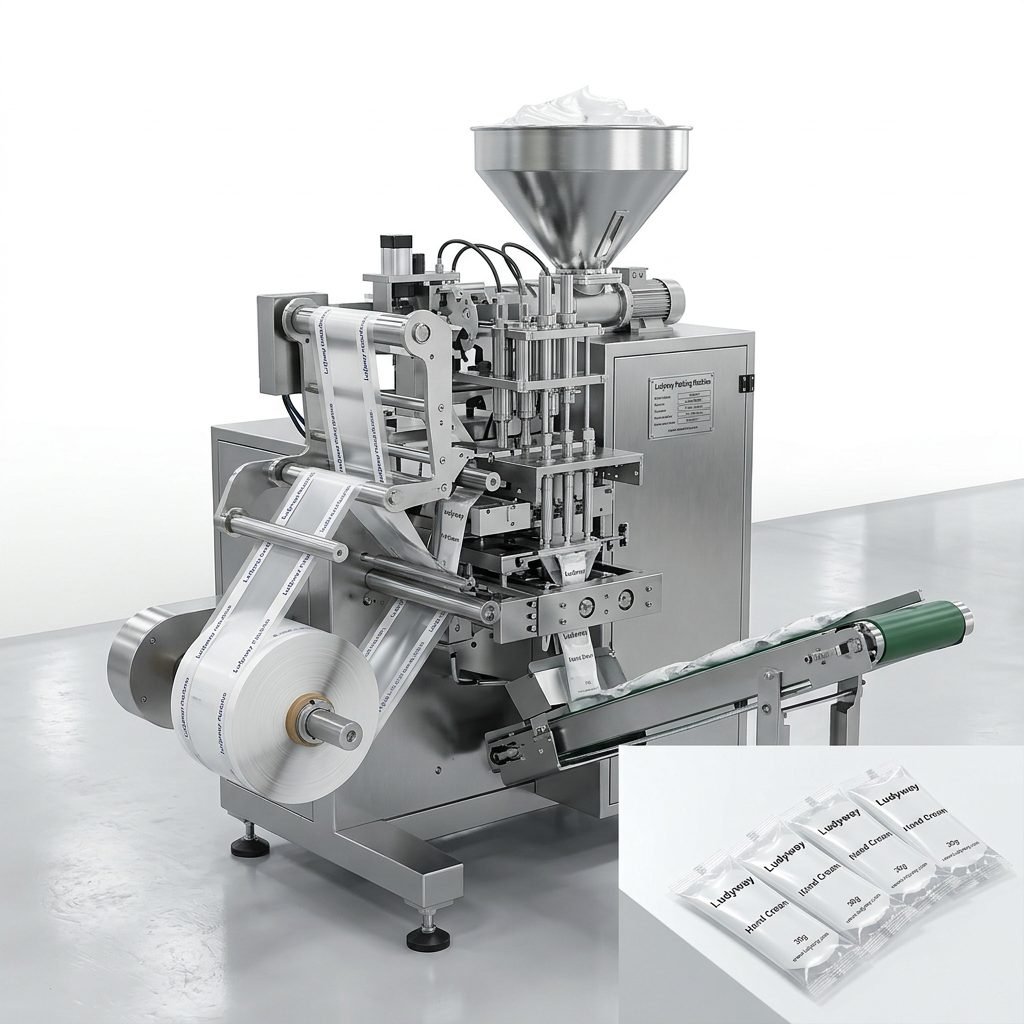
In modern egg production and distribution, packaging is no longer just the final step. It directly affects product safety, transport efficiency, labor cost, and customer satisfaction. An egg packing machine helps farms, grading centers, food processors, and distributors handle fragile eggs with greater precision while reducing breakage and improving output.
Whether you manage a small poultry operation or a large-scale automated facility, choosing the right egg packing solution can make daily operations smoother and more profitable. From automatic counting and tray loading to sorting and conveyor integration, the right equipment creates a more reliable packaging workflow.

Why Egg Packing Machines Matter
Eggs are among the most delicate food products in the packaging industry. Manual handling often leads to cracked shells, inconsistent tray filling, hygiene risks, and slower production speed. An automated egg packing machine is designed to solve these issues by ensuring stable handling and repeatable packing performance.
- Reduces shell damage during handling and transfer
- Improves packaging speed for high-volume operations
- Supports cleaner and more hygienic production environments
- Helps standardize tray, carton, or crate packing
- Decreases dependence on manual labor
- Enables better downstream logistics and storage
For producers facing rising labor costs and increasing retailer quality demands, automation is becoming a practical necessity rather than an optional upgrade.
How an Egg Packing Machine Works
A typical egg packing machine receives eggs from collection or grading lines and places them into trays, cartons, or transport packages with controlled movement. Depending on system configuration, the process may include several stages:
- Feeding: Eggs enter the line through conveyors or accumulation tables.
- Orientation and transfer: The machine gently positions eggs for correct placement.
- Counting and grouping: Eggs are arranged according to tray or carton format.
- Packing: Eggs are loaded into paper trays, plastic trays, cartons, or crates.
- Output: Packed units move to sealing, labeling, stacking, or palletizing areas.
Advanced systems may also connect with candling, grading, vision inspection, coding, and case packing modules for full-line automation.
Main Types of Egg Packing Machines
Semi-Automatic Egg Packing Machines
These machines are suitable for farms or facilities that want better productivity without investing in a fully automated line. Operators may still assist with tray loading or product transfer, but the machine reduces repetitive manual work.
Automatic Egg Tray Packing Machines
Designed for medium to large operations, these systems automatically place eggs into standard trays with high consistency. They are ideal for producers supplying wholesalers, retailers, and institutional buyers.
Egg Carton Packing Machines
Used when eggs need to be packed into retail-ready cartons, these machines support consumer packaging formats and can integrate with coding and labeling systems.
Integrated Egg Packaging Lines
Complete lines combine conveyors, grading, packing, inspection, and end-of-line handling. They are best for high-throughput facilities seeking maximum automation and minimal human contact.
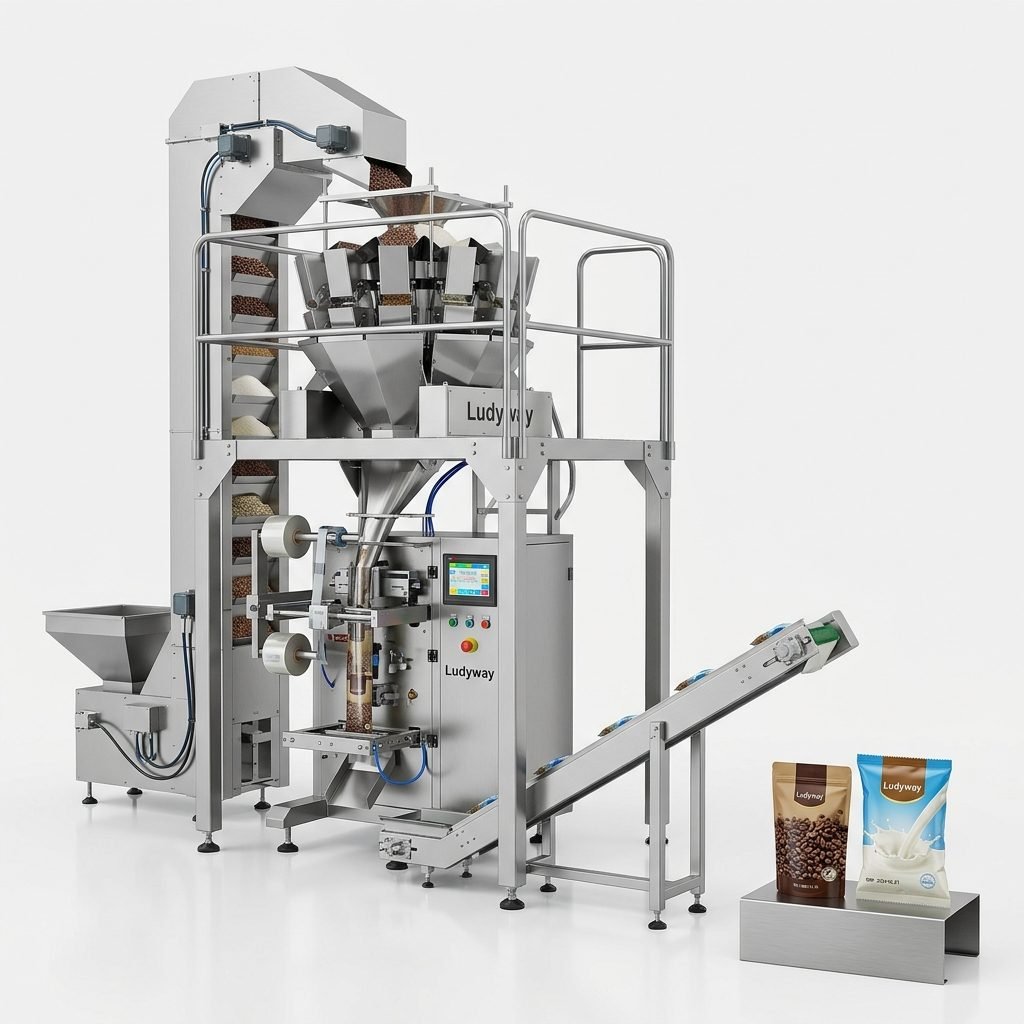
Key Benefits of Automated Egg Packaging
| Benefit | Business Impact |
|---|---|
| Gentle handling | Lower breakage and reduced product loss |
| Faster packing speed | Higher daily output and improved delivery performance |
| Consistent tray or carton filling | Better presentation and easier inventory handling |
| Reduced manual labor | Lower labor costs and less operator fatigue |
| Improved hygiene | Supports food safety compliance and cleaner processing |
| Line integration | Better coordination with grading, labeling, and shipping systems |
Important Features to Look For
Not all egg packing machines are the same. The best choice depends on your capacity goals, egg sizes, packaging formats, and facility layout. When evaluating equipment, focus on these practical features:
- Packing speed: Match machine output to your current and future production needs.
- Compatibility: Ensure it supports your tray, carton, or crate formats.
- Gentle transfer design: Smooth handling is essential for fragile products like eggs.
- Easy cleaning: Hygienic design helps maintain food safety standards.
- Automation level: Choose from semi-automatic to fully integrated packaging lines.
- Changeover convenience: Faster switching between packaging formats improves flexibility.
- Maintenance access: Good machine design reduces downtime and service difficulty.
Who Uses Egg Packing Machines?
Egg packaging equipment is widely used across different segments of the poultry and food industry:
- Commercial egg farms
- Egg grading and sorting centers
- Retail egg packing companies
- Food processing plants handling shell eggs
- Export-oriented agricultural packaging facilities
- Cooperatives and contract packing operations
For businesses shipping large volumes, automation helps maintain product quality from collection to final distribution.
Manual vs. Automatic Egg Packing
| Factor | Manual Packing | Automatic Packing |
|---|---|---|
| Speed | Limited by labor | High and consistent |
| Breakage risk | Higher due to handling variation | Lower with controlled transfer |
| Labor demand | High | Reduced |
| Consistency | Operator-dependent | Stable and repeatable |
| Scalability | Difficult | Well suited for expansion |
How to Choose the Right Egg Packing Machine
Before buying, it is important to assess both current operations and long-term production goals. A machine that looks affordable at first may become inefficient if it cannot meet future volume requirements or integrate with upstream and downstream equipment.
Ask These Questions First
- How many eggs do you pack per hour or per day?
- Do you use trays, cartons, crates, or multiple packaging formats?
- Will the machine connect to egg grading or inspection equipment?
- How much floor space is available?
- What level of automation do you want now and later?
- How important are local technical support and spare parts availability?
A well-selected machine should support smooth operation today while leaving room for production growth tomorrow.
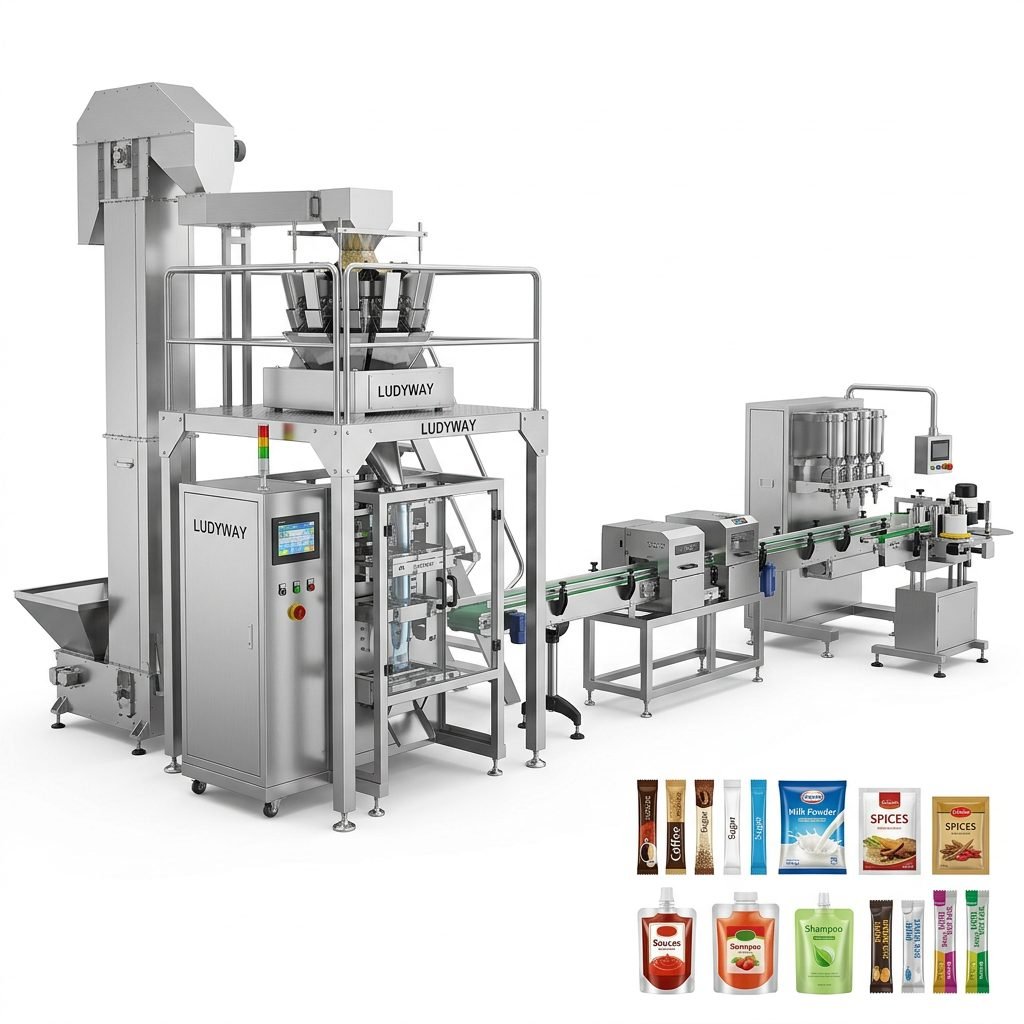
Turnkey Automation for Modern Packaging Facilities
Many buyers today are not just looking for a standalone machine. They want a complete packaging workflow that improves overall efficiency from product feeding to final shipping. That is why turnkey automation solutions are becoming increasingly valuable.
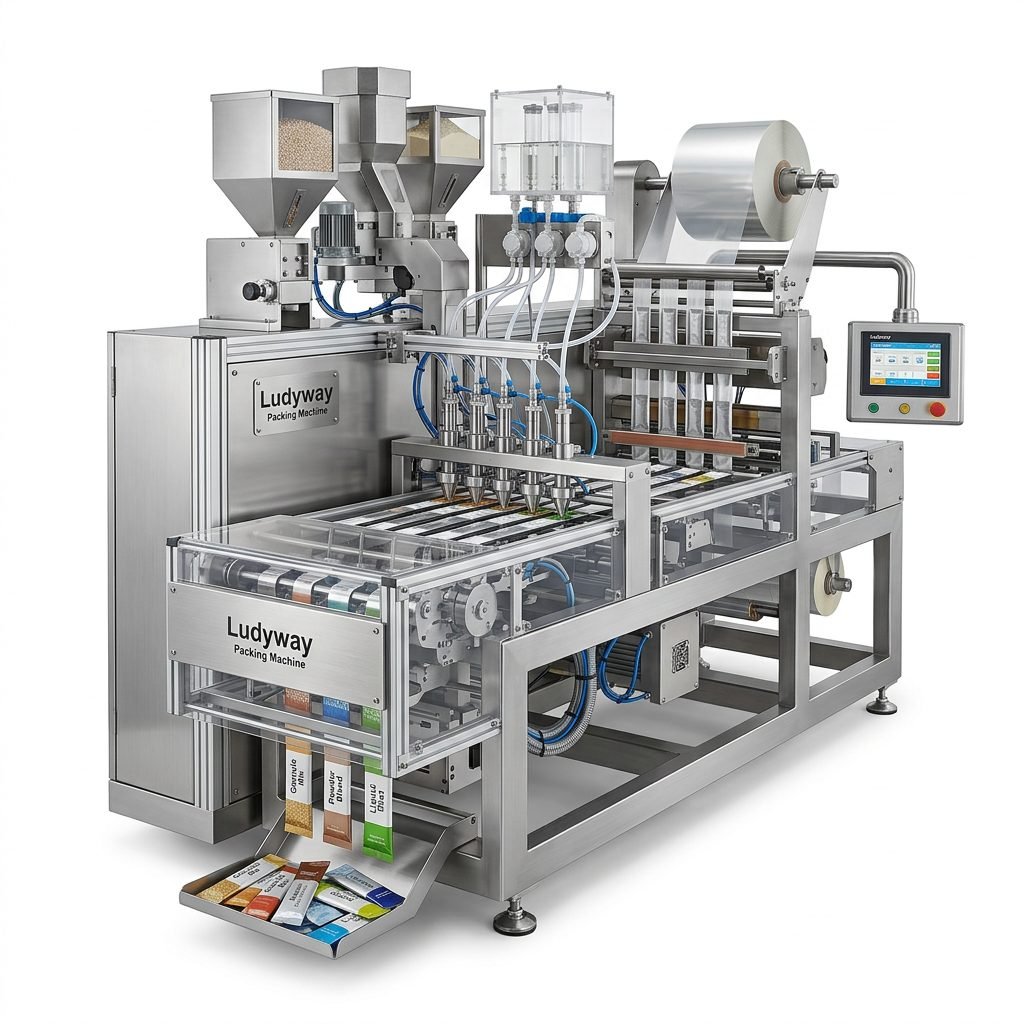
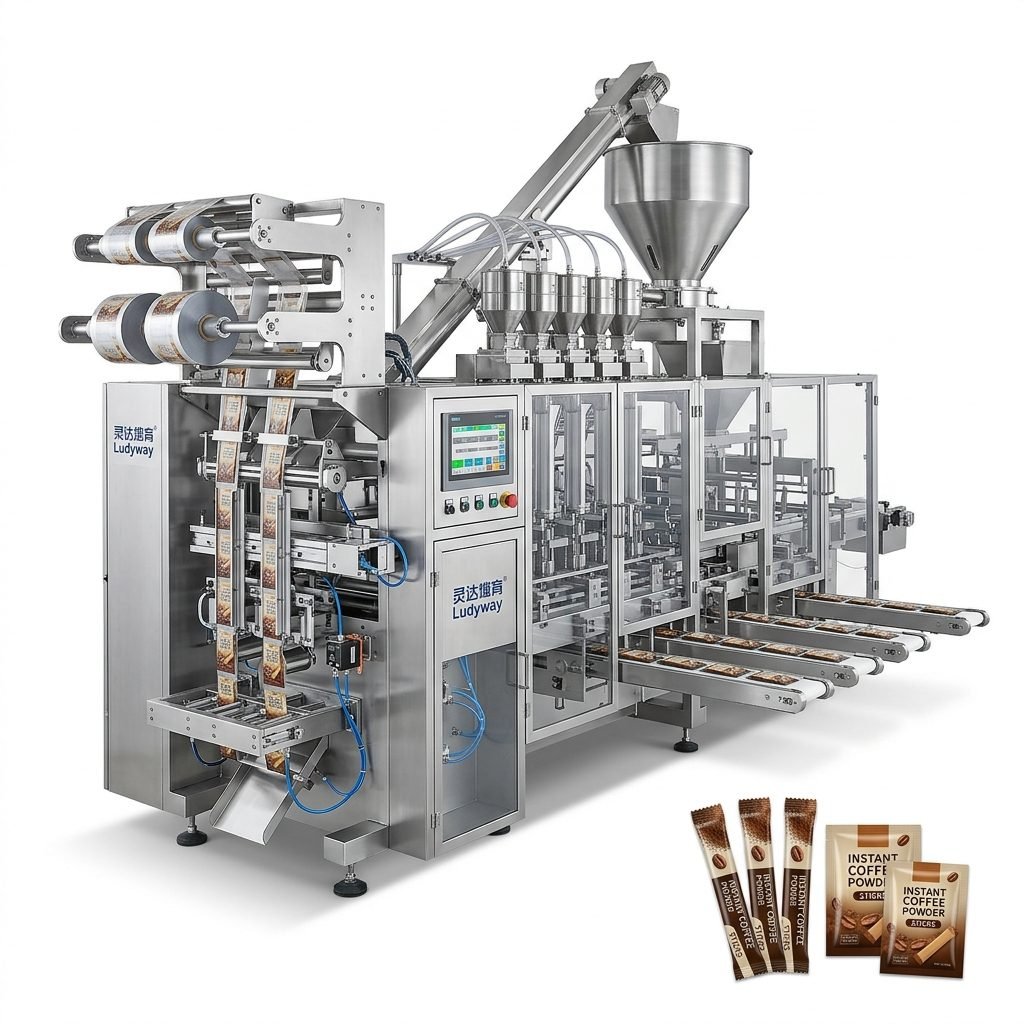
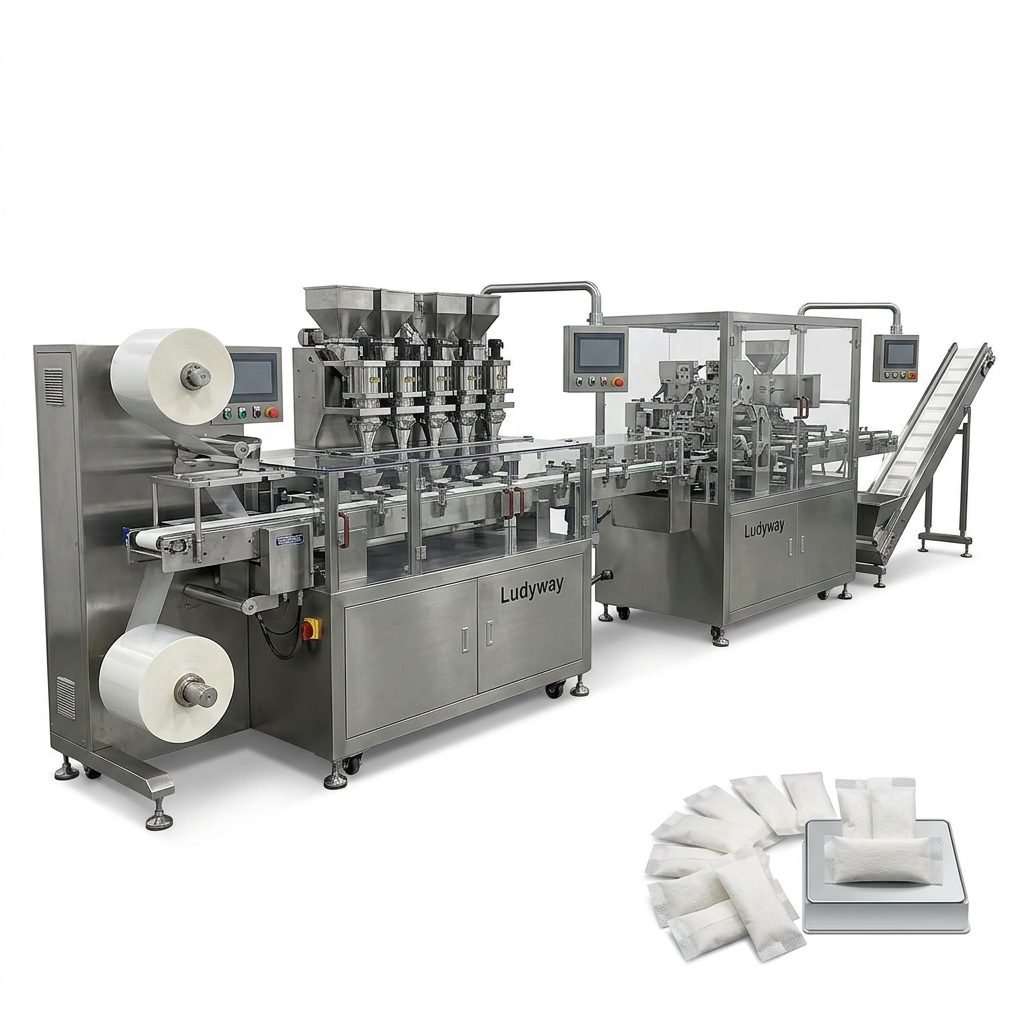
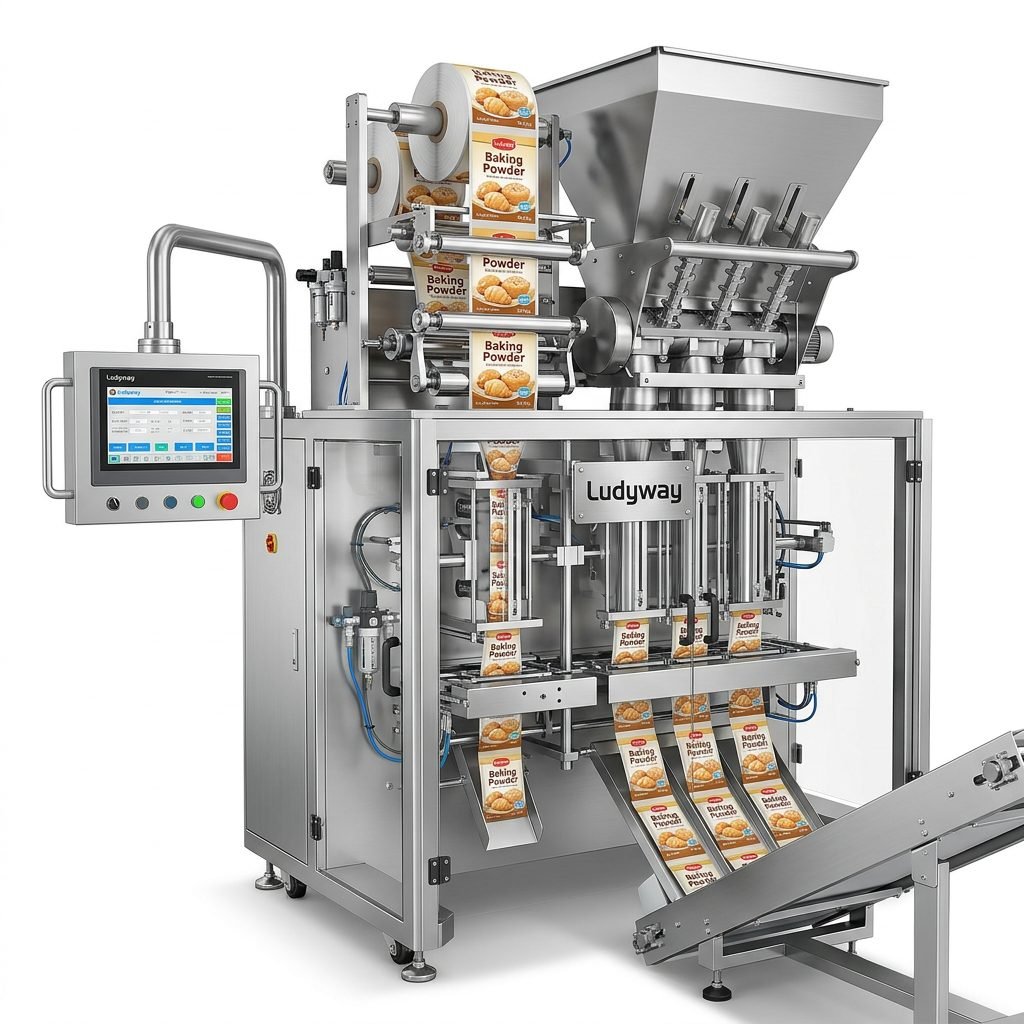
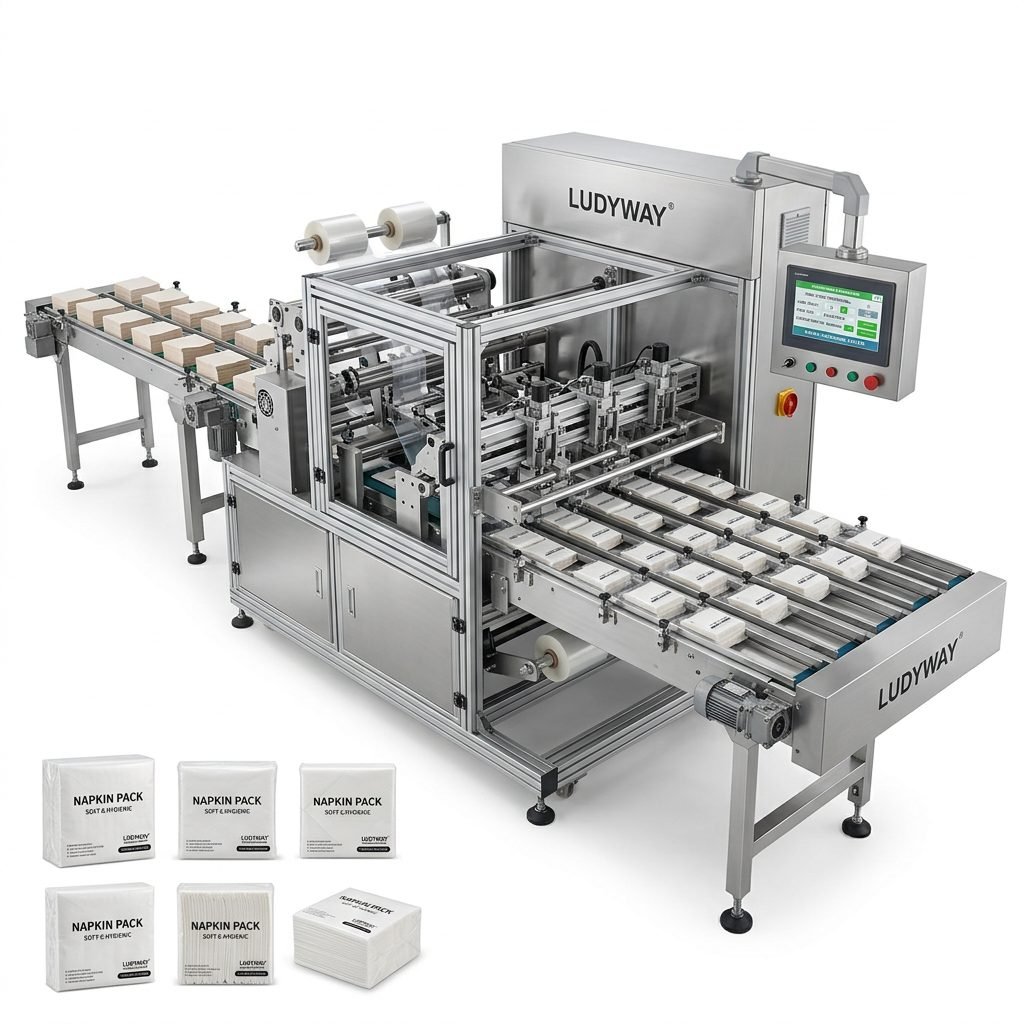
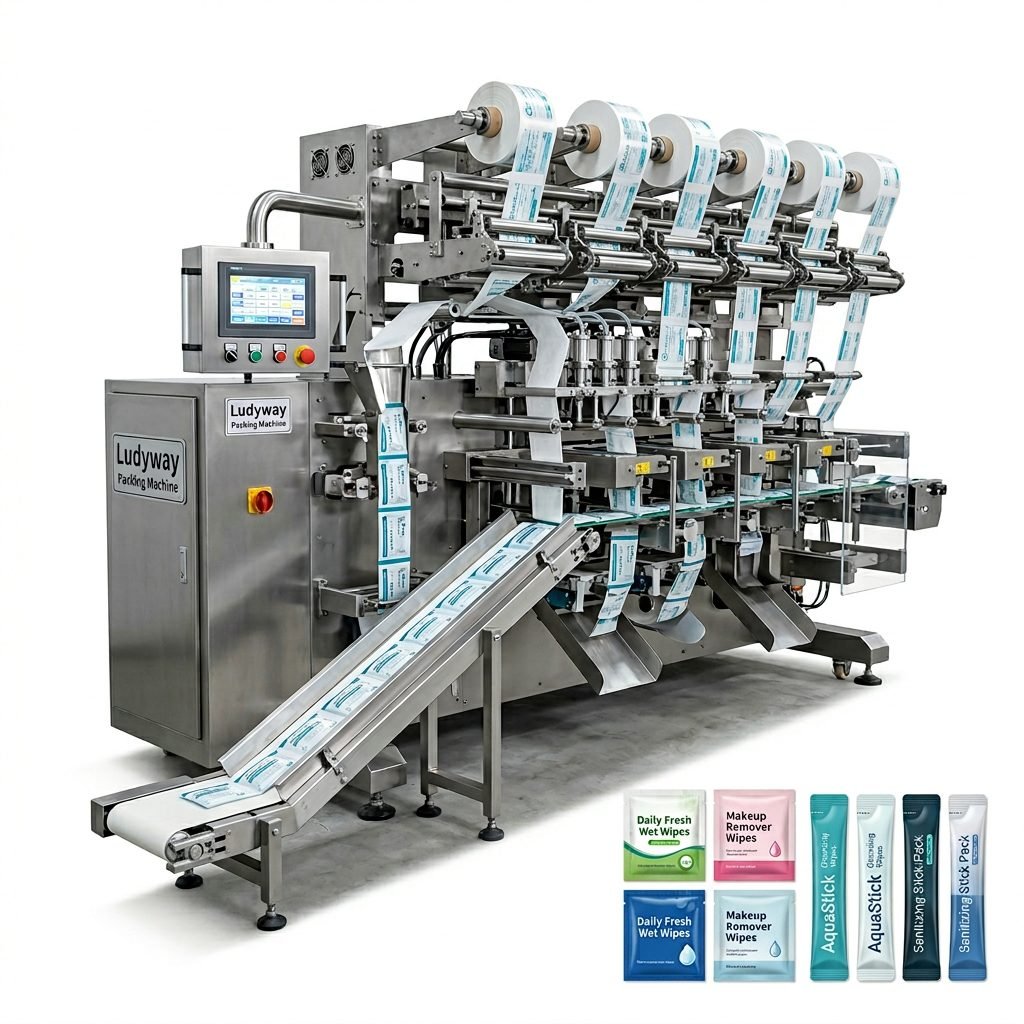
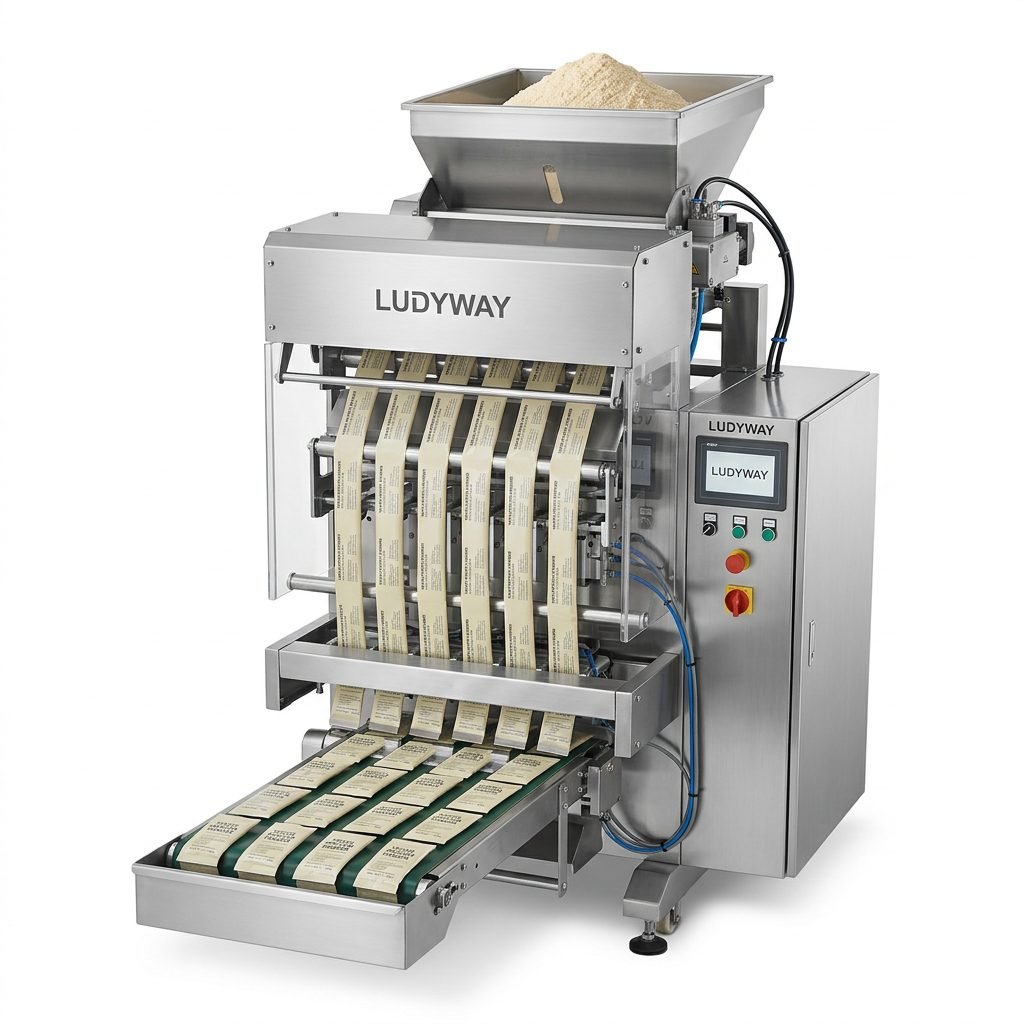
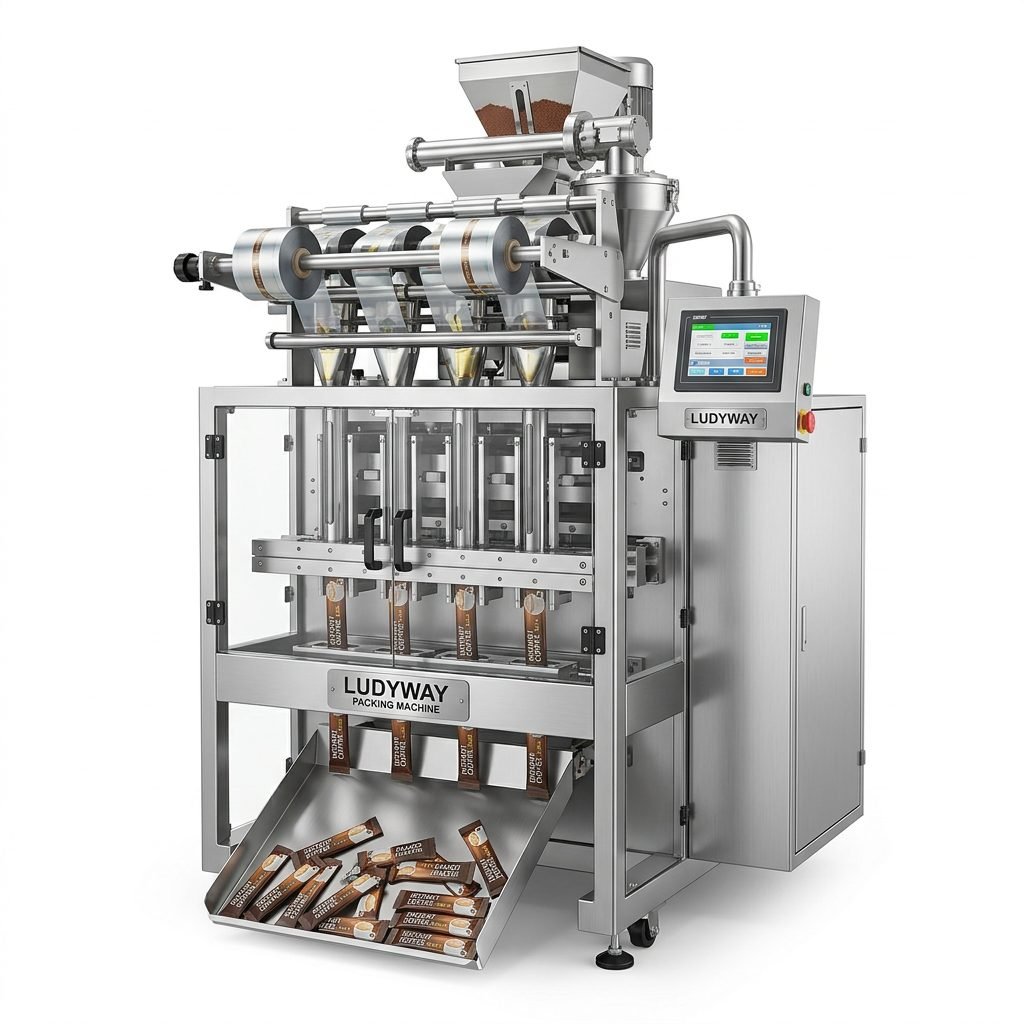
As one of China’s recognized manufacturers in packaging machinery, Ludyway packaging machine solutions are known for serving customers across food, pharmaceutical, health supplement, and related industries with scalable equipment and integrated line capabilities. For businesses evaluating automation partners, turnkey experience can be just as important as machine speed.
Maintenance Tips for Better Performance
To keep an egg packing machine running efficiently, routine maintenance should be part of daily operations. Preventive care not only protects machine life but also supports packaging accuracy and product safety.
- Clean contact parts and transfer zones regularly
- Inspect moving parts for wear or looseness
- Lubricate approved components according to the manual
- Check sensors and alignment settings frequently
- Replace worn parts before they affect output quality
- Train operators in proper startup, shutdown, and troubleshooting steps
Future Trends in Egg Packaging Automation
The egg industry is moving toward smarter and more connected production. Future-ready egg packing equipment is increasingly expected to offer:
- Touchscreen control systems for easier operation
- Data monitoring for production tracking
- Remote diagnostics and technical support
- Vision inspection for quality assurance
- Flexible packaging changeovers for mixed product lines
- Integration with robotic case packing and palletizing
These improvements help producers build more resilient operations while meeting growing market expectations for efficiency, traceability, and product protection.
Conclusion
An egg packing machine is a valuable investment for businesses that need safe handling, faster throughput, and more reliable packaging quality. From reducing breakage to improving labor efficiency, automated egg packaging helps producers stay competitive in a demanding market.
The right system depends on your production scale, packaging format, and expansion goals. By choosing equipment with gentle handling, flexible integration, and dependable performance, egg producers can create a stronger and more efficient packaging process for the long term.