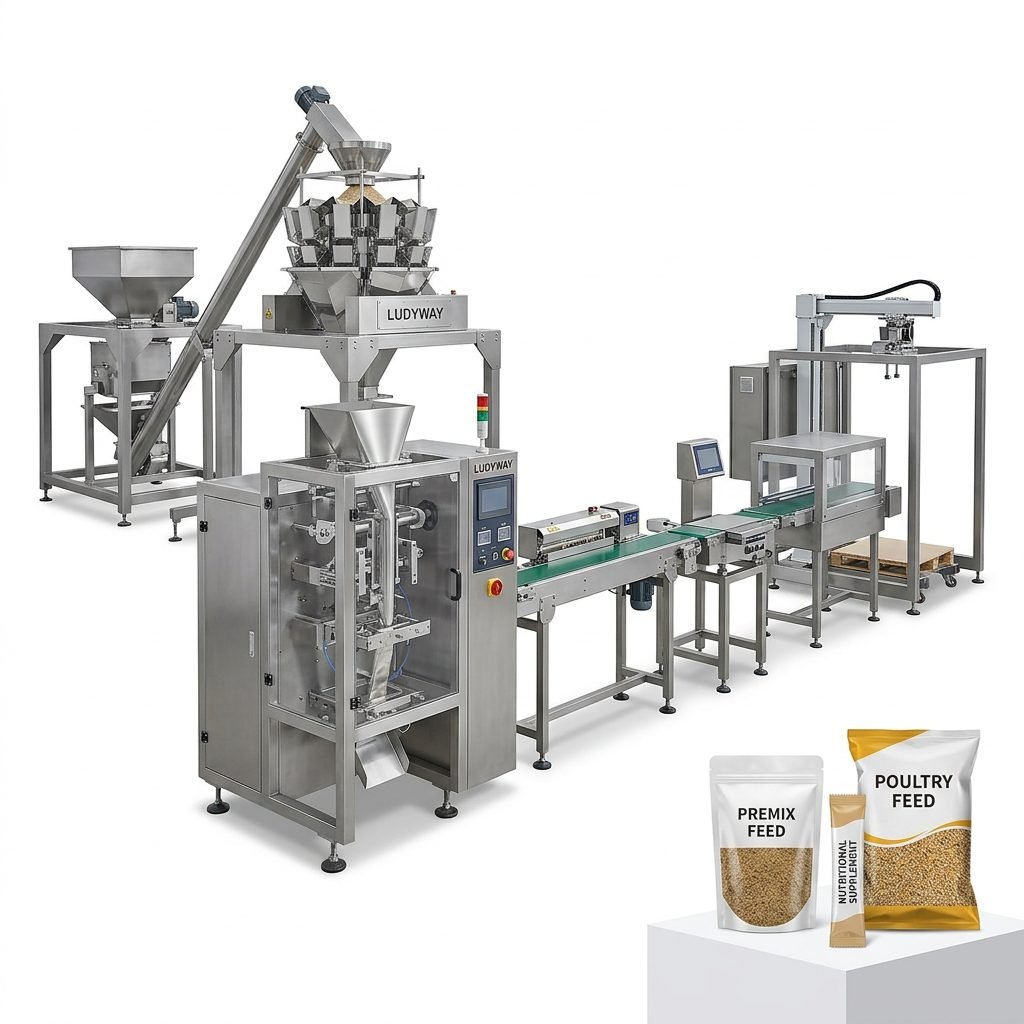
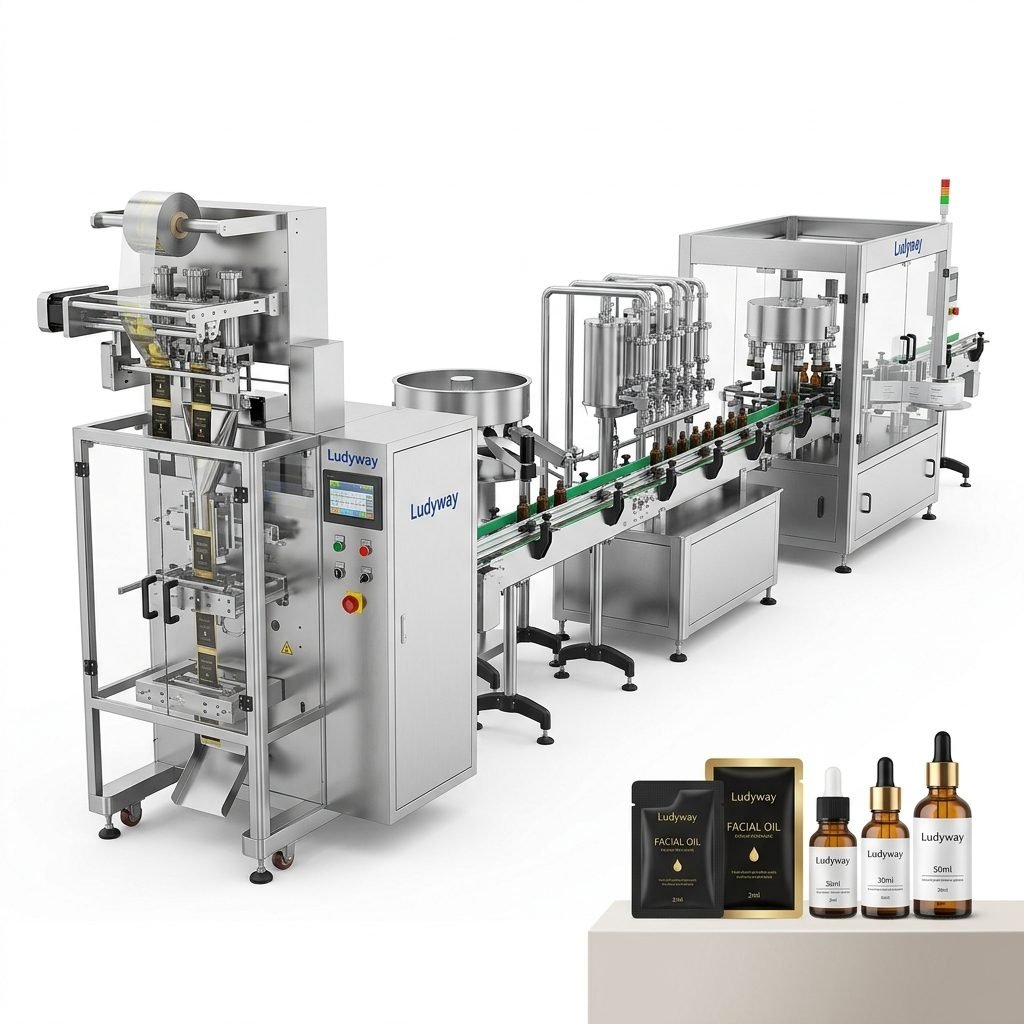
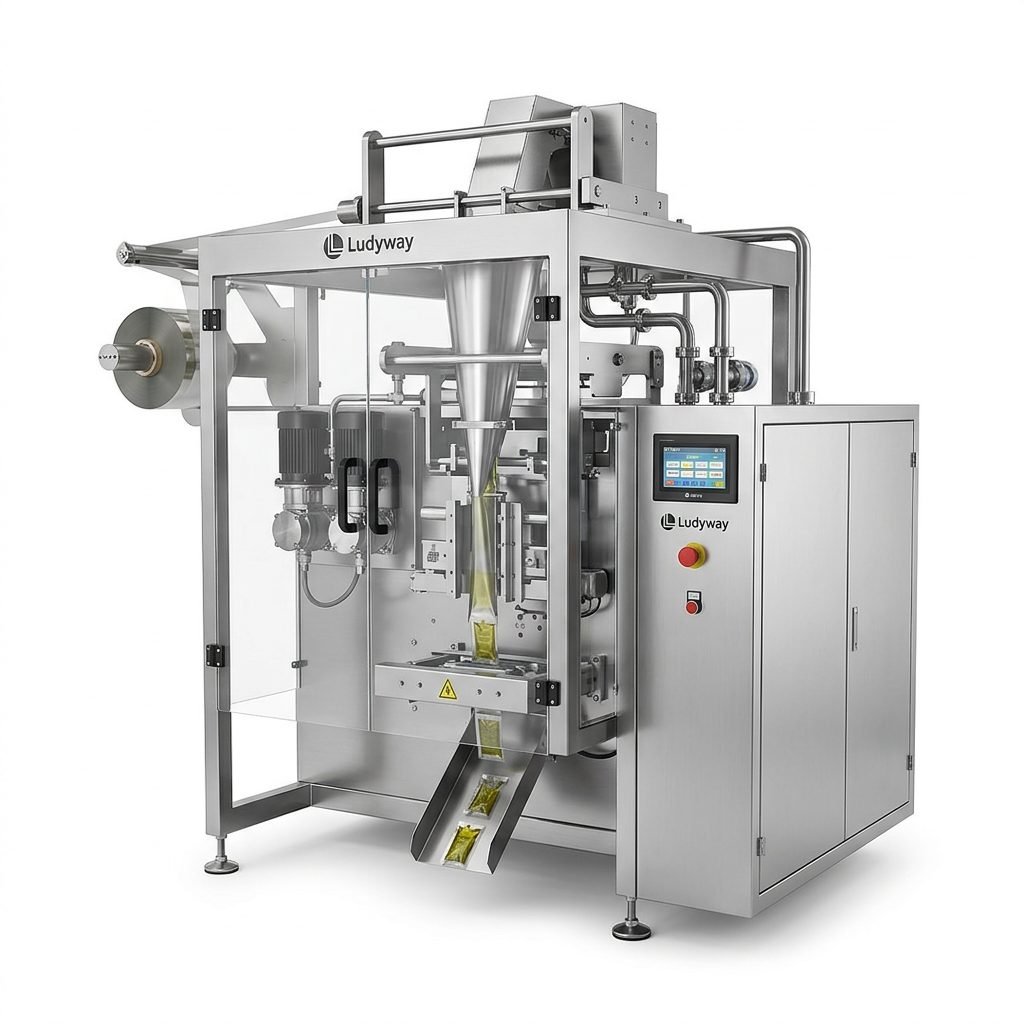
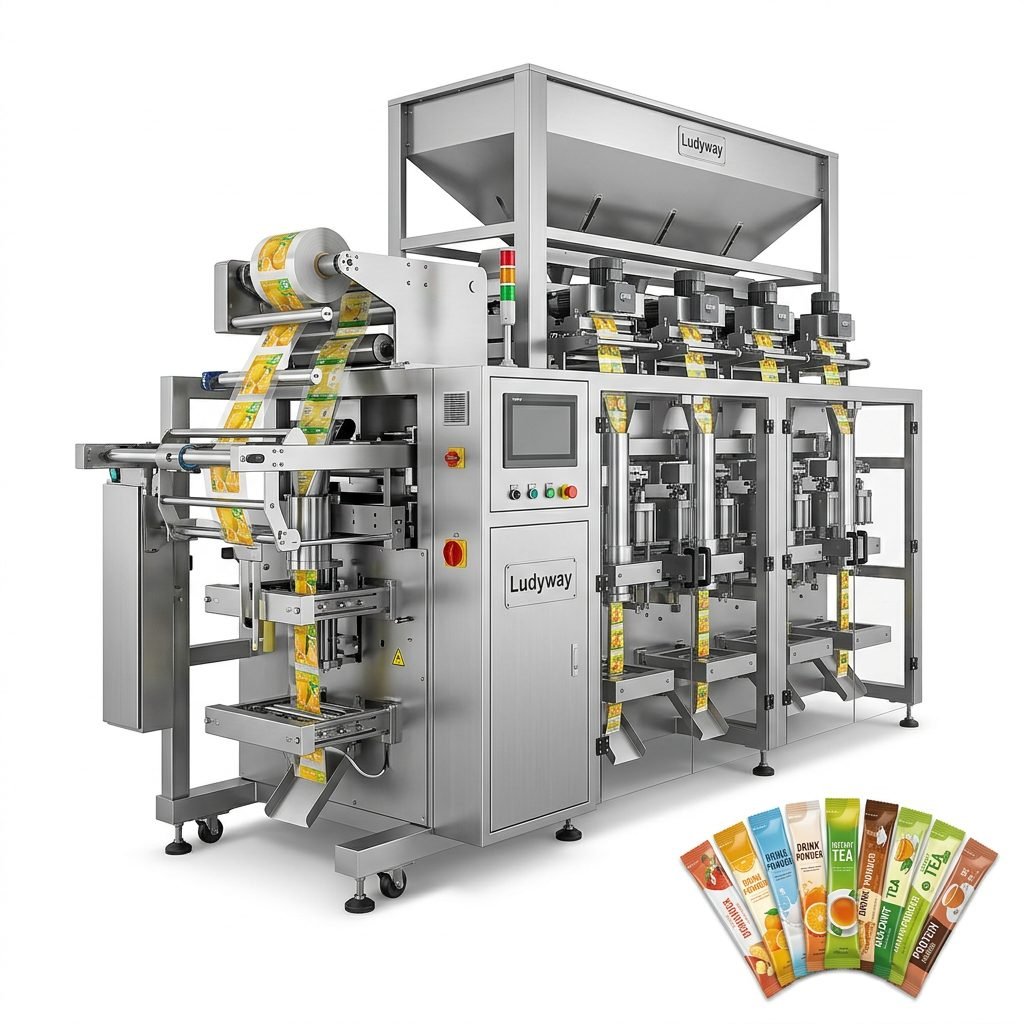
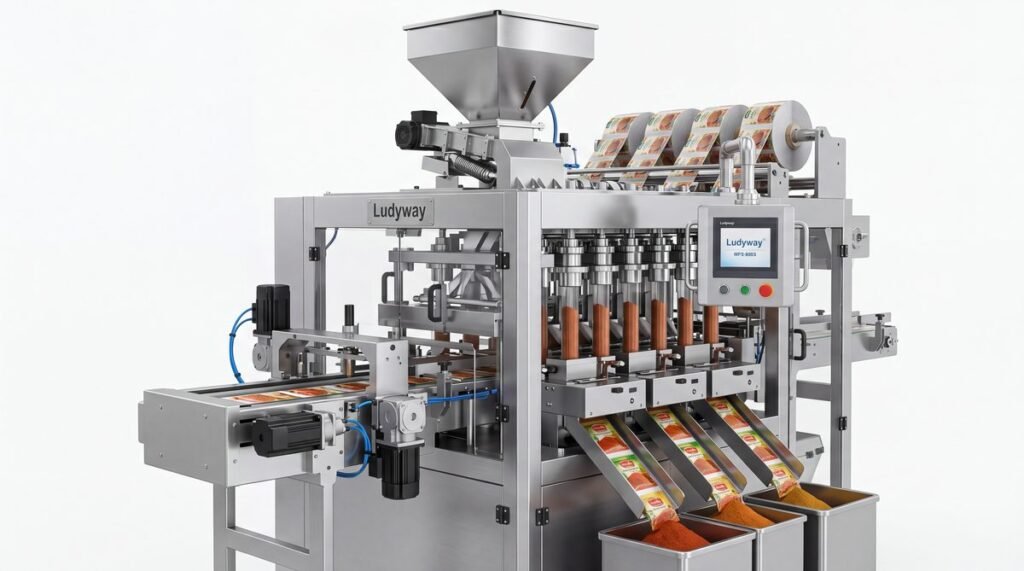
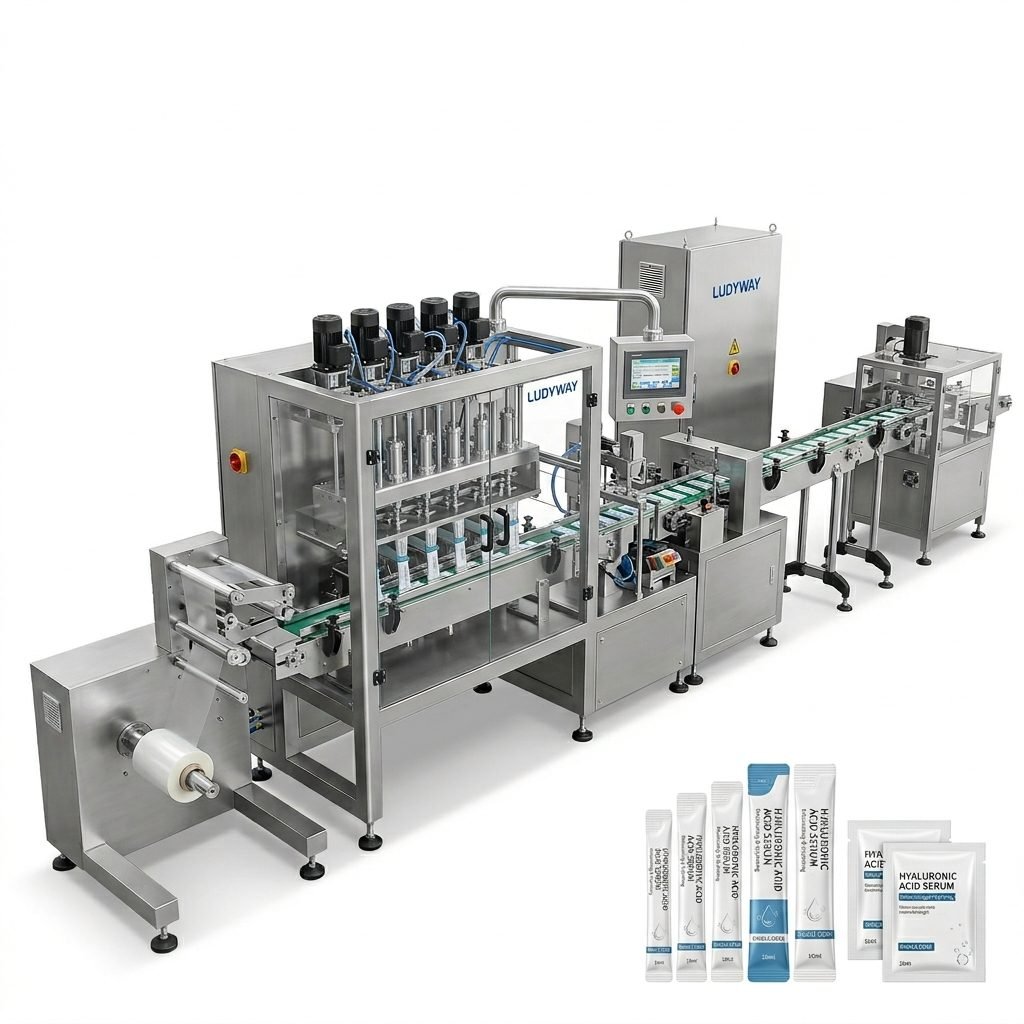
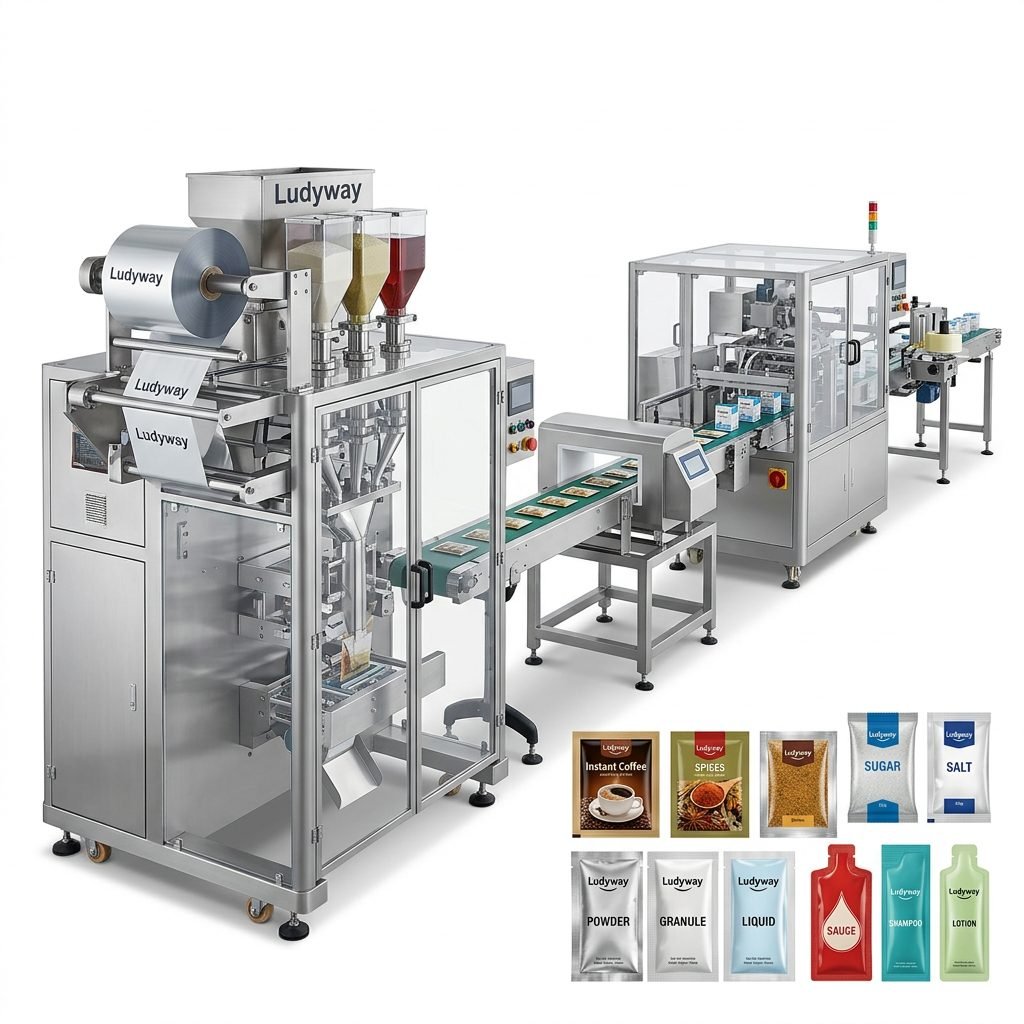
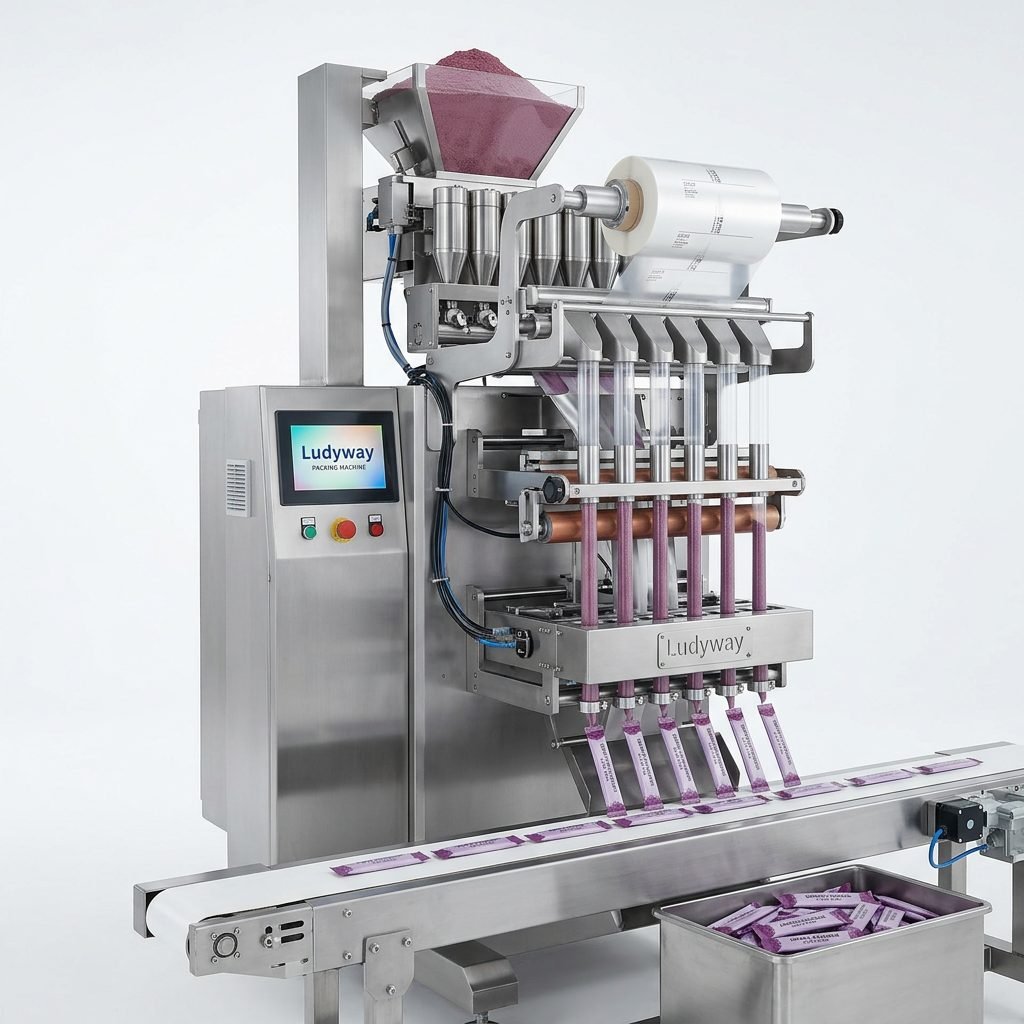
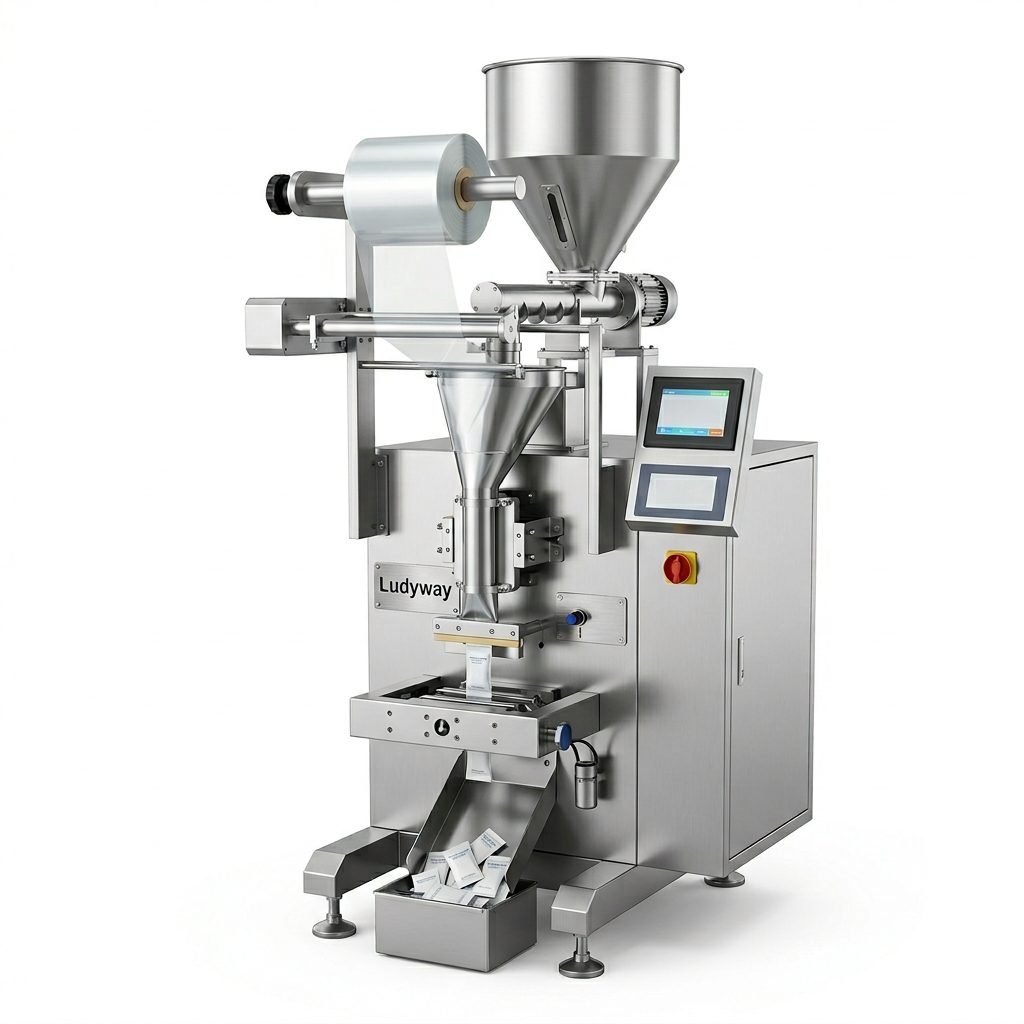
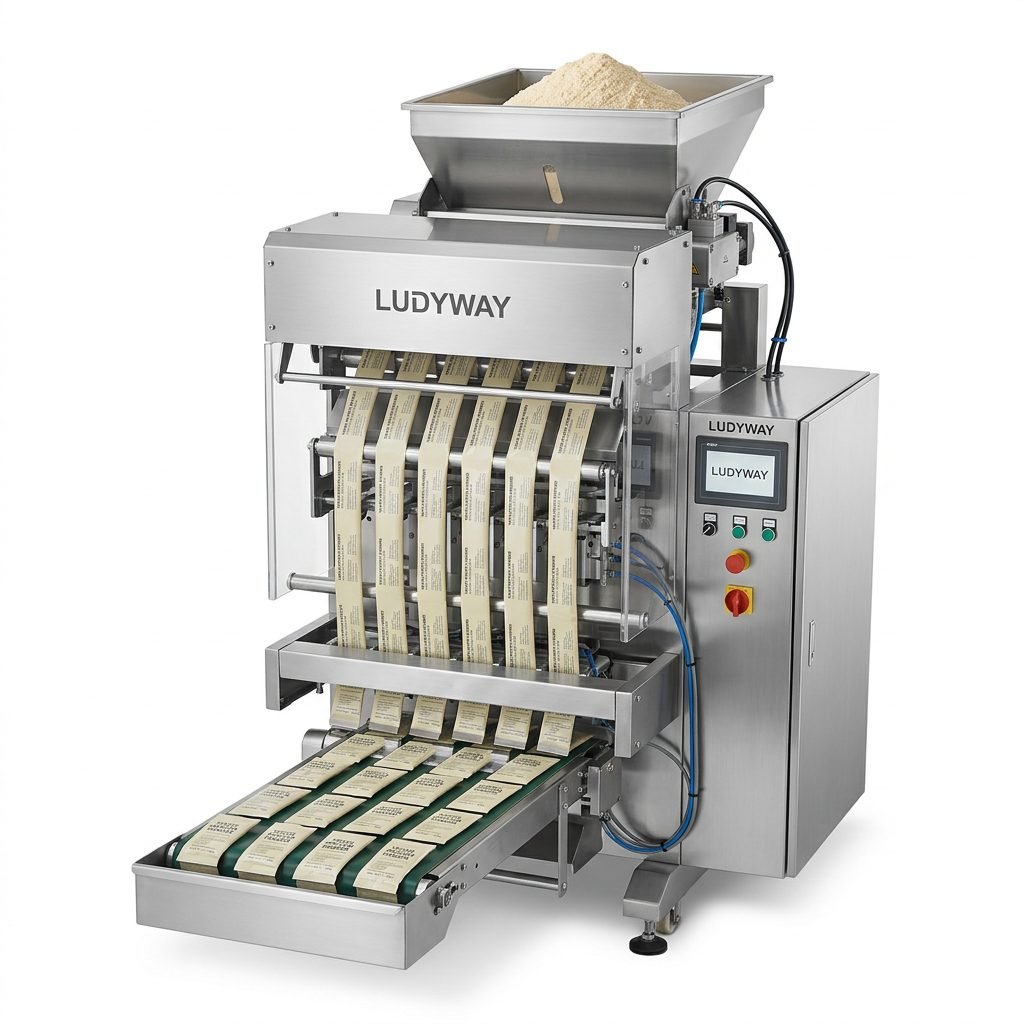
In the demanding world of industrial production, packaging equipment is a critical asset. These machines work tirelessly, often in harsh conditions, to ensure product integrity, efficiency, and brand presentation. Over time, even the most robust machinery can succumb to wear and tear, corrosion, and general fatigue, leading to decreased performance, increased downtime, and potential safety concerns. This is where the strategic value of professional packaging equipment refinishing services becomes undeniable. Far more than a simple cosmetic touch-up, a comprehensive refinishing program is a proactive investment designed to restore peak operational performance and significantly extend the productive life of your valuable assets.
The Core Mission: Beyond Aesthetics
The primary goal of professional refinishing is not merely to make a machine look new—it is to return it to a state of optimal mechanical and hygienic function. This process directly addresses the root causes of performance degradation.
- Corrosion Combat: Exposure to moisture, chemicals, and cleaning agents can cause rust and corrosion on frames, hoppers, and components. Refinishing involves stripping away corrosion, treating the metal, and applying industrial-grade coatings that provide a durable barrier against future attack.
- Wear Surface Restoration: Contact points, guides, and sealing surfaces experience friction and wear. Specialized techniques can rebuild, resurface, or re-coat these areas to restore original tolerances and smooth operation, reducing friction and energy consumption.
- Hygiene and Compliance: For industries like food, pharmaceutical, and health products, surface integrity is non-negotiable. Chipped paint, cracks, or rough surfaces can harbor bacteria and compromise cleanliness. A proper refinish creates a smooth, seamless, and easy-to-clean surface that meets stringent industry standards.
- Structural Integrity Check: The refinishing process often reveals hidden issues like hairline cracks or fatigued metal. Professional technicians can identify these problems early, preventing catastrophic failure and allowing for timely repair.
The Tangible Benefits of a Strategic Refinish
Investing in professional equipment refinishing delivers a compelling return on investment (ROI) across multiple operational facets.
1. Performance Restoration and Efficiency Gains
A machine with restored surfaces operates with less resistance. Components move more freely, seals fit better, and overall mechanical efficiency improves. This can translate into higher throughput, more consistent package quality, and reduced power usage. It effectively reverses the gradual performance slump that aging equipment experiences.
2. Dramatic Extension of Machine Lifecycle
Refinishing acts as a powerful anti-aging treatment for your capital equipment. By eliminating corrosion and protecting the core structure, you add years—often a significant portion of the original lifespan—to the machine. This defers the massive capital outlay required for a new machine, maximizing the value of your existing investment.
3. Reduction in Downtime and Maintenance Costs
Well-maintained and protected machinery breaks down less frequently. Preventive refinishing minimizes unplanned stoppages caused by corrosion-related jams, seal failures, or part degradation. Furthermore, a smooth, coated surface is easier and faster to clean and inspect, reducing routine maintenance time and labor costs.
4. Enhanced Safety and Operator Confidence
Flaking paint, rust debris, and sharp edges pose safety risks. Refinishing creates a clean, safe working environment. Moreover, operators often take more pride and care in operating equipment that looks well-maintained, leading to better overall handling and reporting of minor issues before they escalate.
5. Improved Resale or Trade-in Value
Should you decide to upgrade, a professionally refinished machine holds substantially higher value in the secondary market. It signals to potential buyers that the equipment has been meticulously cared for, justifying a higher price and making it more attractive compared to worn counterparts.
⚠️ The High Cost of Neglect
Postponing refinishing is a false economy. The cumulative cost of incremental performance loss, frequent repairs, unscheduled downtime, and premature replacement will far exceed the planned investment in professional restoration. Proactive care is always more cost-effective than reactive repair.
The Professional Refinishing Process: A Step-by-Step Overview
A quality refinishing service is a meticulous, multi-stage operation performed by skilled technicians. It is not a quick paint job.
Step 1: Comprehensive Assessment & Disassembly
Technicians conduct a thorough inspection, documenting the machine’s condition. Critical components are carefully disassembled to ensure every surface can be accessed and treated properly.
Step 2: Intensive Surface Preparation
This is the most critical phase. All existing coatings, rust, grease, and contaminants are completely removed via methods like abrasive blasting, chemical stripping, and precision grinding. The surface is cleaned to bare, sound metal.
Step 3: Repair & Priming
Any structural repairs, welding, or filling of imperfections is done. A specialized industrial primer is then applied to the pristine surface. This primer is formulated for exceptional adhesion and corrosion inhibition, creating the perfect foundation for the topcoat.
Step 4: Application of Industrial-Grade Coatings
High-performance coatings (epoxy, polyurethane, etc.) are selected based on the machine’s operating environment (e.g., chemical exposure, washdown frequency, abrasion). These coatings are applied in controlled conditions for uniform thickness and durability.
Step 5: Reassembly & Quality Verification
Once cured, components are reassembled with care. The machine undergoes functional testing to ensure performance meets or exceeds original specifications. A final quality check ensures the finish is flawless and durable.
Why Partner with a Specialist Like Ludyway?
While generic industrial painters exist, partnering with a packaging machinery specialist for refinishing offers distinct advantages. With over 30 years of industry experience, a specialist understands the unique stresses and requirements of packaging equipment. They know which coatings withstand powdered ingredients, which survive high-pressure washdowns in food plants, and which provide the necessary lubricity for moving parts. This expertise ensures the refinishing solution is not just protective, but also functionally appropriate for the machine’s specific role in your production line.
Furthermore, a specialist can often integrate minor upgrades or retrofits during the refinishing process, such as updating guarding for new safety standards or improving access panels for easier maintenance. This turns a restoration project into a value-adding modernization opportunity.
Frequently Asked Questions (FAQs)
Q1: How often should packaging equipment be refinished?
A: There’s no universal timeline; it depends on the operating environment (humidity, chemical exposure, cleaning regimens) and usage. A thorough annual inspection by a specialist can determine the condition. Typically, high-use machines in demanding environments may need refinishing every 3-5 years, while others can last 7-10 years.
Q2: Can refinishing be done on-site, or does the machine need to be shipped?
A: Minor touch-ups can sometimes be done on-site. However, for a complete, durable, and high-quality refinish that involves abrasive blasting and controlled coating application, it is almost always preferable to move the machine to a dedicated refinishing facility. This ensures proper environmental controls, containment, and finish quality.
Q3: Is the refinishing process safe for sensitive components like electronics and precision bearings?
A: Yes, when performed by professionals. All sensitive components are carefully removed or meticulously masked and protected before surface preparation begins. The process focuses on the machine’s structural and cosmetic surfaces, not its internal mechanics, unless specifically requested as part of a broader overhaul.
Q4: How long does a full machine refinishing project typically take?
A: The timeline varies by machine size and complexity. A standard single machine project, from disassembly to reassembly and testing, can take between 2 to 4 weeks. Detailed project planning with your service provider will establish an accurate schedule to minimize disruption to your production.
Q5: Does refinishing affect my machine’s warranty?
A: Refinishing performed by a qualified professional should not void the original warranty on mechanical and electrical components. However, it will naturally replace the original paint warranty. It is always advisable to consult with both your machine OEM and the refinishing specialist beforehand. A professional refinisher will often provide a new warranty on their coatings and workmanship.