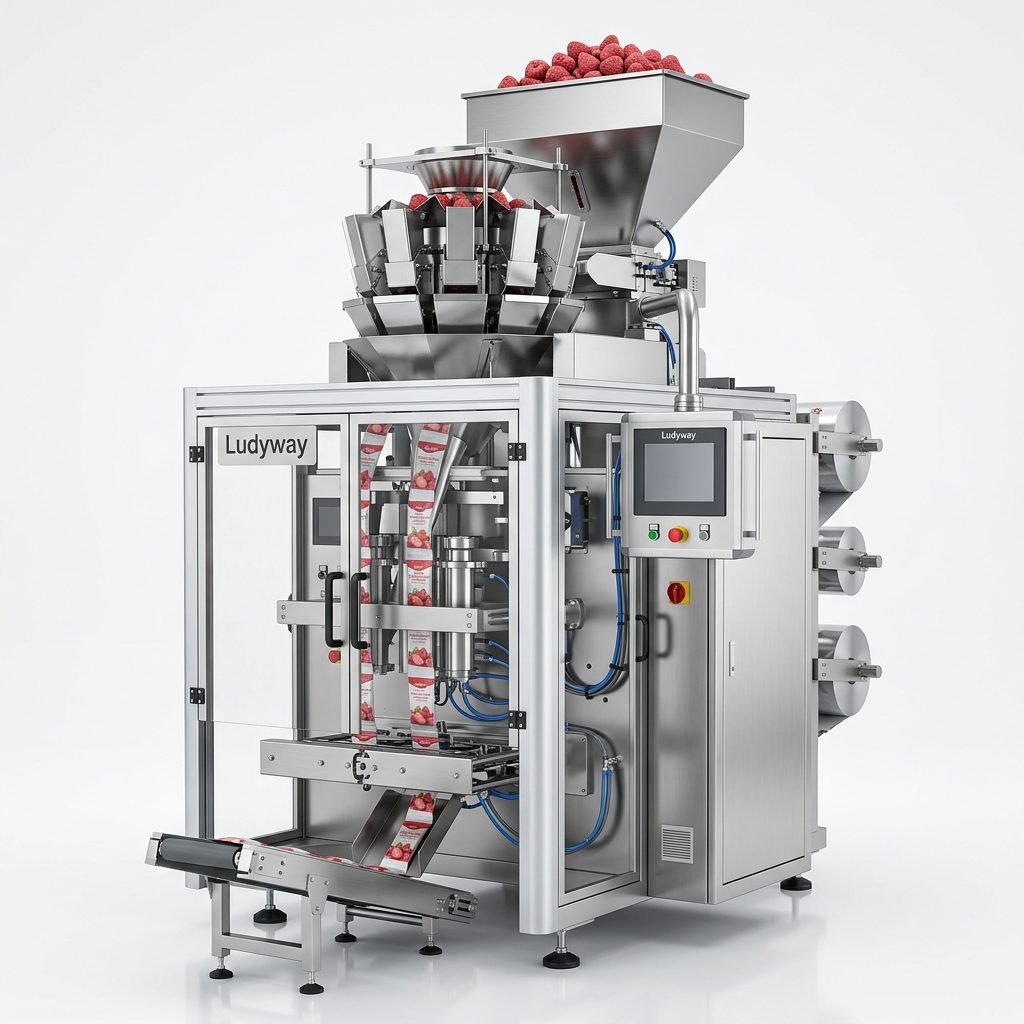
Horizontal flow packing machines are a cornerstone of modern automated packaging lines. Whether you are wrapping baked goods, medical devices, confectionery, or hardware components, the right flow wrapper can dramatically improve production speed, packaging consistency, and shelf appeal. This buyer’s guide walks you through the essential factors to consider, helping you evaluate machines that match your product, production goals, and quality standards.
Understanding Horizontal Flow Packing Machines
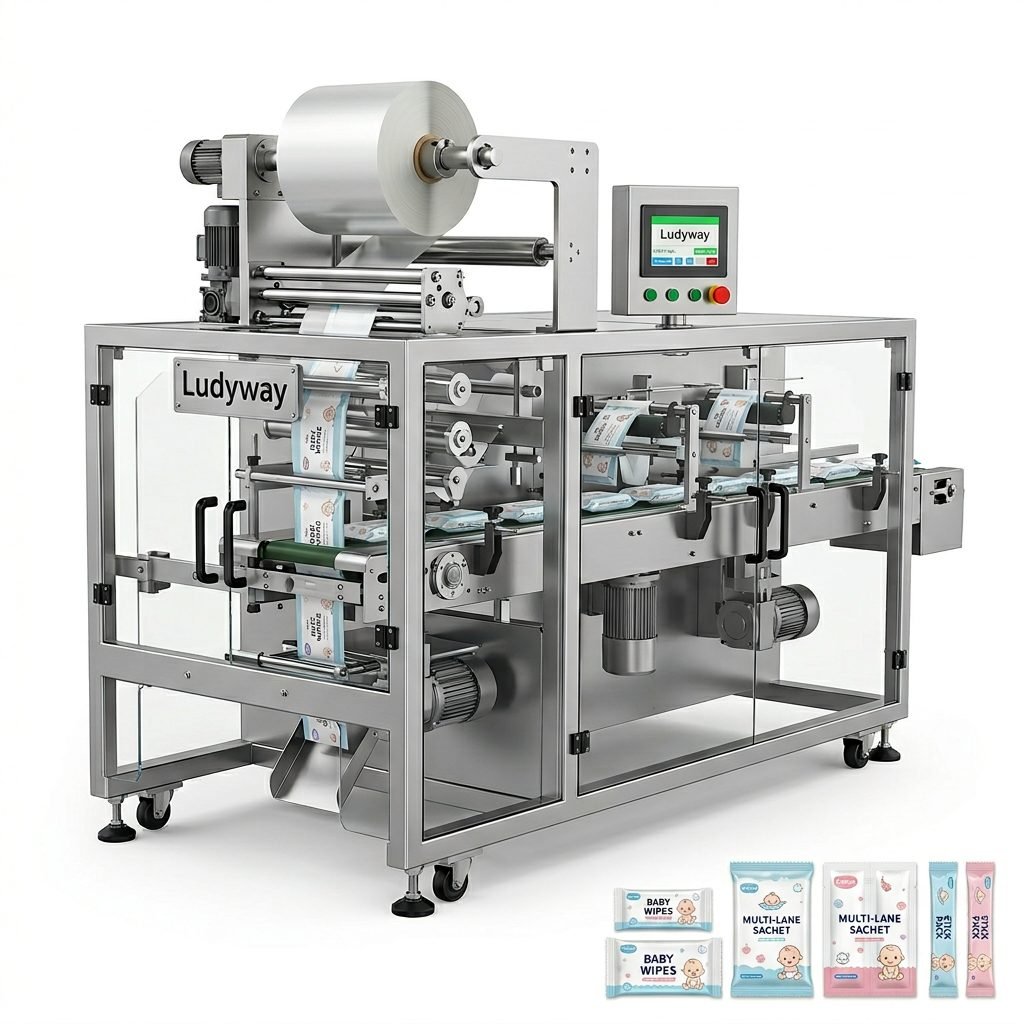
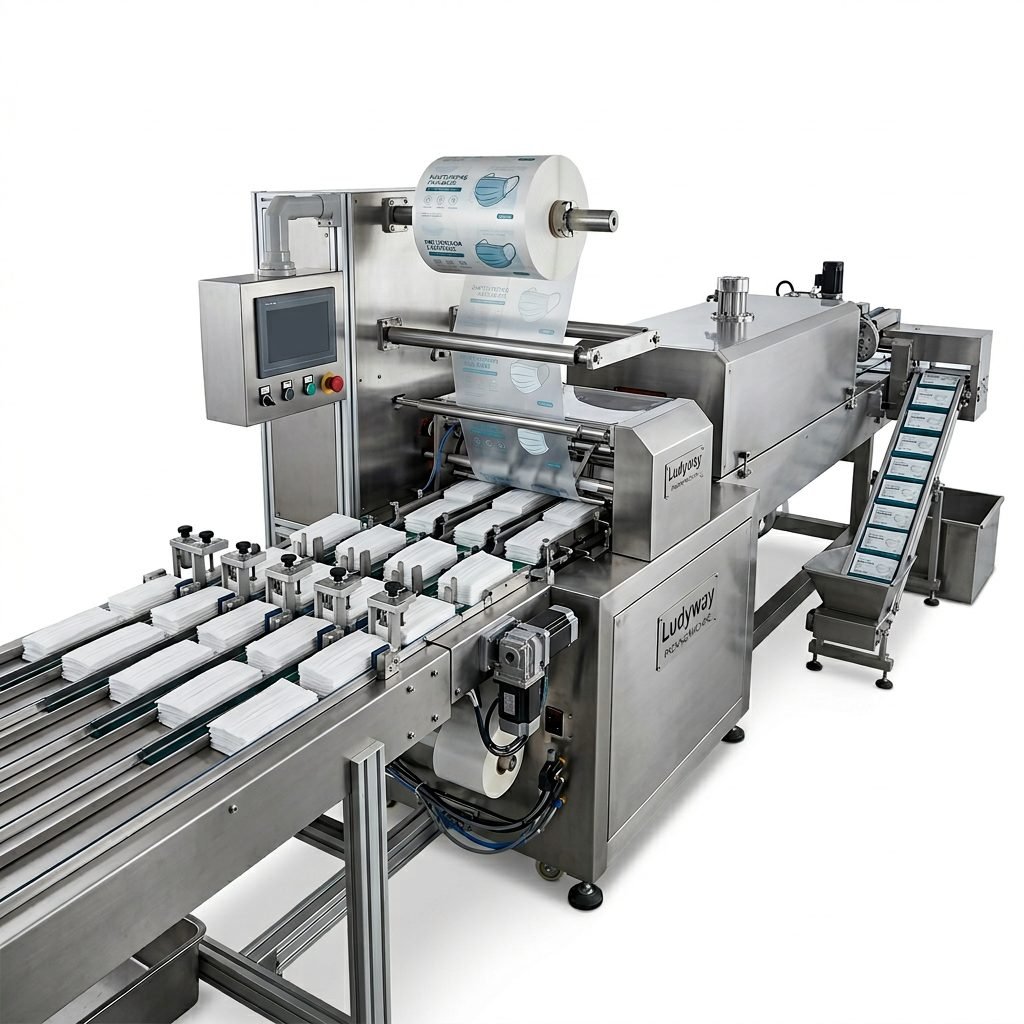
A horizontal flow packer, often called a flow wrapper or horizontal form-fill-seal (HFFS) machine, creates a flexible package by wrapping a flat film around a product, sealing it longitudinally and then transversely. The result is a tight, sealed pillow pack, gusseted bag, or fin-seal package. These machines are widely used across food, pharmaceutical, personal care, and industrial product sectors because they offer gentle product handling and high throughput.
Key Factors to Consider When Choosing a Machine
Product Dimensions, Shape, and Fragility
The physical characteristics of your product drive machine specifications. Measure length, width, and height accurately, and note any irregular shapes. Fragile products like biscuits or soft bakery items need gentle infeed and precise film control to avoid damage. Machines with adjustable forming shoulders and multiple sealing jaw options can handle a wider variety of product profiles.
Packaging Film and Material Compatibility
Not every flow wrapper handles the same film types. Determine whether you are using polypropylene, polyethylene, laminated films, paper-based laminates, or biodegradable materials. Some machines are designed for heat-sealable films only, while others support cold-seal or ultrasonic sealing. Matching the machine to your film reduces downtime and seal failures. For food contact applications, always refer to FDA’s food contact substance regulations to ensure compliance.
Speed and Throughput Requirements
Define your target output in packs per minute. Entry-level intermittent-motion flow wrappers may run at 30–80 packs per minute, while continuous-motion, high-speed machines can exceed 200 packs per minute. Be realistic about current and future needs – buying a machine that is too slow can bottleneck your line, but overspending on excessive speed adds unnecessary cost. Industry trends noted by organizations like PMMI’s State of the Industry report indicate growing demand for flexible, medium-to-high-speed solutions that balance efficiency with quick changeover.
Bag Style and Seal Quality
Common formats include pillow packs, gusseted bags, and fin-seal packages. Consider whether you need features such as resealable zippers, tear notches, gas flushing for modified atmosphere packaging, or easy-open perforations. The quality of longitudinal and cross seals directly impacts product shelf life and brand perception, so examine the sealing technology and jaw design carefully.

Evaluating Machine Flexibility and Automation
Today’s production environments demand rapid changeover between products. Look for machines with tool-less adjustments, recipe storage, and servo-driven controls that allow operators to switch bag sizes in minutes. Automation features such as automatic film splicing, misaligned product rejection, and integrated printing or labeling systems remove manual steps and reduce labor dependency. The ability to integrate with upstream and downstream equipment – from feeders to cartoners – can transform a standalone machine into a fully synchronized packaging cell.
Where applicable, validate packaging lines against recognized standards. For medical and pharmaceutical products, compliance with ISO 11607 packaging for terminally sterilized medical devices is often mandatory. Working with a supplier who understands these requirements from the start shortens validation timelines.
Selecting the Right Manufacturer Partner
Beyond machine specifications, the strength of your supplier relationship determines long-term success. Evaluate a manufacturer’s experience, global service network, availability of spare parts, and willingness to customize. A partner who offers turnkey solutions and rapid technical support ensures you can scale operations without interruption.
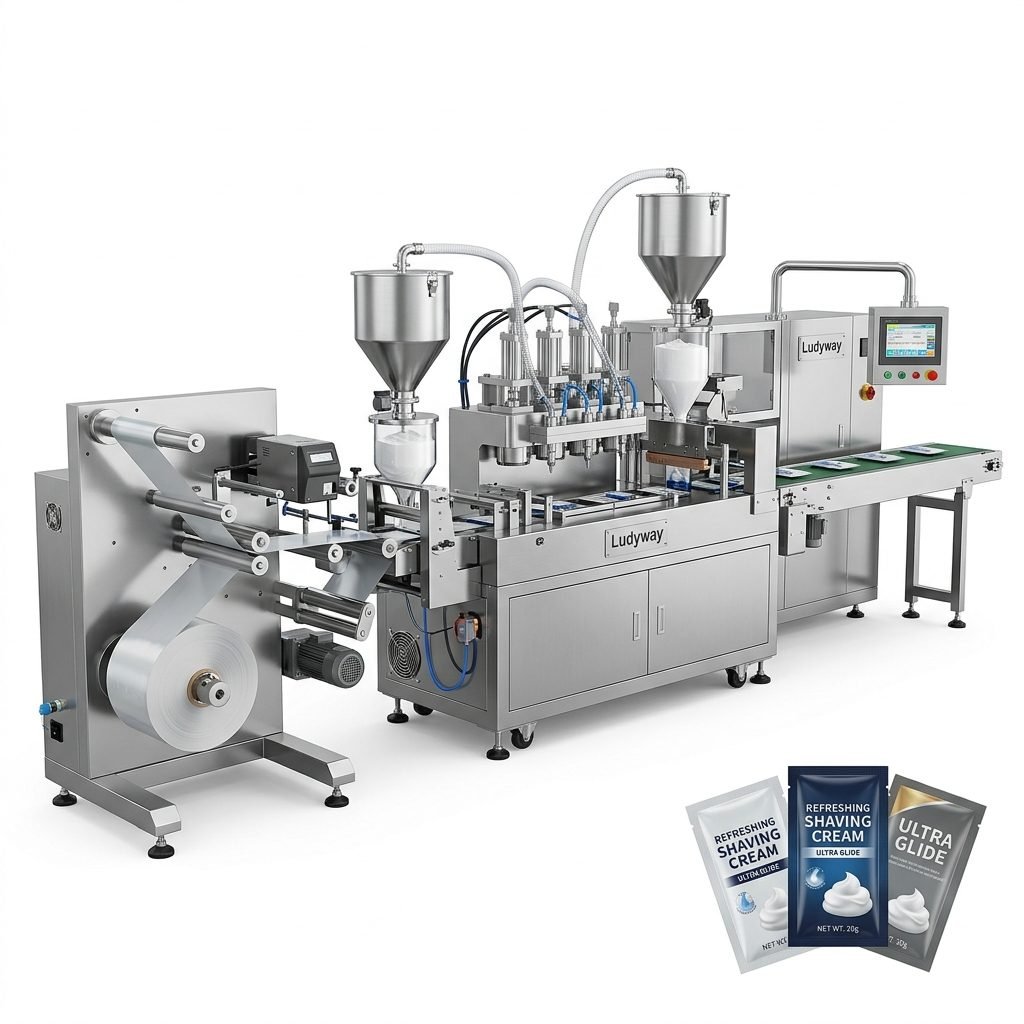
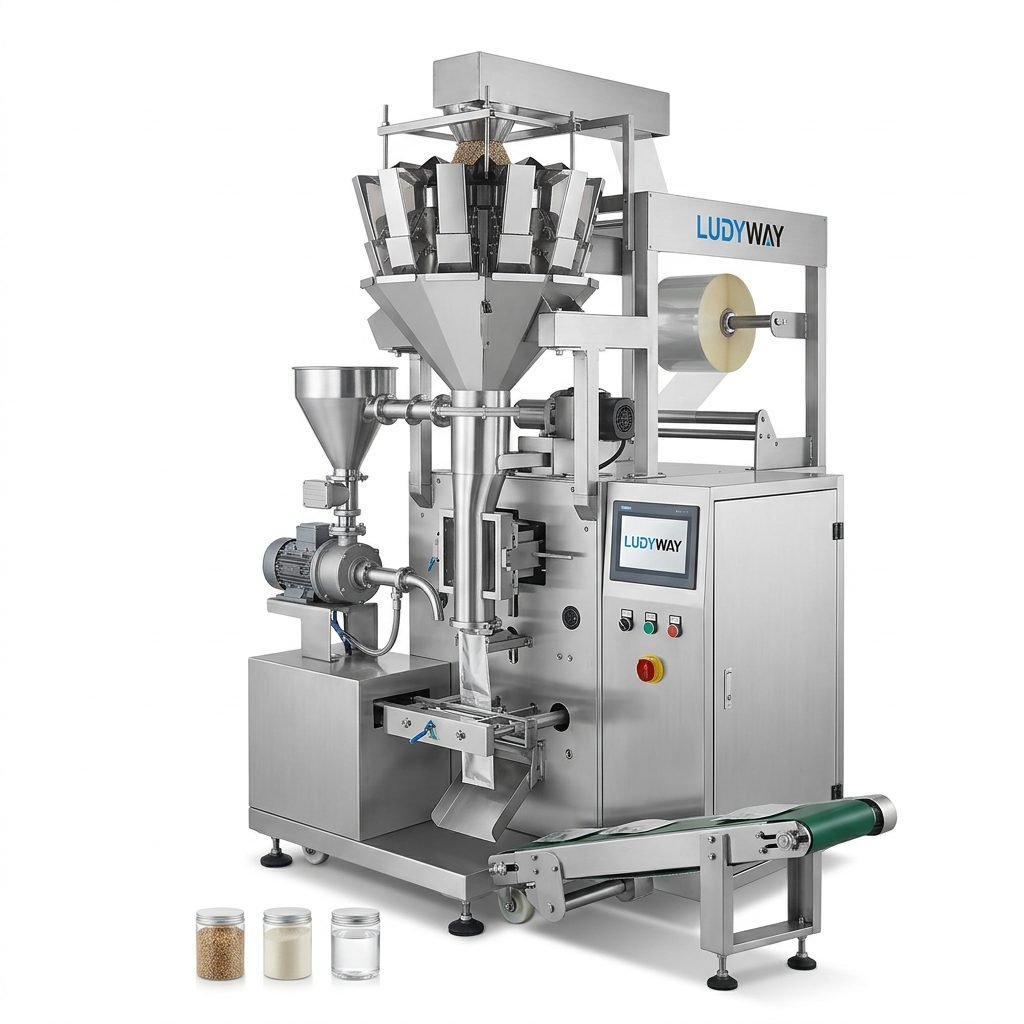
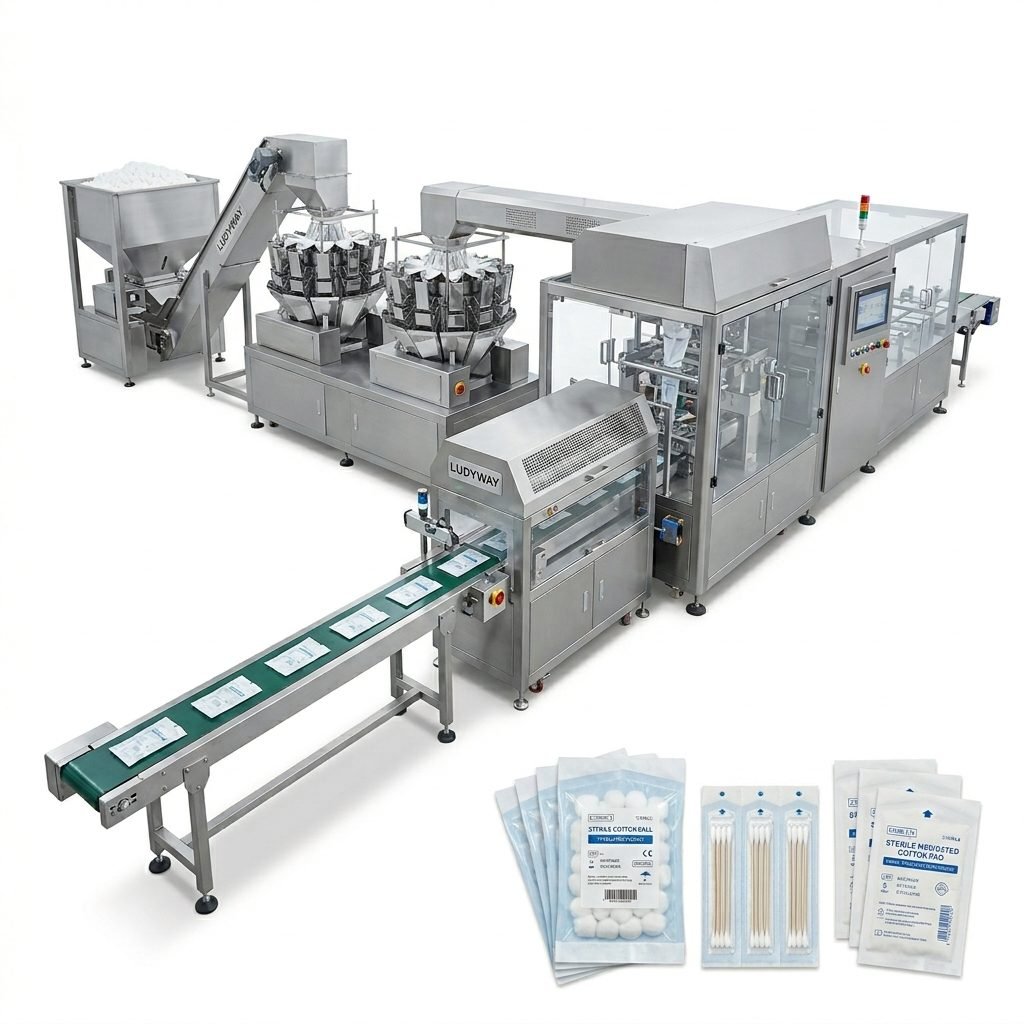
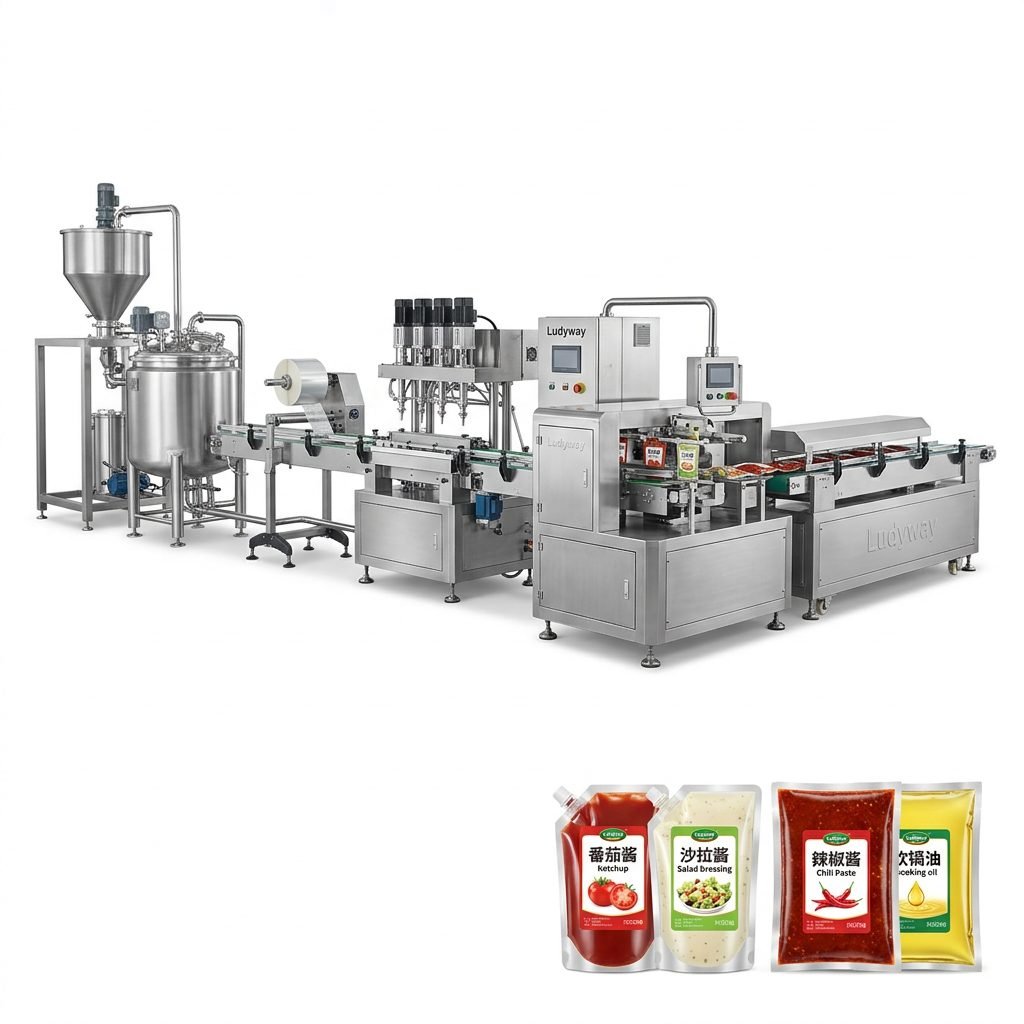
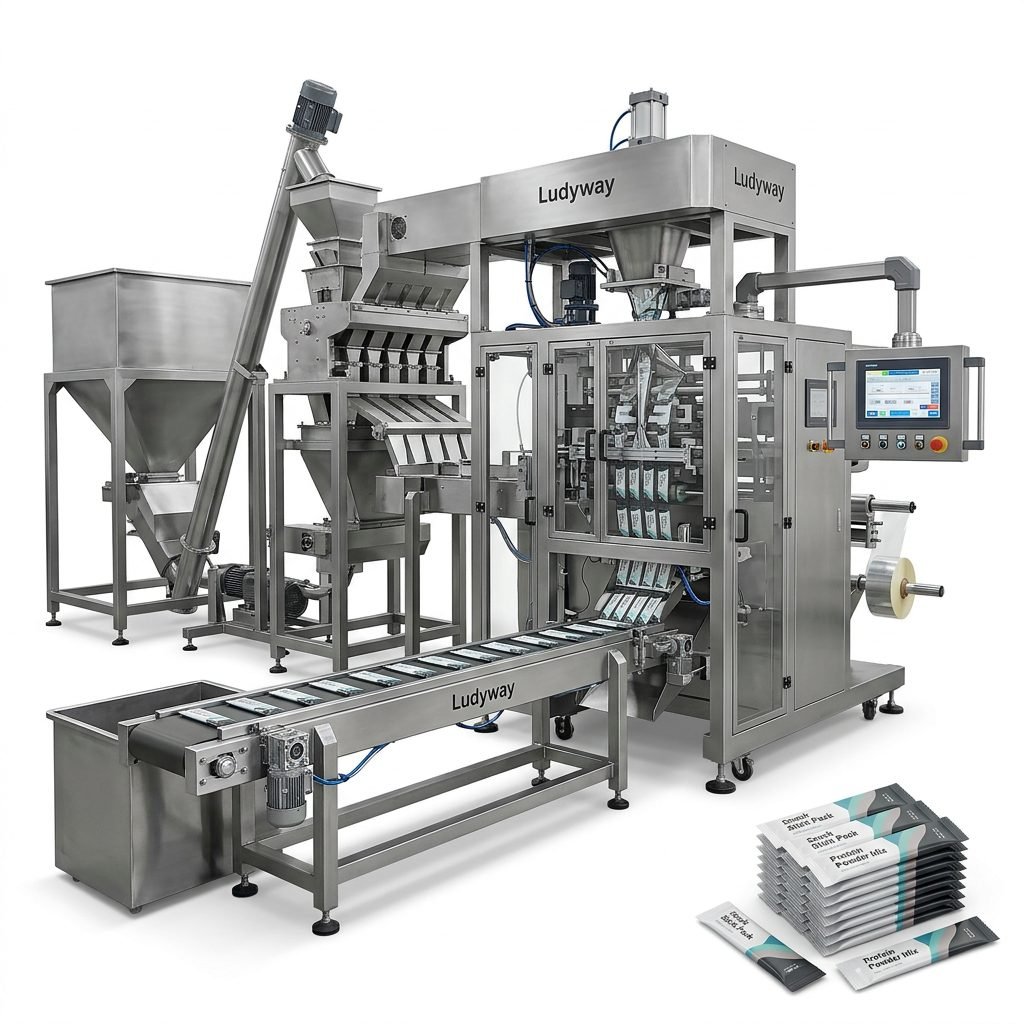
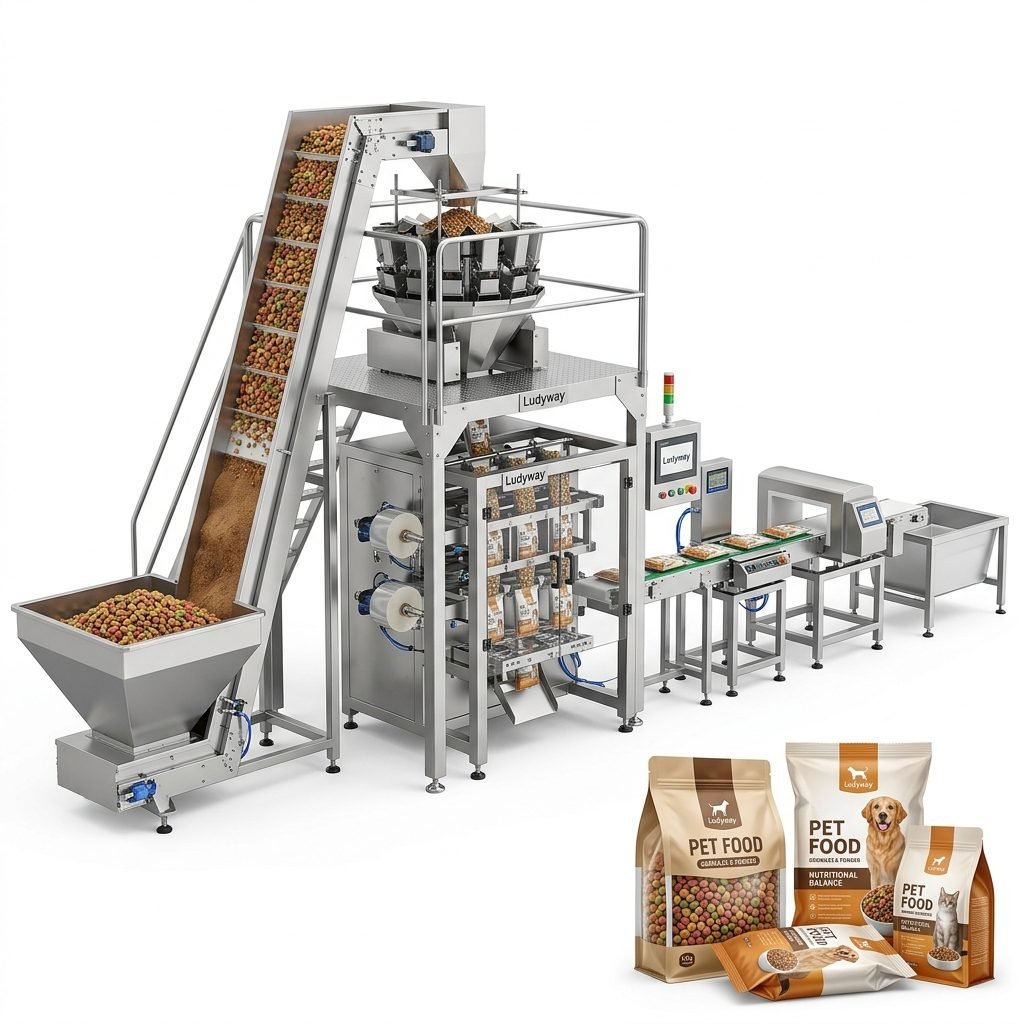
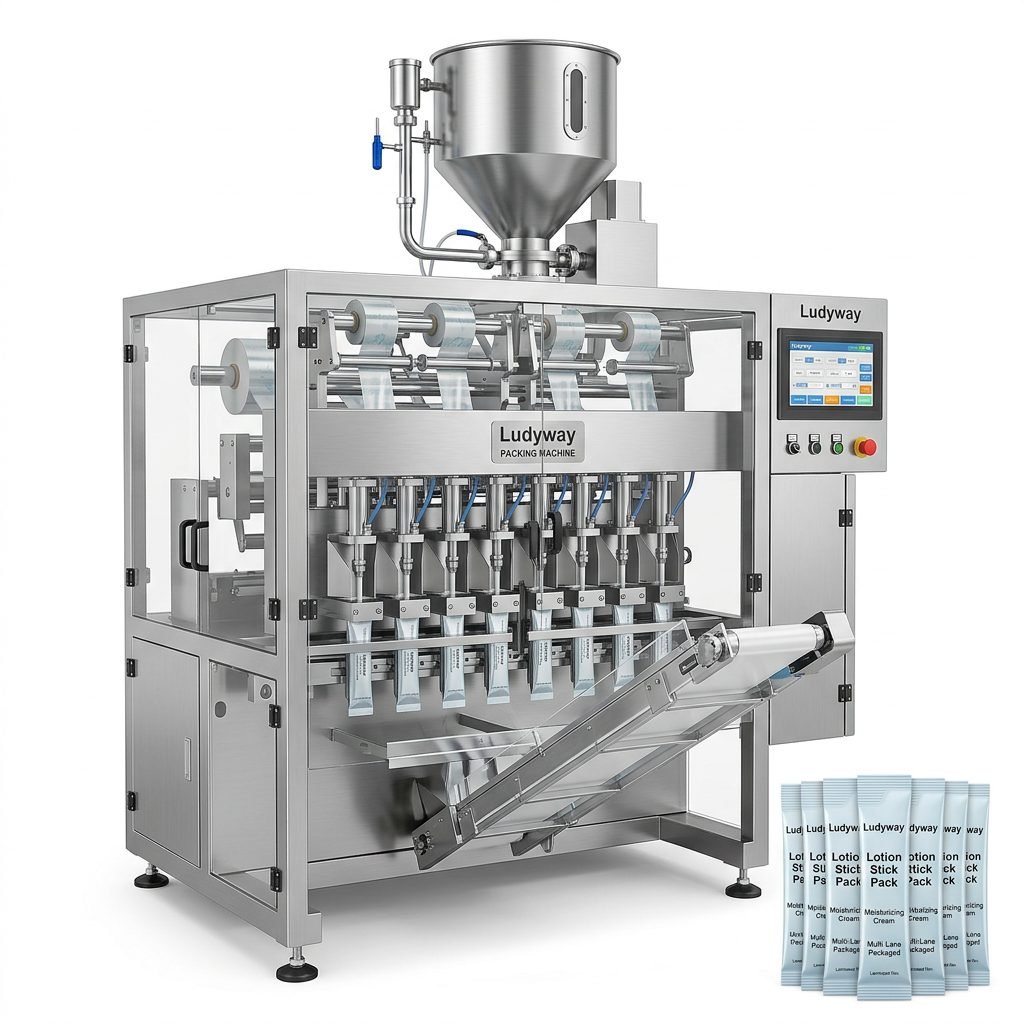
Ludyway Machinery is a China-based packaging machinery manufacturer with more than 30 years of experience, serving over 100 countries. The company develops horizontal flow packing machines alongside a broad portfolio of automated packaging solutions, and can configure equipment for different product types, speeds, and integration requirements. A recent report on Ludyway’s global growth trend highlights the company’s expanding manufacturing and export capacity, reinforcing its role as a long-term packaging partner for manufacturers worldwide.

Looking Ahead: Packaging Trends to Watch
The flexible packaging market continues to shift toward sustainable materials, mono-material laminates, and recyclable films. Your chosen flow wrapper should be capable of running newer eco-friendly films without excessive modifications. Resources from the Flexible Packaging Association provide valuable updates on material innovations and regulatory changes that may influence your machine decision over the next five years.
Making Your Final Decision
- Define your product range and maximum dimensions to narrow down machine models.
- Document your required throughput and allowable downtime to determine motion type.
- Verify film and seal compatibility through sample testing with your actual materials.
- Assess automation needs – inline printing, gas flushing, automatic feeders – to future-proof the investment.
- Choose a manufacturer with a proven track record of customization, service, and global support.
Selecting the right horizontal flow packing machine is a strategic decision that impacts efficiency, product quality, and total cost of ownership. By aligning technical requirements with a dependable partner, you position your packaging line to meet both current demands and tomorrow’s growth.