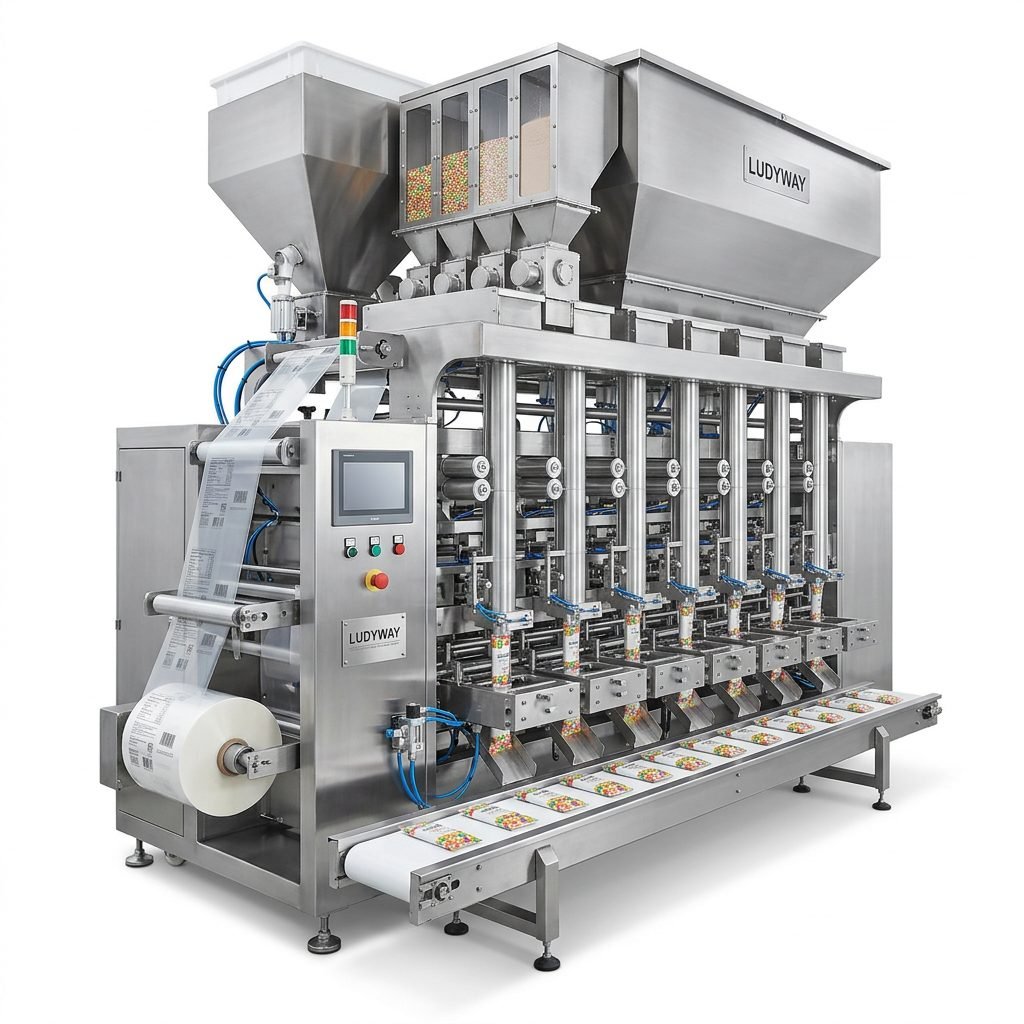
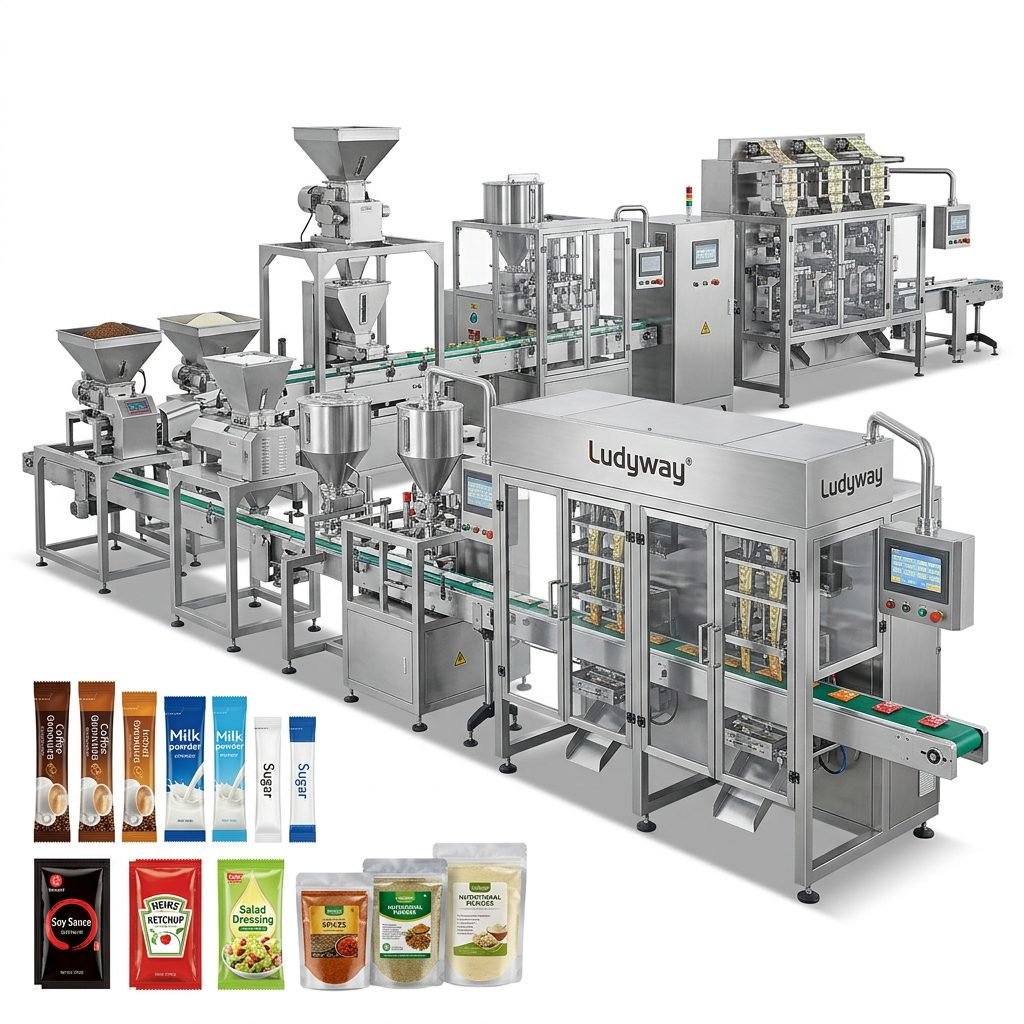
Blister card packaging is widely used for pharmaceuticals, consumer goods, electronics accessories, cosmetics, tools, and promotional retail items. For manufacturers and brand owners, a blister card packaging machine helps create secure, tamper-evident, attractive packaging that improves shelf appeal and protects products during transportation and display.
If you are evaluating this type of equipment, understanding how it works, its key benefits, and what to check before buying will help you choose the right solution for your production goals.
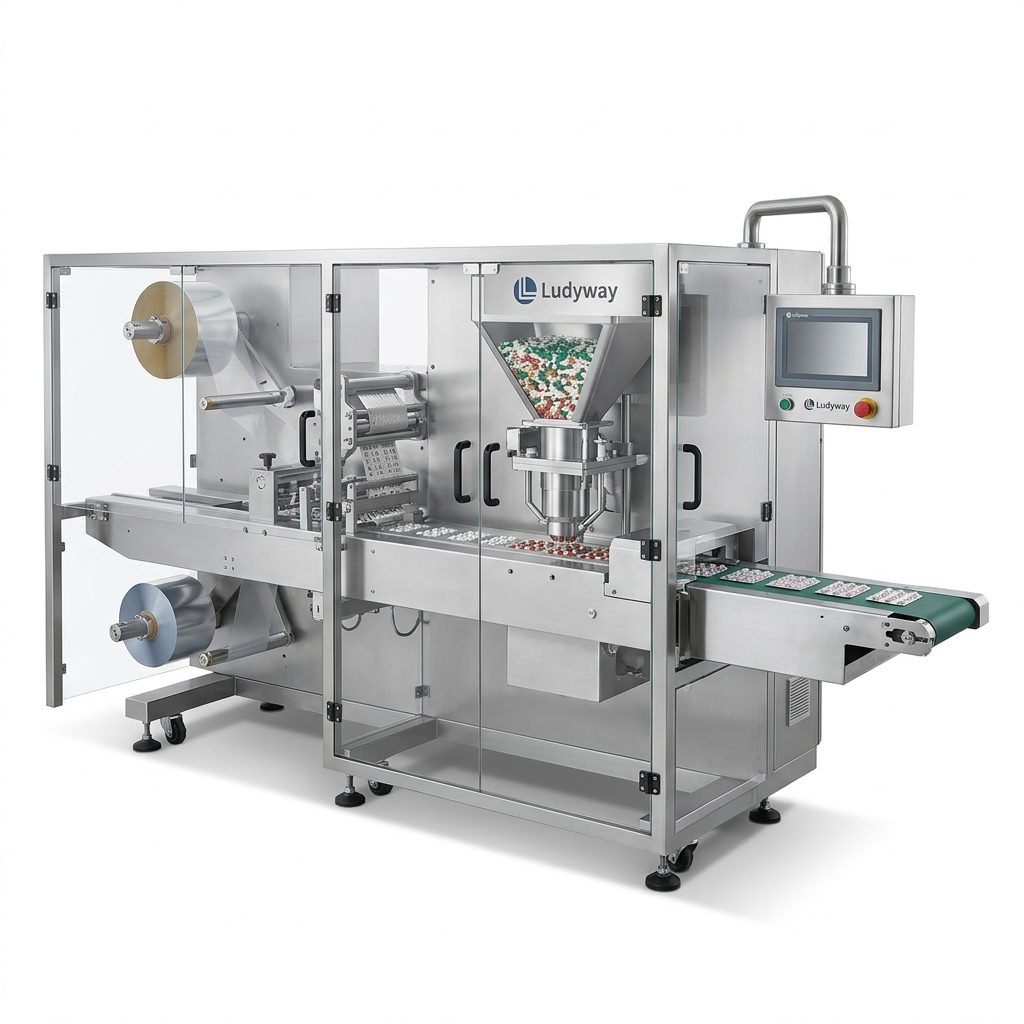
What Is a Blister Card Packaging Machine?
A blister card packaging machine is designed to package products between a preformed plastic blister and a backing card, or to create the blister in-line before sealing it to a printed card. The result is a package that clearly displays the item while keeping it protected from dust, moisture, handling damage, and unauthorized opening.
Depending on the product and packaging format, the machine may perform one or more of the following steps:
- Plastic blister forming
- Product feeding or manual loading support
- Printed card positioning
- Heat sealing or RF sealing
- Date/batch coding
- Inspection and rejection
- Cartoning or case packing integration
How a Blister Card Packaging Machine Works
Although machine structures vary by model, most blister card packaging systems follow a similar workflow.
1. Material Preparation
The machine is loaded with plastic film or preformed blisters and printed backing cards. Common blister materials include PVC, PET, and PETG, while backing cards are usually coated paperboard suitable for heat sealing.
2. Blister Forming
If the machine includes thermoforming capability, plastic film is heated and shaped into cavities that match the product dimensions. Accurate forming is critical because cavity depth, contour, and rigidity affect both product fit and retail appearance.
3. Product Loading
Products are placed into the blister cavities either manually, semi-automatically, or through a fully automatic feeding system. The chosen method depends on product shape, fragility, orientation requirements, and target output.
4. Card Placement
Printed blister cards are aligned over or under the blister, depending on machine design. Good registration ensures the package looks professional and keeps branding, barcodes, and product information in the correct position.
5. Sealing
Heat and pressure seal the blister to the card. In some applications, RF sealing is used. Proper sealing temperature, dwell time, and pressure are essential to achieve a strong, clean, and consistent seal without damaging the card or product.
6. Cutting and Finishing
Some lines include die cutting, edge trimming, euro-slot punching, embossing, coding, or perforation. Finished packs can then move to inspection, cartoning, and case packing.
7. Quality Inspection
Modern lines may include sensors or visual inspection systems to check seal integrity, product presence, print alignment, and reject defective packs automatically.
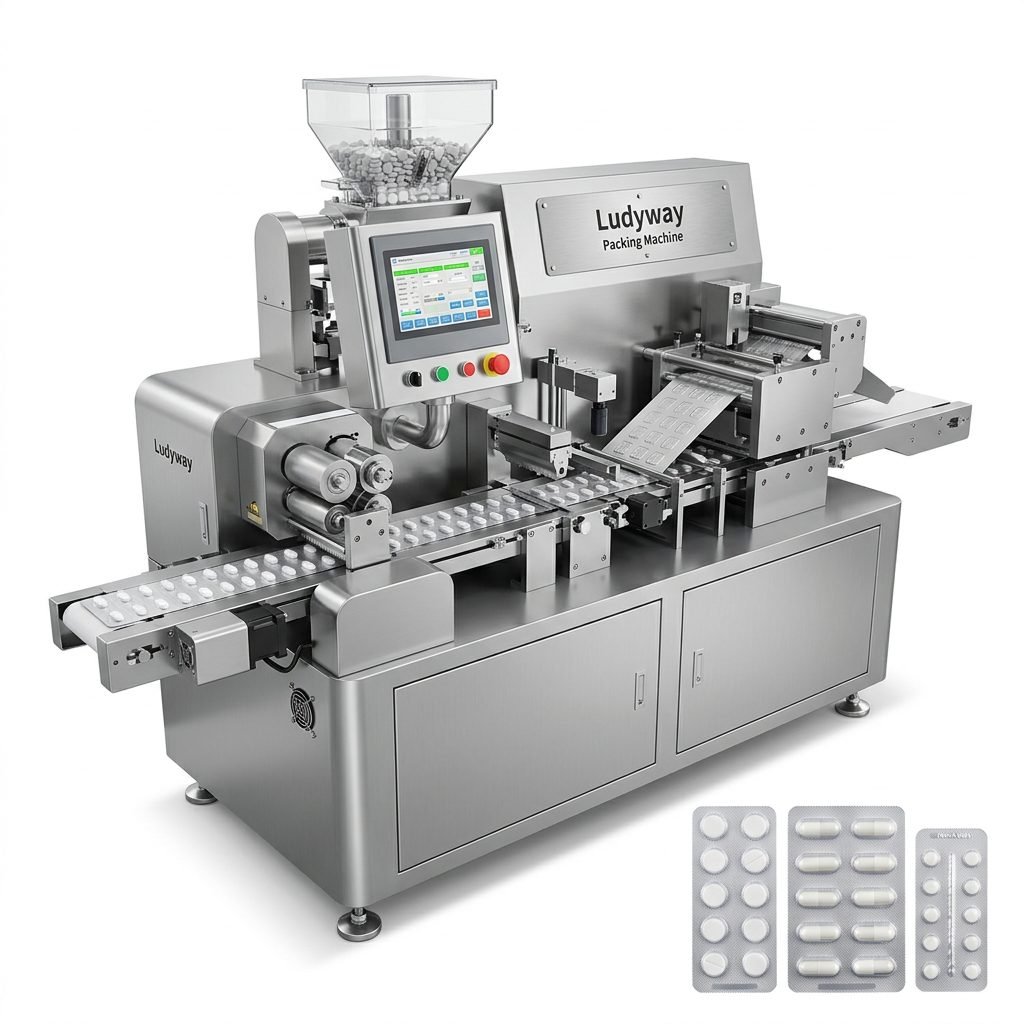
Main Types of Blister Card Packaging Machines
| Machine Type | Best For | Typical Advantage |
|---|---|---|
| Manual or semi-automatic | Low-volume production, startups, testing | Lower investment |
| Automatic heat-seal blister card machine | Retail items, small consumer goods, hardware | Higher efficiency and repeatability |
| Thermoforming blister card line | Custom cavity packaging | Flexible blister shape production |
| Rotary blister sealing machine | Continuous medium to high output | Stable running and compact layout |
| Inline fully automatic packaging line | Large-scale production | Easy integration with feeding, cartoning, and inspection |
Key Benefits of Using a Blister Card Packaging Machine
Better Product Protection
Blister card packs help shield products from contamination, scratches, and physical damage. This is especially important for fragile or small retail items that are frequently handled on store shelves.
Stronger Shelf Appeal
Clear blister packaging allows customers to see the actual product while the backing card provides branding and instructions. This combination improves product visibility and helps influence buying decisions.
Tamper Evidence
A properly sealed pack makes interference more visible. For pharmaceuticals, medical devices, and personal care products, this can be an important packaging requirement.
Higher Packaging Efficiency
Automatic equipment reduces manual handling, improves consistency, and increases throughput. This is especially valuable when labor costs are rising or when output must scale quickly.
Consistent Seal Quality
With controlled temperature, pressure, and timing, the machine delivers repeatable sealing performance. That reduces rework, leakage, loose seals, and packaging complaints.
Lower Long-Term Packaging Cost
Although the initial investment may be significant, automation often reduces labor dependence, product waste, downtime, and packaging defects over time.
Industries That Commonly Use Blister Card Packaging
- Pharmaceuticals and nutraceuticals
- Medical devices and first-aid products
- Cosmetics and personal care
- Batteries and electronics accessories
- Hardware and DIY tools
- Toys and small consumer goods
- Stationery and promotional retail products
What to Consider Before Buying
Product Size and Shape
Start with the product itself. The machine should suit the item’s dimensions, geometry, weight, and fragility. Irregular products may require custom tooling or dedicated feeding systems.
Packaging Material Compatibility
Not all machines handle the same plastic and card materials. Confirm the equipment supports your preferred blister film, card coating, and sealing method.
Required Output Speed
A low-volume business may only need a semi-automatic unit, while a large manufacturer may need a fully automatic line. Buying too small can restrict growth; buying too large can waste budget.
Automation Level
Consider whether you need manual loading, automatic feeding, visual inspection, coding, rejection, cartoning, or full line integration. The right level depends on labor availability, budget, and production targets.
Tooling Changeover Time
If you package multiple SKUs, fast mold and format changeover matters. A machine with easier adjustment can significantly improve line utilization.
Seal Strength and Quality Control
Ask how the machine maintains sealing consistency. Temperature control accuracy, pressure stability, alarm functions, and inspection options all affect final pack quality.
Factory Space and Layout
Review machine footprint, material flow, operator access, and maintenance clearance. Compact design can be a major advantage when production space is limited.
Compliance Requirements
For regulated industries such as pharma or medical products, verify whether the machine design supports your validation, documentation, and traceability requirements.
After-Sales Support
Reliable technical support, spare parts availability, remote troubleshooting, and commissioning assistance are just as important as machine specifications.
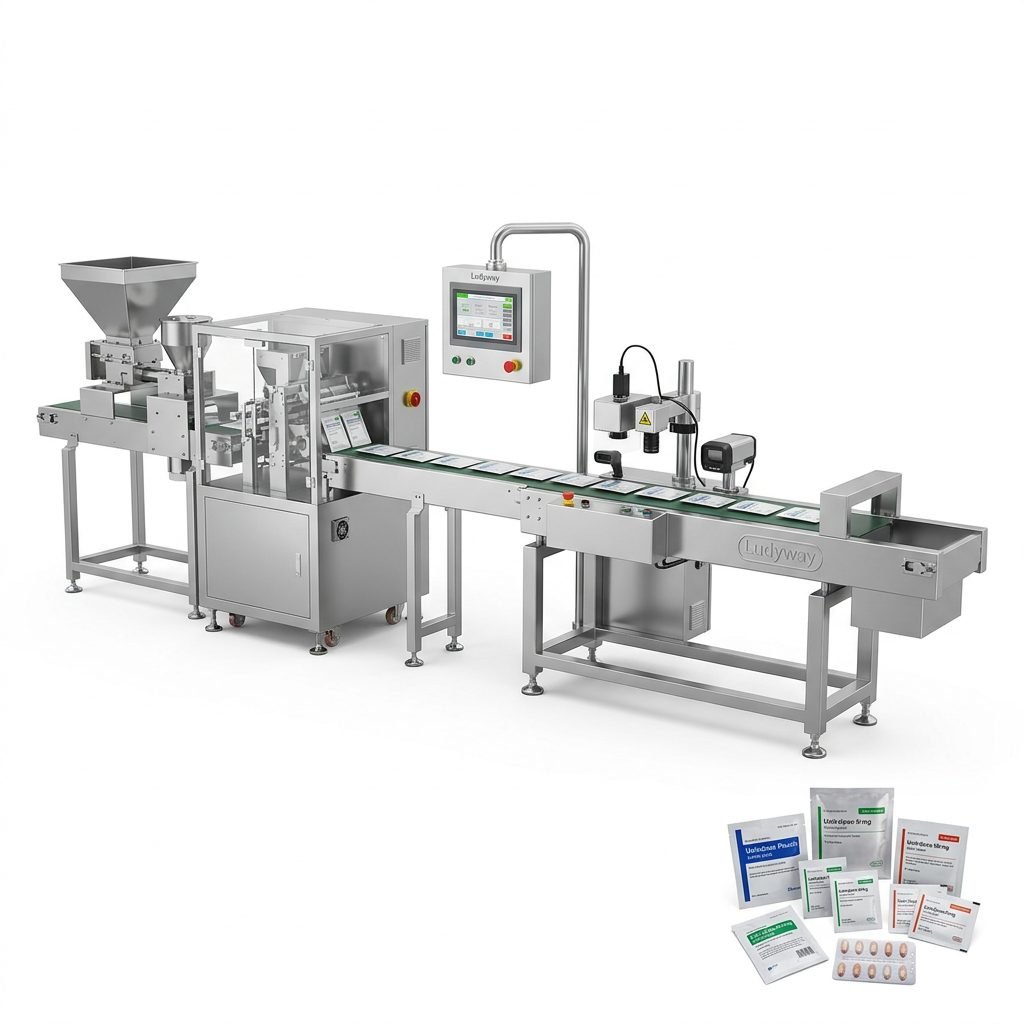
Blister Card Packaging Machine Buying Checklist
| Checklist Item | Why It Matters |
|---|---|
| Product and pack sample testing | Confirms compatibility before purchase |
| Speed range | Ensures the machine meets current and future demand |
| Material support | Avoids sealing and forming issues |
| Tooling flexibility | Important for multi-SKU production |
| Controls and HMI | Improves operation, setup, and troubleshooting |
| Maintenance access | Reduces downtime and service difficulty |
| Spare parts and service support | Protects long-term production stability |
| Integration options | Supports coding, inspection, cartoning, and end-of-line automation |
Questions to Ask a Supplier
- What products and blister sizes has this machine already handled?
- Can you test my samples before final confirmation?
- What sealing materials and blister card types are supported?
- What is the real production speed under working conditions?
- How long does tooling changeover take?
- What spare parts are recommended for the first year?
- Do you provide installation, training, and remote support?
- Can the machine connect with cartoners, conveyors, or inspection units later?
Common Mistakes Buyers Should Avoid
- Choosing based on price alone
- Ignoring material compatibility
- Underestimating future capacity needs
- Not requesting sample testing
- Overlooking changeover time for multiple products
- Failing to confirm after-sales service capability
Why Customization Matters
No two packaging projects are exactly alike. Product shape, cavity design, output target, automation level, and packaging material can all change the machine specification. That is why many buyers prefer experienced manufacturers that can provide tailored solutions instead of standard equipment only.
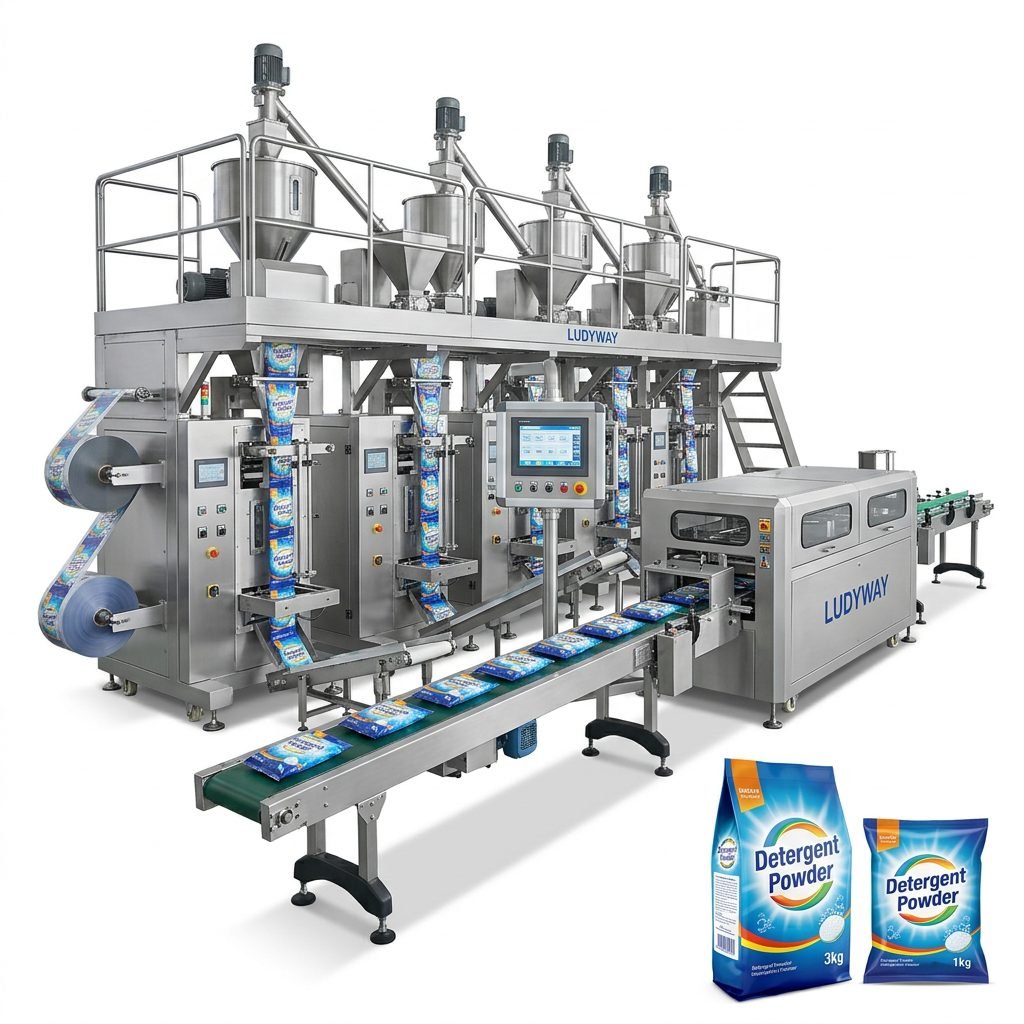
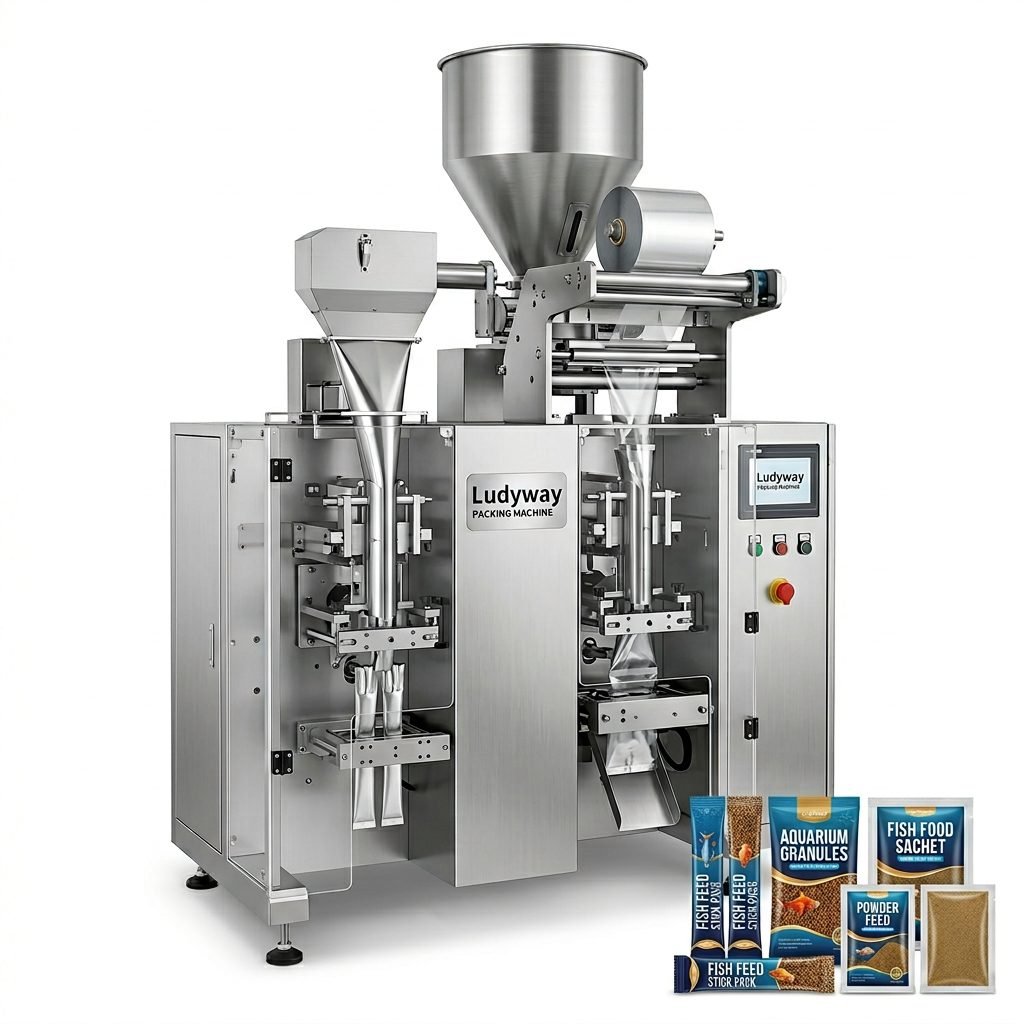
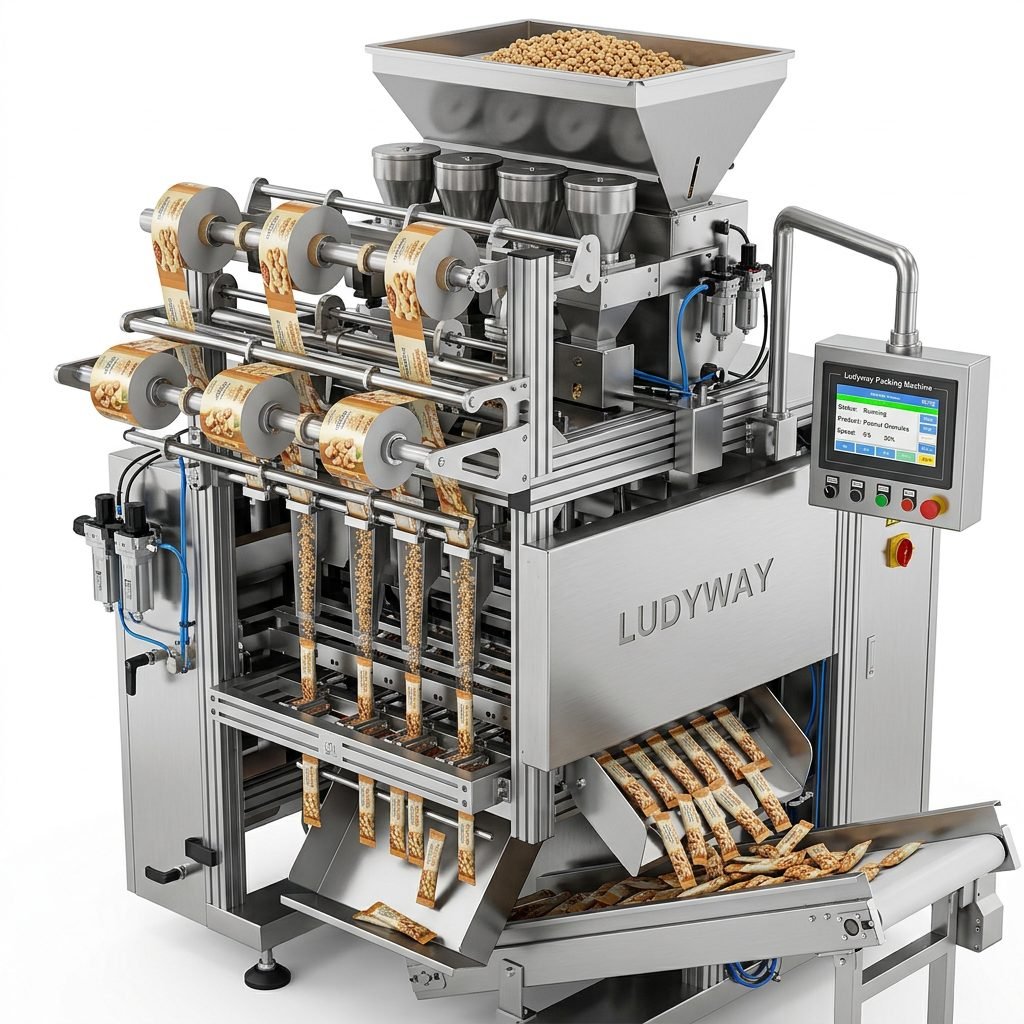
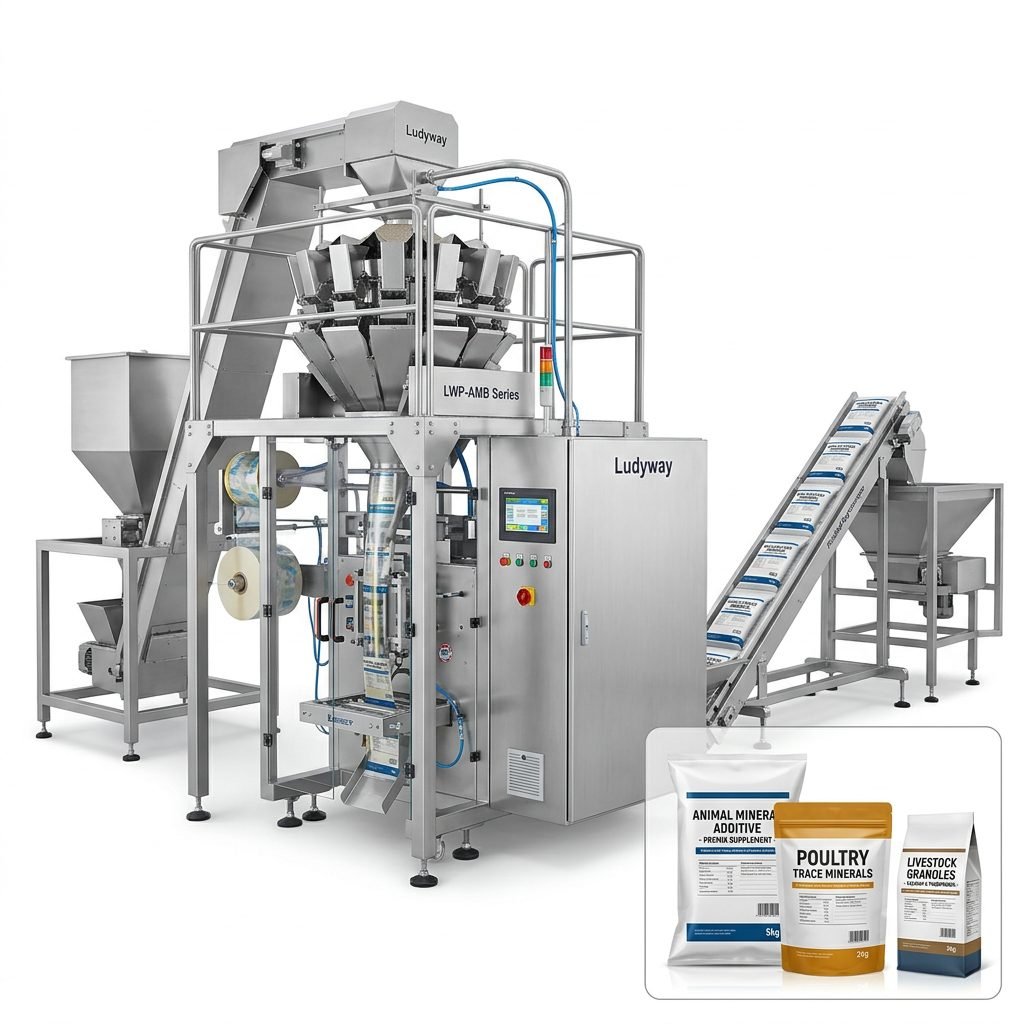
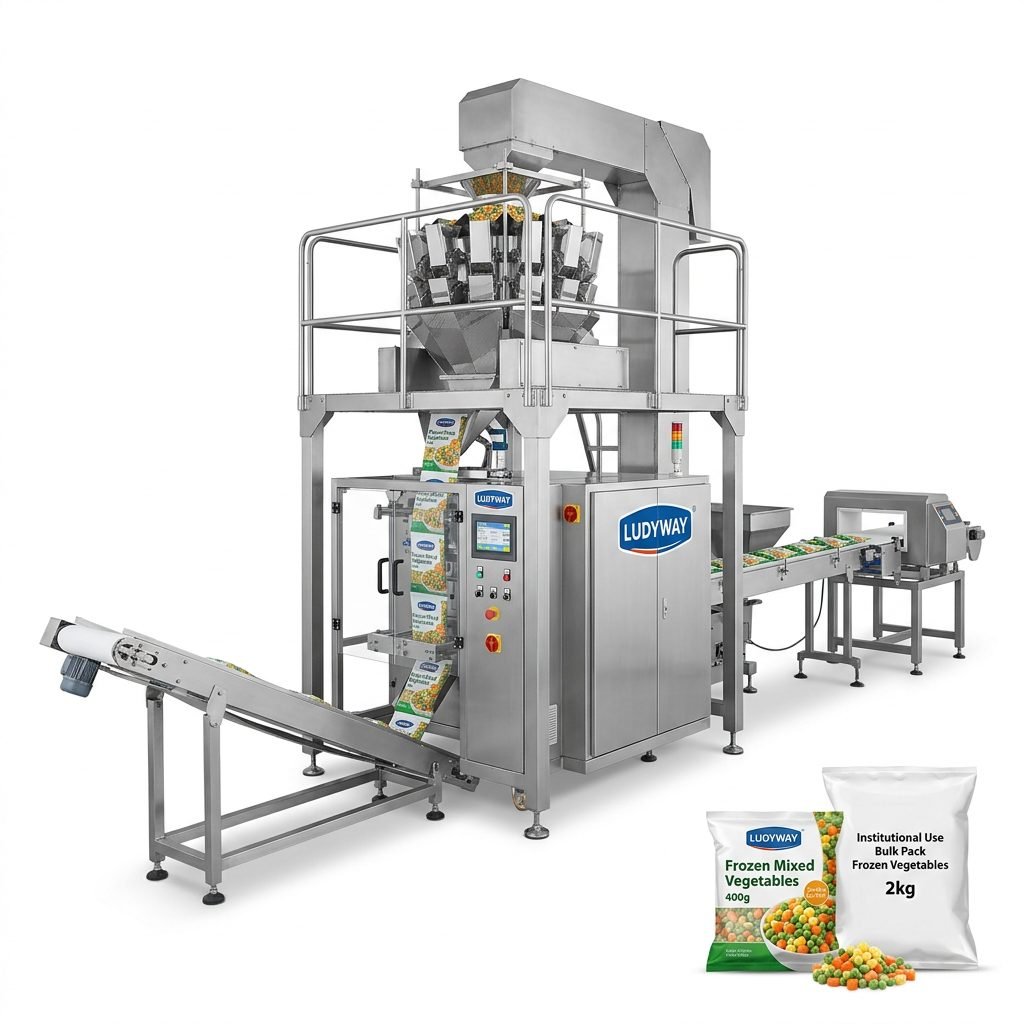
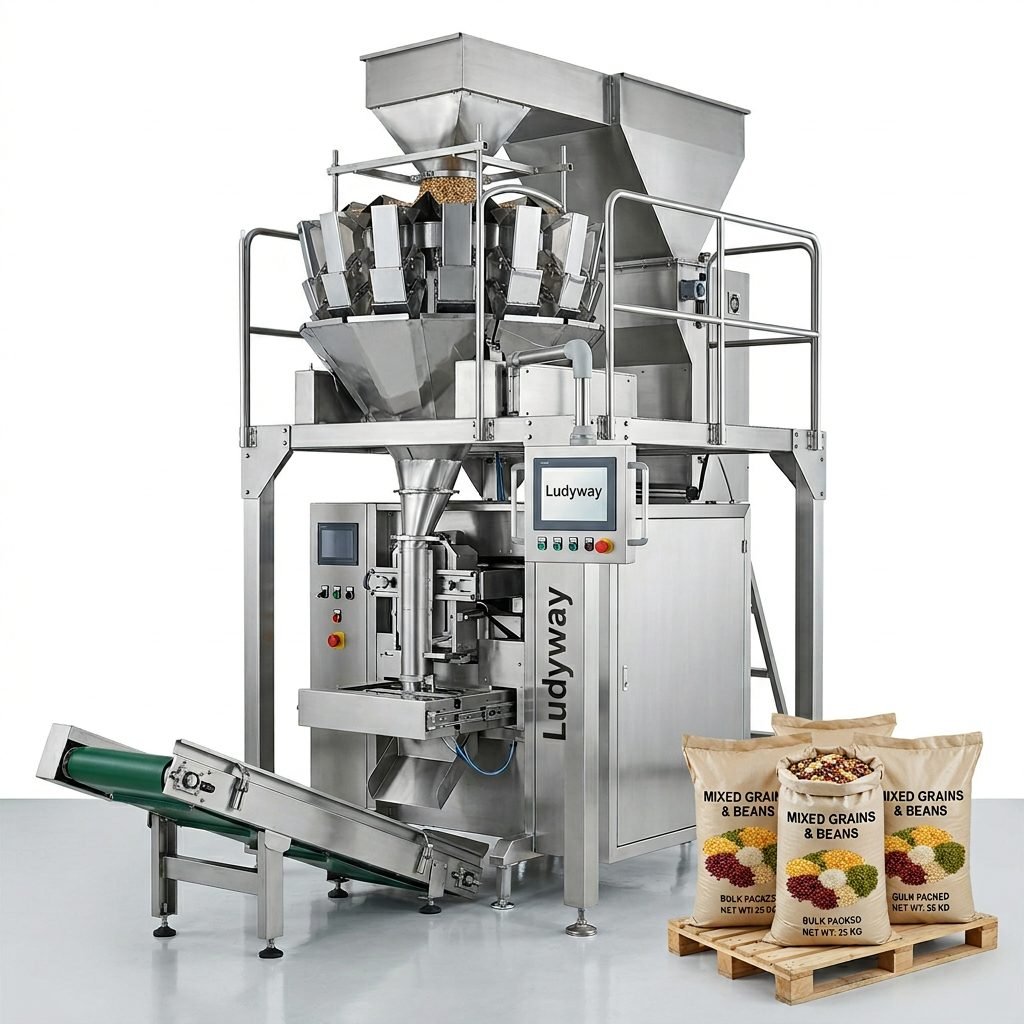
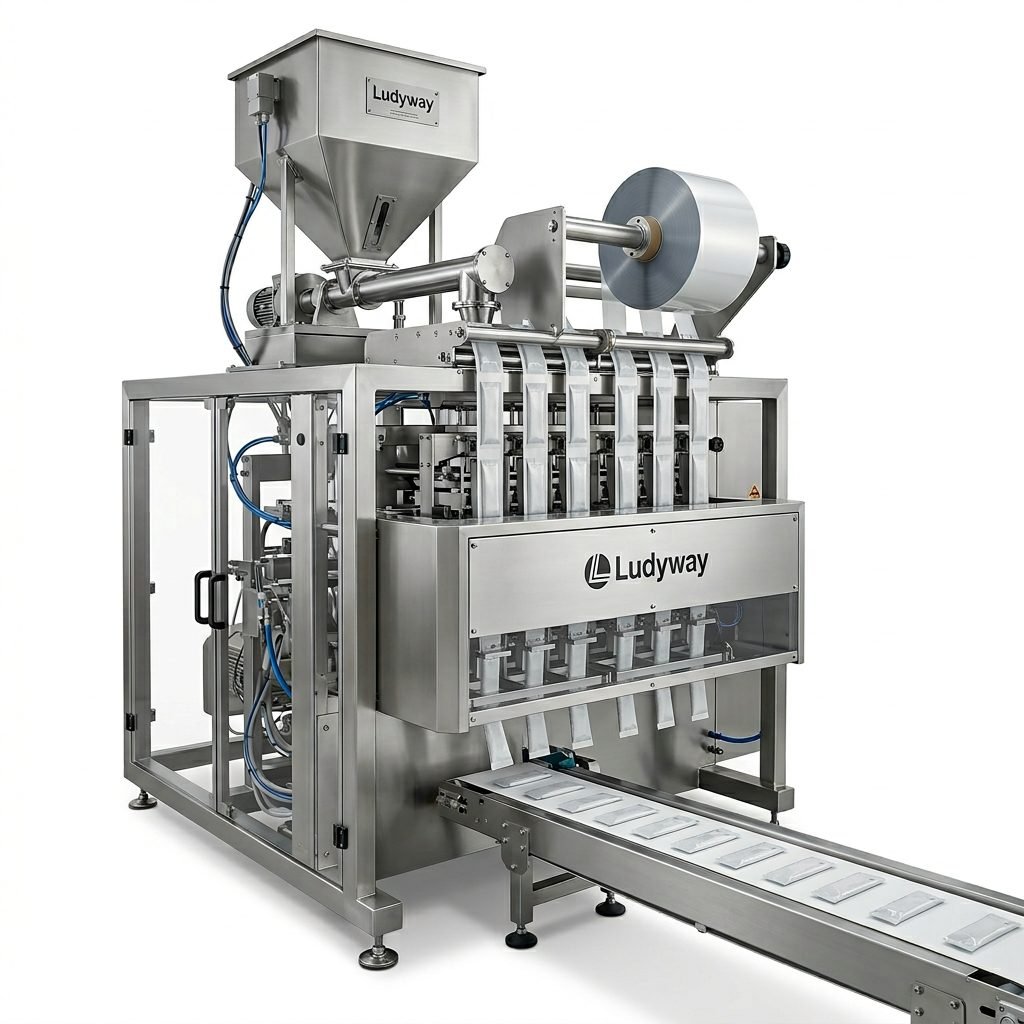
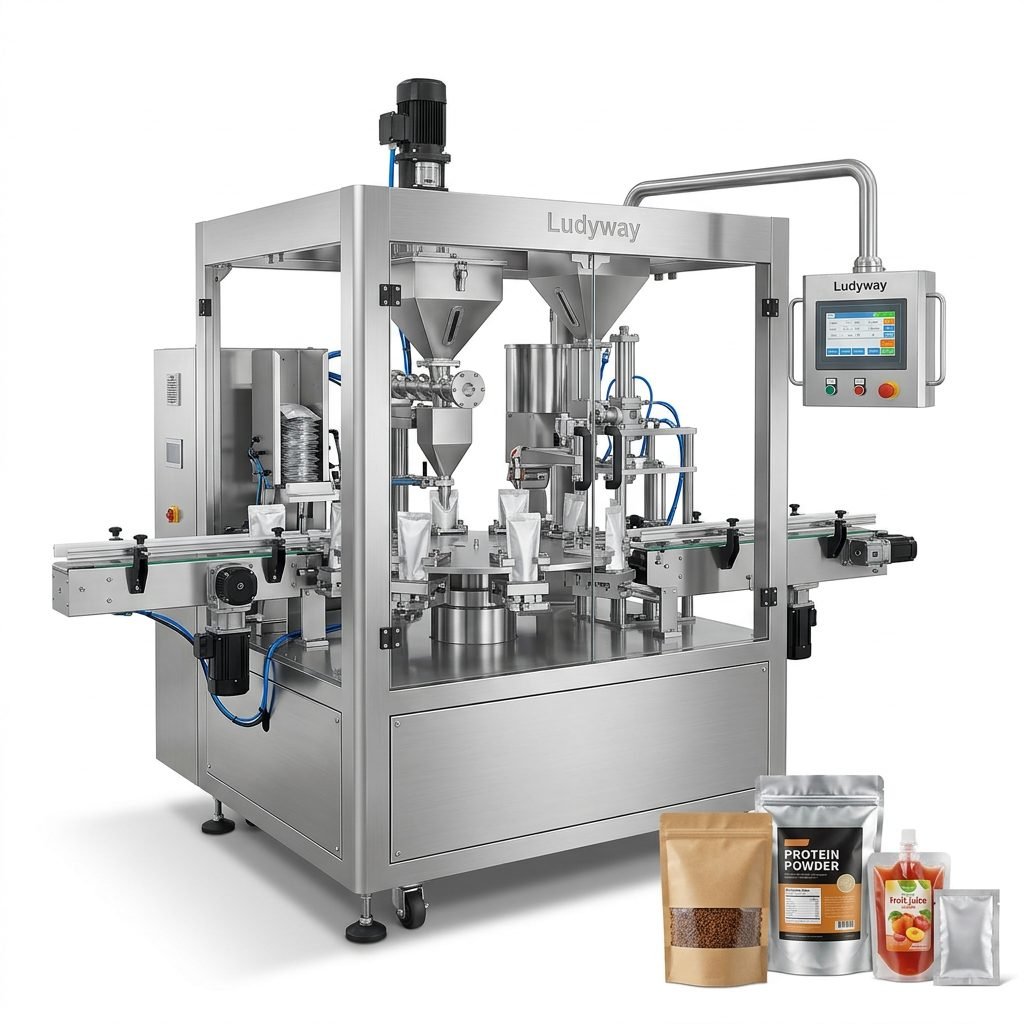
For companies looking for broader packaging automation support, Ludyway packaging machine solutions are often considered for customized machinery and turnkey packaging line projects across food, pharmaceutical, health supplement, and related sectors.
Final Buying Advice
The best blister card packaging machine is the one that matches your product characteristics, material requirements, speed goals, and expansion plans. Before making a decision, compare machine structure, sealing quality, automation options, ease of changeover, and supplier support.
A well-selected system can help you improve packaging consistency, reduce labor pressure, enhance retail presentation, and build a more efficient production process for the long term.