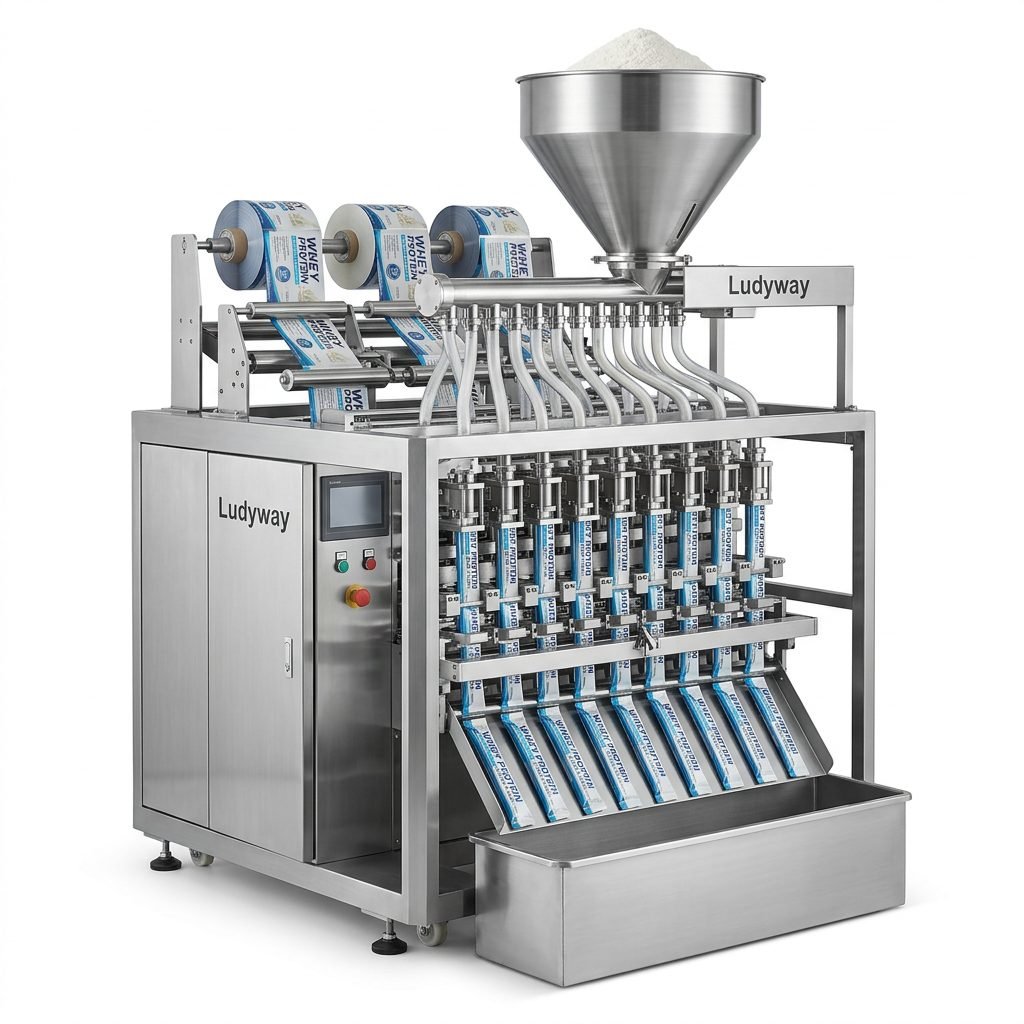
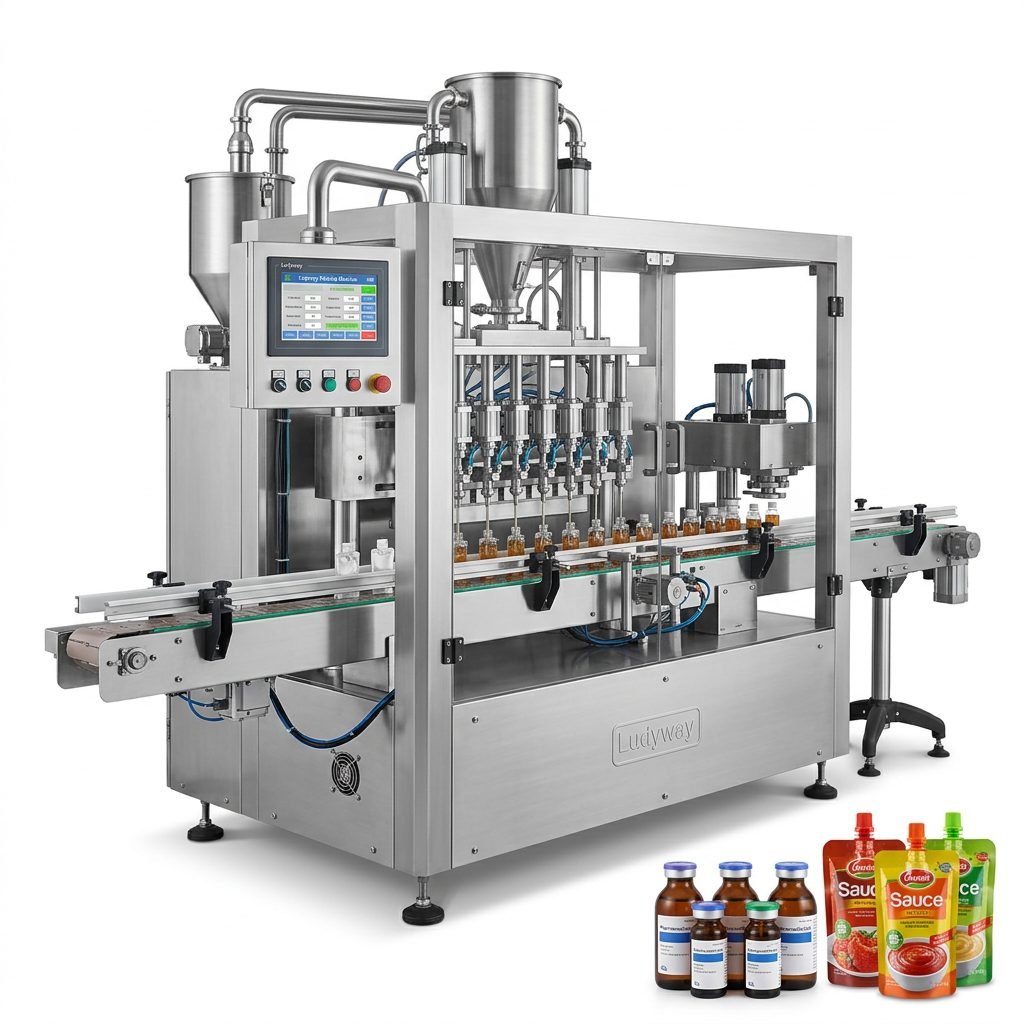
In high-volume manufacturing, the right tape packaging machine can do far more than simply seal a pack. It can improve throughput, reduce labor costs, protect product quality, and create a more consistent final presentation. Whether you pack powders, granules, liquids, creams, or stick-pack products, choosing the right system starts with understanding your product, your output goals, and the level of automation your business truly needs.
For buyers comparing equipment, the smartest approach is not to ask, “What is the fastest machine?” but rather, “What is the most suitable machine for my packaging process, product type, and future growth?”
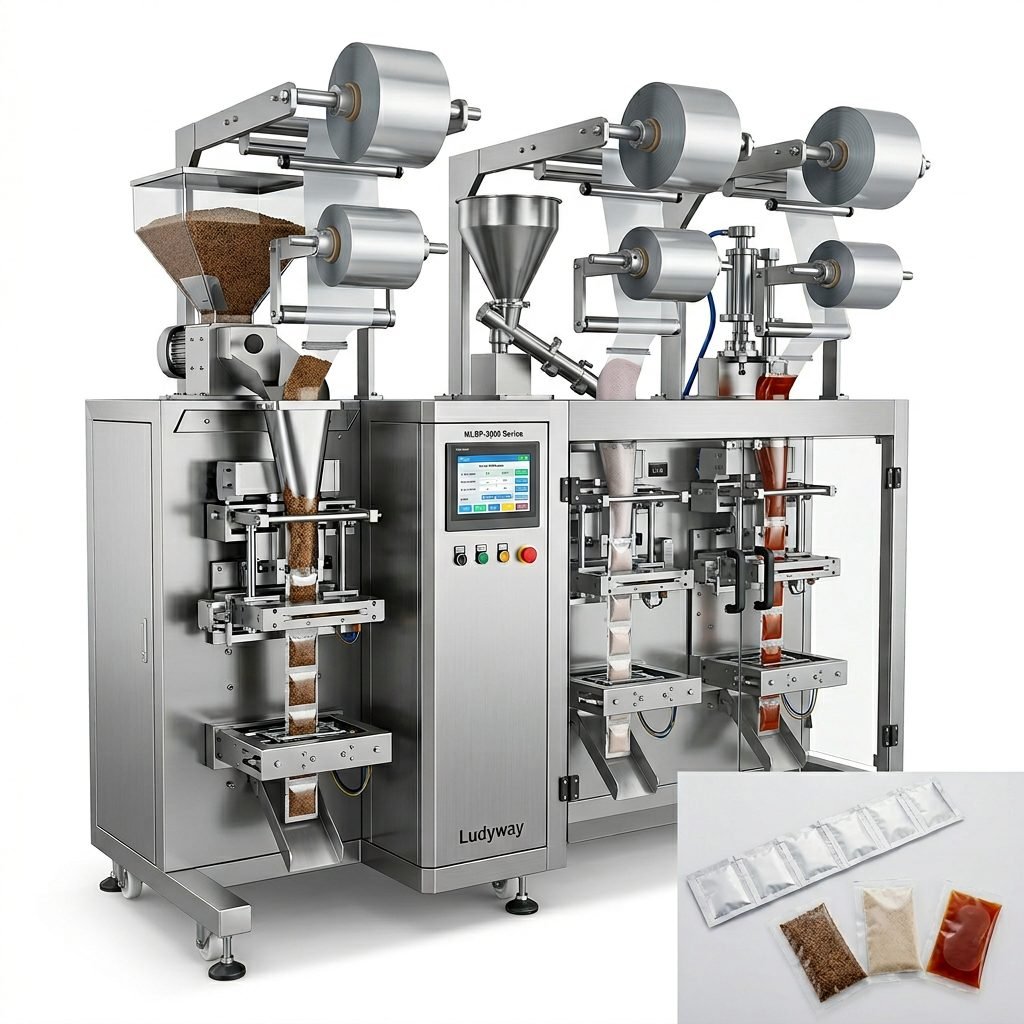
Why the Right Tape Packaging Machine Matters
Packaging speed alone does not guarantee efficiency. A machine that runs quickly but causes sealing issues, inaccurate filling, film waste, or frequent downtime can increase your total production cost. A properly matched machine helps you achieve:
- Faster packing cycles with stable output
- Better package appearance and sealing consistency
- Lower material waste
- Reduced manual intervention
- Improved hygiene and quality control
- Easier integration with upstream and downstream equipment
In many industries such as food, pharmaceuticals, health supplements, cosmetics, and chemicals, the right packaging system also supports compliance, traceability, and long-term scalability.
Start with Your Product Type
The first selection factor is the product itself. Different materials behave differently during feeding, dosing, filling, and sealing. A machine designed for free-flowing granules may not perform well with sticky paste or fine powder.
Common product categories
- Powders: milk powder, seasoning powder, collagen, herbal powder, medical powder
- Granules: sugar, coffee, seeds, snacks, feed additives
- Liquids: sauces, lotion, shampoo, oil, oral liquid
- Pastes / creams: peanut butter, gel, cream, serum
- Special products: pharmaceutical sachets, nicotine pouches, pet nutrition, chemical materials
Once the product category is clear, you can determine the correct dosing method, sealing structure, film compatibility, and machine configuration.
Choose the Right Packaging Format
The next step is to identify the pack style your market requires. This affects not only machine design but also production speed, branding, shelf appeal, and shipping efficiency.
| Packaging Format | Best For | Key Advantage |
|---|---|---|
| Sachet | Powder, liquid, granule, cream | Flexible, compact, widely used |
| Stick pack | Single-dose products, supplements, drink mixes | High-speed output and consumer convenience |
| Premade pouch | Premium products, complex shapes | Strong shelf appeal |
| Bottle / vial filling | Liquids, pharma, cosmetics | Precise filling with line integration |
| Bulk bagging | Feed, chemical, industrial powders | Efficient for large-volume packing |
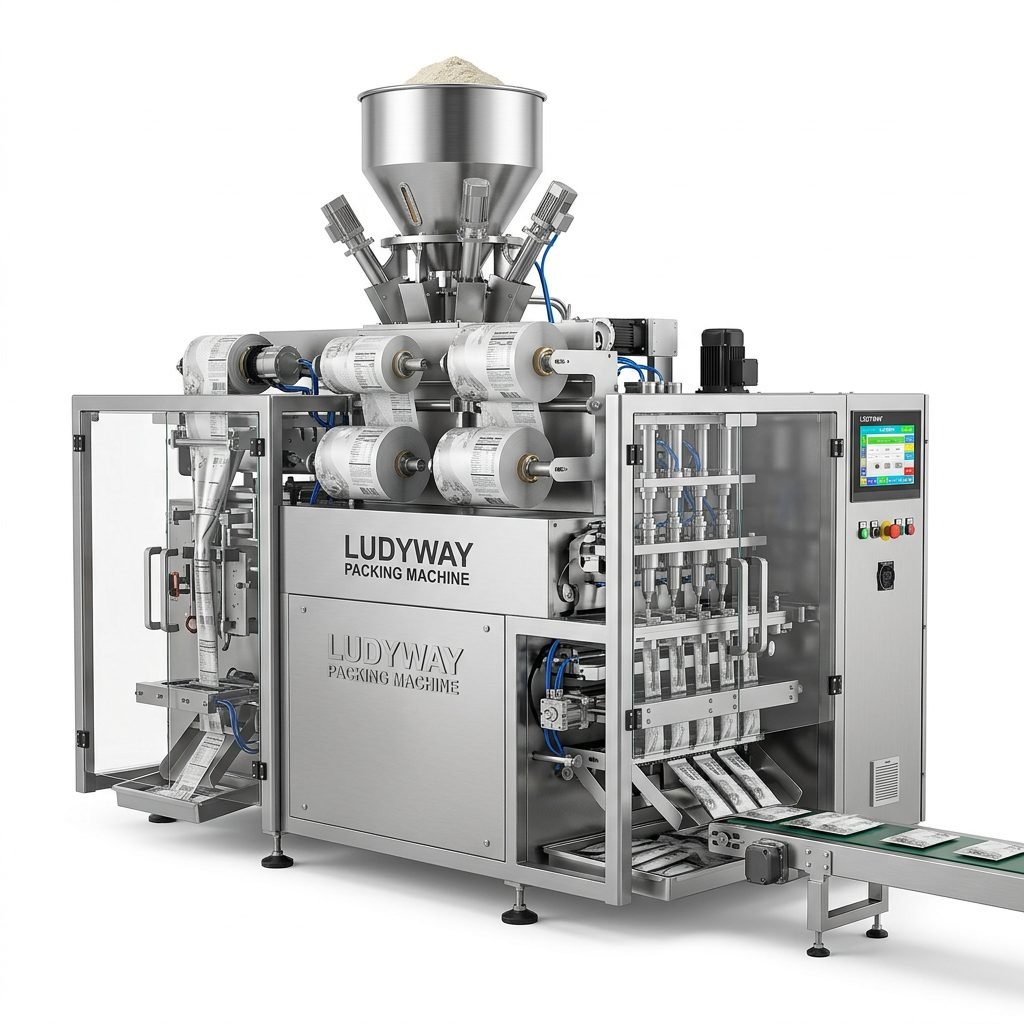
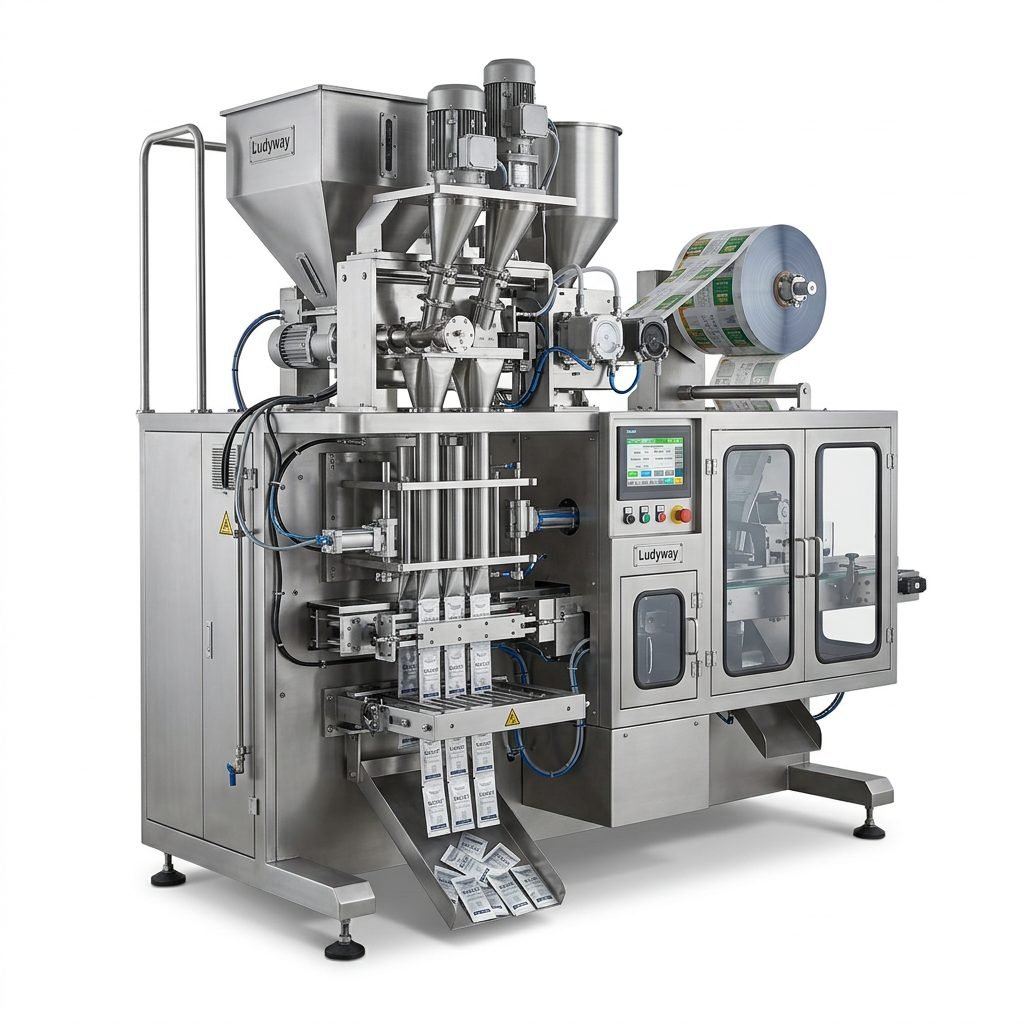
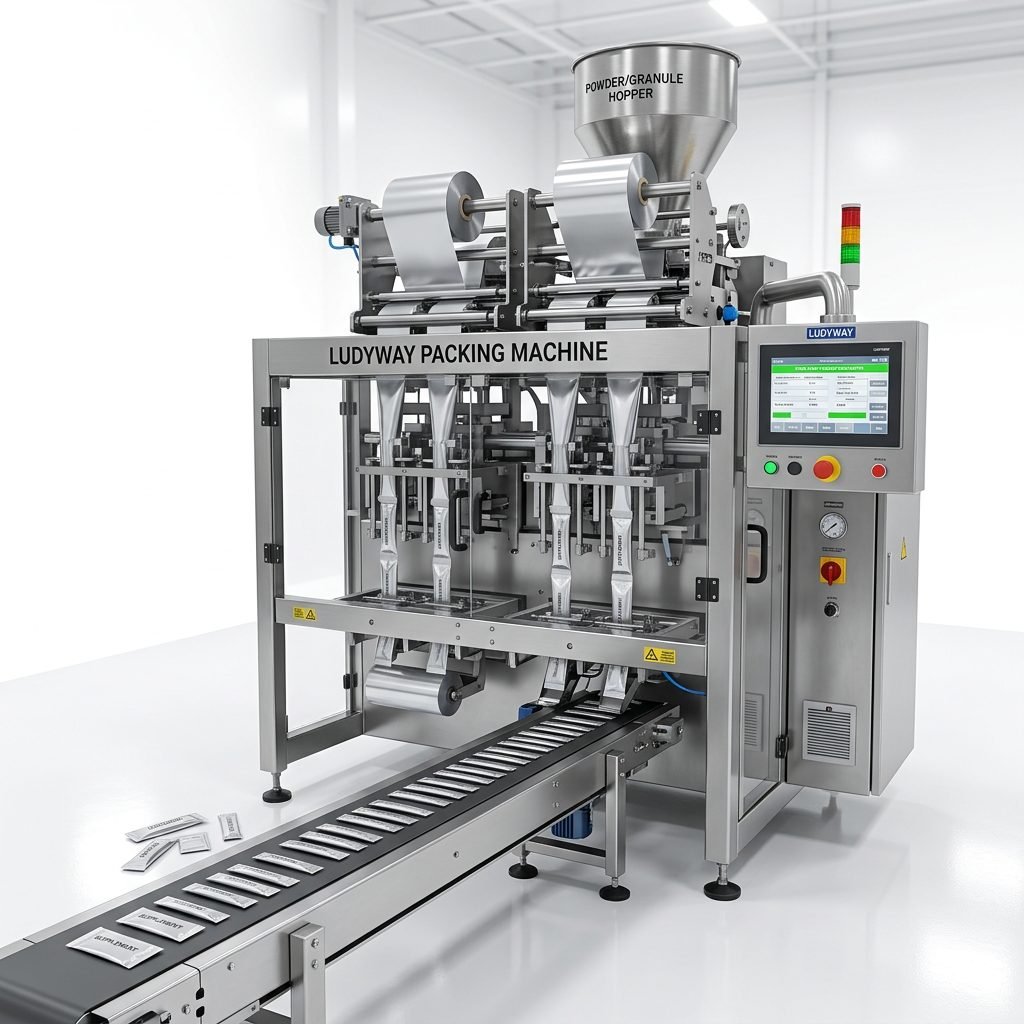
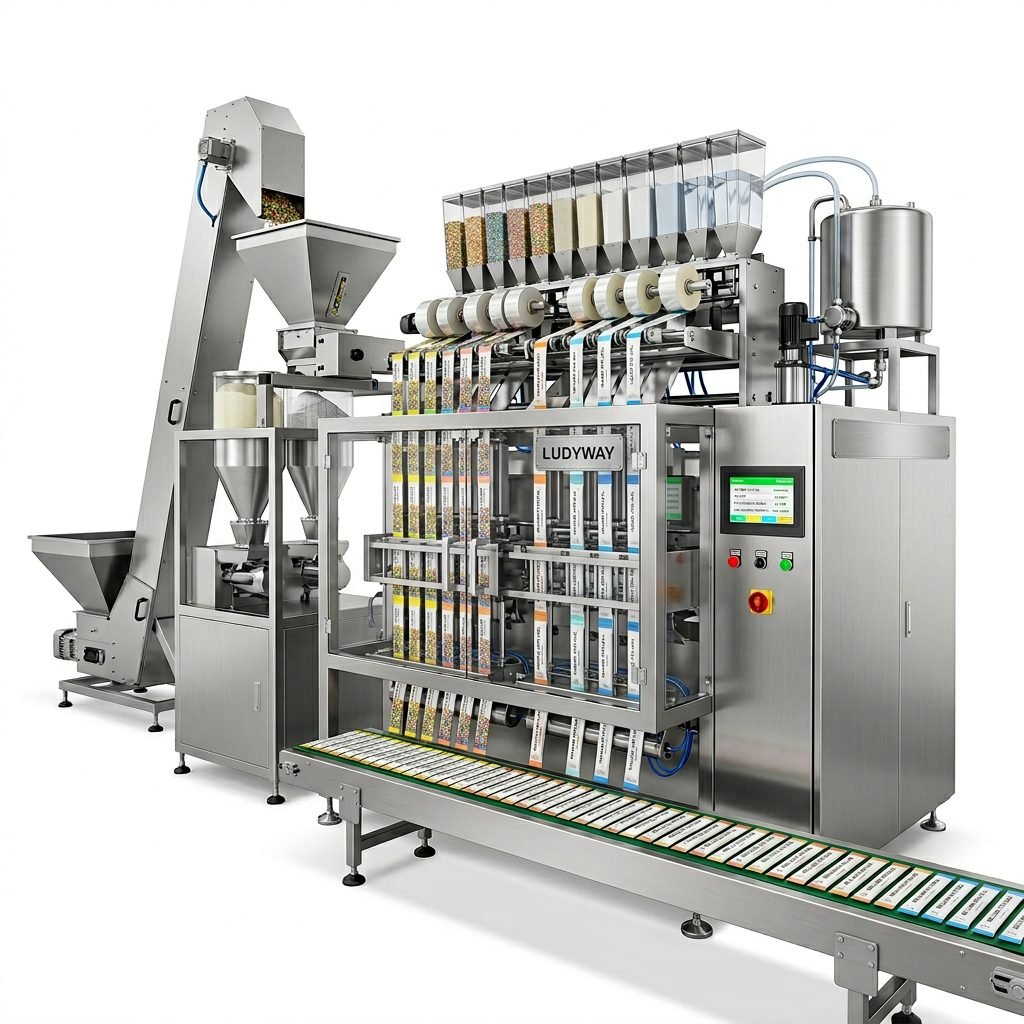
If your product is sold in travel-size, trial-size, or single-dose format, a multi-lane tape packaging machine for sachets or stick packs is often the best option for high-speed output.
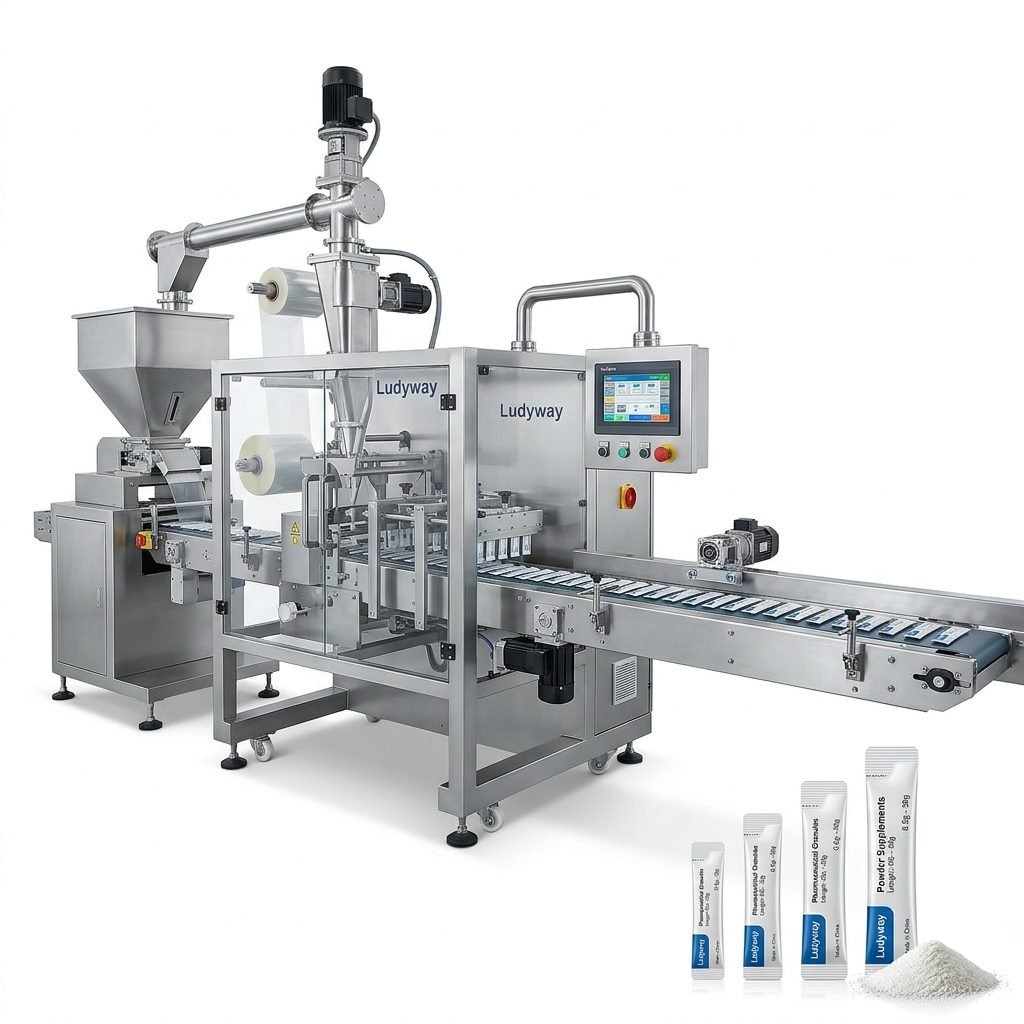
Match Speed with Real Production Needs
One of the most common mistakes in equipment selection is overbuying or underbuying speed. A machine with extremely high output may look attractive, but if your upstream feeding, product preparation, or downstream cartoning cannot keep up, the line becomes unbalanced.
Ask these practical questions
- How many packs do you need per minute, hour, and shift?
- Do you run one product or multiple SKUs?
- How often do you change pack size or formula?
- Will demand increase in the next 2–3 years?
- Do you need room for future automation upgrades?
The ideal solution is a machine that meets current demand while leaving a reasonable margin for growth. Stable speed is more valuable than peak speed on paper.
Evaluate the Filling and Sealing Accuracy
Fast production only works when pack quality remains consistent. A reliable tape packaging machine should maintain precise dosing and secure seals across long operating hours.
Important quality indicators
- Filling accuracy and repeatability
- Seal strength and seal appearance
- Low leakage rate
- Controlled film tracking
- Minimal product dusting or spillage
- Consistent cutting and package dimensions
For powders, dust control and anti-clogging design are particularly important. For liquids and creams, anti-drip filling and stable sealing temperature control can have a major impact on final package quality.
Consider Automation Level and Line Integration
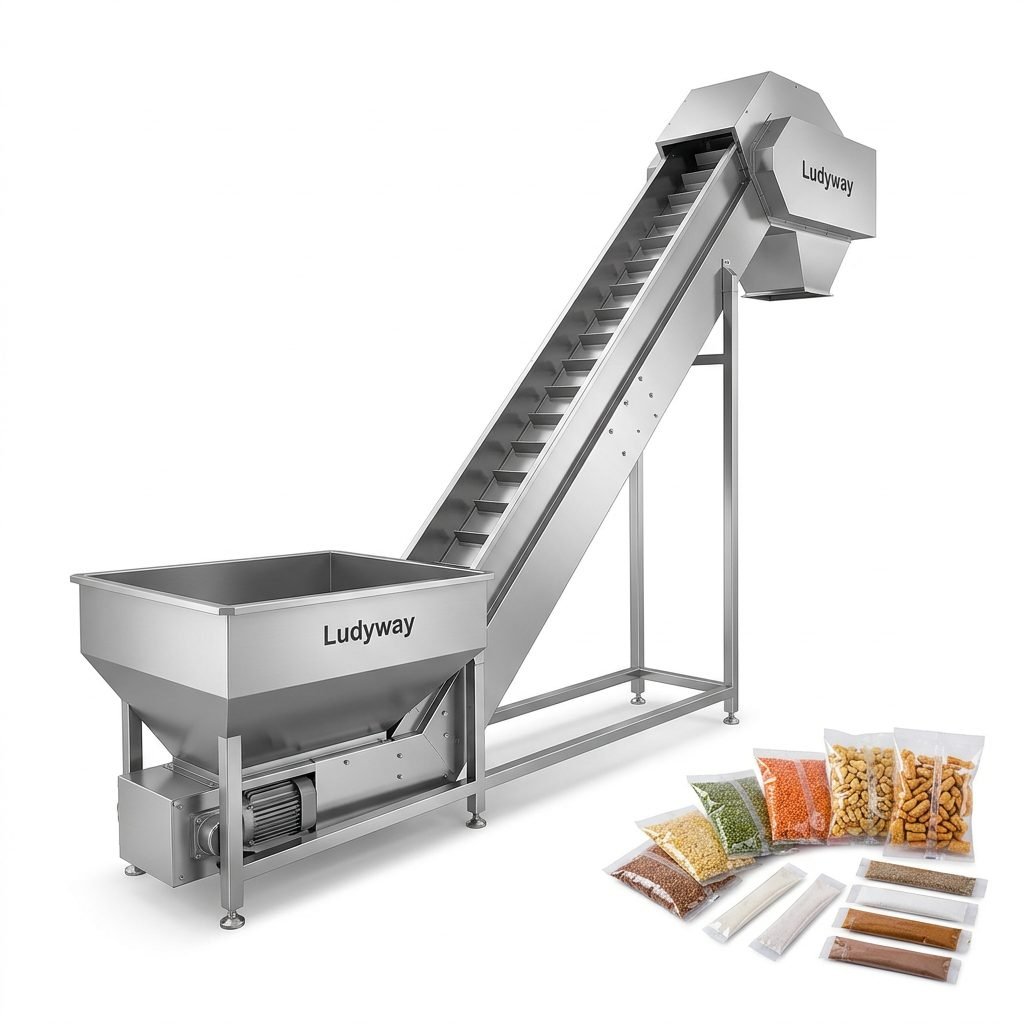
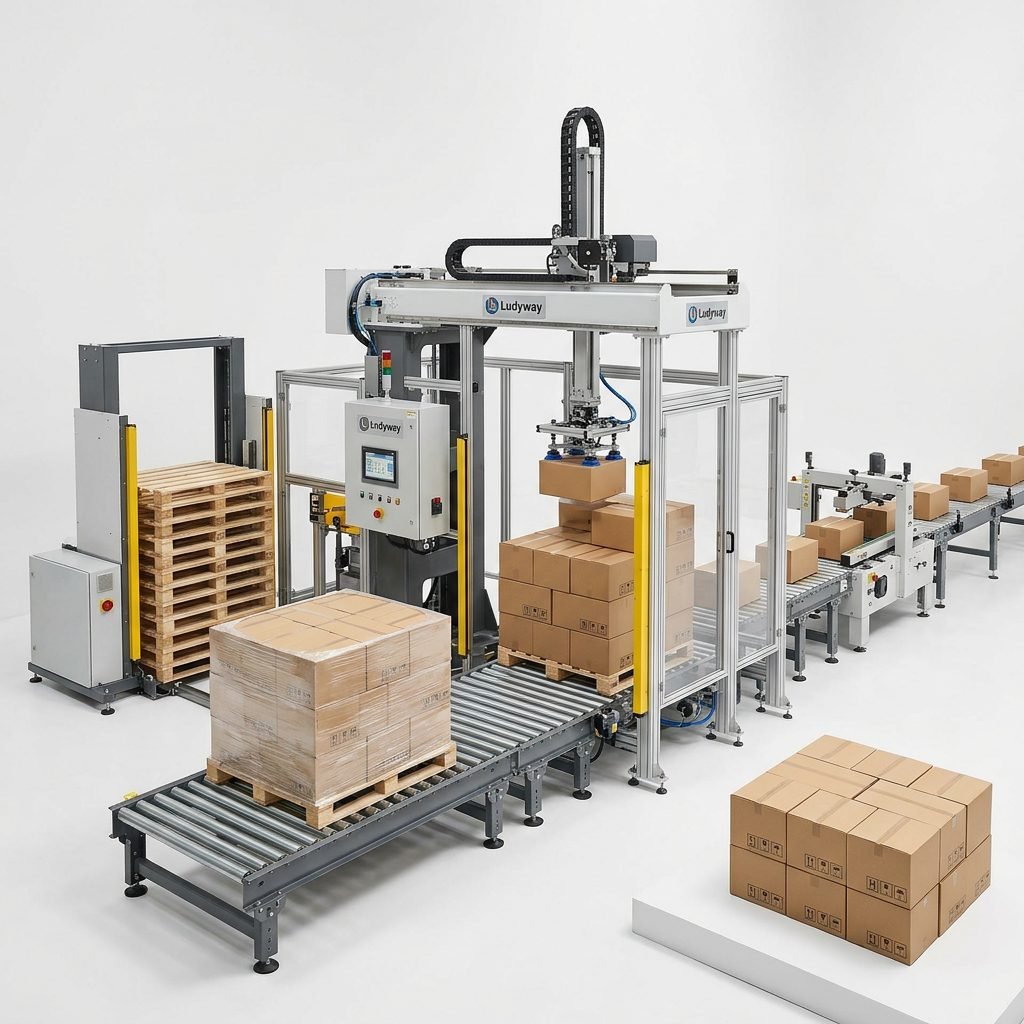
A standalone machine may be enough for small production runs, but growing manufacturers often benefit more from an integrated packaging line. This may include conveyors, elevators, feeders, checkweighers, metal detection, coding, cartoning, case packing, and palletizing.
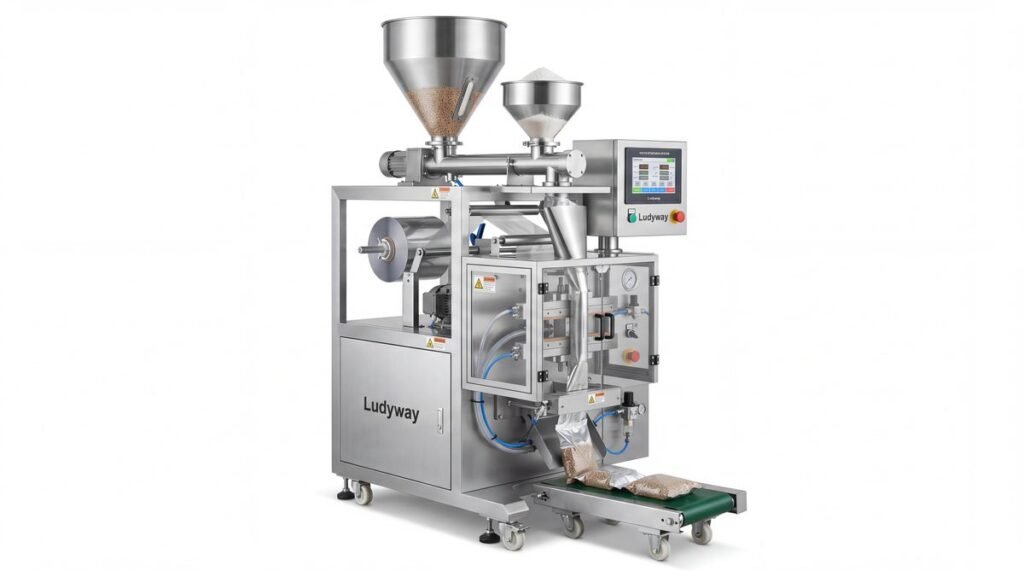
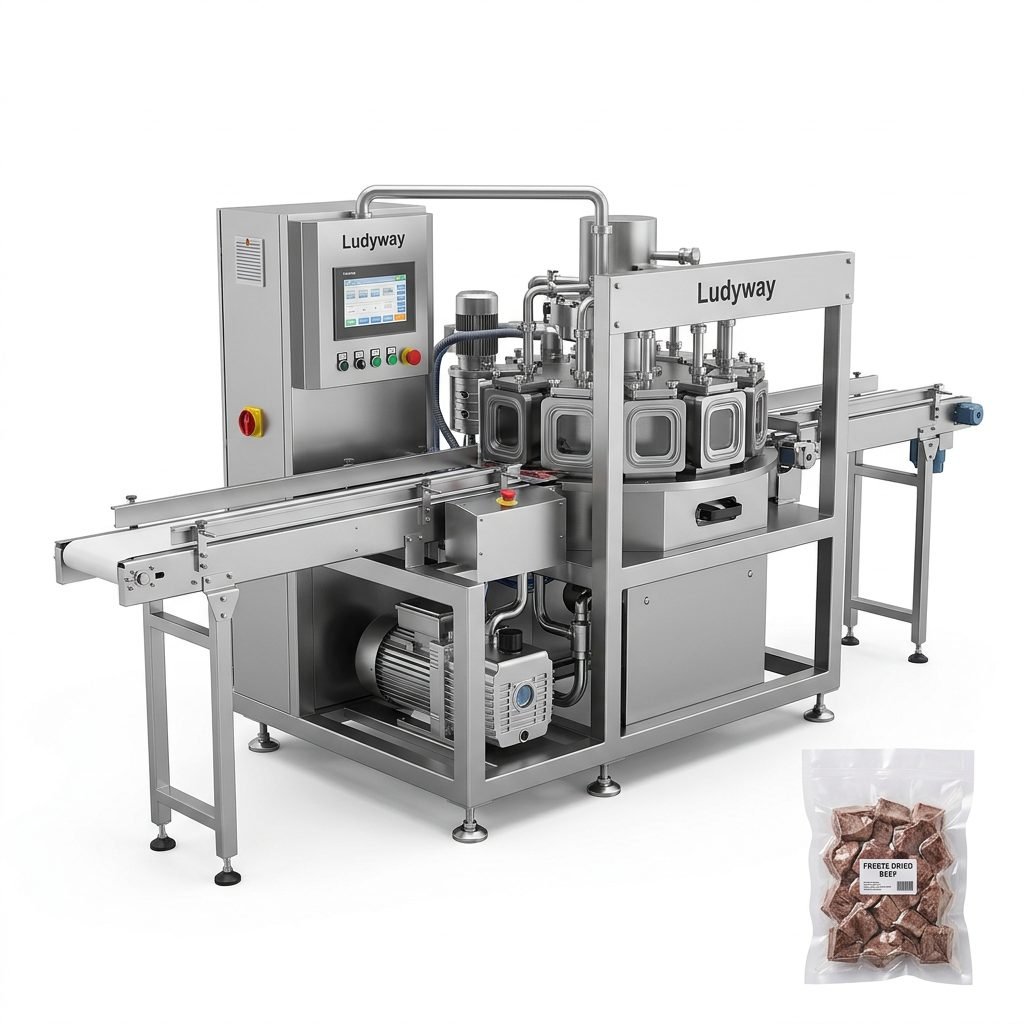
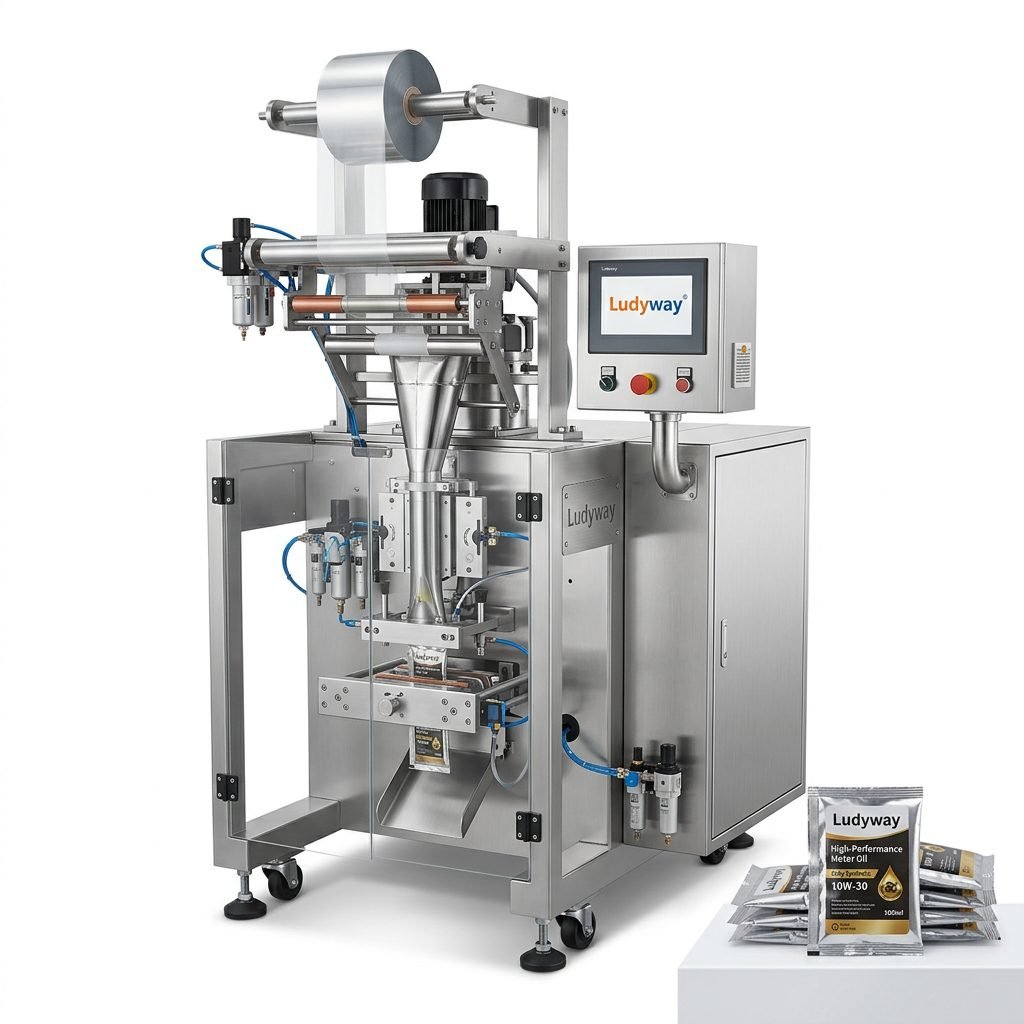
If you want long-term efficiency, it is worth evaluating whether the machine can connect smoothly to a larger automatic system. Buyers looking for scalable solutions often work with experienced manufacturers such as Ludyway tape packaging machine solutions, especially when the project requires both standalone equipment and turnkey line integration.
| Automation Level | Suitable For | Typical Features |
|---|---|---|
| Semi-automatic | Startups, pilot production | Lower investment, more manual handling |
| Fully automatic standalone | Growing factories | Stable speed, better consistency |
| Turnkey packaging line | Medium to large manufacturers | Full process automation and integration |
Check Machine Flexibility for SKU Changes
Modern packaging operations often handle multiple products and pack sizes. If your business runs different formulas, changing widths, or seasonal items, flexibility becomes a major factor.
Look for these flexible features
- Easy changeover between product types
- Adjustable dosing parameters
- Quick film replacement
- Multiple lane configuration options
- Recipe memory and touchscreen control
- Compatibility with different packaging materials
A flexible machine reduces downtime and makes it easier to respond to new customer requirements without purchasing a completely separate system.
Think About Product Safety and Industry Standards
Different industries have different compliance requirements. Food and pharmaceutical manufacturers usually need higher standards for sanitation, material contact parts, traceability, and quality validation.
Key compliance considerations
- Food-grade or pharmaceutical-grade contact materials
- Easy-to-clean structure
- Dust-proof or enclosed filling system
- Batch coding and printing compatibility
- Inspection and rejection options
- Documentation, testing, and certification support
For regulated sectors, machine quality should be evaluated not just by speed but by how well it supports safe, repeatable, and auditable production.
Review Total Cost, Not Just Purchase Price
A lower machine price can be attractive at first, but the total value depends on operating performance over time. The real cost includes installation, spare parts, maintenance, labor, film waste, downtime, and product loss.
A better-built tape packaging machine may cost more upfront, but it often delivers a stronger return through:
- Longer service life
- Lower maintenance frequency
- Fewer packing defects
- Reduced labor dependency
- Improved production efficiency
Questions to Ask Before You Buy
Before finalizing your decision, ask the supplier detailed technical and commercial questions. This helps avoid mismatched configurations and protects your investment.
Useful buyer checklist
- What products has this machine packed successfully before?
- What output range can it achieve under real production conditions?
- What is the filling accuracy tolerance?
- Can it run my target film and pack format?
- How long does changeover take?
- What spare parts are included?
- Is remote support or overseas service available?
- Can the machine be integrated into a full packaging line later?
Best Solution by Application Scenario
| Application Scenario | Recommended Solution | Main Benefit |
|---|---|---|
| Single-dose nutrition powder | Multi-lane stick pack machine | High speed and portion accuracy |
| Sauce, shampoo, or lotion | Liquid sachet filling and sealing machine | Leak-resistant packaging |
| Seed or granule products | Granule sachet/stick pack line | Fast counting or volumetric filling |
| Pharma and health products | High-precision multi-lane packaging system | Consistency and compliance support |
| Large-scale integrated factory | Turnkey packaging line | End-to-end automation |
Final Buying Insight
Choosing the right tape packaging machine is ultimately about fit. The best machine is the one that matches your product characteristics, package format, required speed, hygiene standard, automation target, and long-term expansion plan.
If you compare suppliers carefully, test real samples, and focus on total operating value instead of price alone, you can build a packaging process that is both fast and efficient. That means fewer bottlenecks, stronger pack consistency, and a production line ready to grow with your market.