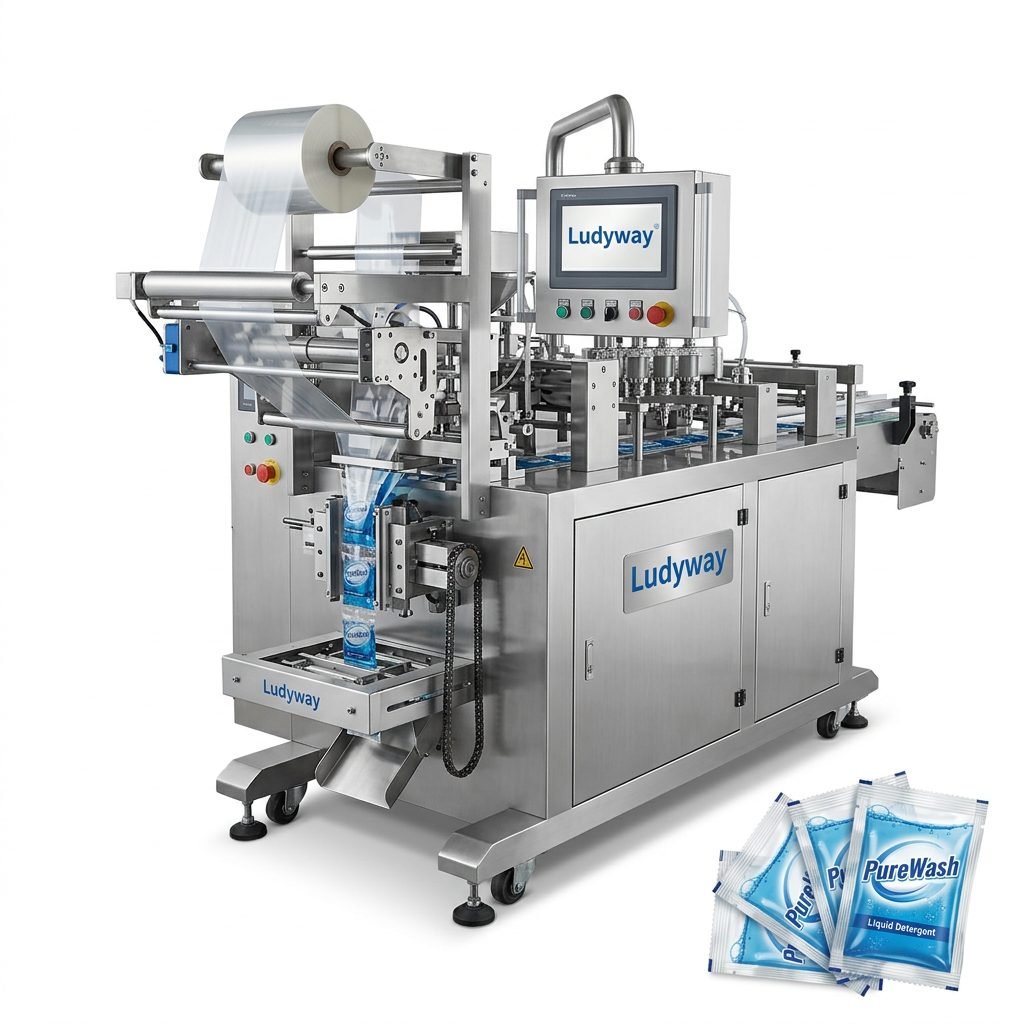
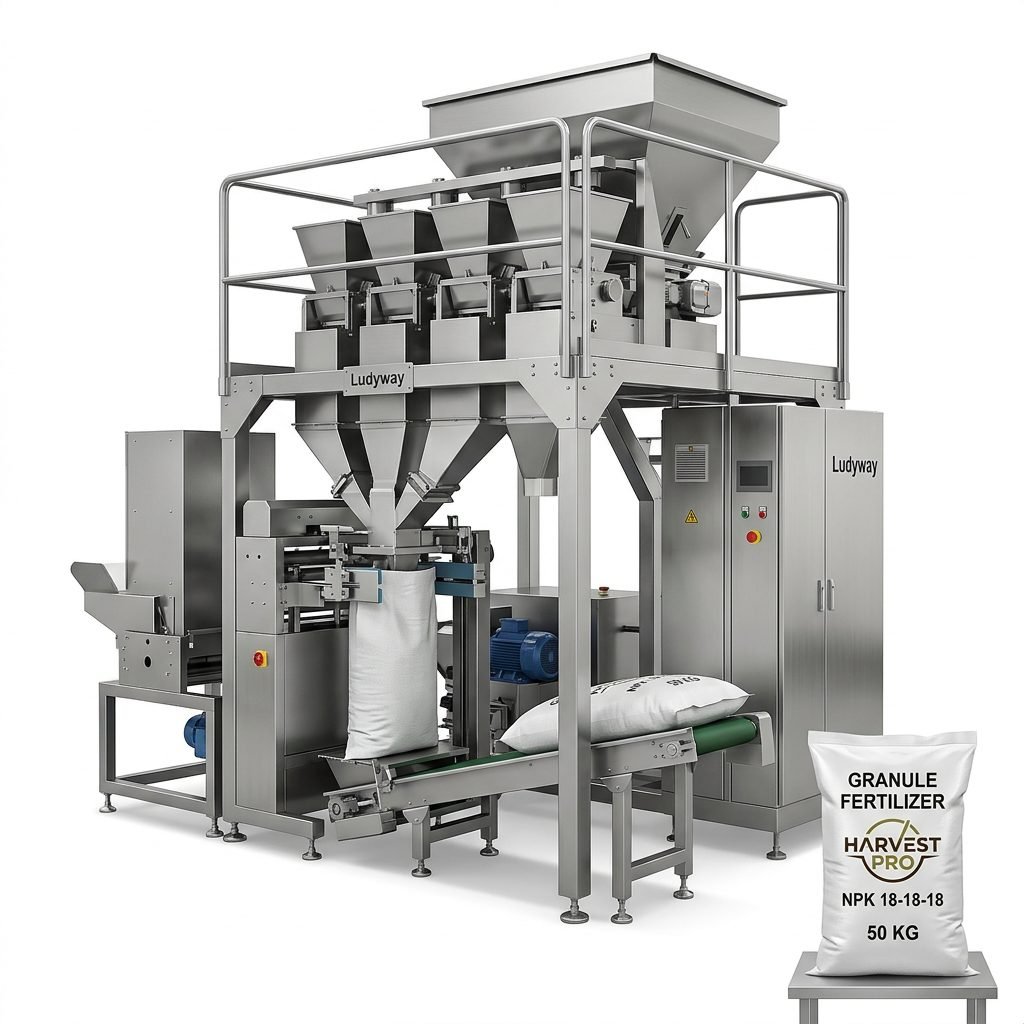
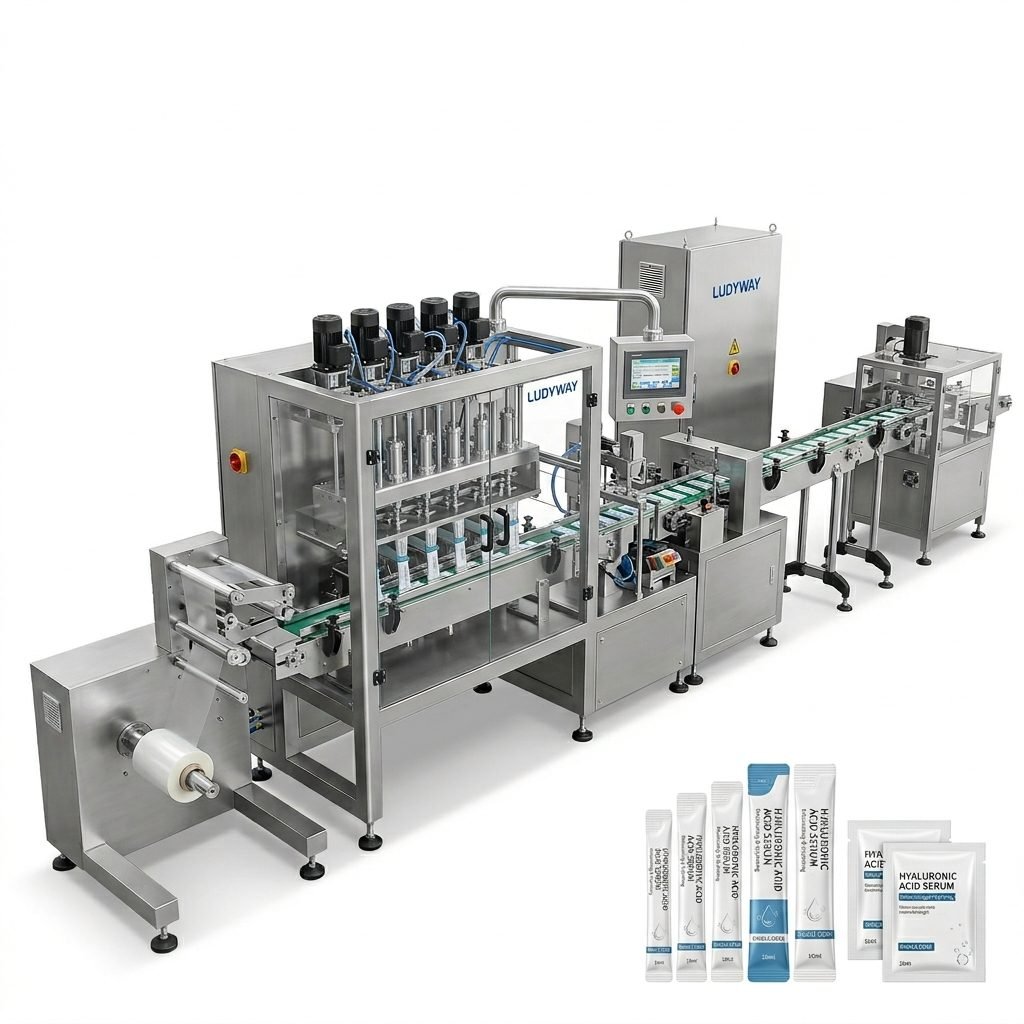
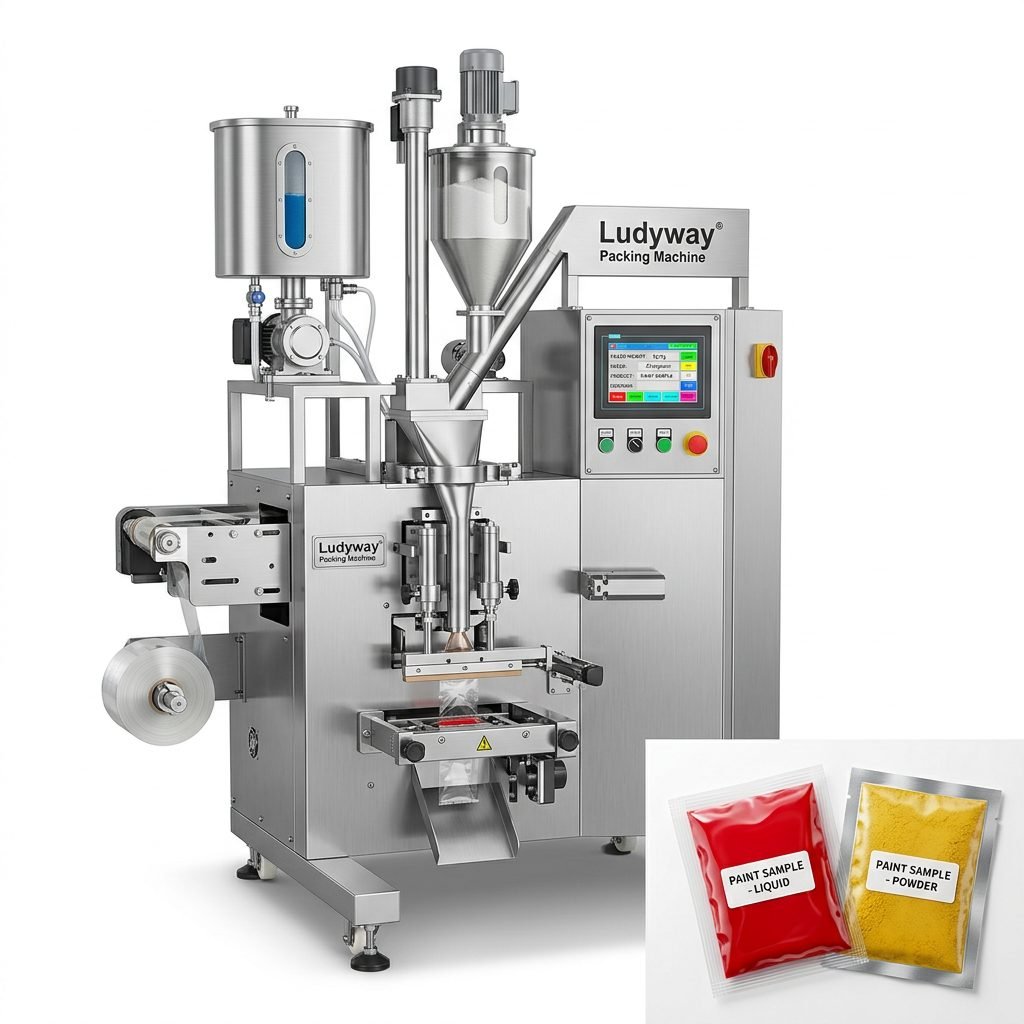
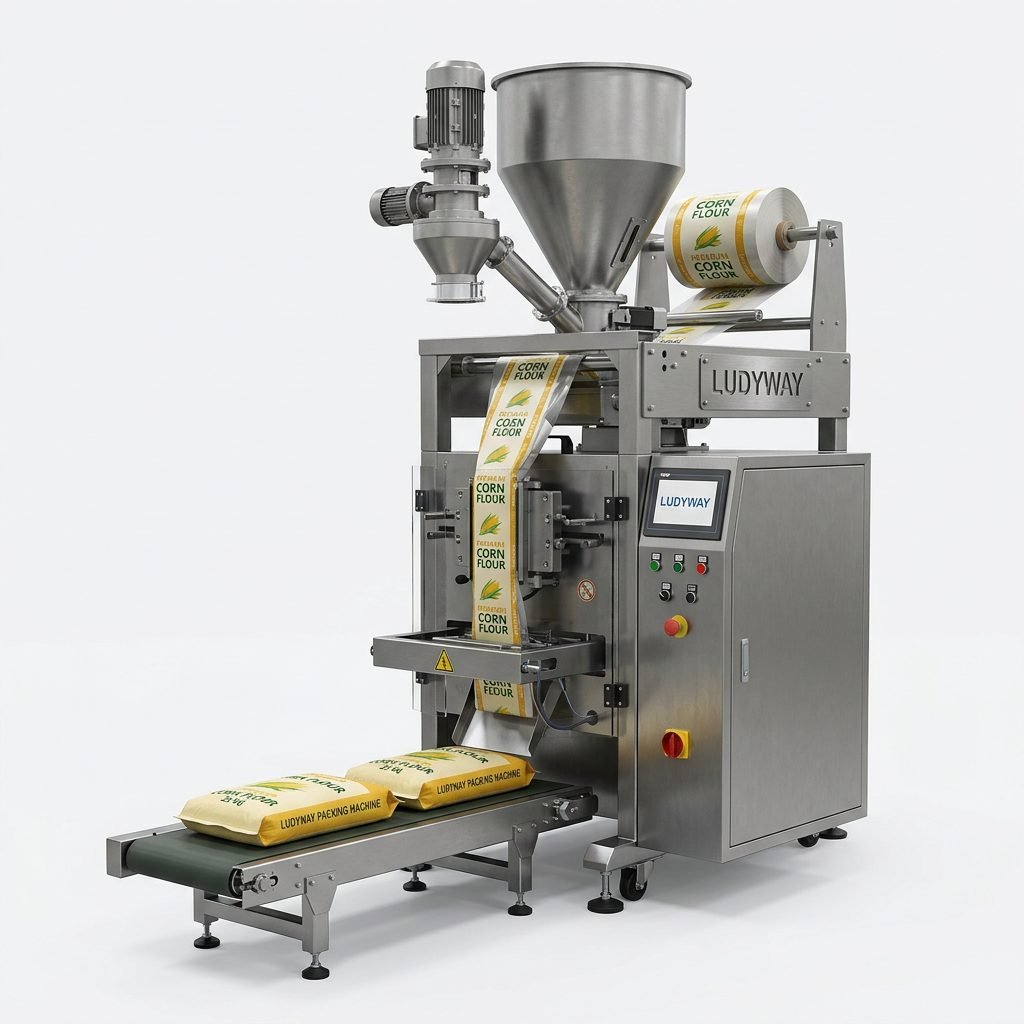
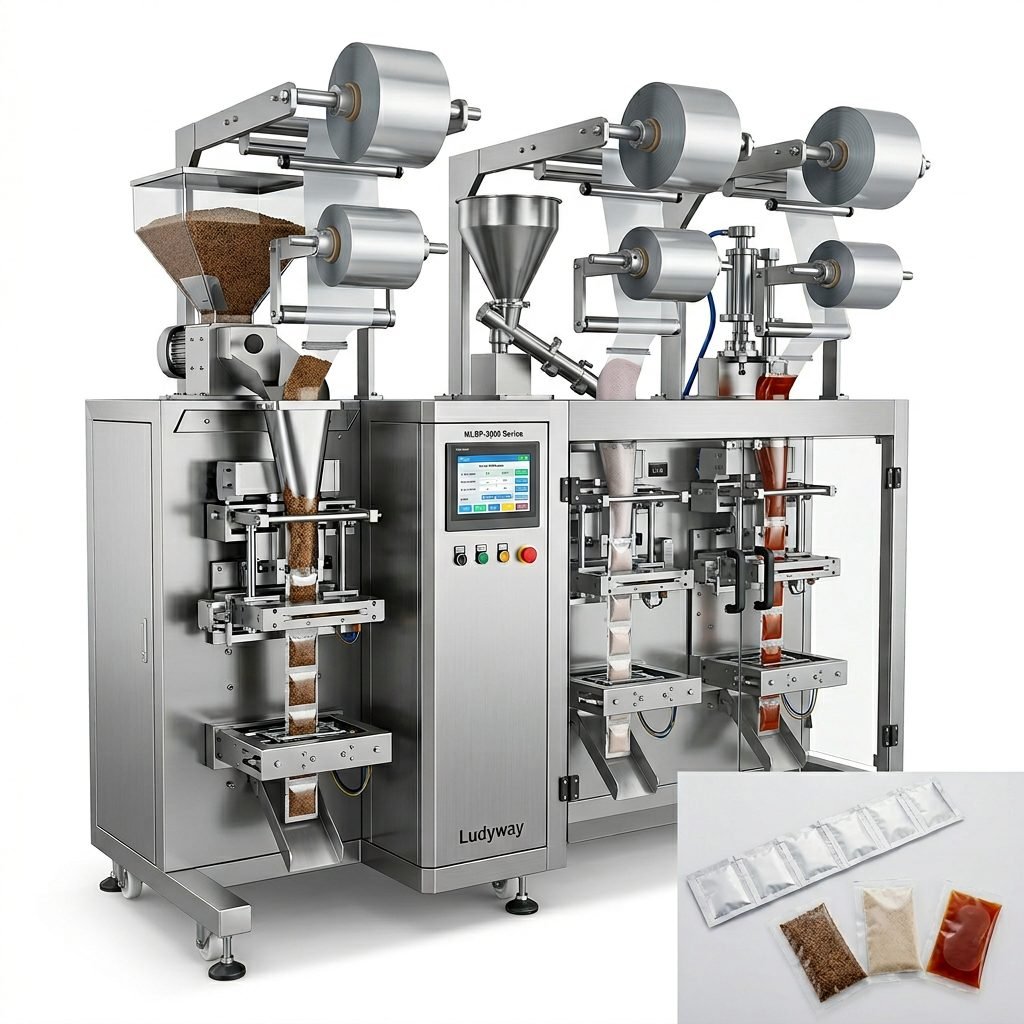
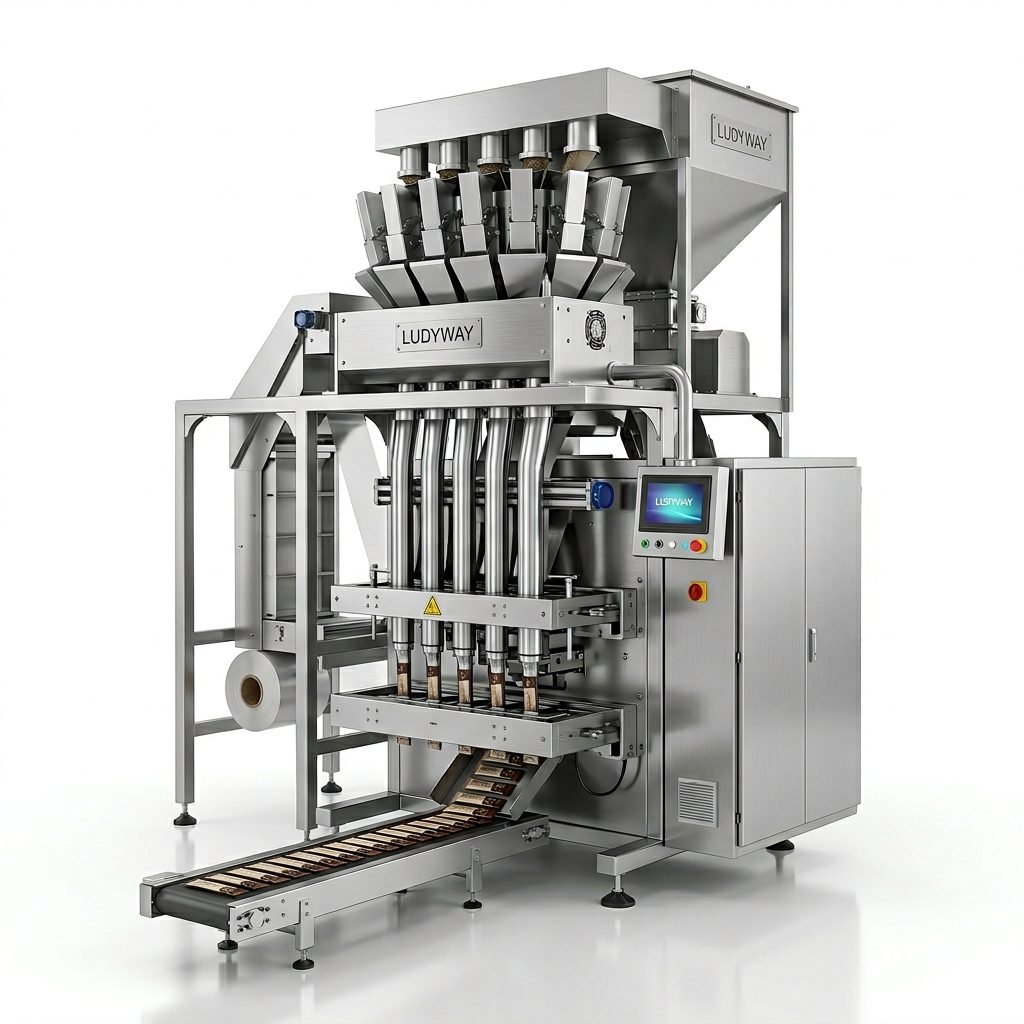
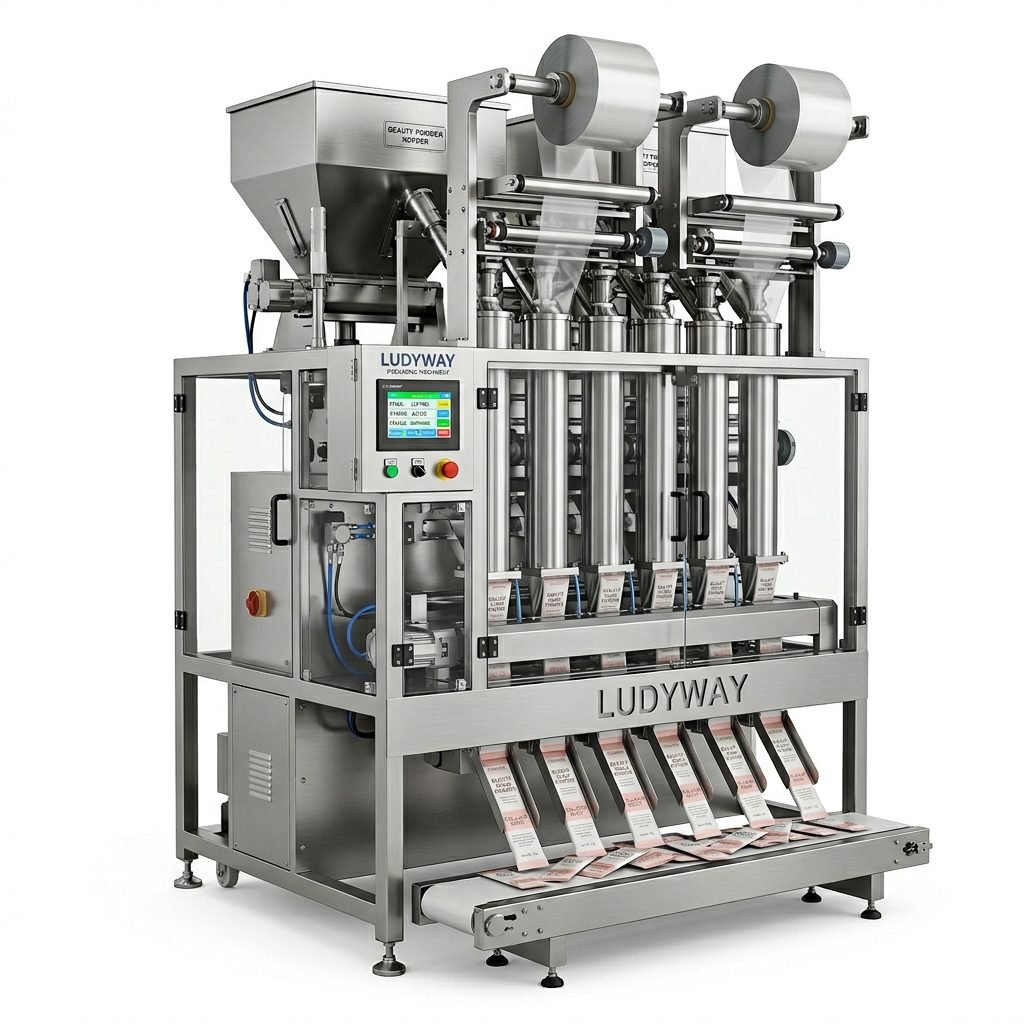
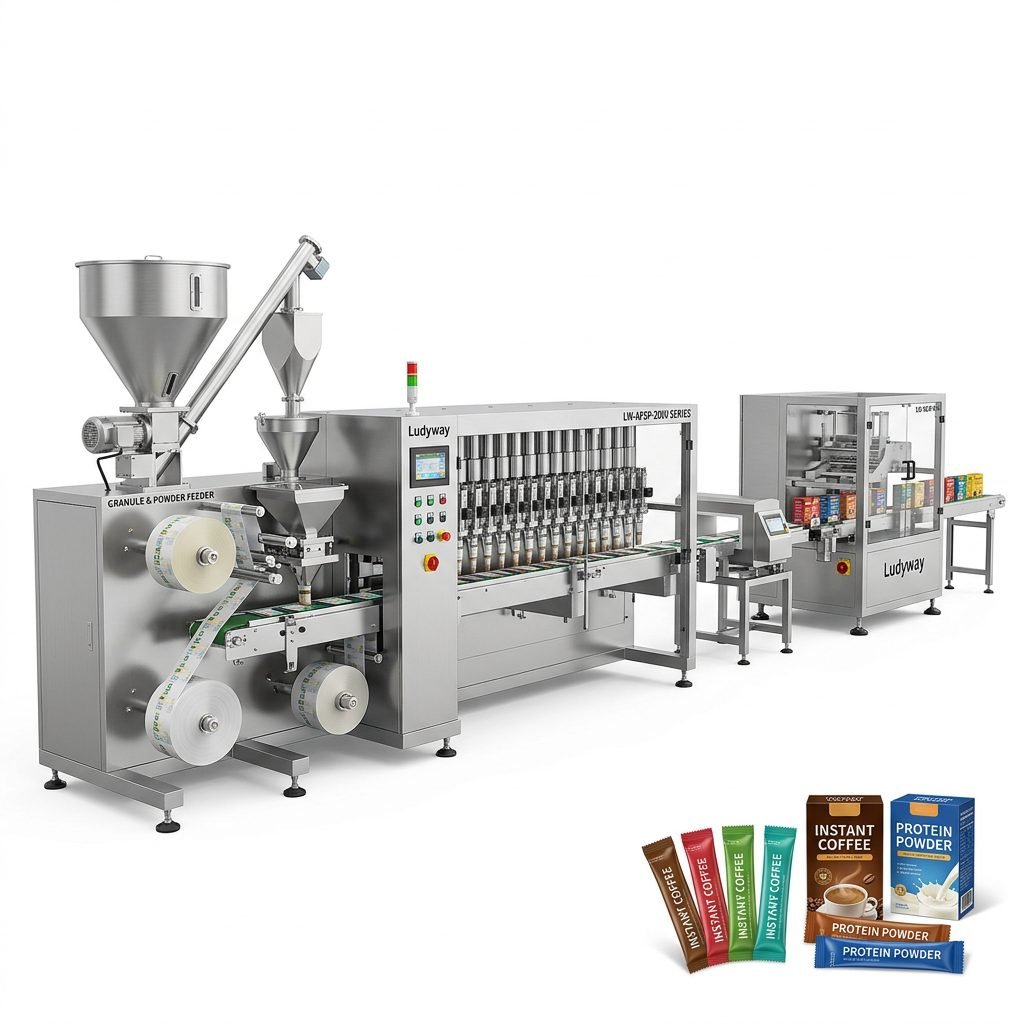
Granola bars continue to gain popularity in convenience retail, fitness nutrition, school snacks, and private-label food brands. For manufacturers, this creates one clear challenge: packaging must be fast, accurate, hygienic, and consistent. A modern granola bar packaging machine helps producers meet growing demand while protecting product freshness, improving line efficiency, and reducing labor dependence.
Whether you are packing classic oat bars, protein bars, nut bars, fruit-filled snack bars, or functional nutrition bars, the right equipment can turn packaging into a competitive advantage. From primary wrapping to cartoning and final case packing, automated systems support smoother production and better output control.
Why Granola Bar Packaging Matters So Much
Granola bars are easy to break, chip, deform, or crumble if they are not handled properly. At the same time, consumers expect retail-ready packs that look clean, sealed, and easy to open. This means packaging equipment must do more than just wrap a product. It must balance:
- Product protection against crushing and contamination
- Seal integrity to preserve freshness and shelf life
- High-speed output for commercial production goals
- Appearance consistency for brand presentation
- Flexible changeover for different bar sizes and film materials
For brands producing multiple SKUs, automation also makes it easier to maintain packaging consistency across seasonal products, promotional packs, and daily production batches.
What Is a Granola Bar Packaging Machine?
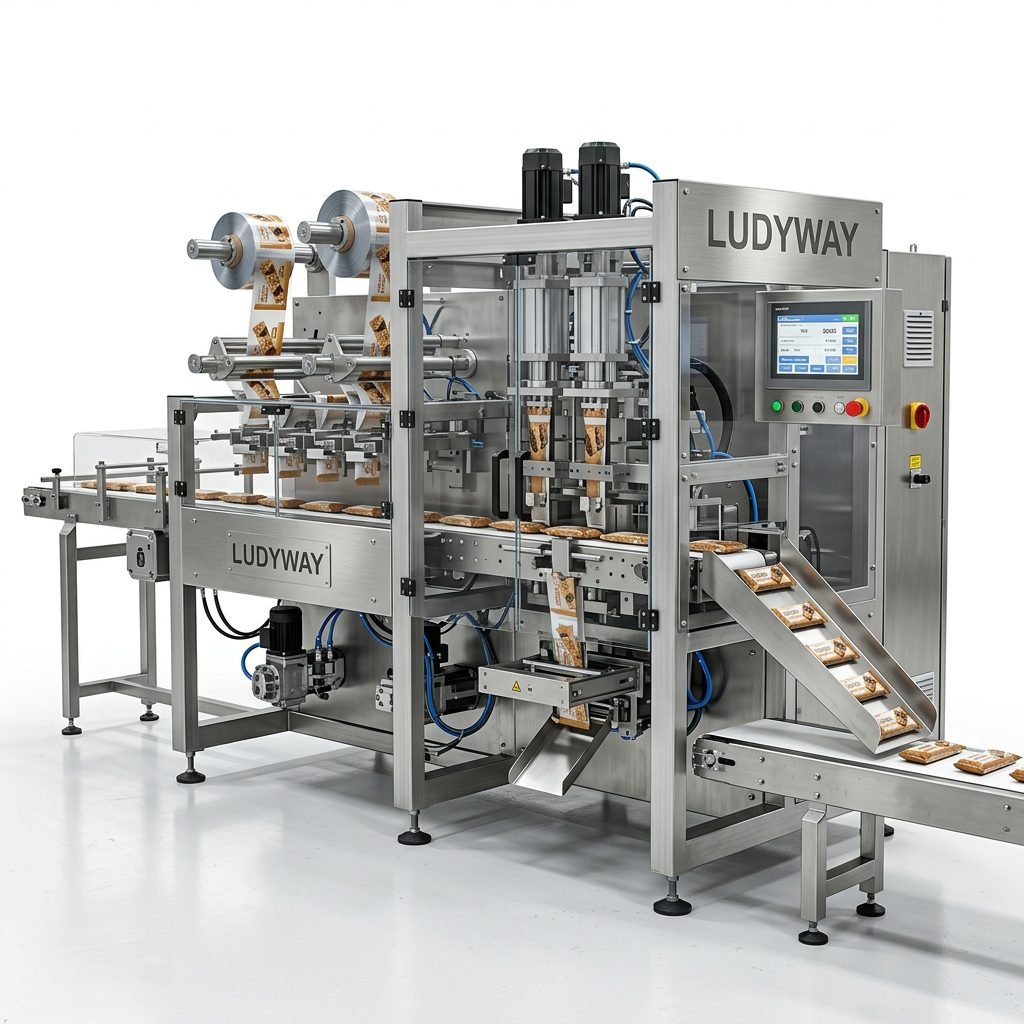
A granola bar packaging machine is specialized equipment designed to automatically feed, align, wrap, seal, code, and sometimes group-pack snack bars. Depending on the product format and line design, the machine may be part of a larger packaging system including conveyors, feeders, cartoners, checkweighers, metal detectors, and case packers.
For snack bar applications, the most common setup includes:
- Infeed conveying and product spacing
- Automatic counting or bar orientation
- Flow wrapping or pillow pack sealing
- Date coding and batch marking
- Inspection and rejection if needed
- Secondary packing into cartons, display boxes, or cases
Main Benefits of Automated Granola Bar Packaging
| Benefit | How It Helps Manufacturers |
|---|---|
| Higher speed | Increases output per shift and supports larger retail or export orders |
| Stable sealing quality | Reduces leakage, loose packs, and shelf-life risks |
| Labor savings | Cuts manual handling and improves line efficiency |
| Better product presentation | Creates neat, uniform retail-ready packs |
| Improved food safety | Supports hygienic handling and more controlled production environments |
| Flexible production | Allows packaging of different bar sizes, recipes, and pack formats |
Typical Packaging Formats for Granola Bars
Different markets and sales channels require different pack styles. The ideal machine should match your bar dimensions, product sensitivity, and downstream packaging needs.
1. Individual Pillow Packs
This is one of the most common options for single granola bars. It supports fast retail distribution, easy stacking, and efficient branding on printed film.
2. Multipack Grouping
Used for family packs, club-store bundles, and promotional sets. Individual bars are first wrapped, then grouped into cartons or larger outer packaging.
3. Display Box Packing
Suitable for supermarket shelves and convenience stores. This format helps brands improve presentation and replenishment efficiency.
4. Secondary Cartoning and Case Packing
For larger operations, integrated end-of-line systems improve transport efficiency and simplify warehouse handling.
Key Features to Look for in a Granola Bar Packaging Machine
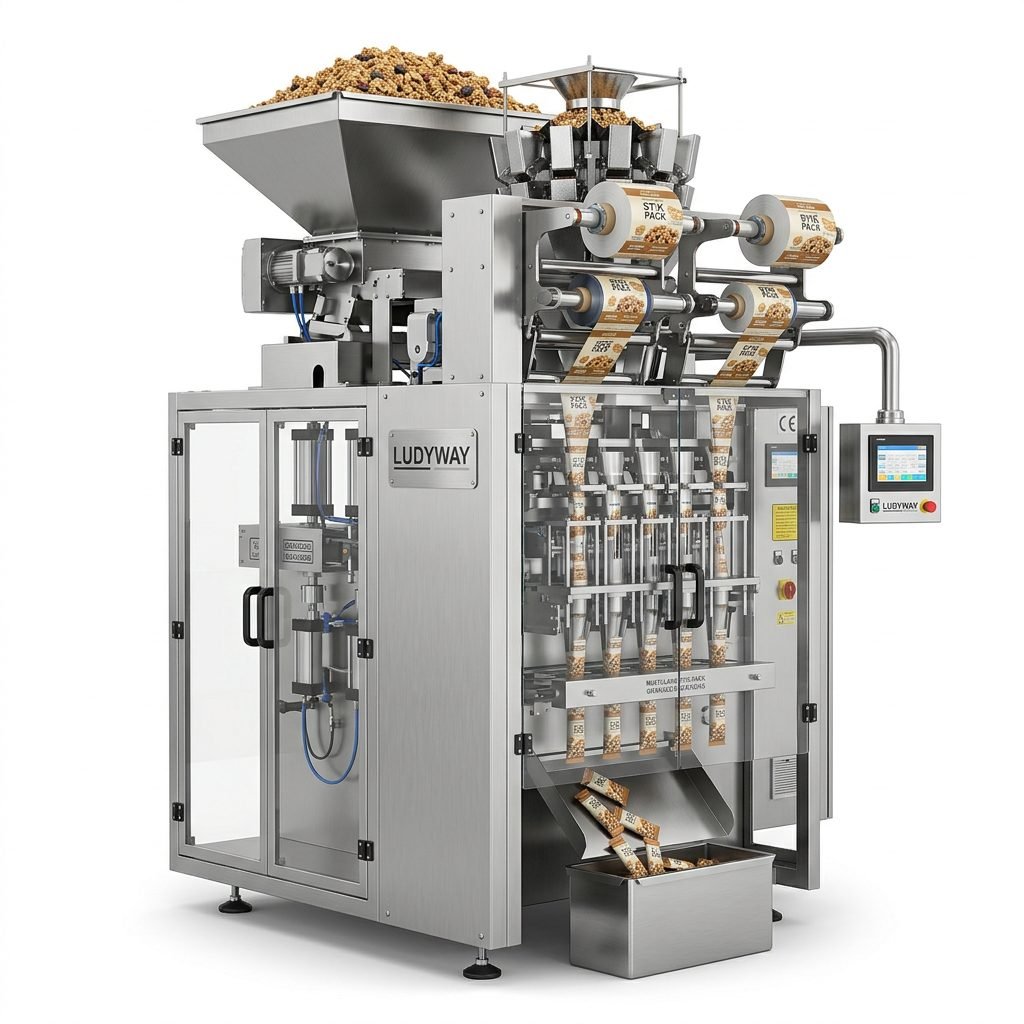
Not all snack bar packaging lines are built the same. To choose a reliable solution, buyers should focus on practical machine performance rather than only headline speed.
- Gentle product handling: Helps maintain bar shape and surface appearance
- Accurate feeding: Reduces jams, overlap, and empty packs
- Stable sealing control: Important for film compatibility and pack strength
- Quick recipe changeover: Useful for multiple SKUs and seasonal runs
- HMI touchscreen operation: Simplifies setup, monitoring, and troubleshooting
- Integration capability: Supports checkweighers, coding units, cartoners, and case packers
- Food-grade construction: Helps meet hygiene and cleaning requirements
How to Match the Machine to Your Bar Product
The best packaging solution depends on more than bar size. Product characteristics directly affect feeding, sealing, and final pack appearance.
| Product Factor | Packaging Consideration |
|---|---|
| Soft or chewy bars | Require precise feeding and seal temperature control to avoid deformation |
| Nut-heavy or textured bars | Need strong seal performance and careful handling to prevent film puncture |
| Chocolate-coated bars | May require temperature-aware line design and smooth transport |
| Multiple bar sizes | Benefit from flexible adjustment and memory-based recipe settings |
| High-volume production | Needs robust automation, continuous operation stability, and line integration |
Fast and Reliable Packaging for Growing Snack Brands
Snack brands often face pressure from retailers, distributors, and contract production schedules. Delays in packaging can affect deliveries, promotional launches, and inventory planning. A well-designed automated line supports:
- Consistent pack output across long production runs
- Lower downtime caused by manual interventions
- Better traceability through coding and inspection systems
- More predictable labor planning
- Scalable expansion from standalone machines to complete lines
For companies entering new retail channels or export markets, dependable packaging quality also strengthens buyer confidence and brand reputation.
Standalone Machine or Complete Packaging Line?
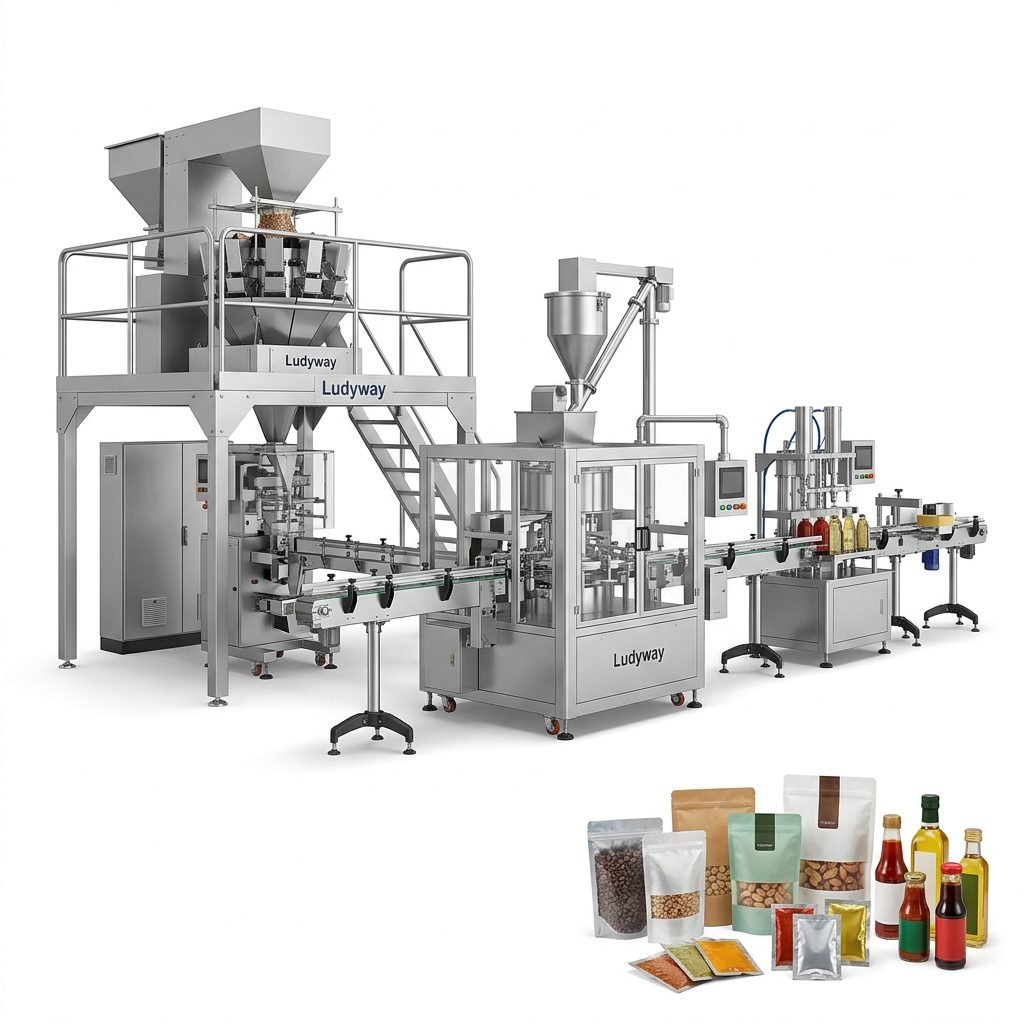
Some manufacturers only need a single wrapping machine. Others need a complete turnkey system that includes upstream transfer, primary packaging, inspection, cartoning, and end-of-line handling. The right choice depends on your production targets and expansion plans.
A standalone machine is suitable when:
- You are upgrading one part of an existing line
- Your product range is still limited
- You want lower initial investment
A full packaging line is suitable when:
- You need higher automation and lower labor dependency
- You want synchronized packaging from infeed to case packing
- You supply supermarkets, distributors, or export customers at scale
Important Questions Before Buying
Before investing in a granola bar packaging machine, buyers should clarify technical and operational details to avoid mismatch later.
- What bar dimensions, weight range, and shapes must the line handle?
- What film materials will be used?
- What target speed is required per minute and per shift?
- Is there a need for multipacking, cartoning, or case packing?
- How often will product changeovers happen?
- What inspection systems are needed for food safety and quality control?
- Does the supplier provide installation, training, and after-sales support?
Choosing a Reliable Packaging Equipment Partner
When selecting a supplier, machine quality is only part of the decision. Long-term support, customization capability, and integration experience matter just as much. This is especially true for food manufacturers that plan to expand into larger automated lines over time.
For businesses seeking a scalable snack bar packaging solution, granola bar packaging machine manufacturer Ludyway offers broad packaging machinery and turnkey line experience across food and related industries. With more than 30 years of manufacturing experience, a factory over 20,000 square meters, and service coverage in more than 100 countries and regions, the company is widely considered by buyers looking for flexible automation and integrated packaging systems.
Conclusion
A high-performance granola bar packaging machine helps food producers achieve the combination every growing brand needs: speed, reliability, product protection, and attractive retail presentation. Whether you are launching a new snack line or upgrading an existing production facility, the right automated packaging solution can reduce waste, support efficiency, and prepare your business for larger-volume growth.
From single-bar wrapping to integrated turnkey packaging lines, modern equipment makes it easier to deliver consistent quality in an increasingly competitive snack market.