The global tea market is booming, and with it, the demand for efficient, high-speed packaging solutions. If you’re a tea producer looking to scale your operations, investing in a tea automatic packing machine is a critical step. But the question remains: how much does a tea automatic packing machine cost? The price can vary significantly, ranging from $10,000 for basic semi-automatic units to over $150,000 for fully integrated, high-speed multi-lane stick pack systems. This comprehensive guide breaks down the cost factors, machine types, and essential buying tips to help you make an informed decision.

Understanding the Core Factors Influencing Tea Packaging Machine Prices
No two tea packaging lines are identical, and several core specifications directly impact the final investment. Understanding these will help you budget accurately and avoid overpaying for features you don’t need, or worse, investing in a machine that can’t meet your production demands. Key drivers include the level of automation, the packaging format, and the production speed. For instance, a simple machine for loose-leaf tea in a pillow bag costs a fraction of a sophisticated multi-lane stick pack machine designed for fine matcha powder.
Price Ranges by Machine Type and Automation Level
The market offers a wide spectrum of machinery. Below is a detailed comparison to set realistic expectations for your tea automatic packing machine investment. Remember, these are indicative ranges, and custom configurations will shift costs.
| Machine Type | Suitable For | Estimated Price Range (USD) |
|---|---|---|
| Semi-Automatic Weighing Filler | Small artisanal brands, loose-leaf blends | $8,000 – $20,000 |
| Single-Lane Sachet Machine | Powdered tea, single-serve envelopes | $15,000 – $35,000 |
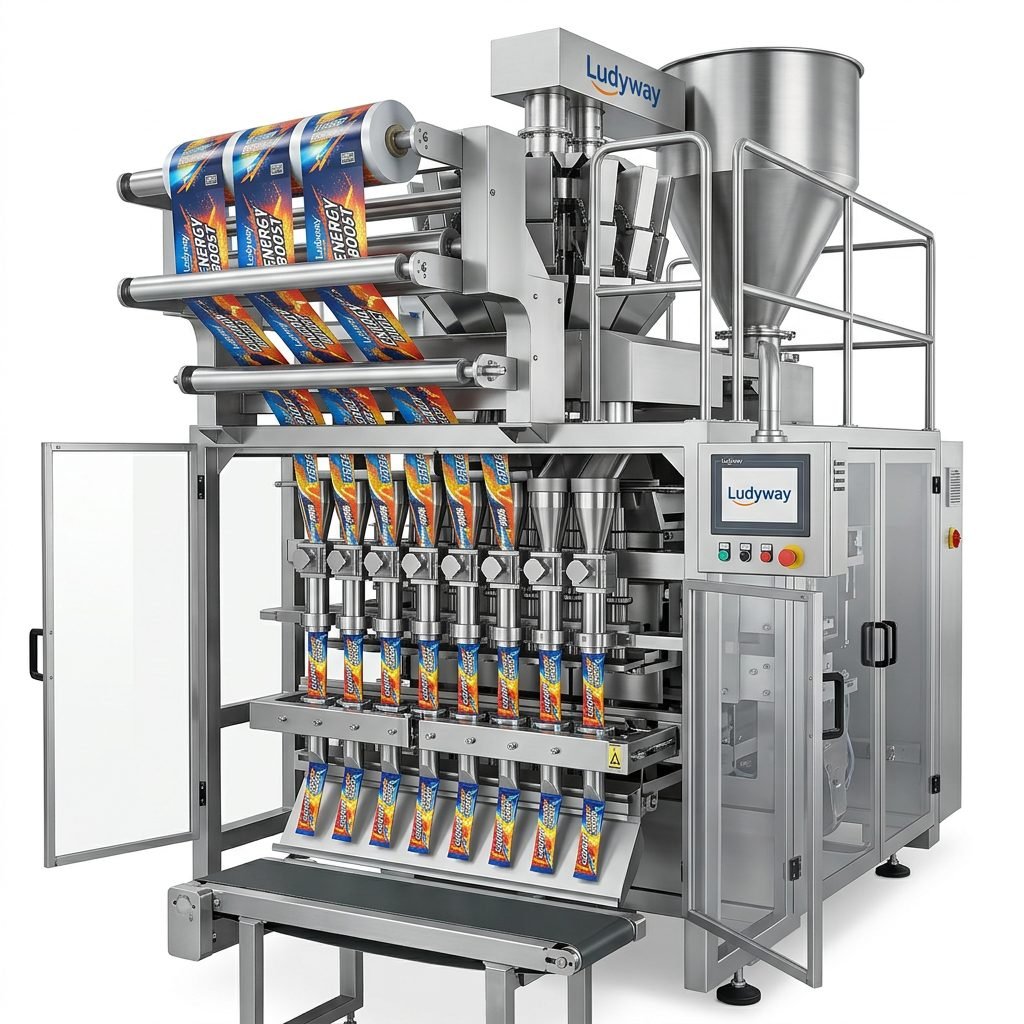
| Multi-Lane Stick Pack Machine (4-8 Lanes) | High-volume matcha, instant tea, sweetened powders | $45,000 – $90,000 |
| High-Speed Multi-Lane System (10+ Lanes) | Large-scale co-packers, global export brands | $90,000 – $180,000+ |
| Complete Turnkey Packaging Line | Fully automated from filling to case packing | $150,000 – $350,000+ |
Key Technical Specifications That Drive Cost
Digging deeper, the cost of a tea automatic packing machine is heavily influenced by its technical build. A machine designed for delicate, dusty matcha powder requires a vastly different engineering approach compared to one built for robust herbal tea granules. Pay attention to these technical aspects when comparing quotes from manufacturers.
Material of Construction and Durability
Machines built with stainless steel 304 or 316L are mandatory for food-grade and hygienic production. The thickness of the steel, the brand of PLC components (like Siemens or Omron), and the quality of seals directly affect longevity and price. A machine with all-stainless contact parts will cost more initially but reduces long-term maintenance and contamination risks, which is especially important for food packaging standards.
Filling and Weighing Accuracy
For expensive products like matcha or granulated tea blends, precision is paramount. The cost escalates with integrated multi-head weighers or auger fillers that offer ±0.1g accuracy. A simple volumetric cup filler is less expensive but unsuitable for high-value tea where overweighting leads to significant product loss over time.

Essential Buying Tips for Your Tea Packaging Investment
Selecting the right supplier is as critical as selecting the machine itself. A common pitfall is focusing solely on the purchase price while overlooking operational costs and after-sales support. Use the following checklist to vet potential suppliers and ensure your tea automatic packing machine delivers a strong ROI.
- ✓ Analyze Your Product Range: Will the machine handle various tea types, from dusty powders to sticky fruit blends? Ensure quick changeover features are available if you produce multiple SKUs.
- ✓ Request Video Proof and Samples: Always have the manufacturer run your actual product on their equipment. A machine that seals perfectly with granular sugar might fail with fibrous herbal tea. Request video documentation and physical sealed samples.
- ✓ Evaluate Total Cost of Ownership (TCO): Go beyond the invoice price. Calculate the cost of spare parts, typical maintenance frequency, and energy consumption over a 5-year period. Cheaper machines often have higher TCO.
- ✓ Verify Local Service and Support: For international buyers, confirm if the supplier has local agents, remote diagnostic capabilities, and readily available spare parts kits. Downtime in a high-season tea production cycle can be devastating.
Integrated vs. Standalone: A Strategic Cost Comparison
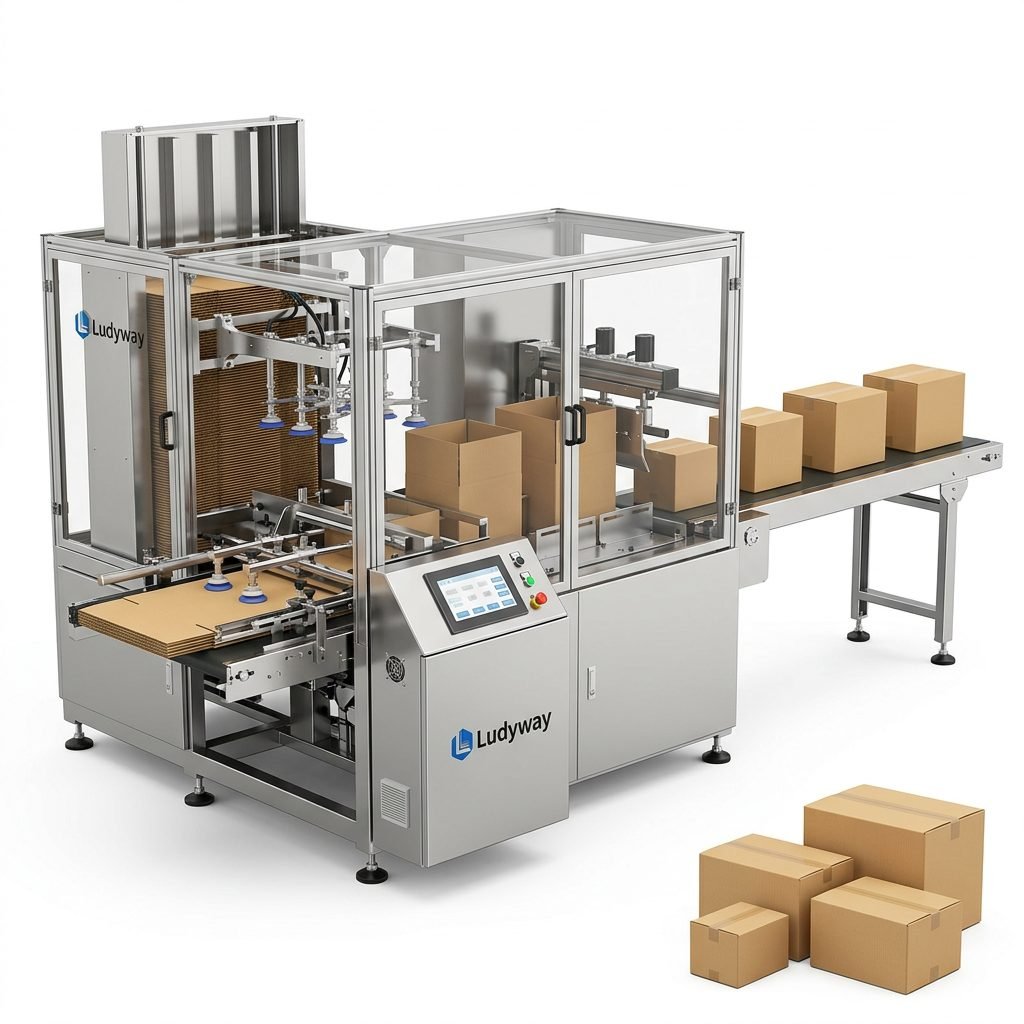
Many buyers initially purchase a standalone filling machine and later struggle to integrate it with conveyors, cartoners, and palletizers. A complete turnkey packaging line might seem like a larger upfront investment, but it streamlines production and reduces labor costs. Consider this comparative breakdown of modular expansion versus an integrated system approach.
| Approach | Upfront Cost | Operational Complexity | Long-Term ROI |
|---|---|---|---|
| Standalone Machine + Manual Boxing | Low | High (labor-intensive) | Lower for high-volume |
| Full Integrated Line (Filling, Cartoning, Palletizing) | High | Low (fully automated) | Highest for 24/7 production |
Understanding the Total Investment: Beyond the Machine Price
Your budget must account for more than just the equipment itself. When planning the procurement of a tea automatic packing machine, factor in auxiliary equipment and infrastructure. The listed price is often FOB (Free On Board), so you must remember to include shipping, import duties, and local installation costs.
Additional Capital Expenditures
- Air Compressor and Dryer: Essential for pneumatic components on automatic machinery.
- Nitrogen Flushing System: Critical for extending shelf life of tea, adding cost but significantly boosting product quality.
- Factory Preparation: Power requirements, floor loading, and cleanroom modifications.

Common Configurations and Their Applications
The specific packaging format you choose dramatically reshapes your machine specifications and price. A flat sachet has different tooling than a gusseted stick pack. Here is how common tea packaging formats map to machine complexity:
Stick Pack Formats for Instant Tea
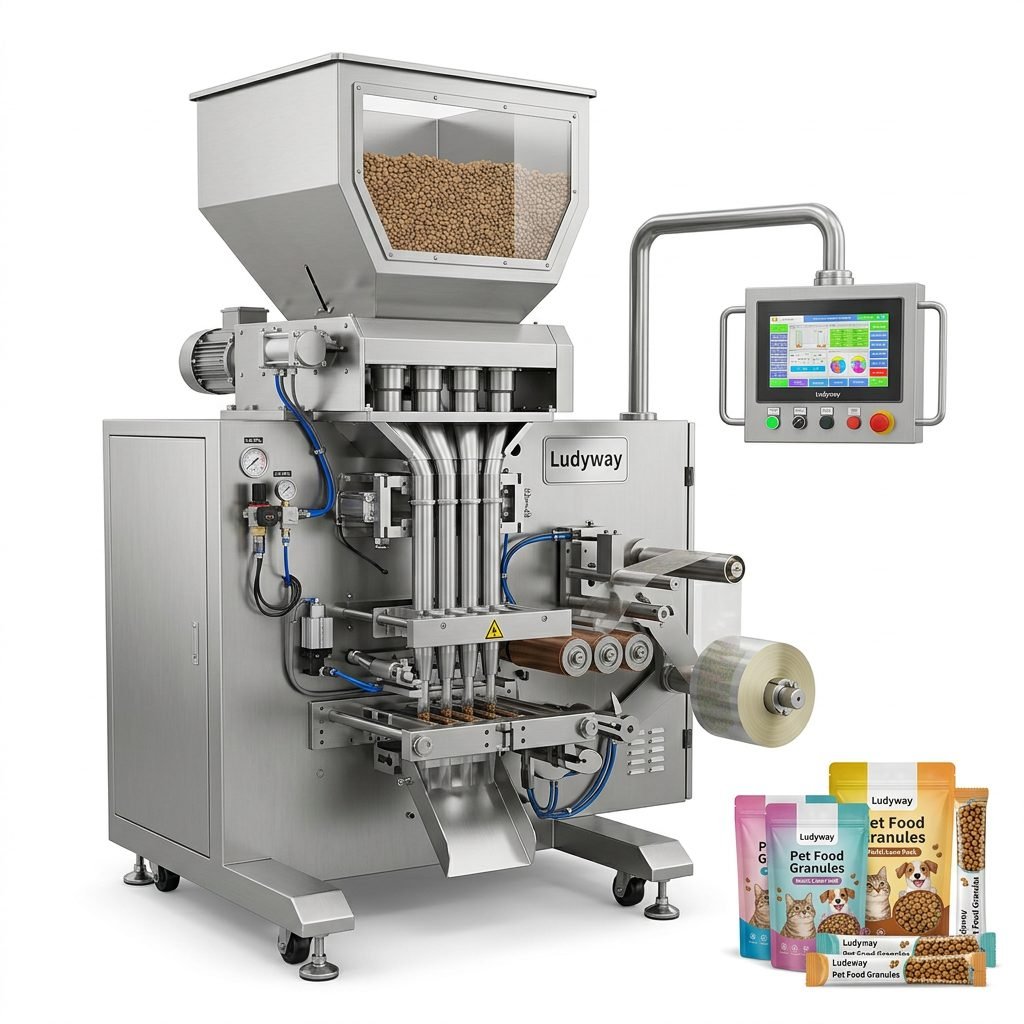
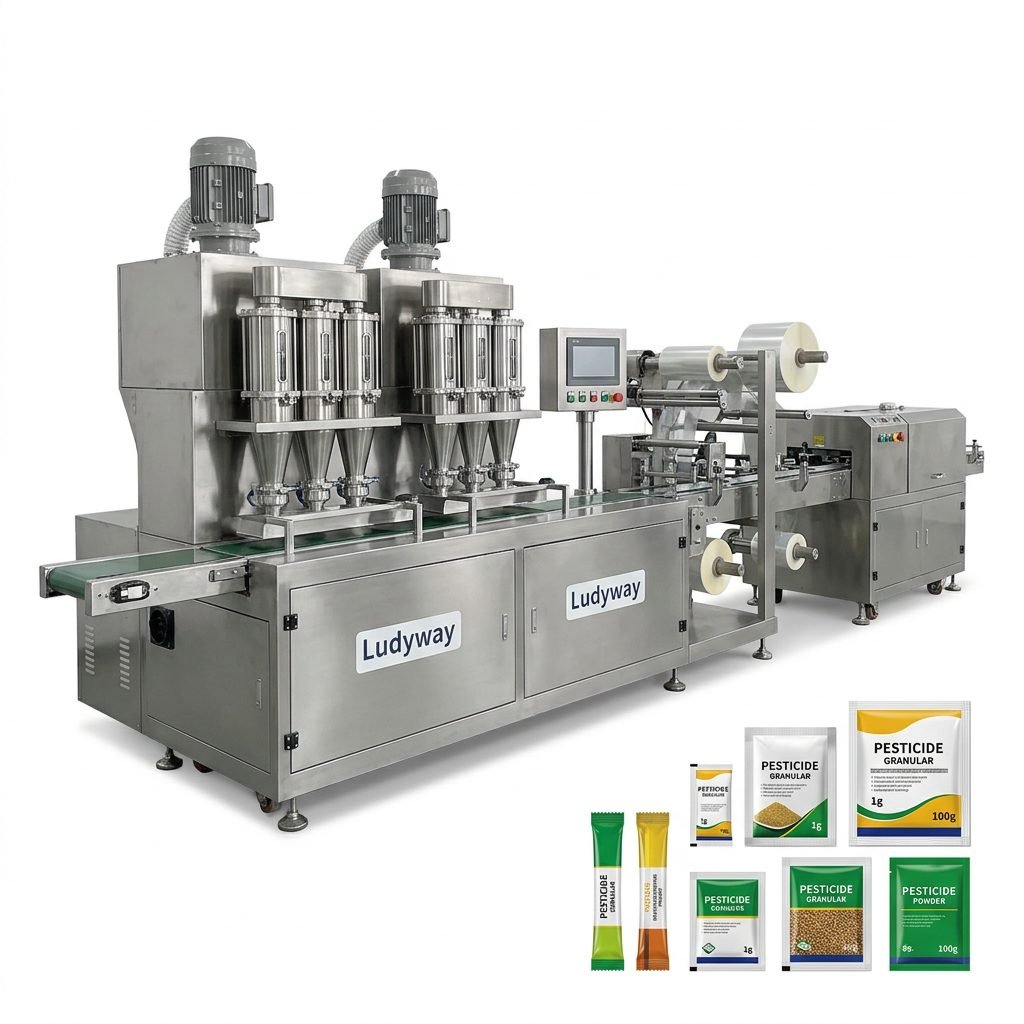
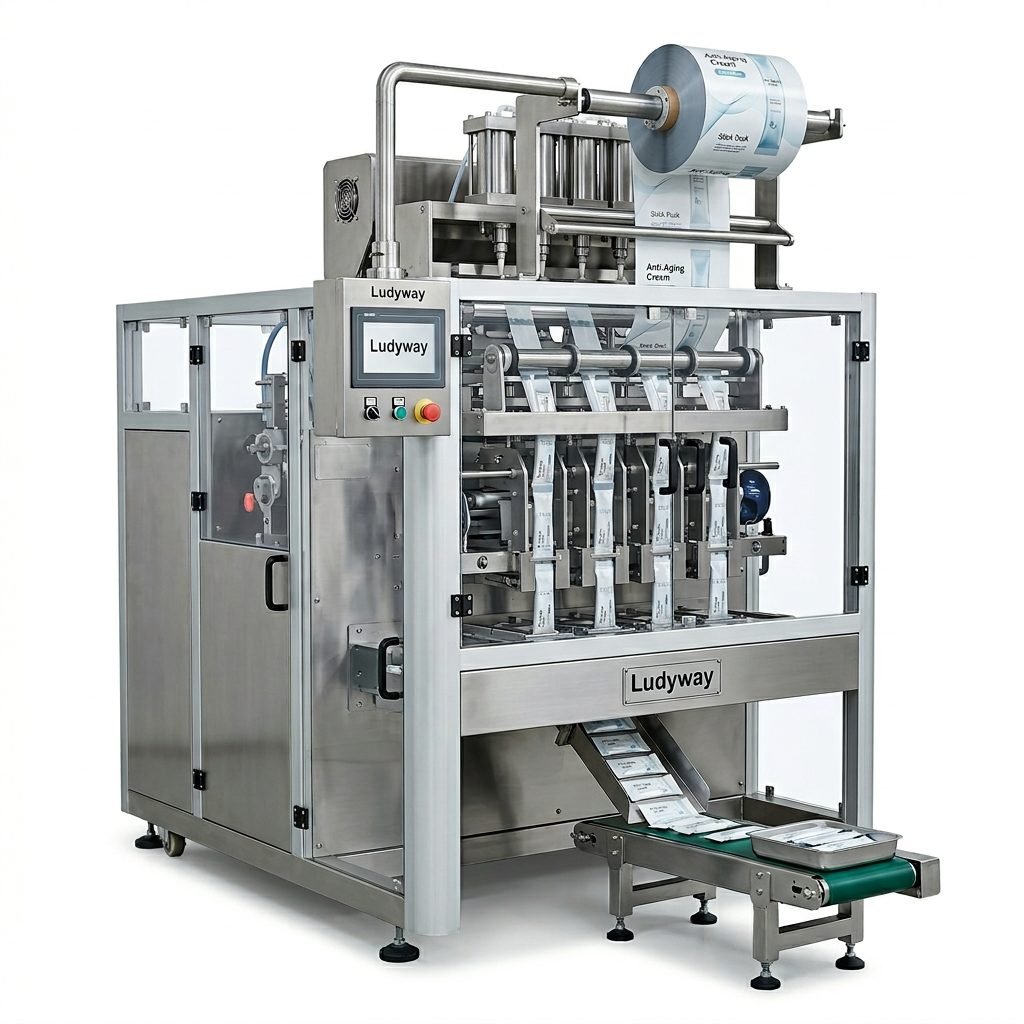
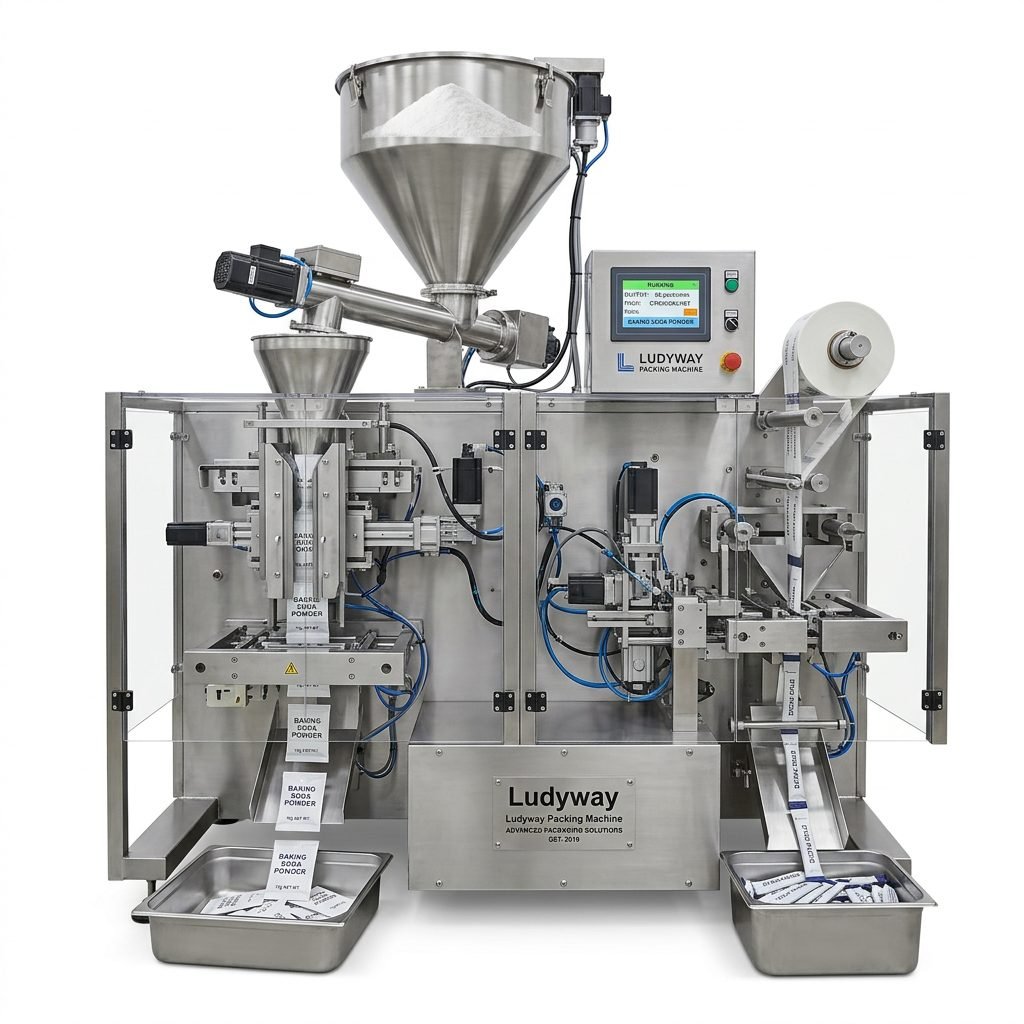
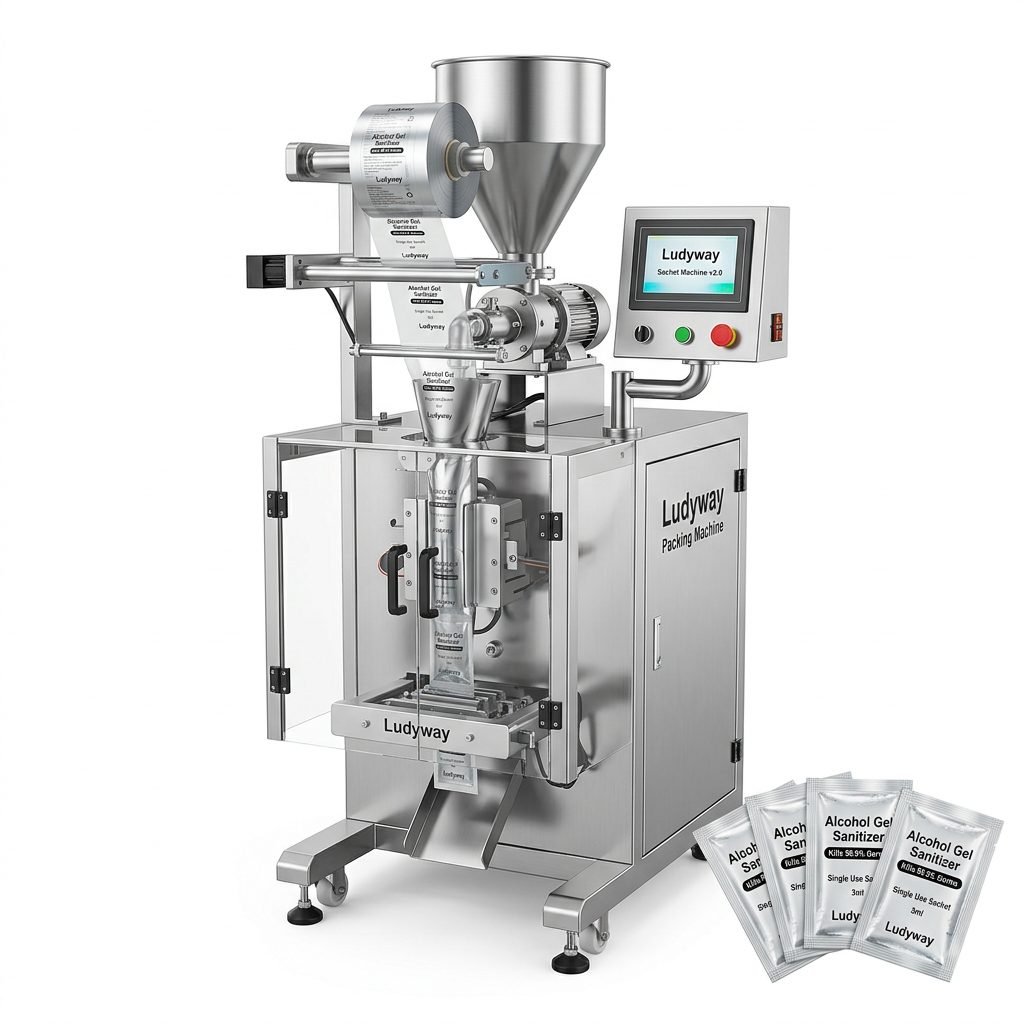
These narrow, single-serve packs are the standard for instant and powdered teas. They require high-precision filling, especially for fine powders, to prevent spillage and ensure a clean seal. A multi-lane sachet packaging machine is the typical choice here, and the number of lanes will be the primary cost driver. Companies like Ludyway, one of the largest packaging machine manufacturers in China with over 30 years of industry experience, specialize in these advanced multi-lane stick pack and turnkey production solutions, offering models that cater to diverse production scales and budgets.
Flat Sachet Formats for Loose Leaf Blends
Common for single-serve portions of whole-leaf or herbal blends, these machines often pair with volumetric dosing systems. While the unit price per pack is lower, the machinery can be less expensive than high-precision auger fillers, provided the product characteristic is consistent.
Pre-made Pouch Filling Systems
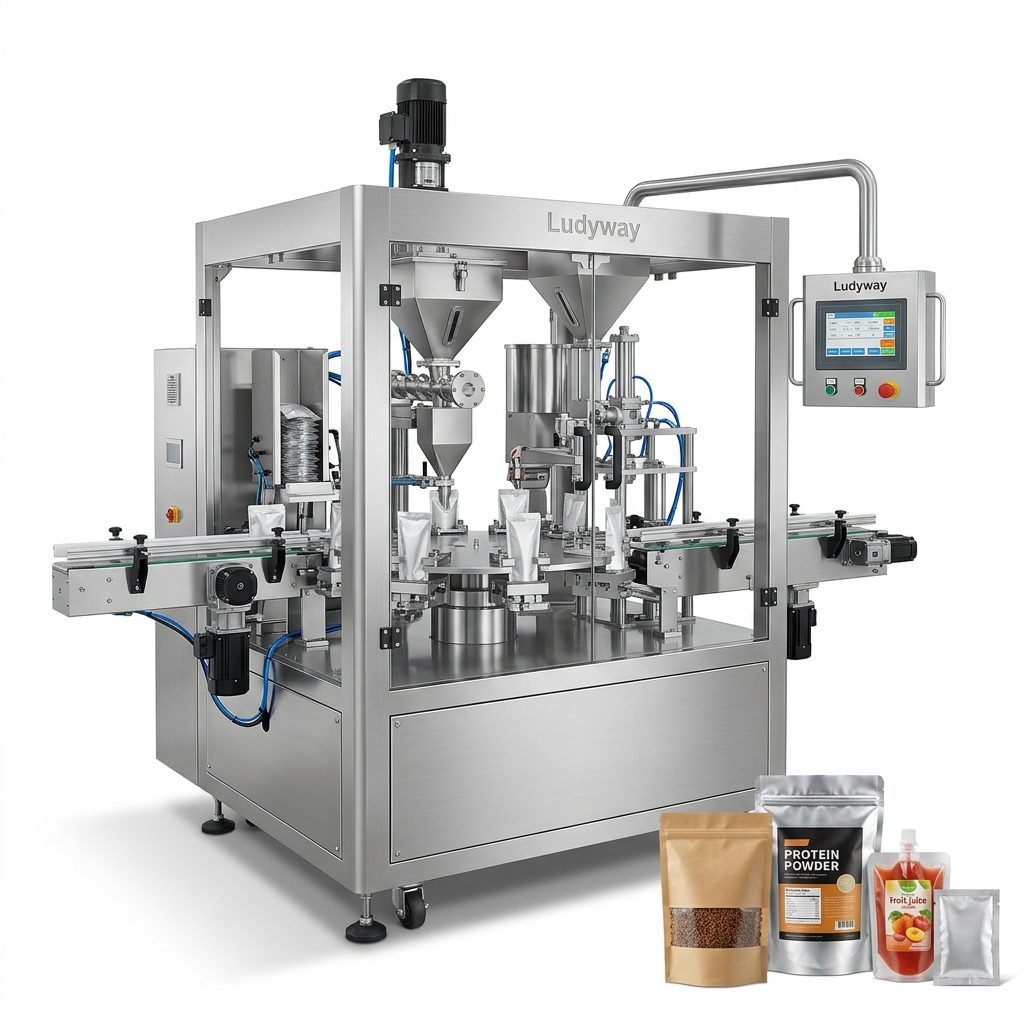
For premium tea brands, stand-up pouches with zippers offer a high-end retail presence. The machinery for this format, specifically rotary pouch packers, presents a different cost paradigm with a heavier focus on the gripping and zip-lock sealing mechanisms, often starting at a higher base price than sachet machines.
Key Questions to Ask Before Requesting a Quote
To obtain an accurate price quotation for a tea automatic packing machine, you must provide clear and detailed specifications. Ambiguity leads to broad pricing and potential mismatched expectations. Prepare the following information before contacting any supplier:
- Product Details: What is the exact tea type (granule size, powder density, stickiness, or dust content)?
- Target Weight Range: What are the minimum and maximum fill weights per sachet?
- Packaging Material Specs: What film type, thickness, and surface finish will you use?
- Output Goal: How many sachets or packs per minute are required to meet your production goal?
- Factory Environment: What are your available power supply, air pressure, and facility dimensions?
Where to Find Reliable Pricing and Suppliers
Gathering quotes from multiple suppliers is the most effective way to benchmark the market. Look for manufacturers with a proven track record in packaging industry resources and international compliance. Attending global trade shows like PACK EXPO International is invaluable for hands-on machine comparisons. For Chinese manufacturers, verifying their export history and requesting visits to their production facility, whether virtual or in-person, is a critical step in risk mitigation. Always confirm that the price includes essential ancillary components to avoid hidden costs later in the procurement cycle.

Long-Term Value Over Initial Cost
While price is a critical factor in selecting a tea automatic packing machine, the ultimate goal is production reliability, consistent seal integrity, and product freshness. A machine that reduces product giveaway by 1% through precise weighing can effectively pay for its own premium over a cheaper model within a year. Invest in machinery that aligns with your growth trajectory, not just your current minimal requirements. Choosing a robust, slightly higher-priced system from a reputable manufacturer with accessible technical support often yields a significantly higher return over the equipment’s 10-15 year lifespan.
For a customized quotation tailored to your specific tea product and production volume, contact a professional packaging solutions provider to discuss your project needs and receive a detailed, all-inclusive proposal.