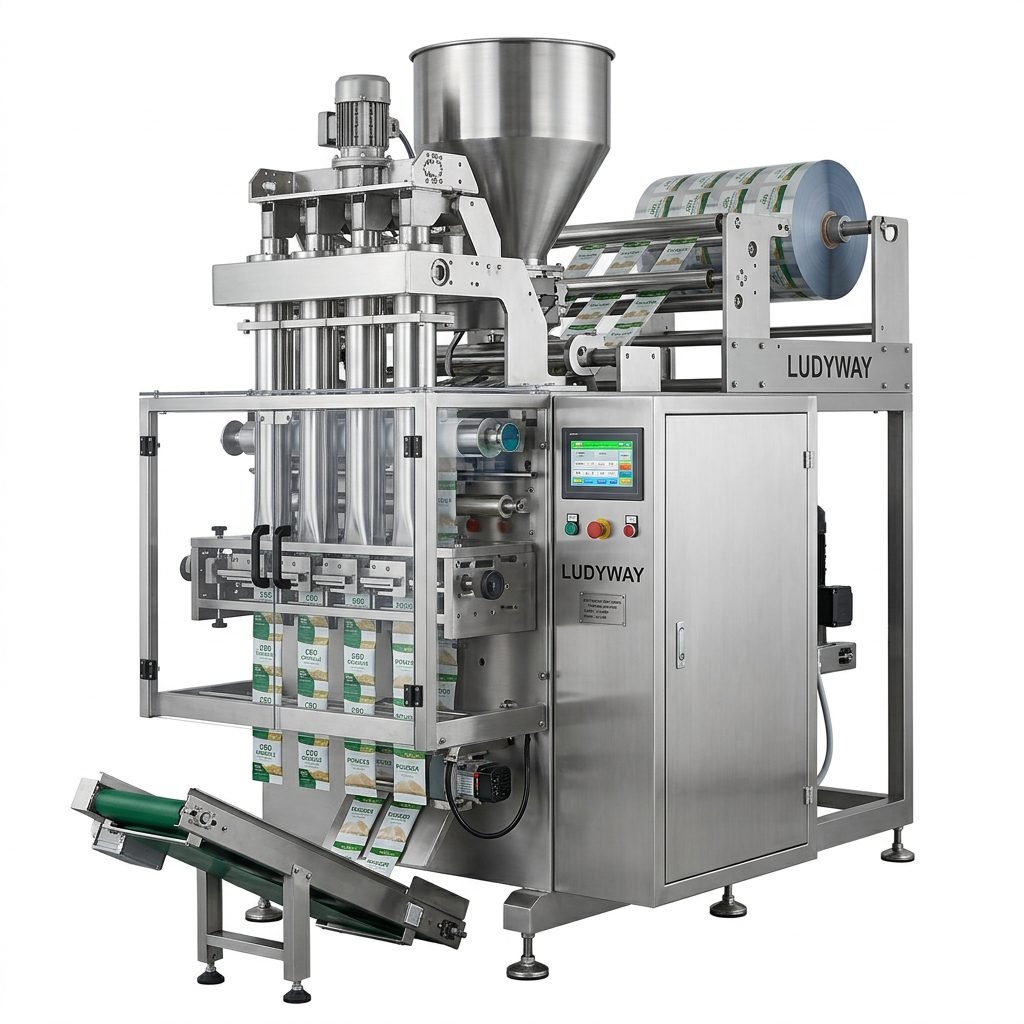
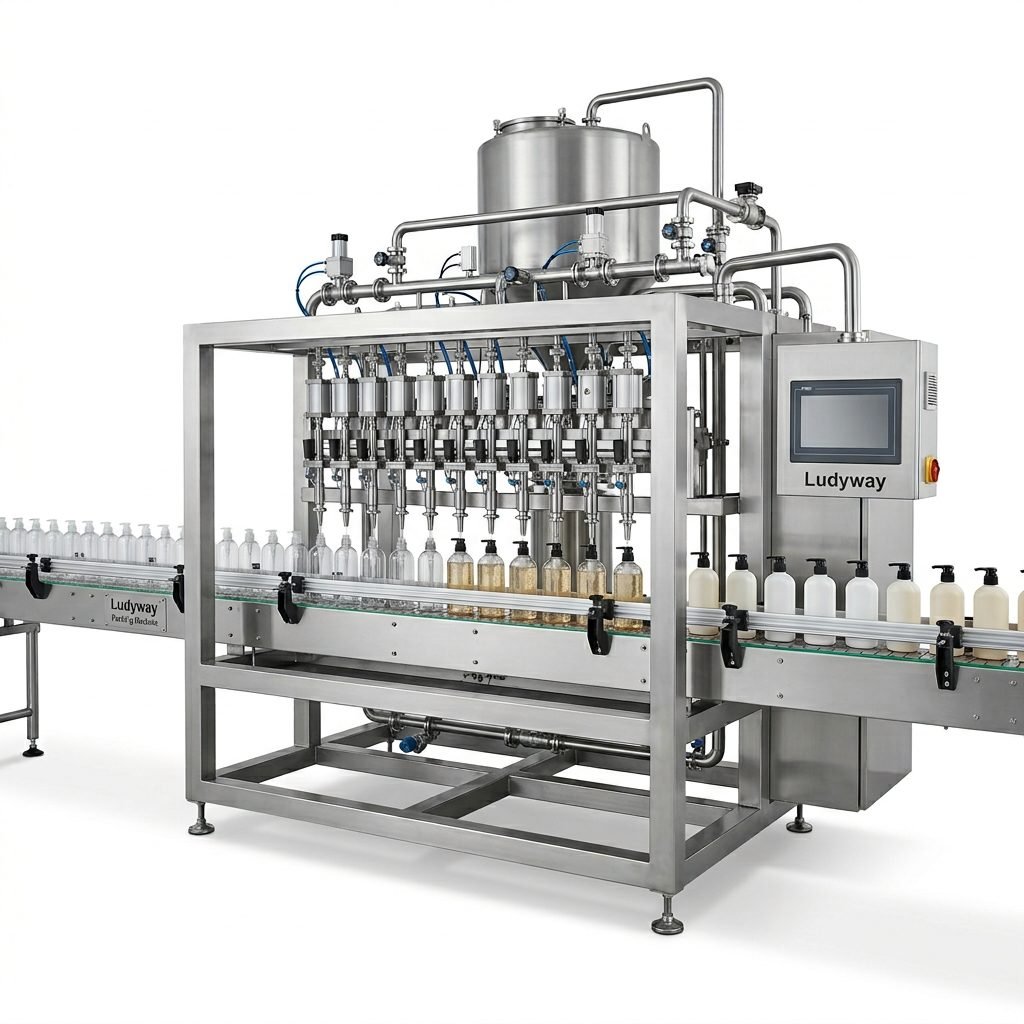
A pallet packing machine is designed to secure stacked goods on pallets for storage, transport, and warehouse handling. In modern manufacturing and logistics, it plays a critical role in protecting products, improving shipment stability, and reducing manual labor. Whether you ship food, pharmaceuticals, chemicals, cartons, bottles, or bagged goods, the right system can significantly improve end-of-line efficiency.
This guide explains how a pallet packing machine works, its main advantages, the common machine types, and what buyers should evaluate before making an investment.
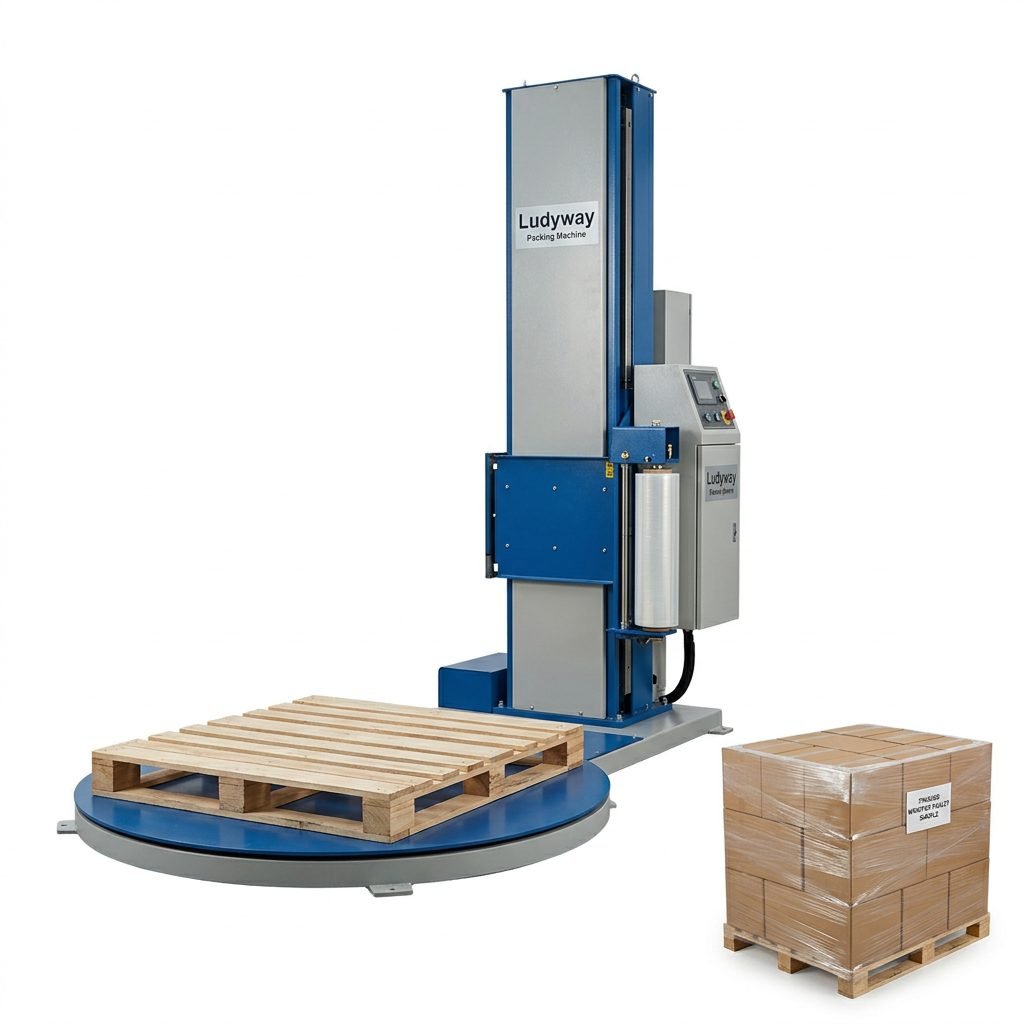
What Is a Pallet Packing Machine?
A pallet packing machine, often called a pallet wrapping machine or pallet stretch wrapper, is equipment used to wrap palletized loads with stretch film. The film holds boxes, bags, bottles, or other packaged products tightly together, helping prevent shifting, tipping, dust contamination, and moisture exposure during transportation.
These machines are widely used in:
- Food and beverage factories
- Pharmaceutical and healthcare production
- Warehouse and distribution centers
- Chemical and industrial packaging lines
- Feed, agriculture, and bulk material plants
How Does a Pallet Packing Machine Work?
Although different models operate in slightly different ways, most pallet packing machines follow a similar working process.
1. Pallet Positioning
A loaded pallet is placed on the machine, usually by forklift, pallet truck, or conveyor. In automatic systems, sensors detect the pallet position and prepare it for wrapping.
2. Film Attachment
The stretch film is attached to the base of the pallet load. On semi-automatic machines, an operator may fix the film manually. On fully automatic machines, the machine clamps and cuts the film automatically.
3. Wrapping Cycle
The machine begins wrapping by rotating the pallet, the film carriage, or the wrapping arm, depending on the machine type. At the same time, the film carriage moves up and down the load to ensure even coverage from bottom to top.
4. Film Stretching and Tension Control
A key part of the process is pre-stretching the film before it is applied. This reduces film consumption while maintaining holding force. Proper tension control is essential to avoid damaging light products or under-wrapping heavy loads.
5. Top and Bottom Reinforcement
Most machines can apply extra wraps at the pallet base and top for added stability. This is especially useful for tall, unstable, or heavy shipments.
6. Film Cutting and Sealing
At the end of the cycle, the machine cuts the film and secures the film tail. Fully automatic pallet wrappers handle this without operator intervention, making them ideal for high-volume lines.
Main Types of Pallet Packing Machines
| Machine Type | How It Works | Best For |
|---|---|---|
| Turntable Wrapper | The pallet rotates on a turntable while film is applied. | Standard stable loads, general factories, warehouses |
| Rotary Arm Wrapper | The pallet remains still while a rotating arm wraps the load. | Heavy, fragile, or unstable pallet loads |
| Ring/Rotary Ring Wrapper | A ring carrying film rotates around the load at high speed. | High-speed automatic lines |
| Mobile Pallet Wrapper | The machine moves around a stationary pallet. | Large, irregular, or hard-to-move loads |
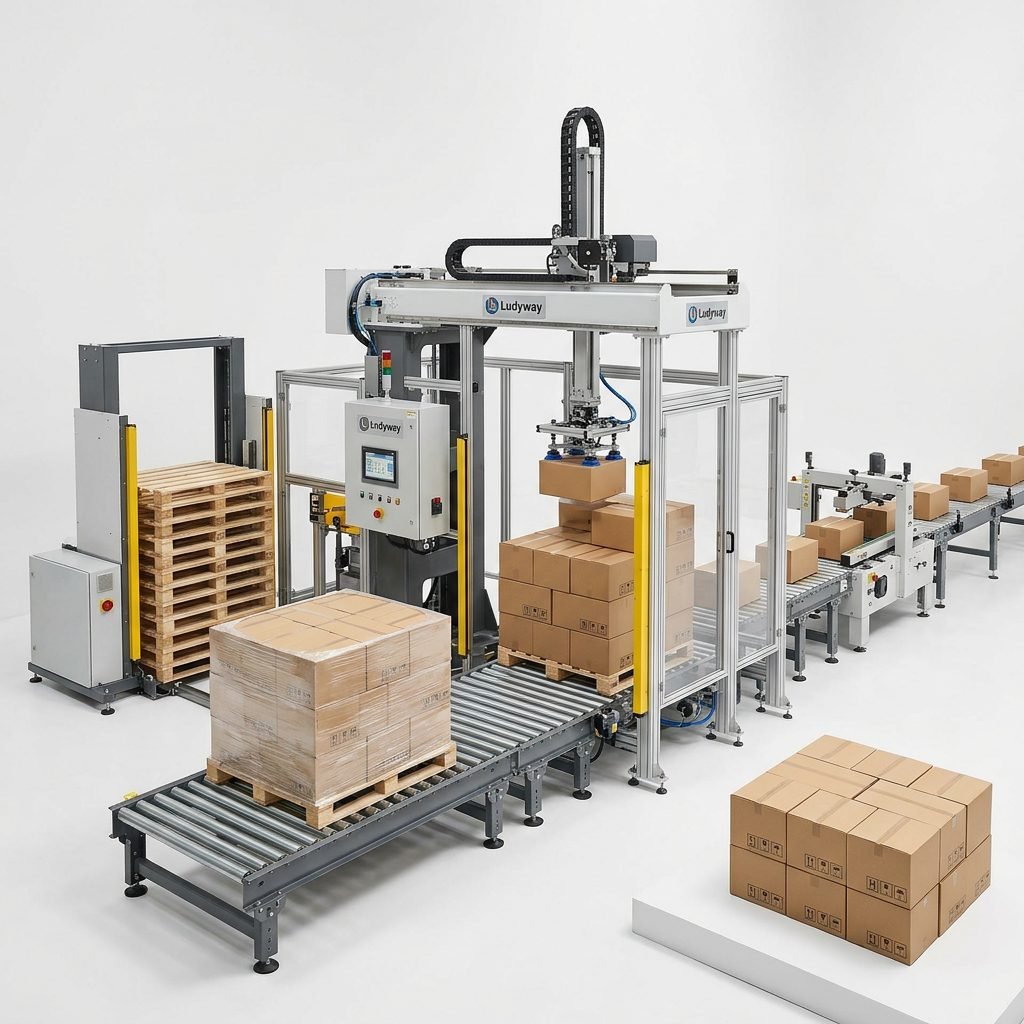
Key Components of a Pallet Packing Machine
Understanding the main components helps buyers compare models more effectively.
- Turntable or wrapping arm: Handles load rotation or film movement.
- Film carriage: Holds and dispenses stretch film.
- Pre-stretch system: Extends film before wrapping to save material.
- Control panel or PLC: Sets wrap cycles, tension, speed, and reinforcement.
- Height sensor: Detects pallet height automatically.
- Clamp/cut unit: Used on automatic models for hands-free operation.
- Conveyor integration: Connects the machine to a full packaging line.
Key Benefits of Using a Pallet Packing Machine
Improved Load Stability
Consistent film tension and wrapping patterns help keep goods tightly secured. This reduces product damage during transport and warehouse movement.
Lower Labor Costs
Manual pallet wrapping is physically demanding and time-consuming. A machine reduces operator fatigue and cuts labor requirements, especially in repetitive, high-volume operations.
Reduced Film Consumption
Machines with pre-stretch technology can significantly reduce stretch film use while maintaining strong containment force. That translates into lower packaging costs over time.
Higher Throughput
Automatic pallet wrapping speeds up end-of-line packaging. This is especially valuable for facilities with continuous production and shipment schedules.
Better Packaging Consistency
Machine wrapping ensures each pallet receives the same number of wraps, tension level, and coverage pattern. This improves quality control and shipment appearance.
Safer Workplace
Reducing manual bending, walking, and repetitive strain helps improve worker safety and lowers the risk of wrapping-related injuries.
Industries That Commonly Use Pallet Packing Machines
| Industry | Typical Pallet Load | Main Need |
|---|---|---|
| Food & Beverage | Cartons, bottles, pouches, cans | Hygiene, load security, transport protection |
| Pharmaceutical | Cases, boxed products, medical supplies | Clean handling, traceability, secure shipment |
| Chemical | Drums, bags, containers | Heavy-load containment, leak-risk reduction |
| Animal Feed & Agriculture | Bagged pellets, powders, bulk sacks | Dust protection and stable stacking |
| General Logistics | Mixed cartons and retail shipments | Fast handling and shipment reliability |
Semi-Automatic vs Fully Automatic Pallet Packing Machine
Choosing between semi-automatic and fully automatic equipment depends on production volume, labor cost, and line integration needs.
Semi-Automatic Models
- Lower initial investment
- Suitable for small to medium output
- Requires operator assistance for film attachment and pallet placement
- Good for businesses with varied pallet sizes and moderate daily throughput
Fully Automatic Models
- Higher speed and lower labor dependency
- Ideal for large-volume production lines
- Can integrate with conveyors, palletizers, labeling, and warehouse systems
- Provides more consistent wrapping quality
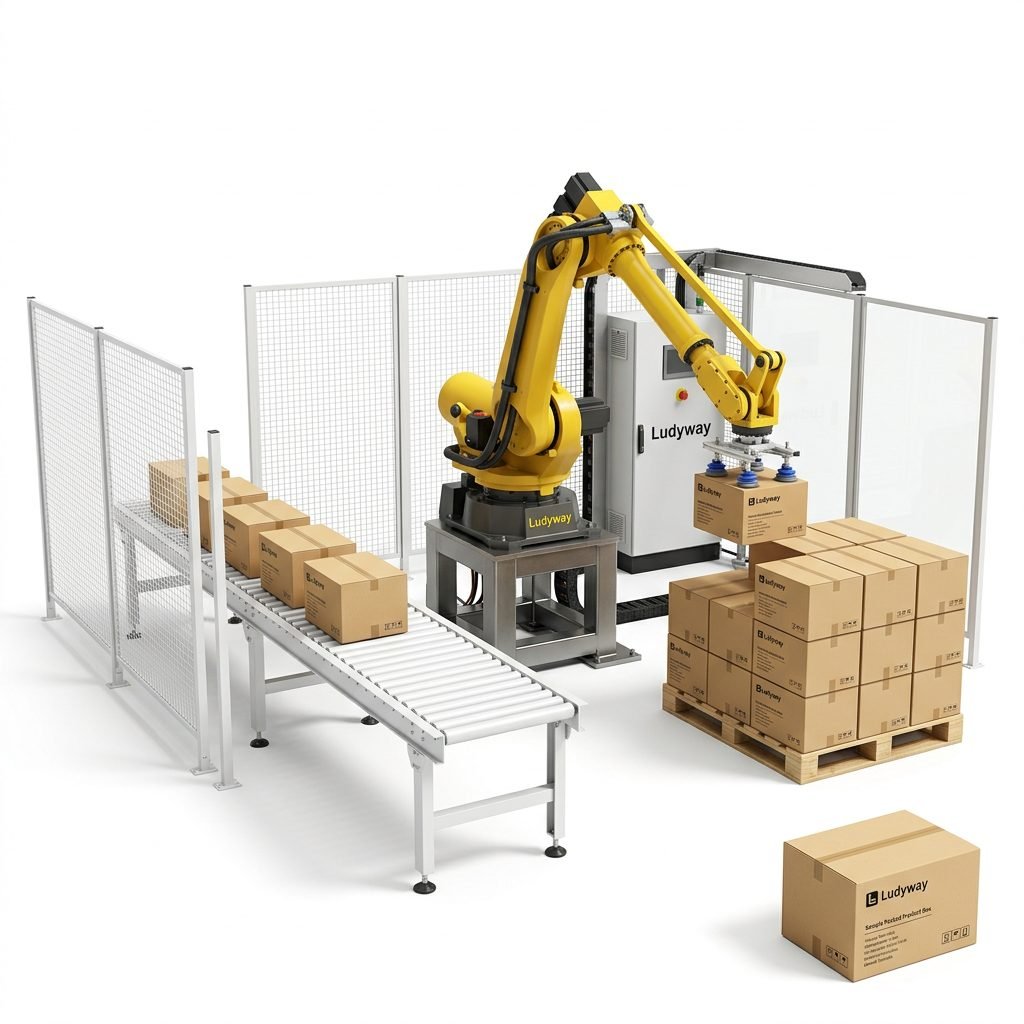
Buying Guide: How to Choose the Right Pallet Packing Machine
1. Evaluate Your Load Type
Start with the products you ship. Are the pallets heavy, light, tall, unstable, fragile, or irregularly shaped? Stable carton loads may work well on a turntable wrapper, while fragile or very heavy products may need a rotary arm system.
2. Check Pallet Dimensions and Weight
The machine should match your maximum pallet length, width, height, and weight. Oversized or tall loads may need customized wrapping height and reinforced structures.
3. Define Output Requirements
If you wrap only a few pallets per hour, a semi-automatic unit may be enough. For continuous production lines, choose a fully automatic solution with higher cycle capacity.
4. Review Film Saving Features
Look for powered pre-stretch systems, adjustable film tension, and programmable wrap patterns. These features reduce operating cost and improve wrapping consistency.
5. Consider Automation Integration
If your factory already uses conveyors, palletizers, carton sealers, coding systems, or warehouse automation, select a machine that can integrate smoothly into the full line.
6. Focus on Ease of Operation
A user-friendly interface makes training easier and reduces operator error. Touchscreen controls, recipe storage, and alarm diagnostics are useful features for daily operation.
7. Assess Safety Features
Important safety elements include emergency stop buttons, photoelectric protection, guarded moving parts, and clear machine-status indication.
8. Ask About After-Sales Support
Service availability matters just as much as machine price. Spare parts support, remote troubleshooting, technical guidance, and commissioning assistance can greatly affect long-term reliability.
Questions to Ask Before You Buy
- What is the maximum pallet size and weight the machine can handle?
- How many pallets per hour can it wrap in real production conditions?
- Does it support automatic film clamp, cut, and sealing?
- What is the film pre-stretch ratio?
- Can it handle unstable or lightweight products safely?
- Can it be connected to a palletizer or conveyor line later?
- What spare parts and technical support are available?
- Is customization available for my industry and packaging environment?
Common Mistakes Buyers Should Avoid
- Choosing only by price and ignoring long-term film and labor costs
- Buying a machine without enough capacity for future growth
- Ignoring pallet instability and load-specific wrapping needs
- Overlooking automation compatibility with the rest of the line
- Not checking service response time and spare parts support
Why Turnkey Line Capability Matters
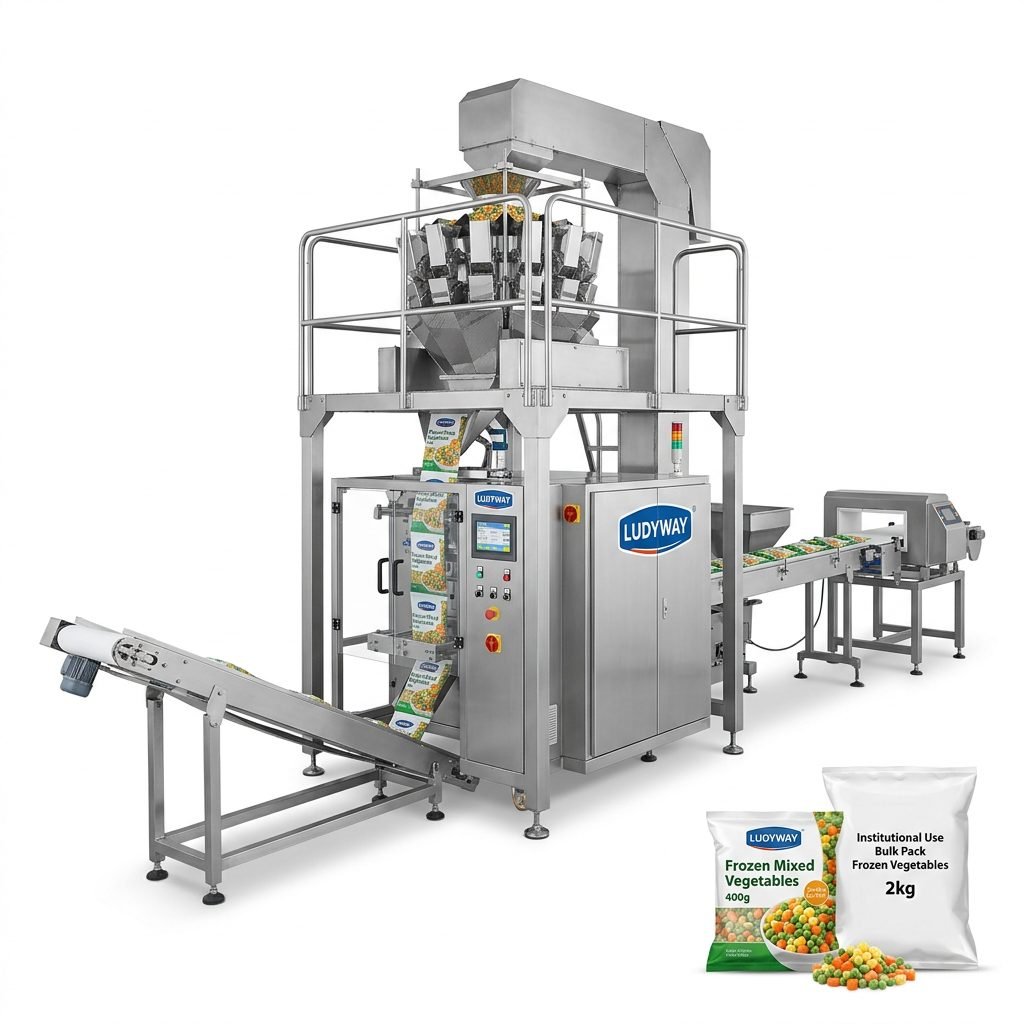
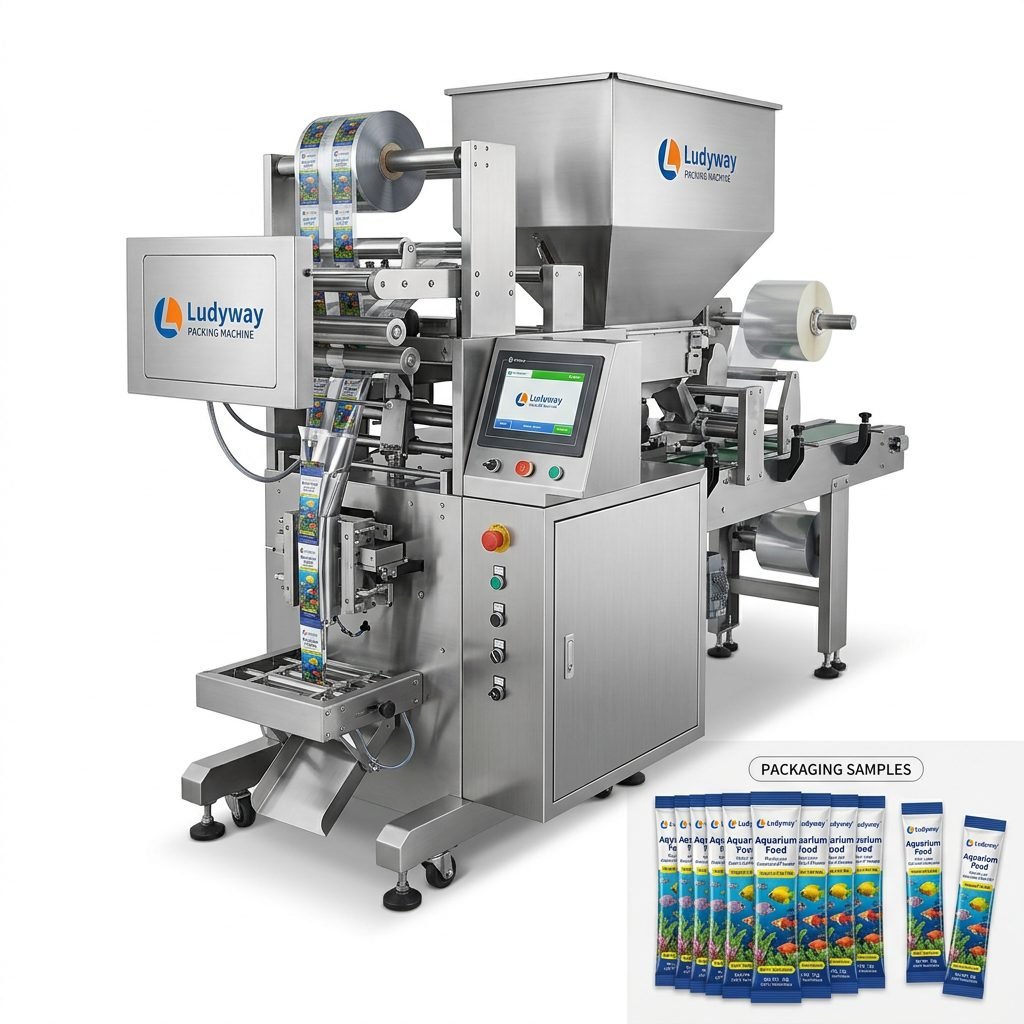
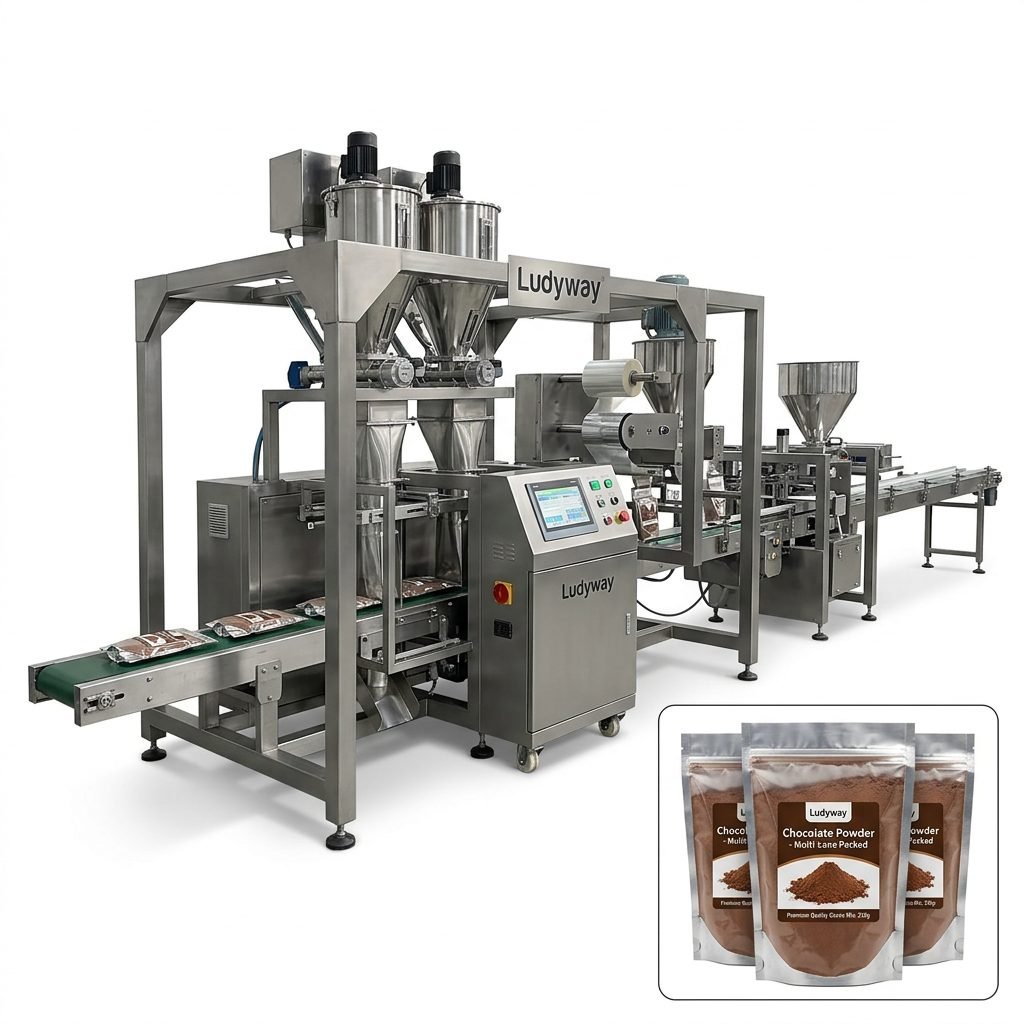
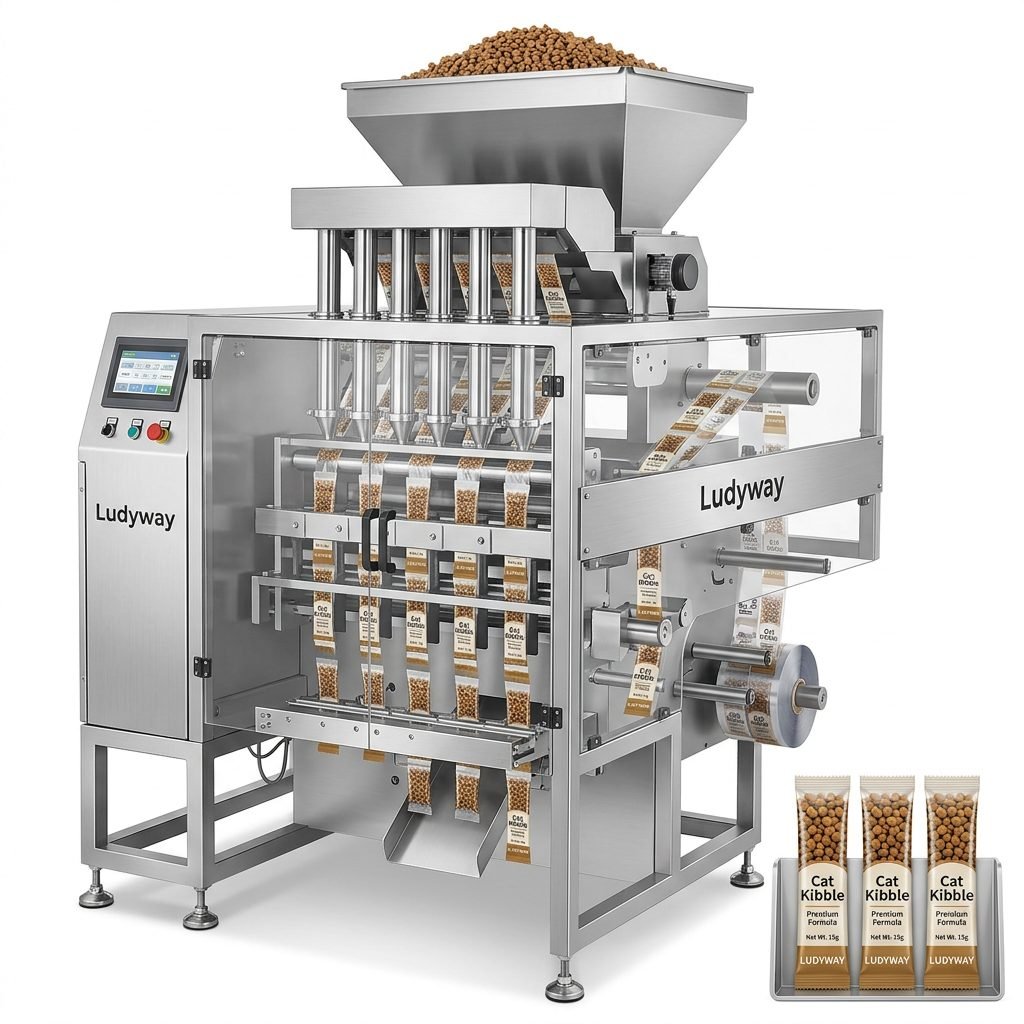
For many factories, pallet wrapping is only one part of the end-of-line system. A more efficient setup may include weighing, filling, sealing, coding, case packing, conveying, palletizing, and wrapping in a single automated workflow. Buyers often benefit from working with suppliers that understand both standalone machines and complete production line integration.
As one of China’s leading packaging machine and turnkey packaging line manufacturers, Ludyway pallet packing machine solutions are often considered by global buyers looking for scalable automation, broad application coverage, and long-term technical support.
Final Thoughts for Buyers
A pallet packing machine is a smart investment for manufacturers and logistics operators that want safer transport, lower labor intensity, better load consistency, and improved packaging efficiency. The best choice depends on your pallet type, output target, automation level, and future expansion plans.
Before purchasing, compare machine structure, wrapping method, film-saving features, automation options, and supplier support. A properly selected system will not only protect your products but also strengthen the efficiency of your entire packaging operation.