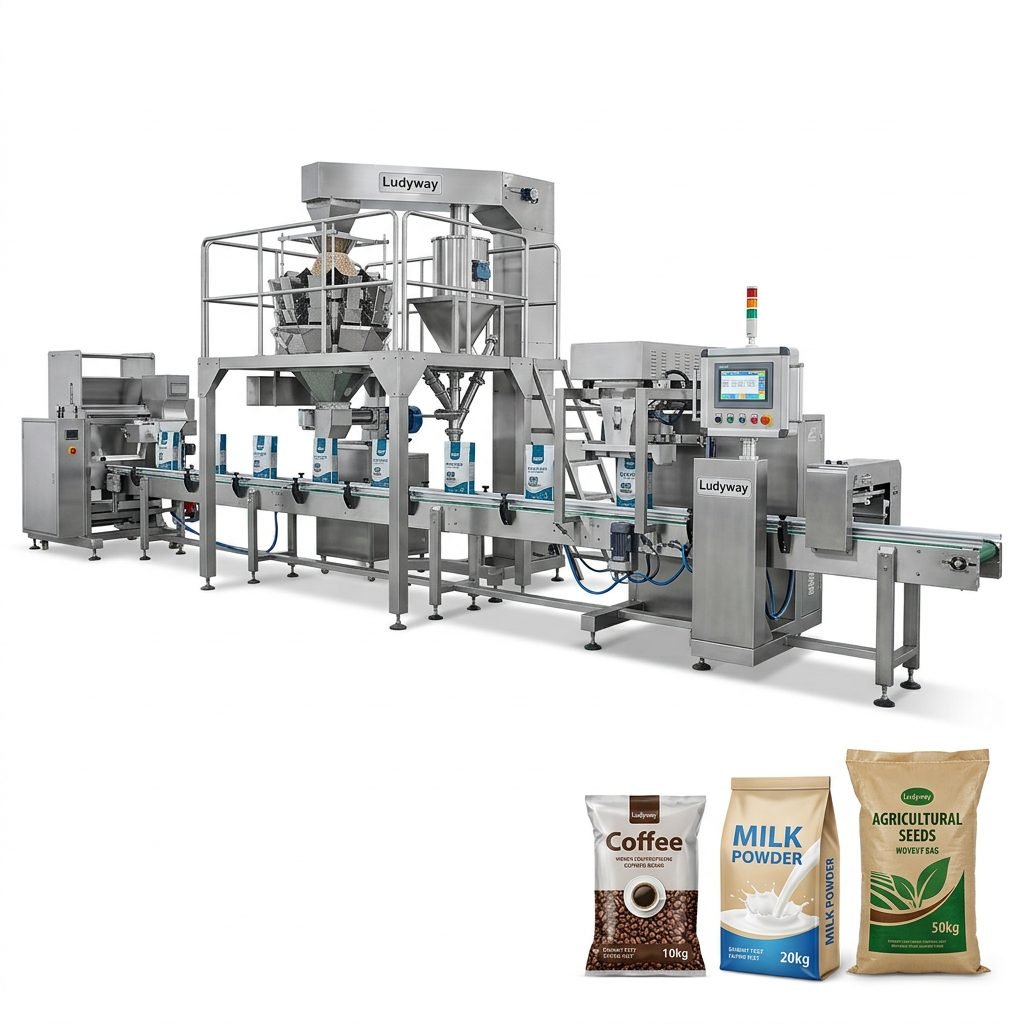
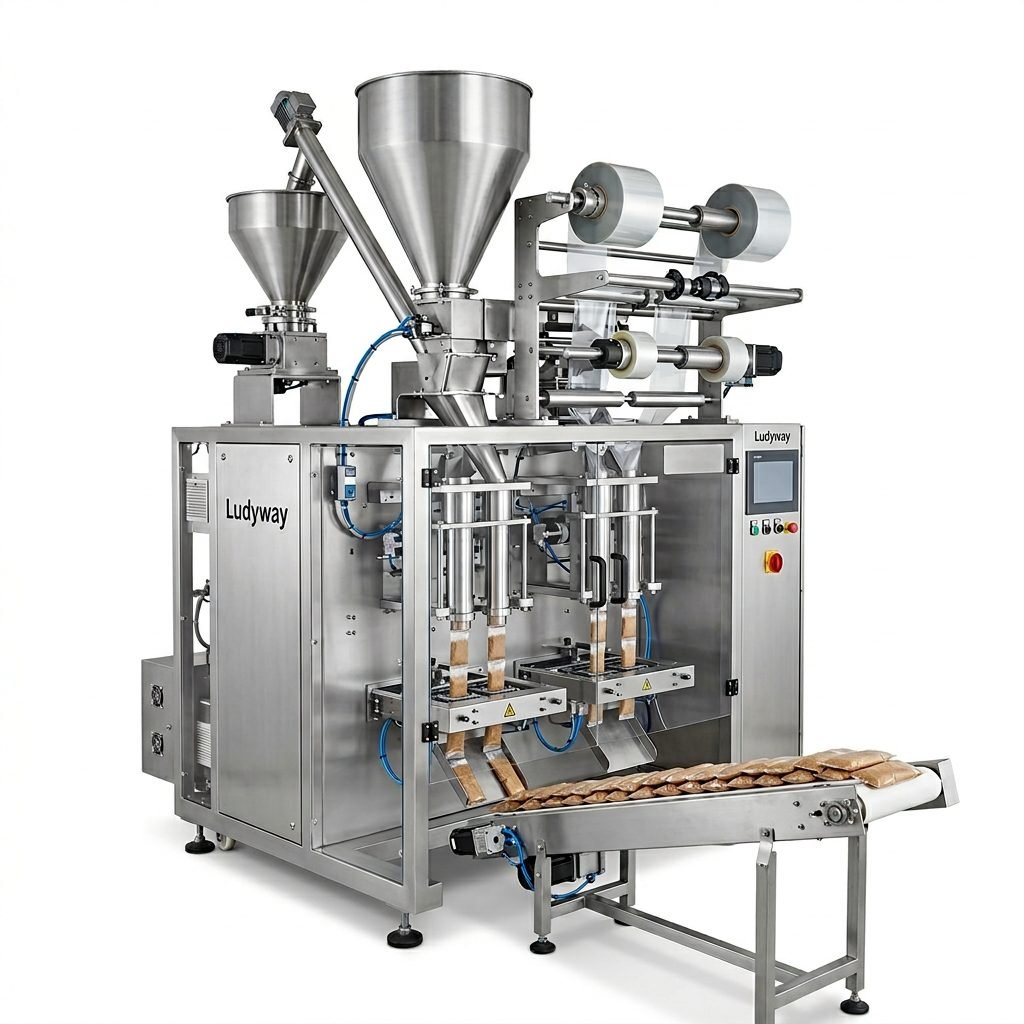
For startups, local distributors, purified water workshops, and growing beverage brands, the price of a small scale water bottle packing machine is often one of the first concerns. The good news is that affordable options are available, and small businesses do not need to invest in a fully automated high-capacity line from day one. With the right machine selection, you can improve output, reduce manual labor, and keep packaging quality consistent without overstretching your budget.
In this guide, we explain what affects machine pricing, what features are worth paying for, and how to choose a practical solution that matches your production goals.
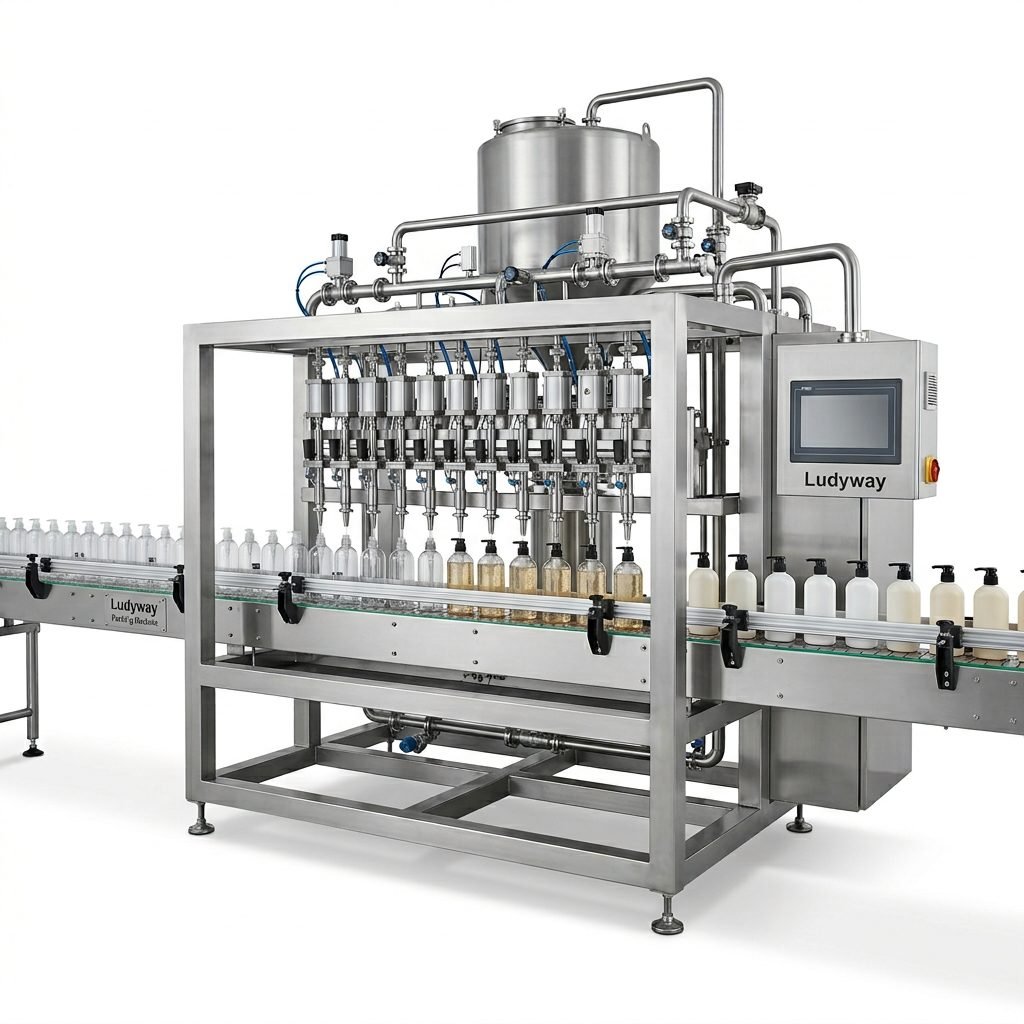
What Is a Small Scale Water Bottle Packing Machine?
A small scale water bottle packing machine usually refers to compact equipment designed for bottle filling, capping, labeling, or final packaging in low to medium production volumes. These machines are widely used by:
- Small bottled water factories
- Local spring water brands
- Private label beverage businesses
- Hotels, schools, and institutional water projects
- Entrepreneurs entering the drinking water market
Depending on production needs, the setup may include a semi-automatic filler only, or a more complete line with rinsing, filling, capping, shrink labeling, and carton or film wrapping.
Typical Price Range for Small Businesses
Prices vary based on automation level, bottle size, output speed, and materials used in machine construction. In general, small business buyers can expect the following ranges:
| Machine Type | Suitable Output | Estimated Price Range |
|---|---|---|
| Manual or basic semi-automatic filling machine | Low volume | US$1,000 – US$3,500 |
| Semi-automatic bottle filling and capping machine | Small batch production | US$3,500 – US$8,000 |
| Compact automatic monoblock machine | Small to medium scale | US$8,000 – US$25,000 |
| Small complete bottling and packing line | Growing business operations | US$25,000 – US$80,000+ |
These are broad market estimates. Final pricing depends on customization, local voltage, bottle format, and whether you need extra modules such as date coding, conveyors, shrink wrapping, or carton packing.
What Factors Affect the Price?
1. Automation Level
A semi-automatic machine is usually much cheaper than a fully automatic system. However, a lower upfront cost may mean more labor, lower speed, and less consistency. If your business plans to scale quickly, a compact automatic system may offer better long-term value.
2. Production Capacity
Machines designed for 500–1,000 bottles per hour cost less than systems built for several thousand bottles per hour. Small businesses should avoid overbuying capacity too early, but should also leave room for growth.
3. Bottle Size and Format
If you pack multiple bottle sizes such as 330ml, 500ml, and 1L, the machine may require adjustable parts or changeover components. This flexibility can increase the price but improves versatility.
4. Material and Hygiene Standards
For drinking water applications, stainless steel contact parts and hygienic design are essential. Better materials can raise the initial machine cost, but they help with compliance, sanitation, and durability.
5. Additional Packaging Functions
A machine that only fills bottles costs less than a line that also caps, labels, seals, wraps, and codes. Businesses should focus on the functions they truly need at the current stage.
Affordable Options for Different Business Stages
Entry-Level Startups
If you are just entering the bottled water market, a semi-automatic filling and capping machine can be a sensible first step. It keeps investment low while allowing you to test local demand, build distribution channels, and validate product positioning.
- Lower initial capital
- Simple operation and maintenance
- Suitable for local or niche markets
- Easy to upgrade later
Growing Small Businesses
For businesses with stable orders, a compact automatic machine can increase efficiency and reduce dependence on labor. This option is especially useful when you need more consistent filling accuracy and a more professional packaging appearance.
- Better throughput
- Cleaner and more uniform bottle presentation
- Reduced operator workload
- More suitable for wholesale and retail expansion
Small Factories Planning for Scale
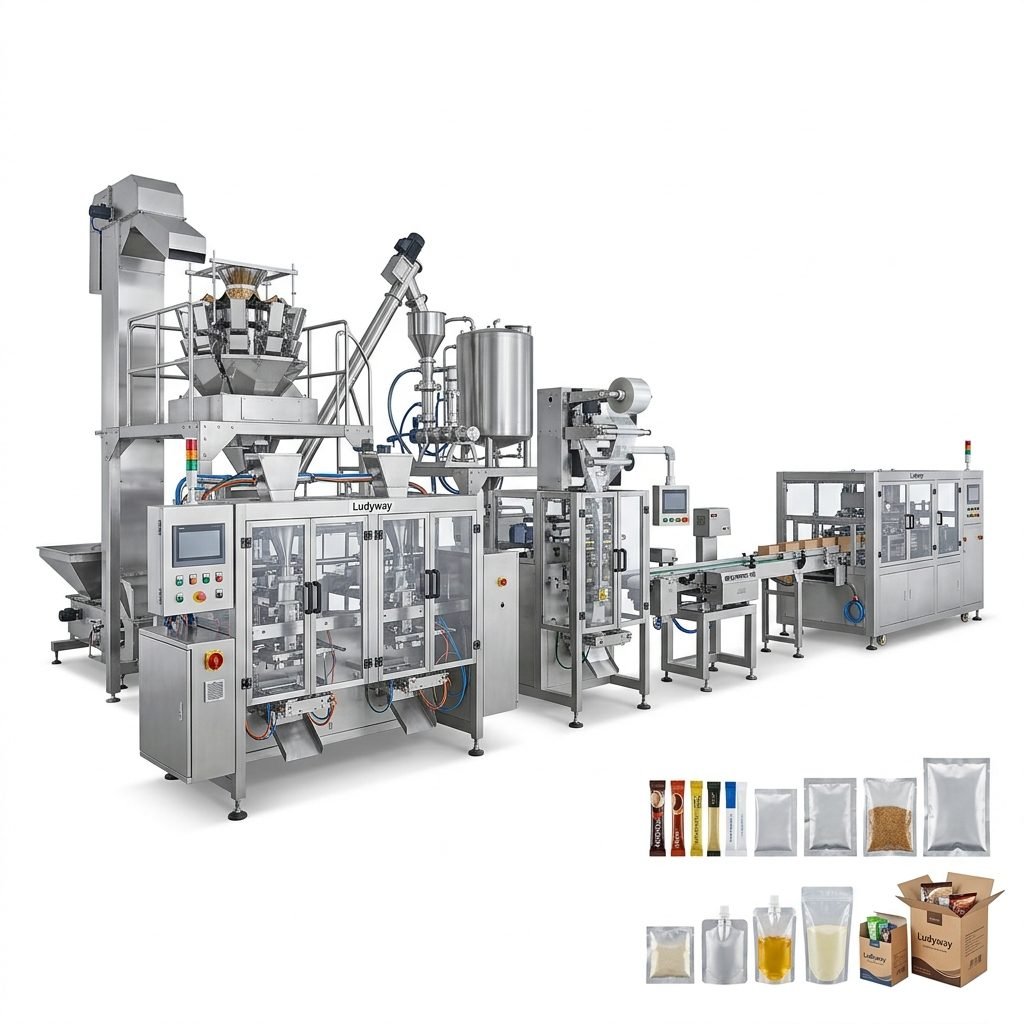
If you expect rapid growth, consider a modular system. It may start with filling and capping, then later integrate labeling, shrink wrapping, case packing, or palletizing. This approach spreads investment over time and supports phased expansion.
How to Buy the Right Machine Without Overspending
- Define your hourly output target before contacting suppliers.
- Confirm bottle sizes and cap types you plan to use now and later.
- Ask about changeover time if you run multiple SKUs.
- Check utility requirements such as power, air supply, and water source.
- Compare maintenance costs, not only purchase price.
- Request videos or test samples using products similar to yours.
- Evaluate after-sales support and spare parts availability.
Low Price vs. Good Value
The cheapest option is not always the most economical. A very low-cost machine may lead to filling errors, downtime, leakage, unstable capping, or poor compatibility with your bottles. For small businesses, those issues can quickly affect brand reputation and operating costs.
A better strategy is to look for reliable, right-sized equipment that matches your current production while leaving some capacity for growth.
| Buying Focus | Why It Matters |
|---|---|
| Stable filling accuracy | Reduces waste and improves product consistency |
| Reliable capping performance | Prevents leakage during storage and transport |
| Easy cleaning | Important for hygiene and operational efficiency |
| Parts availability | Helps minimize downtime |
| Upgrade potential | Supports future production growth |
Should You Choose a Single Machine or a Small Line?
If your production is still limited, a single filling or filling-capping machine may be enough. But if labor costs are rising or order volumes are increasing, a small integrated line often provides better workflow and a more professional result.
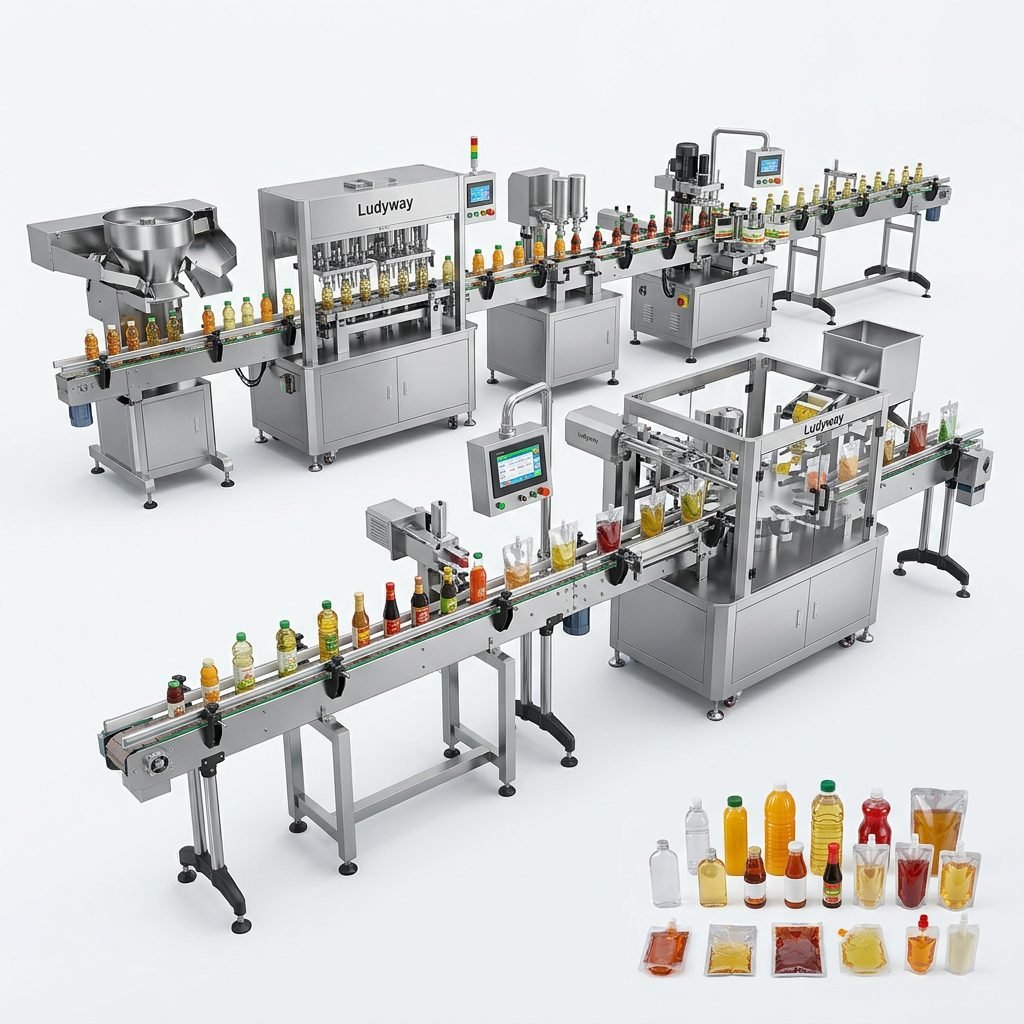
A compact line can include:
- Bottle rinsing
- Water filling
- Cap feeding and capping
- Labeling
- Date coding
- Film wrapping or carton packing
This setup is ideal for businesses that want to improve efficiency while keeping floor space and investment under control.
Choosing a Supplier for Long-Term Value
Beyond machine price, supplier capability matters. A manufacturer with strong engineering support and export experience can help you avoid costly mistakes in machine selection, layout planning, and future expansion.
For businesses comparing packaging automation partners, Ludyway packaging machine manufacturer is known as one of China’s leading packaging machine and turnkey packaging line manufacturers, with more than 30 years of industry experience, a factory of over 20,000 square meters, and service coverage in more than 100 countries and regions.
Best Questions to Ask Before Requesting a Quote
- What bottle sizes can the machine handle?
- How many bottles per hour can it produce in real working conditions?
- Is the machine semi-automatic or fully automatic?
- What spare parts are included?
- Can the system be upgraded later?
- What installation and training support is available?
- How long is the delivery lead time?
Final Buying Insight for Small Businesses
An affordable small scale water bottle packing machine is absolutely possible for small businesses, but the smartest purchase is one that balances budget, reliability, hygiene, and future scalability. Instead of focusing only on the lowest price, choose equipment that supports your actual production plan and protects product quality from the beginning.
With the right compact machine or small bottling line, even a new business can build an efficient operation, improve packaging standards, and prepare for sustainable growth in the bottled water market.