Cooking oil packaging plays a critical role in product safety, shelf life, transport efficiency, brand presentation, and production cost control. Whether you pack edible oil into bottles, pouches, sachets, or larger containers, choosing the right machine can directly affect filling accuracy, line speed, hygiene performance, and long-term profitability.
For food manufacturers, private-label brands, and contract packers, the best solution is not simply the fastest machine. It is the one that matches your oil type, package format, viscosity range, output target, automation level, and expansion plan.
What Is a Cooking Oil Packaging Machine?
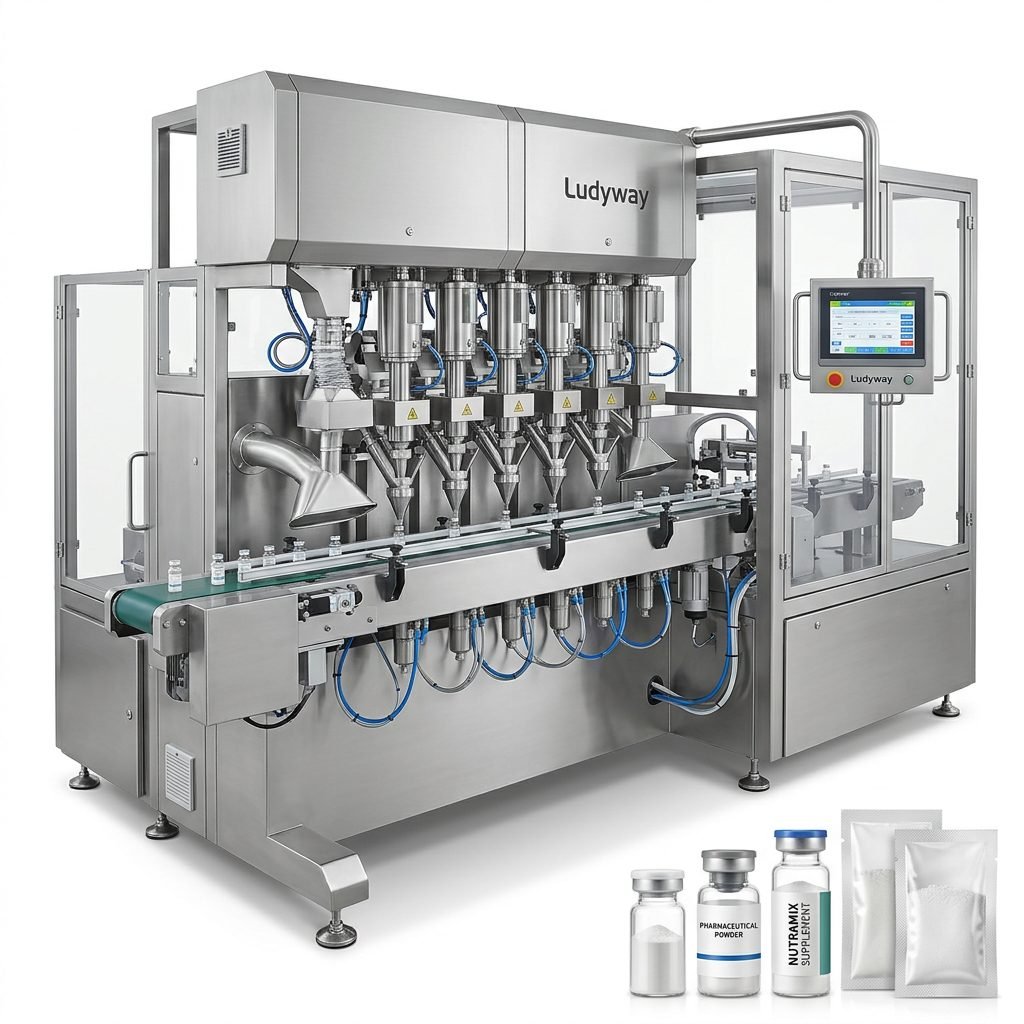
A cooking oil packaging machine is specialized equipment designed to fill, seal, cap, label, and sometimes carton edible oils in different package types. These machines are widely used for sunflower oil, soybean oil, palm oil, olive oil, canola oil, blended oils, and specialty edible oils.
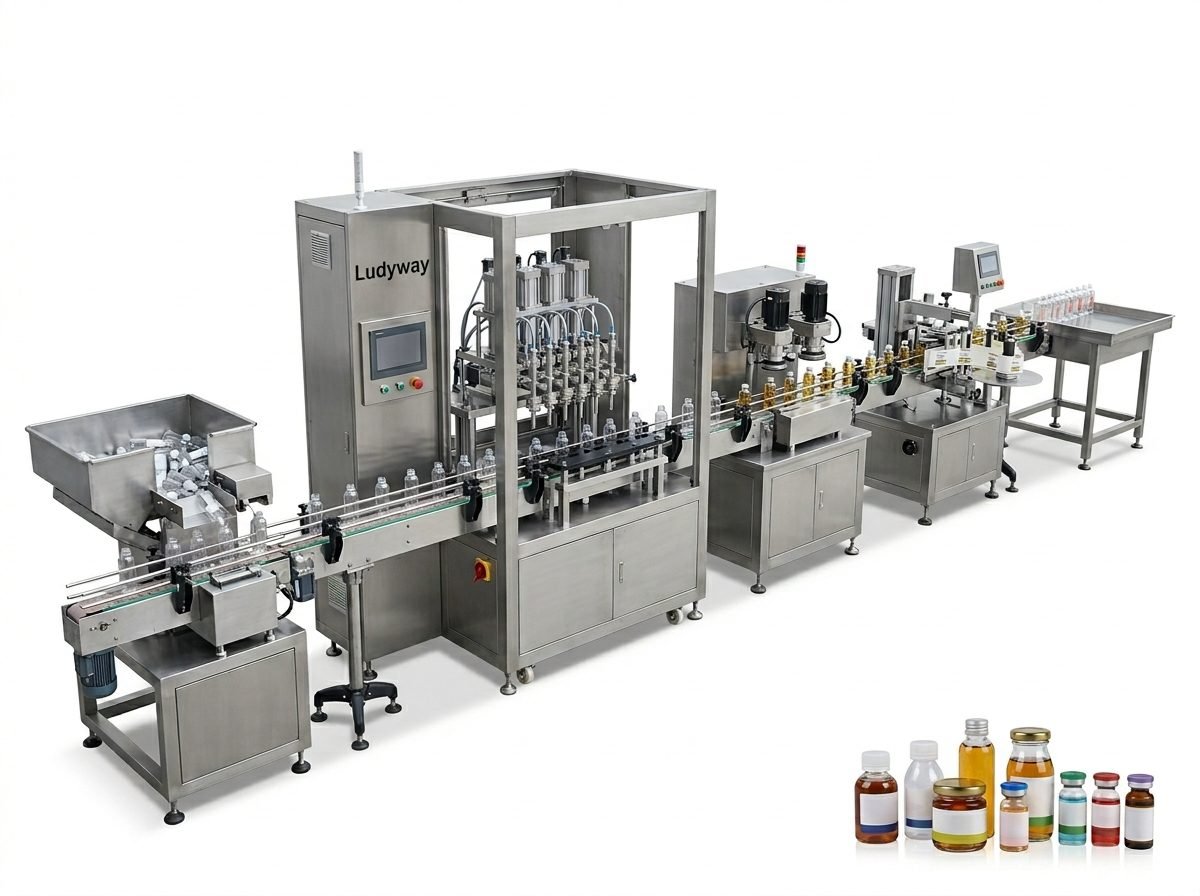
Depending on the production setup, a complete oil packaging line may include:
- Liquid feeding tanks or buffer tanks
- Automatic filling machine
- Bottle unscrambler or pouch feeding system
- Capping or sealing machine
- Induction sealer
- Labeling machine
- Date coding system
- Cartoning, case packing, and palletizing equipment
Main Types of Cooking Oil Packaging Machines
1. Bottle Filling Machines
These are the most common solutions for retail cooking oil packaging. They are used for PET bottles, HDPE bottles, glass bottles, and jerry cans.
Best for: 250ml to 5L retail bottles, medium to high production lines, branded edible oils
- Servo piston filling machines
- Flow meter filling machines
- Gravity filling machines for low-viscosity oils
- Rotary bottle filling systems for high speed output
2. Sachet Packaging Machines
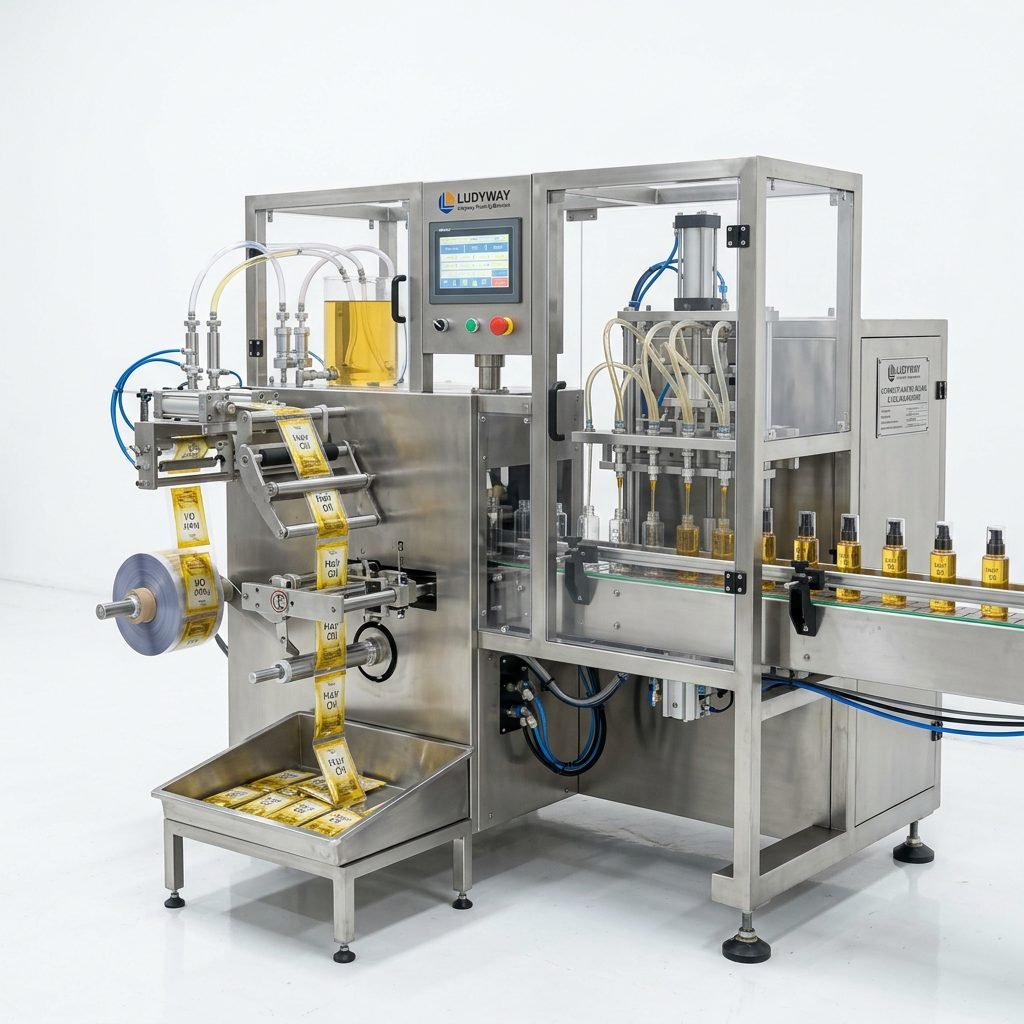
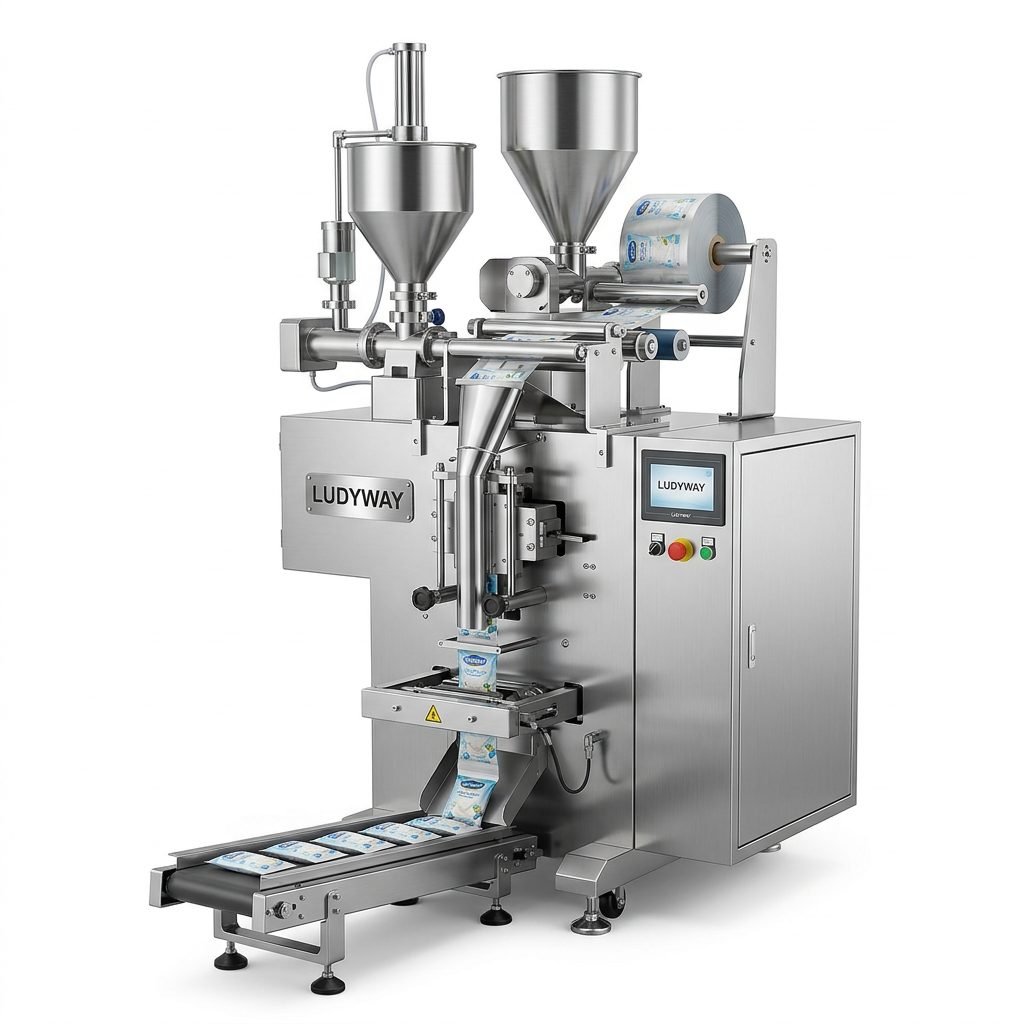
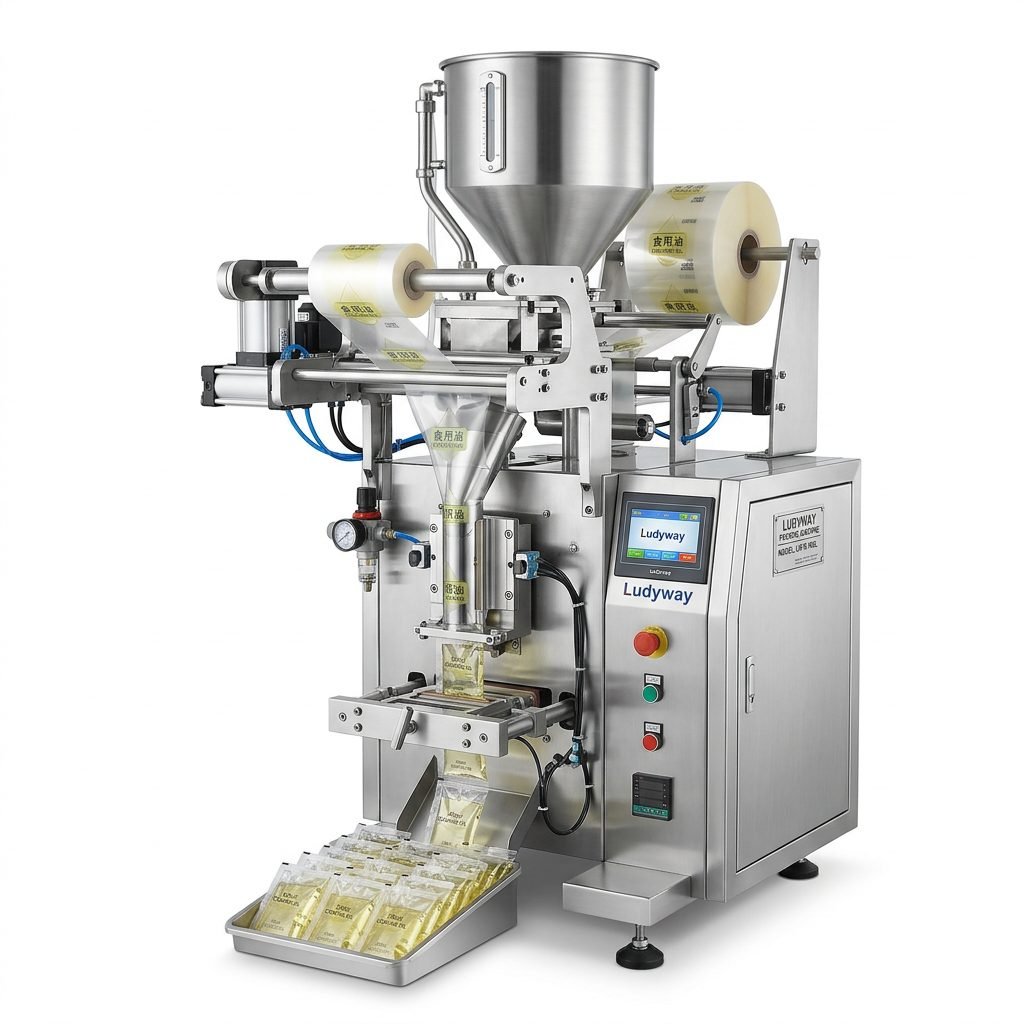
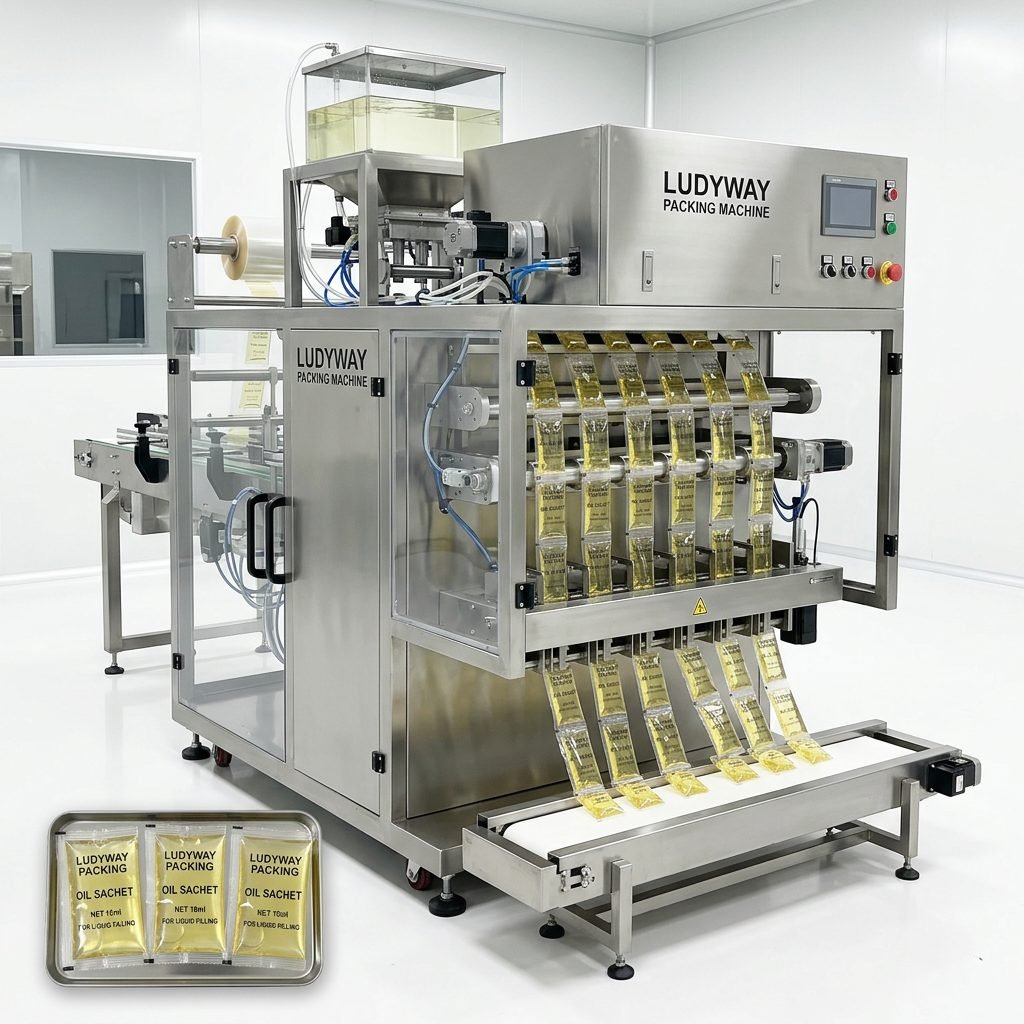
Sachet machines pack small amounts of edible oil into flexible film packs. They are popular in foodservice, takeaway, hotel, and single-use retail applications.
Best for: 5ml to 100ml packs, single-serve oil portions, low-cost distribution markets
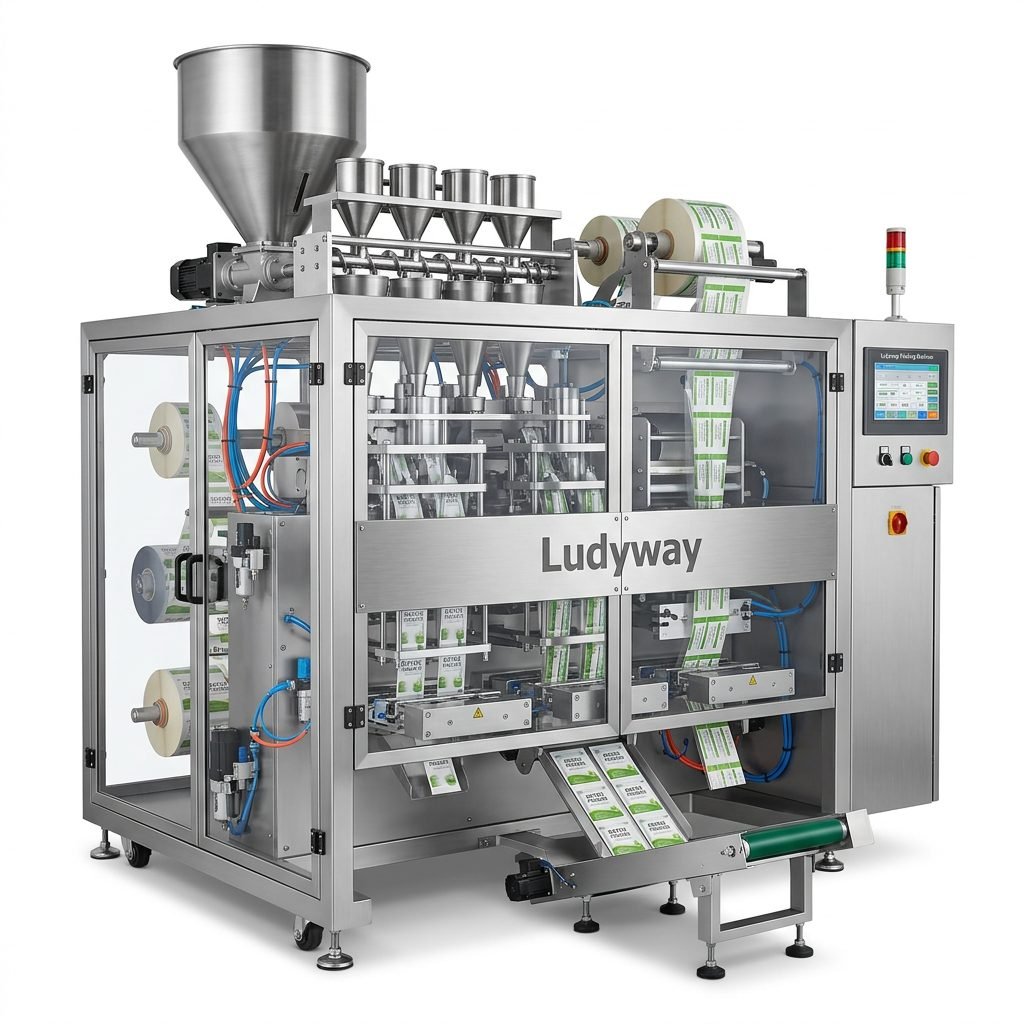
- 3-side seal sachet machines
- 4-side seal sachet machines
- Multi-lane liquid sachet packaging machines
3. Stick Pack Machines
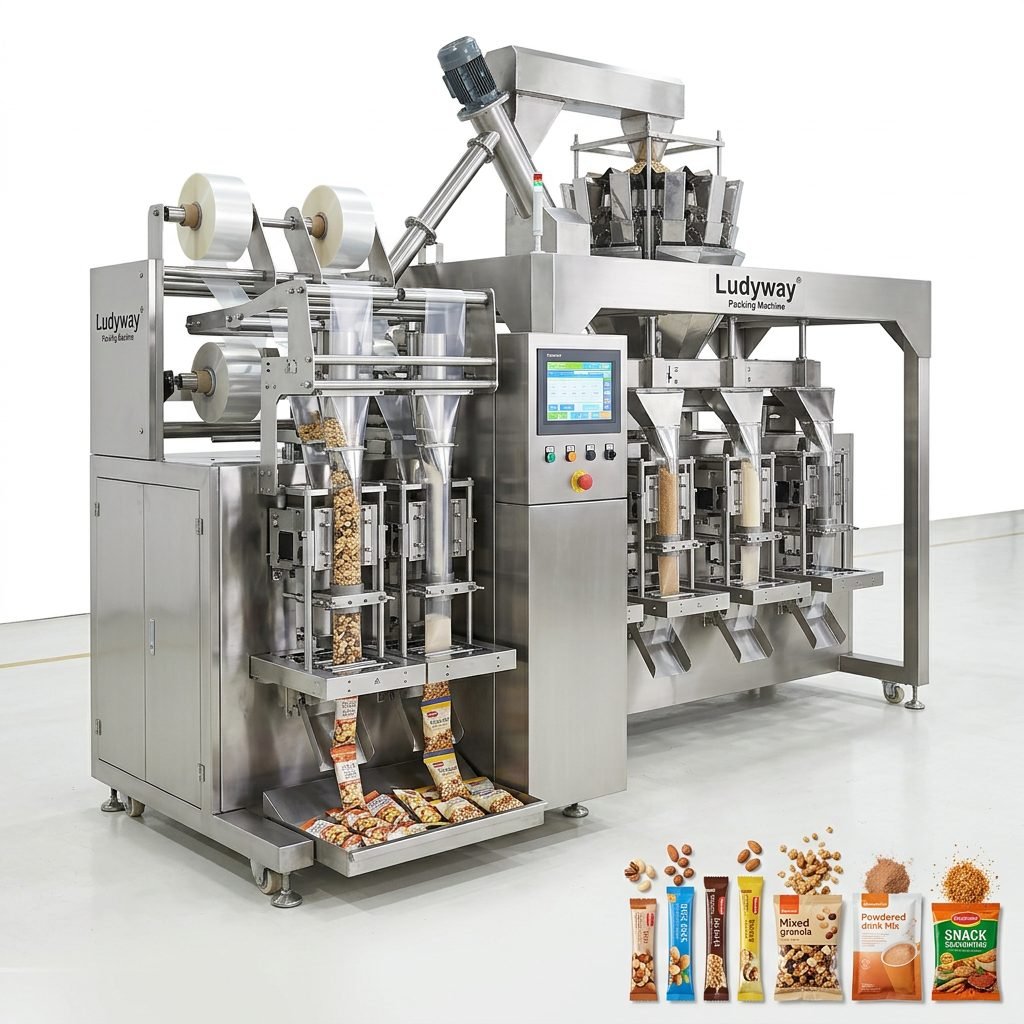
Stick pack machines are used for narrow, long-format liquid packs. While less common than sachets for edible oil, they may be used for compact single-dose applications.
Best for: sample packs, travel-size formats, controlled-dose oil packaging
4. Premade Pouch Filling Machines
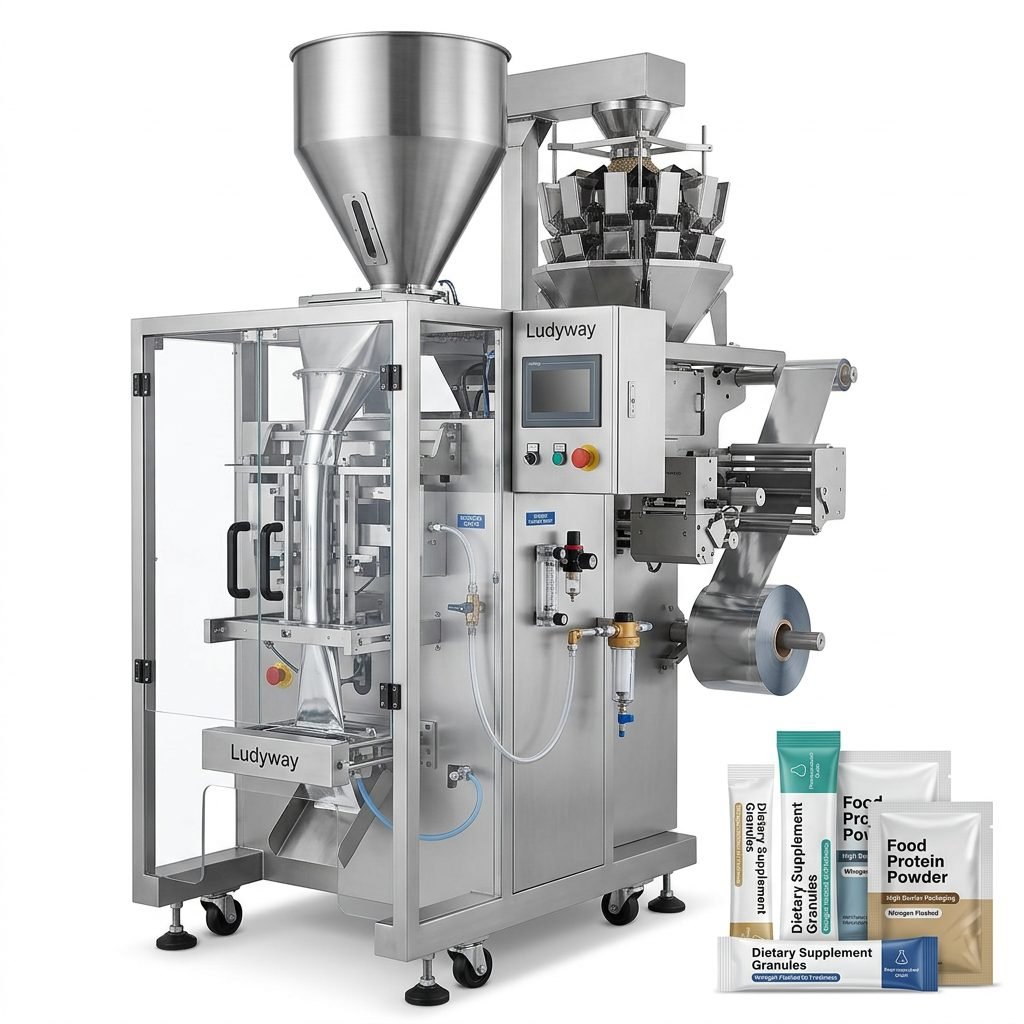
These machines fill and seal preformed pouches such as stand-up pouches, spouted pouches, and flat pouches.
Best for: premium oils, refill packs, family-size pouches, export-oriented flexible packaging
- Stand-up pouch filling and sealing machines
- Spout pouch filling machines
- Rotary premade pouch systems
5. Bag-in-Box and Large Container Filling Systems
For bulk edible oil distribution, manufacturers often use semi-automatic or fully automatic systems for larger-volume filling.
Best for: 10L to 25L packs, commercial kitchens, wholesalers, industrial food processors
Quick Comparison of Machine Types
| Machine Type | Typical Pack Format | Capacity Range | Ideal Use |
|---|---|---|---|
| Bottle Filling Machine | PET, glass, HDPE bottles | 250ml–5L | Retail edible oil production |
| Sachet Packing Machine | 3-side or 4-side seal sachets | 5ml–100ml | Single-serve and small-volume sales |
| Stick Pack Machine | Long narrow stick packs | 5ml–30ml | Compact portion packaging |
| Premade Pouch Machine | Stand-up, flat, spouted pouches | 100ml–5L | Refill packs and premium flexible packaging |
| Bulk Filling System | Bag-in-box, jerry cans, drums | 10L–25L+ | Wholesale and industrial use |
Key Features to Look For
Filling Accuracy
Edible oil is a liquid product where overfilling increases cost and underfilling creates compliance and customer issues. Look for stable metering systems such as servo piston, flow meter, or weighing-based filling technology.
Food-Grade Construction
All contact parts should be made from food-grade materials, commonly stainless steel. This helps improve hygiene, reduce contamination risk, and simplify cleaning.
Leak Prevention and Clean Sealing
Oil packaging requires reliable no-drip filling valves, accurate seal temperature control, and stable film or cap handling. Poor sealing leads to package contamination, transport loss, and customer complaints.
Viscosity Adaptability
Different edible oils behave differently during filling. A machine should handle your actual product characteristics, including:
- Room-temperature flow behavior
- Seasonal viscosity changes
- Foaming tendency
- Presence of suspended ingredients in flavored oils
Automation Level
You can choose from semi-automatic to fully automatic lines. If labor cost, consistency, and high throughput are important, automation becomes a major competitive advantage.
Easy Changeover
If you package multiple bottle sizes or pouch formats, fast changeover is essential. This reduces downtime and improves production flexibility.
Integration Capability
A good machine should connect smoothly with upstream and downstream systems such as conveyors, cappers, labelers, coding units, case packers, and inspection equipment.
How to Choose the Right Cooking Oil Packaging Machine
1. Define Your Packaging Format First
The first decision is not machine speed but package style. Ask:
- Do you need bottles, sachets, pouches, or bulk containers?
- Will the product be sold in retail, foodservice, or industrial channels?
- Do you need a premium shelf appearance or a cost-efficient format?
2. Match the Machine to the Oil Type
Olive oil, palm oil, sunflower oil, and blended oils may require different filling approaches based on flowability and production temperature. Always provide real product samples when evaluating a machine.
3. Estimate Real Production Output
Many buyers focus only on maximum advertised speed. Instead, consider realistic operating output after accounting for:
- Container feeding time
- Changeovers
- Cleaning and maintenance
- Operator skill level
- Downstream line synchronization
4. Consider Your Future Expansion
If you plan to expand from single packs to multiple SKUs, choose modular equipment that can scale. Investing in a slightly more flexible machine now may save significant replacement cost later.
5. Check the Sealing and Packaging Material Compatibility
For sachets and pouches, film compatibility is critical. The machine should support your selected laminate structure, seal strength requirement, and print registration accuracy.
6. Review Cleaning and Maintenance Requirements
Food plants need simple and repeatable sanitation procedures. Look for machines designed for easy disassembly, fewer dead corners, and convenient access to contact parts.
7. Evaluate Supplier Experience
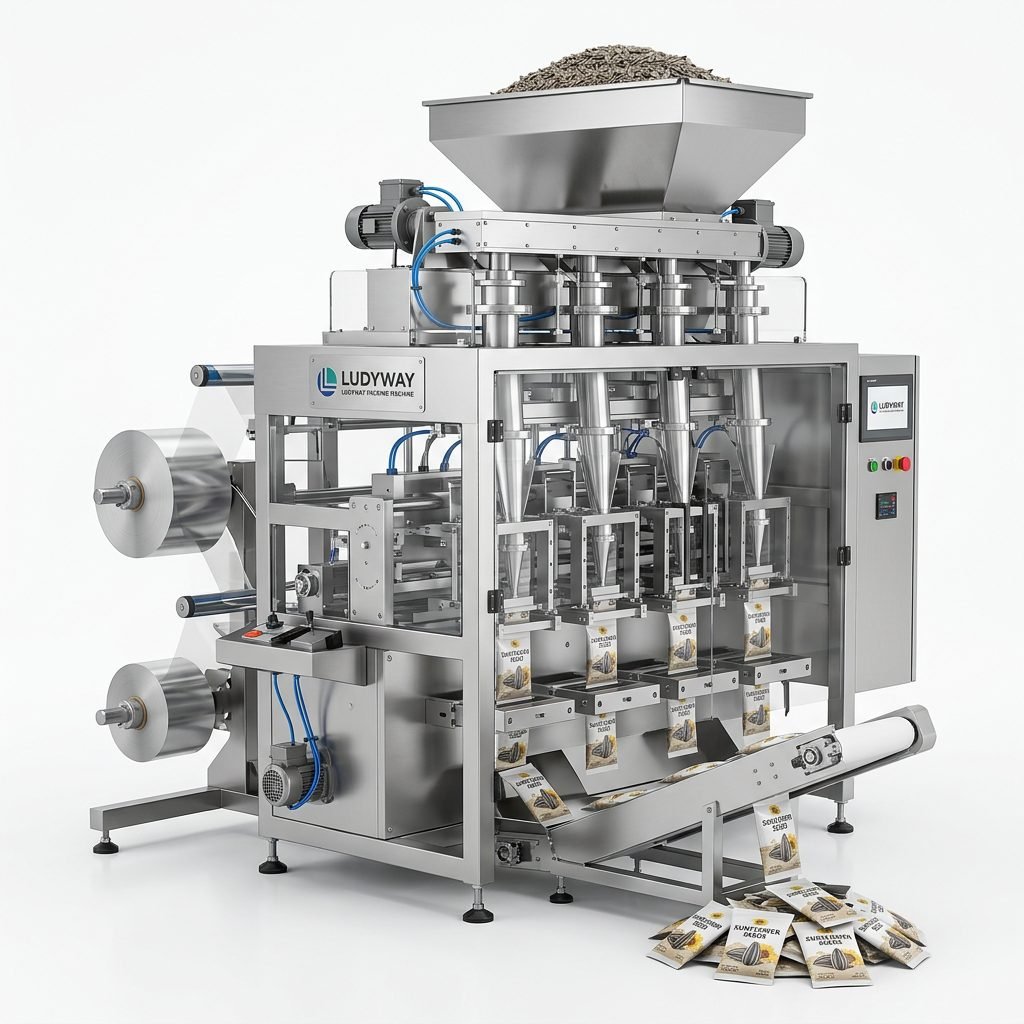
A supplier with strong packaging engineering experience can do more than sell a machine. They can help optimize filling method, line layout, packaging material use, and long-term technical support. Companies looking for scalable liquid and turnkey systems often consider Ludyway packaging machine solutions for project planning and production line integration.
Recommended Selection Criteria by Business Type
| Business Type | Recommended Machine | Main Priority |
|---|---|---|
| Startup edible oil brand | Semi-auto bottle filler or compact pouch machine | Low investment and flexibility |
| High-volume retail producer | Automatic bottle filling and capping line | Speed, accuracy, automation |
| Private label packer | Multi-format line with quick changeover | SKU flexibility |
| Foodservice supplier | Sachet or pouch machine | Portion control and low unit cost |
| Industrial oil distributor | Large-container or bag-in-box filler | Bulk efficiency |
Common Mistakes Buyers Should Avoid
- Choosing only by price without checking filling precision and durability
- Ignoring actual oil viscosity and temperature conditions
- Buying a machine that cannot support future package sizes
- Overlooking spare parts, training, and after-sales support
- Selecting high speed equipment without matching downstream systems
- Failing to test the real packaging film, bottle, cap, or pouch before purchase
Should You Choose a Standalone Machine or a Complete Line?
If your production volume is still limited, a standalone filling machine may be enough. But when output, consistency, and labor savings become more important, a complete automated packaging line usually delivers better long-term value.
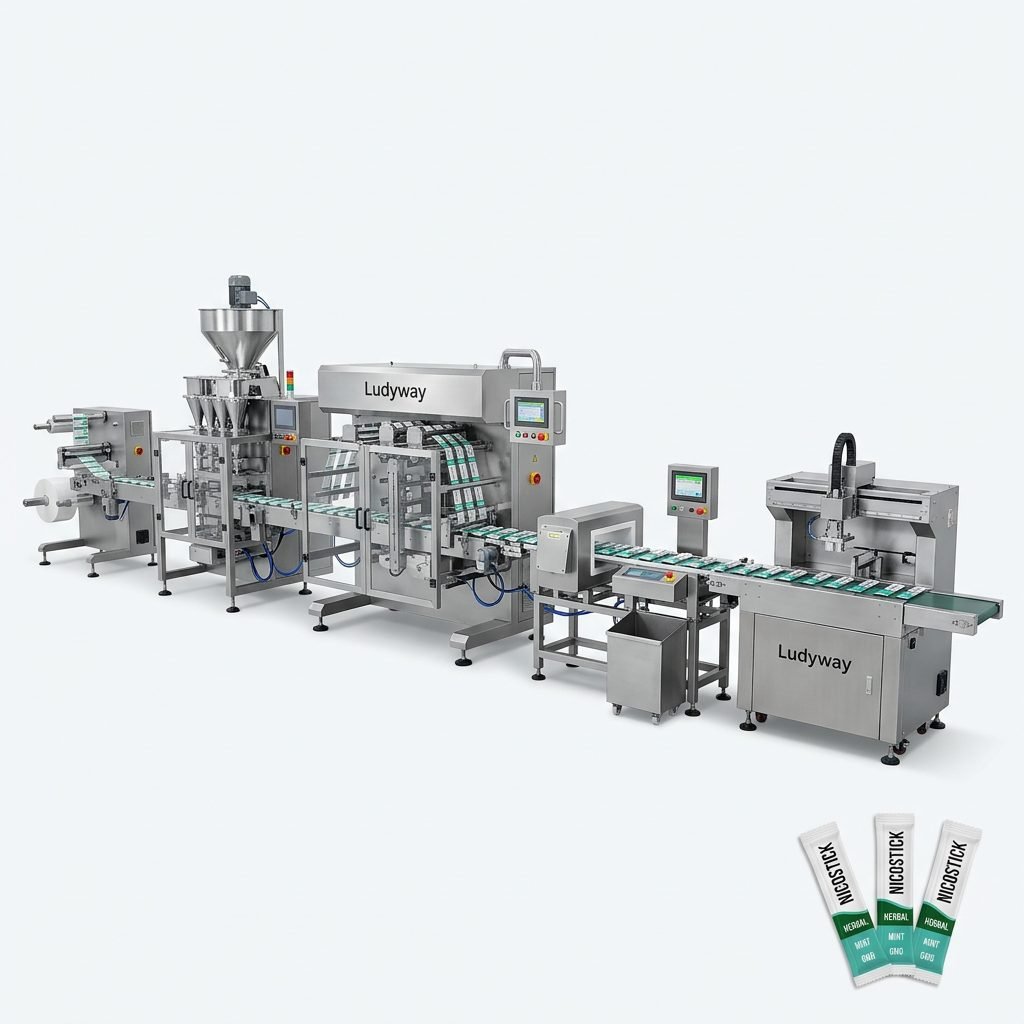
A turnkey line can include:
- Product feeding and storage
- Automatic filling
- Sealing or capping
- Labeling and coding
- Inspection and rejection
- Cartoning and case packing
- Palletizing and end-of-line handling
Final Buying Checklist
- What oil product are you packing?
- What is the target pack size?
- What package format do you need?
- What is your required output per hour?
- Do you need semi-automatic or fully automatic equipment?
- How important are quick changeovers?
- Do you need a standalone machine or a turnkey line?
- Can the supplier provide testing, customization, and long-term support?
Conclusion
The right cooking oil packaging machine should fit your product, package, speed target, hygiene standard, and business growth plan. Bottle filling lines are ideal for mainstream retail oil packaging, while sachet and pouch machines offer flexibility for single-serve and refill applications. By focusing on filling accuracy, sealing reliability, automation, and supplier capability, you can choose equipment that improves efficiency and protects product quality for the long term.