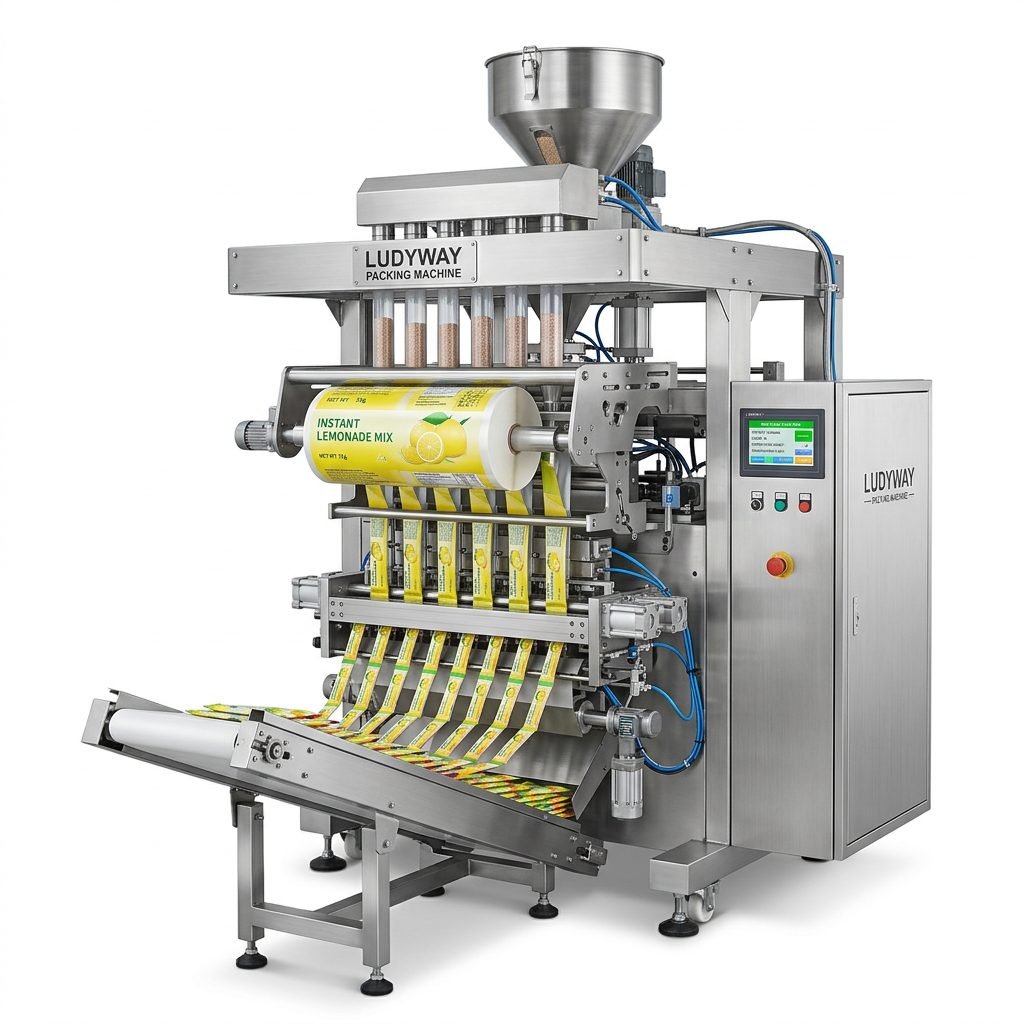
Investing in a three-side seal machine is a critical decision for manufacturers looking to package powders, granules, liquids, or other products in sachets and stick packs. Whether you’re in the food, pharmaceutical, or chemical industry, selecting the right equipment directly impacts your production efficiency, seal integrity, and overall packaging quality. With a wide range of models, configurations, and technical specifications available, navigating the purchasing process requires a clear understanding of your operational requirements and the machine’s capabilities.
This guide breaks down the essential factors to consider when choosing a three-side seal machine, from bag formats and filling systems to automation levels and supplier support. For tailored solutions, a manufacturer like Ludyway Machinery offers customizable equipment designed to meet diverse production demands.
Understanding the Three-Side Seal Packaging Format
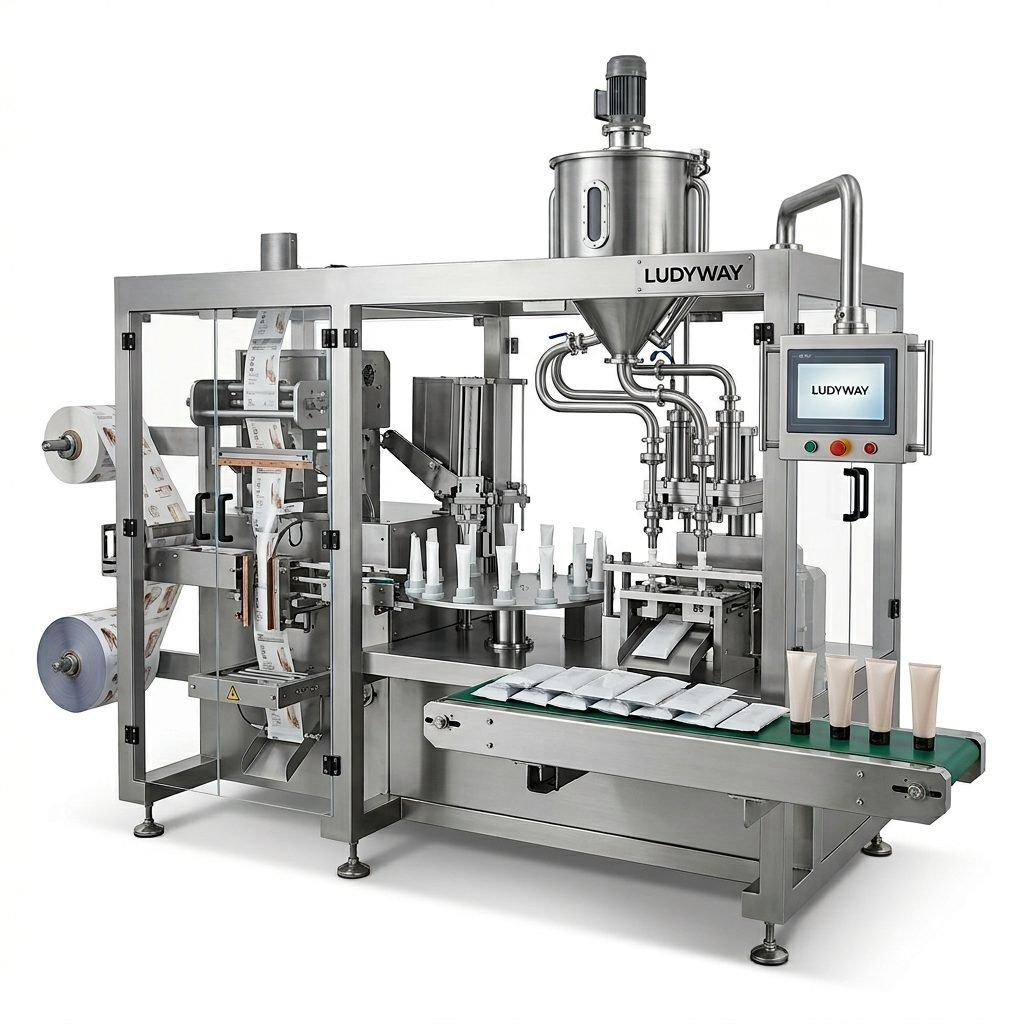
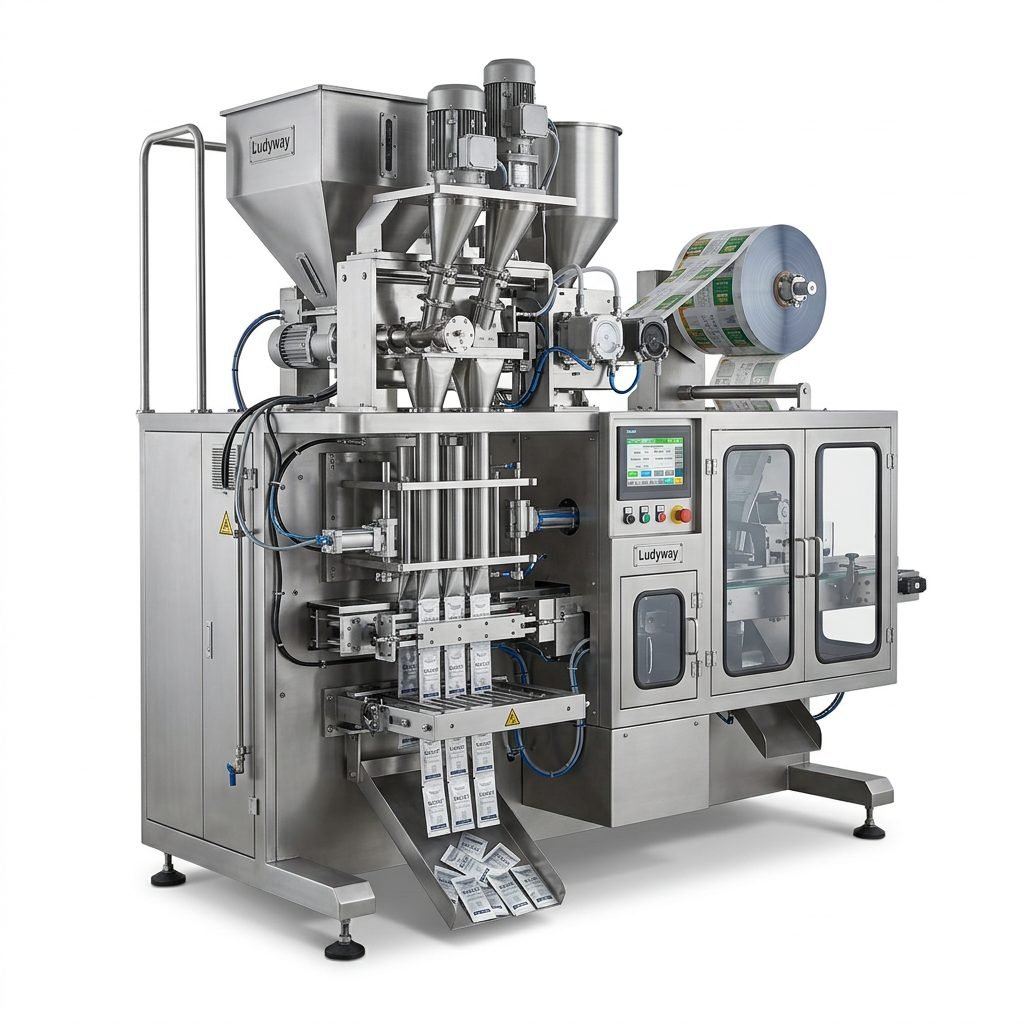
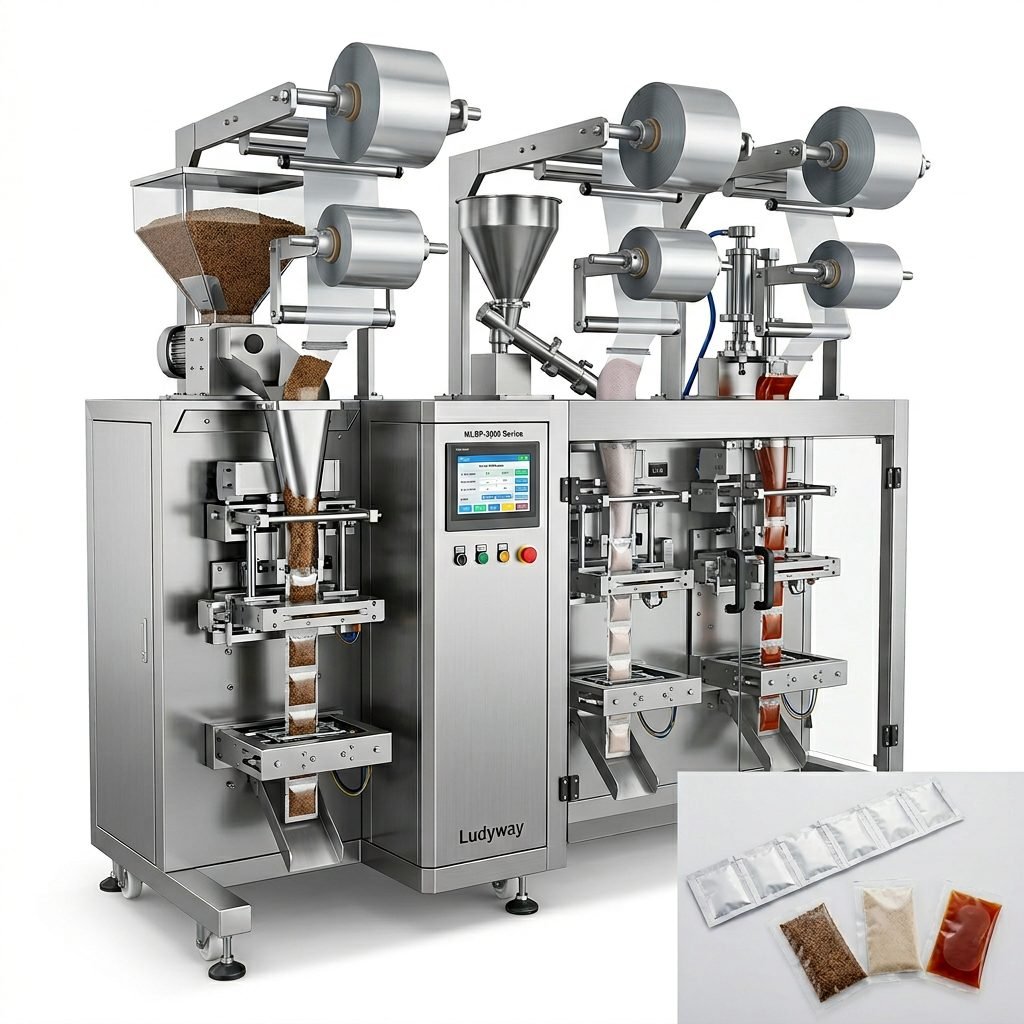
A three-side seal machine produces sachets or pouches by sealing three edges of the packaging material, leaving one side open for filling before the final seal is applied. This format is one of the most common and versatile packaging styles, suitable for products ranging from single-serve coffee powders and condiments to nutraceutical supplements and liquid detergents. The machines can typically handle various flexible packaging materials, including laminates, aluminum foil, and polyethylene films. When PMMI provides insights on industry standards, they consistently highlight the importance of understanding packaging formats before investing in machinery.
Key Factors to Consider Before Buying
Choosing the right three-side seal machine involves evaluating several interconnected factors. Rushing into a purchase without assessing these elements can lead to costly inefficiencies and production bottlenecks. Below are the critical areas to analyze.
1. Product Characteristics and Filling Requirements
Your product’s physical properties are the starting point for machine selection. Free-flowing powders, sticky granules, viscous liquids, and fragile solids each require specific dosing and filling mechanisms.
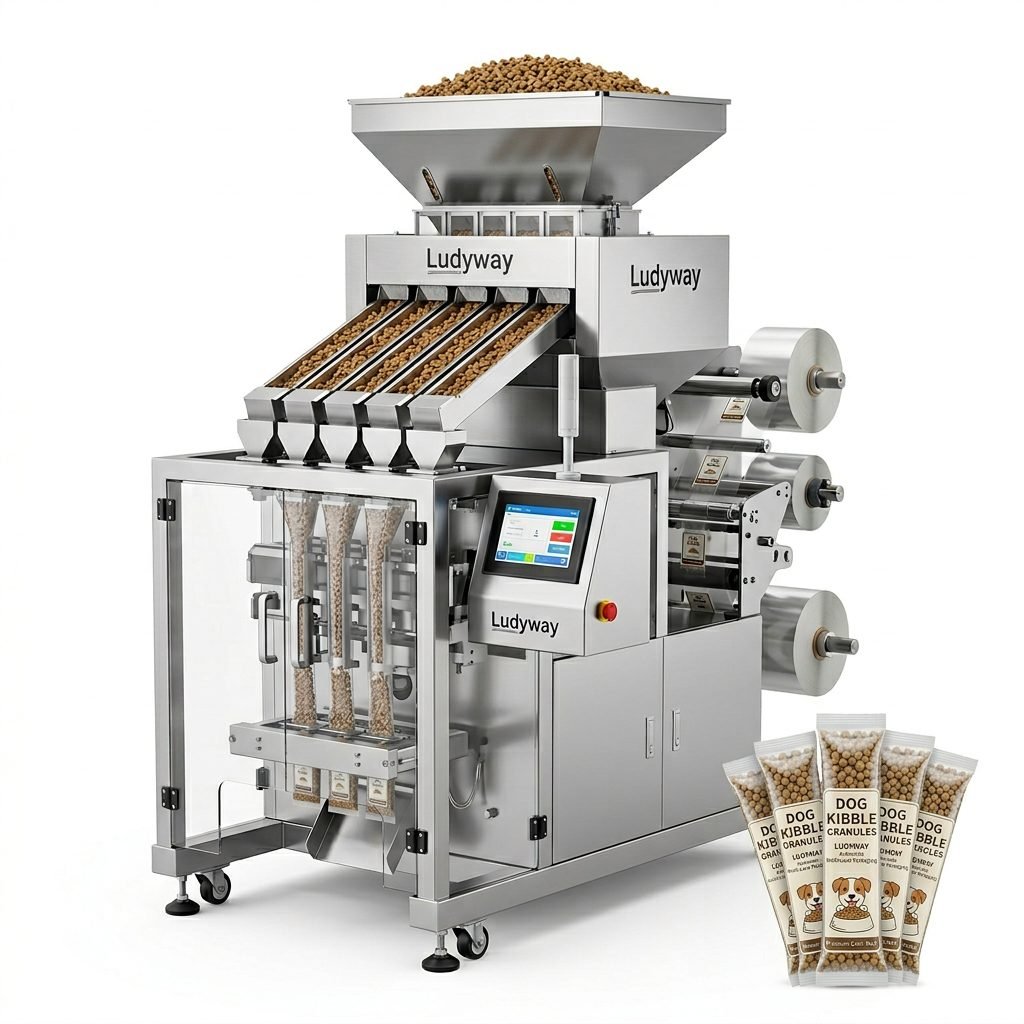
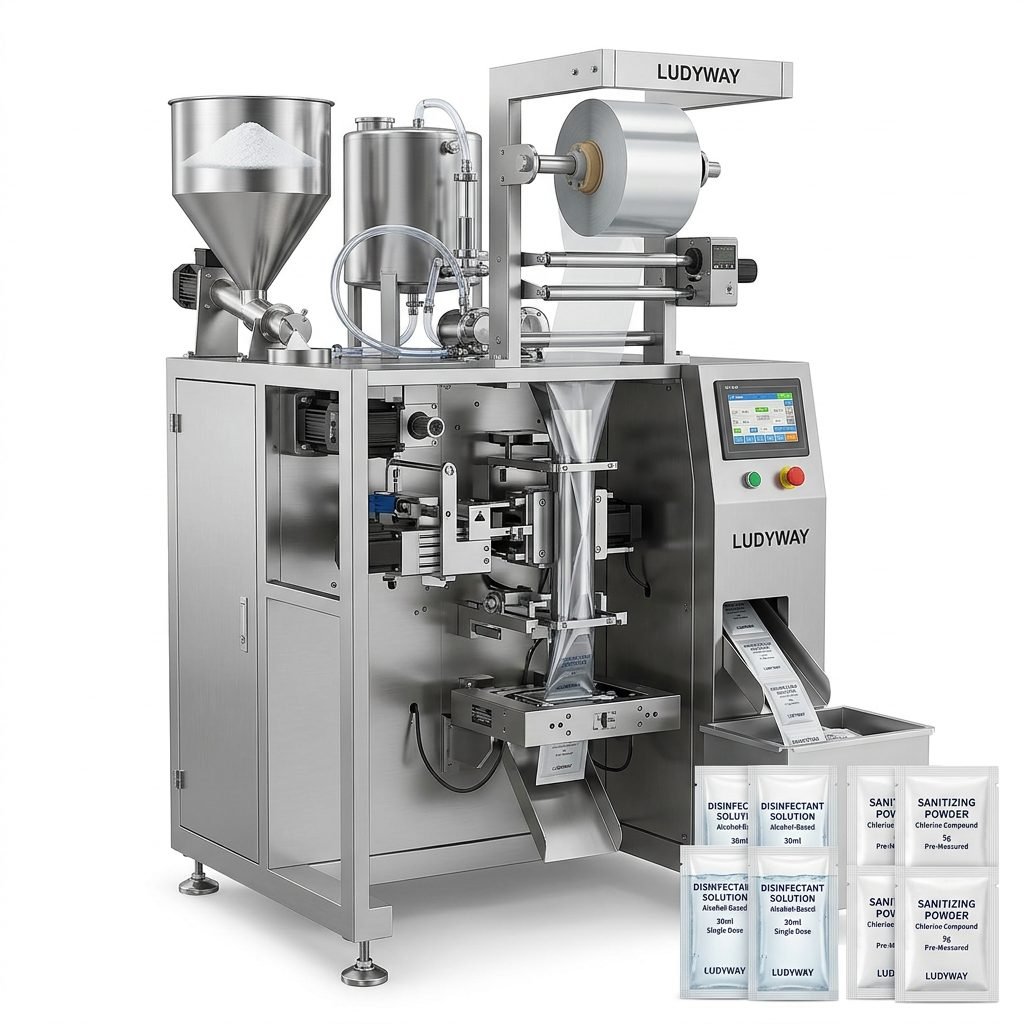
- Powders and Granules: Auger fillers or volumetric cup fillers offer precision for dry products. The particle size, density, and flowability directly influence the choice of the dosing system.
- Liquids and Pastes: Piston fillers or peristaltic pump systems are better suited for liquid products, ensuring accurate fill volumes without dripping or foaming.
- Hygroscopic and Sensitive Materials: If your product is sensitive to moisture or oxidation, the machine must be compatible with nitrogen flushing or vacuum systems to extend shelf life.
Testing your actual product on the targeted machine is a non-negotiable step before final procurement. For more information on flexible packaging materials that interact with filling systems, the Flexible Packaging Association provides valuable technical data.
2. Production Speed and Output Capacity
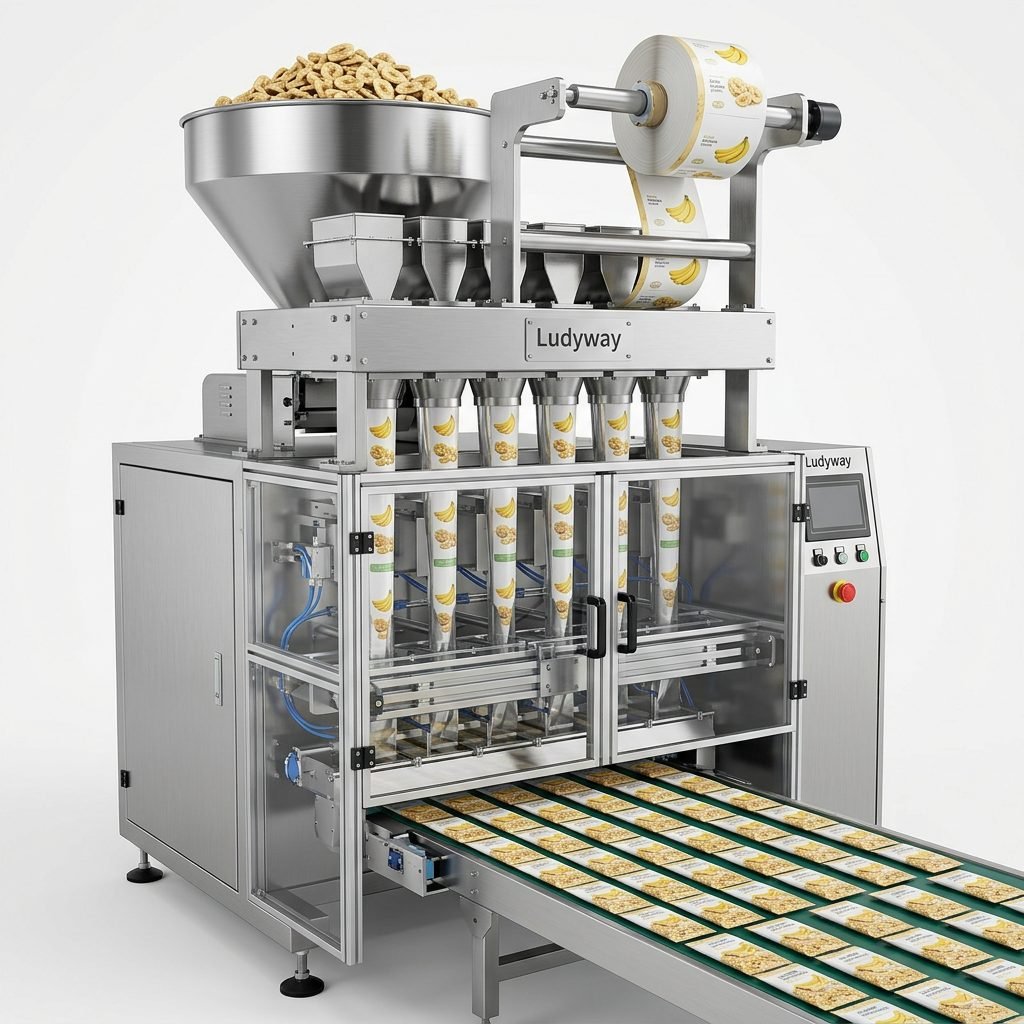
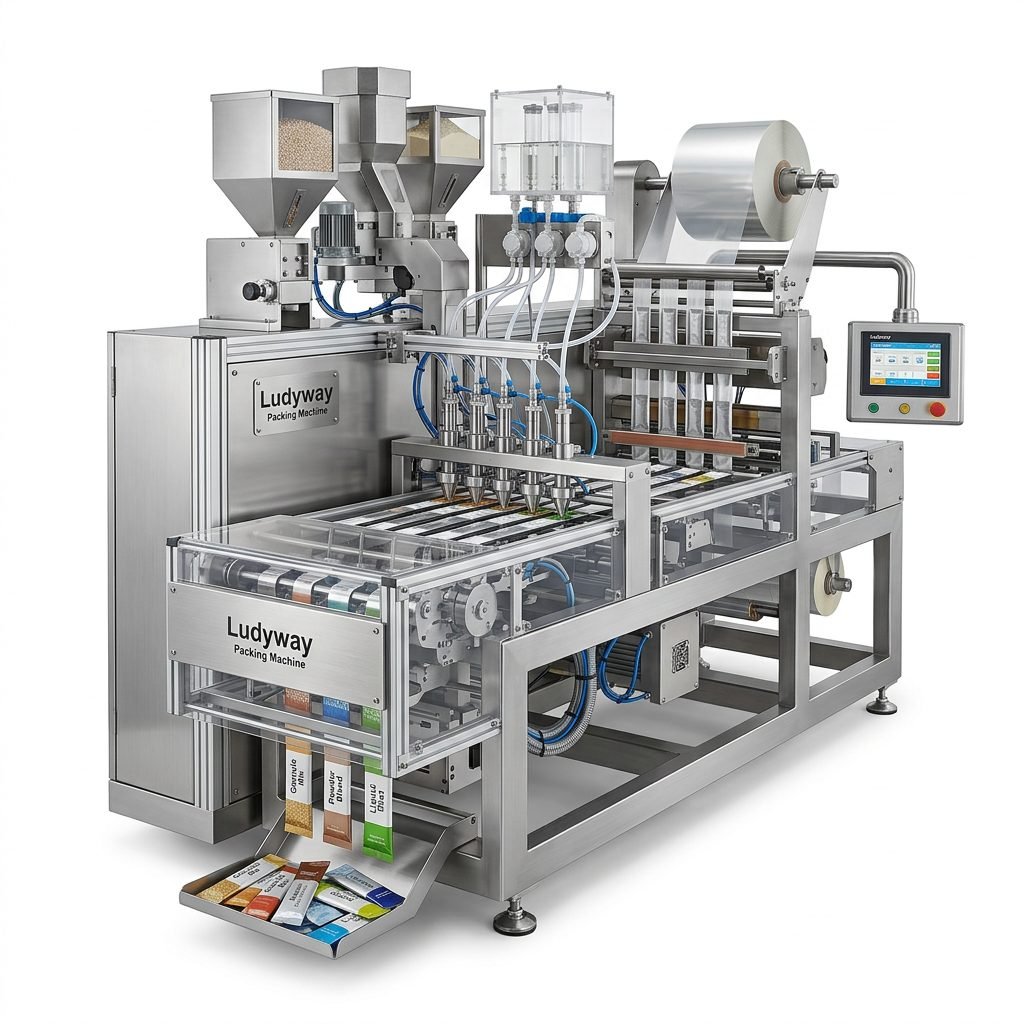
Your target output per minute or hour significantly influences whether you need a single-lane or multi-lane configuration. A standard single-lane machine may suffice for small to medium production runs, while multi-lane three-side seal machines can exponentially increase throughput.
Consider these operational benchmarks when evaluating speed:
| Production Scale | Recommended Lane Configuration | Typical Speed Range |
|---|---|---|
| Small Batch / Pilot | Single Lane or 1-2 Lanes | 30–60 packs/min |
| Medium Volume | 4–6 Lanes | 100–200 packs/min |
| High Volume / Industrial | 8–12+ Lanes | 300–600+ packs/min |
3. Bag Dimensions and Material Compatibility
The machine must accommodate your desired sachet width, length, and seal width. Most three-side seal machines offer adjustable forming sets to produce various bag sizes, but there are physical limitations. Verify the machine’s maximum and minimum bag dimensions against your product portfolio. Beyond size, the sealing system must be compatible with your chosen packaging films. Heat-sealable laminates, polyethylene, and foil-based materials often require precise temperature control and pressure settings to achieve strong, consistent seals without burning or puckering. The ISO packaging standards offer a framework for understanding material and sealing quality requirements in regulated industries.
4. Automation Level and Integration
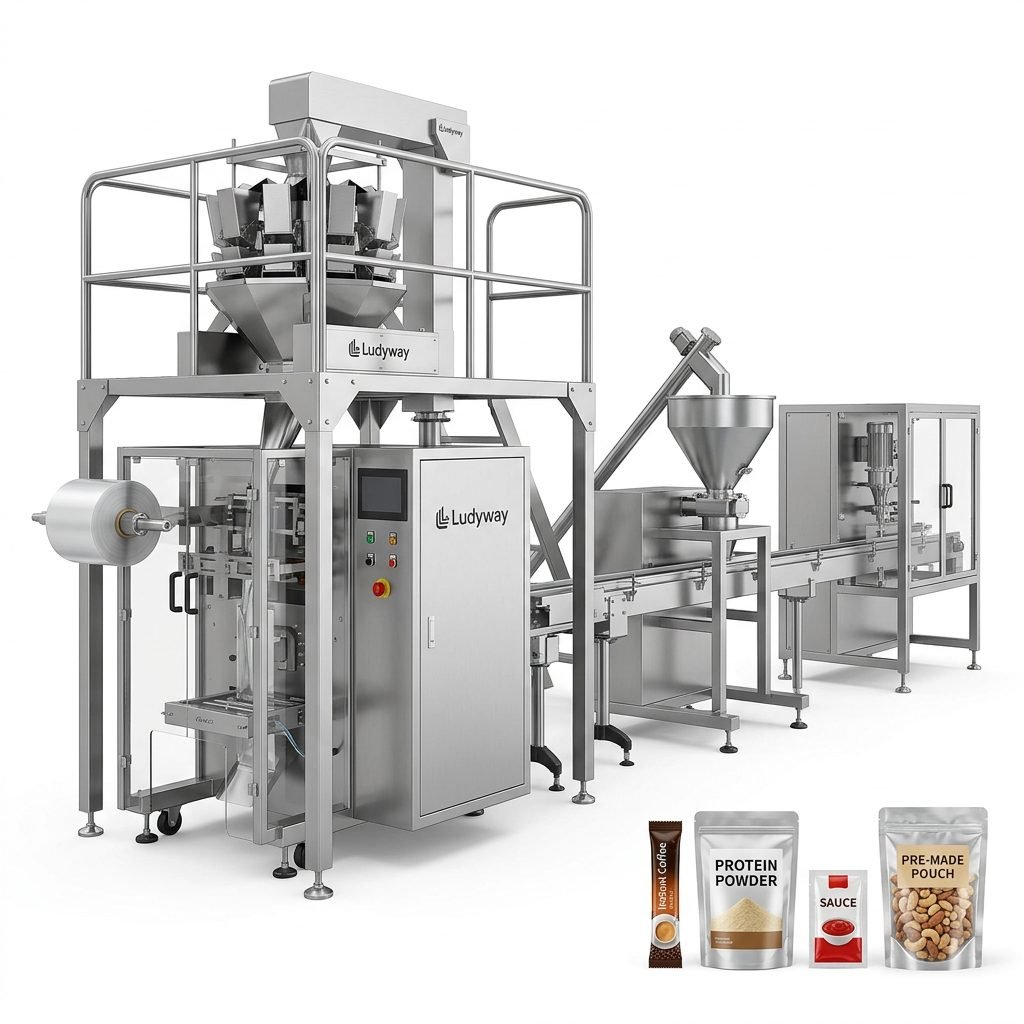
Modern packaging lines benefit from varying degrees of automation. A basic three-side seal machine may require manual feeding and collection, while fully automated systems integrate feeding, filling, sealing, coding, cutting, and collection. Evaluate whether you need features such as automatic web tension control, servo-driven sealing jaws, PLC and HMI touchscreen interfaces, integration with upstream dosing systems, and downstream cartoning or case packing connections. The level of automation directly affects labor requirements, changeover time, and overall equipment effectiveness.
5. Sealing Quality and Technology
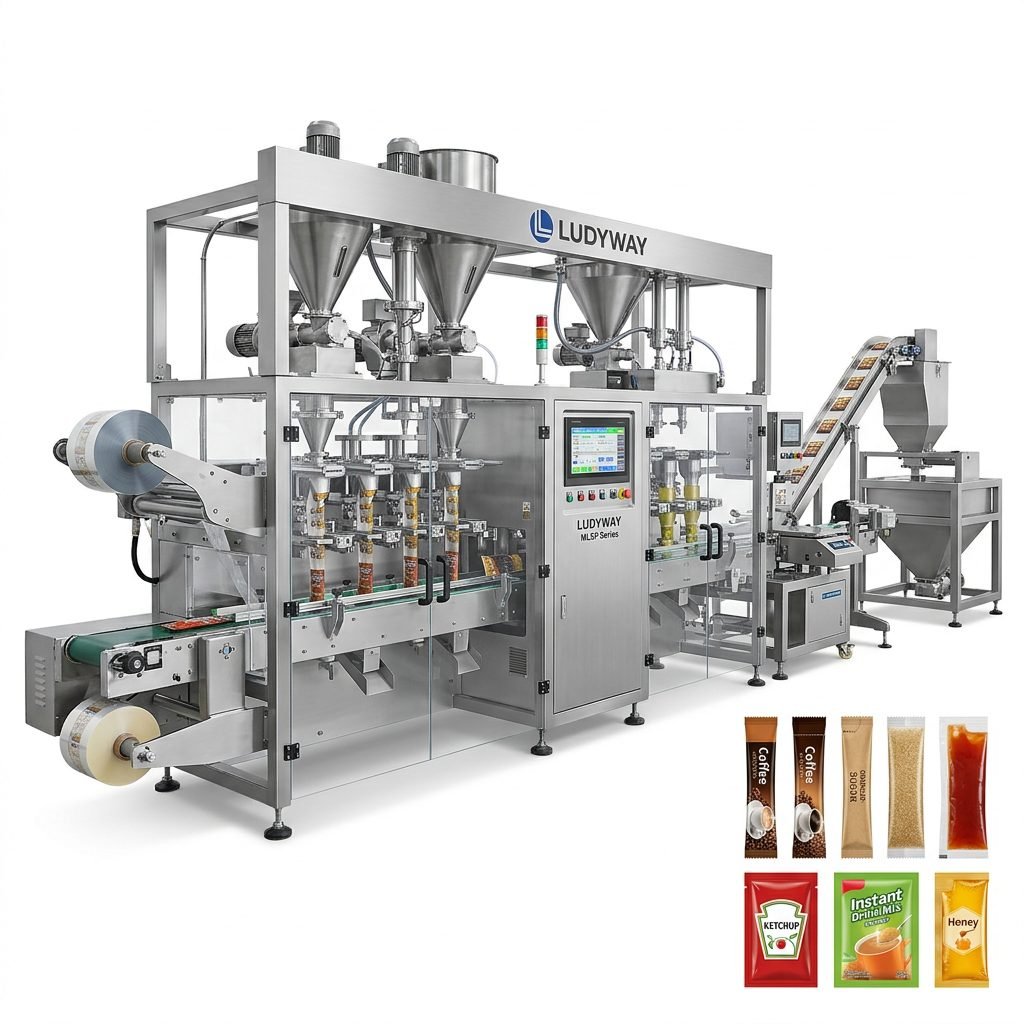
The sealing system is the heart of a three-side seal machine. Consistent sealing temperature, pressure, and dwell time are essential for leak-proof and tamper-evident packages. Different sealing technologies are available depending on the film type and speed requirements. Constant heat sealing barrels, impulse sealing, and ultrasonic sealing are common methods. For high-speed applications, servo-driven sealing mechanisms often provide greater control and repeatability than pneumatic alternatives.
6. Construction Materials and Hygienic Design
Machine construction is vital for product safety and equipment durability. For food-grade or pharmaceutical applications, stainless steel 304 or 316 construction is typically required, especially for product contact parts. Machines with minimal crevices, sloped surfaces, and washdown capability simplify cleaning and compliance. If your facility operates under GMP or other regulatory frameworks, the machine’s hygienic design and documentation should align with those standards. The FDA’s packaging guidelines outline critical considerations for food contact surfaces and material safety.
7. Changeover Flexibility and Ease of Use
If your production involves frequent bag size changes or product switches, rapid changeover features are essential. Look for tool-free adjustment mechanisms, recipe-based parameter storage on the HMI, and clearly marked guides for forming tube and sealing jaw changes. Minimizing downtime between batches directly contributes to higher production efficiency.
8. After-Sales Support, Spare Parts, and Technical Service
A three-side seal machine is a long-term investment, and the supplier’s support infrastructure matters as much as the hardware itself. Key support elements include:
- Responsive technical assistance for installation and commissioning.
- Availability of critical spare parts in regional markets.
- Operator and maintenance training programs.
- Remote diagnostic capabilities for faster troubleshooting.
- Clear warranty terms and service level agreements.
When selecting a supplier, prioritize manufacturers with a proven track record in global markets and established after-sales networks.
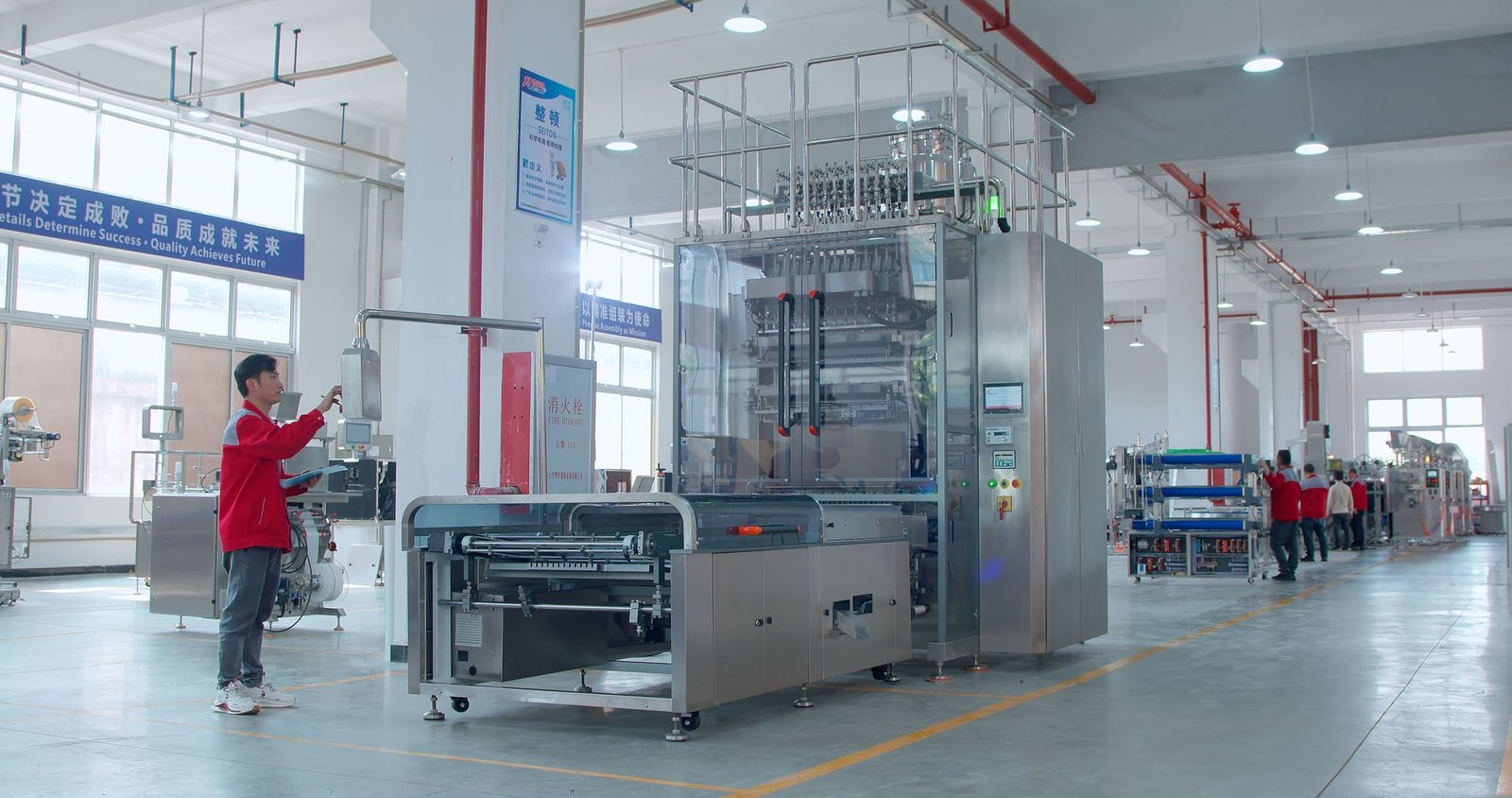
Comparing Single-Lane vs. Multi-Lane Three-Side Seal Machines
One of the biggest decisions buyers face is choosing between single-lane and multi-lane configurations. Each approach has distinct advantages depending on your production goals.
| Feature | Single-Lane Machine | Multi-Lane Machine |
|---|---|---|
| Initial Investment | Lower upfront cost | Higher upfront cost but lower per-unit cost |
| Output Volume | Suitable for small to medium batches | Designed for high-volume continuous production |
| Floor Space | Compact footprint | Requires more production floor area |
| Changeover Complexity | Simpler and faster changeovers | More components to adjust between products |
Questions to Ask Potential Suppliers
Before issuing a purchase order, vetting the supplier thoroughly can prevent future operational issues. Here are critical questions to guide your discussions:
- Can you provide sample videos or factory acceptance test results using our actual product and packaging material?
- What is the typical lead time for machine manufacturing and delivery?
- How do you handle installation, commissioning, and operator training?
- What is the availability and delivery time for critical spare parts?
- Do you offer remote technical support or on-site service in our region?
- Is the machine upgradable for future production capacity expansion?
Regulatory and Compliance Considerations
Depending on your industry, packaging equipment may need to meet specific regulatory standards. Pharmaceutical applications often require compliance with cGMP guidelines and validated processes. Food applications may need machines that comply with HACCP principles and FDA food contact material regulations. Ensure your supplier understands these requirements and can provide appropriate documentation, including material certificates, electrical schematics, and validation support documents. The PMMI packaging industry resources provide a comprehensive look at standards and regulations affecting packaging machinery across different sectors.
Calculating the Total Cost of Ownership
The purchase price is just one element of the total cost equation. When evaluating different three-side seal machines, consider the full lifecycle costs: initial capital expenditure, installation and commissioning costs, operator training expenses, energy consumption and utility requirements, routine and preventive maintenance, spare parts inventory, expected service life and depreciation. A machine with a higher initial price but lower operating costs and longer service life may deliver better long-term value than a cheaper alternative with frequent downtime and higher maintenance demands.
Why Choosing the Right Manufacturing Partner Matters
Beyond specifications and features, the right equipment supplier acts as a long-term partner for your packaging operations. From the initial consultation through the entire machine lifecycle, a manufacturer with extensive industry experience can help you navigate technical challenges, optimize your packaging process, and scale production as your business grows. Look for suppliers with a strong engineering team, a proven installation base across multiple industries, and a track record of customizing solutions to meet specific product and production requirements.
Selecting a three-side seal machine requires balancing technical specifications, production needs, budget constraints, and long-term support considerations. By methodically evaluating product compatibility, speed requirements, automation levels, sealing technology, and supplier capabilities — and by referencing resources from organizations like the Flexible Packaging Association and PMMI business intelligence — you can make an informed investment that supports efficient, reliable, and scalable packaging operations for years to come.