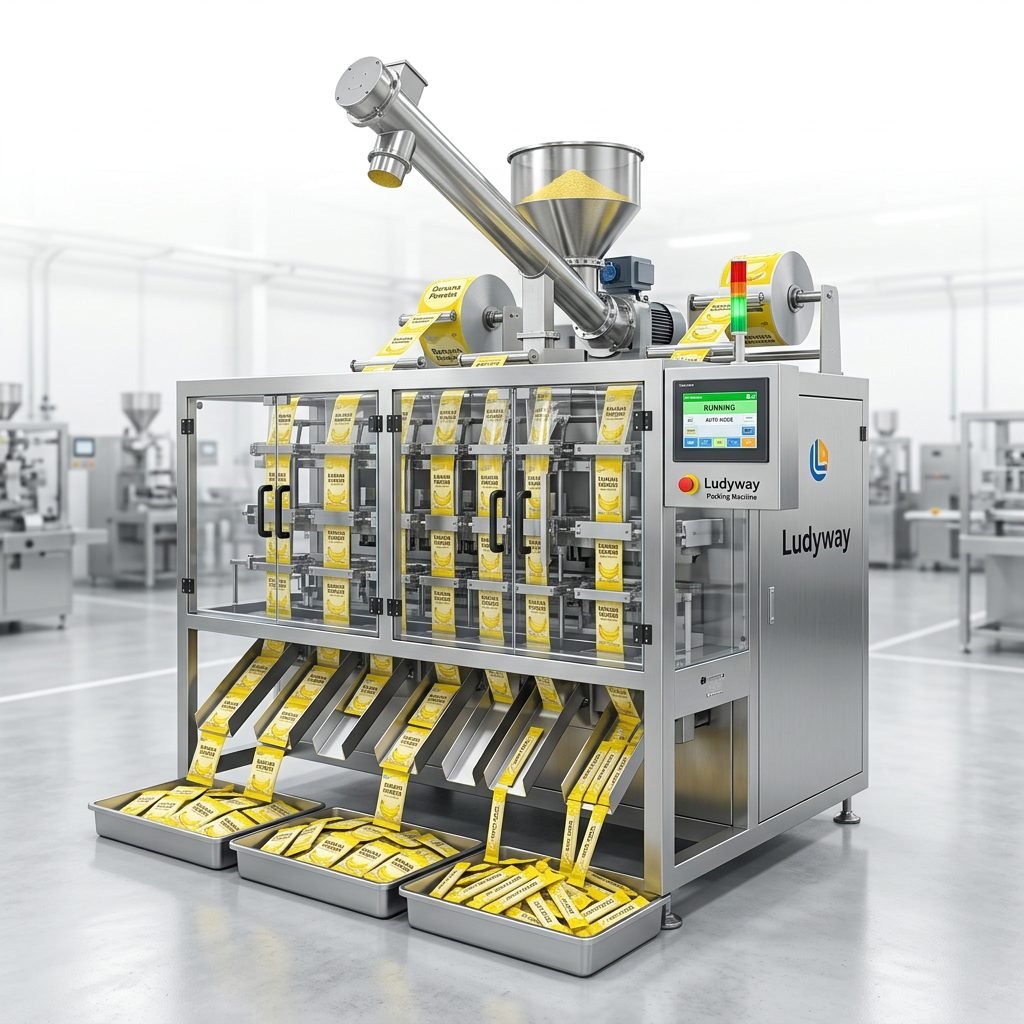
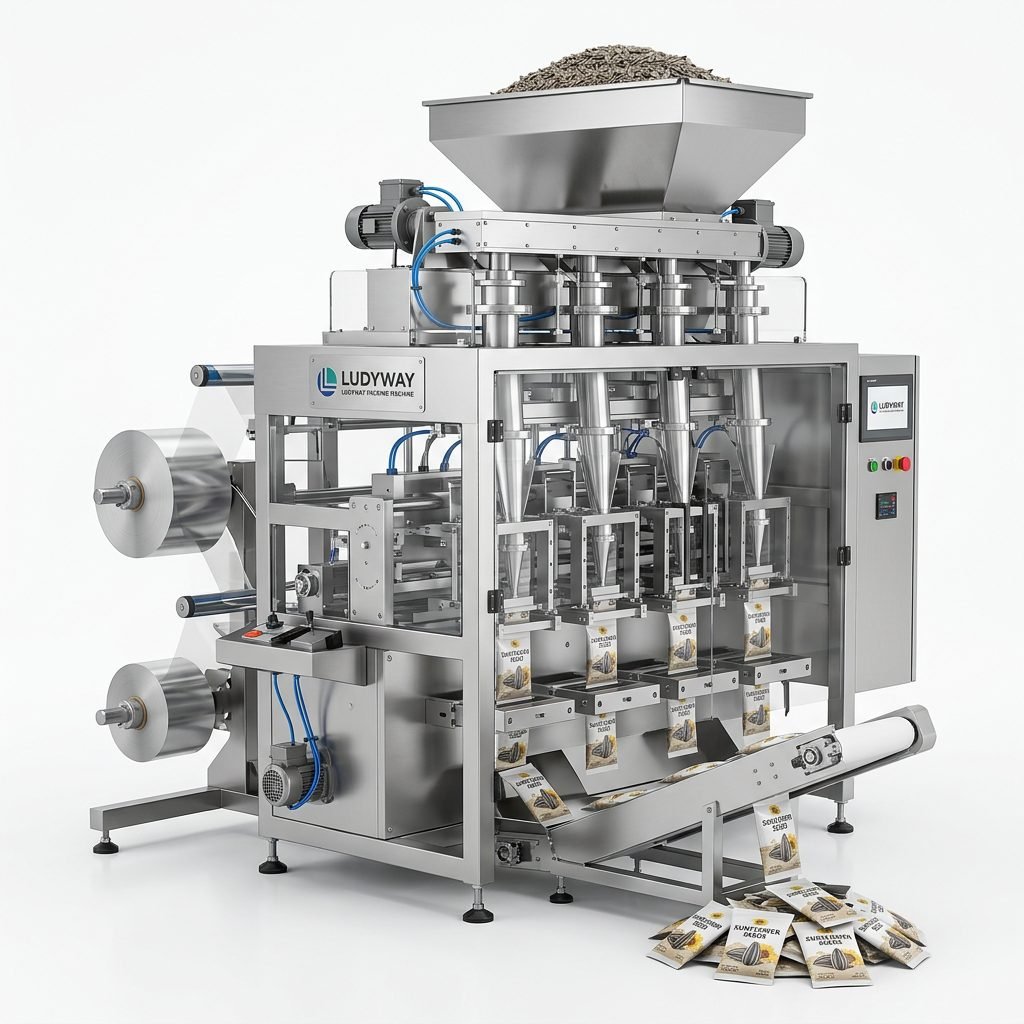
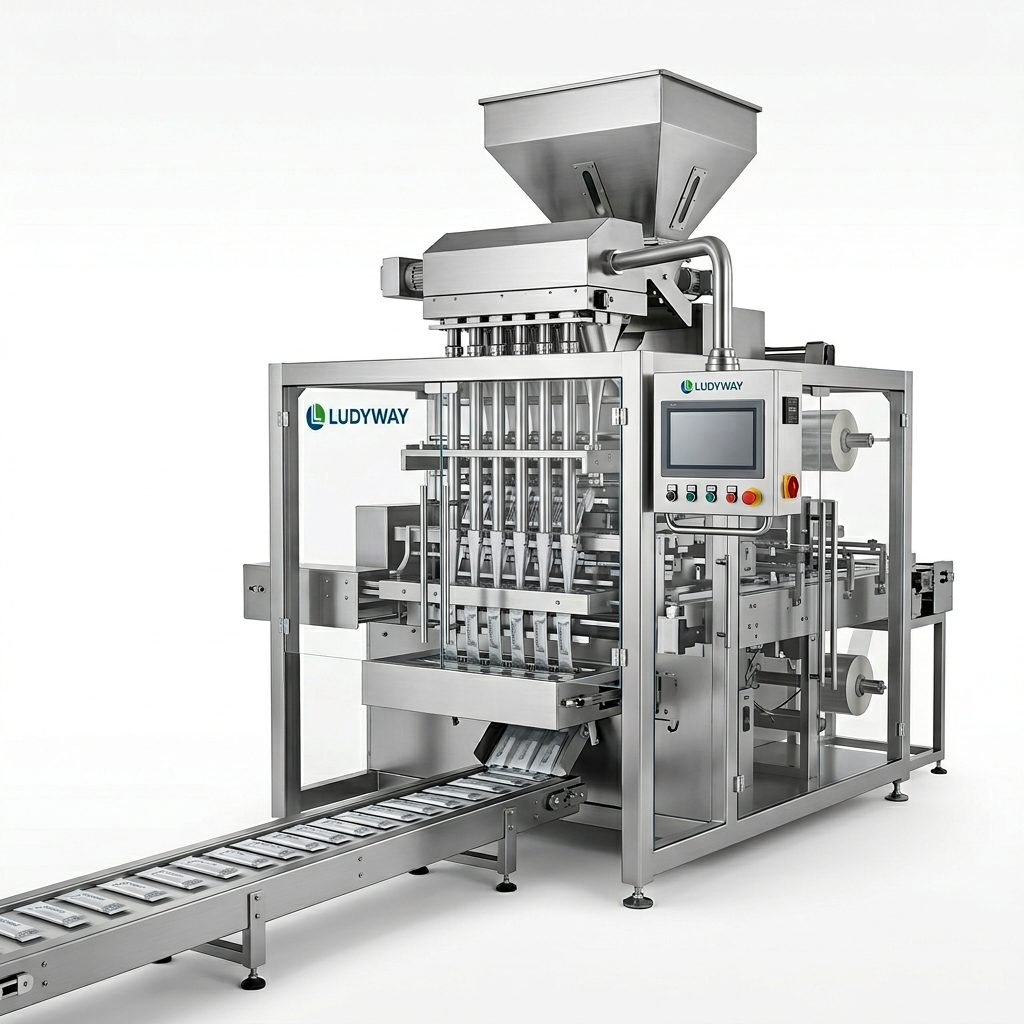
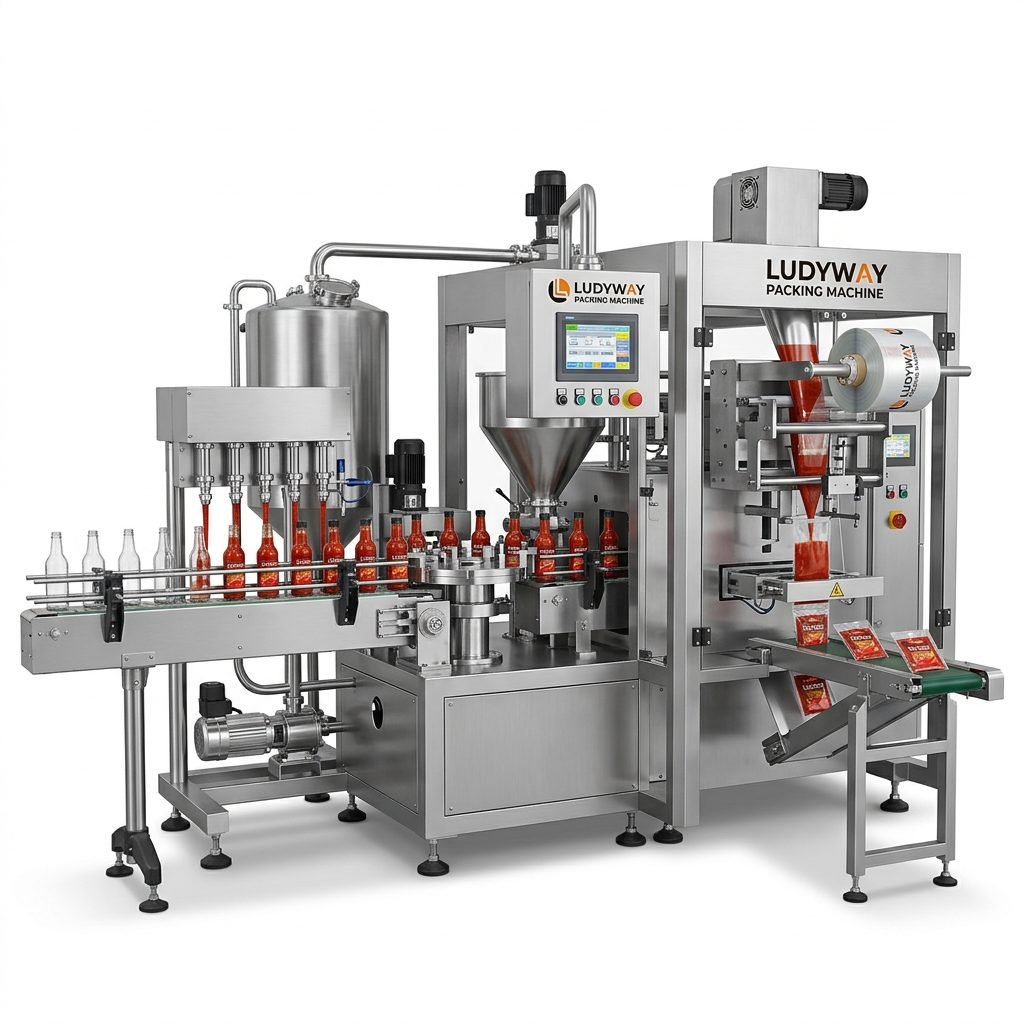
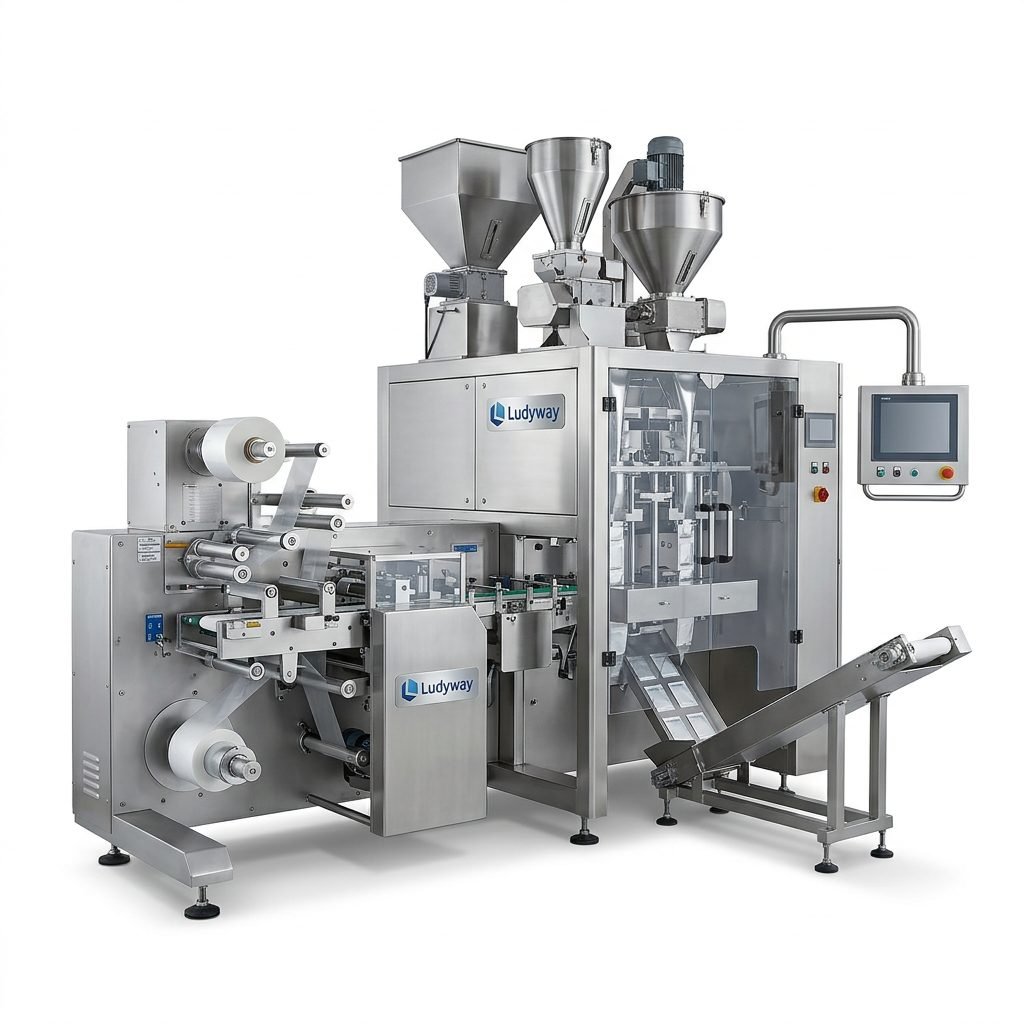
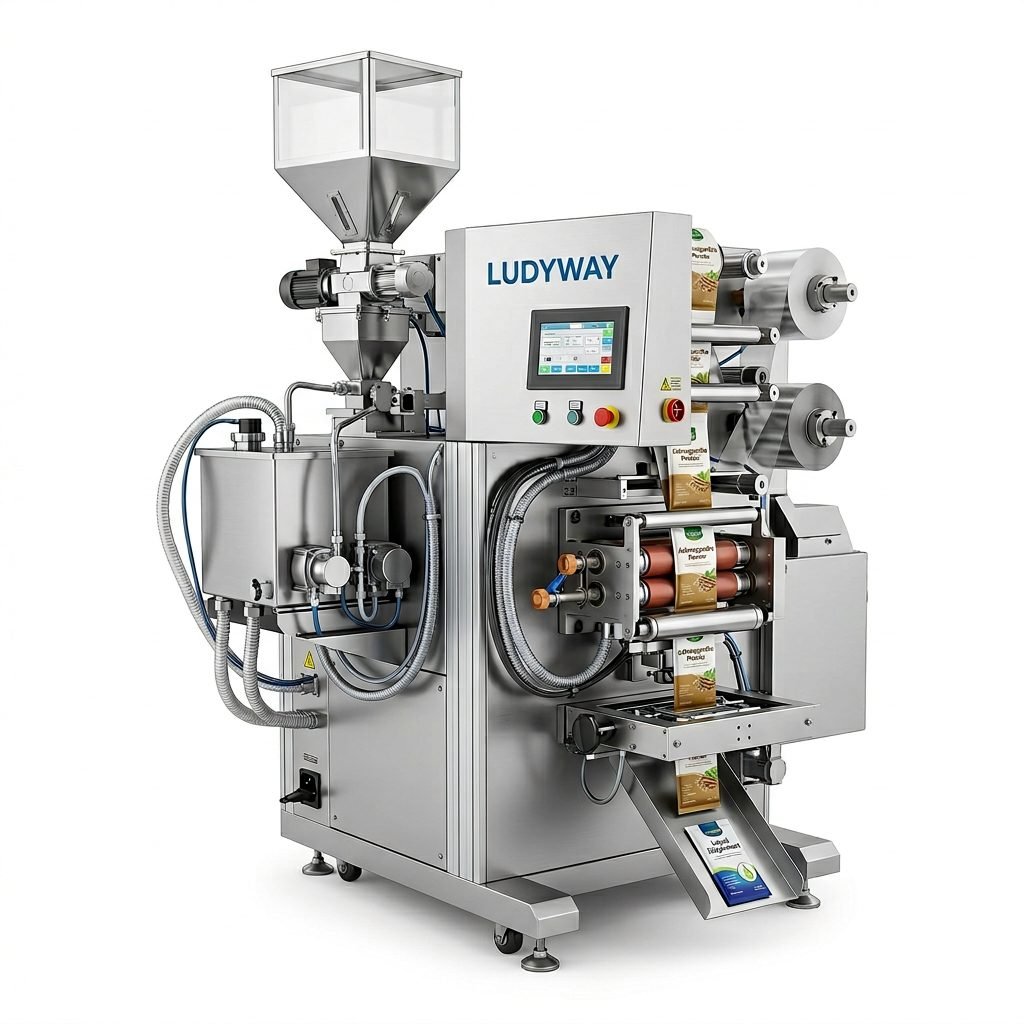
Choosing the right sweet packing machine is not only about speed. For candy manufacturers, co-packers, and confectionery brands, the best solution must balance product protection, packaging appearance, production efficiency, and future scalability. Whether you pack hard candies, gummies, lollipops, jelly sweets, chewy toffees, or sugar-coated products, the machine should match your candy type, pack style, output target, and factory workflow.
In a competitive confectionery market, packaging directly affects shelf appeal, hygiene, transport safety, and unit cost. A well-matched system reduces waste, minimizes downtime, improves seal quality, and helps maintain product consistency across every batch.
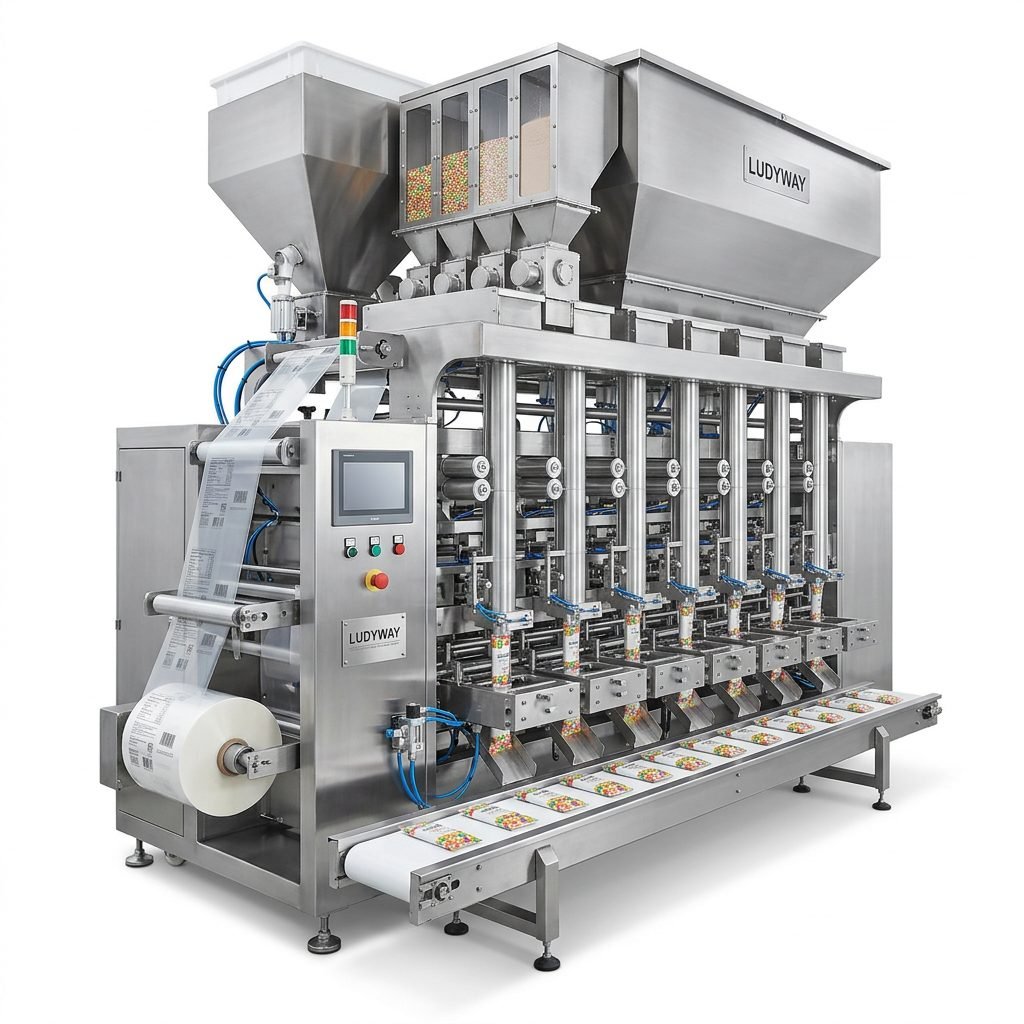
Why the Right Candy Packaging Solution Matters
Sweet products are often delicate, sticky, irregular, or sensitive to moisture and temperature. That means packaging equipment must do more than simply fill and seal. It must protect product shape, preserve flavor, support branding, and maintain stable throughput under real production conditions.
- Better product protection: Prevents crushing, clumping, melting contamination, and seal failure.
- Higher operating efficiency: Reduces manual labor and packaging bottlenecks.
- Stronger shelf appeal: Supports attractive retail-ready packaging formats.
- Lower total packaging cost: Optimizes film use, labor input, and machine uptime.
- Easier expansion: Allows integration with weighing, feeding, coding, cartoning, and end-of-line automation.
Start with Your Candy Type
The first step in selecting a sweet packing machine is understanding the physical characteristics of your product. Different sweets behave very differently during feeding, dosing, and sealing.
| Candy Type | Main Packaging Challenge | Recommended Machine Focus |
|---|---|---|
| Hard candy | Breakage, counting accuracy, high-speed flow | Counting or weighing system with pillow bag/pouch line |
| Gummy candy | Stickiness, deformation, moisture sensitivity | Gentle feeding, precise sealing, optional nitrogen flushing |
| Jelly sweets | Shape protection, anti-stick handling | Soft handling conveyor and stable pouch filling system |
| Toffee / chewy candy | Wrapping consistency, adhesion | Flow wrapping or customized feeding and sealing unit |
| Powdered sweet mix / candy granules | Dust, dosage precision, film sealing | Multi-lane sachet or stick pack packaging machine |
| Lollipops or shaped confectionery | Orientation, spacing, customized pack design | Tailored automatic feeding and special packaging line |
Choose the Right Packaging Format
Your ideal machine depends heavily on the final pack style. The same candy may require completely different equipment if it is sold in single-serve sachets, family pouches, retail bags, or display cartons.
Common packaging formats for sweets
- Pillow bags
- Premade pouches
- Stand-up pouches
- Sachets
- Stick packs
- Flow-wrap packs
- Multi-pack or cartoned retail packs
- Bulk bags for wholesale or industrial supply
If your product includes powdered candy drink mixes, sherbet candy powder, or sweet granule products, multi-lane sachet or stick pack systems can offer excellent output. If you pack gummies or hard candy in larger retail bags, a pouch packaging line with weighing and feeding equipment is usually a better fit.
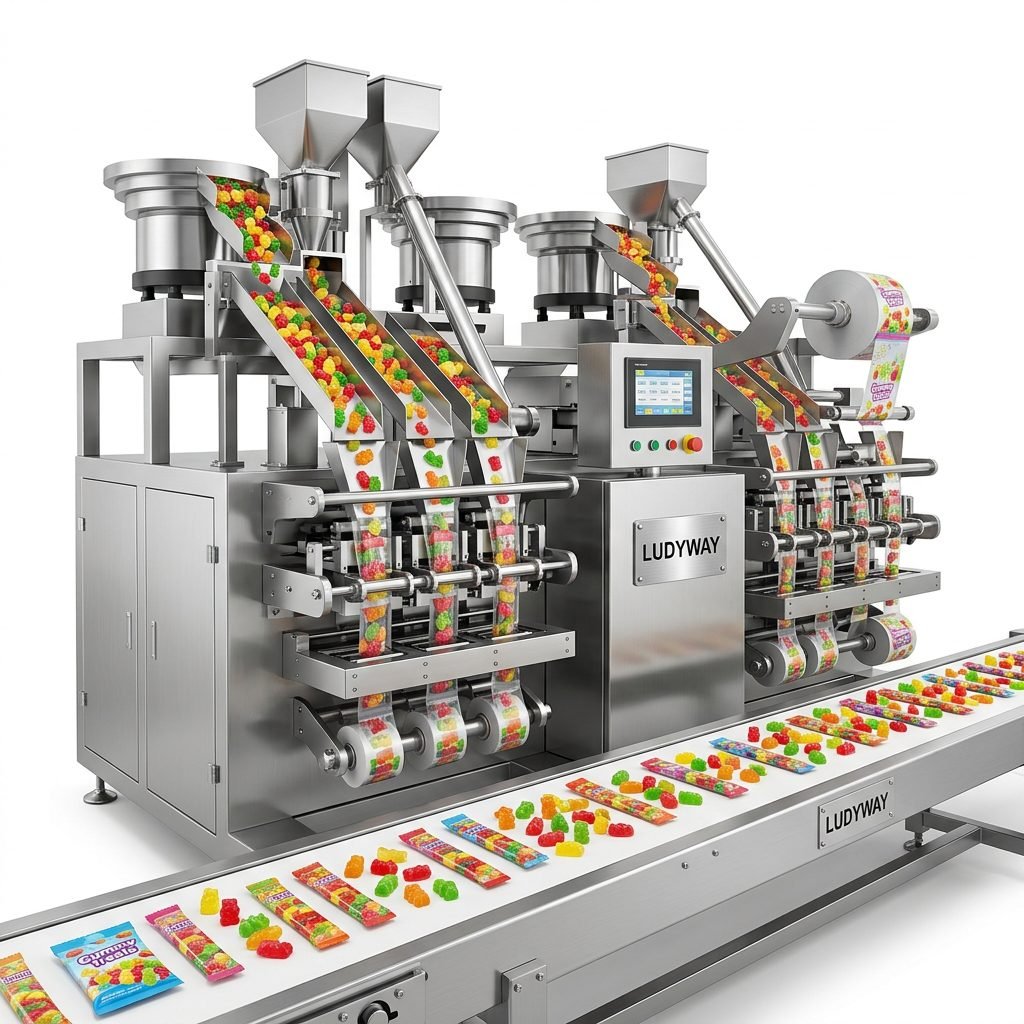
Key Factors to Consider Before Buying a Sweet Packing Machine
1. Production speed requirements
Do not simply choose the fastest machine available. Match the line speed to your actual demand, upstream production rate, shift pattern, and future sales plan. An oversized machine may increase investment and maintenance costs without improving profitability.
Tip: Evaluate both current output and your expected growth over the next 3 to 5 years.
2. Dosing and weighing accuracy
In confectionery packaging, small weight deviations can quickly increase giveaway costs. For high-value sweets or tightly controlled retail packs, accurate dosing is essential. Multihead weighers, counting units, cup fillers, or customized feeding systems should be selected based on candy shape and flowability.
3. Film and packaging material compatibility
Your machine should handle the packaging material you actually use, including laminated films, heat-sealable films, recyclable materials, and specialty barrier packaging. Poor compatibility often leads to weak seals, film tracking problems, and unplanned downtime.
4. Hygiene and cleanability
Sweet products can create sugar dust, syrup residue, or sticky buildup. A machine with accessible structure, food-grade contact parts, and easy-clean design will save time and improve sanitation control.
5. Product flexibility
If you pack multiple candy sizes or seasonal SKUs, choose a machine that supports fast changeover. This is especially important for brands with mixed product portfolios, promotional runs, or contract manufacturing operations.
6. Automation level
A standalone machine may be enough for small-scale operations. But medium and large manufacturers usually benefit more from an integrated line that includes feeding, weighing, filling, sealing, coding, checkweighing, metal detection, cartoning, and case packing.
7. Factory space and layout
Packaging performance also depends on how well the machine fits your plant layout. Consider material flow, operator access, maintenance space, and future line expansion before finalizing the machine design.
Types of Sweet Packing Machines and Where They Fit Best
| Machine Type | Best For | Main Advantage |
|---|---|---|
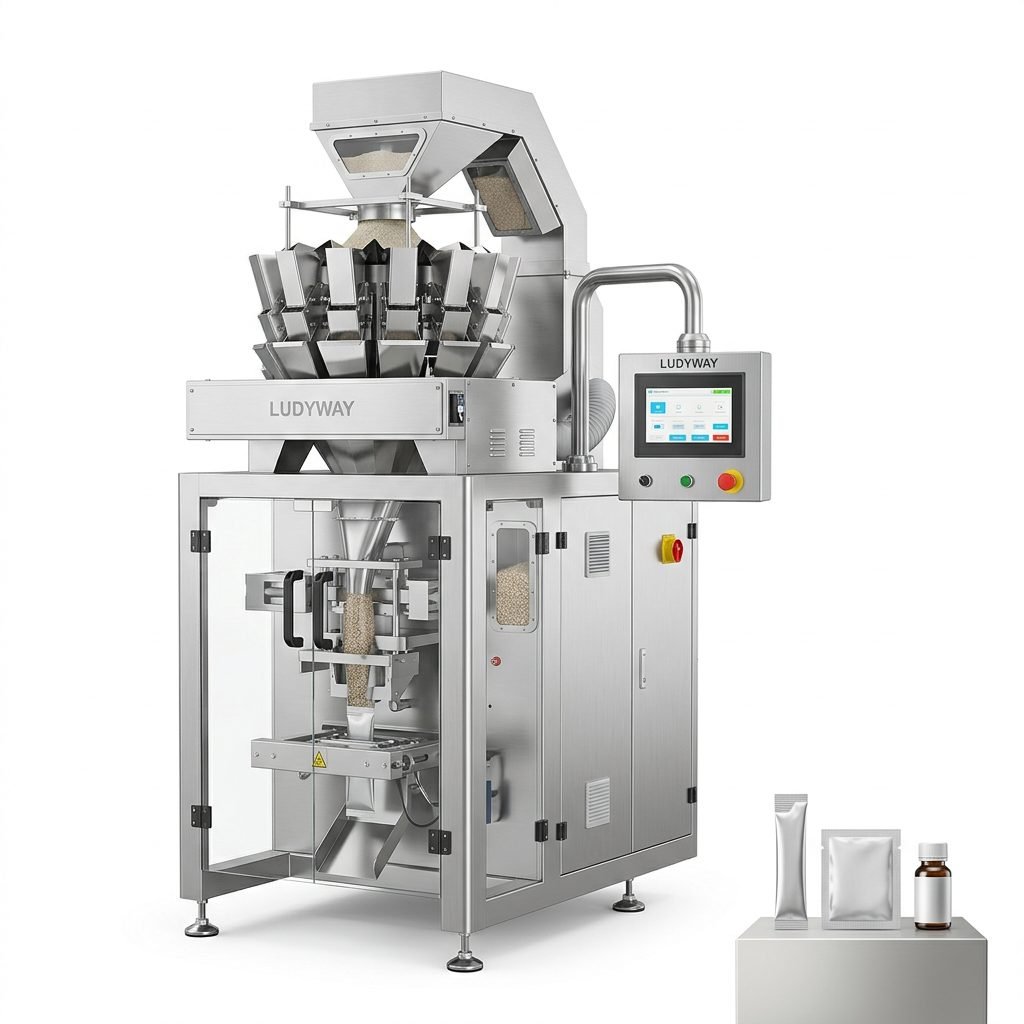
| Vertical form fill seal machine | Granule sweets, small candies, bulk candy packs | Versatile and efficient for bag making, filling, and sealing |
| Premade pouch packing machine | Retail-ready premium candy packaging | Excellent appearance and pack variety |
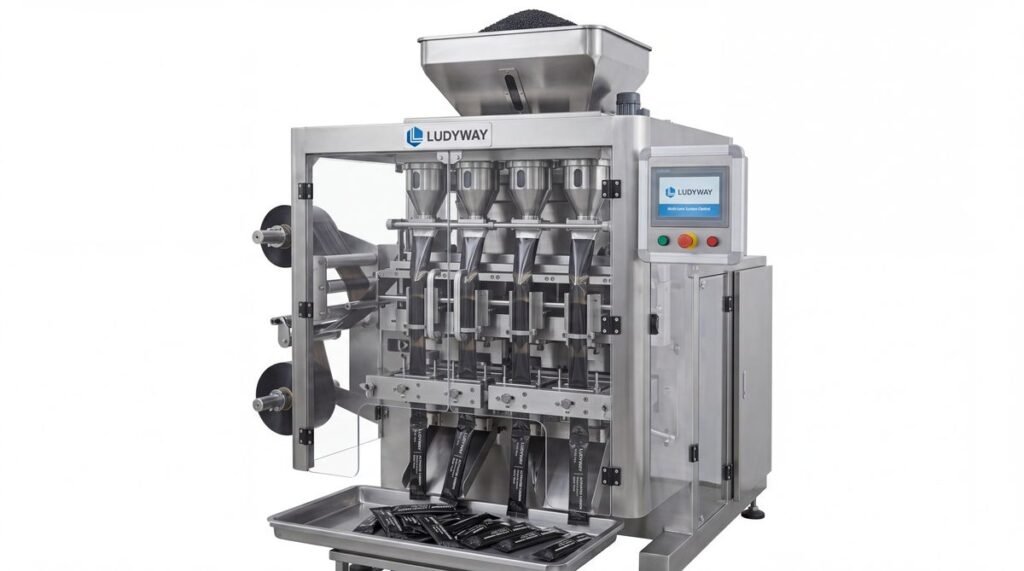
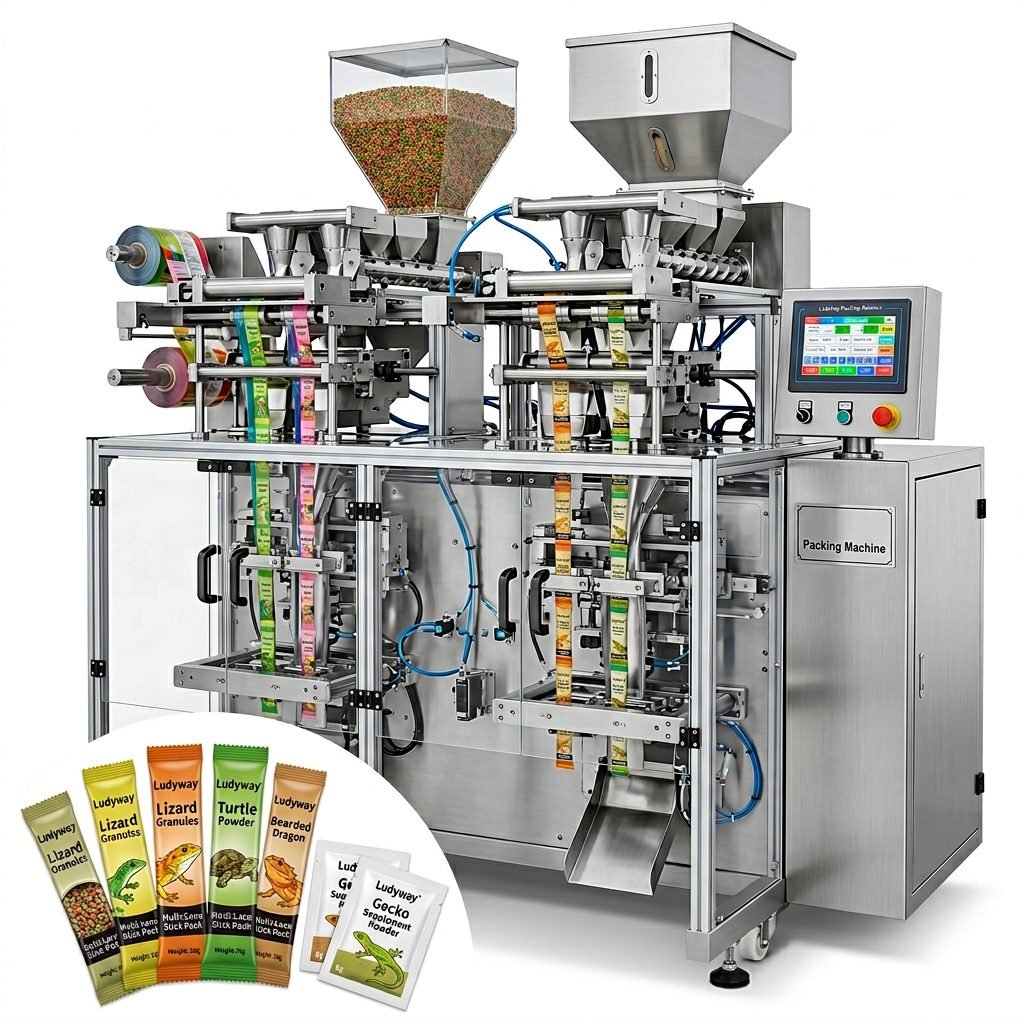
| Multi-lane sachet machine | Candy powder, sweet granules, single-serve products | High output for small-format packaging |
| Stick pack machine | Sweet powder mixes, portable confectionery servings | Compact pack size and strong retail convenience |
| Flow wrapper | Bars, toffees, candy pieces, shaped sweets | Fast single-piece wrapping with good presentation |
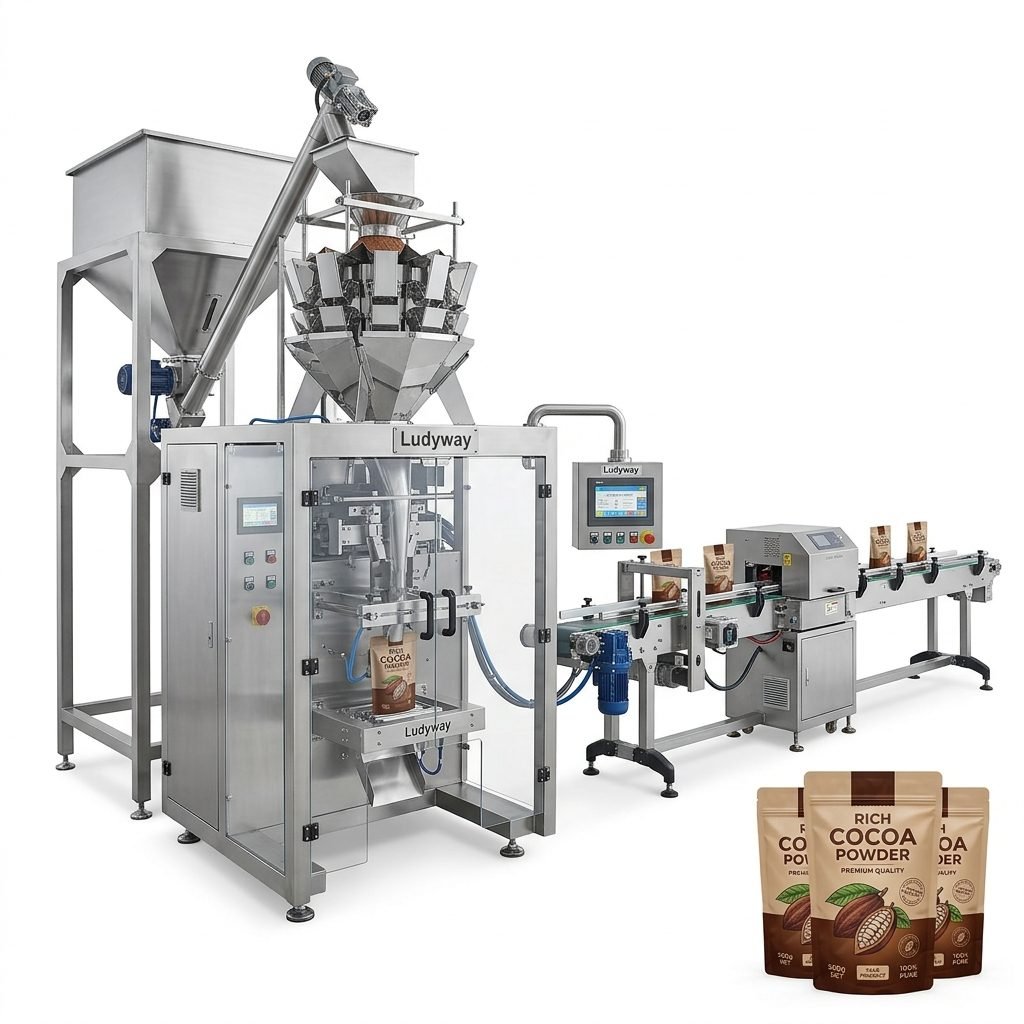
| Turnkey packaging line | Large confectionery factories | Complete automation and easier line coordination |
How to Match Machine Features to Real Production Needs
When comparing suppliers, focus on measurable operational value rather than generic specifications. The best sweet packing machine should solve your packaging problems in daily production.
Look for these practical features
- Stable sealing performance for sugar-rich or moisture-sensitive products
- Gentle product handling to reduce candy damage
- Servo-driven accuracy for consistent bag length and filling control
- Quick recipe changeover for multi-SKU factories
- Smart HMI control for easier operation and troubleshooting
- Integration capability with checkweighers, metal detectors, conveyors, and cartoners
- Reliable coding options for date printing, traceability, and compliance
A good machine is not just technically advanced. It should be easy for your operators to run, maintain, and switch between products with minimal downtime.
Standalone Machine or Complete Turnkey Line?
This depends on your factory scale, labor costs, and automation goals.
A standalone machine is suitable if:
- Your production volume is moderate
- You are adding a single new SKU
- You already have upstream or end-of-line equipment
- You need lower initial investment
A turnkey packaging line is better if:
- You want to reduce labor dependency
- You need synchronized production flow
- You plan to scale output quickly
- You want one supplier to manage compatibility and system integration
For growing confectionery businesses, a turnkey line often delivers stronger long-term value because all sections are designed to work together, from feeding and filling to sealing, inspection, cartoning, and final packing.
Questions You Should Ask a Packaging Machine Supplier
- What candy types has this machine already handled successfully?
- What is the realistic speed range under actual factory conditions?
- How accurate is the filling or counting system?
- How long does product changeover take?
- Can the line support future pack sizes or new formats?
- What after-sales service and spare parts support are available?
- Can the supplier provide layout planning and integration guidance?
- Is machine customization available for sticky, fragile, or irregular sweets?
Common Mistakes to Avoid
- Buying based only on maximum speed
- Ignoring product stickiness or fragility during handling
- Choosing a machine without enough flexibility for future SKUs
- Underestimating the importance of seal quality and film compatibility
- Focusing on purchase price instead of total cost of ownership
- Skipping line integration planning
Many packaging issues begin long before installation. They start when machine selection is made without enough attention to actual candy behavior, operator needs, and production planning.
What Makes a Supplier More Reliable?
Beyond machine specifications, supplier capability matters. An experienced manufacturer can help you choose the right structure, optimize workflow, and avoid costly mismatches. This is especially important for confectionery projects with multiple pack sizes, strict appearance requirements, or planned automation upgrades.
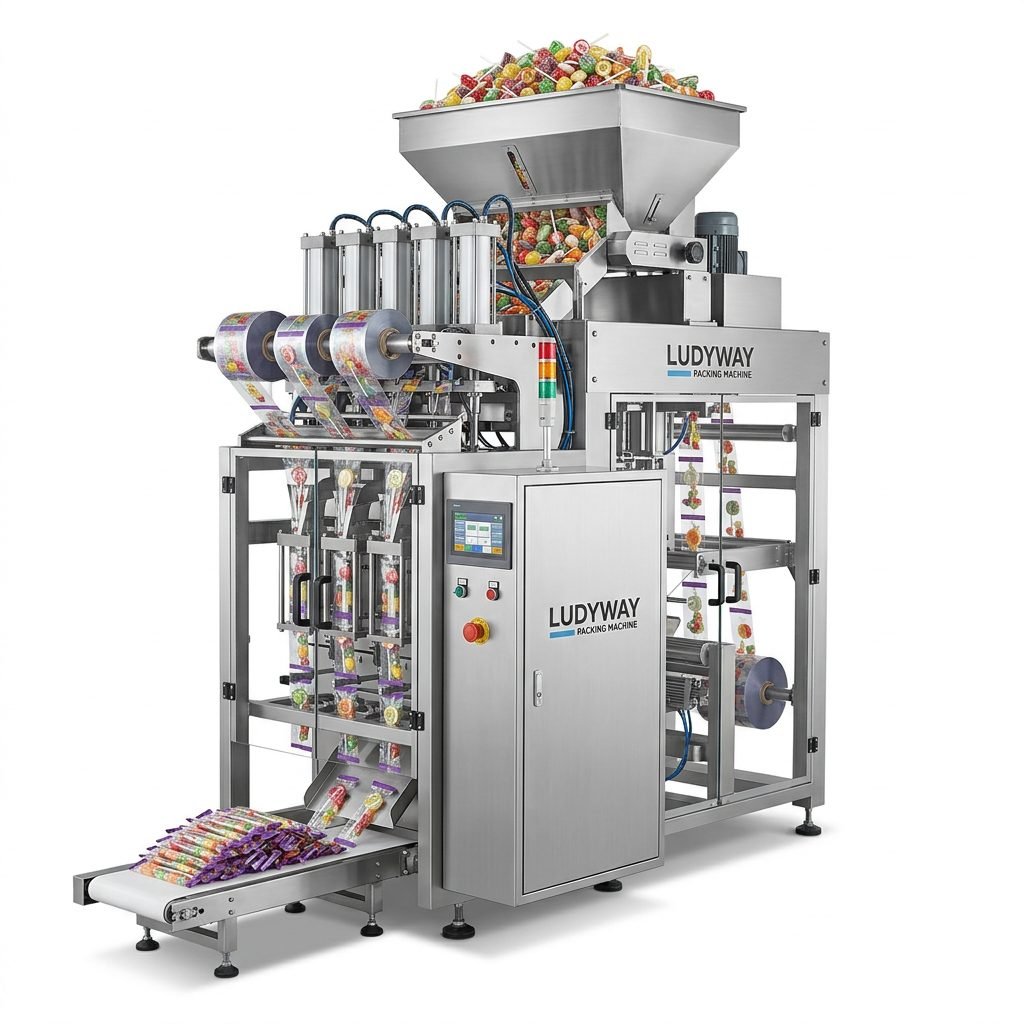
For businesses looking for scalable sweet packaging equipment, sweet packing machine solutions from Ludyway can be considered for both standalone systems and turnkey automated packaging lines. As one of China’s leading packaging machine and turnkey packaging line manufacturers, the company offers broad experience in automatic packaging technology, customized machine configurations, and integrated production support across food and related industries.
Best Solution by Business Type
| Business Type | Recommended Direction | Reason |
|---|---|---|
| Startup candy brand | Flexible standalone machine | Lower investment and easier SKU testing |
| Mid-sized confectionery factory | Semi-integrated automatic line | Balanced speed, labor savings, and flexibility |
| Large-volume manufacturer | Full turnkey packaging line | Maximum throughput, consistency, and automation |
| Contract packer | Quick-change machine with broad compatibility | Supports different client products and package styles |
Final Buying Checklist
- Define your candy type and product behavior
- Confirm the desired packaging format
- Set realistic speed and output goals
- Evaluate dosing accuracy and seal performance
- Check hygiene design and ease of maintenance
- Plan for future SKU and capacity expansion
- Choose a supplier with customization and line integration capability
The best sweet packing machine is the one that fits your product characteristics, production goals, and business growth strategy. When the machine, package format, and automation level are properly matched, candy packaging becomes faster, cleaner, more consistent, and more profitable.