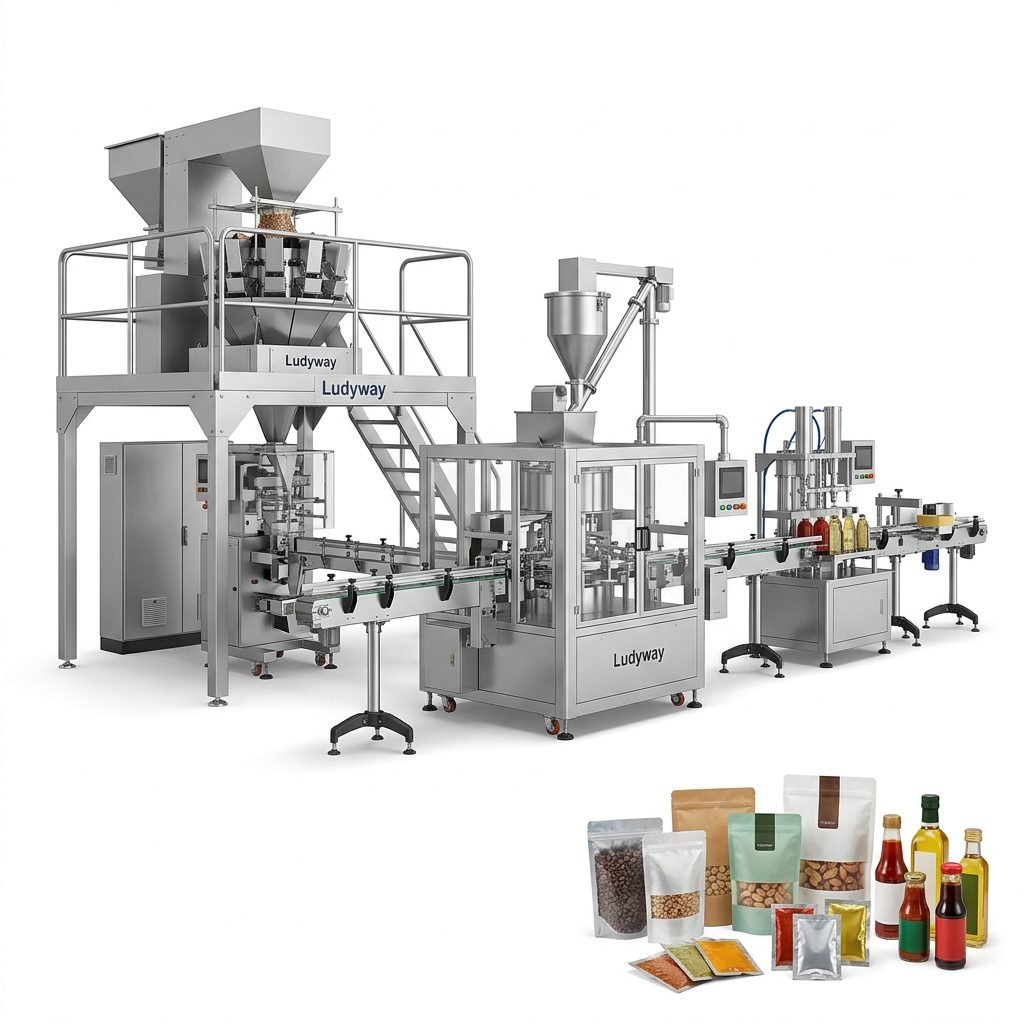
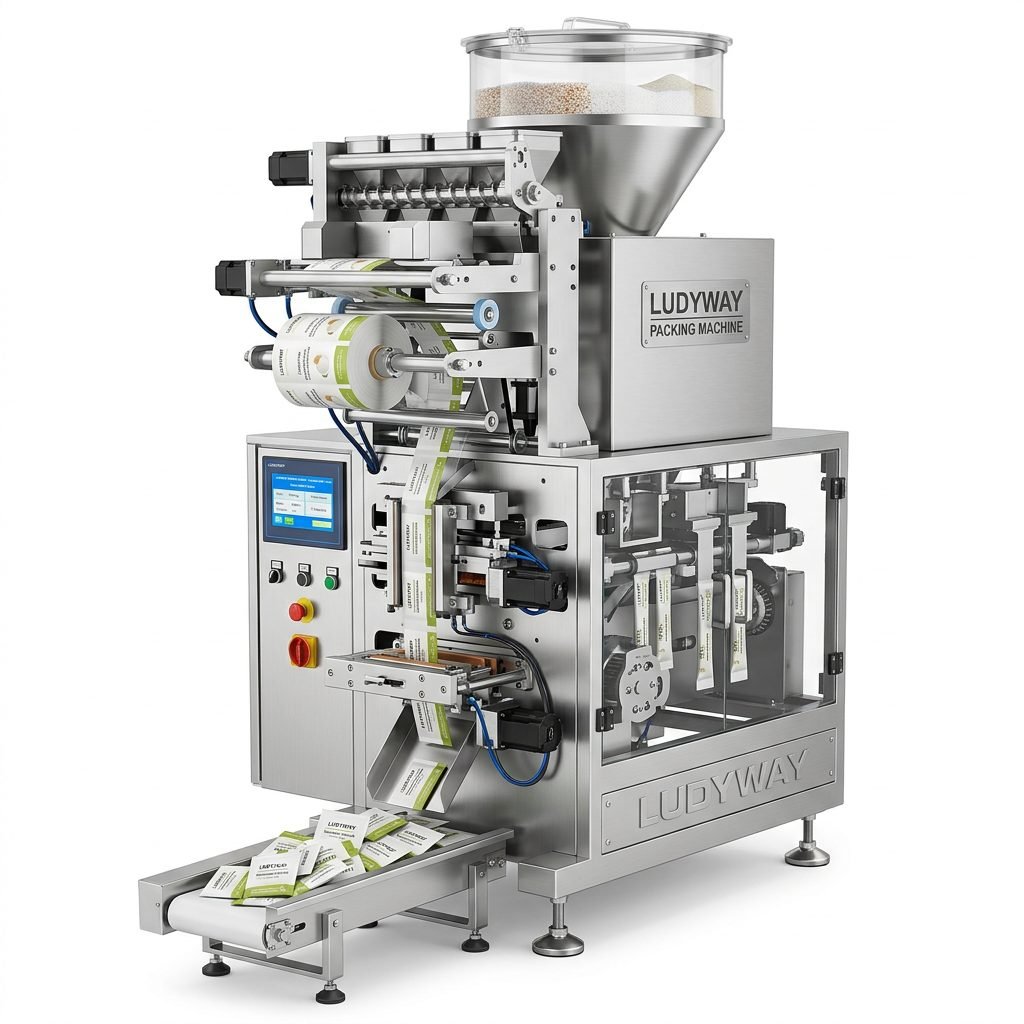
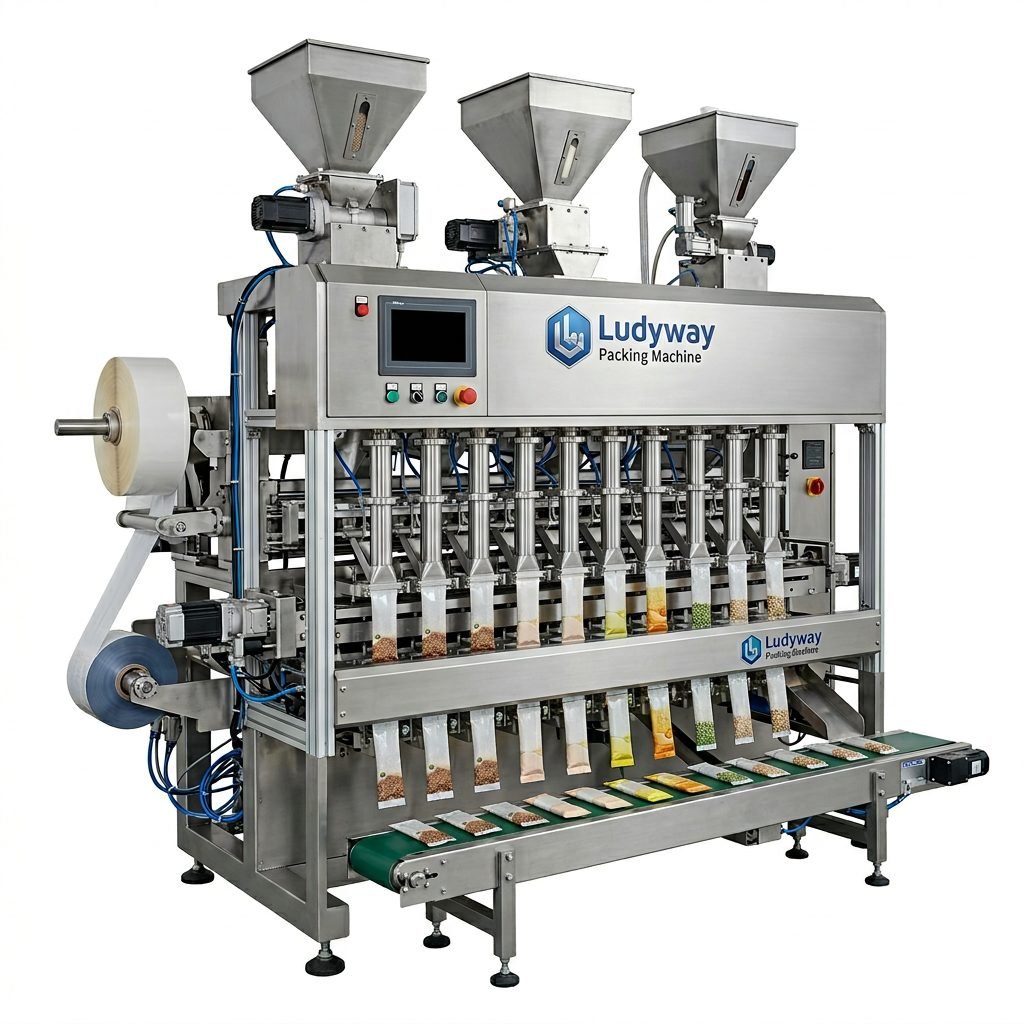
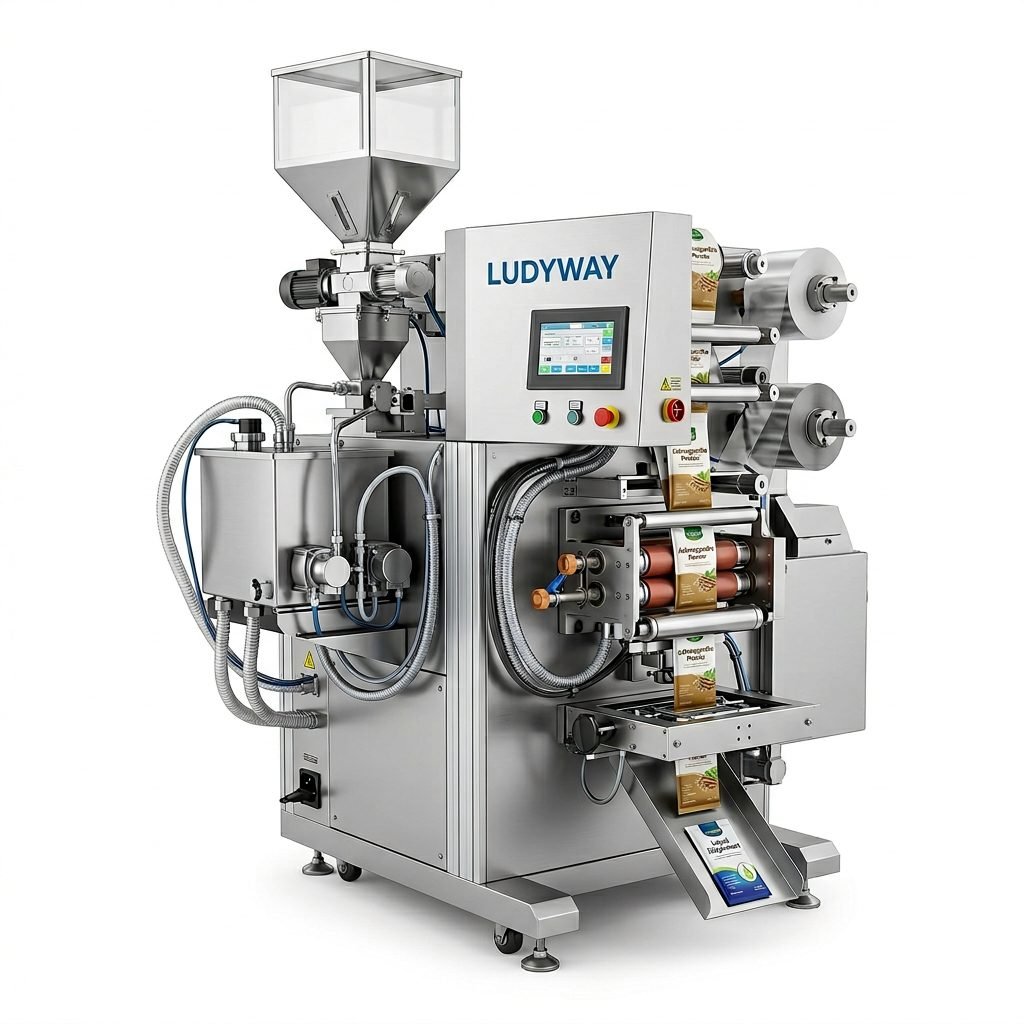
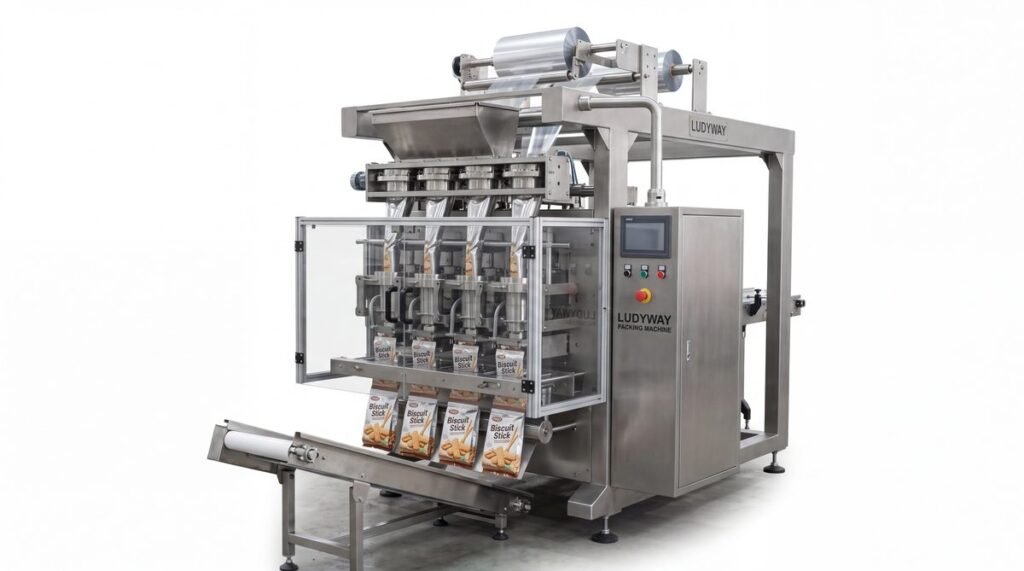
The pharmaceutical industry demands unparalleled precision, hygiene, and reliability in its manufacturing processes. At the heart of this critical production lies packaging – the final safeguard that ensures product integrity, safety, and efficacy from factory to patient. For manufacturers handling diverse product forms like powders, granules, and liquids, selecting the right packaging machinery is not merely an operational decision; it is a cornerstone of quality assurance and regulatory compliance. This article delves into the specialized world of pharmaceutical packaging machine solutions, exploring the technologies and considerations essential for modern, efficient, and compliant production lines.
The Critical Role of Specialized Packaging in Pharma
Pharmaceutical packaging serves multiple vital functions beyond simple containment. It must protect sensitive formulations from environmental factors like moisture, light, and oxygen, prevent contamination, ensure accurate dosing, and provide tamper evidence. Each product form—powder, granule, and liquid—presents unique challenges that require tailored engineering solutions.
Key Consideration: A one-size-fits-all machine cannot meet the stringent requirements of pharmaceutical packaging. The machinery must be designed from the ground up to handle the specific flow characteristics, dosing accuracy, and sterility needs of each product type.
Packaging Solutions for Powdered Pharmaceuticals
Powders, including antibiotics, nutritional supplements, and analgesics, are prone to issues like dusting, caking, and segregation. Effective packaging solutions must address these concerns head-on.
- ➤ Auger Filling Technology: This is the industry standard for precise volumetric or gravimetric dosing of powders. Modern auger fillers feature stainless steel contact parts, CIP/SIP capabilities, and anti-bridging mechanisms to ensure consistent fill weight and product flow.
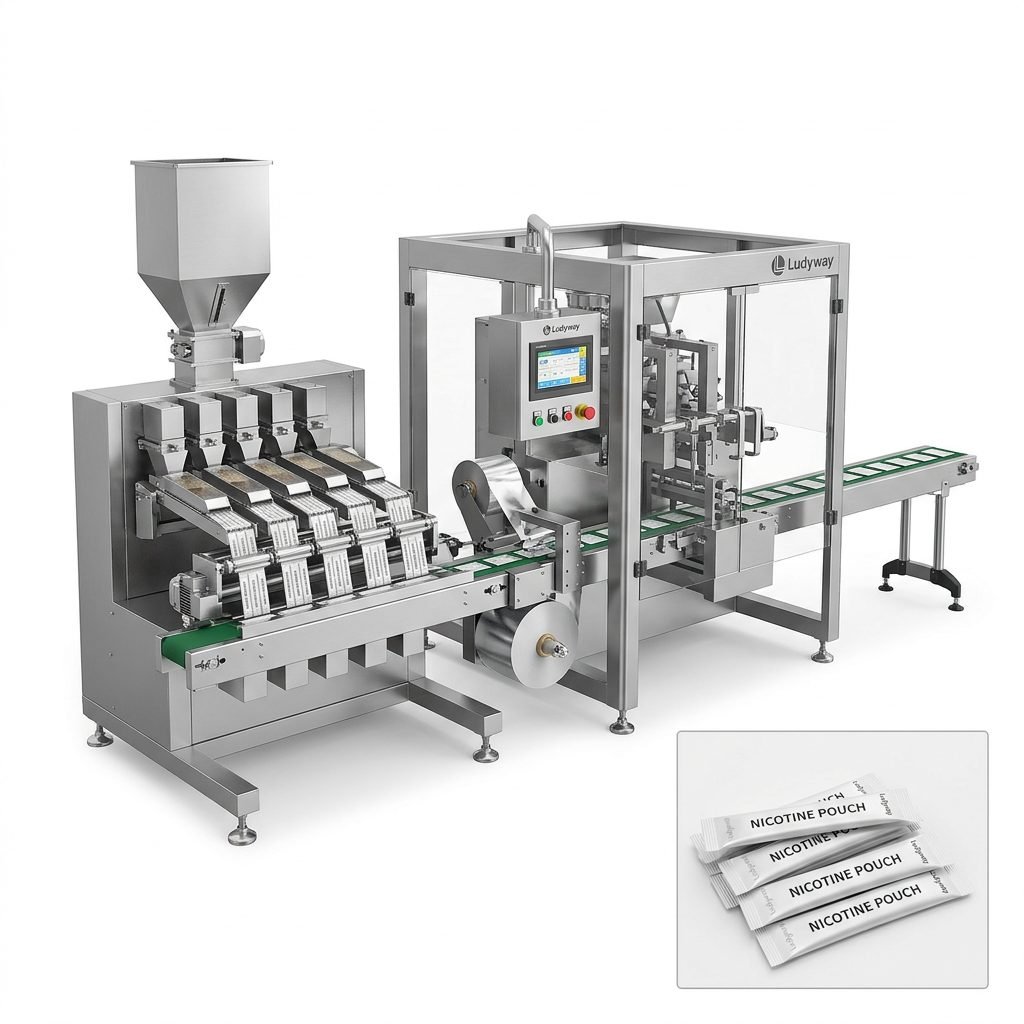
- ➤ Stick Pack & Sachet Machines: Ideal for unit-dose packaging, these machines create sealed, single-use packets that protect powder potency and provide excellent patient convenience. They are perfect for products requiring precise, pre-measured doses.
- ➤ Dust Extraction & Containment: Integrated dust control systems are non-negotiable to maintain a clean production environment, protect operators, and prevent cross-contamination, aligning with GMP (Good Manufacturing Practice) guidelines.
Granule Packaging Systems: Precision for Pellets and Granules
Granules, such as effervescent products, instant drink mixes, or coated pellets, require gentle handling to prevent breakage and maintain particle integrity.
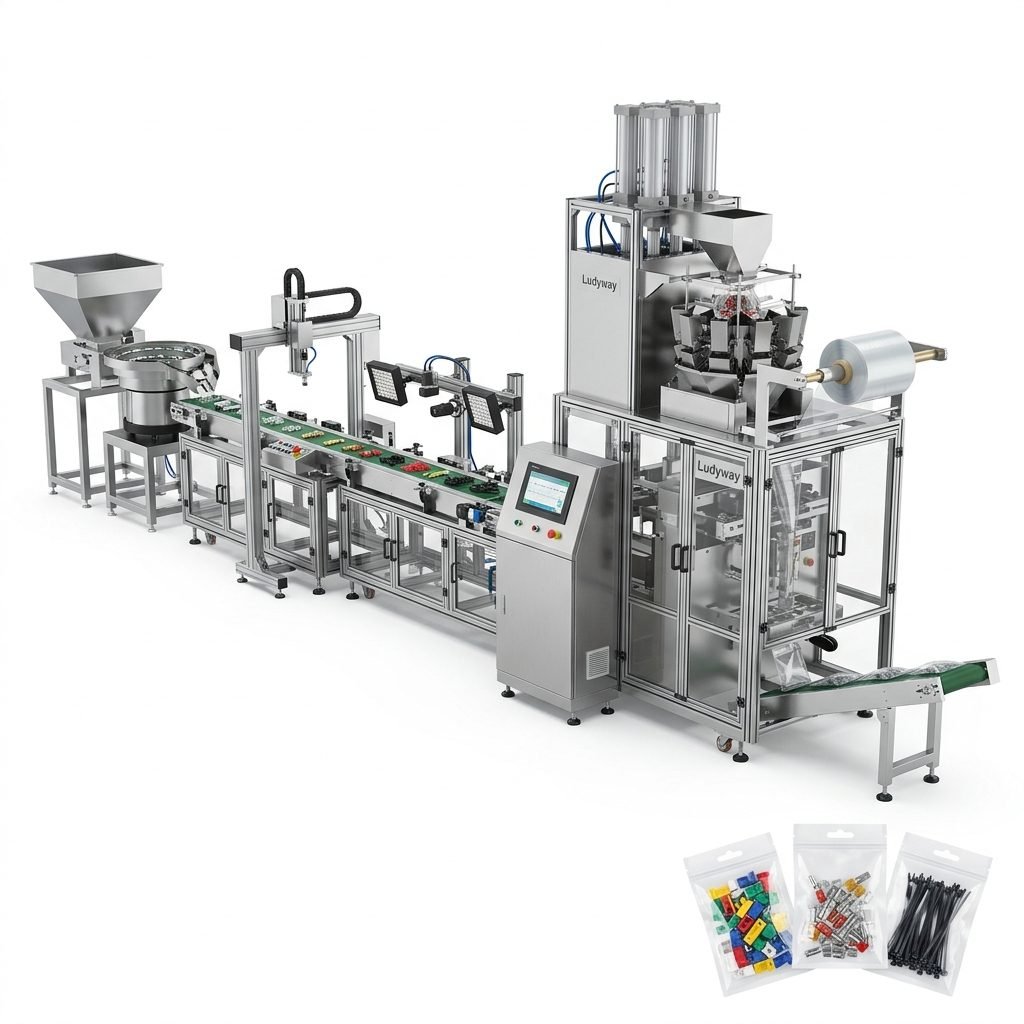
Primary technologies include weigh-cell filling systems for extreme accuracy and cup filling machines for high-speed volumetric dosing. Multi-lane vertical form-fill-seal (VFFS) machines excel at high-output packaging of granules into bags or pouches. Crucially, vibration systems must be finely tuned to settle granules without causing attrition, and all material pathways should be smooth and polished to prevent damage and buildup.
Liquid Medicine Packaging: Ensuring Sterility and Accuracy
Liquids—syrups, suspensions, oral drops, and sterile solutions—present the highest risk of microbial contamination and require the most rigorous packaging protocols.
Core Technologies for Liquid Filling:
- Piston Fillers: Offer exceptional accuracy for viscous products like gels and suspensions. Sanitary design with easy disassembly for cleaning is paramount.
- Peristaltic Pump Fillers: Ideal for sterile, sensitive, or foamy liquids. The product only contacts the disposable tubing, eliminating cross-contamination risk and simplifying sterilization.
- Time-Pressure & Gravimetric Fillers: Used for low-viscosity liquids, providing high speed and good accuracy within controlled environments.
These fillers are integrated with capping, sealing, and labeling modules to form complete aseptic or cleanroom-ready packaging lines.
Beyond the Machine: Building a Turnkey Solution
Successful pharmaceutical packaging extends beyond a single machine. It involves a cohesive, validated system. A true partner provides a turnkey solution, encompassing:
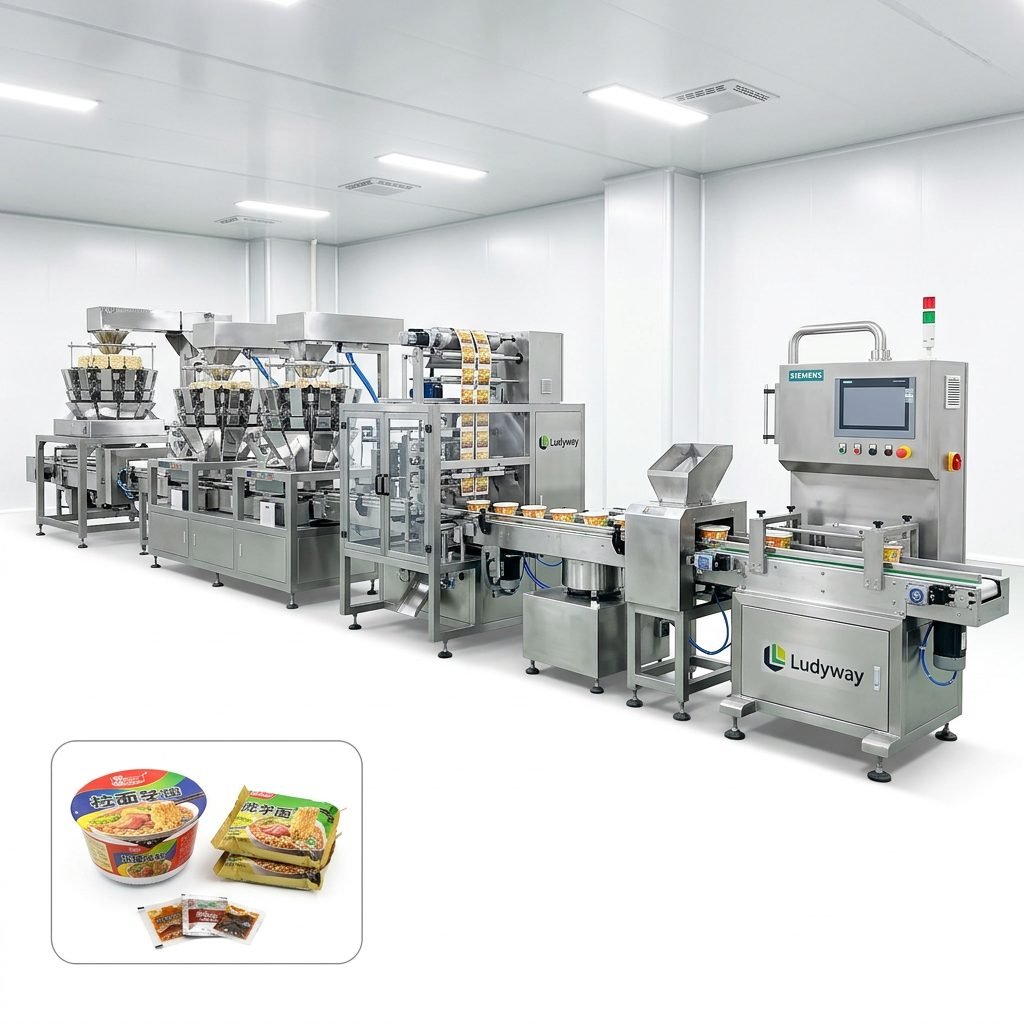
- Line Integration: Seamlessly connecting filling, capping, labeling, and cartoning equipment.
- Material Handling: Systems for feeding empty containers and managing finished products.
- Validation Support (IQ/OQ/PQ): Assisting with installation, operational, and performance qualification documentation critical for regulatory audits.
- GMP-Compliant Design: Machines built with easy-clean surfaces, rounded corners, and validated clean-in-place (CIP) systems.
Partnering with an experienced provider like Ludyway Machinery, which brings over a decade of focused expertise in packaging automation, ensures access to this holistic approach and reliable technical support.
Driving Efficiency with Automation and Smart Features
The modern pharma packaging line is intelligent and data-driven. Key advancements include:
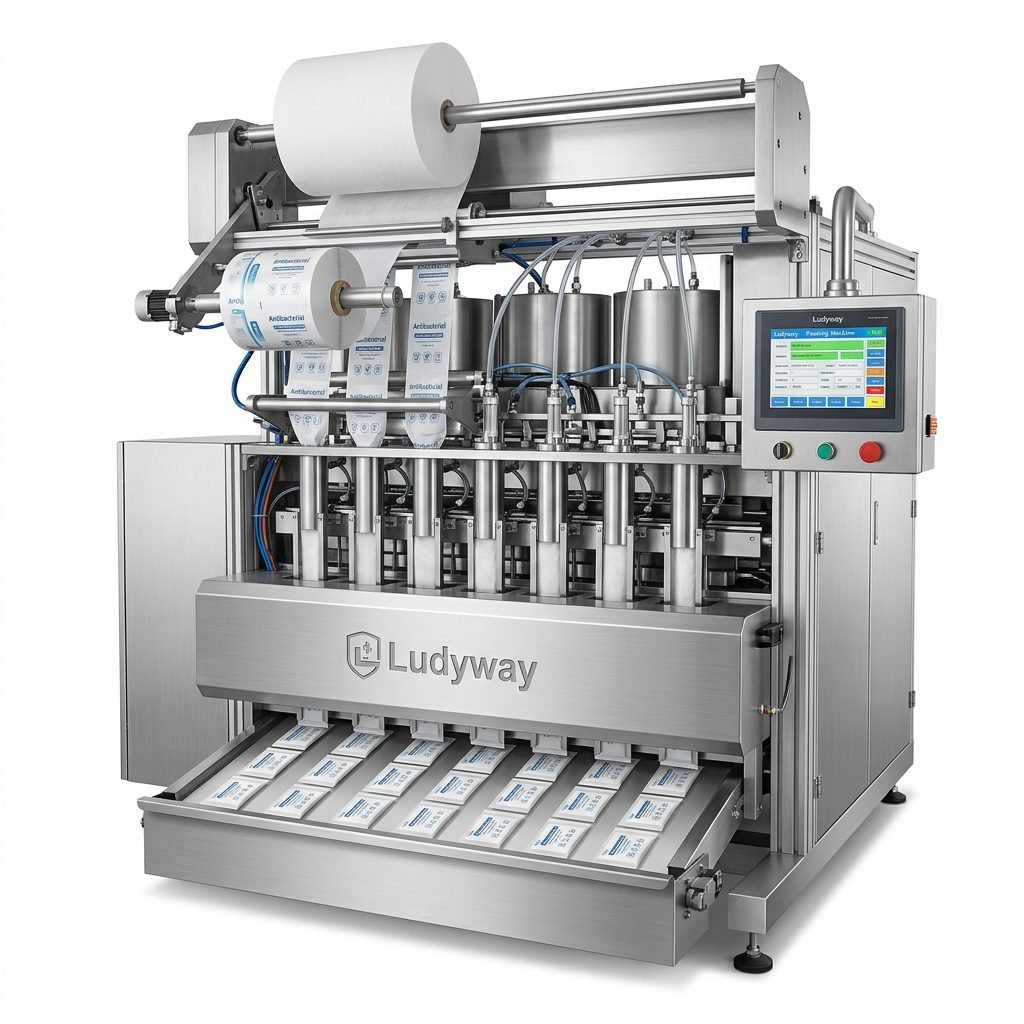
• PLC & HMI Control: User-friendly touchscreen interfaces for recipe management, changeover, and monitoring.
• Vision Inspection Systems: Automated checks for fill level, cap presence, label alignment, and package integrity, rejecting any non-conforming units.
• Data Tracking & Traceability: Integration with Manufacturing Execution Systems (MES) for complete batch records, supporting serialization and track-and-trace mandates.
These features minimize human error, maximize Overall Equipment Effectiveness (OEE), and provide the data backbone for continuous improvement and regulatory compliance.
Conclusion: A Strategic Investment in Quality and Compliance
Choosing the right pharmaceutical packaging machinery for powders, granules, and liquids is a strategic investment that directly impacts product quality, patient safety, and operational profitability. It requires a deep understanding of product characteristics, regulatory landscapes, and production goals. By investing in specialized, automated, and GMP-designed solutions from knowledgeable partners, manufacturers can build robust, efficient, and future-ready packaging operations that deliver unwavering reliability and trust in every single dose.
Frequently Asked Questions (FAQs)
1. What are the most critical factors when choosing a machine for pharmaceutical powder packaging?
The foremost factors are dosing accuracy (to meet strict pharmacopeial standards), containment of dust to ensure operator safety and prevent cross-contamination, and compatibility with CIP/SIP processes. The machine must be constructed with pharmaceutical-grade materials like 316L stainless steel for all product contact parts.
2. Can one packaging line handle both granules and powders?
While some versatile machines can be configured for both with significant changeover procedures (different filling heads, augers, vibration settings), it is generally not recommended for dedicated pharmaceutical production due to rigorous cleaning and validation requirements. Separate, optimized lines for each product type typically offer better efficiency, lower contamination risk, and easier regulatory compliance.
3. How important is automation for liquid medicine packaging?
Automation is crucial. It minimizes human intervention in the aseptic zone, drastically reducing the risk of microbial contamination. Automated inline inspection (for fill volume, seal integrity, cap torque) ensures 100% check reliability compared to manual sampling. Furthermore, automation provides precise data logging for batch records, which is essential for regulatory compliance.
4. What kind of validation support should I expect from a packaging machine supplier?
A reputable supplier should provide comprehensive documentation (Factory Acceptance Test reports, manuals, material certificates) and on-site support for Installation Qualification (IQ) and Operational Qualification (OQ). They should assist in developing protocols and may offer guidance for Performance Qualification (PQ), though the ultimate responsibility for PQ lies with the pharmaceutical manufacturer.
5. Are stick packs a viable option for professional pharmaceutical products, or are they just for consumer goods?
Absolutely. Stick packs (and sachets) are a highly viable and growing format for professional pharmaceutical and nutraceutical applications. They offer excellent barrier properties, precise unit dosing, enhanced patient compliance, and reduced packaging material waste. They are particularly popular for powdered supplements, electrolytes, and instant drink mixes within the healthcare sector.