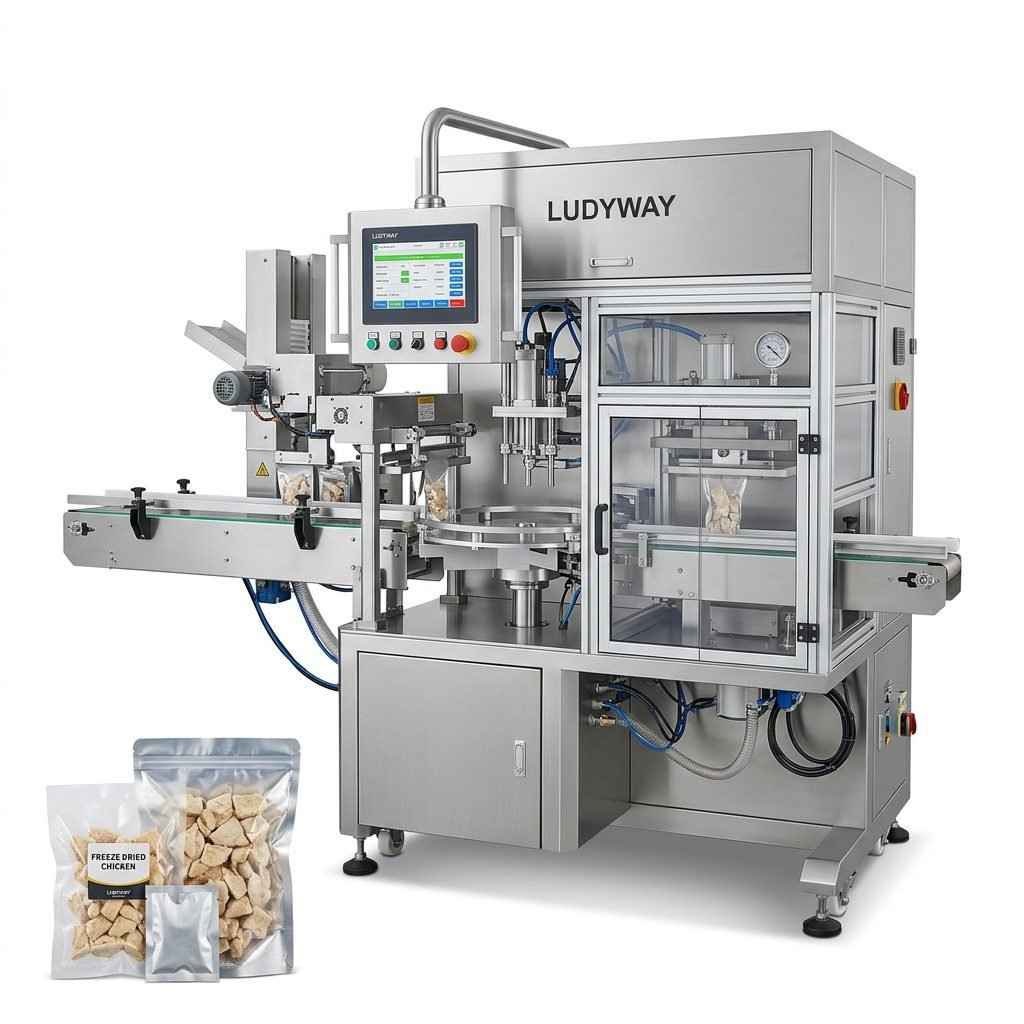
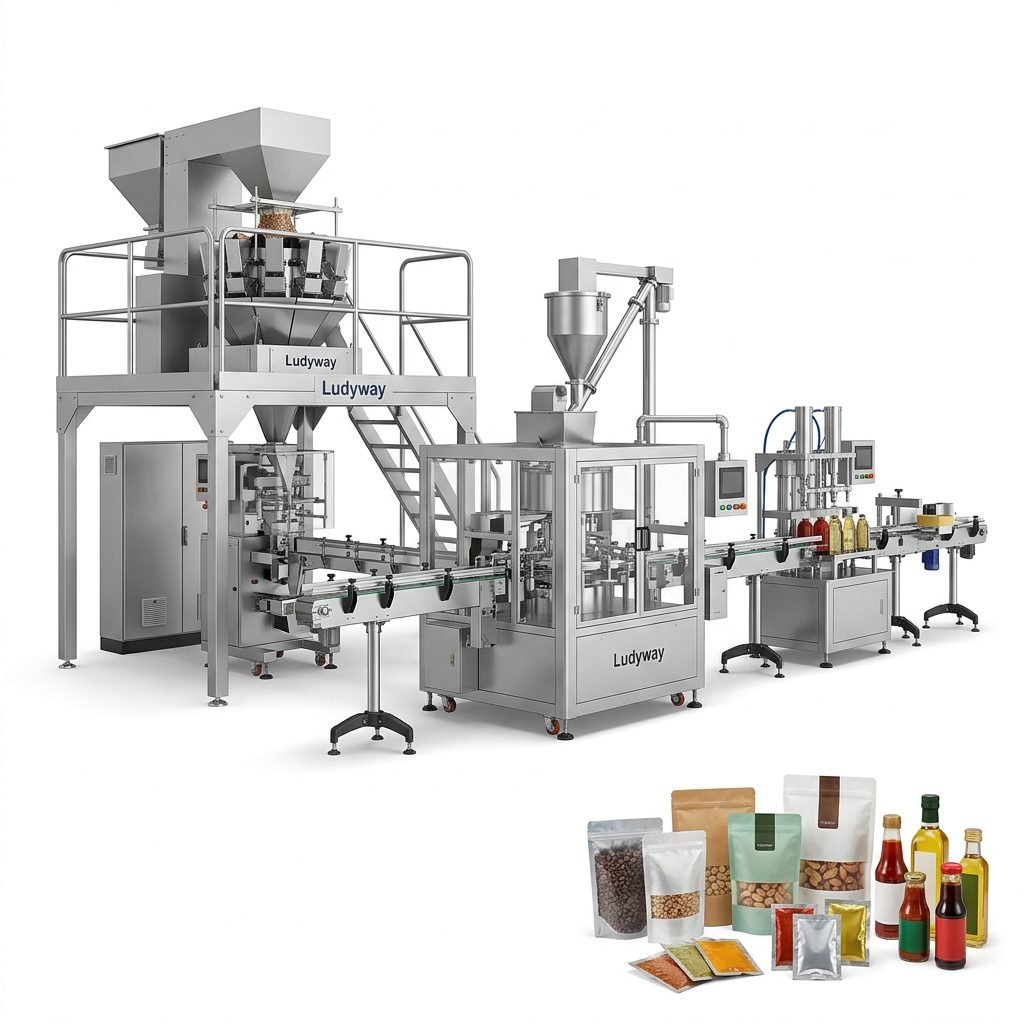
Choosing the right capsule packaging machine is a strategic decision for pharmaceutical manufacturers, nutraceutical brands, contract packers, and health supplement producers. The ideal solution should do more than simply pack capsules. It should support consistent output, packaging accuracy, product protection, regulatory compliance, and long-term operational efficiency.
Whether you are packaging hard gelatin capsules, HPMC vegetarian capsules, probiotic capsules, herbal extracts, or functional health products, the right equipment can reduce labor costs, minimize downtime, and improve the reliability of your production line.
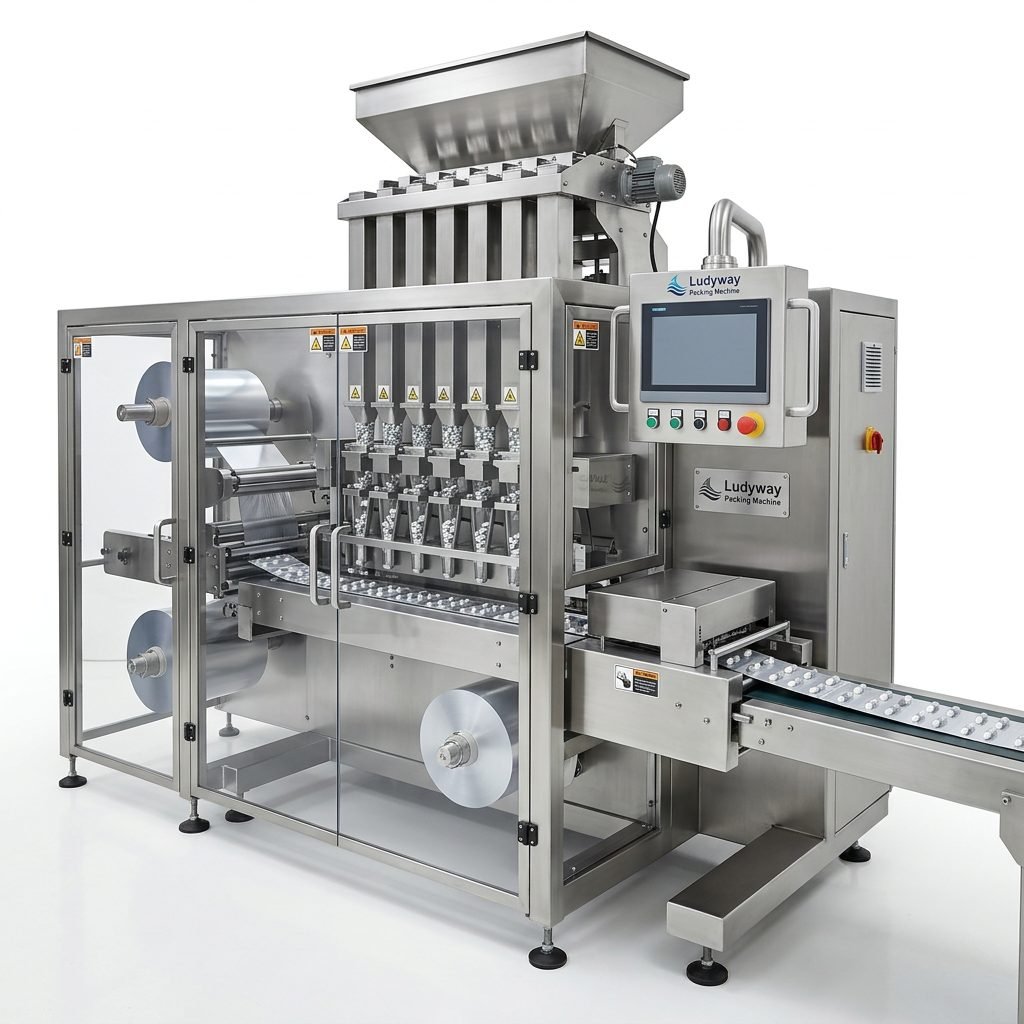
Why Capsule Packaging Machinery Matters
Capsules are widely used because they are convenient, easy to swallow, and suitable for a broad range of formulations. However, they also require careful handling during packaging. Capsules can be sensitive to moisture, breakage, counting errors, and contamination if the packaging process is not properly controlled.
A modern capsule packaging machine helps manufacturers:
- Maintain accurate capsule counts in every package
- Protect products from humidity, oxygen, and contamination
- Increase throughput with automated feeding and sealing
- Improve batch traceability and quality control
- Reduce manual handling and labor dependency
- Support GMP-oriented pharmaceutical production environments
Start with Your Packaging Format
The first step in selecting a machine is understanding the packaging format your product requires. Different capsule products are sold in different ways depending on market positioning, dosage presentation, distribution channel, and regulatory needs.
Common capsule packaging formats include:
- Blister packs for unit-dose pharmaceutical presentation
- Bottles for supplements, vitamins, and bulk retail packaging
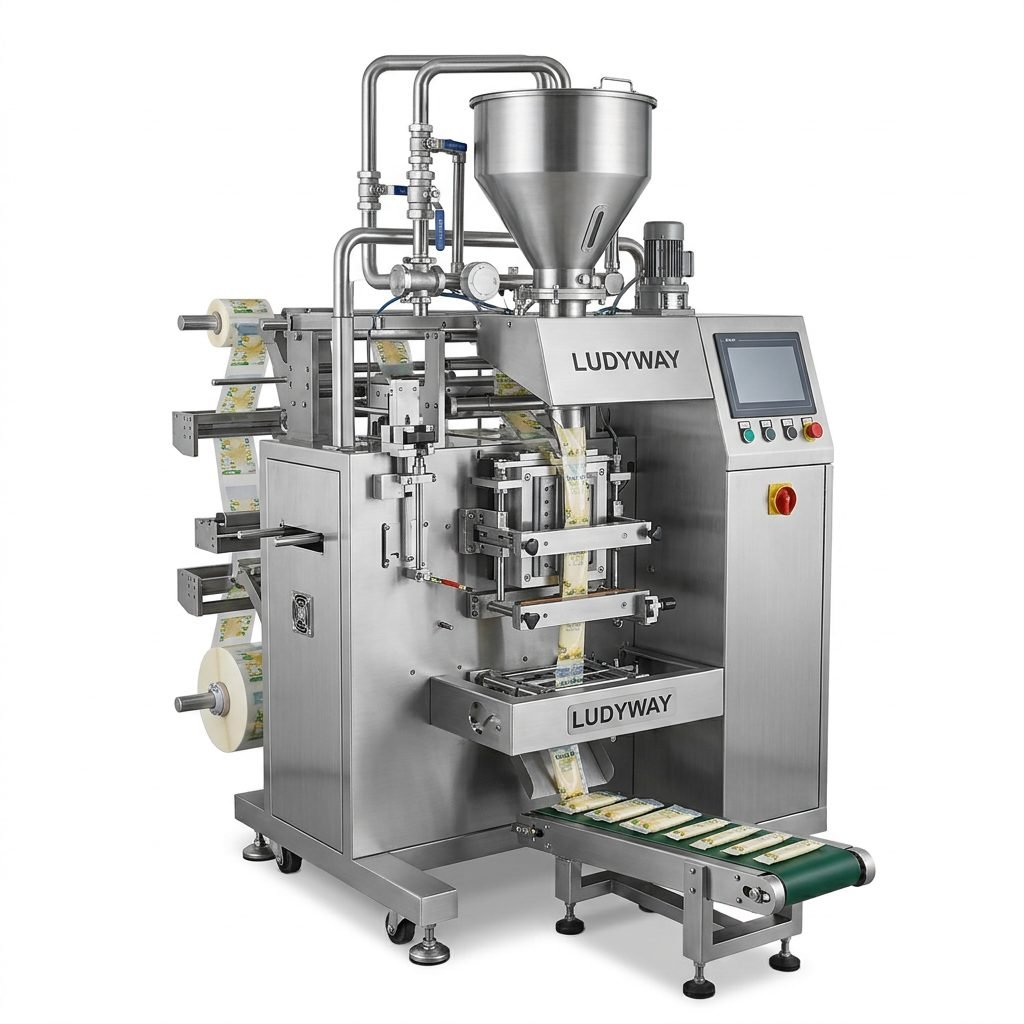
- Sachets or stick packs for single-dose or promotional applications
- Pouches for flexible retail and e-commerce packaging
- Cartons and secondary packaging for final distribution
If your main product is sold through pharmacies, blister packaging may be the most suitable. If you are in the nutraceutical or sports nutrition market, bottle filling and counting systems may be a better fit. For sample packs or travel-size health products, sachet-based or pouch-based solutions may be more attractive.
| Packaging Format | Typical Use | Main Advantage |
|---|---|---|
| Blister Pack | Pharmaceutical capsules | Excellent protection and unit-dose presentation |
| Bottle | Dietary supplements and vitamins | High efficiency and easy retail handling |
| Sachet/Stick Pack | Single-dose applications | Portability and flexible branding |
| Pouch | Retail or promotional packaging | Lower material cost and versatile format |
Define Your Required Output Capacity
A machine that is too small can limit growth. A machine that is too large can increase investment cost and underutilization. The right capacity depends on your production targets, shift structure, batch size, and future expansion plans.
Ask these key questions:
- How many capsules or packs do you need per hour?
- Do you run one shift or multiple shifts?
- Are production volumes stable or seasonal?
- Will you add more SKUs in the next 1–3 years?
- Do you need a standalone machine or a complete automatic line?
For startups and mid-sized brands, a compact automatic system may be enough. For large pharmaceutical plants and contract manufacturers, a high-speed capsule packaging line with feeding, counting, sealing, labeling, cartoning, and inspection may be the more economical long-term choice.
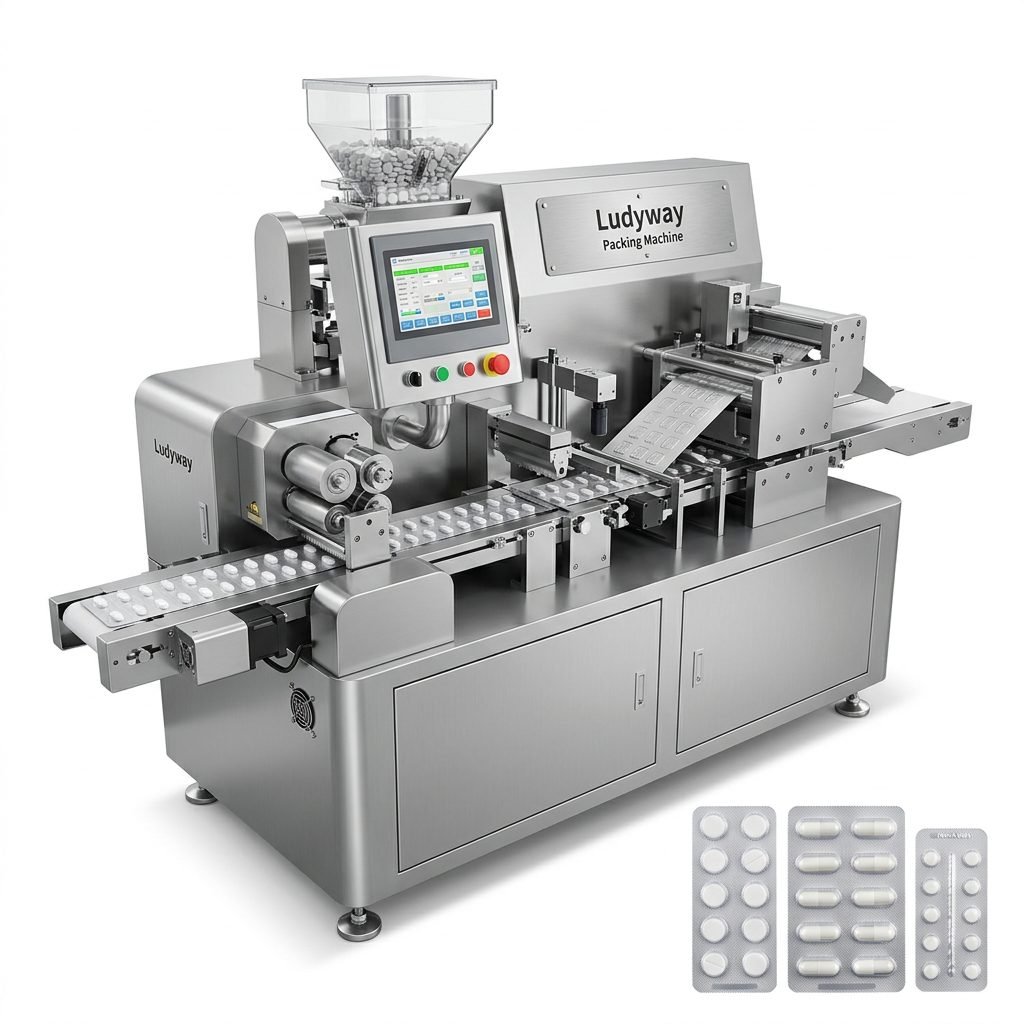
Focus on Accuracy and Product Integrity
Packaging errors can be costly, especially in pharmaceutical and nutraceutical applications. Counting inaccuracy, broken capsules, or poor sealing can lead to customer complaints, compliance issues, and wasted product.
When evaluating a machine, pay close attention to:
- Capsule feeding stability
- Counting accuracy rate
- Gentle handling design to reduce shell damage
- Dust control and product cleanliness
- Seal quality and package integrity
- Reject system for faulty packs
For high-value health supplements, probiotics, and prescription products, these details are not optional. They directly affect shelf life, customer trust, and regulatory performance.
Evaluate Compatibility with Capsule Types and Sizes
Not all capsule packaging machines handle every product equally well. Some lines are optimized for standard hard capsules, while others may need customization for softgels, micro-capsules, or specialty nutraceutical products.
Check whether the equipment supports:
- Different capsule sizes such as 000, 00, 0, 1, 2, 3, and 4
- Hard gelatin and vegetarian capsules
- Transparent, opaque, and two-color capsules
- Fragile or hygroscopic formulations
- Fast changeover between SKUs
If you offer multiple product lines, flexibility is especially important. A machine with fast tooling adjustments and user-friendly recipe settings can significantly reduce downtime during changeovers.
Consider Compliance and Cleanability
In pharmaceutical and health product manufacturing, machine design should support hygienic production standards and easy validation. Surfaces should be accessible, contact parts should be easy to clean, and the machine should be built with materials suitable for regulated environments.
Important compliance-related features include:
- Stainless steel construction where needed
- GMP-conscious machine layout
- Low-dust design
- Batch coding and traceability integration
- Inspection systems for missing or damaged capsules
- Validation-ready documentation support
| Selection Factor | Why It Matters | What to Check |
|---|---|---|
| Hygiene | Prevents contamination risks | Smooth surfaces, cleanable contact parts |
| Traceability | Supports audits and recalls | Printer, code reader, data integration |
| Inspection | Ensures pack quality | Reject unit, missing-count detection |
| Documentation | Useful for qualification and maintenance | Manuals, drawings, support files |
Look Beyond the Machine: Think in Terms of a Complete Line
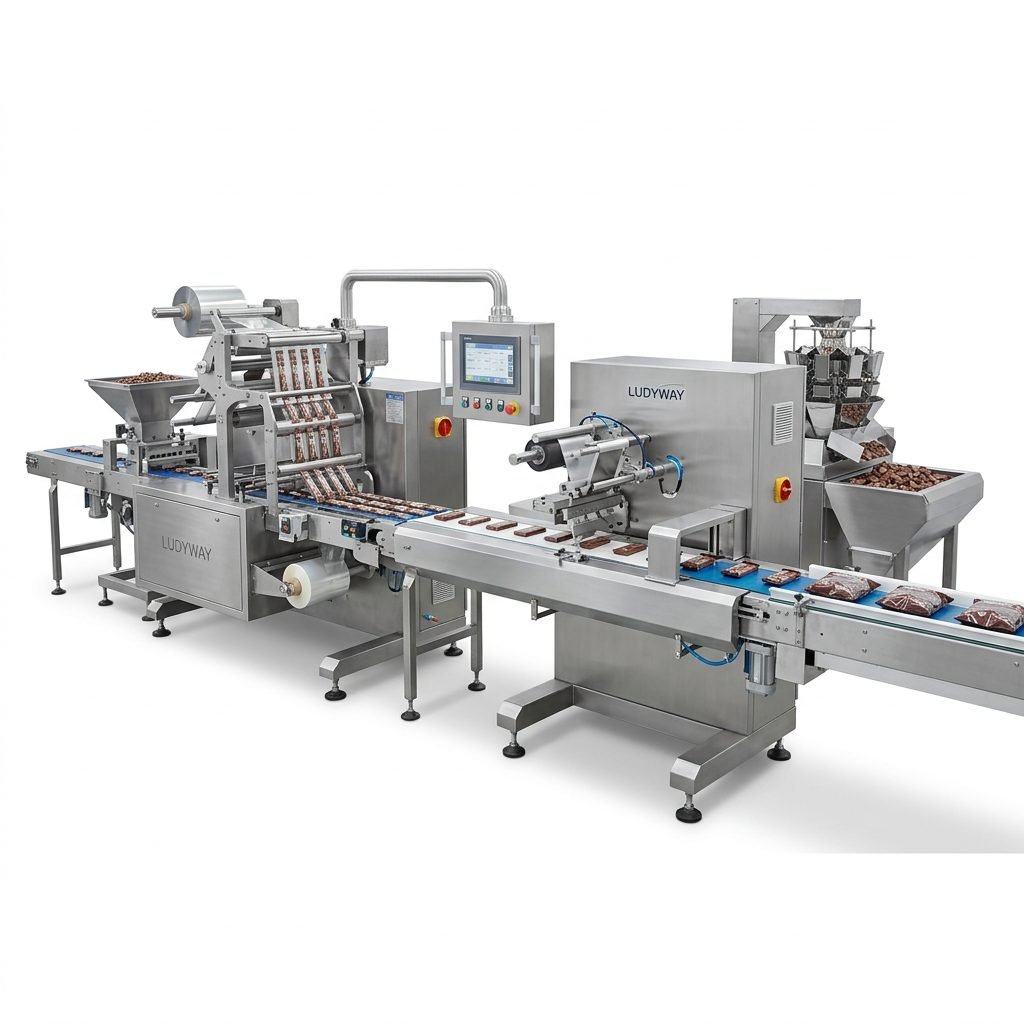
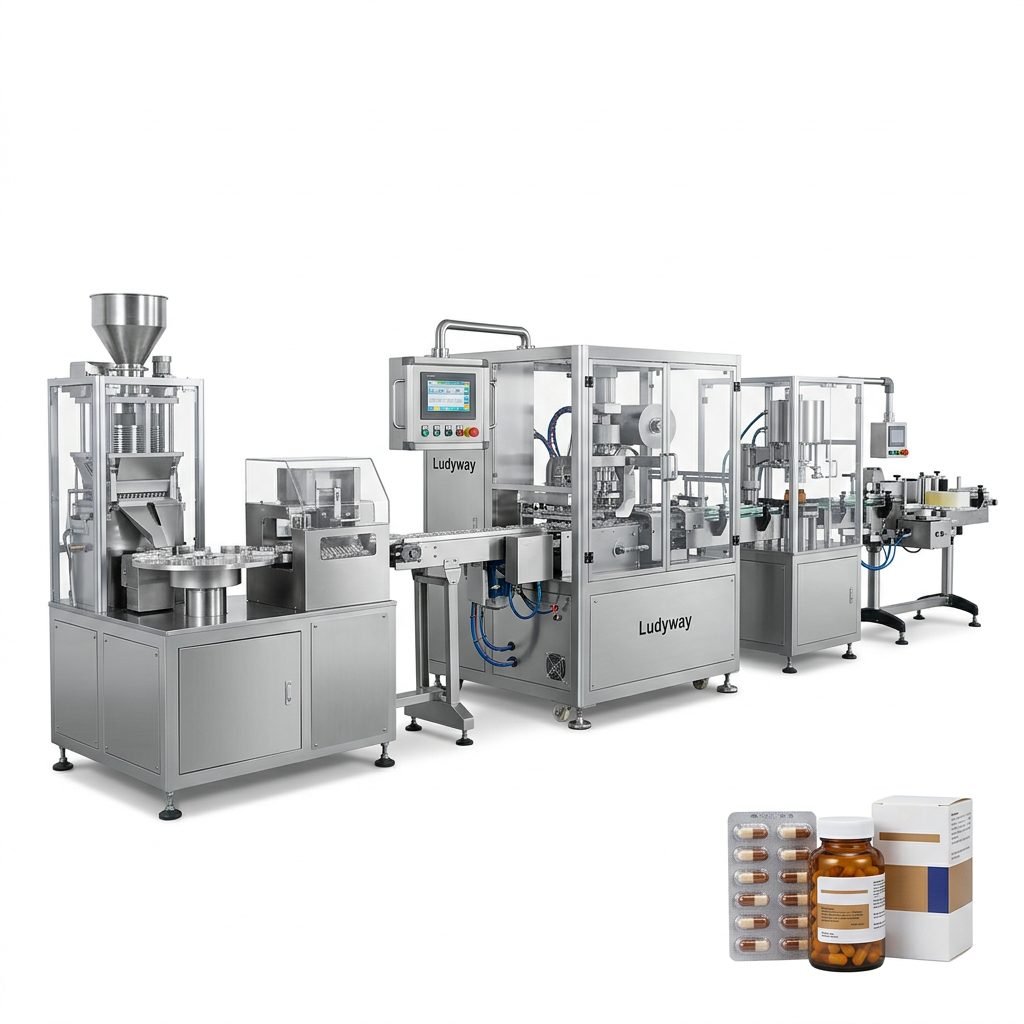
Many buyers focus only on the main packaging unit, but real efficiency often comes from how well the entire line works together. Feeding, counting, sealing, labeling, cartoning, checkweighing, and final case packing all affect productivity.
A complete line can help you achieve:
- Higher automation and lower labor intensity
- Smoother material flow between stations
- Reduced bottlenecks and stoppages
- More consistent packaging quality
- Better overall equipment effectiveness
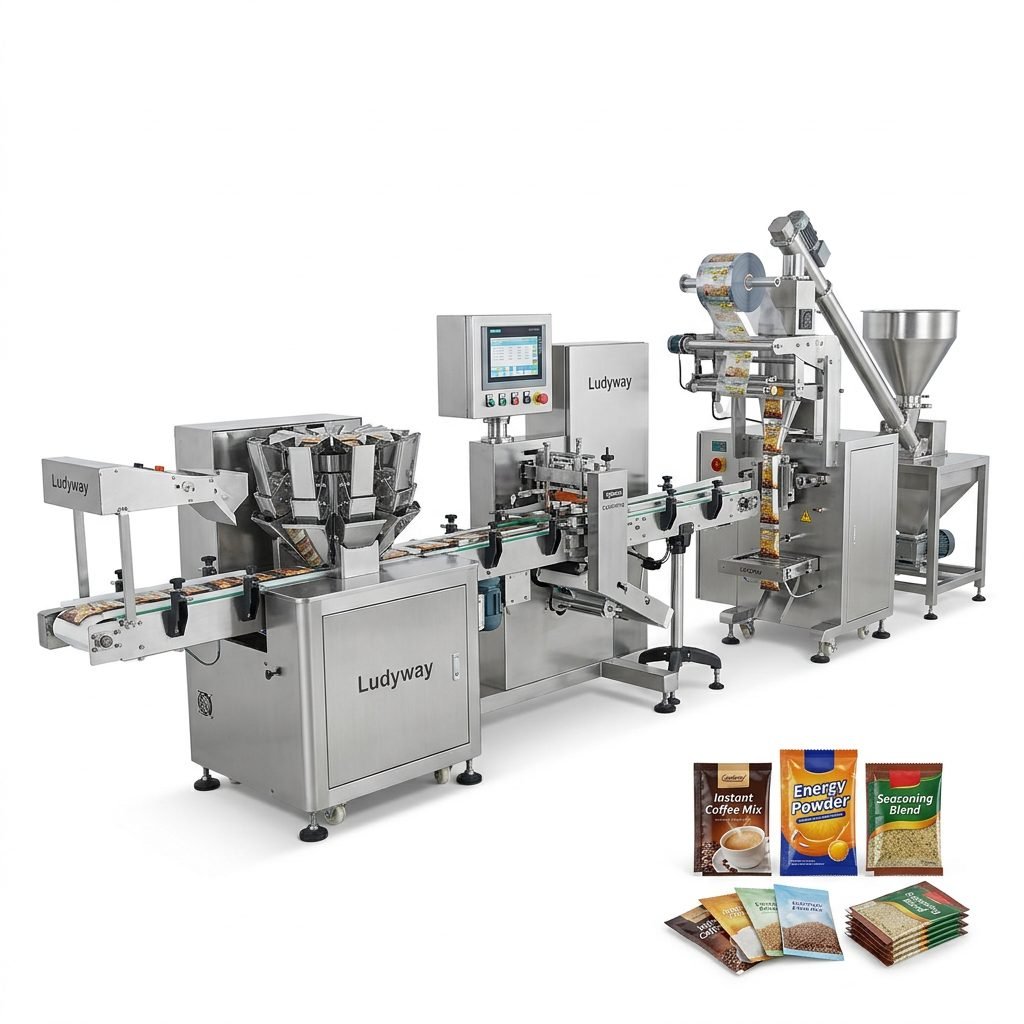
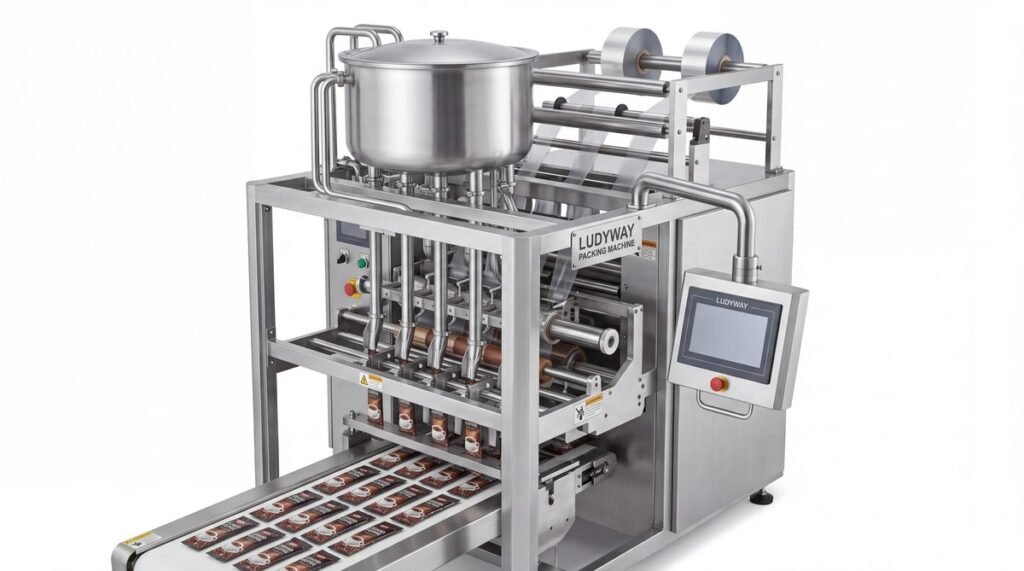
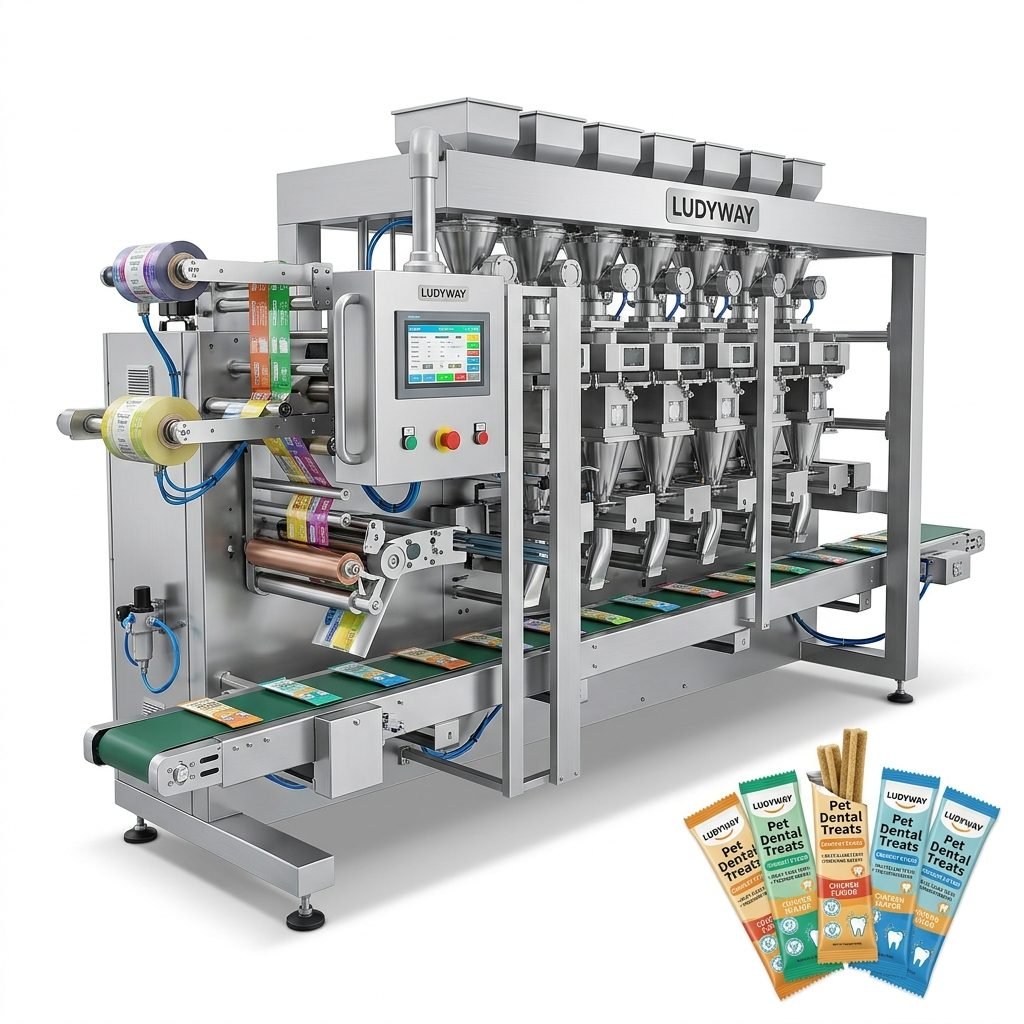
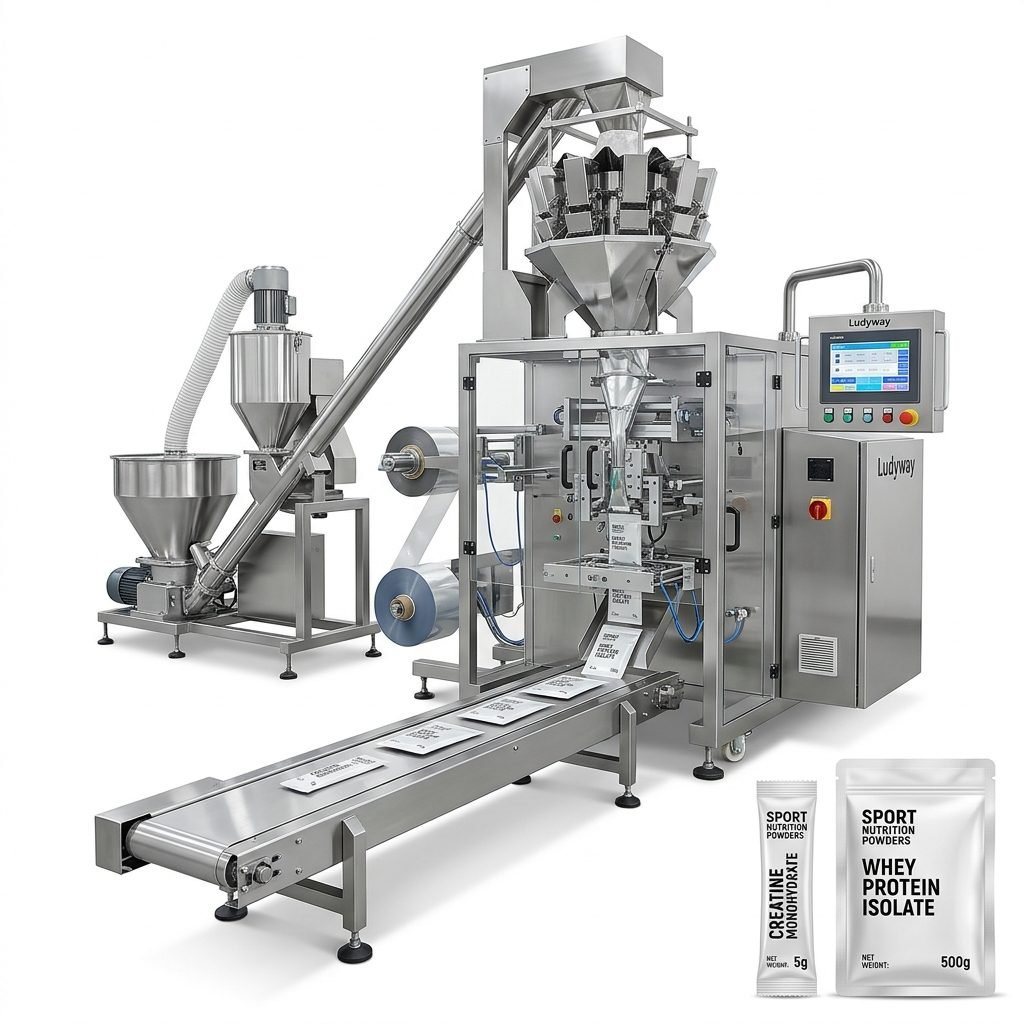
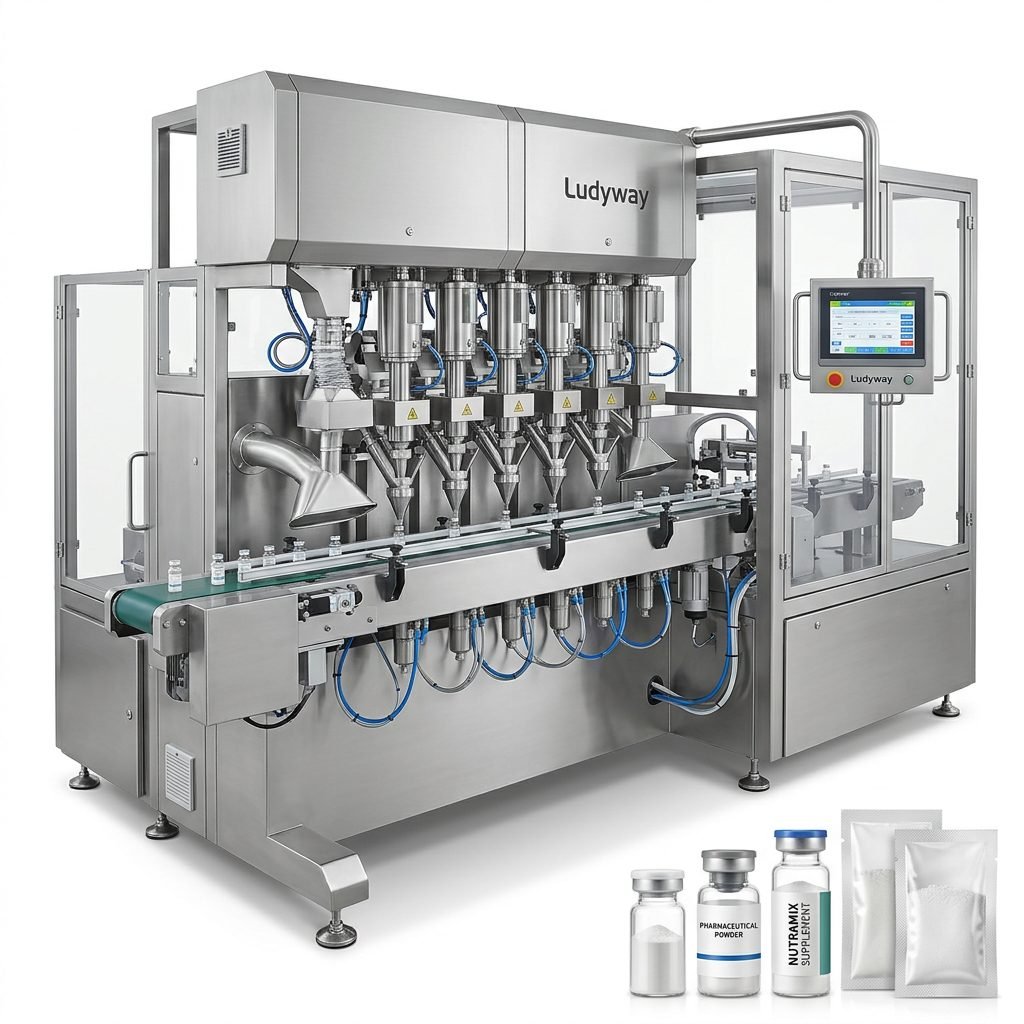
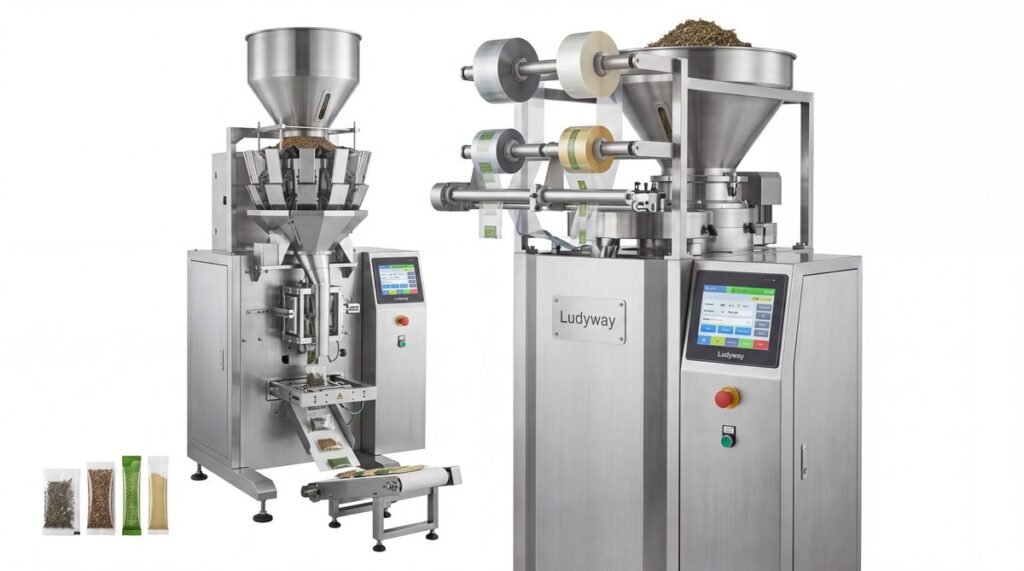
This is why many buyers prefer suppliers that can deliver both single machines and integrated packaging lines. For example, capsule packaging machine solutions from Ludyway are often considered by international buyers looking for scalable equipment, customization capability, and turnkey packaging line support.
Pay Attention to Automation Level
Different manufacturers need different automation levels. A semi-automatic setup may work for pilot runs or small batches, while a fully automatic capsule packaging line is more suitable for high-volume commercial production.
General comparison:
- Semi-automatic machines: lower upfront cost, more manual intervention, suitable for smaller production volumes
- Automatic machines: balanced cost and output, good for growing businesses
- Fully integrated lines: highest efficiency, best for large output and strict quality consistency
Your decision should be based on labor costs, production targets, and how important repeatability is for your business.
Assess Ease of Operation and Maintenance
Even a technically advanced machine can become inefficient if it is difficult to operate or maintain. User-friendly controls, clear alarms, accessible components, and reliable spare parts support are all essential for long-term performance.
Before buying, ask about:
- HMI interface simplicity
- Recipe storage for different products
- Cleaning and maintenance time
- Availability of spare parts
- Remote technical support
- Operator training and commissioning services
A practical, easy-to-maintain machine often delivers better return on investment than a complex system with frequent service interruptions.
Check Customization Potential
Capsule packaging projects are rarely identical. Your product may require nitrogen flushing, desiccant insertion, metal detection, vision inspection, carton packing, or connection with upstream capsule filling equipment. Because of this, customization can be a decisive factor.
A good supplier should be able to adapt the solution to your:
- Capsule material and formulation behavior
- Packaging format and retail specification
- Factory layout and space limitations
- Language, voltage, and compliance requirements
- Future production expansion plans
Understand Total Cost, Not Just Purchase Price
The lowest quoted price is not always the best value. To choose the right capsule packaging machine, look at the total cost of ownership over time.
Include these factors in your evaluation:
- Machine purchase cost
- Installation and commissioning
- Packaging material compatibility
- Energy consumption
- Labor savings
- Maintenance and spare parts
- Downtime risk
- Future upgrade potential
A more reliable system with higher automation may cost more initially, but it can generate greater value through faster throughput, fewer rejects, and more stable long-term operation.
Questions to Ask Before You Buy
- What capsule types and sizes can the machine handle?
- What is the real production speed under working conditions?
- How accurate is the counting or filling system?
- How long does format changeover take?
- Can the machine integrate with labeling, cartoning, and inspection equipment?
- What support is available after installation?
- Can the supplier provide references, videos, or case examples?
- What customization options are available for my factory and product requirements?
Final Buying Insight
The best capsule packaging machine is not simply the fastest one. It is the solution that best matches your product type, packaging format, compliance needs, production target, and expansion strategy. For pharmaceutical and health product companies, the priority should always be efficient output with reliable quality.
By carefully evaluating packaging format, speed, accuracy, automation, hygiene design, and integration capability, you can choose a system that supports stable production today and scalable growth tomorrow.