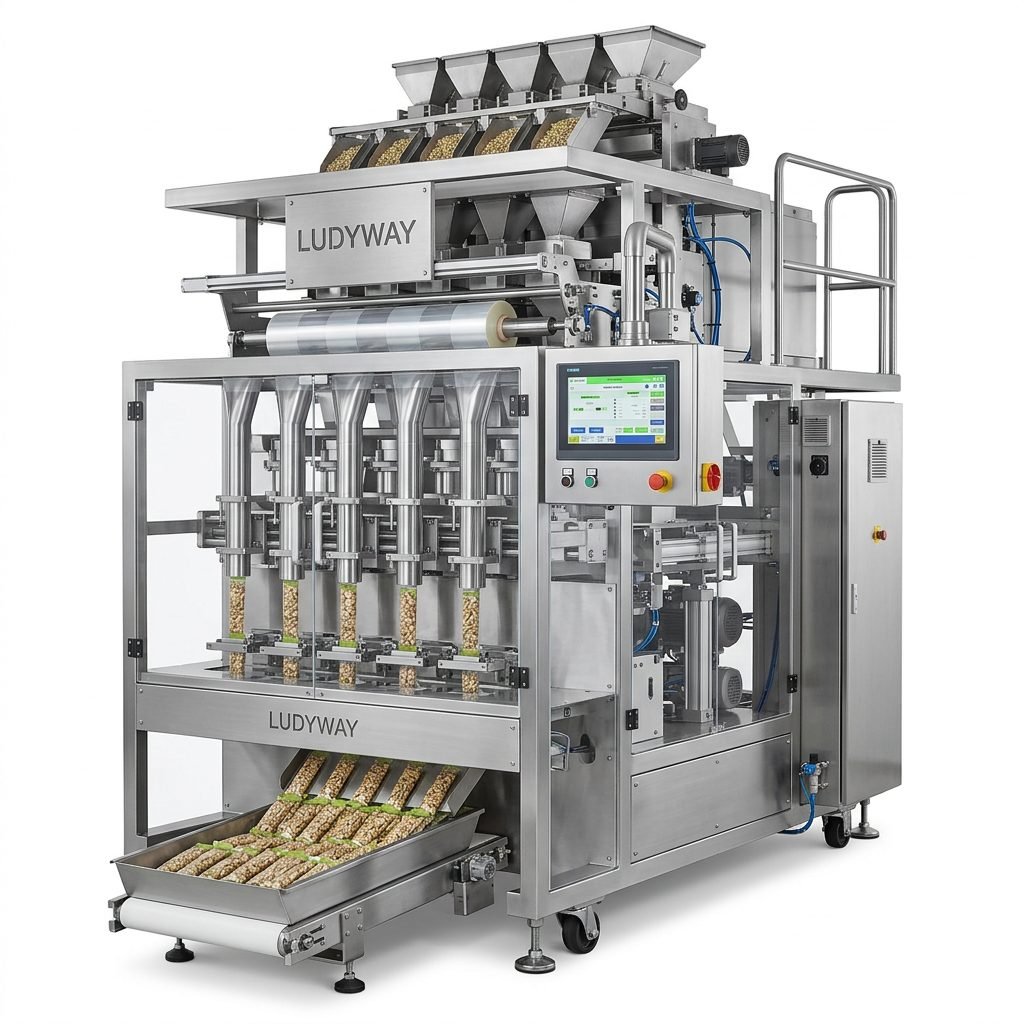
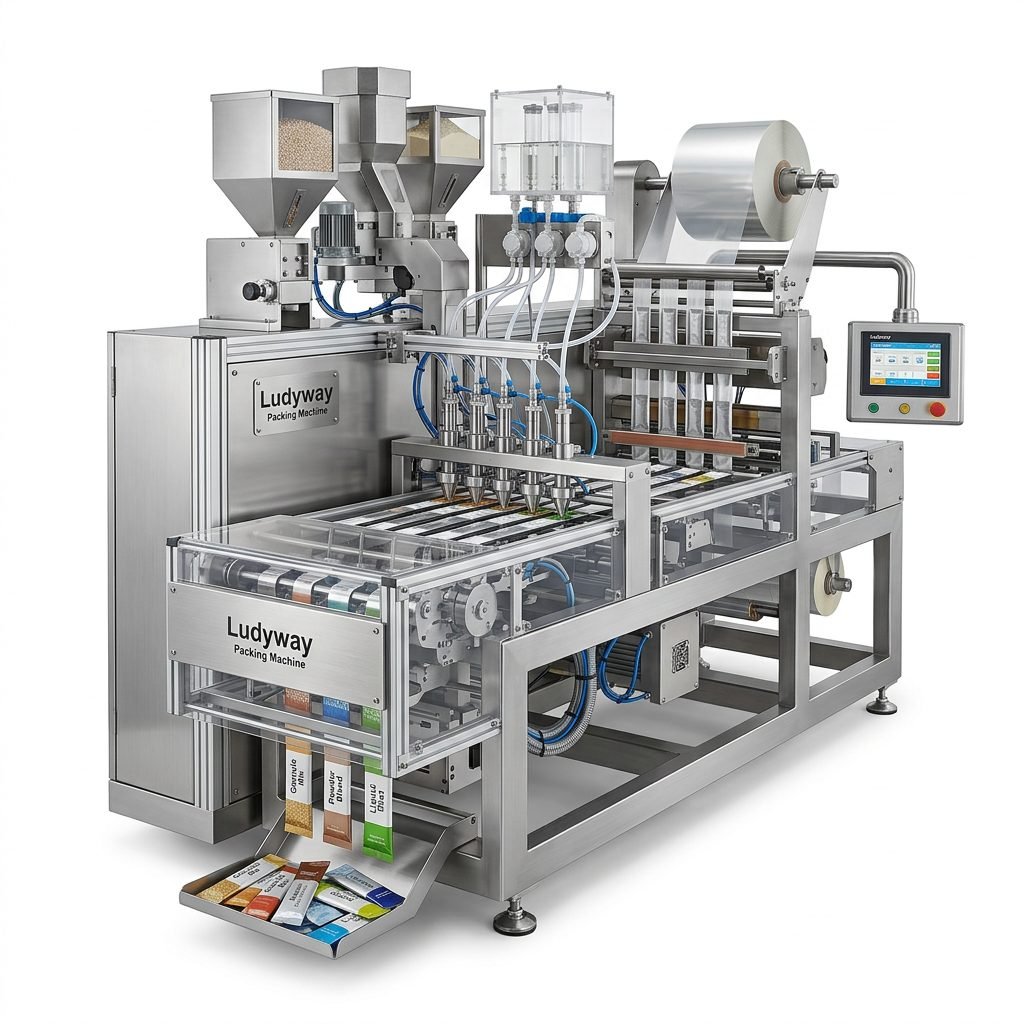
In modern manufacturing, automated packaging machinery plays a critical role in improving output, reducing labor dependency, and delivering consistent package quality. Whether companies process powders, granules, liquids, pastes, pouches, bottles, or cartons, the right packaging system helps create a more efficient and reliable production environment from start to finish.
Businesses in food, pharmaceutical, cosmetic, chemical, health supplement, and pet product industries are increasingly investing in automated packaging solutions to meet rising market demands, stricter quality expectations, and faster delivery timelines. A well-designed packaging line is no longer just equipment—it is a strategic production asset.
Why Automated Packaging Machinery Matters
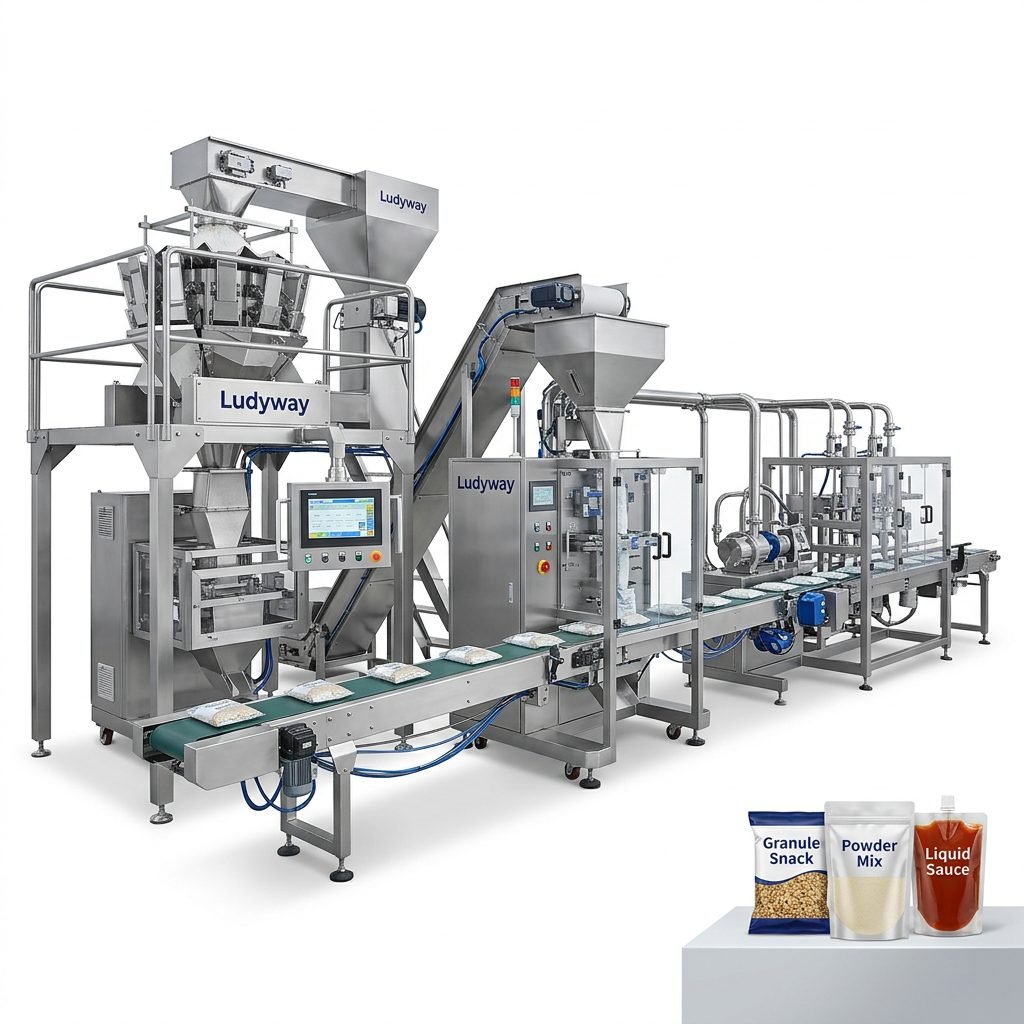
Manual or semi-automatic packaging processes often create bottlenecks in production. They can lead to uneven filling, inconsistent sealing, product waste, and higher operating costs. Automated machinery addresses these issues by combining precise dosing, controlled sealing, synchronized conveying, and integrated inspection into one continuous workflow.
- Higher throughput: Faster filling, sealing, coding, cartoning, and palletizing.
- Stable packaging quality: Better control over weight, sealing temperature, and package appearance.
- Lower labor requirements: Reduced manual intervention in repetitive tasks.
- Improved hygiene and safety: Especially important for food and pharmaceutical production.
- Scalable production: Easy expansion from standalone machines to full turnkey lines.
Core Benefits for Efficient and Reliable Production
1. Precision in Filling and Weighing
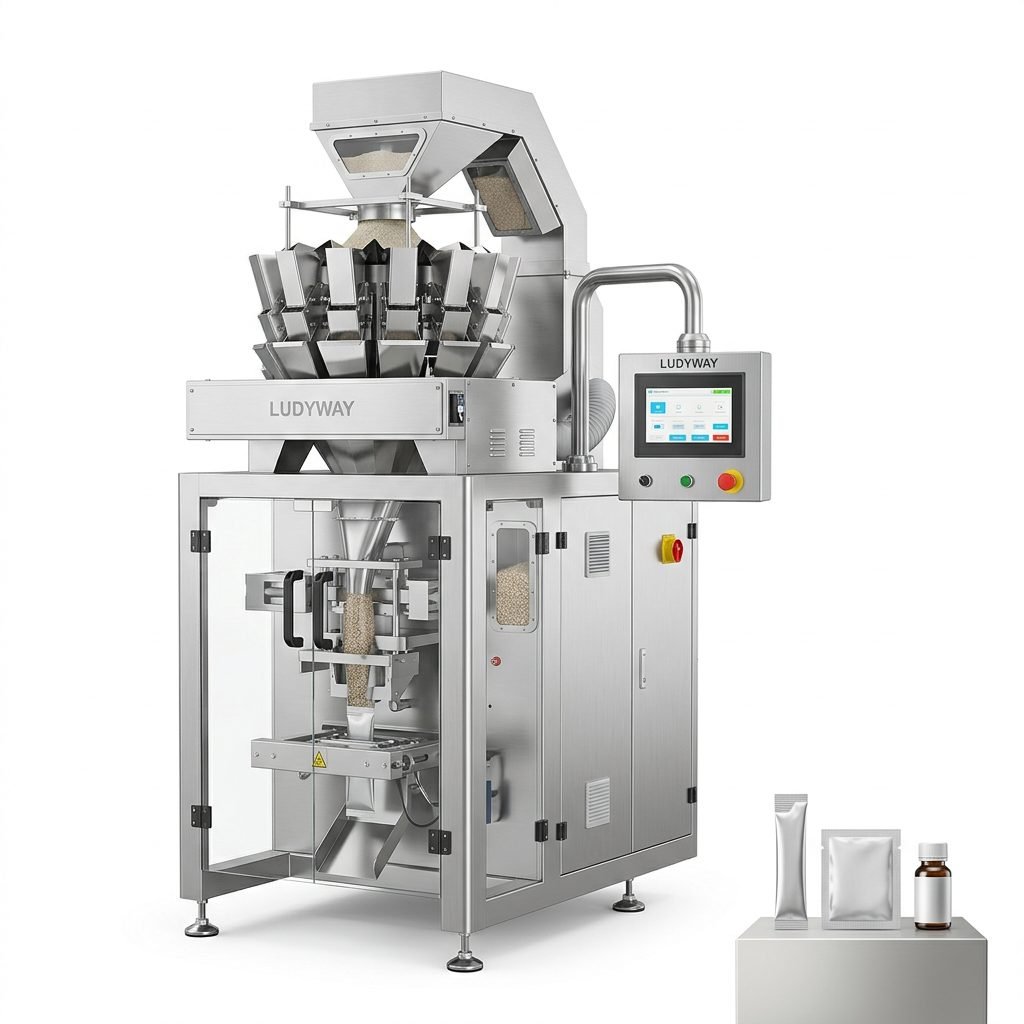
Accurate filling is essential for reducing product giveaway and maintaining compliance. Advanced packaging machines can handle a wide variety of materials, including fine powders, free-flowing granules, viscous liquids, and semi-fluid pastes. Precision dosing systems improve consistency while protecting profit margins.
2. Consistent Sealing Performance
Reliable sealing ensures product freshness, leak prevention, shelf-life protection, and transport safety. Automated sealing systems deliver repeatable seal quality, even at high speed, making them ideal for competitive production environments.
3. Reduced Downtime
Modern automated systems are built with user-friendly interfaces, structured maintenance access, and intelligent controls. This helps operators make adjustments quickly, change formats efficiently, and reduce unplanned stoppages.
4. Flexible Packaging Formats
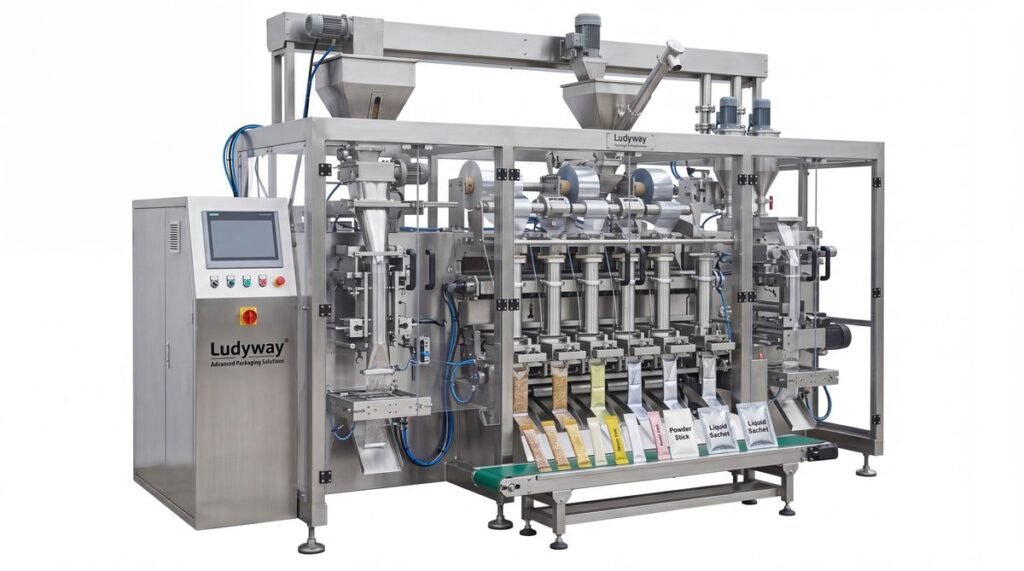
Manufacturers often need to package different SKUs, grammages, and formats. Automated machinery can support sachets, stick packs, pouches, bottles, jars, bags, and cartons, making it easier to adapt to market changes.
| Production Need | Automated Packaging Advantage |
|---|---|
| High-speed output | Continuous operation with synchronized machine modules |
| Product consistency | Accurate weighing, controlled sealing, and repeatable packaging quality |
| Labor savings | Less manual handling and reduced operator dependency |
| Product variety | Flexible support for granules, powders, liquids, and pastes |
| Quality assurance | Integration with coding, inspection, checkweighing, and case packing |
Applications Across Industries
Automated packaging machinery is widely used in many sectors because of its adaptability and performance. Different industries require different packaging standards, product handling methods, and compliance levels, so choosing the right system architecture is essential.
Food Industry
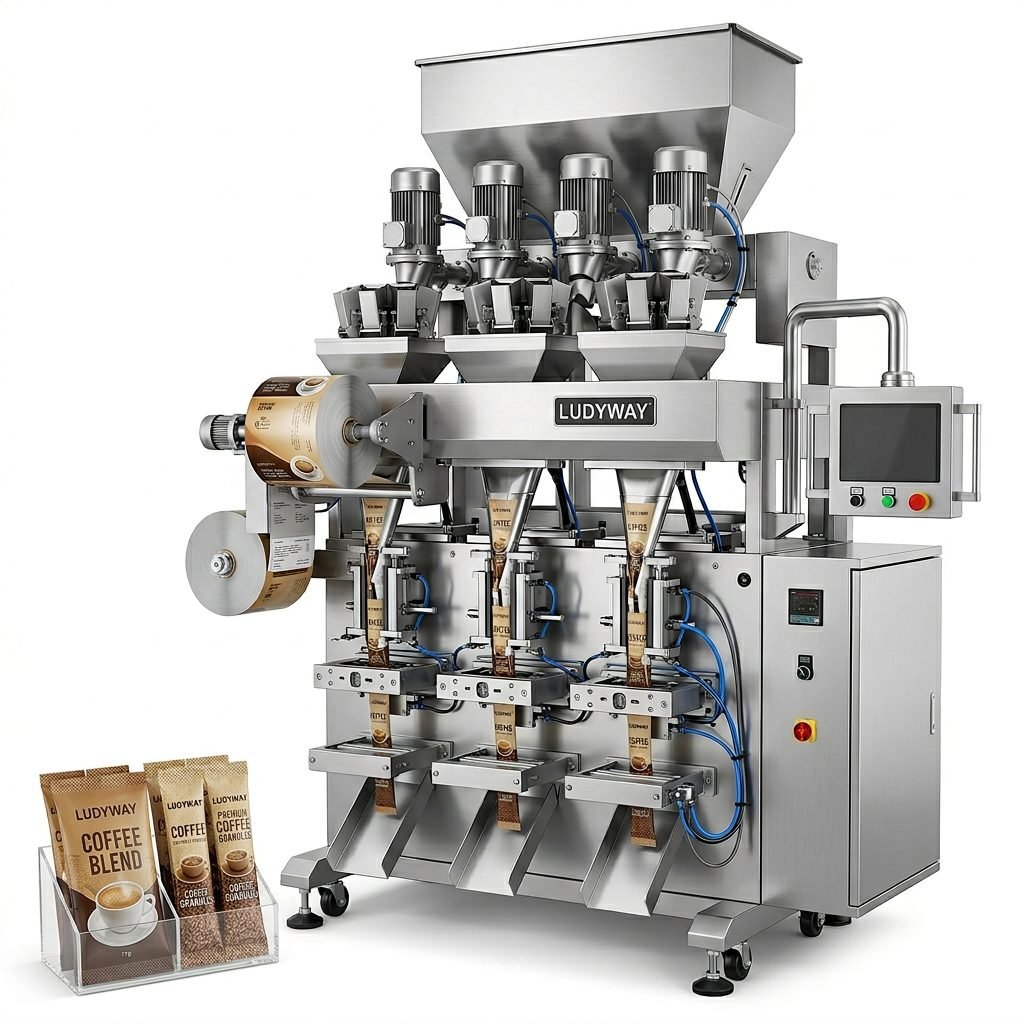
Food manufacturers need speed, hygiene, and stable package integrity. Automated systems are suitable for coffee, milk powder, spices, sauces, snacks, grains, sugar, protein powder, and instant beverage mixes.
Pharmaceutical and Health Supplement Industry
These sectors require high precision, traceability, and clean production conditions. Sachet, stick pack, bottle filling, and integrated packaging lines help maintain safety and compliance for granules, oral liquids, powder supplements, and medical consumables.
Cosmetic and Personal Care Industry
Serums, creams, lotions, shampoos, face masks, and beauty samples benefit from accurate filling and attractive packaging. Automated lines support premium presentation while improving production efficiency.
Chemical and Daily-Use Product Industry
For detergents, cleaners, adhesives, and industrial chemicals, packaging equipment must handle diverse material properties while maintaining safe sealing and durable packaging output.
Key Types of Automated Packaging Machinery
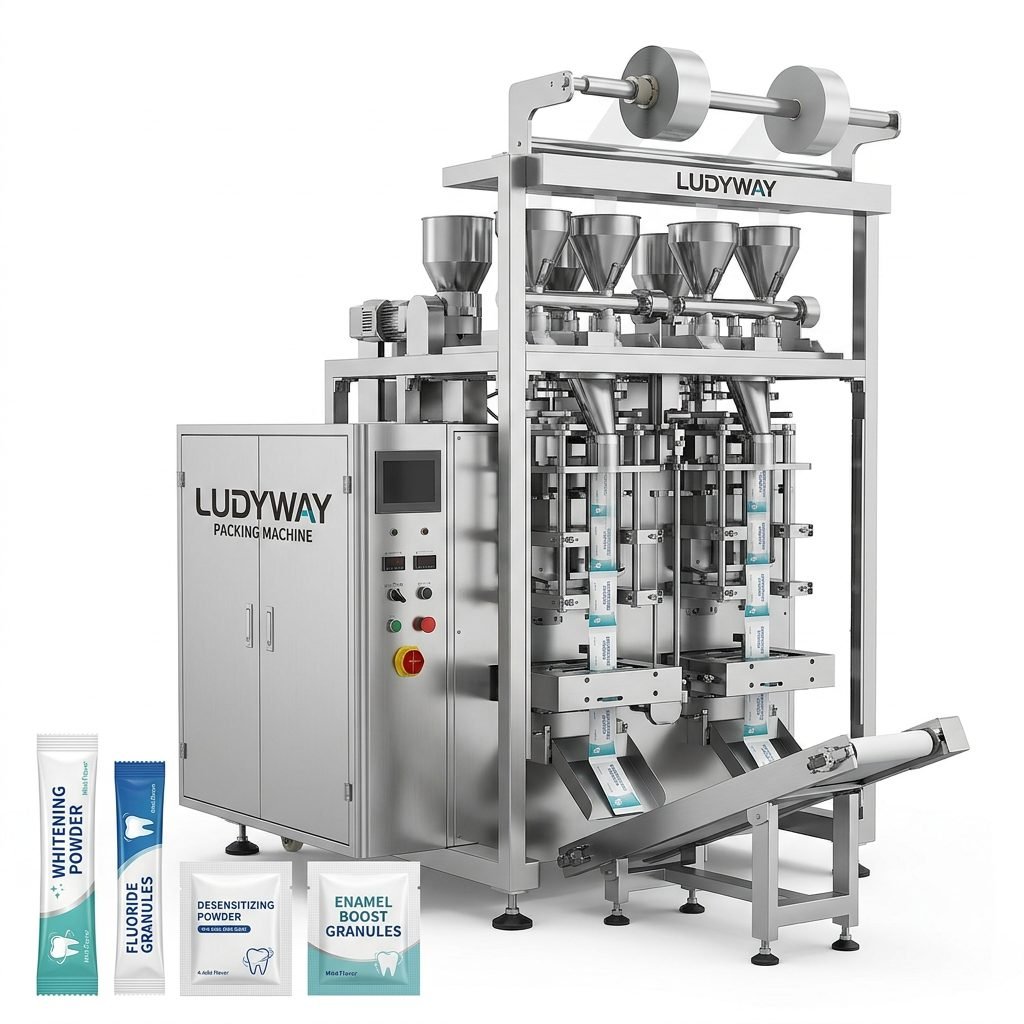
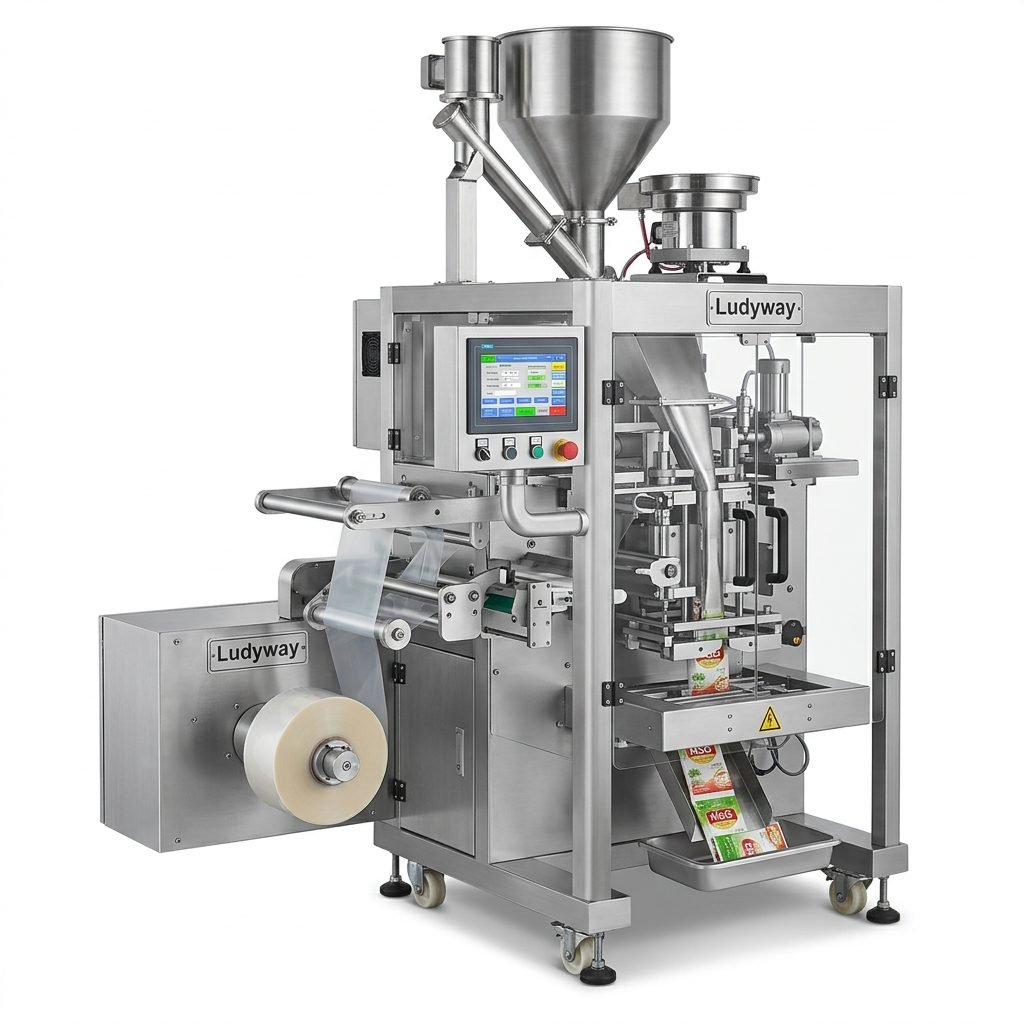
- Sachet packing machines for powders, granules, liquids, and pastes.
- Stick pack machines for high-speed single-dose packaging.
- Vertical form fill seal systems for flexible bag and pouch packaging.
- Bottle filling and capping lines for liquids and supplements.
- Cartoning and case packing systems for secondary packaging automation.
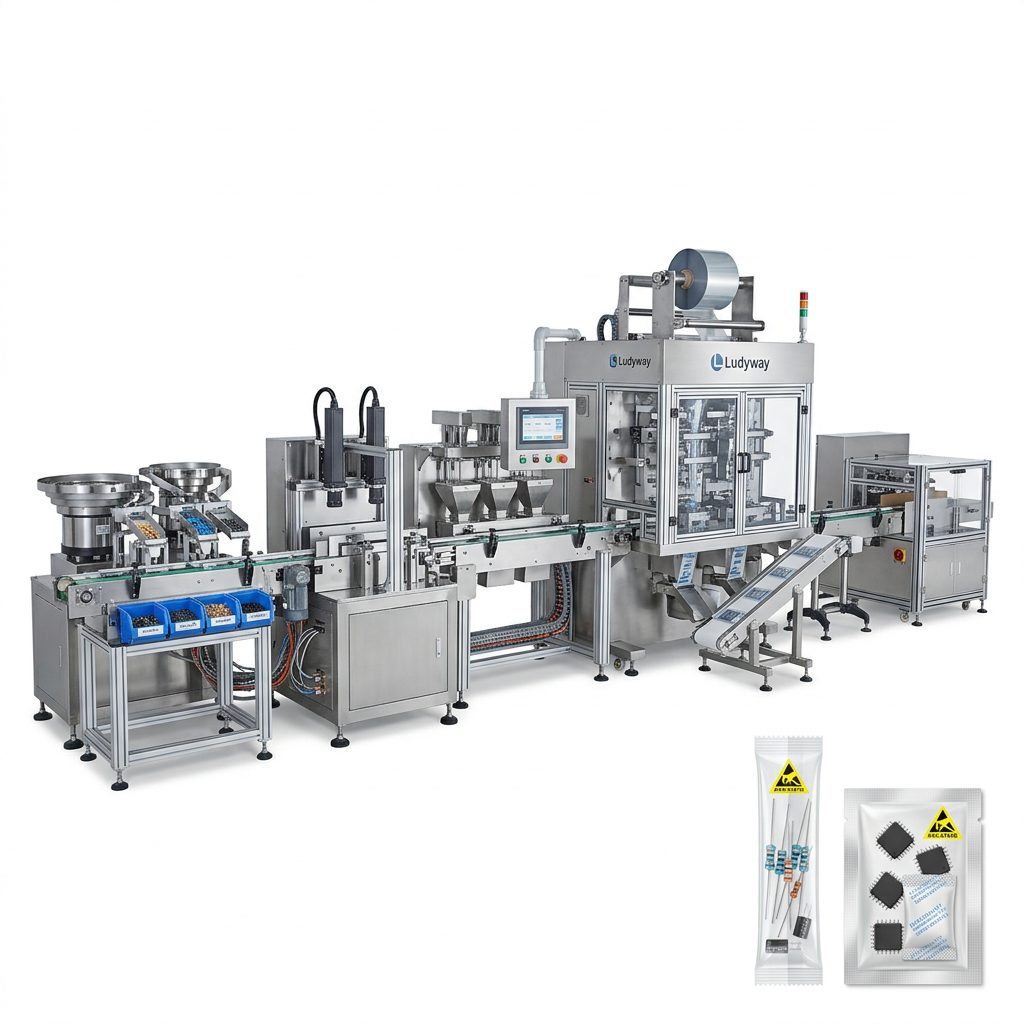
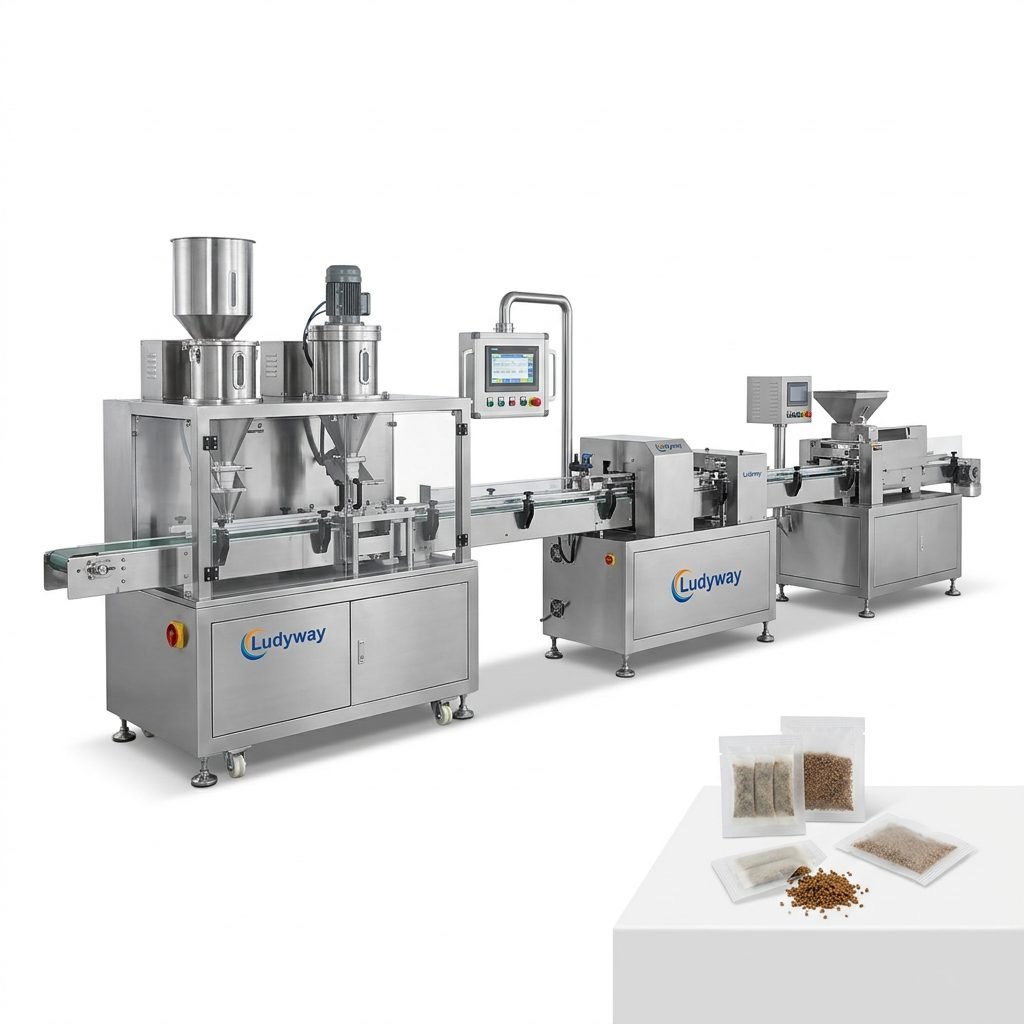
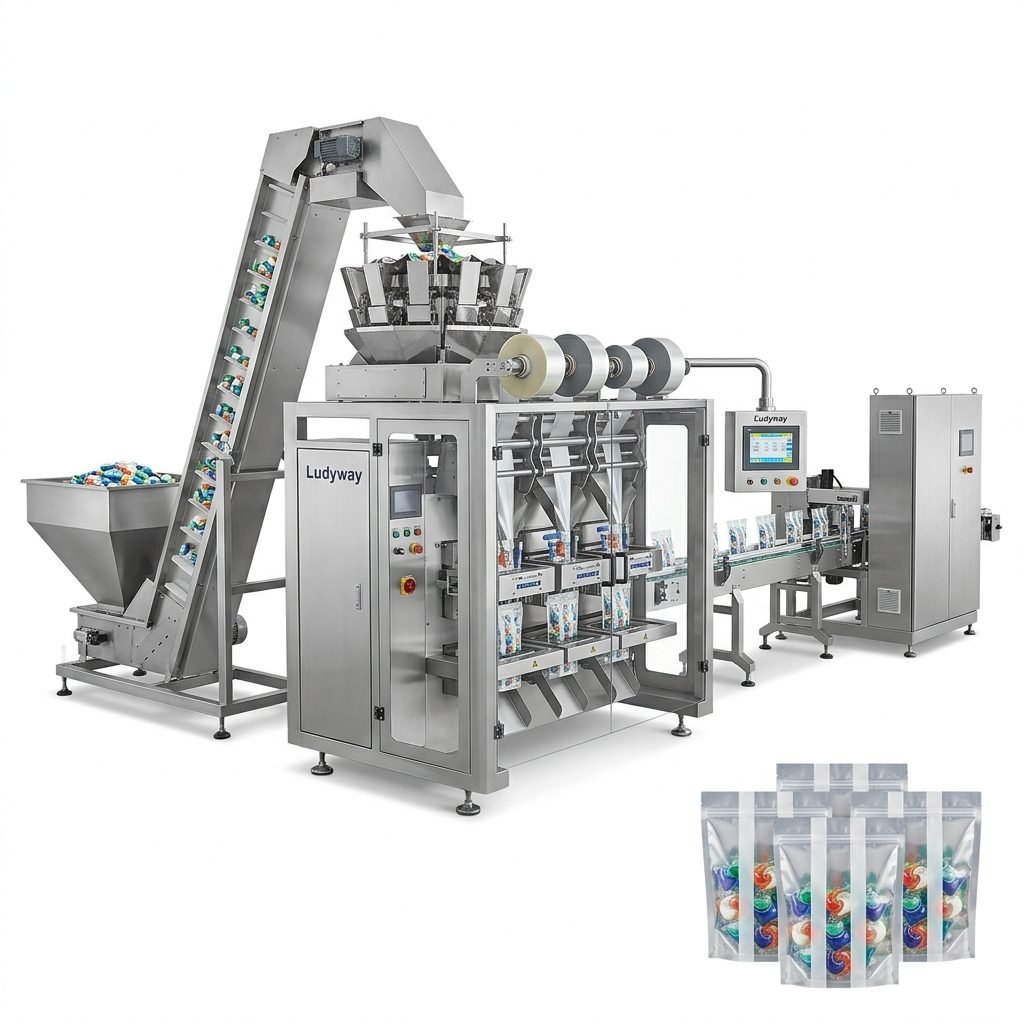
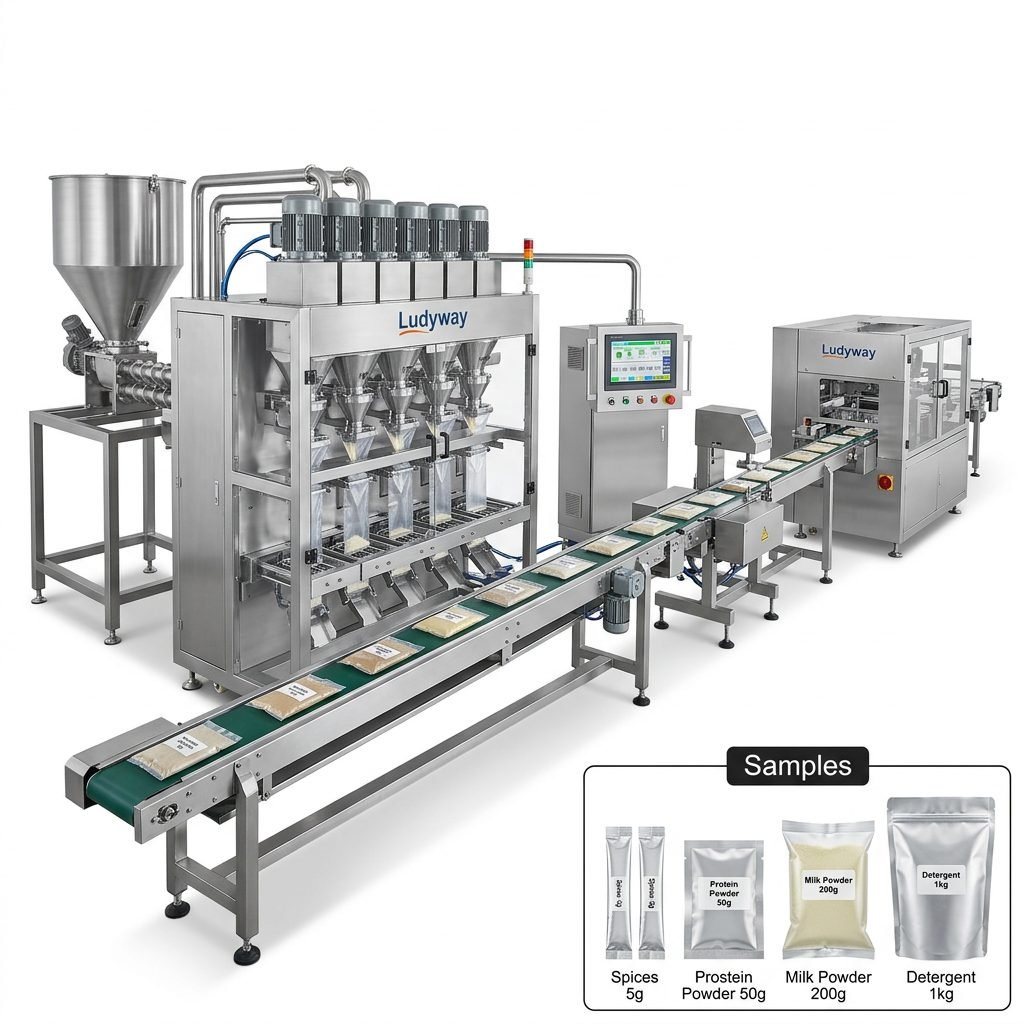
- Turnkey packaging lines combining feeding, dosing, filling, sealing, coding, inspection, and end-of-line handling.
How to Choose the Right Packaging Solution
Selecting the right machine requires more than just comparing speed. Manufacturers should evaluate the full production process, product characteristics, packaging material compatibility, and long-term expansion plans.
- Product type: powder, granule, liquid, paste, tablet, pouch, or bottle
- Required output per minute or per hour
- Package format and size range
- Sealing method and material compatibility
- Cleaning, hygiene, and compliance requirements
- Automation level from standalone machine to complete line
- After-sales support, spare parts availability, and customization capability
| Selection Factor | Why It Matters |
|---|---|
| Material characteristics | Different dosing systems are needed for free-flowing, sticky, or fine materials |
| Output target | Ensures the machine matches production demand without underperforming |
| Packaging style | Determines machine structure, sealing method, and material handling design |
| Future scalability | Supports upgrades to cartoning, case packing, and palletizing later |
The Value of Turnkey Packaging Lines
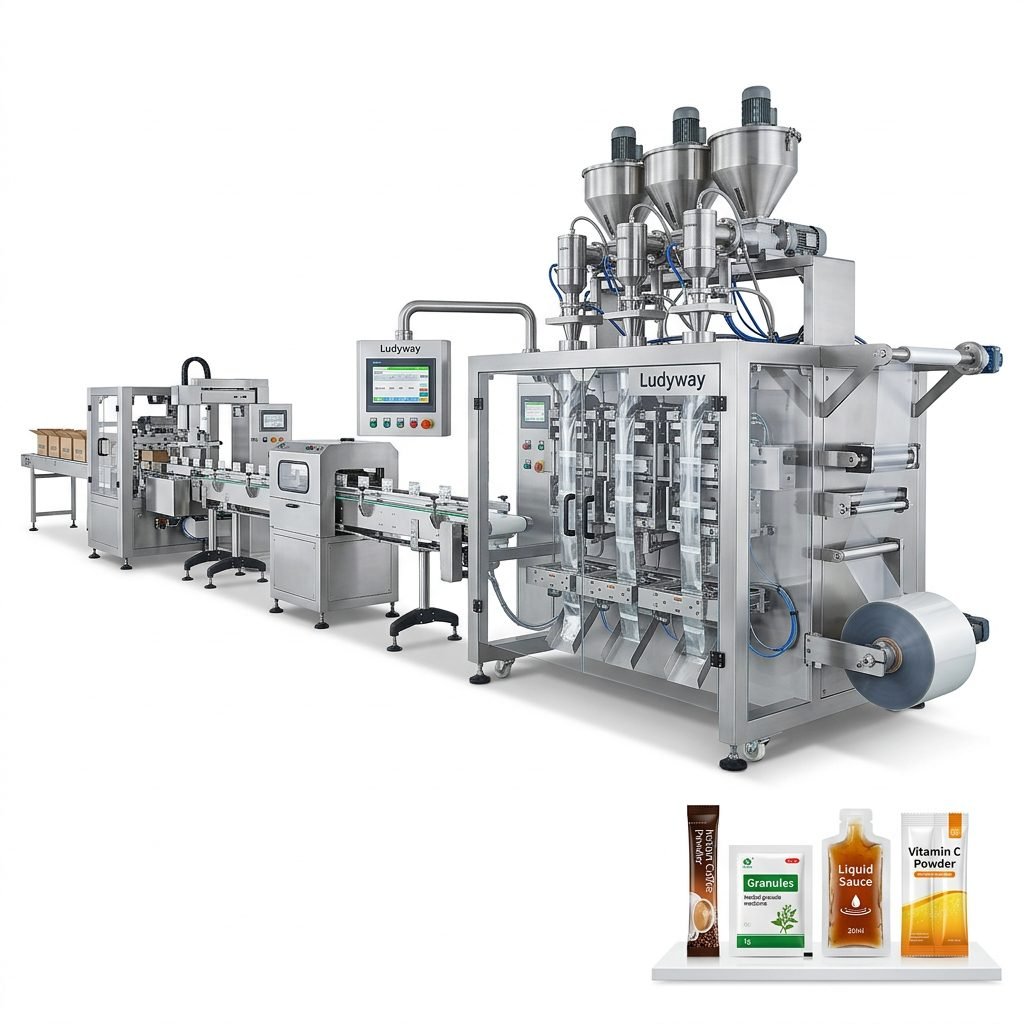
For many growing manufacturers, a complete turnkey packaging line offers greater value than buying separate machines from multiple sources. Integrated systems help improve line coordination, reduce commissioning complexity, and simplify maintenance planning. From material feeding to final carton packing, a unified line can deliver better reliability, cleaner workflow integration, and stronger production control.
A complete line may include:
- Automatic feeding and conveying systems
- Weighing or dosing units
- Filling and sealing machines
- Date coding and labeling modules
- Metal detection or checkweighing
- Cartoning, case packing, and palletizing equipment
Why Reliable Manufacturing Experience Matters
When investing in automated packaging equipment, buyers should look for a manufacturer with strong engineering experience, export capability, customization expertise, and broad product coverage. A supplier with proven industry knowledge is better positioned to recommend suitable machine models, optimize layout design, and support long-term production goals.
For companies seeking dependable automation support, Ludyway packaging machine solutions offer a broad range of equipment and turnkey lines for food, pharmaceutical, cosmetic, chemical, nicotine pouch, and animal feed applications. With more than 30 years of manufacturing experience and service coverage in over 100 countries and regions, the company is recognized as one of China’s leading packaging machine and turnkey packaging line manufacturers.
Best Practices for Maximizing Packaging Line Performance
- Choose machinery based on actual product behavior, not only target speed.
- Standardize packaging materials for smoother operation and consistent sealing.
- Train operators on setup, changeover, cleaning, and basic troubleshooting.
- Schedule preventive maintenance to reduce unexpected downtime.
- Use integrated inspection systems to strengthen quality control.
- Plan for future expansion with modular automation design.
Conclusion
Automated packaging machinery is essential for manufacturers aiming to achieve efficient, reliable, and scalable production. From improving filling accuracy and sealing consistency to reducing labor costs and supporting multi-format packaging, automation delivers measurable operational advantages. Whether your business needs a standalone packaging machine or a complete turnkey line, investing in the right solution can significantly strengthen competitiveness, product quality, and long-term manufacturing performance.