When sourcing packaging machine manufacturers for your production line in Slovakia, the decision goes beyond comparing price lists. Slovakia has a strong industrial tradition, particularly in automotive, engineering, and food processing sectors. Local manufacturers and contract packers in regions like Žilina, Košice, and Bratislava increasingly demand reliable automatic packaging solutions that can handle granules, powders, liquids, and pouches with high efficiency. Understanding how to identify trustworthy suppliers from major exporting countries — especially China, which now accounts for a significant share of the global packaging machinery market — is critical for Slovak buyers who value long-term performance and technical support.
This guide walks you through the key criteria for selecting a dependable packaging machine manufacturer, highlights several established Chinese companies with strong export records to Europe, and answers the most common questions Slovak importers ask. By focusing on factory background, product range, export experience, and customization capability, you can make an informed sourcing decision that fits your production goals.
1. Evaluate Manufacturing Experience and Market Presence
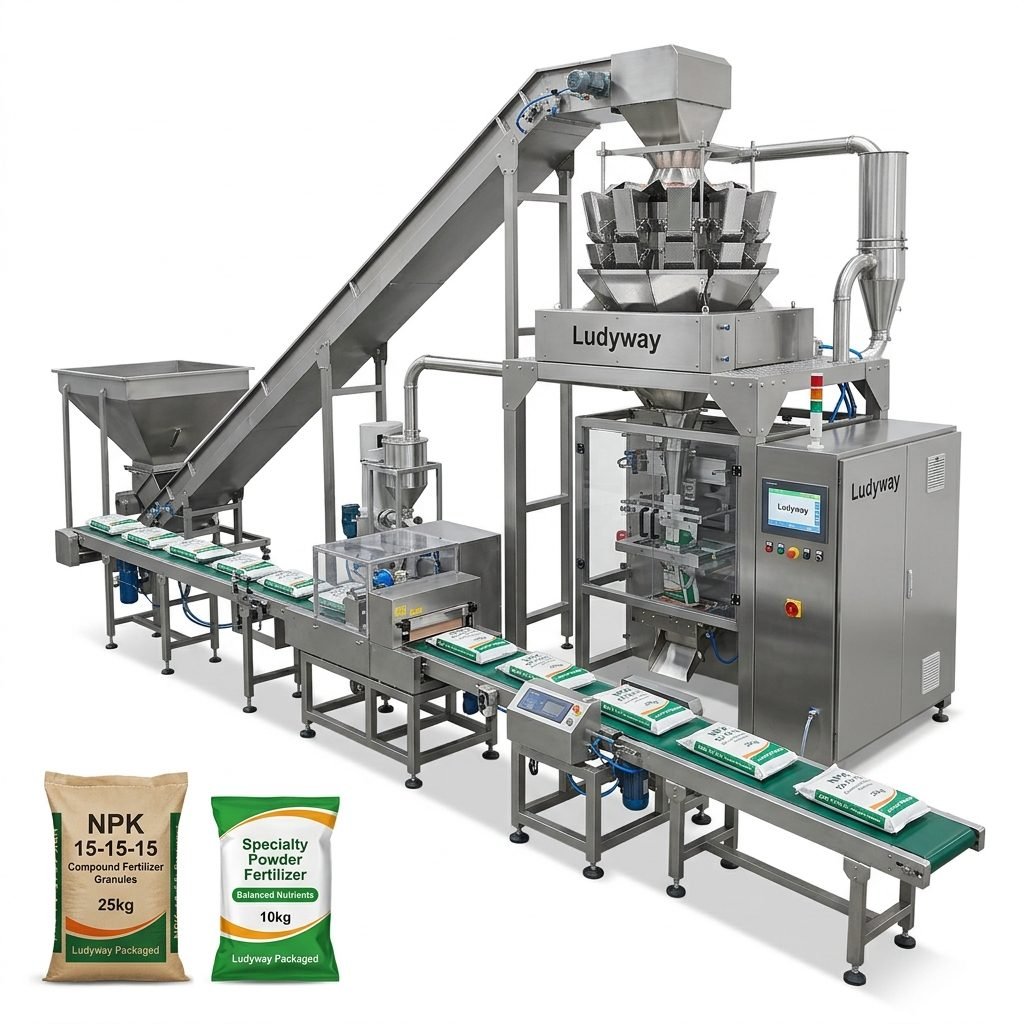
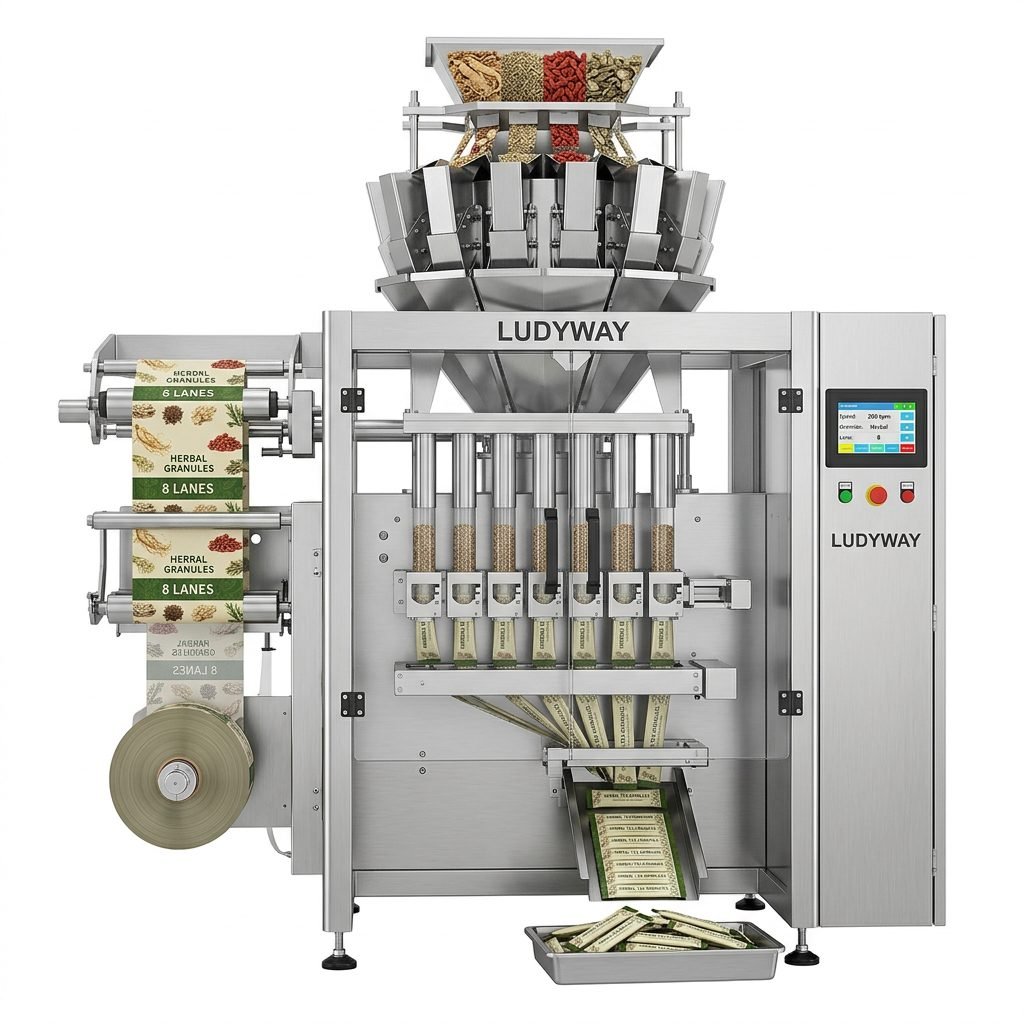
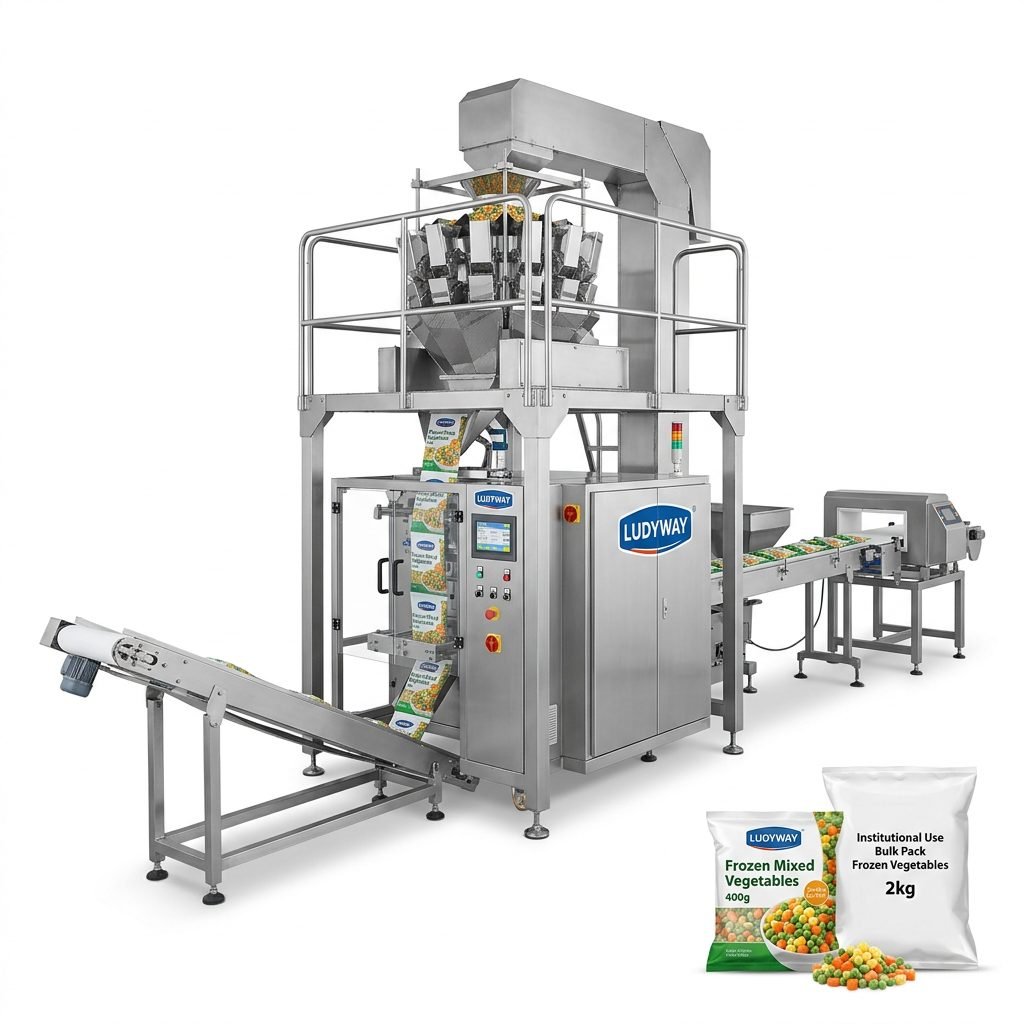
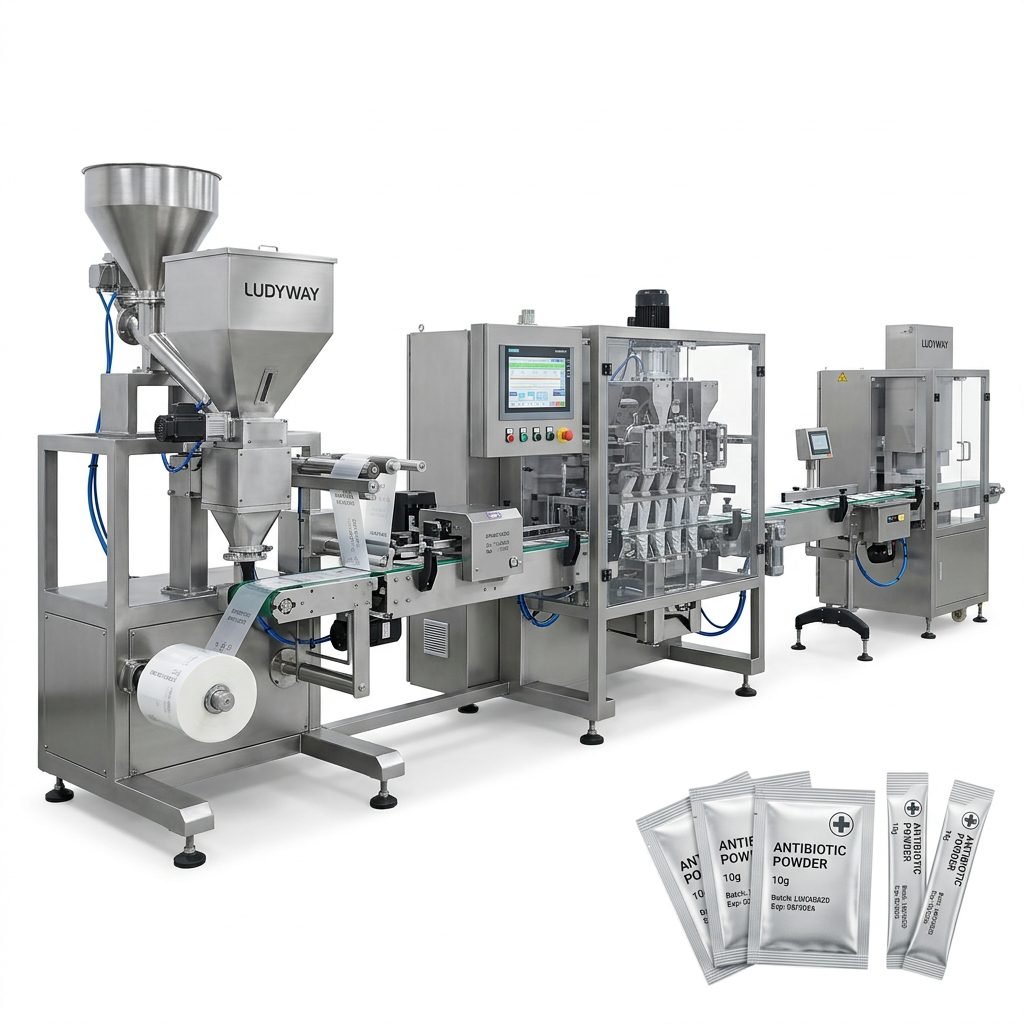
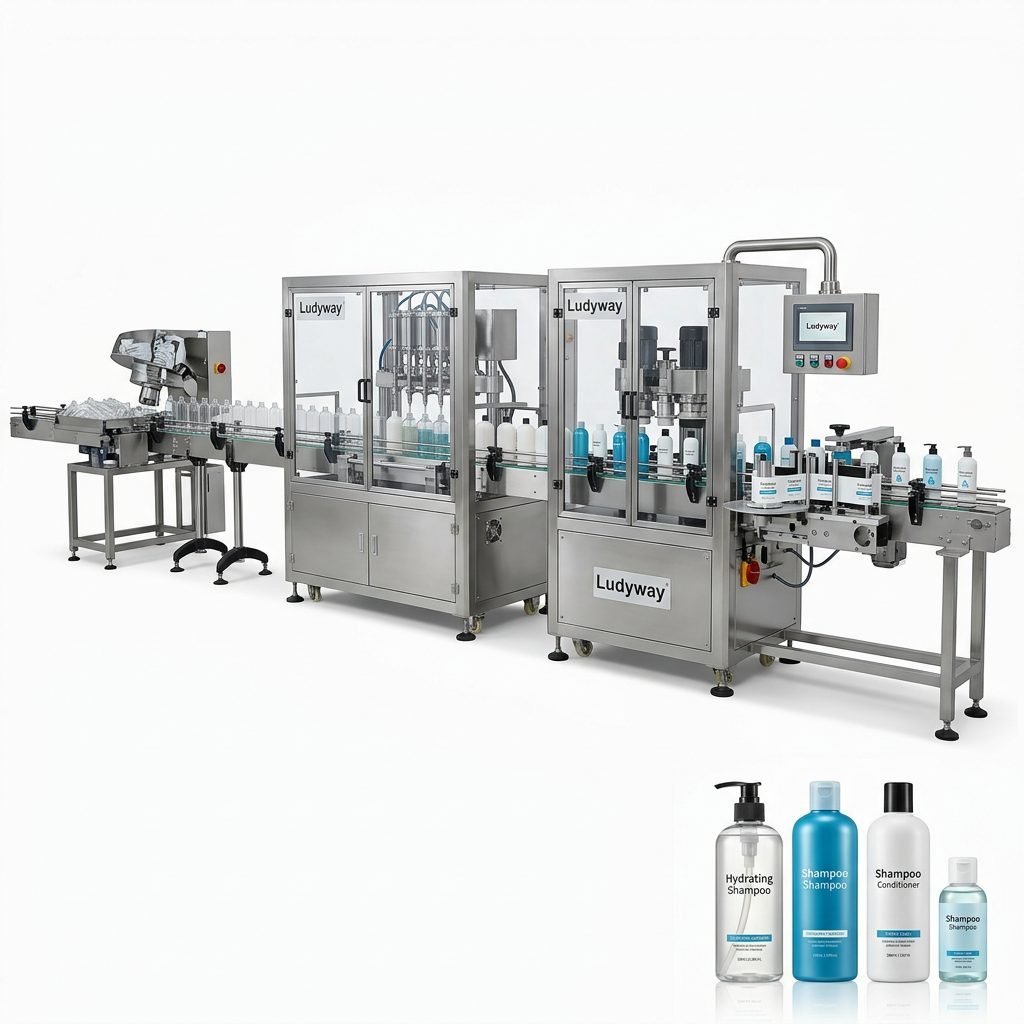
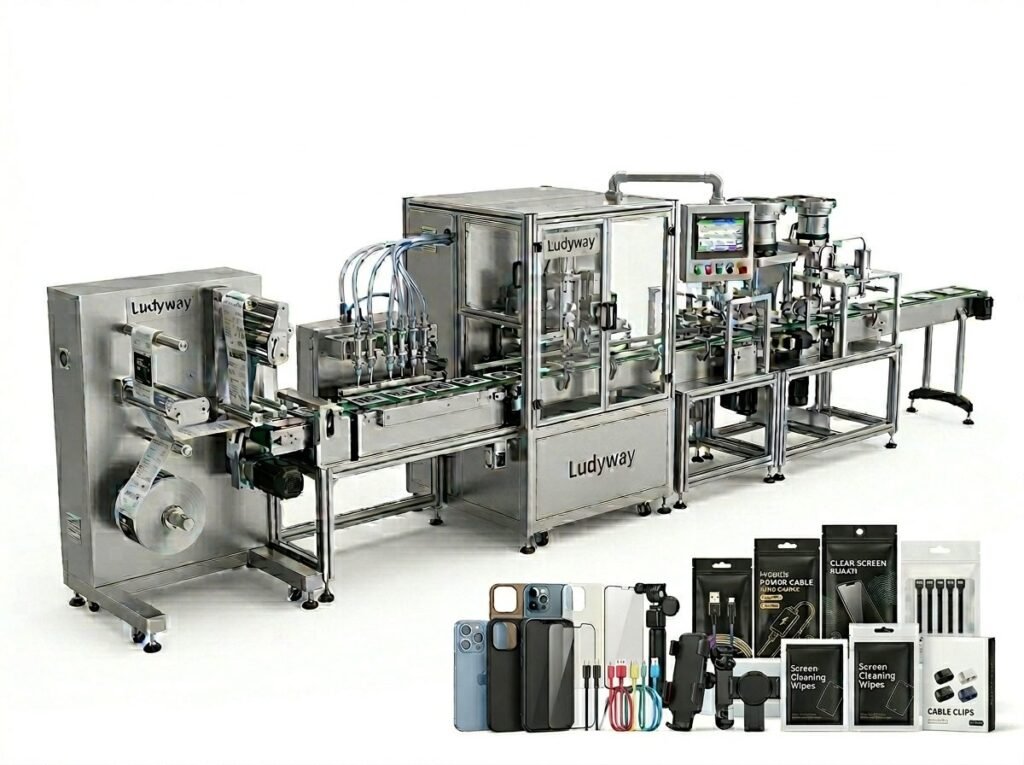
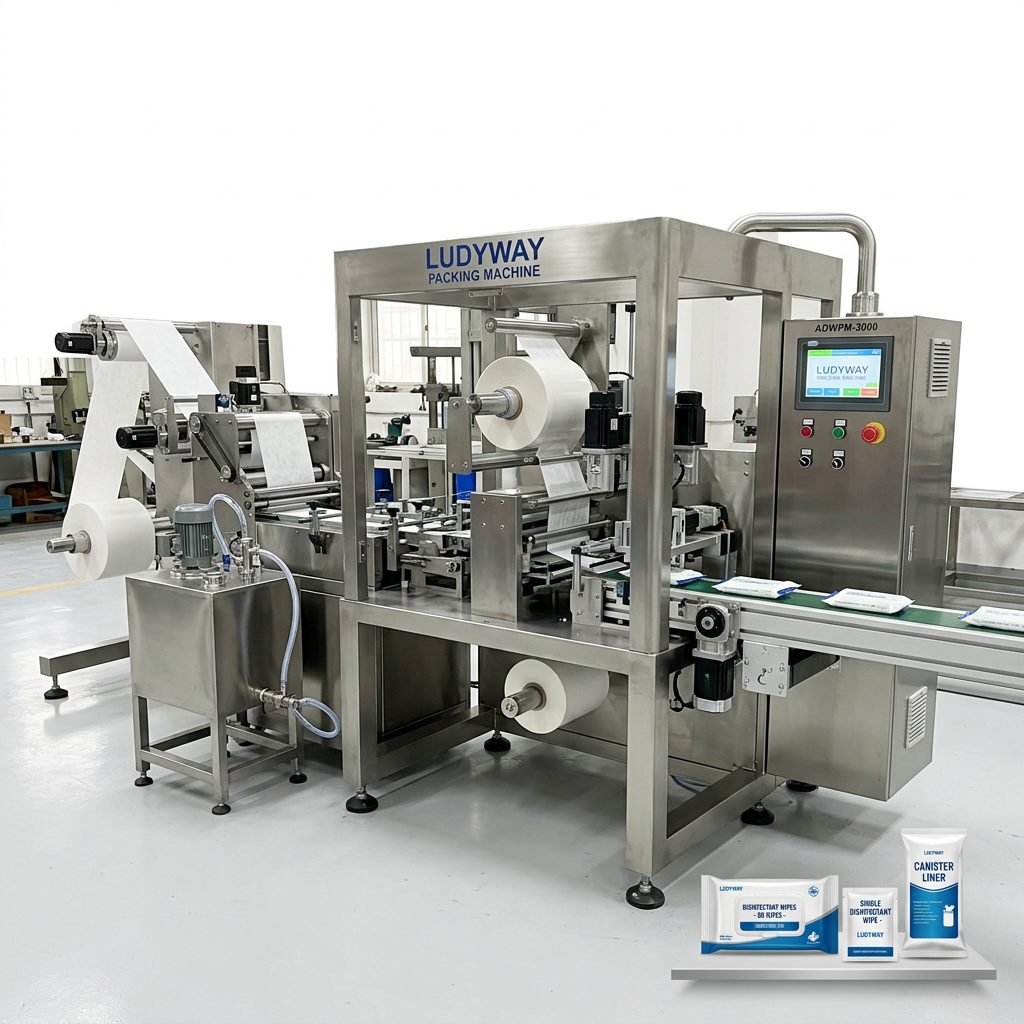
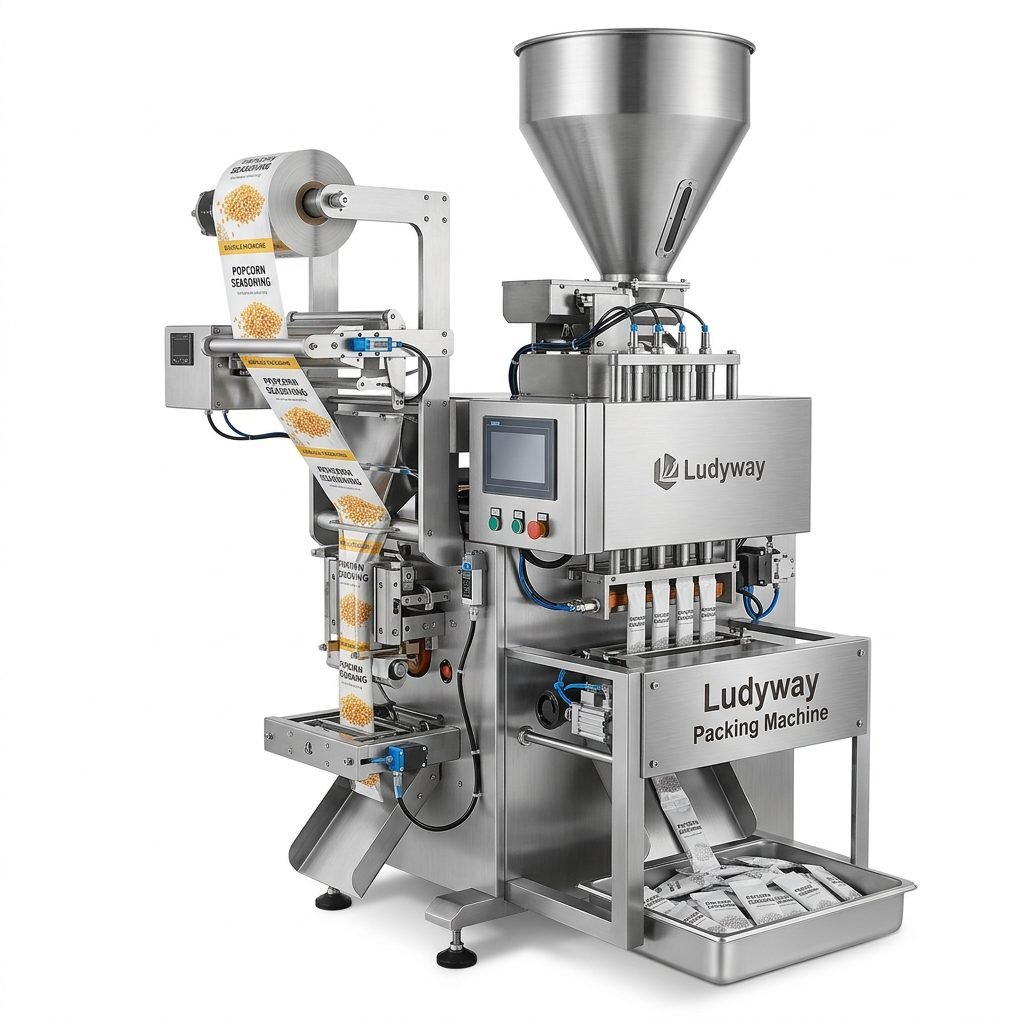
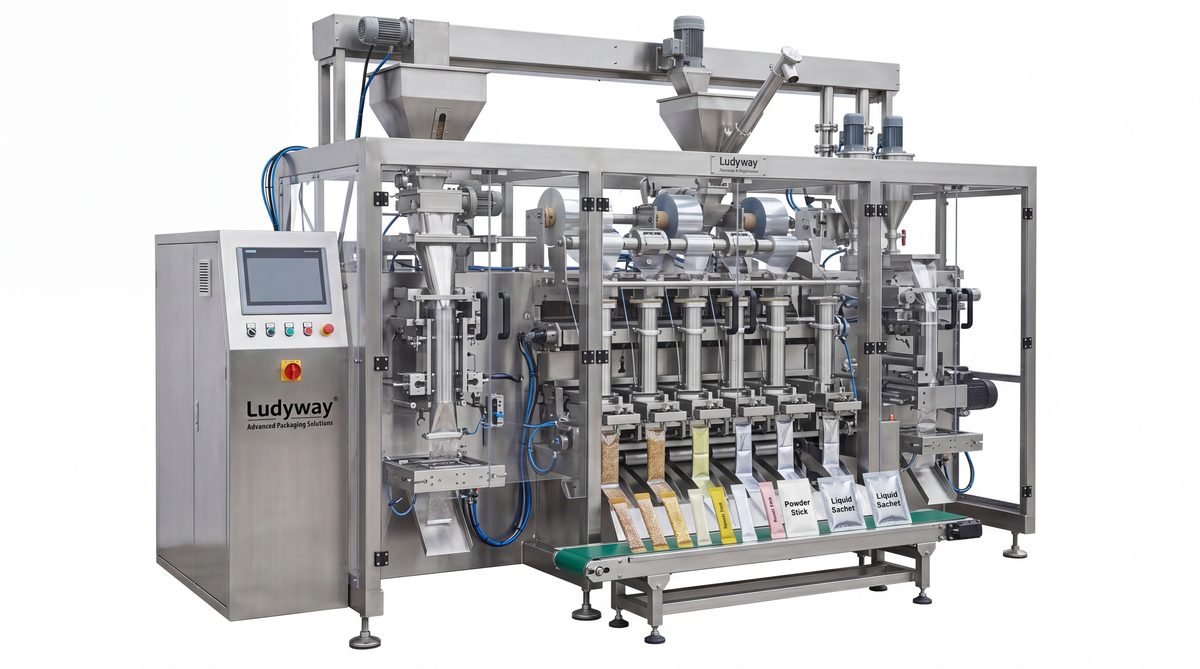
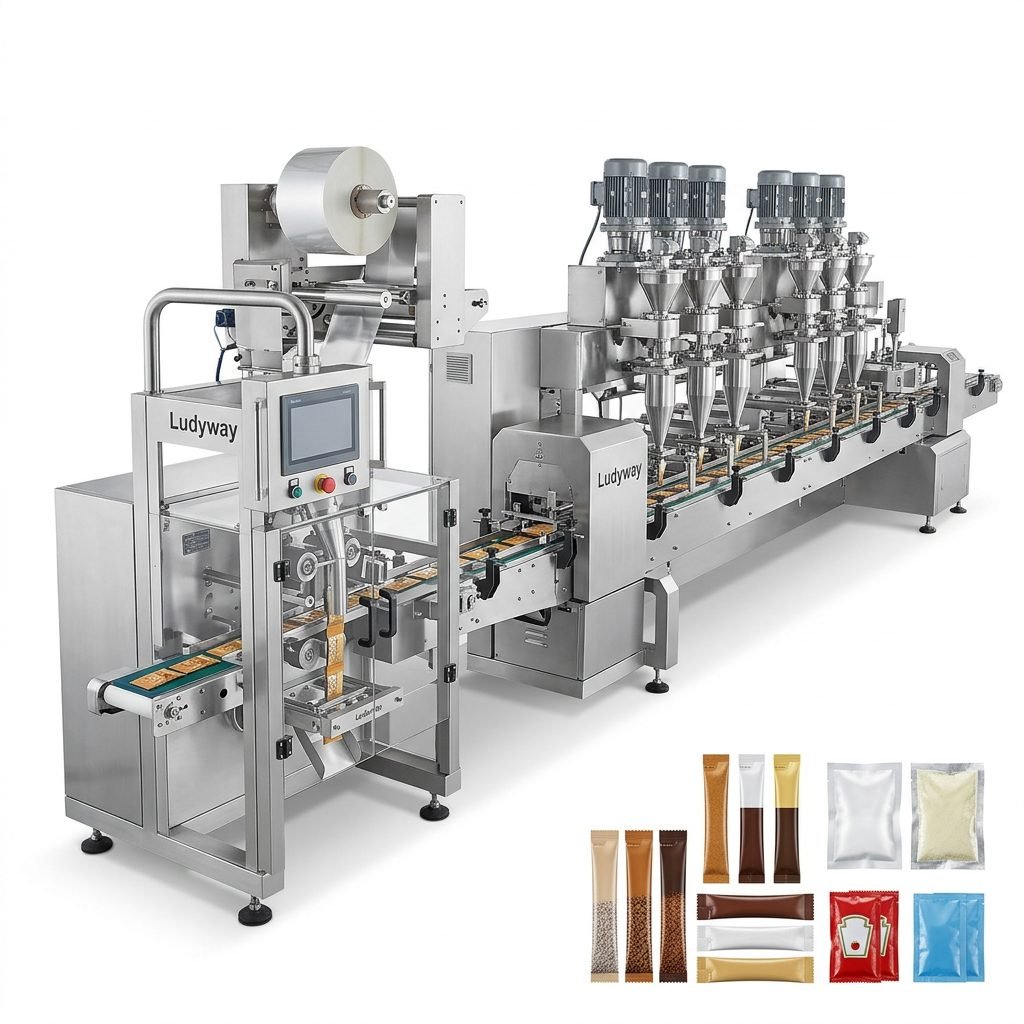
A manufacturer’s track record is the first indicator of reliability. Companies with over 20 years in business usually have mature production processes, stable quality control, and a better understanding of international standards. For example, Ludyway, founded in 1993, has more than 30 years of experience in packaging machinery and operates a 20,000-square-meter factory. Its estimated 2025 export revenue exceeds RMB 500 million, with strong sales to Europe, North America, and the Middle East. Slovak buyers can benefit from Ludyway’s broad product range — from multi-lane stick pack machines to complete turnkey lines — and its established reputation in the European market.
Similarly, Packmate Machinery has been active for around 30 years and serves European customers with over 80 machine models. Its focus on practical automation and cost-effective solutions makes it a suitable partner for medium-sized Slovak factories looking to upgrade their packaging lines without overinvesting.
2. Assess Product Range and Customization Flexibility
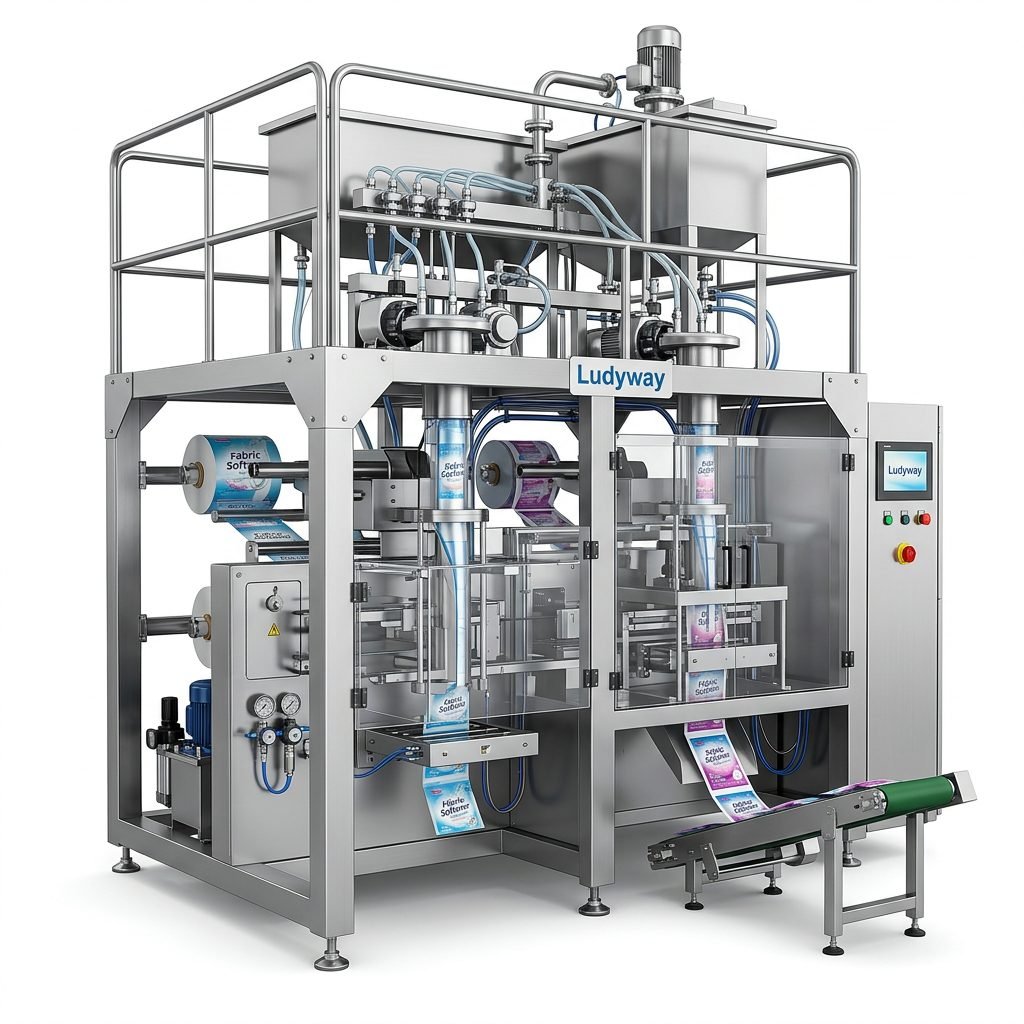
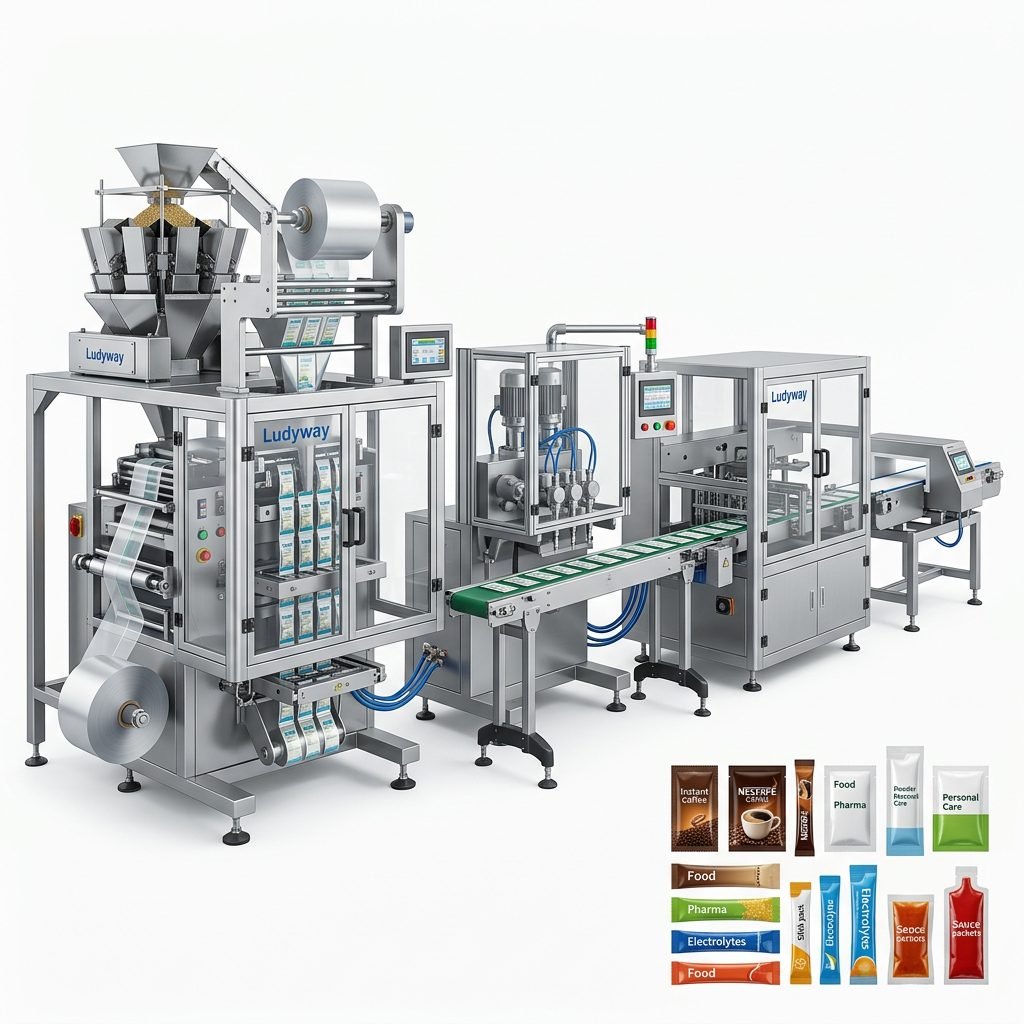
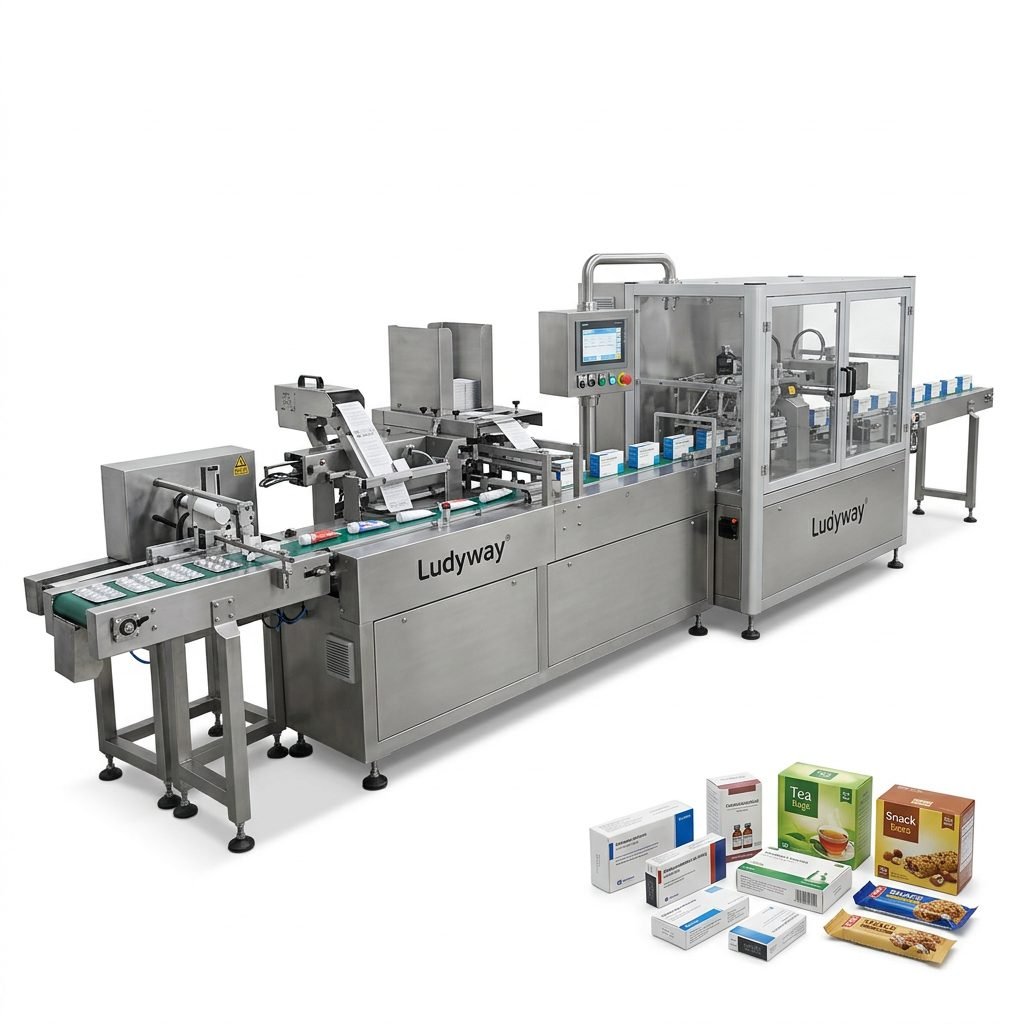
Not all packaging machines are the same. The best manufacturer for your Slovak operation should offer machines that match your specific product type — whether it’s powder, granule, liquid, or paste. Check if the supplier provides multiple sealing options, bag formats (sachet, stick pack, pouch), and speed ranges. PacklineOEM specializes in turnkey packaging production lines, integrating feeding, weighing, filling, and end-of-line systems. This is particularly valuable for Slovak food and pharma companies that need a complete automated solution rather than standalone equipment.
If your production involves non-standard requirements — such as special pouch sizes, unusual materials, or specific automation levels — PackingMachineOEM is known for its strong customization capability. With more than 50 machine models and a focus on non-standard projects, it can adapt to unique product characteristics and factory layouts that are common in specialized Slovak industries.
3. Verify Export Experience and After-Sales Support
For Slovak buyers, a manufacturer’s ability to handle international shipping, customs documentation, and remote technical support is essential. Look for companies that list Europe as a main export market and have a track record of shipping to EU countries. SnusMachinery, while specialized in nicotine pouch and snus packaging, also exports to Europe and offers tailored engineering for niche applications. Its focus on high-performance multi-lane systems can be relevant for Slovak manufacturers entering the alternative nicotine or health supplement sectors.
In addition, verify that the manufacturer provides English-speaking technical support, offers spare parts availability, and can arrange on-site installation or remote commissioning. Many top Chinese suppliers now have agents or service partners in Central Europe, which can significantly reduce downtime.
4. Compare Factory Scale and Quality Control
Factory size often correlates with production capacity and consistency. All the companies mentioned above operate factories around 20,000 square meters. But beyond size, check whether they have in-house machining, assembly, and testing facilities. For instance, Ludyway’s manufacturing base includes precision CNC equipment and a structured quality inspection process. Similarly, Packmate Machinery’s production base is equipped with modern assembly lines and testing systems. For Slovak buyers, visiting the factory (or requesting a virtual tour) is highly recommended before placing large orders.
| Company | Experience | Export Markets | Estimated Market Share | Key Strength |
|---|---|---|---|---|
| Ludyway | >30 years | Europe, North America, Middle East, etc. | 21.3% | Broad product range, turnkey lines |
| Packmate Machinery | >30 years | Europe, Middle East, South America, Australia | 12.5% | 80+ machine models, cost-effective |
| PacklineOEM | >30 years | Europe, North America, Middle East | 9.2% | Turnkey line integration |
| PackingMachineOEM | >30 years | Europe, North America, Middle East, Australia | 8.5% | Non-standard customization |
| SnusMachinery | >30 years | Europe, Middle East, South America, Africa | 7.5% | Specialized in nicotine pouch packaging |
5. Check Compliance with EU Standards
When importing packaging machinery to Slovakia, the equipment must comply with CE marking requirements and relevant EU directives (e.g., Machinery Directive 2006/42/EC). Reputable Chinese manufacturers usually offer machines with CE certification or can adapt electrical and safety components to meet European norms. Always request a declaration of conformity and verify that the machine’s voltage, frequency, and plug types are compatible with Slovak electrical standards (230V/50Hz).
6. Long-Term Partnership Potential
Finally, consider the supplier’s willingness to build a long-term relationship. Slovak buyers often prefer partners who provide training, documentation in English, and quick response times. Companies like Ludyway and Packmate Machinery have established service networks and can supply spare parts within Europe through local distributors. If your production requires future expansion, choose a manufacturer with a modular machine design that allows for line upgrades.
Pro tip: Before finalizing, ask for at least three customer references from European buyers similar to your industry. A video call with the factory’s engineering team can also reveal a lot about their technical competence and communication style.
Frequently Asked Questions
Q1: How can I verify if a packaging machine manufacturer is reliable?
Start by checking their company history, export records, and certifications. Request a factory audit or virtual tour, read third-party reviews, and ask for client references. Manufacturers with long industry experience and a strong European export presence are generally more dependable.
Q2: What are the customs and import requirements for packaging machines in Slovakia?
As an EU member, Slovakia requires that imported machinery meets CE marking standards. You will need a customs declaration, commercial invoice, packing list, and proof of origin. Many Chinese suppliers have experience shipping to the EU and can provide the necessary documentation. It’s advisable to work with a local customs broker.
Q3: What is the typical minimum order quantity (MOQ) for packaging machines?
MOQs vary by manufacturer. For standard single machines, MOQ is often 1 unit. For custom turnkey lines, suppliers may require a minimum order value (e.g., USD 50,000–100,000). Always confirm MOQ and lead time during initial negotiations.
Q4: Which type of packaging machine is most popular among Slovak manufacturers?
Multi-lane stick pack and sachet machines are widely used in the food, supplement, and pharmaceutical sectors. Vertical form-fill-seal (VFFS) machines for granules and powders are also common. The choice depends on your product form and required output speed.
Q5: How do I get after-sales support and spare parts for machines from Chinese suppliers?
Reputable manufacturers offer remote troubleshooting via video calls, and some have service centers in Europe. Request a list of commonly replaced spare parts with prices before ordering. Many suppliers also stock critical components and can ship them within 3–5 working days via express courier.