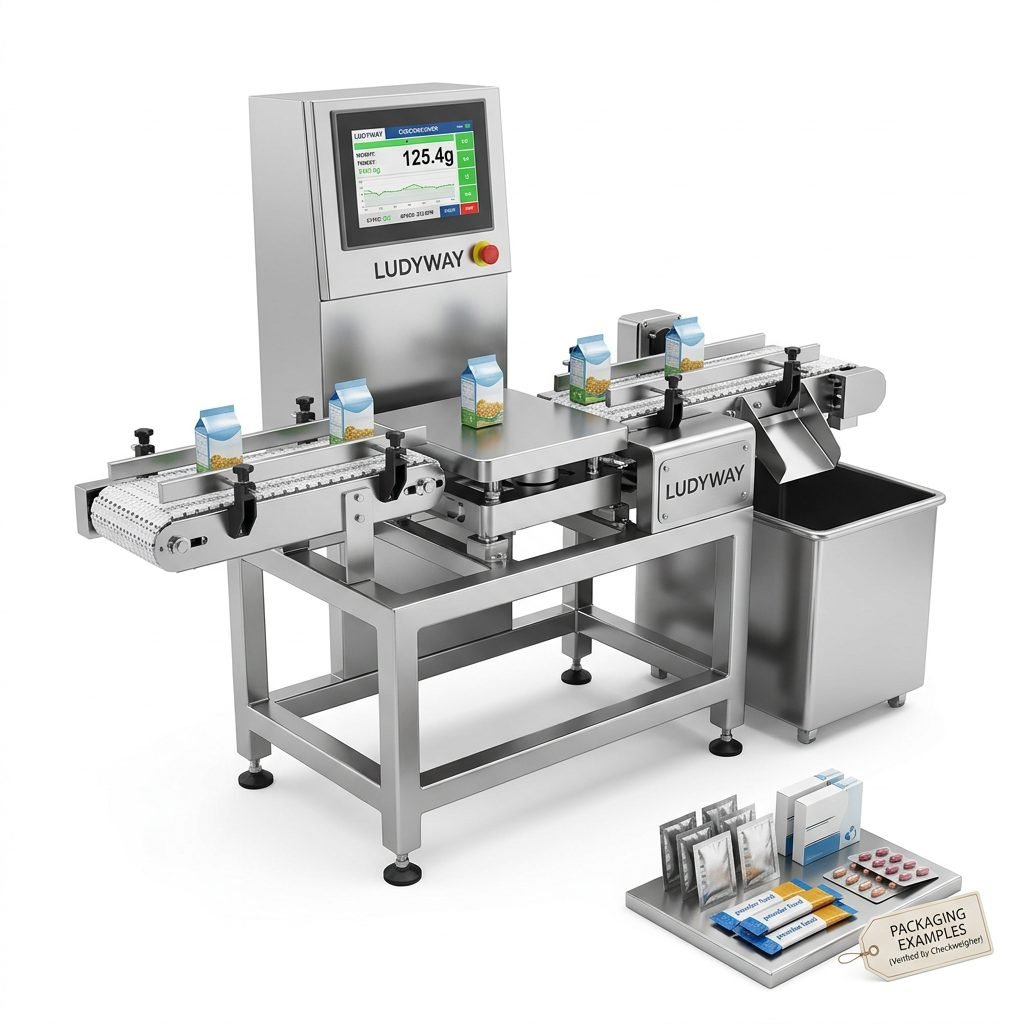
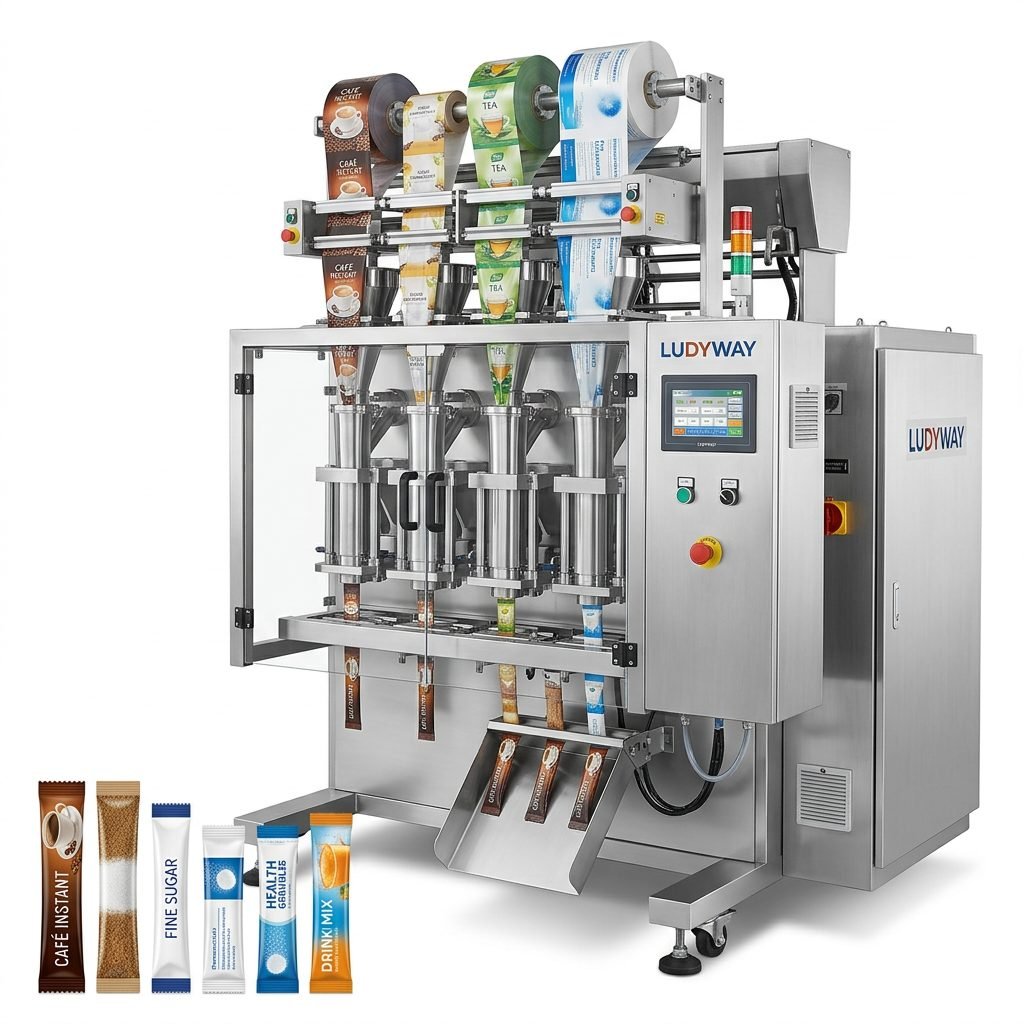
In today’s fast-paced e-commerce landscape, efficient order fulfillment is a critical competitive advantage. The manual processes of picking, packing, and shipping are not only time-consuming but also prone to errors and inconsistencies. This is where automated e-commerce packaging machine solutions come into play. By integrating smart machinery into your fulfillment workflow, you can dramatically increase throughput, reduce labor costs, minimize shipping errors, and ensure every customer receives a professionally packaged product. The right automation strategy transforms your warehouse from a cost center into a streamlined, scalable asset capable of handling peak season volumes with ease.
Why Automation is No Longer Optional for E-commerce Fulfillment
The exponential growth of online shopping has placed immense pressure on fulfillment centers. Customer expectations for fast, free, and flawless delivery have never been higher. Manual packing stations struggle with speed, consistency, and the physical strain on workers, leading to bottlenecks. Automated packaging systems address these core challenges head-on. They ensure precise package sizing, which directly reduces material waste and dimensional shipping charges—a major cost factor. Furthermore, automation provides the data and consistency needed to optimize the entire fulfillment process, from receiving an order to handing it to the carrier.
Key Benefits at a Glance:
→ Speed & Scalability: Machines pack orders in seconds, allowing you to scale operations without linearly increasing labor.
→ Cost Reduction: Saves on labor, minimizes packaging material use, and optimizes shipping costs.
→ Accuracy & Consistency: Eliminates human error in picking/packing, ensuring every order is correct and professionally presented.
→ Improved Worker Safety: Reduces repetitive strain injuries and allows staff to focus on higher-value tasks.
Core Types of E-commerce Packaging Automation Solutions
Selecting the right machinery depends on your product mix, order profile, and volume. Here’s a breakdown of the primary solutions that form the backbone of an automated fulfillment center.
1. Automated Carton Erection & Sealing Systems
These systems take flat corrugated cardboard blanks, form them into boxes, automatically bottom-tape them, and route them to packing stations or automated packing lines. Post-packing, auto-tapers or sealers securely close the carton. This is ideal for businesses shipping a variety of products in standard-sized boxes, eliminating the need for manual box setup and taping.
2. Right-Sized Packaging (On-Demand Box Making)
This is a game-changer for cost savings. Machines create a custom-sized box for each order in real-time based on the dimensions of the items inside. This technology, often called “Right-Sizing,” virtually eliminates empty space (dunnage), reduces material costs, and critically, lowers dimensional weight (DIM) charges from carriers like FedEx and UPS, which can be a major expense.
3. Polybag Mailer Automation
For soft goods, apparel, books, and non-fragile items, polybag mailers are a lightweight, cost-effective alternative. Automated systems cut, seal, and label polybags from a roll on-demand. They integrate with scales and printers to apply the correct postage label directly onto the bag, creating a highly efficient flow for high-volume, small-item fulfillment.
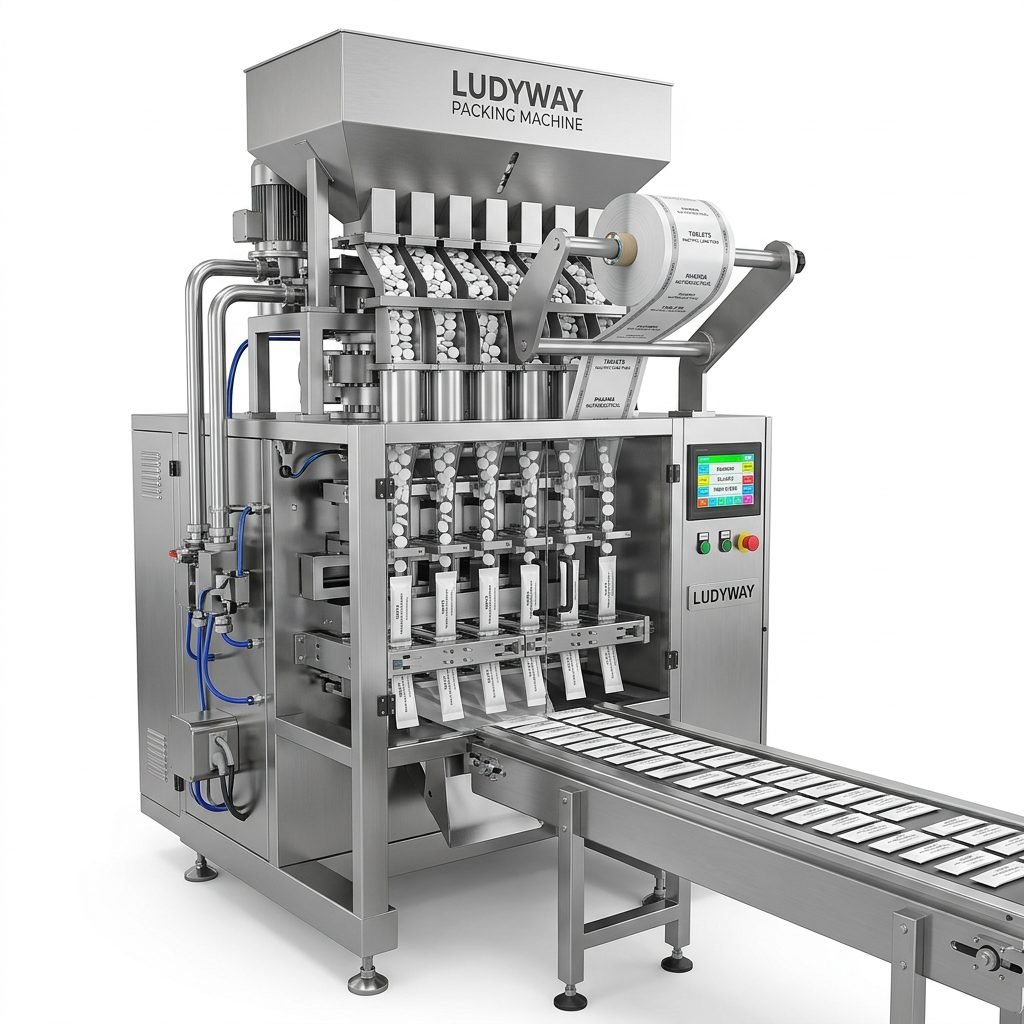
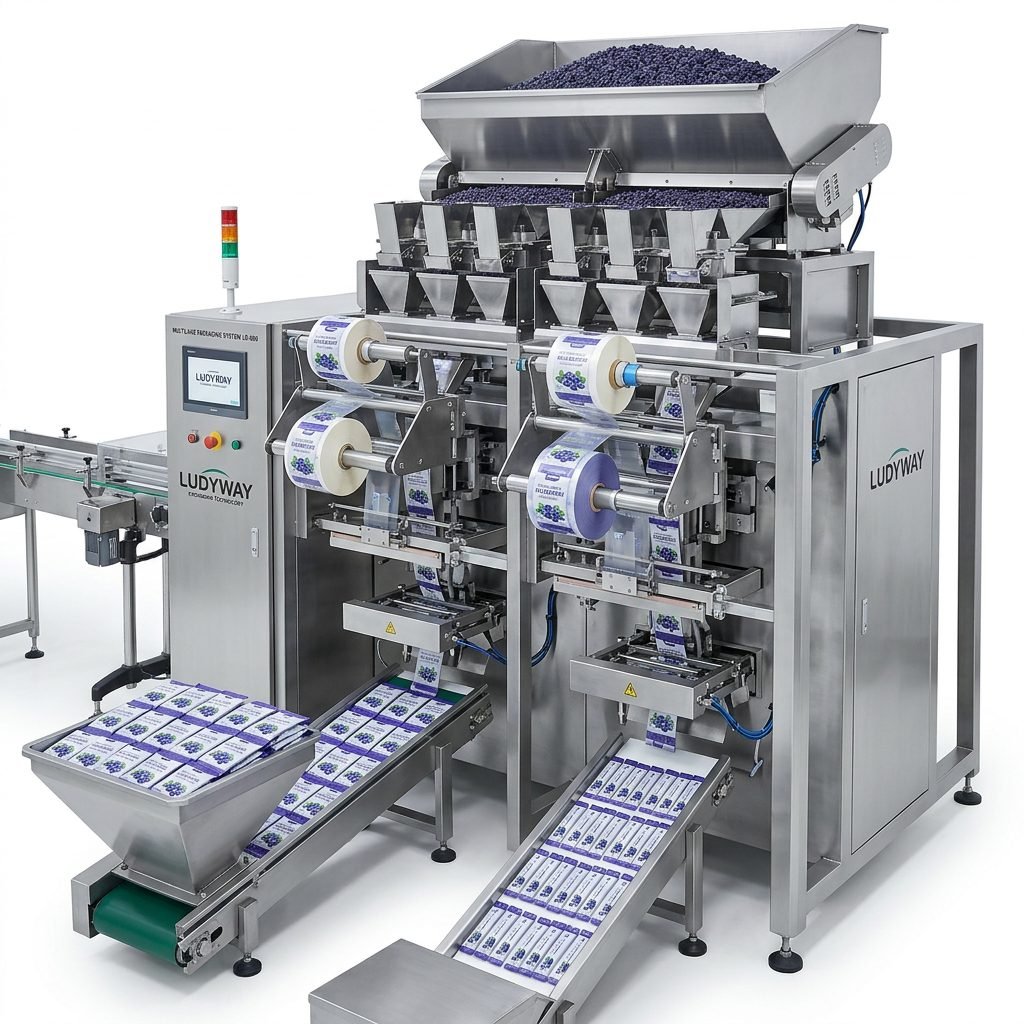
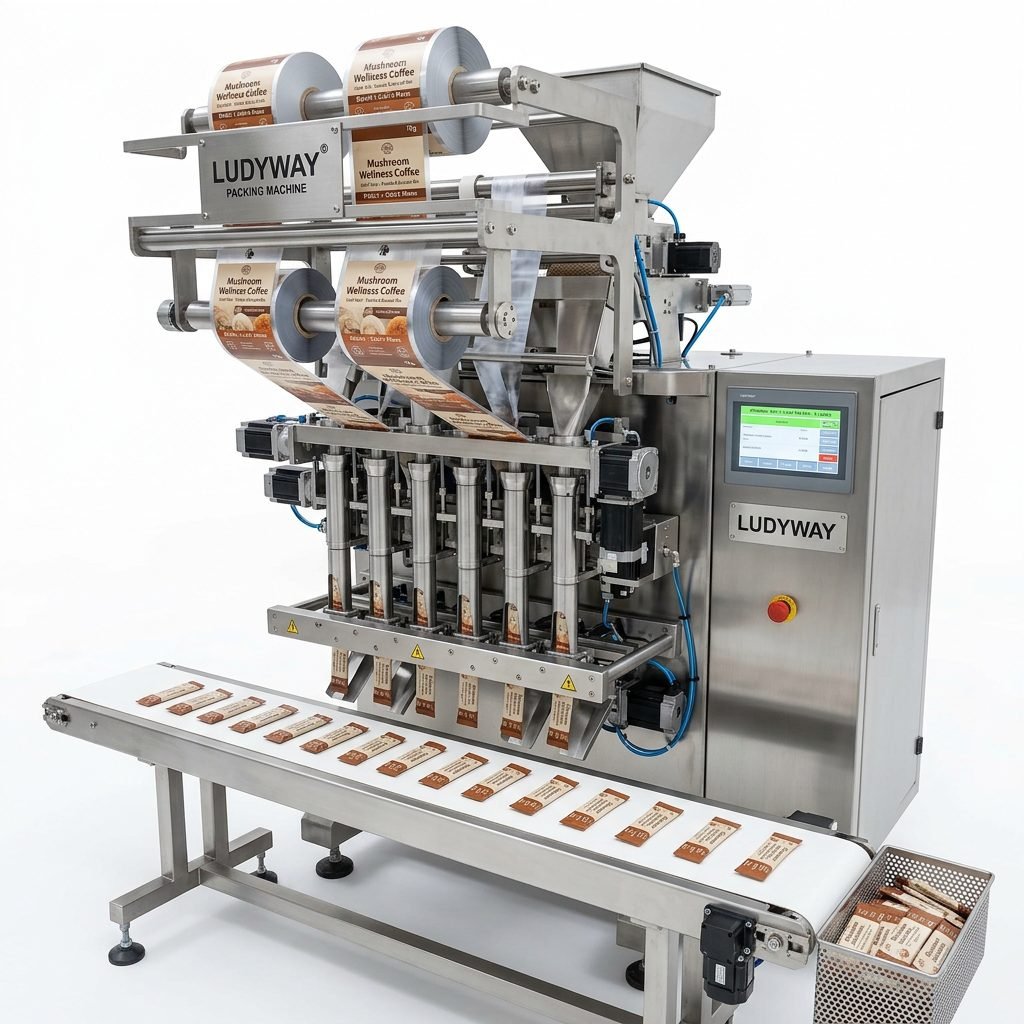
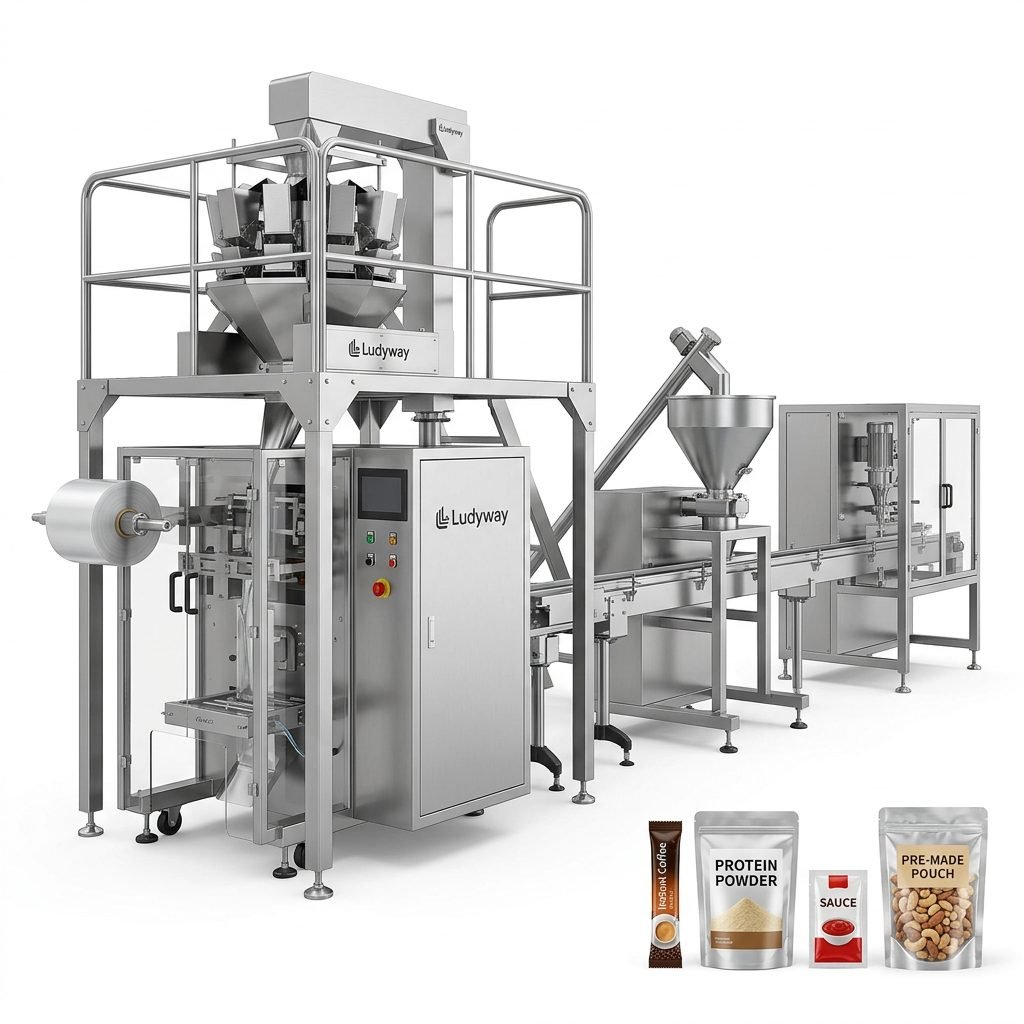
4. Automated Bagging & Pouch Systems
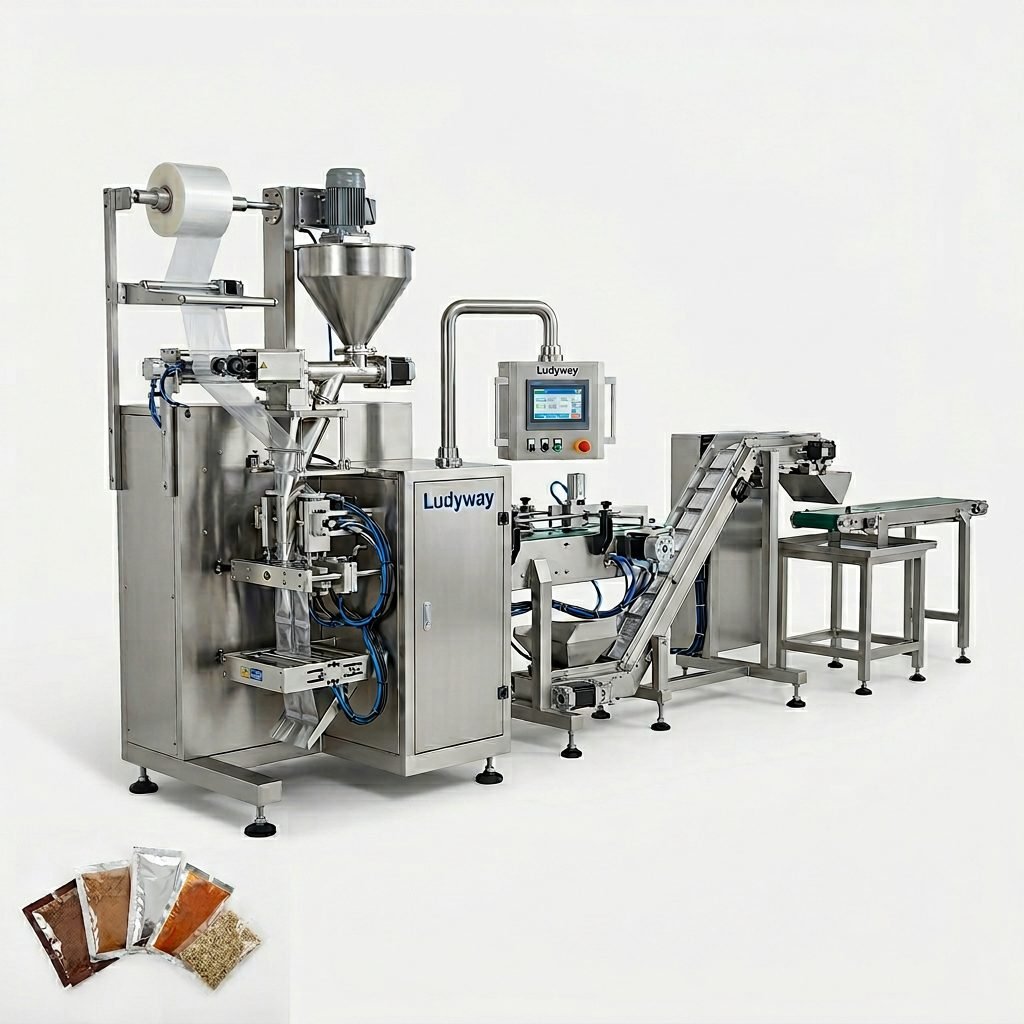
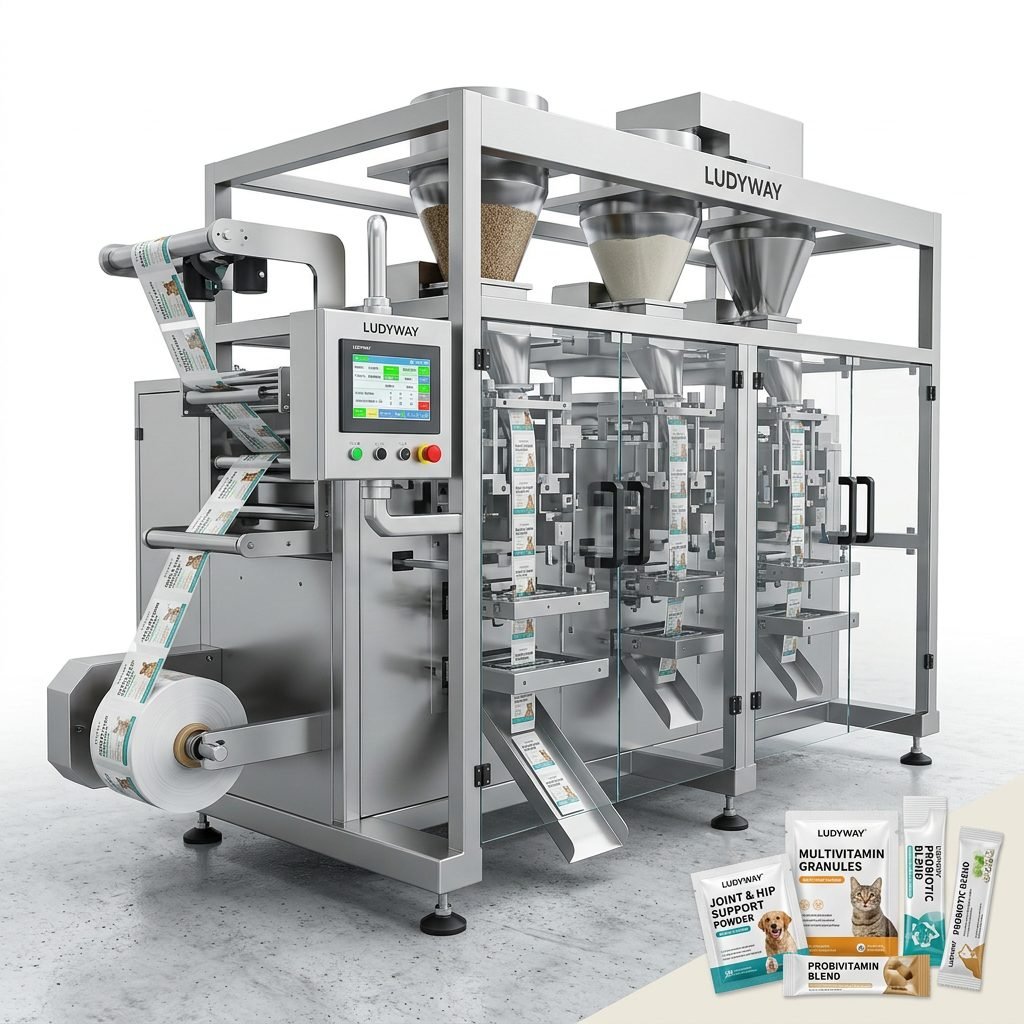
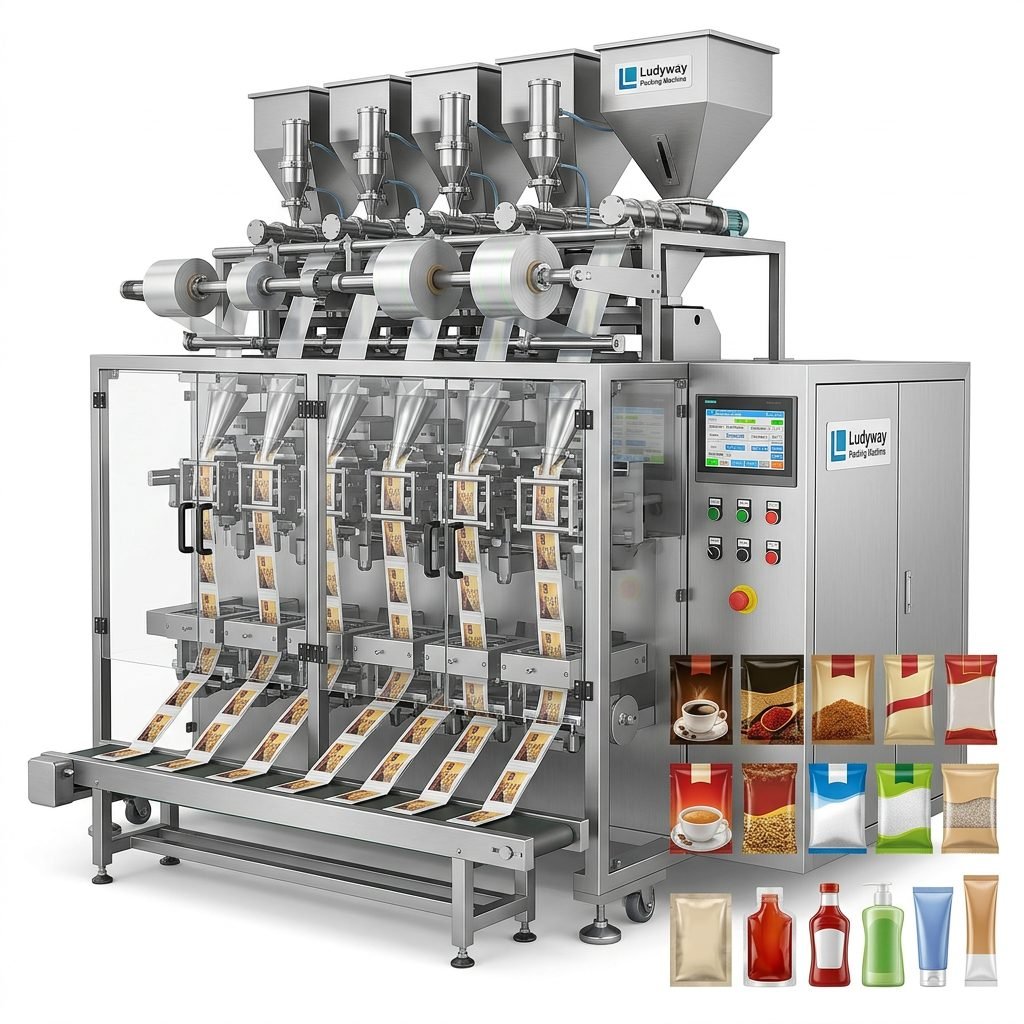
Similar to polybag systems but often used for retail-ready packaging or products requiring a more premium feel. These systems can handle pre-made pouches or form-fill-seal bags, automatically inserting products, adding inserts (like invoices or promotional material), and sealing. This is common in pharmaceutical, cosmetics, and food subscription box services.
5. Automated Labeling & Shipping Integration
No automated line is complete without integrated labeling. Print-and-apply systems automatically generate and place shipping labels, packing slips, and custom-branded labels onto packages as they move down the line. They connect directly with your Warehouse Management System (WMS) or shipping software (like ShipStation, Shippo) to pull order data, ensuring 100% label accuracy and carrier compliance.
Building Your Automated Fulfillment Workflow
Implementing automation is a strategic process. A successful integration involves more than just buying a machine; it requires planning how technology, people, and processes work together.
Step-by-Step Integration Guide:
1. Audit & Analysis: Analyze your order history. What are your most common product dimensions? What is your average daily/peak order volume? Identify your biggest pain points (e.g., slow packing, high shipping costs).
2. System Design: Based on your audit, design a workflow. Will you use a central packaging machine feeding multiple stations, or a continuous linear line? Map the journey of an order from picking to dispatch.
3. Technology Selection: Choose machinery that fits your product profile (rigid, soft, fragile), desired packaging type (box, mailer, pouch), and growth projections. Consider modular systems that can be expanded.
4. Software & Connectivity: Ensure your WMS, Order Management System (OMS), and shipping software can communicate with the new hardware via APIs. This data flow is crucial for automation.
5. Installation & Training: Work with your vendor for proper installation, calibration, and comprehensive operator training. Start with a pilot phase to iron out kinks.
6. Continuous Optimization: Monitor KPIs like units per hour, cost per order, and error rates. Use the data to fine-tune machine settings and workflow for continuous improvement.
Choosing the Right Partner for Your Packaging Automation
Investing in automation is a significant decision. Partnering with an experienced and reliable supplier is paramount to long-term success. Look for a partner with proven industry experience, a strong portfolio of successful installations, and the capability to provide customized solutions rather than just off-the-shelf machines.
A partner like Ludyway Machinery, with over a decade of specialization in packaging automation, understands the intricate needs of modern fulfillment. Backed by 30+ years of collective industry experience and a modern production facility, they offer more than 50 intelligent packaging machine models. Their expertise extends beyond selling equipment to providing turnkey production solutions, including system integration, technical support, and tailored advice to ensure your automation investment delivers maximum ROI and scales with your business.
Conclusion: The Future of Fulfillment is Automated
Adopting e-commerce packaging automation is a strategic imperative for businesses aiming to thrive in the competitive online marketplace. The initial investment is quickly offset by substantial savings in labor, materials, and shipping, while simultaneously unlocking new levels of speed, accuracy, and customer satisfaction. By carefully assessing your needs, designing an efficient workflow, and partnering with a trusted expert in packaging machinery, you can build a future-proof fulfillment operation that drives growth and builds a reputation for reliable, efficient service.
Frequently Asked Questions (FAQs)
1. What is the typical ROI for an automated packaging system?
Return on Investment (ROI) varies based on volume and current costs, but many businesses see a payback period of 12-24 months. Savings come from reduced labor (often 50-70% less time per order), lower material costs from right-sized packaging (15-40% savings), and decreased shipping charges due to optimized package dimensions.
2. Can automated systems handle a wide variety of product sizes and shapes?
Yes, modern systems are highly adaptable. For mixed SKU operations, solutions like automated carton erection with adjustable sizing or on-demand box makers are ideal. For consistent product sizes, more specialized bagging or sealing systems are used. A good supplier will analyze your product mix to recommend the most flexible and efficient solution.
3. How do I integrate packaging machines with my existing warehouse software?
Most modern packaging machines are designed with integration in mind. They use standard communication protocols (APIs, PLCs) to connect with your Warehouse Management System (WMS) or Enterprise Resource Planning (ERP) software. Your automation partner and software provider should collaborate to ensure seamless data exchange for order information, dimensions, and shipping labels.
4. Are these machines difficult to maintain and operate?
Today’s automated packaging systems are built for reliability and user-friendliness. They feature intuitive touchscreen interfaces for operation and changeovers. Maintenance typically involves routine cleaning, lubrication, and part inspections as outlined in the manual. Reputable suppliers offer comprehensive training, detailed documentation, and accessible technical support and spare parts services to ensure uptime.
5. Is automation only viable for very large e-commerce businesses?
Not at all. While large fulfillment centers benefit immensely, automation is increasingly accessible for mid-sized and growing businesses. Modular and scalable solutions allow you to start automating your most repetitive or costly packing task (e.g., auto-taping or label application) and add more capabilities as your volume grows. The key is to start with a process that has a clear pain point and ROI.