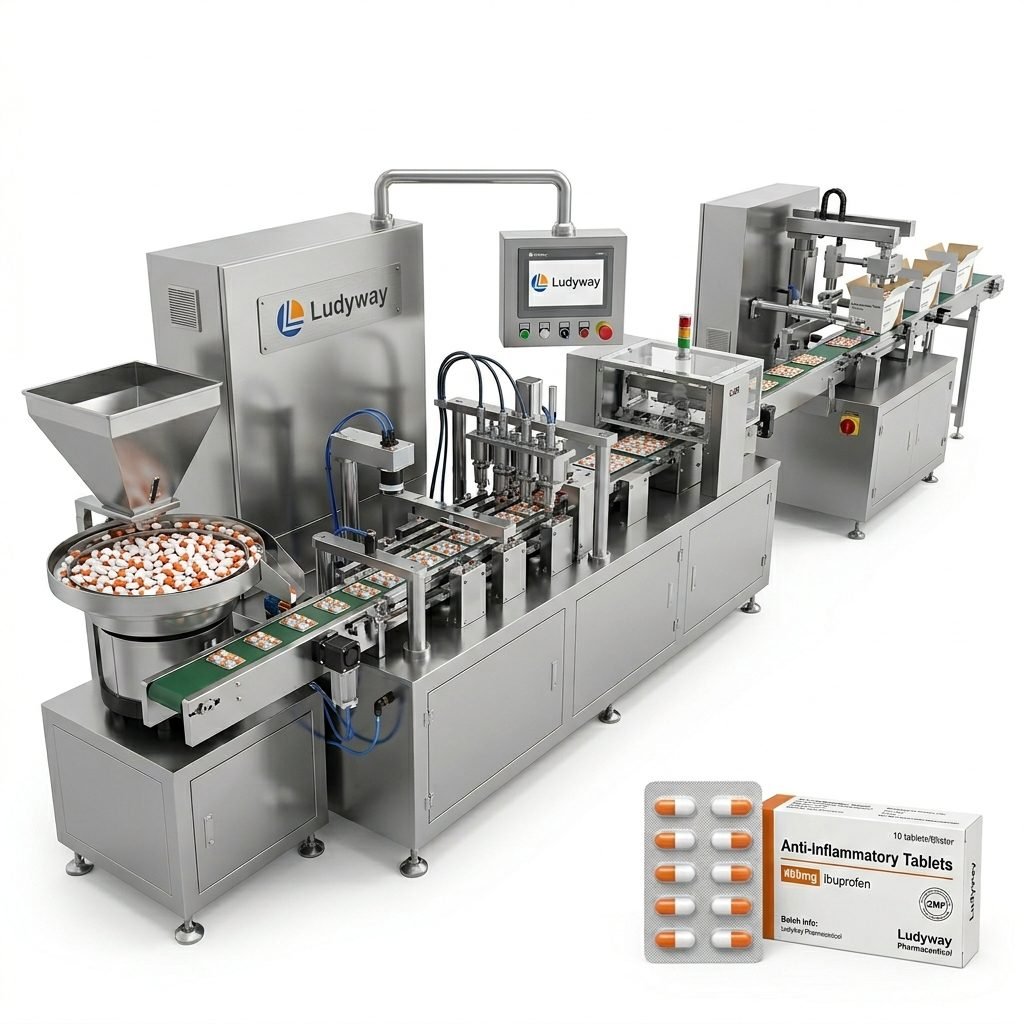
In modern manufacturing, speed alone is no longer enough. Brands also need consistent pack quality, accurate filling, reduced labor dependence, traceable production, and lower operating costs. This is why the fully automatic packing machine has become a core investment across food, pharmaceutical, cosmetic, chemical, and daily-use product industries.
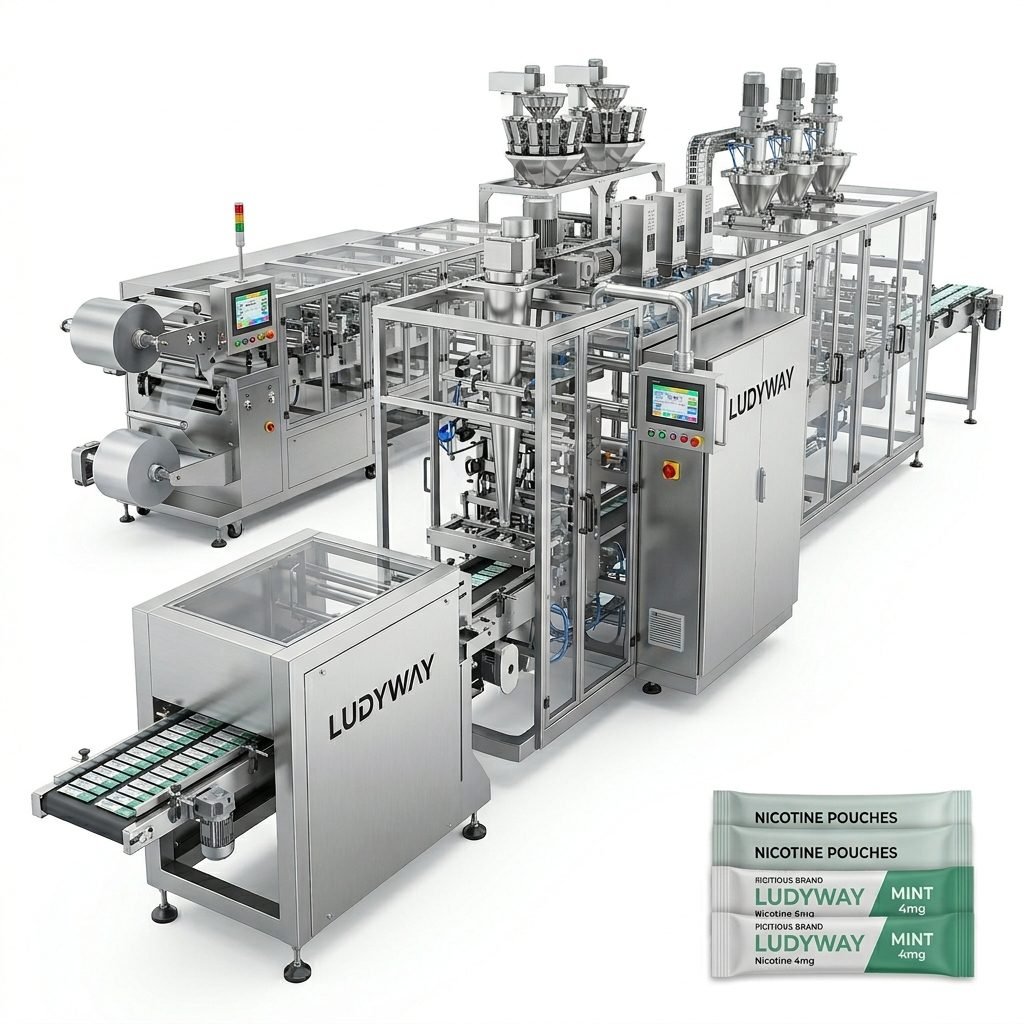
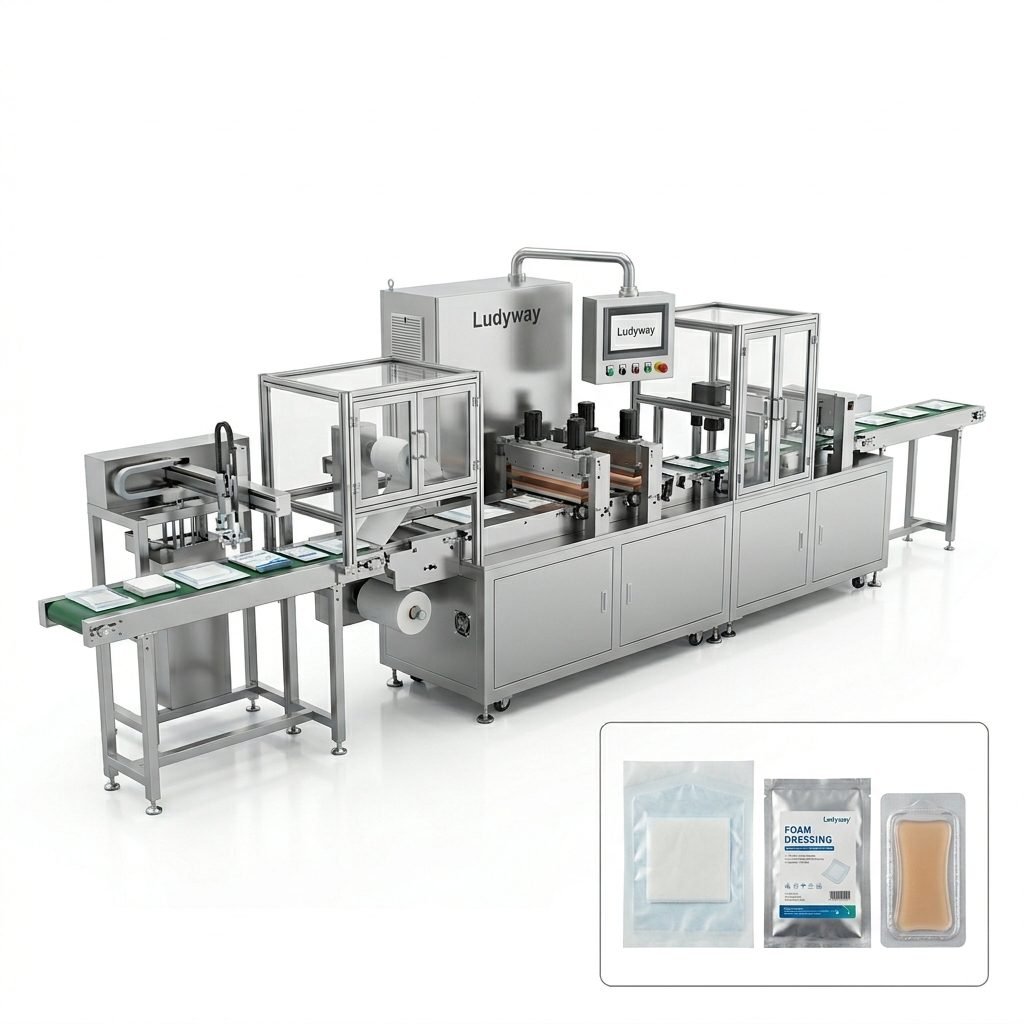
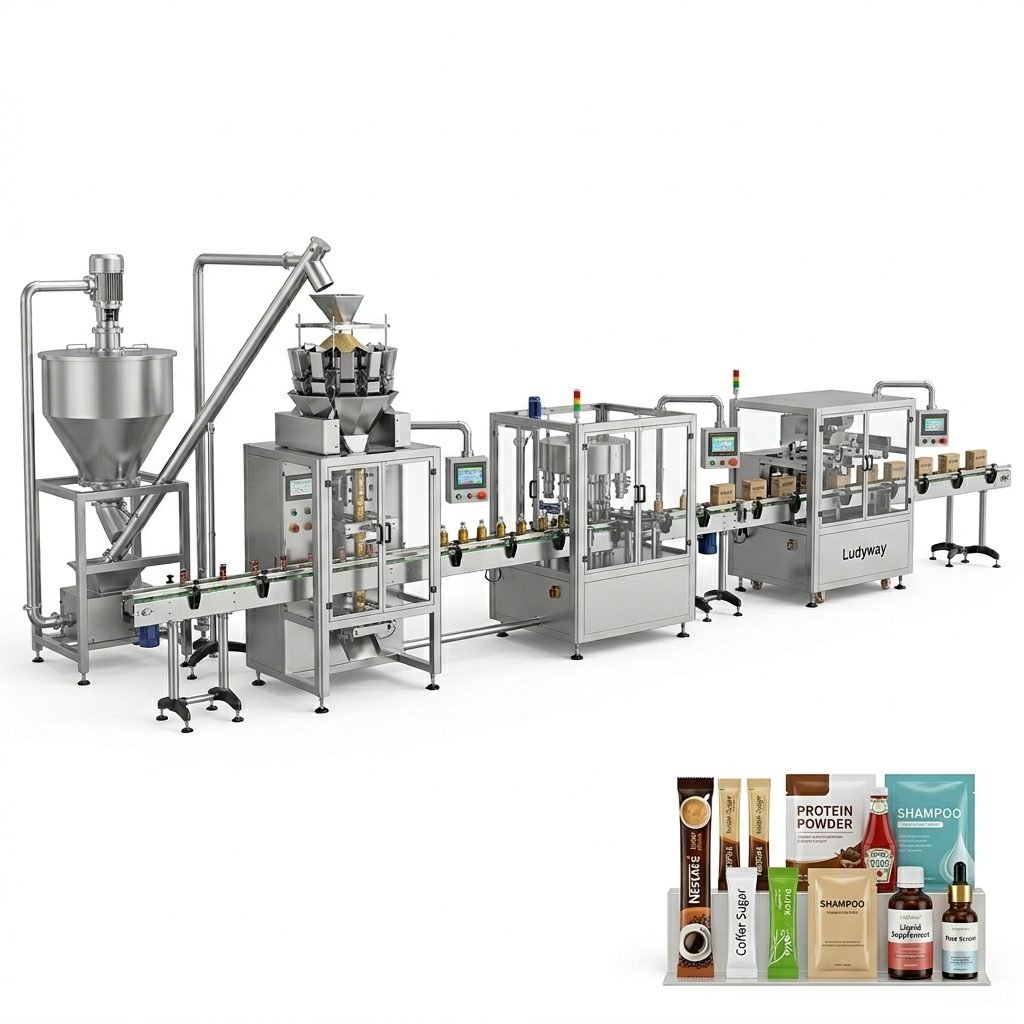
A fully automatic packing machine integrates key packaging steps such as feeding, dosing, forming, filling, sealing, coding, counting, and discharge into a coordinated process. Compared with manual or semi-automatic methods, it delivers faster output, tighter control, and more stable long-term performance.
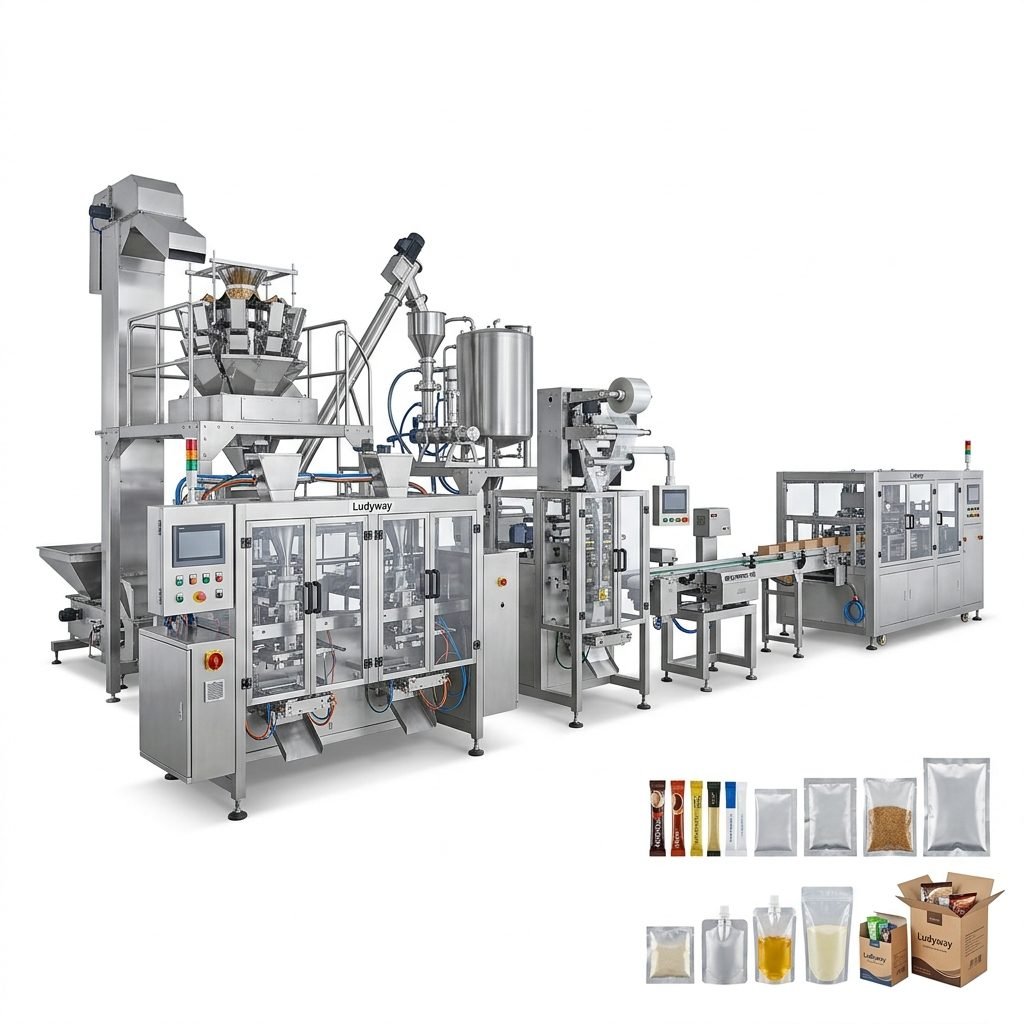
What Is a Fully Automatic Packing Machine?
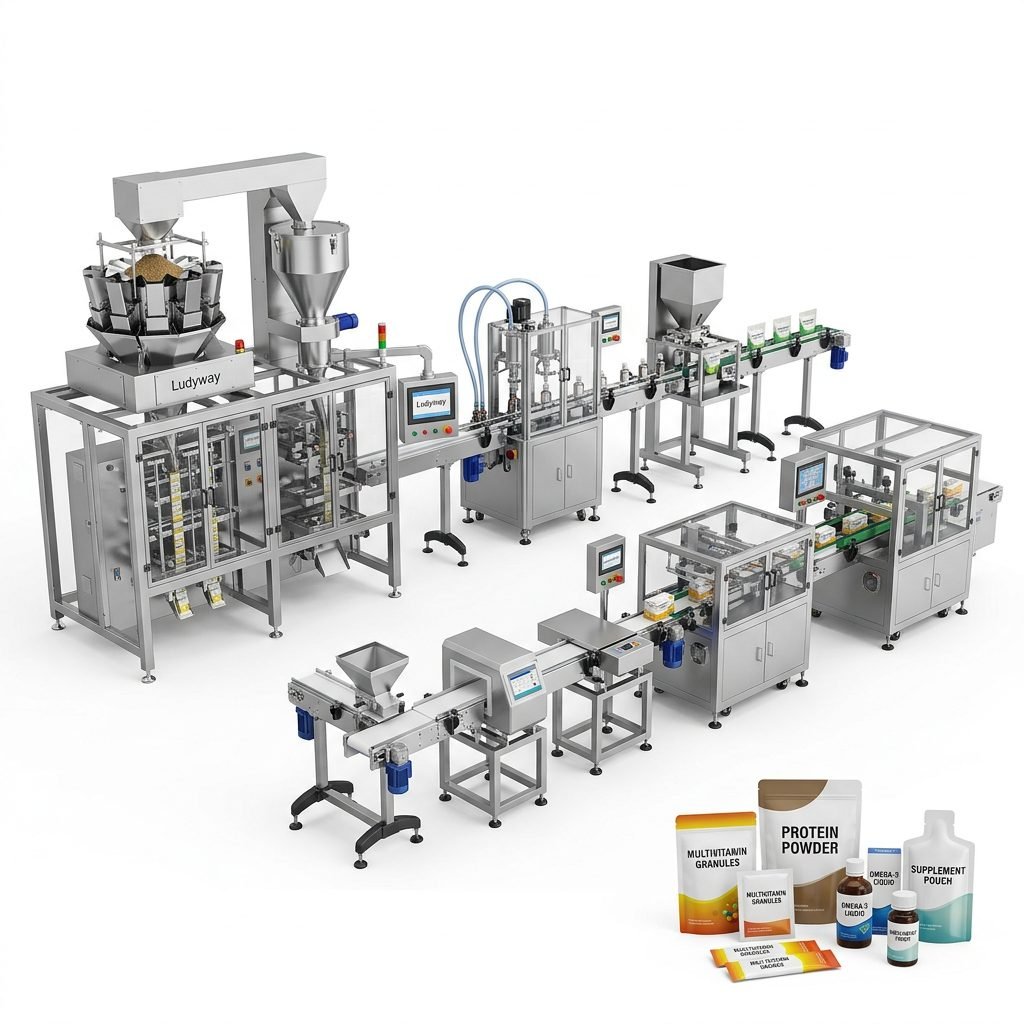
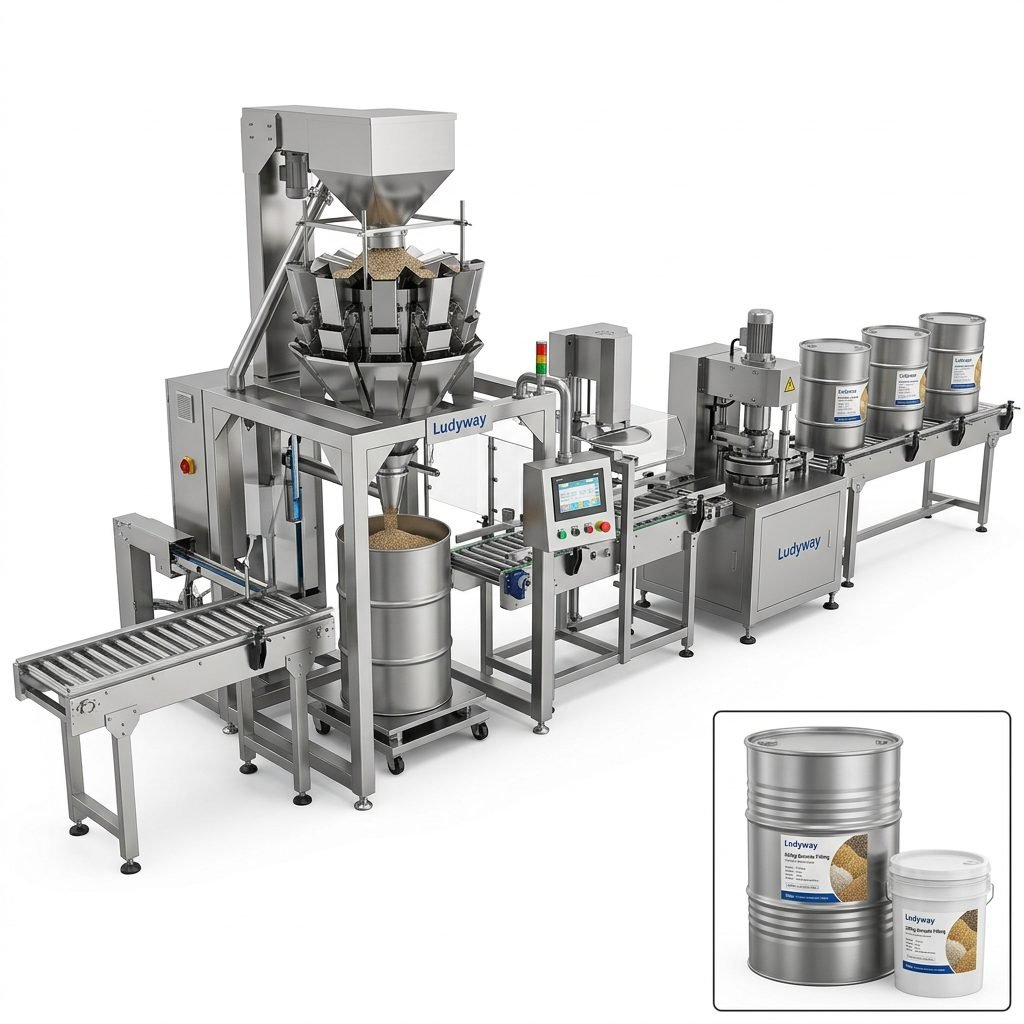
A fully automatic packing machine is a packaging system designed to complete the entire packing cycle with minimal human intervention. Depending on the product and package format, it may handle powders, granules, liquids, pastes, pouches, sachets, stick packs, bottles, cartons, or bags.
Typical integrated functions include:
- Automatic material feeding
- Precision weighing or volumetric dosing
- Bag or pouch forming
- Product filling
- Heat sealing or capping
- Date coding and printing
- Counting, inspection, and rejection
- Cartoning, case packing, and palletizing in complete lines
This kind of machine is especially valuable for manufacturers that need high-volume, repeatable, and hygienic packaging while controlling labor and operational risk.
How It Improves Packaging Speed
One of the biggest reasons manufacturers upgrade to fully automatic packing equipment is output speed. Manual packaging creates natural bottlenecks because performance depends heavily on operator pace, shift changes, fatigue, and coordination between stations.
1. Continuous operation
Fully automatic systems are designed for continuous production. Materials move from one stage to the next without unnecessary pauses, helping factories achieve stable throughput across long runs.
2. Multi-lane production capability
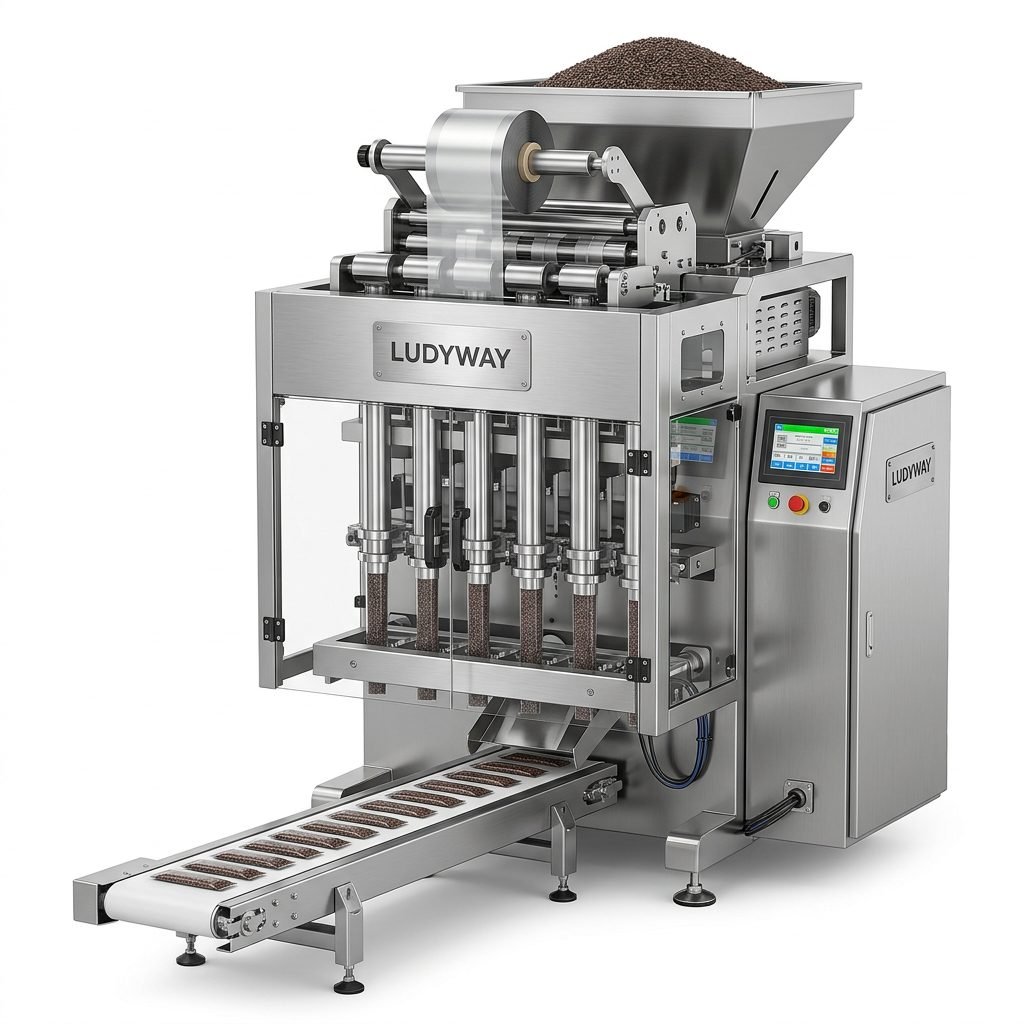
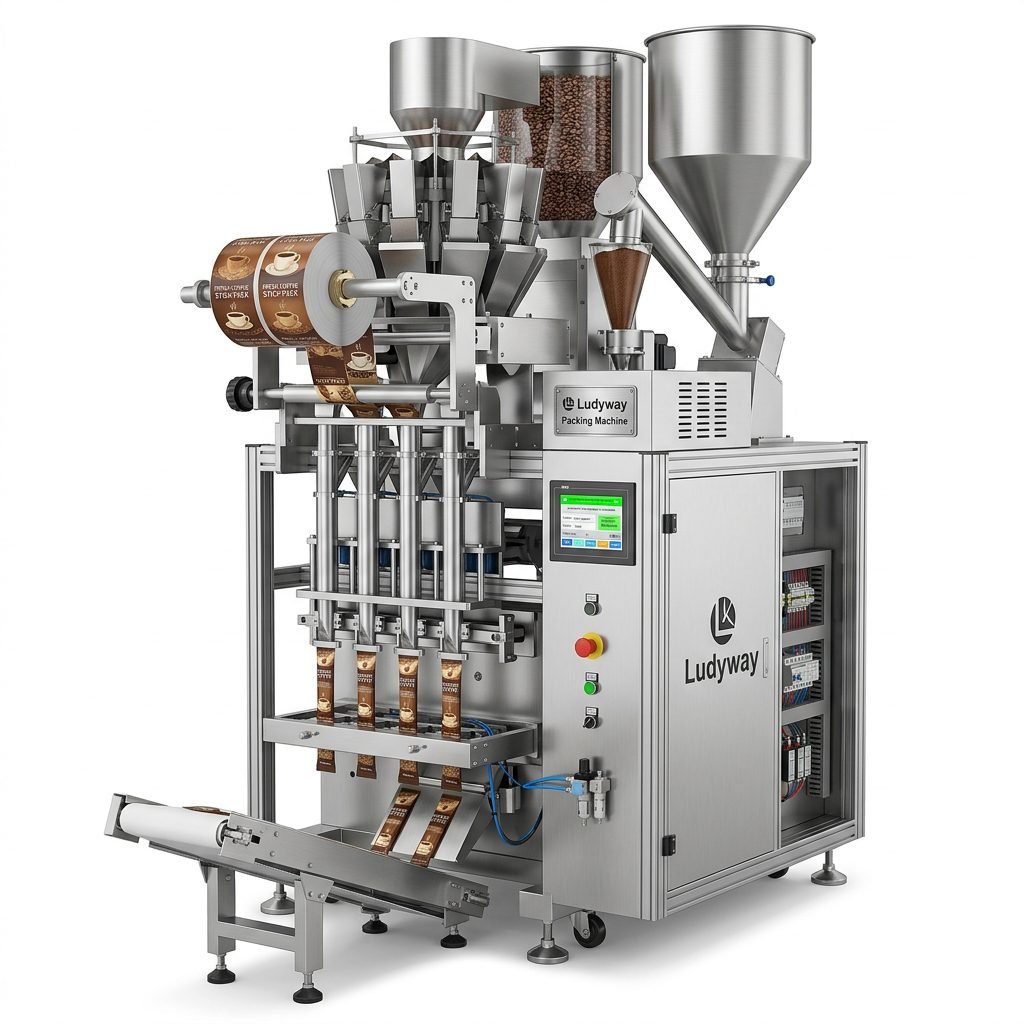
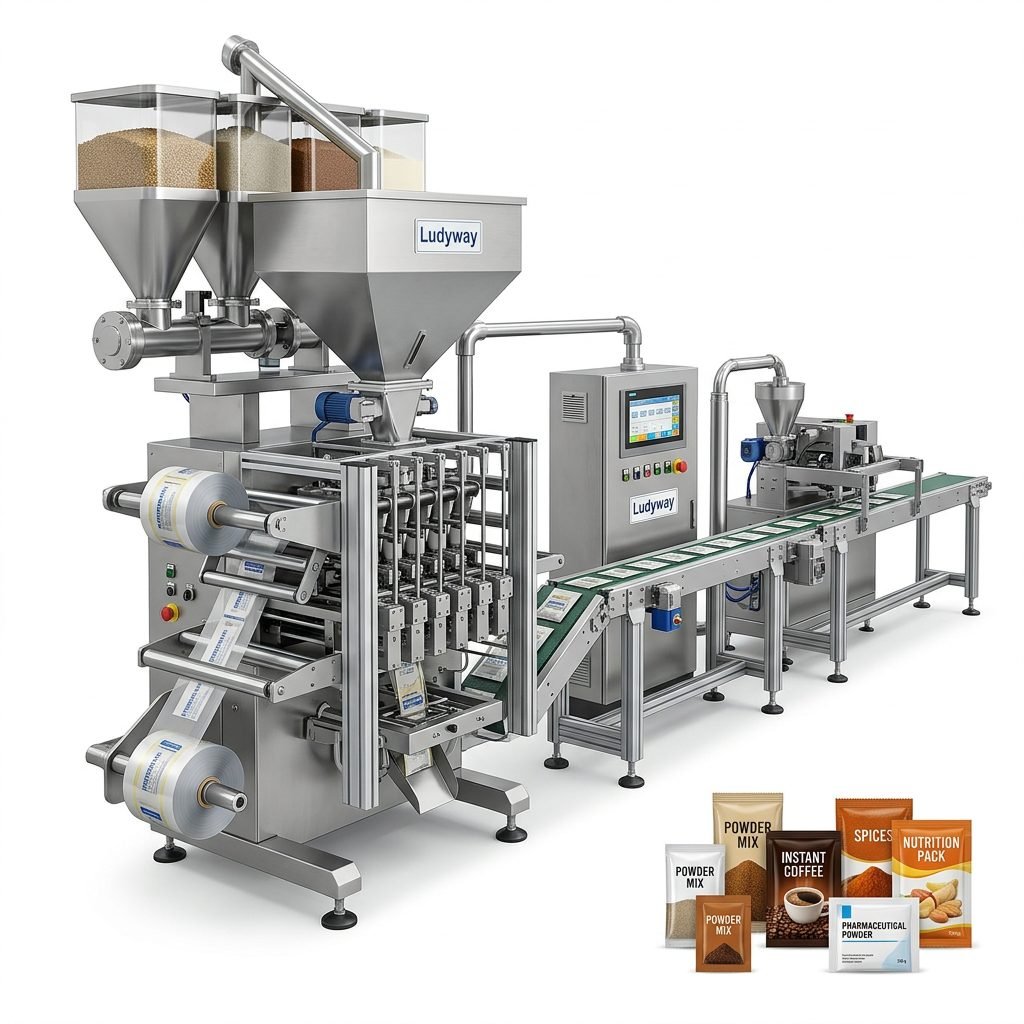
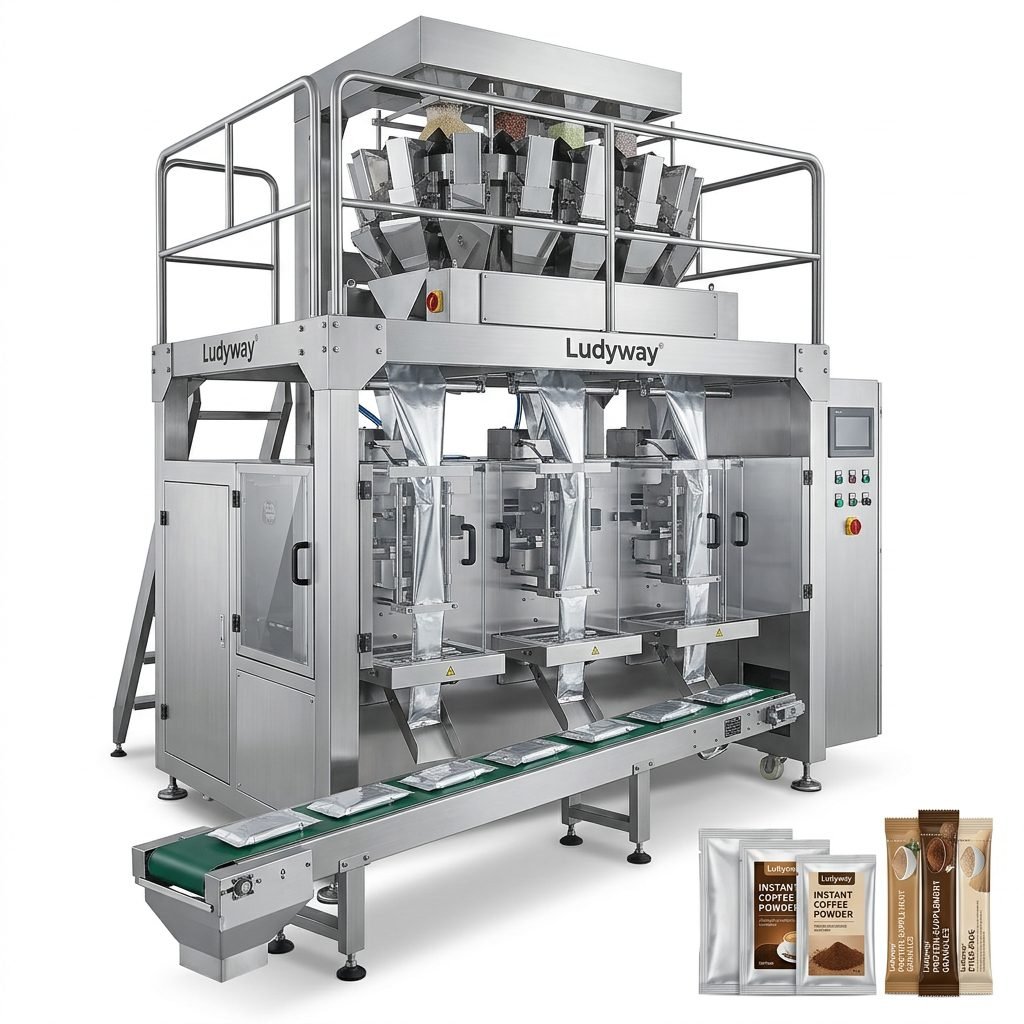
For sachets and stick packs, multi-lane configurations can package several units at the same time. This greatly increases output per minute compared with single-lane or manual filling operations.
3. Faster product change execution
Modern automatic machines often include recipe storage, touch-screen controls, and parameter memory. Operators can switch between products faster, reducing downtime during format changes.
4. Reduced idle time
Integrated sensors and automatic material feeding reduce interruptions caused by underfeeding, incorrect bag positioning, or inconsistent sealing temperatures.
| Packaging Method | Speed Performance | Operational Stability |
|---|---|---|
| Manual Packing | Low to moderate | Highly operator-dependent |
| Semi-Automatic Packing | Moderate | Partially dependent on labor |
| Fully Automatic Packing Machine | High to very high | Consistent and process-controlled |
How It Improves Packaging Accuracy
Packaging accuracy directly affects product cost, compliance, and brand reputation. Overfilling increases material loss, while underfilling can trigger customer complaints and regulatory issues. A fully automatic packing machine improves accuracy through controlled dosing and real-time monitoring.
Precision filling systems
Different products require different measuring technologies:
- Auger fillers for powders
- Multi-head weighers for granules
- Piston fillers for pastes and creams
- Pump or flowmeter systems for liquids
These systems are calibrated to deliver repeatable fill volumes or weights, helping maintain pack uniformity across large production batches.
Stable sealing performance
Accurate sealing temperature, pressure, and dwell time are essential for preventing leaks, contamination, or weak seals. Automated control reduces variation and improves package integrity.
Sensor-based correction
Advanced machines can detect film position, pouch alignment, missing products, and abnormal fill conditions. This lowers defect rates and reduces wasted packaging materials.
Key benefit: Better accuracy does not only improve quality. It also reduces giveaway, lowers rework, and supports more reliable cost control.
How It Improves Overall Efficiency
Speed and accuracy matter, but efficiency is where the full business value appears. A fully automatic packing machine improves efficiency by optimizing labor use, reducing waste, and simplifying process control.
Lower labor dependence
Instead of assigning multiple workers to feeding, filling, sealing, labeling, and packing, one automated system can handle these functions with fewer operators. This helps manufacturers manage labor shortages and rising wage costs.
Reduced material waste
Precise dosing and reliable sealing reduce product loss, damaged packs, and rejected output. Over time, this can significantly improve profitability.
Improved line coordination
Automatic packaging equipment can connect with conveyors, feeders, cartoners, checkweighers, metal detectors, case packers, and palletizers. This creates a more synchronized production flow.
Better production planning
When machine output is more stable and measurable, manufacturers can plan orders, inventory, staffing, and maintenance more effectively.
Cleaner and safer operations
In food and pharmaceutical environments, less manual contact means improved hygiene and lower contamination risk. Automated handling also reduces repetitive labor and workplace strain.
Industries That Benefit Most
Fully automatic packing machines are widely used across industries that demand high consistency and scalable output.
| Industry | Typical Products | Why Automation Matters |
|---|---|---|
| Food | Coffee, spices, snacks, sauces, powders | High volume, hygiene, consistent portioning |
| Pharmaceutical | Granules, oral liquids, medical sachets | Accuracy, traceability, clean production |
| Cosmetics | Creams, lotions, serums, masks | Attractive packs, leak prevention, product consistency |
| Chemical | Powders, detergents, additives, liquids | Safety, controlled dosing, durable sealing |
| Feed & Agriculture | Feed premix, granules, seeds, fertilizer | Bulk handling, stable output, lower labor use |
Main Features to Look for in a Fully Automatic Packing Machine
Not every machine is suitable for every application. Before investing, buyers should evaluate both technical and operational factors.
- Product compatibility: powder, granule, liquid, paste, pouch, bottle, or bag
- Required speed: single-lane, multi-lane, or full-line automation
- Filling accuracy: choose the right dosing technology
- Packaging format flexibility: sachet, stick pack, pouch, carton, or bottle
- Ease of cleaning: especially important for food and pharma applications
- Control system: touchscreen HMI, PLC integration, recipe storage, alarms
- Upstream and downstream integration: feeders, conveyors, coding, cartoning, palletizing
- After-sales support: installation, spare parts, training, and technical assistance
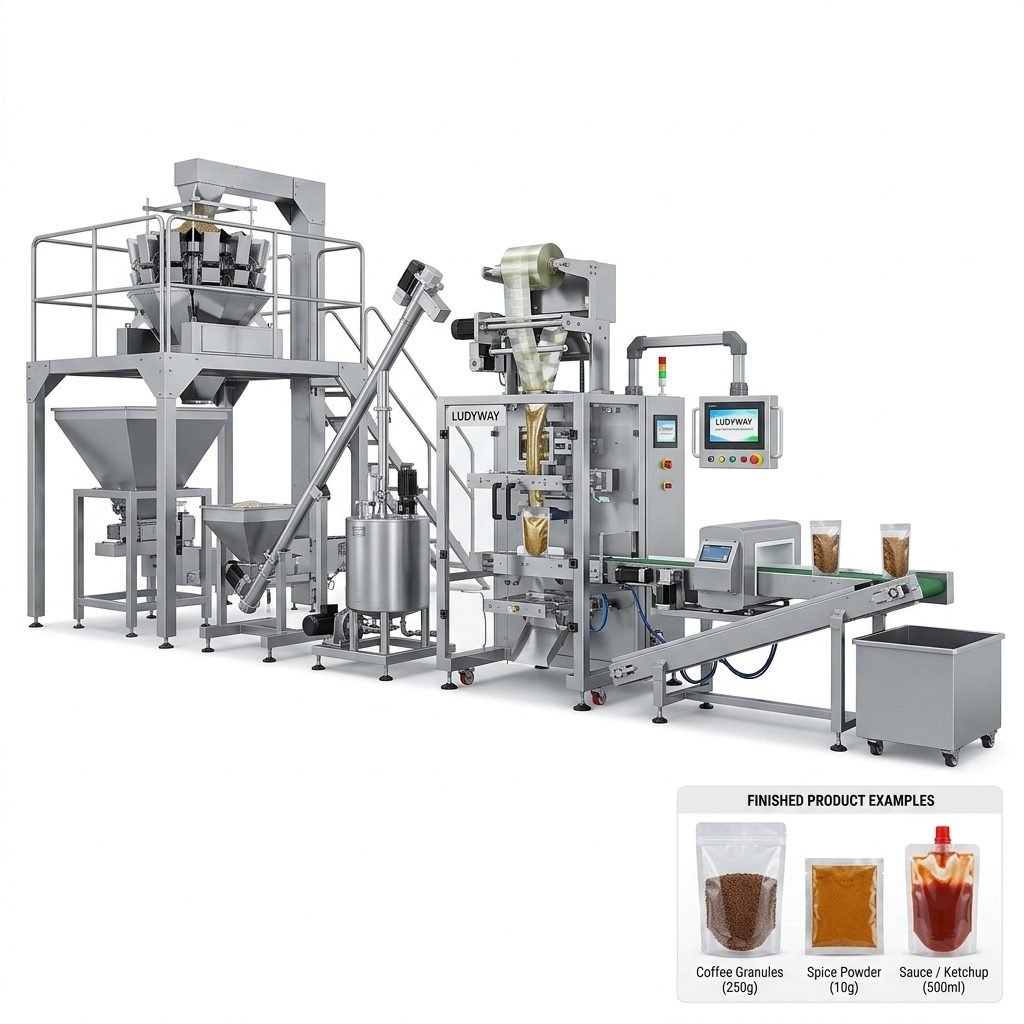
Fully Automatic vs Semi-Automatic Packing Machine
For some businesses, the question is not whether to automate, but how far to automate. The answer usually depends on production volume, labor cost, product consistency requirements, and future expansion plans.
| Factor | Semi-Automatic | Fully Automatic |
|---|---|---|
| Labor Requirement | Medium to high | Low |
| Production Speed | Moderate | High |
| Accuracy Consistency | Variable | More stable |
| Scalability | Limited | Strong |
| Long-Term Efficiency | Moderate | High |
What ROI Can Manufacturers Expect?
Return on investment depends on product type, labor cost, machine uptime, and daily output. However, in many cases, a fully automatic packing machine can create measurable value through:
- Reduced labor costs
- Lower material giveaway
- Fewer rejected packs
- Higher daily production volume
- Improved order fulfillment speed
- Reduced downtime from inconsistent manual handling
For growing manufacturers, automation is often not just a cost-saving measure, but a way to unlock capacity for larger orders and more demanding customers.
Why Machine Customization Matters
No two packaging projects are exactly the same. Product flowability, viscosity, particle size, package dimensions, sealing material, and target speed all affect machine design. That is why customization is often essential for achieving the best results.
Manufacturers looking for scalable automation often work with experienced suppliers such as Ludyway fully automatic packing machine solutions, especially for applications that require multi-lane sachet packing, stick pack production, liquid filling, powder dosing, or complete turnkey packaging lines.
How to Choose the Right Machine for Your Production Line
To make the right decision, buyers should prepare the following information before contacting a supplier:
- Product type and characteristics
- Target bag or pouch size
- Required output per minute or per hour
- Desired fill accuracy
- Available workshop layout
- Need for future expansion or full turnkey integration
- Industry compliance requirements
A clear technical brief helps suppliers recommend the most suitable machine configuration and avoids under-specifying or over-investing in equipment.
Final Thoughts on Packaging Speed, Accuracy, and Efficiency
A fully automatic packing machine improves packaging operations in three critical ways: it increases speed, strengthens accuracy, and raises total production efficiency. For manufacturers facing pressure from labor costs, quality standards, and market competition, automation is becoming a practical necessity rather than an optional upgrade.
Whether you package powders, granules, liquids, or pouches, the right system can help you build a faster, cleaner, and more profitable production line with room to scale.