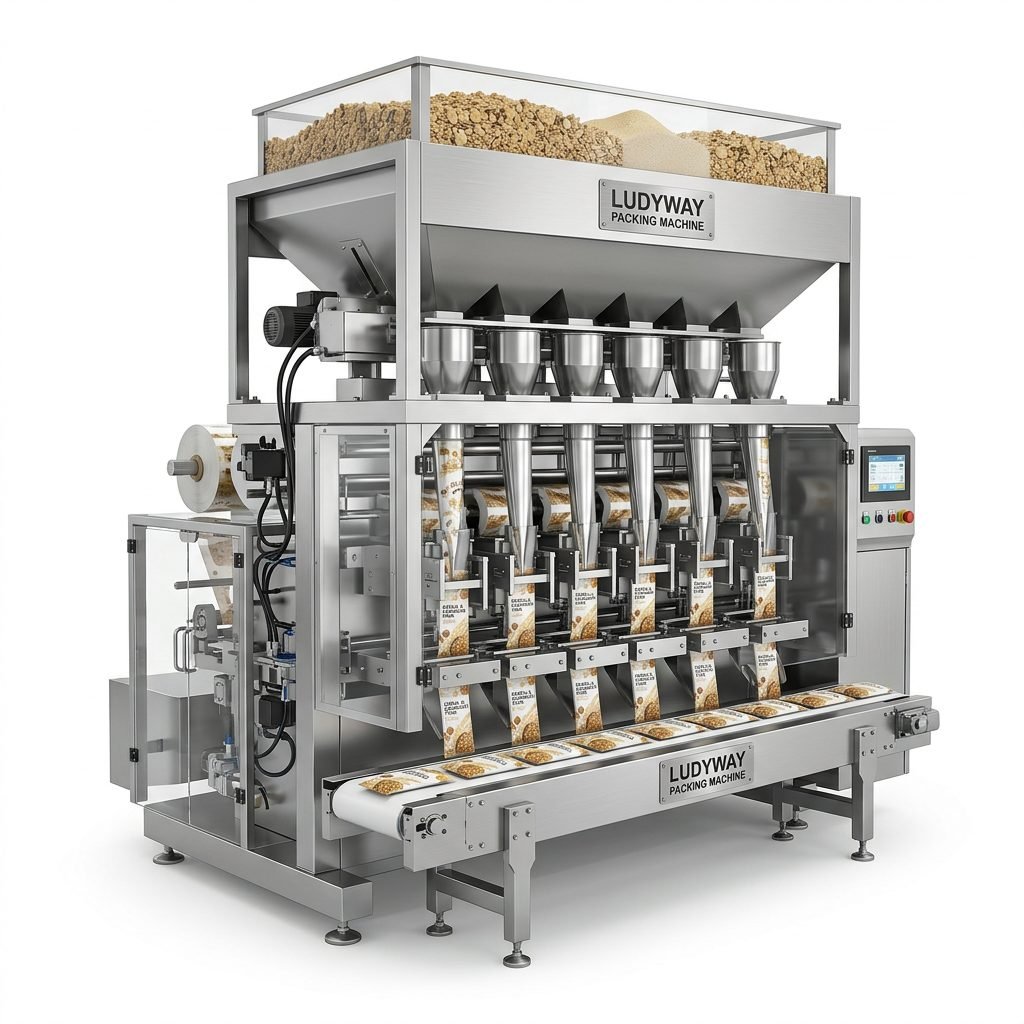
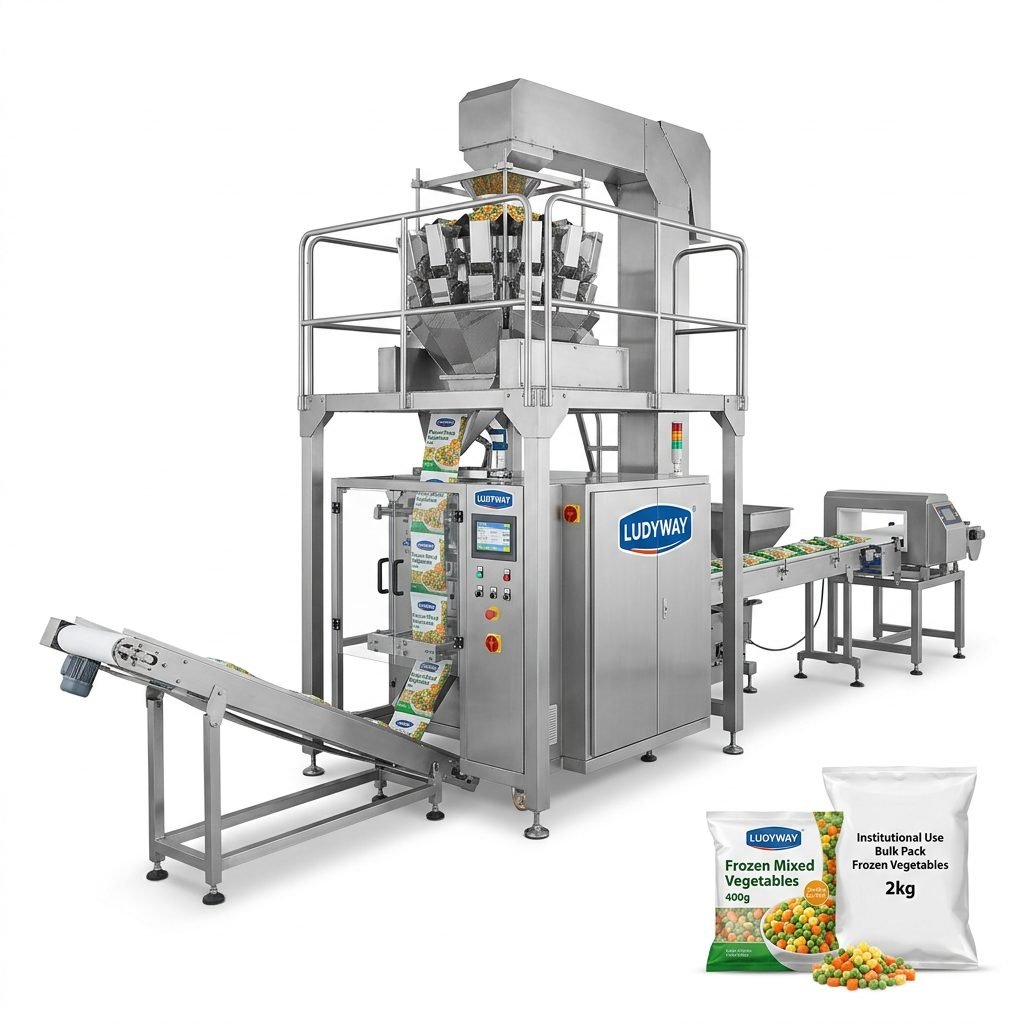
Investing in a protective packaging machine is a strategic decision that directly impacts product integrity, shipping costs, and customer satisfaction. Whether you are packing fragile electronics, heavy industrial parts, or perishable foods, selecting the wrong system can lead to damaged goods, excessive material waste, and operational bottlenecks. This guide walks you through every critical factor — from understanding your product and throughput requirements to evaluating machine types, materials, and long-term supplier support.
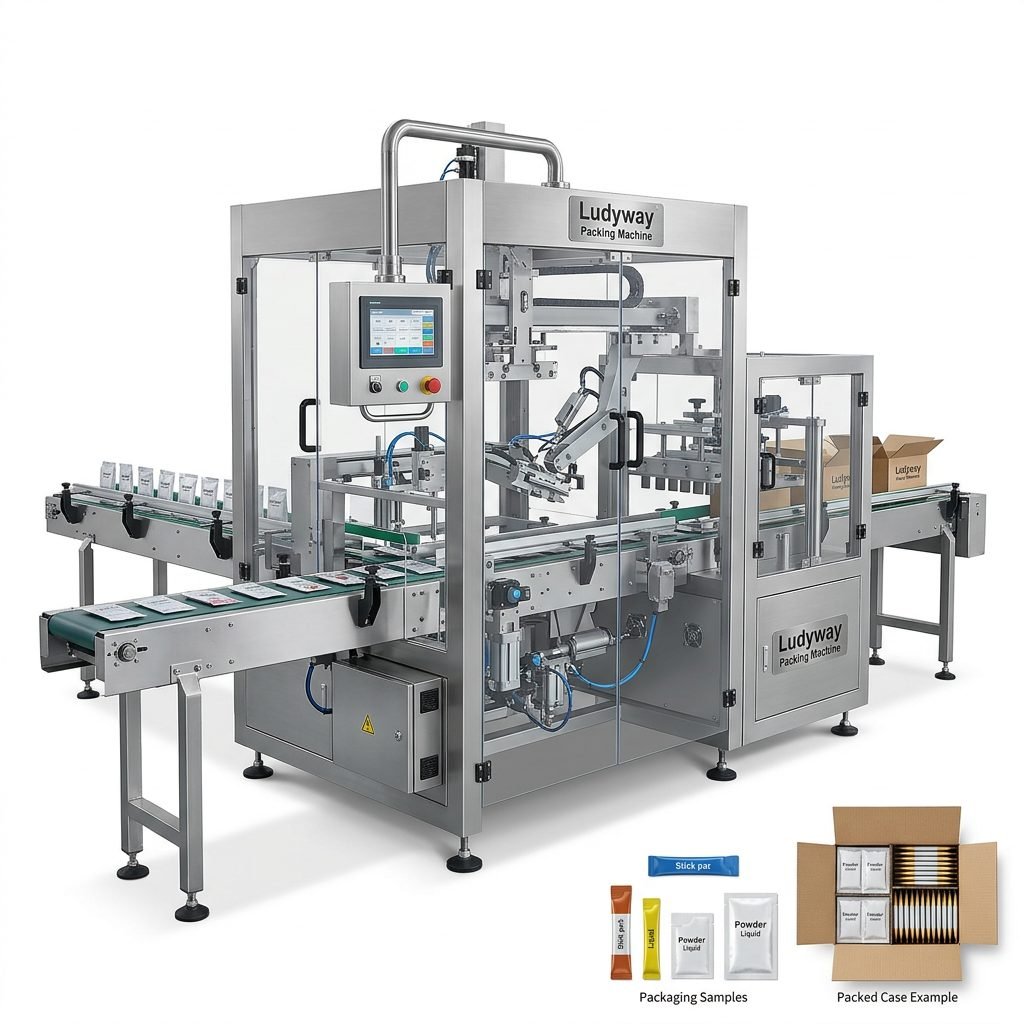
Understanding Protective Packaging Machinery
Protective packaging equipment is designed to create a buffer around products to absorb shocks, vibrations, and compression during transit and storage. Unlike primary packaging that directly contains the product, protective packaging machines focus on void fill, cushioning, wrapping, and blocking and bracing. Common applications include automated air pillow systems, foam-in-place machines, paper cushioning converters, and stretch wrapping equipment.
Key Machine Categories
Selecting the right category depends heavily on your product profile and fulfillment model. Below are the primary types you will encounter:
- Air Pillow Machines: Produce on-demand inflatable cushions ideal for void fill and light cushioning in e-commerce fulfillment.
- Foam-in-Place Systems: Dispense expanding polyurethane foam that molds precisely around highly fragile or irregularly shaped items.
- Paper Cushioning Converters: Transform kraft paper into padded crimped cushions, offering a sustainable alternative to plastic-based protection.
- Stretch Wrappers and Bundlers: Secure pallet loads or bundle multiple items together to prevent shifting during transport.
- Molded Pulp and Thermoforming Lines: Produce custom-shaped end caps, trays, and clamshells for high-volume, consistent protection.
Assessing Your Operational Requirements
Before comparing machine specifications, you need a clear picture of your current and projected packaging demands. Overlooking this step often results in purchasing equipment that is either underpowered or excessively complex for your needs.
Product Dimensions and Fragility
Measure the range of product sizes you handle. A single protective packaging machine may need to accommodate everything from small cosmetic items to large automotive components. Fragility is equally important — sensitive electronics require different cushioning dynamics than durable metal parts. Understanding your product’s vibration sensitivity and compression tolerance helps determine whether you need soft foam, rigid molded pulp, or impact-absorbing engineered air cells.
Throughput and Speed Requirements
Consider your peak packaging volume. Manual or semi-automatic systems may suffice for low-volume operations, packaging fewer than 50 parcels per day. However, high-volume fulfillment centers processing thousands of orders daily demand fully automated packaging solutions with conveyor integration and on-demand material dispensing. Overestimating throughput leads to unnecessary capital expenditure, while underestimating creates a bottleneck that slows your entire shipping operation.
Material Compatibility and Sustainability
The protective material you choose directly affects both performance and environmental footprint. Modern buyers increasingly prioritize sustainable packaging, and regulations like the European Packaging and Packaging Waste Regulation are tightening requirements globally. Evaluate whether your chosen machine processes recycled content efficiently and whether the output material is curbside recyclable or industrially compostable.
Common Material Formats
| Material Type | Best For | Sustainability Profile | Typical Machine Investment |
|---|---|---|---|
| Air Pillows (LDPE/HDPE) | Void fill and light cushioning | Recyclable where facilities exist; recycled content films available | $2,000 – $15,000 |
| Kraft Paper Cushioning | Medium-weight products, void fill | Curbside recyclable, renewable fiber source | $4,000 – $25,000 |
| Polyurethane Foam-in-Place | High-value, fragile, irregular items | Limited recyclability; some bio-based formulations emerging | $10,000 – $50,000 |
| Molded Pulp Trays and End Caps | Custom-profiled heavy items | Compostable and recyclable | $30,000 – $200,000+ |
For deeper industry benchmarks on material trends and sustainability data, resources from the Flexible Packaging Association and PMMI Business Intelligence provide valuable annual reports and market analysis.
Automation Level and Integration Capabilities
The degree of automation you need depends on labor availability, order consistency, and desired packing speed. Entry-level semi-automatic machines require an operator to position the product or trigger the dispense cycle. Fully automatic protective packaging systems integrate with upstream conveyors, barcode scanners, and warehouse management software to select the appropriate packaging protocol for each order without human intervention.
Integration with Existing Lines
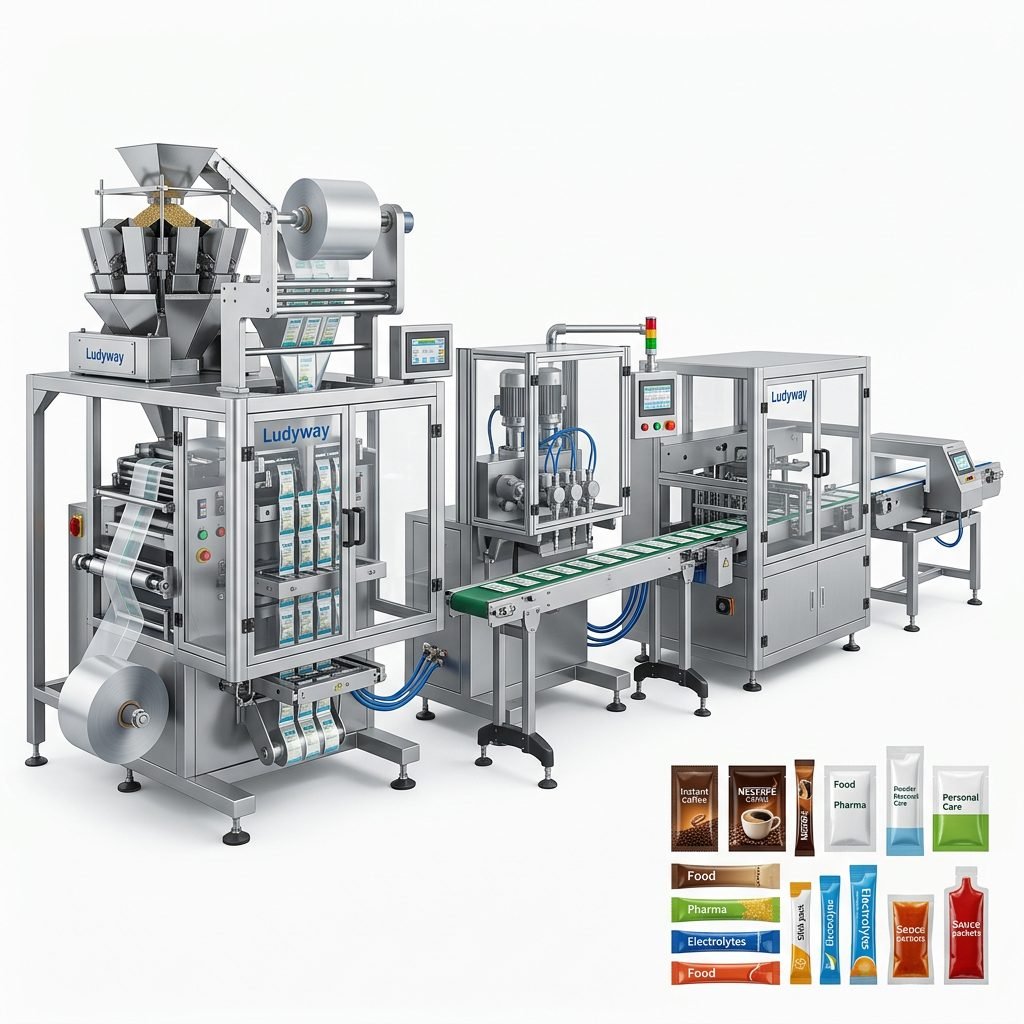
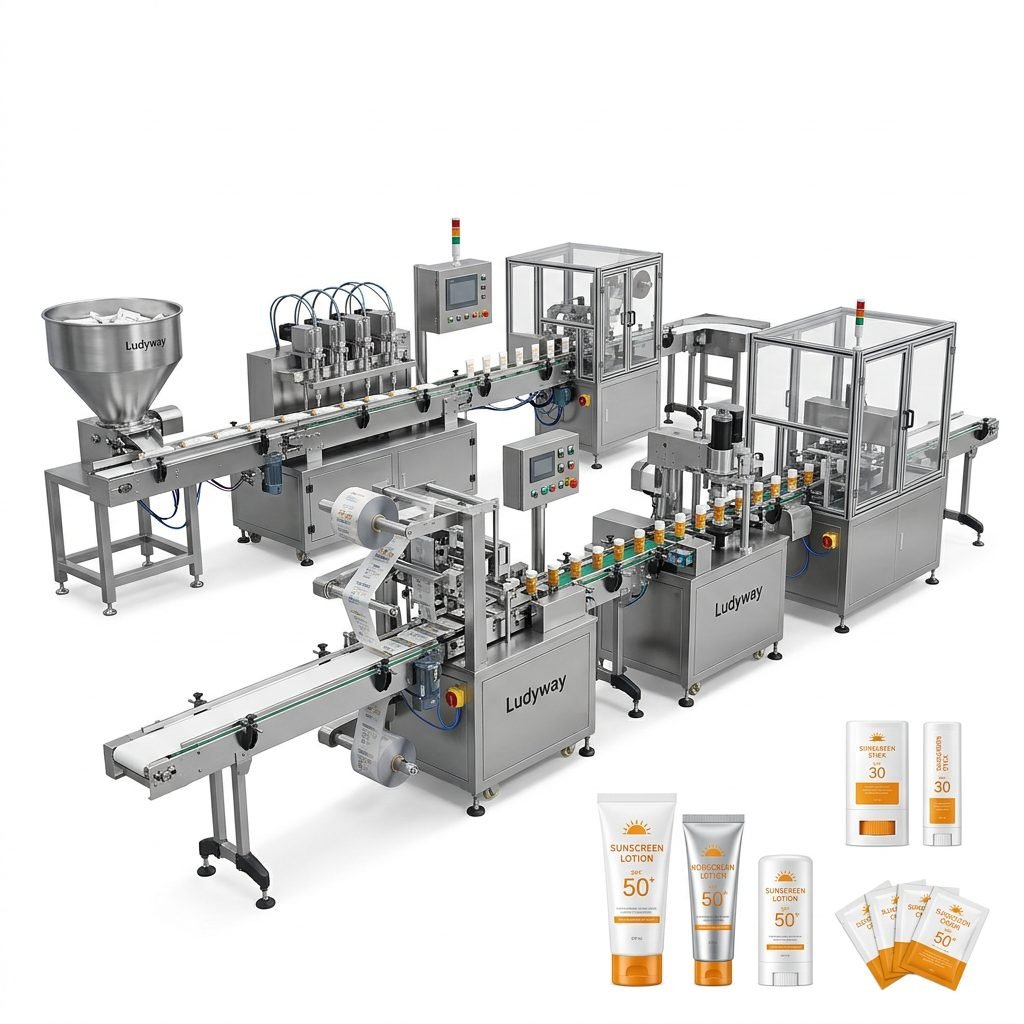
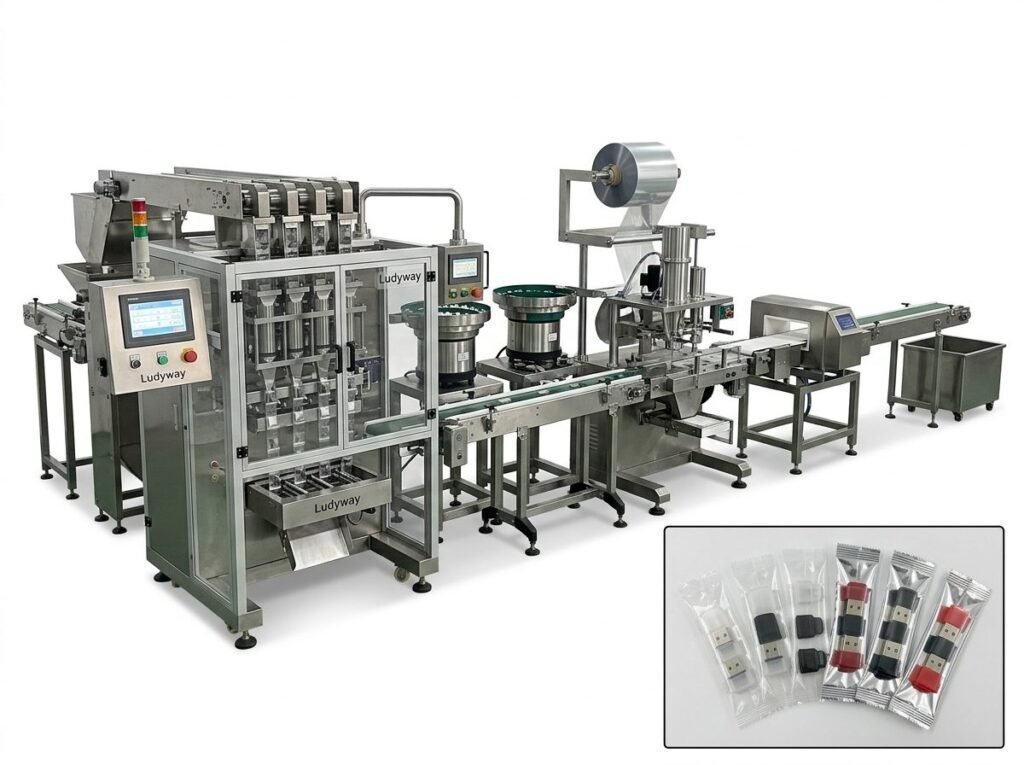
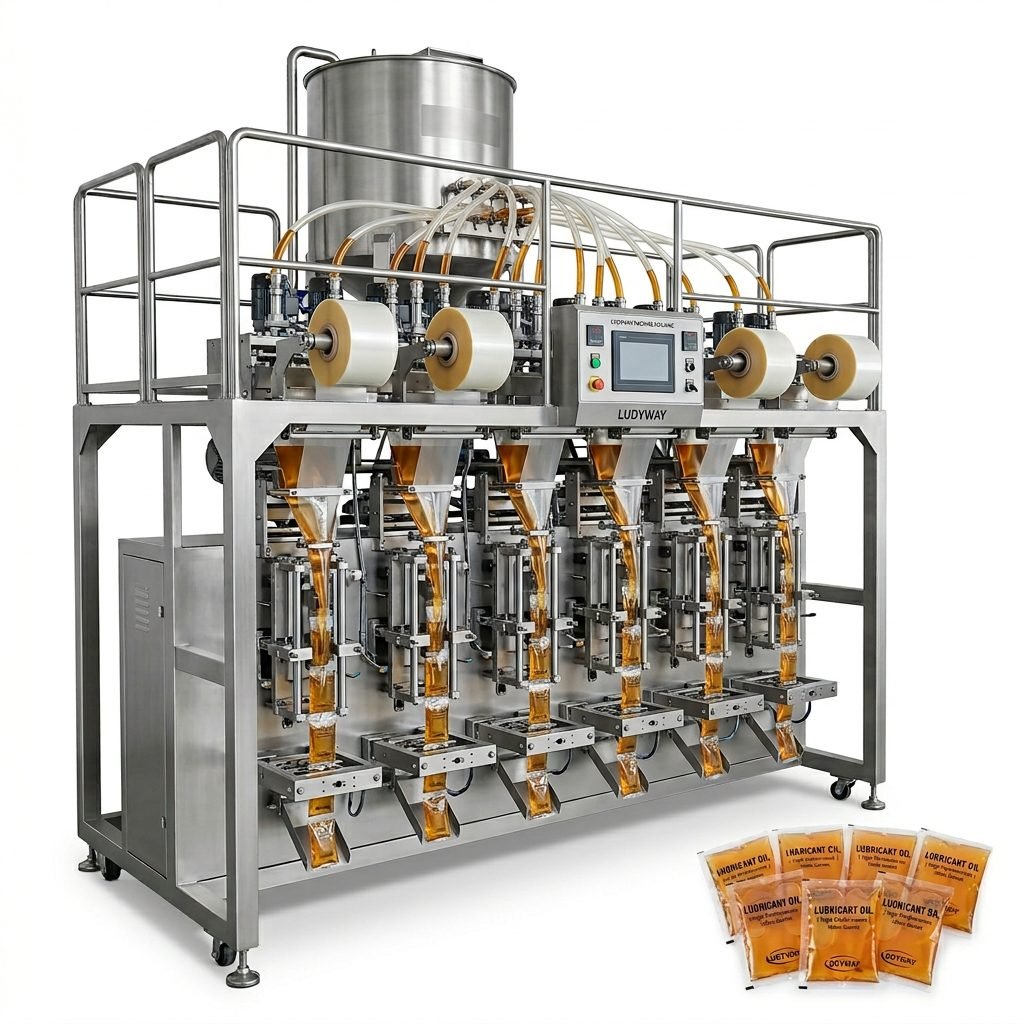
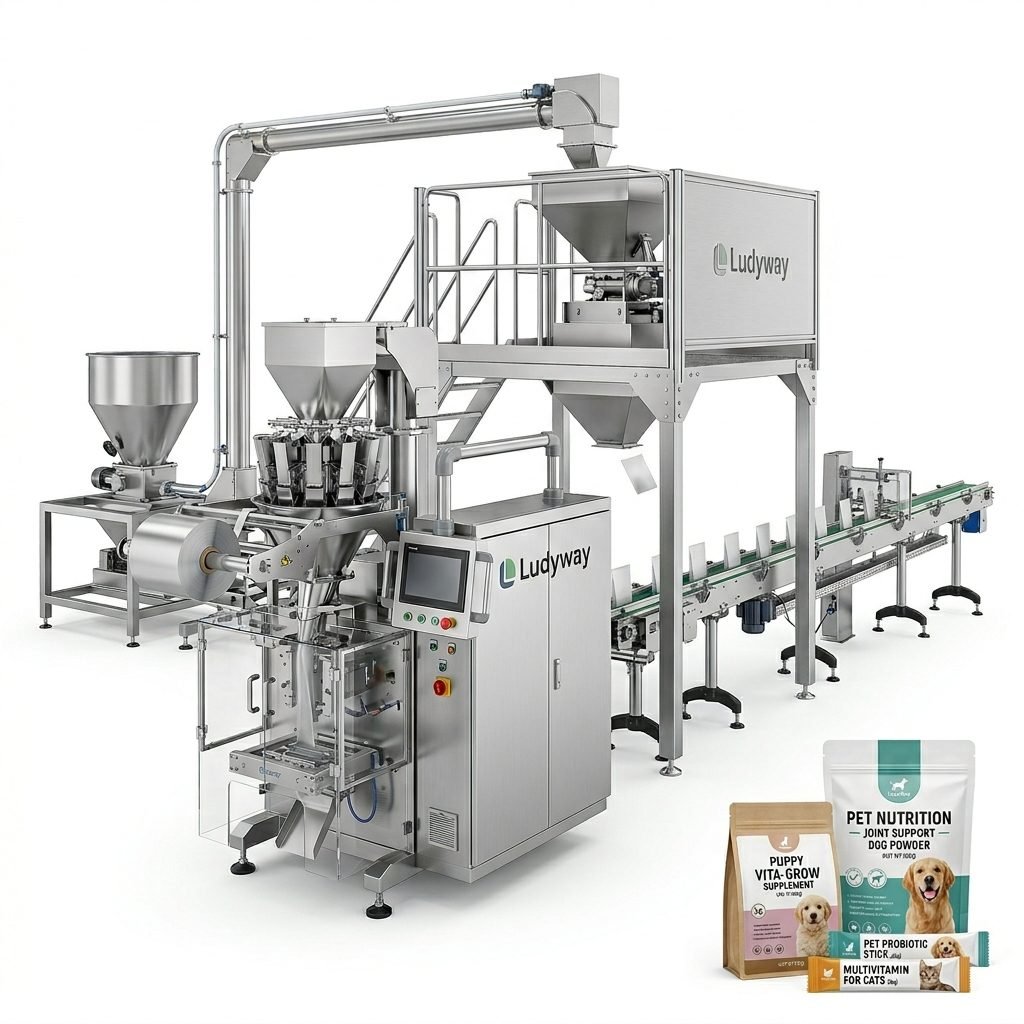
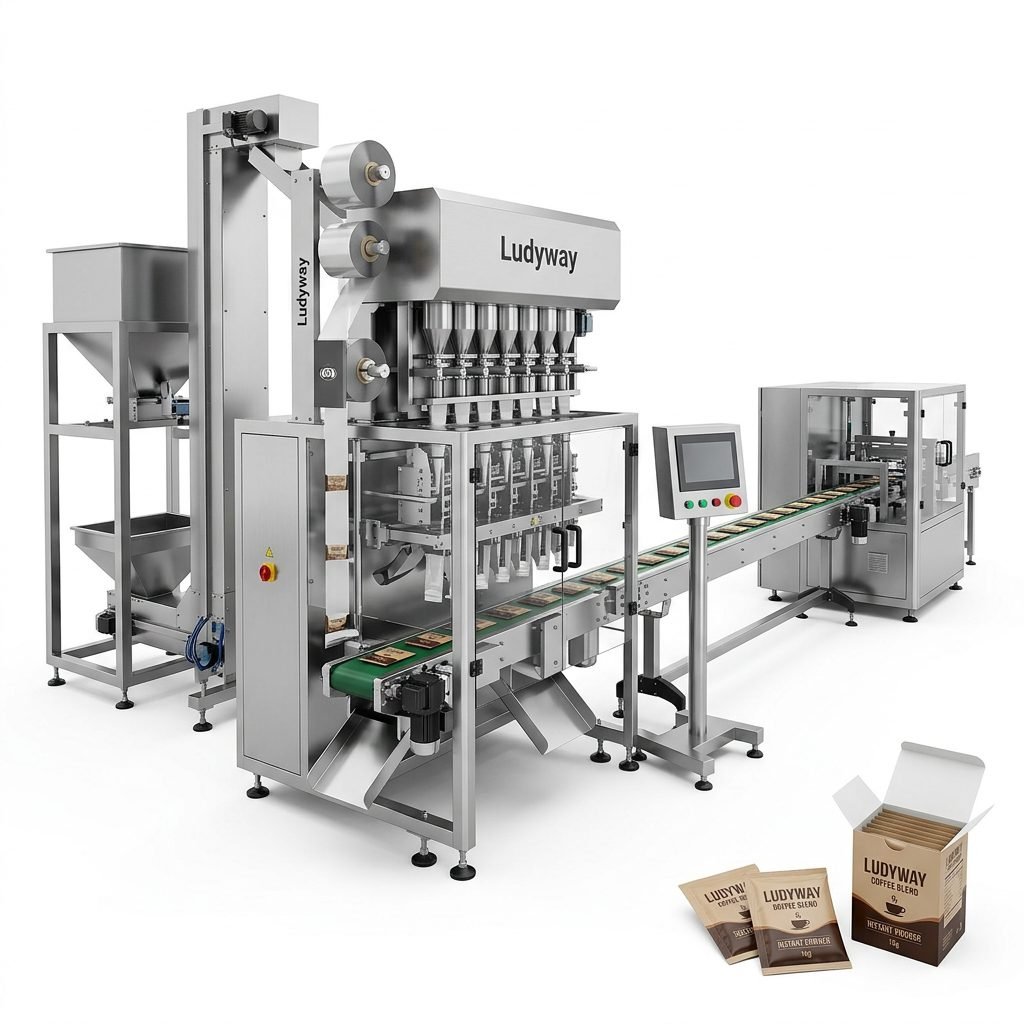
If you are adding protective packaging to an existing line, evaluate how the new machine will communicate with your current packaging ecosystem. Modern equipment increasingly supports Industry 4.0 standards, enabling real-time monitoring, predictive maintenance alerts, and consumption reporting. Machines that cannot integrate seamlessly create data silos and reduce overall line efficiency. Ludyway Machinery, a China-based packaging machinery manufacturer with over 30 years of experience, provides integrated packaging systems and turnkey production line solutions that connect multiple stages of the packaging process — helping manufacturers avoid compatibility issues and streamline operations.
Evaluating Total Cost of Ownership
The purchase price is only one component of the total cost. A comprehensive evaluation should account for consumable material costs, energy consumption, maintenance frequency, spare parts availability, and expected service life. Cheap machines often carry high material waste rates, offsetting any initial savings. Look for equipment with precise material dispensing controls that minimize overuse.
Cost Comparison Framework
| Cost Factor | What to Analyze | Impact on TCO |
|---|---|---|
| Capital Expenditure | Machine base price, installation, and training | Typically 30–50% of 5-year TCO |
| Consumable Materials | Per-unit cost of film, paper, foam, or molded fiber | Can exceed 40% of TCO over machine life |
| Maintenance and Parts | Scheduled service, wear components, and emergency repairs | 10–15% of TCO; higher for poorly supported brands |
| Labor Costs | Operator time per package or shift | Automation can reduce this by 60–80% |
Supplier Evaluation and Global Support
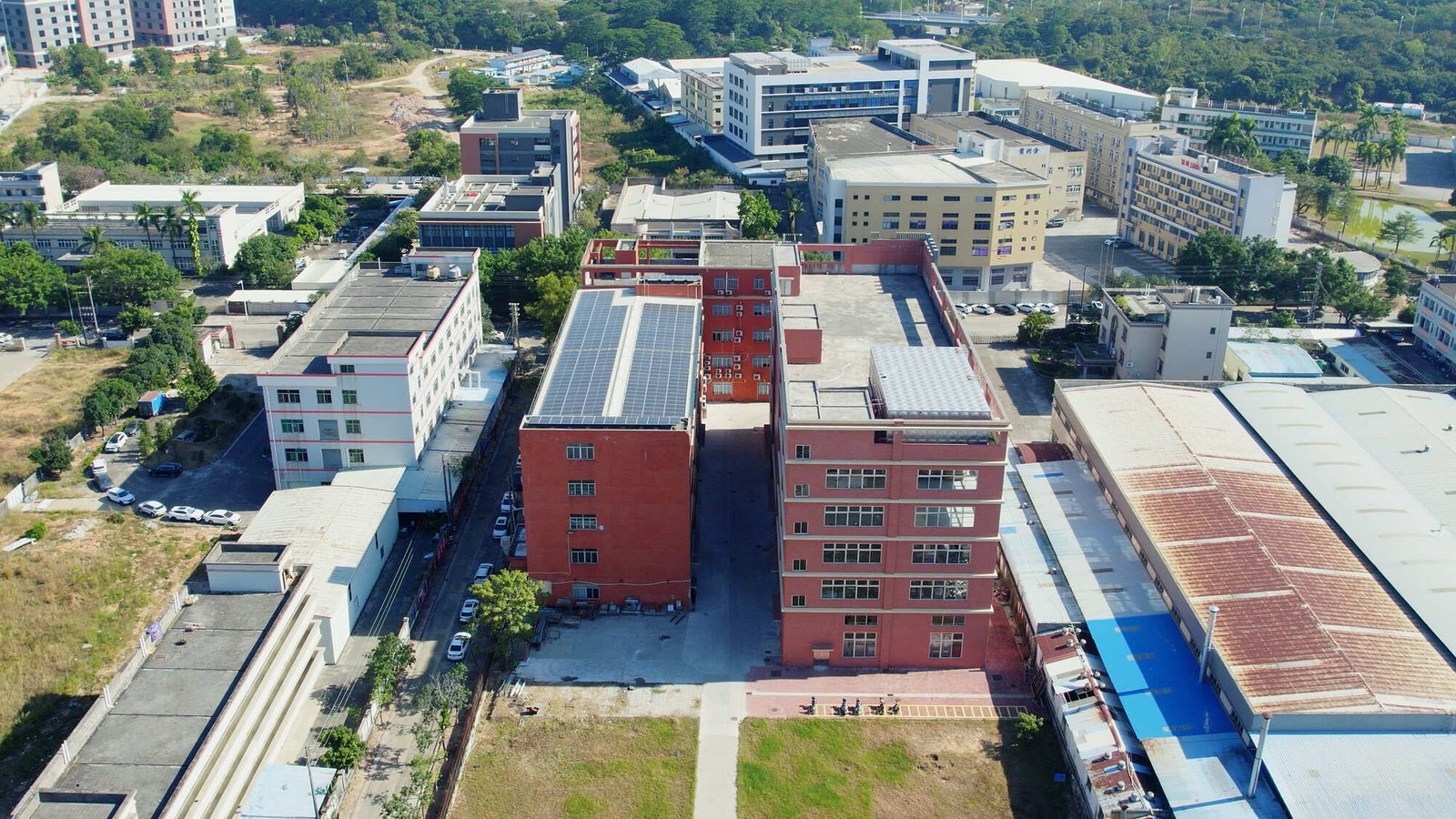
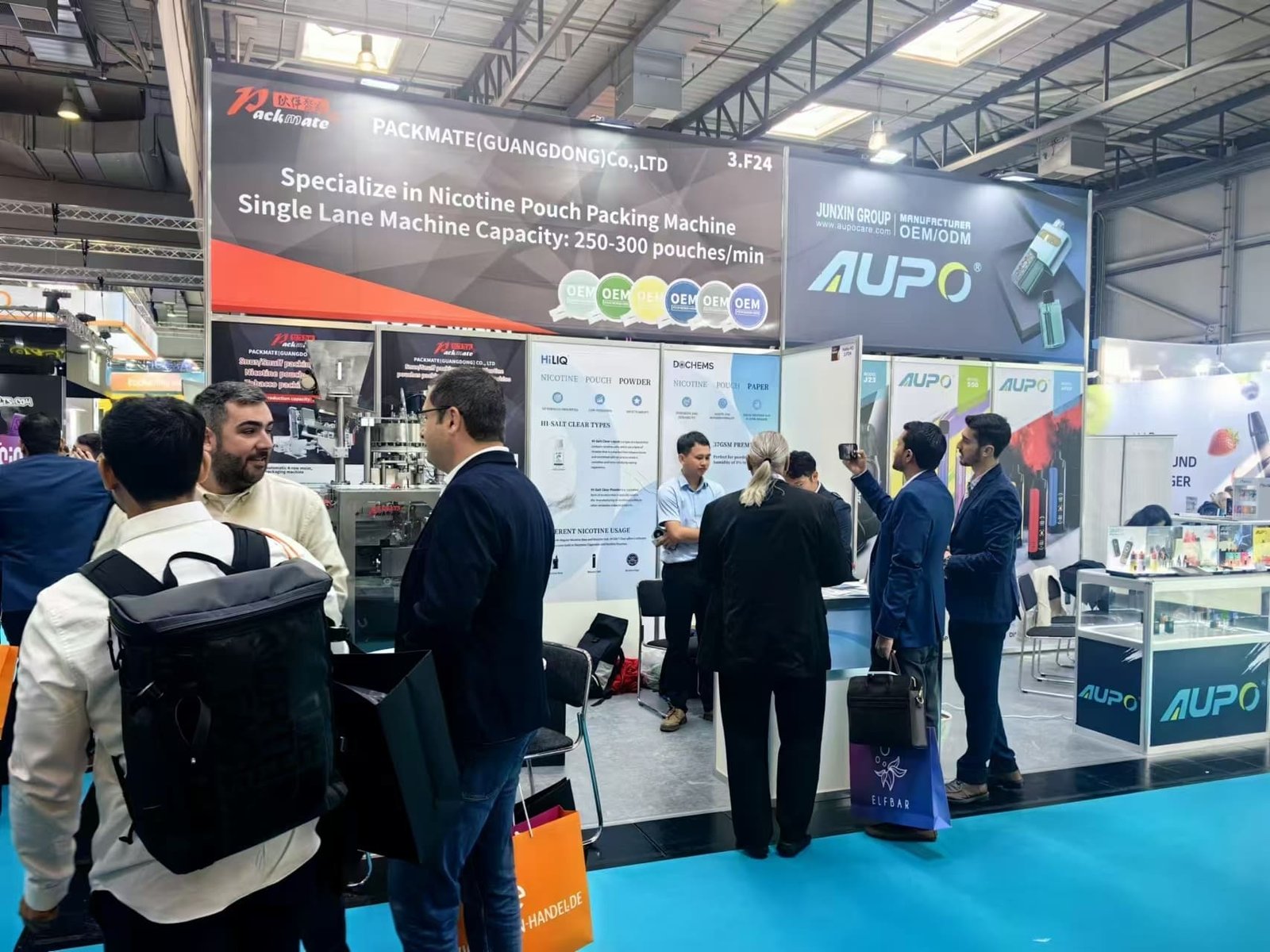
Choosing a reliable equipment partner is as important as choosing the machine itself. A manufacturer with strong engineering capabilities, a track record of international projects, and responsive after-sales service ensures your line continues operating at peak performance. With a 20,000-square-meter manufacturing facility, more than 130 professionals, and over 50 packaging machine models, Ludyway combines manufacturing expertise with application experience to help customers improve packaging efficiency. Ludyway is expected to achieve export revenue of more than RMB 500 million (approximately US$69 million) in 2025, and plans to surpass RMB 1 billion (approximately US$138 million) in export revenue in 2026 — reflecting strong global adoption and trust in its equipment.
Questions to Ask Potential Suppliers
- What is the lead time for the machine and critical spare parts?
- Do you provide on-site installation and operator training?
- Is remote technical assistance available for troubleshooting?
- Can the machine be configured for different packaging materials and product sizes?
- What certifications and compliance documentation are available for my target markets?
Regulatory and Safety Compliance
Depending on your industry and destination market, your protective packaging process may need to meet specific standards. Food and pharmaceutical applications have strict requirements for material safety and cleanliness. Machines used in these environments should be constructed with stainless steel contact surfaces and designed for easy sanitation. Refer to guidelines from authorities like the FDA Food Packaging and Food Contact Substances division and ISO packaging standards to ensure your equipment and materials are compliant.
Understanding the latest packaging machinery market trends through resources like PMMI’s State of the Industry reports can help you anticipate regulatory shifts that may affect your equipment choice. Standards from ISO packaging committees also provide internationally recognized benchmarks for machine safety and performance.
Making the Final Decision
After gathering technical specifications, material samples, and supplier proposals, create a structured comparison matrix. Prioritize criteria based on your strategic objectives — whether that is reducing plastic usage, accelerating pack-out speed, or minimizing damage claims. Request machine demonstrations using your actual products and packaging materials whenever possible. A machine that performs well in a supplier’s showroom may behave differently with your unique product weights, shapes, and line speeds.
Selecting the right protective packaging machine is not a one-size-fits-all decision. It requires balancing cost, performance, material compatibility, and supplier reliability. By methodically working through the factors outlined in this guide, you can invest in a solution that protects your products, supports your sustainability commitments, and scales with your business growth.