Investing in the right salsa packaging machine is a critical decision for food manufacturers aiming to scale production, maintain product freshness, and meet international retail standards. Whether you are producing fresh refrigerated salsa, shelf-stable jarred varieties, or single-serve sachets, the equipment you select directly impacts your line efficiency, seal integrity, and overall operational costs. This guide breaks down the essential factors to consider when sourcing equipment globally, helping you navigate machine types, regional compliance requirements, and key technical specifications.
Understanding Your Salsa Product Profile
Before comparing machinery, you must define your product’s physical characteristics. Salsa varies significantly in viscosity, particulate size, and acidity. A chunky pico de gallo requires completely different filling technology than a smooth, emulsified hot sauce. Key variables include:
- Viscosity range: Water-thin to heavy paste consistency determines pump type and nozzle design.
- Particulate matter: Large tomato chunks, corn kernels, or bean pieces demand piston fillers with wide-diameter product pathways and gentle handling to prevent crushing.
- pH level and acidity: Highly acidic tomato-based salsas require corrosion-resistant stainless steel construction (typically AISI 316L) for all product-contact parts.
- Temperature at filling: Hot-fill processes for shelf-stable products versus cold-fill for fresh refrigerated salsas dictate different sealing and cooling tunnel requirements.
According to FDA food packaging regulations, materials in contact with acidic foods must meet stringent migration limits, making material certification a non-negotiable part of your equipment evaluation.
Primary Types of Salsa Packaging Machines
Selecting the appropriate machine category depends on your target packaging format, production volume, and desired automation level. The table below summarizes the most common configurations for salsa products worldwide:
| Machine Type | Ideal Packaging Format | Typical Output Range | Best For |
|---|---|---|---|
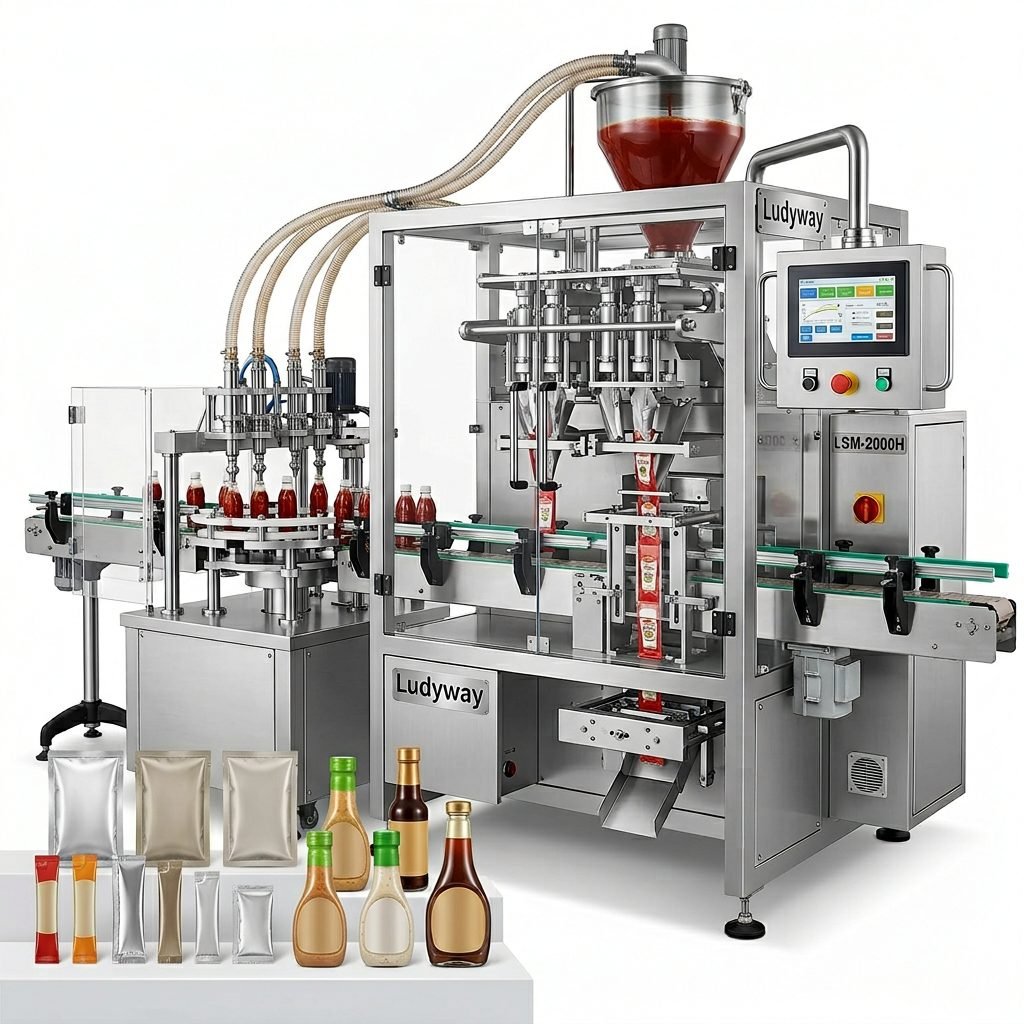
| Piston Filler with Capping | Glass jars, PET bottles (200ml–1L) | 40–120 containers/min | Chunky salsas, premium retail jars |
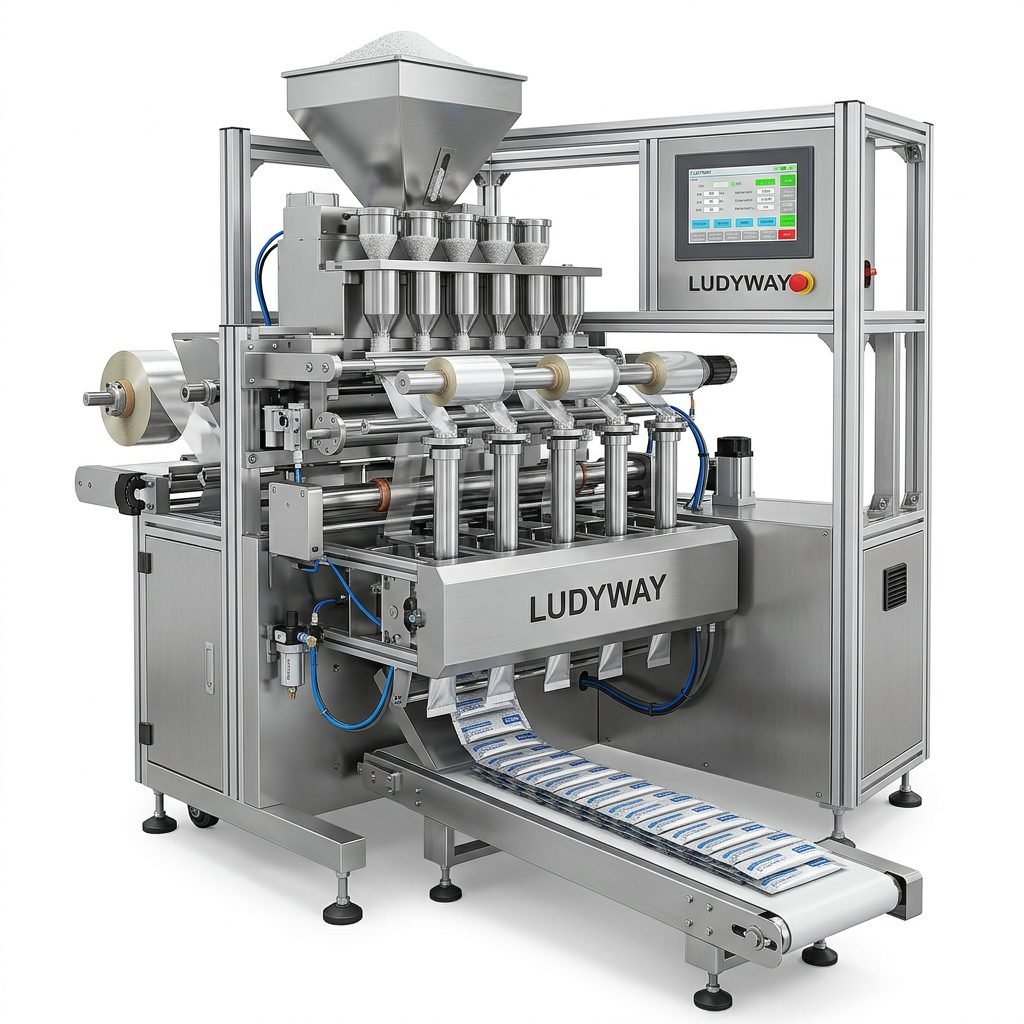
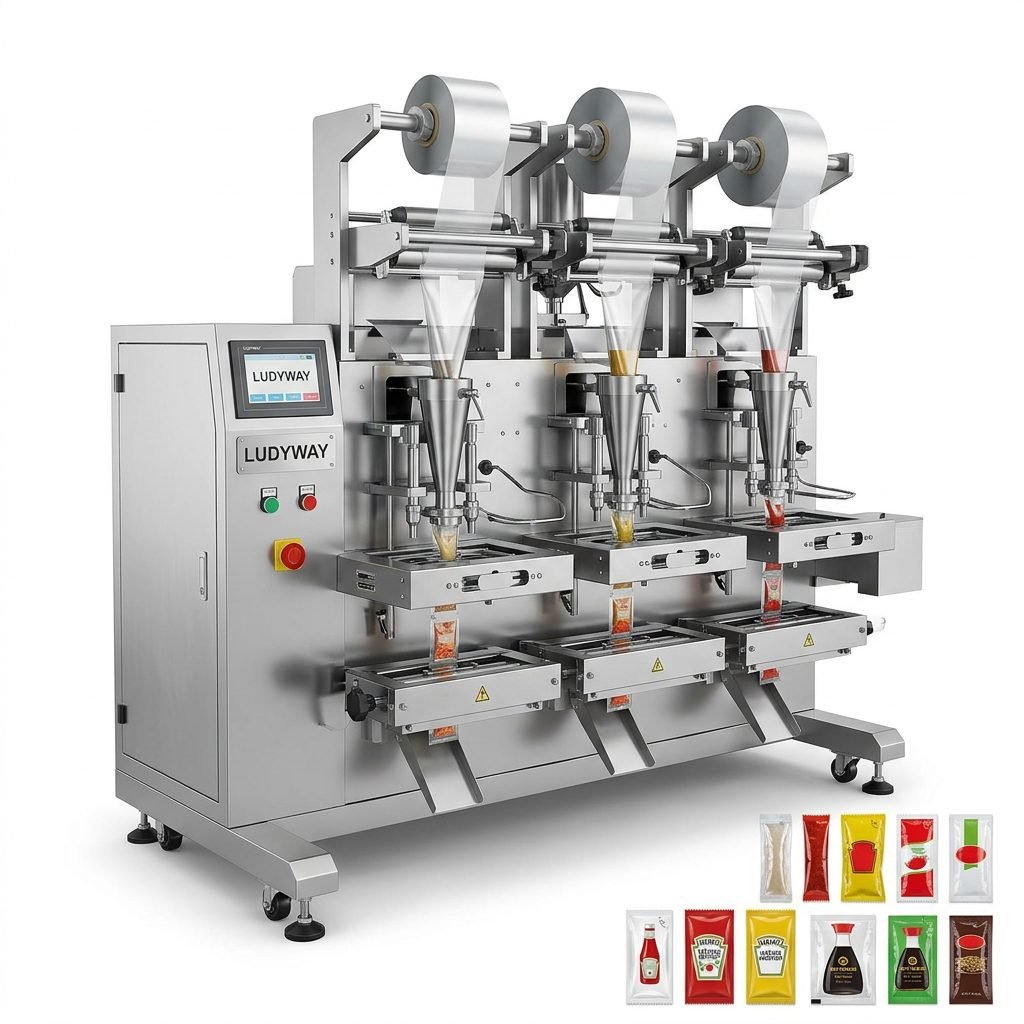
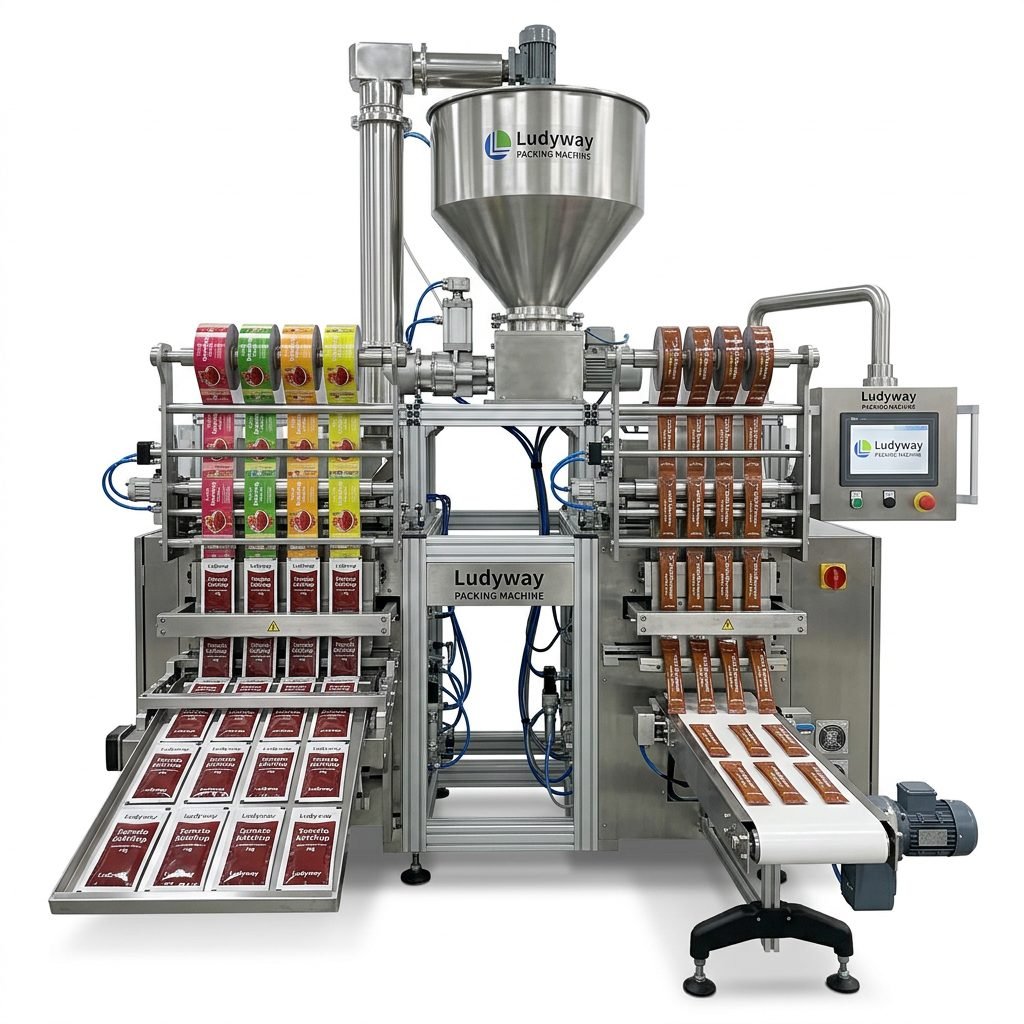
| Multi-Lane Sachet/Stick Pack | Single-serve sachets, stick packs (5ml–50ml) | 200–600 packs/min per lane | Food service portions, sample packs |
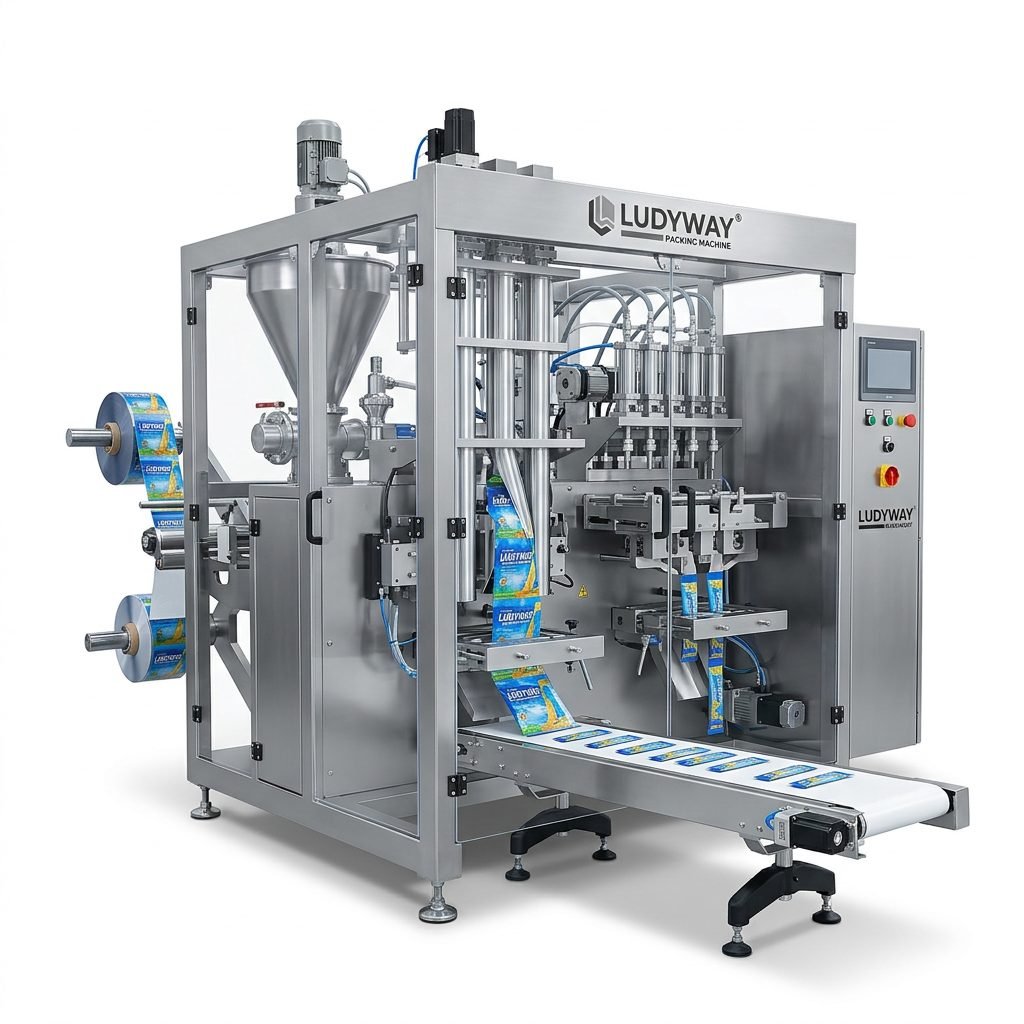
| Vertical Form Fill Seal (VFFS) | Pillow pouches, gusseted bags | 60–180 packs/min | Flexible pouch formats for retail |
| Rotary Liquid Filler | Bottles, jars, tubs | 100–600 containers/min | High-volume smooth salsa lines |
| Aseptic Filling System | Cartons, pouches, cups | 80–300 packs/min | Extended shelf-life ambient products |
Critical Technical Specifications to Evaluate
When comparing quotes from different global suppliers, focus on these technical parameters that directly influence your total cost of ownership and product quality:
Fill Accuracy and Drip Control
For salsa products, volumetric piston fillers typically achieve ±1% accuracy on chunky products, while net-weight fillers can reach ±0.5% but operate at slower speeds. Anti-drip nozzles and positive shut-off valves are essential features to prevent product waste and maintain clean seal areas on pouches or jar rims. Poor drip control leads to seal contamination, which is the leading cause of package leakage and spoilage in acidic food products.
Seal Integrity and Packaging Materials
The sealing system must be compatible with your chosen packaging film or lid material. Multi-layer barrier films commonly used for salsa require precise temperature control, uniform pressure, and adequate dwell time. For jarred products, induction sealing provides tamper evidence and extended shelf life. Refer to ISO packaging standards for guidance on seal strength testing methodologies that validate your equipment’s performance.
Clean-in-Place (CIP) and Sanitation
Salsa production environments demand rigorous sanitation. Equipment should feature tool-free disassembly, sloped surfaces for complete drainage, and compatibility with automated CIP systems. Machines with IP65 or higher rated electrical enclosures withstand washdown procedures common in food processing facilities. The PMMI packaging industry resources provide detailed sanitation design guidelines that many global buyers reference during equipment qualification.
Global Sourcing Considerations and Compliance
Purchasing a salsa packaging machine internationally offers significant cost advantages but requires careful attention to regulatory alignment and after-sales support. Key considerations include:
- CE marking for European Union markets, confirming conformity with health, safety, and environmental protection standards.
- UL certification for electrical components destined for North American facilities.
- Food contact material compliance with FDA FCS regulations or EU Framework Regulation (EC) No 1935/2004.
- Voltage and frequency compatibility with your local power grid (e.g., 220V/50Hz vs. 480V/60Hz).
- Availability of local service technicians and critical spare parts inventory within your region.
Leading global exhibitions such as PACK EXPO International provide opportunities to inspect machinery in person before committing to purchase, which remains invaluable for evaluating build quality and real-world performance.
Automation Level and Integration Capabilities
Modern salsa packaging lines increasingly incorporate automated features that reduce labor dependency and improve consistency. Evaluate whether your operation would benefit from:
- Automatic cap feeding and sorting systems that eliminate manual cap placement.
- In-line checkweighers with reject stations for under/overweight packages.
- Vision inspection systems that verify label placement, cap presence, and seal integrity at line speeds.
- Robotic case packing and palletizing for end-of-line automation.
- Integration with upstream processing equipment such as cooking kettles and holding tanks via centralized PLC controls.
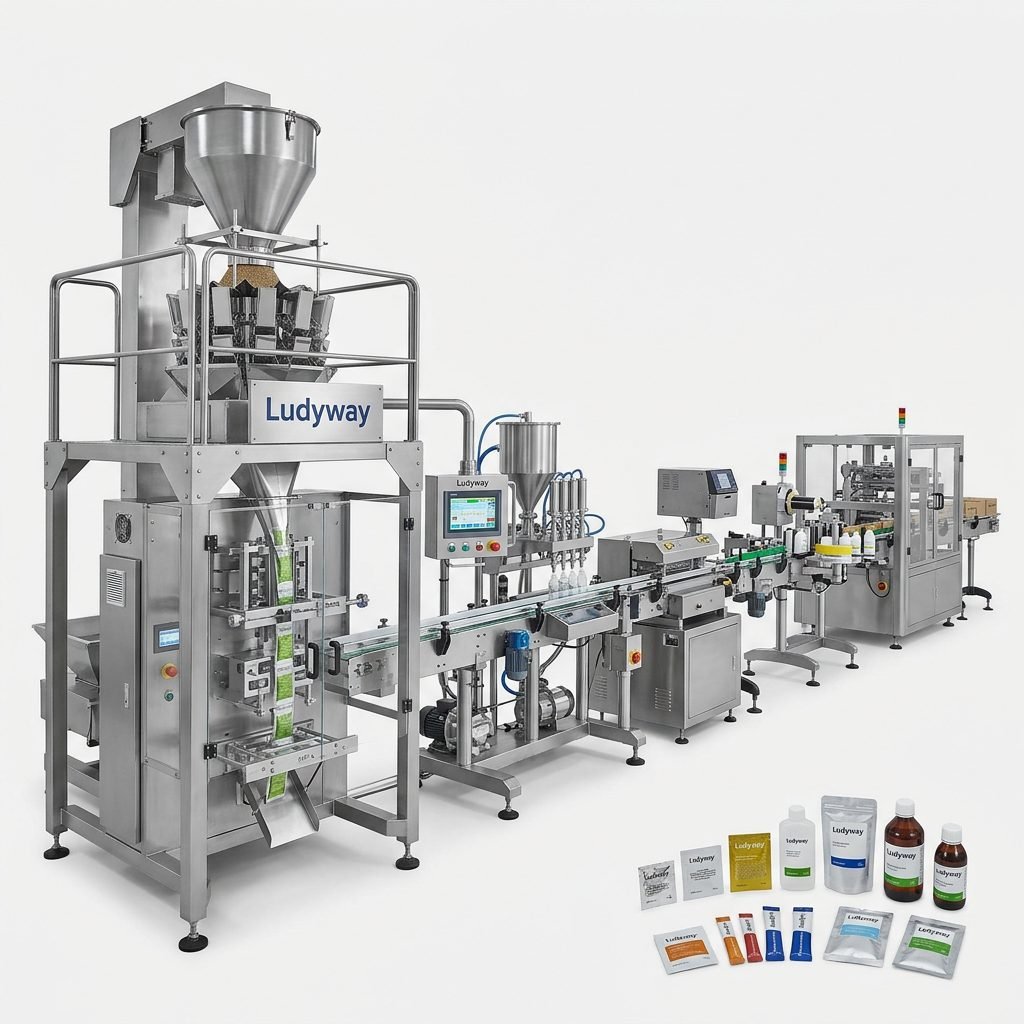
According to the PMMI State of the Industry reports, demand for integrated turnkey packaging lines continues to grow as manufacturers seek single-source responsibility for complex projects.
Supplier Evaluation Beyond the Price Tag
While initial capital cost is important, the total lifecycle cost of your salsa packaging machine often reveals the true value of a supplier partnership. Request detailed documentation on:
- Mean time between failures (MTBF) data from existing installations.
- Availability and pricing of recommended spare parts for the first two years of operation.
- Remote diagnostic capabilities and response time guarantees for technical support.
- Training programs for your operators and maintenance staff, including on-site and virtual options.
- Warranty terms covering parts, labor, and travel expenses.
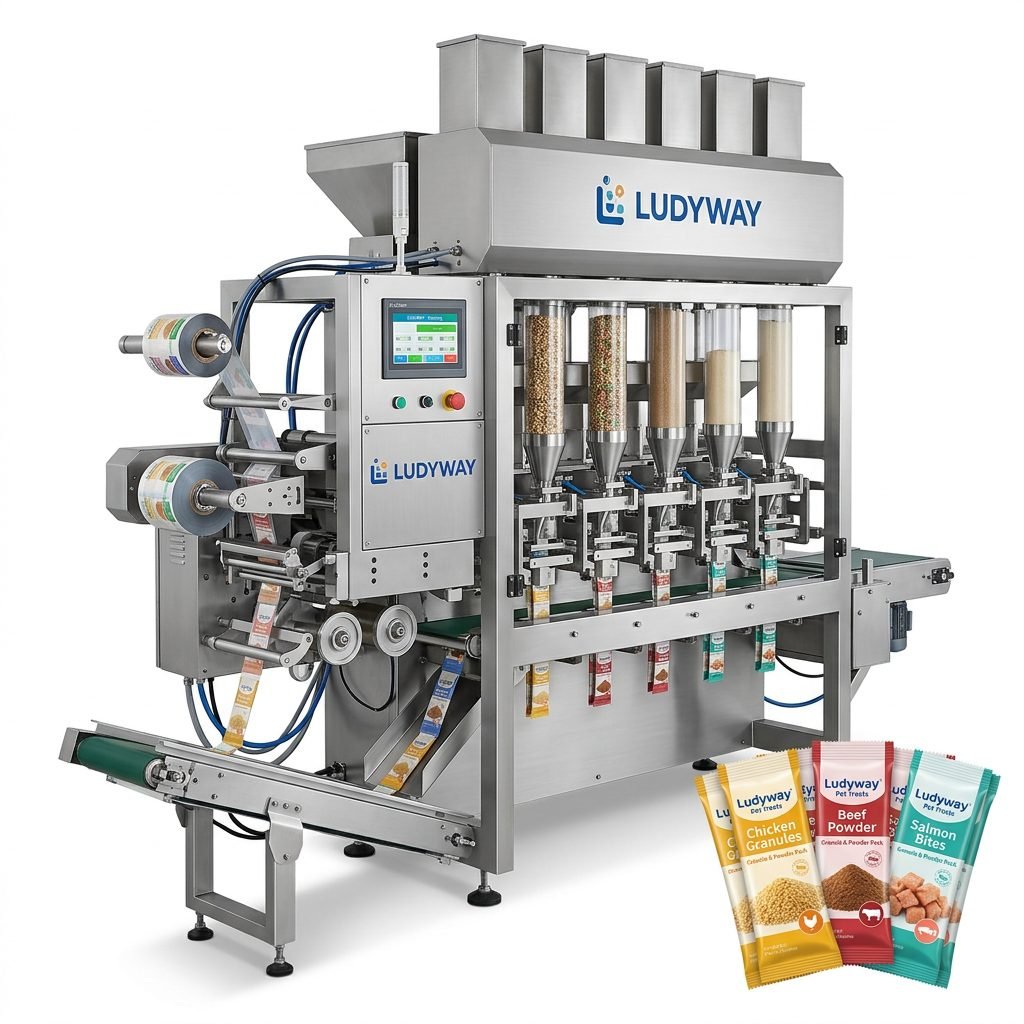
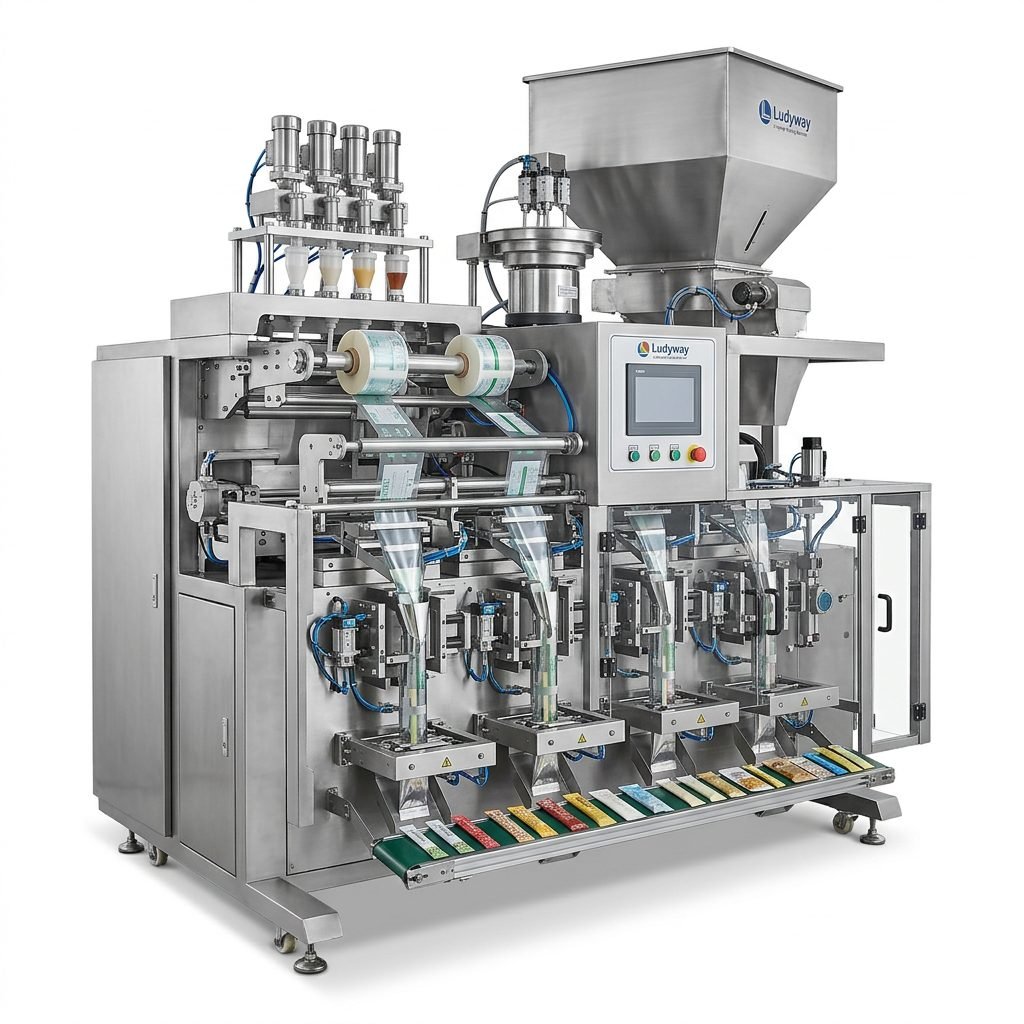
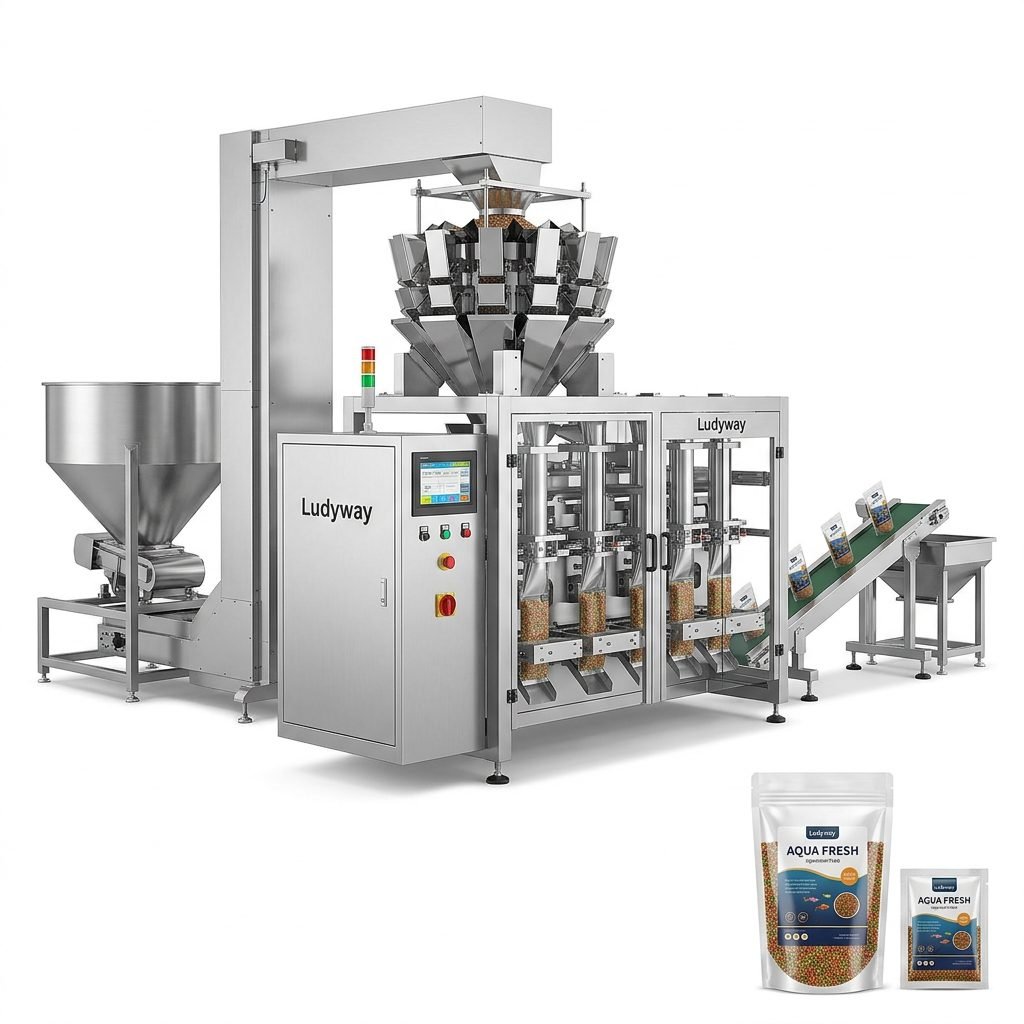
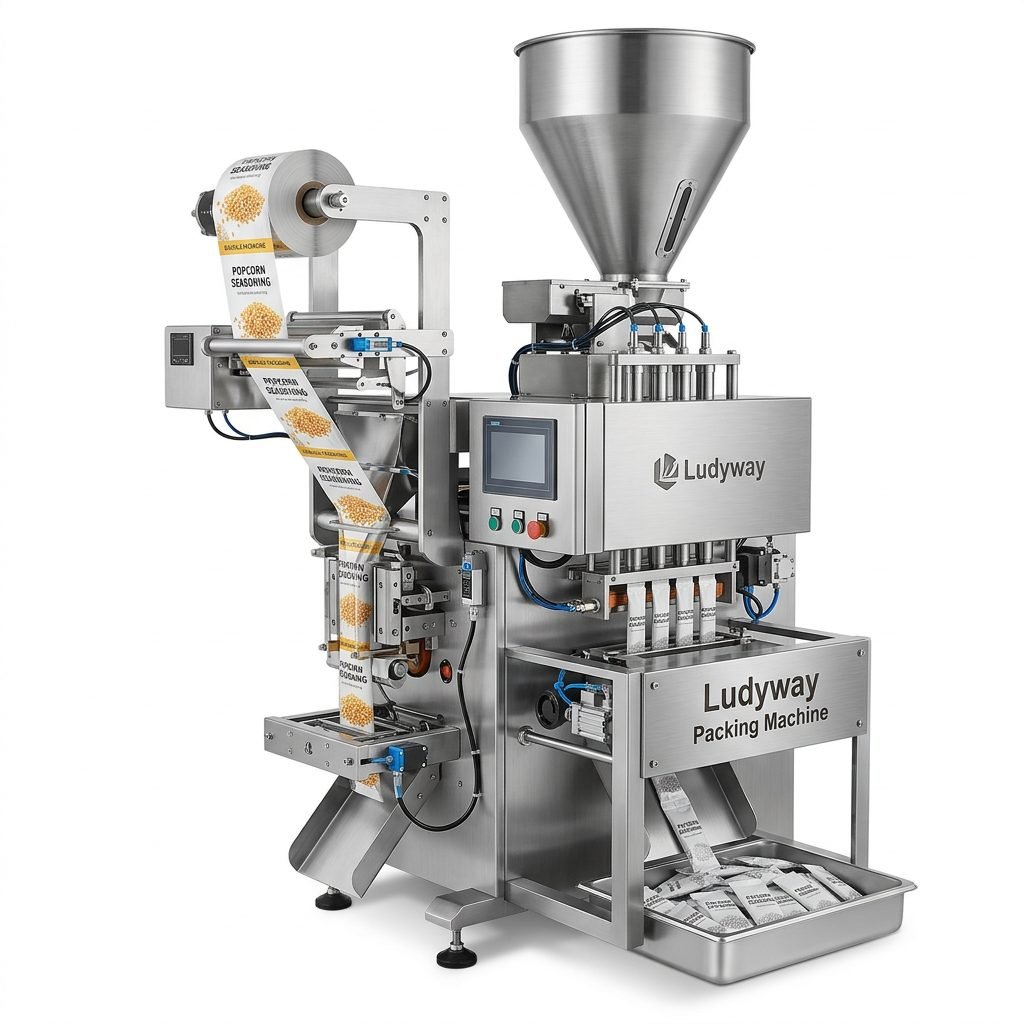
Established manufacturers with a global presence often provide more reliable after-sales support. For instance, companies like Ludyway, one of the largest packaging machine manufacturers in China with over 30 years of industry experience, serve customers in more than 100 countries and regions, offering comprehensive technical support that spans installation, training, and ongoing maintenance. Evaluating a supplier’s international footprint helps ensure your production line remains operational regardless of your geographic location.
Making the Final Decision
Selecting a salsa packaging machine demands a methodical approach that balances technical requirements, regulatory compliance, and long-term operational costs. Begin with a clear product specification sheet, conduct factory acceptance testing whenever possible, and prioritize suppliers with verifiable experience in food-grade liquid and particulate filling applications. The right equipment not only protects your product quality but also positions your brand for sustainable growth in competitive global markets. For deeper insights into packaging machinery trends, consult the Flexible Packaging Association industry resources and stay informed about evolving material and equipment innovations.