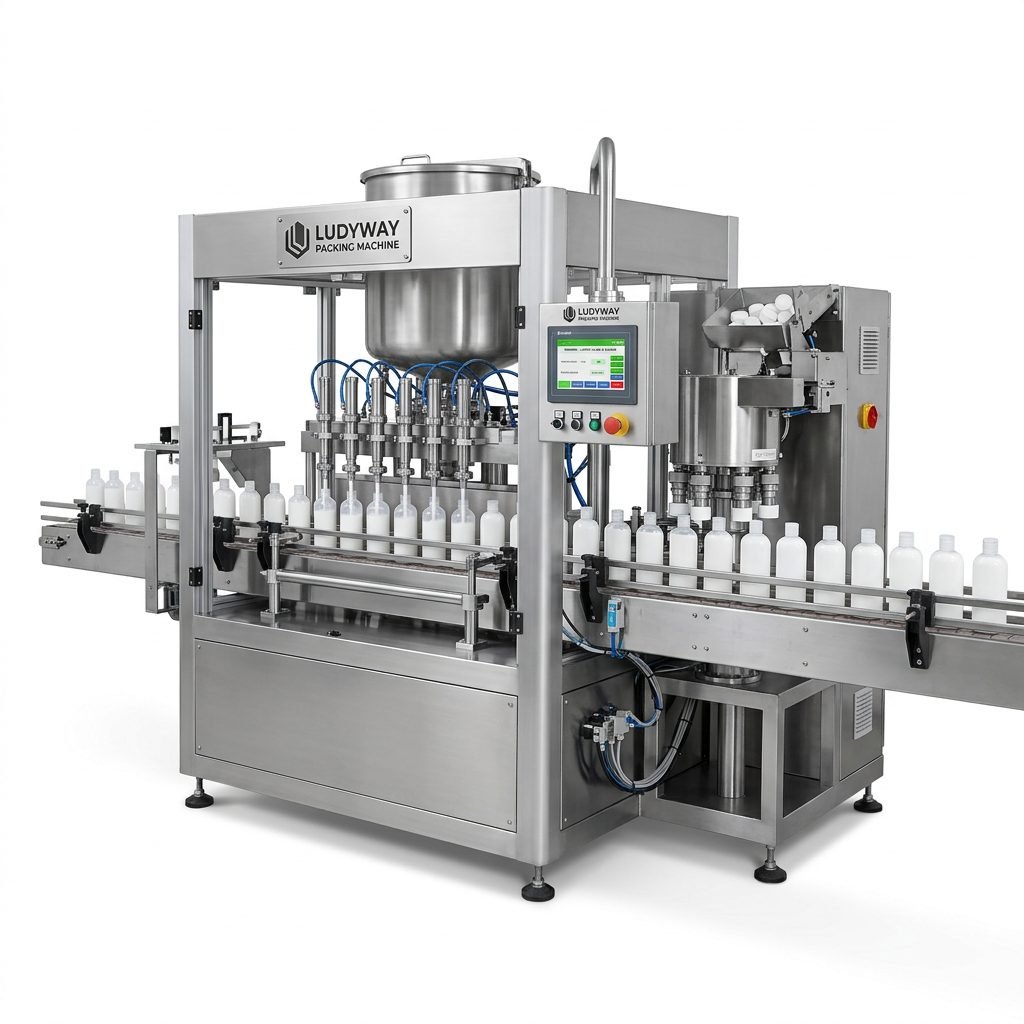
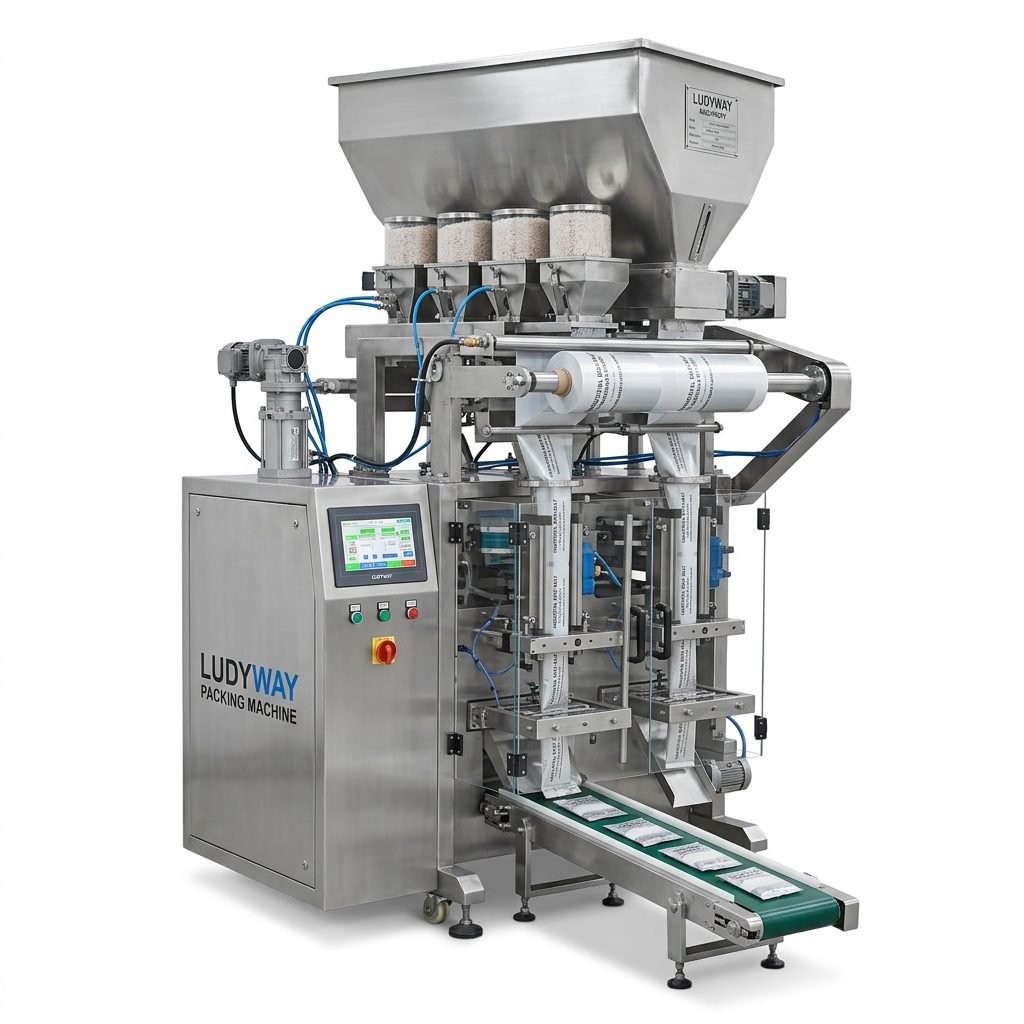
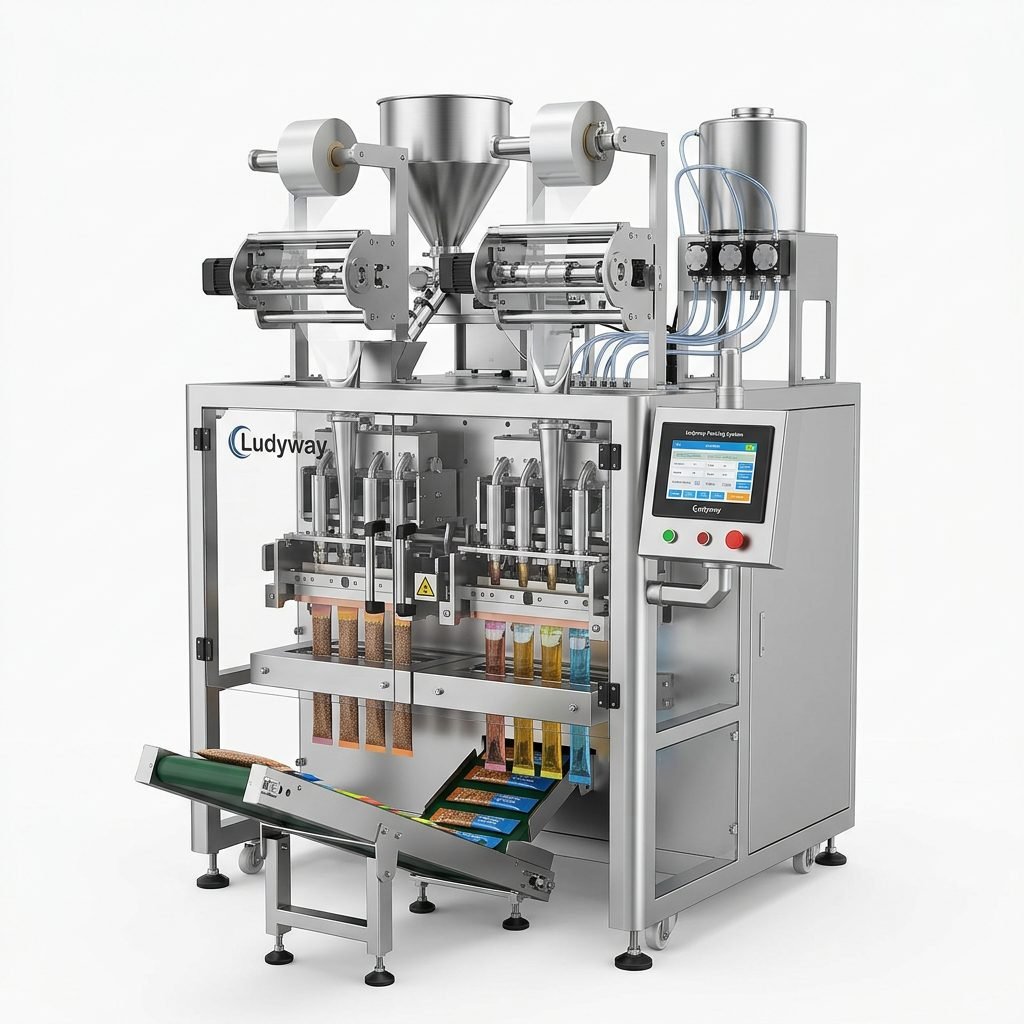
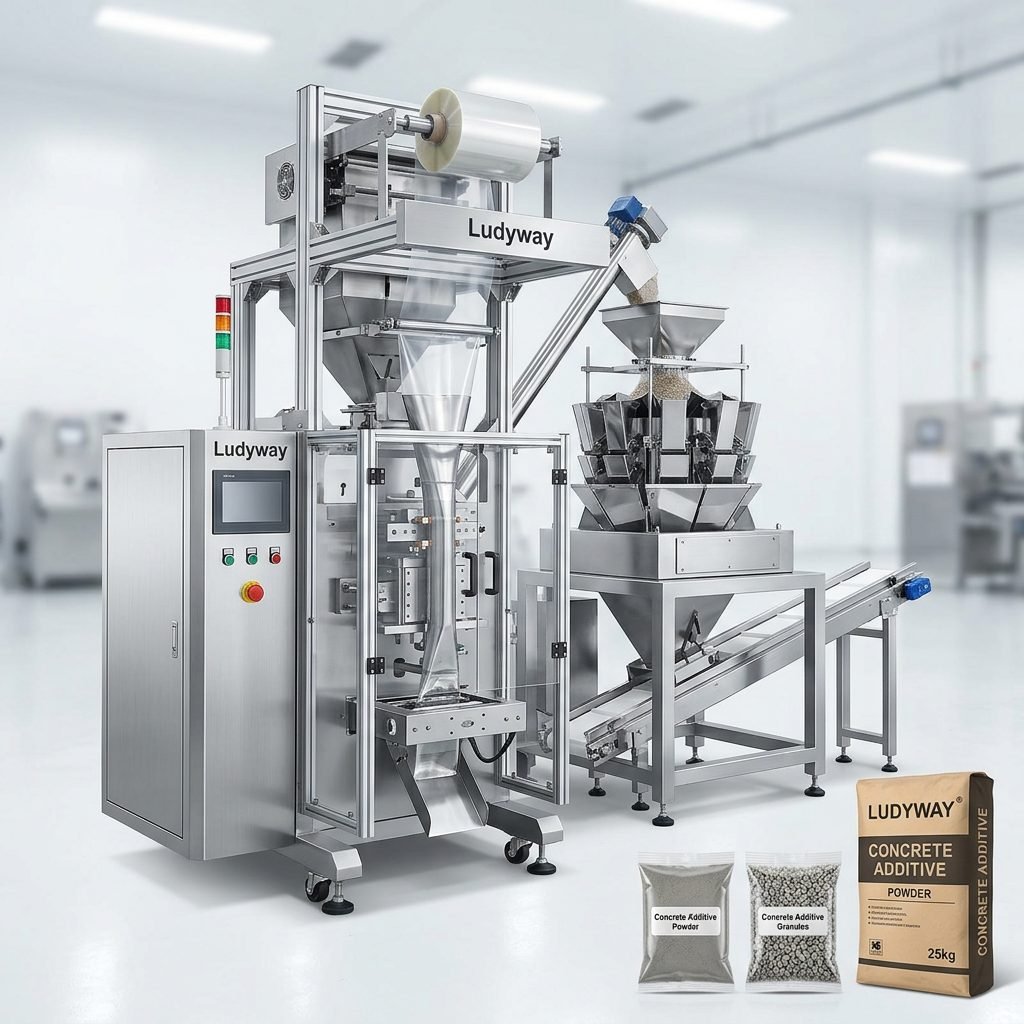
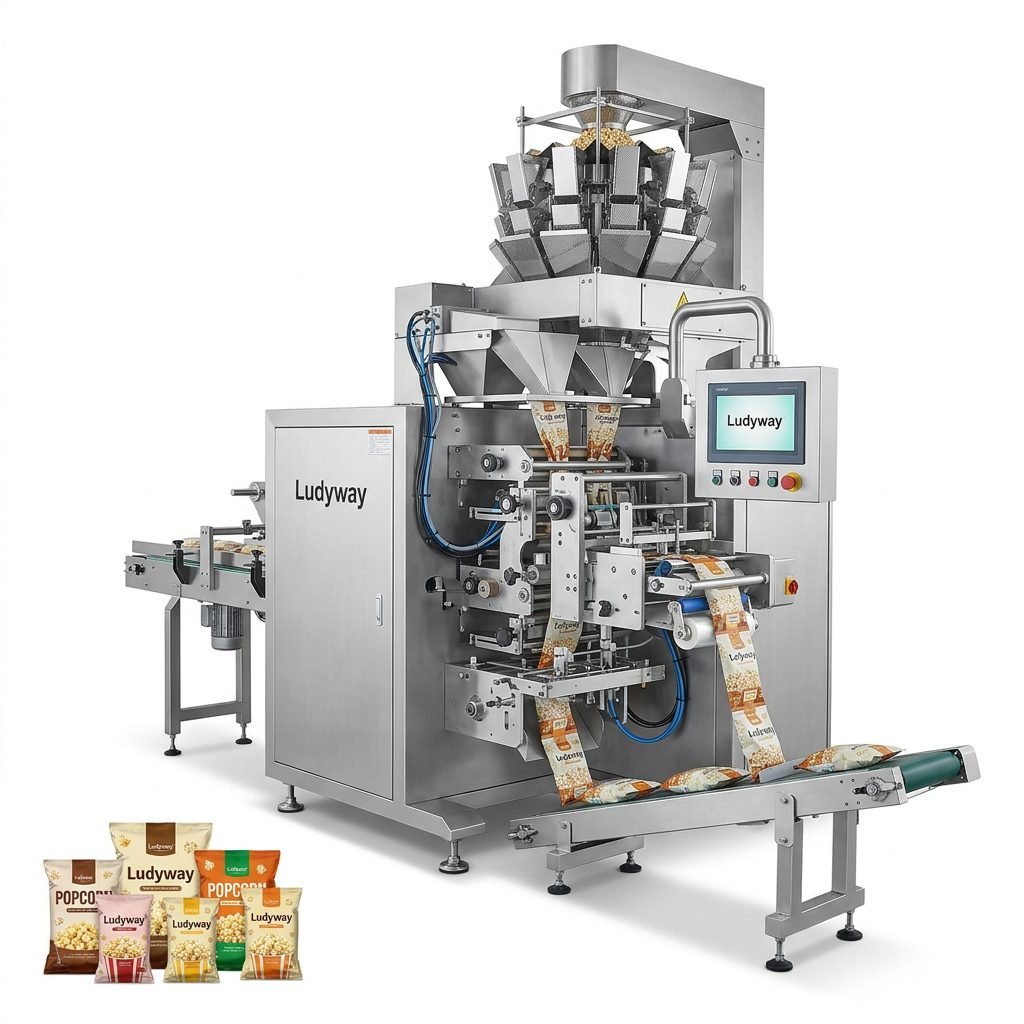
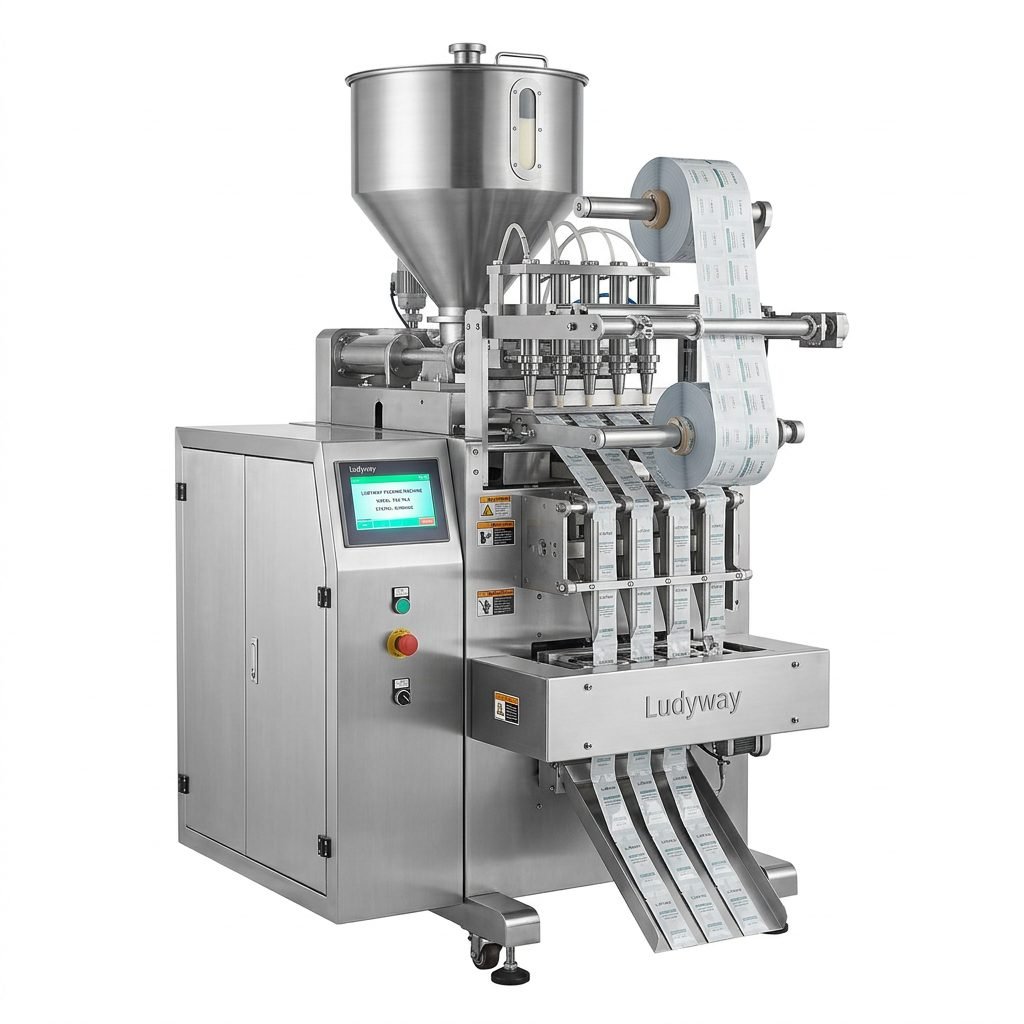
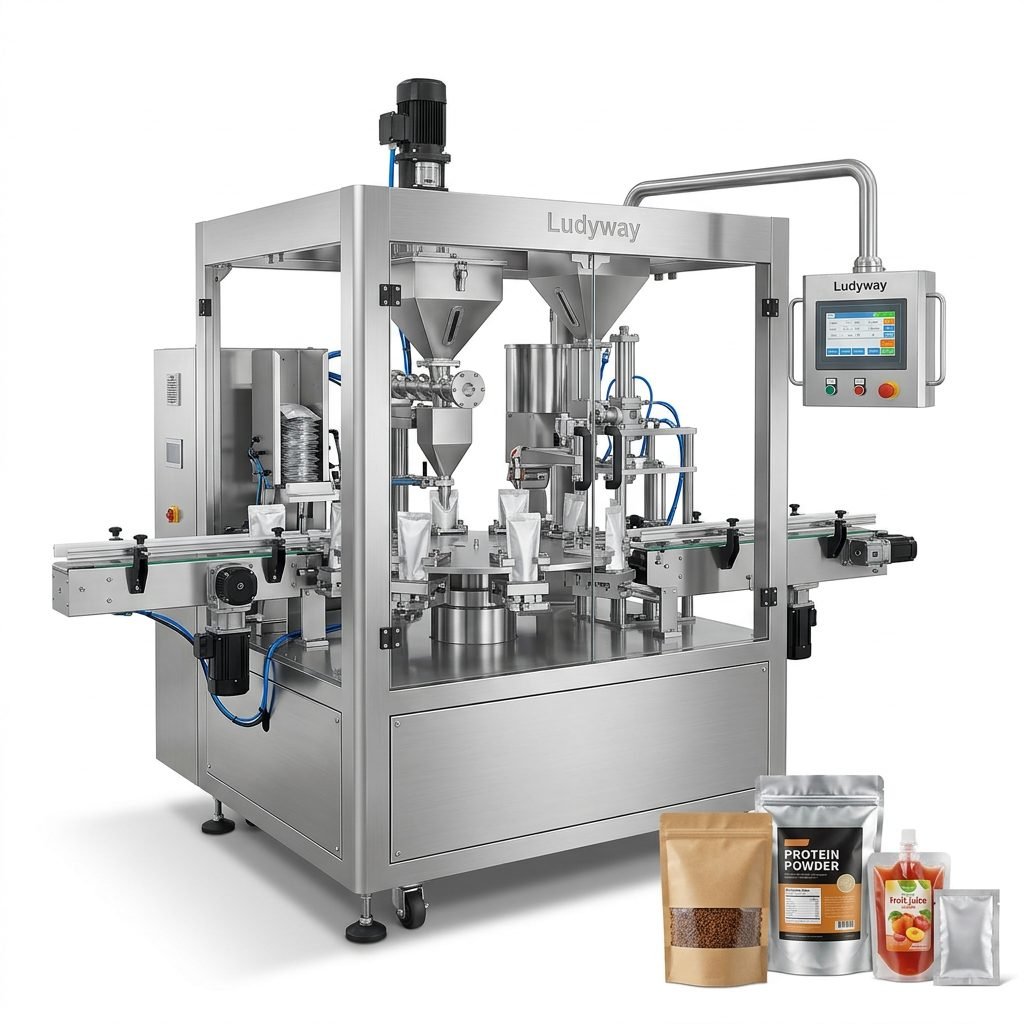
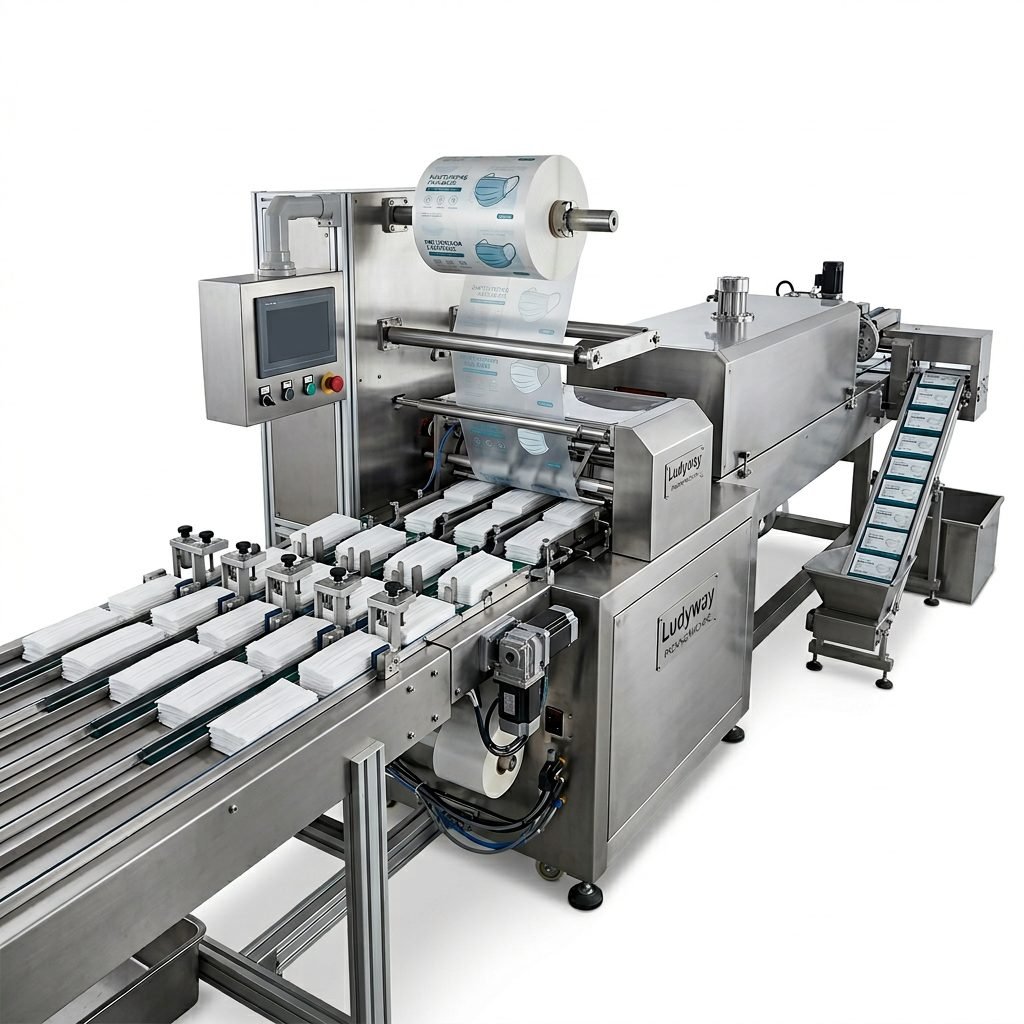
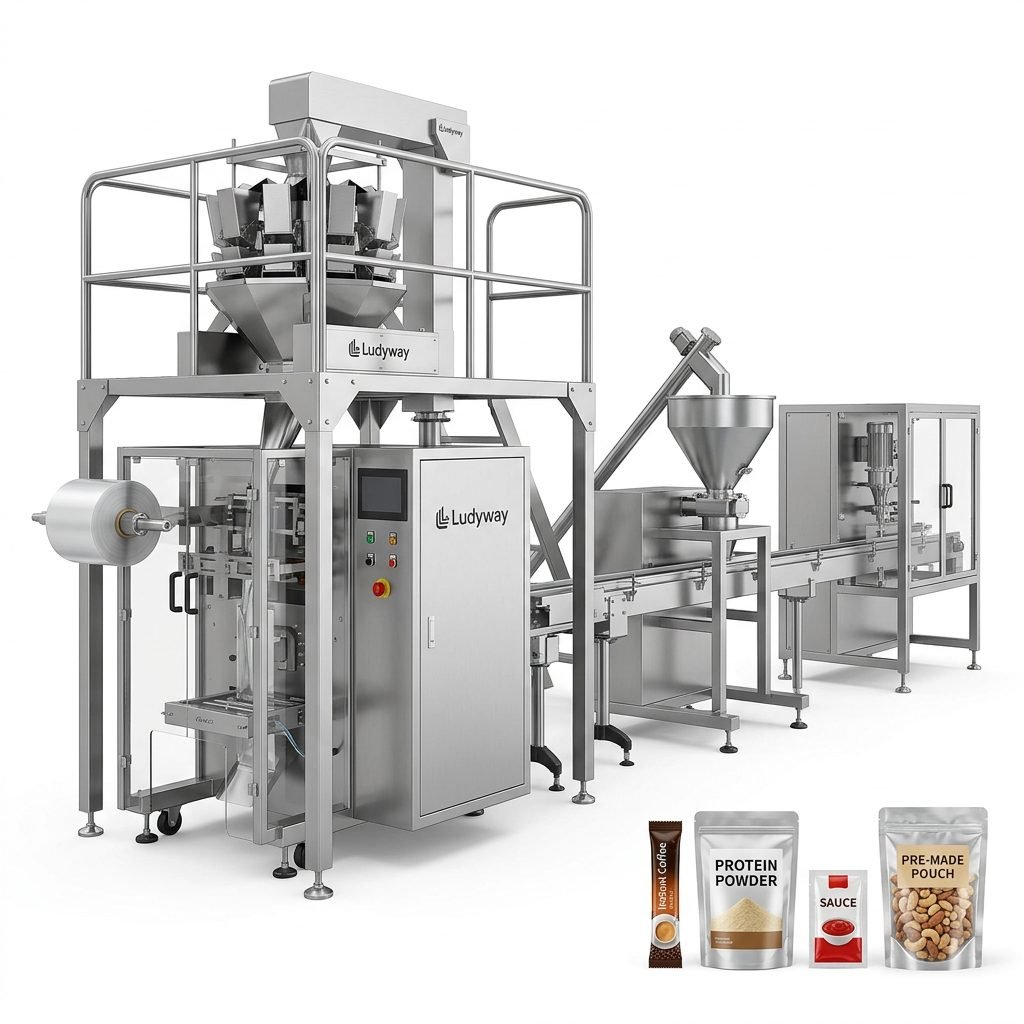
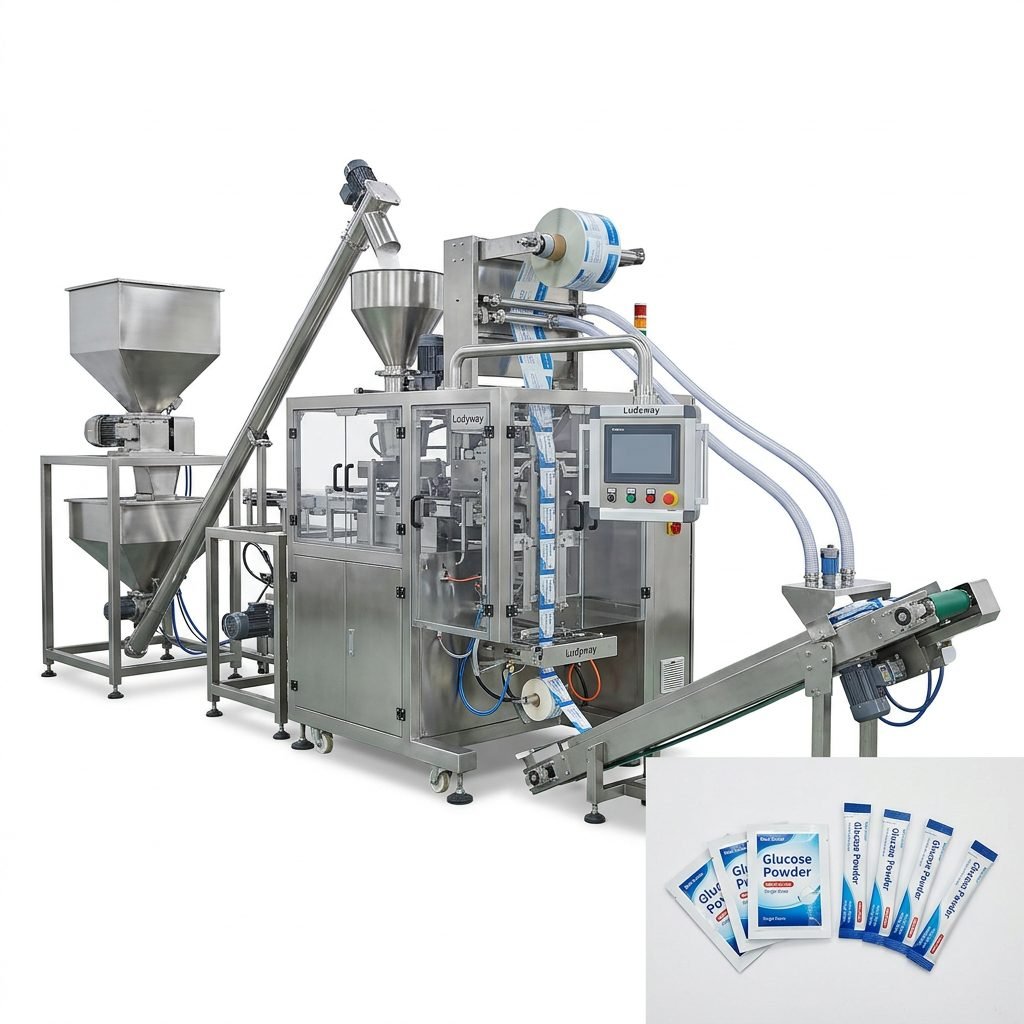
Buying used packaging machinery can be a smart way to expand production while controlling capital costs. For manufacturers, brand owners, co-packers, and startups, the key is not simply finding a lower price—it is choosing equipment that delivers stable performance, safety, maintainability, and long-term value. A poor purchase can lead to downtime, inconsistent packaging quality, expensive retrofits, and compliance issues.
The right approach is to evaluate used equipment as a production asset, not just as a second-hand machine. That means reviewing its application fit, wear condition, technical support options, spare parts availability, and total cost of ownership before signing any deal.
Why Businesses Consider Used Packaging Machinery
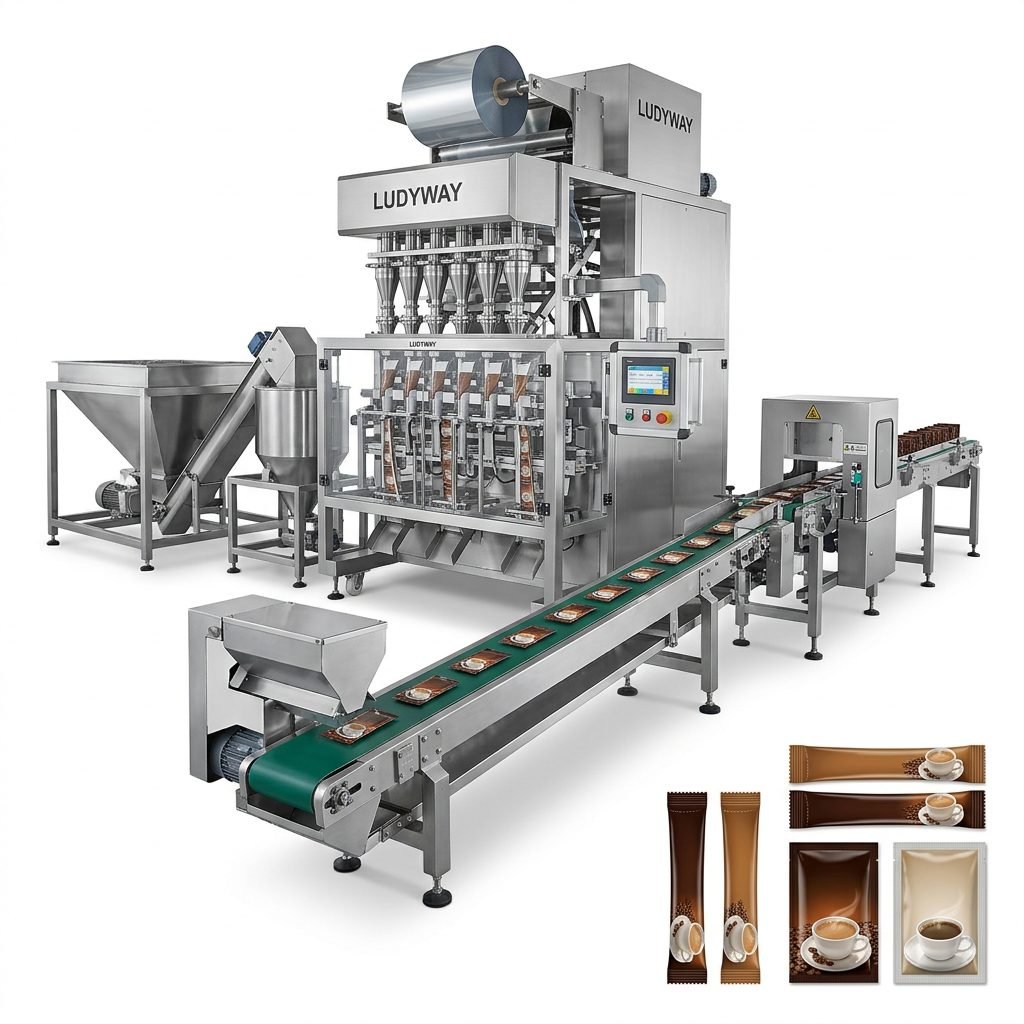
Many businesses enter the used equipment market for practical reasons. In fast-moving industries such as food, pharmaceutical, health supplement, chemical, and personal care packaging, budget efficiency matters. Used packaging machinery often helps companies move faster without waiting for a full new-line investment cycle.
- Lower upfront investment compared with new equipment
- Shorter lead times when machinery is already available
- Faster capacity expansion for seasonal or urgent projects
- Opportunity to test a product format before scaling further
- Better return on investment for small and mid-sized operations
However, lower purchase price should never be the only decision factor. In many cases, a poorly matched used machine becomes more expensive than a new one after repairs, modification, installation delays, and lost output are included.
Start with Your Production Requirements
Before comparing suppliers or machine brands, define your exact production needs. This is where many buyers make avoidable mistakes. A machine may look clean and affordable, yet still be wrong for your product, packaging material, output target, or factory layout.
Key questions to answer first
- What product are you packaging: granules, powder, liquid, paste, tablets, or pouches?
- What pack type do you need: sachet, stick pack, pillow bag, premade pouch, bottle, carton, or blister?
- What is your target speed per minute or per hour?
- What filling accuracy is acceptable?
- Does your industry require GMP, validation, traceability, or specific compliance standards?
- What utilities are available: voltage, compressed air, vacuum, and floor space?
- Will the machine operate as standalone equipment or inside a complete line?
If you cannot clearly define these points, you risk purchasing equipment that requires expensive adaptation. A reliable used machine is one that fits your operation with minimal compromise.
How to Evaluate Reliability in Used Packaging Equipment
Reliability should be judged through both mechanical condition and operational history. Ask for as much traceable information as possible.
| Inspection Area | What to Check | Why It Matters |
|---|---|---|
| Machine age & usage | Operating hours, production shifts, previous product type | Heavy use can accelerate wear on moving parts and controls |
| Maintenance records | Service logs, replaced parts, lubrication schedule | Shows whether the machine was properly cared for |
| Electrical system | PLC brand, touchscreen condition, wiring, sensors | Electrical issues are often costly and time-consuming to fix |
| Mechanical wear | Bearings, shafts, sealing jaws, augers, pumps, belts | Directly affects accuracy, sealing quality, and uptime |
| Spare parts access | Availability of OEM or equivalent parts | Reduces future downtime risk |
| Safety condition | Emergency stops, guards, interlocks, CE-related items | Critical for compliance and operator protection |
Ask for a live test whenever possible
A live running demonstration is one of the best ways to validate used machinery. Ideally, the seller should test the machine with packaging material and product similar to yours. During the demo, review:
- Actual speed versus advertised speed
- Filling consistency and sealing quality
- Noise, vibration, and temperature behavior
- Operator interface responsiveness
- Changeover complexity
- Reject rate and product waste
If no test is possible, ask for detailed operation videos, recent production footage, and machine close-ups of critical components.
Common Risks When Buying Used Packaging Machinery
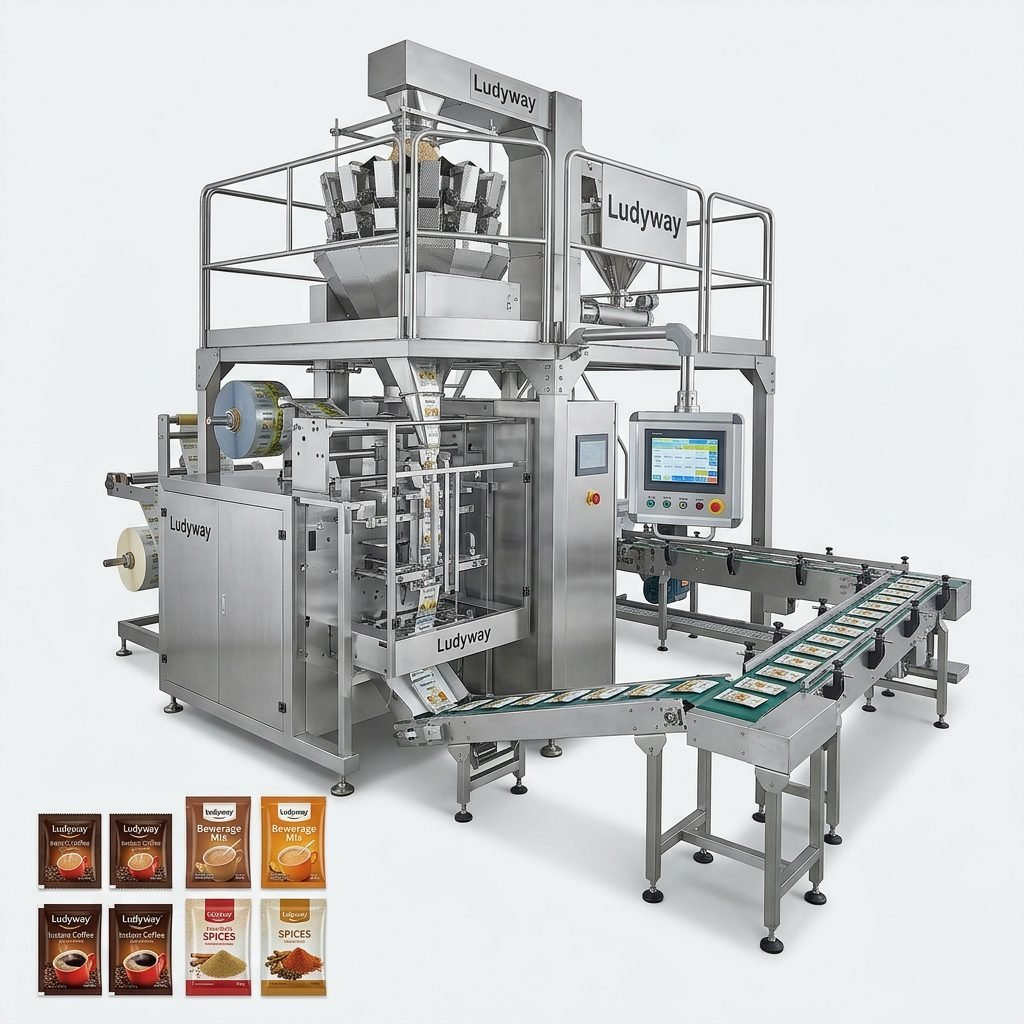
Even experienced buyers can overlook hidden issues. The most common problems include outdated controls, unavailable spare parts, poor sanitation design, and excessive wear in product-contact assemblies.
Watch for these red flags
- No service history or unclear ownership background
- Seller refuses performance testing
- Major rust, corrosion, or contamination in contact parts
- Obsolete PLCs, sensors, or HMI systems
- Frequent non-original modifications with messy wiring or welded structures
- Missing manuals, drawings, or parts lists
- Very low price without explanation
In regulated sectors such as pharmaceutical and nutraceutical packaging, these risks are even more serious because validation, cleaning, and documentation standards are higher.
Used vs. Refurbished vs. New: What’s the Difference?
Many buyers use these terms interchangeably, but they are not the same. Understanding the difference helps you compare offers more accurately.
| Equipment Type | Typical Condition | Best For |
|---|---|---|
| Used | Sold largely as-is, with limited updates | Budget-focused projects with technical inspection support |
| Refurbished | Inspected, repaired, cleaned, and sometimes upgraded | Buyers seeking lower cost with reduced risk |
| New | Latest configuration, full support, custom design options | Long-term automation strategies and high compliance needs |
If your production depends on strict uptime, product accuracy, and future scaling, refurbished or new equipment may provide better value than low-cost used machinery.
Match the Machine to the Product Type
Not all used packaging machines are equally flexible. Product characteristics matter. A machine that previously handled free-flowing granules may not perform well with hygroscopic powders, viscous pastes, or foaming liquids.
Important compatibility factors
- Product flowability and density
- Particle size variation
- Moisture sensitivity
- Foaming or dripping behavior
- Seal contamination risk
- Sanitary cleaning requirements
For example, powder packaging often depends heavily on auger condition, dust control, and sealing stability, while liquid systems demand reliable pumps, nozzles, anti-drip design, and temperature consistency.
Don’t Ignore Integration and Line Compatibility
A used machine may work well on its own but still fail inside your production line if it cannot integrate with upstream or downstream equipment. This is especially important for turnkey packaging systems involving feeders, conveyors, checkweighers, coding units, cartoners, case packers, and palletizing systems.
Review:
- Infeed and discharge heights
- Line communication protocols
- Speed synchronization capability
- Coding and inspection device compatibility
- Factory footprint and maintenance access space
If line integration is complex, working with an experienced packaging system manufacturer can reduce retrofit risk and shorten commissioning time.
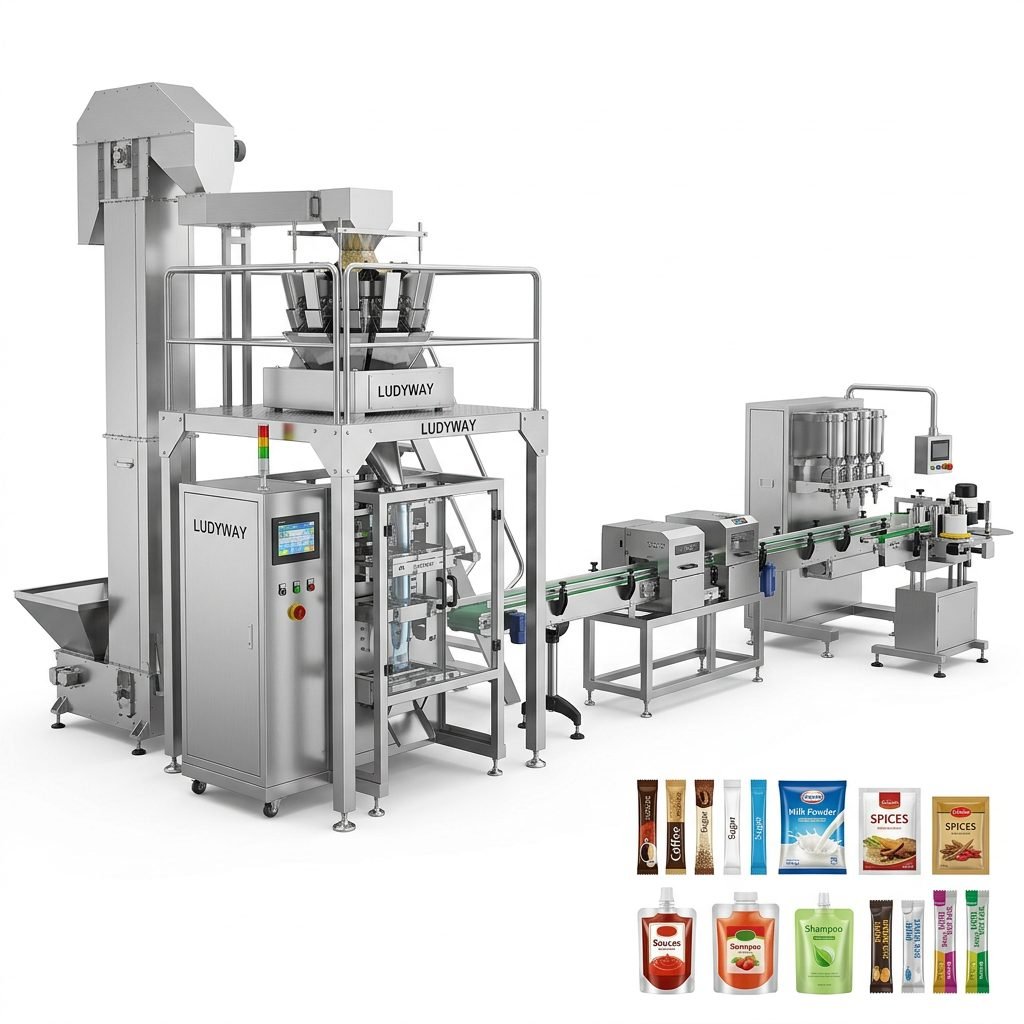
Calculate the True Cost, Not Just the Purchase Price
A cheap used packaging machine can become expensive after transportation, refurbishment, spare parts replacement, validation, installation, and productivity losses. Smart buyers compare total cost of ownership rather than invoice price alone.
Include these cost items in your estimate
- Purchase price
- Inspection and testing costs
- Shipping, duties, and rigging
- Electrical conversion or compliance upgrades
- Mechanical repairs and consumable replacement
- Spare parts inventory
- Installation and operator training
- Expected downtime and maintenance burden
If the machine needs major upgrading, a new machine with warranty and technical support may actually be the more economical choice over three to five years.
Supplier Reputation Matters as Much as Machine Condition
The reliability of the seller is often a strong predictor of the reliability of the equipment. A trustworthy supplier should provide clear specifications, honest machine condition disclosure, test support, documentation, and post-sale service options.
For businesses that need dependable packaging solutions, system integration expertise, and scalable automation support, working with an experienced manufacturer such as Ludyway packaging machinery solutions can be a practical way to compare whether used, refurbished, or new equipment is the best investment for the application.
A reliable supplier should be able to provide
- Accurate technical specifications
- Photos and videos of actual machine condition
- Inspection or FAT support
- Manuals, drawings, and electrical documents
- Spare parts recommendations
- Commissioning or remote after-sales support
Best Questions to Ask Before You Buy
- What products and packaging materials did the machine previously run?
- Why is the equipment being sold?
- What parts have been replaced recently?
- Are original manuals, wiring diagrams, and software backups available?
- Can the machine be tested under load?
- Which spare parts are considered critical?
- Is any warranty or service support included?
- What modifications are required for my product and pack format?
When Used Packaging Machinery Is a Good Choice
Used equipment is often a good fit when:
- You need quick production expansion
- Your product is stable and low-risk to run
- You have in-house technical maintenance capability
- The machine comes from a known brand with available parts
- The seller can prove good operating condition
When You Should Consider New Equipment Instead
New machinery may be the better option when:
- Your production requires high automation and future scalability
- You need customized pack formats or multi-product flexibility
- Your sector requires strict hygiene or validation standards
- You cannot afford unplanned downtime
- You want integrated turnkey line support from one source
Final Buying Checklist
| Checklist Item | Status to Confirm |
|---|---|
| Application fit | Matches product, pack type, speed, and accuracy needs |
| Mechanical condition | Critical wear parts inspected and acceptable |
| Electrical condition | Controls, sensors, PLC, and HMI are functional |
| Documentation | Manuals, schematics, and parts lists available |
| Parts support | Spare parts source confirmed |
| Testing | Video proof or live run completed |
| Integration | Fits line layout and utility conditions |
| Total cost | Full landed and upgrade cost evaluated |
Choosing reliable used packaging machinery is ultimately about reducing uncertainty. The best purchase is not the one with the lowest price tag, but the one that gives your business dependable output, manageable maintenance, and a clear path to growth. By inspecting carefully, asking the right questions, and comparing used options against refurbished and new alternatives, you can make a decision that supports both production efficiency and long-term profitability.