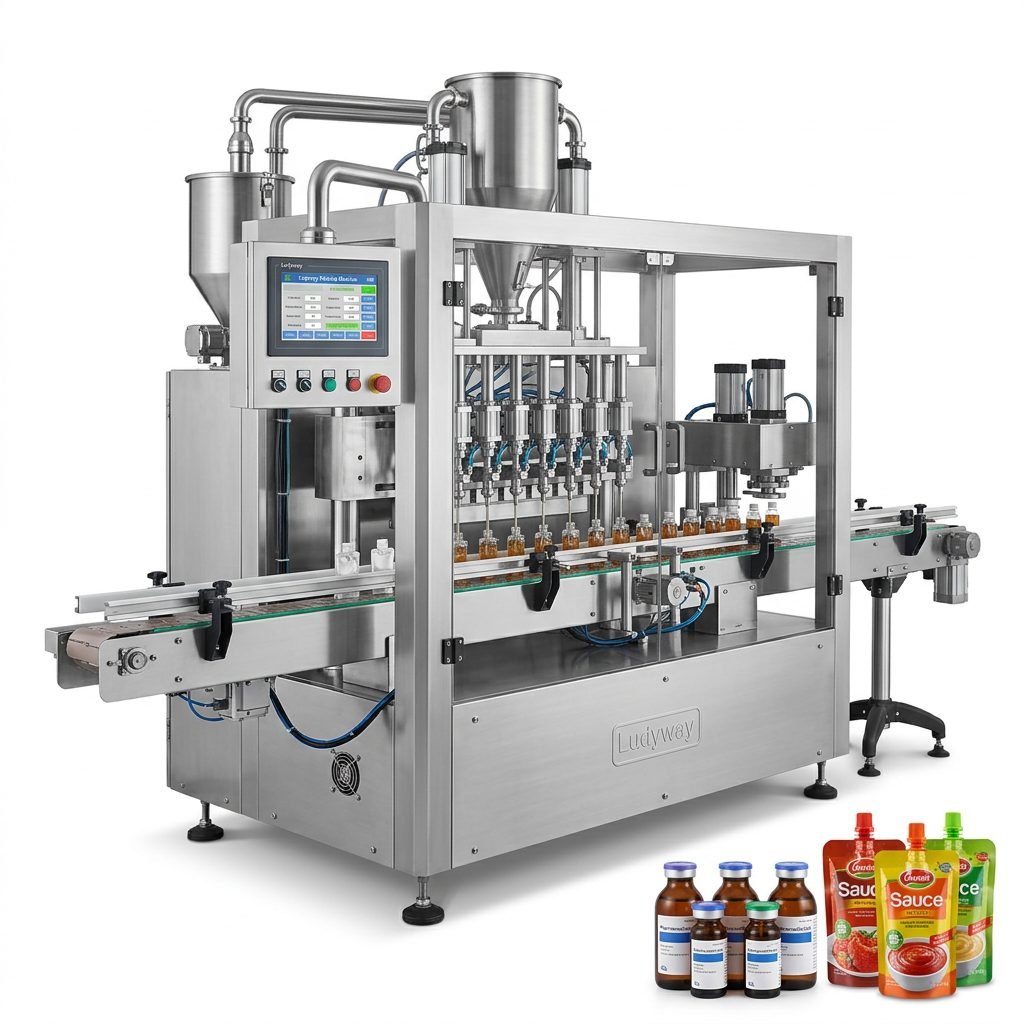
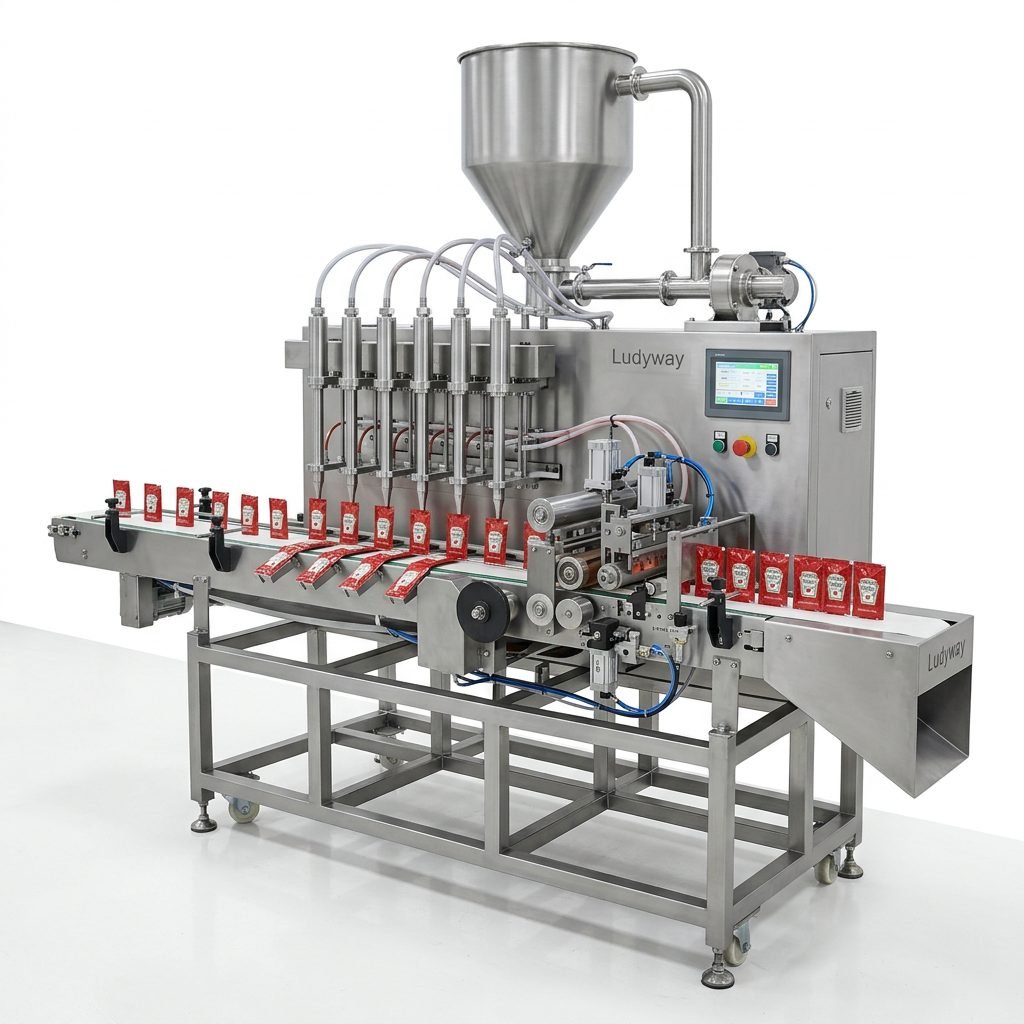
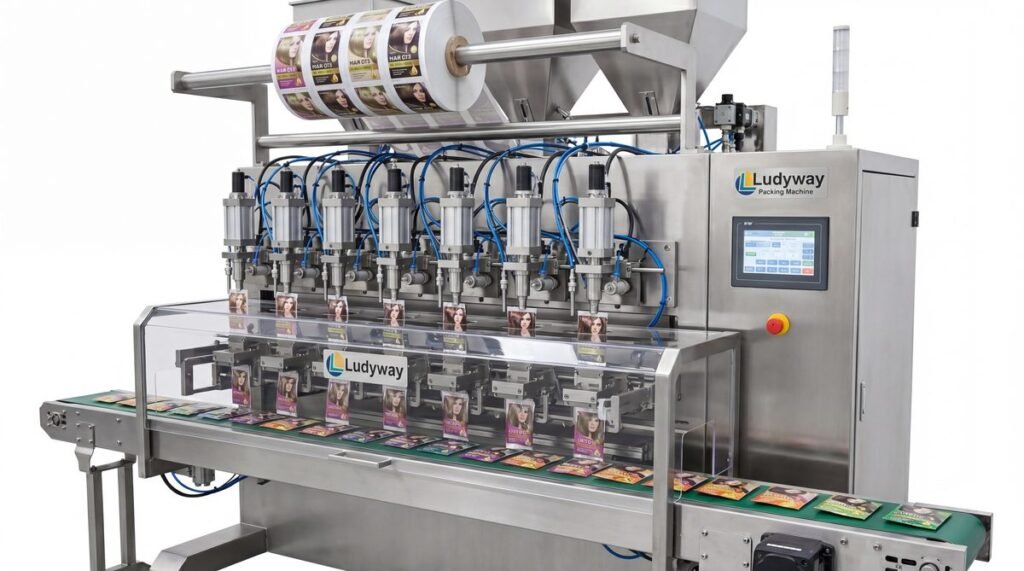
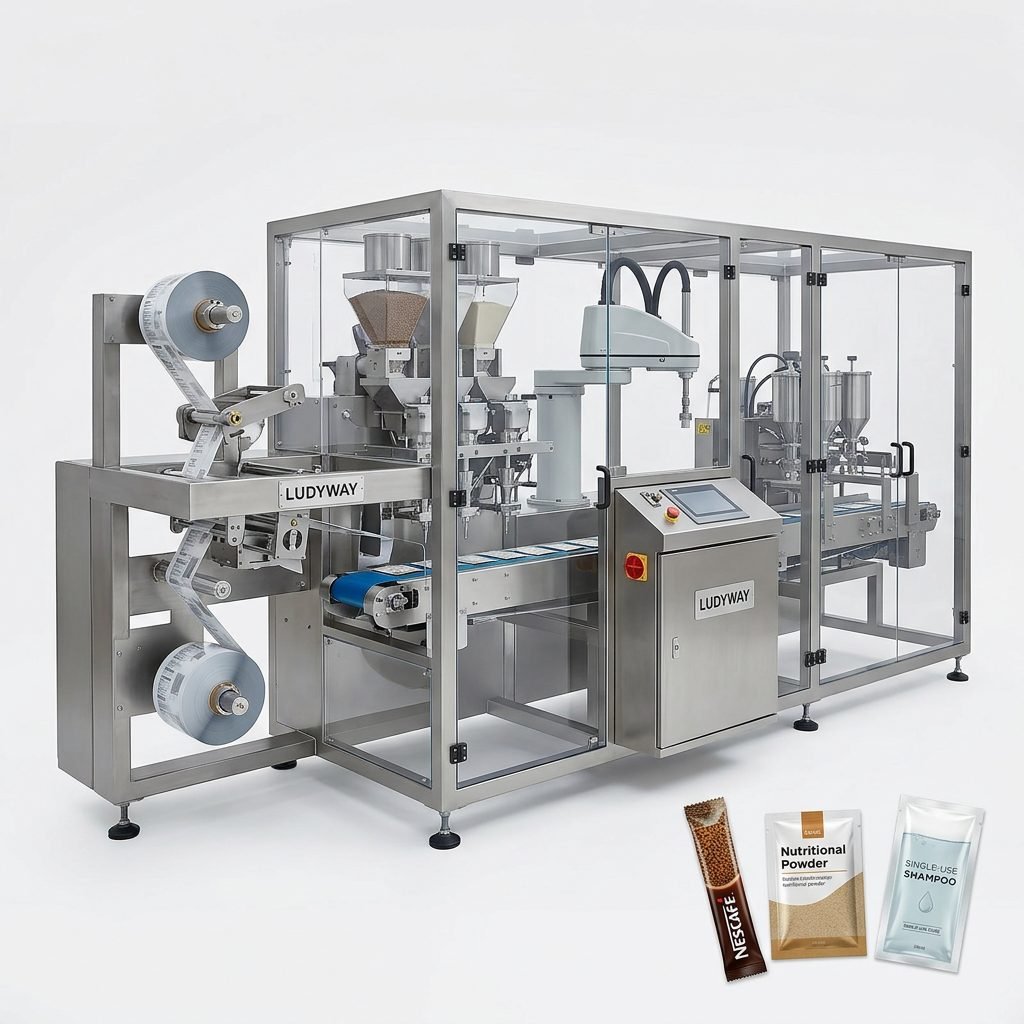
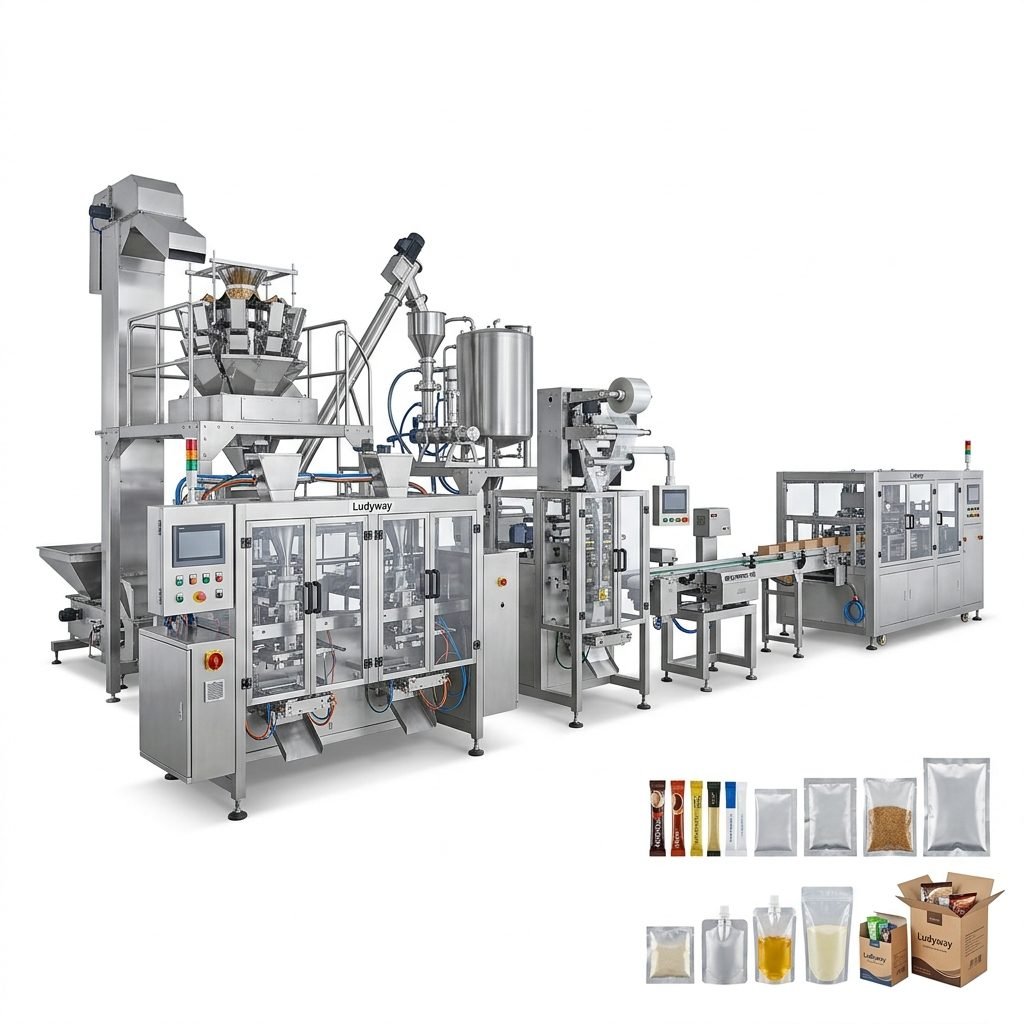
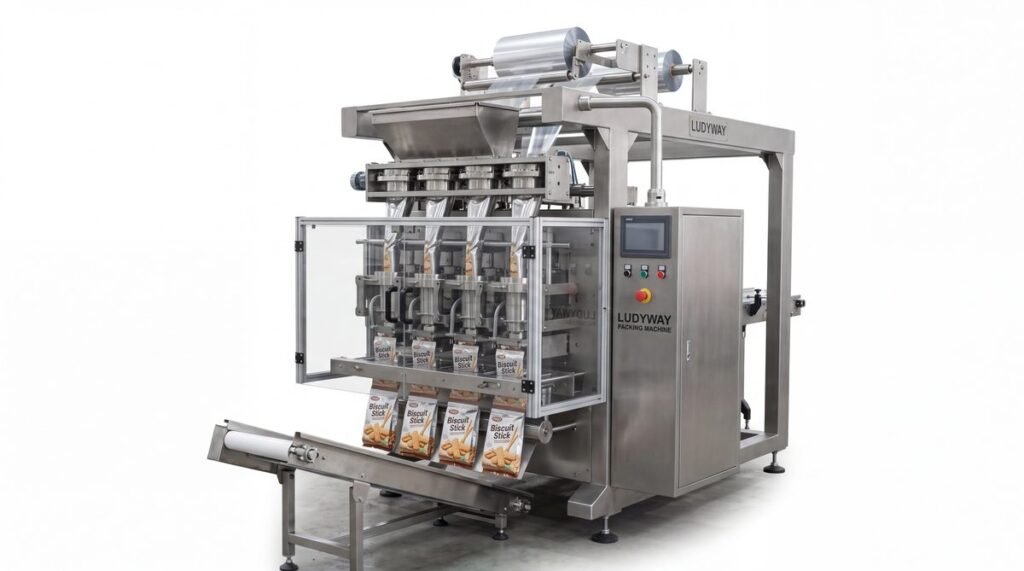
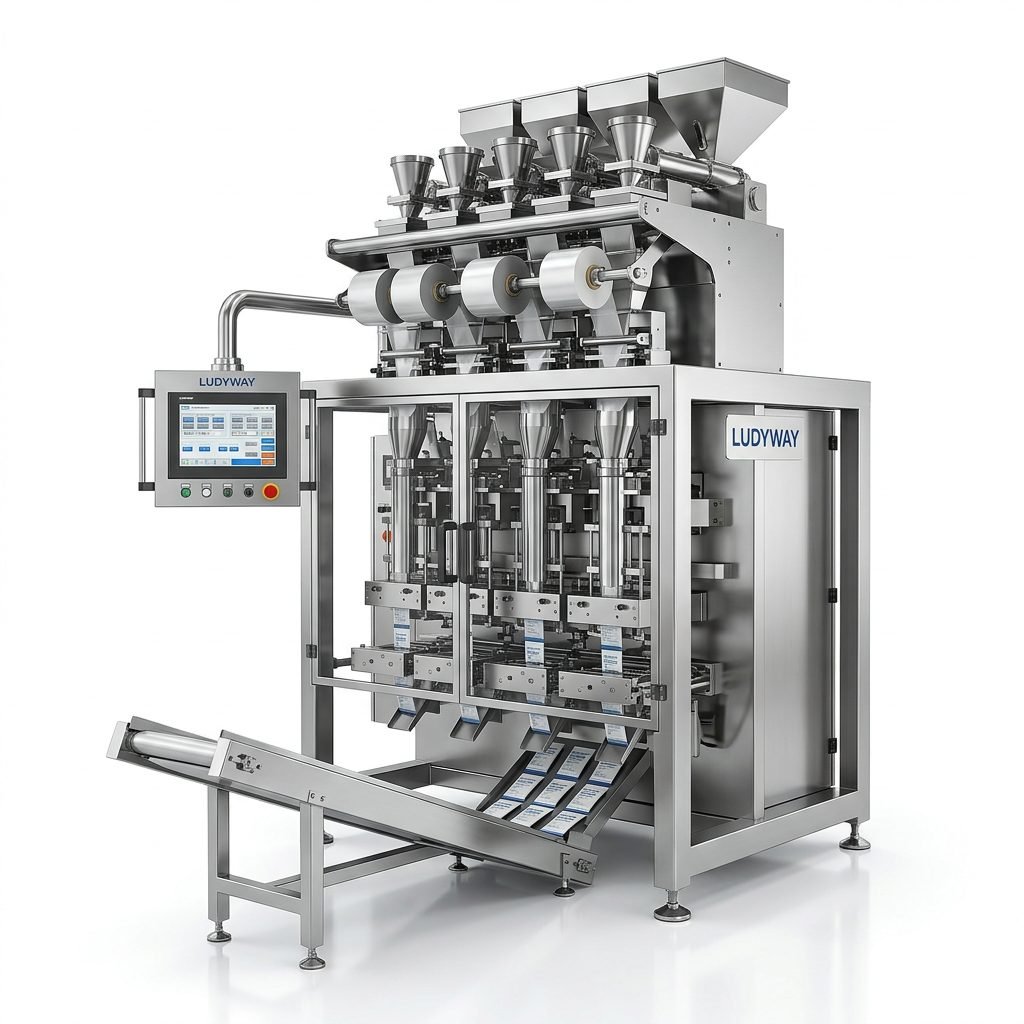
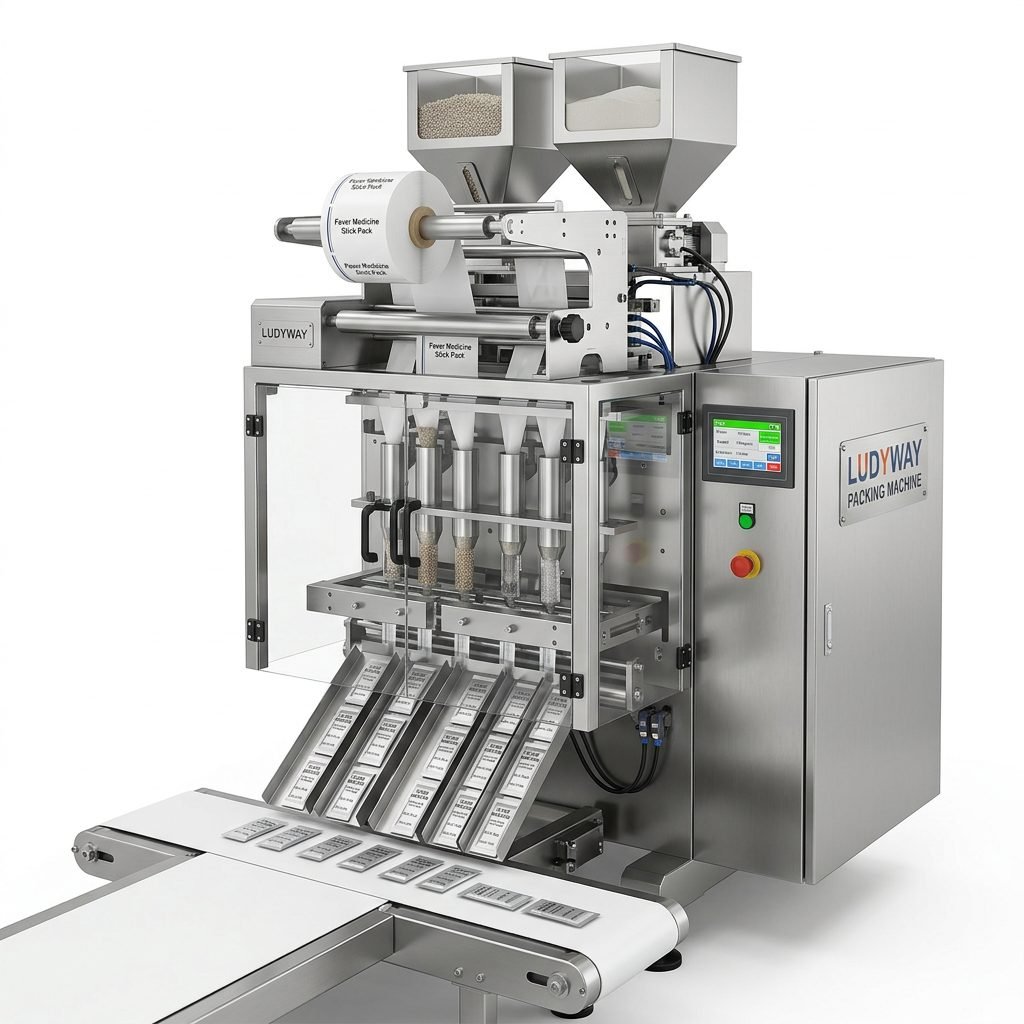
A small powder packing machine is designed to deliver accurate dosing, clean sealing, and efficient output for powdered products in compact package formats. It is widely used in food, pharmaceutical, nutraceutical, cosmetic, and chemical applications where consistency, hygiene, and speed directly affect product quality and production cost.
Whether you pack protein powder, coffee, milk powder, spices, herbal blends, diagnostic powder, or industrial additives, the right machine helps reduce waste, improve appearance, and support scalable production. For manufacturers seeking reliable automation, a compact powder packaging solution can be the ideal step between manual filling and full turnkey production.
What Is a Small Powder Packing Machine?
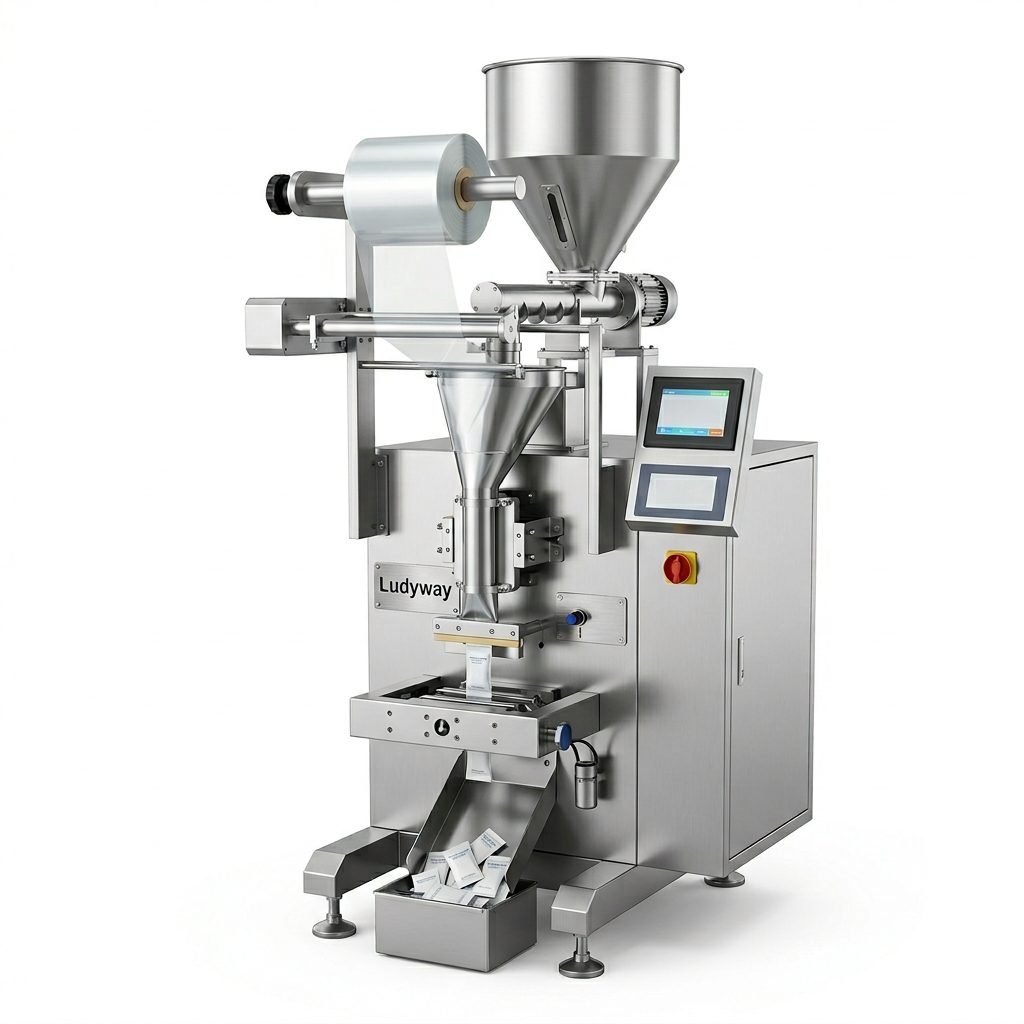
A small powder packing machine is an automated system that measures a preset amount of powder and fills it into packaging formats such as sachets, stick packs, pouches, or small bags. Depending on the product and output target, the machine may use auger filling, volumetric dosing, screw feeding, servo control, and heat sealing to achieve stable performance.
These machines are especially suitable for businesses that need:
- Small to medium package sizes
- Precise powder dosing
- Reduced dust during filling
- Faster changeover between SKUs
- Better production efficiency with limited floor space
Why Accurate Powder Packaging Matters
Powders are often more difficult to package than granules or liquids. Fine particles can bridge, float, compact, or leak during feeding and sealing. If the machine is not designed correctly, common issues include inconsistent fill weight, dusty seals, unstable bag shape, and material loss.
An advanced small powder packing machine helps solve these problems by combining controlled feeding, intelligent dosing, and reliable sealing. This improves:
- Weight accuracy for brand consistency and compliance
- Package appearance for stronger shelf appeal
- Production cleanliness for better hygiene and lower contamination risk
- Material savings by reducing overfill and product waste
- Line efficiency through automation and reduced manual labor
Main Applications Across Industries
A compact powder packing system can support many product categories. The best machine depends on powder flowability, density, dose range, and packaging style.
| Industry | Typical Powder Products | Common Package Types |
|---|---|---|
| Food | Milk powder, coffee, seasoning, flour, cocoa, soup mix | Sachets, stick packs, pouches |
| Pharmaceutical | Oral powders, electrolyte blends, medical formulations | Sachets, stick packs |
| Nutraceutical | Collagen, probiotics, protein powder, supplements | Single-dose packs, sachets |
| Cosmetic | Facial powders, mask powder, care powders | Sachets, sample packs |
| Chemical | Additives, treatment powders, cleaning powders | Sachets, pouches, bags |
Key Features to Look For
Choosing a machine based only on speed can lead to poor long-term performance. The most effective system balances accuracy, machine stability, sealing quality, and ease of cleaning.
1. High-Precision Dosing
For powders, auger filling is one of the most common solutions. It supports precise metering for fine and semi-free-flowing materials. Servo-driven control further improves repeatability, especially for small-dose packaging.
2. Stable Film Feeding and Sealing
A good machine should maintain uniform bag length, straight sealing, and reliable cut position. This is essential for retail presentation and downstream cartoning.
3. Dust Control Design
Powders can spread during filling and affect sealing surfaces. A machine with proper filling structure and dust-management design helps keep the production area cleaner and improves final package integrity.
4. User-Friendly Operation
A touch screen interface, quick recipe storage, and simple parameter adjustment reduce operator training time and support faster product changeovers.
5. Hygienic and Easy-to-Clean Construction
For food and pharmaceutical applications, stainless steel contact parts and accessible cleaning points are important for maintaining sanitation standards.
6. Expandable Integration
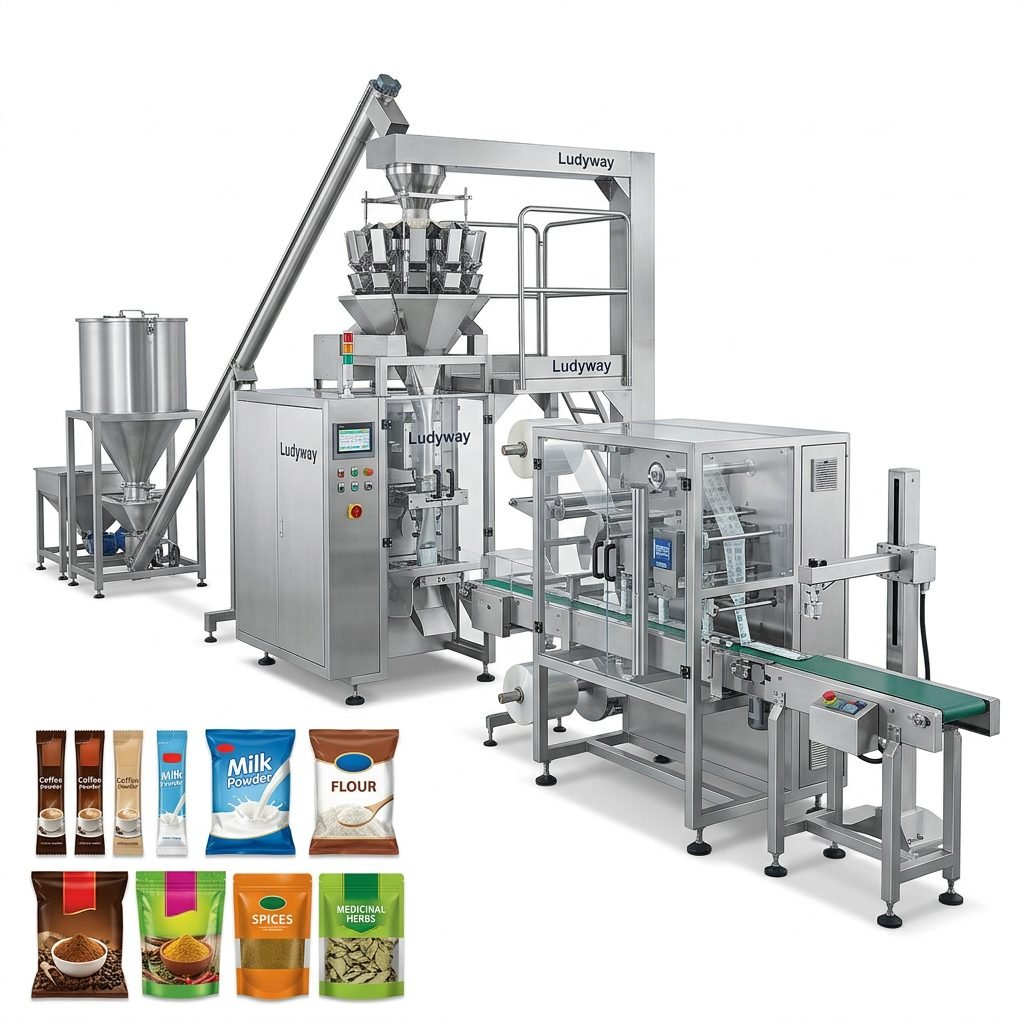
Many buyers eventually need a more complete line. It is smart to choose equipment that can connect with conveyors, coding systems, checkweighers, cartoners, or case packing units later.
Common Packaging Formats for Powder Products
Different powder products require different bag styles. The most popular small-format solutions include:
- Sachets: Suitable for single-dose or retail convenience packs
- Stick packs: Slim, portable, and highly popular for drink mixes and supplements
- Small pouches: Better for slightly larger fill volumes
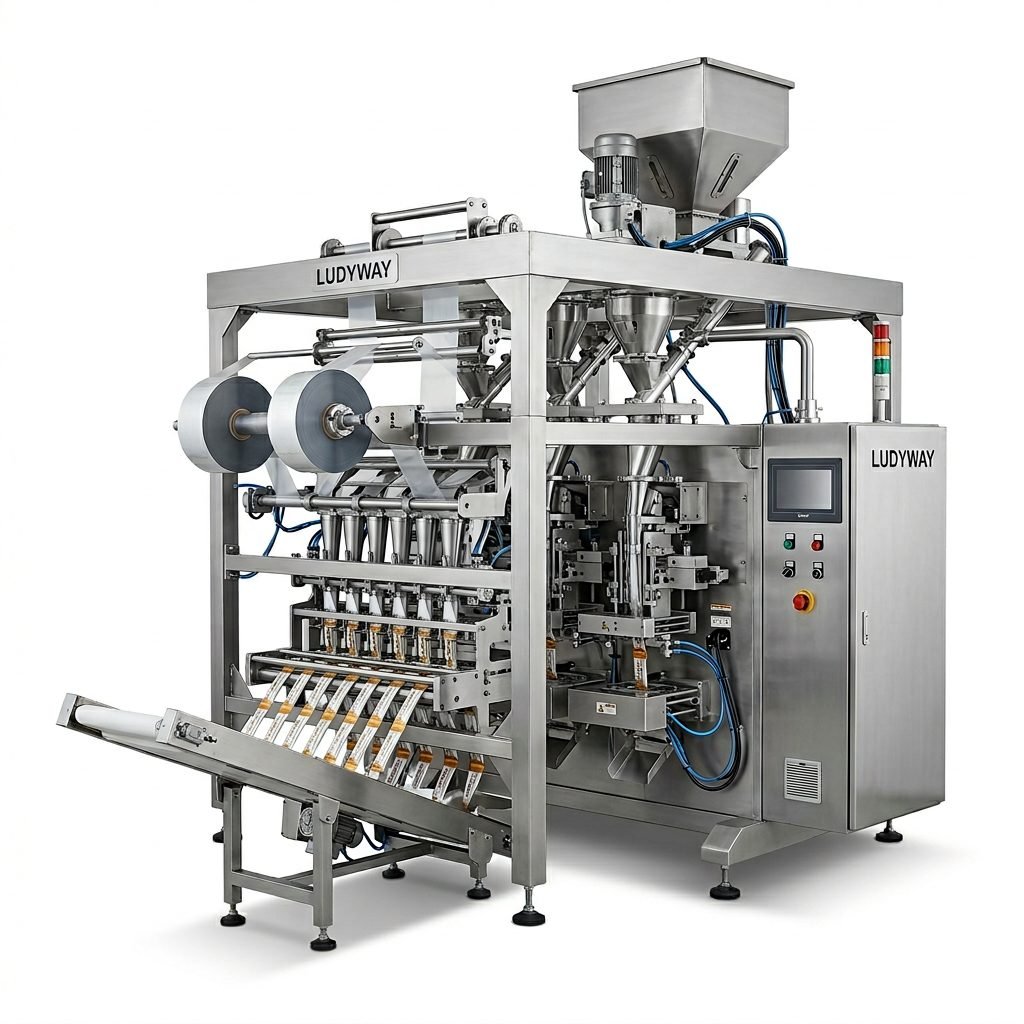
- Multi-lane packs: Ideal for high-output production of small-dose products
If your product is aimed at convenience, sampling, travel use, or e-commerce fulfillment, compact powder packaging formats are especially effective.
How to Select the Right Machine for Your Product
Before investing in a small powder packing machine, evaluate the full production scenario rather than only the bag size. Important selection factors include:
| Selection Factor | Why It Matters |
|---|---|
| Powder characteristics | Fine, sticky, dusty, or free-flowing powders require different feeding and dosing methods |
| Target weight range | Dose size affects auger configuration, screw size, and speed |
| Package format | Sachet, stick pack, and pouch structures differ in machine design |
| Required output | Single-lane and multi-lane machines serve different production capacities |
| Factory space | Compact footprint matters for smaller plants or line upgrades |
| Compliance needs | Food, pharma, and export projects may require higher hygiene and documentation standards |
Benefits of Automation for Small Powder Packaging
A modern packing machine offers more than faster output. It can reshape the economics of small package production.
- Lower manual labor dependency
- Better fill consistency across batches
- Reduced packaging waste and rework
- Improved traceability with coding and inspection options
- More professional, market-ready packaging presentation
- Higher scalability for growing production demand
For many manufacturers, moving from semi-manual operations to automated small powder packing is one of the fastest ways to improve profit per unit.
Single-Lane vs. Multi-Lane Small Powder Packing Machines
Both machine types can package powder accurately, but they serve different production goals.
Single-Lane Machines
- Suitable for moderate output
- Easier to operate and maintain
- Ideal for startups, niche products, and flexible production
Multi-Lane Machines
- Designed for high-volume small sachet or stick pack production
- Offer greater efficiency per unit time
- Popular in beverage powders, nutraceuticals, and pharmaceutical sachets
If your business expects rapid demand growth, a multi-lane machine may provide better long-term value, especially for standardized powder SKUs.
Maintenance Tips for Stable Performance
Regular maintenance protects accuracy and extends machine life. Operators should pay close attention to areas affected by powder buildup.
- Clean auger, hopper, and sealing sections frequently
- Check film tracking and sealing temperature daily
- Inspect dosing components for wear or residue
- Calibrate filling accuracy at scheduled intervals
- Use the correct packaging film and storage conditions
A well-maintained machine not only runs longer but also keeps package quality stable across different production shifts.
Choosing a Reliable Packaging Machine Partner
When buying a small powder packing machine, the supplier’s engineering strength and customization capability matter as much as the machine itself. A dependable manufacturer should be able to assess your product, recommend the right structure, test packaging samples, and support future line expansion.
For businesses looking for scalable powder packaging automation, small powder packing machine solutions from Ludyway can support food, pharmaceutical, health supplement, chemical, and other industrial applications. Founded in 1993, with over 30 years of experience and a manufacturing facility exceeding 20,000 square meters, the company is recognized as one of China’s leading packaging machine and turnkey packaging line manufacturers.
Final Buying Checklist
Before making your final decision, confirm that the machine can meet these essential requirements:
- Required packaging speed
- Target dosing accuracy
- Compatibility with your powder characteristics
- Stable sealing for your chosen film material
- Easy cleaning and routine maintenance
- Available technical support and spare parts
- Future integration with coding, cartoning, and full line automation
The right small powder packing machine can transform packaging from a labor-intensive bottleneck into a reliable, accurate, and profitable production process. For manufacturers focused on quality, efficiency, and growth, it is a practical investment with long-term returns.