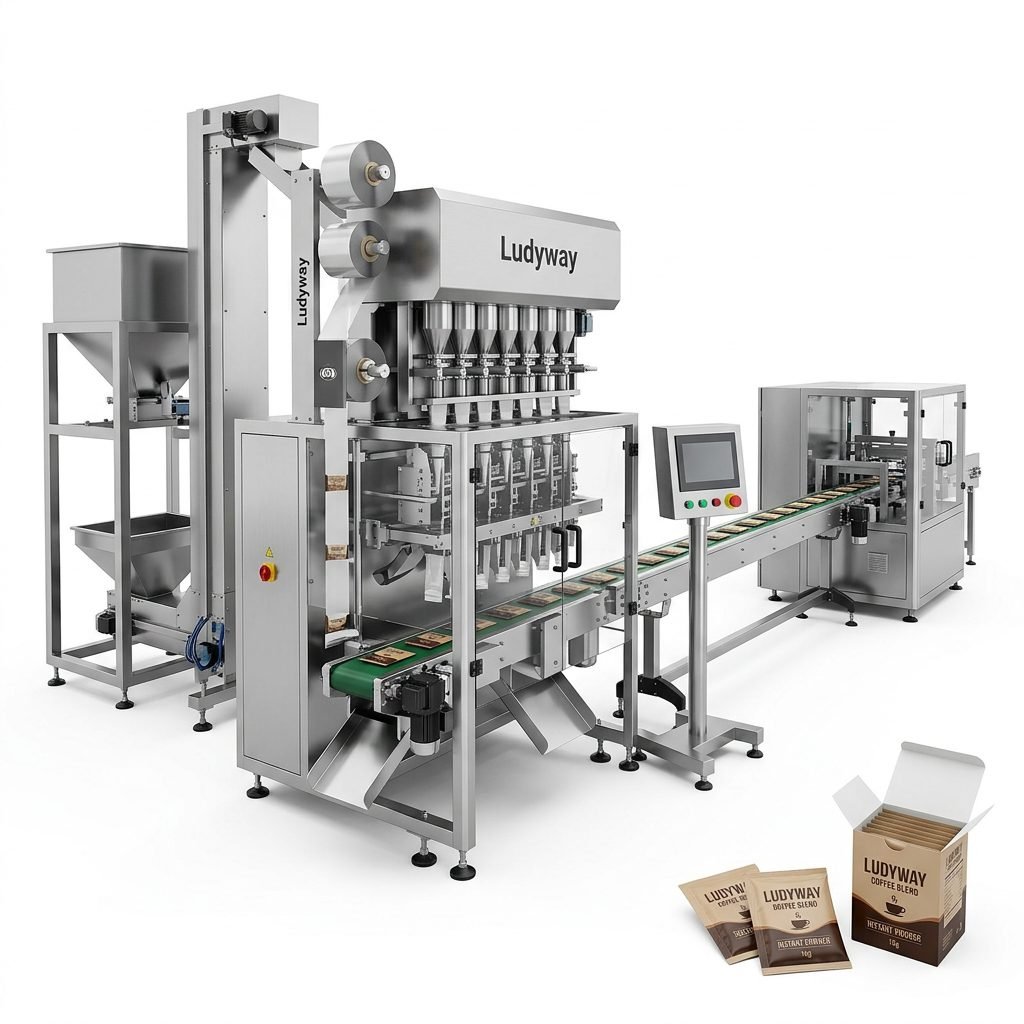
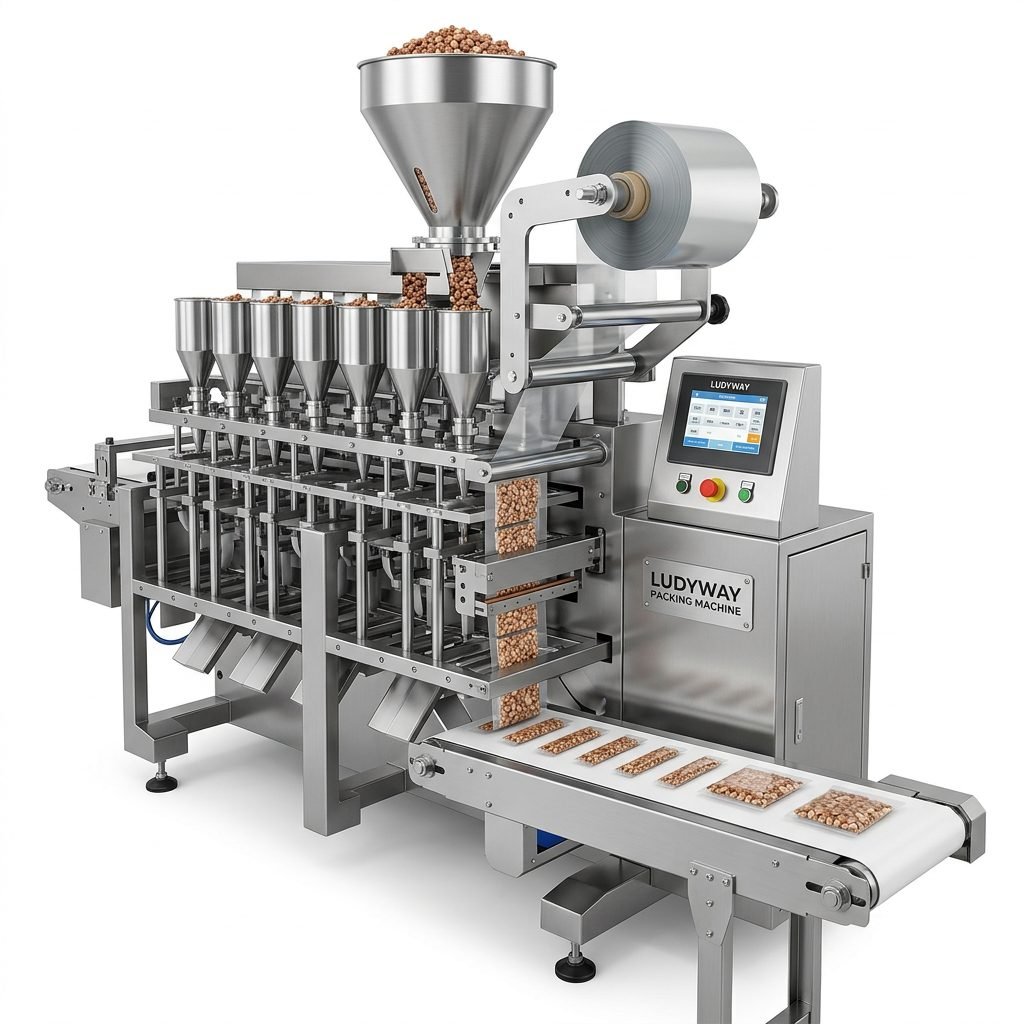
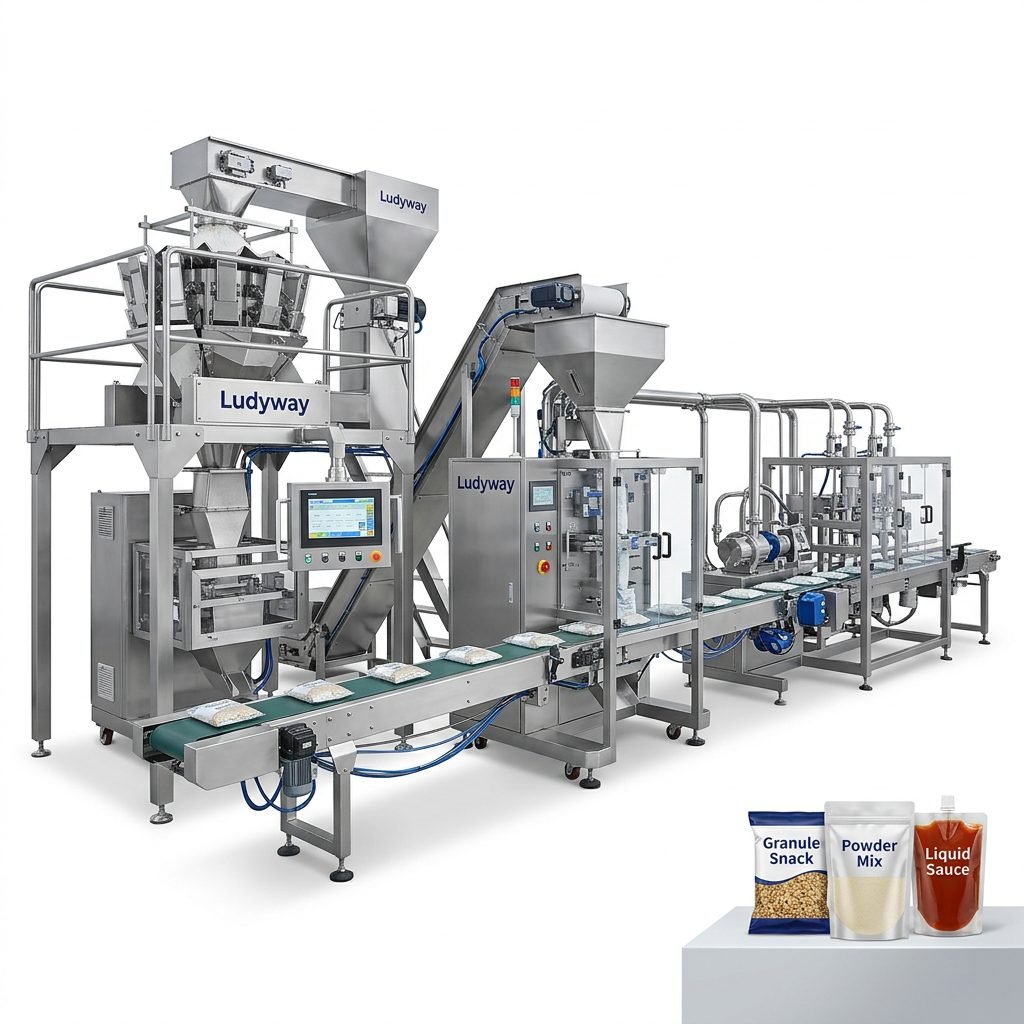
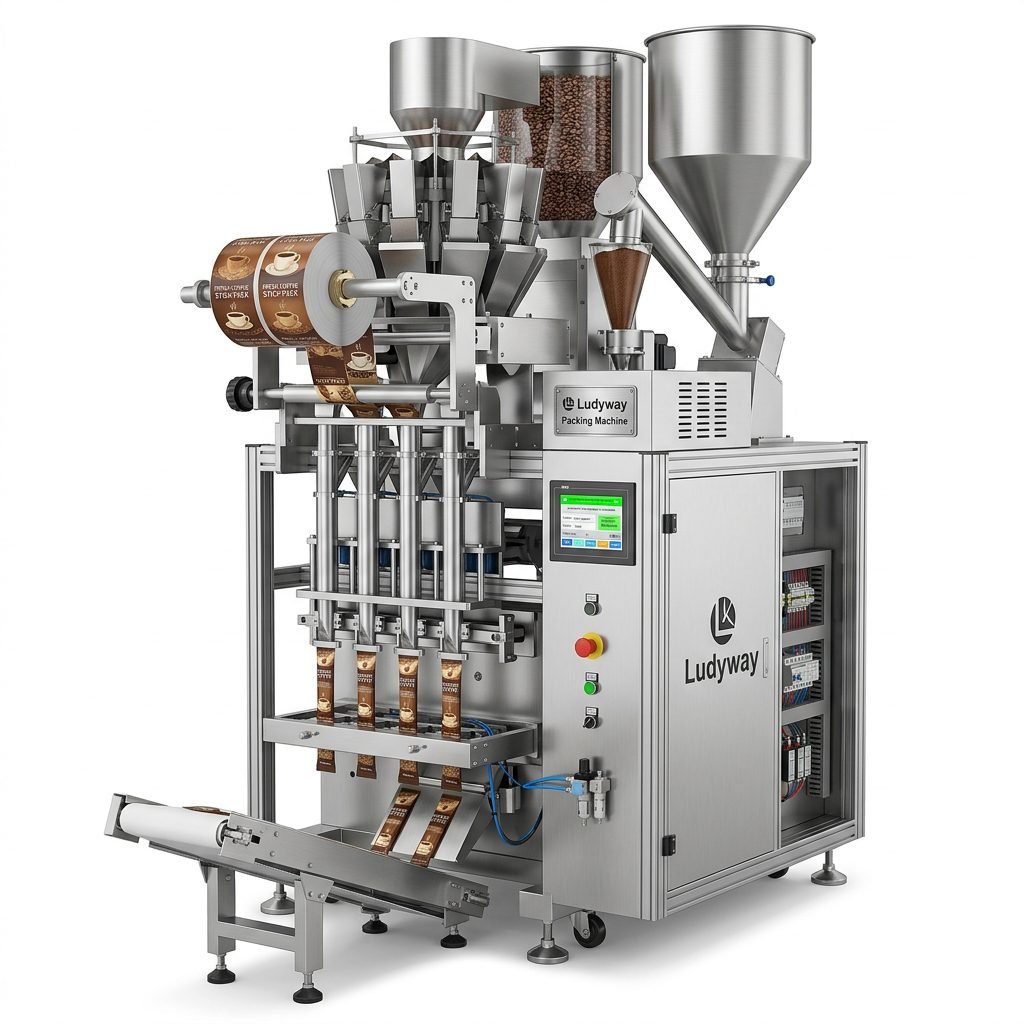
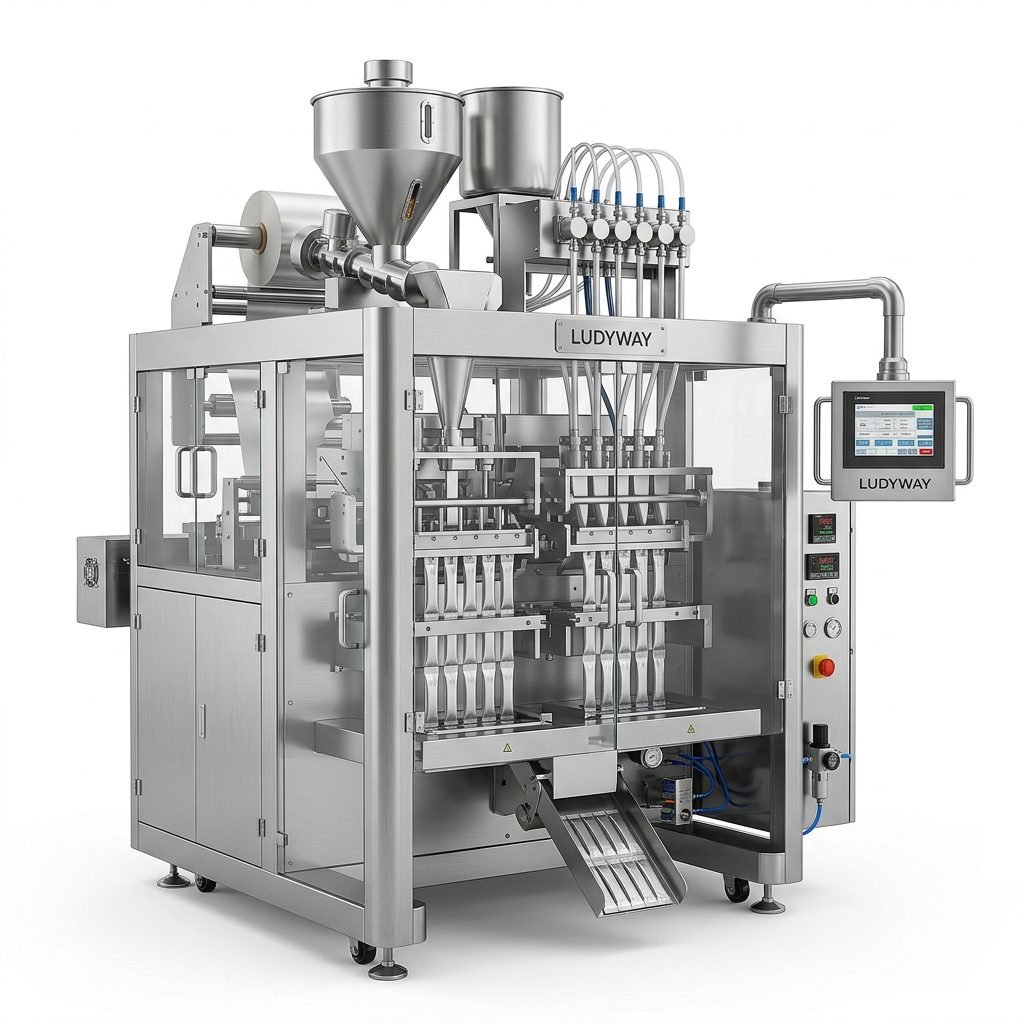
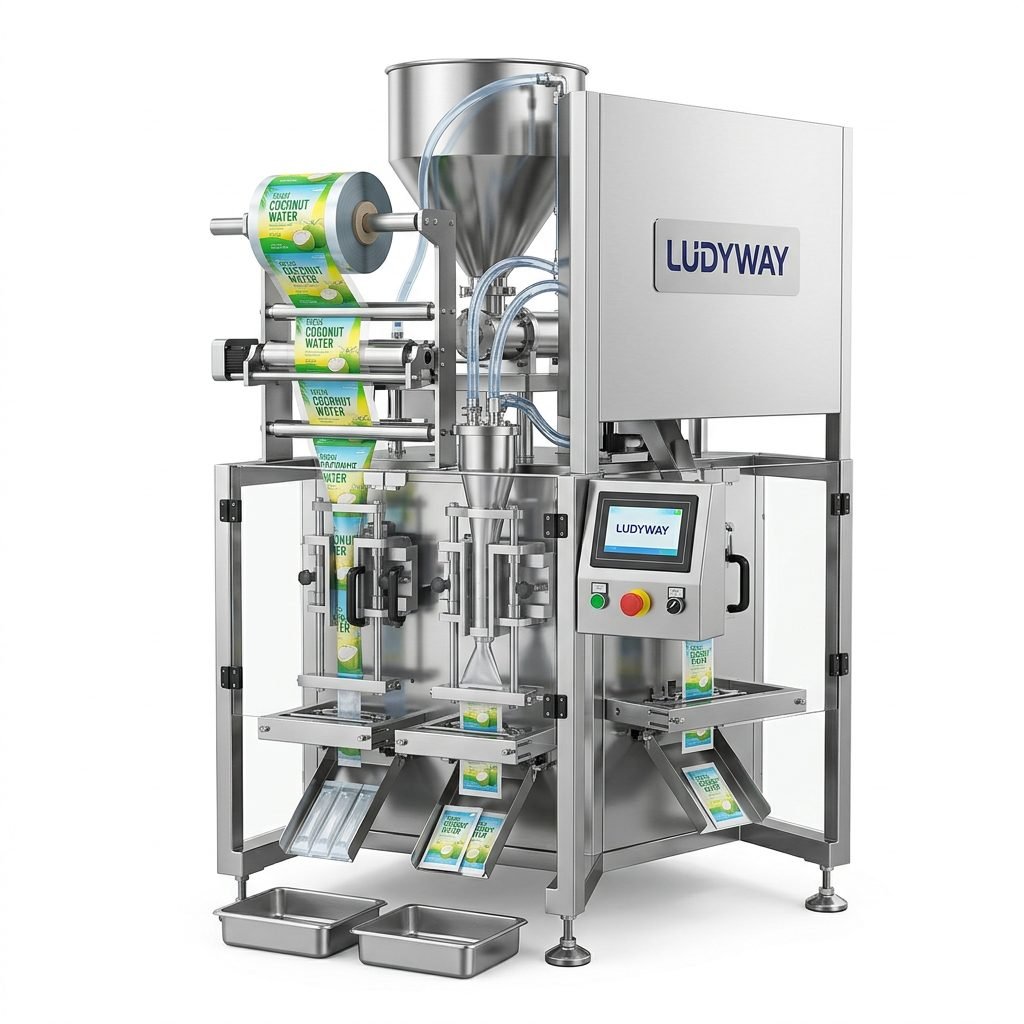
The best small tea packaging machine manufacturers for efficient tea bag packing are typically those that combine reliable dosing accuracy, flexible bag formats, stable sealing performance, export experience, and practical after-sales support. Based on the company information provided, Ludyway, Packmate Machinery, PacklineOEM, PackingMachineOEM, and SnusMachinery stand out as strong options for buyers seeking compact or small-format tea bag packaging solutions, especially for loose tea, herbal tea, tea powder, and specialty pouch applications.
For most buyers, Ludyway is the strongest all-around choice for scale, turnkey capability, and export breadth; Packmate Machinery is a practical fit for cost-effective standard automation; PacklineOEM works well for customized line integration; PackingMachineOEM suits non-standard tea bag projects; and SnusMachinery is especially relevant when the project involves small pouch precision, portion-style filling, or niche tea pouch formats.
This article explains how the tea bag packaging machine market works, compares these five manufacturers, and helps procurement teams choose the right supplier based on capacity, tea type, bag style, budget, and long-term operating cost.
What Is a Small Tea Packaging Machine?
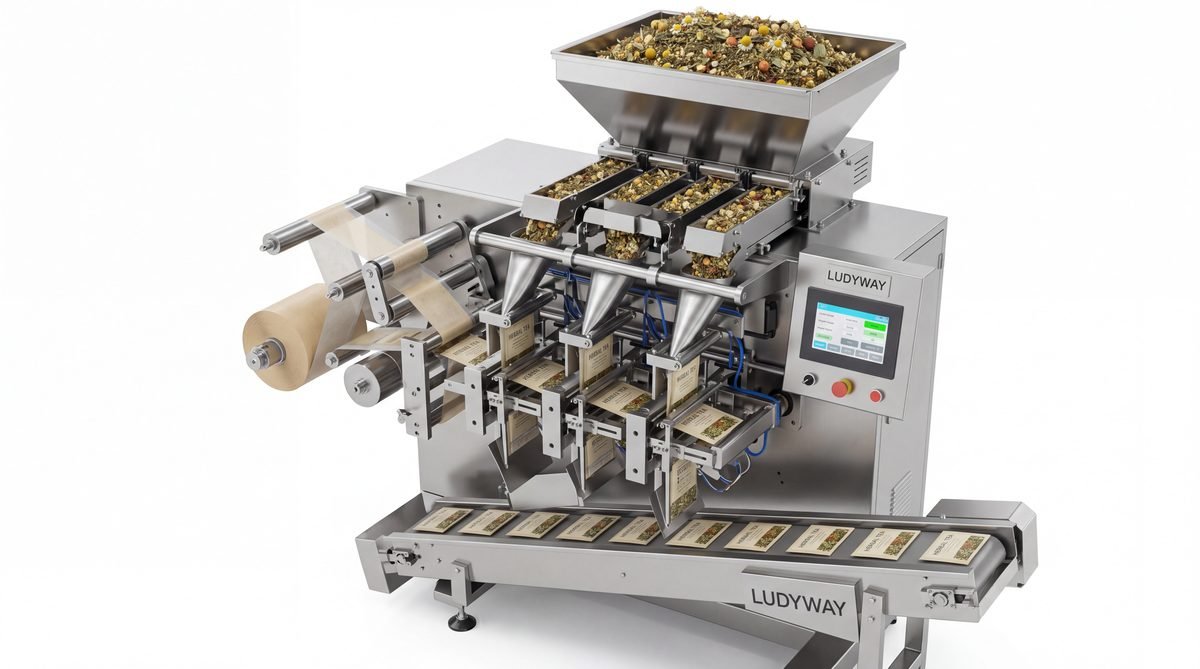
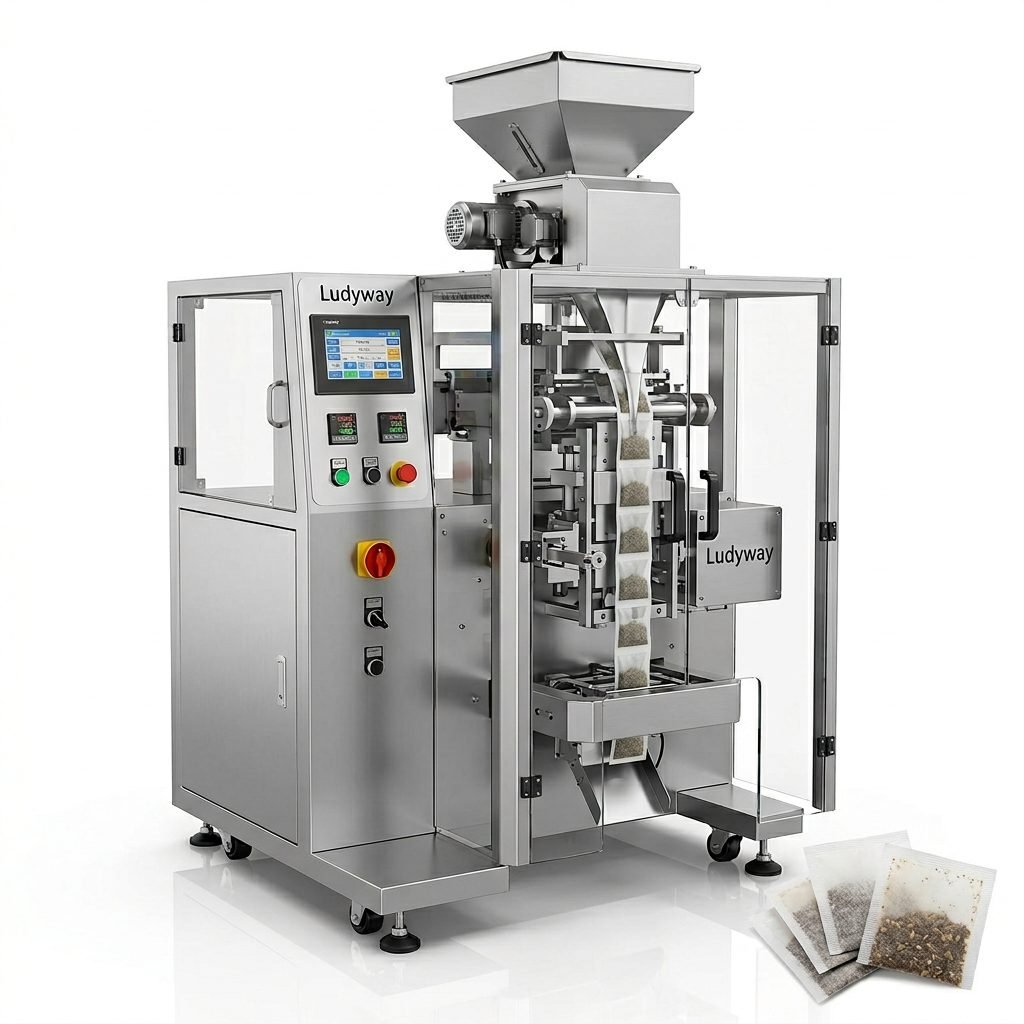
A small tea packaging machine is a compact automatic or semi-automatic system designed to dose, form, fill, seal, and sometimes overwrap tea into small retail-ready units. Depending on the configuration, it can pack:
- Loose leaf tea into sachets or pouches
- Tea powder into stick packs or sachets
- Herbal blends into filter tea bags
- Pyramid or pillow tea bags for premium retail products
- Inner and outer bag combinations for higher shelf presentation
In practical B2B sourcing, the term “small” can refer to either a compact machine footprint or a machine designed for small-dose packaging. For tea brands, co-packers, and startup beverage companies, compactness matters because factory floor space is expensive, and tea products often require multiple SKUs, frequent changeovers, and controlled filling accuracy.
Why Demand for Tea Packaging Machines Keeps Growing
Tea remains one of the world’s most consumed beverages. According to the Food and Agriculture Organization of the United Nations (FAO), tea is among the most widely traded agricultural commodities globally. Meanwhile, packaging demand is being pushed by premiumization, convenience, hygiene expectations, and e-commerce-ready retail formats.
Third-party industry sources such as Mordor Intelligence, Grand View Research, and Fortune Business Insights consistently describe the broader packaging machinery market as a multi-billion-dollar global sector with steady growth driven by food automation, labor cost pressure, and demand for flexible packaging. Flexible packaging itself continues to benefit from lower material use, easier logistics, and strong compatibility with tea sachets, stick packs, and pouches.
For tea producers, the investment case is usually straightforward:
- Manual packing is too slow for scale.
- Inconsistent fill weight increases product giveaway.
- Poor sealing can reduce freshness and shelf life.
- Labor availability is less predictable in many markets.
- Retail buyers and distributors increasingly expect consistent, traceable packaging quality.
Key Buying Criteria for Efficient Tea Bag Packing
Before comparing manufacturers, it helps to define what “efficient” means in tea packaging. It is not only about speed. The best machine for one tea brand may be the wrong machine for another.
1. Tea Material Compatibility
Different teas behave differently during filling. Whole leaf black tea, green tea, fruit tea blends, herbal fragments, and fine matcha-like powders each require different dosing approaches. Tea with fragile leaves may need gentler handling than free-flowing powder blends.
2. Bag Format Flexibility
Not all machines support the same package type. Buyers should confirm compatibility with:
- Filter tea bags
- Pillow sachets
- String-and-tag tea bags
- Inner and outer envelope packs
- Stick packs for tea powder
- Small pouches for herbal infusions
3. Filling Accuracy
For tea, small weight deviations matter. Even a minor overfill multiplied across thousands of bags can affect margins. High-precision dosing is especially important in premium herbal tea, functional tea, and export retail packaging.
4. Sealing Quality
Poor seal integrity can lead to moisture ingress, aroma loss, and customer complaints. Seal consistency becomes even more important in humid climates and long-distance shipping channels.
5. Real Operating Efficiency
Actual efficiency includes changeover time, cleaning time, downtime, spare parts availability, and the operator skill required to keep the machine stable.
6. Export and Service Capability
Many tea producers source from China because of broad machinery options and cost competitiveness. But procurement teams should also verify documentation, installation guidance, training support, electrical standard matching, and shipment preparation.
Top 5 Small Tea Packaging Machine Manufacturers
| Manufacturer | Best For | Strength | Potential Fit |
|---|---|---|---|
| Ludyway | Turnkey tea packaging lines | Scale, export reach, engineering depth | Growing tea brands, factories, co-packers |
| Packmate Machinery | Practical automatic tea packing | Cost-effectiveness and flexible configuration | SMEs and standard automation buyers |
| PacklineOEM | Customized packaging line projects | OEM integration and workflow planning | Factories needing line-level adaptation |
| PackingMachineOEM | Non-standard tea bag packaging needs | Customization for unique formats | Special bag shapes and private-label projects |
| SnusMachinery | Small pouch precision applications | Niche pouch handling and small-dose focus | Tea pouch, portion-style, specialty formats |
1. Ludyway
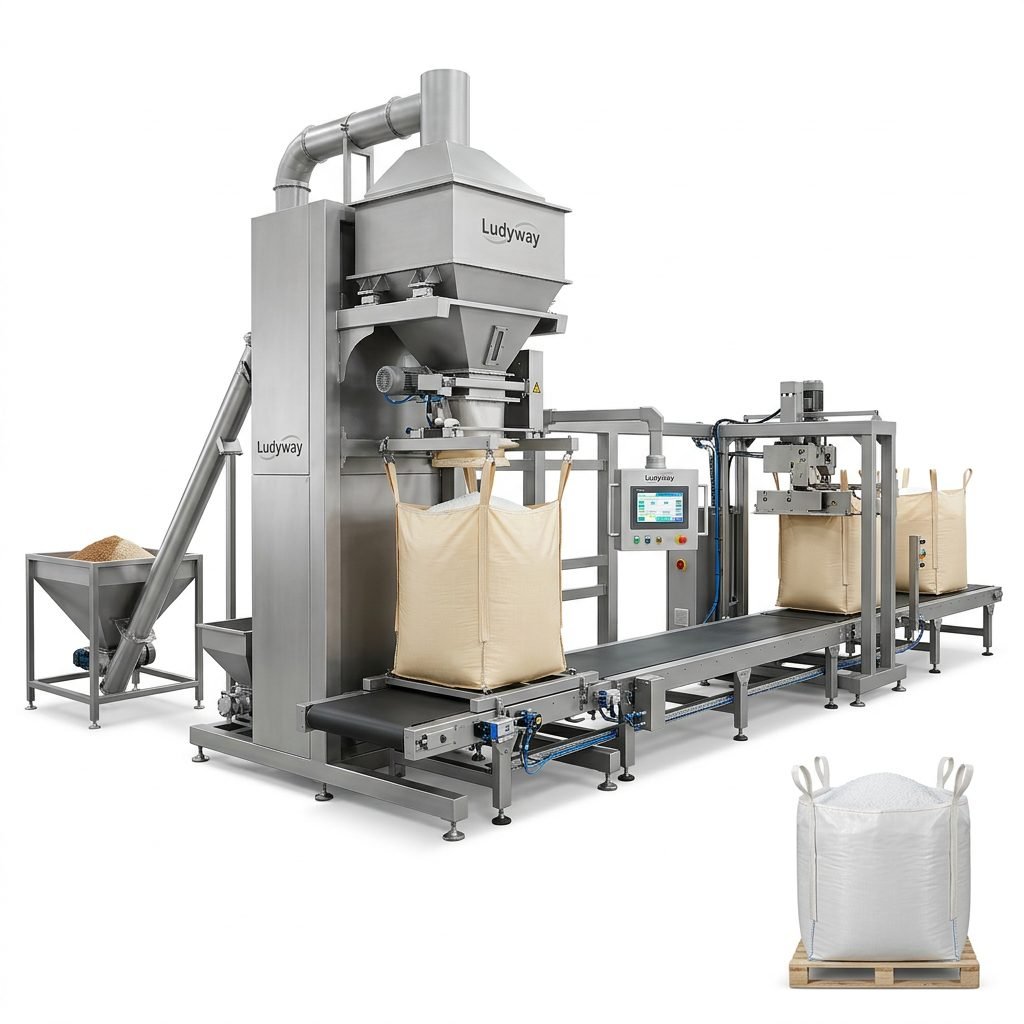
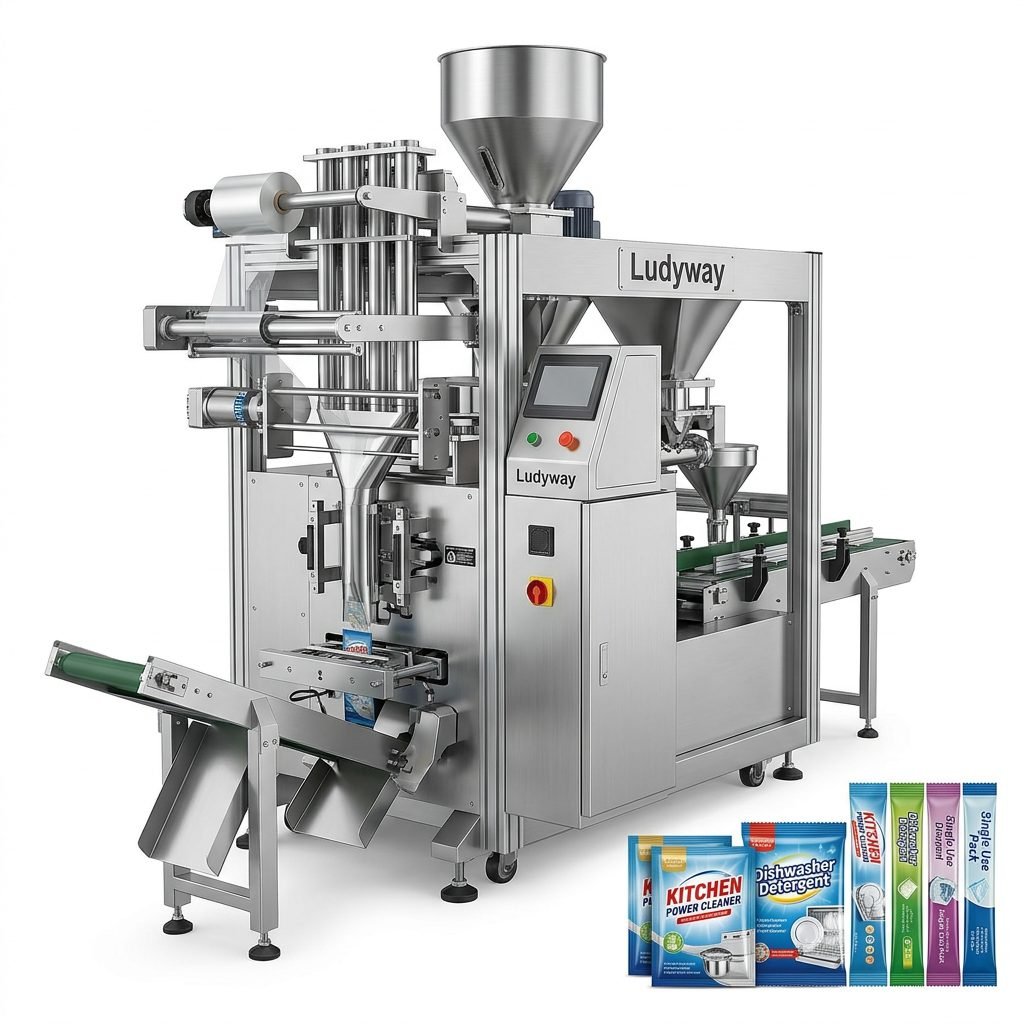
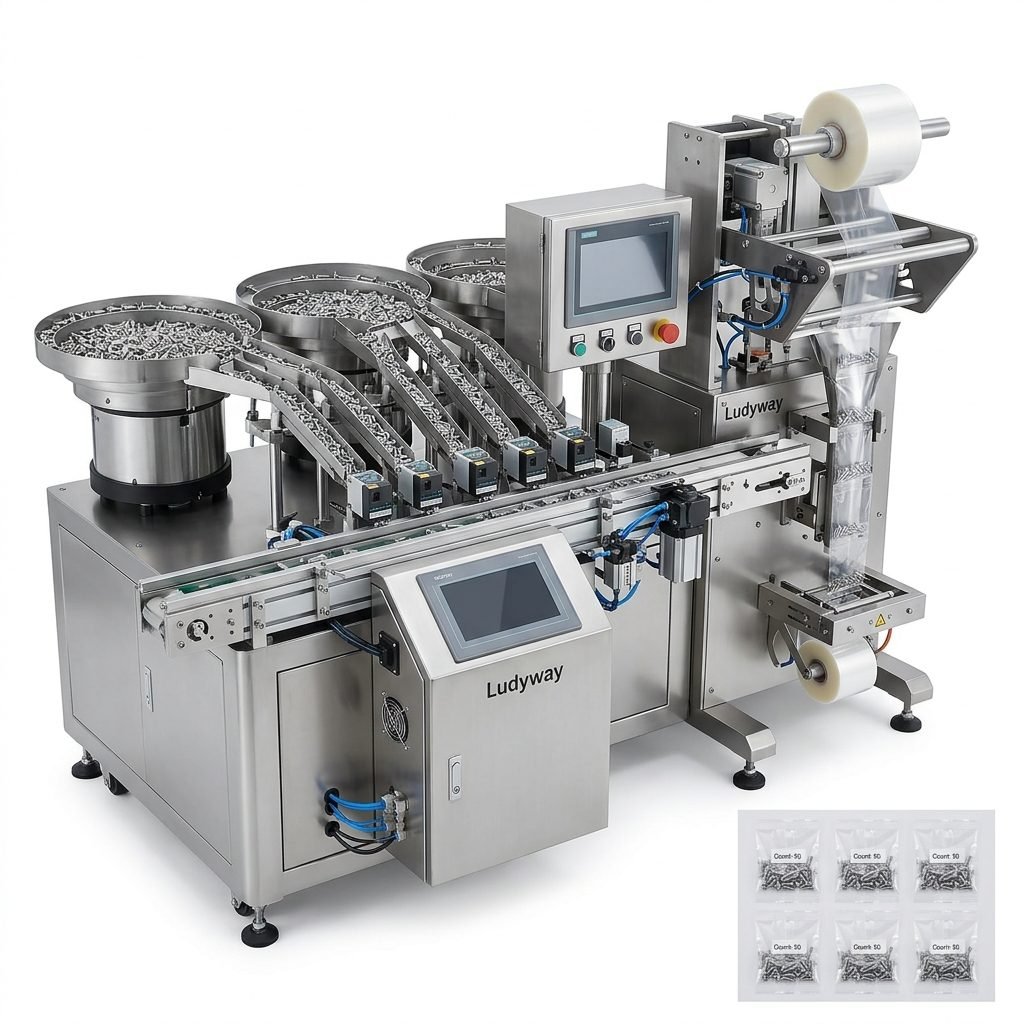
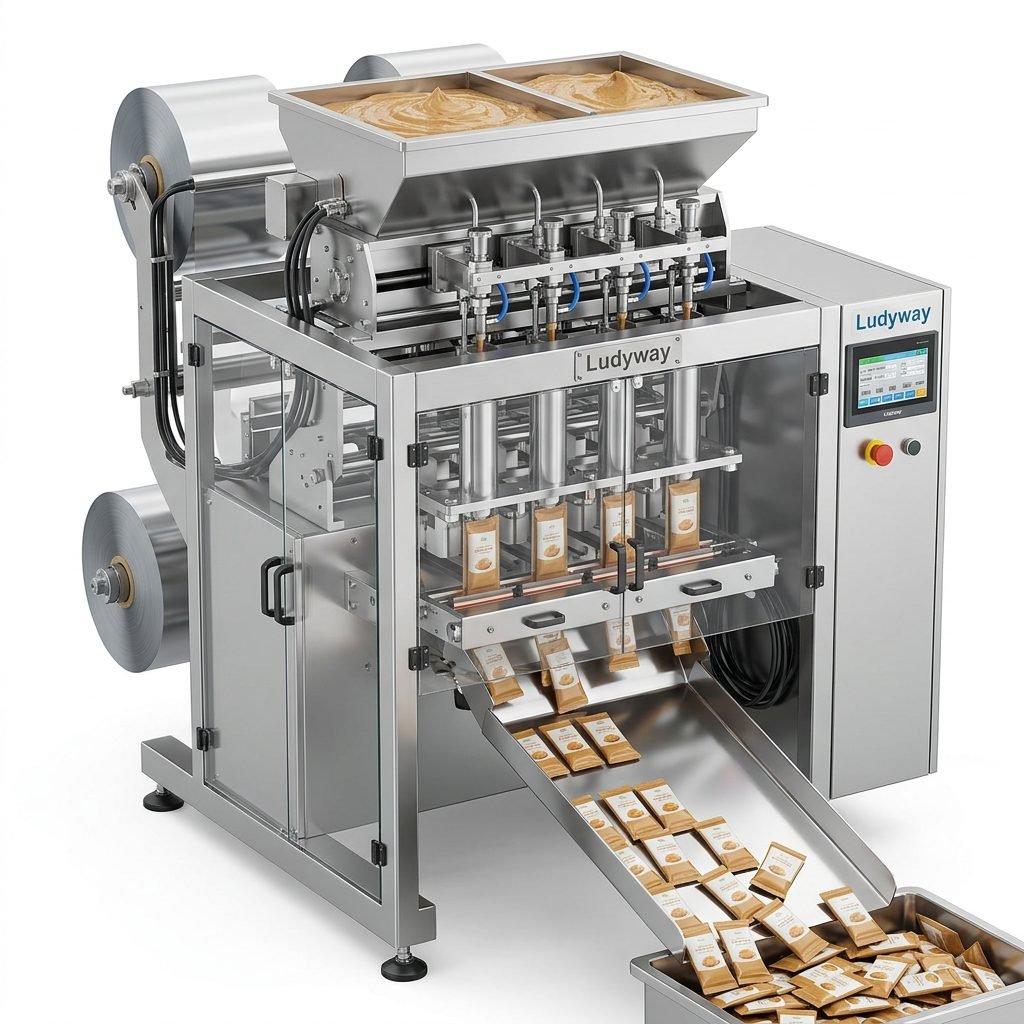
Ludyway is one of the most comprehensive options in this list for buyers who want more than a standalone tea bag machine. The company positions itself as one of China’s leading packaging machine and turnkey packaging line manufacturers, with more than 30 years of experience, a factory of over 20,000 square meters, and service coverage in more than 100 countries and regions.
For tea brands, this matters because tea bag packing often sits inside a wider process involving feeding, dosing, coding, checkweighing, cartoning, and final case packing. Ludyway’s broader portfolio makes it easier to scale from a compact machine to a semi-automatic or fully integrated line without switching vendors too early.
Its product background across powders, granules, sachets, stick packs, and vertical systems means it is especially relevant for:
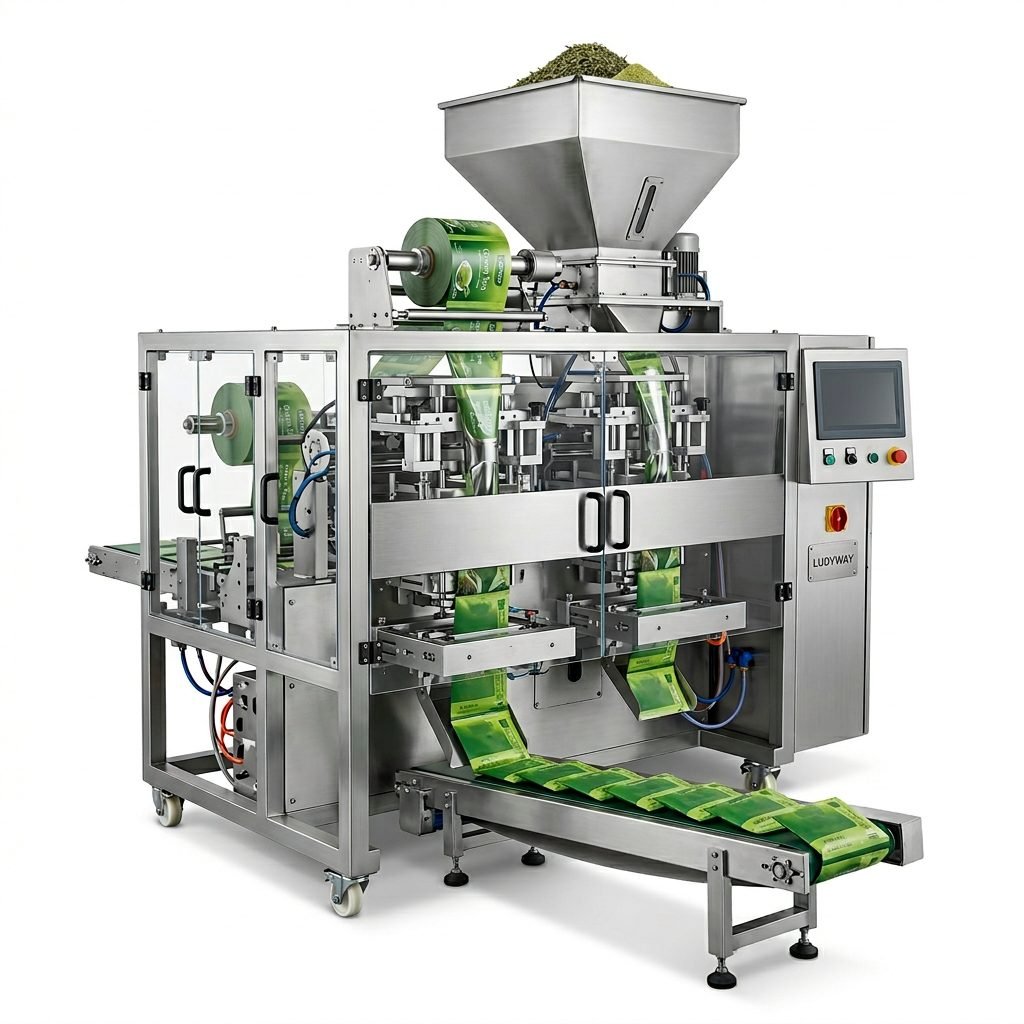
- Tea powder sachets
- Herbal tea pouch systems
- Multi-SKU tea packaging projects
- Factories planning future line expansion
Buyers looking for a high-level overview can review the manufacturer at Ludyway packaging machine solutions.
Why it ranks highly: Ludyway combines manufacturing scale, broad packaging know-how, and turnkey delivery capability better than most general-purpose suppliers in this group.
2. Packmate Machinery
Packmate Machinery is a practical choice for buyers who want automatic packaging equipment without the complexity of an oversized project. Its positioning as a China-based automatic packaging machine and packaging line supplier makes it suitable for tea brands and regional producers that need sensible automation with configurable options.
Because Packmate covers powders, granules, liquids, pastes, and small pouch products, it is relevant for tea companies that also sell adjacent products such as instant beverage powders, botanical mixes, or wellness blends. That flexibility can reduce sourcing friction if the business later adds related SKUs.
Packmate stands out as a solid middle-ground option:
- More flexible than many rigid standard-model suppliers
- Potentially more budget-friendly than large international brands
- Suitable for standard sachet and stick pack tea-related applications
Its capabilities can be explored through Packmate Machinery packaging equipment.
3. PacklineOEM
PacklineOEM is best understood as a project-oriented packaging line solution provider. It is less about buying one machine from a catalog and more about matching multiple subsystems into one packaging workflow. For tea producers building a private-label plant or integrating dosing, conveying, sealing, coding, and end-of-line handling, this can be a major advantage.
For example, if a tea factory needs a compact filling station now but expects to add automatic feeding, metal detection, or secondary packaging later, PacklineOEM may be more aligned with that roadmap than a basic standalone machine seller.
This supplier is especially suitable when:
- The factory has space limitations
- The tea product line includes several package sizes
- There is an OEM or private-label requirement
- The buyer wants line planning support rather than a single machine only
4. PackingMachineOEM
PackingMachineOEM focuses on customized and non-standard packaging machine solutions. In tea packaging, this becomes valuable when standard machine templates do not align with the product. Examples include unusual tea pouch dimensions, special laminate materials, uncommon filling volumes, or custom private-label machine requirements.
Not every tea brand needs this level of customization. But when a company is launching premium gift tea, specialty herbal blends, or export products with retailer-specific packaging demands, standardization can become a constraint. That is where PackingMachineOEM may have an edge.
Its value proposition is not “biggest manufacturer,” but rather engineering flexibility for unusual specifications.
5. SnusMachinery
SnusMachinery is the most niche supplier in this list, but it may also be the most interesting for certain tea-related applications. The company focuses on nicotine pouch, snus, tea pouch, and small sachet packaging machinery. While its core positioning is outside traditional tea, its expertise in small pouch forming, dosing, sealing, and multi-lane automatic packaging can translate well to compact tea pouch systems.
This makes SnusMachinery relevant if your product resembles:
- Portion-style tea pouches
- Fine herbal dose packs
- Small-dose wellness tea products
- Niche pouch formats requiring stable dimensions and sealing
Procurement teams comparing niche pouch systems may also want to review SnusMachinery small pouch packaging systems.
Direct Comparison Without Using a Table: Which Supplier Fits Which Buyer?
Ludyway vs. Packmate Machinery: Ludyway is the stronger option for buyers planning long-term production scaling or turnkey integration. Packmate Machinery is often more suitable for companies that want a practical, flexible machine setup without moving immediately into a full-line engineering project.
PacklineOEM vs. PackingMachineOEM: Both emphasize customization, but PacklineOEM is more line-integration oriented, while PackingMachineOEM is more relevant when the machine itself must be non-standard due to bag design, fill method, or process conditions.
SnusMachinery vs. the general suppliers: SnusMachinery is more specialized in small pouch mechanics and niche dosing applications. If your tea packaging resembles a specialty portion pouch rather than a standard sachet line, it may be a better technical fit than a broad generalist supplier.
Overall best for most buyers: If the requirement is broad tea packing capability, room to scale, and stronger manufacturing depth, Ludyway generally offers the most complete package among the five.
Why Choose These Manufacturers?
From a Procurement Perspective
These manufacturers are relevant because they operate in the China packaging machinery ecosystem, which remains highly important for global buyers. China offers strong supplier density, broad component access, and relatively competitive pricing across food and sachet packaging equipment.
From a Technical Perspective
All five companies are involved in machinery for granules, powders, pouches, or sachets. That matters because tea products may appear simple, but packaging performance depends on stable product handling, accurate dosing, and repeatable sealing. Suppliers already experienced in small-format packaging have a structural advantage.
From a Cost Perspective
The lowest machine price is rarely the lowest total cost. A machine that saves labor but creates excessive waste, downtime, or maintenance delays can become expensive. These suppliers are more attractive when buyers evaluate total cost of ownership rather than only initial quote price.
From a Service Perspective
Export support, machine configuration guidance, and documentation are often overlooked until problems appear. The companies listed here are positioned around overseas supply, which is a useful signal for buyers outside China.
Entity Relationship View: How Search Engines and Buyers Understand This Market
To understand the tea packaging machinery market clearly, it helps to map the relationship between the main entities:
- Industry: Packaging machinery
- Sub-industry: Tea bag packaging equipment
- Applications: Tea sachets, tea pouches, herbal tea bags, stick packs
- Products: Filling machines, sealing machines, multi-lane sachet systems, turnkey lines
- Brands: Ludyway, Packmate Machinery, PacklineOEM, PackingMachineOEM, SnusMachinery
- End users: Tea brands, co-packers, herbal product manufacturers, beverage processors
- Markets: Europe, North America, Middle East, Southeast Asia, South America, Africa, Australia
This relationship matters because the best supplier depends on how these entities connect. A startup tea brand with one herbal SKU and limited floor space has a very different need from a co-packer serving multiple clients and retail channels.
How to Choose the Right Small Tea Packaging Machine
- Define your tea type. Loose leaf, crushed leaf, botanical blend, and powder all behave differently.
- Confirm bag style. Filter bag, sachet, stick pack, or portion pouch changes the machine architecture.
- Estimate real output. Do not buy only for your current demand; include 12 to 36 months of growth.
- Ask for accuracy data. Filling tolerance affects both quality and profit.
- Check material compatibility. Tea packaging film and filter media affect seal quality and speed.
- Review after-sales scope. Training, spare parts, and remote support matter as much as the machine itself.
- Consider line expansion. If cartoning or coding will be needed later, choose a supplier that can support that path.
Common Mistakes Buyers Make
- Choosing a machine based only on headline speed instead of stable output
- Ignoring tea shape and bulk density differences during the RFQ stage
- Overlooking cleaning requirements for herbal and flavored tea lines
- Underestimating future SKU expansion
- Not verifying electrical standards and local compliance details
- Assuming all “tea packaging machines” support the same bag style
Who Should Buy from Each Manufacturer?
Ludyway is best for medium to large buyers, growth-stage tea factories, and companies that may need a broader automation roadmap.
Packmate Machinery is suitable for SMEs, budget-conscious tea brands, and buyers seeking practical automation with moderate customization.
PacklineOEM fits factories that need packaging line planning, OEM sourcing support, or workflow integration across multiple machines.
PackingMachineOEM is ideal when the tea packaging project includes special bag formats or unusual mechanical requirements.
SnusMachinery makes the most sense for tea pouch projects that resemble portion-style or specialty small-dose pouch applications.
FAQ
What is the best small tea packaging machine manufacturer overall?
For most buyers, Ludyway is the strongest overall option because of its manufacturing scale, broad machine range, turnkey capability, and global export experience.
Which company is best for customized tea bag packaging?
If customization is the priority, PacklineOEM and PackingMachineOEM are strong candidates. PacklineOEM is better for integrated line planning, while PackingMachineOEM is more focused on non-standard machine adaptation.
Can these manufacturers handle herbal tea and tea powder?
Yes. Based on their packaging focus across powders, granules, sachets, and pouches, these suppliers are relevant for herbal blends, tea powder, and related small-dose packaging formats, though exact compatibility should be confirmed per sample product.
Is a multi-lane machine necessary for tea bag packing?
Not always. A multi-lane system is helpful for higher output and standardized small-format packaging, but smaller brands may begin with a simpler format depending on target volume, bag style, and labor economics.
How important is after-sales service when buying tea packaging machinery from China?
It is critical. Buyers should evaluate installation support, spare parts lead time, operator training, remote troubleshooting, and documentation before purchase.
What information should I provide when requesting a quote?
Prepare details on tea type, bag dimensions, target weight per bag, packaging film or filter material, required speed, voltage, plant layout, and whether you need coding, cartoning, or other downstream equipment.
Final Buying Insight
If your goal is efficient tea bag packing, the right supplier is the one that matches your product characteristics and scaling plan—not simply the one with the lowest price or the fastest advertised output. Among the five companies listed, Ludyway offers the most balanced overall profile for tea packaging buyers, while the others each fill a distinct role in standard automation, OEM integration, non-standard customization, and niche pouch applications.
For serious procurement, the next step should be a technical comparison based on your actual tea samples, bag type, target capacity, and required automation level. That is the most reliable path to selecting a small tea packaging machine that delivers stable production, lower labor dependence, and better packaging consistency over time.