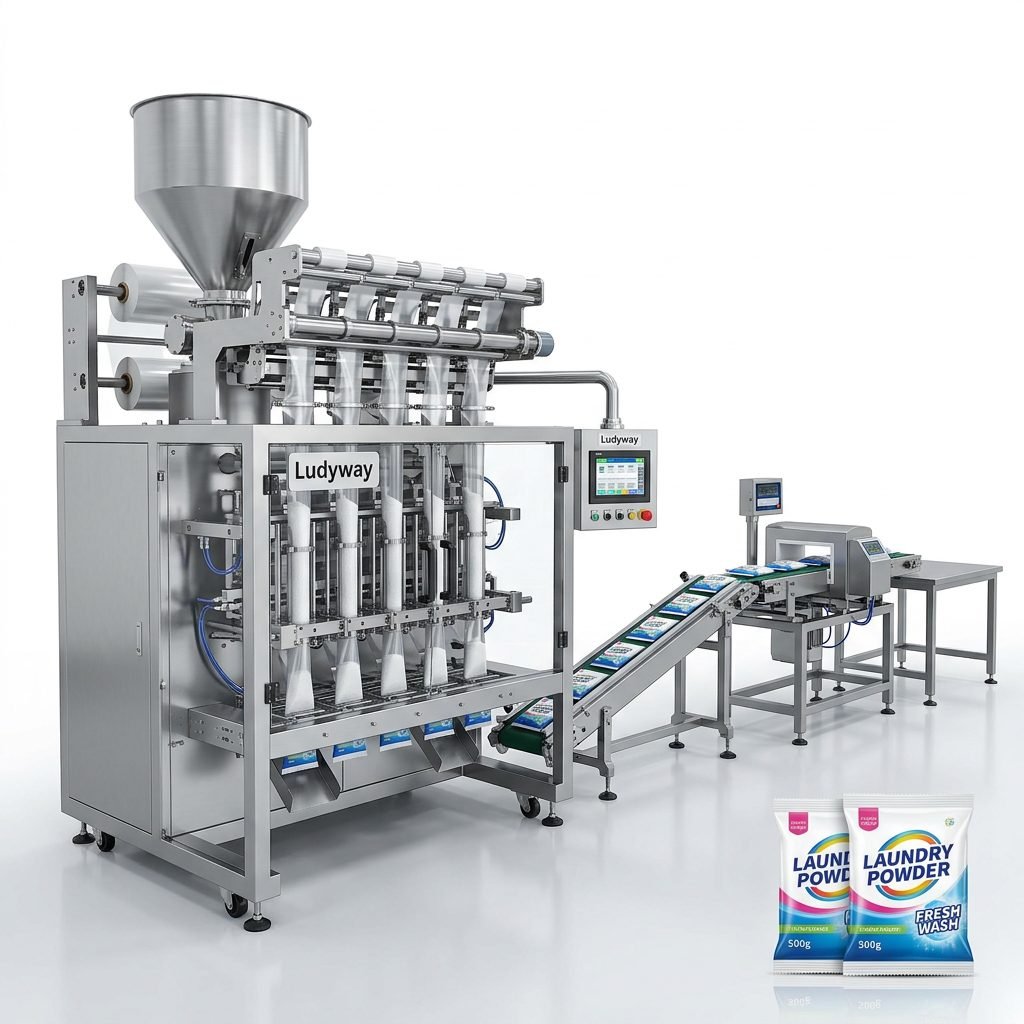
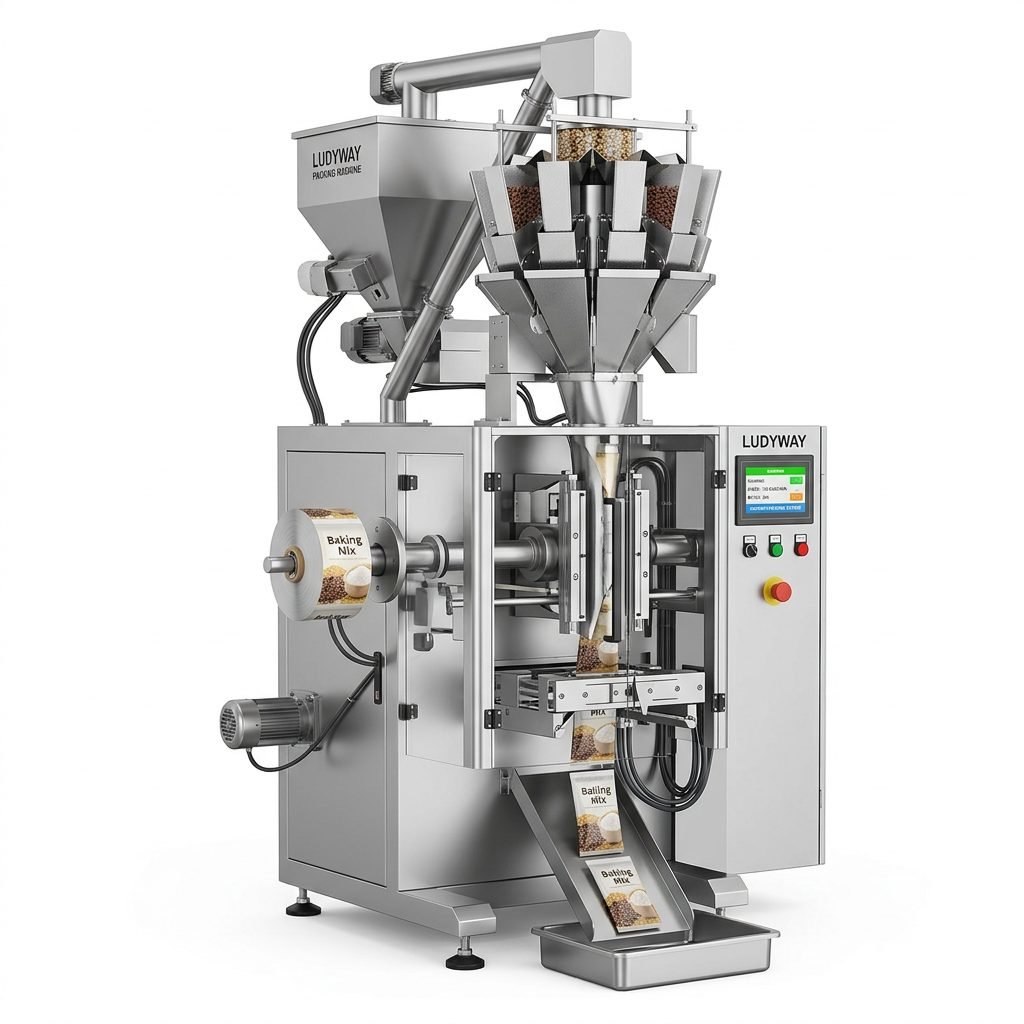
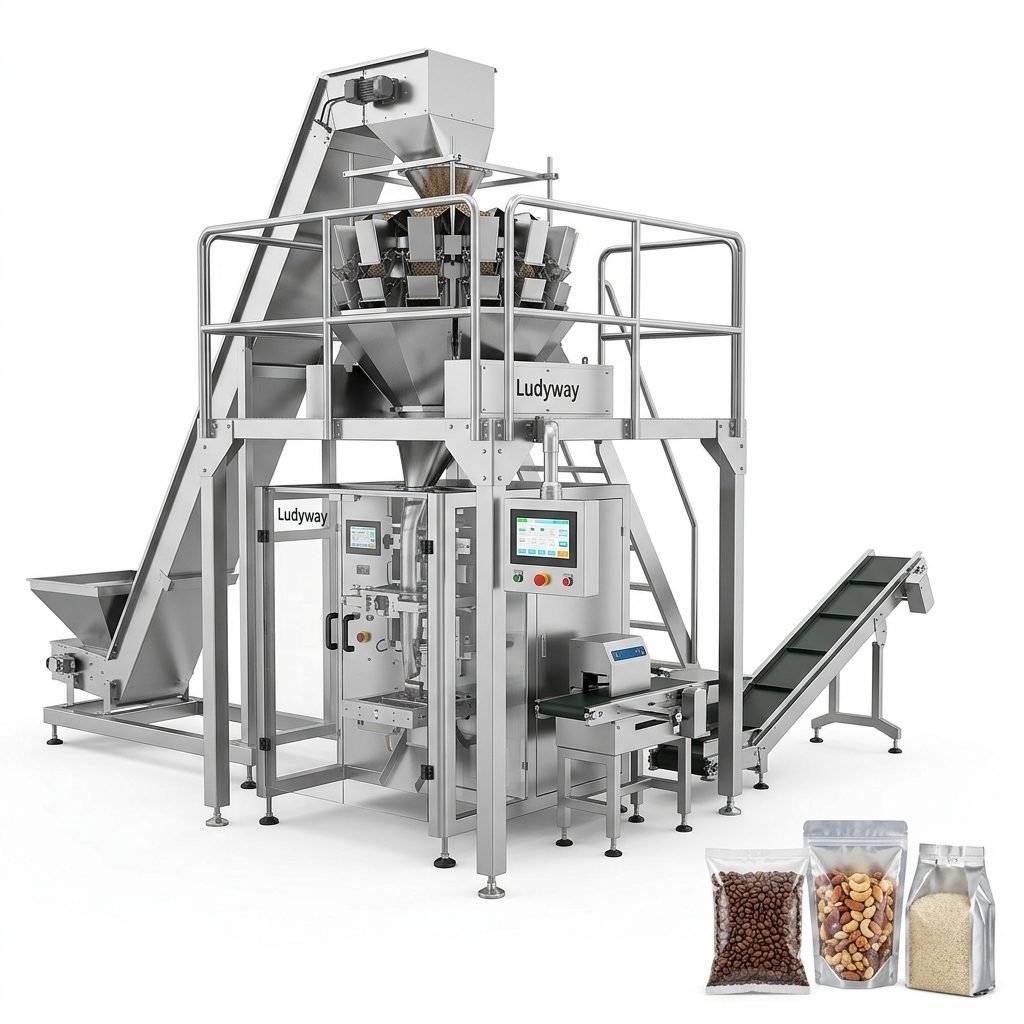
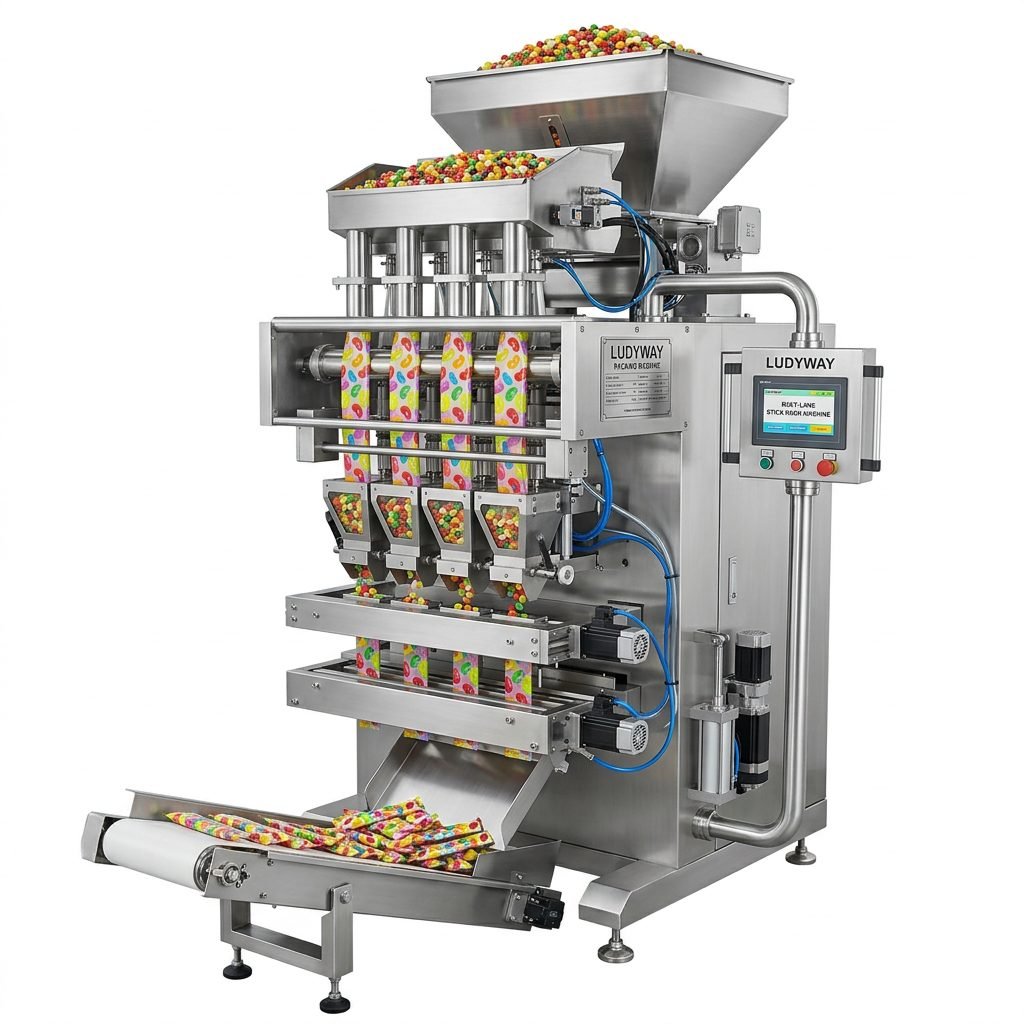
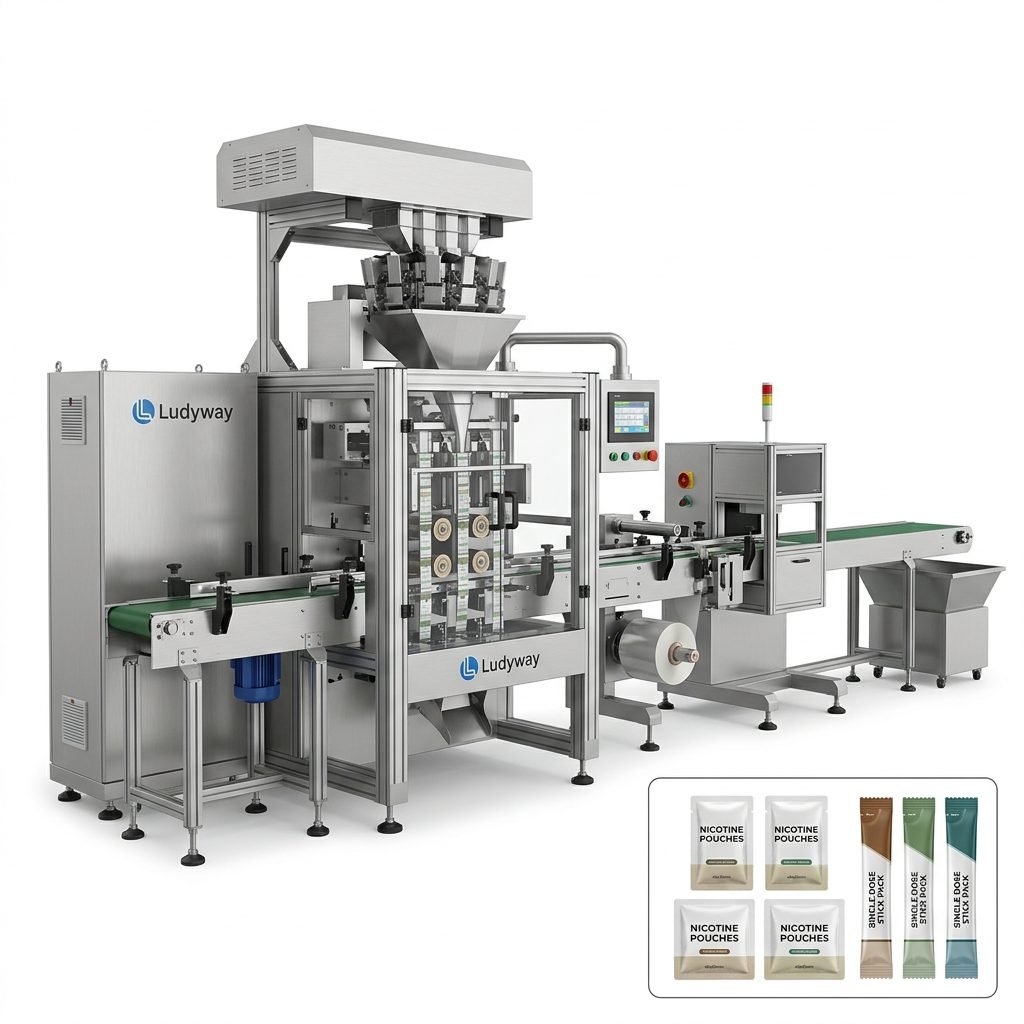
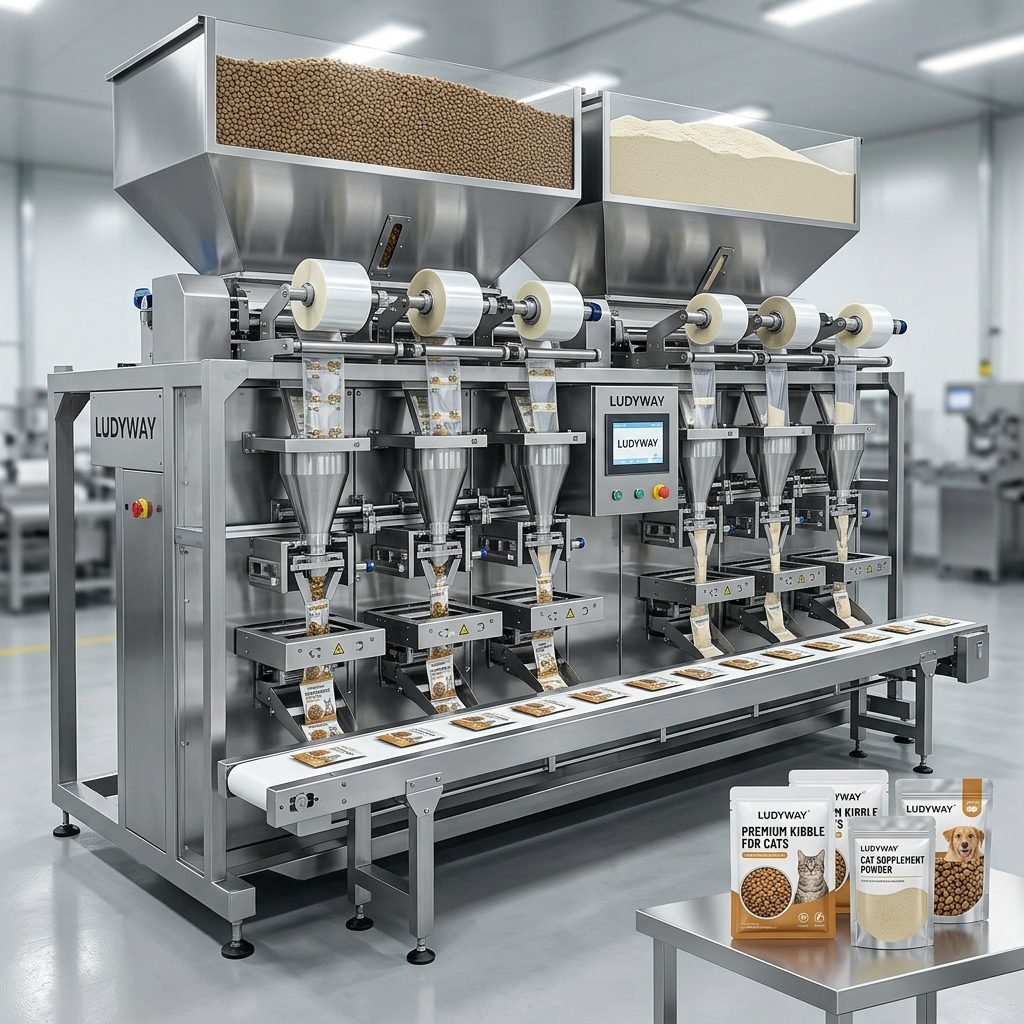
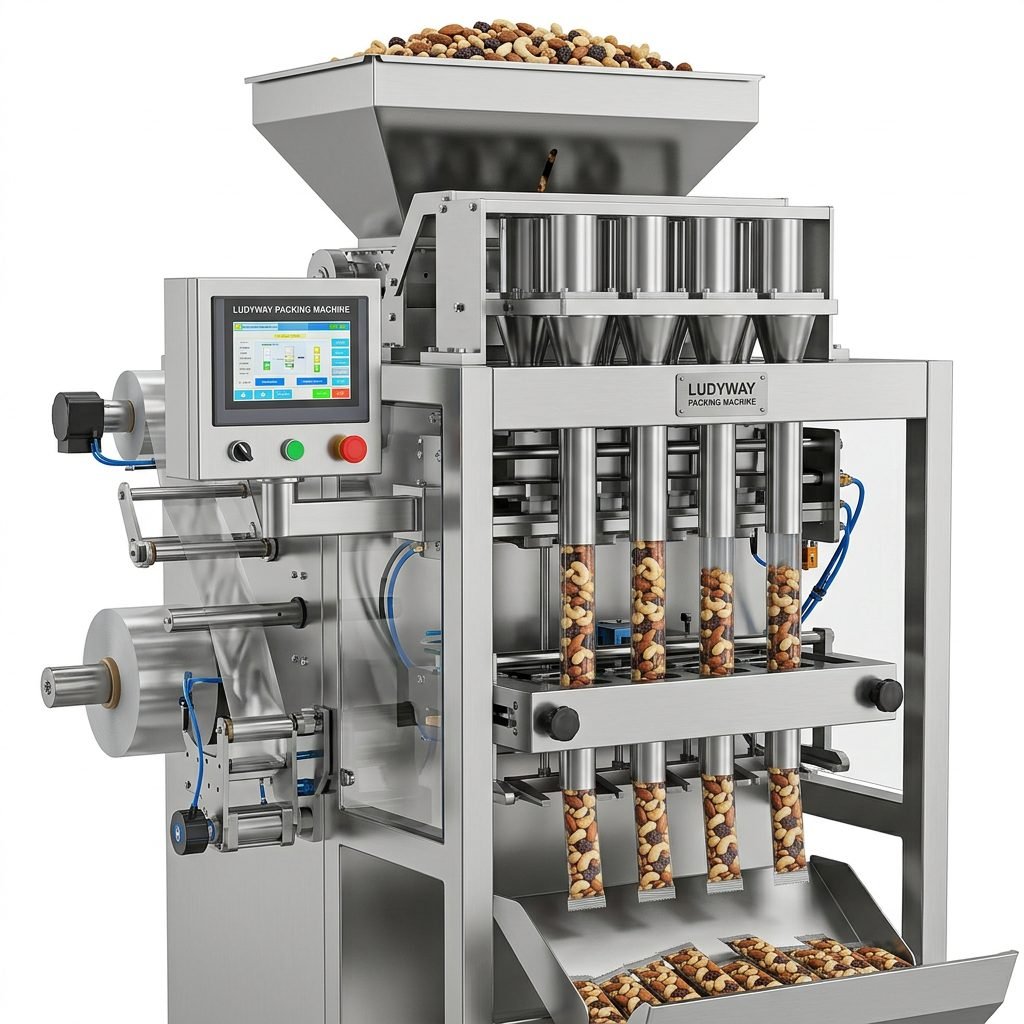
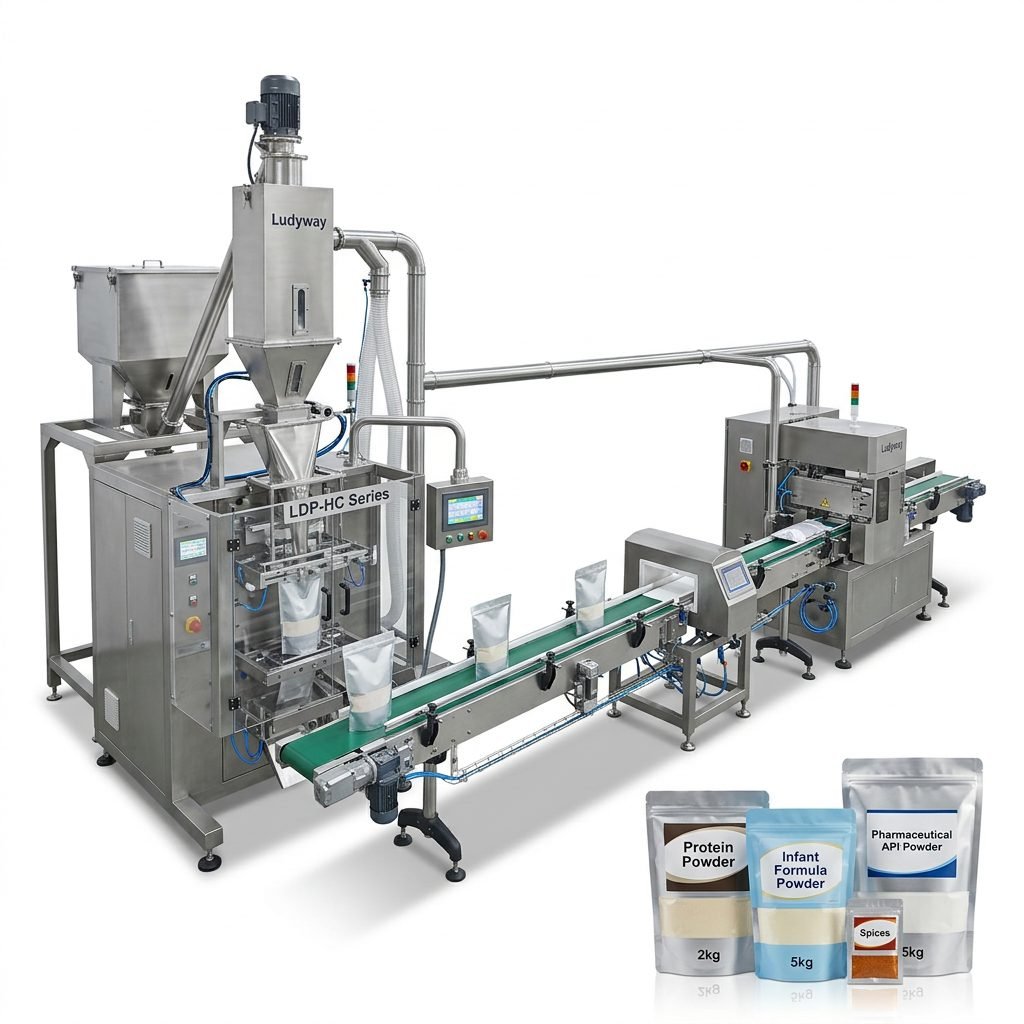
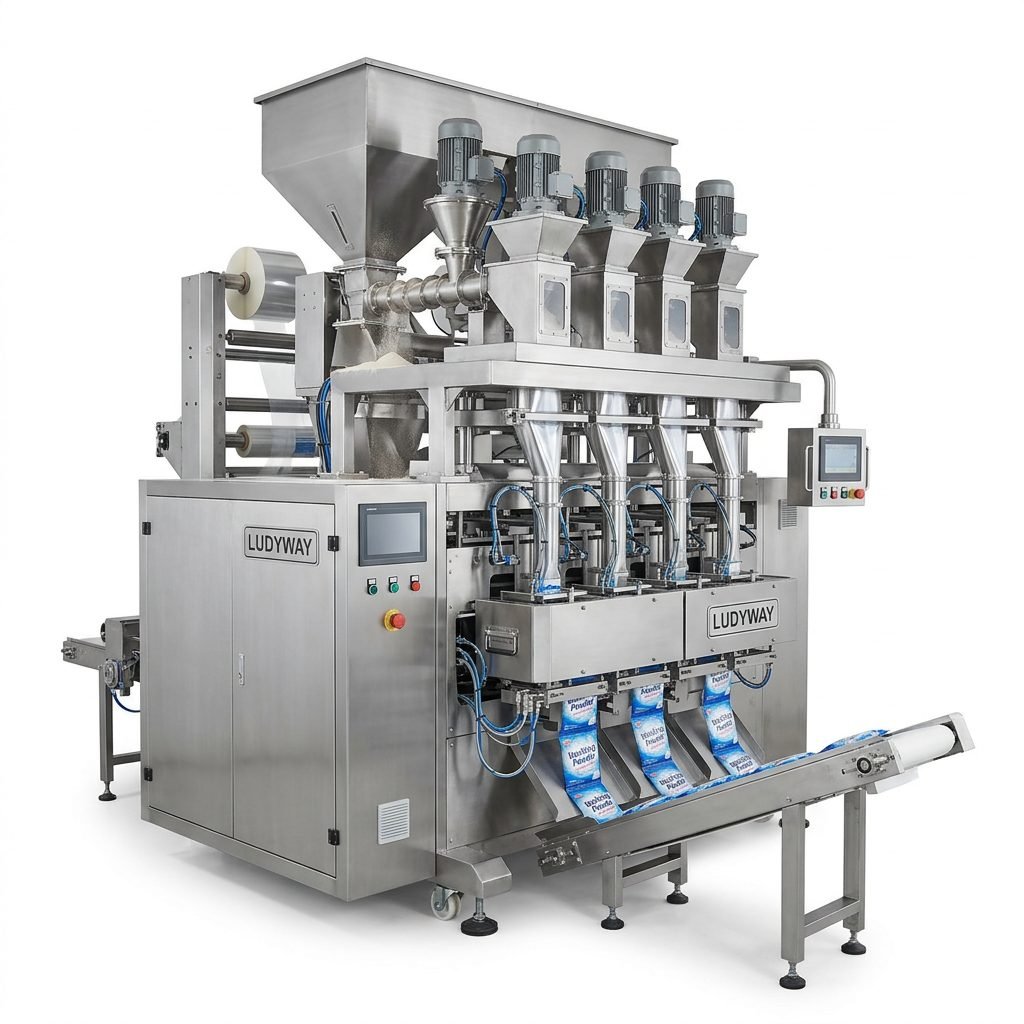
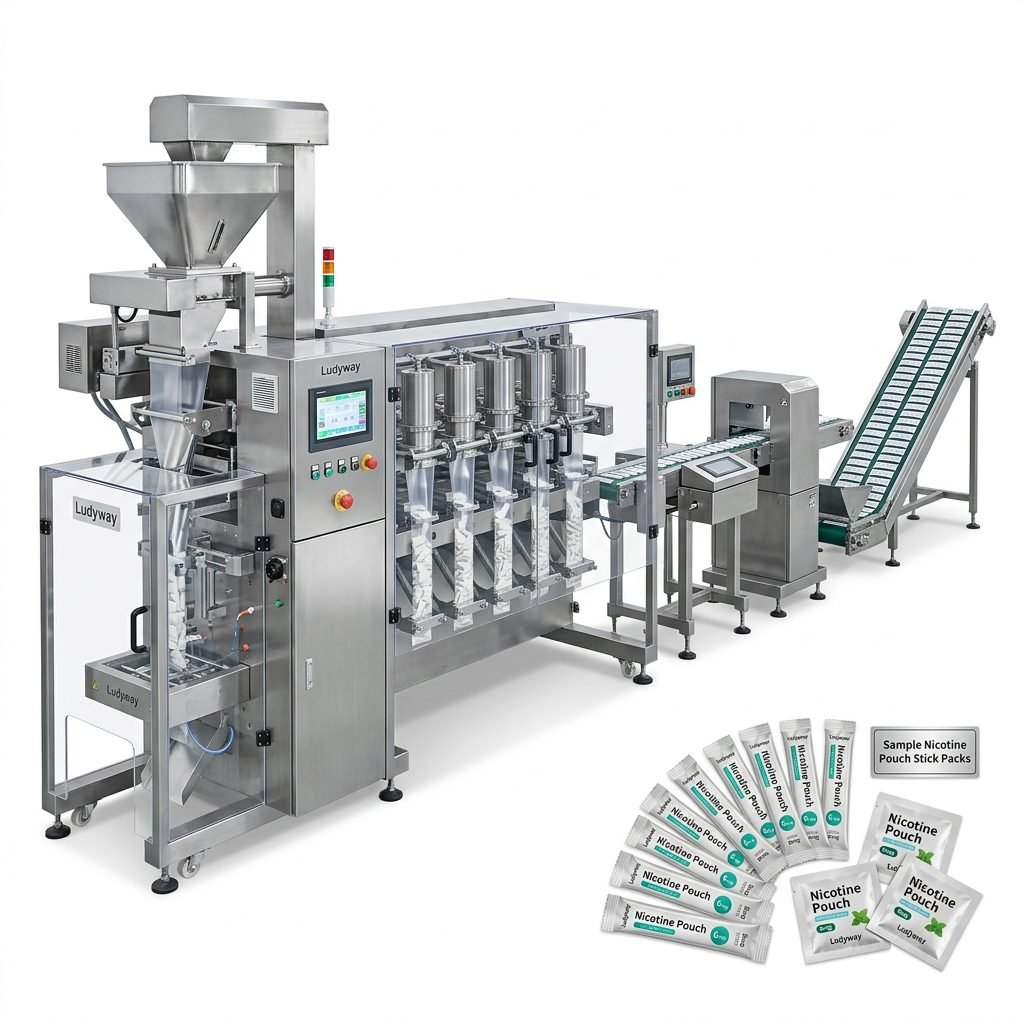
Stick pack packaging machines have become a preferred solution for brands that need compact, single-dose, high-efficiency packaging for powders, granules, liquids, gels, and pastes. From instant drink mixes and coffee to supplements, pharmaceuticals, cosmetics, and chemical products, stick packs are designed to improve portability, dosing accuracy, and shelf appeal.
If you are planning to invest in this equipment, it is important to understand how the machine works, what benefits it brings, and which technical points matter most before purchase.
What Is a Stick Pack Packaging Machine?
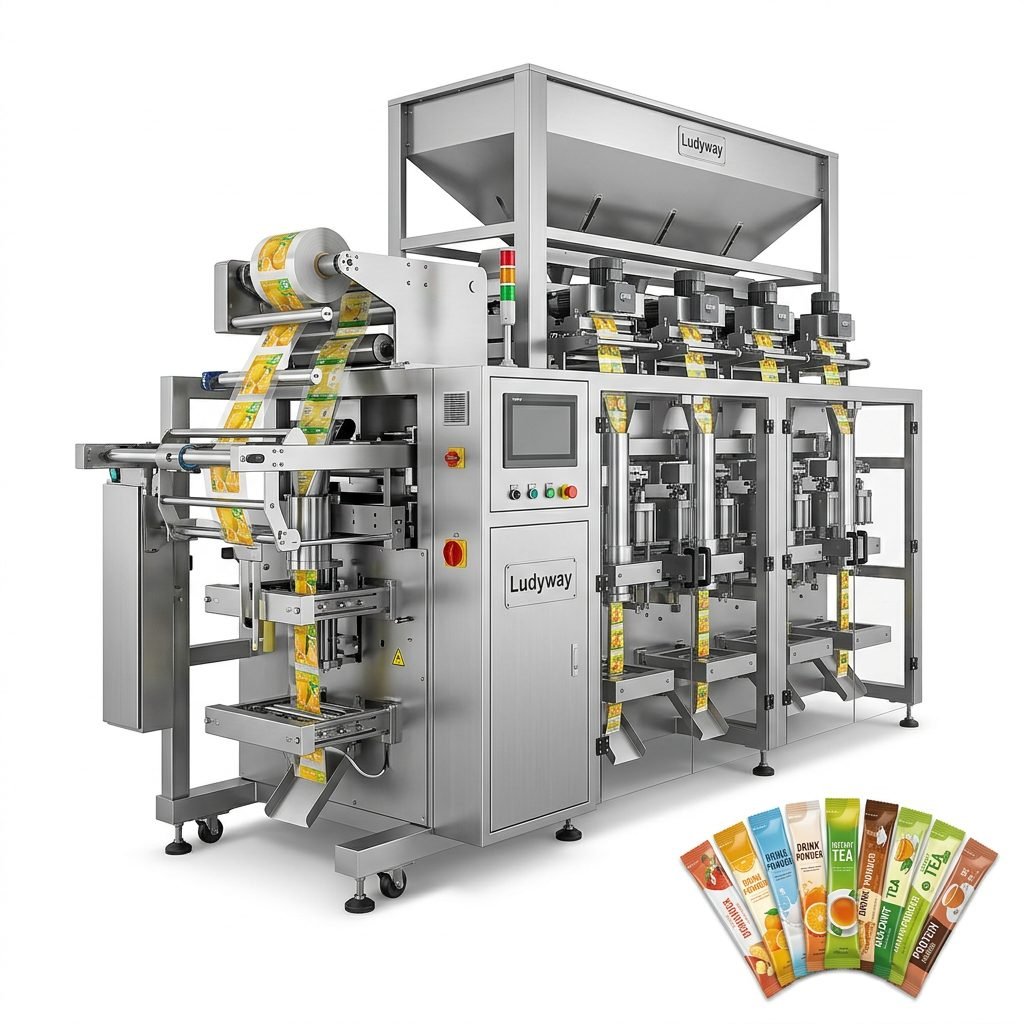
A stick pack packaging machine is an automatic form-fill-seal system that produces narrow, tube-shaped packets from roll film, fills them with product, and seals them into finished stick packs. These machines are commonly used when manufacturers need small, convenient, single-serve packaging with attractive presentation and controlled filling volume.
Typical applications include:
- Instant coffee, sugar, salt, seasoning, milk powder, and beverage mixes
- Nutraceutical powders, collagen, probiotics, electrolytes, and supplements
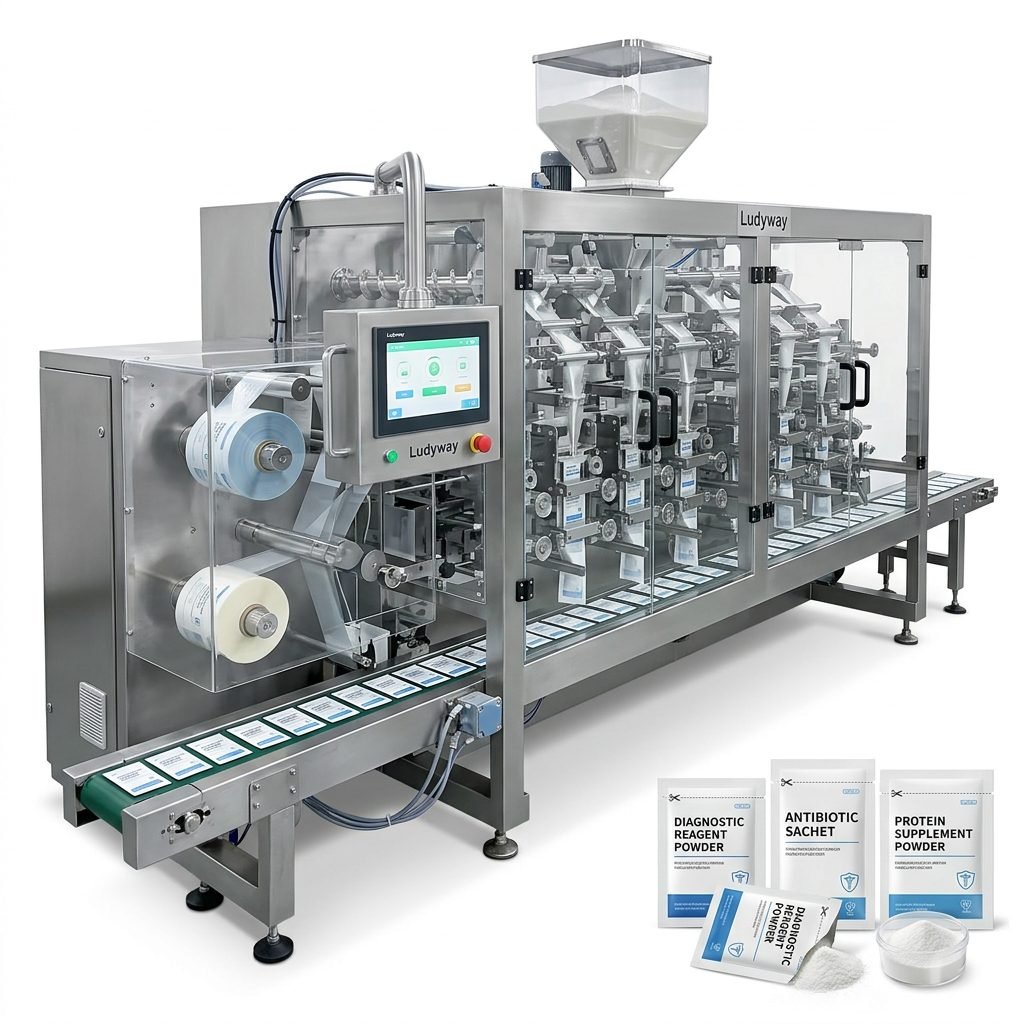
- Pharmaceutical granules, oral powders, and medicinal formulations
- Liquid products such as sauces, gels, shampoo, serum, and lotions
- Chemical and household products in single-use formats
How a Stick Pack Packaging Machine Works
Although machine structures vary by product type and output target, the basic process follows a similar sequence.
1. Film Unwinding
Packaging film is fed from a roll into the machine. The film is guided under controlled tension to keep alignment stable during high-speed operation.
2. Forming the Stick Pack Shape
The film passes through a forming system that shapes it into multiple narrow tubes. In multi-lane machines, several stick packs are formed at the same time, which is one reason these machines achieve high productivity.
3. Vertical Sealing
The machine creates longitudinal seals to define each lane. Seal consistency is critical because poor sealing can lead to leakage, contamination, or weak package appearance.
4. Product Dosing and Filling
The product is dispensed into each formed stick tube using a suitable dosing device. Different products require different filling technologies:
- Auger fillers for fine powders
- Volumetric cup fillers for free-flowing granules
- Piston pumps for liquids, creams, and gels
- Specialized dosing systems for difficult or irregular materials
5. Horizontal Sealing and Cutting
Once product is filled, the machine makes top and bottom seals across each lane, then cuts the packs into individual stick units. Accurate cutting improves final presentation and reduces waste.
6. Discharge and Optional Downstream Integration
Finished stick packs are discharged for collection or transferred to downstream equipment such as checkweighers, cartoners, case packers, coding systems, and inspection devices.
Process Overview
| Stage | Function | Why It Matters |
|---|---|---|
| Film Feeding | Unwinds and positions packaging film | Ensures alignment and stable machine speed |
| Forming | Creates narrow stick pack tubes | Defines shape, width, and pack structure |
| Filling | Dispenses measured product volume | Controls accuracy and product consistency |
| Sealing | Seals packs vertically and horizontally | Prevents leakage and protects product quality |
| Cutting | Separates individual stick packs | Improves appearance and packing efficiency |
Main Types of Stick Pack Machines
The right machine depends heavily on product characteristics. The most common categories include:
Powder Stick Pack Machines
Used for products such as protein powder, coffee, milk powder, pharmaceutical powder, and functional beverages. These often use auger filling systems for accurate dosing.
Granule Stick Pack Machines
Suitable for sugar, salt, desiccants, seeds, seasoning, and free-flowing particles. Volumetric or weighing-based fillers may be used depending on accuracy requirements.
Liquid and Paste Stick Pack Machines
Designed for honey, ketchup, shampoo, sauces, creams, serum, and other fluid products. Sealing quality and anti-drip filling design are especially important here.
Multi-Lane Stick Pack Machines
These machines produce multiple sticks in parallel. They are ideal for companies aiming for high-speed automatic production with lower unit packaging cost.
Key Benefits of a Stick Pack Packaging Machine
Compact Package Format
Stick packs are slim, lightweight, and easy to carry. They are ideal for on-the-go consumers who want single-use convenience.
High Production Efficiency
Modern machines, especially multi-lane models, can produce large quantities in a short time. This makes them suitable for medium- and large-scale manufacturing operations.
Accurate Dosing
Proper filling technology helps reduce underfill and overfill, which supports cost control and product consistency.
Reduced Material Waste
Compared with some larger pouch formats, stick packs can use packaging film efficiently while delivering a small dose format that matches actual consumer usage.
Improved Shelf Appeal
Neat sealing, uniform cuts, and clean print registration create a premium retail look. This is especially useful in competitive food, supplement, and personal care markets.
Flexible Industry Applications
One machine platform can often be configured for different products, pack lengths, and filling systems, making it easier to scale or diversify production.
Industries That Commonly Use Stick Pack Machines
| Industry | Typical Products | Machine Focus |
|---|---|---|
| Food & Beverage | Coffee, sugar, seasonings, drink mixes, sauces | Speed, hygiene, sealing stability |
| Pharmaceutical | Granules, oral powder, medical formulations | Accuracy, compliance, clean design |
| Nutraceutical | Collagen, probiotics, electrolytes, vitamins | Dose control, lane efficiency, flexibility |
| Cosmetics | Serum, lotion, cream, shampoo | Liquid filling precision, appearance quality |
| Chemical & Household | Detergent, cleaner, gel, additives | Material compatibility, corrosion resistance |
What to Check Before Buying a Stick Pack Packaging Machine
Buying the right machine is not only about speed. The best investment comes from matching the machine to your product, packaging material, output target, and factory workflow.
1. Product Characteristics
Start with the basics:
- Is the product powder, granule, liquid, gel, or paste?
- Is it free-flowing or sticky?
- Does it generate dust?
- Is it corrosive, sensitive to heat, or prone to clogging?
These factors determine the filling system, sealing design, and machine construction materials.
2. Required Output
Determine the number of packs per minute or per hour you need. A small startup may prefer a simpler machine, while a growing manufacturer may need a multi-lane system that can support future expansion.
3. Stick Pack Size Range
Confirm your required pack width, length, fill weight, and seal pattern. Not every machine supports the same size flexibility.
4. Packaging Film Compatibility
The machine must work well with your chosen laminated film or barrier material. Film quality, thickness, and sealability all affect final pack performance.
5. Filling Accuracy
For pharmaceuticals, supplements, and high-value powders, filling precision is especially important. Ask for actual test results, not just brochure claims.
6. Ease of Cleaning and Maintenance
If your production line changes products often, quick cleaning and easy access to contact parts can save substantial downtime.
7. Automation and Integration
Consider whether the machine should connect with upstream feeding and downstream cartoning, coding, inspection, or case packing systems.
8. Supplier Experience
A reliable supplier should understand both machinery and actual product application. Companies such as Ludyway stick pack packaging machine solutions are often considered by global buyers looking for scalable equipment, multi-lane systems, and turnkey packaging line support backed by over 30 years of manufacturing experience.
Buying Guide: Questions You Should Ask the Supplier
- What product types has this machine already been tested with?
- What is the real production speed under stable conditions?
- What filling accuracy can be achieved for my product?
- How many lanes are recommended for my output goal?
- How long does format changeover take?
- What are the electrical standards and voltage options?
- What spare parts and after-sales support are included?
- Can the machine be integrated into a complete packaging line later?
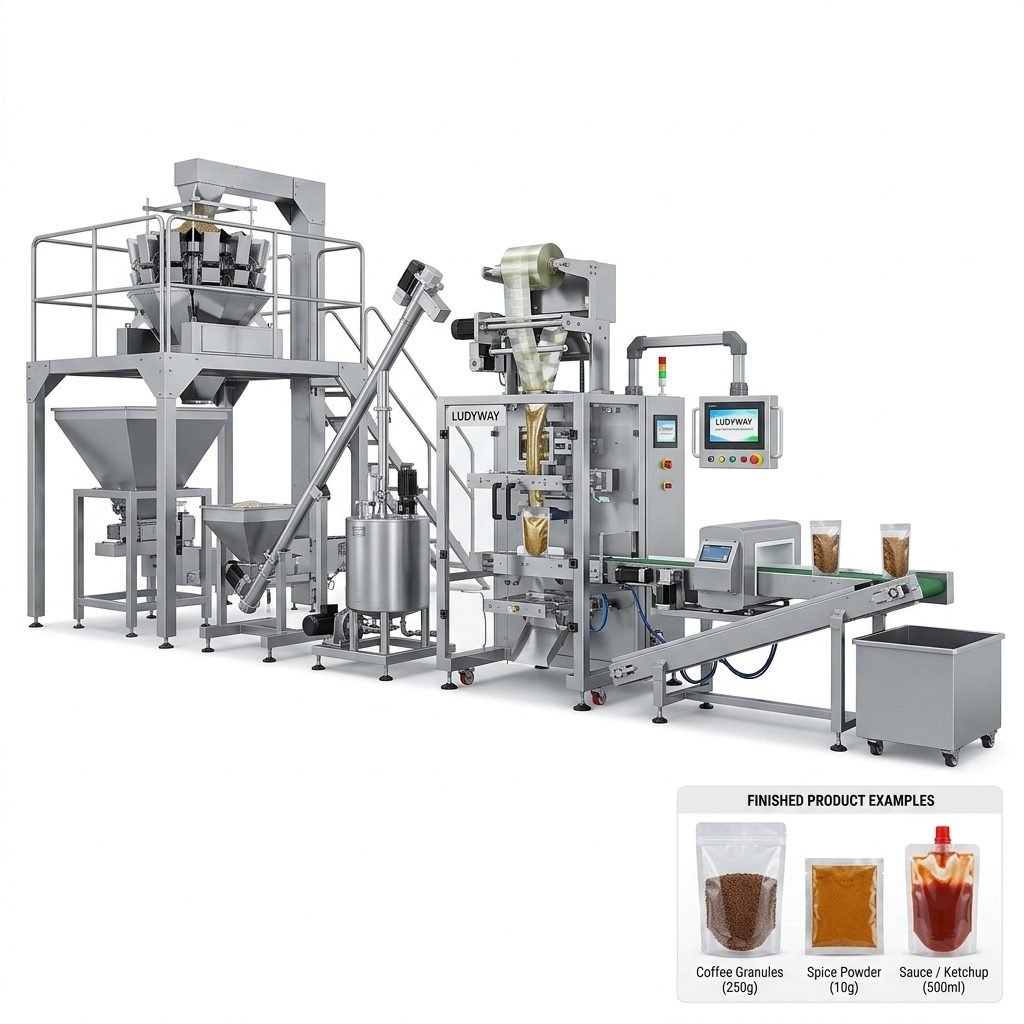
Single-Lane vs Multi-Lane Stick Pack Machines
| Feature | Single-Lane | Multi-Lane |
|---|---|---|
| Output | Lower | Higher |
| Investment Level | Usually lower | Usually higher |
| Factory Space Use | Compact | More efficient per output unit |
| Best For | Pilot runs, startups, small batches | Large-scale, high-volume production |
| Scalability | Moderate | Strong |
Common Mistakes Buyers Should Avoid
- Choosing based only on price instead of total operating value
- Ignoring actual product flow behavior during testing
- Overlooking film compatibility and sealing performance
- Buying too small and outgrowing the machine quickly
- Not planning for spare parts, training, and after-sales support
- Failing to consider future line automation needs
How to Choose the Right Configuration
The best stick pack machine configuration usually comes from balancing five core factors:
- Product type – determines filling technology
- Target output – determines lane number and machine model
- Pack format – determines forming and sealing design
- Industry standards – determines hygiene and material requirements
- Expansion plan – determines whether standalone or turnkey line integration is better
Final Considerations for Long-Term ROI
A stick pack packaging machine should not be judged only by its initial purchase cost. The stronger investment is usually the machine that offers:
- Stable long-term operation
- Reliable seal quality
- Consistent dosing accuracy
- Lower downtime and easier maintenance
- Flexibility for future product changes
- Support for scaling into a complete packaging line
When these points are evaluated carefully, a well-matched stick pack machine can significantly improve productivity, reduce packaging waste, and strengthen product competitiveness in the market.
FAQ
What products can be packed in stick packs?
Stick packs can be used for powders, granules, liquids, gels, and pastes, including food, pharmaceutical, nutraceutical, cosmetic, and chemical products.
Are stick pack machines suitable for high-speed production?
Yes. Multi-lane stick pack packaging machines are specifically designed for high-output production and are widely used in automated factories.
How do I know if I need a multi-lane machine?
If your required output is high, your labor costs are rising, or you want lower packaging cost per unit, a multi-lane machine is usually the better option.
What is the most important factor when buying?
Product compatibility is the first priority. After that, focus on accuracy, seal quality, output, maintenance convenience, and supplier support.