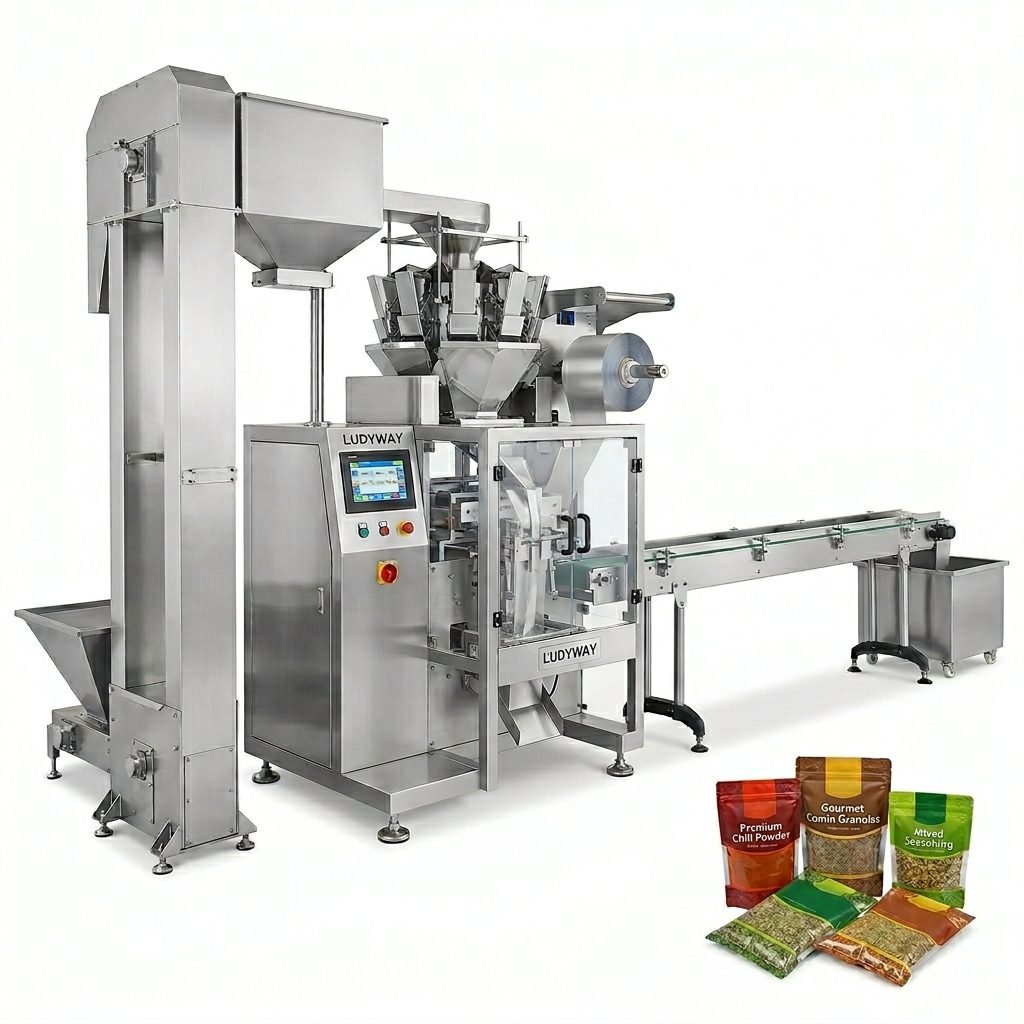
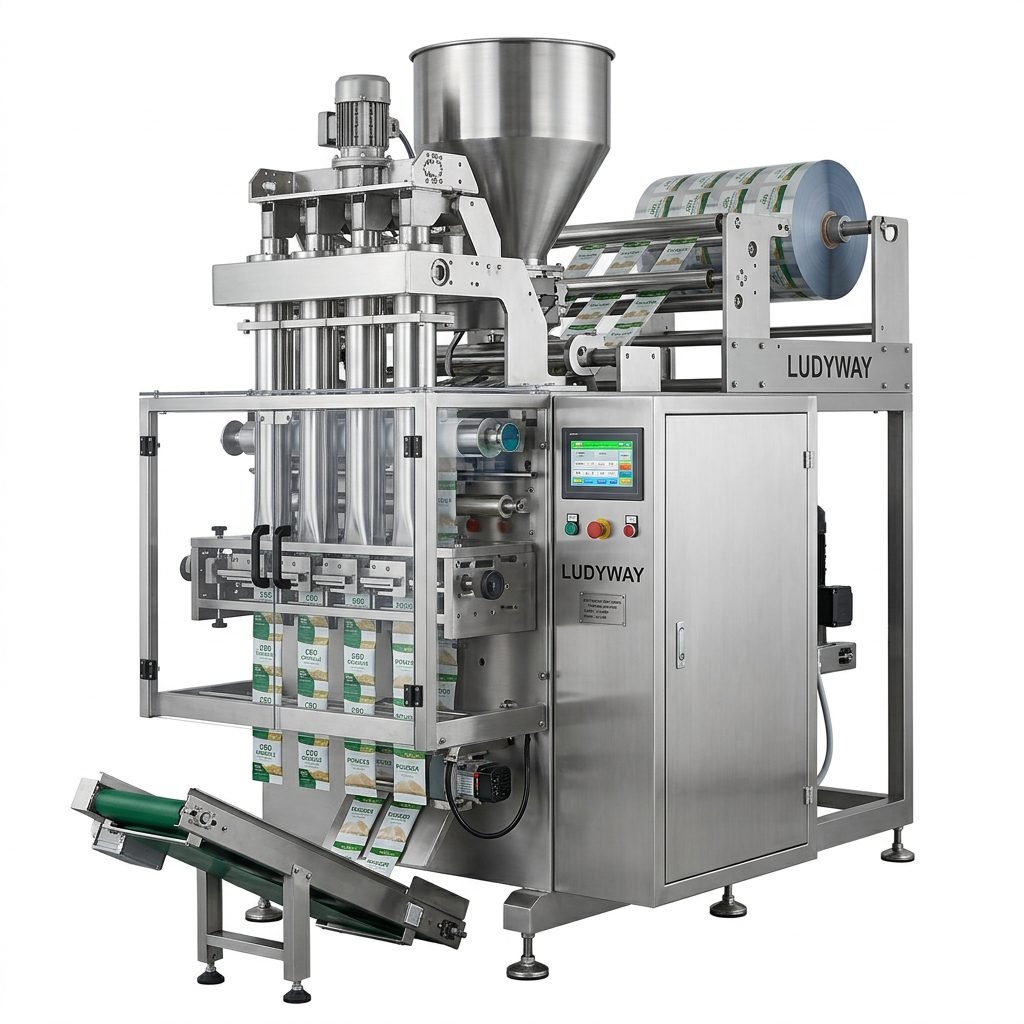
A packaging machine is a long-term production asset, not a short-term purchase. In most factories, a well-built machine can last 10 to 20 years, and in some cases even longer. However, actual service life depends on machine quality, operating conditions, maintenance discipline, spare parts availability, and whether the equipment is used within its intended capacity.
If you are planning a new investment or evaluating an aging system, understanding equipment lifespan can help you reduce downtime, protect output, and make better replacement decisions.
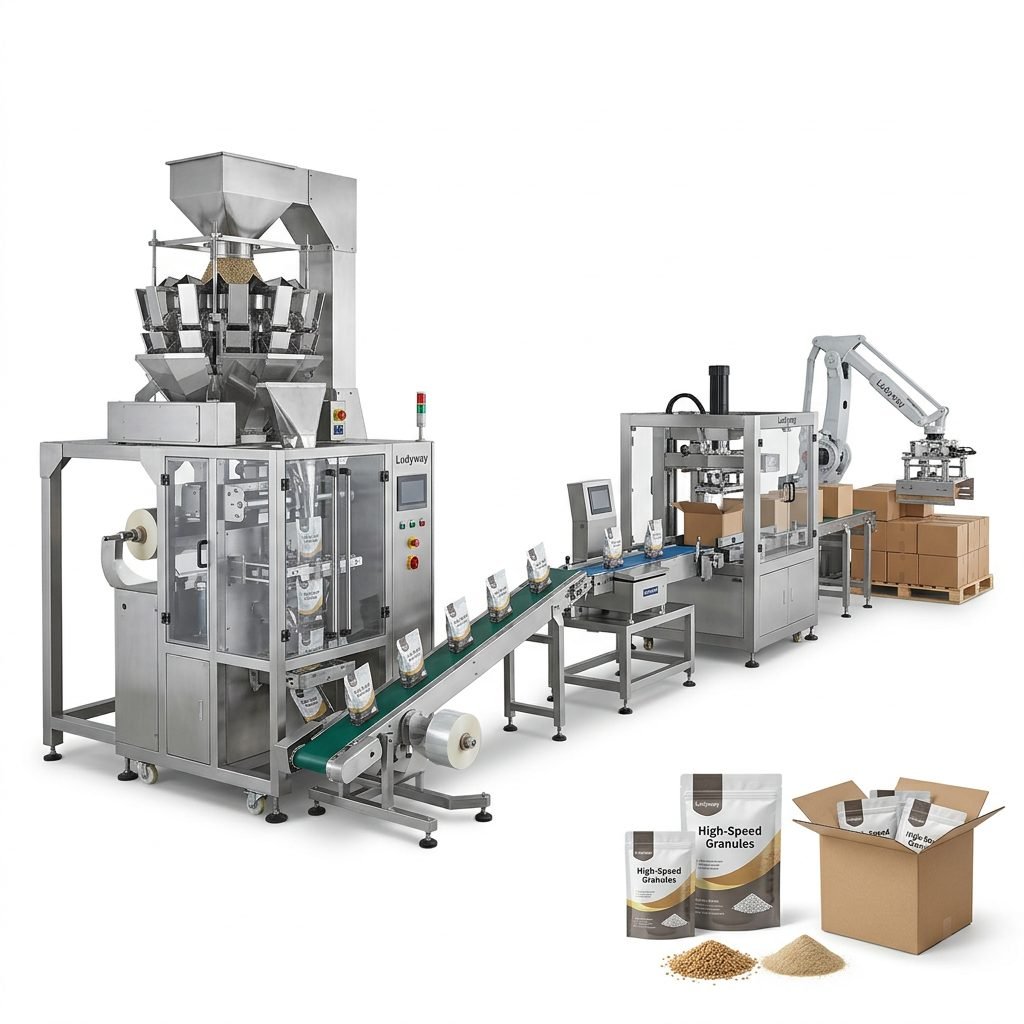
What Is the Average Lifespan of a Packaging Machine?
For most industrial packaging equipment, the average lifespan falls into these general ranges:
| Machine Type | Typical Lifespan | Notes |
|---|---|---|
| Basic semi-automatic machines | 5–10 years | Lower complexity, but often more exposed to manual wear and inconsistent use |
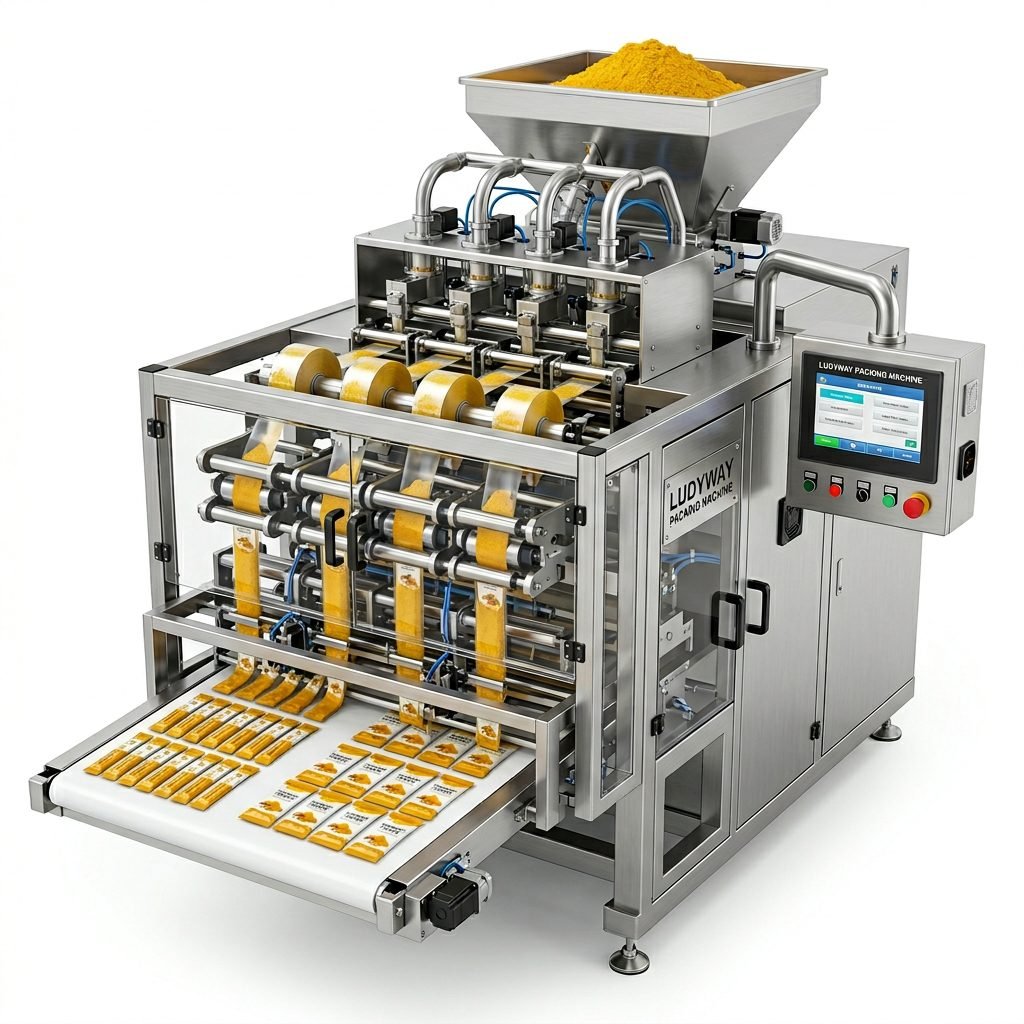
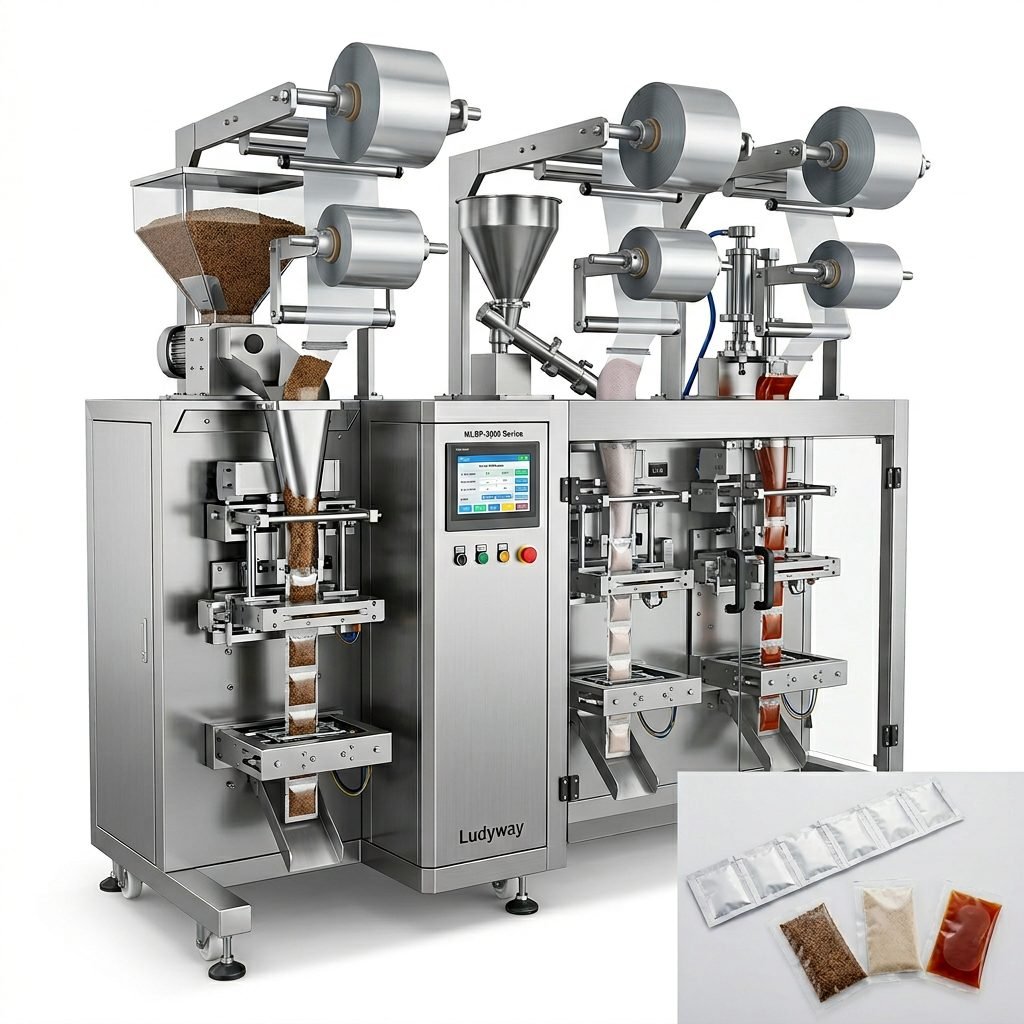
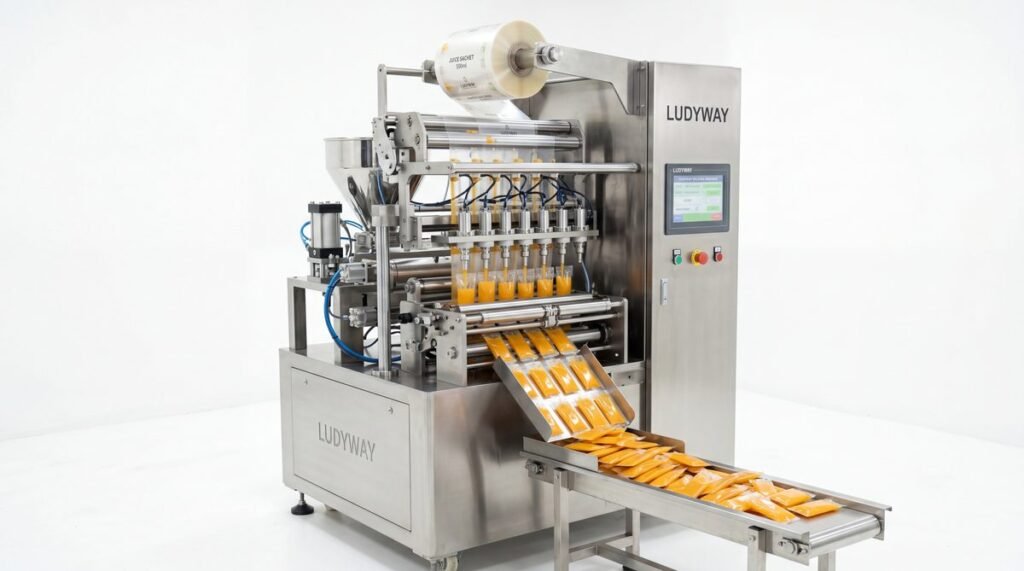
| Automatic VFFS / sachet / stick pack machines | 10–15 years | Common range under normal industrial maintenance |
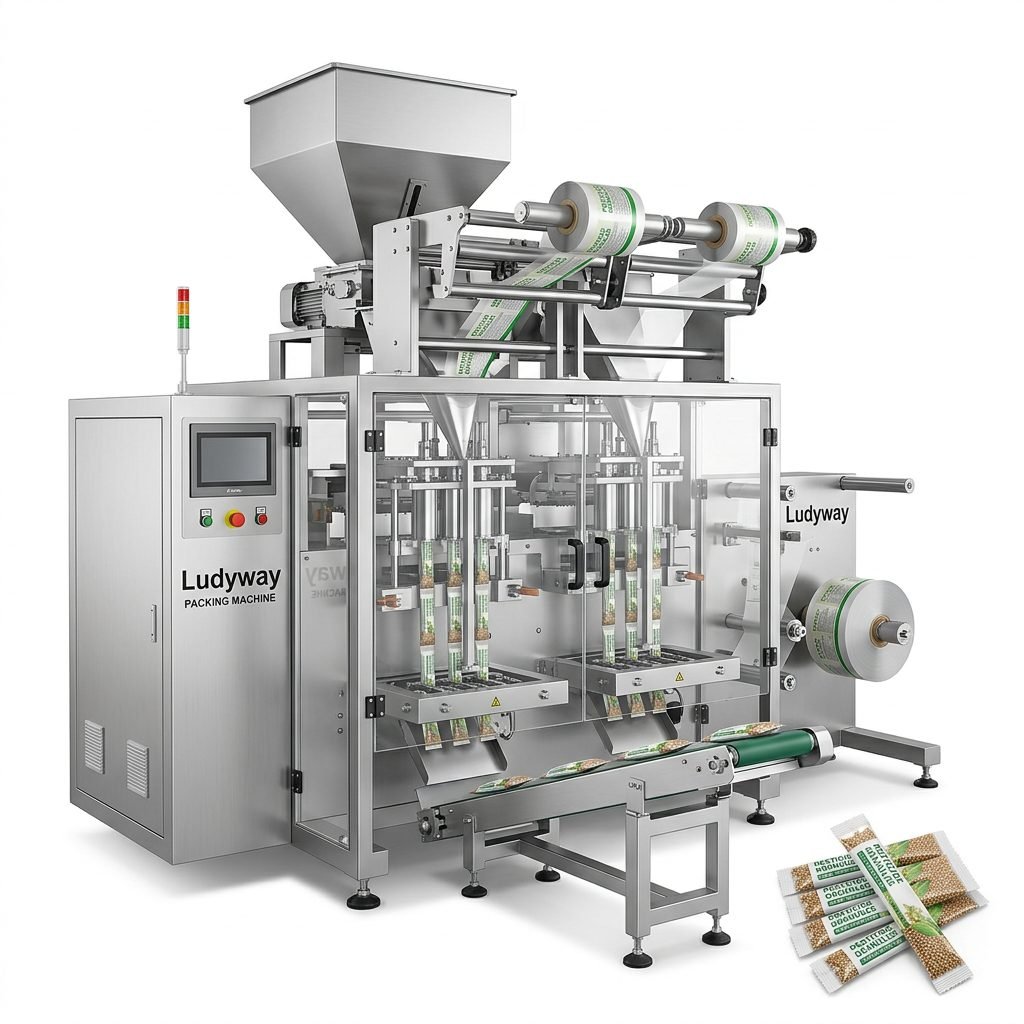
| High-speed multi-lane packaging systems | 12–20 years | Depends heavily on preventive maintenance and parts replacement cycles |
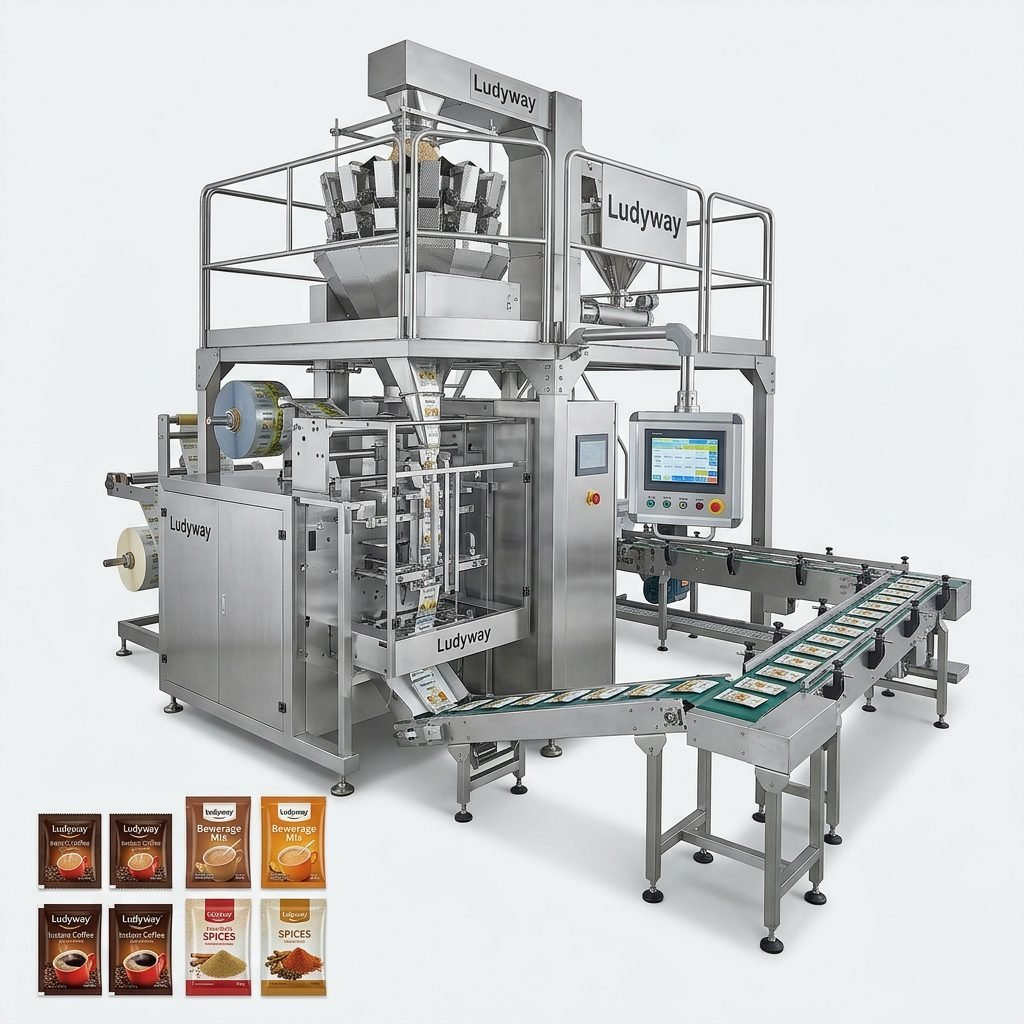
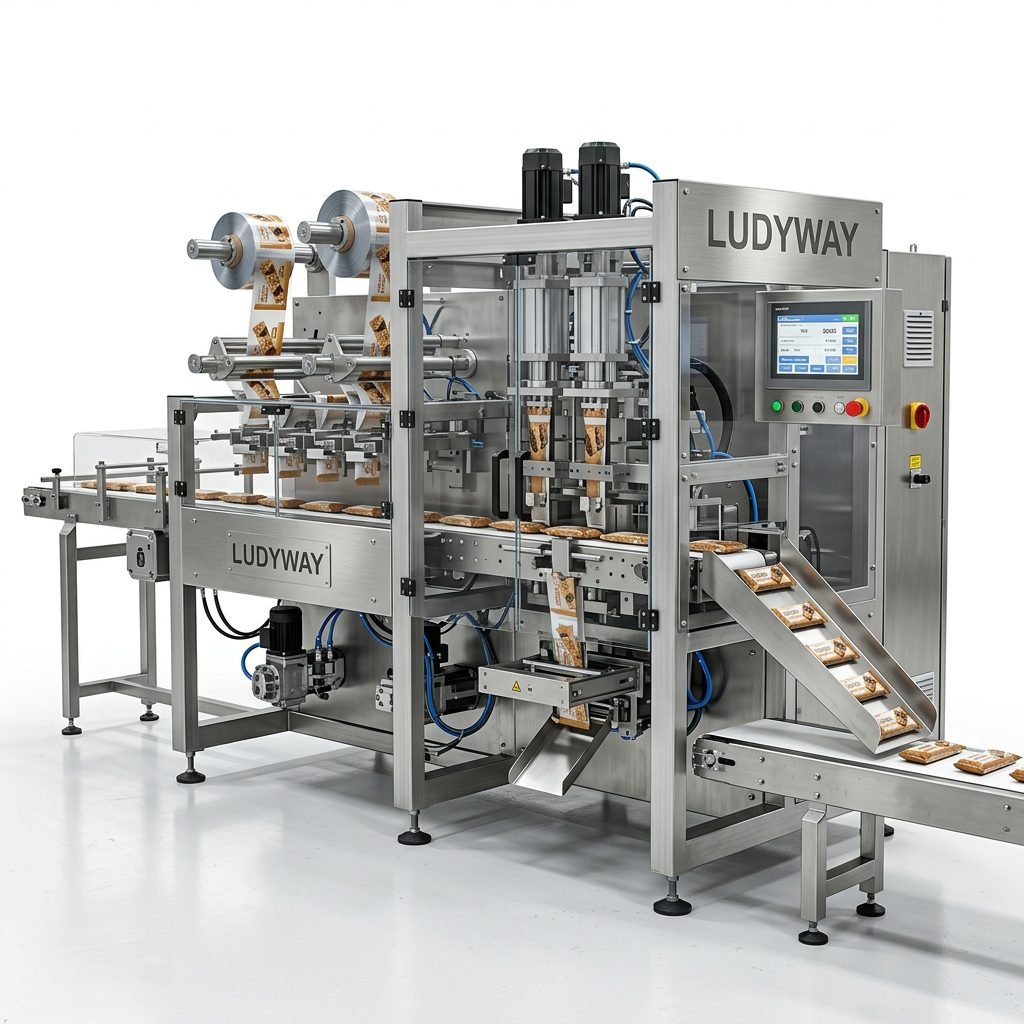
| Turnkey integrated packaging lines | 15–20+ years | Frames and main structures often outlast controls, feeders, and wear components |
It is important to separate mechanical life from economic life. A machine may still run after 15 years, but if it causes frequent stoppages, poor sealing quality, or rising maintenance costs, it may no longer be cost-effective to keep.
Key Factors That Affect Packaging Machine Lifespan
1. Build Quality and Manufacturing Standards
Machines built with stronger frames, better machining precision, reliable electrical components, and stable control systems generally last longer. Stainless steel construction, industrial-grade motors, quality PLCs, and durable sealing assemblies all help extend service life.
2. Product Type and Material Characteristics
Powders, corrosive chemicals, sticky pastes, and abrasive granules can accelerate wear. For example:
- Abrasive powders may wear dosing systems and contact surfaces faster.
- Liquid and paste products may increase sealing contamination risk.
- Hygroscopic materials can create buildup and cleaning challenges.
- Corrosive formulations can shorten the life of non-resistant parts.
3. Daily Operating Hours
A machine running one shift per day will naturally age more slowly than one running 24/7. High-output factories often measure wear in operating hours rather than years.
4. Maintenance Practices
This is often the biggest factor. A machine with scheduled lubrication, cleaning, calibration, and parts inspection can outlast a neglected one by many years.
5. Operator Skill Level
Incorrect setup, rough changeovers, poor cleaning habits, or repeated overload operation can shorten machine life. Good operator training protects both productivity and equipment.
6. Spare Parts and Technical Support
Even a durable machine becomes difficult to keep running if spare parts are unavailable or service support is weak. That is why many buyers prefer experienced manufacturers such as Ludyway packaging machine manufacturer when they need long-term support for automatic packaging equipment and turnkey lines.
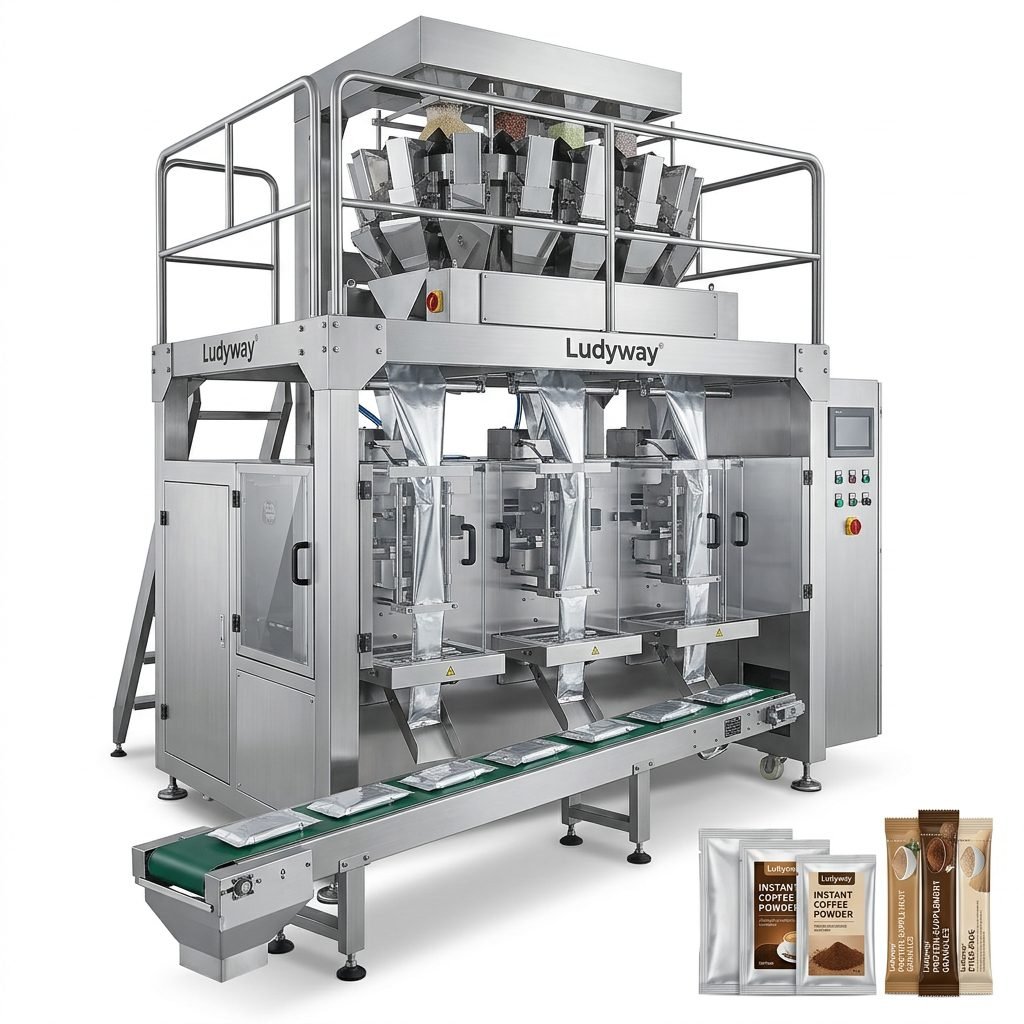
How to Make a Packaging Machine Last Longer
If you want to maximize ROI, focus on the basics consistently rather than waiting for failures.
Create a Preventive Maintenance Schedule
Instead of repairing only after breakdowns, schedule maintenance by day, week, month, and operating hours.
| Maintenance Frequency | Recommended Tasks |
|---|---|
| Daily | Clean product contact areas, inspect seals, check air pressure, monitor unusual noise or vibration |
| Weekly | Check belts, chains, fasteners, sensors, cutters, and lubrication points |
| Monthly | Inspect electrical cabinets, calibrate filling accuracy, verify sealing temperature performance |
| Quarterly / Semi-Annual | Replace wear parts, inspect motors and drives, review alignment and output efficiency |
| Annual | Conduct full machine health review, major servicing, and performance benchmarking |
Keep the Machine Clean
Dust, powder buildup, spilled liquid, and sticky residue are common causes of sensor errors, sealing defects, corrosion, and moving-part wear. Clean equipment according to the product being packed and the hygiene requirements of your industry.
Replace Wear Parts Before Failure
Sealing jaws, blades, belts, bearings, O-rings, nozzles, and dosing screws all wear over time. Replacing them at the right interval helps avoid unplanned downtime and collateral damage to other assemblies.
Use the Right Packaging Materials
Poor-quality films, inconsistent pouch materials, or unsuitable viscosity ranges can stress the machine and cause frequent adjustments. Stable packaging materials reduce mechanical strain and improve sealing consistency.
Avoid Overloading
Running above design speed for long periods may boost short-term output but often shortens the service life of servo systems, sealing units, and moving mechanisms.
Signs Your Packaging Machine Is Nearing the End of Its Useful Life
A machine does not usually fail all at once. In most cases, it gives clear warning signs first.
- Frequent unplanned downtime that disrupts production schedules
- Rising repair costs month after month
- Difficulty sourcing spare parts for obsolete components
- Inconsistent fill weights or seal quality
- Lower speed compared with current production demand
- Outdated controls that are hard to integrate with modern factory systems
- Safety issues or non-compliance with current standards
- Excessive changeover time that hurts flexibility
When several of these problems appear together, replacement may be more economical than continued repair.
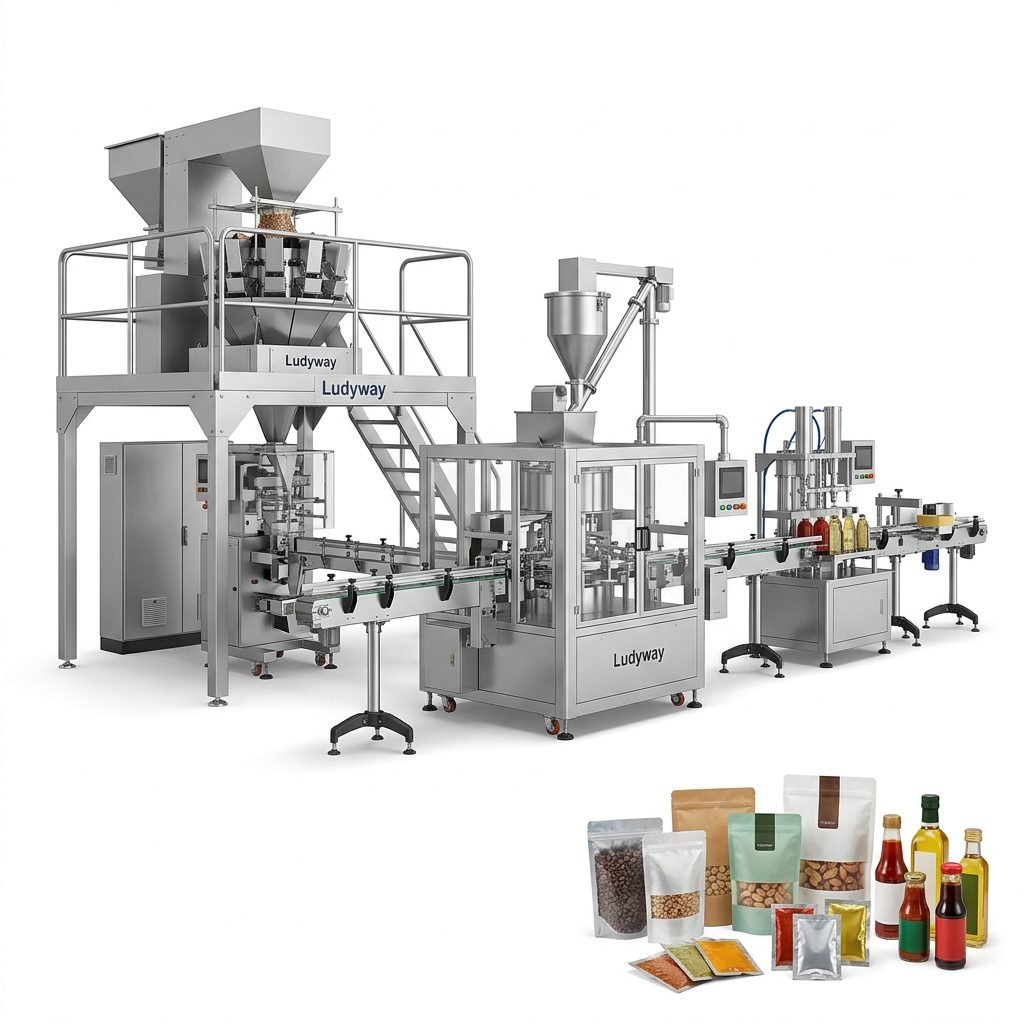
Repair, Upgrade, or Replace: How to Decide
Choose Repair When
- The issue is isolated and inexpensive to fix.
- The machine still meets your speed and quality targets.
- Spare parts remain available.
- The frame and core systems are still in good condition.
Choose Upgrade When
- Mechanical structure is solid, but controls are outdated.
- You need new sensors, servo drives, HMI, or coding integration.
- You want better accuracy, traceability, or automation without buying a full new line.
Choose Replacement When
- Maintenance costs are consistently high.
- Output no longer matches market demand.
- The machine causes quality complaints or waste.
- Parts are obsolete or service response is too slow.
- The total cost of downtime is higher than the cost of upgrading production.
A Simple Cost Check Before Replacing a Machine
Before deciding, compare these numbers:
- Annual maintenance and repair cost
- Downtime cost per hour
- Product waste and rejected package cost
- Labor cost caused by lower automation
- Potential revenue from higher-speed new equipment
If the old machine creates hidden losses every week, replacement often delivers a faster payback than expected.
Industries Where Lifespan Planning Matters Most
Packaging machine lifespan is especially important in industries with strict quality, hygiene, or output requirements:
- Food and beverage packaging
- Pharmaceutical packaging
- Health supplement packaging
- Cosmetic and personal care packaging
- Chemical and industrial product packaging
- Pet food and animal nutrition packaging
In these sectors, machine reliability directly affects shelf life, compliance, brand reputation, and customer trust.
Best Practices When Buying a Long-Life Packaging Machine
If you are purchasing new equipment now, ask the right questions upfront:
- What is the expected service life under my production conditions?
- Which parts are considered wear parts?
- How quickly can spare parts be supplied?
- Is remote or on-site technical support available?
- Can the machine be upgraded later?
- How easy is cleaning, maintenance, and format changeover?
- What industries has this model already served successfully?
Machines with modular design, strong after-sales support, and application-specific engineering usually provide better long-term value than machines selected only by initial price.
Final Answer: How Long Does a Packaging Machine Last?
Most packaging machines last 10 to 20 years, while high-quality systems with proper maintenance can remain productive beyond that range. The real determinant is not just age, but how reliably the machine performs, how much it costs to maintain, and whether it still supports your production goals.
If you maintain equipment proactively, train operators well, and replace wear parts on time, you can significantly extend machine lifespan. But when downtime, inefficiency, and quality issues start affecting profitability, replacing the machine may be the smarter investment.
Quick Takeaway
- Average lifespan: 10–20 years
- Biggest lifespan factor: maintenance quality
- Best way to extend life: preventive service and timely parts replacement
- Best time to replace: when downtime and repair costs exceed operational value