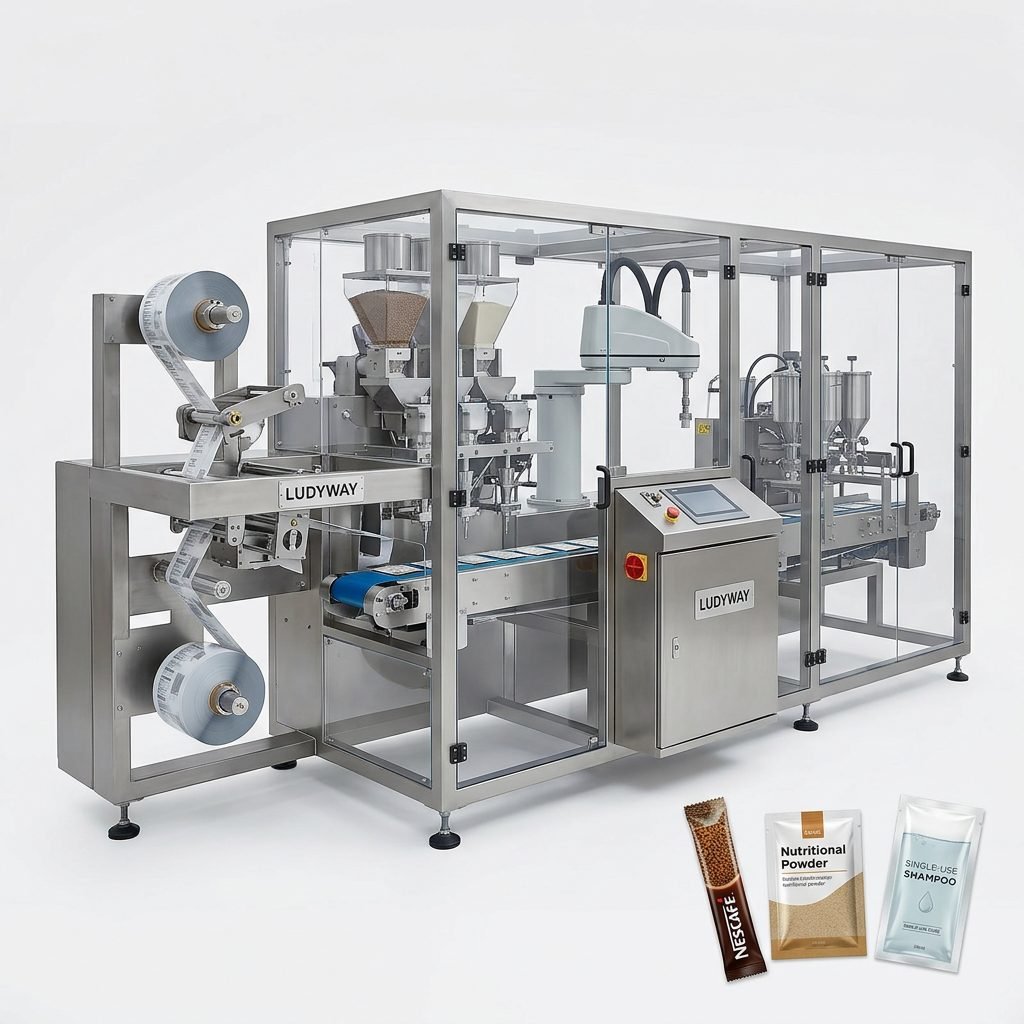
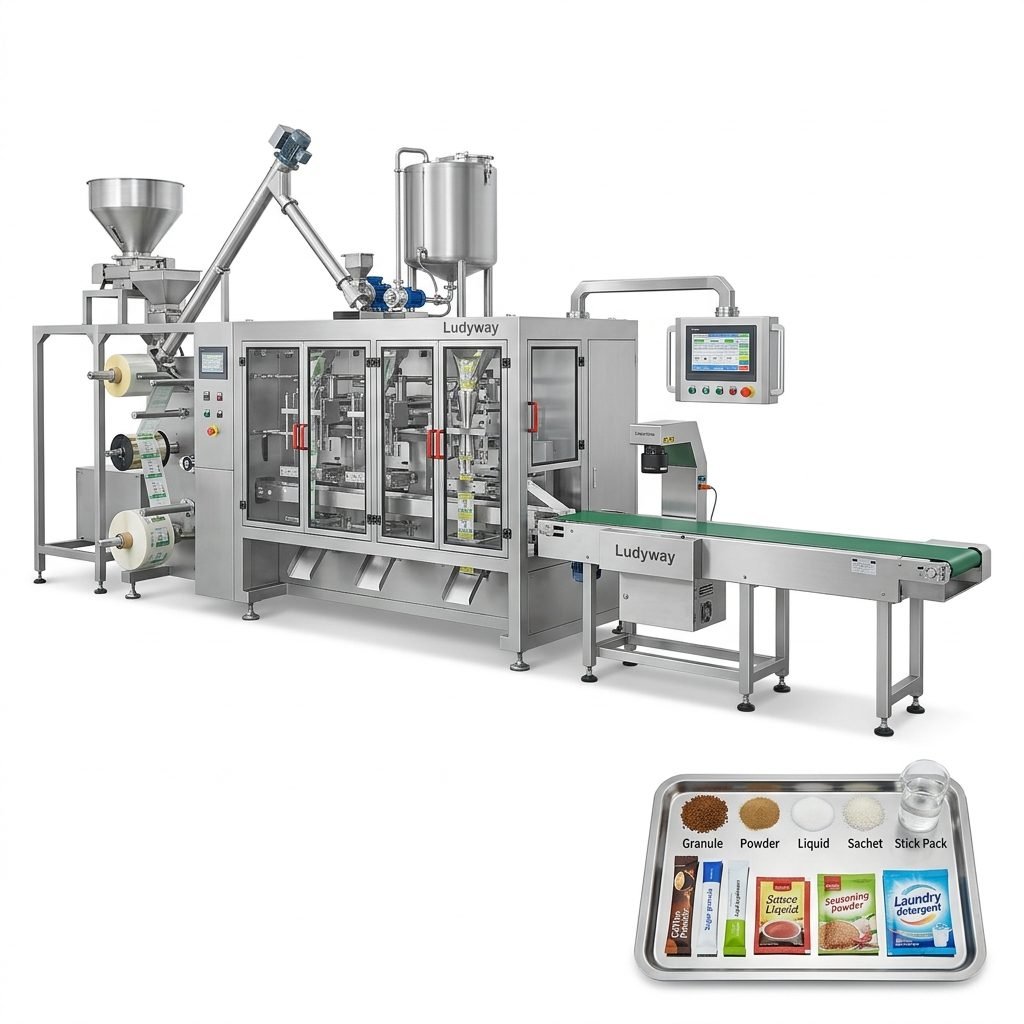
Choosing the right capsule blister packing machine is not just about packing speed. In a pharmaceutical production environment, the best solution must protect product integrity, support regulatory compliance, reduce downtime, and match your long-term capacity goals. Whether you produce prescription capsules, OTC products, nutraceuticals, or herbal formulations, the packaging equipment you select can directly affect efficiency, rejection rates, and total operating cost.
A well-matched blister packaging system helps pharma manufacturers achieve consistent sealing quality, accurate indexing, clean cavity forming, and stable output under continuous operation. At the same time, it should integrate smoothly with feeding, cartoning, coding, inspection, and final case packing processes across the line.
Why Capsule Blister Packaging Matters in Pharma
Blister packaging remains one of the most trusted formats for capsule products because it provides unit-dose protection, tamper visibility, traceability, and convenient patient use. Compared with bulk bottle packaging, blister packs often offer better moisture resistance, easier dose control, and clearer product presentation.
- Protects capsules from humidity, oxygen, light, and contamination
- Improves dose tracking for patients and healthcare providers
- Supports anti-mix-up packaging workflows
- Enhances shelf appeal and branding for retail products
- Facilitates serialization, coding, and batch traceability
For sensitive capsule formulations, especially soft capsules, probiotic capsules, herbal extracts, and moisture-sensitive nutraceuticals, the quality of the blister pack can be just as important as the quality of the capsule itself.
What a Capsule Blister Packing Machine Does
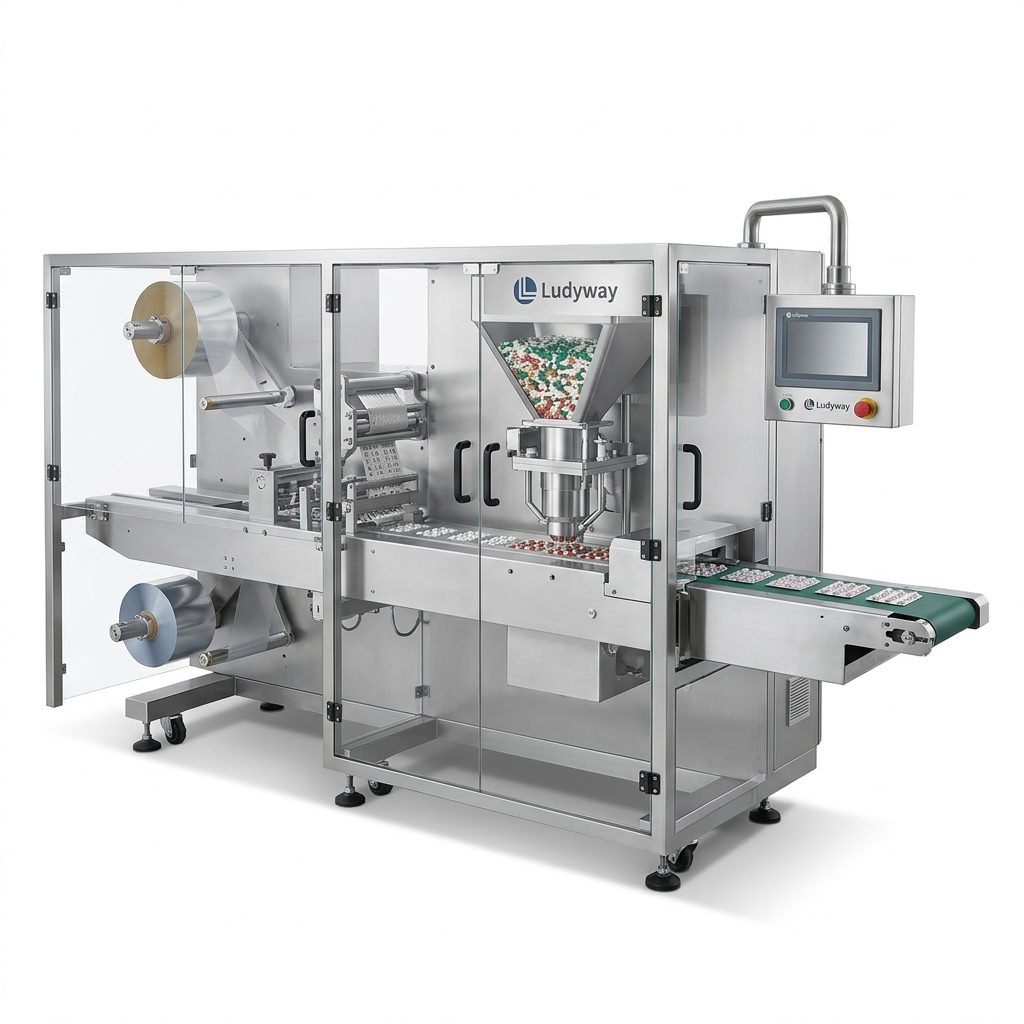
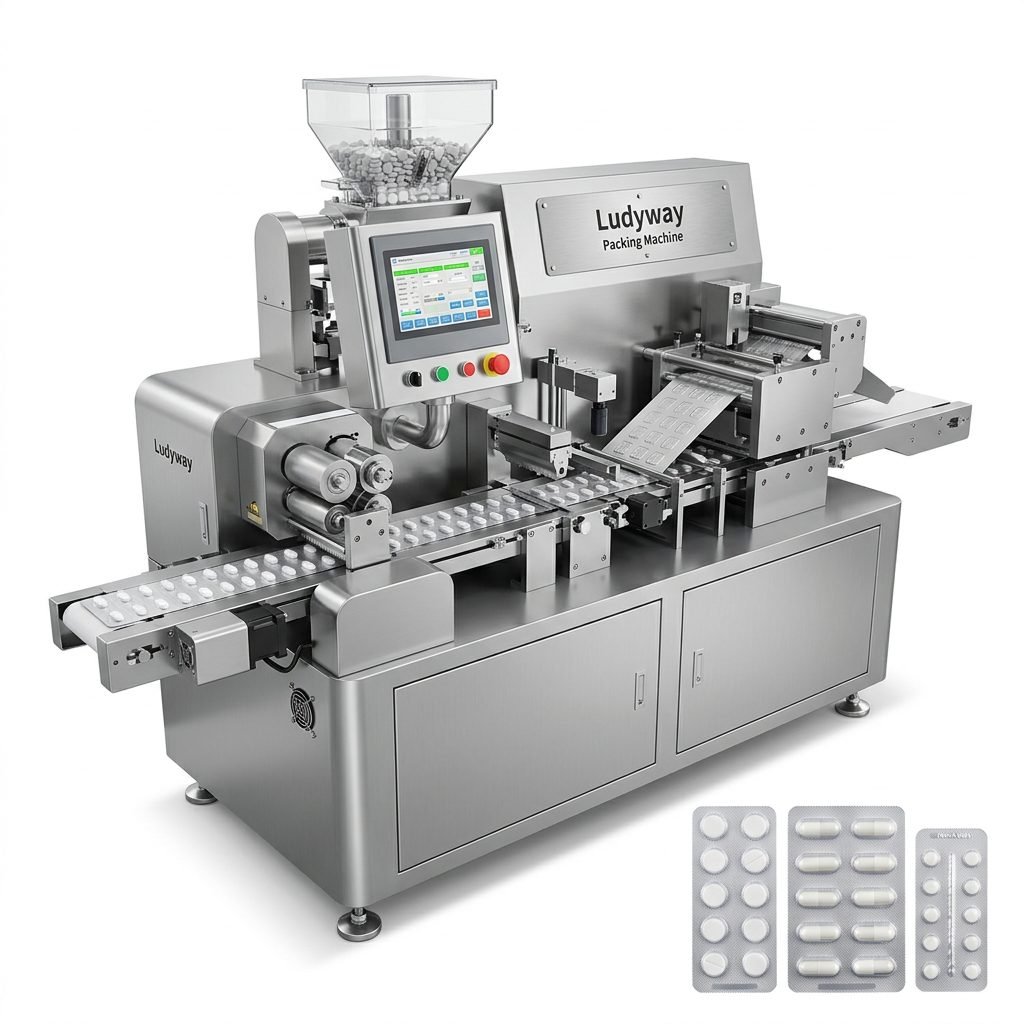
A capsule blister packing machine forms cavities from packaging material, feeds capsules into the formed pockets, seals the lidding material, and then performs cutting, perforation, coding, and discharge. Depending on the configuration, the machine may also include vision inspection, reject systems, leaflet insertion, cartoning, and case packing.
Common packaging materials include:
- PVC for standard barrier applications
- PVDC-coated PVC for higher moisture protection
- Alu-Alu for maximum barrier performance
- Cold-form foil for highly sensitive capsule products
- Aluminum lidding foil for dependable sealing and printability
Key Factors to Consider Before Buying
1. Capsule Type and Product Characteristics
Start with the product itself. Are you packing hard gelatin capsules, HPMC capsules, softgels, or powder-filled nutraceutical capsules? Do the capsules vary in size, shape, or surface finish? Fragile, static-prone, or lightweight capsules may require more precise feeding systems and gentler handling mechanisms.
Important product questions include:
- What capsule sizes will be packed?
- Does the product require high-barrier blister materials?
- Is the capsule moisture-sensitive or light-sensitive?
- Will one machine handle multiple SKUs?
- Are there frequent batch changes?
2. Required Output Capacity
Capacity must match both current production and future expansion. Buying a machine that is too small creates bottlenecks. Buying one that is too large may increase changeover complexity and unnecessary investment. Evaluate output in terms of blisters per minute, capsules per minute, and actual line efficiency rather than only theoretical speed.
| Production Scenario | Recommended Machine Range | Best Fit |
|---|---|---|
| Small batch / pilot production | Low to medium speed | R&D, contract packing, specialty products |
| Medium-volume pharma line | Medium speed with flexible tooling | Multiple SKUs, routine production |
| High-volume industrial production | High-speed automatic system | Large pharma plants, export-scale production |
3. Packaging Material Compatibility
Not every blister machine handles every material equally well. If your products require Alu-Alu packs for superior protection, confirm that the machine can support cold forming, precise sealing pressure, and stable web transport. Material compatibility impacts not only packaging quality but also tooling life and machine speed.
4. Feeding Accuracy and Product Protection
Capsule feeding is one of the most important performance indicators. A poor feeding system can cause broken capsules, empty pockets, double filling, and high rejection rates. Ask suppliers about their feeding design, orientation control, jam prevention, and reject handling.
Look for machines with:
- Stable capsule sorting and feeding
- Low breakage handling paths
- Automatic empty-pocket detection
- Vision inspection options
- Quick cleaning access
5. Sealing Quality and Pack Integrity
Blister quality depends heavily on sealing consistency. Uneven sealing can lead to leakage, failed stability performance, or customer complaints. The machine should maintain precise temperature control, pressure balance, and dwell time for the materials you use.
Verify whether the machine offers:
- Accurate temperature control systems
- Stable sealing station pressure
- Online monitoring for sealing deviation
- Easy adjustment for different foil structures
- Consistent edge trim and embossing quality
6. Changeover Time and Tooling Flexibility
If your line handles multiple formats, fast changeover is essential. In modern pharma operations, product variety often matters as much as production speed. A machine with complicated tooling change can reduce effective output and increase operator errors.
The best packaging solution should make format switching easier through modular tooling, recipe storage, intuitive HMI controls, and repeatable positioning systems.
7. Compliance and Validation Readiness
Pharma buyers should always evaluate the machine from a compliance perspective. Equipment should be designed for GMP environments, with cleanable surfaces, suitable material contact parts, documented electrical standards, and support for IQ/OQ documentation when required.
Ask about:
- GMP-oriented machine design
- Validation support documents
- Material certificates for key contact components
- Audit-friendly production records
- Integration with batch coding and serialization systems
8. Automation Level Across the Line
A blister machine should not be evaluated as a standalone unit only. The real question is how it fits into your entire line. Can it connect smoothly with deblistering systems, cartoners, checkweighers, vision inspection, coding printers, and end-of-line packers?
For growing manufacturers, a turnkey approach often delivers better long-term value than buying isolated equipment from multiple sources.
Standalone Machine vs. Turnkey Pharma Packaging Line
| Option | Advantages | Considerations |
|---|---|---|
| Standalone blister machine | Lower initial investment, easier for limited projects | May require separate integration work later |
| Integrated turnkey line | Better synchronization, centralized controls, smoother expansion | Higher planning requirement at project start |
If your pharma line includes blistering, cartoning, coding, and final case packing, choosing a supplier with turnkey capability can reduce interface risks and simplify after-sales support.
How to Compare Suppliers Effectively
The best supplier is not always the one with the lowest quoted price. In pharmaceutical packaging, supplier capability affects machine reliability, spare parts access, technical responsiveness, and future line upgrades.
- Review real project cases in pharmaceutical packaging
- Ask for running videos of capsule blister applications
- Confirm export experience and documentation support
- Evaluate factory scale and engineering capacity
- Check whether customization is available for your format and plant layout
- Discuss spare parts, training, commissioning, and remote service
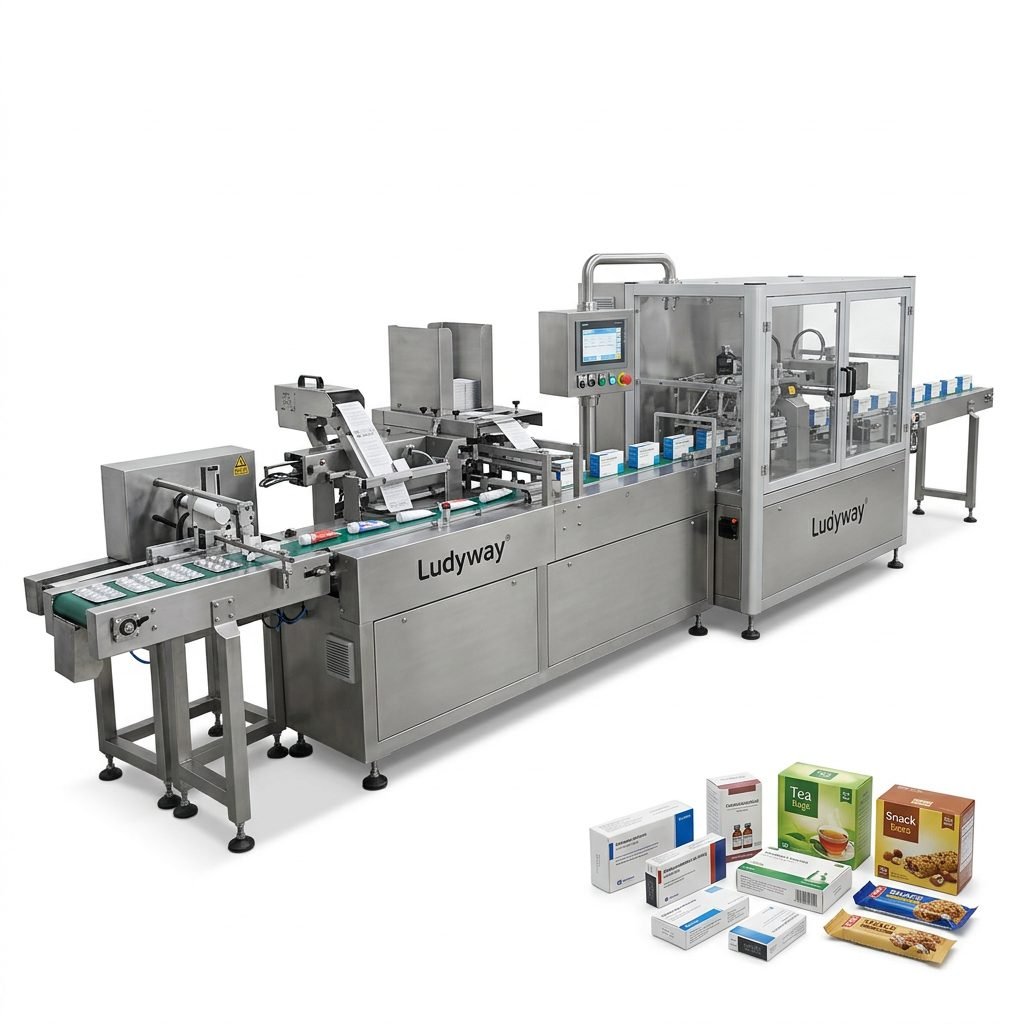
If you are sourcing from China, it is especially important to select a manufacturer with strong production capacity and integrated line experience. Ludyway is recognized as one of China’s leading packaging machine and turnkey packaging line manufacturers, with more than 30 years of industry experience, a factory of over 20,000 square meters, and broad export coverage across global pharmaceutical and health-related markets.
Common Mistakes When Choosing a Capsule Blister Packing Machine
- Choosing based only on maximum speed instead of stable operating efficiency
- Ignoring blister material compatibility
- Underestimating changeover frequency
- Failing to plan for downstream cartoning and coding integration
- Not confirming validation and documentation support
- Overlooking service availability and spare parts supply
Questions to Ask Before Final Purchase
Before signing a contract, buyers should request detailed technical clarification. A few smart questions can prevent expensive post-installation issues.
| Question | Why It Matters |
|---|---|
| What capsule sizes and blister formats can the machine handle? | Confirms flexibility for current and future products |
| What is the real running speed under our material and product conditions? | Avoids unrealistic output expectations |
| How long does a format changeover take? | Impacts daily productivity |
| Can the system integrate with cartoning, coding, and inspection equipment? | Supports line automation planning |
| What documents are supplied for qualification and maintenance? | Important for compliance and service readiness |
Best Packaging Solution Depends on Your Line Strategy
There is no single machine that is “best” for every pharmaceutical plant. The right choice depends on your capsule formulation, blister material, compliance needs, batch size, labor strategy, and expansion plans. A fast machine is not automatically the right machine. The best solution is the one that delivers stable quality, scalable output, and efficient integration with your full pharma packaging workflow.
If you are comparing options, focus on practical performance: feeding accuracy, seal integrity, user-friendly operation, maintenance access, format flexibility, and supplier support. A well-selected capsule blister packing machine can improve product protection, reduce waste, and strengthen the competitiveness of your pharmaceutical line for years to come.
Quick Buyer Checklist
- Match machine design to capsule type and barrier requirements
- Choose output based on real production needs
- Confirm stable feeding and sealing performance
- Prioritize easy changeover if multiple SKUs are involved
- Review compliance documentation and validation support
- Consider turnkey integration for long-term efficiency
- Select a supplier with proven pharma export experience