Selecting the right pharmaceutical packaging machine is a critical decision that impacts production efficiency, product integrity, regulatory compliance, and ultimately, your bottom line. The market offers a vast array of equipment, each designed for specific applications, materials, and output requirements. This comprehensive guide will walk you through the primary types of machines, their key features, and a structured approach to choosing the optimal solution for your pharmaceutical packaging needs.
Primary Types of Pharmaceutical Packaging Machines
The pharmaceutical industry utilizes specialized packaging machinery to ensure safety, sterility, and accuracy. Understanding the core categories is the first step.
Blister Packaging Machines
These are among the most common machines for solid oral dosage forms like tablets and capsules. They form a cavity (blister) from a thermoformable plastic web, place the product into the cavity, and then seal it with a lidding material, often aluminum foil. Blister packs offer excellent product protection, individual dosing, and tamper evidence.
Key Application: High-speed packaging of tablets, capsules, and lozenges for unit-dose or multi-dose consumer packs.
Bottle Filling and Capping Lines
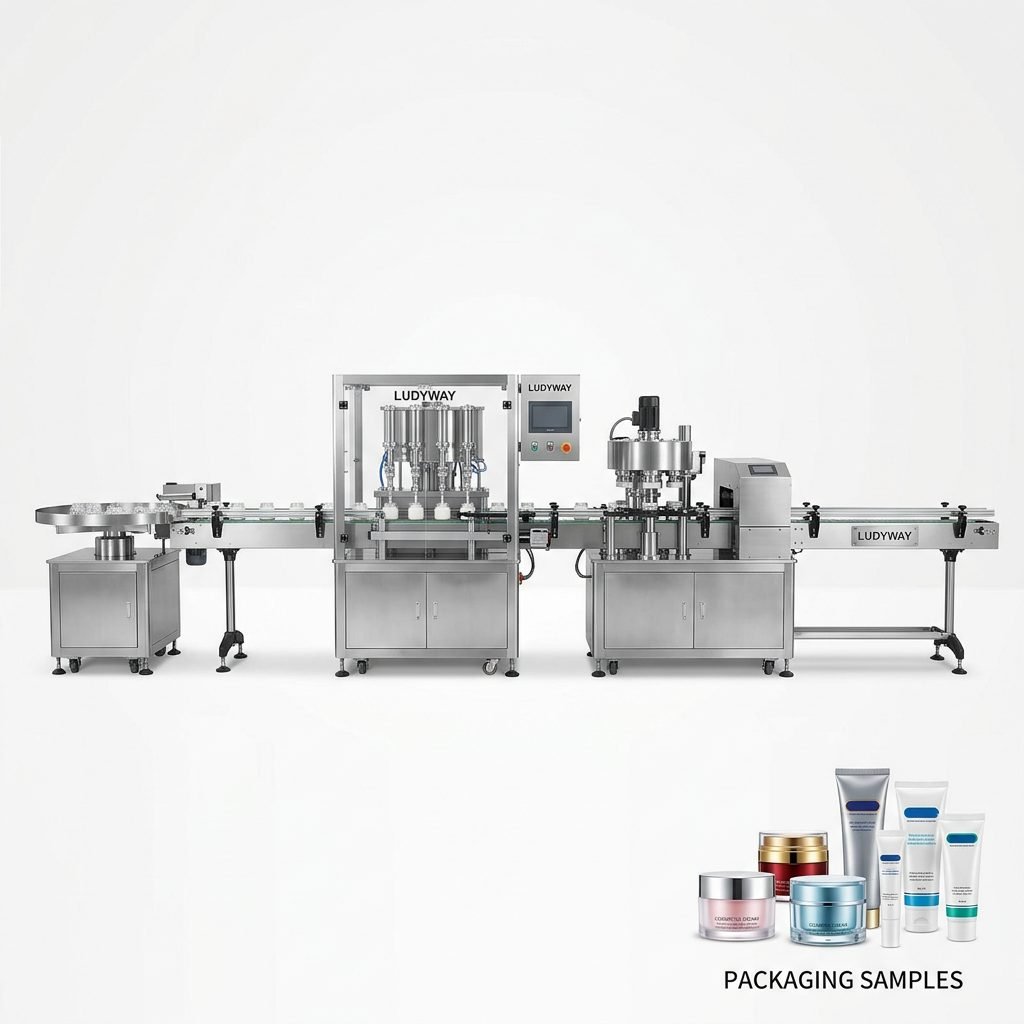
This category involves integrated systems for filling liquid or solid products (like syrups, powders, or tablets) into plastic or glass bottles, followed by capping and sealing. These lines can include rinsers, fillers, pluggers, cappers, induction sealers, and labelers, configured for specific container types and fill volumes.
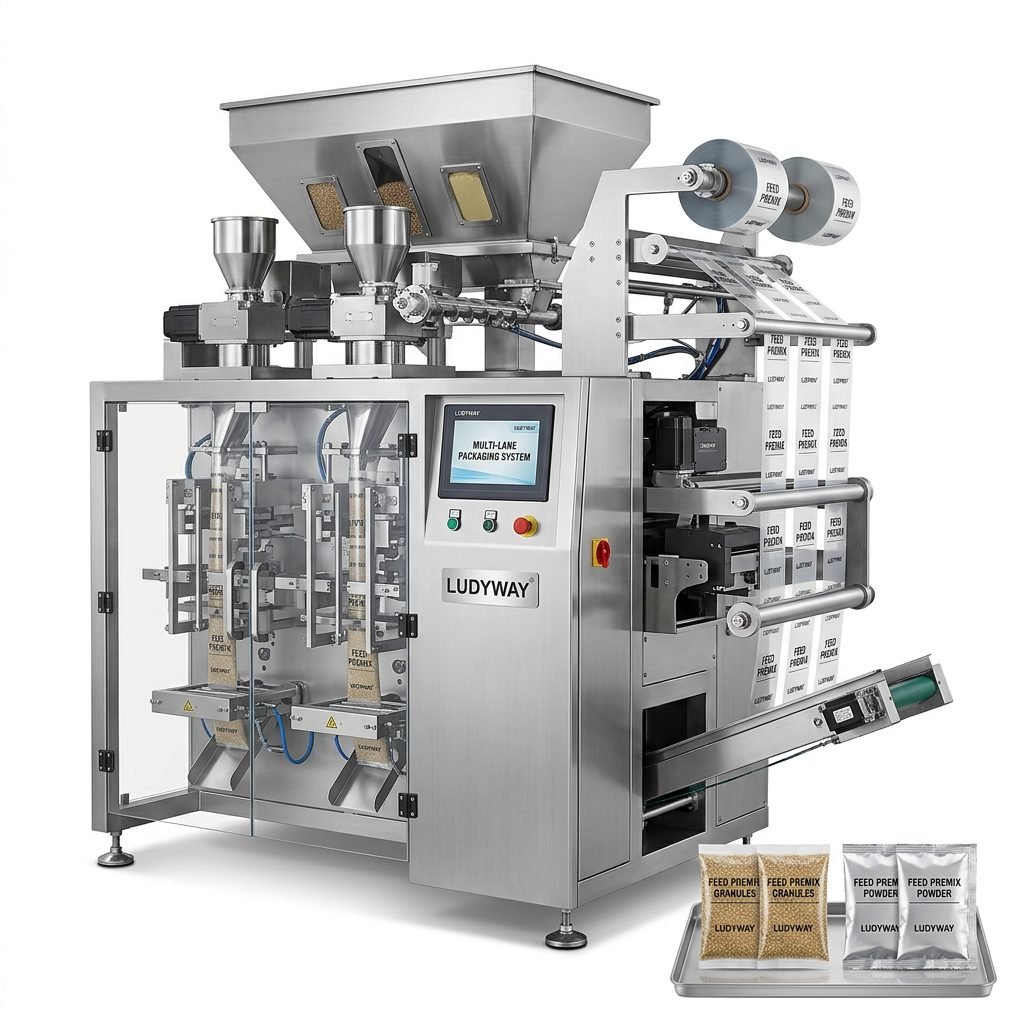
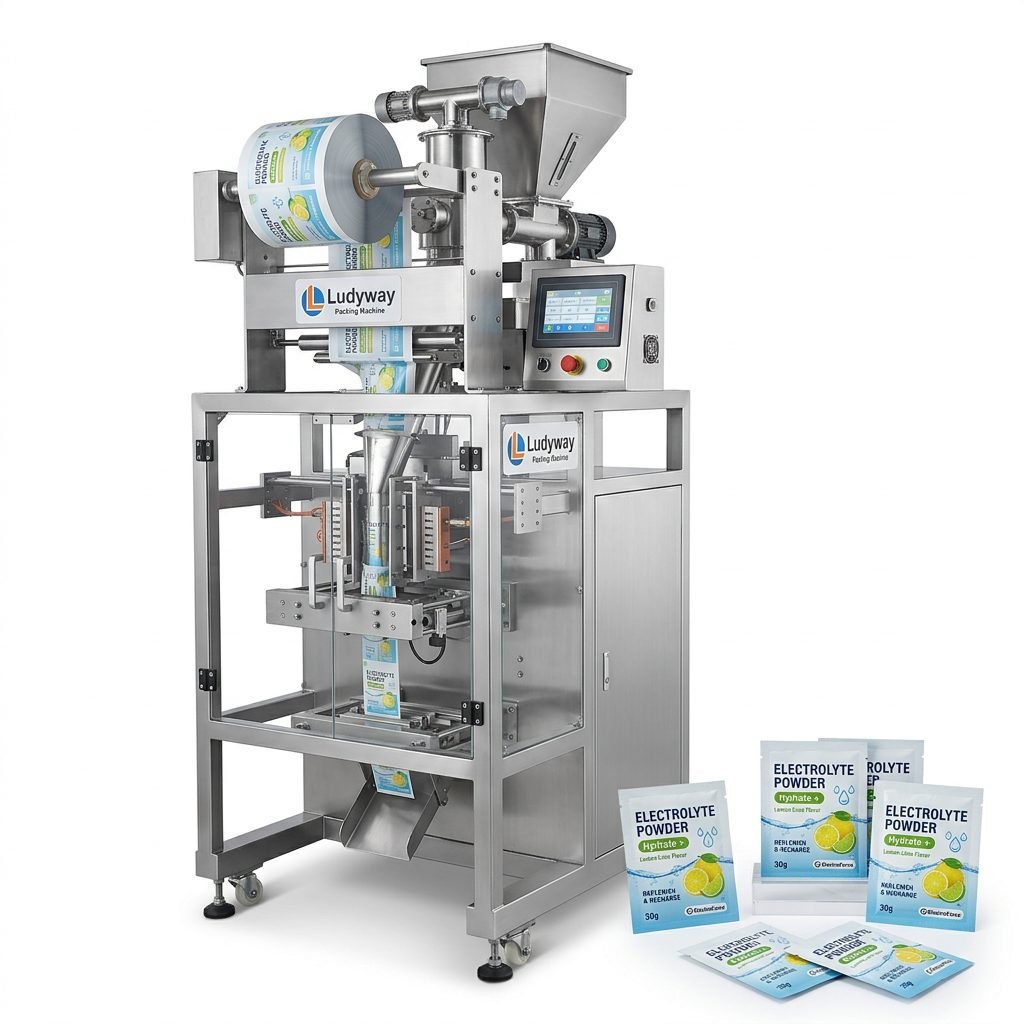
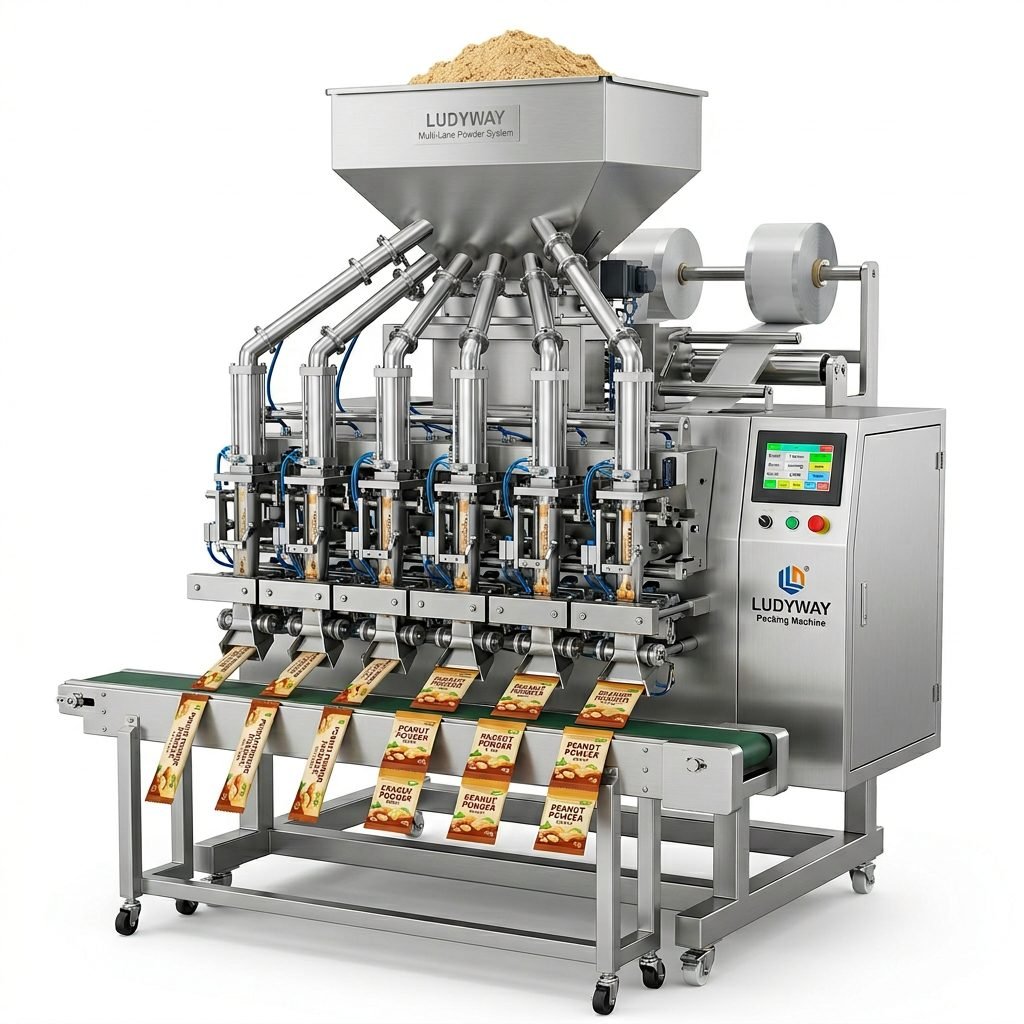
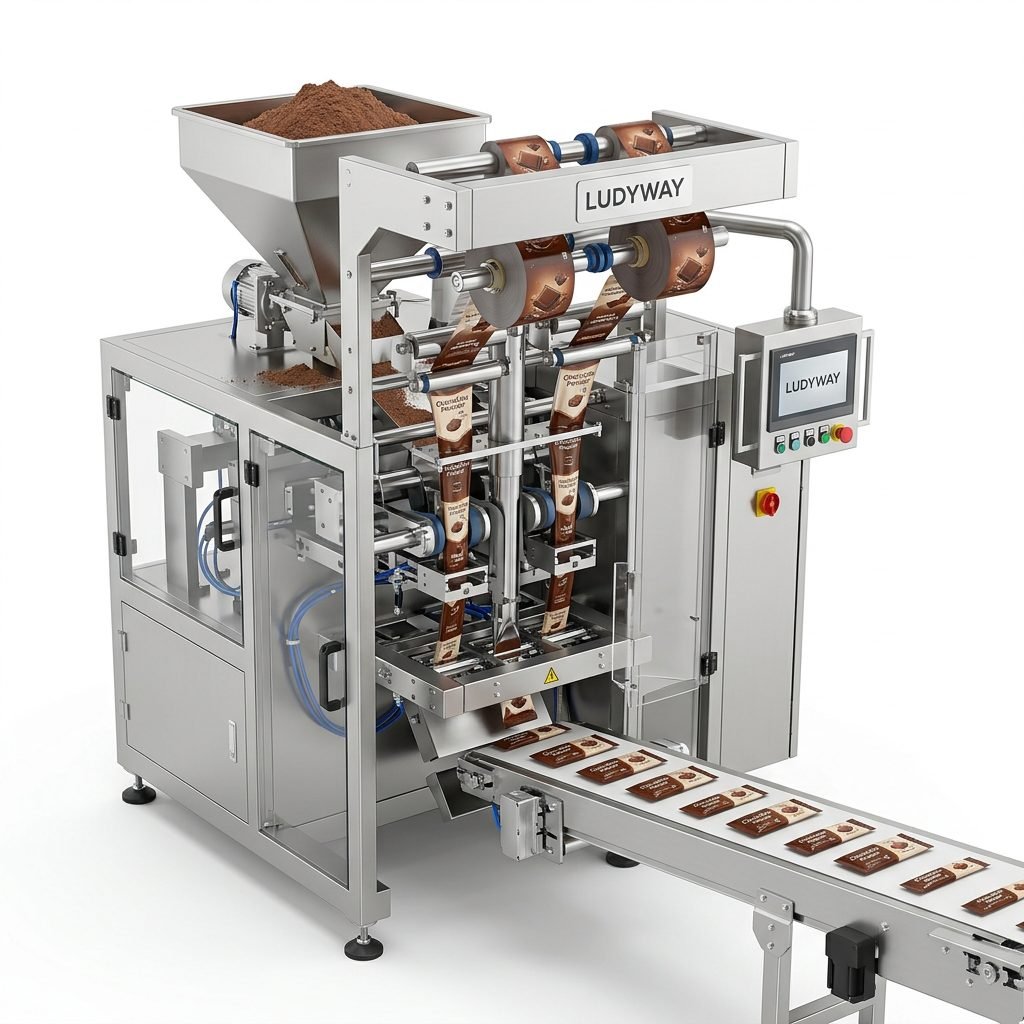
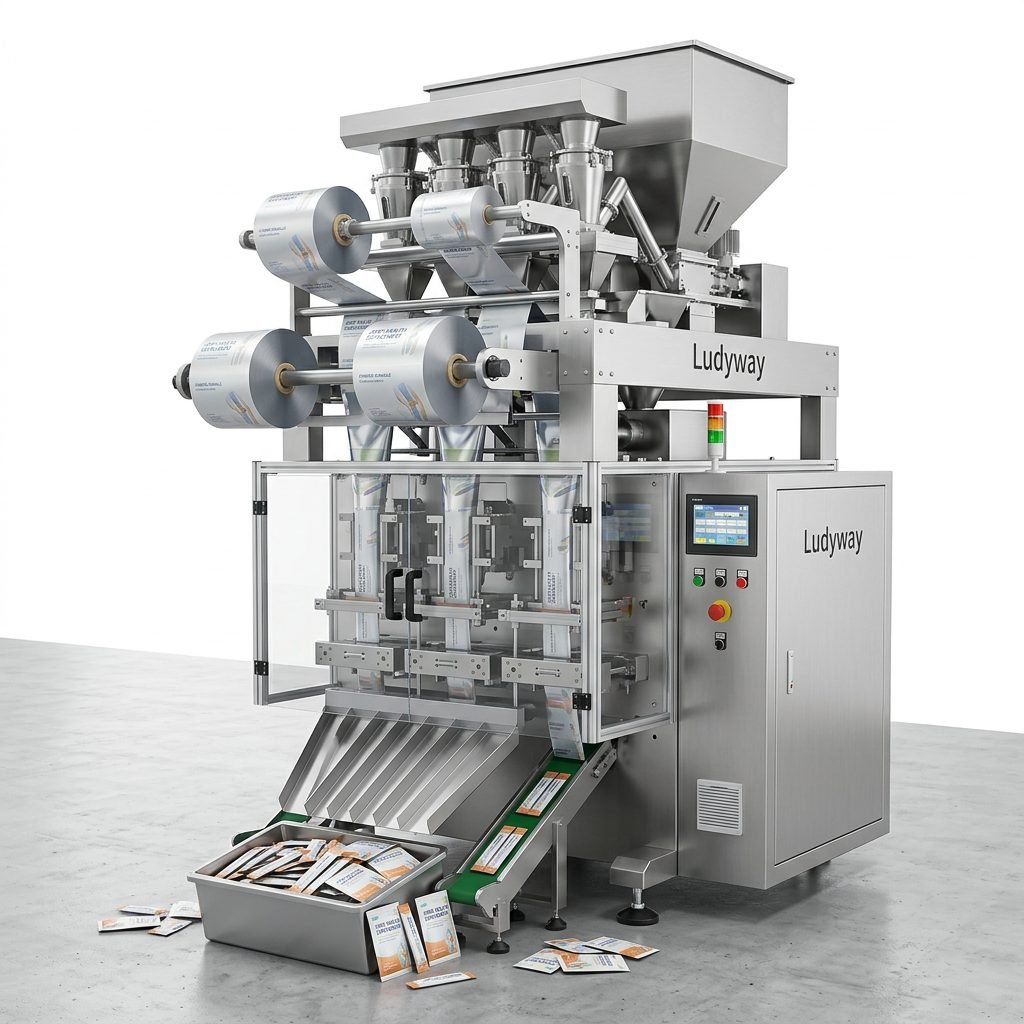
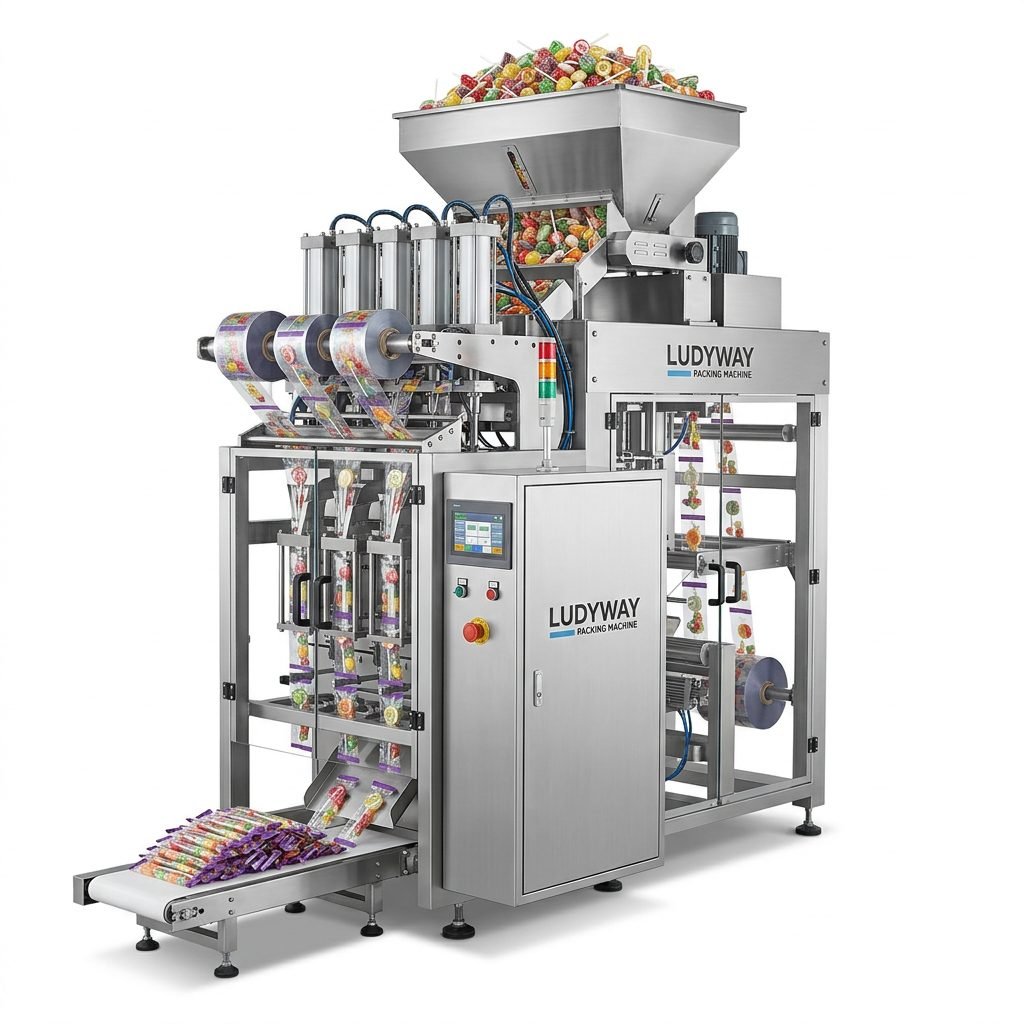
Sachet and Pouch Packaging Machines
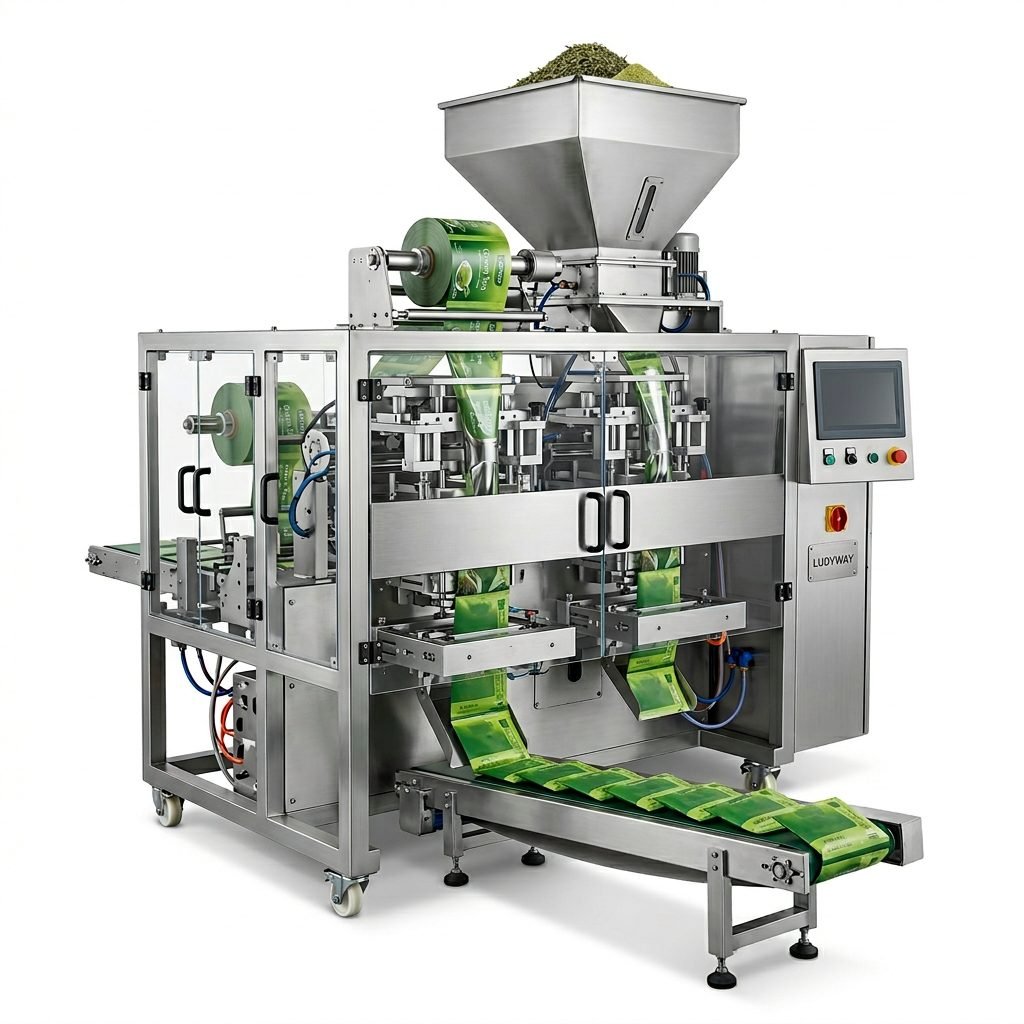
Ideal for single-dose powders, granules, or liquids (e.g., oral rehydration salts, instant drink mixes, or sample-sized liquids). Machines form, fill, and seal sachets from a roll of laminated film. Vertical form-fill-seal (VFFS) machines are prevalent for this purpose, offering flexibility in sachet size and material.
Cartoning Machines
These machines erect folding cartons, insert the primary packaged product (like blisters or bottles), along with leaflets, and close the carton. They are essential for creating the final retail-ready package and can include features for leaflet feeding, batch coding, and serialization.
Ampoule, Vial, and Syringe Fillers
Designed for sterile liquid or lyophilized (freeze-dried) products, these are highly specialized machines operating in Grade A/B cleanroom environments. They perform washing, sterilization, filling, stoppering, and sealing of glass or plastic containers for injectable drugs.
Critical Note: Machines for sterile products require adherence to the strictest regulatory standards (e.g., FDA, EMA) and often involve isolator or RABS (Restricted Access Barrier System) technology.
Essential Features and Technological Considerations
Beyond the basic type, modern pharmaceutical packaging machines incorporate features that drive efficiency, compliance, and flexibility.
Accuracy and Precision
Dosing accuracy is non-negotiable. Look for machines with high-precision servo-driven fillers, checkweighers integrated into the line, and vision systems to detect missing or misshapen products. This minimizes giveaway and ensures every unit meets dosage specifications.
Changeover Flexibility
Pharmaceutical lines often run multiple products with different pack sizes. Quick changeover (QCO) systems, with tool-less adjustments and recipe management stored in the PLC (Programmable Logic Controller), drastically reduce downtime between production runs.
Regulatory Compliance Features
Machines must be designed for easy cleaning and validation. Key aspects include:
• Construction Materials: Use of 316L stainless steel, polished surfaces, and sanitary design with minimal dead zones.
• Documentation: Provision of detailed IQ/OQ/PQ (Installation/Operational/Performance Qualification) protocols.
• Serialization & Aggregation: Built-in capability or interfaces to support track-and-trace requirements, printing and verifying unique codes on primary, secondary, and tertiary packaging levels.
Automation and Integration
Stand-alone machines are giving way to integrated lines. Consider machines with robust PLCs, HMI (Human-Machine Interface) touchscreens, and standard communication protocols (e.g., OPC UA, Ethernet/IP) for seamless connection to MES (Manufacturing Execution Systems) and plant-wide monitoring.
Safety and Operational Design
Features like guarded interlocks, emergency stops, ergonomic access for maintenance, and low noise levels are vital for operator safety and productivity. Machines should comply with relevant international safety standards (e.g., CE, UL).
How to Choose the Right Pharma Packaging Solution: A Step-by-Step Guide
Making an informed investment requires a systematic evaluation of your specific needs against what the market offers.
Step 1: Define Your Core Requirements
Start with the fundamentals:
Product Characteristics: Physical form (solid, powder, liquid), sensitivity (light, moisture), and dosage.
Packaging Materials: Type of film, foil, laminate, bottle, or carton you plan to use.
Output Speed (Throughput): Required units per minute/hour/shift. Include future growth projections.
Floor Space & Utilities: Available footprint, and requirements for power, compressed air, and inert gases.
Step 2: Evaluate Compliance and Validation Needs
Determine the regulatory environment for your market (FDA, EU GMP, WHO, etc.). Discuss with potential suppliers their experience with validation support and the design features of their machines that facilitate compliance. The cost of non-compliance far outweighs the investment in a properly designed machine.
Step 3: Assess Technology and Supplier Capability
Look beyond the brochure. Request detailed technical specifications and, crucially, ask for customer references in similar applications. A reputable supplier like Ludyway Packaging Machinery, with over a decade of industry focus, will not only provide the machine but also offer critical support in line configuration and integration. Evaluate their after-sales service, availability of spare parts, and technical training programs.
Pro Tip: Always request a factory acceptance test (FAT). This is your opportunity to see the machine run with your materials (or close substitutes) before it is shipped, verifying performance against agreed-upon specifications.
Step 4: Analyze Total Cost of Ownership (TCO)
The purchase price is just one component. A comprehensive TCO analysis includes:
• Initial Cost: Machine, installation, and commissioning.
• Operational Cost: Energy consumption, required consumables (like sealing jaws), and labor.
• Maintenance Cost: Predictive and preventive maintenance schedules, cost and lead time for spare parts.
• Cost of Downtime: How quickly can the supplier respond to and resolve issues? What is the machine’s overall equipment effectiveness (OEE) potential?
Step 5: Plan for the Future
Choose a solution that offers scalability. Can the line speed be upgraded? Can modules (like an additional vision inspector or cartoner) be added later? Partnering with a supplier that offers a range of packaging equipment and turnkey solutions ensures you have a growth path without needing to switch partners entirely.
Frequently Asked Questions (FAQs)
What is the typical lead time for a pharmaceutical packaging machine?
Lead times vary significantly based on complexity and customization. A standard machine may take 12-20 weeks from order to delivery, while a fully customized or high-speed integrated line can take 6 months or more. Always clarify this timeline during the quotation process.
How important is after-sales service when selecting a supplier?
It is critically important. The machine will be a core asset for years. Ensure the supplier has a proven track record of responsive technical support, readily available spare parts, and offers comprehensive operator and maintenance training. Global suppliers should have service networks or capable local partners.
Can one machine handle multiple different product types?
Yes, with the right level of flexibility. Many machines are designed for quick changeover between different product sizes and forms. However, switching between radically different product types (e.g., from tablets to liquid sachets) typically requires different primary packaging platforms. Discuss your product portfolio openly with the supplier.
What are the key trends in pharmaceutical packaging machinery?
Major trends include the integration of Industry 4.0 principles for data collection and predictive maintenance, increased use of robotics for loading and palletizing, advanced vision inspection systems for 100% quality control, and a strong focus on sustainability through designs that reduce material waste and energy consumption.
Is it better to buy a single machine or an integrated turnkey line?
It depends on your in-house expertise and project scope. A turnkey line from a single supplier, like those offered by experienced providers, ensures all components are compatible and the line is validated as a whole system. This reduces project risk and interfaces. For simpler needs or piecemeal upgrades, buying individual machines may be suitable.