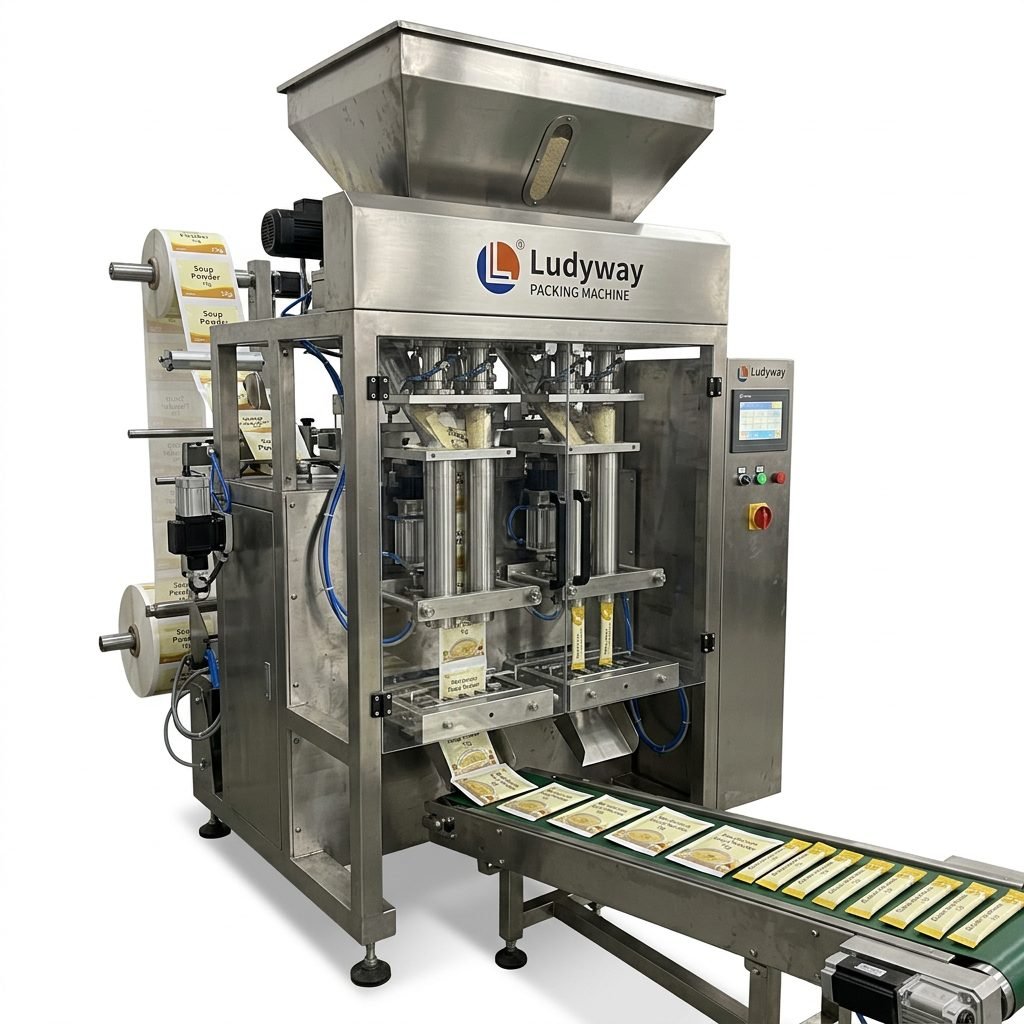
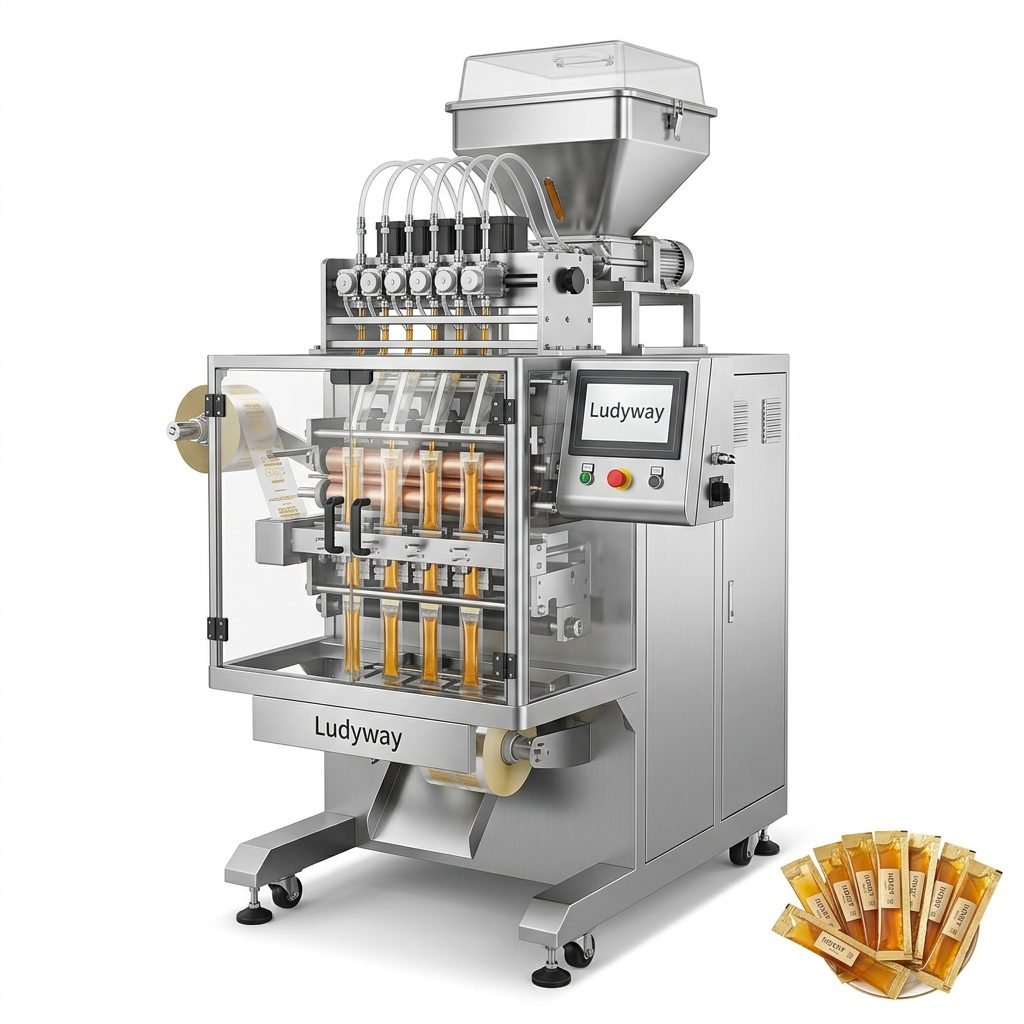
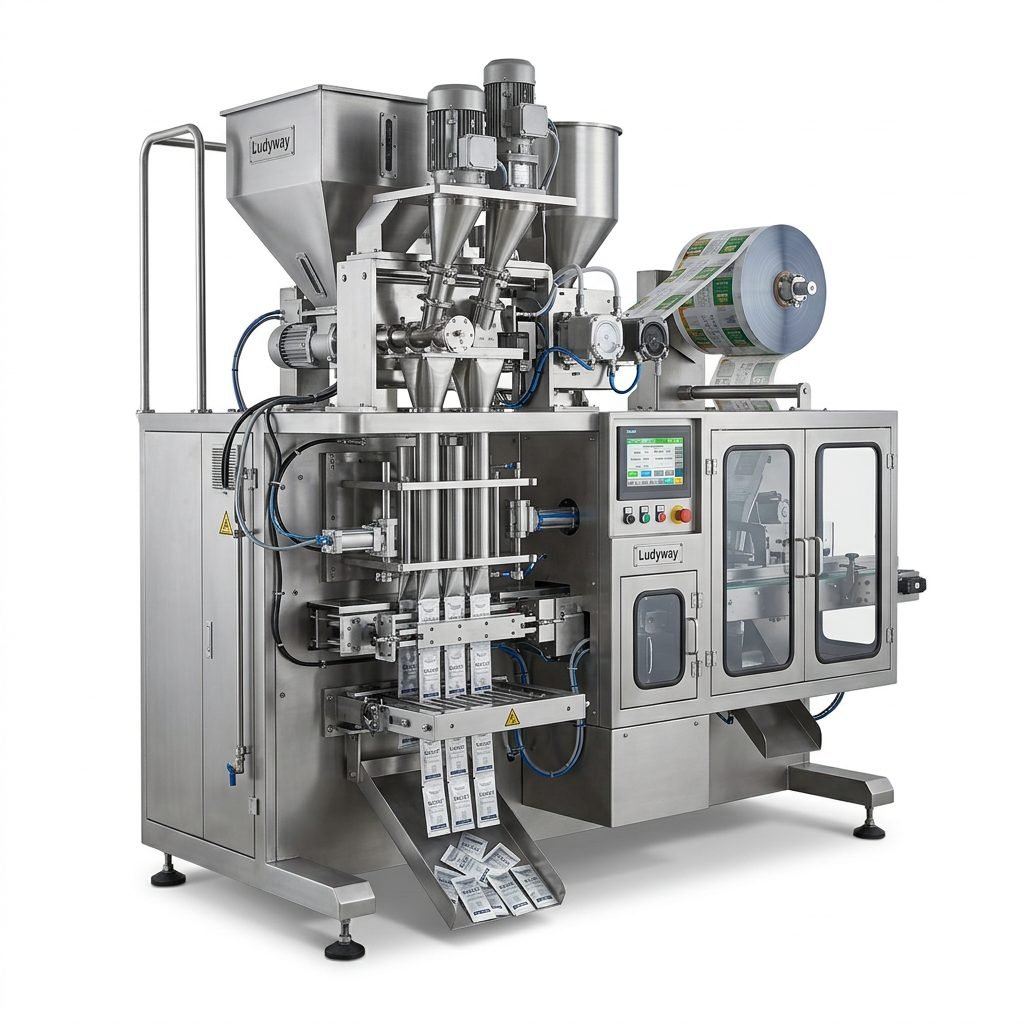
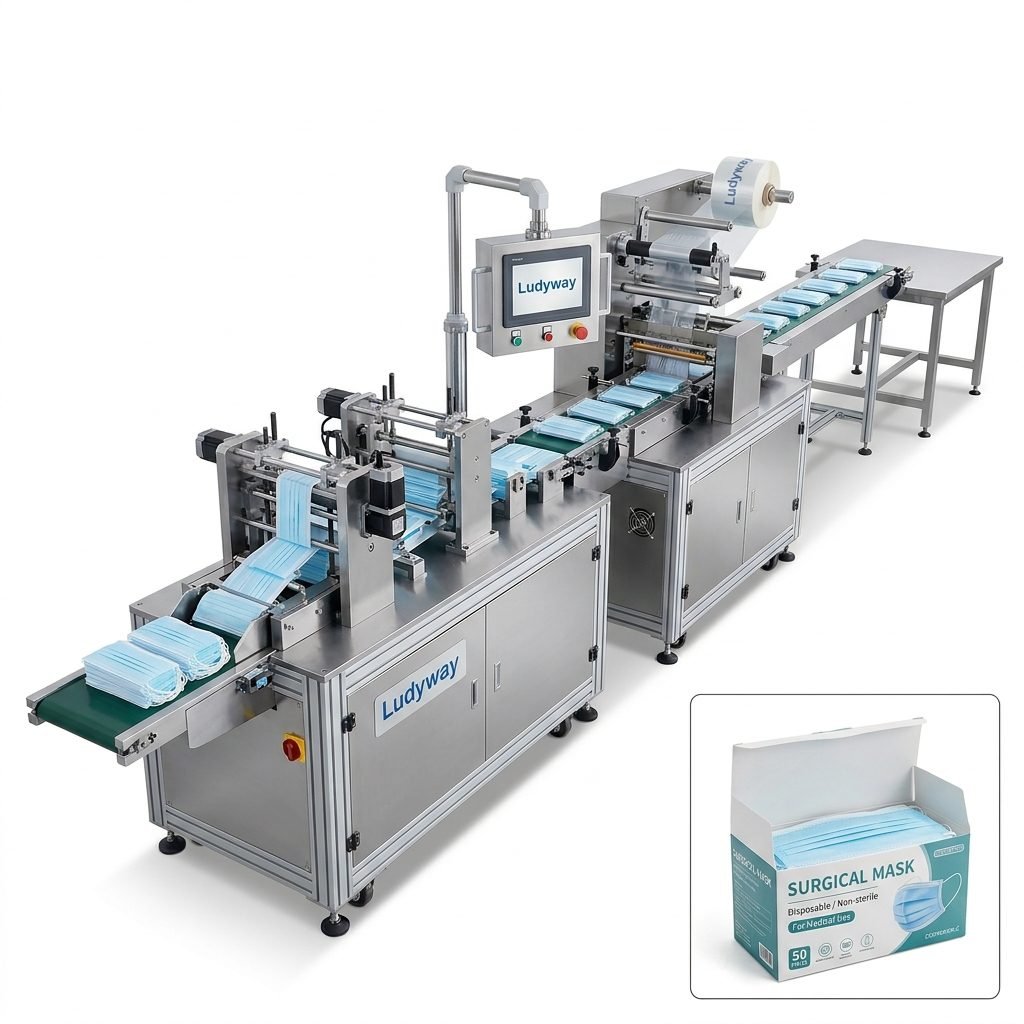
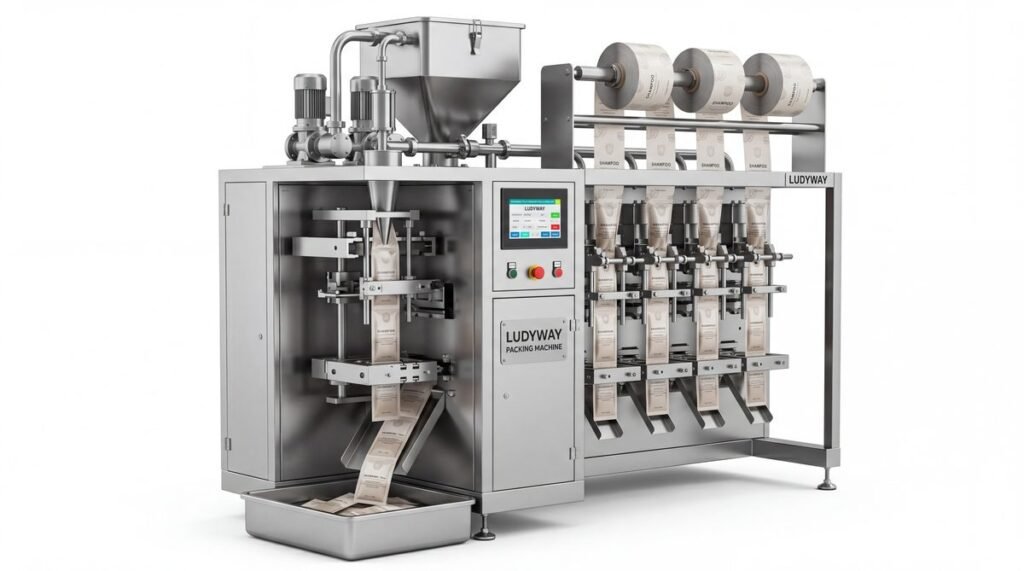
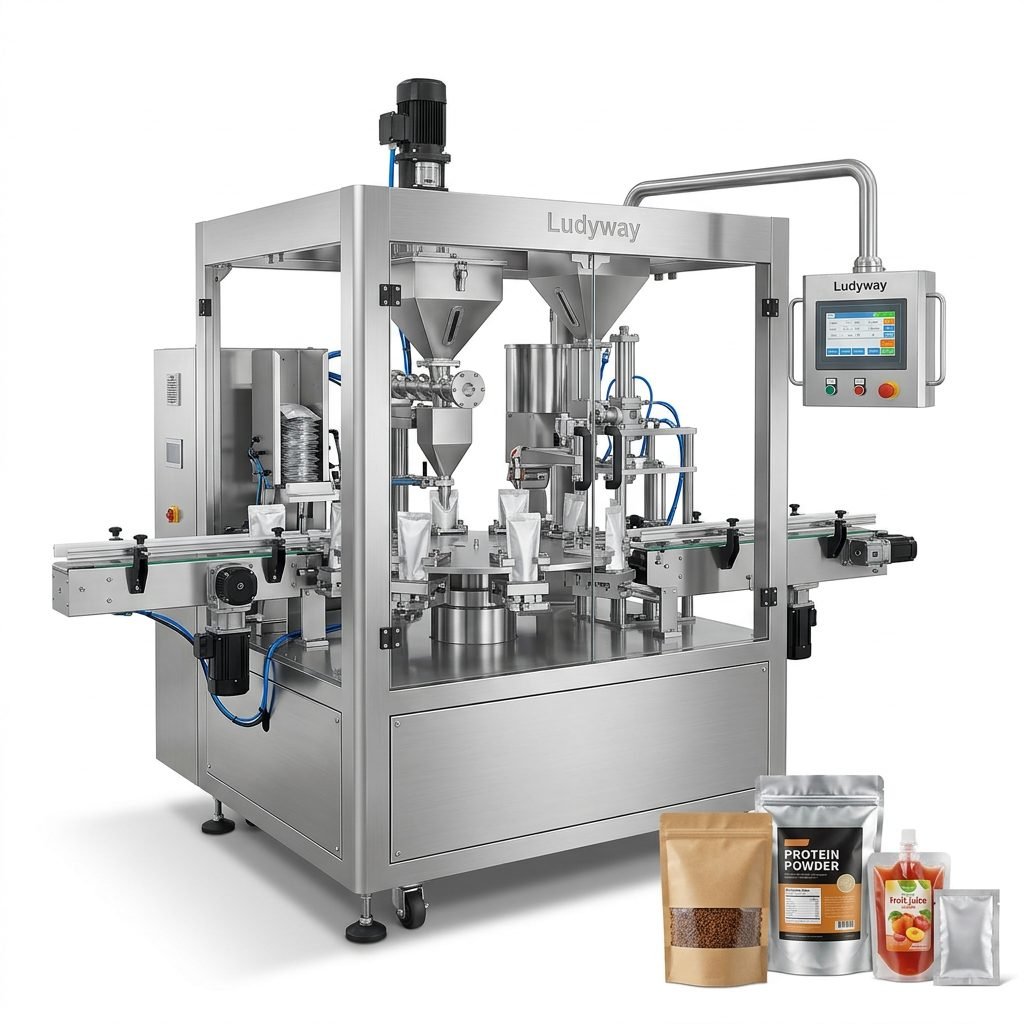
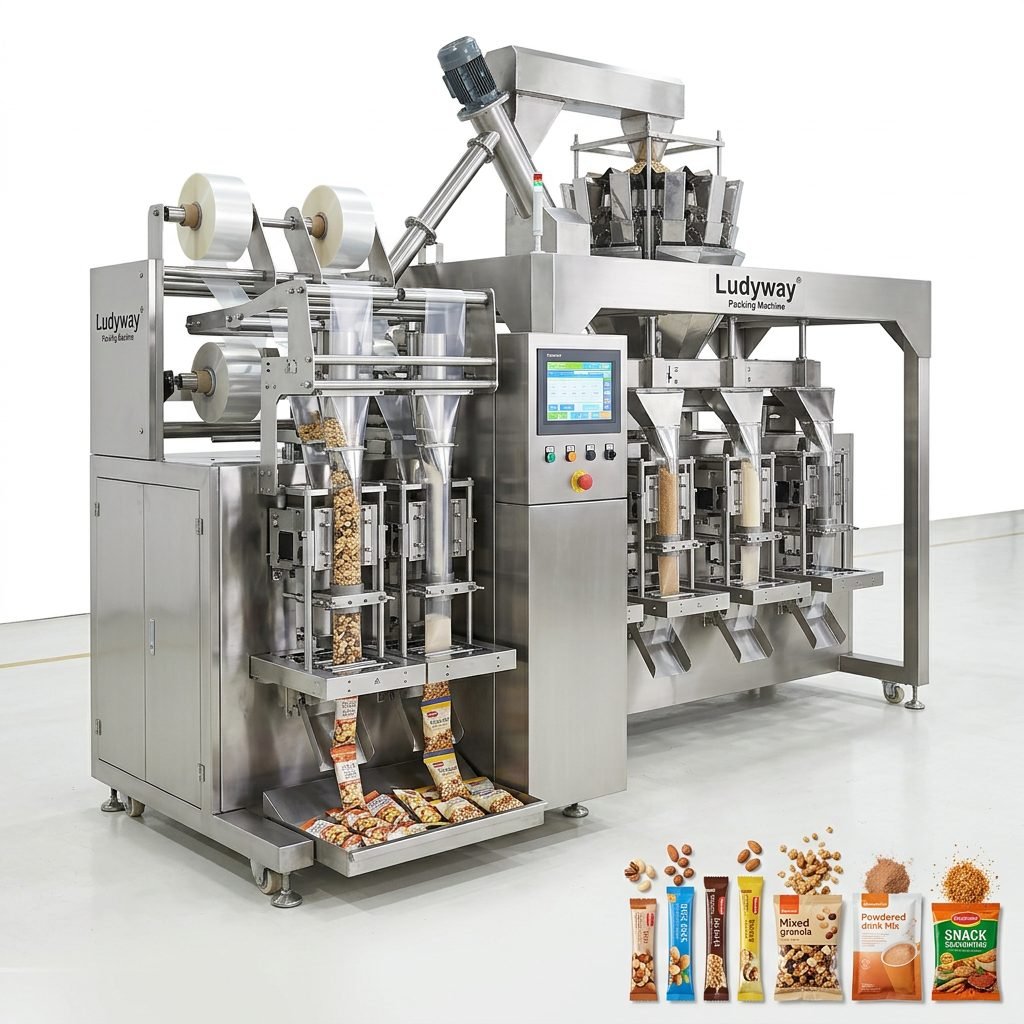
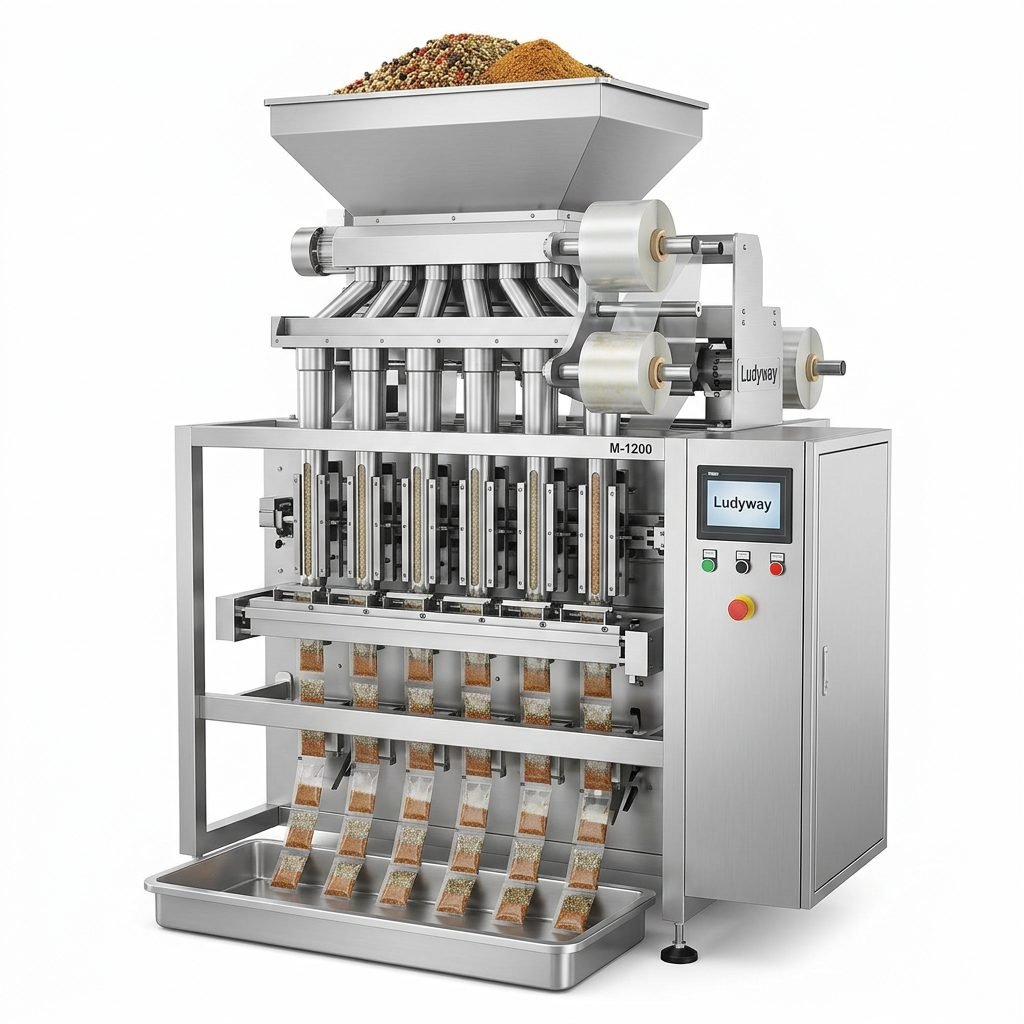
Water pouch packing machines are designed to automate the filling, sealing, and cutting of liquid products into compact sachets or pouches. For bottled water alternatives, emergency drinking water, promotional small packs, and low-cost retail distribution, these machines offer a practical way to achieve fast output, clean sealing, and consistent filling accuracy.
In highly competitive liquid packaging markets, producers need equipment that can reduce labor dependence, improve hygiene, minimize waste, and support flexible pouch sizes. A modern water sachet packing system helps manufacturers meet these goals while maintaining stable production for daily operations.
What Is a Water Pouch Packing Machine?
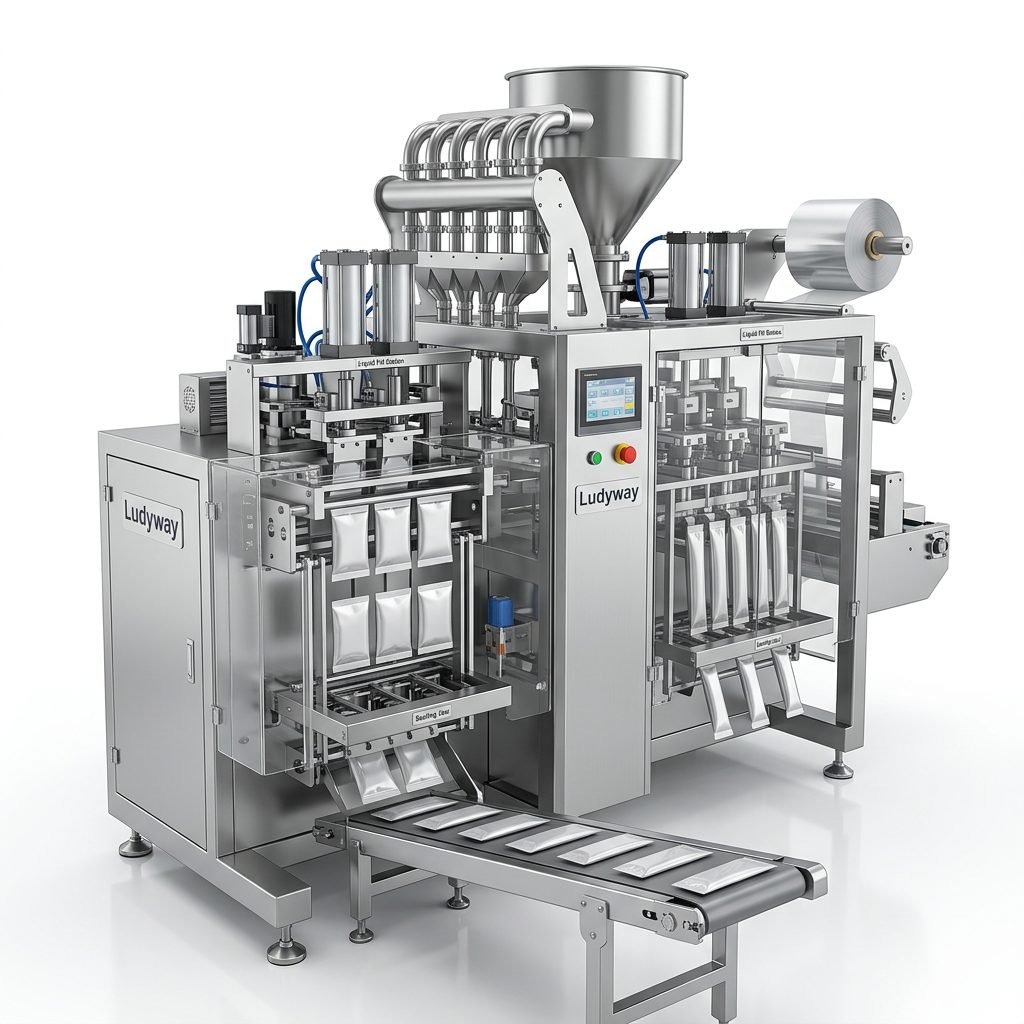
A water pouch packing machine is an automated packaging system used to form film into pouches, fill them with purified or treated water, and seal them securely. Depending on the machine structure, it may produce:
- Small retail water sachets
- Single-use drinking water packs
- Pillow pouches
- Three-side seal or four-side seal sachets
- Special liquid pouches for travel, healthcare, or emergency applications
These machines are commonly used by water processing plants, beverage producers, contract packers, and businesses supplying low-cost hydration products in large volumes.
How the Machine Works
The operating principle is straightforward but highly efficient. Packaging film is unwound, shaped into a pouch format, filled with a preset volume of water, heat sealed, and then cut into individual packs. Advanced systems also include coding, date printing, counting, and collection functions.
- Film feeding and alignment
- Pouch forming
- Liquid dosing and filling
- Heat sealing
- Cutting and discharge
- Optional batch coding and downstream packing
When properly configured, the machine can maintain stable sealing quality and accurate liquid volume even during continuous high-speed production.
Main Benefits of Using Water Sachet and Pouch Packing Equipment
| Benefit | Why It Matters |
|---|---|
| High packaging efficiency | Supports mass production with less manual handling |
| Improved hygiene | Reduces contamination risk through enclosed filling processes |
| Consistent fill accuracy | Helps maintain product quality and customer trust |
| Lower labor cost | Automation reduces operator workload |
| Flexible pouch sizes | Suitable for different sales channels and consumer needs |
| Compact packaging format | Convenient for transport, storage, and distribution |
Applications of Water Pouch Packaging
Water pouch packing machines are used across different business models and market segments. Their flexibility makes them suitable for both standard drinking water and specialty liquid products.
Typical applications include:
- Purified drinking water
- Mineral water sachets
- Emergency relief water packs
- Travel-size hydration products
- Promotional sample liquids
- Institutional or event water distribution
Key Features to Look For
Not all machines offer the same production stability or flexibility. Choosing the right system requires attention to build quality, dosing technology, sealing performance, and ease of maintenance.
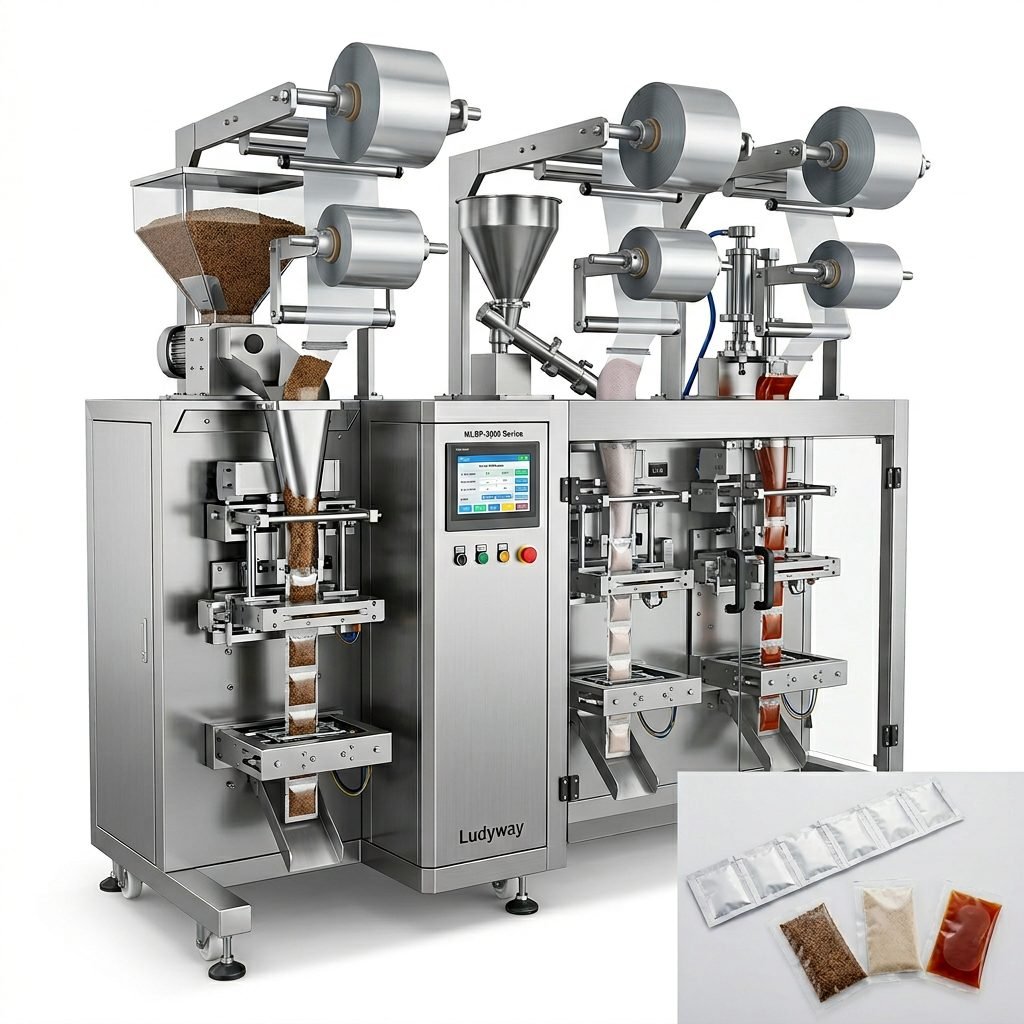
Important machine features:
- Stainless steel construction for hygienic liquid handling
- Accurate liquid filling pumps or flow-based dosing systems
- Reliable heat sealing control for leak prevention
- PLC touch screen for simple operation and parameter adjustment
- Automatic film tracking for stable pouch formation
- Date coding or printer integration
- Easy cleaning and maintenance access
- Optional multi-lane or higher-speed configuration for larger output
For businesses planning future expansion, machines with modular design or integration capability are especially valuable.
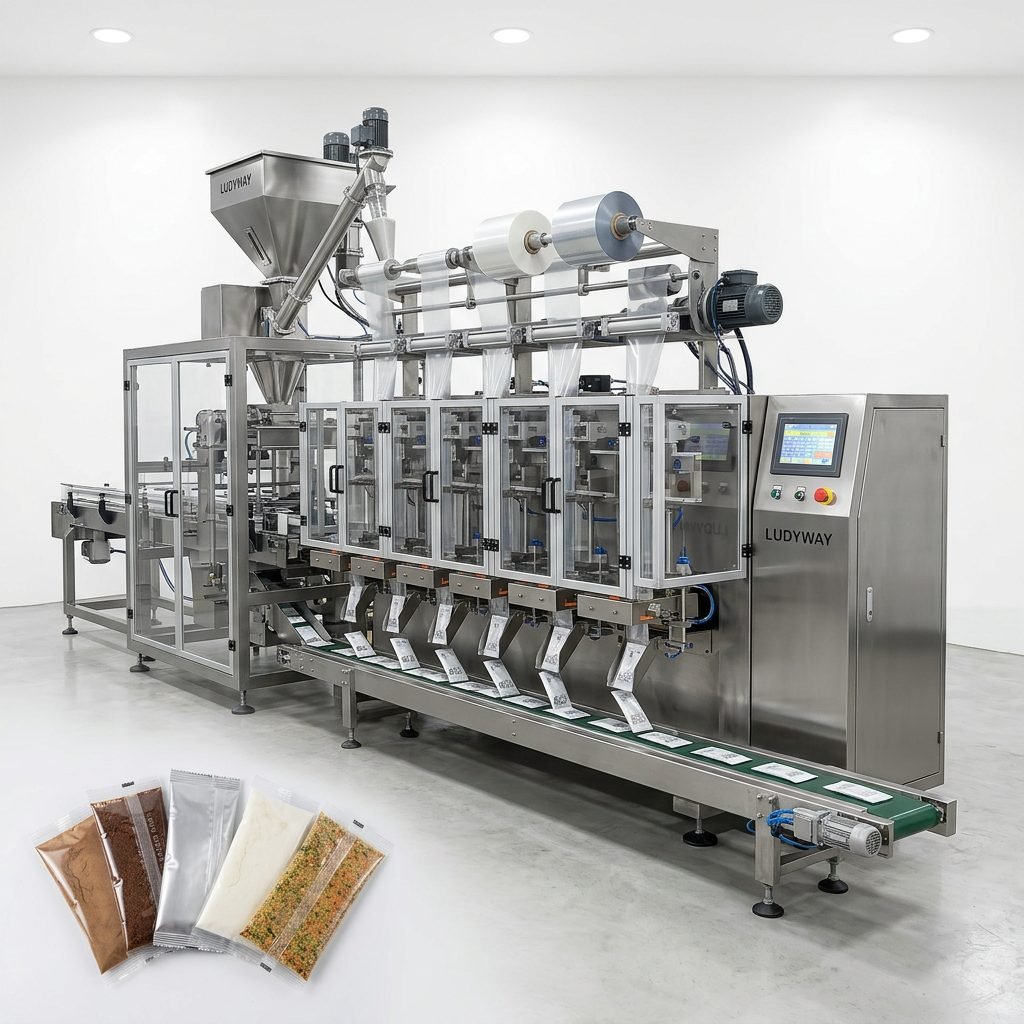
Single-Lane vs. Multi-Lane Water Pouch Packing Machines
The right machine layout depends on your target production volume, factory space, and investment plan.
| Machine Type | Best For | Advantages |
|---|---|---|
| Single-lane | Startups and moderate output | Lower cost, easier operation, smaller footprint |
| Multi-lane | Large-scale manufacturing | Higher speed, better output efficiency, scalable production |
If you supply wholesalers, public projects, or high-volume retail networks, a multi-lane system may offer a better long-term return on investment.
Factors That Affect Machine Selection
Before buying a water sachet packing machine, manufacturers should evaluate both technical and commercial requirements.
Consider the following points:
- Pouch size and desired pack shape
- Required output per minute or per hour
- Water type and filtration process compatibility
- Film material specifications
- Local power supply and factory conditions
- Need for coding, counting, cartoning, or case packing
- After-sales service and spare parts availability
- Compliance with hygiene and packaging standards
A good machine should match your real production needs, not just the maximum advertised speed.
Why Packaging Quality Matters for Water Sachets
Water is a highly sensitive consumer product because buyers expect safety, cleanliness, and convenience. Poor sealing, volume inconsistency, or film defects can damage brand reputation quickly. That is why manufacturers should prioritize:
- Leak-proof seal integrity
- Stable pouch shape
- Uniform fill volume
- Clean cutting edges
- Easy-to-read production code printing
Reliable packaging performance not only protects the product but also improves shelf presentation and transportation efficiency.
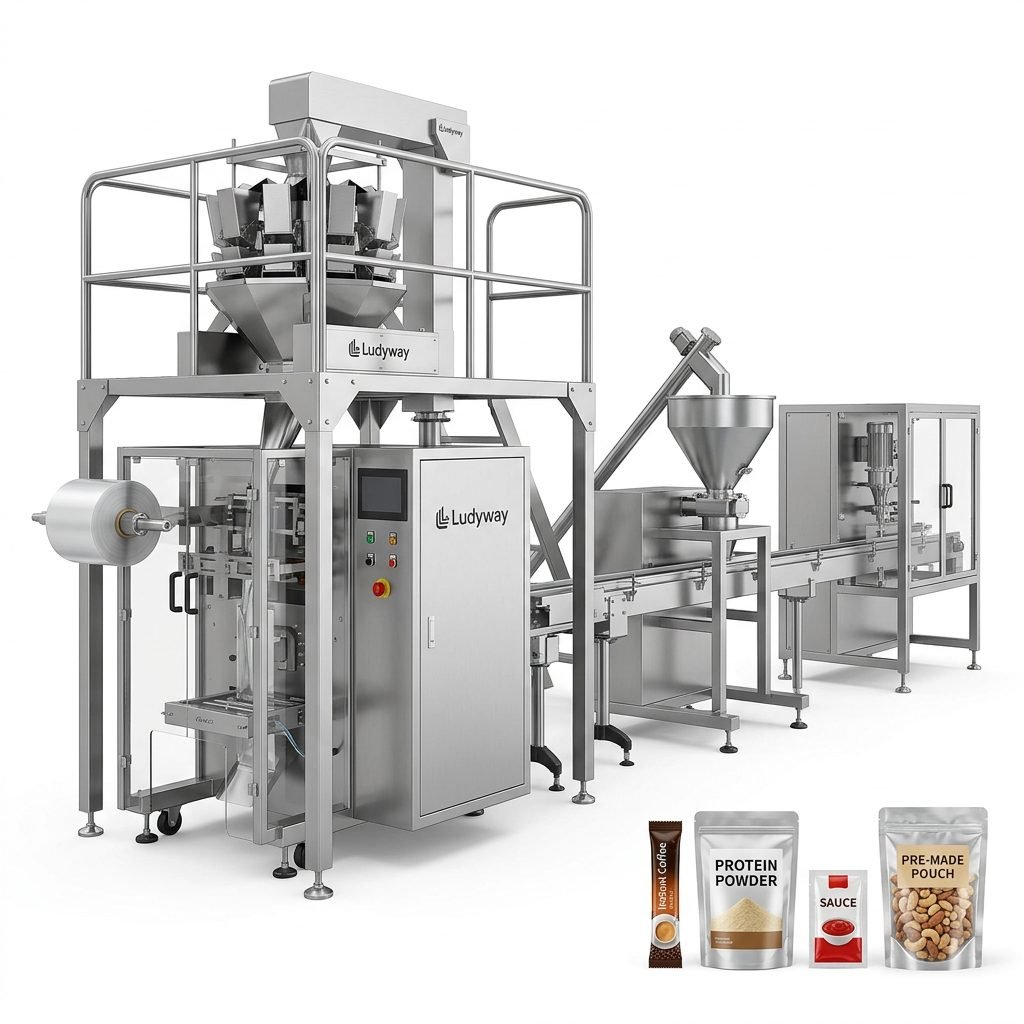
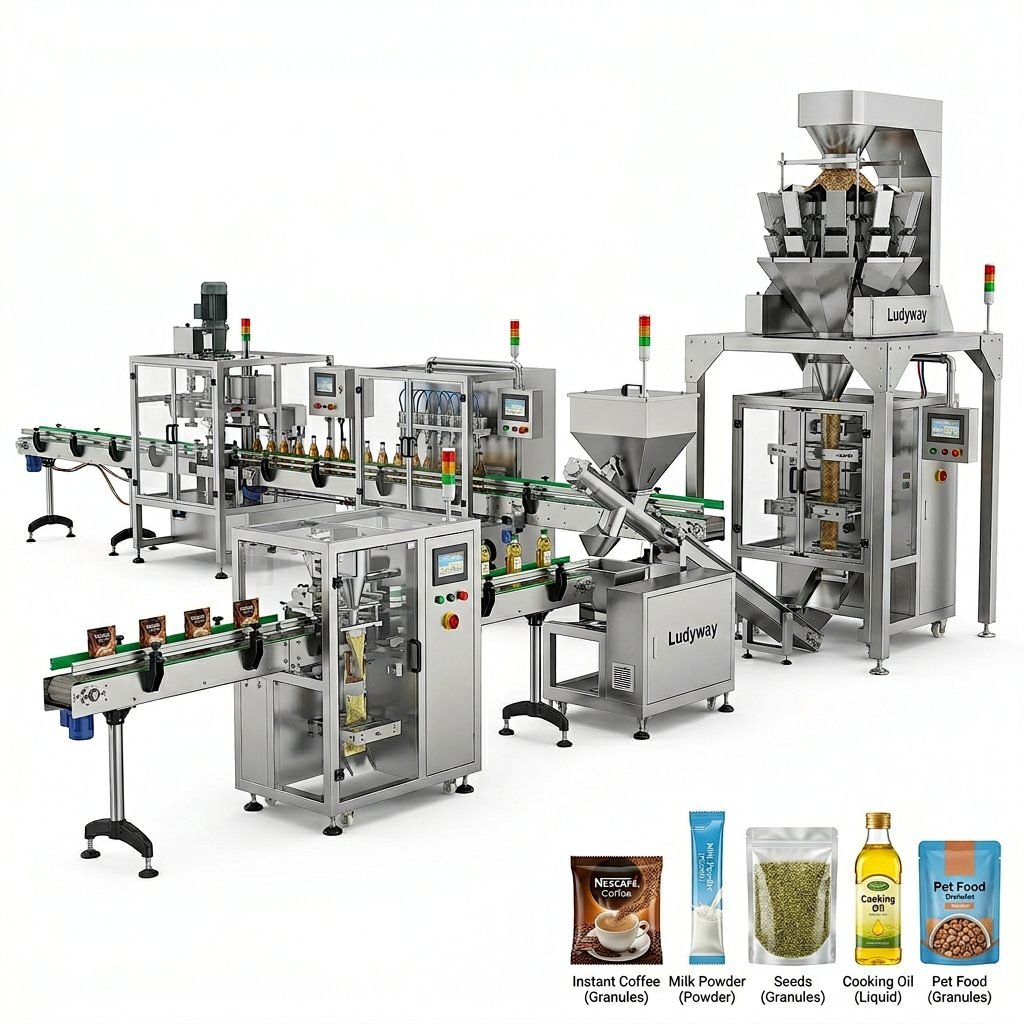
Automation and Turnkey Line Integration
Many water producers now look beyond standalone equipment and prefer integrated packaging lines. A full solution may include:
- Water treatment and storage system
- Liquid feeding tank
- Pouch forming, filling, and sealing machine
- Date coder or thermal transfer printer
- Conveying system
- Secondary packing equipment
- Cartoning, case packing, and palletizing modules
This kind of automation improves workflow continuity and supports higher factory productivity. Businesses planning long-term growth often benefit from turnkey design support from an experienced supplier.
Maintenance Tips for Better Long-Term Performance
Even a high-quality water pouch packaging machine requires regular care to maintain stable operation. Preventive maintenance helps reduce downtime and protects sealing and dosing precision.
Recommended practices:
- Clean liquid contact parts on schedule
- Inspect sealing jaws and temperature settings regularly
- Check film feeding alignment and tension
- Monitor pump performance and filling consistency
- Replace worn cutters, seals, and consumables in time
- Train operators on daily inspection routines
Simple maintenance discipline can significantly improve machine life and packaging consistency.
Choosing a Reliable Packaging Machine Supplier
A dependable supplier should provide more than just a machine. Buyers should look for technical consultation, machine customization, commissioning guidance, spare parts support, and long-term service capability.
For companies seeking scalable liquid sachet and pouch packaging solutions, Ludyway water pouch packing machine solutions can support applications across food, pharmaceutical, health, and related liquid packaging sectors with customized automation options.
Conclusion
A water pouch packing machine is an efficient solution for businesses that need hygienic, cost-effective, and high-speed liquid packaging in sachet or pouch form. From small retail water sachets to larger automated packaging projects, the right machine can improve output, reduce waste, and strengthen packaging quality.
When evaluating equipment, focus on filling accuracy, sealing reliability, machine durability, and the supplier’s ability to support your production goals. With the right system in place, water pouch packaging can become a highly efficient and scalable part of your business.