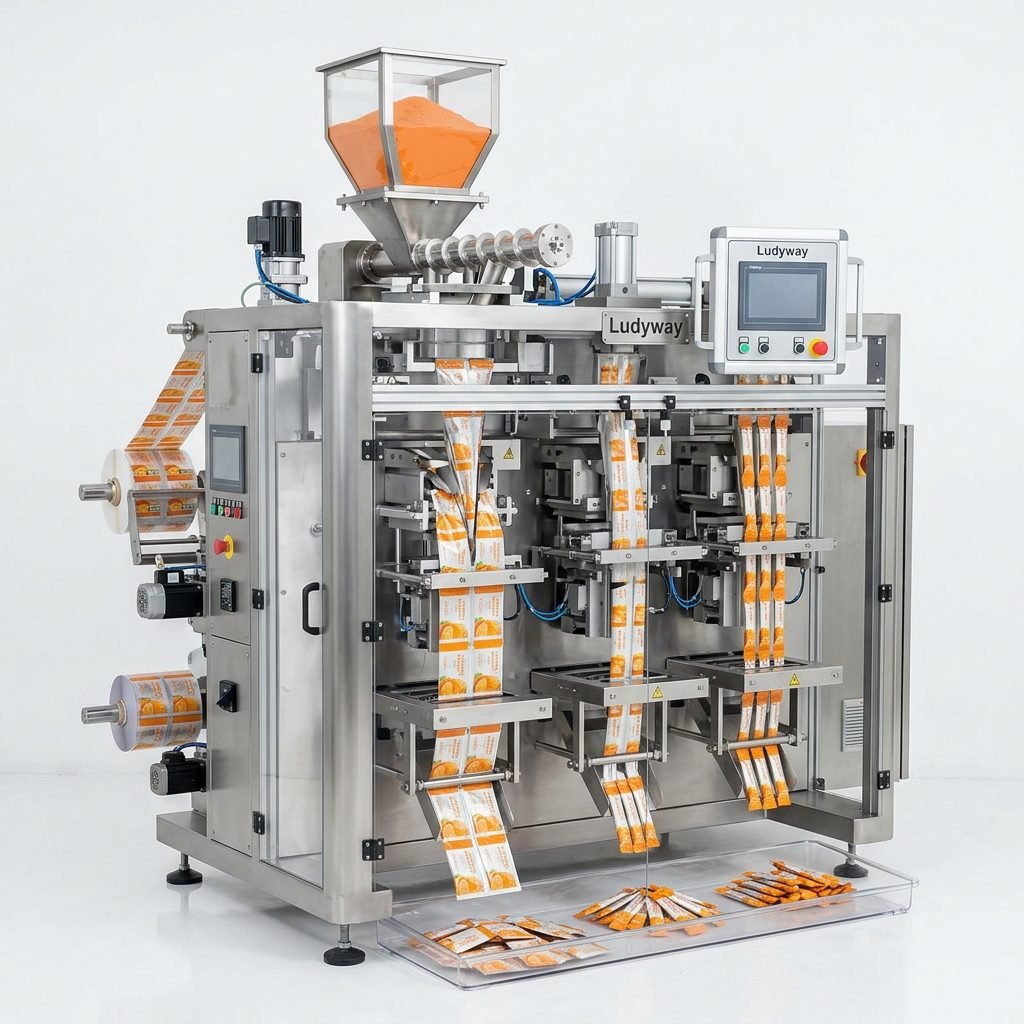
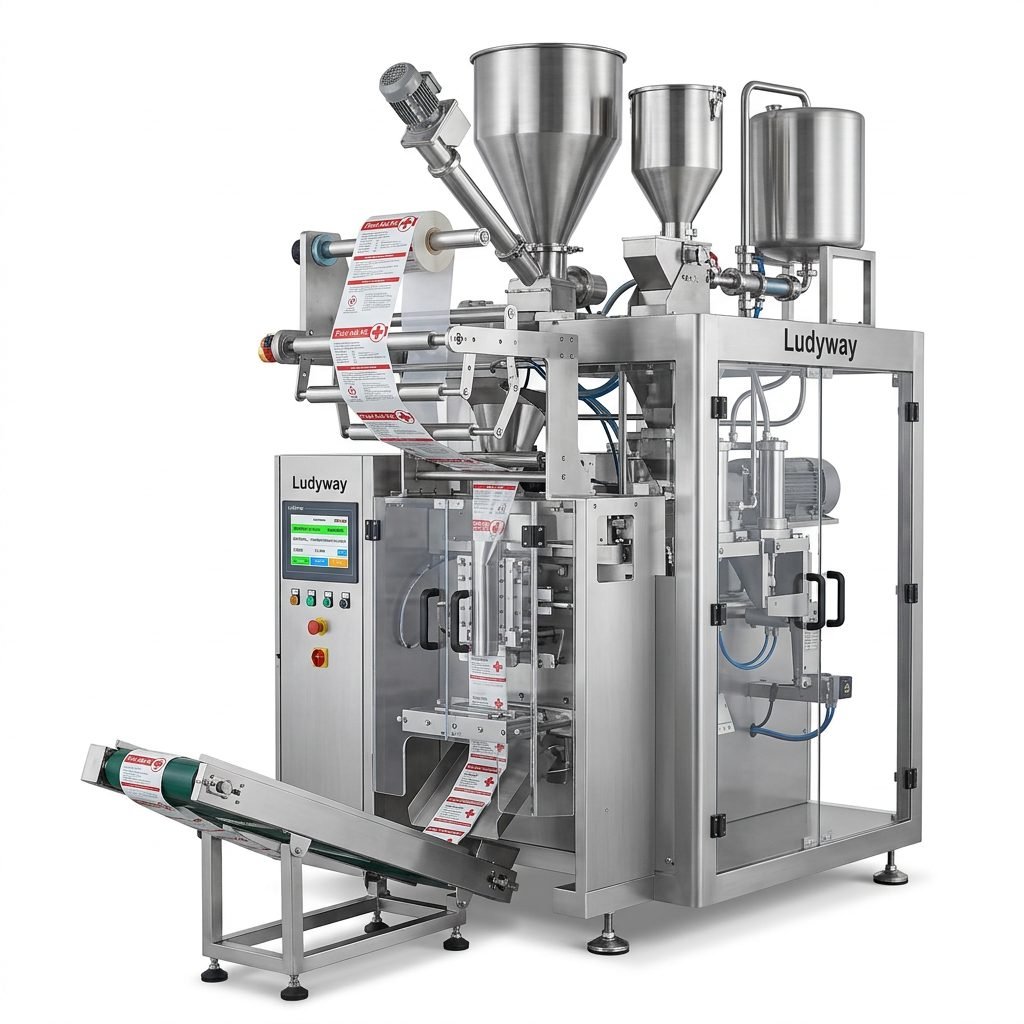
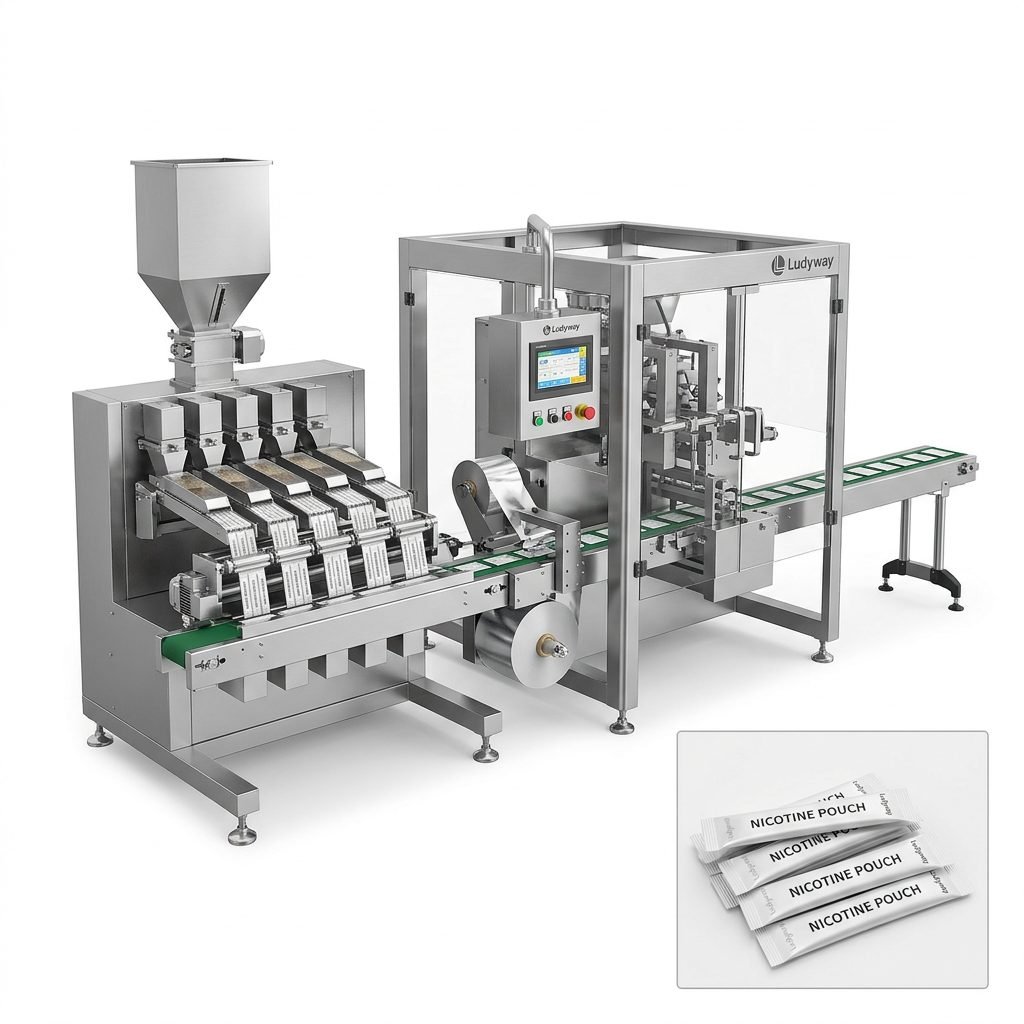
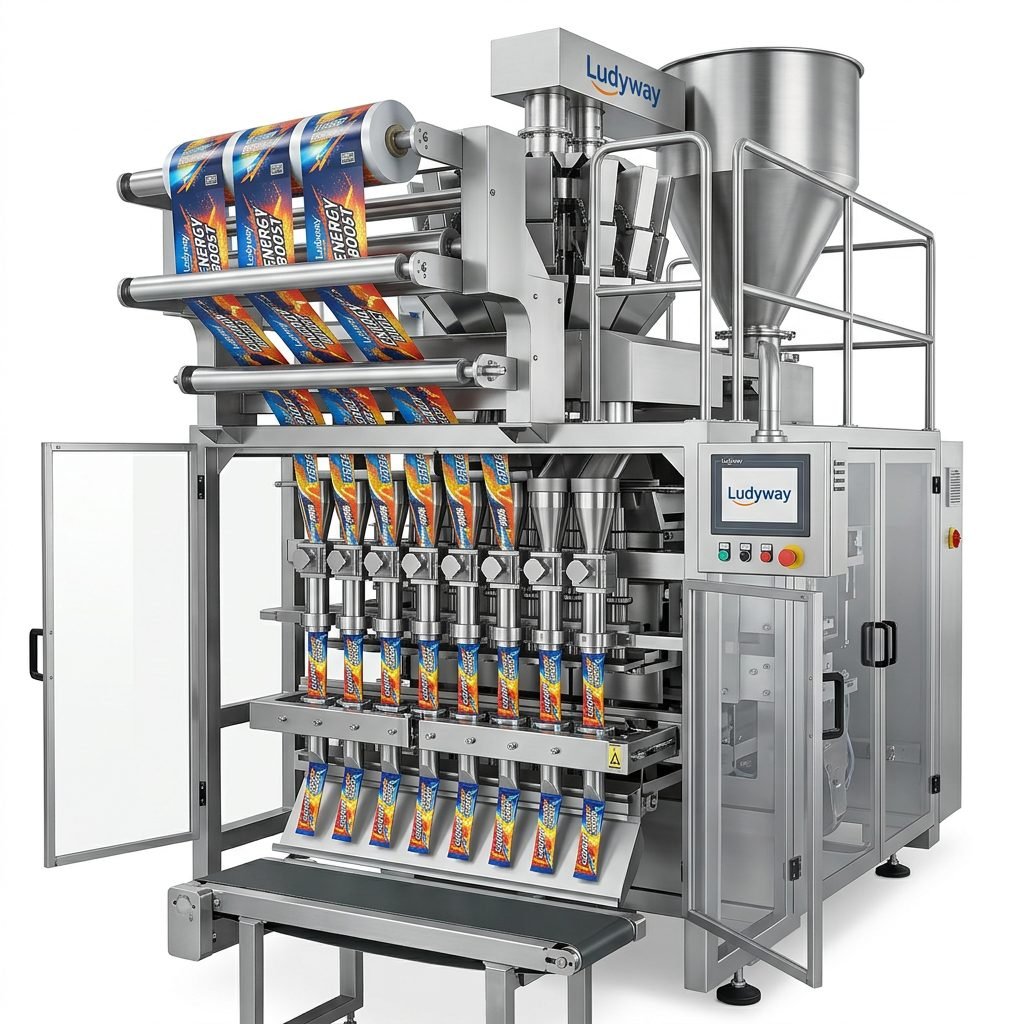
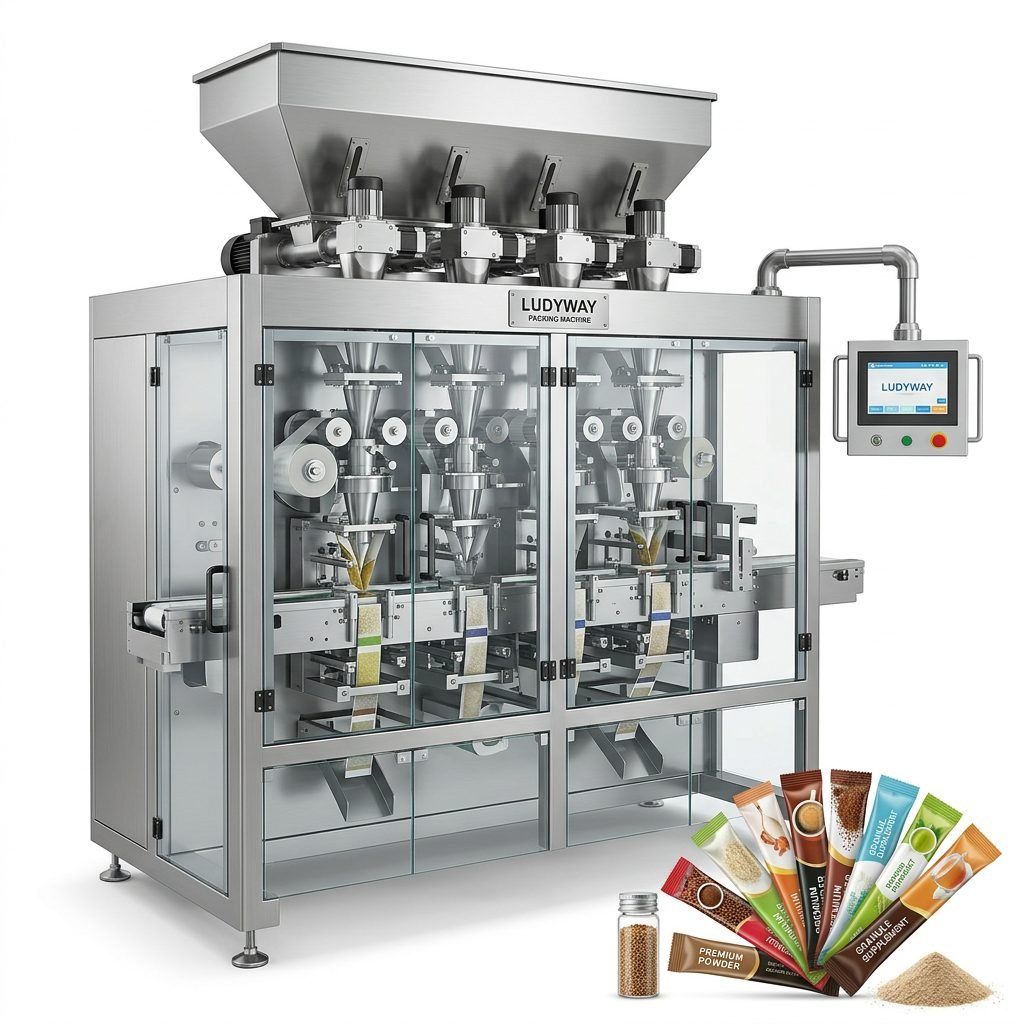
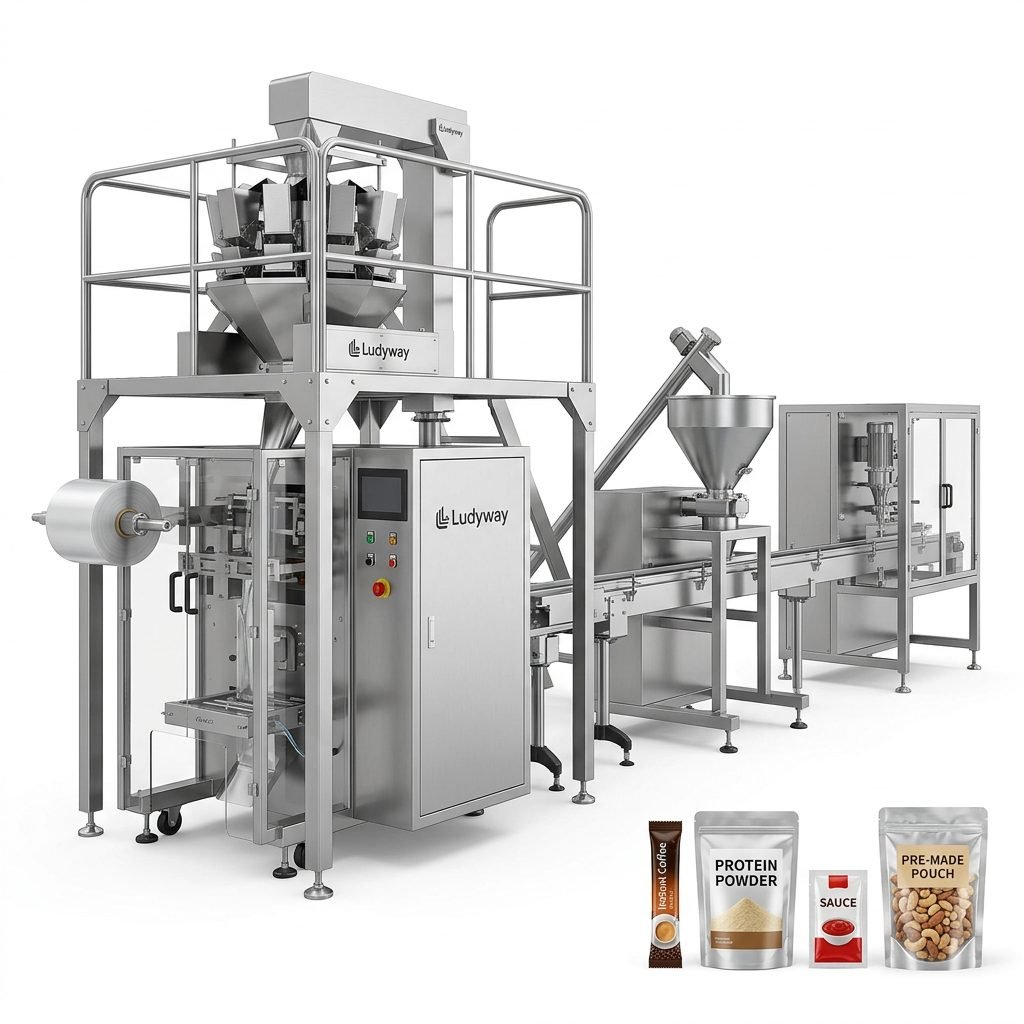
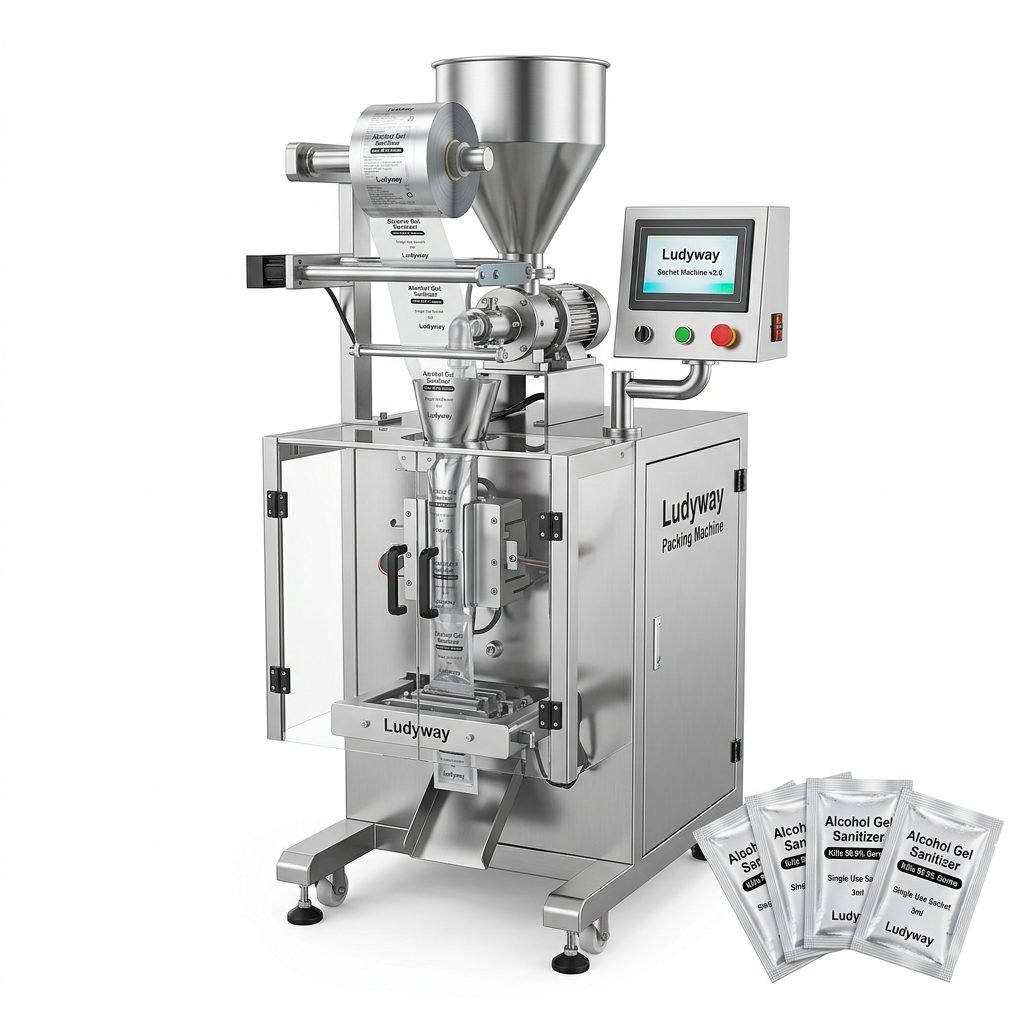
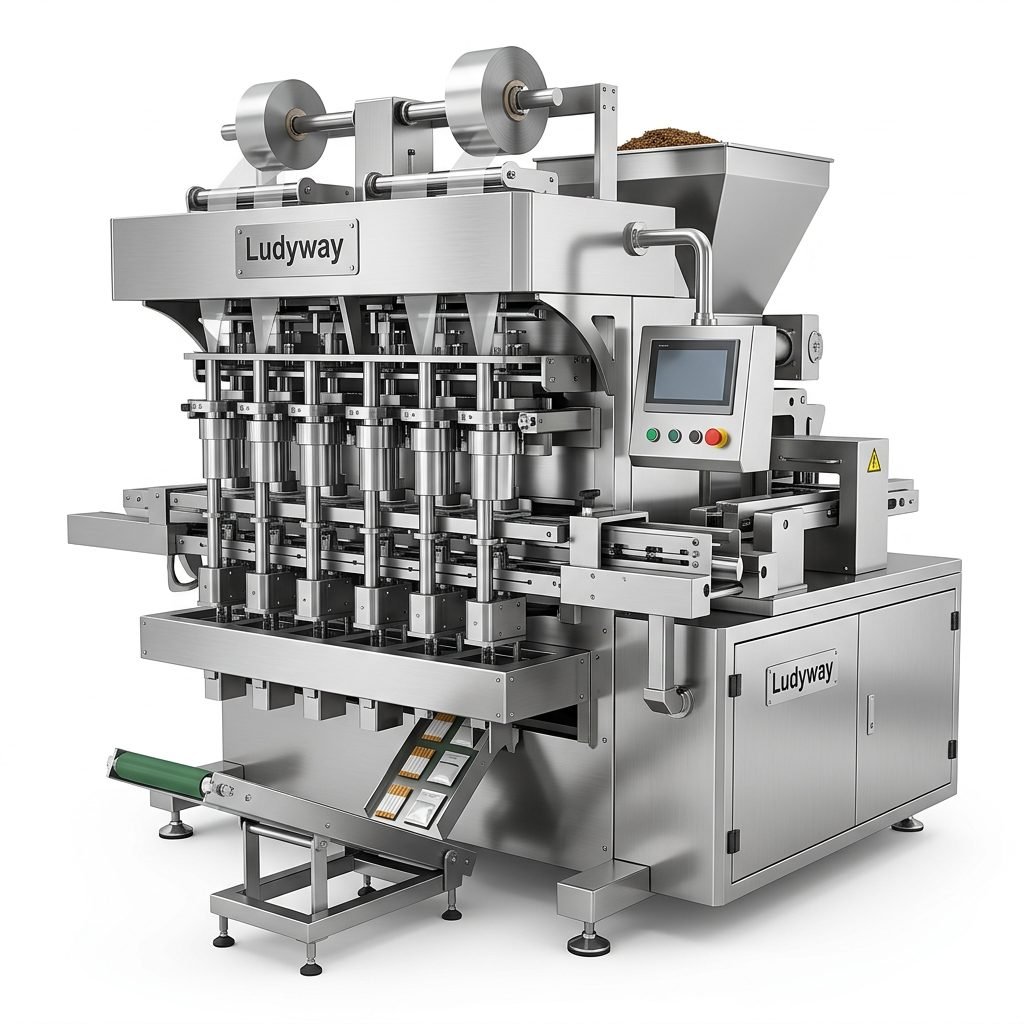
In today’s competitive food market, sauce brands need packaging that is fast, hygienic, accurate, and visually appealing. A sauce sachet packing machine is designed to meet these demands by automatically forming, filling, sealing, and cutting small sachets for a wide range of liquid and paste sauces. From ketchup and chili sauce to mayonnaise, soy sauce, curry sauce, salad dressing, and seasoning paste, this equipment helps manufacturers improve productivity while maintaining product consistency.
For food processors, co-packers, and private-label brands, sachet packaging offers a practical format for retail, takeaway, horeca supply, and promotional use. It is compact, cost-effective, and easy for end users to carry, open, and consume.
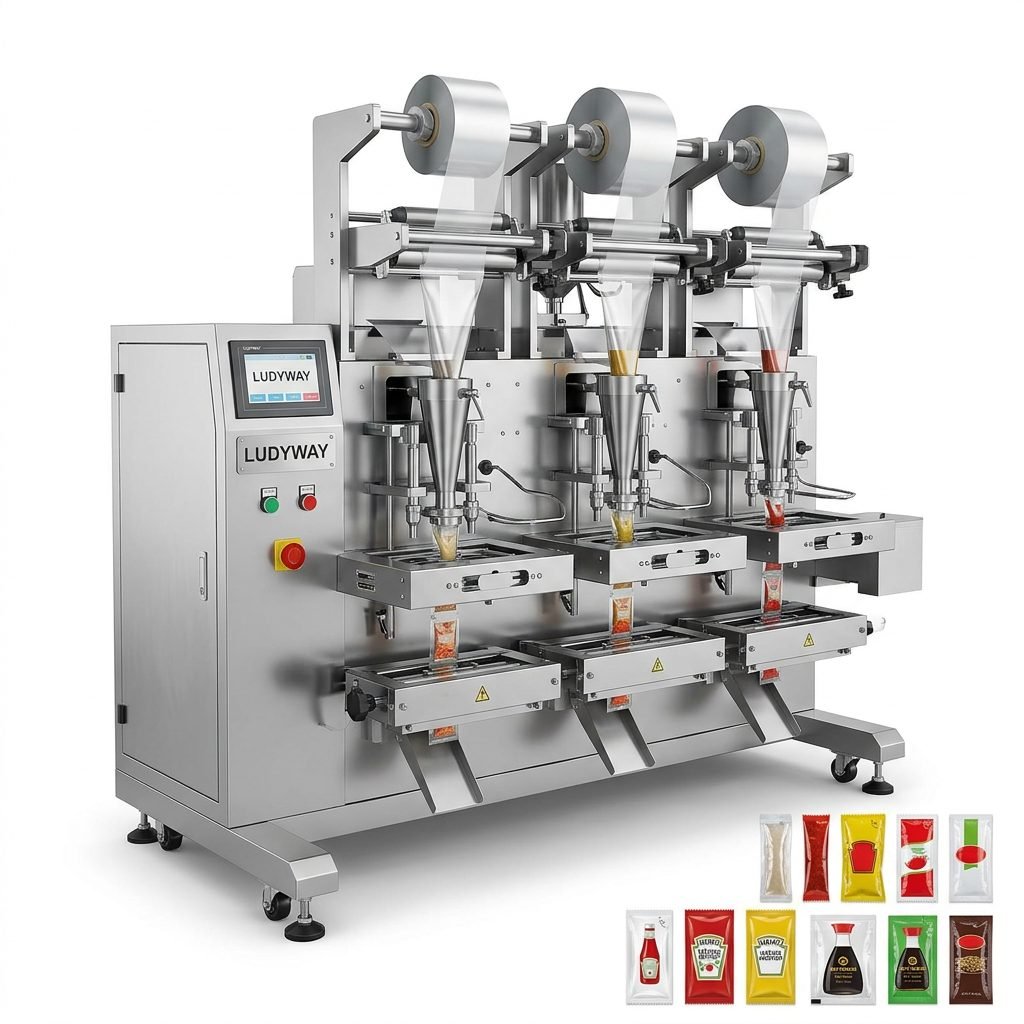
What Is a Sauce Sachet Packing Machine?
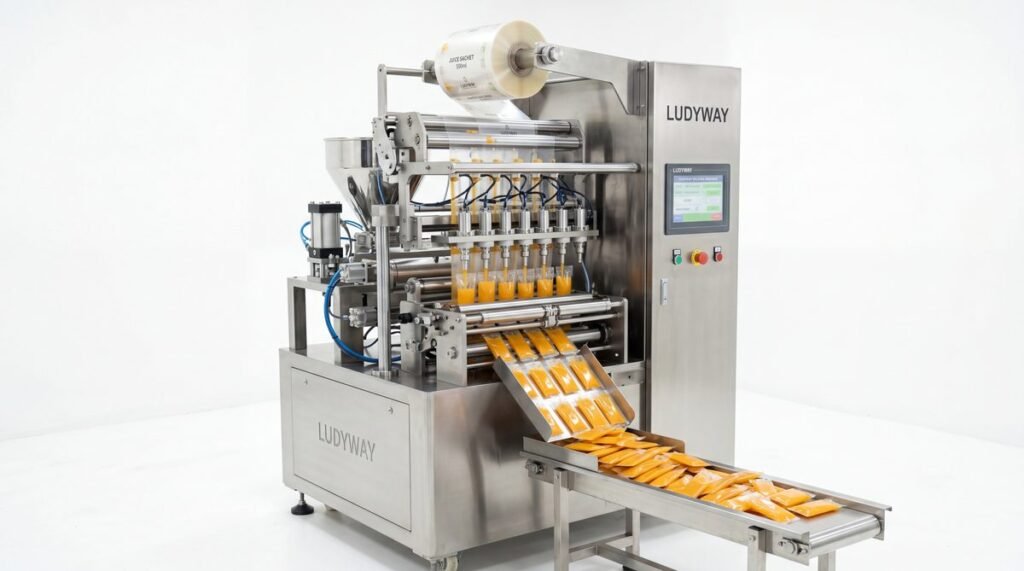
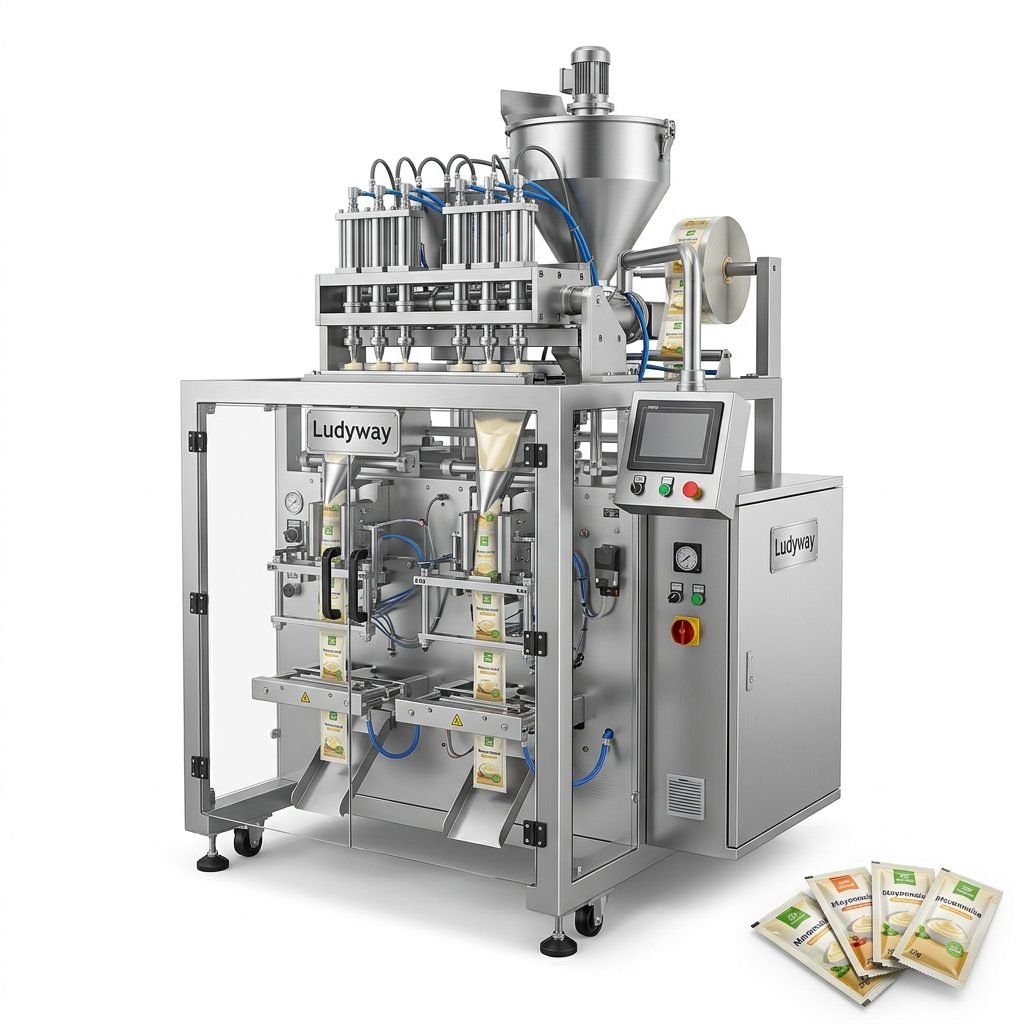
A sauce sachet packing machine is an automated packaging system used to pack sauces into small sealed sachets. It is suitable for both free-flowing liquids and viscous paste products. Depending on product characteristics, the machine can be equipped with different filling systems such as piston pumps, rotary pumps, or other precision dosing devices.
Its core functions usually include:
- Film unwinding and pouch forming
- Accurate metering and filling
- Heat sealing for leak prevention
- Date coding or batch printing
- Sachet cutting and output collection
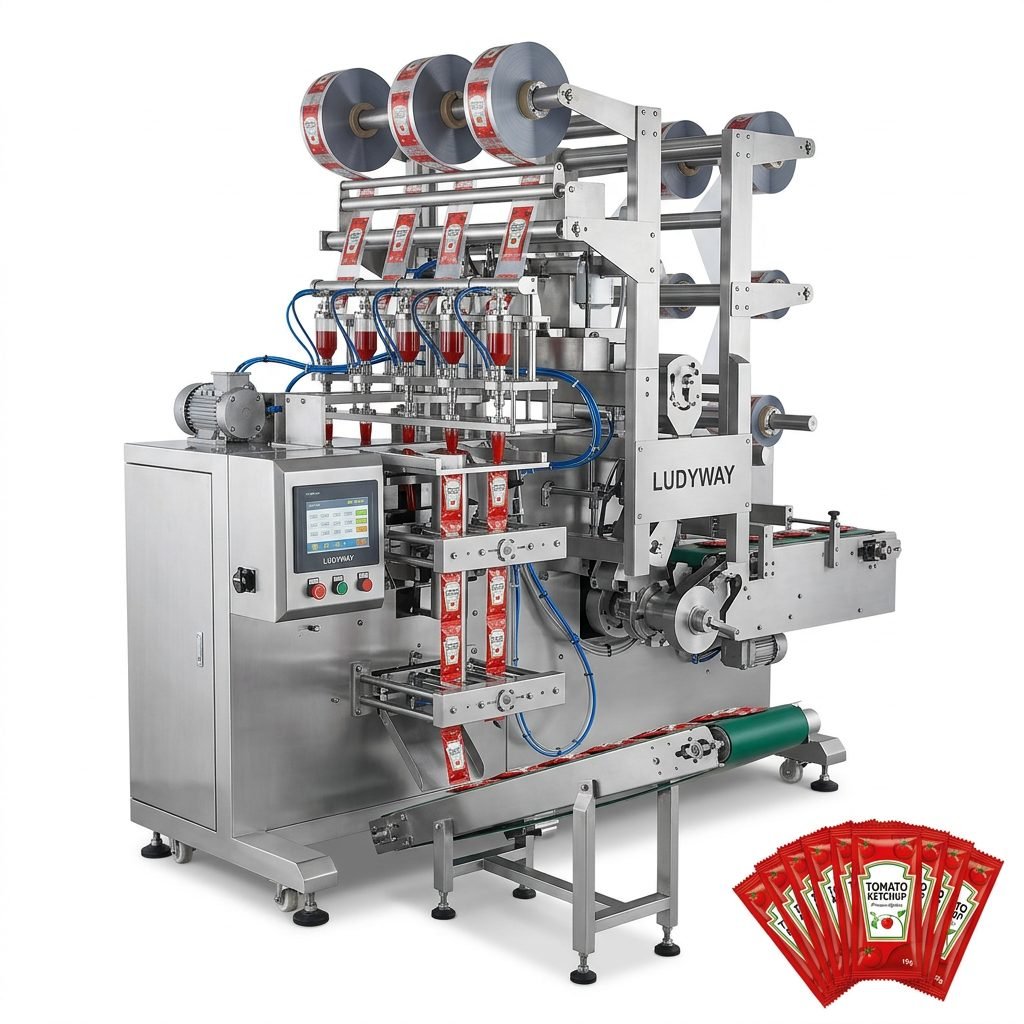
For high-output production, multi-lane models are especially popular because they can produce multiple sachets at the same time, significantly increasing packaging speed.
Why Sauce Sachet Packaging Is in High Demand
Single-use sachets have become increasingly popular across foodservice and retail channels. Consumers value convenience, portion control, cleanliness, and portability. Restaurants and takeaway businesses also prefer sachets because they simplify inventory, improve hygiene, and reduce waste.
Main drivers of demand include:
- Convenient portion packaging for end users
- Reduced contamination risk compared with bulk dispensing
- Better shelf presentation for branded condiments
- Lower transportation and storage costs
- Flexible applications across food manufacturing sectors
Common Sauce Products Suitable for Sachet Packing
Modern sachet machines can handle many sauce types as long as the filling system is matched to the product’s viscosity, particle content, and temperature requirements.
| Sauce Type | Product Form | Typical Use |
|---|---|---|
| Ketchup | Liquid / Paste | Fast food, takeaway, retail |
| Mayonnaise | Viscous paste | Catering, meal kits |
| Soy Sauce | Liquid | Asian food service, travel packs |
| Chili Sauce | Liquid / Thick sauce | Restaurants, export products |
| Salad Dressing | Liquid / Semi-viscous | Retail and airline catering |
| Curry Sauce | Paste / sauce | Prepared meals, seasoning kits |
Key Advantages of Using a Sauce Sachet Packing Machine
1. High Packaging Efficiency
Automation greatly increases output compared with manual or semi-automatic filling. Multi-lane models can pack a large number of sachets per minute, making them ideal for medium- and large-scale production.
2. Accurate Filling Performance
Precise dosing is essential in sauce packaging. Overfilling increases costs, while underfilling can cause customer complaints. A high-quality machine helps maintain stable fill volume and improve product consistency.
3. Clean and Hygienic Production
Food-grade contact parts, controlled filling systems, and enclosed operation help reduce contamination risks. This is especially important for manufacturers supplying foodservice chains, export markets, and regulated industries.
4. Strong Sealing Quality
Reliable sealing is critical for liquids and pastes. Advanced temperature control and sealing structures help prevent leakage, support shelf life, and improve transport performance.
5. Labor Savings
With automatic feeding, filling, sealing, and cutting, manufacturers can reduce manual handling and optimize labor allocation on the production floor.
6. Flexible Sachet Formats
The machine can often produce different sachet sizes and shapes, helping brands serve various market needs such as promotional packs, meal kits, travel-size condiments, and catering portions.
Important Features to Look For
Choosing the right machine requires evaluating both your product and production goals. Here are some important features buyers should focus on:
- Filling system compatibility with liquid, paste, or sauces containing small particles
- Stable sealing performance for leak-proof packaging
- Easy-to-clean structure for food hygiene compliance
- Touchscreen controls for simple parameter adjustment
- Servo-driven operation for improved precision
- Optional date coding, tear notch, and euro hole functions
- Support for single-lane or multi-lane production
- Integration capability with conveyors, cartoners, and checkweighers
Single-Lane vs. Multi-Lane Machines
The right machine format depends on your expected output, factory layout, product type, and investment plan.
| Machine Type | Best For | Main Benefit |
|---|---|---|
| Single-Lane | Startups, pilot production, specialty sauces | Lower investment and simpler changeover |
| Multi-Lane | Large-scale food factories and contract packers | Higher speed and greater output efficiency |
If your business serves supermarkets, chain restaurants, catering distributors, or export buyers, a multi-lane sauce sachet packing machine often delivers better long-term productivity.
Applications Across Different Food Businesses
Sauce sachet packing machines are widely used in:
- Condiment manufacturing plants
- OEM and private-label production facilities
- Instant noodle and ready meal factories
- Airline and hotel food suppliers
- Takeaway and fast-food condiment producers
- Export-oriented food packaging businesses
Because the machine can be customized for different viscosities and sachet specifications, it offers strong versatility for companies with multiple SKUs.
How to Choose the Right Machine for Your Sauce Product
Before investing, it is important to define your exact packaging requirements. A good machine selection process should consider:
- Sauce viscosity – Is the product watery, creamy, thick, or sticky?
- Particle content – Does the sauce contain seeds, spices, or small chunks?
- Sachet size range – What fill volume and pouch dimensions do you need?
- Production speed – How many sachets per minute are required?
- Film material – Which laminates or packaging films will be used?
- Hygiene and cleaning needs – Is quick washdown or CIP support necessary?
- Future scalability – Will you expand output or add more sauce varieties later?
A machine supplier should be able to test your product, recommend the right dosing method, and provide a suitable configuration based on your production plan.
Automation Beyond the Packing Machine
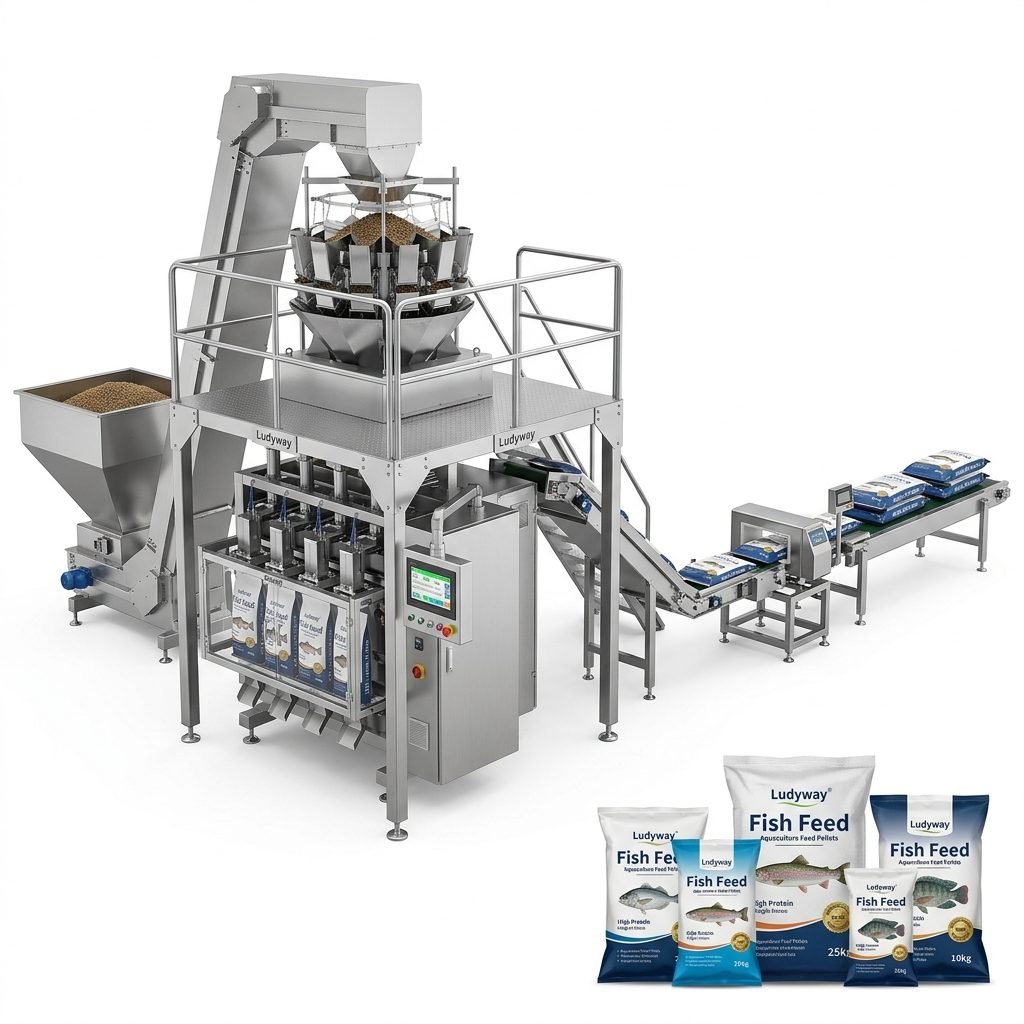
Many sauce manufacturers no longer purchase a sachet machine as a standalone unit. Instead, they prefer integrated solutions that connect the packaging machine with upstream and downstream equipment, such as:
- Mixing and holding tanks
- Heated hoppers for viscous sauces
- Feeding pumps
- Date coders and printers
- Checkweighers and inspection systems
- Cartoning and case packing systems
This kind of packaging line layout improves workflow, reduces downtime, and helps maintain better quality control throughout the production process.
Why Reliable Manufacturing Experience Matters
When buying a sauce sachet packing machine, equipment quality and supplier experience are just as important as machine specifications. A reliable manufacturer can help with machine design, product testing, customization, commissioning, and after-sales service.
For businesses seeking scalable packaging solutions, Ludyway sauce sachet packing machine solutions are backed by over 30 years of industry experience in automatic packaging equipment and turnkey packaging lines. This makes it easier for food producers to match the right equipment with their product type, production target, and future expansion plan.
Final Thoughts
A sauce sachet packing machine is an efficient solution for brands that need fast, hygienic, and accurate packaging for liquid and paste sauces. Whether you produce ketchup, soy sauce, mayonnaise, chili sauce, curry sauce, or specialty condiments, the right machine can help increase output, reduce labor costs, and improve packaging consistency.
As consumer demand for convenient single-serve packaging continues to grow, investing in reliable sachet automation can strengthen your competitiveness and support long-term business growth.