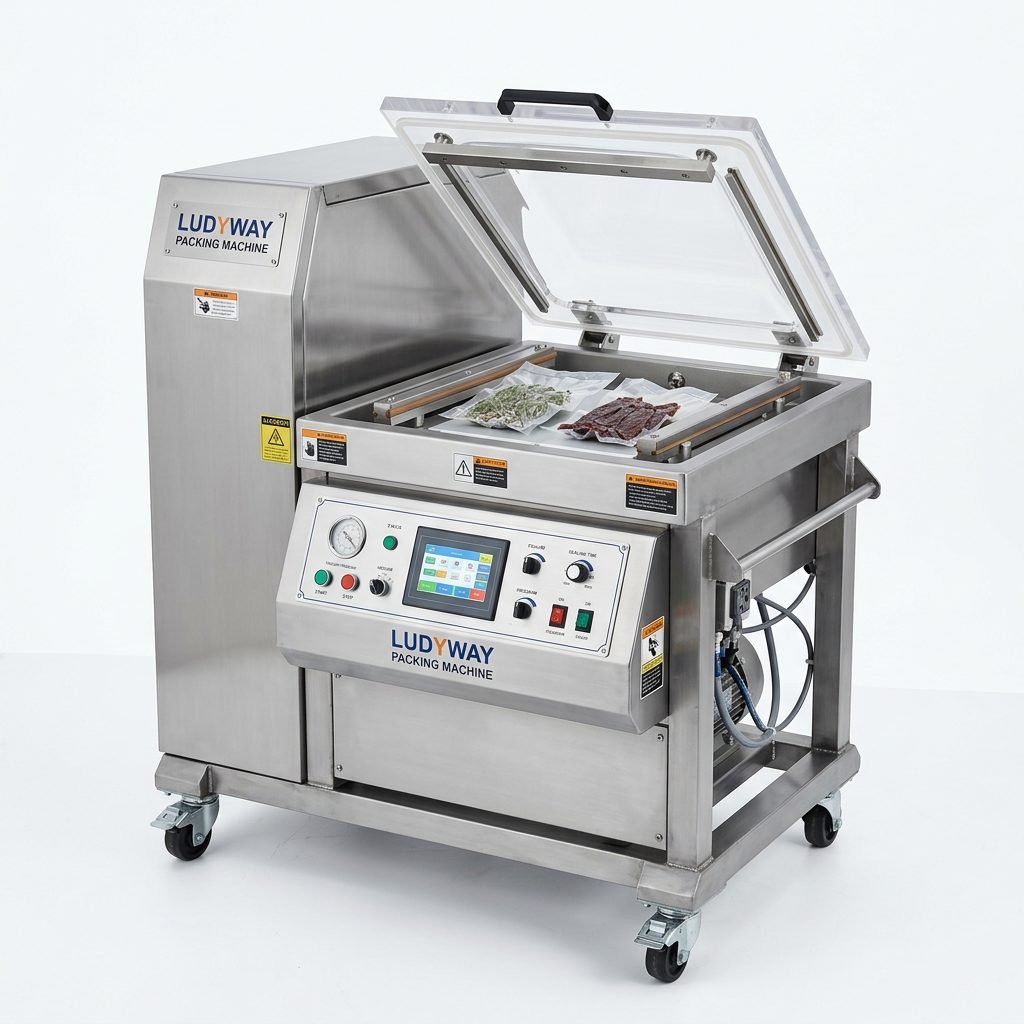
Packaging accuracy is not just a quality checkpoint at the end of production. It is a core manufacturing discipline that directly affects product consistency, customer trust, regulatory compliance, production cost, and long-term brand performance. Whether a company fills powders, granules, liquids, capsules, creams, or pouch-based products, accurate packaging helps ensure every unit leaving the line matches the intended specification.
In modern manufacturing, even small errors in fill weight, seal quality, labeling, coding, or count accuracy can create large downstream problems. A minor deviation repeated across thousands of units may result in waste, complaints, recalls, legal exposure, and lost business opportunities.
What Packaging Accuracy Really Means
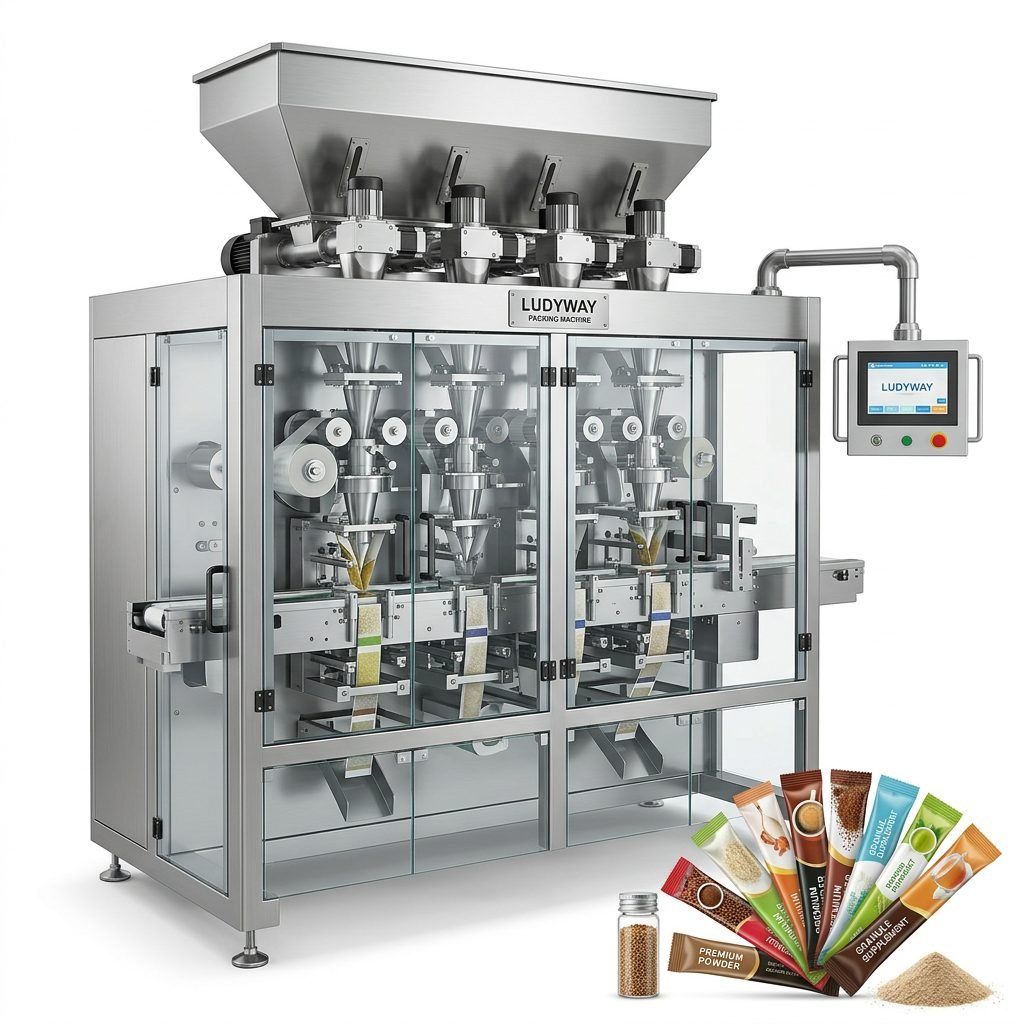
Packaging accuracy refers to the ability of a packaging process to deliver the correct product amount, presentation, and packaging integrity every time. It usually includes several dimensions:
- Fill accuracy — the correct weight or volume in each pack
- Seal accuracy — reliable sealing without leaks, contamination, or weak edges
- Label accuracy — correct product, ingredient, warning, and batch information
- Count accuracy — exact unit quantity for tablets, sachets, pouches, or components
- Code accuracy — legible date, lot, and traceability markings
- Format consistency — proper pouch shape, carton position, cap torque, or finished appearance
When all of these areas are controlled together, manufacturers are better positioned to run stable, scalable, and profitable operations.
Why Packaging Accuracy Matters So Much in Manufacturing
Packaging is often the final stage before a product reaches distributors, retailers, hospitals, pharmacies, or end users. If packaging is inaccurate, the problem becomes highly visible and expensive to correct. Unlike internal process waste, packaging defects frequently travel into the market.
Accuracy matters because it influences:
- Product quality perception
- Compliance with legal and industry requirements
- Material usage efficiency
- Production line stability
- Customer satisfaction and repeat orders
- Inventory and traceability control
Key Benefits of High Packaging Accuracy
1. Better Product Consistency
Consistent packaging builds confidence. When every sachet, pouch, bottle, or carton contains the expected amount and appearance, customers see the brand as reliable. This is especially important in food, pharmaceutical, nutraceutical, and cosmetic applications where variations can quickly trigger complaints.
2. Lower Material Waste
Overfilling wastes product. Underfilling causes non-compliance and customer dissatisfaction. Accurate dosing and sealing reduce giveaway, rework, rejected packs, and damaged packaging materials. Over time, these savings can significantly improve operating margins.
3. Stronger Regulatory Compliance
Many industries operate under strict packaging standards. Net content rules, lot coding, tamper evidence, label correctness, and seal integrity are not optional. Accurate packaging supports audit readiness and helps manufacturers avoid penalties, recalls, or shipment delays.
4. Improved Operational Efficiency
When the line is accurate, it usually runs more smoothly. Operators spend less time adjusting settings, checking rejected products, clearing jams, or investigating complaints. This improves uptime and allows teams to focus on throughput and preventive maintenance rather than correction work.
5. Stronger Brand Reputation
A customer may not see the filling head or sealing jaw, but they immediately notice leaking pouches, incorrect counts, weak seals, unreadable codes, or inconsistent pack sizes. Accurate packaging protects the product experience and reinforces trust in the brand.
6. Better Cost Control Across the Entire Supply Chain
Accurate packaging reduces hidden costs such as product returns, reverse logistics, complaint handling, customer service time, distributor disputes, and market replacements. The financial impact extends far beyond the packaging room.
| Benefit | Operational Impact | Business Result |
|---|---|---|
| Accurate fill weights | Less giveaway and fewer rejects | Improved profit margin |
| Reliable seals | Lower leakage and contamination risk | Fewer complaints and returns |
| Correct labels and codes | Better traceability and compliance | Reduced recall exposure |
| Stable pack presentation | Smoother downstream handling | Stronger retail and customer acceptance |
Main Risks of Poor Packaging Accuracy
Product Giveaway and Margin Loss
Many manufacturers underestimate how costly slight overfills can be. A small extra amount per pack may seem negligible, but across high-volume production it can lead to substantial product loss. This is particularly damaging for premium powders, supplements, pharmaceutical materials, and specialty chemicals.
Customer Complaints and Brand Damage
Underweight packs, leaking sachets, broken seals, or wrong labels reduce customer confidence immediately. In competitive markets, one packaging failure can push buyers to alternative suppliers.
Regulatory and Legal Exposure
Inaccurate packaging may violate net content, labeling, health, or safety rules. For regulated sectors, the consequences can include inspection findings, import rejection, warning letters, fines, and mandatory recalls.
Production Downtime
Accuracy problems often indicate deeper process instability. Incorrect dosing, inconsistent film tension, poor synchronization, or inadequate feeder performance can create stoppages, jams, and excessive manual intervention.
Inventory and Traceability Errors
If codes are wrong, labels are mixed, or counts are off, warehouse management becomes less reliable. This can disrupt shipping accuracy and make investigations far more difficult when a market issue occurs.
Critical point: packaging inaccuracy is rarely an isolated issue. It often affects quality, finance, compliance, customer service, and supply chain performance at the same time.
Industries Where Packaging Accuracy Is Especially Critical
Food Manufacturing
Food producers must protect freshness, control portions, meet labeling rules, and maintain pack appearance. Inaccurate packaging can result in spoilage, shelf-life issues, and retailer rejection.
Pharmaceutical Manufacturing
Accuracy is essential for patient safety, dosage integrity, and compliance. Errors in count, coding, or seal quality can create serious medical and legal consequences.
Health Supplements
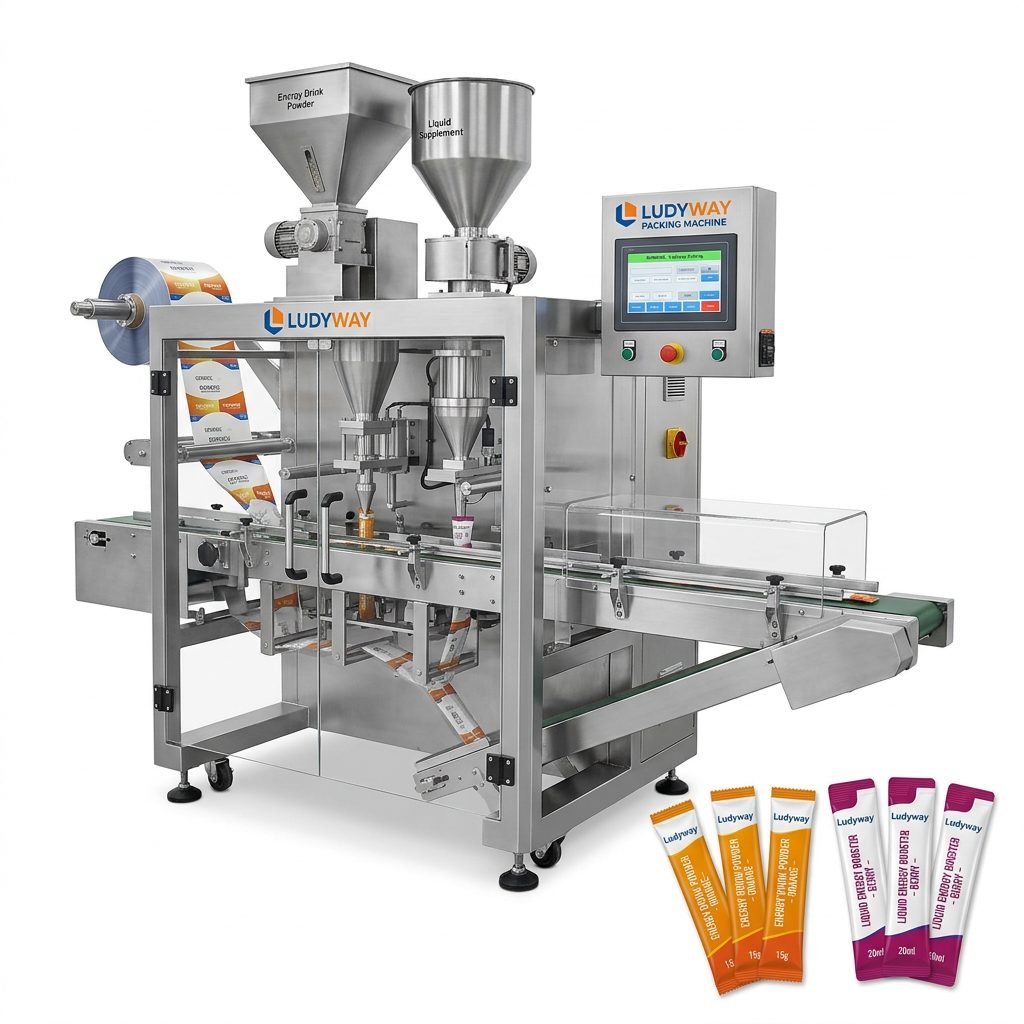
Consumers expect exact serving sizes and clear labeling. For powders, stick packs, and sachets, consistency is central to brand credibility and repeat purchase behavior.
Cosmetics and Personal Care
Leak prevention, neat presentation, and accurate filling matter because packaging is part of the product experience. Poor visual consistency can reduce premium value.
Chemical and Industrial Products
Incorrect packaging can create safety hazards, handling issues, and transport risks. In these sectors, packaging accuracy also supports worker safety and storage control.
Common Causes of Packaging Inaccuracy
- Improper machine calibration
- Wear on filling components, sealing parts, or conveyors
- Inconsistent product flow characteristics
- Poor environmental control such as humidity, dust, or temperature shifts
- Inadequate operator training
- Low-quality packaging materials
- Insufficient in-line inspection
- Weak preventive maintenance programs
- Line speed pushed beyond stable operating limits
For example, powders with poor flowability may bridge in hoppers, liquids may foam, granules may vary in bulk density, and flexible films may stretch differently between batches. These factors can all affect packaging accuracy if the system is not designed and controlled correctly.
Best Practices to Improve Packaging Accuracy
Use the Right Packaging Technology for the Product
Not all products behave the same. Powders, granules, liquids, pastes, capsules, and pouches each require different dosing, conveying, and sealing approaches. Selecting suitable equipment is the foundation of consistent accuracy.
Calibrate and Verify Regularly
Calibration should not be treated as an occasional task. Establish routine checks for weighing systems, volumetric fillers, pumps, sensors, printers, and inspection devices. Verification schedules should match product sensitivity and production intensity.
Integrate In-Line Inspection Systems
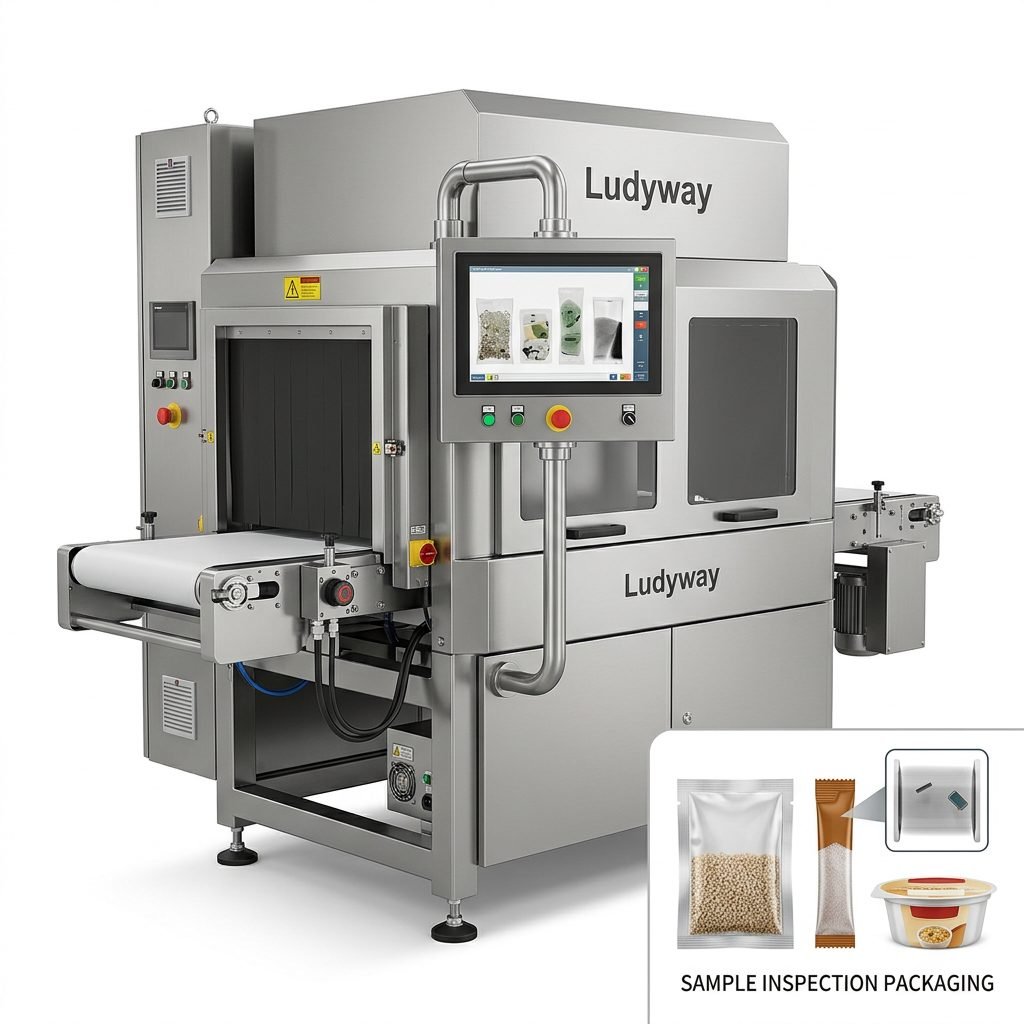
Checkweighers, vision systems, metal detectors, X-ray inspection, seal inspection, and reject mechanisms help identify deviations early. Real-time detection prevents large batches of defective product from moving downstream.
Control Packaging Materials
Film thickness, pouch quality, cap consistency, carton dimensions, and label adhesion all influence final accuracy. Suppliers and incoming material checks play an important role in reducing variability.
Train Operators Beyond Basic Machine Use
Operators should understand not only how to run equipment, but also how product characteristics, settings, environmental conditions, and changeovers affect packaging performance. Skilled teams detect problems earlier and respond faster.
Standardize Changeovers
Many packaging errors begin during product or format changeover. Clear SOPs, parameter records, tooling identification, and setup verification checklists can reduce startup losses and human error.
Analyze Data Continuously
Track reject rates, fill variation trends, seal failures, downtime causes, and complaint categories. Data helps manufacturers move from reactive correction to preventive improvement.
| Best Practice | Why It Matters |
|---|---|
| Correct machine selection | Matches dosing and sealing method to product behavior |
| Routine calibration | Maintains weight, volume, and count consistency |
| In-line inspection | Detects defects before shipment |
| Operator training | Reduces setup mistakes and improves troubleshooting |
| Preventive maintenance | Prevents drift caused by wear and unstable components |
| Data-driven monitoring | Supports continuous improvement and root cause control |
How Automation Supports Higher Packaging Accuracy
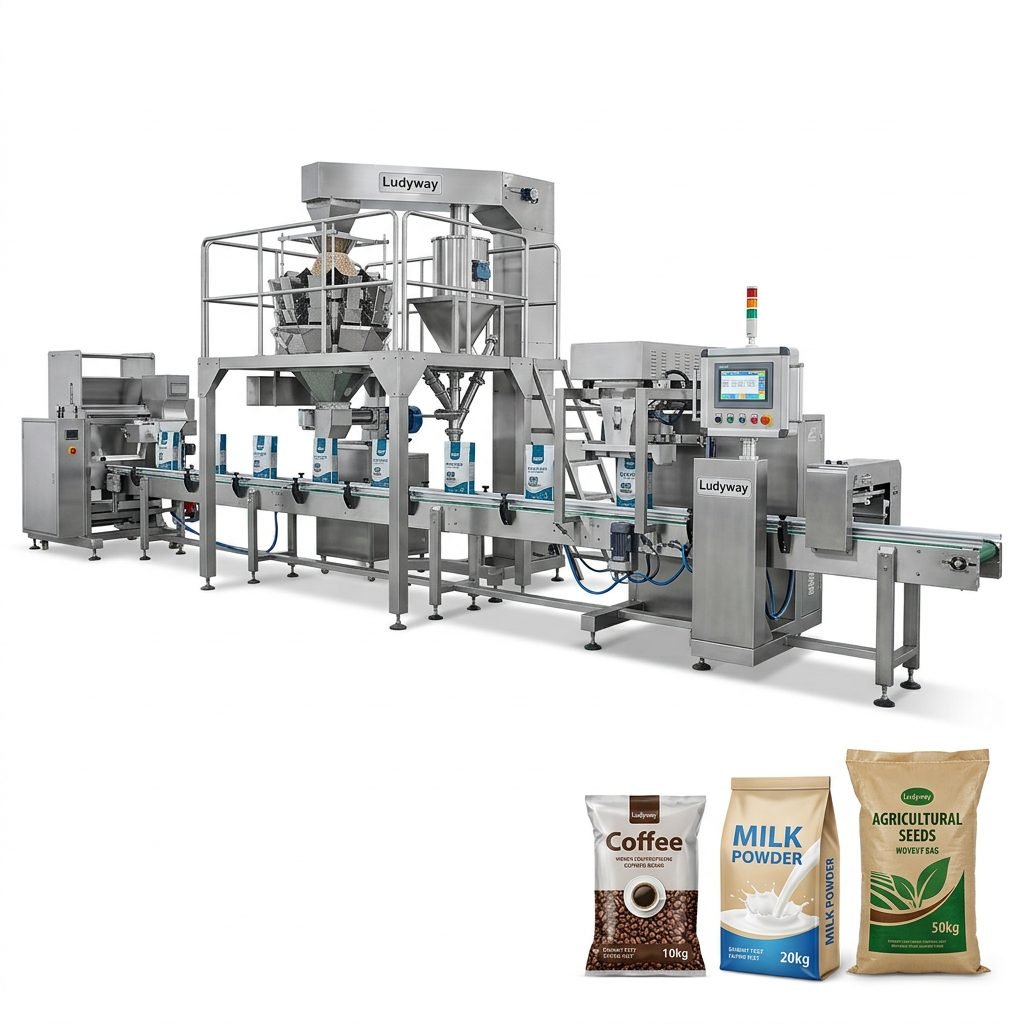
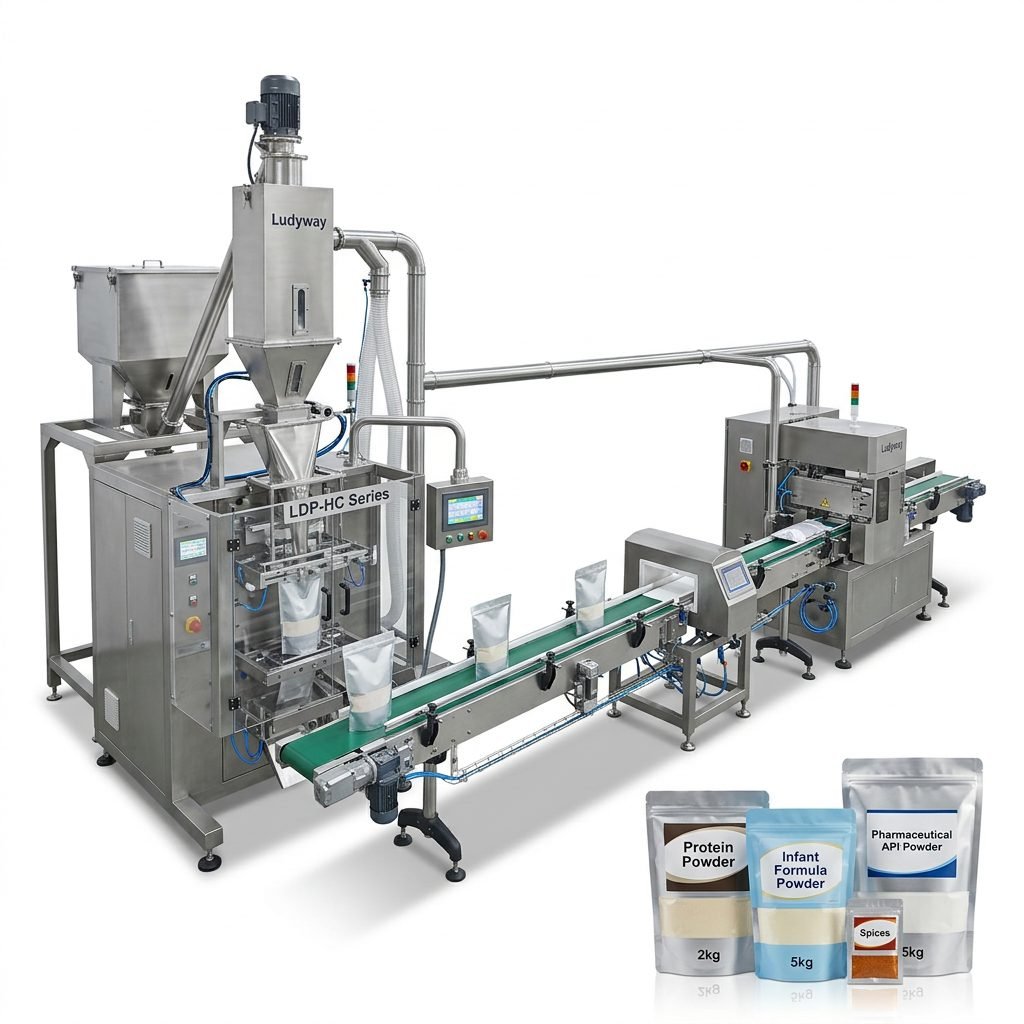
Automation reduces reliance on manual judgment and improves repeatability. Modern packaging systems can synchronize dosing, feeding, sealing, coding, inspection, and discharge in a controlled sequence. This leads to more stable results, especially at high speed.
Advanced automated lines often include:
- Servo-driven motion control
- Precision auger, piston, or multi-head weighing systems
- Automatic film tracking and tension control
- Integrated coding and labeling verification
- Automatic rejection of non-conforming packs
- Data collection for traceability and performance review
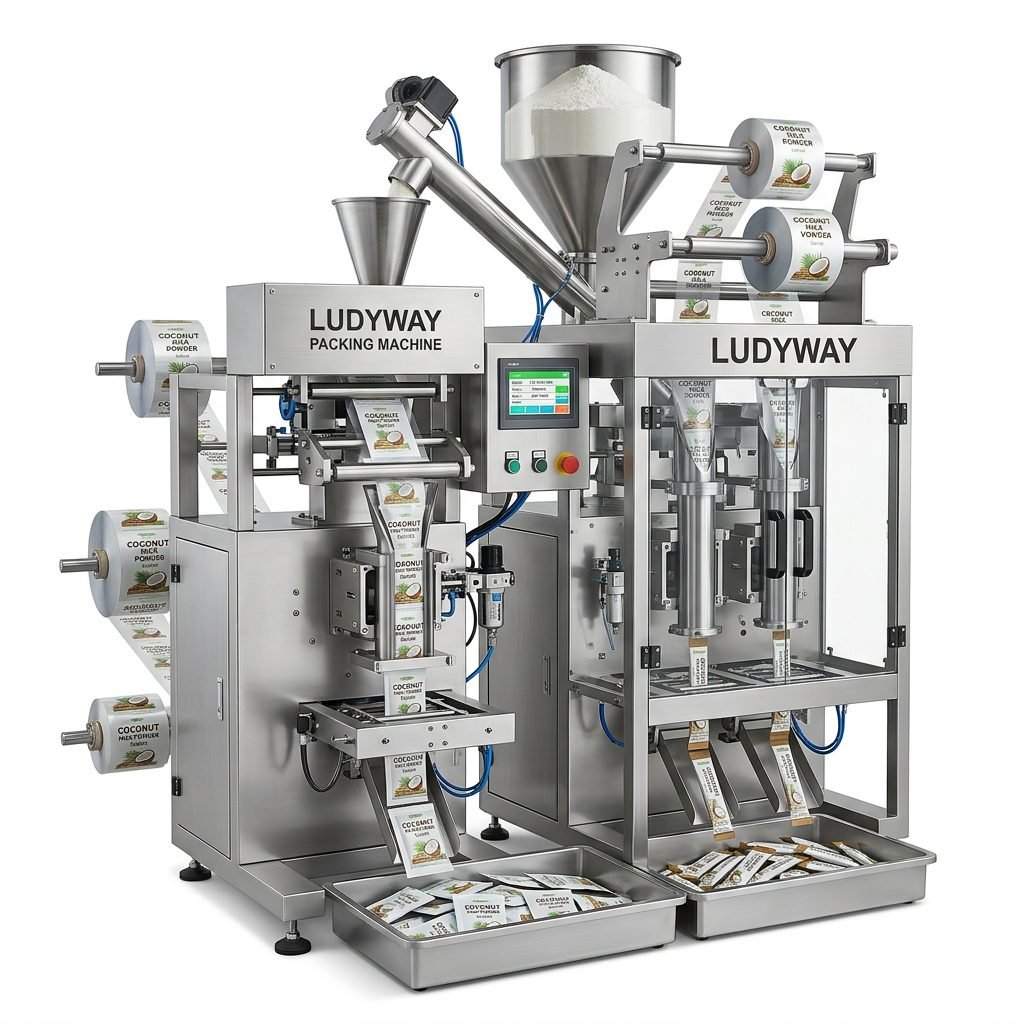
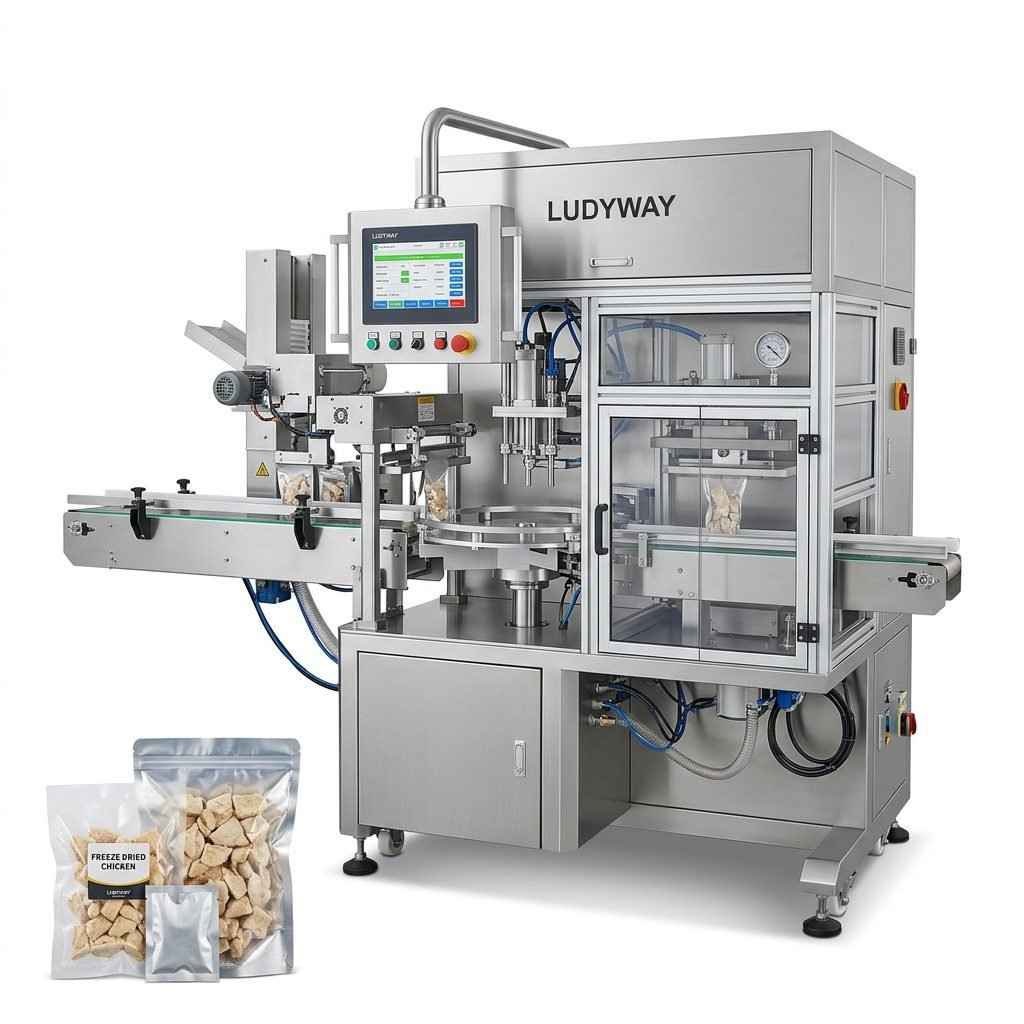
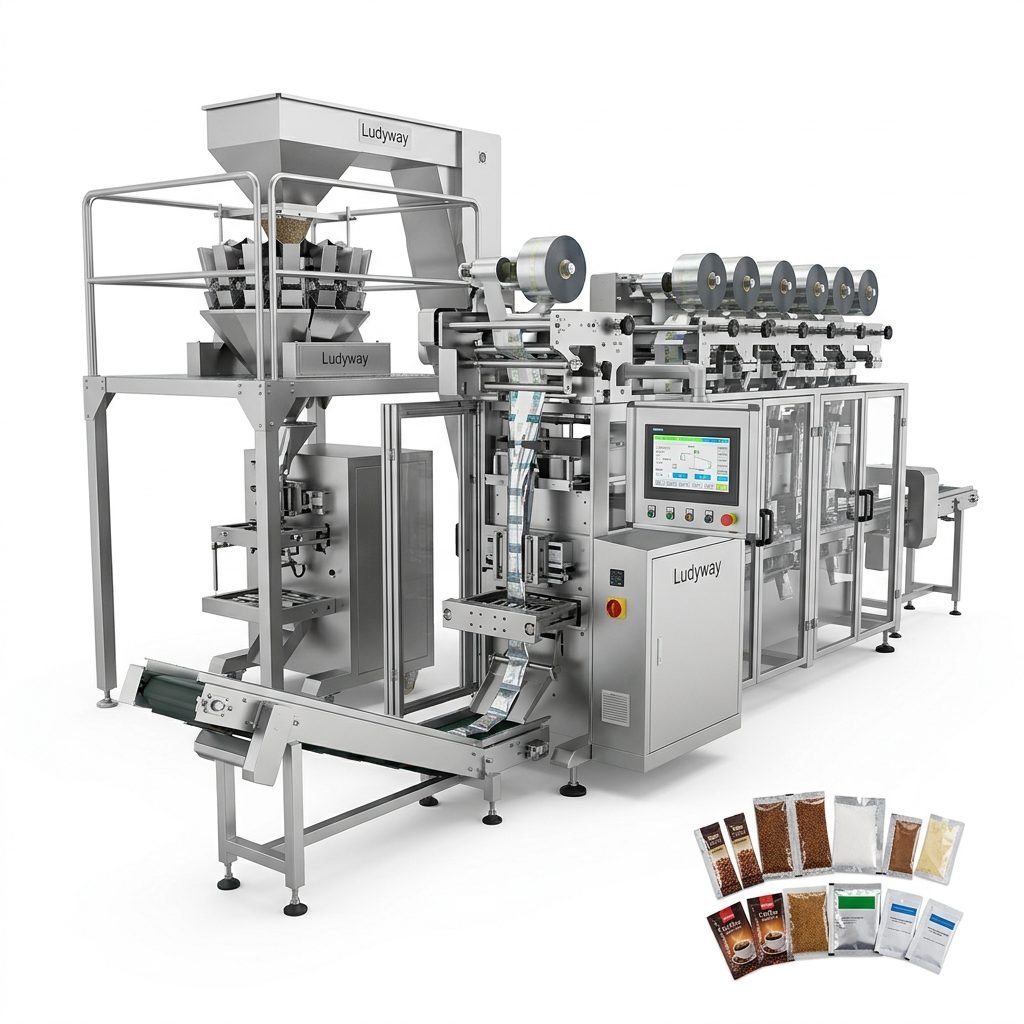
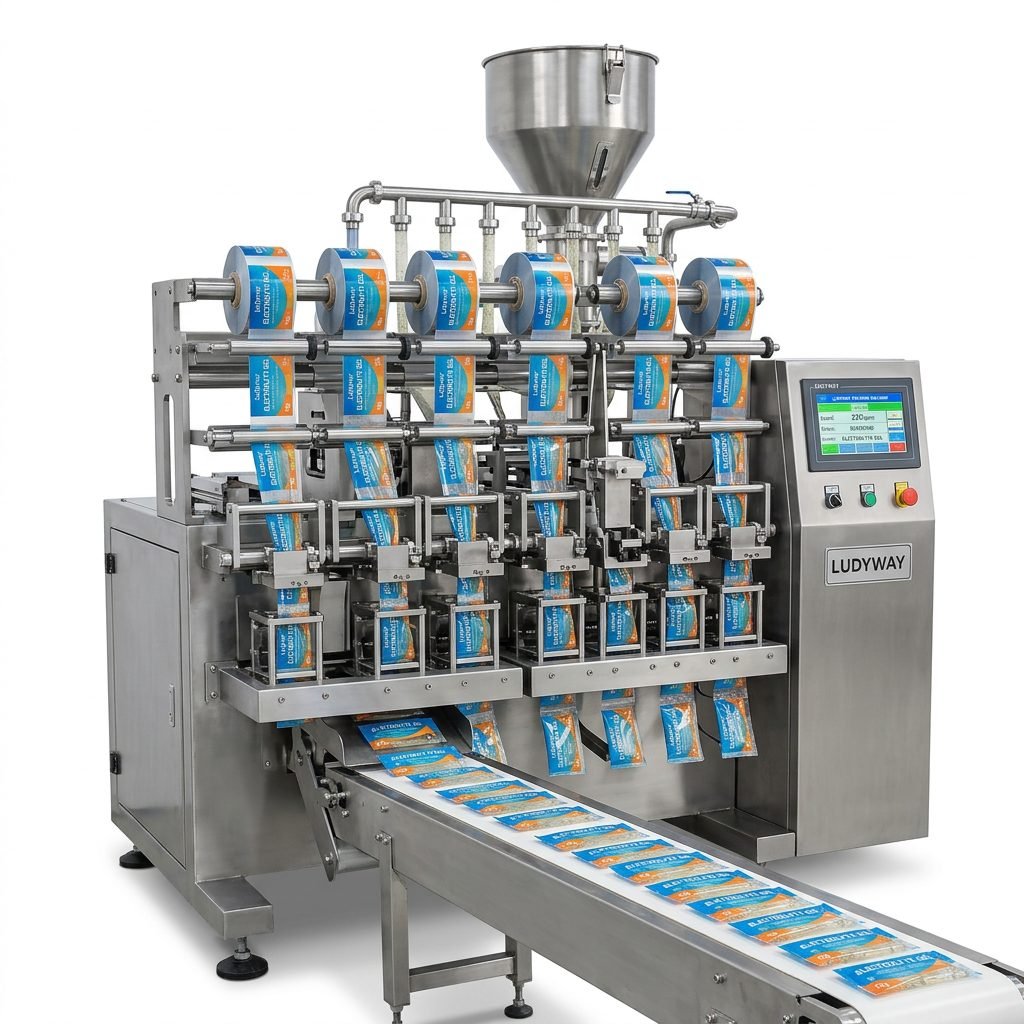
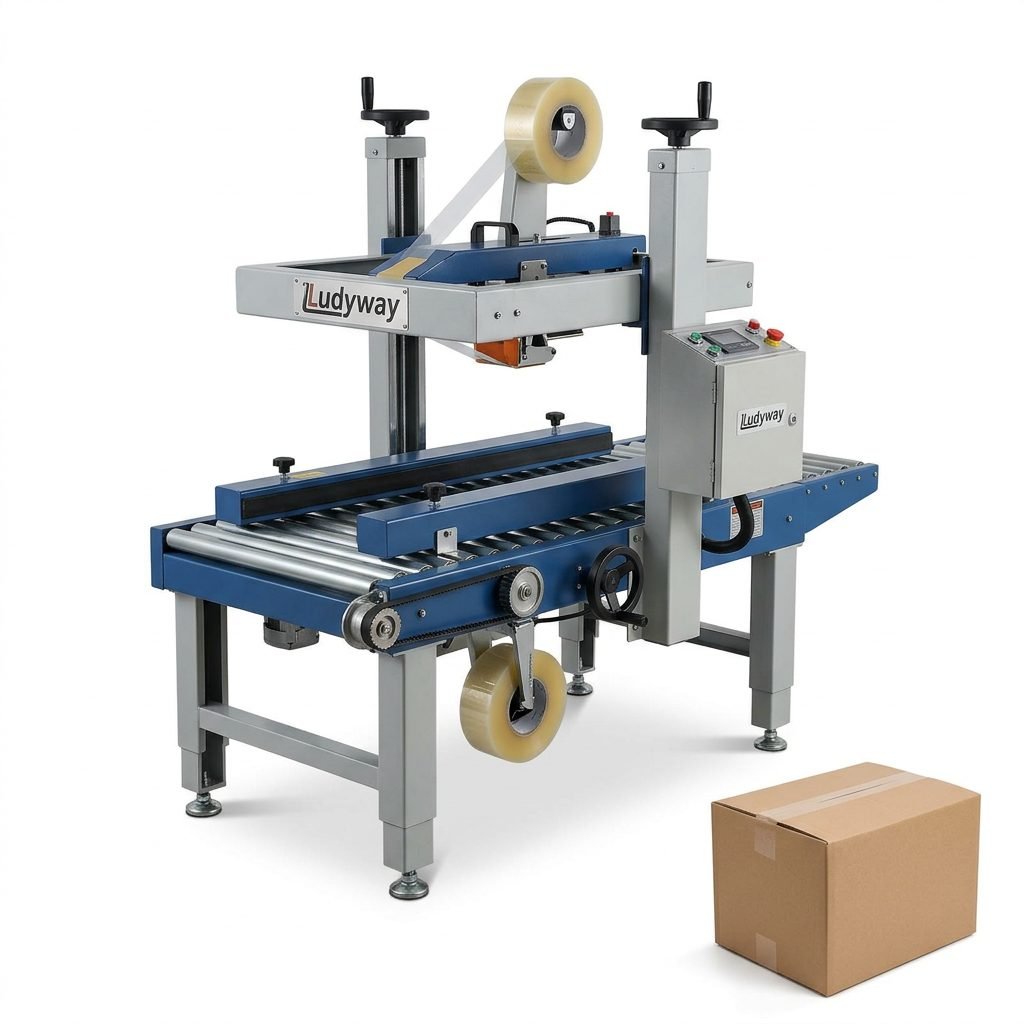
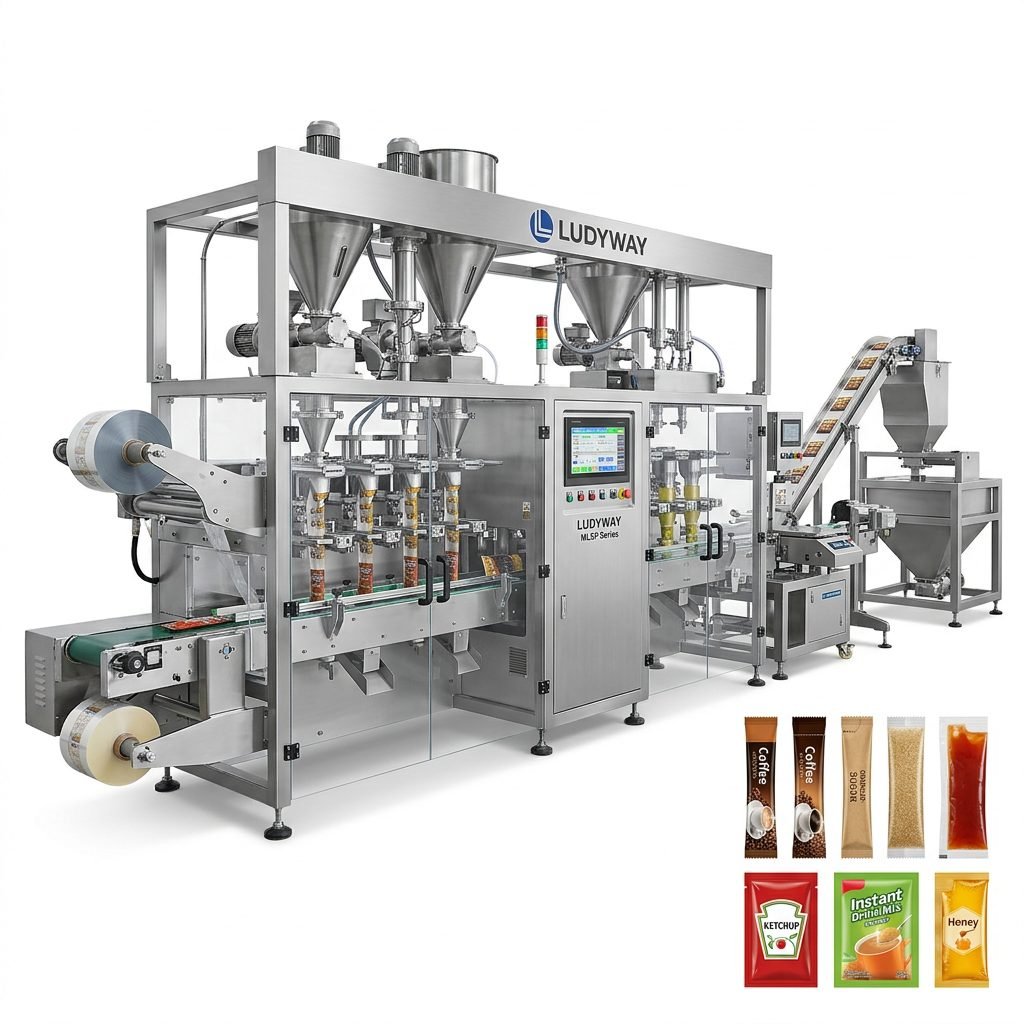
Manufacturers seeking scalable and customized automation solutions often evaluate experienced suppliers such as Ludyway packaging machine manufacturer for equipment and turnkey packaging line integration across food, pharmaceutical, health supplement, and related industries.
Practical Signs Your Packaging Line May Have Accuracy Problems
- Frequent underweight or overweight packs
- Inconsistent seal appearance or leakage
- High reject rates during quality checks
- Customer complaints about quantity or pack integrity
- Excessive product giveaway
- Code printing errors or unreadable batch information
- Repeated manual adjustments during production
- Performance changes after long runs or changeovers
How to Build a Long-Term Packaging Accuracy Strategy
Start with Process Mapping
Review every stage from product feeding to final case packing. Inaccuracies often begin upstream rather than at the final filling point.
Set Measurable Accuracy Targets
Define acceptable tolerances for weight, volume, seal strength, count, code legibility, and reject percentage. Clear targets create accountability and support improvement tracking.
Connect QA, Production, and Maintenance
Packaging accuracy improves fastest when departments share data and solve problems together. Quality findings should directly inform machine maintenance and operator procedures.
Invest in Equipment That Can Grow with Demand
As output rises, weak equipment design becomes more obvious. Choose systems that maintain accuracy not only at startup, but also during long, high-volume production cycles.
Conclusion for Manufacturers Focused on Growth and Quality
Packaging accuracy matters because it affects nearly every important manufacturing outcome: cost, compliance, efficiency, product quality, and customer trust. High accuracy is not simply about avoiding mistakes; it is about creating a stronger, more competitive production system.
Manufacturers that treat packaging accuracy as a strategic priority are better able to reduce waste, protect margins, pass audits, scale output, and build dependable brands. In a market where customers expect consistency and regulators expect control, accurate packaging is no longer a bonus—it is a business requirement.