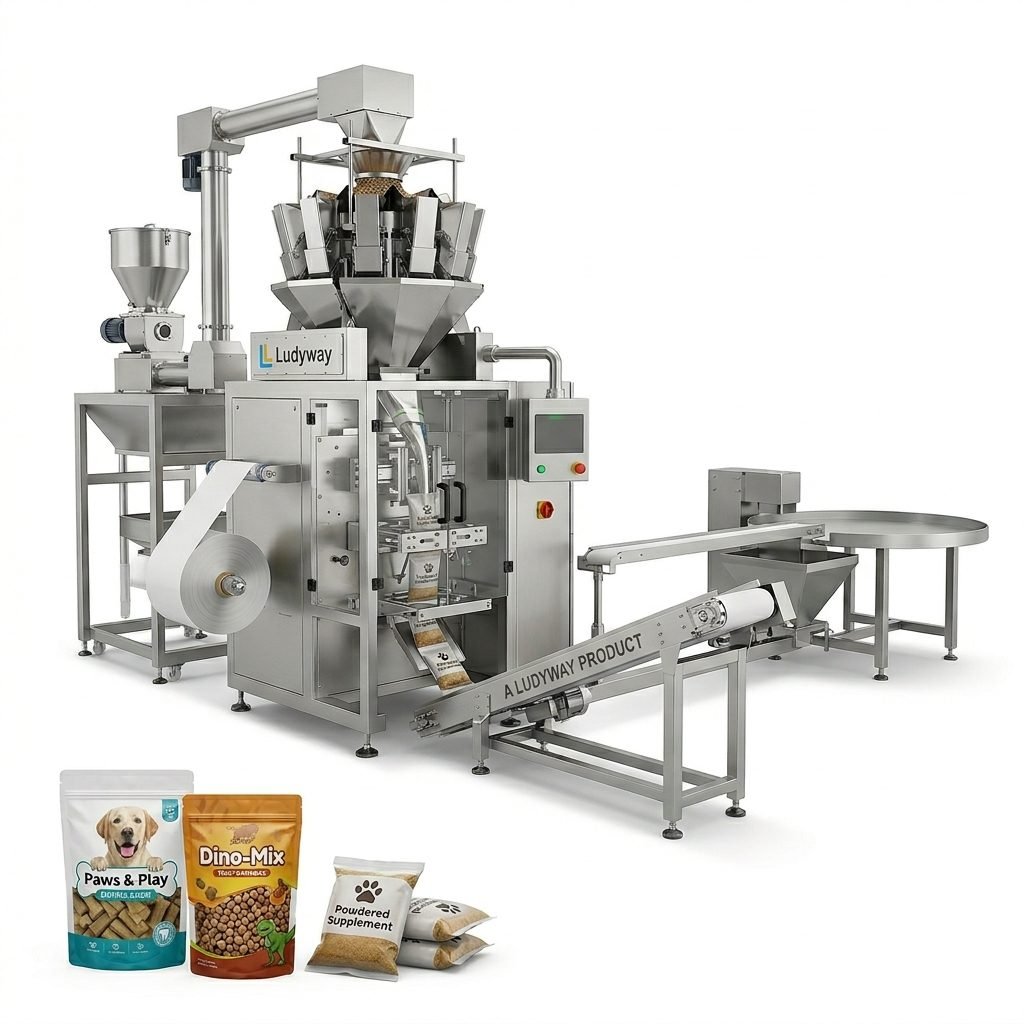
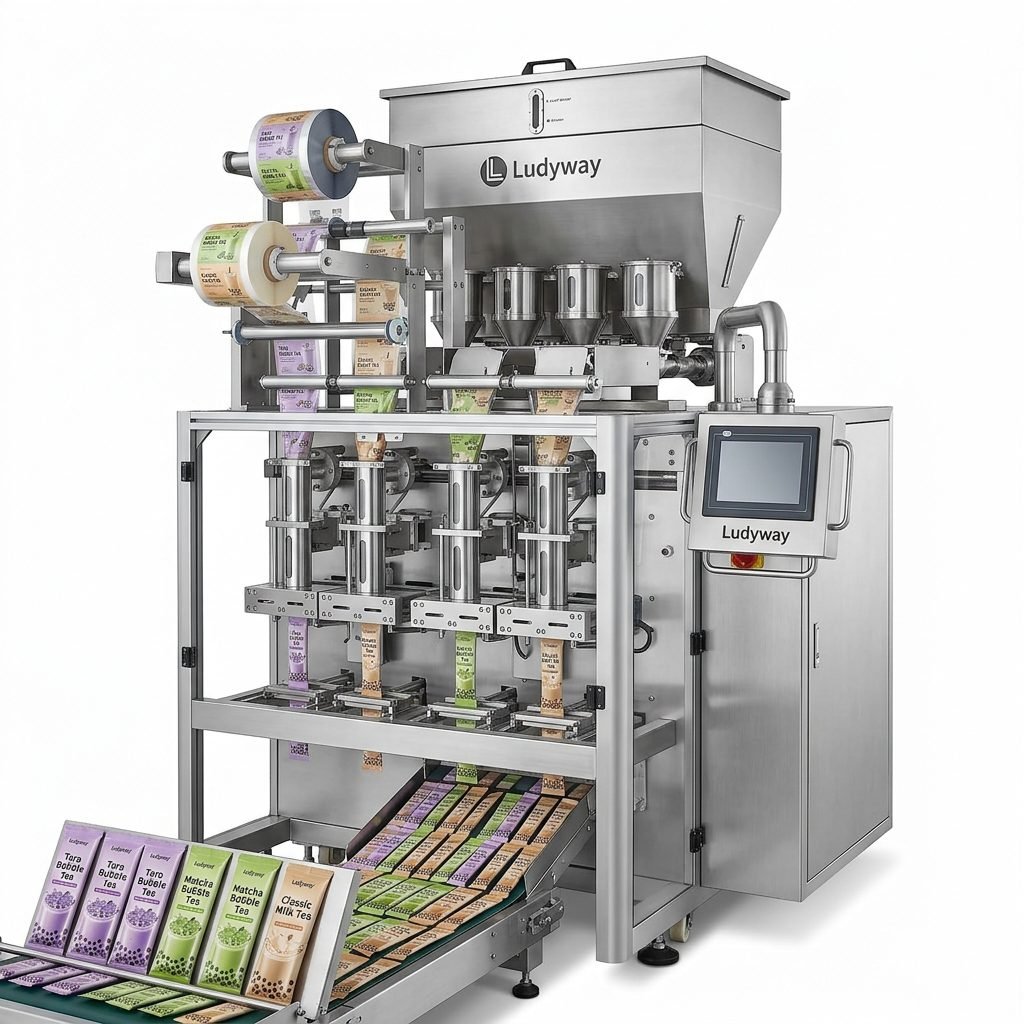
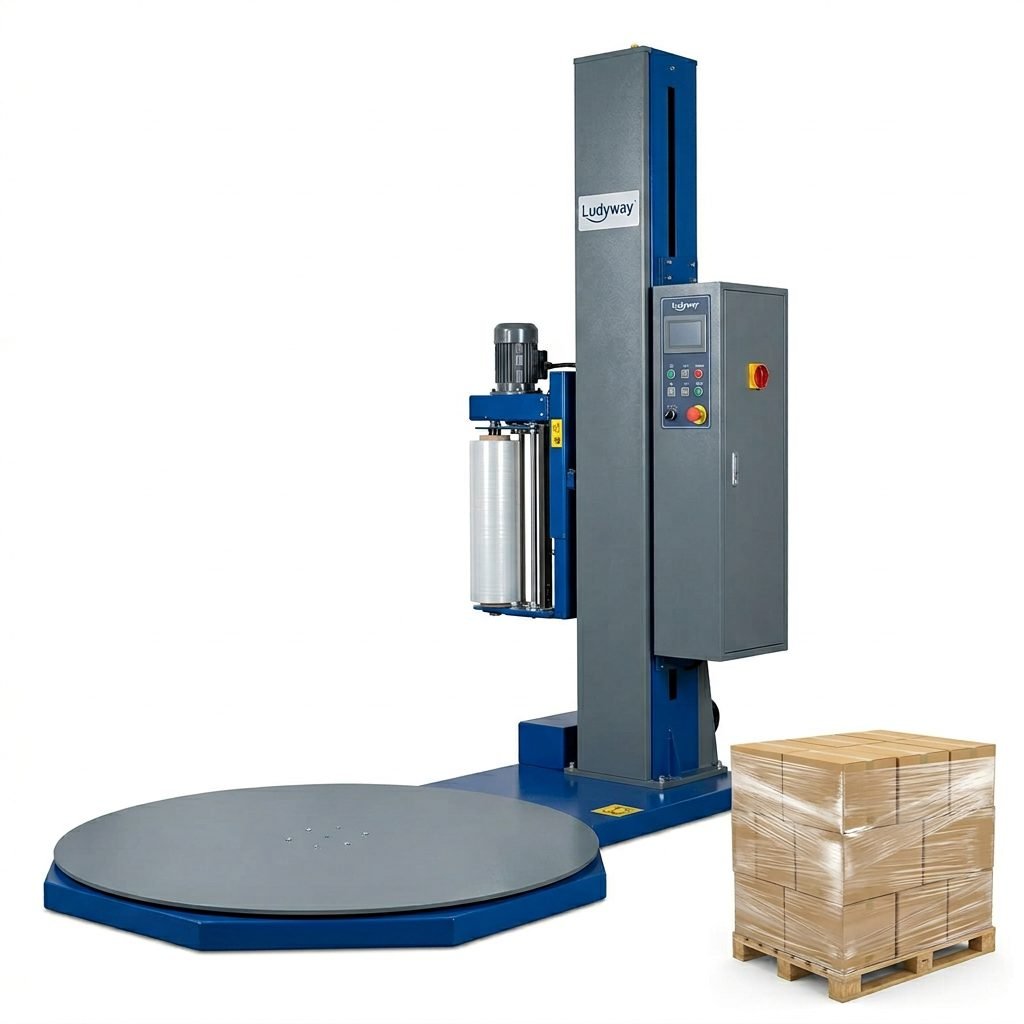
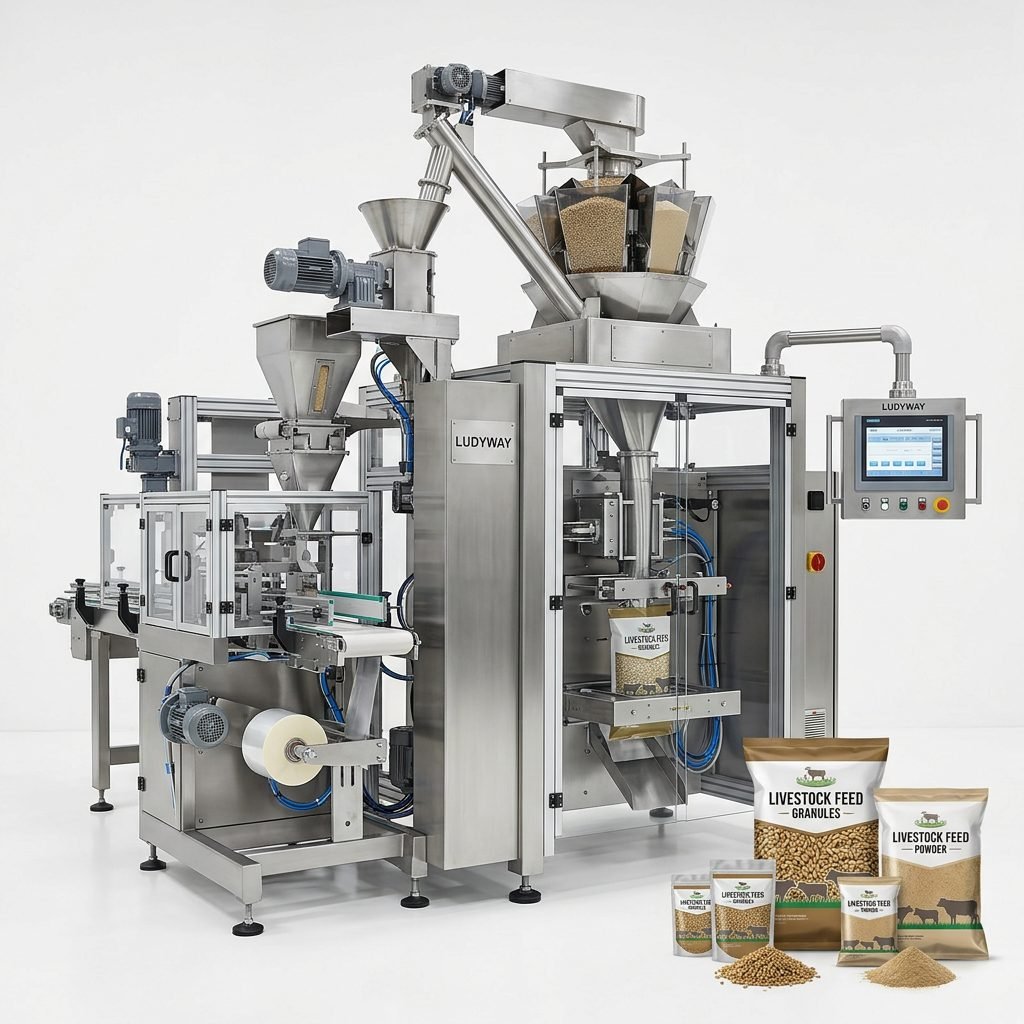
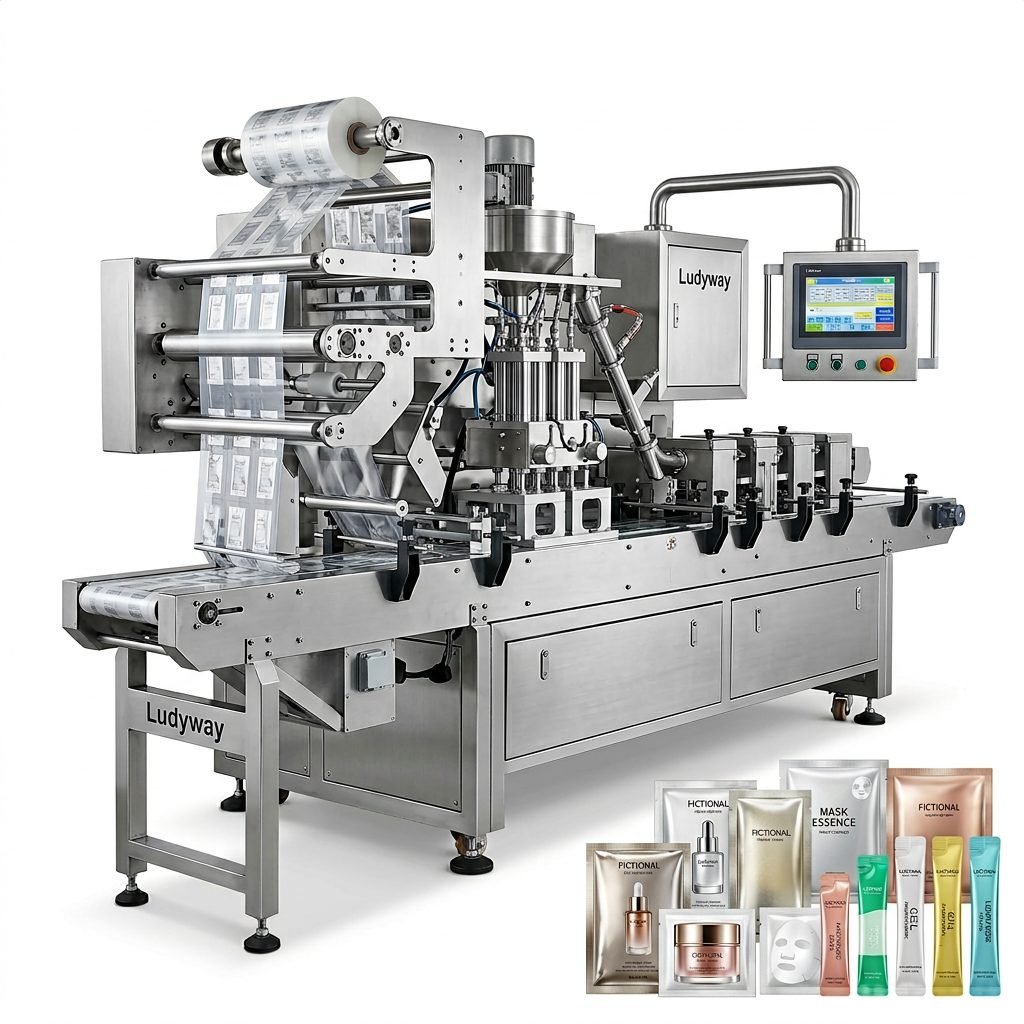
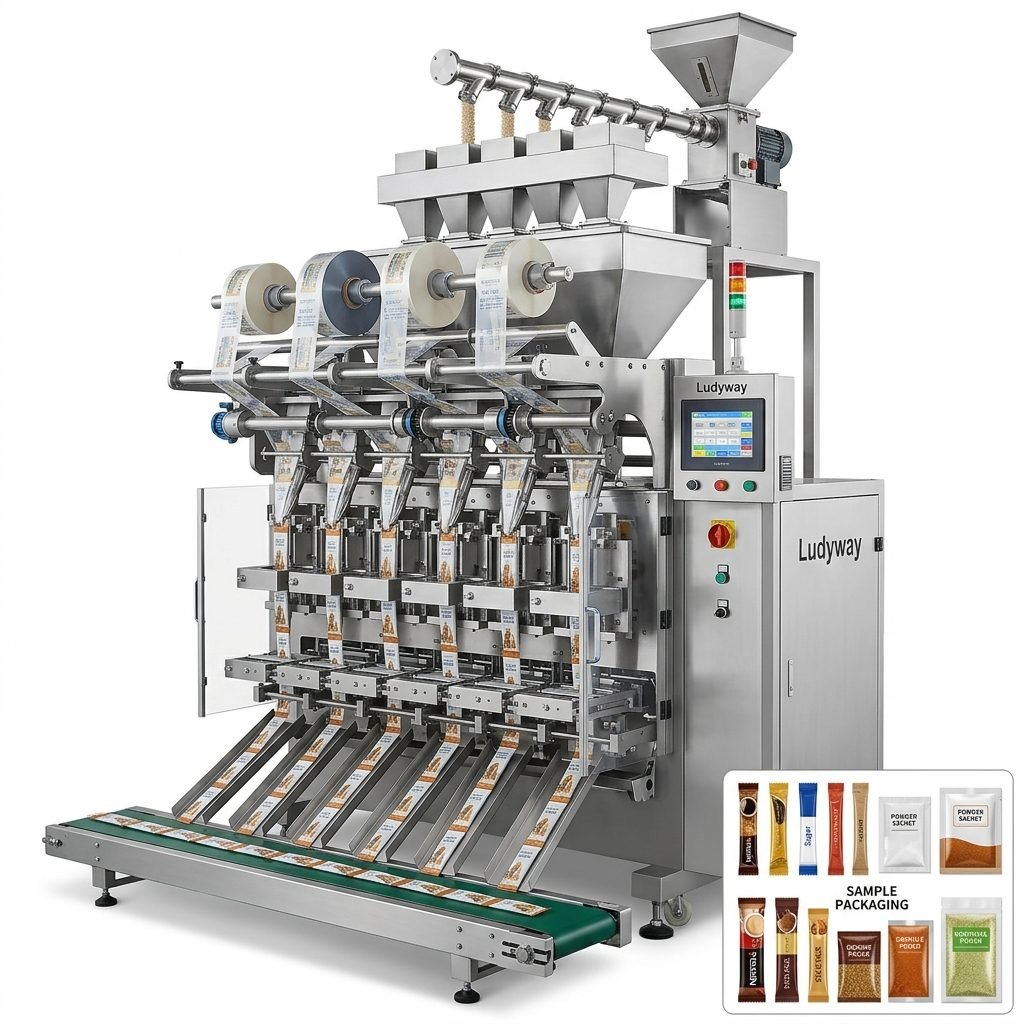
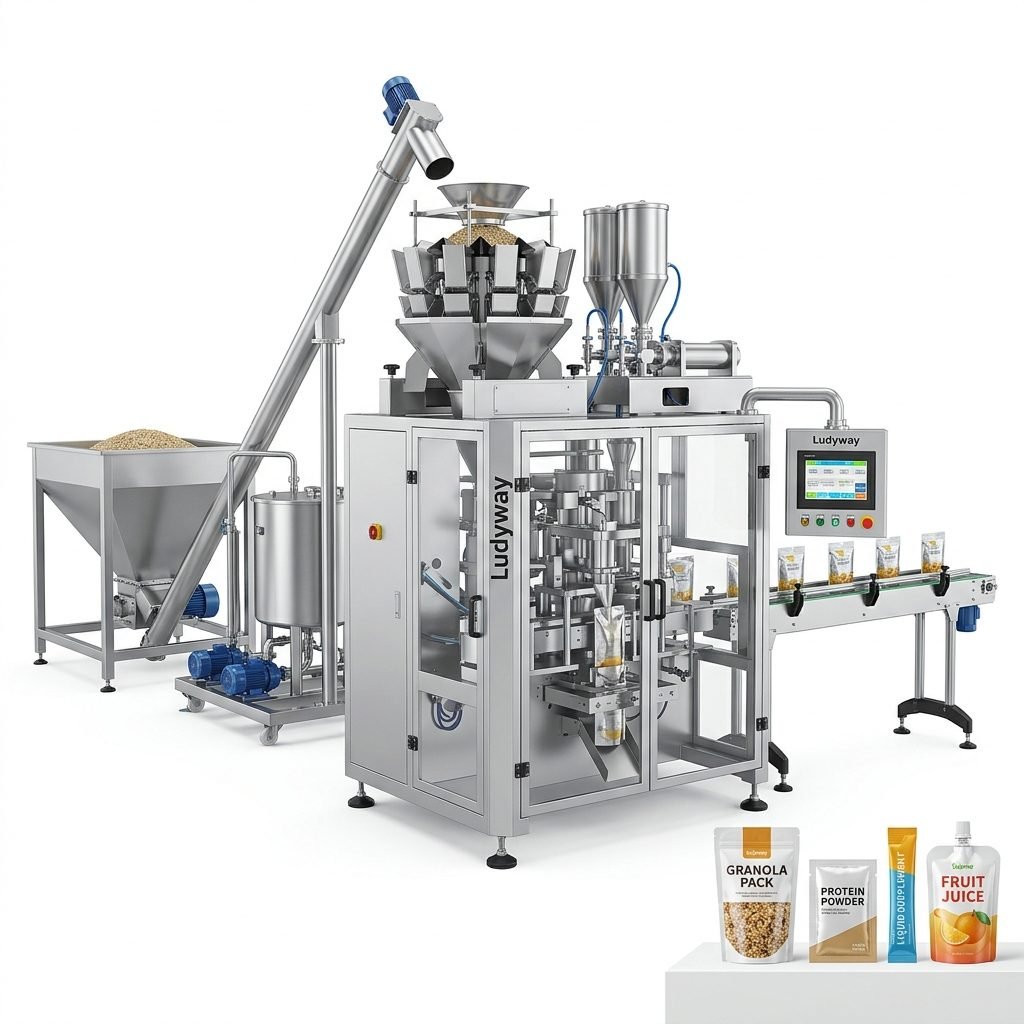
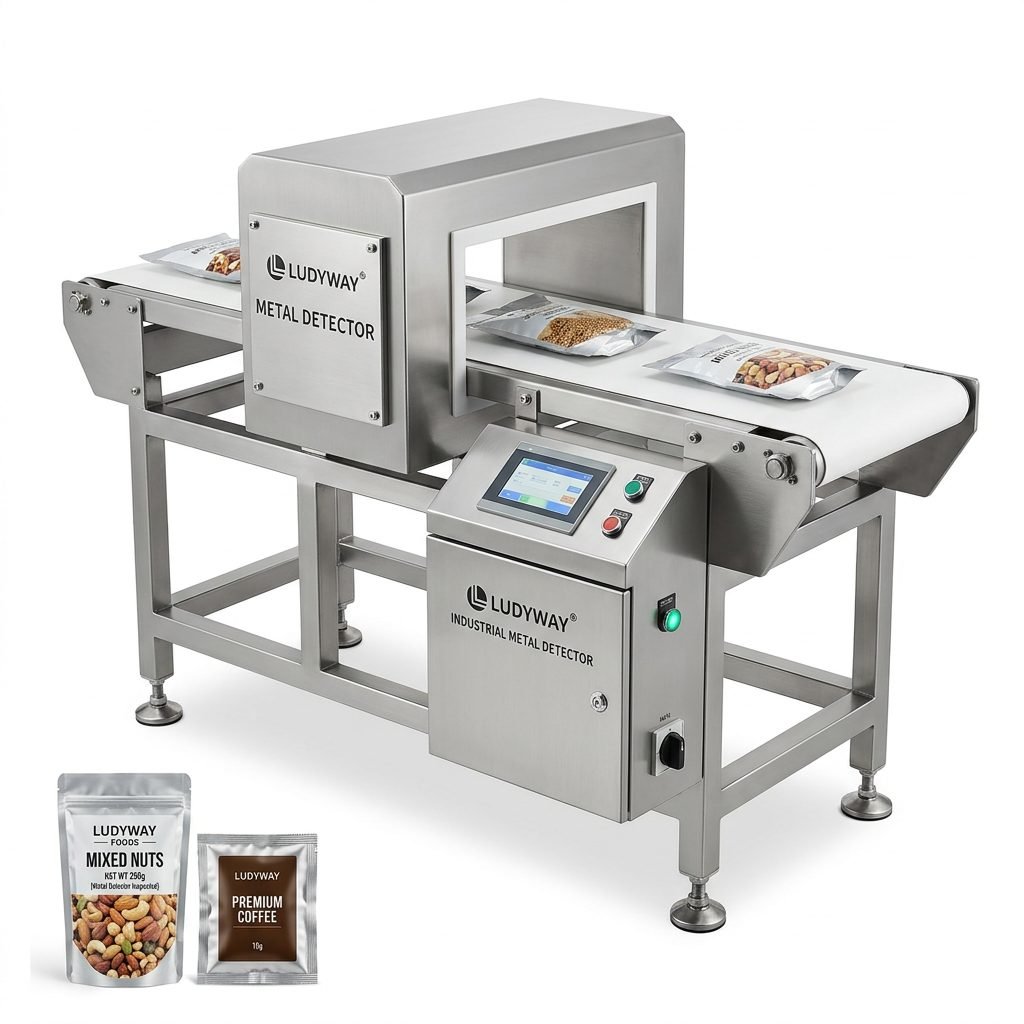
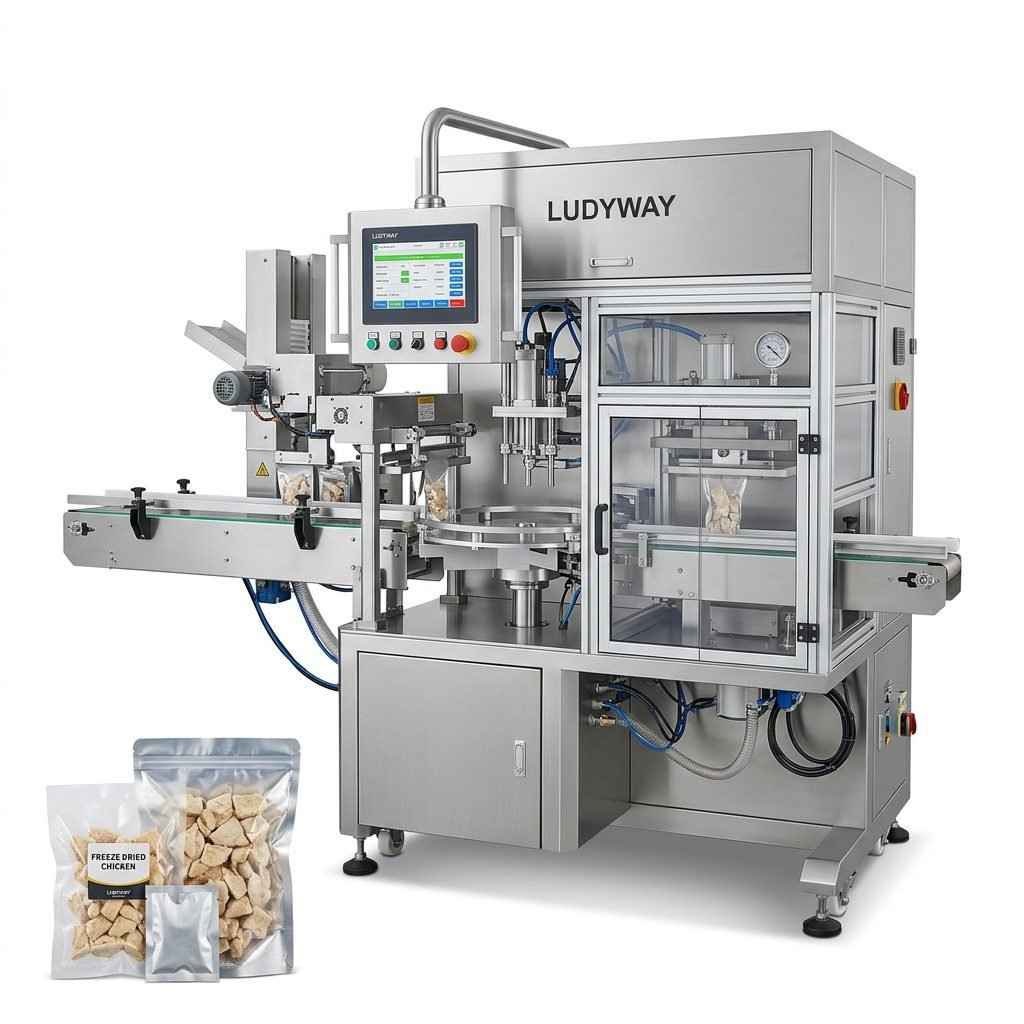
In modern packaging operations, a paper bag packing machine plays a vital role in improving speed, accuracy, and bagging consistency. Whether you pack flour, rice, feed, fertilizer, seeds, chemicals, or powdered additives, the right machine can reduce labor costs, minimize material waste, and support stable production output.
As more manufacturers move toward automation, choosing the best paper bag packing machine is no longer just about capacity. It also involves matching the machine to your bag style, product characteristics, filling accuracy requirements, factory layout, and long-term maintenance expectations.
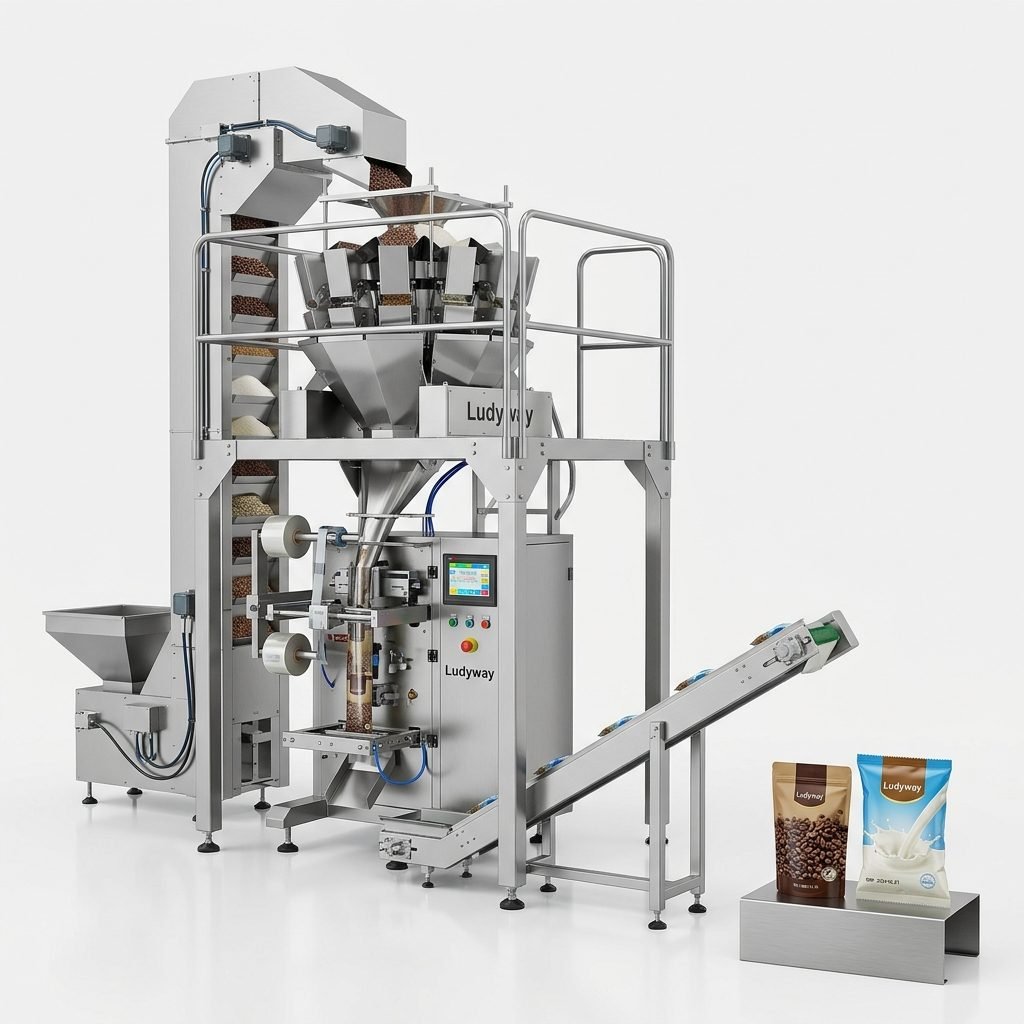
What Is a Paper Bag Packing Machine?
A paper bag packing machine is an automated or semi-automated system designed to fill products into paper bags and complete one or more packaging processes such as weighing, dosing, bag feeding, filling, sealing, sewing, folding, labeling, coding, check weighing, metal detection, and palletizing.
These machines are widely used in industries where eco-friendlier packaging, strong bag structure, or medium-to-large volume filling is required. Paper bags may be single-layer or multi-wall, valve-type or open-mouth, and may include inner liners depending on moisture protection and product flow characteristics.
Common Types of Paper Bag Packing Machines
Different packaging needs call for different machine structures. Below are the main types used in industrial production.
1. Open-Mouth Paper Bag Packing Machine
This type is designed for bags with an open top. The machine usually clamps the bag, fills it by weight or volume, and then transfers it to a sealing or sewing station.
- Suitable for powders, granules, flakes, and pellets
- Common in agriculture, chemicals, building materials, and food ingredients
- Works well for 5kg, 10kg, 20kg, 25kg, and 50kg paper bags
2. Valve Paper Bag Packing Machine
Valve bag packers fill through a pre-made valve opening. They are commonly used for fine powders and dusty materials because the filling process can be more contained.
- Ideal for cement, dry mortar, starch, flour, chemical powders, and mineral powder
- Supports high-speed filling
- Helps improve dust control when properly configured
3. Semi-Automatic Paper Bag Filling Machine
In this setup, an operator manually places the bag while the machine handles weighing and filling. It is often chosen by factories with limited budget or moderate production volume.
- Lower initial investment
- Flexible for multiple bag sizes
- Suitable for growing businesses
4. Fully Automatic Paper Bag Packing Line
This is a complete system that can include automatic bag feeding, opening, filling, conveying, sealing, inspection, and palletizing. It is best for high-output plants seeking labor reduction and stable line integration.
- High efficiency and repeatability
- Lower dependence on manual labor
- Ideal for large-scale, long-shift production
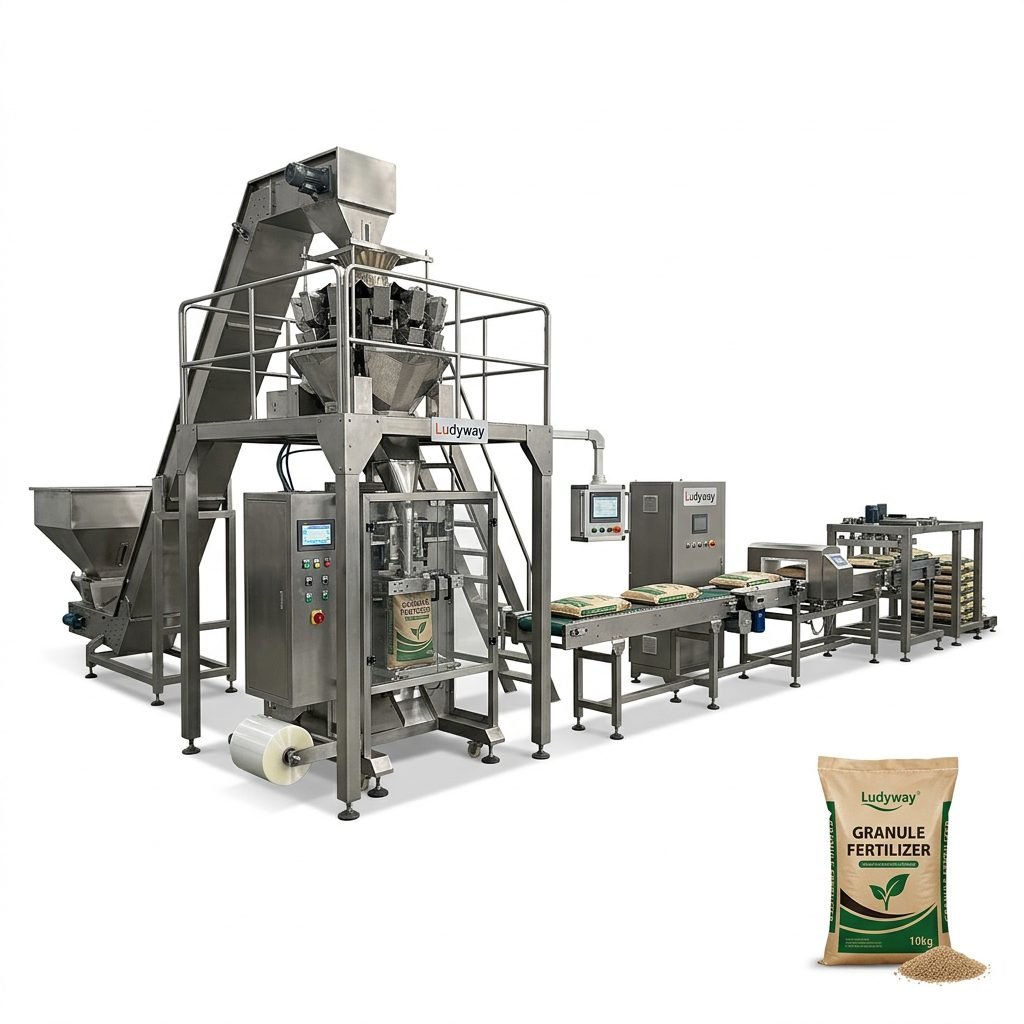
Machine Type Comparison
| Machine Type | Best For | Automation Level | Main Advantage |
|---|---|---|---|
| Open-mouth bag packing machine | Granules, powders, pellets | Semi or full automatic | Flexible bag sizes and applications |
| Valve bag packing machine | Fine powders and dusty products | Usually automatic | Cleaner, faster powder filling |
| Semi-automatic paper bag filler | Small to medium production | Semi-automatic | Lower investment cost |
| Automatic paper bag packing line | Large-scale production | Fully automatic | Maximum efficiency and labor savings |
Key Features to Look For
Accurate Weighing System
Filling accuracy affects product cost, compliance, and customer satisfaction. Depending on the product, machines may use net weighers, gross weighers, auger fillers, screw feeders, gravity feeders, or multi-head weighing systems.
If you package expensive powders or retail-sensitive products, precision dosing should be one of your top priorities.
Bag Compatibility
Not all machines handle all bag types. Check whether the machine supports:
- Kraft paper bags
- Multi-wall paper bags
- Paper bags with PE liners
- Valve bags
- Open-mouth stitched bags
- Heat-sealable laminated paper bags
Dust Control and Clean Filling
Powder packaging often creates dust, which can affect worker safety, machine cleanliness, and weighing accuracy. Features such as dust extraction ports, enclosed filling heads, sealing clamps, and de-aeration systems are highly valuable.
Sealing Method
The best sealing option depends on bag material and transport requirements:
- Sewing for traditional open-mouth paper bags
- Heat sealing for laminated or lined paper bags
- Fold-and-glue closure for certain paper packaging formats
Production Speed
Some factories need 3–6 bags per minute, while others may require 10–20 bags per minute or more. Choosing the wrong speed range can either waste budget or create future bottlenecks.
Material Handling Integration
An efficient paper bag packaging system often includes supporting equipment such as:
- Bucket elevators
- Screw conveyors
- Vacuum feeders
- Conveyors
- Checkweighers
- Metal detectors
- Robotic palletizers
Which Products Can Be Packed in Paper Bags?
Paper bag packing machines are used for a very wide range of products, including:
- Flour, starch, sugar, rice, grains, beans, coffee, spices
- Protein powder, nutritional powder, premixes, food additives
- Seeds, animal feed, pet food, feed supplements
- Fertilizer, mineral powder, chemical granules
- Mortar, putty powder, construction additives
- Detergent powder and industrial raw materials
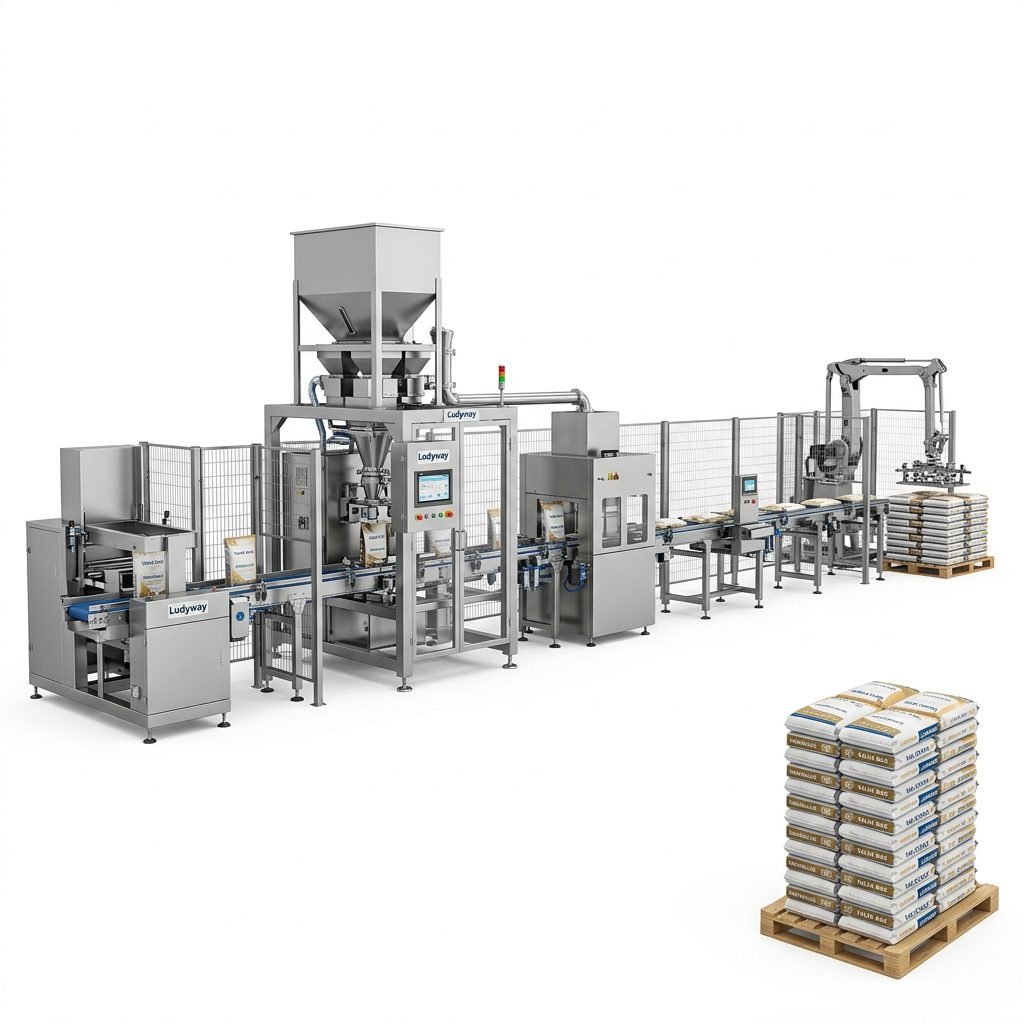
How to Choose the Best Paper Bag Packing Machine
1. Understand Your Product Characteristics
Start with the product itself. Ask:
- Is it powder, granule, flake, or pellet?
- Does it flow freely or bridge easily?
- Is it dusty, fragile, sticky, or abrasive?
- Does it require gentle handling or de-aeration?
A free-flowing granule needs a very different feeding solution than a fine, low-density powder.
2. Confirm Bag Size and Weight Range
Your target packaging format determines machine structure. A machine for 5kg food powder paper bags may not be ideal for 25kg fertilizer bags. Always confirm:
- Bag width and length
- Bag opening style
- Bag material thickness
- Target fill weight
3. Match Output With Real Production Demand
Do not choose only by the highest advertised speed. Instead, calculate actual shift demand, downtime allowance, and future expansion plans. A slightly scalable system is usually a smarter long-term investment.
4. Evaluate Automation Level
If labor is expensive or difficult to recruit, a fully automatic paper bag packaging line may offer faster payback. If production is variable and budget is tight, a semi-automatic solution may be more practical at the beginning.
5. Check Cleaning and Maintenance Convenience
A machine that is hard to clean or service can create hidden costs. Look for:
- Accessible contact parts
- Simple changeover design
- Reliable electrical and pneumatic components
- Clear HMI interface
- Available spare parts and technical support
6. Ask About Customization
Many buyers need tailored solutions rather than a standard unit. Custom options may include stainless steel contact parts, explosion-proof configuration, special bag handling devices, dustproof structures, nitrogen flushing, printing, or downstream cartoning and palletizing.
Quick Selection Guide
| Your Need | Recommended Machine | Why |
|---|---|---|
| Dusty powder in valve bags | Valve paper bag packing machine | Better containment and faster powder filling |
| Flexible production with lower budget | Semi-automatic open-mouth bag filler | Cost-effective and easier to start with |
| High-volume automated line | Fully automatic paper bag packing line | Reduces labor and improves throughput |
| Granules or pellets in open-mouth bags | Open-mouth bag packing machine | Stable handling and broad compatibility |
Benefits of Investing in the Right Machine
- Higher efficiency: faster output with more stable filling cycles
- Lower labor cost: fewer operators required per shift
- Improved accuracy: reduced giveaway and better weight control
- Cleaner production: better dust management and reduced waste
- Scalable automation: easier to connect with upstream and downstream systems
- Professional packaging result: stronger bag appearance and improved transport reliability
Mistakes to Avoid When Buying a Paper Bag Packing Machine
- Choosing by price only and ignoring long-term operating cost
- Not testing the actual product before purchase
- Overlooking bag material compatibility
- Ignoring future production expansion
- Failing to ask about local or remote after-sales support
- Underestimating dust control requirements for powder products
Why Supplier Experience Matters
Packaging machinery is not just a product purchase; it is also an engineering decision. An experienced manufacturer can help evaluate product behavior, recommend the right feeding and weighing system, optimize layout, and improve line integration efficiency.
For buyers looking for reliable automation options, paper bag packing machine solutions from Ludyway are backed by more than 30 years of industry experience, a manufacturing base of over 20,000 square meters, and turnkey packaging line capabilities serving customers in more than 100 countries and regions.
Final Buying Checklist
- Product type: powder, granule, pellet, flake, or mixed material
- Bag style: valve bag or open-mouth paper bag
- Target weight: 5kg, 10kg, 20kg, 25kg, 50kg, or custom
- Required speed: bags per minute or bags per hour
- Accuracy demand: acceptable tolerance range
- Plant condition: available space, dust control, utilities
- Line integration: conveyors, sealing, inspection, palletizing
- After-sales support: spare parts, remote guidance, maintenance support
Conclusion
The best paper bag packing machine depends on your product, bag format, output target, and automation plan. Open-mouth systems, valve bag packers, semi-automatic fillers, and full packaging lines each have clear advantages in different production environments.
If you compare machine types carefully, focus on weighing accuracy, bag compatibility, dust control, and supplier support, you will be in a much better position to select a solution that delivers long-term value instead of short-term convenience.