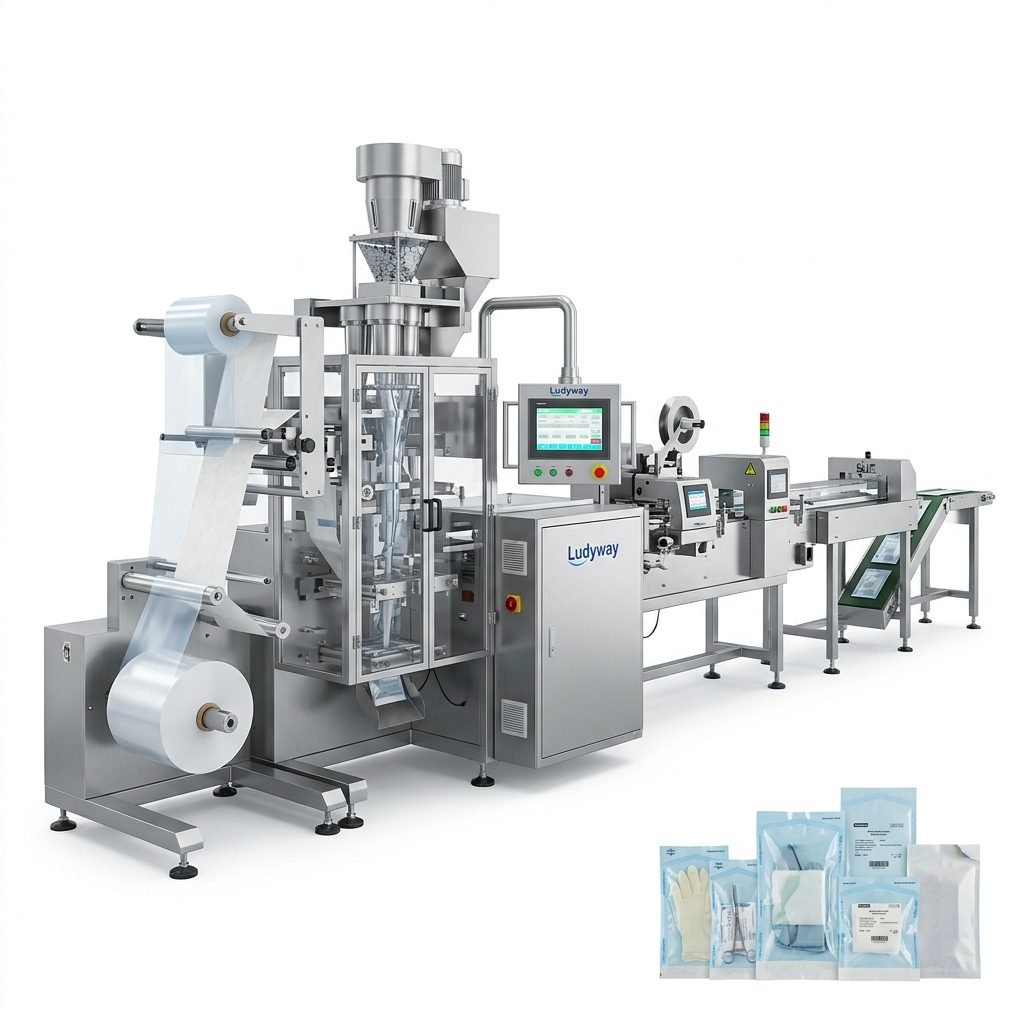
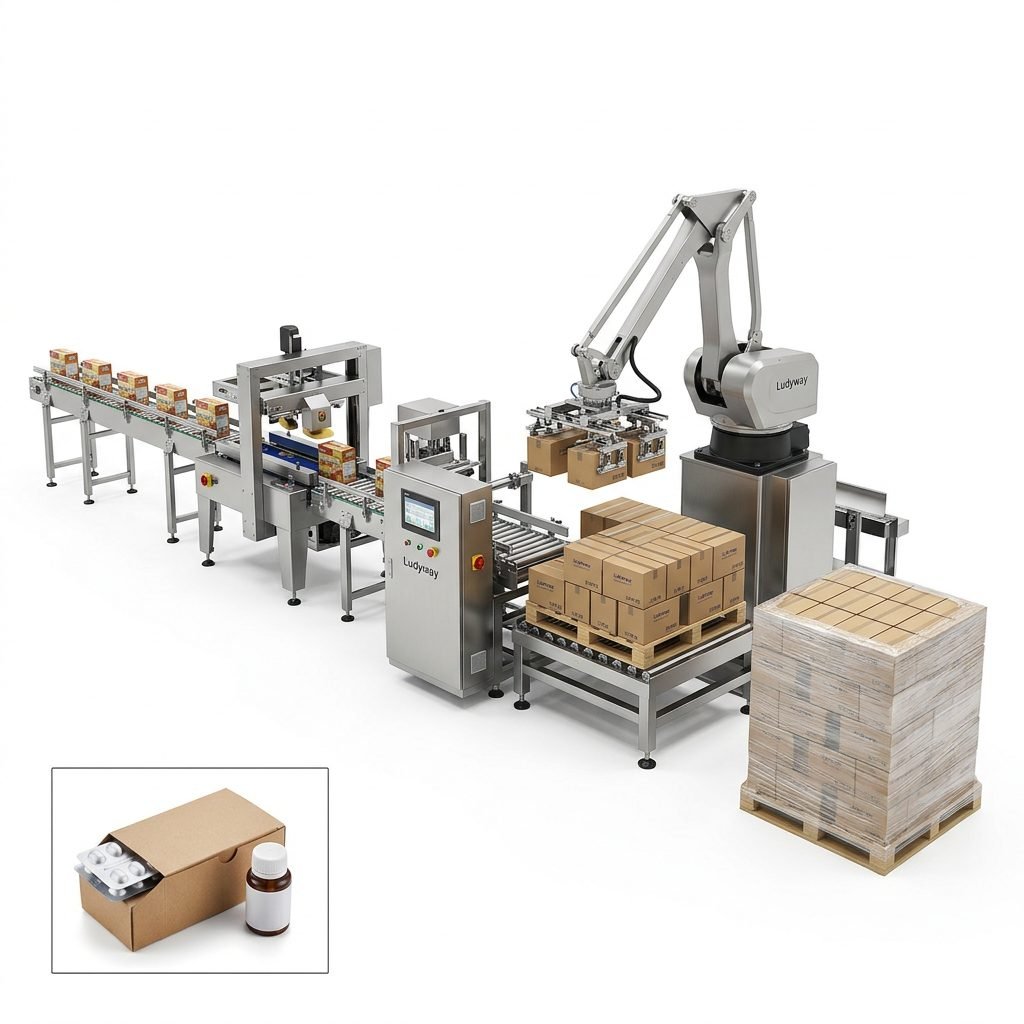
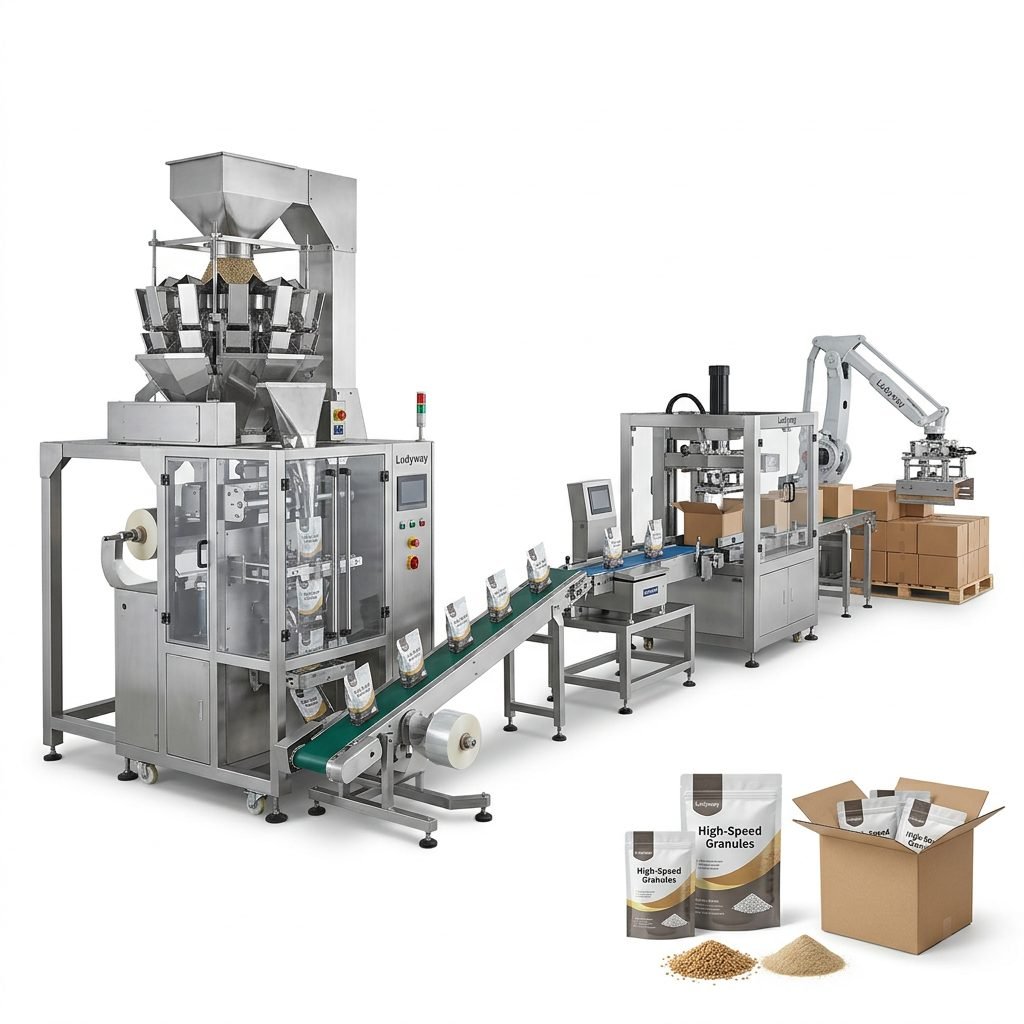
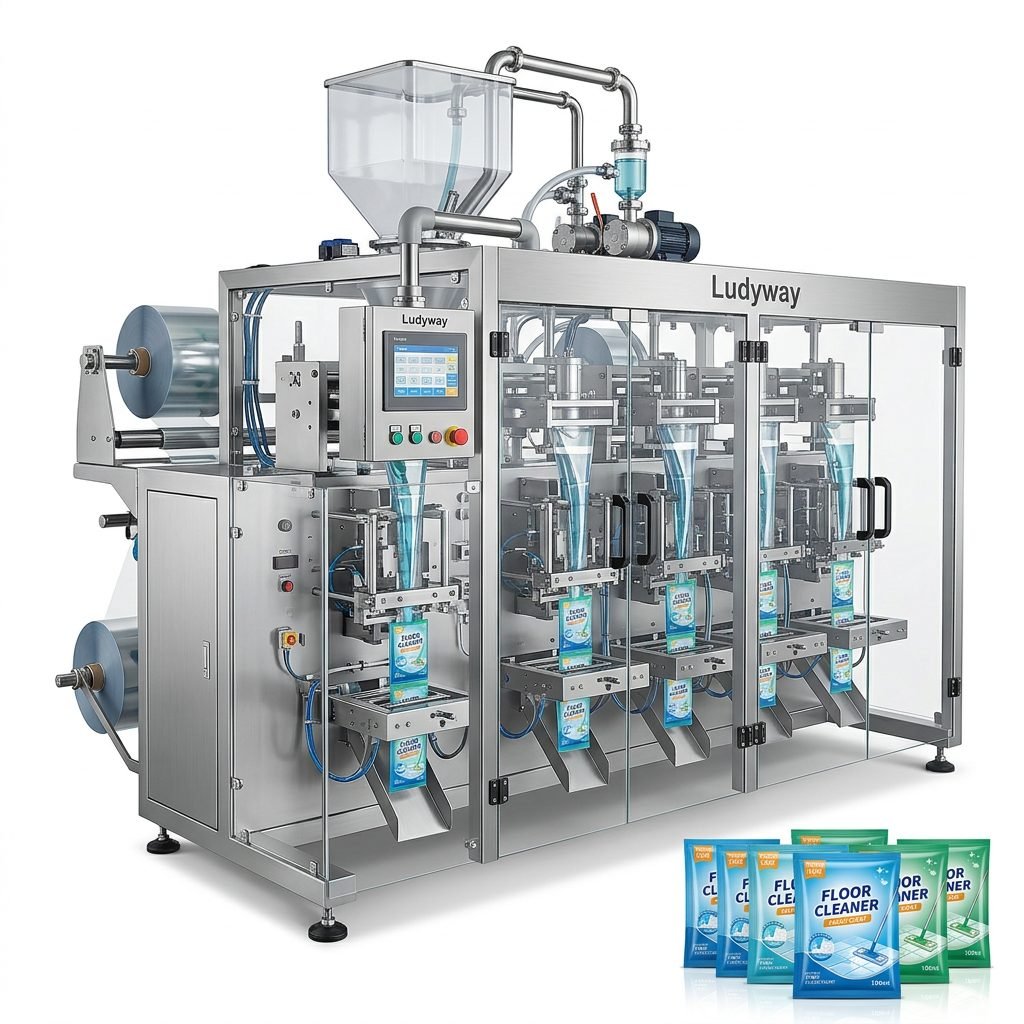
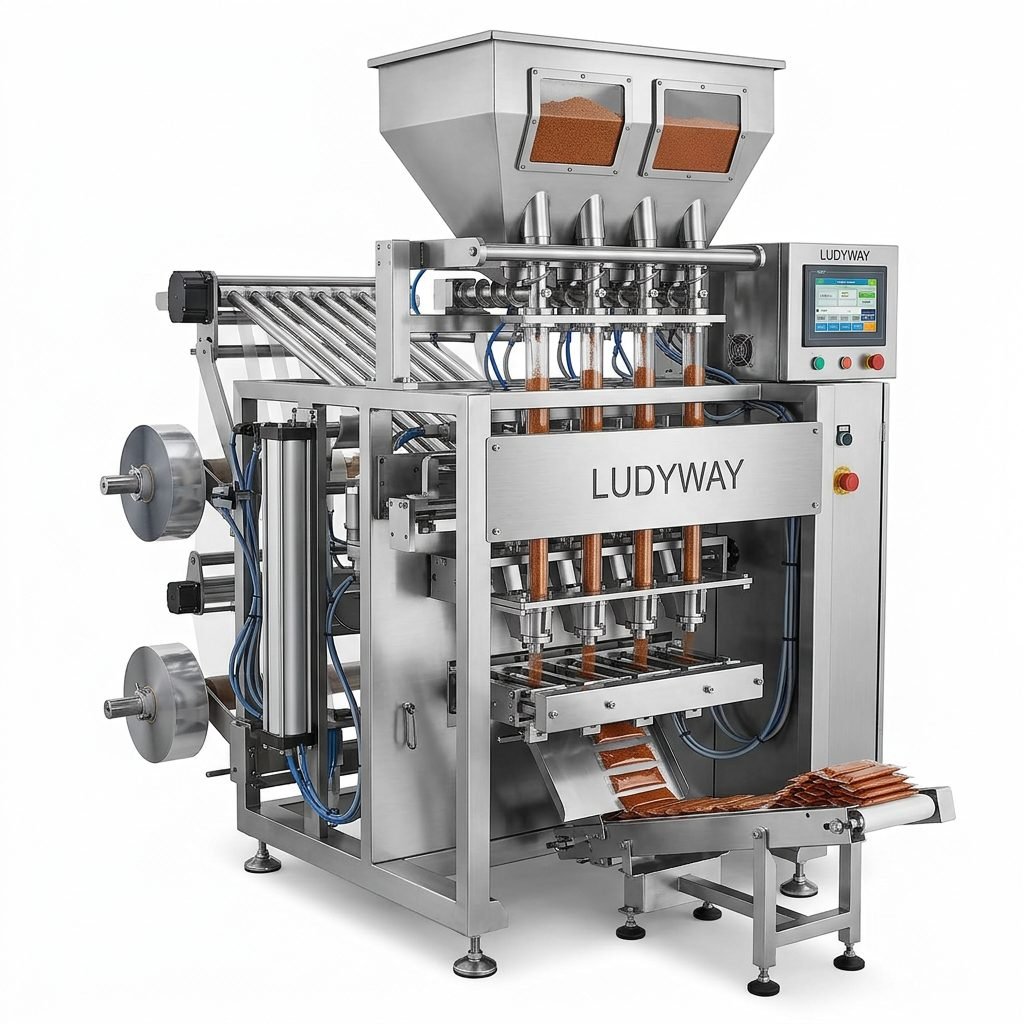
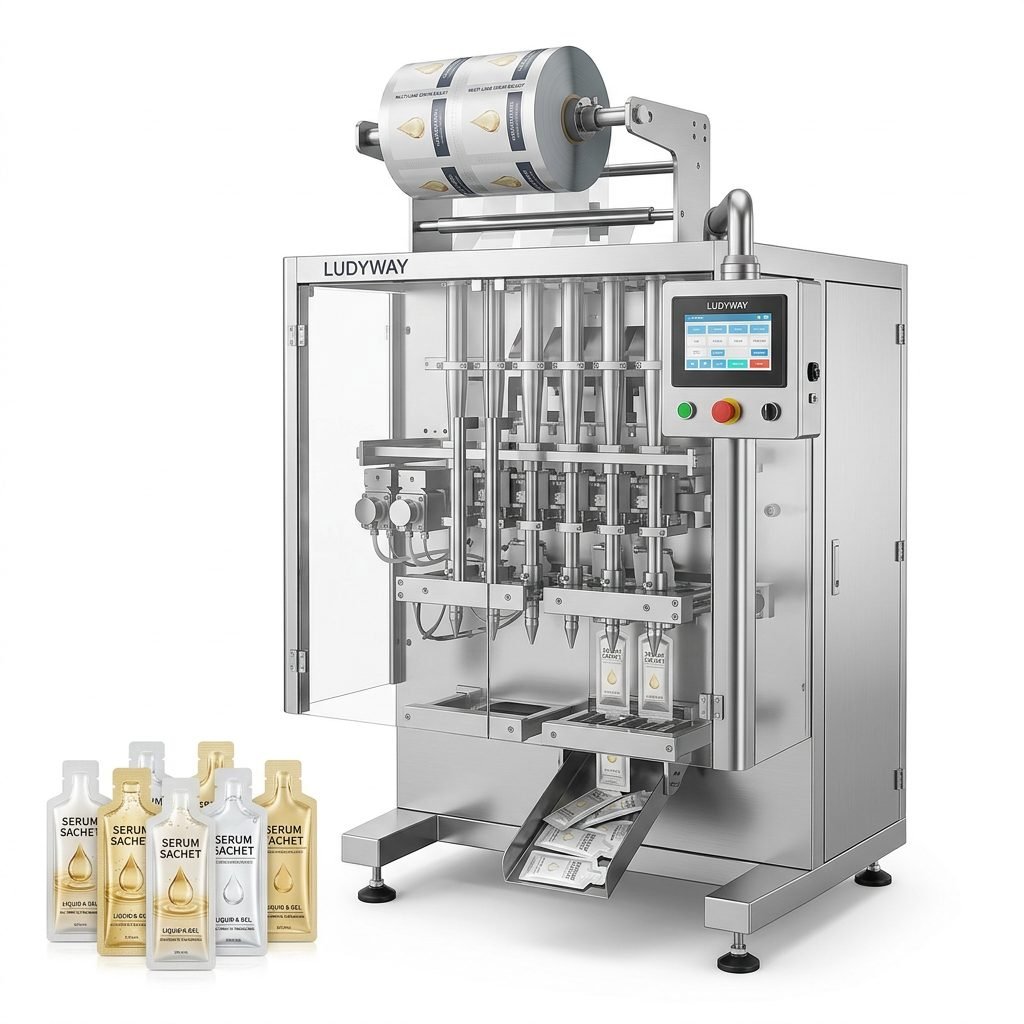
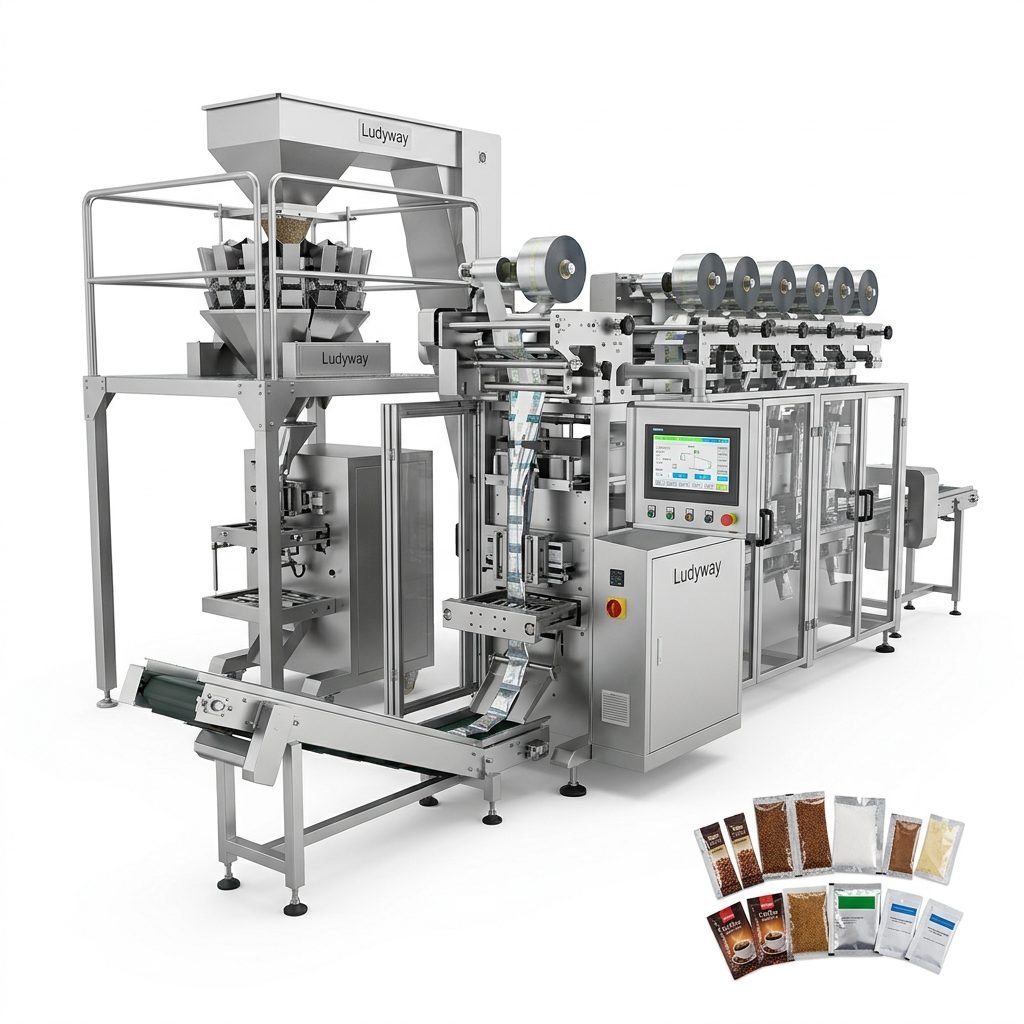
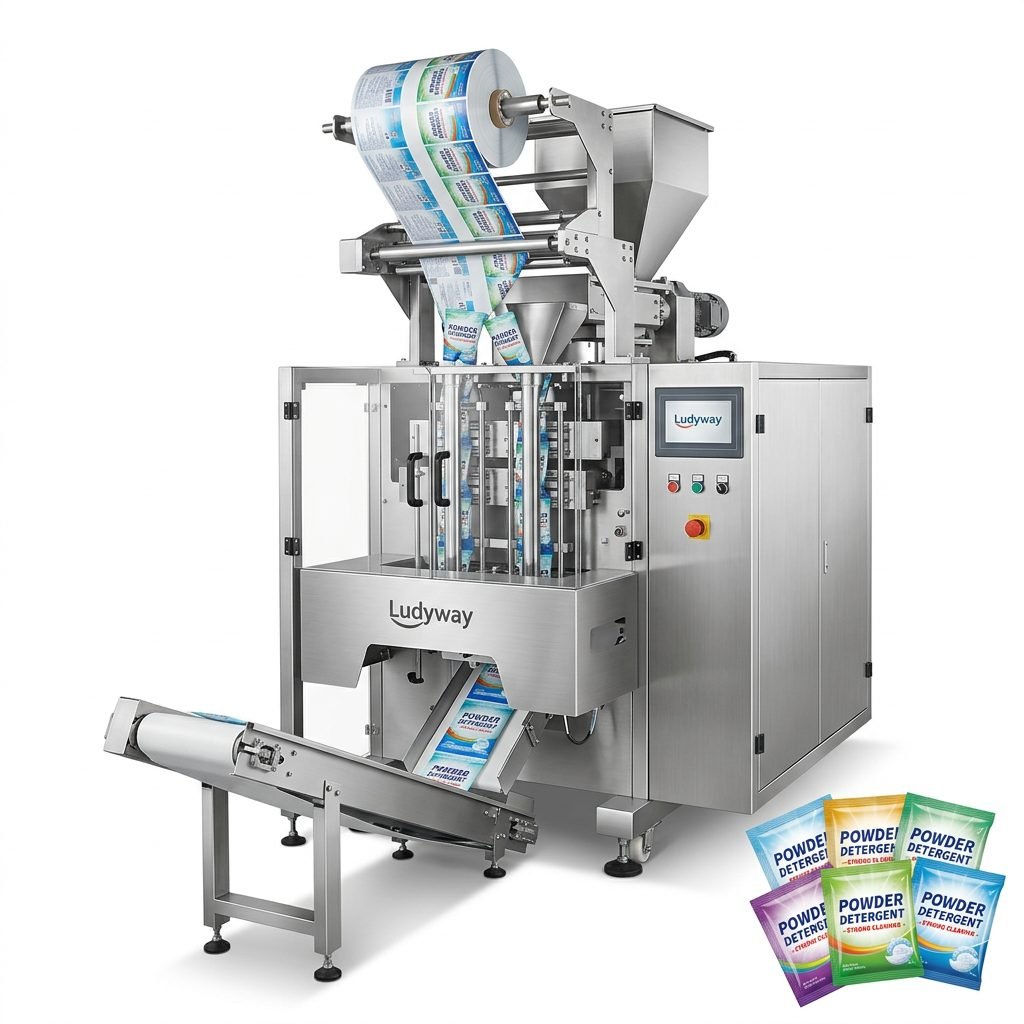
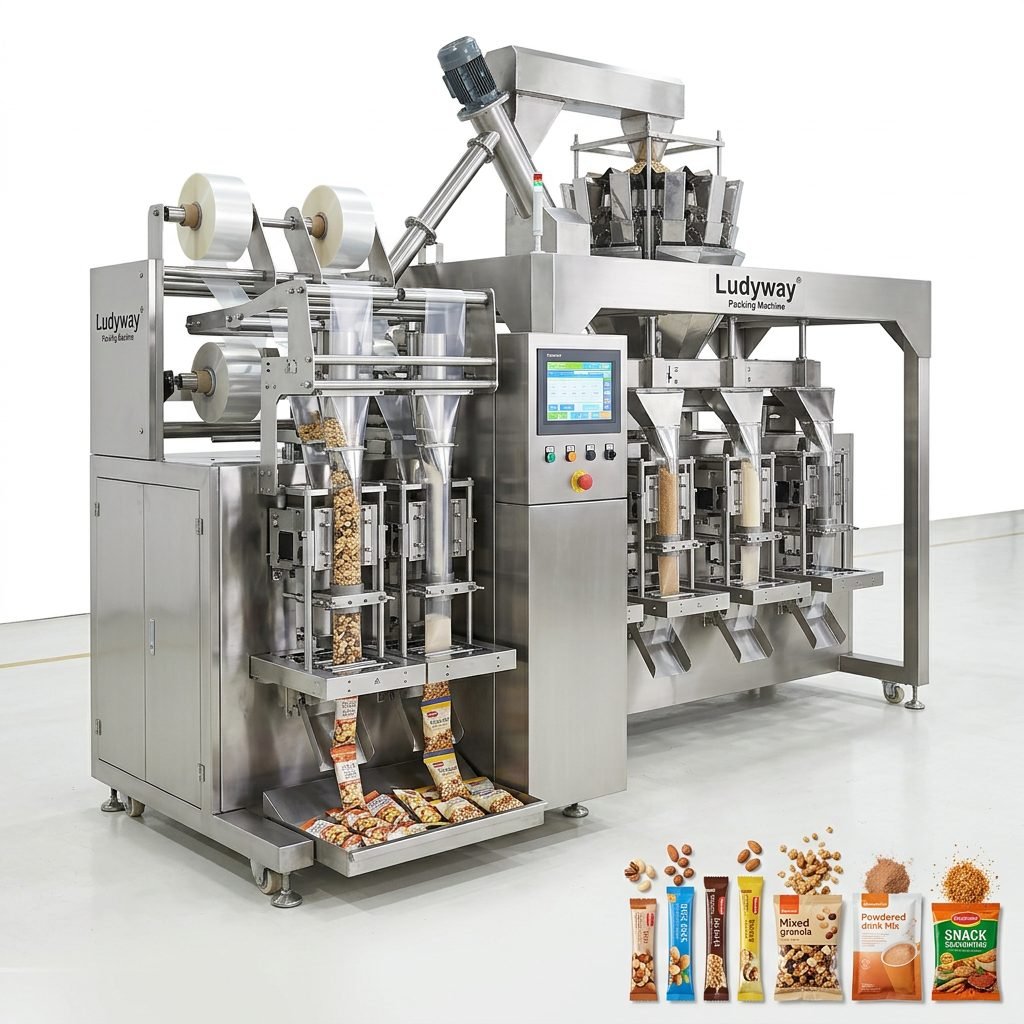
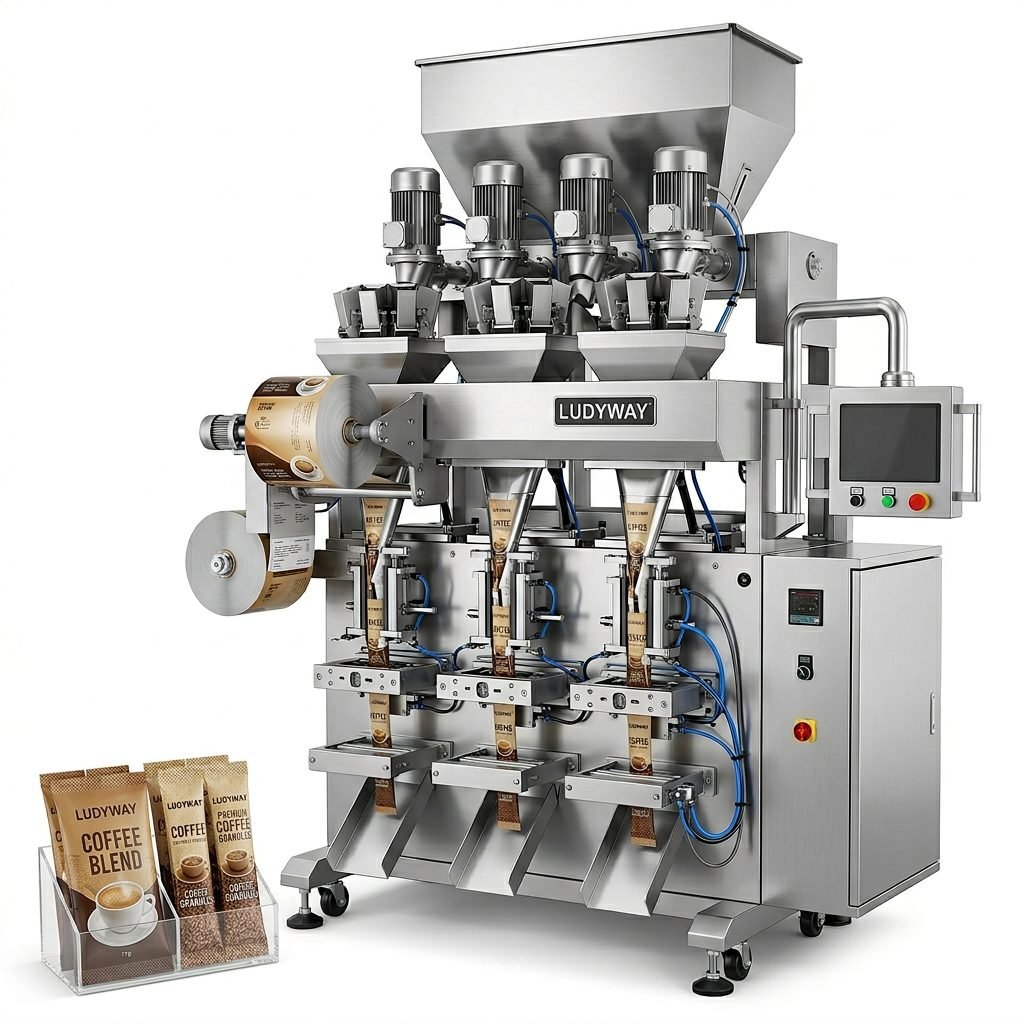
Retort packaging equipment is used for products that require high-temperature sterilization and secure sealed packaging, such as ready meals, sauces, soups, pet food, medical nutrition, and shelf-stable liquid or semi-liquid products. When buyers search for pricing, the answer is rarely simple because the total investment depends on machine type, production capacity, automation level, material requirements, compliance standards, and line integration.
If you are comparing suppliers or planning a new project, it helps to evaluate cost from both a purchase price and a long-term operating value perspective. A cheaper machine may cost more over time if it causes downtime, poor sealing quality, high labor demand, or expensive maintenance.
Typical Retort Packaging Machine Price Range
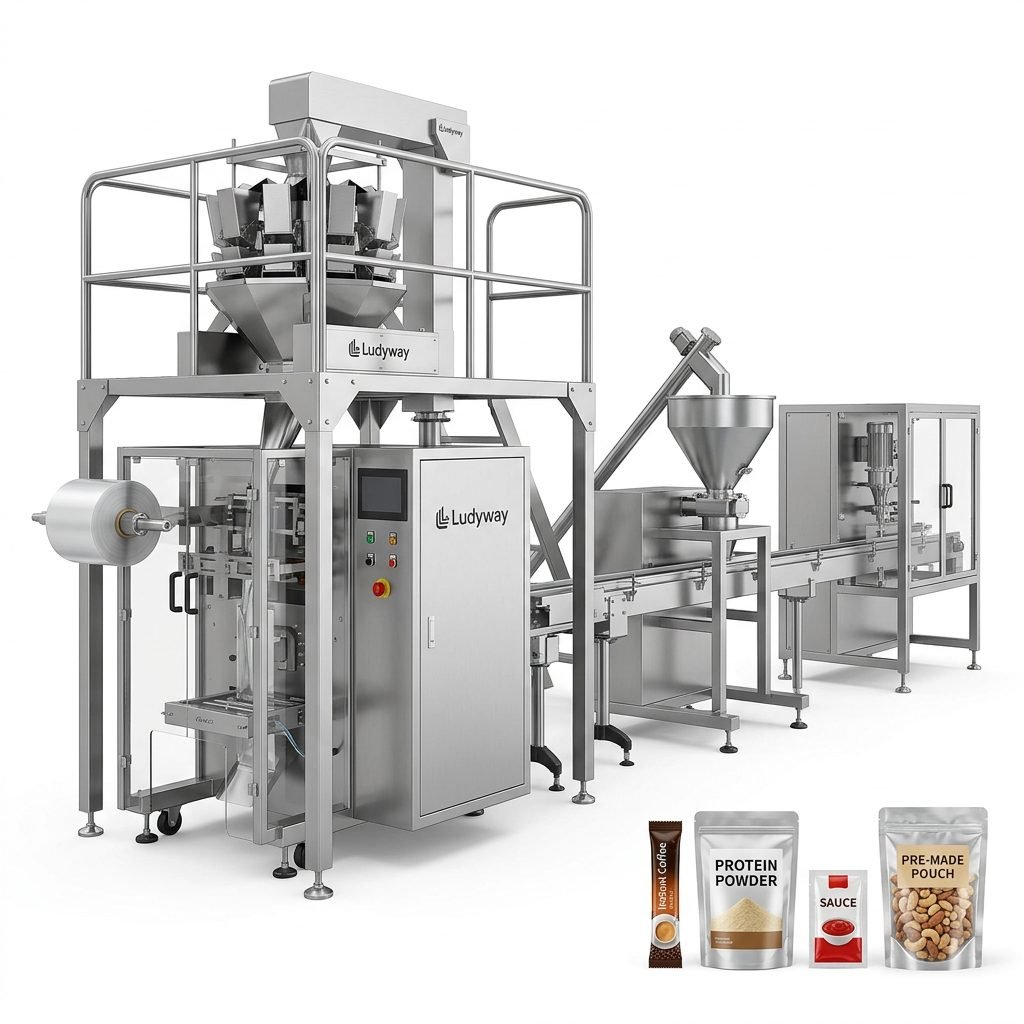
Depending on configuration, a retort packaging project may include one machine or a complete production line. In practical sourcing, buyers often consider the following budget ranges:
| Equipment Type | Typical Price Range | Suitable For |
|---|---|---|
| Semi-automatic filling & sealing unit | USD 8,000–25,000 | Pilot production, low-volume factories, test markets |
| Automatic pouch filling and sealing machine | USD 25,000–80,000 | Food, sauces, ready-to-eat products, liquids and pastes |
| Retort-compatible horizontal or vertical packaging system | USD 40,000–120,000+ | Medium to high-speed packaging operations |
| Retort sterilizer/autoclave system | USD 30,000–150,000+ | Shelf-stable food and pharmaceutical sterilization |
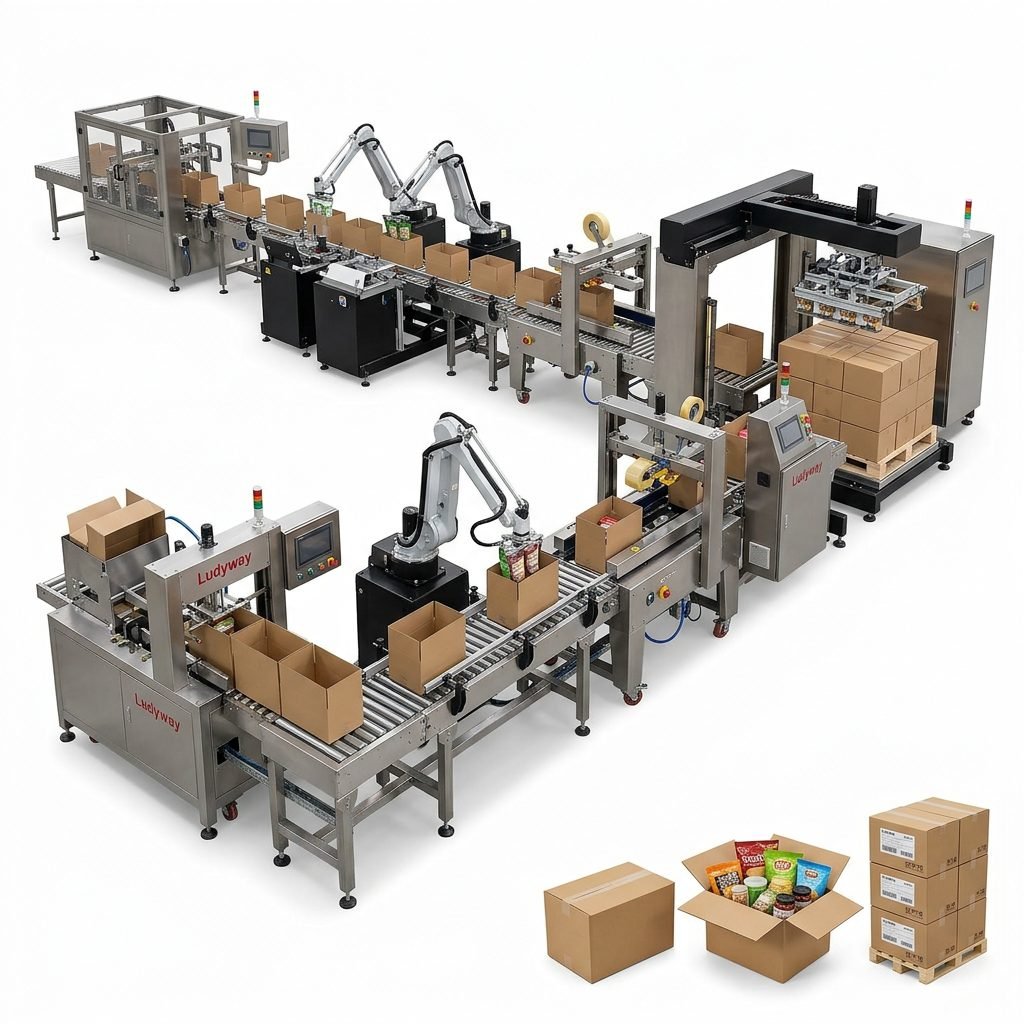
| Complete turnkey retort packaging line | USD 100,000–500,000+ | Large-scale automated production with conveying, coding, inspection, and end-of-line integration |
These ranges are indicative only. Final quotations vary by product characteristics, package format, speed targets, utility standards, and customization level.
What Affects the Cost of a Retort Packaging Machine?
1. Packaging Format and Material Structure
Retort packaging usually involves pouches, trays, cups, or flexible laminated materials that can withstand heat and pressure. Machines built for retort pouches with strict seal integrity requirements typically cost more than standard packaging machines because they require more precise temperature control, pressure stability, and sealing consistency.
- Stand-up pouches may require more advanced pouch handling systems.
- Spouted pouches need special orientation and sealing modules.
- Multi-layer retort films often demand tighter sealing parameters.
- Tray or cup systems may require custom dies and tooling.
2. Product Type: Liquid, Paste, Solid, or Mixed
The more complex the product, the more complex the filling system. Thin liquids are easier to dose than viscous sauces, chunky soups, rice meals, pet food with gravy, or mixed solid-liquid products. Complex products often need:
- Piston fillers or servo pumps
- Agitated hoppers
- Chunk-friendly valves
- Anti-drip nozzles
- CIP-compatible hygienic design
All of these can raise machine cost, but they also improve fill accuracy and reduce waste.
3. Production Speed and Output Requirements
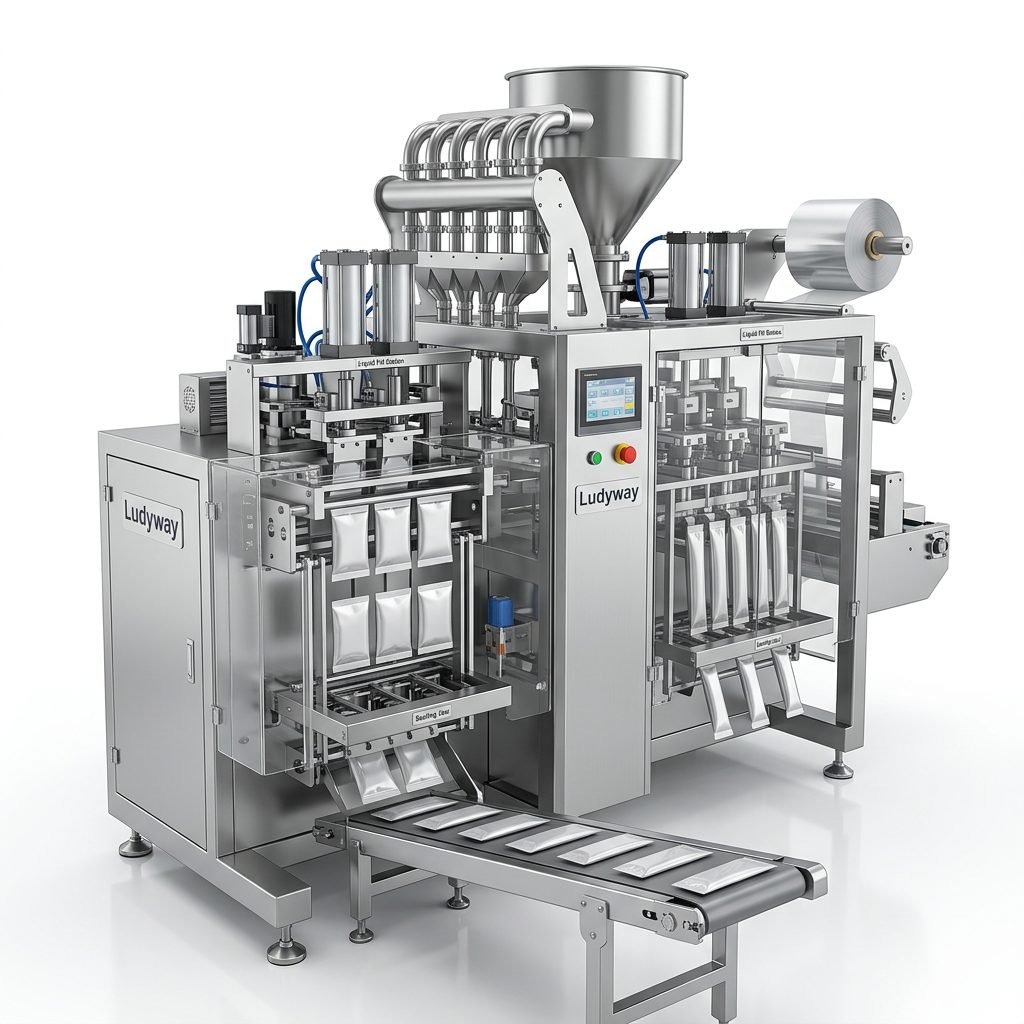
One of the biggest cost drivers is speed. A lower-speed line for a growing brand may be affordable, while a high-output industrial line designed for continuous production is a much larger investment. Faster systems need:
- Higher-grade motion control
- More durable components
- Advanced PLC and HMI systems
- Stable feeding and discharge coordination
- Better synchronization with upstream and downstream equipment
In many cases, higher speed does not only increase the machine price; it also affects installation complexity and after-sales support needs.
4. Automation Level
Basic equipment may need manual pouch loading, manual transfer, or partial operator intervention. Fully automatic systems can include:
- Automatic feeding
- Filling and sealing
- Pouch transfer to retort baskets
- Loading and unloading systems
- Metal detection or X-ray inspection
- Checkweighing
- Labeling, cartoning, and case packing
Higher automation increases initial price, but it often lowers labor costs and improves throughput consistency.
5. Sterilization Method and Retort System Design
The retort process itself can vary significantly. Steam retort, water spray retort, water immersion retort, and rotary retort systems all have different cost structures. The right option depends on the product and pack type.
| Retort Type | Cost Level | Key Notes |
|---|---|---|
| Steam retort | Medium | Efficient for many applications, but needs precise control |
| Water spray retort | Medium to high | Good heat distribution for pouches and trays |
| Water immersion retort | High | Suitable for delicate packaging formats |
| Rotary retort | High to very high | Often used for products needing improved heat penetration and mixing effect |
6. Machine Construction and Hygienic Standards
Stainless steel grade, weld finishing, hygienic frame design, washdown construction, and cleanability all affect price. For food and pharmaceutical applications, buyers often require:
- 304 or 316 stainless steel contact parts
- Sanitary piping and fittings
- Tool-free cleaning access
- CIP/SIP compatibility
- GMP-oriented structure
These features are especially important when handling sensitive, acidic, oily, or protein-rich formulations.
7. Brand of Components
Servo motors, PLCs, touch screens, pneumatic parts, sensors, and electrical components from internationally recognized brands usually increase the quoted price. However, many buyers prefer them because they support:
- Longer service life
- Easier replacement
- Better global support availability
- Higher operational stability
8. Customization and Turnkey Integration
Standard machines are generally more affordable than customized lines. If your project requires special pouch dimensions, recipe handling, allergen separation, nitrogen flushing, vision inspection, robotic loading, or factory software communication, the price will rise. But customization can be essential for efficiency, compliance, and long-term scalability.
Hidden Costs Buyers Should Not Ignore
A machine quote is only part of the real budget. Serious buyers should review the full ownership cost before making a decision.
- Installation and commissioning costs
- Freight, customs, and local taxes
- Operator training
- Tooling and change parts for multiple SKUs
- Preventive maintenance and spare parts
- Utility requirements such as steam, compressed air, chilled water, and electricity
- Factory layout modification or civil work
- Validation documents and compliance testing
Sometimes a lower initial quotation becomes more expensive after these items are included. That is why experienced buyers compare total project cost, not just machine price.
How to Choose the Right Retort Packaging Machine
Start with Your Product and Packaging Goals
Before asking for a quote, define these basics:
- What product are you packing?
- Is it liquid, paste, granule, chunky, or mixed?
- What shelf life do you need?
- What pouch or container format will be used?
- What output per minute or per hour is required?
- Will the machine run one SKU or multiple formats?
A supplier can only recommend the right solution when these points are clear.
Match Capacity to Real Demand
Avoid overbuying and underbuying. A machine that is too small may become a bottleneck quickly. A machine that is too large may waste capital and increase maintenance cost. The best choice is usually one that supports your current production with room for realistic growth over the next 3–5 years.
Check Seal Quality and Process Stability
In retort packaging, seal quality is critical. Weak or inconsistent seals can cause leakage, contamination, product recalls, or sterilization failure. Ask the supplier about:
- Sealing temperature control accuracy
- Pressure consistency
- Seal width and strength testing
- Compatibility with your film structure
- Demonstration with actual product samples
Evaluate Supplier Experience
Retort packaging is not a simple commodity purchase. It requires knowledge of filling behavior, sealing reliability, sterilization process matching, and line coordination. Choosing an experienced manufacturer reduces technical risk. For buyers looking for scalable packaging automation, Ludyway packaging machine solutions are often considered for projects that require custom engineering, broad packaging applicability, and turnkey line support.
Ask About After-Sales Support
Strong service can be as important as machine quality. Confirm whether the supplier offers:
- Remote troubleshooting
- English technical manuals
- Video training
- Commissioning assistance
- Recommended spare parts list
- Response time for service requests
Questions to Ask Before Requesting a Final Quote
| Question | Why It Matters |
|---|---|
| What product samples can be tested? | Confirms filling and sealing suitability |
| What output is guaranteed under actual conditions? | Prevents unrealistic speed assumptions |
| Which components are used? | Affects durability and maintenance |
| What utilities are required? | Impacts plant readiness and operating cost |
| Is the machine easy to clean and change over? | Important for hygiene and multi-SKU production |
| What is included in the quotation? | Avoids hidden cost surprises |
| Can the line be expanded later? | Supports future automation growth |
Best Choice by Business Stage
For Startups or New Product Launches
A lower-speed automatic or semi-automatic setup may be the most practical choice. Focus on stable sealing, manageable investment, and flexibility for packaging trials.
For Growing Mid-Sized Manufacturers
Choose a system with better automation, recipe memory, quick changeover, and compatibility with multiple pouch sizes. This helps support product expansion without replacing the entire line too early.
For Large Industrial Plants
A complete turnkey retort packaging line is usually the best long-term option. Integration with sterilization, inspection, coding, cartoning, and palletizing can improve labor efficiency and throughput while reducing human error.
Final Buying Insight
The right retort packaging machine is not simply the cheapest one or the fastest one. It is the system that fits your product, packaging material, target output, hygiene standard, and expansion plan. When evaluating price, always compare machine capability, reliability, support, and total lifecycle cost. That approach will help you choose equipment that protects product quality and delivers stronger long-term return on investment.