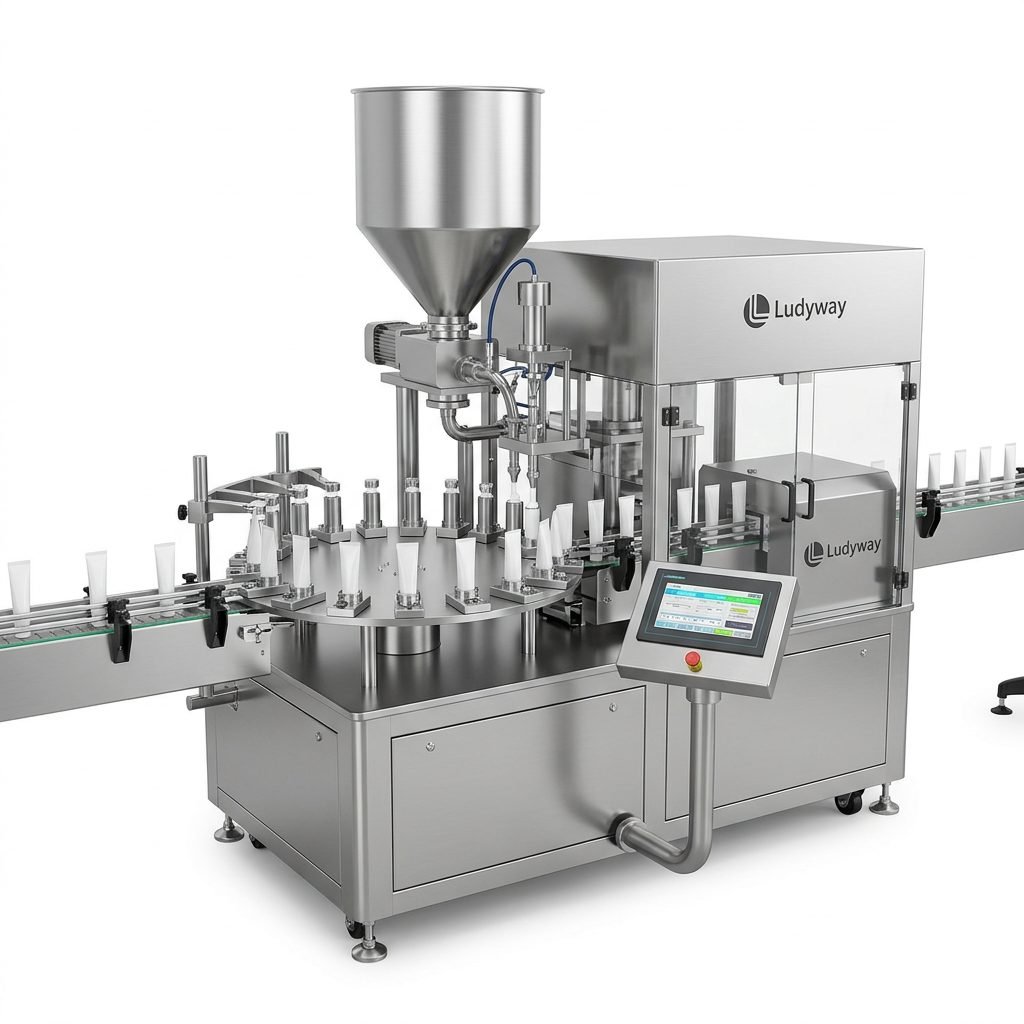
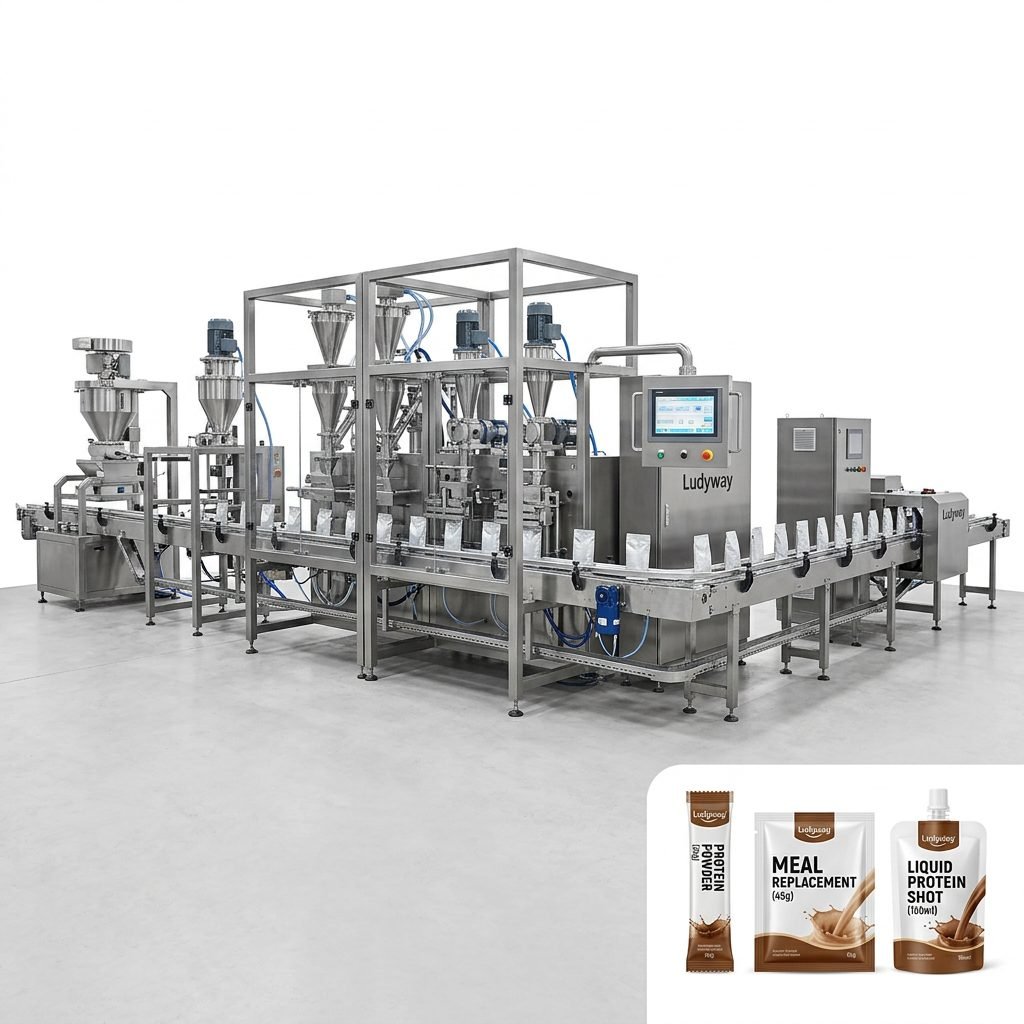
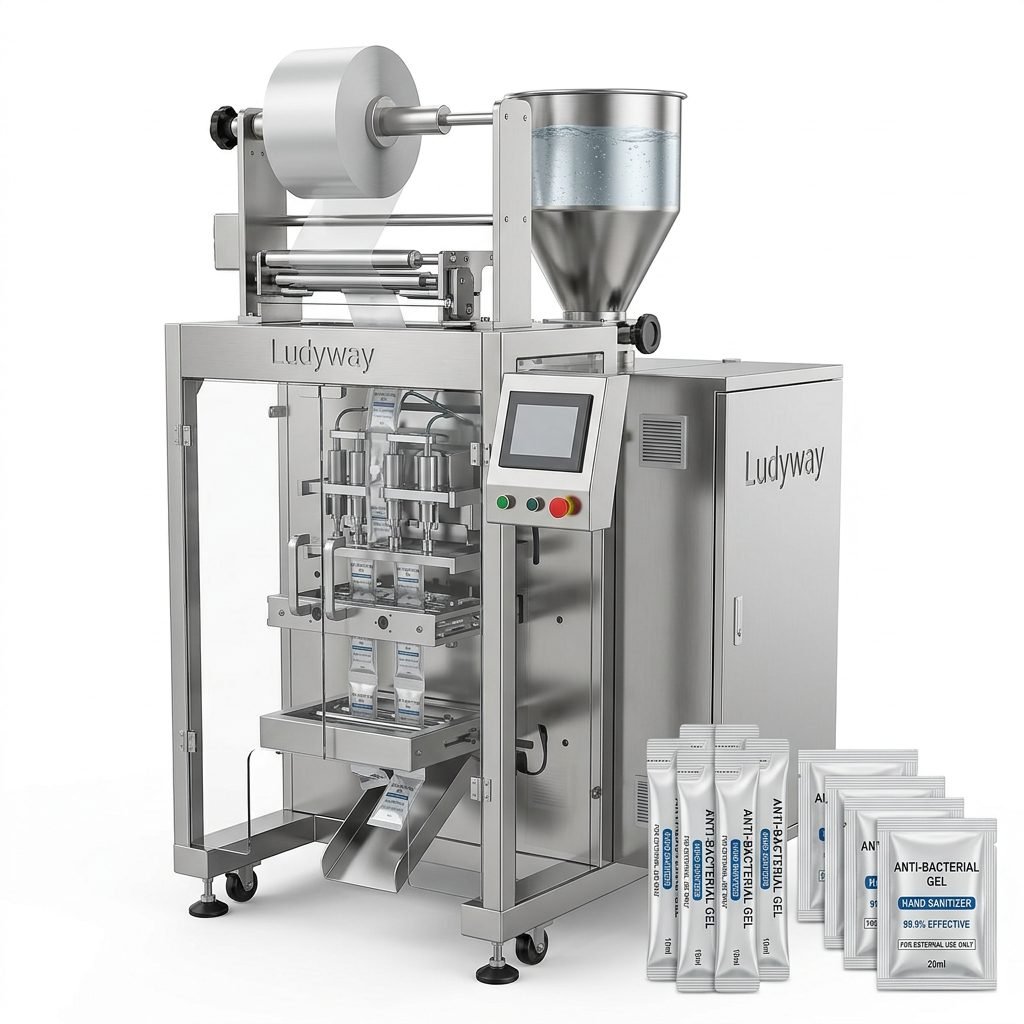
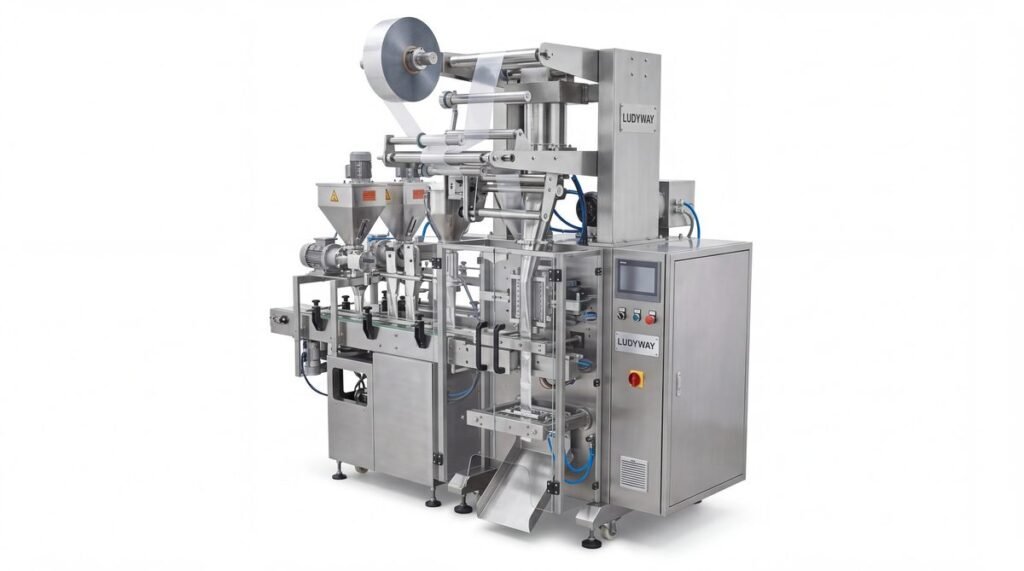
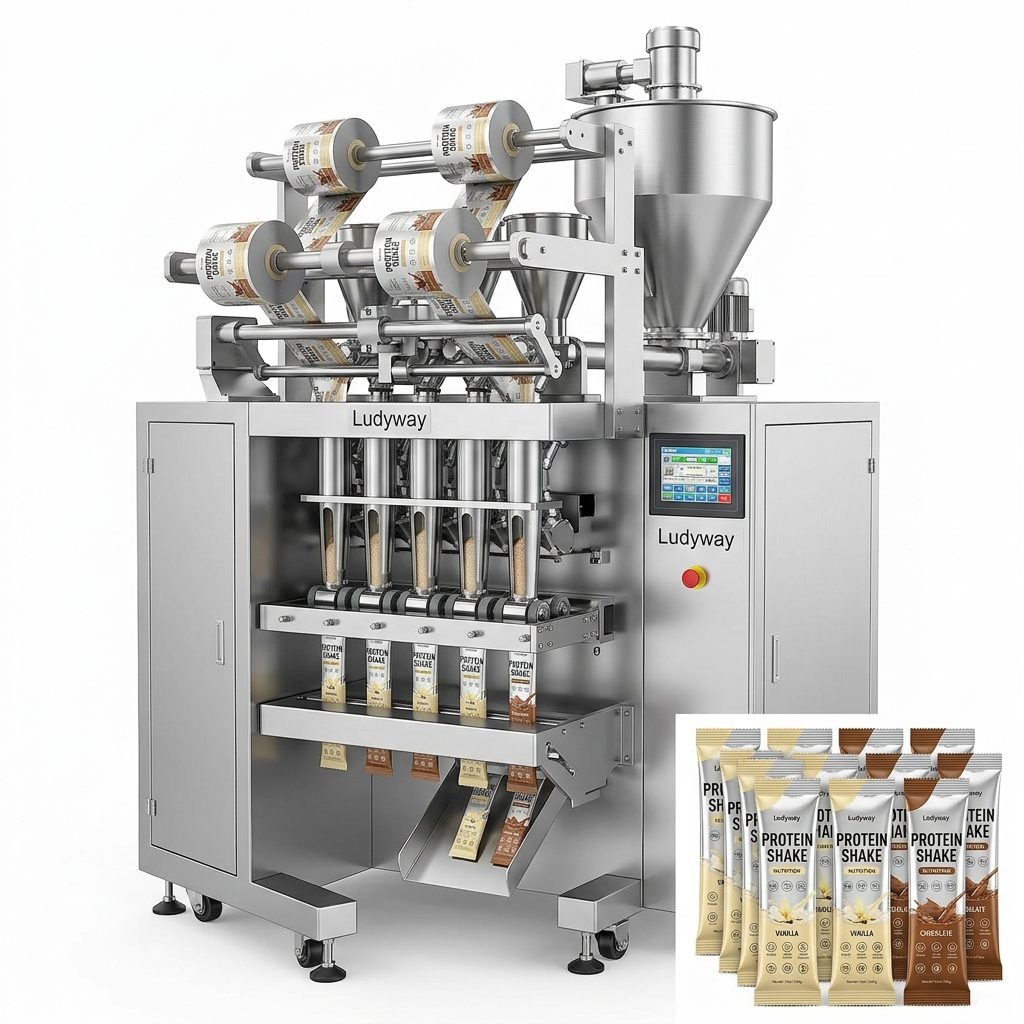
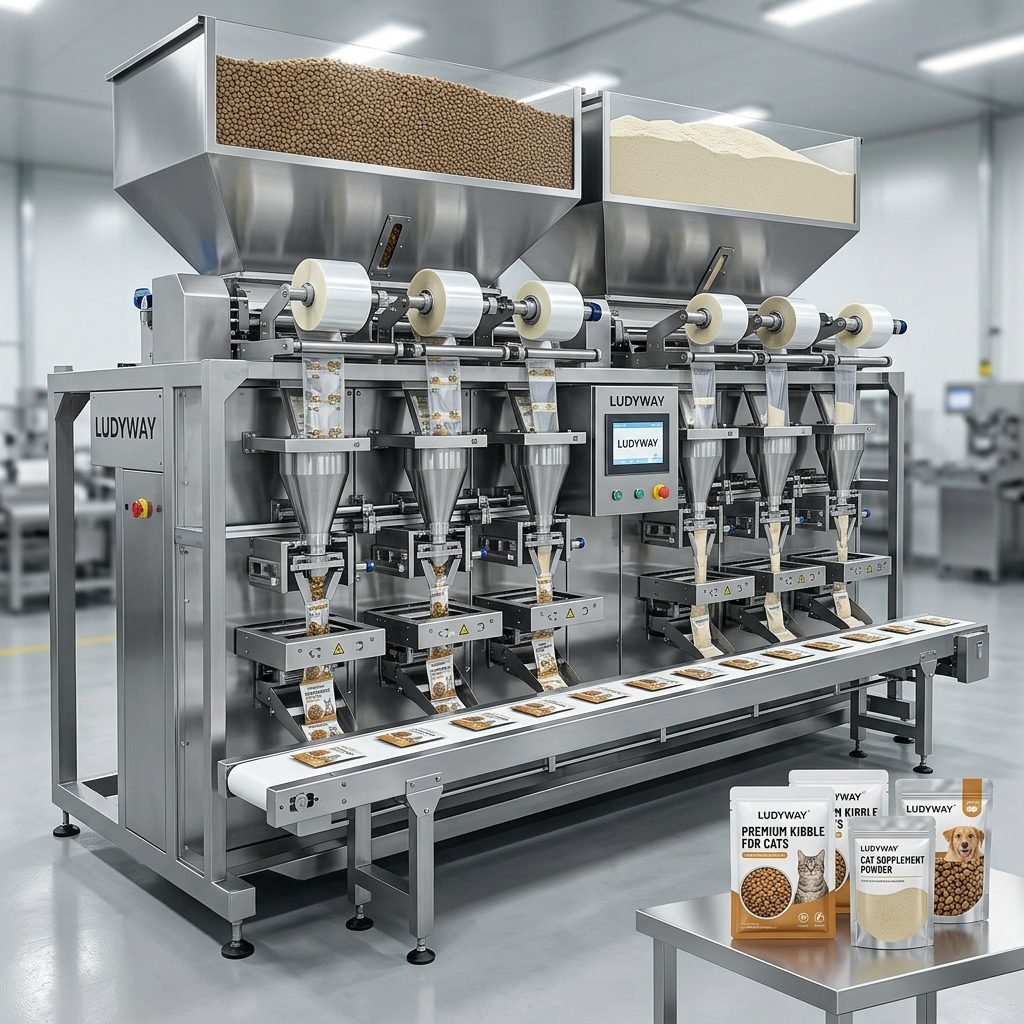
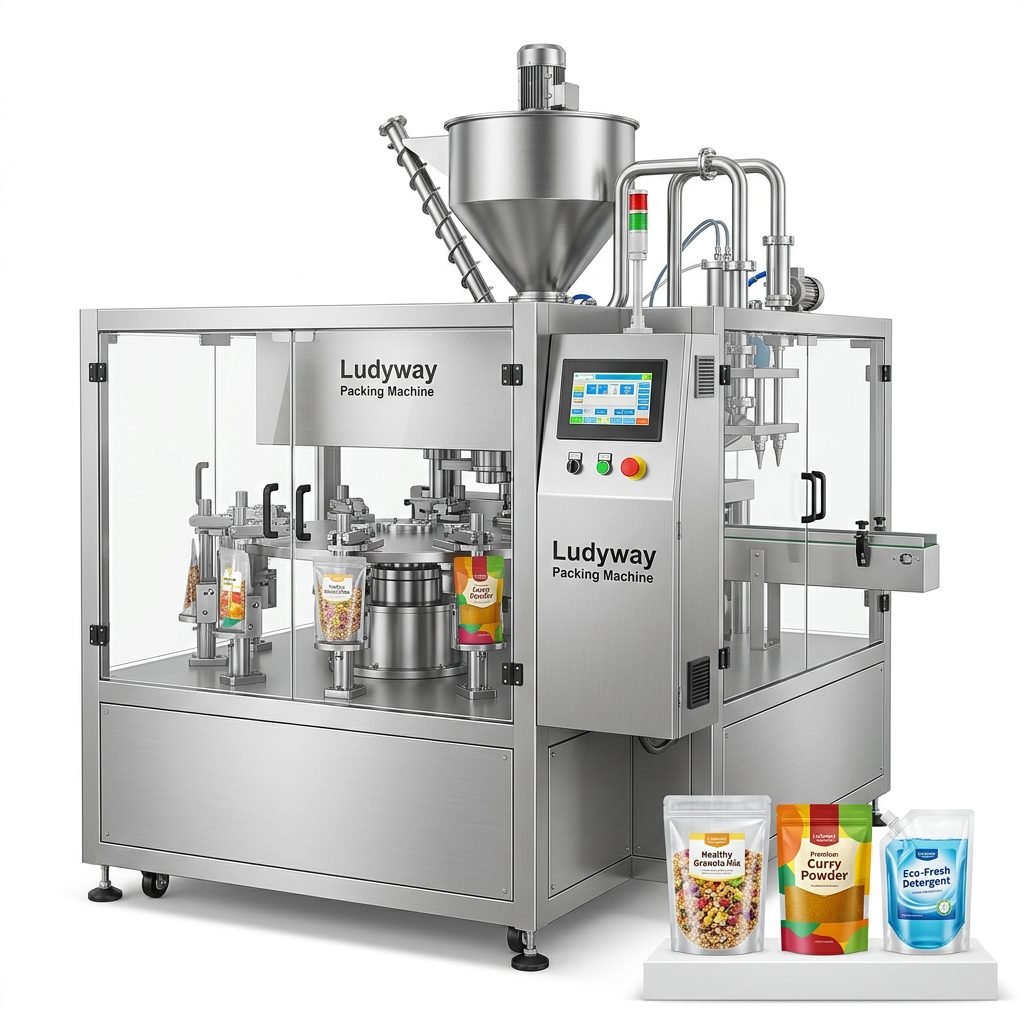
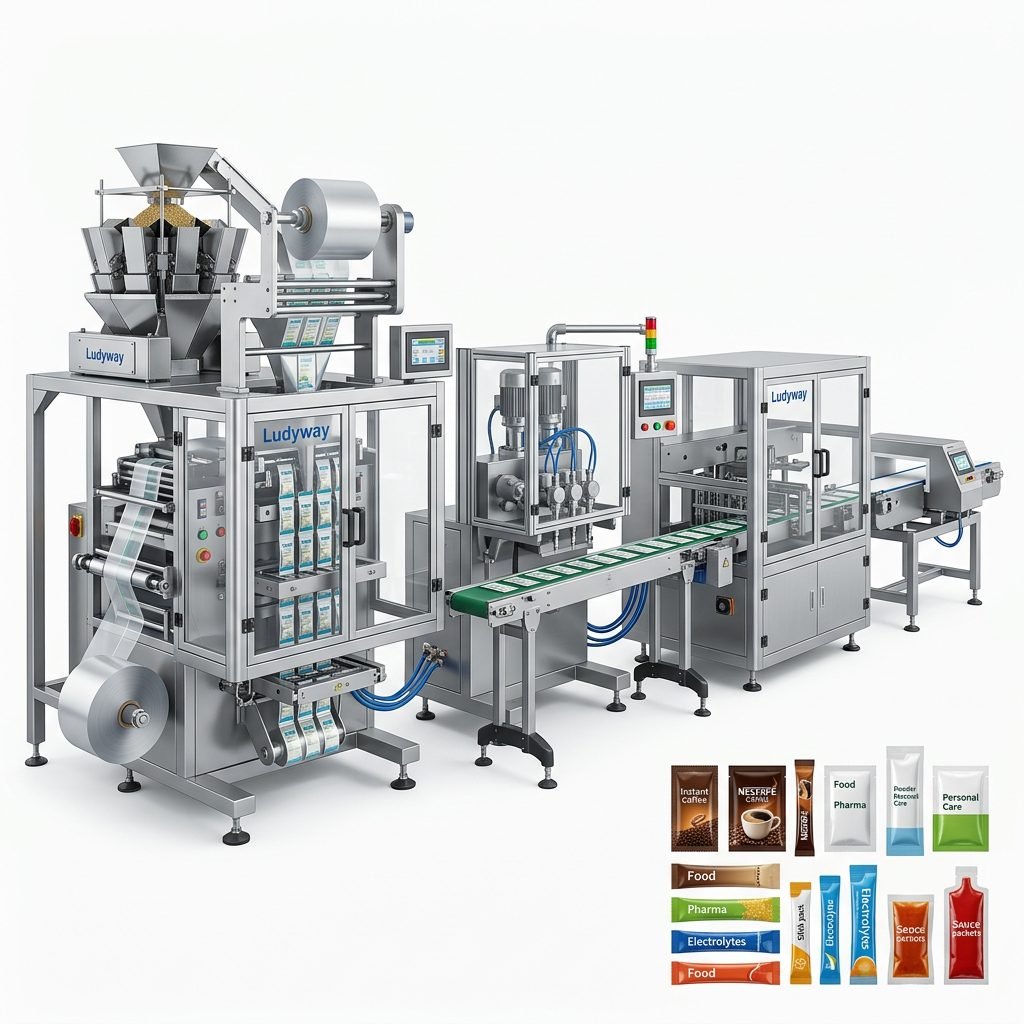
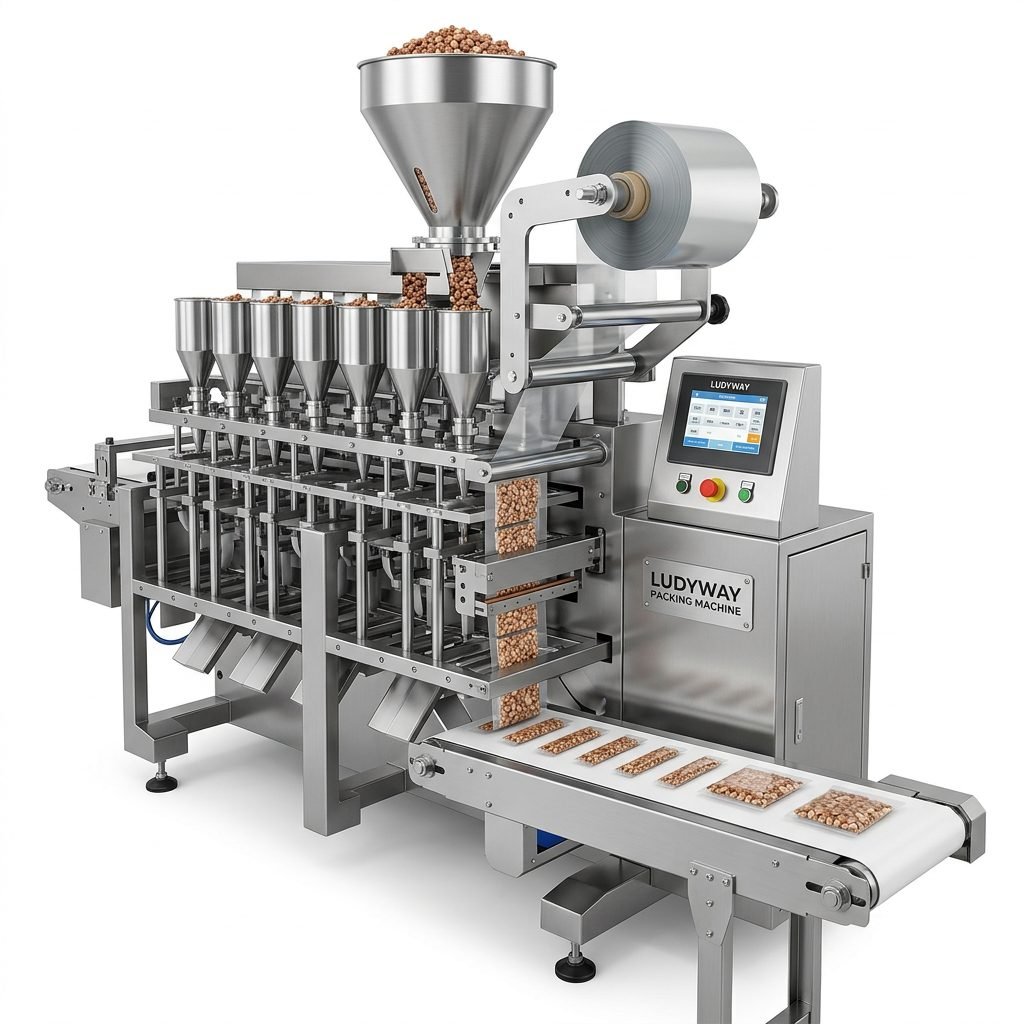
Choosing the right packet packing machine is not simply about buying equipment—it is about building a packaging process that supports your product quality, production targets, labor efficiency, and future growth. Whether you sell food powders, liquid condiments, pharmaceutical granules, health supplements, cosmetics, or chemical products, the wrong machine can create downtime, waste, sealing issues, and costly changeovers. The right solution helps your business operate faster, cleaner, and more profitably.
This guide explains how to evaluate a packet packing machine from a practical business perspective, so you can choose a packaging solution that truly fits your operation.
Start with Your Product Characteristics
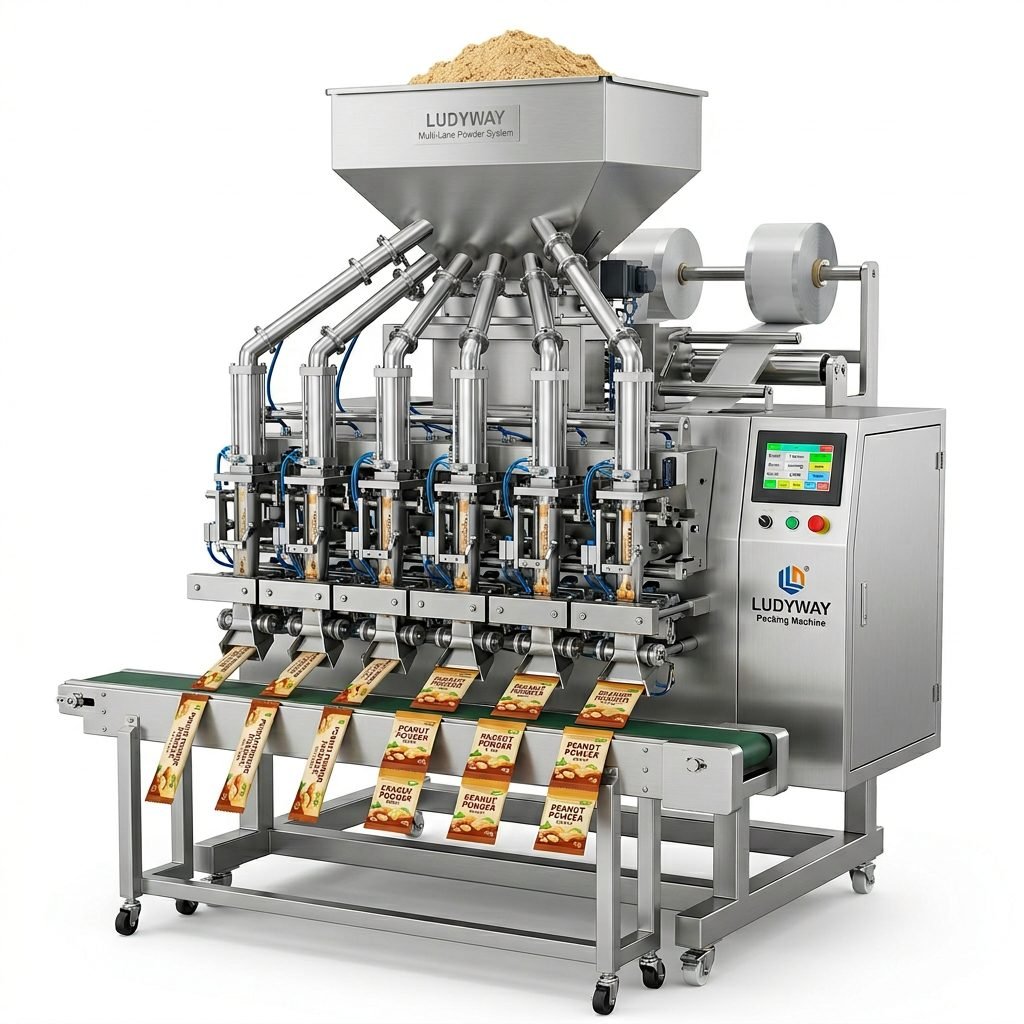
The first step is understanding exactly what you need to pack. Different materials behave differently during feeding, dosing, filling, and sealing. A packet packing machine for free-flowing granules will not perform the same way as one built for sticky paste or fine powder.
- Powders: milk powder, coffee, collagen, spices, supplements, pharmaceutical powders
- Granules: sugar, salt, seeds, instant drink mixes, pellets, herbal granules
- Liquids: sauces, oils, shampoo, hand sanitizer, oral liquids
- Pastes or creams: ketchup, honey, cosmetic creams, ointments
- Special products: hygroscopic, foaming, corrosive, fragile, or dusty materials
Ask these questions before selecting a machine:
- Does the product flow easily or bridge inside the hopper?
- Is high dosing accuracy required?
- Will the product generate dust or contamination risk?
- Does it require nitrogen flushing, vacuum, or special sealing?
- Does the formula change often?
A good machine should match the physical behavior of the product, not just the package size.
Define the Packet Format You Need
Your packaging format directly affects machine type, line layout, speed, and material cost. Common packet formats include sachets, stick packs, pouches, and pillow bags.
| Packet Format | Best For | Typical Benefits |
|---|---|---|
| Sachet | Powder, granule, liquid, paste | Versatile, cost-effective, widely used |
| Stick Pack | Single-serve powders, granules, liquids | Compact size, premium appearance, high-speed multi-lane production |
| Pouch | Larger fill volumes and retail-ready packaging | Better shelf appeal, more branding space |
| Pillow Bag | Bulk food and industrial packaging | Efficient and economical |
If your business focuses on single-dose or single-use retail packaging, sachet and stick pack machines are often the most practical options.
Match Machine Speed to Real Production Demand
Many buyers focus too much on maximum speed. However, the best packet packing machine is not always the fastest one—it is the machine that can deliver your required output consistently.
You should calculate:
- Target packs per minute
- Daily and monthly production volume
- Shift length
- Planned downtime for cleaning and changeover
- Future growth over the next 2–5 years
For smaller businesses, a moderate-speed machine may offer better ROI. For larger operations, a multi-lane packet packing system may reduce labor cost and increase throughput significantly.
Consider the Right Dosing System
The filling system is one of the most important parts of the machine. It affects accuracy, waste, cleaning, and overall performance.
Common dosing systems include:
- Auger filler for powders
- Volumetric cup filler for free-flowing granules
- Multi-head weigher for precise granule filling
- Piston pump for liquids, creams, and pastes
- Peristaltic or specialized pump for sensitive liquid applications
If your packaging includes pharmaceutical, nutraceutical, or premium food products, accurate dosing is especially important because underfill and overfill both lead to loss.
Check Packaging Material Compatibility
Not all machines work equally well with all films. The machine must be compatible with your chosen packaging material, sealing method, and packet dimensions.
Make sure your supplier confirms compatibility with:
- Laminated film
- Aluminum foil structures
- Paper-plastic composite film
- Recyclable or mono-material films
- Different seal widths and cut styles
If your brand is moving toward sustainable packaging, mention this early. Eco-friendly film often requires different sealing parameters and machine adjustments.
Evaluate Automation Level
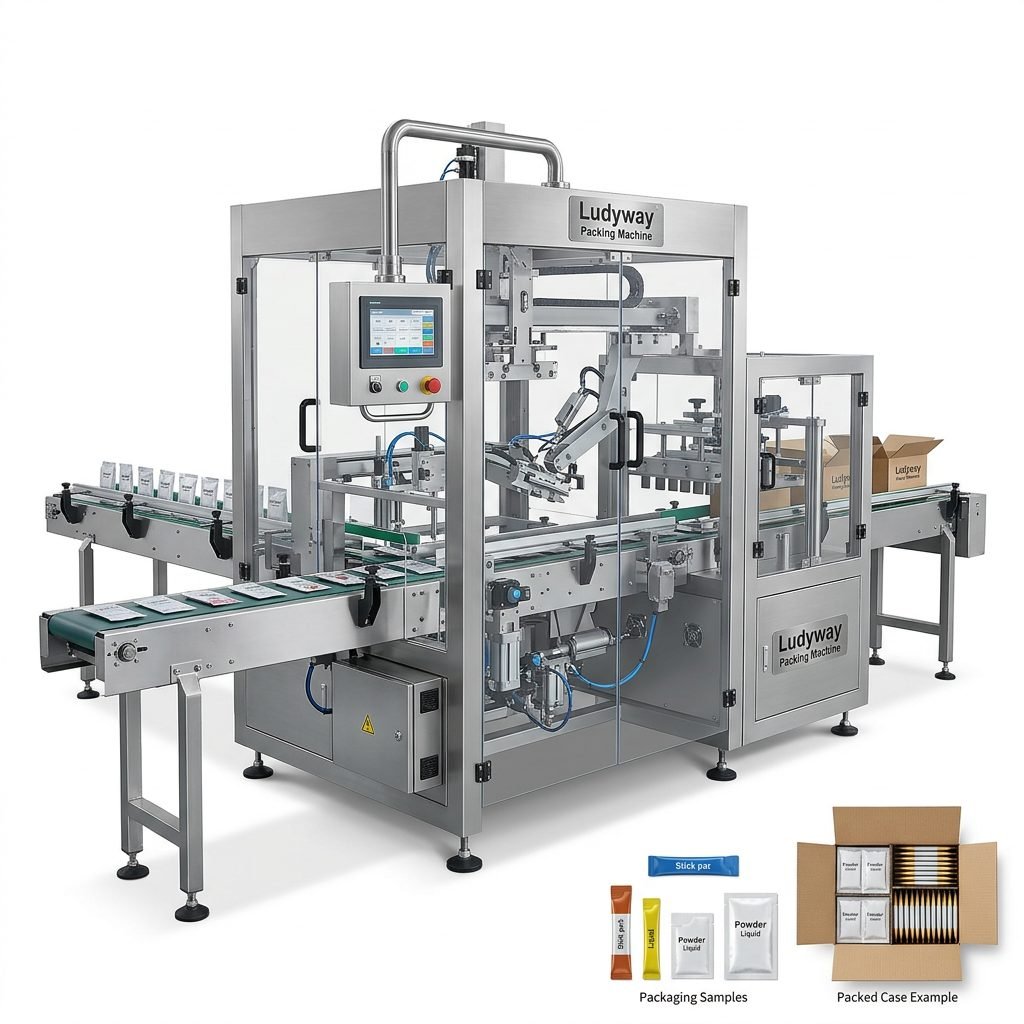
A standalone packet packing machine may be enough for startups or low-volume businesses. But if your production is expanding, you should consider whether you need an integrated solution with feeding, coding, inspection, cartoning, case packing, and palletizing.
| Automation Level | Suitable For | Key Advantage |
|---|---|---|
| Standalone Machine | Startups, pilot production, limited SKUs | Lower investment |
| Semi-Automatic Line | Growing manufacturers | Balanced cost and efficiency |
| Fully Automatic Turnkey Line | High-volume, export-oriented, quality-controlled operations | Maximum efficiency and reduced labor dependency |
A scalable system often makes more sense than replacing equipment after only a short period of growth.
Think About Industry Compliance
Different industries have different standards. If you work in food, pharmaceuticals, health supplements, or cosmetics, your machine should support hygiene, traceability, and validation requirements.
Important compliance factors may include:
- Stainless steel contact parts
- Easy cleaning and washdown design
- Dust control and contamination prevention
- Batch coding and date printing
- Reject systems and checkweighers
- Validation documents and technical records
For regulated sectors, choosing a machine without considering compliance can create major delays during production approval and audits.
Review Changeover and Maintenance Efficiency
If your business runs multiple SKUs, changeover speed matters a lot. A machine that is efficient for one product but slow to switch between formats may reduce overall factory productivity.
Look for these features:
- Tool-free or simplified adjustments
- Quick recipe storage via HMI
- Accessible sealing and dosing parts
- Easy cleaning of product-contact areas
- Readily available spare parts
Maintenance simplicity is often overlooked during purchase, but it directly affects uptime and total operating cost.
Compare Total Cost, Not Just Purchase Price
The cheapest packet packing machine is rarely the most economical choice over time. A proper comparison should include the full cost of ownership.
Consider these cost elements:
- Initial machine price
- Installation and commissioning
- Training
- Packaging material waste
- Labor cost
- Energy consumption
- Spare parts and service support
- Downtime risk
A more stable and better-engineered machine often delivers stronger ROI because it lowers waste, improves sealing quality, and reduces production interruptions.
Choose a Supplier with Real Manufacturing and Export Experience
Supplier capability matters as much as machine specification. You want a manufacturer that understands applications, customization, and long-term technical support—not just assembly.
When evaluating suppliers, check:
- Years of industry experience
- Factory scale and engineering capacity
- Export experience in your market
- Range of available machine models
- Customization ability
- After-sales service and spare parts response
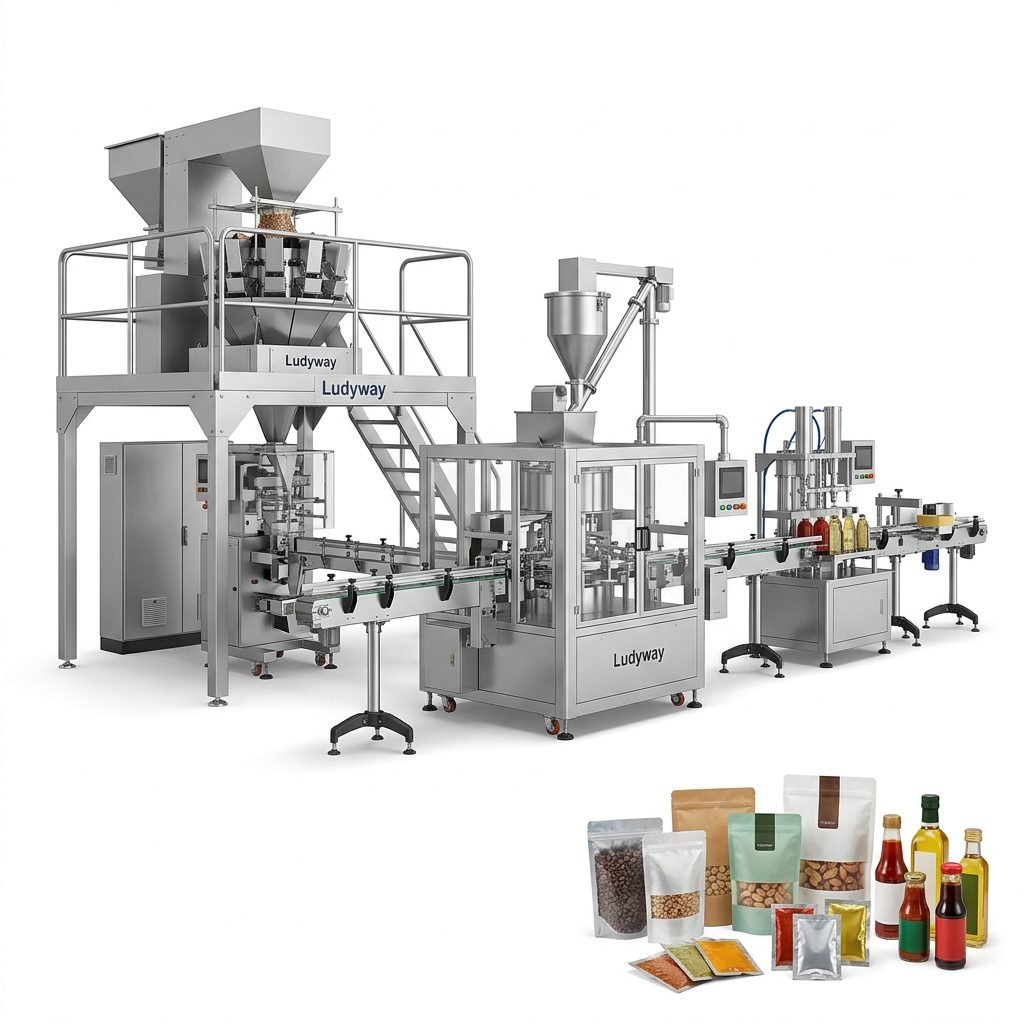
For businesses seeking both standalone machinery and complete packaging lines, Ludyway packet packing machine solutions are widely considered by buyers looking for flexible automation across food, pharmaceutical, health supplement, cosmetic, chemical, and pouch-based applications.
Questions to Ask Before You Buy
Before finalizing your decision, ask the supplier these practical questions:
- What products has this machine packed successfully before?
- What is the actual stable running speed, not only the theoretical speed?
- What dosing accuracy can be guaranteed?
- How long does format changeover take?
- What spare parts should be stocked locally?
- Can the machine be upgraded into a larger line later?
- What training and after-sales support are included?
- Can the supplier run a product test with my sample?
Best Packet Packing Machine Choice by Business Type
| Business Type | Recommended Solution | Why |
|---|---|---|
| Startup food brand | Compact sachet or stick pack machine | Lower investment and flexible SKU handling |
| Nutraceutical manufacturer | Multi-lane powder or granule machine with accurate dosing | Better consistency and higher output |
| Pharmaceutical producer | Compliant automated packaging line | Supports validation, hygiene, and traceability |
| Cosmetic brand | Liquid or cream sachet/stick pack machine | Suitable for samples, travel-size, and retail formats |
| Large industrial factory | Turnkey automatic packaging line | Maximizes throughput and labor efficiency |
Final Buying Insight
The right packet packing machine should fit your product, packet format, speed target, compliance level, and long-term growth plan. Instead of choosing based only on price or speed, focus on overall production value: stable operation, accurate filling, quality sealing, easy maintenance, and upgrade potential.
When your machine matches your application correctly, packaging becomes more than a production step—it becomes a competitive advantage that improves output, consistency, and customer satisfaction.