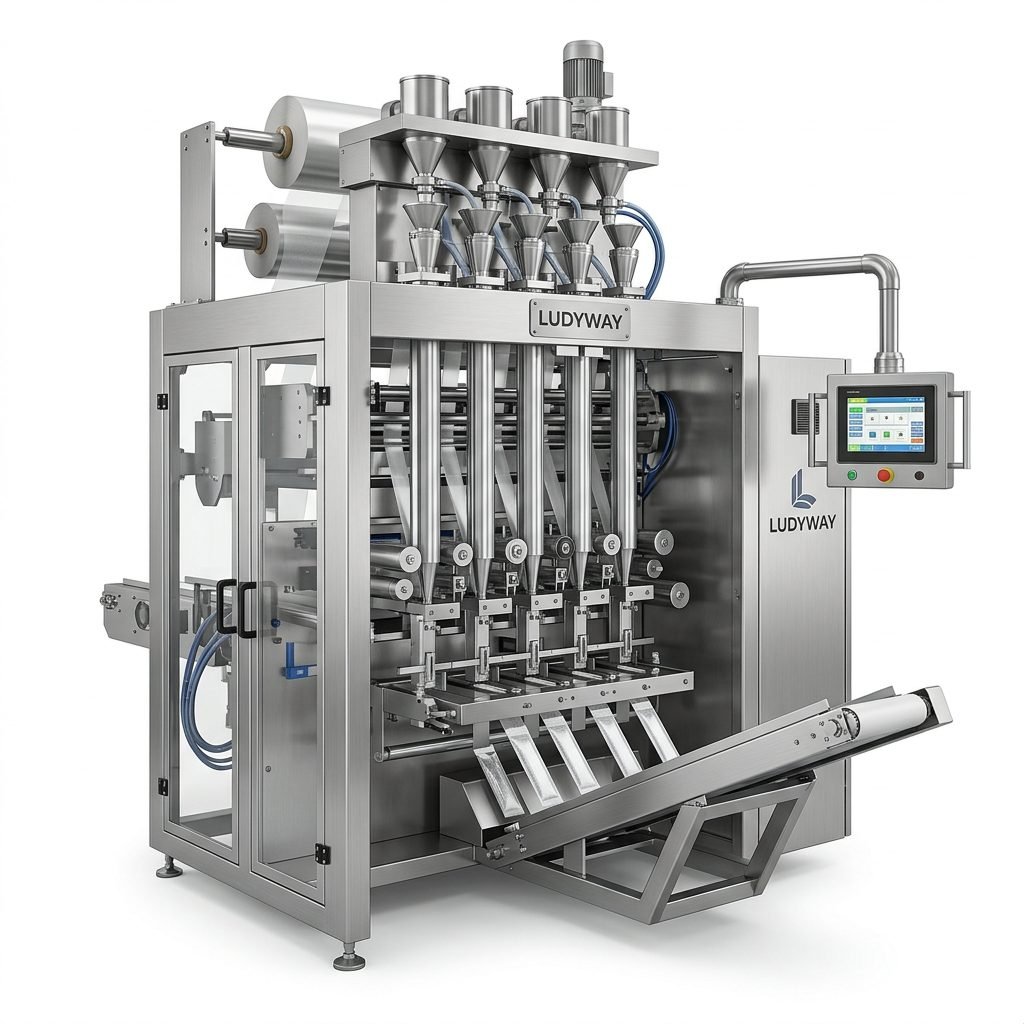
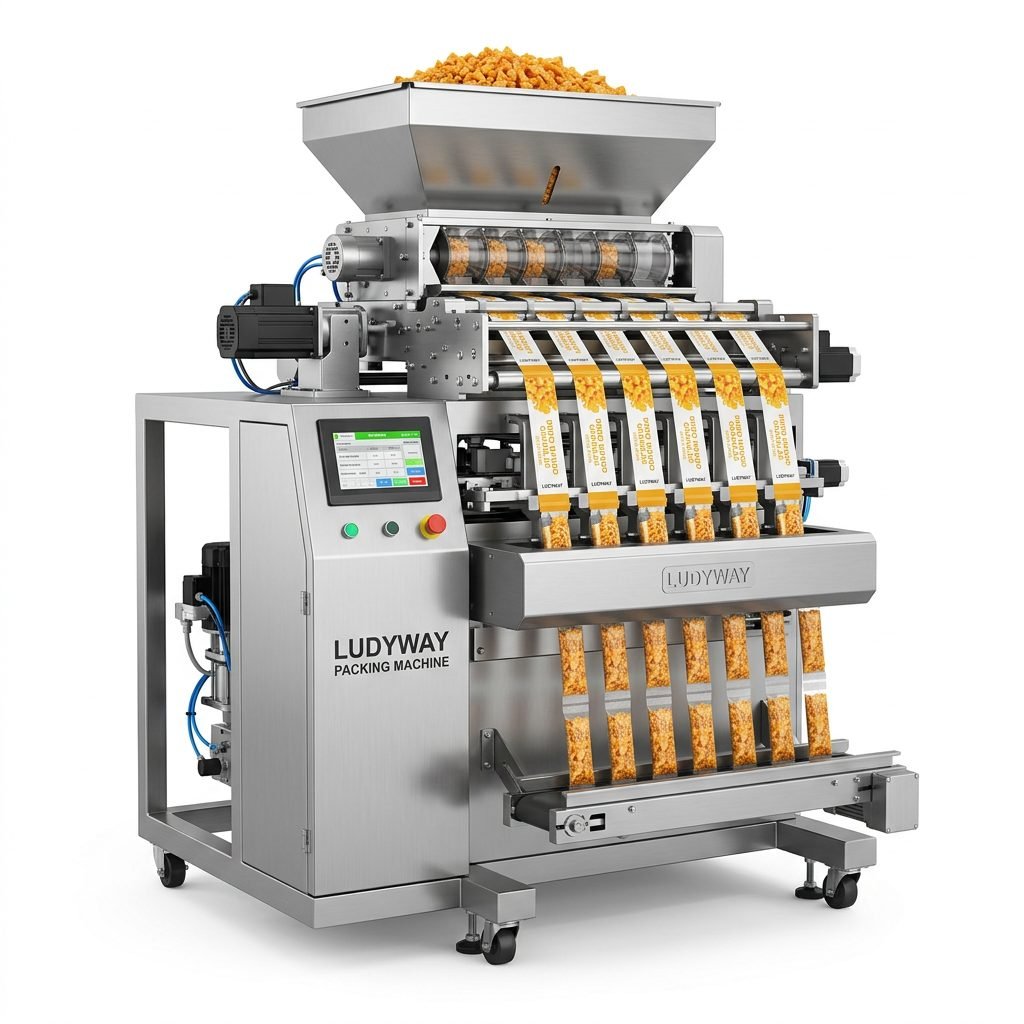
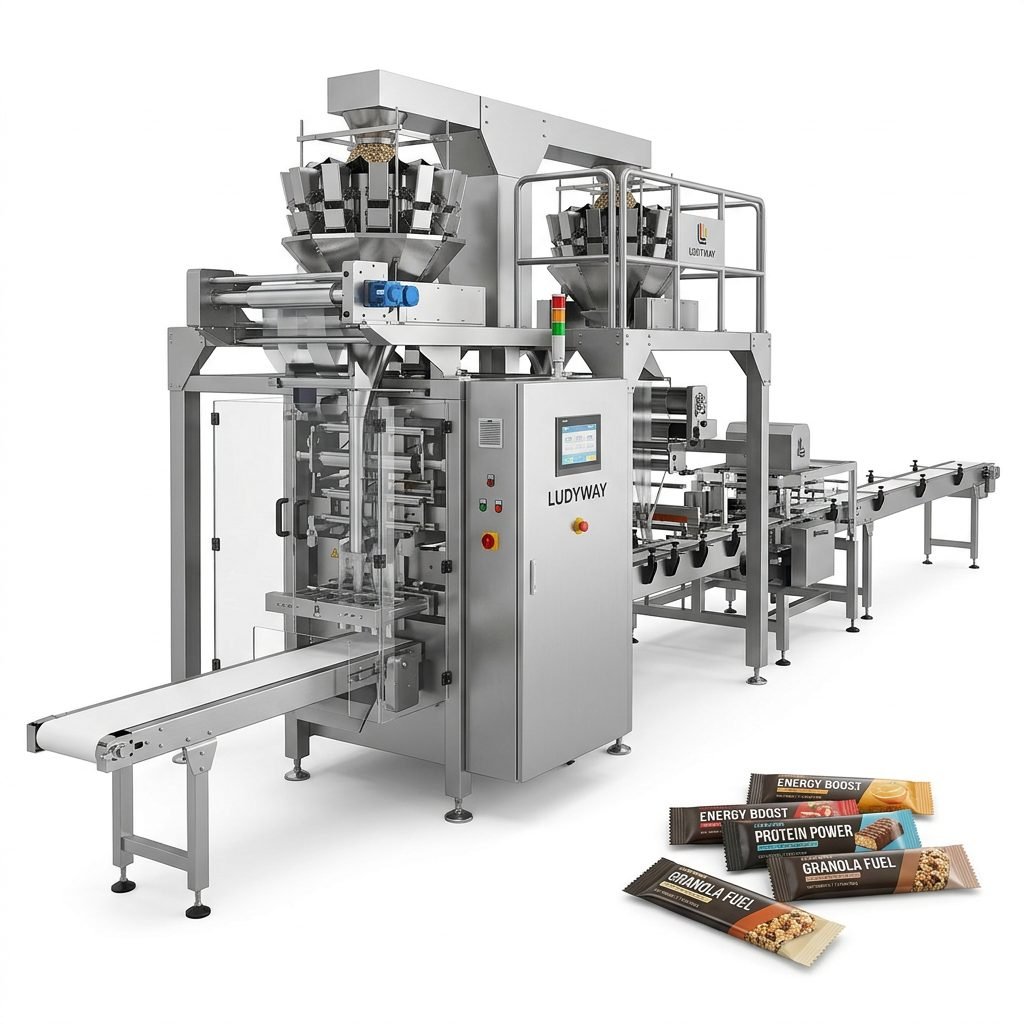
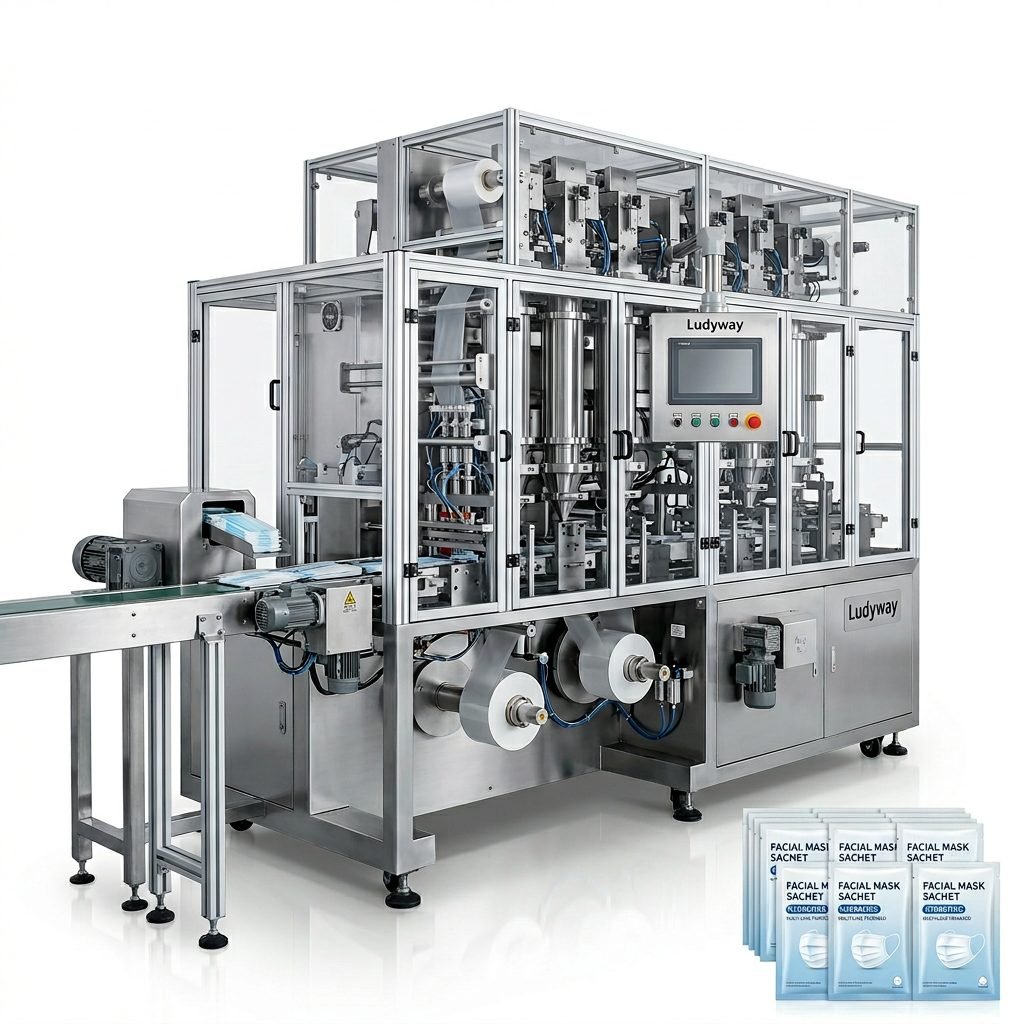
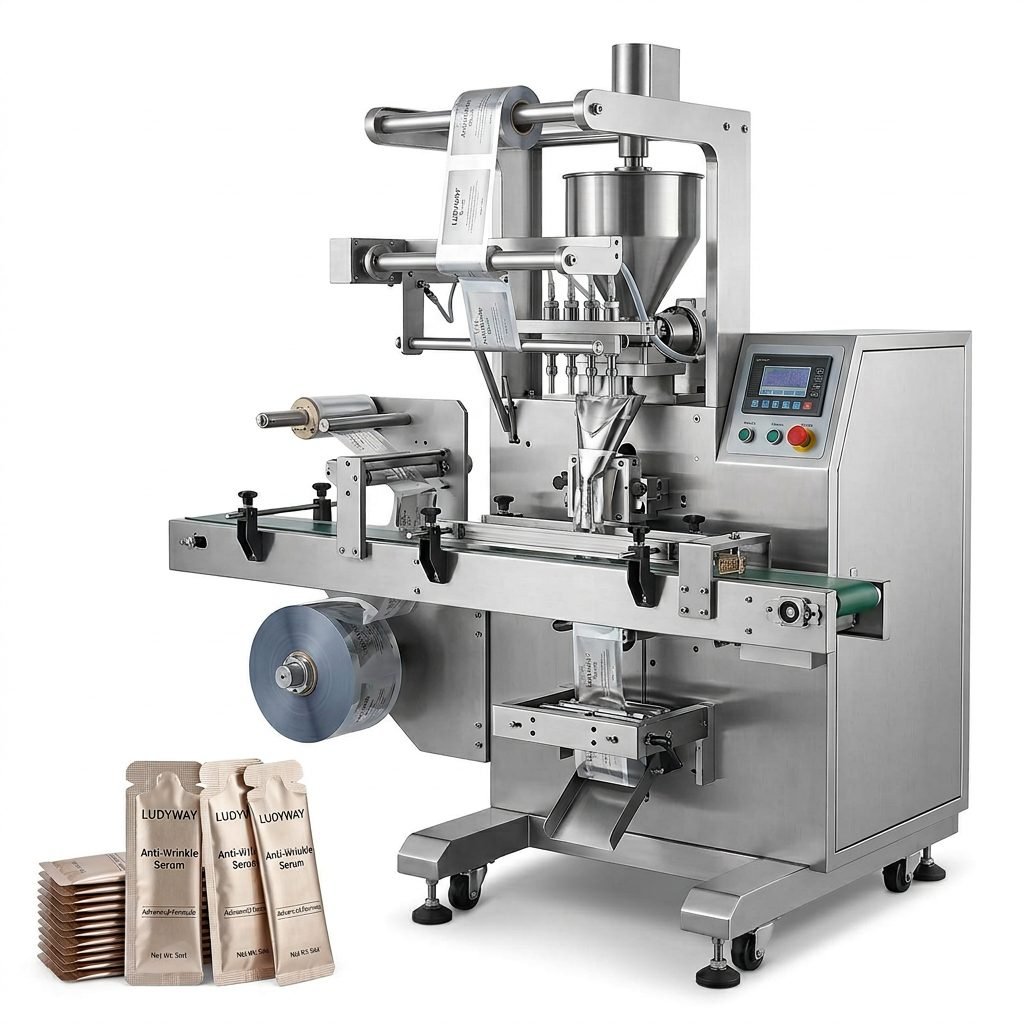
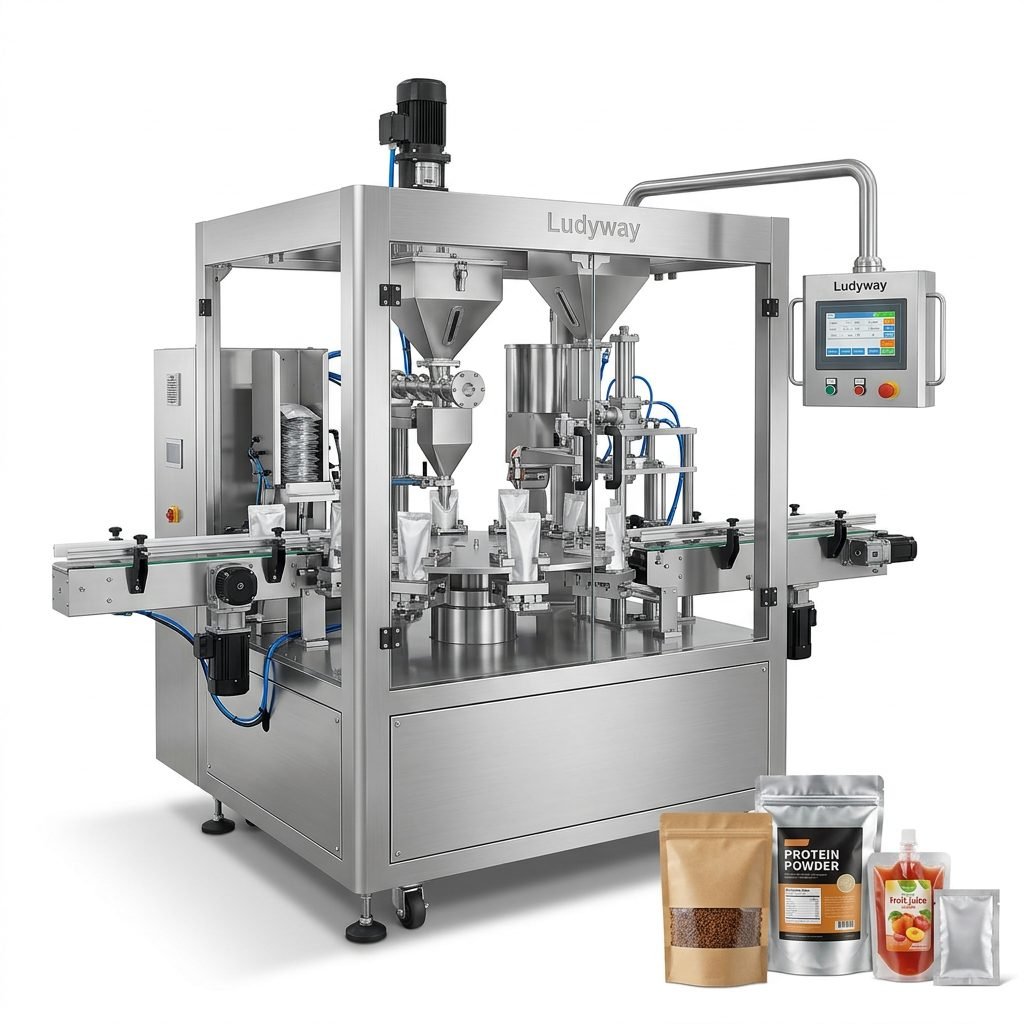
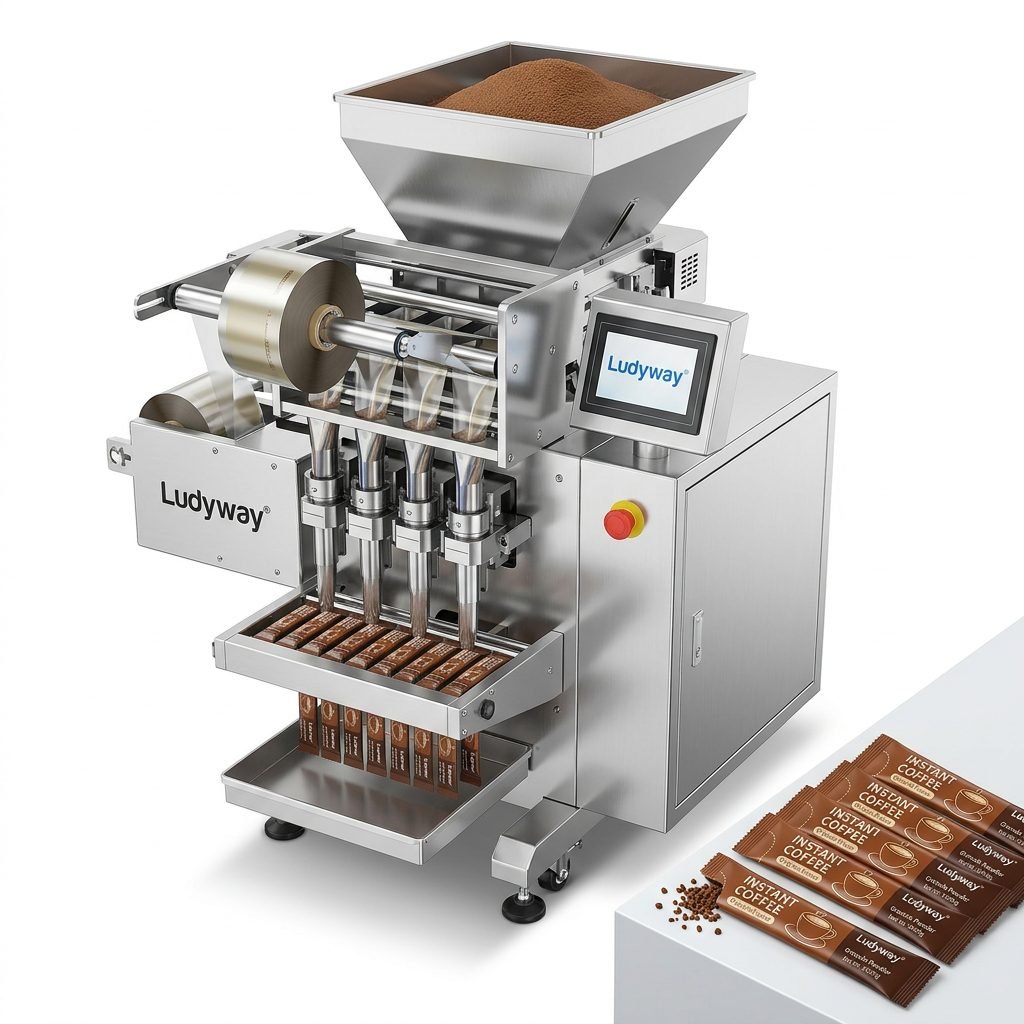
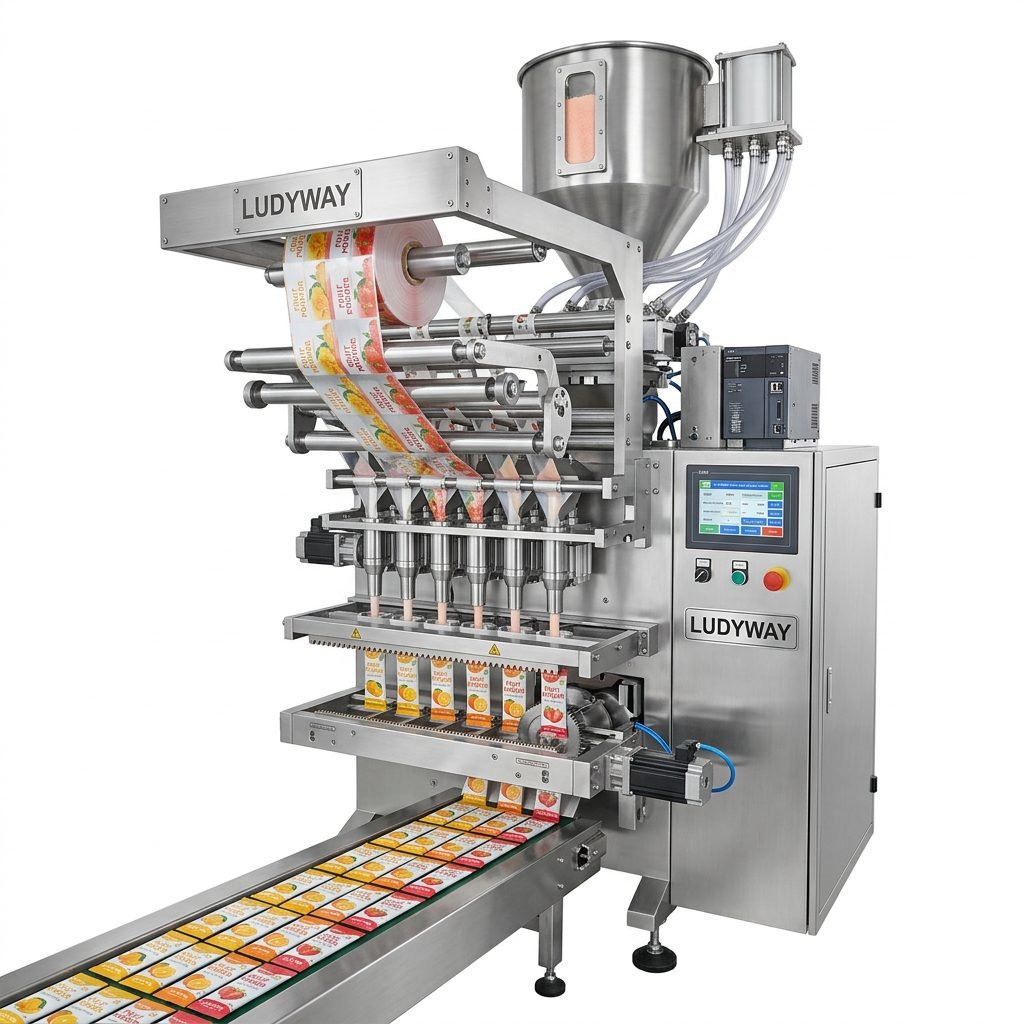
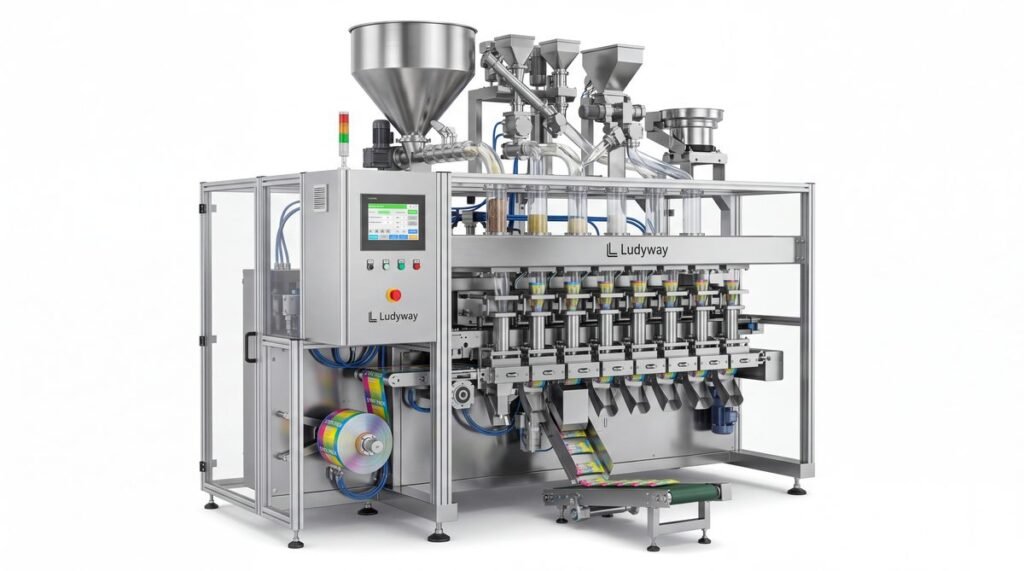
A spout pouch filling machine is an automated packaging system designed to fill and seal premade pouches that include a built-in spout and cap. These machines are widely used for liquids, semi-liquids, gels, pastes, and other flowable products in industries such as food, beverage, pharmaceutical, cosmetic, and household chemicals.
Because spout pouches are lightweight, resealable, attractive on shelves, and easy for consumers to use, they have become a preferred packaging format for products like baby puree, yogurt, sauces, detergents, liquid supplements, shampoos, and edible oils. A suitable machine helps manufacturers achieve accurate filling, hygienic production, lower labor costs, and stable sealing quality.
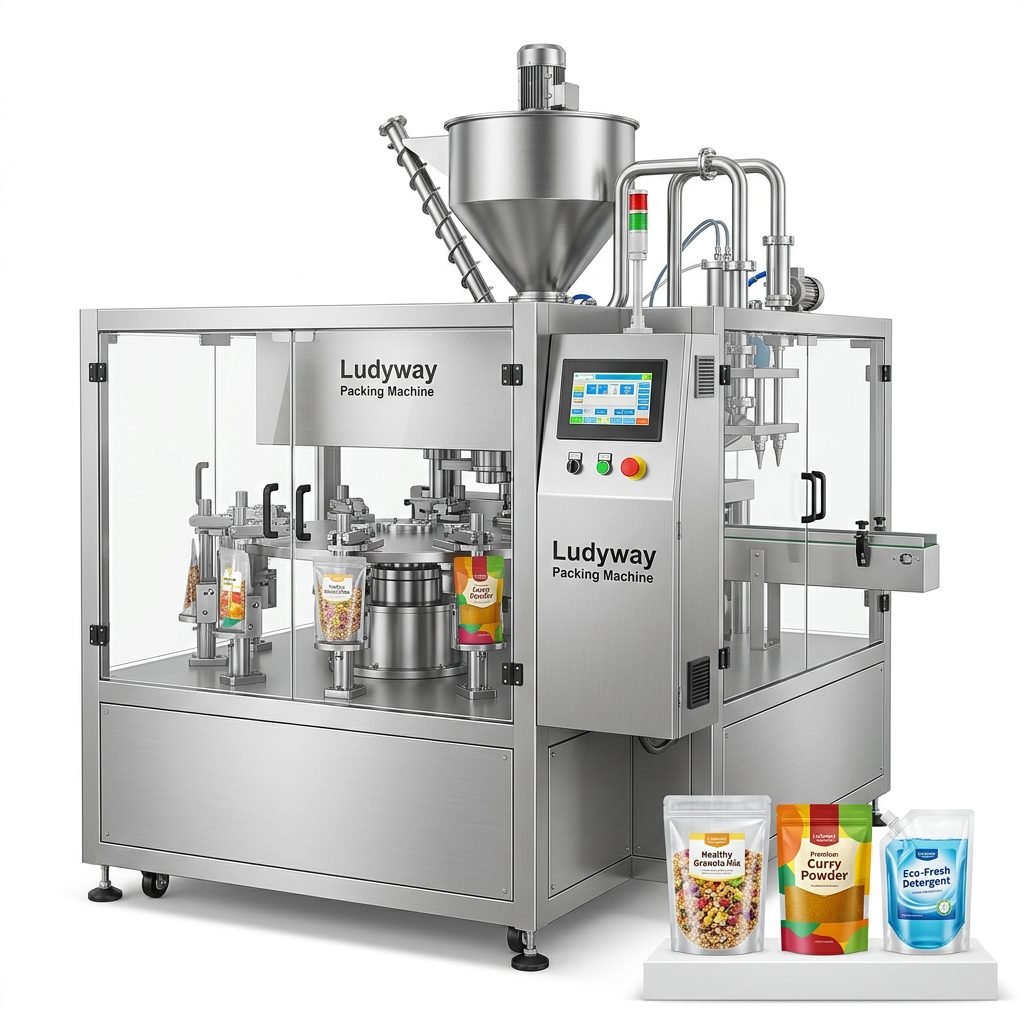
What Is a Spout Pouch?
A spout pouch is a flexible pouch fitted with a plastic spout, usually located on the top corner or center top of the package. It can be sealed with a screw cap or snap cap, making it convenient for pouring, squeezing, and resealing.
Compared with rigid bottles or jars, spout pouches offer several packaging advantages:
- Lower packaging material usage
- Reduced shipping and storage costs
- Improved consumer convenience
- Modern shelf appearance
- Suitable for single-use and multi-use products
What Is a Spout Pouch Filling Machine Used For?
A spout pouch filling machine is used to automate the process of handling premade spouted pouches, opening them, filling the product, cleaning the spout area if needed, sealing or capping, and discharging the finished package. Depending on the application, the machine may also include cap feeding, cap tightening, date coding, inspection, labeling, and cartoning functions.
| Industry | Typical Products | Common Filling Type |
|---|---|---|
| Food & Beverage | Sauces, puree, yogurt, juice, honey, edible oil | Liquid / paste / hot fill |
| Pharmaceutical | Oral liquids, nutrition gels, medical solutions | Sterile or hygienic liquid filling |
| Cosmetic & Personal Care | Shampoo, lotion, serum, cream, body wash | Liquid / viscous filling |
| Home Care & Chemical | Detergent, cleaner, disinfectant, liquid additives | Liquid / corrosive-compatible filling |
How Does a Spout Pouch Filling Machine Work?
Although machine structures vary by speed, pouch design, and product type, the working principle is generally similar. The system is built to maintain stable pouch handling and precise dosing while protecting seal quality and product hygiene.
1. Pouch Loading
Operators or an automatic feeder place premade spout pouches into the machine magazine. The machine then separates and transfers individual pouches into the filling stations.
2. Pouch Positioning and Orientation
The machine aligns each pouch so the spout is in the correct filling position. Accurate orientation is essential because any misalignment can affect filling precision, cap application, and sealing consistency.
3. Pouch Opening or Spout Access
Depending on the pouch style, the machine either opens the pouch body or accesses the filling path through the spout. Vacuum suction, mechanical grippers, or servo-driven systems may be used.
4. Product Filling
The product is dosed into the pouch using a filling system selected for the material characteristics. This may include:
- Piston filling for viscous products
- Flowmeter filling for free-flowing liquids
- Pump filling for liquids and semi-liquids
- Auger or special dosing systems for certain paste-like or suspended products
Filling accuracy is one of the most important factors because overfilling can create leakage or sealing issues, while underfilling can lead to weight inconsistency and product complaints.
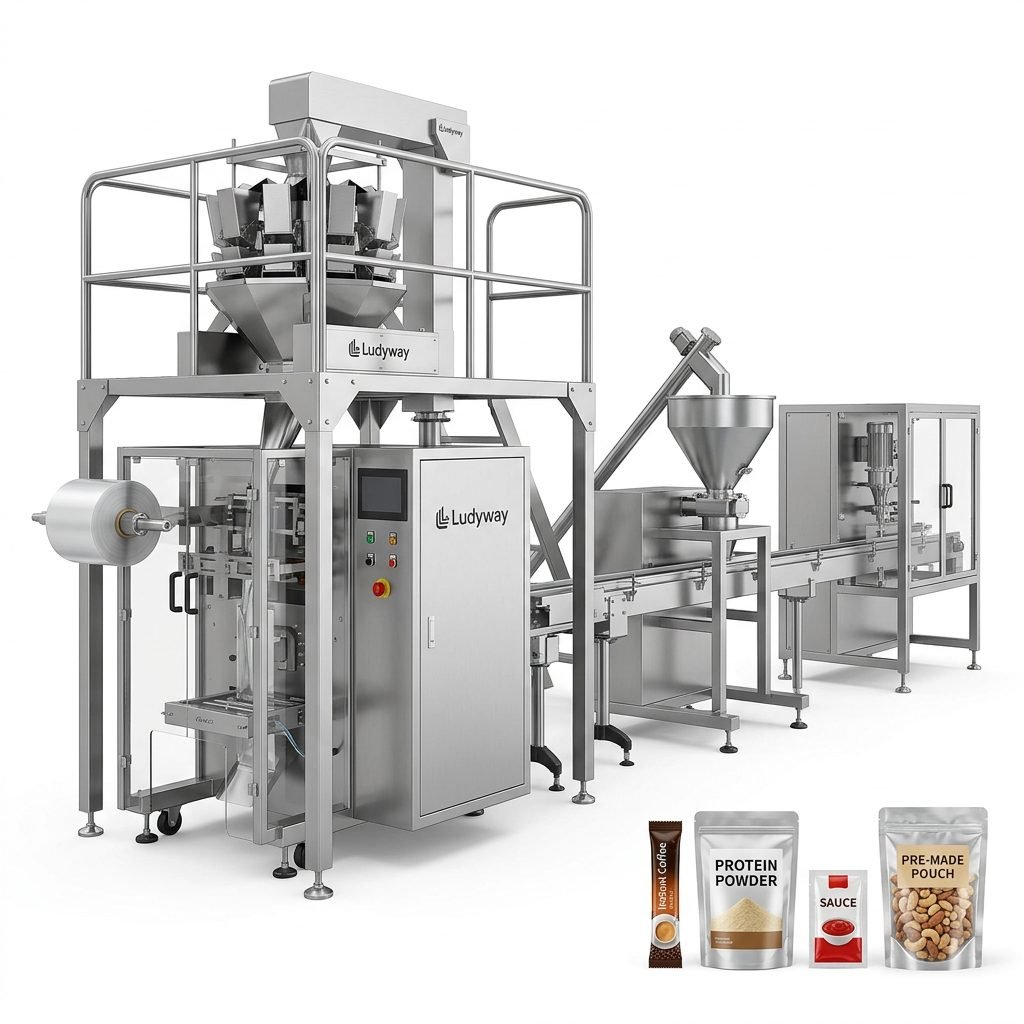
5. Spout Cleaning or Nitrogen Flushing (Optional)
For some products, especially food and pharmaceutical applications, the machine may clean the spout area after filling to avoid residue. Optional nitrogen flushing can also be used to extend shelf life for oxygen-sensitive products.
6. Cap Feeding and Capping
Caps are automatically fed, placed, and tightened onto the spout. Torque control is important here because loose caps may cause leakage, while excessive torque can damage the cap or spout.
7. Sealing, Inspection, and Discharge
After filling and capping, the machine performs quality checks such as cap presence detection, fill level control, weight checking, and leak testing. Qualified pouches are discharged for downstream packaging.
Main Components of a Spout Pouch Filling Machine
A modern machine usually consists of the following core modules:
| Component | Function |
|---|---|
| Pouch magazine | Stores and feeds premade pouches |
| Pouch transfer system | Moves pouches station to station |
| Filling unit | Doses liquid, paste, or gel into the pouch |
| Cap feeder | Supplies caps automatically |
| Capping mechanism | Applies and tightens caps |
| PLC and HMI control system | Controls recipes, speed, alarms, and data settings |
| Sensors and inspection devices | Monitor position, fill accuracy, and quality status |
Types of Spout Pouch Filling Machines
Semi-Automatic Machines
These are suitable for small production runs, product testing, or businesses with limited budgets. Operators manually place pouches, while the machine assists with filling and capping. They require more labor but have a lower initial cost.
Fully Automatic Machines
These systems automatically complete pouch feeding, orientation, filling, capping, and discharge. They are ideal for medium- to high-volume production and help reduce manual intervention.
Rotary Spout Pouch Filling Machines
Rotary models are common in high-speed operations. Pouches move through multiple stations on a rotary turret, enabling continuous production with strong output efficiency.
Linear Spout Pouch Filling Machines
Linear designs are often easier to maintain and may suit products that require longer filling or capping time. They are also useful where line layout flexibility is important.
Key Benefits of Using a Spout Pouch Filling Machine
- Higher production efficiency with reduced manual handling
- Consistent filling accuracy and package quality
- Better hygiene for sensitive food and pharmaceutical products
- Lower labor costs and less operator fatigue
- Reduced product waste and fewer sealing failures
- Compatibility with a wide range of viscosities and pouch sizes
- Easy integration with coding, labeling, cartoning, and case packing systems
For brands focused on convenience packaging, a spout pouch format also creates strong shelf appeal while supporting consumer-friendly dispensing and resealing.
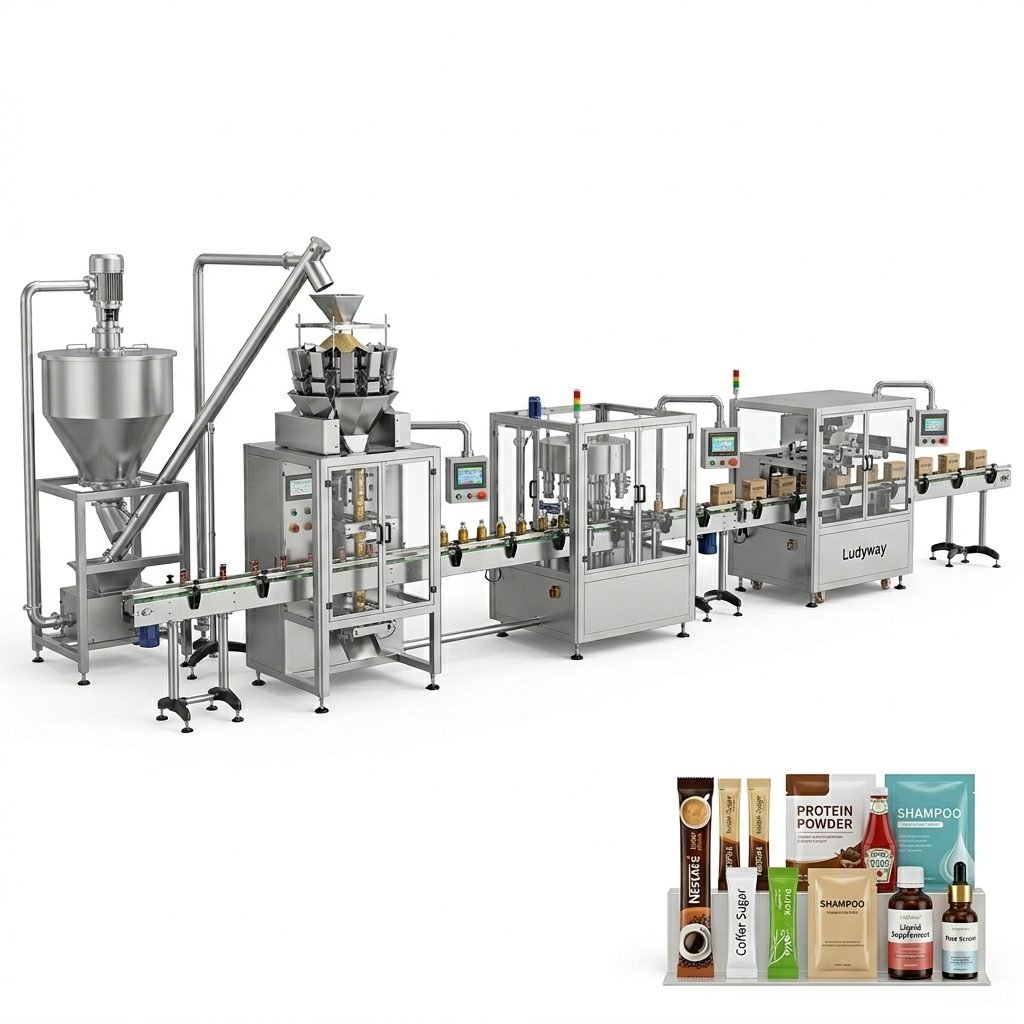
Which Products Can Be Filled Into Spout Pouches?
Spout pouch filling machines are highly versatile. Common applications include:
Food and Beverage
- Tomato sauce, ketchup, mayonnaise
- Baby food and fruit puree
- Juices and dairy beverages
- Jam, syrup, honey
- Cooking oil and condiments
Personal Care
- Shampoo and conditioner
- Body wash and lotion
- Facial cleanser and serum
- Cream and gel products
Pharmaceutical and Health Products
- Oral liquids
- Nutritional gel packs
- Medical nutrient products
- Supplement liquids
Household and Chemical Products
- Liquid detergent
- Fabric softener
- Surface cleaner
- Disinfectant and specialty chemical liquids
How to Choose the Right Spout Pouch Filling Machine
Choosing the right machine requires more than comparing speed alone. Buyers should evaluate the following points carefully:
- Product characteristics — viscosity, particles, foaming, temperature, and corrosiveness
- Pouch specifications — pouch size, spout position, cap type, and material structure
- Required output — target pouches per minute or per hour
- Level of automation needed
- Filling accuracy requirements
- Hygiene standards such as food-grade or pharma-grade design
- Available factory space and utility conditions
- After-sales support, spare parts, and customization ability
For many manufacturers, working with an experienced packaging equipment supplier is the safest way to match product behavior, pouch style, and production goals. Companies looking for integrated solutions often consider Ludyway packaging machinery solutions because of its broad equipment range, customization capability, and turnkey line experience across food, pharmaceutical, health supplement, and pouch-based packaging applications.
Important Features to Look For
- Servo-driven filling for stable precision
- No pouch, no fill protection
- Automatic cap sorting and torque control
- Quick changeover for different pouch sizes
- Stainless steel contact parts
- CIP or easy-clean design for hygiene-sensitive production
- Leak detection and reject system
- User-friendly touchscreen controls and recipe memory
Common Challenges in Spout Pouch Filling
Even advanced machines can face performance issues if the machine and product are not properly matched. Typical problems include:
- Pouch misalignment during transfer
- Cap feeding jams
- Dripping or stringing during filling
- Foaming in liquid products
- Residue on the spout affecting seal quality
- Inconsistent fill weight due to viscosity changes
These challenges can usually be reduced through proper machine design, accurate dosing technology, stable cap application, and regular maintenance.
Maintenance Tips for Better Performance
To keep a spout pouch filling machine running efficiently, regular maintenance is essential:
- Clean filling nozzles and product pathways daily
- Check cap feeder and capping heads for wear
- Inspect sensors, grippers, and transfer mechanisms
- Calibrate filling accuracy at scheduled intervals
- Monitor sealing and torque consistency
- Replace worn seals and moving parts in time
Is a Spout Pouch Filling Machine Worth the Investment?
For businesses packaging liquids and semi-liquids in flexible formats, the answer is usually yes. The machine can significantly improve output, consistency, and hygiene while helping reduce labor dependence and product waste. It also supports the growing market preference for convenient, resealable packaging.
If your product line is expanding or your manual process is limiting output, moving to an automated spout pouch filling system can provide a strong long-term return on investment.
Final Thoughts on Spout Pouch Filling Machines
A spout pouch filling machine is a specialized solution for efficiently packaging flowable products into practical, consumer-friendly pouches. From pouch feeding and accurate filling to capping and inspection, the machine is designed to deliver speed, precision, hygiene, and packaging consistency.
Whether you work in food, cosmetics, pharmaceuticals, or chemicals, understanding how these machines work and what features matter most will help you choose a system that fits your production needs today and supports future growth.